

HomeHidden

Search History
Popular Searches
Dealer Login / Sign Up


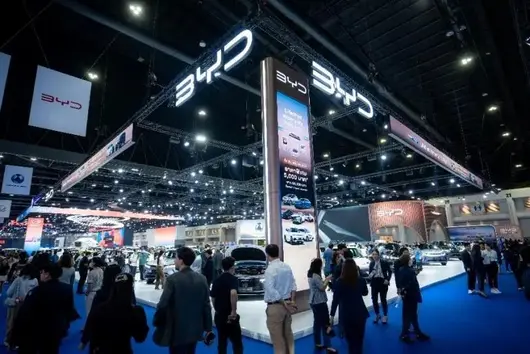
On the last day of the Bangkok Auto Show, the temperature in front of the BYD booth was even higher than outside.
The air conditioner was set to maximum, the crowd was packed together, and the emitted heat made the cool air thin. There was a faint scent of sweat in the air.
A Thai boy of five or six years old lay in front of the car's central control screen at the exhibition, his fingers moving fast. The animation on the screen jumped around in response.
His mother stood behind him watching for a while, and in Thai said: “This looks like an iPad.” Several young couples nearby heard and laughed.
The Toyota exhibition area next door was a completely different scene. The exhibition fixtures were polished to a shine. Sales staff wore dark grey suits, neatly ironed, standing with hands folded on the side of the booth. After standing there all morning, he looked down and scrolled through Line.
When the monthly data came out, the entire industry was stunned.
Chinese brands sold 43,791 vehicles in Thailand, while Japanese cars sold 43,789 vehicles.
With a narrow advantage of just two vehicles, Japanese cars, which had dominated Thailand for over sixty years, were pushed off the monthly top spot by Chinese brands for the first time, even though this was a pulse market driven by rushed registrations before the EV3.0 subsidy expired.

That month, the pure electric market was a landslide. Chinese brands took more than three-quarters of the market share. BYD alone sold nearly 13,000 vehicles, ranking only behind Toyota among all brands.
In the car flow on the streets of Bangkok, new faces with familiar logos appeared more frequently.
A Chinese local running a travel agency took a photo at a traffic light intersection. On the left was a BYD Seal, and on the right was a Toyota Camry.
He posted it on WeChat Moments with four characters: Times are changing.
On the first day of February, Thailand's electric vehicle subsidy policy shifted gears.
Switching from EV3.0 to EV3.5, the subsidy per vehicle was cut from a maximum of 150,000 Baht to 100,000. Imported vehicles no longer enjoyed preferential consumption tax; the standard tax rate was restored, and subsidies no longer covered imported vehicles.
Chinese brands that previously relied on imported models to lead the charge saw terminal prices jump instantly. BYD saw some models rise by about one-third, while a key MG model was directly adjusted up by 100,000 Baht.
The market cooled faster than anyone predicted.
Data from the Federation of Thai Industries shows that February pure electric vehicle sales plummeted by over eighty percent month-on-month.
The market share of Chinese brands across all categories dropped sharply from 47.3% to 11.65%. BYD fell from over 12,000 units to less than 300. Not a single Chinese brand entered the top five that month.

In a BYD showroom in northern Bangkok, a Thai female salesperson named Kim experienced it all. She is in her early thirties, a local from Bangkok, and previously sold cars at Toyota for 5 years.
She jumped ship because she found that more and more young people coming to the Toyota store mentioned a Chinese brand she had never heard of.
In the week of the January Auto Show, she signed 17 orders, more than double her average monthly sales volume at Toyota. In February, she didn't sell a single car.
In her phone, she saved a photo taken on the last day of the January Auto Show. On the whiteboard in the corner of the booth, the day's order count was written in scrawl. Next to the number, someone drew a funny face.
Asked why she didn't quit. She didn't answer directly. After a while, she said: “There are more and more Chinese cars on the street, this will be the future of Bangkok streets.”
It rained outside the showroom. She stood at the door watching for a while. The rain wet a row of cars parked on the street opposite. There were Toyota and Honda, but also BYD and Great Wall.
From peak to ice point, the calendar turned a page. Chinese brands did not exit completely and soon came back with a vengeance.

In March, Chery sold 2,155 vehicles, ranking fifth. MG sold 1,625, ranking seventh. Great Wall sold 1,350, ranking ninth.
In April, during the Bangkok Auto Show, Chinese brands exploded again. Reservation volume reached 90,530 units, accounting for nearly seventy percent. BYD topped the list with 17,354 reservations, surpassing Toyota's 15,750. In the top ten, except for Toyota and Honda, all 7 seats were occupied by Chinese brands.
At that time, what Kim did not know was that the policy change she feared came again in May.
In May, the Thailand Electric Vehicle Association, in conjunction with 10 automotive industry associations, submitted a document with 8 emergency policy suggestions to the government. The association representatives exceeded 1,500 enterprises.
The wording in the document was restrained, but the meaning was clear: some car companies were importing complete vehicles from China using zero tax rates instead of local production, which had already hurt Thailand's local component manufacturers.
Almost at the same time, Japanese Ambassador to Thailand Masato Otake publicly stated: “Shifting to electric vehicles completely at this stage is a bit too early.”
Behind these proposals and statements was the vast interest network built by Japanese car companies in Thailand over 60 years.
The automotive industry is a pillar industry in Thailand, accounting for more than ten percent of GDP. Thailand is the largest in ASEAN and the 10th largest in the world for car production, with more than 2,200 enterprises setting up operations here.
Rayong is southeast of Bangkok, less than two hours by car.
Japanese car companies gathered factories and thousands of component enterprises there for over 40 years. In the 1980s, workshops echoed with Japanese, but now Chinese can be heard.
7 major Chinese car companies have established complete vehicle production bases in Thailand, with a combined planned total capacity exceeding 600,000 vehicles.

The BYD Rayong factory has a designed annual capacity of 150,000 vehicles. In the two years since production started, cumulative deliveries have exceeded 130,000 vehicles. Changan's Rayong factory total investment exceeds 10 billion Baht, with Phase 1 annual capacity of 100,000 vehicles.
On the surface, Chinese enterprises are targeting the Thai market, but the true strategy is grander.
Right-hand drive markets cover India, Japan, UK, Australia, and other countries and regions, accounting for about 35% of the global population. Right-hand drive vehicles require separate design for steering devices, instrument panels, pedal structures, braking systems, airbags, wiring harnesses, and many other components. Building a new right-hand drive supply chain from scratch is difficult to estimate in terms of cost and time.
Chinese enterprises chose a smarter path, directly utilizing the industrial ecosystem Japan accumulated in Thailand over decades.
BYD, Changan, Great Wall, and Dongfeng Xiaokang do not view Thailand just as the Thai market, but as the starting point for the right-hand drive global market.
Japanese media calls this change “Thai Right-Hand Drive Automotive Supply Chain, China Replaces Japan”.

According to a series of reports by Nihon Keizai Shimbun in 2025, the market share of Japanese brands in major ASEAN countries such as Indonesia, Thailand, and Vietnam are all declining. Indonesia fell below 81%, Thailand dropped to 68%, and Vietnam fell to 33%. At the same time, the market share of Chinese brands in New Energy Vehicles in the six ASEAN countries exceeded 60%. Thailand 78%, Indonesia as high as 91%.
The same report also mentioned another interesting trend: Japanese car companies are rapidly expanding the procurement of Chinese components. Chinese components have a 30% to 40% cost advantage, and the speed is much faster. Chinese enterprises can mass-produce 10 months after receiving an order, while Japanese companies take a year and a half or more.
The Vice President of Toyota Gosei, a resin component company, said: “There is no longer a gap in quality.”
In the evening in Rayong, outside the walls of Japanese factories, the lights of Chinese factories are turning on.
A Thai technician named Anucha worked at a Toyota factory for 20 years. He quit at the end of 2025 and reported to Great Wall in early 2026. He said: “They pay 3,000 Baht more.” 3,000 Baht is equivalent to about 600 Yuan.
Anucha is responsible for a process on the battery pack assembly line at the Great Wall Rayong factory. When passing in front of the Toyota factory, sometimes he stops to smoke a cigarette, looking at the other side of the wall.

From May to July, the market gradually returned to normal. Chinese brands overall market share stabilized around 17%, moving out of the valley bottom of 11.65% in February, but never again saw the near-50% pulse situation of January. Chinese brands still accounted for about 90% of the pure electric market, but fuel vehicles and pickup truck markets were still held by Japanese companies.
Kim knew little about Rayong; she only saw the flow of customers in the showroom slowly returning. In March, people started coming into the store.
One afternoon in May, she signed a new customer, a Thai middle-aged man in his 50s, who had driven Hondas for over 20 years.
Kim asked why he thought of switching to a Chinese car. The other party said: “I tried them all. For a similar price, Chinese cars offer much more configurations and are easier to drive.”
Before the lights turned on on both sides of the Rayong walls, the first Chinese light that Thais saw was actually a bowl.
Lampang Rooster Bowls originated from ceramic skills brought by Chinese immigrants, used in noodle shops for noodle soup, and at street stalls for soup noodles.
Because they are hand-painted, every bowl has a different rooster, seen as a cultural calling card of Lampang Province by locals.
Later, Thais discovered China also has Rooster Bowls, produced on assembly lines with industrial printing. The production capacity is dozens of times that of hand-painted bowls, and the price is less than one-quarter.
A large influx of Chinese Rooster Bowls made local workshops fall apart.

Thais were angry: “Thai Rooster Bowls are artworks, each with a soul. How can soulless Chinese goods compare.”
More destructive than Rooster Bowls are motorcycles.
In the late 1990s, Chinese motorcycles entered Southeast Asia en masse. For the same model, Japanese motorcycles sold for $2,100, while Chinese motorcycles sold for $1,200 to $1,300. The price advantage pushed Chinese motorcycles to 80% of Vietnam's market share.
But Japanese motorcycles could be ridden for 10 years, while Chinese motorcycles had problems in a year or two. “Made in China” was solidified in Southeast Asia as a synonym for low quality and cheap.
These lessons were remembered by later Chinese enterprises when entering Thailand.
In 2002, Haier came. The first batch of products were moved over directly, but they didn't push. Haier did one thing: rooted. Local R&D, local manufacturing, local marketing.

Targeting the pain point of Thailand's hot weather where turning on the air conditioner at midnight easily leads to catching a cold, they developed voice-controlled air conditioners. By 2025, Haier's market share in Thailand rose to 14.5%, maintaining first place.
Around the same time, OPPO, Huawei, and Xiaomi also entered. The Thai public's perception of Chinese mobile phones slowly changed from “cheap” to “technology”.
From cheap to advanced, this cognitive shift is most intense in the automotive field.
Research by Southeast Asian independent brand communication consulting firm Vero shows that 72% of Thai consumers have a good impression of Chinese cars, believing they are affordable, technologically advanced, and fashionable.
In the Rooster Bowl workshop in Lampang, an old craftsman sat in front of the potter's wheel, hands turning. The bowls he made, the rooster was still painted stroke by stroke. He said: “Now no one buys hand-painted bowls. The stamped bowls from China are too cheap.”
He occasionally heard people mention that young people graduating from Lampang schools are working at factories in Rayong, earning much higher wages than in town.
At dusk of a bowl, is the boom of a movie and the dawn of a car.

In a Bangkok cinema, before the screen lit up, the BYD logo lit up first.
In July this year, the Chinese movie Love Letter to Grandma premiered in Thailand. BYD took exclusive sponsorship. On the opening night, BYD Thailand General Manager took the stage to give a speech.
A few days later, BYD's cumulative deliveries in Thailand exceeded 130,000 vehicles. The 130,000th vehicle was handed to the actress who played Grandma in the film.
BYD people said quite truthfully: “Use a movie about family affection to build a bridge between the audiences of the two countries.”

The Thai electric vehicle market is expanding at an amazing speed.
In the first half of 2026, electric vehicle registrations exceeded 100,000, a year-on-year increase of over 90%, and the penetration rate of the new car market reached 30%. At the beginning of the year, industry institutions predicted that annual sales would exceed 150,000 vehicles.
In the past few decades, car advertisements on Thai screens were almost completely taken over by Japanese brands.
Toyota advertisements were played on TV in loops. In Thai dramas, the car driven by the protagonist was no surprise Toyota, Honda, or Mitsubishi. Now Chinese brands are starting to broadcast on movie screens.

Changan shot three Thai-style short films “Thai Swift” “Thai Understands” “Thai Comprehensive” around the Rayong factory, using Thai language and humor to tell the story of Chinese brands.
On the same land, Japanese media is telling the same story with another visual language.
At the end of 2024, Nihon Keizai Shimbun released a documentary called “The Disappearing Engine Sounds of Thailand”, filming how Chinese electric cars are taking the market from Japanese cars.
Japanese people have never let go of their pride, but they also have to bow their heads and endure.
In the latest registration data of July, 7 Chinese brands were on the top 10 list of new cars in Thailand, but Toyota's single-month sales of nearly 20,000 vehicles still led by a wide margin.
On the brand sales list for the first half of the year, Toyota accumulated over 100,000 units, up 11.3% year-on-year. BYD ranked third with over 25,000 units, lagging behind Honda's 40,000. Chery grew amazingly, breaking 20,000 units, up more than 10 times year-on-year. MG, Aion, and Great Wall also squeezed into the top 10.
From 2020 to 2026, the market share of Chinese brands in Thailand climbed from an almost negligible 3.4% to 47.34%. Japanese cars slid from a high of 86.7% to around 47.33%.
In a Toyota repair shop in a small town in central Thailand, owner Somchai voiced another side. He is over 50 years old and has repaired Japanese cars all his life.
“Toyota cars are easy to fix,” he said. “If the wires break, connect them and it goes. Chinese electric cars break and you have to wait for parts. Who can wait a month?”
Then he laughed: “I also bought my daughter a Chinese electric car. It's good-looking, smart, quality is not bad, she likes it very much.”
This is the real picture of the Thai market. The consumption preferences of middle-aged people and young people are diverging, and reason and emotion are going their separate ways.
In fact, Chinese cars are only showing half their advantage in Thailand. Fuel saving, quiet, and high configurations are these real benefits.
The other half of the advantage, intelligence, is basically useless in Thailand.
Google Maps doesn't work well, and many drivers still use mobile phone navigation. Assisted driving is stuck at L2 level. Highway pilot and urban pilot are difficult to land.
Many models going out to Thailand have canceled LiDAR, or kept hardware but locked high-level intelligent driving functions, because local compliant high-precision maps are missing.

Charging infrastructure is also a problem. As of January 2026, Thailand already had 4,643 public charging stations and 13,977 public charging interfaces, but finding a charging pile outside of Bangkok is still anxiety-inducing.
When Kim took customers for test drives, the most asked question was charging. She had to patiently explain where the pile was, how long to charge, and how far to run. Sometimes customers shook their heads and left halfway through.
At the same time, cost is not an advantage. The ten component industry alliance led by the Thailand Electric Vehicle Association EVAT pointed out that under equal conditions, electric vehicles manufactured locally in Thailand cost 30% to 40% more than complete vehicles imported directly from China. Also, policy is uncertain. The EV3.5 policy expires at the end of 2027.
After the market digestion from May to July, Chinese cars are still everywhere. Toyota and Honda fuel pickups still account for a large proportion of the car flow.
Geopolitics is another ceiling. US tariffs on Chinese electric vehicles rose from 25% to 100%, starting to focus on checking transshipment assembly of Chinese brands assembled in Thailand.
Kim does not care about these, only caring about whether there are more guests in the showroom. Fortunately, performance has been getting more stable these past few months. Kim plans to buy another house with a mortgage.
That Rooster Bowl is still there, but now in Bangkok malls, you have to run to many places to find a Rooster Bowl. However, huge ads for Chinese electric vehicles are everywhere in the malls. There are even Chinese car showrooms and enthusiastic sales staff running around.

Kim is still full of energy and full of expectation for the future. Anucha has worked for half a year at Great Wall Rayong factory and has already called on several people around him to buy Great Wall cars. Somchai's daughter has driven a Chinese electric car for over half a year. When Somchai charges the car, sometimes neighbors will talk to him about Chinese cars and Japanese cars, and he answers with a smile.
The buzz of “Love Letter to Grandma” passed in Bangkok, but Chinese cars are everywhere. The reversal in January was a sudden firework triggered by policy. The data from May to July is the new normal of the Sino-Japanese car rivalry marathon.
On the streets of Bangkok, the green light is on. Cars from different countries pour out at the same time. No one is waiting for anyone, and no one is yielding to anyone...

喺馬來西亞嘅 SUV 市場,好多買家喺揀車嘅時候都會拿 Honda HR-V 同 Mazda CX-5 做比較。呢兩款車喺價位同定位上都幾接近,今日我哋就從多個方面做一個詳細嘅比較,幫你省咗做功課嘅時間。
Honda HR-V 喺馬來西亞嘅 OTR 售價係 RM 115,900 - 143,900,一共 4 個版本,包括 2026 e:HEV 1.5L RS(RM 143,900)、2026 1.5T V(RM 137,900)、2026 1.5T E(RM 130,900) 等。
Mazda CX-5 喺馬來西亞嘅 OTR 售價係 RM 135,469 - 166,760,一共 3 個版本,包括 2025 2.0L AT 35th Anniversary(RM 316,154)、2025 2.0L AT(RM 296,154)、2025 2.0L MT(RM 294,154) 等。
由價錢睇,Honda HR-V 嘅起步價確實比 Mazda CX-5 平咗 RM 19,569。如果你預算有限,Honda 嘅入門版已經可以满足日常需要。但都要注意,平嗰啲幾千蚊,可能喺配備上會有取捨,具體要睇你嘅需要。

Honda HR-V 採用 FWD 驅動方式。
Mazda CX-5 採用 FWD 驅動方式。
兩款車嘅驅動方式一樣,都係 FWD,日常駕駛感覺唔會有太大分別。

Honda HR-V 保修 5 年/無限里程,保養間隔 每 10,000km 或 6 個月。
Mazda CX-5 保修 5 年/150,000km,保養間隔 每 10,000km 或 6 個月。

Honda HR-V 同 Mazda CX-5 都係馬來西亞市場嘅主流選擇,適合家庭使用、日常通勤。如果你更睇重品牌口碑同二手價,可以優先考慮口碑更好嗰一款;如果你更在意性價比同配備,那就揀配備更豐富嗰款。最終都係建議兩款都去試駕,親身體驗先係最緊要嘅。

總體嚟講,Honda HR-V 同 Mazda CX-5 都係馬來西亞市場好唔錯嘅車型。揀邊一款,關鍵都要睇你嘅個人需要同預算。建議大家做好功課,多比較幾間車行嘅報價,再去試駕做最後決定。買車係件大事,花啲時間做功課絕對唔會錯。


In Malaysia's SUV market, many buyers compare the Honda HR-V and Toyota Yaris Cross when selecting a car. Both cars are quite close in price and positioning. Today, we will make a detailed comparison from multiple aspects to help you save time on research.
The Honda HR-V OTR price in Malaysia is RM 115,900 - 143,900, totaling 4 versions, including 2026 e:HEV 1.5L RS (RM 143,900), 2026 1.5T V (RM 137,900), 2026 1.5T E (RM 130,900), etc.
The Toyota Yaris Cross OTR price in Malaysia is RM 99,900 - 109,900, totaling 2 versions, including 2026 1.5L Standard (RM 99,900), 2026 HEV 1.5L Standard (RM 109,900), etc.
From a price perspective, the starting price of the Toyota Yaris Cross is RM 16,000 cheaper than the Honda HR-V. Honestly, at this price range, a difference of a few thousand is not actually significant; the key lies in overall cost-performance and long-term usage costs.
The Honda HR-V is equipped with a 1.5L Turbo, horsepower 140 hp. Official fuel consumption 7.0 L/100km.
The Toyota Yaris Cross is equipped with a 1.5L 4-cyl, horsepower 105 hp. Official fuel consumption 6.0 L/100km.
In terms of power, the Honda HR-V's 1.5L Turbo has 35 more horsepower than the Toyota Yaris Cross's 1.5L 4-cyl, providing more confidence in mid-range acceleration, especially when overtaking on highways. However, the Toyota Yaris Cross's fuel consumption might be more friendly; the difference in daily city commuting will not be too large.
The Honda HR-V safety rating is 5★ (ASEAN NCAP), active safety systems include Honda SENSING (ACC, CMBS, LKAS, RDM).
The Toyota Yaris Cross safety rating is 5★ (ASEAN NCAP), active safety systems include TSS.
Both cars have the same safety rating, safety features are quite comprehensive within this class. New car safety is not poor nowadays, no need to worry too much about this.
Honda HR-V body length 4500 mm, trunk 450 L.
Toyota Yaris Cross body length 4400 mm, trunk 400 L.
In terms of space, the Honda HR-V body is 100 mm longer than the Toyota Yaris Cross, the interior passenger space will be slightly more spacious, especially rear seat legroom. If you often carry family members or need to fit a stroller, a larger body is indeed more practical.

The Honda HR-V and Toyota Yaris Cross are both mainstream choices in the Malaysian market, suitable for family use and daily commuting. If you value brand reputation and resale price more, you can prioritize the one with better reputation; if you care more about cost-performance and features, then choose the model with richer configuration. Ultimately, it is still recommended to test drive both models, personal experience is the most important.

Overall, the Honda HR-V and Toyota Yaris Cross are both very good models in the Malaysian market. Which one to choose, the key still depends on your personal needs and budget. We suggest everyone do their homework, compare quotes from multiple dealerships, then go test drive to make the final decision. Buying a car is a major matter, spending some time doing homework will absolutely not be wrong.

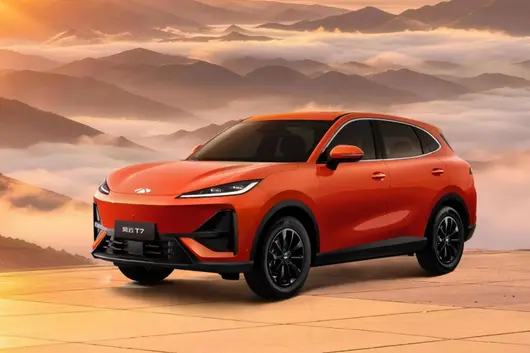
On August 26, at the Yanqi Lake International Convention Center in Beijing, Chery held a press conference to officially launch the global quality pure electric SUV Fengyun T7, introducing three versions: Enjoyment Edition, Comfort Edition, and Intelligence Edition, with an official launch price ranging from 97,900 yuan to 118,900 yuan, and a priority trade-in price from 94,900 yuan to 115,900 yuan.

At the press conference, well-known musician Hank Wu appeared as a surprise guest as a "Happiness Experience Officer", chatting with Chery Automotive Executive Vice President Li Xueyong on the topic of "Steady Happiness", sharing driving experiences and interpreting the steady happiness brought by Fengyun T7. Both parties agreed on the philosophy of "Slow Craftsmanship Builds Good Cars", officially launching the Fengyun T7 "Happiness Co-creation Plan" on-site, calling on everyone to discover happiness moments in life.
From pre-sale leadership, global standards, global verification, and global adaptation to delivery upon launch, Fengyun T7, with sincere pricing and global strength, released the product momentum of "Global Quality Pure Electric SUV", unlocking a "Beautiful and Better" car life for global users and guarding every bit of steady happiness.

"Global quality extracts refined craftsmanship, slow work and fine details are not compromised. Thousands of hammerings reveal the truth, steady happiness lasts longer," introduced Chery Executive Vice President Li Xueyong. Fengyun T7, with global quality as the foundation, relies on four core values: Super Performance, Global Aesthetics, Safer, and Smart Intelligence, as well as six major redundant product strengths including crash safety, battery safety, range equity, full-domain energy saving, handling performance, and whole-vehicle validation, providing a reliable and reassuring pure electric travel choice for global users.

Super Performance, Global Aesthetics, Safer, and Smart Intelligence, Four Core Values,
At the press conference scene, Li Xueyong focused on introducing the four core values of Fengyun T7.
Super Performance: All series standard 65.05kWh Rhinoceros battery, CLTC range 600km, tested range 667+km with reverse false labeling, 30%-80% fast charging only 20 minutes; dual-source wide-temperature range heat pump + 14 low drag designs, winter range increased by 30%, 12-in-1 Kunpeng Electric Drive comprehensive efficiency 90.8%, leading in the class.
Global Aesthetics: Relying on 10 global design centers, over 100 designers collaborated to create, 5,000+ users co-created, blending Eastern elegance with global aesthetics, 6 Eastern elegant paint colors, unique in-class Blazing Orange Tri-coat three-layer luxury car grade craftsmanship; Cloud Wing wrap-around cockpit transparent and premium, two interior colors adapt to different aesthetics, balancing aesthetics and home practicality, long-term use does not easily appear old.
Safer: High-strength steel accounts for 80%, unique in-class shotgun structure, world premiere dual-frame subframe + Pack anti-collision beam; maximum 9 airbags in class; 6D Armored Lock 31-layer battery protection, IP68 waterproofing reaches 96 times the national standard, side anti-compression reaches 2 times the national standard, guarding family travel comprehensively.
Smart Intelligence: World premiere 4nm process 8775 cockpit-integrated chip, 72TOPS computing power, system response as low as 80ms; Lingxi Smart Cockpit 2.0 x Doubao Large Model, full-scenario fuzzy voice interaction; 22 high-precision sensors, support 300+ full-scenario automatic parking, highway pilot assistance, all series standard AGS Intelligent Grille.

Upholding Three "Cannot Rush" Commitments and Promising Two Bottom-Line Policies
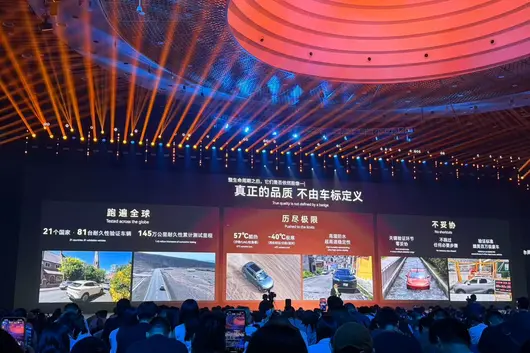
"Cars are not fast-moving consumer goods, they carry the travel safety of millions of families, facing different road conditions in all parts of the world, high temperature and cold, salt alkaline and damp tests. Sometimes, we really dare not save time," Li Xueyong introduced. 1. R&D cannot rush, whole vehicle, three-electric, and intelligent driving must be repeatedly polished and iterated; 2. Validation cannot rush, reliability must be run out through real global scenarios; 81 test vehicles, 21 countries, 1.45 million km extreme durability tests, developed according to 2026 Edition E-NCAP European five-star safety standards, no paper parameters; 3. Global user co-creation cannot rush, visiting users in multiple countries, listening to real vehicle usage demands of different families.
Li Xueyong said, Fengyun T7 is not late, it is just the time a good car should take. A true global car is not built domestically then modified and sold overseas, but developed according to global standards from the first day of the project, verified through overseas markets first, then returned to China for Chinese consumers. The overseas same-source model Lepas L6 has already been launched in Thailand and South Africa, later landing in EU, Indonesia, and Australia/New Zealand markets.
Finally, Li Xueyong promised users two bottom-lines:
1. Battery safety guarantee: If thermal runaway is caused by quality issues with the Chery battery pack itself, we will compensate with a brand-new car of the same model;
2. Intelligent driving guarantee: Falcon 500 assisted driving, within 1 year of purchase, if the accident is caused by system issues, compensation up to 5 million.
"At the same time, providing users with whole vehicle + three-electric system lifetime warranty; 666 yuan optional purchase of lifetime basic maintenance package, reducing family car maintenance pressure. Trade-in subsidies, 2 years 0-interest financing, free exclusive paint and other rights and interests are given to everyone," Li Xueyong said.

26 Ogos, Chery Fengyun SUV Elektrik Murni Global Berkualiti Baharu, Fengyun T7 Rasmi Dilancarkan, kereta baharu menawarkan tiga variasi: Varian Nikmat 600km, Varian Selesa 600km, dan Varian Pintar 600km, harga panduan pelancaran antara 97,900 - 118,900 Yuan, harga ganti terawal 94,900 - 115,900 Yuan, dan melaksanakan serahan serta pelancaran, membawa pilihan baharu kepada pasaran SUV Elektrik Murni Rumah Tangga peringkat 100,000 Yuan. Sidang media dengan tema "Kebahagiaan yang Mantap", artis muzik terkenal Wu Kequn menyandang jawatan "Pakar Pengalaman Kebahagiaan", berbincang mengenai kebahagiaan keluaran bersama Li Xueyong, Vice Presiden Eksekutif Chery Automobile, kedua-dua pihak bersetuju dengan falsafah pembuatan kereta jangka panjang "Kerja perlahan menghasilkan kereta bagus", melancarkan secara bersama "Rancangan Co-creasi Kebahagiaan" di tempat, mengundang pengguna untuk menggali titik-titik kebahagiaan dalam kehidupan harian bersama-sama.

Dalam persekitaran persaingan industri tenaga baharu yang mengejar kelajuan iterasi, mengamalkan "kekuatan tiada siapa boleh lawan" dalam keadaan sengit, Fengyun T7 berjalan keluar dari laluan pembuatan kereta yang berbeza. Sebagai sebuah kereta global asli, kereta baharu bergantung kepada sistem penyelidikan dan pembangunan global "1+7+N" Chery, mengalami kitaran penyelidikan dan pembangunan selama 3 tahun, mengumpulkan 10 pusat desain global terkemuka, lebih 100 pereka membangunkan secara berkerjasama, menyelesaikan 5000+ kajian pengguna global, membangunkan dan direka bentuk menyasarkan piawaian keselamatan 5 bintang E-NCAP edisi 2026, bukan sekadar penubuhan semula model domestik untuk dieksport, tetapi sebaliknya membuat pelarasan awal untuk 210 negara dan wilayah di seluruh dunia. Keseluruhan kenderaan melabur 81 unit kereta ujian ketahanan, menyelesaikan pengesahan ketahanan khas 1.45 juta kilometer, digabungkan jumlah melebihi 6 juta kilometer ujian jalan kereta sebenar di seluruh dunia, jejak merentasi 21 negara, menghadapi ujian 95% jenis jalan di seluruh dunia seperti jalan bergelombang Brazil, jalan batu berbatu Mexico, tikungan berkecepatan tinggi Jerman, jalan lumpur tidak berturap Afrika Selatan, boleh berfungsi stabil dalam julat suhu ekstrem -40°C hingga 55°C, mengalami ujian ketat 7 persekitaran ekstrem termasuk suhu tinggi, sejuk ekstrem, lembap tinggi, model asal Lepas L6 sudah mendarat di Afrika Selatan, Thailand, seterusnya akan beransur-ansur mendarat di pasaran luar negara seperti Indonesia, Uni Eropah, Australia-New Zealand.

Dari segi produk, Fengyun T7 berkisar di sekitar 4 nilai utama "Laju Luar Biasa, Cantik Global, Lebih Selamat, Pintar Baik", membina kekuatan "6 lapisan keselamatan tambahan" keselamatan perlanggaran, keselamatan bateri, kesamarataan jarak jauh, penjimatan tenaga keseluruhan, prestasi pengendalian, pengesahan keseluruhan, meletakkan konfigurasi tahap tinggi ke pasaran peringkat 100,000 Yuan, memecahkan keadaan umum industri di mana jarak purata versi pengenalan mengecut, konfigurasi keselamatan dikurangkan.
Dari segi jarak jauh, Fengyun T7 mencapai kesamarataan jarak jauh yang sebenar, ketiga-tiga versi dilengkapi standard bateri Rhinoceros 65.05kWh di seluruh sistem, jarak jauh CLTC 600km, ujian sebenar jarak jauh boleh mencapai 681.6km, mencapai penandaan palsu songsang, cas pantas 30%‑80% hanya memerlukan 20 minit, kitaran hayat bateri melebihi 2500 kali. Seluruh sistem dilengkapi AC pam haba suhu lebar dua sumber + PTC tekanan tinggi dan gril masuk udara pintar AGS, secara berkesan memperbaiki reputan jarak jauh dalam persekitaran suhu rendah, sama ada musim sejuk utara atau panas terik selatan, menjamin prestasi jarak jauh stabil, menghapuskan kebimbangan jarak pengguna.

Keselamatan adalah asas kebahagiaan keluaran keluarga. Fengyun T7 menggunakan badan kenderaan seperti sangkar batu granit 9 melintang 5 menegak, 80% nisbah keluli berkuat kuasa tinggi, dilengkapi dengan struktur Shotgun yang unik dalam kelas, gandar bawah bingkai ganda terbitan pertama dan palang hentak bateri, dilengkapi dengan 9 bantal udara paling banyak dalam kelas, termasuk bantal udara jauh 48L. Baterai Rhinoceros mempunyai 6D perisai kunci 31 lapisan perlindungan, keupayaan menentang pengecasan sisi adalah 2 kali piawaian negara, melalui ujian ketat seperti防水 IP68, 1000 jam kabut garam, pembakaran jangka panjang, dari struktur badan hingga ke pek bateri membina pelindung keselamatan berlapis. Chasis disetel oleh pasukan pakar antarabangsa, mempunyai nisbah beban gandar emas 50.8:49.2, ujian rusa 80km/h, kedalaman air 500mm, menyerasikan kestabilan kelajuan tinggi dan keupayaan laluan melalui jalan raya kompleks.
Dari segi kecerdasan dan ruang, Fengyun T7 dilengkapi cip terpadu kabin dan pemanduan terbitan pertama dalam kelas proses 4nm 8775, kuasa pengiraan 72TOPS, dilengkapi dengan kabin pintar Lingxi 2.0 dan model besar Doubao, menyokong interaksi suara semantik kabur, mempunyai pelbagai mod suasana seperti berehat, perkhemahan, bayi, haiwan peliharaan; seluruh kereta 22 sensor ketepatan tinggi, mencapai 300+ parkir automatik seluruh suasana, bantuan navigasi kelajuan tinggi, menyelesaikan masalah parkir komuter bandar. Jarak paksi mencapai 2700mm, nisbah ruang dalam kenderaan 84%, kapasiti biasa peti belakang 450L, selepas kerusi dilipat boleh mencapai mod katil rata besar 1955mm×1310mm, kerusi rasa awan 9 lapisan menyokong pemanasan pengudaraan, 38 ruang storan, mencukupi untuk pelbagai situasi perjalanan keluarga, perkhemahan rehat, komuter harian, meletakkan "Kebahagiaan yang Mantap" ke dalam butiran penggunaan kereta yang sebenar.

Dari segi dasar pelancaran, dari kini hingga 30 September, berpesan Fengyun T7 boleh menikmati 8 faedah berat: nilai 6000 Yuan warna kereta unik Oren Api Terbakar, Ungu Kabut Gunung masa terhad percuma; menyediakan skim kewangan 2 tahun 60,000 tanpa faedah atau 5 tahun 100,000 3 tahun tanpa faedah; tanpa mengira jenama boleh menikmati subsidi tukar 3000 Yuan; serentak mempunyai perlindungan asas keselamatan bateri kuasa, bantuan pemanduan pintar sehingga 5 juta pampasan kemalangan; 666 Yuan boleh memilih pakej penjagaan asas sepanjang hayat bernilai 3999 Yuan, juga termasuk jaminan sepanjang hayat keseluruhan (termasuk 3 komponen kuasa utama), hadiah data dan faedah lain. Tempoh pra-jualan deposit 1000 Yuan ditukar 2000 Yuan hak pembelian kereta dilanjutkan sehingga 31 Ogos 24:00 tamat, mengurangkan ambang pembelian kereta pengguna.
Dari penyelidikan global, pengesahan global sehingga serahan serta pelancaran, bergantung kepada Chery terkemuka 23 tahun berturut-turut eksport kenderaan penumpang jenama China, pengumpulan lebih 20 juta pengguna di seluruh dunia, Fengyun T7 dengan kualiti global, menetapkan penanda aras baharu nilai bagi SUV Elektrik Murni peringkat 100,000 Yuan, membolehkan keluarga biasa menikmati pengalaman keluaran elektrik murni berkualiti tinggi yang telah melalui ujian ketat global, menjaga kebahagiaan yang mantap dalam setiap perjalanan biasa.

8 月 26 日,奇瑞全球品質純電 SUV 風雲 T7 正式上市,共推出 3 個版本,官方指導價 9.79‑11.89 萬元,搶先換購價低至 9.49 萬元起。音樂人吳克群作為幸福體驗官到場,圍繞“穩穩的幸福”展開對話,並共同啟動「幸福共創計劃」,新車實現上市即交車。

新車續航實測 681.6km 反向虛標,標配 65.05kWh 犀牛電池與 9 氣囊,歷經 600 萬公里全球嚴苛測試,10 萬級純電 SUV 實現安全、智能、空間全維高配,更有八重權益限時享。八重權益,包含限時免費個性車色、金融、換購補貼,還有動力電池、智駕兩大兜底保障,整車 + 三電終身質保等福利,預售 1000 抵 2000 元訂金權益延期至 8 月 31 日。

作為一臺原生全球品質車,風雲 T7 依托全球 1+7+N 研發體系,歷經 3 年研發週期,對標 2026 版 E‑NCAP 五星安全標準開發,完成 21 個國家實車驗證,整車累計大量耐久測試,歷經高溫、高寒、高濕、高鹽鹼等極限環境試煉,可適配‑40℃~55℃超寬溫域環境,覆蓋全球 95% 道路類型。其同源車型 Lepas L6 已在南非、泰國上市,後續將登陸歐盟、澳新等海外市場。


產品層面實力不容小覷,風雲 T7 圍繞超能跑、美全球、更安全、好智慧四大核心價值,打造碰撞安全、電池安全、續航平權、全域節能、操控性能、整車驗證“六大冗餘”硬核實力。犀牛電池 30%-80% 快充僅需 20 分鐘。搭載雙源寬溫域熱泵空調,解決低溫續航衰減痛點。安全上,80% 高強度鋼磐石車身、9 氣囊、31 層 6D 鎖子甲電池防護,構築雙重安全堡壘;同級首發 8775 艙駕一體晶片,搭配靈犀智艙 2.0 與豆包大模型,支持 300+ 全場景自動泊車、高速領航輔助,智能體驗拉滿。

底盤由國際團隊調校,前後軸荷接近均衡比例,過彎不推頭,高速不發飄;過減速帶、走爛路時,也能帶來越級的濾震質感。不是說它能媲美二三十萬的車型,但在 10 萬級 SUV 裡,屬於開着不會感覺廉價的那種,日常通勤和短途出遊都能給人底氣。

智能配置上,風雲 T7 也沒搞高配專屬。車機採用同級首發的高規格晶片,響應速度更快,滑動、點按基本沒有延遲,還搭載了豆包 AI 大模型,語音交互不生硬,查路線、控制功能、閒聊都能用。

全車 22 顆傳感器加持的駕駛輔助系統,高速領航、全場景自動泊車都支持,新手停窄車位、跑長途可以省不少事。就連 AGS 智能進氣格柵這種細節,都是全系標配,可以在跑高速時降低風阻、低速時保證散熱,從而優化續航。

憑實力,更憑底氣,發布會上,風雲 T7 推出兩項兜底權益。動力電池安全兜底:因動力電池自身原因導致整車發生熱失控損毀,奇瑞將賠付同款新車或不低於原車配置新車;輔助駕駛兜底:自購車之日起一年內,在“泊車場景”、“智能領航場景”判定為“智能駕駛輔助系統原因”導致事故,造成車上人員傷害與第三者損失賠償的,最高賠償 500 萬元。

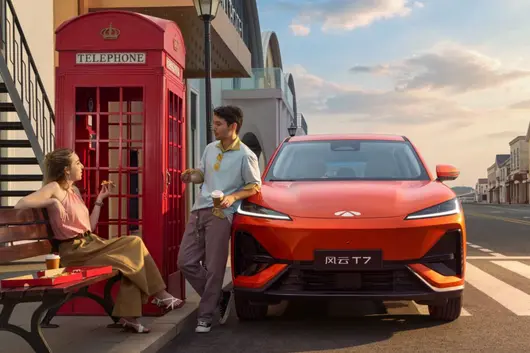

Currently, intense competition in the new energy vehicle industry has intensified, and many car manufacturers pursue rapid product launches, making“fast-track car manufacturing”an industry phenomenon. However, the newly launched Fengyun T7 adheres to the long-termist philosophy of“Slow Work Builds Good Cars,”carving out a unique path for car manufacturing. As a native global quality pure electric SUV, Fengyun T7 leads with an exchange starting price of 94,900 yuan, first undergoing severe global trials, then returning to the domestic market, delivering a stable and happy travel experience for family users with solid product strength.

Fengyun T7's“slow”is by no means low efficiency, but rather a firm stand on quality standards. Relying on Chery's 1+7+N global R&D system, the new car underwent a 3-year R&D cycle, conducting advance research on global regulations and developed benchmarking the 2026 E-NCAP 5-star safety standards, not simply a facelift of domestic models for export. During the R&D phase, 5,000+ global user surveys were conducted, visiting 15 typical countries to incorporate usage habits of users from different regions into the product definition. 81 durability test vehicles traveled to various parts of the world, with cumulative vehicle testing mileage exceeding 6 million kilometers, and special durability verification reached 1.45 million kilometers. From sub-zero 40°C extreme cold in Scandinavia to 55°C high temperatures in the Middle East, Mexican cobblestone roads, South African unpaved muddy roads, and Southeast Asian rainy season water wading conditions were all included in actual vehicle trials, covering 95% of global road types, resolving potential failure hazards during the R&D phase. The sibling model Lepas L6 has already landed in Thailand and South Africa, with plans to enter the EU, Australia-New Zealand, and other markets later, delivering upon launch to fulfill the real realization of global quality.

Slow polishing yields hard power; Fengyun T7 possesses seven ace strengths, including four full-standard series configurations and three unique configurations in the same class, breaking the industry convention of configuration cutbacks in 100,000-level pure electric models and achieving configuration equality. The four full-standard series configurations are the 65.05kWh super large Rhino Battery, AGS intelligent grille, dual-source wide temperature range heat pump air conditioning + high voltage PTC, and 178kW high-power motor. No distinction is made between high and low trims across the series, providing a CLTC 600km range, with the actual tested range reaching 681.6km, achieving actual range higher than stated, and 30%-80% fast charging taking only 20 minutes. The dual-source wide temperature range heat pump air conditioning effectively improves range in northern winters, ensuring no compromise on range in cold or hot weather. The three unique configurations in the same class are the Rock Solid Body, 9 Airbags, and 8775 Cockpit-Driving Integrated Chip, bringing configurations previously found in high-end models down to the 100,000-level range.

Relying on the seven ace strengths, Fengyun T7 builds six redundancy advantages: collision safety, battery safety, range equality, global energy saving, handling performance, and whole vehicle verification, solidifying four core values: Super Performance, Global Appeal, Enhanced Safety, and Smart Technology. In terms of safety, the Rock Solid Body features 80% high-strength steel, a nine-transverse five-longitudinal cage body paired with a double-frame subframe, and 9 airbags including 48L far-side airbags; the Rhino Battery boasts 6D lock armor with 31 layers of protection, side anti-crushing ability is twice the national standard, IP68 advanced waterproofing, and multi-layer protection to avoid thermal runaway risks. In terms of intelligence, the 4nm process 8775 Cockpit-Driving Integrated Chip provides abundant computing power, equipped with Lingxi Cockpit 2.0 and Doubao Large Model, supporting 300+ full-scenario automated parking and highway pilot assistance to alleviate daily commute pressure. The appearance is co-designed by the world's top 10 design centers, with 6 Oriental Elegance paint colors; Crimson Orange uses luxury car-level three-layer painting process, balancing global aesthetics and Oriental charm. With an 84% interior volume ratio, the cabin features an expandable pure flat bed mode and 9-layer cloud-feel seats, accommodating diverse scenarios of family commute and camping rest.
Not only is the hardware strength solid, Fengyun T7 launches with multiple sincere benefits simultaneously: car color gift, financial gift, exchange gift, plus two bottom-line guarantees for power battery and intelligent driving. The whole vehicle includes lifetime warranty for three-electric systems and other benefits, further dispelling user concerns about car usage.

In an era pursuing speed, slowness is a rare composure. Fengyun T7 uses global standards, million-kilometer trials, and non-compromised configurations to prove that 100,000-level pure electric SUVs can also possess global quality. Not chasing quick success, persisting in Slow Work Builds Good Cars, Fengyun T7 allows ordinary families to enjoy“superb and better”pure electric travel, guarding every bit of stable happiness.
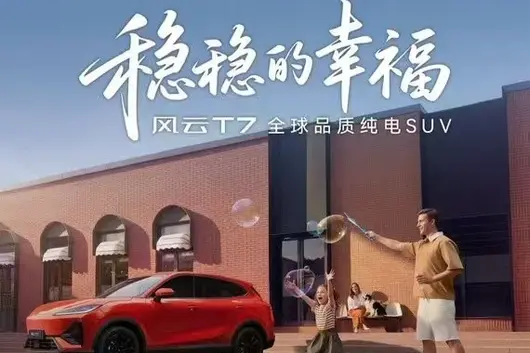

Pada masa ini, Chery Fengyun T7 dilancarkan secara rasmi dengan harga RM 97,900 - 118,900, harga pertukaran terhad masa RM 94,900 - 115,900. Kenderaan baharu ini mempunyai tiga konfigurasi, nilai harga sangat tinggi. Sebelum ini, kereta ini telah dilancarkan di pasaran antarabangsa seperti Thailand dan Indonesia, manakala kali ini untuk pasaran dalam negara.

Yang paling menarik perhatian pada Chery Fengyun T7 bukanlah parameter tunggal, tetapi logik produknya. Tiga model mempunyai sistem kuasa tiga yang konsisten sepenuhnya, semua varian dilengkapi dengan bateri Litiun Besi Fosfat 65.05kWh, julat jarak CLTC seragam 600km, motor hadapan tunggal kuasa maksimum 178kW, tork puncak 275N・m, pengecasan pantas 30%-80% kira-kira 20 minit, sokongan pelepasan kuasa luar 6.6kW, versi asas dan versi teratas tiada perbezaan dalam julat jarak dan sistem kuasa, perbezaan harga terutamanya dari konfigurasi keselesaan dan perkakasan pemanduan pintar.

Dari segi dimensi kenderaan, panjang 4570mm, paksi 2700mm, pekali rintangan udara 0.286Cd, ruang dalaman sangat luas.

Interiornya menggunakan kabin gaya peluk, skrin instrumen 8.8 inci dengan skrin pusat kawalan 15.6 inci 2.5K, dilengkapi cip Qualcomm 8775 terintegrasi kabin dan pemanduan, menyokong interaksi model besar, sokong sambungan telefon pintar utama. Sistem penggantungan hadapan MacPherson + belakang lima batang, 80% keluli kekuatan tinggi, versi asas dilengkapi 9 beg udara, semua varian standard pendingin haba suhu lebar, bateri mematuhi perlindungan IP68.

Perbezaan tiga konfigurasi terletak pada Versi Masuk menerima set lengkap sistem kuasa, pam haba, 9 beg udara dan cip 8775 dan perkakasan utama lain; Versi Selesa menambah keselesaan ventilasi dan pemanasan tempat duduk, imej panoramik 540° dan peralatan selesa lain; Versi Pintar dilengkapi sistem pemanduan pintar Falcon 500, berdasarkan 3 radar gelombang milimeter + 7 kamera jumlah 22 sensor, mewujudkan pemanduan pantas, parkir automatik merentasi aras, undur mengikut jejak 100 meter, menggunakan laluan visual tanpa radar laser.

Menjadikan julat jarak tersedia pada versi masuk adalah pembezaan Fengyun T7 dalam kelas harga yang sama — banyak kompetitor memampatkan kapasiti bateri versi masuk untuk menurunkan harga permulaan. Tetapi perlu dilihat secara objektif, ia tidak mempunyai versi enjin belakang, had pemanduan pintar terhad oleh perkakasan, prestasi julat jarak sebenar masih perlu diuji oleh pengguna sebenar. Secara keseluruhannya, ini adalah SUV elektrik tulen rumah yang berorientasikan realistik, menyeimbangkan julat jarak, ruang, keselamatan dan kecerdasan asas.
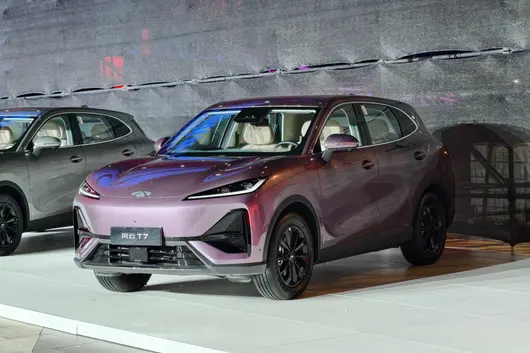


26 Ogos, Chery Fengyun T7 dilancarkan rasmi. Kereta baharu ini mempunyai tiga varian: 600km Versi Nikmat, 600km Versi Selesa, 600km Versi Cerdas. Harga panduan pelancaran RM97,900–RM118,900, harga penukaran prapenerbitan RM94,900–RM115,900. Dalam arena SUV Elektrik Sepenuhnya kelas 100,000 yang sangat kompetitif ini, Fengyun T7 tidak mengambil jalan pintas 'tumpukan spesifikasi', melainkan menggunakan pendekatan tegas dengan kitaran penyelidikan dan pembangunan 3 tahun, 6 juta kilometer pengesahan kenderaan nyata di 21 negara, dan bateri kapasiti besar 65.05kWh piawai untuk semua sistem, menceritakan kisah 'kerja perlahan membina kereta baik'.
Harga terus terang: Bermula dari RM94,900, 8 faedah maksimum
Strategi harga Fengyun T7 sangat langsung——ketiga-tiga model dilengkapi dengan bateri Rino 65.05kWh, jangkauan elektrik CLTC seragam 600km, tiada amalan industri 'jangkauan versi permulaan berkurang'. Di antaranya, 600km Versi Nikmat harga panduan RM97,900, harga penukaran prapenerbitan RM94,900; 600km Versi Selesa harga panduan RM108,900, harga penukaran prapenerbitan RM105,900; 600km Versi Cerdas harga panduan RM118,900, harga penukaran prapenerbitan RM115,900.

Dasar pelancaran juga penuh niat baik. Sekarang sehingga 30 September, tempahan menikmati 8 faedah hadiah: Warna kereta peribadi Oranye Api Pekat dan Ungu Merokok Gunung percuma berhadiah RM6,000 secara terhad; Rancangan kewangan tanpa faedah selama 2 tahun (had RM60,000) atau 5 tahun (had RM100,000, tanpa faedah 3 tahun); Sumbangan penukaran RM3,000/sebuah tanpa mengira merek; Hak perlindungan asas: Pampasan kereta baharu yang sama jika kenderaan rosak akibat terkawal bateri, dan pampasan sehingga RM5 juta untuk kemalan pemandu bantuan dengan skenario memandu pintar dan memarkir; Jaminan seumur hidup keseluruhan kenderaan bernilai RM10,000 (termasuk tiga sistem kuasa), pakej pemeliharaan asas seumur hidup bernilai RM3,999 dibeli dengan RM666; Jaringan asas percuma seumur hidup, trafik hiburan 3 tahun 5G/bulan. Hadiah inflasi RM1,000 ditukar kepada RM2,000 tempoh pra-penerbitan dilanjutkan sehingga 24:00, 31 Ogos.
Kualiti Global: Berlari ke seluruh dunia dahulu, kemudian kembali ke China
Yang paling menarik tentang Fengyun T7, bukan satu spesifikasi, tetapi 'asal-usul'nya——Ini adalah kereta global asli, bukan model domestik yang diubah untuk keluar negara. Chery menduduki tempat pertama dalam eksport kenderaan penumpang jenama China selama 23 tahun berturut-turut, pengguna global melampaui 20 juta, produk dijual ke lebih 130 pasaran antarabangsa. Fengyun T7 berkongsi asal kereta global Lepas L6 yang telah dilancarkan di Afrika Selatan, Thailand. Ogos Indonesia, September EU, Oktober Aus/NZ/UK/Israel/Malaysia terus memajukan irama pelancaran.
Sebelum pelancaran rasmi di China, Fengyun T7 telah siap menjalani ujian jalan ketat merentasi benua. Kitaran penyelidikan 3 tahun, sistem penyelidikan global 1+7+N diasah; 5000+ pengguna bersama mencipta, lebih 100 pereka mereka bentuk bersama; Dikembangkan mengikut piawaian keselamatan 5 Bintang E-NCAP versi 2026, akan memasuki pasaran regulasi tinggi Eropah; Melabur 81 kenderaan ujian ketahanan khusus, jarak ujian keseluruhan kenderaan melebihi 6 juta kilometer, ujian ketahanan khusus 1.45 juta kilometer; Menyelubungi 100+ persekitaran jalan ekstrem seperti EU, Aus/NZ, Timur Tengah, Afrika Selatan, Rusia, Mexico, Brazil, julat pemadaman persekitaran seluruh domain -40℃kepada 55℃, meliputi 95% jenis jalan global.
Dari jalan laluan halaju tinggi Mexico, jalan batu sungai Brazil, ke lengkung kelengkungan tinggi jalan raya Jerman, jalan lumpur tidak bertabir Afrika Selatan; Dari selokan air dalam 500mm musim hujan Asia Tenggara, ke terdedahan panas tinggi Timur Tengah, keadaan ekstrem sejuk Eropah Utara—semua pengesahan kualiti berasal dari jalan sebenar, bukan data simulasi makmal. Mengikut kata Li Xueyong, Timbalan Presiden Eksekutif Chery Automobile: 'Kereta global tidak boleh laju langsung, kerja perlahan hanya boleh membina kereta baik.'.

Enam Kelebihan: Tarik konfigurasi tahap tinggi terus ke kelas 100,000
Pasaran SUV Elektrik Sepenuhnya kelas 100,000 mempunyai beberapa 'peraturan tidak tertulis' yang diketahui bersama: Jangkauan versi permulaan ditandai palsu, konfigurasi keselamatan dikurangkan, kecerdasan tahap tinggi perlu wang tambahan untuk versi tinggi, pengesahan chassis bateri tidak mencukupi. Cara Fengyun T7 menangani ini adalah 'Enam Kelebihan'——keselamatan perlanggaran, keselamatan bateri, hak sama jangkauan, penjimatan tenaga seluruh domain, prestasi kenderaan, pengesahan kenderaan, setiap satu mempunyai cukup ruang tambahan.
Hak Sama Jangkauan: Semua sistem piawai bateri Rino kapasiti besar 65.05kWh, jangkauan elektrik CLTC 600km, ujian jalan boleh mencapai 681.6km, mencapai 'tanda palsu songsang'; Pengecasan pantas 30%-80% hanya mengambil 20 minit, masa minum kopi isi tenaga 300 kilometer; Bateri mempunyai kitaran hayat tahan lama 2500 kali, tempoh penggunaan sehingga 15 tahun. Tidak buat versi permulaan jangkauan berkurangan, permulaan nikmati jangkauan panjang, isi cepat, hayat bateri panjang.

Keselamatan Perlanggaran: Dikembangkan mengikut piawaian 5 Bintang E-NCAP versi 2026, rangka kenderaan sangkar 9 melintang 5 menegak, nisbah keluli berkuat kuasa tinggi 80%, nisbah keluli pembentukan panas 18.84%; Struktur shotgun unik kelas, pelancaran pertama bingkai rangkap+Pack balok anti perlanggaran; Beg udara 9 paling banyak kelas, termasuk 48L ruang ganda jauh dan tirai sisi terpadu 1778mm.

Keselamatan Bateri: Bateri Rino menggunakan reka bentuk 0 terbakar sendiri, bateri Pack 6D perisai besi 31 lapisan struktur perlindungan, reka bentuk 3 melintang 1 menegak; Keupayaan kalis air IP68 mencapai 96 kali piawaian negara, prestasi ketahanan tekanan sisi 200kN 2 kali piawaian negara, lulus ujian kabus garam 1,008 jam, ujian bakar 105 saat.
Operasi & Penjimatan: Motor prestasi tinggi 178kW, tork puncak 275N·m, kelajuan tertinggi 180km/jam; Suspensi empat roda bersendiri, nisbah beban paksi emas 50.8:49.2, kemampuan ujian rusa 80km/jam, kedalaman air selamat 500mm. Semua sistem piawai penapis udara pintar AGS, pemanas hawa haba dwi sumber zon suhu luas + PTC tinggi, operasi stabil zon suhu luas -30℃kepada 55℃, jangkauan meningkat 15%-20% dalam persekitaran minus 10℃. Pemanduan elektrik super Kuang 12 dalam 1, kecekapan gabungan sehingga 90.8%, putaran pemanduan elektrik 22,000rpm, bunyi operasi serendah 73dB.
Ruang & Kecerdasan: "Kebahagiaan Mantap Keluar Keluarga"
Panjang Fengyun T7 4570mm, lebar 1852mm, tinggi 1694mm, paksi roda 2700mm, kadar penggunaan dalaman hingga 84%. Ruang kepala maksimum 991mm, ruang kaki belakang 911mm+ lantai rata penuh, tidak sempit walaupun penuh. Kapasiti belakang biasa 450L, termasuk ruang peribadi 19L dan ruang penyimpanan 99L, boleh dikembangkan sehingga 1550L. Mod katil besar rata penuh paling besar kelas 1955mm×1310mm, menyokong 4/6 dilipat, kembara, rehat parker tukar butang satu. Kerusak selesa rasa awan 9 lapisan, tiga tahap pemanasan/hembusan udara, luas pemanasan paling besar kelas 0.2m², kawalan suhu pintar 5 minit panas pantas dari -20℃kepada 30℃.

Dari segi kecerdasan, Fengyun T7 pertama kelas cip integrasi kenderaan-kawalan proses 4nm 8775, kuasa NPU 72TOPS, tindak balas sistem serendah 80ms. Skrin besar definisi tinggi 15.6 inci 2.5K, kecerahan tinggi 1000nit + lapisan perlindungan 3A; Cockpit Pintar Lingxi 2.0× Model Besar Doubao, interaksi suara kabur seluruh senario; Menyokong CarPlay, HiCar, CarLink sambungan langsung wayarles semua jenama telefon. Sistem bantuan pemanduan Falcon 500 dilengkapi 22 sensor ketepatan tinggi (3R7V12U), menyokong 300+ pemarkiran automatik seluruh senario—parkir jauh, parkir jauh kereta, parkir pintar merentas tingkat, undur jejak 100 meter; Bantuan pemimpin laju tinggi meramal perubahan lajur 500 meter lebih awal, masuk ramp, kurangkan beban perjalanan jauh laju tinggi kompleks.
Wu Kequn Jatuh: Dari "Kebahagiaan Mantap" ke "Rancangan Kewujudan Bersama Kebahagiaan"
Dalam persidangan akhbar, pemuzik terkenal Wu Kequn muncul dengan gembira sebagai 'Pengalaman Kebahagiaan Fengyun T7', berbual santai bersama Li Xueyong, Timbalan Presiden Eksekutif Chery Automobile mengenai topik 'Kebahagiaan Mantap'. Wu Kequn berkongsi kefahaman tentang kebahagiaan mengikut pengalaman lawatan ke pelbagai tempat, dan berkongsi pengalaman laman web mengenai pewarna luaran Fengyun T7, ruang kokpit, jangkauan piawai 600 kilometer, mod sari, parkir pintar merentas tingkat dan konfigurasi seperti badan batu keras, bantuan pemanduan pintar.

Kedua-dua pihak bersetuju dengan konsep 'kerja perlahan membina kereta baik', bersama-sama membuka 'Rancangan Kewujudan Bersama Kebahagiaan Fengyun T7', menyeru semua orang mengungkap butiran kebahagiaan dalam kehidupan. Upacara serahan kereta juga dilakukan secara serentak di persidangan, benar-benar pelancaran serta delivery—sebilangan pengguna asing yang hidup di negara ini untuk jangka masa panjang menjadi pemilik pertama Fengyun T7, segera membuka mobiliti kebahagiaan.

Dalam pasaran SUV Elektrik Sepenuhnya kelas 100,000, 'Laju' pernah menjadi satu-satunya kata kunci—pembaharuan cepat, menimbun bahan cepat, penurunan harga cepat. Munculnya Fengyun T7, menyediakan kemungkinan lain: menggunakan penyelidikan lambat 3 tahun, pengesahan global 6 juta kilometer, niat baik piawai sistem semua tidak berkurang, menaikkan piawaian kualiti 'kereta global' ke julat harga kelas 100,000. Daripada pimpin pra-penerbitan, piawaian global, pengesahan global, pelarasan global sehingga pelancaran serta delivery, Fengyun T7 dengan harga niat baik bermula RM94,900 dan kekuatan global, sedang mentakrif semula tonggak nilai SUV Elektrik Sepenuhnya kelas 100,000. Tentang apa sebenarnya 'Kebahagiaan Mantap'? Mungkin jawapan tersembunyi dalam jangkauan 600 kilometer tidak cemas, perlindungan 9 beg udara, dan kualiti chassis masih tenang berlari ke 21 negara.
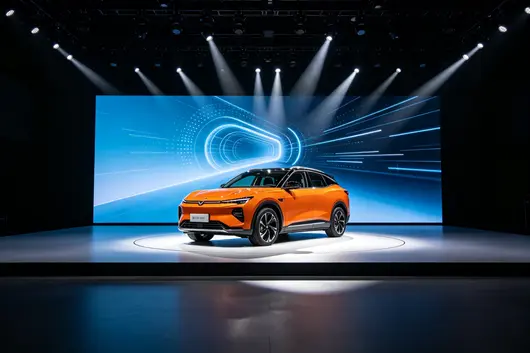

25 Ogos, "Perjalanan Sutra 10,000 Batas 2026·Jalan Inspirasi" yang bekerjasama dengan BYD sebagai rakan kongsi perjalanan di seluruh rantaian, ditutup di Singapura. Armada merentasi 33 hari, menempuh lebih 10,000 kilometer, merentasi enam wilayah China, serta melintasi Thailand dan Malaysia, akhirnya tiba di Singapura.

Pada aktiviti tersebut, lima rangkaian empat jenama BYD Dinasti, Laut, Denza, Fang Cheng Bao, Yangwang membentuk pasukan kenderaan baharu, menyelesaikan pelbagai skenario perjalanan seperti lebuh raya, jalan gunung dan kesesakan bandar. Dua teknologi utama Cas Pantas dan Sistem Panduan Bantuan Mata Dewa telah diuji melalui pemeriksaan realiti 10,000 batas: keupayaan Cas Pantas "5 minit cas penuh, 9 minit cas cukup", dengan sokongan rangkaian hampir 10,000 stesen Cas Pantas di seluruh negara, mengatasi masalah pengisian tenaga jarak jauh; Mata Dewa bergantung pada lebih 220 juta kilometer data pemanduan sebenar harian untuk pengemaskinian berterusan, secara efektif mengurangkan tekanan memandu jarak jauh, memastikan pasukan armada sampai dengan selamat ke Rantau Selatan. Dari Xi'an ke Singapura, pemandangan bekalan pos kafilah unta di Jalan Sutra purba, bertukar menjadi ekspedisi moden yang diberi kuasa teknologi hari ini.

Hingga Julai 2026, BYD telah menduduki tempat pertama penjualan kereta penumpang jenama penuh di Singapura selama 19 bulan berturut-turut. Jan-Julai 2026, bahagian pasaran penjualan kereta penumpang BYD mencapai 24.7%, bahagian pasaran kereta elektrik tulen mencapai 40.3%. Prestasi penjualan yang terus memimpin seterusnya meningkatkan kesedaran jenama BYD di tempatan, kehadiran BYD semakin kuat, kini di jalan raya bandar, zon perniagaan utama dan pusat beli-belah Singapura, siluet BYD dapat dilihat secara kerap.
Singapura adalah salah satu pasaran kos pemilikan kereta yang tinggi di dunia, ambang pembelian yang tinggi juga membuatkan pengguna tempatan lebih berhati-hati dalam pemilihan jenama dan model. Dalam keadaan pasaran sedemikian, harga jualan keseluruhan model BYD tidak rendah, masih terus mengekalkan prestasi jualan yang baik. Kini, BYD telah menumpukan 16 titik runcit di tempatan, sebahagian kedai telah memasuki pusat beli-belah utama.

Pengalaman luar negara BYD pada 2026 terus mengekalkan pertumbuhan pesat, Jan-Julai 2026 penjualan luar negara terkumpul melebihi 970,000 unit, meningkat sekitar 76% berbanding tahun lalu; Julai 2026 penjualan luar negara 179,800 unit, meningkat 124.3% berbanding tahun lalu. Sehingga kini, kenderaan baharu BYD telah memasuki lebih 120 negara dan wilayah di seluruh dunia.

Aktiviti Perjalanan Sutra 10,000 Batas kali ini menggabungkan kunjungan budaya Jalan Sutra dengan perjalanan kenderaan baharu merentas negara, membentangkan perkembangan terkini penglibatan jenama China dalam membina "Sabuk dan Jalan" dan perkembangan pengangkutan hijau negara. Seiring produk kereta, pembuatan cerdas dan perkhidmatan diterapkan di lebih banyak pasaran luar negara, BYD sedang sebagai pengangkutan kenderaan baharu, terus menyertai kerjasama industri automotif global dan transformasi hijau.

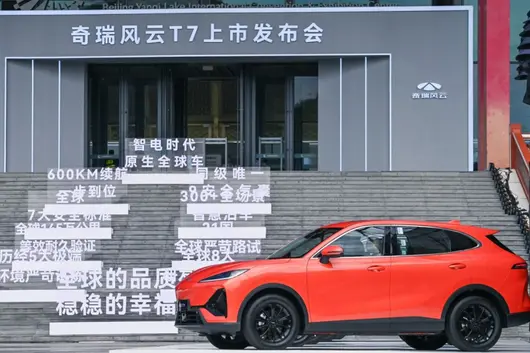
26 Ogos, SUV Suci Elektrik Benua dengan Kualiti Global Fengyun T7 dilancarkan secara rasmi dengan tema 'Kebahagiaan yang Tenang'. Kenderaan baharu ini telah dikeluarkan dalam 3 varian, harga penukaran awal pelancaran dari 94,900 Yuan hingga 115,900 Yuan, dan juga melancarkan serentak 9 faedah pembelian kenderaan. Fengyun T7 berlandaskan kualiti global, berdasarkan empat nilai produk 'Laju Super, Cantik Global, Lebih Selamat, Cerdas Hebat', memberikan pilihan perjalanan elektrikal berkualiti tinggi kepada pengguna. Di tempat pelancaran, artis muzik terkenal Wu Kequn muncul secara mengejut, menjalani peranan 'Pengalaman Bahagia Fengyun T7', menjelaskan 'Kebahagiaan yang Tenang' bermula dari senario kehidupan sebenar, menginterpretasikan lebih lanjut pengalaman perjalanan elektrikal berkualiti tinggi Fengyun T7 yang ditujukan untuk pengguna keluarga.
Di sebalik kualiti global, terdapat sistem penyelidikan dan keupayaan pengesahan global yang dikumpulkan oleh Chery dalam jangka masa yang panjang. Sebagai jenama kereta yang menduduki tangga pertama dalam eksport kenderaan penumpang jenama China secara berterusan selama 23 tahun, pengguna global Chery telah melampaui 20 juta, produk telah dijual ke lebih 130 negara dan wilayah. Sebagai kereta global asli untuk era pintar dan elektrik, Fengyun T7 bergantung pada sistem penyelidikan global '1+7+N', memasukkan piawaian undang-undang dan keperluan kenderaan ke 210 negara dan wilayah di seluruh dunia ke dalam definisi produk secara awal, menyelesaikan pelan satu kesatuan proses dari penyelidikan, pengesahan hingga pembinaan kualiti.
Pada masa yang sama, kilometer ujian kumulatif seluruh kenderaan Fengyun T7 melebihi 6 juta kilometer, pengesahan khusus ketahanan mencapai 1.45 juta kilometer, jejak merentas lebih 100 keadaan jalan ekstrem global dan zon suhu yang sangat luas dari -40℃ hingga 55℃, dari jalan turun laju tinggi di Brazil, jalan batu kerikil di Mexico, sehingga tikungan kelengkungan tinggi di lebuh raya Jerman dan jalan lumpur tidak berturap di Afrika Selatan, mencapai liputan berintensiti tinggi lebih daripada 95% jenis jalan di seluruh dunia.
Mengalami ujian berat global terlebih dahulu, kemudian kembali ke negara untuk menjaga setiap keluarga. Ujian ketat ini 'merentas pelbagai keadaan jalan global, merentasi keadaan operasi ekstrem di pelbagai benua', membina jaminan kualiti Fengyun T7 yang melebihi paras peringkat yang sama. Kini, model saudara Lepas L6 telah dilancarkan secara berjaya di Afrika Selatan dan Thailand serta menyertai Pekan Reka Bentuk Milan, mengesahkan penerimaannya yang luas di pasaran global dengan prestasi pasaran dan pujian reka bentuk yang cemerlang.

Wu Kequn menyandang peranan 'Pengalaman Bahagia', Empat Nilai Membuka Kunci Kebahagiaan yang Tenang
Di tempat pelancaran, artis muzik terkenal Wu Kequn muncul sebagai 'Pengalaman Bahagia Fengyun T7', berkongsi perasaan tentang pergerakan dari pentas ke bandar-be bandar berlainan, memahami kehidupan yang biasa dan stabil, membuat cita-cita kestabilan ini selaras sepenuhnya dengan teras produk Fengyun T7. Menyelesaikan keperluan perjalanan pelbagai kaum keluarga moden, menjelaskan bersama pengguna di tempat empat nilai teras Fengyun T7 'Laju Super, Cantik Global, Lebih Selamat, Cerdas Hebat', membenarkan 'Kebahagiaan yang Tenang' diserap ke dalam setiap kehidupan penggunaan kenderaan yang sebenar.
Fengyun T7 dengan jarak pemanduan jauh, kecekapan tenaga rendah dan ruang selesa besar, mempertimbangkan perjalanan bandar dan perjalanan jauh, membuat setiap pergerakan lebih tenang. Semua varian dilengkapi standard bateri badak air super besar 65.05kWh, jarak pemanduan CLTC mencapai 600km, ujian sebenar media mencapai sehingga 681.6 kilometer, dengan pencapaian ujian sebenar melampaui 667km mewujudkan konsep 'kebenaran lebih tinggi daripada yang diiklankan', membuat perjalanan jauh lebih yakin. Pada masa yang sama, bateri mempunyai kitaran hayat lebih daripada 2500 kali, tempoh hayat penggunaan sehingga 15 tahun, dan menyokong keupayaan pengcas pantas 30% hingga 80% SOC dalam 20 minit. Berfokus pada kesakitan jarak pemanduan suhu rendah, semua varian dilengkapi standard sistem 'Pam Haba + PTC Tekanan Tinggi' zon suhu luas dwi sumber dan penapis masuk udara pintar AGS, dikombinasikan dengan 14 reka bentuk rintangan angin rendah, meningkatkan jarak pemanduan dalam persekitaran -10°C sebanyak 30%. Dilengkapi dengan enjin elektrik super 12 dalam 1 Kunpeng, kuasa puncak 178kW, tork maksimum 275N·m, kecekapan gabungan sehingga 90.8%, mencapai tenaga yang kuat dan kecekapan jarak pemanduan dengan pembaziran yang lebih rendah.
Saiz keseluruhan Fengyun T7 adalah 4570×1852×1694mm, paksi 2700mm, ruang dalam kenderaan 'kadar penggunaan' mencapai sehingga 84%, dipadankan dengan ruang kaki baris belakang 911mm dan reka bentuk lantai tulen rata, memberikan pengalaman perjalanan yang lebih santai untuk seluruh keluarga. Kerusi baris belakang menyokong pelipatan nisbah 4/6, dapat membentuk mod katil tulen rata besar, dipadankan dengan kerusi selesa 9 lapisan rasa awan, meningkatkan lagi keselesaan perjalanan sepanjang perjalanan. Semasa memenuhi keperluan perjalanan selesa, perlu juga mempertimbangkan keperluan pemuatan, 450L ruang bagasi biasa dan 99L ruang penyimpanan terbenam, dapat mudah menyimpan barang peribadi dan peralatan perjalanan. Selepas melipat kerusi baris kedua, muatan ruang bagasi boleh dikembangkan hingga 1550L, dipadankan dengan 32 ruang penyimpanan untuk memenuhi sepenuhnya keperluan perjalanan pelbagai seperti perjalanan harian, kemping pinggir bandar dan pemanduan jauh sendiri

Sebagai kereta global asli untuk era pintar dan elektrik, Fengyun T7 bergantung pada sistem penyelidikan global yang mendalam, kekuatan pembuatan dan pengumpulan globalisasi Chery, melaksanakan piawaian global tinggi sepanjang proses penyelidikan, pengesahan dan pembinaan kualiti produk. Dan berdasarkan 4 ciri semua varian standard, 3 kelebihan produk unik peringkat yang sama, menunjukkan sepenuhnya kekuatan nilai tinggi di bawah piawaian kereta global, menubuhkan tanda aras baharu untuk SUV elektrikal kategori 100,000. Bertujuan untuk pengguna keluarga yang meluas, Fengyun T7 akan berterusan dengan kualiti global dan kekuatan produk yang sangat kuat, mempunyai respons terhadap harapan indah pengguna terhadap perjalanan elektrikal, membenarkan kehidupan perjalanan nilai yang lebih tinggi, kualiti yang lebih tinggi berada dalam jangkauan tangan
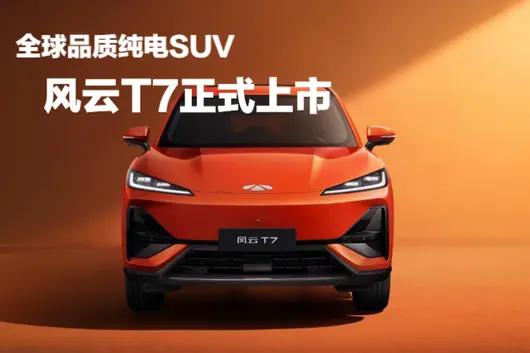

Baru-baru ini, Chery Fengyun T7 rasmi dilancarkan. Kenderaan baharu menawarkan 3 varian, harga panduan pelancaran 97,900 Yuan - 118,900 Yuan, harga pertukaran awal serendah 94,900 Yuan - 115,900 Yuan. Tempahan dalam 24 jam pelancaran melepasi 23,188 unit.

Jalan pelancaran Fengyun T7 sangat menarik—ia tidak dibina di China dahulu kemudian dijual, malah telah berjalan di seluruh dunia dahulu sebelum kembali ke dalam negara. Versi luar negara dipanggil LEPAS L6, telah dibuka prapenjualan di Afrika Selatan dan dilancarkan di Thailand, seterusnya akan melangkah ke pasaran Indonesia, Kesatuan Eropah, Australia-New Zealand, United Kingdom, Israel, dll. Di dalam negara belum dilancarkan, di luar negara sudah menjual satu kitaran.
Rangkaian Penuh Jarak Laluan 600km, Tiada Pengurangan Varian Rendah
SUV Elektrik Murni Kelas 100,000, banyak merek varian rendah beri 400 lebih, varian tinggi baru beri 600, memaksa anda tambah wang. Pendekatan Fengyun T7 berbeza—tiga model semua dilengkapkan dengan bateri Rhinoceros 65.05kWh secara piawai, jarak laluan CLTS seragam 600km, ujian sebenar boleh laksanakan melebihi 667km. Pengisian pantas 30%-80% hanya perlukan 20 minit. Jarak laluan varian asas dan varian tinggi sama, membeli varian rendah tidak perlu pengurangan jarak laluan.

Pengesahan Global: -40℃ ke 50℃ Telah Dijalankan
Fengyun T7 dari awal projek dikembangkan mengikut piawaian global. Melabur 81 unit kenderaan tahan lama khas untuk ujian jalan global, ujian terkumpul keseluruhan kenderaan melebihi 6 juta kilometer, meliputi lebih daripada 100 jenis keadaan jalan ekstrem dari Kesatuan Eropah, Australia-New Zealand, Timur Tengah, Afrika Selatan, Mexico, Brazil, dll. Telajah dijalankan dari beku teruk -40℃ ke panas teruk 50℃. Bukan dibina dahulu di dalam negara kemudian dihantar untuk penyesuaian luar, malah dari peringkat R&D dikembangkan secara serentak untuk pasaran global. Komponen datang dari Bosch, Valeo, Sony dan jenama antarabangsa besar lain.

Peralatan: Chip 8775 + Skrin Besar 15.6 Inci
Fengyun T7 dilengkapi Qualcomm Snapdragon 8775 Chip integrasi kabin-pemanduan (proses 4nm, kuasa pemprosesan 72 TOPS), dilengkapi panel instrumen LCD penuh 8.8 inci + Skrin kawalan tengah mengambang 2.5K 15.6 inci. Mengandungi sistem pintar kabin Lingxi 2.0 dan model besar Doubao, menyokong CarPlay, HiCar, Carlink sambungan telefon.

Model varian tinggi dilengkapi sistem bantuan memandu Falcon 500, dilengkapi 22 sensor ketepatan tinggi (3 radar gelombang milimeter +7 kamera +12 radar ultrasonik). Menyokong NOA di lebuh raya, parkir automatik semua senario 300+, parkir jalan buntu, undur mengikut jejak 100 meter. Di lebuh raya boleh meramal dan siapkan perubahan laluan 500 meter dahulu. Di segi keselamatan, model varian tinggi dilengkapi 9 beg udara. Chery juga memberikan polisi 'jaminan': pembelian dalam tempoh satu tahun, dalam senario parkir atau navigasi pintar disebabkan sebab sistem menyebabkan kemalangan, pampasan maksimum 500,000 Yuan.

Ruang: Panggung Belakang Rata + Katil Rata Besar
Saiz badan 4570/1852/1694mm, jarak gandar 2700mm. Panggung belakang rata, tiga orang duduk tidak sempit. Selepas bangku belakang dilipat boleh membentuk katil rata besar 1.9 meter, kem hujung minggu tidak perlu pasang khemah.
Bagaimana memilih antara tiga peralatan?
Tiga model jarak laluan, bateri, rangka semua seragam, perbezaan harga terutamanya pada peralatan selesa dan pintar:
Varian 600km Nikmat (Harga Panduan 97,900 / Pertukaran 94,900): Teras jarak laluan 600km, Chip 8775, Skrin 15.6 inci tidak dikurangkan. Anggaran terbatas memilih ini cukup.
Varian 600km Selesa (Harga Panduan 108,900 / Pertukaran 105,900): Menambah pengudaraan pemanasan kerusi depan, Skylight panorama, Pengisian tanpa wayar 50W, peralatan selesa. Perbelanjaan lebih 10,000 lebih dibeli untuk pengalaman selesa yang digunakan setiap hari, pengguna keluarga disyorkan ini dahulu.
Varian 600km Pintar (Harga Panduan 118,900 / Pertukaran 115,900): Peralatan penuh, dilengkapi sistem memandu pintar Falcon 500 dan 9 beg udara, menyokong NOA lebuh raya dan parkir semua senario. Ingin pintar memandu tahap tinggi dan keselamatan lengkap pilih ini.
Ditulis di Akhir
Bermula 94,900, Rangkaian Penuh Jarak Laluan 600km tidak berkurang, Kualiti Disahkan Global, Chip 8775 + Skrin 15.6 Inci—Fengyun T7 telah melengkapkan semua konfigurasi teras SUV Elektrik Murni Kelas 100,000 yang sepatutnya.

Yang lebih penting, ia bukan 'Khas China', tetapi sebuah kereta global asli yang telah disahkan oleh pelbagai pasaran global. Jika anda baru-baru ini mencari SUV Elektrik Murni sekitar 100,000, disarankan pergi ke kedai untuk duduk sendiri dan memandu sekejap.

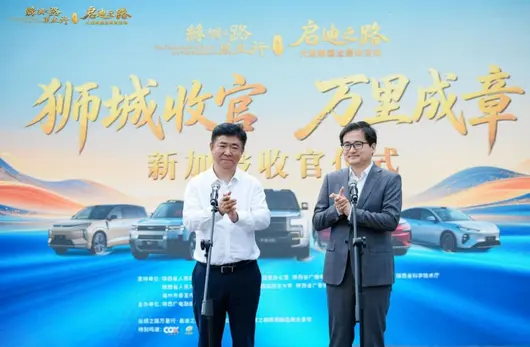
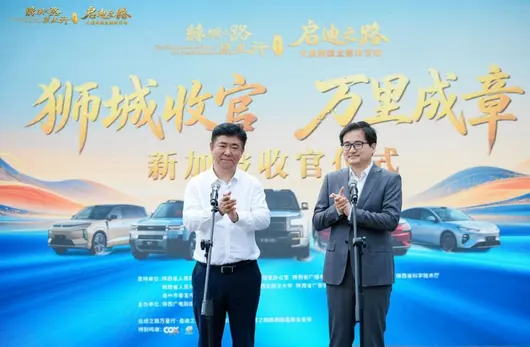
25 Ogos, Singapura, "Perjalanan Rute Sutera 2026·Jalan Inspirasi" secara rasmi berakhir. Sebagai rakan kongsi perjalanan lengkap bagi aktiviti ini, armada BYD Penggerak Baharu mengambil masa 33 hari, berangkat dari titik permulaan Rute Sutera Purba Xi'an, merentasi enam wilayah di dalam negara, melalui Thailand dan Malaysia, akhirnya berjaya tiba di Singapura, menyelesaikan satu ekspedisi tenaga hijau transnasional dengan jumlah jarak melebihi 10,000 kilometer. Li Yunfei, Pengarah Urusan Hal Ehwal Jenama dan Hubungan Awam Kumpulan BYD, bersama Zhang Lianye, Setiausaha Parti, Pengerusi dan Pengarah Urusan Kumpulan Media Terpadu Penyiaran Shaanxi (TV), secara bersama mengisytiharkan peralihan akhir aktiviti ini, dengan kehadiran Cai Shandi, Timbalan Duta Kebudayaan Kedutaan Besar China di Singapura, dan Wang Gang, Presiden Pertubuhan Shaanxi Singapura, memberi ucapan, tetamu dari dalam dan luar negara, wakil komuniti warga Cina dan media bersama-sama menyaksikan kelahiran kisah baharu Perjalanan Rute Sutera yang disertai tenaga hijau ini.

Tahun 2026 merupakan tahun ke-5 penubuhan Rakan Kongsi Strategik Sepenuh China-ASEAN, aktiviti ini mempunyai tema teras "Teknologi Menuju Baharu·Peradaban Menuju Inti", menyambungkan dua teras utama iaitu titik permulaan Rute Sutera Darat Xi'an dan simpul Rute Sutera Laut Singapura, mendalamkan integrasi percampuran budaya, dialog teknologi, dan pertukaran ekonomi perdagangan, memaparkan secara visual nilai zaman pengembangan bersepadu darat-laut Seresat dan Satu Jalur.

Ucapan Cai Shandi, Timbalan Duta Kebudayaan Kedutaan Besar China di Singapura

Ucapan Wang Gang, Presiden Pertubuhan Shaanxi Singapura
Susunan armada yang berangkat bagi kali ini dianggap sebagai "Puncak Penggerak Baharu China": lima jaringan empat jenama BYD Dinasti, Laut, DENZA, Fang Cheng Bao, dan Yangwang semuanya berganding, menamatkan perjalanan penuh di lebuh raya, jalan kawasan pergunungan, bahagian jalan bandar yang sesak, dan jenis jalan yang kompleks yang lain, dua teknologi teras utama langsung melalui ujian paling ketat dalam skenario sebenar selama 10,000 kilometer: yang pertama, keupayaan pengisian pantas彻底 menyelesaikan kebimbangan kehabisan tenaga jarak jauh, kekuatan keras "5 minit penuh, 9 minit jenuh", dilengkapi dengan rangkaian stesen pengisian pantas yang matang di seluruh negara hampir 10,000 stesen, bahawa walaupun untuk perjalanan jarak jauh transnasional, pengalaman pengisian yang lebih cekap berbanding kereta bahan api tradisional boleh dicapai; yang kedua, sistem pemanduan bantuan Mata Dewa secara besar-besaran mengurangkan beban memandu jarak jauh, bergantung kepada data pemanduan sebenar yang melebihi 220 juta kilometer sehari untuk pengoptimuman berterusan, menjaga keselamatan armada sepanjang perjalanan, membolehkan ekspedisi ke Asia Tenggara (Nanyang) melebihi 10,000 kilometer berjalan dengan stabil dan lancar.

Ribu tahun lalu, rombongan unta Rute Sutera Purba bergantung pada penghentian stesen untuk mengisi semula, hari ini BYD menggunakan teknologi untuk mengemaskini ekspedisi ini menjadi contoh mobiliti pintar hijau, menyelesaikan satu tindak balas peradaban merentasi seribu tahun.

Ramai tidak tahu, Singapura adalah antara pasaran dengan kos membeli kereta tertinggi di dunia, ambang kemasukan yang ketat membuatkan pengguna tempatan sangat berhati-hati ketika memilih kereta. Manakala sehingga Julai 2026, BYD telah berjaya menjadi nombor satu dalam jualan seluruh jenama kereta penumpang Singapura selama 19 bulan berturut-turut, saham pasaran kereta penumpang tempatan bagi Januari-Julai 2026 mencapai 24.7%, saham pasaran kereta elektrik tulen malah menembusi 40.3%. Walaupun harga keseluruhan model tidak rendah, ia masih mampu mengekalkan penjualan panas berterusan, saat ini BYD telah menempatkan 16 titik runcit di Singapura, pelbagai kedai terus memasuki pusat beli-belah di zon perniagaan teras, pengedar tempatan terus menambah pelaburan dalam kedai terminal berskala tinggi, pengiktirafan jenama masih terus meningkat.
Prestasi cemerlang pasaran Singapura hanyalah satu ringkasan daripada ledakan BYD di luar negara: Januari-Julai 2026, jualan terkumpul BYD di luar negara menembusi 970,000 unit, meningkat sekitar 76% berbanding tahun sebelum; hanya jualan luar negara bulan Julai sahaja mencecah 179,800 unit, melonjak 124.3% berbanding tahun sebelum. Sekarang jejak BYD telah meliputi lebih 120 negara dan wilayah di seluruh dunia, separuh tahun ini secara berturut-turut memenangi kejuaraan jualan penggerak baharu di negara-negara seperti Thailand, Singapura, Itali, Sepanyol, Brazil, Arab Saudi, Emiriah Arab Bersatu, Afrika Selatan dan banyak lagi, jualan separuh tahun pasaran United Kingdom juga menembusi 38,000 unit, memulakan pecutan tercepat jenama China dalam trek penggerak baharu global.

Perjalanan Rute Sutera 10,000 Mil ini, pada hakikatnya adalah satu jawapan situasi sebenar yang diberikan industri penggerak baharu China kepada dunia. Apabila produk kereta, pembuatan pintar dan perkhidmatan tempatan dilaksanakan di lebih banyak pasaran global, BYD kini menggunakan kereta penggerak baharu sebagai platform, terlibat dalam kerjasama industri automotif global dan transformasi hijau, membawa penyelesaian pengangkutan hijau yang lebih sesuai untuk negara-negara sepanjang "Seresat dan Satu Jalur".

中国新能源市场的竞争节奏,已经快到了令人窒息的程度。新车发布周期从三年压缩到两年,再到十八个月,甚至部分品牌实现了“一年三改”。价格战、配置战、流量战轮番上演,整个行业似乎陷入了一场没有终点的竞速赛。

但就在这样的氛围里,奇瑞却用一场发布会,讲了一个关于“慢”的故事。
全新风云T7正式上市,三款版型,官方指导价9.79万至11.89万元,抢先置换价再低3000元。如果只看价格,这只是10万级纯电SUV市场的又一位新选手。但如果把目光拉远,这台车背后所承载的,是一套完全不同于行业主流的造车逻辑。

风云T7最特殊的地方,在于它并非一台“中国特供”产品,而是一台真正的原生全球车。
它的同源车型Lepas L6,已经先一步登陆南非和泰国市场。按照既定节奏,8月进入印尼,9月进入欧盟,10月覆盖澳新、英国、以色列和马来西亚。换句话说,风云T7在正式面对中国消费者之前,已经在海外市场完成了从上市、交付到真实用户使用的完整验证。

这种“海外先行、国内后至”的路径,在10万级纯电SUV中几乎找不到第二家。大多数品牌的做法,是先在国内铺量,再考虑出口。而风云T7从研发之初,就同步适配全球210个国家和地区的用车需求,按照2026版E-NCAP五星安全标准进行正向开发。

风云T7的研发周期长达3年。这个数字放在当下的行业语境里,几乎是一种“奢侈”。
奇瑞动用了全球“1+7+N”研发体系,分布在10大设计中心的百余名设计师协同参与。项目启动初期,团队完成了15个典型国家的深度走访,以及5000名全球用户的调研。同源车型Lepas L6在米兰设计周亮相时,收获的评价不是“惊艳”,而是“耐看”。这种耐看,恰恰是全球审美共识下的结果。

在追求“第一眼炸裂”的时代,耐看是一种更难的品质。作为5000名用户的共同选择,风云T7的设计,不是某一位明星设计师的个人作品,而是一场大规模的用户共创实验。
5000多名来自不同国家的用户参与了调研,他们的真实使用场景和审美偏好,被逐一纳入设计考量。最终呈现出来的,是一台不激进、不浮夸,但足够协调、足够顺眼的纯电SUV。

百余名设计师的协同,不是为了制造惊艳,而是为了制造共识。当一台车需要同时面对欧洲人的内敛、东南亚人的实用主义、中东人的审美偏好时,唯一的解法就是让设计回归本质:好看、好用、经得起时间检验。

风云T7在车身结构、电池防护和主动安全系统上,全部按照2026版E-NCAP五星安全标准进行开发。这意味着它比当前市场大多数同价位车型,整整领先了一个安全标准周期。
全域环境适配区间从零下40℃到零上55℃。北欧极寒下的双源制热、热带多雨地带的500mm涉水能力,都不是选装项,而是写进基础工程指标里的硬性要求。
这种标准层面的“冗余”,短期内很难被消费者感知,但长期使用中却决定了可靠性的上限。

风云T7的验证体系,可能是同级别中最为“任性”的存在。81台专属耐久车同步路试,整车累计测试里程超过600万公里,其中耐久专项实测145万公里。测试范围覆盖欧盟、澳新、中东、南非、俄罗斯、墨西哥、巴西等100余种极限路况环境。
巴西的高减速坎、墨西哥的鹅卵石路、德国高速的大曲率弯道、南非的非铺装泥路、东南亚雨季的积水路段、中东的高温暴晒,全部是真实道路实测,而非实验室模拟数据。
正如官方所言:“所有品质验证均来自真实道路。”
在风云T7国内正式亮相之前,它已经在全球各地的路试中被频繁“偶遇”。驰骋巴西高减速坎,碾过墨西哥鹅卵石路面,挑战德国高速大曲率弯道,闯过南非非铺装泥路。东南亚的雨季、中东的高温、北欧的极寒,都留下了这台车的行驶轨迹。

美联社对风云T7的全球验证体系给予过正面评价,成都车展期间的外籍看车团也对这台车表现出超乎预期的关注。奇瑞连续23年位居中国品牌乘用车出口第一,全球用户突破2000万,产品销往130多个海外市场,这些积累最终都反哺到了风云T7的产品力里。

9.79万元的起售价,是风云T7给市场最直接的冲击。但真正值得被记住的,是这个价格背后的东西:三年研发、全球验证、E-NCAP前瞻标准、100余种极限路况实测。
在“唯快不破”成为行业信仰的今天,奇瑞用风云T7给出了另一种答案:好车,尤其是经得起全球检验的好车,快不了一点。
10万级纯电SUV市场从不缺便宜的产品,缺的是“便宜但可靠”的选择。当一台车能在巴西的减速坎上不松垮、在中东的高温里不衰减、在德国的弯道里不飘忽,它在中国家庭的日常通勤里,就不会让人失望。

近日,奇瑞风云T7正式国内上市,新车定位家用紧凑型纯电SUV,推出三款配置车型,官方指导售价9.79-11.89万元,专属抢先置换价9.49-11.59万元,上市同步启动批量交付工作。作为奇瑞新能源全球化布局的核心车型,风云T7以海外先行的验证体系与全系满配的产品力,为白热化的十万级纯电赛道注入新变量。

在自主品牌新能源出海提速的背景下,风云T7走出了差异化的产品路径。新车采用全球同步研发、海外率先落地、国内收官上市的模式,先期已完成泰国、南非等海外市场投放,后续持续拓展东南亚、欧洲、大洋洲等海外版图。依托奇瑞全球研发与测试体系,整车历经600万公里全场景严苛测试,适配全球复杂路况与极端气候,整车制造、安全标准对标国际高端法规,具备成熟的全球化产品底蕴。

产品核心亮点聚焦用户刚需的三电体系。当前十万级纯电市场普遍存在入门版电池缩水、续航降级的减配现象,导致用户购车体验两极分化。风云T7打破行业惯例,全系标配65.05kWh大容量电池,统一达成600km CLTC续航,实现高低配续航权益一致,从根源上解决入门用户的核心痛点。

实用性配置全面贴合家用场景,20分钟即可完成30%-80%快充,大幅提升出行补能效率;宽温域热泵系统有效优化全季节续航表现,降低极端天气能耗损耗。高效电驱系统兼顾动力与节能,综合效率突破90.8%,平衡了日常代步的经济性与出行动力需求。
安全与智能维度,新车坚守家用车型底线,80%高强度钢车身搭配全方位气囊防护,筑牢车身安全屏障;电池多重安全防护设计,提升整车容错率。智能座舱与辅助驾驶系统加持,适配现代家庭多元化出行需求。
行业层面来看,价格战持续发酵下,市场亟需重品质、无套路的优质产品。风云T7的上市,不仅完善了奇瑞风云新能源家用SUV矩阵,更以全球化品质、均衡产品力和平权化配置,为十万级纯电市场树立全新品质标杆,后续市场终端表现值得持续关注。
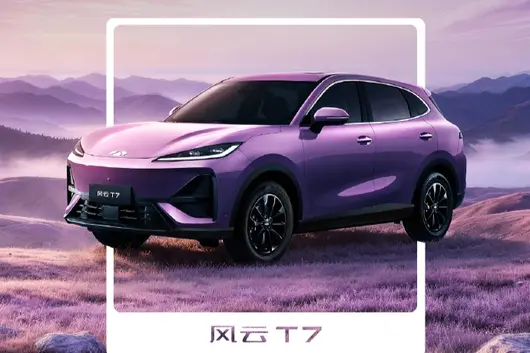
8 月 26 日,奇瑞全球品质纯电 SUV 风云 T7 正式上市,共推出 3 个版本,官方指导价 9.79‑11.89 万元,抢先置换价低至 9.49 万元起。音乐人吴克群作为幸福体验官到场,围绕 “稳稳的幸福” 展开对话,并共同启动「幸福共创计划」,新车实现上市即交付。 购车可享八重权益,包含限时免费个性车色、金融、置换补贴,还有动力电池、智驾两大兜底保障,整车 + 三电终身质保等福利,预售 1000 抵 2000 元订金权益延期至 8 月 31 日。

风云 T7 是一台原生全球车,遵循慢功造好车的长期主义,对标 2026 版 E‑NCAP 五星安全标准研发,投入 81 台耐久测试车,累计超 600 万公里整车测试、145 万公里耐久专项验证,历经‑40℃‑55℃五大极限环境试炼,适配全球 95% 道路类型。同源车型 Lepas L6 已经在南非、泰国上市,后续将登陆欧盟、澳新等海外市场。
产品围绕超能跑、美全球、更安全、好智慧四大核心价值,拥有碰撞、电池、续航平权、全域节能、操控性能、整车验证六大冗余实力。 全系标配 65.05kWh 犀牛电池,CLTC 续航 600km,实测可达 681.6km 实现反向虚标,30%‑80% 快充仅需 20 分钟;搭载双源宽温域热泵空调,寒暑工况续航衰减更小。

外观集合全球 10 大设计中心、5000 + 用户共创,提供六款车漆,炽焰橙采用豪车级三层喷涂工艺;2700mm 轴距,车内得房率 84%,后排放倒可变 1955mm 纯平大床,9 层云感座椅带通风加热,全车 38 处储物空间,兼顾家用露营多种场景。
安全层面采用八横五纵笼式车身,80% 高强度钢,配备 9 气囊;犀牛电池拥有 31 层 6D 锁子甲防护,IP68 防水能力为国标 96 倍。智能上搭载同级首发 4nm 8775 舱驾一体芯片,灵犀智舱 2.0 搭配豆包大模型,22 颗传感器加持猎鹰 500 智驾,支持 300 + 场景自动泊车、高速领航辅助。底盘由海外专家团队调校,50.8:49.2 黄金轴荷比,极限工况性能储备充足。
十万级价位做到续航、安全、智能、空间全套高配,打破入门纯电车型配置缩水的行业痛点,以全球严苛验证的品质,为家庭用户带来安心可靠的纯电出行。


“After coming back, I found the domestic market more competitive, and the pace is faster.”
This is a sigh of reflection after Xu Yin was transferred back to China from SAIC Thailand and appointed Deputy General Manager of IM Motors. At that time, the two sets of data he received were: in the first half of the year, 527 new cars were launched domestically, and the entire market from January to July declined by 20%. The ‘veteran’ returning from the Southeast Asian battlefield turned to enter an even more ruthless arena of conflict.
Almost at the same time, IM Motors also released three heavy punches in succession — launching the 'NEXT·2028' product strategy, officially announcing that the new LS6 will be launched in September, and confirming the change in marketing leadership. Behind these dense actions, this high-end intelligent electric vehicle brand backed by SAIC, Zhangjiang Hi-Tech, and Alibaba is trying to answer an increasingly urgent question with a 'technical egalitarianism' and a set of new strategies: How to translate technological leadership into market and sales leadership.

Let’s look at a set of data first: From January to July this year, IM Motors' cumulative sales reached 45,600 units, representing a year-on-year increase of 82.45%. This growth rate is considered impressive in any industry. However, when broken down, problems surface: single-month sales in July were only 5,900 units, with a year-on-year growth of merely 1.57% and a month-on-month decline of 26.3%.
More critically is the goal completion rate. At the beginning of the year, IM Motors set an annual delivery target of 110,000 to 130,000 units. In the first 7 months, only 45,600 units were completed, a progress of approximately 35% to 42%. At this pace, the annual goal is almost impossible to achieve. In 2025, IM Motors already had a record of 'failing to meet targets' — target 100,000 units, actual 81,000 units, completion rate only 81%.
In fact, an 82% year-on-year growth rate is more of a 'number game' based on the previously low base. When the industry market enters stock-based competition and the NEV penetration rate has surpassed 60%, the absolute volume of 5,900 units sold per month is far left behind by Leapmotor (101,300 units in July), Deepal (29,200 units), Voyah (13,200 units), etc., among the new forces. IM Motors has never had a single model achieve monthly sales of over 10,000.

Facing the current situation, IM Motors provided its own solution: 'Technical egalitarianism + Leadership reshaping.'
The 'NEXT·2028' strategy released at the Chengdu Auto Show on August 21st has a clear and radical core logic: designating SAIC's latest NEO powertrain architecture, aviation-level safety fully wire-controlled chassis, and IM Claw intelligent agent as the three major technologies, establishing them as the unified technical foundation for subsequent full-series models, no longer distinguishing between high and low configurations.
The play of this strategy is very straightforward: When the 'flood of vehicles' tactic fails completely, use 'technical egalitarianism' to create differentiation, turning the premium chips originally belonging to high-configuration models into standard configurations for the entire series, attempting to establish the mindset of 'buying IM Motors = enjoying future technology in advance' in the mainstream market.

However, the implementation of the strategy faces a realistic cost interrogation. Standardizing flagship technology across the series means a significant increase in unit cost, while IM Motors has not yet achieved scaled profitability. According to public data, IM Motors' net loss for the full year of 2025 was nearly 3.6 billion yuan, equating to a loss of over 44,000 yuan per vehicle sold. The industry consensus is that new energy vehicle manufacturers need stable monthly sales of over 30,000 units to break even, while IM Motors' current monthly sales are less than 6,000 units.
It is reported that the first vehicle to implement the strategy — the all-new IM Motors LS6, will be officially launched in September. The new car features the three flagship technologies across the series, targeting the 200,000 yuan-level family SUV market, emphasizing aviation-level safety concepts, and equipped with a 'Super First-Class Cabin' cockpit. The 200,000 yuan level is the most fierce competition zone for new energy, including mature models from competitors like Li Auto L series, Xpeng G9, and BYD Tang. Whether the LS6 can create differentiation on the two dimensions most valued by family users, 'safety' and 'comfort', will become the first touchstone to test the quality of the 'NEXT·2028' strategy.

While the technical route is being implemented, the operator has also completed a replacement. In June, Xu Yin was transferred back from Thailand to China, appointed Deputy General Manager of IM Motors, and took over domestic marketing and sales business. After taking office, he put forward a core proposition: 'Don't just talk about parameters blindly, such as 2.74 seconds, 800 volts, 850 kilometers, but think more about what emotional value can be provided to users.' From the perspective of the strategy, the new team is trying to walk on two legs: one is the 'hard card': standardizing core technologies such as wire-controlled chassis across the series; the other is the 'soft line': creating emotional value and group identity through Jimmy Choo high customization cooperation. The first batch of 1,000 units of the all-new L6 Prof. Jimmy Choo high customization limited edition sold out upon release, seemingly verifying the feasibility of this route in niche circles. However, whether the niche carnival can be replicated in the mass market is still unknown for now.

At the same time, suspense in another dimension is also waiting for verification: Can this combination of 'technical egalitarianism' and 'emotional value' truly translate into sales?
The direction of 'NEXT·2028' is not wrong, technical inclusivity is the trend of the industry, and full wire-controlled chassis is the foundation of next-generation intelligent cars, but correct direction does not equal reaching the destination. September LS6 orders, delivery figures for the first quarter of next year, will give the first round of answers; and whether Xu Yin's new strategy of 'hard foundation, soft breakthrough' will truly take effect will also become increasingly clear with the passage of time.
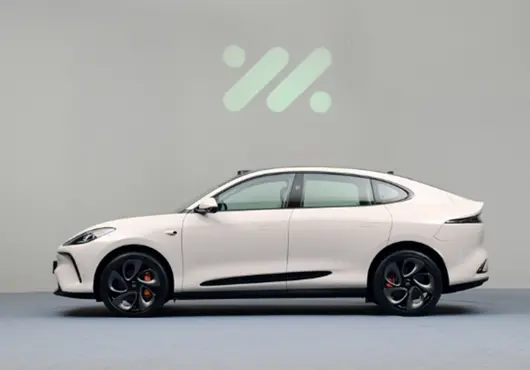

喺馬來西亞嘅 SUV 市場,好多買家喺揀車嗰陣都會拿 Honda HR-V 同 Toyota Yaris Cross 做比較。呢兩款車喺價位同定位上都幾接近,今日我哋就從多個方面做一個詳細嘅比較,幫你省下做功課嘅時間。
Honda HR-V 喺馬來西亞嘅 OTR 售價係 RM 115,900 - 143,900,一共有 4 個版本,包括 2026 e:HEV 1.5L RS(RM 143,900)、2026 1.5T V(RM 137,900)、2026 1.5T E(RM 130,900) 等等。
Toyota Yaris Cross 喺馬來西亞嘅 OTR 售價係 RM 99,900 - 109,900,一共有 2 個版本,包括 2026 1.5L Standard(RM 99,900)、2026 HEV 1.5L Standard(RM 109,900) 等等。
由價錢睇落,Toyota Yaris Cross 嘅起步價比 Honda HR-V 平咗 RM 16,000。講句實話,喺呢個價位段,幾千蚊嘅差距其實唔算大,關鍵仲係睇整體嘅性價比同埋長期使用成本。
Honda HR-V 配備 1.5L Turbo,馬力 140 hp。官方油耗 7.0 L/100km。
Toyota Yaris Cross 配備 1.5L 4-cyl,馬力 105 hp。官方油耗 6.0 L/100km。
動力方面,Honda HR-V 嘅 1.5L Turbo 比 Toyota Yaris Cross 嘅 1.5L 4-cyl 多咗 35 匹馬力,中段加速更有信心,尤其係跑高速公路超車嗰陣。不過 Toyota Yaris Cross 嘅油耗可能更抵,日常市區通勤差別唔會太大。
Honda HR-V 車身長 4500 mm,車尾箱 450 L。
Toyota Yaris Cross 車身長 4400 mm,車尾箱 400 L。
空間方面,Honda HR-V 嘅車身比 Toyota Yaris Cross 長咗 100 mm,車內乘坐空間會稍微寬鬆啲,尤其係後座腿部空間。如果你經常載家人或者需要放嬰兒車,大少少嘅車身確實更實用。
Honda HR-V 保修 5 年/無限里程,保養間隔 每 10,000km 或 6 個月。
Toyota Yaris Cross 保修 5 年/無限里程,保養間隔 每 10,000km 或 6 個月。
兩款車嘅保修條件一樣,呢方面唔使諗咗多。實際保養成本仲要睇品牌嘅服務網絡同零件價格,建議去車友群問下真實車主嘅經驗。
總體嚟講,Honda HR-V 同 Toyota Yaris Cross 都係馬來西亞市場好好嘅車型。揀邊一輛,關鍵仲係睇你嘅個人需求同預算。建議大家做好功課,多比較幾間車行嘅報價,再去試駕先做最後決定。買車係件大事,花少少時間做功課絕對唔會錯。

In the Malaysian SUV market, many buyers compare the Honda WR-V and GWM Haval H6 when choosing a car. These two models are quite close in terms of price and positioning. Today, we will make a detailed comparison from multiple aspects to help you save time doing research.
The OTR price of the Honda WR-V in Malaysia is RM 89,900 - 107,900, with a total of 4 versions, including 2023 1.5L V (RM 99,900), 2023 1.5L E (RM 95,900), 2023 1.5L S (RM 89,900), etc.
The OTR price of the GWM Haval H6 in Malaysia is RM 139,750 - 139,750, with a total of 2 versions, including 1.5L Turbo Standard (RM 140,000), 1.5L Turbo Premium (RM 155,000), etc.
From a price perspective, the Honda WR-V's starting price is indeed RM 49,850 cheaper than the GWM Haval H6. If your budget is limited, Honda's entry-level version can already meet daily needs. However, also note that the few thousand Ringgit cheaper might involve trade-offs in features, depending on your specific needs.

Honda WR-V is equipped with 1.5L 4-cyl, 105 hp. Official fuel consumption is 6.0 L/100km.
GWM Haval H6 is equipped with Hybrid, 170 hp. Official fuel consumption is 4.5 L/100km.
In terms of power, the GWM Haval H6's Hybrid has 65 more horsepower than the Honda WR-V's 1.5L 4-cyl. However, for daily driving in the city, both cars have sufficient power, you won't feel lacking in power.

The safety rating of Honda WR-V is 5★ (ASEAN NCAP), active safety systems include Honda SENSING.
The safety rating of GWM Haval H6 is TBD, active safety systems include Basic.
Regarding safety features, both cars have received good ratings. However, there are some differences in functionality between Honda WR-V's Honda SENSING and GWM Haval H6's Basic. If you value active safety more, you can carefully compare the feature lists of both.

Honda WR-V warranty 5 years/unlimited mileage, maintenance interval every 10,000km or 6 months.
GWM Haval H6 warranty 7 years/150,000km, maintenance interval every 10,000km or 6 months.
Both the Honda WR-V and GWM Haval H6 are mainstream choices in the Malaysian market, suitable for family use and daily commuting. If you value brand reputation and resale value more, you can prioritize the one with a better reputation; if you care more about cost-performance ratio and features, then choose the model with richer configurations. Ultimately, it is recommended to test drive both, as personal experience is the most important.
Overall, both the Honda WR-V and GWM Haval H6 are very good models in the Malaysian market. Which one to choose depends mainly on your personal needs and budget. It is suggested that everyone do research, compare quotes from several dealerships, and then test drive to make a final decision. Buying a car is a major matter, spending some time on research will never be wrong.


In the Malaysian SUV market, many buyers often compare the Honda WR-V and MG MG HS when choosing a car. Both cars are quite close in price and positioning. Today, we will conduct a detailed comparison from multiple aspects to save you time on research.
Honda WR-V OTR price in Malaysia is RM 89,900 - 107,900, with a total of 4 variants, including 2023 1.5L V (RM 99,900), 2023 1.5L E (RM 95,900), 2023 1.5L S (RM 89,900), etc.
MG MG HS OTR price in Malaysia is RM 130,450 - 146,450, with a total of 2 variants, including 1.5L Standard (RM 105,000), 1.5L Executive (RM 115,000), etc.
Looking at the price, Honda WR-V's starting price is indeed RM 40,550 cheaper than MG MG HS. If your budget is limited, Honda's entry-level version can already meet daily needs. However, be aware that the few thousand dollars cheaper might involve trade-offs in features, depending on your specific needs.
Honda WR-V Safety Rating is 5★ (ASEAN NCAP), Active Safety System includes Honda SENSING.
MG MG HS Safety Rating is TBD, Active Safety System includes Basic.
Regarding safety features, both cars received good ratings. However, Honda WR-V's Honda SENSING and MG MG HS's Basic differ in functionality. If you value active safety, you can carefully compare the feature lists of both.
Honda WR-V uses FWD drive type.
MG MG HS uses FWD drive type.
Both cars have the same drive type, both are FWD, daily driving experience will not differ much.
Honda WR-V Warranty 5 years / unlimited mileage, Service Interval every 10,000km or 6 months.
MG MG HS Warranty 7 years / 150,000km, Service Interval every 10,000km or 6 months.
Honda WR-V and MG MG HS are both mainstream choices in the Malaysian market, suitable for family use and daily commuting. If you value brand reputation and resale value more, you can prioritize the one with better reputation; if you care more about value for money and features, then choose the one with richer configuration. Ultimately, it is recommended to test drive both cars; personal experience is the most important.
Overall, Honda WR-V and MG MG HS are both excellent car models in the Malaysian market. Which one to choose depends on your personal needs and budget. We suggest doing research, comparing quotes from several dealerships, then test driving to make the final decision. Buying a car is a big matter, spending time on research will never be wrong.
© 2024 Bitauto.com. All Rights Reserved.
Bitauto (www.yiche.com and www.bitauto.com) is one of the most visited automotive websites in China. We provide detailed info on Chinese car brands available in your area. Please note that the information provided on this website is based on publicly available data and is for reference only. It may not be fully updated or accurate at all times.

Help us improve our website


