

HomeIpoh

Search History
Popular Searches
Dealer Login / Sign Up


China GT, which nearly caused a fatal accident, has lost face to the whole world this time.
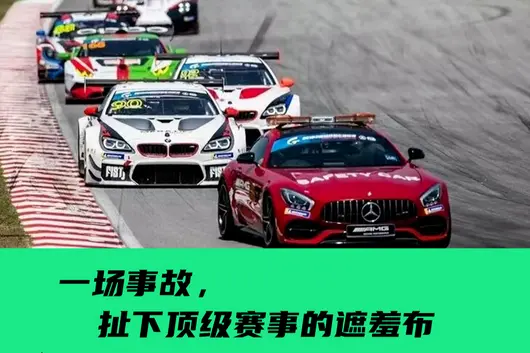
On September 5, at the Shanghai International Circuit. During lap 7 of the main race, cars #37 and #33 went off-track while battling and hit the side fuel tank of car #91. Car #91 instantly turned into a fireball, lost control and crashed into the guardrail. British driver Milroy was trapped in the burning cockpit.

Between life and death, the first one to rush forward was car #79 driver Hartog, who was competing.
He abandoned his race and stopped the car, ran toward the fire scene, took the fire extinguisher handed over by the staff to suppress the flames, and dragged Milroy out by hand. The whole process was fully recorded by the onboard camera, reviewed frame by frame by overseas professional racing media such as Motorsport.com, and spread throughout the global racing community.

Ultimately, the drivers were sent to the hospital alive, but the reason this incident is embarrassing is precisely because of a huge contrast throughout the process:On one side, the drivers stepped forward, risking their lives to save people; on the other side, the event rescue appeared extremely unprofessional, not only was the rescue speed very slow, but some people couldn't even open the fire extinguisher...

Some netizens revealed that the race officials' rescue personnel were actually outsourced daily-paid temporary workers. Other netizens expressed understanding; considering the daily-pay nature, it was already commendable that the uncle dared to walk to the accident scene.It was already praiseworthy..
Daniel Wu, who competed in the same race, rarely got angry after the event, pointing his finger directly at the race organizers.

Regardless of whether the rescue personnel were temporary workers, the dignity of this top-tier event was completely stripped bare.
01
The Hottest Event Abruptly Ended
China GT's current hot situation is really hard-earned.
In 2016, it started at the Beijing Jinggong International Circuit. At that time, there were only dozens of racing cars, two groups, covering a few stops in Beijing, Shanghai, Chengdu, and Zhuhai.
The organizer wanted to make it the benchmark of China's GT, but racing was too far from ordinary people, the stands were empty for years, and most people had never even heard of it.

Why can't it catch on?
In short, GT events are naturally unfriendly to the general public.Multiple groups race together; the first one to cross the finish line is the champion, and the 15th one could also be the champion; several drivers share one car, waiting for Wang Yibo in front of the screen, and he might pit and get replaced. Tire degradation, pit strategy, group attacks and defenses—these "soft techniques" build high thresholds that block most passersby.
For a long time, China GT was trapped in the small circle of hardcore racing fans. According to media reports, even last year, an event only had thousands of spectators.
The turning point came in 2025. The F1 Shanghai round was explosively popular, pushing a huge wave of people who never watched racing into the racetrack. China GT seized this traffic; according to media reports, last season's annual live viewing reached 69.58 million. It was also this year that China GT was upgraded from a "Championship" to a National-Level GT Circuit Championship, with more professional teams and manufacturers starting to enter.

Wang Yibo's involvement further pushed the heat to the ceiling.
In March 2026, he confirmed his participation, registered as a formal driver for the event, and ran from the AM group to the AM+ group, which is the top group for amateur drivers.Overwhelming traffic immediately converted into cold hard cash: Tickets for the Shanghai round sold out 45 days in advance, and presale tickets for the Zhuhai round were snatched up in half an hour of release.
In March, Xiaomi signed the first full-season total sponsorship in the event's ten-year history; SU7 Ultra served as the official safety car, and YU7 served as the official medical car. In April's season opener, Lei Jun personally went to the Shanghai International Circuit to wave the flag for the main race. Red Bull, HELLY HANSEN, UNDEFEATED and other international brands entered successively, the calendar expanded from 4 stops to 5 stops, and went overseas, adding a stop in Malaysia Sepang.

China GT turned over completely and became immensely popular.
That season opener had 57 racing cars, 108 drivers, and nearly 50,000 tickets sold out entirely, with over 40,000 spectators squeezing into the stands and over 66 million people watching online.
The Shanghai round on September 5 was the climax of all this. Three days before the race, the pit lane entered preparation status: the roar of engine testing rose and fell everywhere, technicians bent over adjusting suspensions, and stared at screens verifying data. When the main race day arrived, 59 racing cars and over 100 drivers competed on the field, with GT3, GTS, and GTC major groups competing together—GT3 group had 32 cars, with Ferrari, Mercedes-AMG, Lamborghini, Porsche, Audi, and BMW six major brands all present, setting a new record for domestic participation scale.

But no one expected that the blazingly hot scene would abruptly end on lap 7.
In the live broadcast screen, thick smoke rose to the sky; the stands that had just been boiling quieted down within seconds. The race was subsequently called off, and this year's finale was suddenly paused in the firelight.
Just moments ago celebrating, now must face a problem: if something really happens, who will rescue?
02
Why Was the Driver Saving People in the Sea of Fire?
When nothing happens, everyone is happy. When something really happens, it's the time to test the value.
First, let's carefully restore the scene of saving people.
In the onboard footage, car #79 braked steadily into the runoff area. Hartog unclipped his seatbelt, rushed out of the car, and ran toward the burning fireball. The fire on the driver's side was too intense, so he went around to the other side, took a fire extinguisher from the hands of arriving staff, suppressed the fire around the car body, and then reached into the cockpit, grabbed Milroy, and dragged him out.

According to calculations by multiple media reports,from the moment Hartog left his car to saving the person, it took about 49 seconds.
Milroy broke 5 ribs, fractured collarbone and fingers, and had lung contusions; he has almost no memory of the 30 seconds before the crash to 1 hour after. Lying in the hospital, he said: "Tonight I can still be alive, completely thanks to one person."
Later he wrote again: "Rock Hartog stopped the car immediately upon seeing no rescue personnel, and risked his life to save me from the car... One day, I will tell this story to our three children. In their eyes, Rock will also be the greatest super hero in history. Thank you, Rock. I owe you my life."

Facing a flood of praise, Hartog was very calm: "I just happened to be at that time and place."
However,the more sincere they were with each other, the more awkward it made the event organizers look.
After the accident, there were only three staff on site: one Matthew waving double yellow flags, another two looking like security guards, with no formal rescue forces.
Even more magical was that a staff member picked up the fire extinguisher, turned around, and ran away from the scene; a security uncle couldn't pull the safety pin of the fire extinguisher for dozens of seconds; car #33 driver Yang Baijie publicly revealed that rescue personnel put down the fire extinguisher out of fear, and the ambulance arrived about 15 minutes later.

On the rescue car that arrived belatedly, the rescue personnel who got off didn't wear standard fireproof suits, but still marched forward with fire extinguishers in hand.
Even information release was messy, such as the broadcast once announcing "the driver left the car by himself", but Milroy was clearly dragged out by Hartog at the risk of his life.
On one side, drivers abandoned their race to save people; on the other side, rescue forces were collectively absent; this is obviously not the level of a professional event.
What should a professional event look like?
According to public reports, at the 2020 F1 Bahrain round, Grosjean's car also hit the wall and caught fire: about 10 seconds, track personnel started to extinguish the fire; 28 seconds, the person was rescued from the fire; ambulance arrived at the scene within 1 minute.

So no wonder professionals were extremely dissatisfied with the handling of this accident.
On September 7, Daniel Wu posted a video angrily criticizing:"This is simply shameful, truly shameful."

The team Milroy belonged to announced withdrawing from all future China GT events until the organizing committee completes a complete, independent, and public investigation. Car #33 driver Yang Baijie announced withdrawing permanently.

03
Traffic is the Accelerator, Professionalism is the Brake
China GT lacks no money, which is why many people find it hard to understand why its rescue forces looked so unprofessional this time.
GT events are fundamentally a "rich people" game. A GT3 racing car costs 3 million to 5 million yuan to buy, plus operations, often tens of millions. Those paying are mostly "gentleman drivers" spending their own money—the event divides drivers into PRO, AM, and AM+ groups. Except for the PRO group making a living by skills, the rest are amateur players buying seats and licenses with money.

This model determines that China GT never makes a living from spectator tickets.The rich pay money, manufacturers provide cars, and celebrities bring traffic; money has never been a problem.
In 2026, the flow of money is even faster. In one season, Xiaomi provided all sponsorship, safety car, medical car, and promotional volume.
The event got hot, and peripherals also made money: According to media reports, during the April Shanghai round, the Jiading Wanda Plaza, which was right next to the racetrack, saw traffic reach 70,100 people, with sales of about 3.95 million yuan. Lisheng Sports, operating China GT, also achieved a new high in non-recurring net profit for the first half of the year.

But explosive traffic also brought controversies as usual.
According to media reports, after Wang Yibo's participation, venue security was upgraded and badges tightened; some drivers used to the old ecology openly complained that a certain celebrity "ruined the racing circle".
Then camethis accident, which really hit the true blind spot of this traffic strategy.
All the money was spent in visible places—sponsorship, celebrities, carnivals, backdrops; the places where money should be spent most—rescue drills, personnel training, command coordination, information verification, seemed to become the most money-saving links.
The day after the accident, the organizing committee issued a situation explanation, apologized to Milroy, and thanked Hartog. But the sentence that followed completely exploded public opinion:"After preliminary verification, the event configuration meets the national-level event configuration, but needs improvement in detailed management."

If the configuration meets national-level standards, why was the driver saving people? Why did the ambulance arrive 15 minutes late? Why couldn't the security guard pull the safety pin on the fire extinguisher?
Describing a systemic failure as "detailed management needs improvement" is somewhat too lenient on oneself.

If professional attitude and professional capability are not improved, it won't just be a certain driver who leaves, the trust the entire industry just built will also collapse.
Chinese racing finally gained momentum. Geely, Chery, Great Wall all joined, domestic brands built performance cars, chased racing culture, young people squeezed into tracks. China GT should have been the big brother, but at the place where it shouldn't have dropped the chain, it fell hard.
This big fire deserves a truly public review, letting the public see things beyond the "configuration table".
The prerequisite for enjoying speed and passion should be ultimate safety assurance.

Di pasaran SUV di Malaysia, ramai pembeli yang membandingkan Honda CR-V dan Chery Tiggo 7 Pro semasa memilih kereta. Kedua-dua kereta ini agak hampir dari segi harga dan penempatan, hari ini kita akan membuat perbandingan terperinci dari pelbagai aspek, untuk membantu anda menjimatkan masa membuat kajian.
Harga OTR Honda CR-V di Malaysia ialah RM 178,200 - 195,900, terdapat 4 versi, termasuk 2026 e:HEV 2.0L 2WD RS (RM 195,900), 2026 1.5T 4WD V (RM 181,900), 2026 e:HEV 2.0L 2WD E (RM 178,200) dan lain-lain.
Harga OTR Chery Tiggo 7 Pro di Malaysia ialah RM 123,750 - 123,750, terdapat 2 versi, termasuk 1.6L Turbo Standard (RM 125,000), 1.6L Turbo Premium (RM 140,000) dan lain-lain.
Dari segi harga, harga permulaan Chery Tiggo 7 Pro lebih murah RM 54,450 berbanding Honda CR-V. Jujur kata, dalam julat harga ini, perbezaan beberapa ribu sebenarnya tidak besar, yang penting adalah melihat nilai keseluruhan dan kos penggunaan jangka panjang.

Honda CR-V dibenamkan enjin 2.0L 4-cyl, kuasa 170 hp. Penggunaan minyak rasmi 8.0 L/100km.
Chery Tiggo 7 Pro dibenamkan enjin 1.5L Turbo, kuasa 140 hp. Penggunaan minyak rasmi 7.0 L/100km.
Dari segi prestasi, 2.0L 4-cyl Honda CR-V mempunyai 30 kuasa kuda lebih daripada 1.5L Turbo Chery Tiggo 7 Pro, memperoleh keyakinan lebih semasa pecutan pertengahan, terutamanya semasa memotong di lebuh raya. Walau bagaimanapun, penggunaan minyak Chery Tiggo 7 Pro mungkin lebih mesra, perbezaan untuk perjalanan harian bandar tidak akan terlalu besar.

Penarafan keselamatan Honda CR-V ialah 5★ (ASEAN NCAP), sistem keselamatan aktif termasuk Honda SENSING (ACC, CMBS, LKAS, RDM).
Penarafan keselamatan Chery Tiggo 7 Pro ialah TBD, sistem keselamatan aktif termasuk Basic.
Dari segi kelengkapan keselamatan, kedua-dua kereta telah mendapat penarafan yang bagus. Namun terdapat perbezaan fungsi antara Honda SENSING (ACC, CMBS, LKAS, RDM) Honda CR-V dan Basic Chery Tiggo 7 Pro, jika anda lebih mementingkan keselamatan aktif, anda boleh membandingkan senarai fungsi kedua-duanya dengan teliti.

Panjang kenderaan Honda CR-V 4500 mm, bagasi 450 L.
Panjang kenderaan Chery Tiggo 7 Pro 4400 mm, bagasi 400 L.
Dari segi ruang, badan Honda CR-V adalah 100 mm lebih panjang daripada Chery Tiggo 7 Pro, ruang duduk di dalam kereta akan lebih lega sedikit, terutamanya ruang kaki bangku belakang. Jika anda kerap membawa keluarga atau perlu meletakkan kereta bayi, badan yang lebih besar memang lebih praktikal.
Honda CR-V jaminan 5 tahun / jarak tanpa had, selang penyelenggaraan setiap 10,000km atau 6 bulan.
Chery Tiggo 7 Pro jaminan 3 tahun/100,000km, selang penyelenggaraan setiap 10,000km atau 6 bulan.
Secara keseluruhan, Honda CR-V dan Chery Tiggo 7 Pro adalah model kereta yang bagus di pasaran Malaysia. Memilih mana satu, yang penting adalah melihat keperluan peribadi dan bajet anda. Kami sarankan anda melakukan kajian dengan baik, bandingkan lebih banyak sebutan harga dari kedai kereta, kemudian lakukan ujian pemanduan untuk membuat keputusan akhir. Membeli kereta adalah perkara besar, meluangkan masa membuat kajian tidak akan salah.


Di pasaran SUV Malaysia, banyak pembeli membandingkan Honda CR-V dan Chery Tiggo 7 Pro semasa memilih kereta. Kedua-dua model ini mempunyai harga dan penempatan yang agak hampir, hari ini kita akan buat perbandingan terperinci dari pelbagai aspek, membantu anda menjimatkan masa untuk membuat kajian.
Honda CR-V mempunyai harga OTR di Malaysia RM 178,200 - 195,900, terdapat 4 varian, termasuk 2026 e:HEV 2.0L 2WD RS (RM 195,900), 2026 1.5T 4WD V (RM 181,900), 2026 e:HEV 2.0L 2WD E (RM 178,200) dan lain-lain.
Chery Tiggo 7 Pro mempunyai harga OTR di Malaysia RM 123,750 - 123,750, terdapat 2 varian, termasuk 1.6L Turbo Standard (RM 125,000), 1.6L Turbo Premium (RM 140,000) dan lain-lain.
Dari segi harga, harga permulaan Chery Tiggo 7 Pro RM 54,450 lebih murah daripada Honda CR-V. Secara jujur, dalam julat harga ini, perbezaan beberapa ribu sebenarnya tidak terlalu besar, yang penting adalah lihat keseluruhan nisbah harga dan prestasi serta kos penggunaan jangka panjang.
Honda CR-V dilengkapi enjin 2.0L 4-cyl, kuasa 170 hp. Penggunaan bahan api rasmi 8.0 L/100km.
Chery Tiggo 7 Pro dilengkapi enjin 1.5L Turbo, kuasa 140 hp. Penggunaan bahan api rasmi 7.0 L/100km.
Dari segi kuasa, enjin 2.0L 4-cyl Honda CR-V mempunyai 30 hp lebih daripada 1.5L Turbo Chery Tiggo 7 Pro, lebih yakin dalam pecutan tahap pertengahan, terutamanya semasa memotong kereta di lebuh raya. Walau bagaimanapun, penggunaan bahan api Chery Tiggo 7 Pro mungkin lebih efisien, perbezaan untuk perjalanan harian di bandar tidak akan terlalu besar.
Gred keselamatan Honda CR-V ialah 5★ (ASEAN NCAP), sistem keselamatan aktif termasuk Honda SENSING (ACC, CMBS, LKAS, RDM).
Gred keselamatan Chery Tiggo 7 Pro ialah TBD, sistem keselamatan aktif termasuk Basic.
Dari segi peralatan keselamatan, kedua-dua model mendapat gred yang baik. Walau bagaimanapun, Honda SENSING (ACC, CMBS, LKAS, RDM) Honda CR-V dan Basic Chery Tiggo 7 Pro mempunyai perbezaan dalam fungsi, jika anda lebih mengutamakan keselamatan aktif, boleh buat perbandingan senarai fungsi keduanya.
Honda CR-V menggunakan cara pemacu FWD.
Chery Tiggo 7 Pro menggunakan cara pemacu FWD.
Kedua-dua model mempunyai cara pemacu yang sama, iaitu FWD, pengalaman memandu harian tidak akan terlalu berbeza.
Secara keseluruhannya, Honda CR-V dan Chery Tiggo 7 Pro adalah model yang bagus di pasaran Malaysia. Memilih mana satu, perkara utamanya bergantung pada keperluan peribadi dan bajet anda. Kami sarankan anda membuat kajian, bandingkan lebih banyak sebut harga dari agensi kereta, kemudian buat ujian jalan untuk membuat keputusan akhir. Membeli kereta adalah perkara besar, meluangkan masa untuk kajian pasti tidak salah.

买车的时候,你会在意“这车拿到欧洲能卖吗”?大多数人不会。但恰恰是这个问题,决定了一台车的安全底线、耐久品质和真实续航。一台能卖到欧洲的车,和你身边那些“只在国内跑”的车,从根上就不一样。
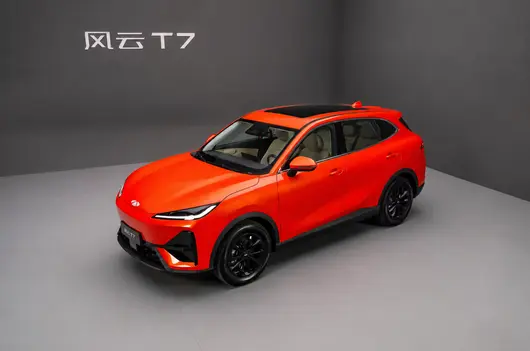
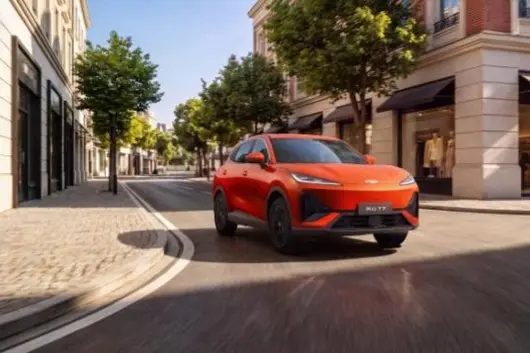
2026年8月26日,风云T7正式上市。这款车的特殊之处在于——它先完成了海外市场的严苛考验,再回到国内。而支撑它走向全球的,是一套远超同级的安全标准体系。

Euro NCAP(欧洲新车安全评鉴协会)是全球最严苛的安全测试体系之一。2026版标准高于当前欧洲市场法规要求。
风云T7提前2年开始预研这套标准。功能安全达到ASIL D最高等级。即将进入欧洲高法规市场。
这不是“够用就行”的安全,而是安全有冗余。
风云T7的安全配置,全系都一样磐石车身:九横五纵笼式结构高强度钢占比80%,热成型钢占比18.84%。
九横五纵笼式车身结构。Shotgun结构(同级独有) ——增加传力通道,分散碰撞能量。双框副车架+Pack防撞梁(同级首发) ——兼顾整车抗冲击与电池底部防托底。
1088mm贯穿式辊压门槛加强梁。前碰6条传力路径、侧碰9条传力路径。
9安全气囊:同级最多前排气囊×2、前侧气囊×2、后排侧气囊×2、侧气帘×2、远端气囊×1。
48L双腔远端气囊、1778mm一体式侧气帘。突发意外时,最大程度守护每一位家庭成员的生存空间。
6D锁子甲电池防护:31层防护31层防护结构,三横一纵设计。全方位抵御挤压、穿刺、冲击。
IP68防水,国标96倍——无惧雨季内涝、路面积水、户外涉水。
侧边抗挤压200kN,国标2倍——遭遇侧面撞击时电池包不易变形破损。
1008小时盐雾测试、105秒火烧测试(国标1.5倍) 。
风云T7安全配置一览安全配置
风云T7
安全标准
2026版E-NCAP五星
功能安全等级
ASIL D
高强度钢占比
80%
热成型钢占比
18.84%
车身结构
九横五纵笼式
安全气囊
9个(同级最多)
电池防护
6D锁子甲31层
防水等级
IP68(国标96倍)
侧边抗挤压
200kN(国标2倍)
“六大冗余”:安全不是及格,是留足余量风云T7的“六大冗余”产品优势中,前两条直接关乎安全:
碰撞安全冗余:不止达标,预留充足结构安全余量。按2026版E-NCAP五星标准开发,九横五纵笼式车身+80%高强度钢+9安全气囊,搭建起碉堡级安全空间。
电池安全冗余:超额安全阈值。6D锁子甲31层防护+IP68防水+国标2倍抗挤压+1008小时盐雾测试+105秒火烧测试,多维防护筑牢安全防线。
另外四项冗余同样间接保障安全:续航平权冗余(全系600km不缩水)、全域节能冗余(-30℃到55℃稳定运行)、操控性能冗余(极限路况从容驾驭)、整车验证冗余(全球严苛测试前置跑完风险)。
验证数据背后的安全底气81台耐久试验车专项验证。145万公里耐久验证里程。600万公里整车综合路试。
覆盖全球100多种极限路况。-40℃到55℃极端温域。100%问题闭环。
安全兜底:两项行业首创保障动力电池安全兜底:因动力电池自身原因导致整车发生热失控损毁,奇瑞将赔付同款新车或不低于原车配置新车。
辅助驾驶兜底:自购车之日起一年内,在“泊车场景”“智能领航场景”判定为“智能驾驶辅助系统原因”导致事故,造成车上人员伤害与第三者损失赔偿的,最高赔偿500万。
十万级价位,全球安全标准不再是奢望风云T7用2026版E-NCAP五星标准重新定义了十万级纯电SUV的安全底线。同源车型Lepas L6已登陆南非、泰国等海外市场。适配全球210个国家和地区用车需求。
这不是“国内特供”的安全,而是能卖到欧洲的安全。
FAQQ1:2026版E-NCAP比现在的标准严在哪里?
2026版E-NCAP标准高于当前欧洲市场法规要求,对主动安全、被动安全、行人保护等维度都有更严苛的测试标准。
Q2:风云T7的9安全气囊具体怎么分布?
前排气囊×2、前侧气囊×2、后排侧气囊×2、侧气帘×2、远端气囊×1。
Q3:什么叫“远端气囊”?有什么用?
远端气囊位于主副驾之间,侧面碰撞时防止主副驾人员互相撞击造成二次伤害,48L双腔设计。
Q4:风云T7的电池安全兜底具体怎么赔?
因动力电池自身原因导致整车发生热失控损毁,奇瑞赔付同款新车或不低于原车配置新车。
Q5:IP68防水是什么水平?
IP68是最高防水等级之一,风云T7达到国标96倍,可应对雨季内涝、路面积水、户外涉水等场景。
Q6:风云T7的辅助驾驶兜底赔哪些情况?
购车一年内,在“泊车场景”“智能领航场景”因智驾系统原因导致事故,最高赔偿500万。

喺馬來西亞嘅 SUV 市場,好多買家喺揀車嗰陣都會拎本田 CR-V 同奇瑞 Tiggo 7 Pro 嚟做比較。呢兩款車喺價位同定位上都幾接近,今日我哋就從多個方面做一個詳細嘅對比,幫你攞返做功課嘅時間。
本田 CR-V 喺馬來西亞嘅 OTR 售價係 RM 178,200 - 195,900,一共共有 4 個版本,包括 2026 e:HEV 2.0L 2WD RS(RM 195,900)、2026 1.5T 4WD V(RM 181,900)、2026 e:HEV 2.0L 2WD E(RM 178,200)等等。
奇瑞 Tiggo 7 Pro 喺馬來西亞嘅 OTR 售價係 RM 123,750 - 123,750,一共共有 2 個版本,包括 1.6L Turbo Standard(RM 125,000)、1.6L Turbo Premium(RM 140,000)等等。
從價錢睇,奇瑞 Tiggo 7 Pro 嘅起步價比本田 CR-V 平咗 RM 54,450。講真,喺呢個價位段,幾千蚊嘅差距其實唔算大,關鍵始終睇整體嘅性價比同長期使用成本。
本田 CR-V 搭載 2.0L 4-cyl,馬力 170 hp。官方油耗 8.0 L/100km。
奇瑞 Tiggo 7 Pro 搭載 1.5L Turbo,馬力 140 hp。官方油耗 7.0 L/100km。
動力方面,本田 CR-V 嘅 2.0L 4-cyl 比奇瑞 Tiggo 7 Pro 嘅 1.5L Turbo 多出 30 匹馬力,中段加速更有信心,尤其係行高速公路超車嘅時候。不過奇瑞 Tiggo 7 Pro 嘅油耗可能更友好,日常市區通勤差別唔會太大。
本田 CR-V 採用 FWD 驅動方式。
奇瑞 Tiggo 7 Pro 採用 FWD 驅動方式。
兩款車嘅驅動方式一樣,都係 FWD,日常駕駛感受唔會有太大分別。
本田 CR-V 保修 5 年/無限制里程,保養間隔 每 10,000km 或 6 個月。
奇瑞 Tiggo 7 Pro 保修 3 年/100,000km,保養間隔 每 10,000km 或 6 個月。
本田 CR-V 同奇瑞 Tiggo 7 Pro 都係馬來西亞市場嘅主流選擇,適合家庭使用、日常通勤。如果你更睇重品牌口碑同二手價,可以優先考慮口碑更好嗰款;如果你更在意性價比同配備,就揀配置更豐富嗰款。最終始終建議兩款都去試駕,親身體驗先係最重要。
總括嚟講,本田 CR-V 同奇瑞 Tiggo 7 Pro 都係馬來西亞市場好唔錯嘅車款。揀邊台,關鍵始終係睇你嘅個人需求同預算。建議大家做好功課,多比較幾間車行嘅報價,再去試駕做最終決定。買車係件大事,花少少時間做功課絕對唔會錯。


在中国汽车零部件的版图上,从来不缺投机者,但缺少像航盛这样愿意绕远路的“慢行者”。
9月9日,中国人才研究会汽车人才专业委员会二十周年盛典前,主办方举办了一场名为“鲲鹏击浪 自主领航:中国汽车电子产业及人才发展高端对话”,把行业目光投向中国本土汽车零部件的成长命题。中国汽车工程学会原理事长付于武与深圳市航盛电子股份有限公司董事长杨洪同台对谈,回望产业波澜壮阔的20年,并详细拆解了这家本土汽车电子龙头33年的突围之路。
33年前,航盛还只是一家靠来料加工挣辛苦钱的作坊式小厂;33年后,它已成长为中国汽车电子行业的领军企业,正朝着“中国的博世”这一梦想加速前行。
01
三次关键抉择,蜕变成本土龙头
创业之初的航盛,只是一家仅靠238万元起家、通过来料加工生存的国企作坊,“两头在外”的模式,使得它仅能赚取微薄加工费,成本的上涨在不断挤压生存空间。
在杨洪的介绍中,企业能够走到今天,源于三次生死攸关的抉择。

第一是体制破局,用混合所有制激活内生动力。作为中航工业旗下窗口企业,旧体制束缚企业发展。1999年航盛推动改制,转型混合所有制企业,融合央企、地方创投、管理层多方力量,厘清治理权责。改制之后仅十年,企业实现年营收10亿元,税后利润超1亿元,完成从生存到规模化发展的跨越。
第二是锚定技术,把研发与质量当做生命线。为了摆脱加工依赖,航盛将研发投入占比从3%提升至10%以上,2007年拿下国内汽车电子行业首个国家级企业技术中心。企业把航空工业高可靠性标准引入汽车产品研发;质量端导入卓越绩效模式,2011年同时斩获深圳市市长质量奖、广东省政府质量奖,筑牢产品质量根基。
第三是全国+全球布局,贴近客户构建产业网络国内围绕整车厂配套半径。航盛在河南鹤壁、江西吉安、江苏常熟、吉林建设制造基地,上海、武汉等地布局研发中心;海外落地德国、日本、韩国研发中心,规划泰国、欧洲海外制造基地,搭建起了面向全球的服务体系。
进入“十五五”航盛再次进行了战略升级,提出了“1+2+N”战略,也就是以智能座舱、智能驾驶、智能网联为核心,以声学系统和新能源控制电子为成长业务,以软件工程、智能生态产品、具身智能等为新兴业务的“1+2+N”新发展格局。
航盛“1+2+N”新发展格局的核心,就是放大航盛优势,实现结构性和规模化的增长。“1”是守住基本盘和主航道,“2”是开辟差异化的成长空间,“N”则是拓展业务增量空间。过去航盛靠汽车电子“单条腿走路”,现在“1+2+N”形成了是一个技术复用、市场协同的产品矩阵,让航盛有了多点开花的可能。
02
成为“中国博世”的执念
活下来只是起点,做强走远,需要确立清晰的行业标杆,博世——便是航盛长期追赶的目标。
三年前航盛三十周年庆典上,杨洪便立下远景——到航盛五十周年的时候,要成为“中国的博世”。
这个目标,在很多人看来近乎狂言。杨洪解释,这份追求并非简单对标企业规模,而是学习博世四大核心特质:以技术创新为先导、以高质量高可靠性为核心、坚持全球化布局、追求基业长青,这同样也是中国本土零部件企业的努力方向。
杨洪坦言,目前航盛在研发强度、专利标准、国际品牌影响力上仍存差距,这个远大目标,需要一代代航盛人接续奋斗。
而付于武对航盛也寄予了厚望。他回忆起博世一百周年庆典时,自己坚持要上主桌,“不能把外国人都排在第一桌,把中国产业代表放在第二桌”。可以看出,付于武骨子里对博世的“傲慢”是有情绪的,但他同时也对博世的“科技成就生活之美”的理念予以肯定。

“中国汽车产业既需要博世这样的跨国巨头,也需要航盛这样的本土汽车电子龙头,坚信航盛能够在行业支持下逐步实现这个发展愿景”付于武说。
03
探索技术与出海的破局之道
随着技术的进步,行业也在发生翻天覆地的变化。就汽车产恶意而言,行业共识已经从“软件定义汽车” 迭代为“AI 定义汽车”。在付于武看来,AI 、正在重构产业秩序,有着140年历史的内燃机时代加速走向终结,电子电器中央计算平台、舱驾融合成为下一个十年的主战场。
航盛在此也早有落子。目前航盛已经落地国内首个基于高通芯片的舱驾融合项目,同时同步推进地平线国产芯片的产品研发,兼顾海外成熟方案与国产自主路线。
高速变革之下,低价拼成本、拼规模的无序内卷,正在伤害整个产业链。杨洪在对话中明确提出,单纯拼价格的内卷没有出路。企业破局的核心,是依靠技术创新打造差异化、高可靠性产品,依靠品牌口碑扩大规模,构筑可持续核心竞争力。杨洪认为,“十五五”末期,国内汽车行业就有望全面回归高质量、高可靠性的发展轨道。

出海已经成为国产零部件跳出内卷的重要路径。杨洪提出,提出零部件出海“三步走” 战略:走出去卖产品、走进去建本地化基地、走上去打造国际知名品牌,不能简单把国内模式复制到海外市场。
在付于武看来,中国企业出海面临三道必须跨越的门槛。首先是ESG合规门槛,环境保护、社会责任、企业综合治理并非纸面报告,国内很多企业对此理解尚浅,需要系统补课;其二是长期主义门槛,出海是35年以上的长期事业,摒弃短期投机思维;第三是文化人才门槛,打造以人为本的国际化企业文化,企业方能行稳致远。
回顾整场对话,会发现人才是贯穿始终的暗线。
杨洪说,航盛的人才观首先是尊重——“以人为本不是口号,是要让员工有尊严,有事业,有获得感。”
在培养机制上,航盛不走捷径。关键稀缺的顶尖人才从海外引进——航盛曾花四年时间,每年两次远赴英国,最终把一位李卡多公司的专家请到深圳。而绝大多数基础工程师和管理骨干,坚持自主培养。
在人才选拔方面,航盛推行“赛马不相马”的选拔机制,让有能力的人在公平竞争中脱颖而出。中高层管理者必须成为内部讲师,通过输出倒逼输入。党工团体系打造“家文化”,把员工个人发展与企业发展、国家战略紧密绑定,这样才能留住人才,公司才能有长远发展。
从技术深耕到人才培养与选拔的极致追求,航盛用33年筑起了难以逾越的行业壁垒。“中国的博世”这一梦想,从来不是空中楼阁,是航盛一步一个脚印的踏实奔赴。航盛的远征故事,正是中国本土汽车零部件向上突围的鲜活样本。


Dalam pasaran SUV di Malaysia, banyak pembeli sering membandingkan Honda CR-V dan Mazda CX-3 ketika memilih kereta. Kedua-dua kereta ini dalam hal harga dan penarafan adalah sangat hampir, hari ini kita akan buat perbandingan terperinci dari pelbagai aspek, untuk membantu anda menjimatkan masa membuat kajian.
Harga OTR Honda CR-V di Malaysia adalah RM 178,200 - 195,900, ada sebanyak 4 varian, termasuk 2026 e:HEV 2.0L 2WD RS (RM 195,900), 2026 1.5T 4WD V (RM 181,900), 2026 e:HEV 2.0L 2WD E (RM 178,200) dan lain-lain.
Harga OTR Mazda CX-3 di Malaysia adalah RM 126,159 - 139,159, ada sebanyak 2 varian, termasuk 2023 2.0L High (RM 139,159), 2023 2.0L Plus (RM 126,159) dan lain-lain.
Dilihat dari harga, harga permulaan Mazda CX-3 adalah RM 52,041 lebih murah berbanding Honda CR-V. Jujur dikatakan, dalam kategori harga ini, perbezaan beberapa ribu sebenarnya tidak besar, yang utama adalah melihat nisbah harga dan prestasi keseluruhan serta kos penggunaan jangka panjang.
Tahap penarafan keselamatan Honda CR-V adalah 5★ (ASEAN NCAP), sistem keselamatan aktif termasuk Honda SENSING (ACC, CMBS, LKAS, RDM).
Tahap penarafan keselamatan Mazda CX-3 adalah 5★ (ASEAN NCAP), sistem keselamatan aktif termasuk i-Activsense.
Penarafan keselamatan kedua-dua kereta adalah sama, dalam kelas ini peralatan keselamatan dianggap cukup lengkap. Keselamatan kereta baharu sekarang tidak buruk, tidak perlu risau mengenai perkara ini.
Honda CR-V menggunakan cara pemacu FWD.
Mazda CX-3 menggunakan cara pemacu FWD.
Kedua-dua kereta menggunakan cara pemacu yang sama, iaitu FWD, pengalaman memandu harian tidak akan berbeza banyak.
Honda CR-V dan Mazda CX-3 kedua-duanya adalah pilihan utama pasaran Malaysia, sesuai untuk kegunaan keluarga dan perjalanan harian. Jika anda lebih mementingkan reputasi jenama dan harga jual semula, anda boleh mempertimbangkan jenama yang lebih terkenal terlebih dahulu; jika anda lebih memberi perhatian kepada nisbah harga dan peralatan, maka pilih varian yang lebih lengkap. Pada akhirnya, disarankan kedua-dua model untuk diuji uji pandu, pengalaman sendiri adalah yang paling penting.

Secara keseluruhannya, Honda CR-V dan Mazda CX-3 adalah model kereta yang sangat bagus di pasaran Malaysia. Memilih yang mana, yang penting bergantung pada keperluan dan bajet peribadi anda. Kami cadangkan anda melakukan kajian, bandingkan harga dari beberapa pengedar kereta, kemudian uji uji pandu untuk membuat keputusan akhir. Membeli kereta adalah perkara besar, mengambil sedikit masa untuk membuat kajian tidak akan salah.

Dalam pasaran SUV di Malaysia, ramai pembeli membandingkan Honda CR-V dan Toyota Harrier semasa memilih kereta. Kedua-dua kereta ini mempunyai harga dan kedudukan pasaran yang agak hampir, hari ini kita akan buat perbandingan terperinci dari pelbagai aspek untuk membantu anda menjimatkan masa menyiapkan penyelidikan.
Harga OTR Honda CR-V di Malaysia ialah RM 178,200 - 195,900, terdapat 4 varian termasuk 2026 e:HEV 2.0L 2WD RS (RM 195,900), 2026 1.5T 4WD V (RM 181,900), 2026 e:HEV 2.0L 2WD E (RM 178,200) dan lain-lain.
Harga OTR Toyota Harrier di Malaysia ialah RM 289,000 - 289,000, terdapat 1 varian termasuk 2026 HEV 2.5L Standard (RM 289,000) dan lain-lain.
Dari segi harga, Honda CR-V bermula lebih murah RM 110,800 daripada Toyota Harrier. Jika bajet anda terhad, versi masuk Honda sudah memadai untuk keperluan harian. Namun, perlu diingat, perbezaan harga beberapa ribu itu mungkin melibatkan kompromi pada kelengkapan, ia bergantung pada keperluan anda.
Kelas keselamatan Honda CR-V ialah 5★ (ASEAN NCAP), sistem keselamatan aktif termasuk Honda SENSING (ACC, CMBS, LKAS, RDM).
Kelas keselamatan Toyota Harrier ialah 5★ (ASEAN NCAP), sistem keselamatan aktif termasuk Brand ADAS.
Kelas keselamatan kedua-dua kereta ini sama, kelengkapan keselamatan pada tahap ini dianggap lengkap. Keselamatan kereta baru sekarang memang tidak kurang, tidak perlu risau mengenai aspek ini.
Panjang badan Honda CR-V 4500 mm, tempat letak barang belakang 450 L.
Panjang badan Toyota Harrier 4400 mm, tempat letak barang belakang 400 L.
Dari segi ruang, badan Honda CR-V lebih panjang 100 mm daripada Toyota Harrier, ruang duduk di dalam mungkin lebih lapang, terutamanya ruang kaki di kerusi belakang. Jika anda sering membawa keluarga atau perlu meletakkan kerusi bayi, badan kereta yang lebih besar memang lebih praktikal.
Jaminan Honda CR-V 5 tahun/ tanpa had jarak, selang penyelenggaraan setiap 10,000km atau 6 bulan.
Jaminan Toyota Harrier 5 tahun/ tanpa had jarak, selang penyelenggaraan setiap 10,000km atau 6 bulan.
Ketentuan jaminan kedua-dua kereta ini sama, tidak perlu bimbang mengenai ini. Kos penyelenggaraan sebenar masih bergantung pada rangkaian servis jenama dan harga barang, disarankan bertanya pemilik sebenar dalam kumpulan pemilik kereta.

Honda CR-V dan Toyota Harrier adalah pilihan utama dalam pasaran Malaysia, sesuai untuk kegunaan keluarga dan perjalanan harian. Jika anda lebih menghargai reputasi jenama dan nilai jualan semula, utamakan yang mana mempunyai reputasi lebih baik; jika anda lebih mengutamakan nilai dan kelengkapan, pilih yang mempunyai konfigurasi lebih kaya. Akhir sekali disarankan untuk memandu ujian kedua-dua model tersebut, pengalaman langsung adalah yang paling penting.

Secara keseluruhan, Honda CR-V dan Toyota Harrier adalah model yang sangat baik dalam pasaran Malaysia. Memilih yang mana, kunci utamanya adalah melihat keperluan dan bajet peribadi anda. Disarankan para pengguna menyiapkan penyelidikan terlebih dahulu, bandingkan lebih banyak penawaran dari pengedar kereta, kemudian buat test drive untuk membuat keputusan akhir. Membeli kereta adalah urusan besar, meluangkan masa untuk melakukan penyelidikan tidak akan salah.

In the Malaysian SUV market, many buyers compare the Honda HR-V and Subaru Crosstrek when choosing a car. These two models are quite close in price and positioning. Today, we will do a detailed comparison from multiple aspects to help you save time on research.
The OTR price of the Honda HR-V in Malaysia is RM 115,900 - 143,900, with a total of 4 versions, including 2026 e:HEV 1.5L RS (RM 143,900), 2026 1.5T V (RM 137,900), 2026 1.5T E (RM 130,900), etc.
The OTR price of the Subaru Crosstrek in Malaysia is RM 145,000 - 160,000, with a total of 1 version, including 2.0L e-Boxer (RM 150,000), etc.
From a pricing perspective, the starting price of the Honda HR-V is indeed RM 29,100 cheaper than the Subaru Crosstrek. If your budget is limited, Honda's entry-level version can already meet daily needs. However, note that the few thousand difference in price may involve trade-offs in equipment, depending on your specific needs.

The Honda HR-V safety rating is 5★ (ASEAN NCAP), and active safety systems include Honda SENSING (ACC, CMBS, LKAS, RDM).
The Subaru Crosstrek safety rating is 5★ (Euro NCAP), and active safety systems include EyeSight.
In terms of safety features, both cars have received good ratings. However, the Honda SENSING (ACC, CMBS, LKAS, RDM) of the Honda HR-V and the EyeSight of the Subaru Crosstrek have some differences in functionality. If you value active safety, you can compare their feature lists carefully.

The Honda HR-V body length is 4500 mm, and the trunk is 450 L.
The Subaru Crosstrek body length is 4400 mm, and the trunk is 400 L.
Regarding space, the Honda HR-V body is 100 mm longer than the Subaru Crosstrek, and the interior passenger space is slightly more spacious, especially the rear legroom. If you frequently carry family members or need to put in a stroller, the larger body is indeed more practical.

Honda HR-V warranty is 5 years/unlimited mileage, maintenance interval every 10,000km or 6 months.
Subaru Crosstrek warranty is 3 years/100,000km, maintenance interval every 10,000km or 6 months.

In general, both the Honda HR-V and Subaru Crosstrek are very good models in the Malaysian market. Which one to choose mainly depends on your personal needs and budget. We suggest doing your homework, comparing quotes from several dealerships, and test driving before making a final decision. Buying a car is a big matter, taking time to research will never go wrong.


On September 2, 2026, the Indonesia Jakarta International Power Exhibition (Electric & Power Indonesia) grandly opened at the Jakarta International Exhibition Center, with Yunnei Power bringing its high-quality power products to the exhibition site. Based on diverse overseas operating conditions and regulatory standards of various countries, Yunnei Power adapted to local conditions and achieved precise matching. With robust product strength and reliable power quality, it continues to showcase the value of Chinese power brands in the global market.

As a leading domestic full-category power enterprise, Yunnei Power has been deeply engaged in the internal combustion engine field for many years, possessing a mature power R&D and matching system. The company's engine product portfolio is comprehensive, covering displacement from 1.0L–13L and power from 8–500kW. It can offer all types of emission models including National II, Brazil Stage III, Euro III, and Euro V, meeting the needs of diverse compliant exports under national policies across the globe.


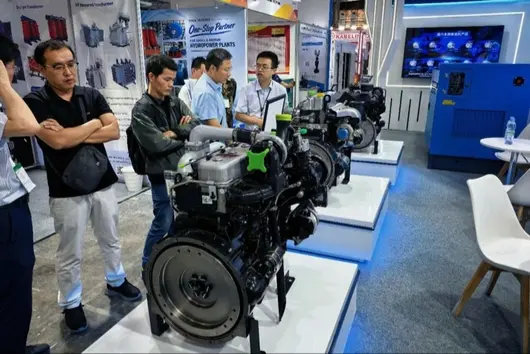
At this exhibition, Yunnei Power selected three market star power models for display: YN27, YN38, and DEF47. The products are widely adaptable to multiple application scenarios such as power generators, marine engines, engineering machinery, and agricultural machinery, featuring core advantages of high stability and the ability to operate continuously for long durations. Meanwhile, targeting Indonesia's tropical climate of high temperature and high humidity and special working conditions of biodiesel, the product adaptability and durability have been fully verified by the market.
Currently, sectors such as infrastructure construction, mining development, agricultural planting, and manufacturing in Indonesia continue to expand. The demand for stable power supply is steadily rising, and the demand for generator sets continues to remain high. The demand for domestic diesel power with high quality, low operation and maintenance costs, and convenient maintenance continues to strengthen, and the market potential of the power generation power sector is vast.

On the first day of the exhibition, traders and customers gathered at the exhibition site, bringing together power enterprises and purchasers from multiple countries. Many overseas customers visited Yunnei Power's booth, carefully viewed the displayed machines, and inquired about matching and supply on the spot. Relying on core competitive advantages such as fuel efficiency, stable performance, strong interchangeability of parts, and a complete localized after-sales system, Yunnei Power received high recognition from overseas businessmen and established connections with several potential clients to discuss cooperation methods. The brand's penetration rate and influence in the overseas market continue to rise.
In the future, Yunnei Power will continue to focus on differentiated demands of the global market, continuously iterating technology and upgrading products. It will continuously optimize power products according to operating conditions, regulations, and application scenarios in different country regions, strengthening overseas market adaptability. Meanwhile, it will continue to improve the global parts supply network and localized technical service system, providing OEMs and dealers at home and abroad with one-stop solutions including model customization, technical empowerment, complete machine matching, and after-sales support, steadily building a high-quality domestic power brand with global competitiveness.

Dalam pasaran SUV di Malaysia, ramai pembeli semasa memilih kereta sering membandingkan Honda HR-V dan Subaru Forester.
Harga OTR Honda HR-V di Malaysia ialah RM 115,900 - 143,900, terdapat 4 versi, termasuk 2026 e:HEV 1.5L RS (RM 143,900), 2026 1.5T V (RM 137,900), 2026 1.5T E (RM 130,900) dan lain-lain.
Harga OTR Subaru Forester di Malaysia ialah RM 174,000 - 197,000, terdapat 3 versi, termasuk 2024 2.0L S EyeSight GT Edition (RM 189,538), 2024 2.0L S EyeSight (RM 177,538), 2024 2.0L L EyeSight (RM 167,538) dan lain-lain.
Dari segi harga, harga permulaan Honda HR-V memang lebih murah RM 58,100 berbanding Subaru Forester. Jika bajet anda terhad, versi masuk Honda sudah boleh memenuhi keperluan harian. Namun perlu diingat, berapapun perbezaan harga itu, mungkin ada kompromi dari segi kelengkapan, lihat keperluan anda.
Honda HR-V dilengkapi 1.5L Turbo, kuasa 140 hp. Penggunaan bahan api rasmi 7.0 L/100km.
Subaru Forester dilengkapi 2.0L 4-cyl, kuasa 170 hp. Penggunaan bahan api rasmi 8.0 L/100km.
Dari segi kuasa, 2.0L 4-cyl Subaru Forester mempunyai 30 hp lebih daripada 1.5L Turbo Honda HR-V. Namun untuk pemanduan harian di bandar, kedua-dua kereta ini mempunyai kuasa yang mencukupi, tidak akan terasa kurang tenaga.
Gred keselamatan Honda HR-V ialah 5★ (ASEAN NCAP), sistem keselamatan aktif termasuk Honda SENSING (ACC, CMBS, LKAS, RDM).
Gred keselamatan Subaru Forester ialah 5★ (Euro NCAP), sistem keselamatan aktif termasuk EyeSight.
Dari segi kelengkapan keselamatan, kedua-dua kereta mendapat gred yang baik. Namun Honda SENSING (ACC, CMBS, LKAS, RDM) Honda HR-V dan EyeSight Subaru Forester mempunyai perbezaan dalam fungsi, jika anda mengutamakan keselamatan aktif, boleh bandingkan senarai fungsi kedua-duanya.
Honda HR-V menggunakan cara pemanduan FWD.
Subaru Forester menggunakan cara pemanduan FWD.
Cara pemanduan kedua-dua kereta sama, iaitu FWD, pengalaman pemanduan harian tidak akan berbeza banyak.

Honda HR-V dan Subaru Forester adalah pilihan utama di pasaran Malaysia, sesuai untuk kegunaan keluarga, pengangkutan harian. Jika anda mengutamakan reputasi jenama dan harga kedua, pilih yang mempunyai reputasi lebih baik; jika anda mengutamakan nilai dan kelengkapan, pilih yang mempunyai konfigurasi lebih lengkap. Akhir sekali, disarankan untuk memandu uji kedua-duanya, pengalaman peribadi adalah yang paling penting.
Secara keseluruhannya, Honda HR-V dan Subaru Forester adalah model yang sangat baik di pasaran Malaysia. Memilih yang mana, penting untuk lihat keperluan dan bajet peribadi anda. Disarankan buat kajian, bandingkan harga beberapa kedai kereta, kemudian uji memandu untuk keputusan akhir. Membeli kereta adalah perkara besar, meluangkan masa membuat kajian pasti tidak akan salah.

喺馬來西亞嘅 SUV 市場,好多買家喺揀車嗰陣都會拿 Honda CR-V 同 Toyota Yaris Cross 嚟比下。呢兩部車喺價位同定位上都差唔多,今日我哋就從多個方面做個詳細嘅比較,幫你省返做功課嘅時間。
Honda CR-V 喺馬來西亞嘅 OTR 售價係 RM 178,200 - 195,900,合共有 4 個版本,包括 2026 e:HEV 2.0L 2WD RS(RM 195,900)、2026 1.5T 4WD V(RM 181,900)、2026 e:HEV 2.0L 2WD E(RM 178,200)等。
Toyota Yaris Cross 喺馬來西亞嘅 OTR 售價係 RM 99,900 - 109,900,合共有 2 個版本,包括 2026 1.5L Standard(RM 99,900)、2026 HEV 1.5L Standard(RM 109,900)等。
從價錢睇,Toyota Yaris Cross 嘅起步價比 Honda CR-V 平咗 RM 78,300。講真嘅,喺呢個價位段,幾千蚊嘅差距其實唔算大,重點仲係睇整體性價比同長期使用成本。
Honda CR-V 嘅安全評級係 5★ (ASEAN NCAP),主動安全系統包括 Honda SENSING (ACC, CMBS, LKAS, RDM)。
Toyota Yaris Cross 嘅安全評級係 5★ (ASEAN NCAP),主動安全系統包括 TSS。
兩部車嘅安全評級一樣,喺呢個級別入面安全配備都算給好齊全啦。依家嘅新車安全性都唔差,唔使太擔心呢一點。
Honda CR-V 車身長 4500 mm,行李廂 450 L。
Toyota Yaris Cross 車身長 4400 mm,行李廂 400 L。
空間方面,Honda CR-V 嘅車身比 Toyota Yaris Cross 長咗 100 mm,車內乘坐空間會稍微闊落啲,尤其係後座腳位空間。如果你經常載家人或者要放細路仔車,車身大少少確實更加實用。
Honda CR-V 保修 5 年/無限制里程,保養間隔 每 10,000km 或 6 個月。
Toyota Yaris Cross 保修 5 年/無限制里程,保養間隔 每 10,000km 或 6 個月。
兩部車嘅保修條件一樣,呢方面唔使糾結。實際保養成本仲要睇品牌嘅服務網絡同零件價格,建議去車友群問下真實車主嘅經驗。

總括嚟講,Honda CR-V 同 Toyota Yaris Cross 都係馬來西亞市場好唔錯嘅車型。揀邊輛,關鍵仲係要睇你嘅個人需要同預算。建議大家做好功課,多比下幾間車行嘅報價,先再去試駕做最後決定。買車係件大事,花少少時間做功課絕對無錯。

喺馬來西亞嘅 SUV 市場,好多買家喺揀車嗰陣都會拿 Honda CR-V 同 Toyota Yaris Cross 嚟做比較。這兩款車喺價位同定位上都幾近,今日我哋就從多個方面做一個詳細嘅比較,幫你慳晒做功課嘅時間。
Honda CR-V 喺馬來西亞嘅 OTR 售價係 RM 178,200 - 195,900,合共有 4 個版本,包括 2026 e:HEV 2.0L 2WD RS(RM 195,900)、2026 1.5T 4WD V(RM 181,900)、2026 e:HEV 2.0L 2WD E(RM 178,200) 等。
Toyota Yaris Cross 喺馬來西亞嘅 OTR 售價係 RM 99,900 - 109,900,合共有 2 個版本,包括 2026 1.5L Standard(RM 99,900)、2026 HEV 1.5L Standard(RM 109,900) 等。
從價錢嚟睇,Toyota Yaris Cross 嘅起步價比 Honda CR-V 平咗 RM 78,300。老實講,喺呢個價位段,幾千蚊嘅差距其實唔算大,關鍵始終睇整體嘅性價比同長期使用成本。
Honda CR-V 嘅安全評級係 5★ (ASEAN NCAP),主動安全系統包括 Honda SENSING (ACC, CMBS, LKAS, RDM)。
Toyota Yaris Cross 嘅安全評級係 5★ (ASEAN NCAP),主動安全系統包括 TSS。
兩款車嘅安全評級一樣,喺呢個級別裡面安全配備都算給得好齊全。而家嘅新車安全性都唔差,唔使太擔心呢一點。
Honda CR-V 採用 FWD 驅動方式。
Toyota Yaris Cross 採用 FWD 驅動方式。
兩款車嘅驅動方式一樣,都係 FWD,日常駕駛感受唔會有太大分別。
Honda CR-V 同 Toyota Yaris Cross 都係馬來西亞市場嘅主流選擇,適合家庭使用、日常通勤。如果你更重視品牌口碑同二手價,可以優先考慮口碑更好嗰一款;如果你更在意性價比同配備,那就揀配置更豐富嗰款。最後始終建議兩款都去試駕,親身體驗先至係最緊要嘅。
總體嚟講,Honda CR-V 同 Toyota Yaris Cross 都係馬來西亞市場幾不錯嘅車型。揀邊一部,關鍵都要睇你個人需求同預算。建議大家做好功課,多比較幾間車行嘅報價,再去試駕做最後決定。買車係件大事,花啲時間做功課絕對唔會錯。

喺馬來西亞嘅 SUV 市場,好多買家喺揀車嘅時候都會拿 Honda HR-V 同 Subaru Crosstrek 嚟做比較。呢兩款車喺價位同定位上都相當接近,而家我哋就從多個方面做一個詳細嘅比較,幫你節省咗做功課嘅時間。
Honda HR-V 喺馬來西亞嘅 OTR 售價係 RM 115,900 - 143,900,合共有 4 個版本,包括 2026 e:HEV 1.5L RS(RM 143,900)、2026 1.5T V(RM 137,900)、2026 1.5T E(RM 130,900) 等。
Subaru Crosstrek 喺馬來西亞嘅 OTR 售價係 RM 145,000 - 160,000,合共有 1 個版本,包括 2.0L e-Boxer(RM 150,000) 等。
從價格嚟睇,Honda HR-V 嘅起步價確實比 Subaru Crosstrek 平咗 RM 29,100。如果你預算有限,Honda 嘅入門版已經可以滿足日常需求。但要留意,平啲嘅嗰幾千蚊,可能喺配備上會有所取舍,具體要睇你嘅需求。
Honda HR-V 嘅安全評級係 5★ (ASEAN NCAP),主動安全系統包括 Honda SENSING (ACC, CMBS, LKAS, RDM)。
Subaru Crosstrek 嘅安全評級係 5★ (Euro NCAP),主動安全系統包括 EyeSight。
安全配備方面,兩款車都拿到咗唔錯嘅評級。不過 Honda HR-V 嘅 Honda SENSING (ACC, CMBS, LKAS, RDM) 同 Subaru Crosstrek 嘅 EyeSight 喺功能上有些差異,如果你比較重視主動安全嘅話,可以仔細比較下兩者嘅功能列表。
Honda HR-V 保養 5 年/無限制里程,保養間隔 每 10,000km 或 6 個月。
Subaru Crosstrek 保養 3 年/100,000km,保養間隔 每 10,000km 或 6 個月。
Honda HR-V 同 Subaru Crosstrek 都係馬來西亞市場嘅主流選擇,適合家庭使用、日常通勤。如果你更重視品牌口碑同二手價,可以優先考慮口碑更好嗰一款;如果你更在意性價比同配備,那就揀配備更豐富嗰款。最終都係建議兩款都去試駕,親自體驗先係最重要嘅。
總括嚟講,Honda HR-V 同 Subaru Crosstrek 都係馬來西亞市場好好嘅車型。揀邊一輛,關鍵都係要睇你嘅個人需求同預算。建議大家做好功課,多比較幾間車行嘅報價,先去試駕先做最終決定。買車係一件大事,花少少時間做功課絕對唔會錯。

In Malaysia's SUV market, many buyers compare the Honda HR-V and Hyundai Tucson when choosing a car. These two models are quite close in price and positioning. Today, we will make a detailed comparison from multiple aspects to help you save time on research.
The Honda HR-V's OTR price in Malaysia is RM 115,900 - 143,900, with a total of 4 versions, including 2026 e:HEV 1.5L RS (RM 143,900), 2026 1.5T V (RM 137,900), 2026 1.5T E (RM 130,900), etc.
The Hyundai Tucson's OTR price in Malaysia is RM 143,888 - 197,888, with a total of 5 versions, including 2025 HEV 1.6T AT 2WD Prestige (RM 197,888), 2025 1.6T DCT 4WD Prestige (RM 186,888), 2025 1.6T DCT 2WD Prime (RM 164,888), etc.
From a price perspective, the Honda HR-V's starting price is indeed RM 27,988 cheaper than the Hyundai Tucson. If your budget is limited, Honda's entry-level version can already meet daily needs. However, note that the few thousand difference might involve trade-offs in features, depending on your specific needs.
The Honda HR-V comes with a 1.5L Turbo engine, delivering 140 hp. Official fuel consumption is 7.0 L/100km.
The Hyundai Tucson comes with a 1.5L Turbo engine, delivering 140 hp. Official fuel consumption is 7.0 L/100km.
Both cars use the same powertrain, so the driving experience is basically the same. Fuel consumption is also similar, so no need to worry too much about this point.
The Honda HR-V body length is 4500 mm, trunk 450 L.
The Hyundai Tucson body length is 4400 mm, trunk 400 L.
Regarding space, the Honda HR-V's body is 100 mm longer than the Hyundai Tucson, offering slightly more spacious interior seating, especially legroom in the rear. If you frequently carry family or need to fit a stroller, the larger body is indeed more practical.
The Honda HR-V uses FWD drive mode.
The Hyundai Tucson uses FWD drive mode.
Both cars have the same drive mode, which is FWD, so there won't be much difference in daily driving experience.

Both the Honda HR-V and Hyundai Tucson are mainstream choices in the Malaysian market, suitable for family use and daily commuting. If you value brand reputation and resale value more, prioritize the one with better reputation; if you care more about cost-performance ratio and features, choose the one with richer configuration. Ultimately, it is recommended to test drive both, as personal experience is the most important.

Overall, the Honda HR-V and Hyundai Tucson are both very good models in the Malaysian market. Which one to choose ultimately depends on your personal needs and budget. It is recommended to do your research, compare quotes from several dealerships, and then test drive to make a final decision. Buying a car is a big matter, spending time on research is never wrong.
In the Malaysian SUV market, many buyers compare Honda HR-V and Mitsubishi Xforce when choosing a car. These two models are quite close in price and positioning. Today we will conduct a detailed comparison from multiple aspects to save you time on research.
The OTR price for Honda HR-V in Malaysia is RM 115,900 - 143,900, with 4 versions in total, including 2026 e:HEV 1.5L RS (RM 143,900), 2026 1.5T V (RM 137,900), 2026 1.5T E (RM 130,900), and others.
The OTR price for Mitsubishi Xforce in Malaysia is RM 109,930 - 119,930, with 2 versions in total, including 2026 1.5L Ultimate (RM 119,930), 2026 1.5L Urban (RM 109,930), and others.
From a price perspective, Mitsubishi Xforce's starting price is RM 5,970 cheaper than Honda HR-V. Honestly, in this price segment, a difference of a few thousand is not that big. The key is to look at overall value for money and long-term usage costs.
Honda HR-V is equipped with a 1.5L Turbo, 140 hp. Official fuel consumption 7.0 L/100km.
Mitsubishi Xforce is equipped with a 1.5L Turbo, 140 hp. Official fuel consumption 7.0 L/100km.
Both cars use the same powertrain system, the driving experience is basically no difference in daily use. Fuel consumption is also similar, no need to dwell on this too much.
Honda HR-V safety rating is 5★ (ASEAN NCAP), active safety systems include Honda SENSING (ACC, CMBS, LKAS, RDM).
Mitsubishi Xforce safety rating is 5★ (ASEAN NCAP), active safety system includes MI-PILOT.
Both cars have the same safety rating. In this class, safety features are quite comprehensive. Safety of new cars nowadays is not bad, no need to worry too much about this.
Honda HR-V body length 4500 mm, trunk 450 L.
Mitsubishi Xforce body length 4400 mm, trunk 400 L.
In terms of space, Honda HR-V's body is 100 mm longer than Mitsubishi Xforce, the interior seating space will be slightly more spacious, especially rear legroom. If you often carry family or need to put a stroller, a larger body is indeed more practical.

Honda HR-V and Mitsubishi Xforce are both mainstream choices in the Malaysian market, suitable for family use and daily commuting. If you value brand reputation and resale value more, you can prioritize the one with better reputation; if you care more about value for money and features, choose the one with richer configuration. Ultimately it is suggested to test drive both, experiencing it personally is the most important.
Overall, Honda HR-V and Mitsubishi Xforce are both very good models in the Malaysian market. Which one to choose depends mainly on your personal needs and budget. It is recommended to do research, compare quotes from several dealerships, and then test drive to make the final decision. Buying a car is a big matter, spending time doing research will definitely not be wrong.
Dalam pasaran SUV di Malaysia, ramai pembeli apabila memilih kereta sering mengambil Honda HR-V dan Kia Sportage untuk dibandingkan. Kedua-dua kereta ini harga dan posisinya agak hampir, hari ini kita akan buat perbandingan terperinci dari pelbagai aspek untuk membantu anda menjimatkan masa membuat kajian.
Honda HR-V di Malaysia memiliki harga OTR RM 115,900 - 143,900, jumlah keseluruhan ada 4 varian, termasuk 2026 e:HEV 1.5L RS (RM 143,900), 2026 1.5T V (RM 137,900), 2026 1.5T E (RM 130,900) dan lain-lain.
Kia Sportage di Malaysia memiliki harga OTR RM 129,639 - 179,320, jumlah keseluruhan ada 4 varian, termasuk 2025 1.6T DCT 4WD High (RM 179,320), 2025 1.6T DCT 2WD High (RM 159,320), 2025 2.0L AT 2WD High (RM 139,639) dan lain-lain.
Dari segi harga, harga permulaan Honda HR-V memang lebih murah RM 13,739 berbanding Kia Sportage. Jika bajet anda terbatas, varian asas Honda sudah boleh memenuhi keperluan harian. Namun perlu diingat, beza ribuan ringgit ini mungkin melibatkan pengorbanan pada ciri-ciri, bergantung pada keperluan anda.
Honda HR-V dilengkapi dengan 1.5L Turbo, kuasa 140 hp. Penggunaan bahan api rasmi 7.0 L/100km.
Kia Sportage dilengkapi dengan 1.5L Turbo, kuasa 140 hp. Penggunaan bahan api rasmi 7.0 L/100km.
Kedua-dua kereta menggunakan sistem kuasa yang sama, pengalaman memandu harian tiada perbezaan besar. Dari segi penggunaan bahan api juga hampir sama, tidak perlu terlalu bimbang.
Honda HR-V panjang kenderaan 4500 mm, ruang muat belakang 450 L.
Kia Sportage panjang kenderaan 4400 mm, ruang muat belakang 400 L.
Dari segi ruang, badan Honda HR-V 100 mm lebih panjang daripada Kia Sportage, ruang penumpang di dalam sedikit lebih luas, terutamanya ruang kaki belakang. Jika anda sering mengangkut keluarga atau perlu menaruh kerusi dorong bayi, badan kenderaan yang lebih besar memang lebih praktikal.
Honda HR-V menggunakan cara pemacu FWD.
Kia Sportage menggunakan cara pemacu FWD.
Cara pemacu kedua-dua kereta sama, iaitu FWD, pengalaman memandu harian tidak akan ada perbezaan besar.

Honda HR-V dan Kia Sportage adalah pilihan utama pasaran Malaysia, sesuai untuk kegunaan keluarga, perjalanan harian. Jika anda lebih mementingkan reputasi jenama dan harga jualan semula, boleh utamakan yang mempunyai reputasi lebih baik; jika anda lebih mementingkan nilai harga dan ciri-ciri, pilih yang mempunyai ciri yang lebih kaya. Akhir sekali disarankan untuk uji jalan kedua-dua model, pengalaman sendiri adalah yang paling penting.

Secara keseluruhannya, Honda HR-V dan Kia Sportage adalah model kereta yang sangat baik di pasaran Malaysia. Memilih yang mana satu, kuncinya bergantung pada keperluan dan bajet peribadi anda. Disarankan membuat kajian terlebih dahulu, bandingkan lebih banyak penawaran harga dari kedai kereta, kemudian buat uji jalan untuk keputusan akhir. Membeli kereta adalah perkara besar, meluangkan masa membuat kajian tidak akan salah.

Dalam pasaran SUV Malaysia, ramai pembeli membandingkan Honda HR-V dan Kia Sportage semasa memilih kereta. Kedua-dua kereta ini mempunyai harga dan penempatan yang agak hampir, hari ini kita akan membuat perbandingan terperinci dari pelbagai aspek untuk membantu anda menjimatkan masa melakukan kajian.
Harga OTR Honda HR-V di Malaysia adalah RM 115,900 - 143,900, terdapat 4 versi, termasuk 2026 e:HEV 1.5L RS (RM 143,900), 2026 1.5T V (RM 137,900), 2026 1.5T E (RM 130,900) dan lain-lain.
Harga OTR Kia Sportage di Malaysia adalah RM 129,639 - 179,320, terdapat 4 versi, termasuk 2025 1.6T DCT 4WD High (RM 179,320), 2025 1.6T DCT 2WD High (RM 159,320), 2025 2.0L AT 2WD High (RM 139,639) dan lain-lain.
Dari segi harga, harga permulaan Honda HR-V memang lebih murah RM 13,739 berbanding Kia Sportage. Jika bajet anda terhad, versi asas Honda sudah dapat memenuhi keperluan harian. Namun, perhatikan juga, beberapa ribu ringgit yang murah mungkin mempunyai kompromi dalam kelengkapan, ia bergantung kepada keperluan anda.
Honda HR-V dilengkapi enjin 1.5L Turbo, kuasa 140 hp. Penggunaan minyak rasmi 7.0 L/100km.
Kia Sportage dilengkapi enjin 1.5L Turbo, kuasa 140 hp. Penggunaan minyak rasmi 7.0 L/100km.
Kedua-dua kereta menggunakan sistem daya yang sama, rasa memandu harian hampir tiada perbezaan. Penggunaan minyak juga hampir sama, tidak perlu terlalu bimbang mengenai hal ini.
Panjang badan Honda HR-V 4500 mm, ruang muat balik 450 L.
Panjang badan Kia Sportage 4400 mm, ruang muat balik 400 L.
Dari segi ruang, panjang badan Honda HR-V adalah 100 mm lebih panjang daripada Kia Sportage, ruang duduk dalam kereta akan sedikit lebih luas, terutamanya ruang kaki untuk tempat duduk belakang. Jika anda kerap membawa keluarga atau perlu meletakkan kereta bayi, badan yang lebih besar memang lebih praktikal.
Honda HR-V waranti 5 tahun/jarak tanpa had, selang servis setiap 10,000km atau 6 bulan.
Kia Sportage waranti 5 tahun/300,000km, selang servis setiap 10,000km atau 6 bulan.
Secara keseluruhan, Honda HR-V dan Kia Sportage adalah model kereta yang sangat baik di pasaran Malaysia. Memilih yang mana, kunci tetap bergantung kepada keperluan dan bajet peribadi anda. Kami mengesyorkan anda membuat kajian, bandingkan beberapa harga dari dealer kereta, kemudian pergi uji jalan untuk membuat keputusan akhir. Membeli kereta adalah perkara penting, menghabiskan masa untuk membuat kajian tidak akan salah.

Auto Talk Industry | As the global automotive industry's electrification transition enters the deep-water zone, Chinese brands are continuously amplifying their voice on the world stage. Relying on the solid foundation of the domestic market, combined with high-speed expansion in overseas markets, Chery Group's new energy sector has delivered a report of scale and quality.
Latest sales data shows that Chery Group's new energy vehicles achieved a monthly sales volume exceeding 100,000 units for five consecutive months, securing the fifth position in the global new energy landscape, and becoming an important sample for China's automotive "overtaking by changing lanes".

In August, Chery Group's new energy vehicle sales reached 120,909 units, a year-on-year surge of 69.8%, with wholesale volume ranking in the top three of the industry for five consecutive months. From January to August 2026, Chery Group's new energy cumulative sales reached 725,214 units, a year-on-year increase of 46.2%, maintaining a strong upward growth curve on a high base.
According to statistics from CPCA's Cui Dongshu, from January to July 2026, Chery Group's new energy global market share reached 5.5%, ranking in the top five of global automotive groups in new energy vehicle sales.

It is worth noting that among the global new energy sales TOP 5 list, four slots are occupied by Chinese automotive companies, marking that China's new energy vehicles have upgraded from local rise to a global force, reshaping the global automotive industry competition landscape. From 100,300 units in April to 121,000 units in August, the monthly rising new energy sales volume verifies that Chery's electrification transition has shifted from phased explosion to normalized growth.
Behind the surge in total volume is a deep restructuring of the internal structure, with new energy becoming the core pillar of Chery's domestic market. In August, Chery Group's full-vehicle sales reached 280,128 units, a year-on-year increase of 15.4%. The new energy penetration rate in the domestic market soared to 61.9%, equivalent to two out of every three Chery cars sold domestically being new energy models.

High penetration means Chery's product structure has completed a fundamental switch. New energy is no longer a supplementary sector but the main force driving the brand's basic foundation. From traditional fuel vehicles to new energy carrying the national market banner, Chery has completed the iteration of internal tracks, laying product foundations for subsequent global output.
Export business is another major engine for Chery's growth. In August, Chery exports reached 196,984 units, a year-on-year increase of 52.1%, continuing to hold the number one spot for Chinese brand exports. New energy is becoming the core driver for going global; currently, one out of every seven new energy vehicles exported domestically comes from Chery.
In August, Chery's new energy exports approached 70,000 units, with a year-on-year increase as high as 124.2%, and the proportion of new energy in total monthly exports rose to 35.3%. New energy products are rewriting Chery's overseas sales composition, helping exports break away from the old pattern dominated by fuel vehicles.
Europe, as the mainstream automotive market with the strictest global regulations, has become the touchstone for testing Chery's global product power. From January to July 2026, Chery sold over 208,000 cars in 24 European countries, a year-on-year increase of 201%; among them, new energy vehicle sales were 102,000 units, a year-on-year surge of 332.5%, with the new energy proportion approaching 50%.

The high-speed growth in the European market proves that Chery's new energy products can adapt to mature markets with high safety and high emission standards, breaking the stereotype in overseas markets that Chinese new energy vehicles are "only suitable for emerging markets", and accumulating reputation and experience for further opening up developed markets.
Achieving flourishing growth both domestically and internationally stems from Chery's blockbuster product matrix covering different price ranges, different categories, and adapting to global diversified demands.
Domestically, new models continue to ignite the consumption market. On the launch day of the Fulid T7, orders exceeded 23,000, and the "Origin Global Car" concept received a warm market response; the FREELANDER Shenxingzhe 8, the first mass-production car of the Shenxingzhe series, opened pre-sales, with orders exceeding 10,000 in 48 hours, officially launching an attack on the high-end new energy track; the new QQ3 sales exceeded 10,000 for five consecutive months, stabilizing its star position in the A0-level pure electric market; the Luxeed V9 cumulative deliveries exceeded 20,000 units, refreshing the fastest delivery record for new energy MPVs at the 500,000 yuan level.
From small commuting cars to family SUVs, then to high-end MPVs, Chery has achieved comprehensive positioning in the segmented market, catering to both mass consumption and high-end upgrade demands.
On the overseas battlefield, multiple main models broke through strongly. The JAECOO 7, JAECOO 5, and OMODA 5 models entered the top ten best-selling car lists in the UK; the JAECOO 5 won the sales champion in the Australian segmented market, Indonesia, and Thailand pure electric markets; the iCAR V23 topped the segmented market榜首 in Thailand and South Africa.
The simultaneous success of multiple models in different continental markets shows that Chery is not simply selling domestic models overseas, but developing products based on global user demands, truly achieving one model adapting to multiple countries' road conditions, regulations, and consumption preferences.
While sales scale surged, Chery's new energy is moving away from the development model that relied solely on volume, stepping into the value growth stage of quality and quantity improvement. In the first half of 2026, Chery's new energy business revenue reached 59.284 billion yuan, a year-on-year increase of 63.8%, and the proportion of new energy business in the group's total revenue rose from 25.6% to 41.4%.
The significant increase in revenue proportion represents that new energy business is no longer just a tool for boosting sales but a core business unit that truly creates revenue value, with product premium capabilities continuously improving.

As of the end of August, Chery's global cumulative sales exceeded 20.44 million units, and overseas cumulative sales exceeded 7.18 million units. Decades of production and sales foundation, combined with the new momentum of new energy business, propelled Chery to a new development starting point.
From domestic penetration rate breaking through 60% to global ranking in the top five, from blooming everywhere in emerging markets to achieving more than triple growth in European developed markets, Chery's development trajectory is precisely a microcosm of China's automotive industry overtaking by changing lanes.
Under the wave of electrification, Chinese automotive companies bypassed the technical barriers of the traditional fuel vehicle era, relying on a complete industrial chain and rapid iterative product R&D capabilities, achieving a shift from following to running alongside, and leading in some areas. Chery solidifies its foundation with the domestic large cycle, leverages the global market with new energy products, and continuously writes the globalization story of China's automotive industry with one global model after another.
Market Commentary:
Chery's new energy achieved dual drive through high domestic penetration and high-speed overseas expansion, with a 5.5% global share verifying its top tier status. The product matrix caters to both high and low-end markets, and the breakthrough in the European market proves product power withstands strict tests. However, overseas high-end brand building and profit level improvement remain the core themes for follow-up. Chery's growth path provides a highly valuable practical model for the globalization transformation of domestic brands.

喺馬來西亞嘅 SUV 市場,好多買家喺揀車嗰陣都會拿本田 HR-V 同現代 Tucson 嚟比較。呢兩款車喺價錢同定位上都相當接近,今日我哋就由多個角度做個詳細對比,幫你節省做功課嘅時間。
本田 HR-V 喺馬來西亞嘅 OTR 售價係 RM 115,900 - 143,900,總共有 4 個版本,包括 2026 e:HEV 1.5L RS(RM 143,900)、2026 1.5T V(RM 137,900)、2026 1.5T E(RM 130,900)等。
現代 Tucson 喺馬來西亞嘅 OTR 售價係 RM 143,888 - 197,888,總共有 5 個版本,包括 2025 HEV 1.6T AT 2WD Prestige(RM 197,888)、2025 1.6T DCT 4WD Prestige(RM 186,888)、2025 1.6T DCT 2WD Prime(RM 164,888)等。
單睇價錢,本田 HR-V 嘅起步價確實平咗現代 Tucson RM 27,988。如果你預算有限,本田嘅入門版已經可以滿足日常需要。但都留意,平嗰幾千蚊,可能喺配備上要取捨,具體就要睇你嘅需要。
本田 HR-V 配備 1.5L Turbo,馬力 140 hp。官方油耗 7.0 L/100km。
現代 Tucson 配備 1.5L Turbo,馬力 140 hp。官方油耗 7.0 L/100km。
兩款車用緊同一套動力系統,日常開落去嘅感覺基本冇乜分別。油耗方面都差唔多,唔使太糾結呢一點。
本田 HR-V 嘅安全評級係 5★ (ASEAN NCAP),主動安全系統包括本田 SENSING (ACC, CMBS, LKAS, RDM)。
現代 Tucson 嘅安全評級係 5★ (ASEAN NCAP),主動安全系統包括 SmartSense。
兩款車嘅安全評級一樣,喺呢個級別入面安全配備都算好齊全。而家嘅新車安全性都唔差,唔使太擔心呢一點。
本田 HR-V 採用 FWD 驅動方式。
現代 Tucson 採用 FWD 驅動方式。
兩款車嘅驅動方式一樣,都係 FWD,日常駕駛感覺唔會有太大分別。
總體嚟講,本田 HR-V 同現代 Tucson 都係馬來西亞市場好唔錯嘅車型。揀邊一輛,關鍵仲係要睇你嘅個人需要同預算。建議大家做好功課,多比較幾間車行嘅報價,先至去試駕做最終決定。買車係件大事,花少少時間做功課絕對唔會錯。
© 2024 Bitauto.com. All Rights Reserved.
Bitauto (www.yiche.com and www.bitauto.com) is one of the most visited automotive websites in China. We provide detailed info on Chinese car brands available in your area. Please note that the information provided on this website is based on publicly available data and is for reference only. It may not be fully updated or accurate at all times.

Help us improve our website


