

HomeKia Seltos

Search History
Popular Searches
Dealer Login / Sign Up

In Malaysia's SUV market, many buyers compare Honda WR-V and Mazda CX-3 when choosing a car. These two cars are quite similar in price and positioning. Today we will make a detailed comparison from multiple aspects to help you save time doing research.
Honda WR-V's OTR price in Malaysia is RM 89,900 - 107,900, with a total of 4 variants, including 2023 1.5L V (RM 99,900), 2023 1.5L E (RM 95,900), 2023 1.5L S (RM 89,900) etc.
Mazda CX-3's OTR price in Malaysia is RM 126,159 - 139,159, with a total of 2 variants, including 2023 2.0L High (RM 139,159), 2023 2.0L Plus (RM 126,159) etc.
In terms of price, the Honda WR-V's starting price is indeed RM 36,259 cheaper than the Mazda CX-3. If your budget is limited, Honda's entry-level version can already meet daily needs. However, note that the few thousand dollars difference may involve trade-offs in features, depending on your specific needs.

Honda WR-V is equipped with a 1.5L 4-cyl, 105 hp. Official fuel consumption 6.0 L/100km.
Mazda CX-3 is equipped with a 1.5L Turbo, 140 hp. Official fuel consumption 7.0 L/100km.
In terms of power, the Mazda CX-3's 1.5L Turbo has 35 hp more than the Honda WR-V's 1.5L 4-cyl. However, for daily city driving, both cars have enough power and do not feel underpowered.

Honda WR-V body length is 4400 mm, trunk 400 L.
Mazda CX-3 body length is 4500 mm, trunk 450 L.
In terms of space, the Mazda CX-3's body is 100 mm longer than the Honda WR-V, offering an advantage in seating space. However, the Honda WR-V is more flexible to park in the city; there are trade-offs for each.

Honda WR-V adopts FWD drive mode.
Mazda CX-3 adopts FWD drive mode.
Both cars have the same drive mode, both are FWD, so the daily driving experience will not differ much.

Honda WR-V and Mazda CX-3 are both mainstream choices in the Malaysian market, suitable for family use and daily commuting. If you value brand reputation and resale value more, you can prioritize the one with better reputation; if you care more about cost-performance ratio and features, then choose the one with richer configuration. Ultimately, it is recommended to test drive both, personal experience is the most important.

Overall, Honda WR-V and Mazda CX-3 are both very good models in the Malaysian market. Which one to choose depends mainly on your personal needs and budget. We suggest doing your homework, comparing quotes from several dealerships, and then test driving to make a final decision. Buying a car is a big matter, spending time doing research will never be wrong.


Dalam pasaran SUV di Malaysia, ramai pembeli membandingkan Honda WR-V dan Mazda CX-30 ketika memilih kereta. Kedua-dua kereta ini mempunyai harga dan kedudukan pasaran yang agak dekat, hari ini kita akan membuat perbandingan terperinci dari pelbagai aspek untuk membantu anda menjimatkan masa membuat kajian.
Harga OTR Honda WR-V di Malaysia ialah RM 89,900 - 107,900, terdapat 4 versi, termasuk 2023 1.5L V (RM 99,900), 2023 1.5L E (RM 95,900), 2023 1.5L S (RM 89,900) dan lain-lain.
Harga OTR Mazda CX-30 di Malaysia ialah RM 122,409 - 146,409, terdapat 4 versi, termasuk 2025 2.0L High+ Premium (RM 146,409), 2025 2.0L High+ (RM 138,409), 2025 2.0L High (RM 130,409) dan lain-lain.
Dari segi harga, harga permulaan Honda WR-V benar-benar RM 32,509 lebih murah daripada Mazda CX-30. Jika bajet anda terhad, versi asas Honda sudah boleh memenuhi keperluan harian. Namun perlu diingat, perbezaan harga beberapa ribu itu mungkin mempunyai kompromi pada kelengkapan, bergantung kepada keperluan anda.
Honda WR-V dilengkapi enjin 1.5L 4-cyl, kuasa 105 hp. Penggunaan bahan api rasmi 6.0 L/100km.
Mazda CX-30 dilengkapi enjin 1.5L Turbo, kuasa 140 hp. Penggunaan bahan api rasmi 7.0 L/100km.
Dari segi kuasa, enjin 1.5L Turbo Mazda CX-30 mempunyai 35 hp lebih daripada enjin 1.5L 4-cyl Honda WR-V. Namun untuk penggunaan harian di bandar, kuasa kedua-dua kereta ini sudah mencukupi, tidak akan berasa kurang bertenaga.
Gred keselamatan Honda WR-V ialah 5★ (ASEAN NCAP), sistem keselamatan aktif termasuk Honda SENSING.
Gred keselamatan Mazda CX-30 ialah 5★ (ASEAN NCAP), sistem keselamatan aktif termasuk i-Activsense.
Gred keselamatan kedua-dua kereta ini sama, kelengkapan keselamatan dalam tahap ini dianggap sangat lengkap. Keselamatan kereta baru sekarang tidaklah buruk, tidak perlu terlalu bimbang tentang hal ini.
Honda WR-V dijamin 5 tahun/jarak tanpa had, selang penyelenggaraan setiap 10,000km atau 6 bulan.
Mazda CX-30 dijamin 5 tahun/150,000km, selang penyelenggaraan setiap 10,000km atau 6 bulan.

Secara keseluruhan, Honda WR-V dan Mazda CX-30 kedua-duanya merupakan model yang sangat bagus di pasaran Malaysia. Memilih mana satu, utama bergantung kepada keperluan dan bajet peribadi anda. Kami sarankan anda membuat kajian, bandingkan lebih banyak tawaran daripada kedai kereta, kemudian buat ujian memandu untuk membuat keputusan akhir. Membeli kereta adalah perkara besar, mengambil masa untuk membuat kajian tidak akan salah.

Pasar SUV di Malaysia, ramai pembeli membandingkan Honda WR-V dan Mazda CX-3 apabila memilih kereta. Kedua-dua model ini mempunyai harga dan penempatan pasaran yang sangat hampir. Hari ini, kami akan membuat perbandingan terperinci dari pelbagai aspek untuk membantu anda menjimatkan masa membuat kajian.
Harga OTR Honda WR-V di Malaysia ialah RM 89,900 - 107,900, terdapat 4 varian, termasuk 2023 1.5L V (RM 99,900), 2023 1.5L E (RM 95,900), 2023 1.5L S (RM 89,900) dan sebagainya.
Harga OTR Mazda CX-3 di Malaysia ialah RM 126,159 - 139,159, terdapat 2 varian, termasuk 2023 2.0L High (RM 139,159), 2023 2.0L Plus (RM 126,159) dan sebagainya.
Dilihat dari segi harga, harga permulaan Honda WR-V memang lebih murah RM 36,259 berbanding Mazda CX-3. Jika bajet anda terhad, varian pengenalan Honda sudah boleh memenuhi keperluan harian. Namun, anda juga perlu ambil perhatian, beberapa ribu ringgit yang lebih murah ini mungkin ada pertimbangan pada kelengkapan, ia bergantung kepada keperluan anda.
Panjang badan Honda WR-V ialah 4400 mm, peti bagasi 400 L.
Panjang badan Mazda CX-3 ialah 4500 mm, peti bagasi 450 L.
Dari segi ruang, badan Mazda CX-3 lebih panjang 100 mm berbanding Honda WR-V, ruang penumpang mempunyai kelebihan. Walau bagaimanapun, Honda WR-V lebih fleksibel untuk parkir di bandar, masing-masing ada kelebihannya.
Honda WR-V menggunakan sistem drif FWD.
Mazda CX-3 menggunakan sistem drif FWD.
Sistem drif kedua-dua kereta adalah sama, semuanya FWD, rasa memandu harian tidak akan banyak berbeza.
Honda WR-V dan Mazda CX-3 kedua-duanya adalah pilihan utama pasaran Malaysia, sesuai untuk kegunaan keluarga, perjalanan harian. Jika anda lebih mengutamakan reputasi jenama dan harga kedua, pertimbangkan dahulu model yang mempunyai reputasi lebih baik; jika anda lebih mengambil kira nilai berbanding harga dan kelengkapan, pilih model dengan kelengkapan lebih lengkap. Akhir sekali, disarankan untuk memandu uji kedua-dua model, pengalaman peribadi adalah yang paling penting.
Secara keseluruhan, Honda WR-V dan Mazda CX-3 adalah model kereta yang sangat baik di pasaran Malaysia. Memilih mana satu, kuncinya bergantung kepada keperluan dan bajet peribadi anda. Kami sarankan anda buat kajian, bandingkan beberapa sebut harga dari pengedar kereta, kemudian uji pemandu untuk membuat keputusan akhir. Membeli kereta adalah perkara besar, meluangkan masa membuat kajian tidak akan salah.

喺馬來西亞嘅 SUV 市場,好多買家喺揀車嘅時候都會拿 Honda WR-V 同 Mazda CX-5 嚟做比較。這兩款車喺價位同定位上都好接近,今日我哋就從多個方面做一個詳細嘅比較,幫你省咗做功課嘅時間。
Honda WR-V 喺馬來西亞嘅 OTR 售價係 RM 89,900 - 107,900,一共有 4 個版本,包括 2023 1.5L V(RM 99,900)、2023 1.5L E(RM 95,900)、2023 1.5L S(RM 89,900) 等。
Mazda CX-5 喺馬來西亞嘅 OTR 售價係 RM 135,469 - 166,760,一共有 3 個版本,包括 2025 2.0L AT 35th Anniversary(RM 316,154)、2025 2.0L AT(RM 296,154)、2025 2.0L MT(RM 294,154) 等。
從價錢嚟睇,Honda WR-V 嘅起步價確實比 Mazda CX-5 平咗 RM 45,569。如果你預算有限,Honda 嘅入門版已經可以满足日常需要。但亦都要注意,平啲嗰幾千蚊,可能喺配備上會有取捨,具體要睇你嘅需要。
Honda WR-V 裝載 1.5L 4-cyl,馬力 105 hp。官方油耗 6.0 L/100km。
Mazda CX-5 裝載 1.5L Turbo,馬力 140 hp。官方油耗 7.0 L/100km。
動力方面,Mazda CX-5 嘅 1.5L Turbo 比 Honda WR-V 嘅 1.5L 4-cyl 多咗 35 匹馬力。不過日常喺市區開,兩款車嘅動力都夠用,唔會覺得唔夠力。
Honda WR-V 車身長 4400 mm,尾箱 400 L。
Mazda CX-5 車身長 4500 mm,尾箱 450 L。
空間方面,Mazda CX-5 嘅車身比 Honda WR-V 長咗 100 mm,乘坐空間更有優勢。不過 Honda WR-V 喺城市入面停車會靈活啲,各有取捨。
Honda WR-V 採用 FWD 驅動方式。
Mazda CX-5 採用 FWD 驅動方式。
兩款車嘅驅動方式一樣,都係 FWD,日常駕駛感受唔會有太大分別。

Honda WR-V 同 Mazda CX-5 都係馬來西亞市場嘅主流選擇,適合家庭使用、日常通勤。如果你更睇重品牌口碑同二手價,可以優先考慮口碑更好嗰款;如果你更在意性價比同配備,那就揀配備更豐富嗰款。最終都建議兩款都去試駕,親身試過先係最重要嘅。

總體嚟講,Honda WR-V 同 Mazda CX-5 都係馬來西亞市場幾唔錯嘅車型。揀邊輛,關鍵仲要睇你嘅個人需要同預算。建議大家做好功課,多比較幾間車行嘅報價,先去試駕做最終決定。買車係一件大事,花啲時間做功課絕對唔會錯。

In the Malaysian SUV market, many buyers compare Honda WR-V and Toyota Yaris Cross when choosing a car. These two cars are quite close in price and positioning. Today we will make a detailed comparison from multiple aspects to help you save time on research.
The OTR price of Honda WR-V in Malaysia is RM 89,900 - 107,900, with a total of 4 versions, including 2023 1.5L V (RM 99,900), 2023 1.5L E (RM 95,900), 2023 1.5L S (RM 89,900), etc.
The OTR price of Toyota Yaris Cross in Malaysia is RM 99,900 - 109,900, with a total of 2 versions, including 2026 1.5L Standard (RM 99,900), 2026 HEV 1.5L Standard (RM 109,900), etc.
From a price perspective, the starting price of Honda WR-V is indeed RM 10,000 cheaper than Toyota Yaris Cross. If your budget is limited, Honda's entry-level version is already sufficient for daily needs. But note also that the few thousand cheaper might involve trade-offs in features, which depends on your specific needs.
The safety rating of Honda WR-V is 5★ (ASEAN NCAP), active safety systems include Honda SENSING.
The safety rating of Toyota Yaris Cross is 5★ (ASEAN NCAP), active safety systems include TSS.
The safety ratings for both cars are the same. In this class, safety features are quite comprehensive. New cars nowadays do not lack in safety, so there is no need to worry too much about this.
Honda WR-V body length 4400 mm, trunk 400 L.
Toyota Yaris Cross body length 4400 mm, trunk 400 L.
The dimensions of both cars are almost identical, and the interior space does not differ much. For a car in this class, it is fully sufficient for daily use.
Both Honda WR-V and Toyota Yaris Cross are mainstream choices in the Malaysian market, suitable for family use and daily commuting. If you value brand reputation and resale value more, prioritize the one with better reputation; if you care more about value for money and features, choose the one with richer configuration. Ultimately, it is recommended to test drive both, as personal experience is the most important.

Overall, both Honda WR-V and Toyota Yaris Cross are excellent models in the Malaysian market. Which one to choose depends mainly on your personal needs and budget. It is suggested to do research, compare quotes from several dealerships, and then test drive to make a final decision. Buying a car is a big matter, spending time researching is never wrong.

In Malaysia's SUV market, many buyers compare Proton X90 and Subaru Crosstrek when choosing a car. These two cars are quite close in price and positioning. Today we will make a detailed comparison from multiple aspects to save you time doing research.
Proton X90's OTR price in Malaysia is RM 106,800 - 122,800, with a total of 4 versions, including 2026 1.5T Prime X (RM 122,800), 2026 1.5T Prime (RM 116,800), 2026 1.5T Lite (RM 106,800) etc.
Subaru Crosstrek's OTR price in Malaysia is RM 145,000 - 160,000, with a total of 1 version, including 2.0L e-Boxer (RM 150,000) etc.
From a price perspective, the starting price of Proton X90 is indeed RM 38,200 cheaper than Subaru Crosstrek. If your budget is limited, Proton's entry-level version can already meet daily needs. But also note, that price difference of a few thousand might have trade-offs in features, it depends on your specific needs.

Proton X90 is equipped with 1.5L Turbo, 140 hp. Official fuel consumption 7.0 L/100km.
Subaru Crosstrek is equipped with 1.5L Turbo, 140 hp. Official fuel consumption 7.0 L/100km.
Both cars use the same powertrain system, the driving feeling in daily use is basically the same. Fuel consumption is also about the same, no need to worry too much about this.

Proton X90 body length 4400 mm, trunk 400 L.
Subaru Crosstrek body length 4400 mm, trunk 400 L.
The dimensions of the two cars are almost the same, the interior space difference is not large. Cars at this level are more than enough for daily use.
Proton X90 adopts FWD drive mode.
Subaru Crosstrek adopts FWD drive mode.
The drive mode of the two cars is the same, both are FWD, the daily driving feeling will not be significantly different.

Overall, Proton X90 and Subaru Crosstrek are both quite good car models in the Malaysian market. Which one to choose depends on your personal needs and budget. It is recommended to do your research, compare quotes from several dealerships, and then test drive to make a final decision. Buying a car is a big matter, spending some time doing research will definitely not be wrong.


Di pasaran SUV Malaysia, ramai pembeli membandingkan Honda WR-V dan Toyota Yaris Cross semasa memilih kereta. Kedua-dua model ini hampir sama dari segi harga dan sasaran pasaran, hari ini kita akan buat perbandingan terperinci dari pelbagai aspek untuk membantu anda menjimatkan masa membuat kajian.
Harga OTR Honda WR-V di Malaysia adalah RM 89,900 - 107,900, terdapat 4 varian termasuk 2023 1.5L V (RM 99,900), 2023 1.5L E (RM 95,900), 2023 1.5L S (RM 89,900) dan lain-lain.
Harga OTR Toyota Yaris Cross di Malaysia adalah RM 99,900 - 109,900, terdapat 2 varian termasuk 2026 1.5L Standard (RM 99,900), 2026 HEV 1.5L Standard (RM 109,900) dan lain-lain.
Dari segi harga, Honda WR-V bermula RM 10,000 lebih murah daripada Toyota Yaris Cross. Jika bajet anda terhad, model dasar Honda sudah cukup untuk keperluan harian. Tetapi perlu diingat, perbezaan beberapa ribu ringgit ini mungkin melibatkan kompromi pada kelengkapan, bergantung pada keperluan anda.
Penilaian keselamatan Honda WR-V ialah 5★ (ASEAN NCAP), sistem keselamatan aktif termasuk Honda SENSING.
Penilaian keselamatan Toyota Yaris Cross ialah 5★ (ASEAN NCAP), sistem keselamatan aktif termasuk TSS.
Penilaian keselamatan kedua-dua model sama, dalam kelas ini kelengkapan keselamatan sudah cukup lengkap. Kereta baharu masa kini tidak kurang dari segi keselamatan, tidak perlu terlalu bimbang mengenai perkara ini.
Panjang kenderaan Honda WR-V 4400 mm, ruang bagasi 400 L.
Panjang kenderaan Toyota Yaris Cross 4400 mm, ruang bagasi 400 L.
Saiz kedua-dua kereta hampir sama, beza ruang dalaman tidak banyak. Untuk kelas ini, cukup untuk penggunaan harian.
Honda WR-V jaminan 5 tahun/ Tanpa Had Jarak, selang penyelenggaraan setiap 10,000km atau 6 bulan.
Toyota Yaris Cross jaminan 5 tahun/ Tanpa Had Jarak, selang penyelenggaraan setiap 10,000km atau 6 bulan.
Syarat jaminan kedua-dua model sama, tidak perlu bimbang mengenai ini. Kos penyelenggaraan sebenar bergantung pada rangkaian servis jenama dan harga komponen, cadangkan bertanya pemilik sebenar dalam komuniti pemilik kereta.
Secara keseluruhan, Honda WR-V dan Toyota Yaris Cross adalah model yang sangat bagus di pasaran Malaysia. Memilih yang mana, penting bergantung pada keperluan dan bajet peribadi anda. Kami sarankan anda membuat kajian, bandingkan beberapa tawaran kedai kereta, kemudian buat uji jalan untuk membuat keputusan akhir. Membeli kereta adalah perkara besar, meluangkan masa membuat kajian pasti tidak salah.

Di pasaran SUV Malaysia, ramai pembeli yang membandingkan Proton X90 dan Subaru Forester semasa memilih kereta. Kedua-dua kereta ini hampir sama dari segi harga dan penempatan pasaran, hari ini kita akan membuat perbandingan terperinci dari pelbagai aspek untuk membantu anda menjimatkan masa membuat penyelidikan.
Proton X90 dijual di Malaysia dengan harga OTR RM 106,800 - 122,800, terdapat 4 varian, termasuk 2026 1.5T Prime X (RM 122,800), 2026 1.5T Prime (RM 116,800), 2026 1.5T Lite (RM 106,800) dan lain-lain.
Subaru Forester dijual di Malaysia dengan harga OTR RM 174,000 - 197,000, terdapat 3 varian, termasuk 2024 2.0L S EyeSight GT Edition (RM 189,538), 2024 2.0L S EyeSight (RM 177,538), 2024 2.0L L EyeSight (RM 167,538) dan lain-lain.
Dari segi harga, harga permulaan Proton X90 memang lebih murah RM 67,200 berbanding Subaru Forester. Jika bajet anda terhad, versi masuk Proton sudah memadai untuk keperluan harian. Namun perlu diingat, perbezaan harga beberapa ribu itu mungkin melibatkan kompromi pada kelengkapan, bergantung pada keperluan anda.
Proton X90 panjang badan 4400 mm, bagasi 400 L.
Subaru Forester panjang badan 4400 mm, bagasi 400 L.
Saiz kedua-dua kereta hampir sama, ruang dalaman juga tidak banyak berbeza. Pada kelas ini, penggunaan harian sudah cukup.
Proton X90 menggunakan sistem pemanduan FWD.
Subaru Forester menggunakan sistem pemanduan FWD.
Sistem pemanduan kedua-dua kereta sama, iaitu FWD, pengalaman pemanduan harian tidak akan banyak berbeza.
Proton X90 dan Subaru Forester adalah pilihan utama di pasaran Malaysia, sesuai untuk kegunaan keluarga dan perjalanan harian. Jika anda lebih mementingkan reputasi jenama dan harga semasa, boleh utamakan yang mempunyai reputasi lebih baik; jika anda lebih mengutamakan nisbah harga dan kelengkapan, pilih yang mempunyai konfigurasi lebih lengkap. Pada akhirnya, disarankan untuk ujian pemanduan kedua-duanya, pengalaman langsung adalah yang paling penting.

Secara keseluruhan, Proton X90 dan Subaru Forester adalah model yang sangat baik di pasaran Malaysia. Memilih yang mana, penting bergantung pada keperluan peribadi dan bajet anda. Disarankan membuat penyelidikan terlebih dahulu, bandingkan beberapa tawaran dari kedai kereta yang berbeza, baru buat ujian pemanduan untuk keputusan akhir. Membeli kereta adalah perkara besar, meluangkan masa membuat penyelidikan tidak akan salah.

In the first half of 2026, the global automotive market is in an adjustment cycle intertwined with multiple variables. Geopolitical situations continue to fluctuate, global supply chain stability is insufficient, coupled with the automotive industry's electrification transformation entering a critical stage, the overall market has bid farewell to the previous stable growth trend, and the sales performance of major car companies has shown significant differentiation.

From an overall perspective, traditional Japanese, German, and American mainstream car companies face overall sales pressure, with most brands experiencing declines to varying degrees; whereas Chinese independent brands and car companies deeply cultivating emerging markets have achieved positive sales growth thanks to steady product layout and market expansion. This round of industry structural adjustment has driven the continuous reshaping of the global automotive industry competition landscape, and the industry's mid-to-long-term development logic has undergone a phased transformation.
Global Car Market Differentiation, Top Layout Fine-TuningCombining the official global sales data released by mainstream car companies for the first half of 2026, Toyota Motor remains at the top of global sales, but the growth pace has slowed. Data shows Toyota's global sales in the first half were about 5.39 million units, a slight year-on-year decline of 2.8%. This is the first time in nearly two years that Toyota's first-half sales fell year-on-year, and the phased trend of continuous growth has temporarily ended.

Volkswagen Group ranks second globally with sales of 4.126 million units, facing pressure on market performance, with the year-on-year decline widening to 6.3%. The sales gap with Toyota has widened to 1.26 million units, and the advantage of top industry share is gradually shrinking. Hyundai Motor Group overall performance is relatively stable, holding the third place globally with a total sales result of 3.579 million units. Among them, Hyundai Motor sales were 1.948 million units, declining 3% year-on-year; Kia Motors market performance is positive, sales of 1.631 million units, growing 2.7% year-on-year, providing strong support for the group's overall stable development.

Among traditional multinational car companies, Stellantis Group's market performance shows strong resilience. Its first-half global sales were 2.958 million units, growing 11% year-on-year, one of the few traditional mainstream companies achieving double-digit year-on-year growth. Looking at quarterly data, the first quarter global sales were about 1.36 million units, growing 12% year-on-year; the second quarter sales were 1.597 million units, growing 10% year-on-year. Growth momentum mainly comes from North American and European core markets. Brands under the group are steadily laid out in different niche tracks, with strong market adaptability.

General Motors presented a development characteristic of reverse movement in sales and revenue in the first half of the year. The first-half global delivery volume was about 2.721 million units, declining 8.9% year-on-year. Relying on the stable market demand for pickup and SUV models in the North American market and reasonable premium space, the company's overall sales revenue achieved a small increase, reflecting its operational thinking of prioritizing profits and optimizing sales structure.

Chinese independent brands occupy three seats on the global top ten sales list, becoming an indispensable important component of the global car market. BYD cumulative sales in the first half were 1.809 million units, declining 15.7% year-on-year. Domestic market sales have adjusted slightly, but overseas business maintains a steady expansion trend; Geely Auto total sales in the first half were 1.423 million units, slightly increasing 1% year-on-year, new energy product penetration rate reached 56%, electrification transformation effectiveness is steadily becoming apparent; Chery Group total sales in the first half were 1.358 million units, growing 7.7% year-on-year, creating a new phased sales high. Among them, June single-month sales were 256,612 units, growing 9.8% year-on-year, growth trend was stable.

Suzuki Motor relies on deep layout in emerging markets, with outstanding market incremental performance. First-half global sales were 1.8 million units, growing 110.3% year-on-year. Steadily released volume in markets such as India, Indonesia, Pakistan, Africa, etc., overseas sales refreshed a phased record, ranking at the forefront of growth rates among mainstream car companies. Nissan Motors first-half sales were 1.506 million units, declining 6.7% year-on-year. Market performance was relatively flat, electrification transformation and market structure optimization still have significant room for improvement.
Foreign Car Companies Face Pressure, Constrained by Multiple FactorsComprehensive view, the decline in sales of traditional multinational car companies is the result of the superposition of multiple external factors and internal transformation rhythms. China's market demand structure adjustment, market spillover effects brought by Middle East geopolitical situation, overseas trade policies and new energy market rule changes, supply chain phased disturbance and other factors, jointly constrain the global market performance of traditional car companies.

Toyota's sales volatility has strong industry representativeness. According to the company's official announcement, affected by changes in China's market demand structure, adjustment of popular model RAV4 and other factors, Toyota's production and sales appeared phased decline in the first half. From January to June 2026, Toyota's sales in China declined 17.1% year-on-year, offsetting the incremental contribution from the North American and Japanese local markets. The performance in the Chinese market has become an important factor affecting its overall global performance.
The impact of geopolitical fluctuation on car companies' overseas layout is gradually highlighted. In June 2026, Toyota and Lexus brand sales in the Middle East market declined 24% year-on-year, China market sales declined 27% year-on-year. The two major core markets adjusted synchronously, forming a certain impact on the enterprise's overall revenue and profit space. According to the enterprise calculation, among the 500,000 to 600,000 vehicles exported to the Middle East annually, nearly half of the export volume may be affected by regional situations, and geopolitical uncertainty has become a key factor to be considered for car companies' global layout.

Regarding the second half of the year market trend, Toyota maintains a prudent optimistic attitude, raising the full-year consolidated sales forecast by 100,000 units to 9.7 million units. This figure is slightly higher than the previous fiscal year's total sales of 9.595 million units. The core basis for adjusting the forecast stems from the stable demand in North American and European markets. At the same time, alternative logistics channels in the Middle East region have been launched and put into use, effectively alleviating supply chain pressure, providing support for subsequent market recovery.
Volkswagen Group's performance pressure is mainly concentrated in the Asia-Pacific market, among which the China market performance drag is most obvious. First-half Volkswagen Asia-Pacific delivery volume declined 24% year-on-year, China market delivery volume declined 25.9% year-on-year, which is the core reason for its global performance decline. Weak performance in the electrification track is the main shortcoming. First-half Volkswagen Group in China pure electric model delivery volume declined 47.9% year-on-year. North American market pure electric model sales also dropped significantly, from 31,300 units last year at this time to 9,800 units. Both domestic and overseas electrification transformation rhythm face adjustment pressure.

General Motors overseas market development also faces challenges. Its joint venture brands continue to face market competition from local brands, with market share steadily shrinking. Although relying on the high profit attributes of pickup and SUVs in the North American market stabilized overall revenue, the problem of global sales decline and insufficient competitiveness in the Chinese market is still a development bottleneck that needs to be broken through at this stage.
Independent Brands Accelerate Overseas Expansion, Globalization ImplementationDifferent from the adjustment trend of traditional car companies, Chinese independent brands' globalization layout has entered a stable harvest phase. BYD, Geely, Chery three top car companies remain stable in the global top ten sales, market growth logic gradually changing, overseas market has become an important power to support brand scale growth, car company globalization gradually landing as actual sales increment from strategic layout.

BYD's overall sales have undergone phased adjustments, but the expansion of overseas business has significant results. First-half passenger cars and pickup models overseas cumulative sales were 789,000 units, growing 68% year-on-year. Overseas sales accounted for more than 43% of total sales, and the effectiveness of the global market layout is gradually becoming apparent. Currently BYD overseas market layout is trending towards diversification, forming a development pattern of steady deep cultivation in Latin America market, breakthrough at multiple points in European market, differentiated layout in Oceania, Southeast Asia, Middle East markets. Brazil remains one of its core overseas markets, many products have been recognized by the European market, market coverage continues to widen.
Geely Auto overseas export scale has achieved steady improvement. First-half cumulative export was 474,228 units, growing 158% year-on-year, phased export total volume achieved significant breakthrough; June single-month export was 102,874 units, growing 157% year-on-year, increasing 21% quarter-on-quarter, achieving year-on-year and quarter-on-quarter double growth in sales for six consecutive months, overseas scaled export pattern basically formed. At the same time, new energy products have become the main force of exports. First-half new energy model exports were 277,189 units, growing 585% year-on-year. New energy and high-end products are gradually becoming its core competitiveness in the overseas market.

Chery Auto maintains a high level of international development, overseas market contribution continues to improve. First-half cumulative export was 943,817 units, growing 71.5% year-on-year, export sales accounted for nearly 70% of total sales proportion. In July 2026, Chery single-month export volume broke 200,000 units, reaching 202,533 units, growing 70.1% year-on-year, refreshing brand single-month export records for five consecutive months, becoming one of the few car companies domestically achieving single-month export breakthrough of 200,000 units, witnessing the steady improvement of China's automotive export scale.
Reshaping Landscape, Multipolar Competition FormedLooking forward to the second half of 2026, the global automotive market will still be in an adjustment cycle. Global terminal demand recovery is weak, regional trade protection policies continue to land, logistics and cost fluctuations brought by Middle East situation, supply chain phased disturbance and other factors continue to exist. Multinational car companies will still adapt to market changes through cost reduction and efficiency improvement, optimizing production capacity structure, adjusting electrification transformation rhythm and other ways. The industry overall still has strong uncertainty.

From the perspective of long-term industry trends, the global automotive industry competition landscape is undergoing structural changes. In the past few decades, the situation where Japanese, German, and American car companies dominated the global market is gradually loosening. Chinese brands are rising rapidly, pushing the global car market towards multipolar competition development.
For Chinese independent brands, the rapid growth of overseas markets brings brand new development opportunities, but also faces many challenges. On the basis of continuous scale expansion, how to steadily improve brand premium capability, perfect overseas localization service system, adapt to trade rules and market demand of different regions, is the core issue for brands to deeply cultivate the global market in the long run.
For traditional multinational car companies such as Toyota, Volkswagen, and General Motors, how to optimize China market product layout, steadily promote electrification transformation, avoid operating risks brought by geopolitical situations, optimize global production capacity and supply chain layout, is the key to breaking through the current stage development bottleneck and consolidating global market status.
The current global automotive industry structural adjustment is still continuing, industry transformation is gradually entering the deep water zone. Market gaming between new and old car companies, differentiated competition between Chinese and foreign brands, deep integration of electrification and globalization, will continue to promote industry upgrade. Future global car market competition dimensions will be more diversified, and market landscape will be more perfect.
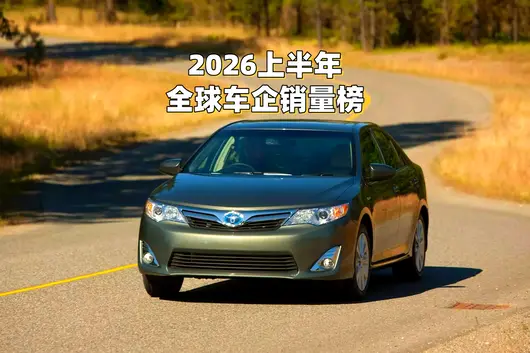

In the SUV market in Malaysia, many buyers compare Proton X90 and Kia Sportage when choosing a car. These two cars are quite close in price and positioning. Today, we will do a detailed comparison from multiple aspects to help you save time on research.
The Proton X90's OTR price in Malaysia is RM 106,800 - 122,800, with a total of 4 versions, including 2026 1.5T Prime X (RM 122,800), 2026 1.5T Prime (RM 116,800), 2026 1.5T Lite (RM 106,800), etc.
The Kia Sportage's OTR price in Malaysia is RM 129,639 - 179,320, with a total of 4 versions, including 2025 1.6T DCT 4WD High (RM 179,320), 2025 1.6T DCT 2WD High (RM 159,320), 2025 2.0L AT 2WD High (RM 139,639), etc.
From the price perspective, the Proton X90's starting price is indeed RM 22,839 cheaper than the Kia Sportage. If your budget is limited, Proton's entry-level version can already meet daily needs. But also keep in mind, the difference of a few thousand cheaper, might have trade-offs in features, specifically depends on your needs.
Proton X90 is equipped with 1.5L Turbo, 140 hp. Official fuel consumption 7.0 L/100km.
Kia Sportage is equipped with 1.5L Turbo, 140 hp. Official fuel consumption 7.0 L/100km.
Both cars use the same powertrain system, the driving experience daily is basically no difference. Fuel consumption side is also similar, no need to worry too much about this point.
Proton X90 body length 4400 mm, trunk 400 L.
Kia Sportage body length 4400 mm, trunk 400 L.
The dimensions of both cars are almost the same, interior space difference is not large. Cars in this class, daily use is completely sufficient.
Proton X90 adopts FWD drive type.
Kia Sportage adopts FWD drive type.
Both cars have the same drive type, both are FWD, daily driving experience will not have too big difference.

Proton X90 warranty 5 years / 150,000km, maintenance interval every 10,000km or 6 months.
Kia Sportage warranty 5 years / 300,000km, maintenance interval every 10,000km or 6 months.

Overall, Proton X90 and Kia Sportage are both very good models in the Malaysia market. Choosing which one, the key still depends on your personal needs and budget. We suggest you do your research, compare quotes from a few more dealerships, then go for a test drive to make the final decision. Buying a car is a big matter, spending time doing research will definitely not be wrong.
In the SUV market in Malaysia, many buyers compare Proton X90 and Kia Sportage when choosing a car. Both cars are quite close in price and positioning. Today, we will make a detailed comparison from multiple aspects to help you save time on research.
The OTR price of Proton X90 in Malaysia is RM 106,800 - 122,800, with a total of 4 versions, including 2026 1.5T Prime X(RM 122,800)、2026 1.5T Prime(RM 116,800)、2026 1.5T Lite(RM 106,800)etc.
The OTR price of Kia Sportage in Malaysia is RM 129,639 - 179,320, with a total of 4 versions, including 2025 1.6T DCT 4WD High(RM 179,320)、2025 1.6T DCT 2WD High(RM 159,320)、2025 2.0L AT 2WD High(RM 139,639)etc.
In terms of price, Proton X90's starting price is indeed RM 22,839 cheaper than Kia Sportage. If your budget is limited, Proton's entry-level version can already meet daily needs. But note, the few thousand cheaper, there might be trade-offs in features, it depends on your specific needs.
Proton X90 is equipped with 1.5L Turbo, 140 hp. Official fuel consumption 7.0 L/100km.
Kia Sportage is equipped with 1.5L Turbo, 140 hp. Official fuel consumption 7.0 L/100km.
Both cars use the same powertrain, the driving feel is basically the same in daily use. Fuel consumption is also similar, no need to worry too much about this point.
Proton X90 body length 4400 mm, trunk 400 L.
Kia Sportage body length 4400 mm, trunk 400 L.
The dimensions of both cars are almost the same, interior space difference is not big. For this level of car, daily use is fully sufficient.
Proton X90 adopts FWD drive mode.
Kia Sportage adopts FWD drive mode.
Both cars have the same drive mode, both are FWD, daily driving feel will not have a big difference.
Overall, Proton X90 and Kia Sportage are both very good car models in the Malaysian market. Which one to choose, key depends on your personal needs and budget. We suggest doing thorough research, compare quotes from several car dealers, then go for a test drive to make the final decision. Buying a car is a big matter, spending some time on research will definitely not be wrong.

當國內新能源市場仲係喺價格戰嘅泥潭入面貼身肉搏時,奇瑞風雲 T7 嘅預售發布會卻拋出咗一個略顯「反直覺」嘅主題——「慢功造好車,辛苦等咗」。10.99 萬元到 12.99 萬元嘅預售價錢,配合 7 重購車權益,風雲 T7 沒有選擇喺參數表上面做簡單嘅加減法,而係把全球品質四個字當成咗最核心嘅產品標籤。呢度背後值得琢磨嘅,唔只係價錢本身,而係一種造車路線嘅選擇。

「反向出海」嘅底氣從邊嚟?
過往我哋熟悉嘅邏輯,係產品先喺國內上市、驗證,再針對海外市場做適應性改造。風雲 T7 走嘅卻係一條反向路線:佢從開頭就鎖定咗全球標準,同源車型 Lepas L6 甚至更進一步喺米蘭設計週收穫咗國際認可。呢種「先全球、後中國」嘅打法,意味著國內嘅消費者拿到嘅唔係減配版,而係同海外用戶同宗同源嘅產品。
這唔係營銷話術。奇瑞為此投入咗 81 台專屬耐久車,累計測試里程超過 600 萬公里,耐久專項實測就做咗 145 萬公里。更關鍵係,呢啲測試唔係喺國內某啲試驗場入面跑完就交差,而係覆蓋咗東南亞雨季、中東高溫暴曬、印尼高濕等真實工況。對於普通用戶嚟講,這意味著你買車嘅,出廠前就已經經歷過比日常用車更嚴苛嘅考驗。
80% 高強度鋼、18.84% 熱成型鋼打造嘅籠式車身,對標嘅係 2026 版 E-NCAP 五星安全標準——注意,係 2026 版,唔係現時嘅 2023 版,呢個提前量說明奇瑞喺車身架構設計上留足咗安全冗餘。
續航平等,本質上係對焦慮嘅消解
喺 10 萬級純電 SUV 市場,續航往往係車廠用嚟區分高低配嘅核心籌碼。風雲 T7 嘅做法係「全系 600km 續航平等」,全系標配 65.05kWh 嘅犀牛電池,CLTC 工況 600km,實測反而能夠跑到 667km 以上。呢種反向虛標喺行業入面並不多見,佢解決嘅其實係消費者最實際的一個痛點:買低配會唔會續航縮水?
配合 30% 至 80% 只需 20 分鐘嘅快充能力,以及覆蓋 -30°C 至 55°C 超寬溫域嘅熱管理系統,風雲 T7 嘅續航邏輯係「讓北方用戶冬天敢開,讓南方用戶夏天唔驚」。全系標配 AGS 智能進氣格柵同 14 項低風阻優化,亦說明呢套續航體系唔係單純靠堆電池容量實現,而係從整車能耗管理入手。對於日常通勤半徑喺 50 公里以內嘅家庭用戶嚟講,一星期一充完全可行,偶爾跨城出行亦唔使提前規劃充電站。
智能化要「好用」,而唔係「好睇」
15.6 吋 2.5K 大屏幕、CarPlay/HiCar/CarLink 全兼容、4nm 製程嘅 8775 芯片,呢啲配置單拎出嚟都唔算稀奇。風雲 T7 喺智能化上嘅差異化,更多體現喺「艙駕一體」嘅思路上面。72TOPS 嘅運算力唔算頂格,但 80ms 嘅響應速度同 33% 嘅開機提速,指向係一個更務實嘅目標:減少用戶等待時間,提升操作流暢度。

真正值得關注嘅係獵鷹 500 駕駛輔助系統喺泊車場景下嘅覆蓋度。300+ 全場景自動泊車,包括斷頭路泊車、一鍵循跡倒車、跨樓層泊車,呢啲功能對應係中國城市路況入面最高頻、亦最讓新手頭痛嘅場景。車廠往往鍾意喺高速 NOA 上堆料,但日常使用中,小區入面嘅斷頭路、商場嘅立體車庫先係考驗智駕實用性嘅試金石。風雲 T7 用 3 顆毫米波雷達、7 個攝錄機、12 個超聲波雷達嘅 22 顆傳感器組合,沒有盲目上激光雷達,顯係經過成本同體驗嘅理性選擇。

空間與底盤,家用 SUV 嘅硬指標
4570mm 嘅車長、2700mm 嘅軸距,放喺緊湊級 SUV 入面屬於主流尺寸,但 84% 嘅得房率同後排純平地台,令實際乘坐空間有咗越級嘅表現。911mm 嘅後排腿部空間、1955mm 嘅純平大床拓展、450L 至 1550L 嘅後備箱容積,呢啲數字翻譯過嚟就係:坐得落一家人五口,裝得落露營裝備,後排坐位放倒能夠當床車。

底盤方面,由瑪莎拉蒂前底盤調校專家帶頭嘅團隊,配合 50.8:49.2 嘅黃金軸荷比,說明風雲 T7 喺操控底子上有一定追求。好多人唔知係,奇瑞早在 2009 年就自主設計咗中國第一台地面移動型雙軸 K&C 試驗台,26 年嘅底盤調校功底,最終反映喺過彎穩定性同直線循跡性呢啲日常駕駛中容易感知到嘅地方。9 層雲感座椅、38 處儲物空間、四個承重 300kg 嘅鉚環,呢啲細節則體現咗對於家庭用戶實際使用場景嘅洞察。

寫喺最後
如果講產品層面嘅競爭力係「硬實力」,咁風雲 T7 喺服務政策上嘅「兩大兜底、兩項終身權益」,就係對行業潛規則嘅一次正面回應。動力電池因自身原因導致熱失控損毀,賠償同款或唔低於原車配置嘅新車;智能駕駛輔助系統喺泊車或智能領航場景下因系統原因導致事故,最高賠償 500 萬。呢兩條兜底政策,直接將車廠最敏感嘅兩個話題——電池安全同智駕責任——擺到咗檯面上。
整車終身質保(連三電)同 666 元購終身基礎保養套餐,就進一步壓縮咗用戶後期嘅用車成本。喺 10 萬級市場,消費者最驚嘅唔係買車貴,而係修車貴、養車貴。風雲 T7 用呢兩套政策,本質上係用企業嘅長期信譽,換取用戶嘅長期信任。
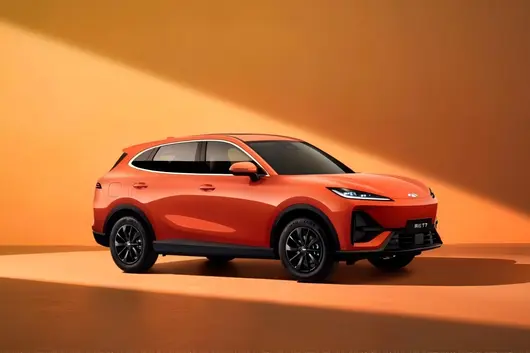

8月12日,奇瑞风云T7正式开启预售,3款车型定价10.99万-12.99万元。发布会主题定为“慢功造好车,久等了”——在当下新能源行业普遍压缩研发周期、新车上新节奏越来越快的背景下,这句slogan反倒像一句直白的行业表态:在快与稳之间,奇瑞选择了后者。
这款车最特别的地方,是它走了一条“反向出海”的路径。不同于多数车型国内首发、再逐步出海的常规节奏,风云T7的同车型Lepas L6早已率先登陆泰国、印尼等东南亚市场,经过全球多地市场与路况的真实试炼之后,才正式回到国内市场发售。依托奇瑞23年的全球化技术积淀,它从研发之初就以全球标准打造,相当于把海外市场的严苛验证,变成了国内用户的品质背书。

五年磨一剑 把功夫下在看不见的地方
近些年,“速成车”成了行业热议的话题。传统燃油车时代一款车研发普遍要3-4年,而现在不少新车的开发周期被压缩到18个月以内,参数卷得飞快,却也埋下了耐久度、可靠性的隐忧。奇瑞执行副总裁李学用坦言,“奇瑞造车慢”的评价听了不少,但有些时间真的不敢省——研发不能快、验证不能快、用户共创不能快。

这份“慢”落到了具体数字上:风云T7前后历经2年策划、3年研发,累计投入81台专属耐久车同步路试,整车测试里程超600万公里,仅耐久专项实测就达145万公里。它不是只在实验室里跑标准工况,而是拉到全球不同地域做极限试炼:扛过中东的高温暴晒,蹚过东南亚的雨季积水,适应过印尼的高湿环境,把不同国家用户会遇到的极端场景,提前都验证了一遍。

安全标准同样与全球同步。车身对标2026版E-NCAP五星安全标准打造,采用80%高强度钢、18.84%热成型钢的九横五纵笼式结构,搭配9条正面+6条侧面碰撞传力路径,最大限度保留乘员生存空间。全车9个安全气囊,包含48L双腔远端气囊与后排侧气囊,360度覆盖防护。三电安全上,全系搭载的犀牛电池拥有6D防护体系,IP68防水等级达到国标的96倍,哪怕遭遇暴雨内涝、路面涉水,也能有效规避电池短路风险。
不做偏科生 六大刚需戳中家用痛点
十万级纯电SUV是竞争最卷的赛道,却也最容易出现“偏科”:有的卷续航砍配置,有的堆智能降品质,看似参数亮眼,实际家用体验处处短板。风云T7的思路很明确:围绕家庭用户的六大核心需求做全能覆盖,不搞噱头,只解决真实痛点。
续航上直接打出“全系平权”,没有用短续航入门款拉低起售价。三个配置全部标配65.05kWh犀牛电池,CLTC续航600km,实测续航超过667km,用“反向虚标”直接打消续航焦虑。30%-80%快充仅需20分钟,配合双源宽热泵空调,-30℃到55℃超宽温域都能稳定运转,北方冬季续航打折、南方高温耗电快的问题,都做了针对性优化。

智能层面走的是“好用不花哨”的务实路线。舱驾一体8775芯片带来流畅的基础体验,15.6英寸2.5K大屏支持三大主流手机互联,上车就能无缝衔接。灵犀智舱2.0做了六款人设化语音助手,搭配小憩、露营、宠物等场景模式,比千篇一律的机械交互多了不少烟火气。驾驶辅助重点攻坚泊车场景,22颗高精度传感器加持下,支持300+场景自动泊车,断头路泊车、跨楼层泊车、一键循迹倒车都能实现,切实解决城市用户的停车难题。
空间与舒适性则是家用车的基本功。2700mm轴距带来84%的车内空间利用率,后排纯平地台加上911mm腿部空间,满载三人也不局促。后排放倒可拓展出1955mm纯平空间,从日常通勤到户外露营都能适配。9层云感座椅支持通风加热,冬天5分钟速热、夏天吸风不闷汗;全车38处储物空间加上露营专用铆环挂钩,细节处都对准了家庭用户的使用习惯。底盘由国际化团队调校,黄金轴荷比带来稳当的行驶质感,过弯不飘、滤震柔和,兼顾了驾驶者的手感与乘客的舒适。
兜底式权益 把用户顾虑摆到台面上解决
很多人买新能源车,除了产品本身,最担心的就是后期保障。这次风云T7没有玩文字游戏,直接拿出“两大兜底+两大终身”的权益方案,把用户最焦虑的问题一一回应。

两大兜底堪称行业少见的诚意:一是动力电池安全兜底,若因电池自身原因引发热失控导致整车损毁,直接赔付同款或更高配置新车;二是辅助驾驶兜底,购车一年内,泊车与智能领航场景下因系统原因造成的事故,最高赔付500万元。等于直接把用户最怕的两个风险,给实实在在兜住了。
终身权益则覆盖长期用车成本:整车终身质保(含三电系统),解决后期维修顾虑;666元即可购买价值3999元的终身基础保养套餐,一年一次,把家用车的养车成本压到了最低。再加上预售期7重购车权益,从订车到用车的全周期都做了覆盖。

从米兰设计周拿奖的全球设计,到覆盖多地域的极限路试,再到全系平权的续航配置、兜底式的售后权益,风云T7的核心逻辑始终没变:用全球标准造一台适合中国家庭的务实家用车。
如今的中国新能源产业早已进入“全球时间”,中国车企出海不再是新鲜事,但像风云T7这样,先经过海外市场淬炼、再反哺国内市场的产品,依然不多见。它代表着另一种造车思路:不追短期的流量热度,不做参数上的表面功夫,把成本花在耐久、安全、可靠性这些看不见的地方,给用户一台能长久放心开的车。

十万级纯电市场从不缺新品,缺的是真正懂家用痛点的踏实产品。风云T7这张“慢工造车”的答卷,能不能打动追求稳妥的家庭用户,市场很快会给出答案。
这篇新车预售稿件属于典型的新媒体传播内容,工作任务模式可以帮你补齐多版标题备选、配图方案、排版优化和发布物料,要不要切换过去继续完善?

喺馬來西亞嘅 SUV 市場,好多買家喺揀車嘅時候都會拿 Proton X90 同 Kia Sportage 來做比較。呢兩款車喺價錢同定位上都幾接近,今日我哋就由多個方面做一個詳細嘅比較,幫你省下做功課嘅時間。
Proton X90 喺馬來西亞嘅 OTR 售價係 RM 106,800 - 122,800,總共有 4 個版本,包括 2026 1.5T Prime X(RM 122,800)、2026 1.5T Prime(RM 116,800)、2026 1.5T Lite(RM 106,800) 等。
Kia Sportage 喺馬來西亞嘅 OTR 售價係 RM 129,639 - 179,320,總共有 4 個版本,包括 2025 1.6T DCT 4WD High(RM 179,320)、2025 1.6T DCT 2WD High(RM 159,320)、2025 2.0L AT 2WD High(RM 139,639) 等。
由價錢睇,Proton X90 嘅起步價確實比 Kia Sportage 平咗 RM 22,839。如果你預算有限,Proton 嘅入門版已經可以滿足日常需求。但都要注意,平嗰幾千蚊,可能喺配備上會有取捨,具體要看你嘅需求。
Proton X90 車身長 4400 mm,尾箱 400 L。
Kia Sportage 車身長 4400 mm,尾箱 400 L。
兩款車嘅尺寸幾乎一樣,車內空間分別唔大。呢個級別嘅車,日常使用完全夠用。
Proton X90 保修 5 年/150,000km,保養間隔 每 10,000km 或 6 個月。
Kia Sportage 保修 5 年/300,000km,保養間隔 每 10,000km 或 6 個月。
Proton X90 同 Kia Sportage 都係馬來西亞市場嘅主流選擇,適合家庭使用、日常通勤。如果你更睇重品牌口碑同二手價,可以優先考慮口碑更好嗰一款;如果你更在意性價比同配備,那就揀配置更豐富嗰款。最終都建議兩款都去試駕,親身體驗先至最重要。
總嘅嚟講,Proton X90 同 Kia Sportage 都係馬來西亞市場幾唔錯嘅車款。揀邊輛,關鍵都係要看你個人嘅需求同預算。建議大家做好功課,多比較幾間車行之嘅報價,再去試駕做最終決定。買車係件大事,花少少時間做功課絕對唔會錯。

Dalam pasaran SUV di Malaysia, ramai pembeli membandingkan Proton X90 dan MG MG HS semasa memilih kereta. Kedua-dua kereta ini mempunyai harga dan posisi pasaran yang agak hampir, hari ini kita akan membuat perbandingan terperinci dari pelbagai aspek untuk membantu anda menjimatkan masa kajian.
Harga OTR Proton X90 di Malaysia ialah RM 106,800 - 122,800, terdapat 4 varian, termasuk 2026 1.5T Prime X (RM 122,800), 2026 1.5T Prime (RM 116,800), 2026 1.5T Lite (RM 106,800) dan lain-lain.
Harga OTR MG MG HS di Malaysia ialah RM 130,450 - 146,450, terdapat 2 varian, termasuk 1.5L Standard (RM 105,000), 1.5L Executive (RM 115,000) dan lain-lain.
Daripada harga, harga permulaan Proton X90 memang lebih murah RM 23,650 berbanding MG MG HS. Jika bajet anda terhad, varian asas Proton sudah boleh memenuhi keperluan harian. Tetapi perlu diingat, perbezaan harga beberapa ribu itu, mungkin ada pengorbanan dalam kelengkapan, bergantung pada keperluan anda.
Proton X90 dilengkapi enjin 1.5L Turbo, kuasa 140 hp. Kehausan minyak rasmi 7.0 L/100km.
MG MG HS dilengkapi enjin 1.5L Turbo, kuasa 140 hp. Kehausan minyak rasmi 7.0 L/100km.
Kedua-dua kereta menggunakan sistem enjin yang sama, perasaan memandu harian adalah hampir tiada perbezaan. Dari segi kehausan minyak juga sama, tidak perlu terlalu bimbang tentang perkara ini.
Proton X90 mempunyai jaminan 5 tahun/150,000km, selang servis 10,000km atau 6 bulan.
MG MG HS mempunyai jaminan 7 tahun/150,000km, selang servis 10,000km atau 6 bulan.
Proton X90 dan MG MG HS kedua-duanya merupakan pilihan utama di pasaran Malaysia, sesuai untuk kegunaan keluarga dan perjalanan harian. Jika anda lebih mengutamakan reputasi jenama dan harga jualan semula, anda boleh mengutamakan jenama yang lebih baik reputasinya; Jika anda lebih mengutamakan nilai harga dan kelengkapan, pilih yang mempunyai konfigurasi lebih kaya. Akhir sekali, disarankan untuk menguji jalan kedua-duanya, pengalaman sendiri adalah yang paling penting.
Secara keseluruhannya, Proton X90 dan MG MG HS adalah model kereta yang bagus di pasaran Malaysia. Memilih mana satu, kuncinya bergantung pada keperluan dan bajet peribadi anda. Disarankan membuat kajian, bandingkan pelbagai tawaran dari beberapa showroom, kemudian lakukan uji jalan untuk membuat keputusan akhir. Membeli kereta adalah perkara besar, meluangkan masa untuk kajian pasti tidak salah.

Di pasaran SUV di Malaysia, banyak pembeli membandingkan Proton X90 dan Chery Tiggo 8 PHEV semasa memilih kereta. Kedua-dua kereta ini mempunyai harga dan kedudukan yang agak hampir, hari ini kita akan membuat perbandingan terperinci dari pelbagai aspek, membantu anda menjimatkan masa untuk membuat kajian.
Harga OTR Proton X90 di Malaysia adalah RM 106,800 - 122,800, terdapat 4 varian, termasuk 2026 1.5T Prime X (RM 122,800), 2026 1.5T Prime (RM 116,800), 2026 1.5T Lite (RM 106,800) dan lain-lain.
Harga OTR Chery Tiggo 8 PHEV di Malaysia adalah RM 159,750 - 159,750, terdapat 2 varian, termasuk 1.6L Turbo Standard (RM 130,000), 1.6L Turbo Premium (RM 145,000) dan lain-lain.
Dari segi harga, harga permulaan Proton X90 sebenarnya lebih murah RM 52,950 berbanding Chery Tiggo 8 PHEV. Jika bajet anda terhad, versi asas Proton sudah boleh memenuhi keperluan harian. Tetapi perlu diingat, beberapa ratus ringgit yang lebih murah itu mungkin ada kompromi dari segi peralatan, bergantung pada keperluan anda.
Proton X90 dilengkapi 1.5L Turbo, kuasa 140 hp. Penggunaan bahan api rasmi 7.0 L/100km.
Chery Tiggo 8 PHEV dilengkapi Hybrid, kuasa 170 hp. Penggunaan bahan api rasmi 4.5 L/100km.
Dari segi kuasa, Hybrid Chery Tiggo 8 PHEV mempunyai 30 hp lebih daripada 1.5L Turbo Proton X90. Namun untuk pemanduan harian di bandar, kuasa kedua-dua kereta cukup, tidak akan rasa kurang tenaga.
Penarafan keselamatan Proton X90 ialah 5★ (ASEAN NCAP), sistem keselamatan aktif termasuk ADAS (ACC, AEB, LKA, LDA, BSM, RCTA).
Penarafan keselamatan Chery Tiggo 8 PHEV ialah TBD, sistem keselamatan aktif termasuk Basic.
Dari segi peralatan keselamatan, kedua-dua kereta mendapat penarafan yang baik. Namun ADAS Proton X90 (ACC, AEB, LKA, LDA, BSM, RCTA) dan Basic Chery Tiggo 8 PHEV mempunyai perbezaan dari segi fungsi, jika anda lebih menitikberatkan keselamatan aktif, boleh dibandingkan senarai fungsi kedua-duanya.
Proton X90 garansi 5 tahun/150,000km, jarak penyelenggaraan setiap 10,000km atau 6 bulan.
Chery Tiggo 8 PHEV garansi 3 tahun/100,000km, jarak penyelenggaraan setiap 10,000km atau 6 bulan.
Proton X90 dan Chery Tiggo 8 PHEV kedua-duanya pilihan utama pasaran Malaysia, sesuai untuk kegunaan keluarga, perjalanan harian. Jika anda lebih menitikberatkan reputasi jenama dan harga kereta terpakai, boleh utamakan yang lebih baik reputasinya; jika anda lebih peka dengan nilai harga dan spesifikasi, pilih yang lebih kaya spesifikasi. Akhir sekali disarankan untuk uji memandu kedua-dua model, pengalaman sendiri yang paling penting.
Secara keseluruhannya, Proton X90 dan Chery Tiggo 8 PHEV kedua-duanya model yang bagus di pasaran Malaysia. Memilih mana satu, kunci masih bergantung pada keperluan dan bajet anda. Disarankan anda buat kajian, bandingkan lebih banyak harga antara kedai kereta, kemudian uji memandu buat keputusan akhir. Membeli kereta adalah perkara besar, mengambil masa untuk kajian pasti tidak salah.

近日,比亞迪發起「閃充絲路智行萬里」大型主題活動,車隊從古絲綢之路起點西安大唐西市正式發車,途經亳州、景德鎮、杭州、武夷山四大絲路非遺節點,最終抵達深圳完成出海儀式。活動全程覆蓋 7 大閃充體驗站點、2 大專業賽車場,以千年絲綢文明為敘事背景,實地驗證比亞迪閃充、天神之眼智駕等核心技術,並集中展示其全產業鏈出海佈局。
雙絲路敘事:從物產出海到技術出海
本次活動路線設計頗具深意,古絲綢之路分為陸上絲路同海上絲路兩條通道:陸上絲路自西安啟程一路向西直達羅馬,海上絲路以泉州為起點揚帆遠航抵達羅馬。亳州香藥、景德鎮瓷器、杭州絲綢、武夷山茶葉四類華夏風物,曾通過呢兩條通道源源不斷銷往海外,鑄就咗千年前享譽世界嘅中國物產名片。
此次比亞迪車隊從西安出發,沿途探訪上述四大非遺文脈,以品牌之力守護中華傳統文化,車隊抵達深圳港口後舉行出海儀式,象徵新能源整車、閃充技術、整車製造體系批量輸出海外。兩條絲路首尾呼應,完成咗從「商品輸出」到「全產業鏈技術出海」嘅時代升級。
比亞迪方面表示,當前「出海」已從單一產品輸出升級為「技術 + 基建 + 產業」嘅體系化輸出,據悉,比亞迪已喺歐洲落地首座閃充站,喺烏茲別克斯坦建設專屬補能網絡,喺泰國同巴西佈局本土化生產基地,並將「光儲充」一體化電站方案帶到中亞。這種「體系出海」模式,讓中國新能源技術不再是孤立商品,而係融入當地能源結構與產業升級嘅解決方案,實現咗從「賣產品」到「共建生態」嘅質變。
技術實測:7 大閃充站同 2 大專業賽車場硬核驗證
活動全程設置 7 大閃充打卡位點,包括西安臨潼服務區、亳州潁泉服務區、合肥大劇院、嵊州比亞迪賽車場、武夷山高速出口站、龍康圍服務區等,覆蓋高速幹線、城市商圈、專業場地、山區高速及沿海高速等多場景。
實測數據顯示,喺第二代刀片電池加持下,比亞迪閃充標準為 5 分鐘充至 70%、9 分鐘充至 97%;喺 -30℃低溫環境下,補能時長僅增加 3 分鐘。車隊喺武夷山山區完成低溫閃充測試,喺高速服務區進行連續補能全流程驗證,並喺 2 大專業賽車場進行激烈駕駛後嘅快速補能測試,閃充效率保持穩定。
截至目前,比亞迪已喺全國佈局 7018 座閃充站,覆蓋 325 個城市,高速服務區、城市商圈、賽車場站均有覆蓋,「跟住閃充遊中國」正逐步落地。
智駕方面,天神之眼系統喺高速路段同武夷山山路均進行咗長距離實測。跟車、變道、進出匝道表現穩定,山路彎道控速同車道保持較為平順,有效降低咗長途駕駛疲勞感。
從物產到技術:中國智造嘅新絲路敘事
業內分析認為,比亞迪此次絲路主題活動,本質上係以產業實踐重述中國出海故事,亳州香藥、景德鎮瓷器、杭州絲綢、武夷山茶葉對應今日電池、新能源汽車、光儲充等「新三樣」,內涵完全不同:以前係物產出海,而家係技術出海、產業鏈出海。
從西安到深圳再到南亞,呢條路線橫跨山河萬里,既係一次文明回溯,亦係中國新能源產業走向世界嘅實力宣言。當古絲路香藥、瓷器、絲綢、茶葉同出海「新三樣」相遇,中國正以綠色科技為紐帶,重塑全球可持續發展新秩序。
可以話,比亞迪優秀之處唔單止喺產品銷量同技術參數,更喺佢以體系化能力推動中國智造走向世界。從「物產出海」到「技術出海」,比亞迪正走出條更遠、更紮實嘅新時代絲路。
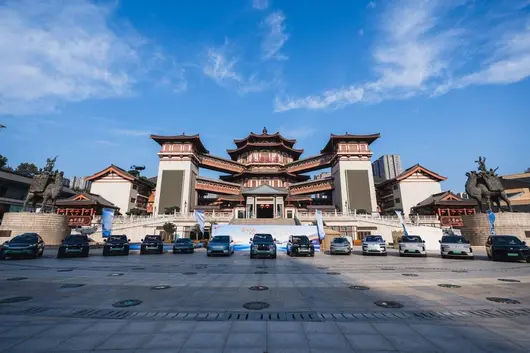
In Malaysia's SUV market, many buyers compare Proton X90 and Chery Tiggo 8 Pro when choosing a car. These two cars are quite close in price and positioning. Today, we will make a detailed comparison from multiple aspects to help you save time on research.
Proton X90's OTR price in Malaysia is RM 106,800 - 122,800, with a total of 4 versions, including 2026 1.5T Prime X (RM 122,800), 2026 1.5T Prime (RM 116,800), 2026 1.5T Lite (RM 106,800), etc.
Chery Tiggo 8 Pro's OTR price in Malaysia is RM 159,750 - 159,750, with a total of 2 versions, including 1.6L Turbo Standard (RM 130,000), 1.6L Turbo Premium (RM 145,000), etc.
Looking at the price, Proton X90's starting price is indeed RM 52,950 cheaper than Chery Tiggo 8 Pro. If your budget is limited, Proton's entry-level version can already meet daily needs. However, also note that the few thousand dollars saved might involve trade-offs in features, depending on your specific needs.
Proton X90 is equipped with a 1.5L Turbo, 140 hp. Official fuel consumption 7.0 L/100km.
Chery Tiggo 8 Pro is equipped with a 2.0L 4-cyl, 170 hp. Official fuel consumption 8.0 L/100km.
In terms of power, Chery Tiggo 8 Pro's 2.0L 4-cyl has 30 more horsepower than Proton X90's 1.5L Turbo. However, for daily city driving, both cars have sufficient power, you won't feel underpowered.
Proton X90 body length is 4400 mm, trunk 400 L.
Chery Tiggo 8 Pro body length is 4400 mm, trunk 400 L.
The dimensions of the two cars are almost the same, and the interior space difference is not large. For cars at this level, it is completely sufficient for daily use.
Proton X90 adopts FWD drive mode.
Chery Tiggo 8 Pro adopts FWD drive mode.
The drive mode of the two cars is the same, both are FWD, and there won't be much difference in daily driving feel.
Overall, Proton X90 and Chery Tiggo 8 Pro are both very good car models in the Malaysian market. Which one to choose depends mainly on your personal needs and budget. We recommend doing your research, comparing quotes from several dealerships, and then test driving to make a final decision. Buying a car is a big matter, spending some time on research is never wrong.

Quanzhou Port a thousand years ago, masts were like forests as the tides rose and fell.

A thousand years later, Shenzhen Port is filled with quay cranes, and modern Ro-Ro vessels sound their horns to set sail. With the 2026 "Silk Road 10,000 Miles Journey · Enlightenment Road" BYD fleet departing from the starting point of the ancient Silk Road, Xi'an Tang Dynasty West Market, heading south along four intangible cultural heritage nodes, and finally arriving at Shenzhen Port to complete the departure ceremony, an iteration of going global spanning a thousand years is clearly before our eyes — the cargo holds no longer contain porcelain and silk, but the full matrix of BYD new energy vehicles, along with the complete set of Blade Battery technology, Flash Charging Energy System, and green energy solutions behind them.


The Maritime Silk Road was once the core channel for ancient China's interaction with the world. Starting from Quanzhou, countless merchant ships carrying the scenery of China sailed globally: warm and exquisite porcelain became the collection of European aristocrats, soft and gorgeous silk rewrote overseas fashion trends, fragrant medicines and mellow tea even integrated into the daily lives of countries along the route.
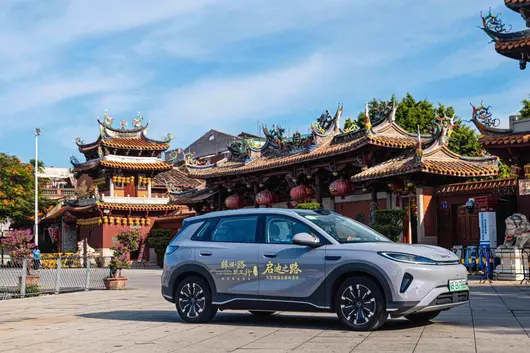
This BYD Silk Road 10,000 Miles Journey fleet specifically entered Quanzhou, looking back on the thousand-year trade route in the collections of the Maritime History Museum, touching the warmth of ocean commerce in the lines of the Qiaopi Archives, feeling the former prosperity of the ancient port in the daily life of Kaiyuan West Street. Starting from the departure ceremony at Xi'an Tang Dynasty West Market, the fleet moved forward along the threads of the ancient Silk Road: visiting the thousand-year fragrant medicine intangible heritage in Bozhou, witnessing the craftsmanship of porcelain firing in Jingdezhen, touching the silk weaving skills in Hangzhou, and picking spring tea leaves in Wuyi Mountain. These four Silk Road items that once crossed the ocean on merchant ships are now reconnected under the wheels of the BYD fleet, becoming a vivid bond for the dialogue between ancient and modern Silk Roads.
This route connected by merchant ships was never just a trade route, but also a path for mutual learning of civilizations. China's products and culture spread to the world with the ocean currents, and foreign goods and thoughts also flowed eastward. In two-way exchanges, they wrote the historical footnote of ancient China's openness and inclusiveness. And the journey of BYD retracing the Silk Road is exactly the contemporary inheritance of this open cultural thread — protecting traditional Chinese culture with the power of the brand, letting Eastern cultural threads go global with Chinese intelligence.
Giant Ship Voyage: Using Technology as Core, Building a New Pattern for Systematic Global Expansion
After a thousand years of rotation, ships going out became thousand-ton Ro-Ro giants from wooden merchant ships, the "Chinese Business Card" in the cargo hold upgraded from traditional products to China's complete new energy solutions. BYD is a typical representative of this going global upgrade, redefining the paradigm of Chinese cars going global with the hardcore strength of the full industry chain.
As of now, BYD's overseas sales have exceeded one million units, with a year-on-year growth of over 140%, and products cover over 120 countries and regions worldwide; it has its own 8 Ro-Ro ships shuttling regularly on global routes, delivering complete vehicles directly to major ports in Europe, America, and Southeast Asia, building an efficient and stable global sea freight capacity network. What carries more weight than sales growth is the qualitative change in the going global model: BYD has long jumped out of the traditional path of "single product export" and walked out a systemic path of "Technology + Infrastructure + Industry".
In Rayong, Thailand, BYD built the first overseas passenger vehicle base, achieving localization of parts and employees, and locally produced vehicles can also be exported to Europe in reverse; bases in Brazil, Uzbekistan, and Hungary are laid out synchronously, forming a complete going global closed loop of "Domestic R&D + Overseas Localization + Global Sea Freight". Of greater long-term value is the synchronous output of technology and ecology: Accompanying vehicles going global, the 2nd Generation Blade Battery, Flash Charging Energy System complete new energy solutions also go global — Europe lands the first flash charging station, Uzbekistan builds an exclusive charging network, Central Asia introduces "PV Storage Charging" integrated power station solutions. BYD no longer just sells cars overseas, but helps countries along the route build a green transportation ecosystem and promote energy structure transformation in the way of "teaching to fish".
This confidence for going global comes from the actual trial of the 10,000-mile Silk Road. From Lintong, Xi'an to Yingquan, Bozhou, from Hefei business district to Wuyi Mountain mountainous areas, to the coastal Longkangwei Service Area, the entire journey of 7 major flash charging stations strings together the 10,000-mile journey. Flash charging technology supported by 2nd Generation Blade Battery achieves hardcore performance of charging to 70% in 5 minutes, 97% in 9 minutes, even in -30℃ low temperature environment only adds 3 minutes charging time, stable output in highway, city, mountainous, coastal all scenarios. This charging strength repeatedly verified domestically is landing overseas along with complete vehicles, making China's flash charging standard a new ruler for global green transportation.

On the complex road conditions throughout the journey including inter-city highways, urban streets, mountain winding roads, and coastal wind areas, BYD's God's Eye Advanced Driving Assist provides full escort. Full-scenario NOA covers highways and urban roads, accurately identifying mountain winding roads, coastal strong winds, and heavy highway traffic flows, completing technical iteration using 10,000 miles of real road data. This smart driving system verified by all terrains of the Silk Road is also becoming the core competitiveness of BYD's overseas products.
Dynasty Series home comfort, Ocean Series young sports, DENZA luxury technology, Fangchengbao hardcore off-road, Yangwang top performance, BYD's five major product matrices complete all-terrain trials on the 10,000-mile journey; the extreme performance exhibition at two racing circuits in Zhengzhou and Shengzhou further verifies the full-dimension product strength from home commuting to million-dollar flagships. When the fleet finally arrives in Shenzhen, completes the departure ceremony in front of BYD History Museum, ships sail from Shenzhen Port, transporting whole vehicles and technology verified over 10,000 miles to over 120 countries and regions worldwide.
Eternal Core: Open Background Unchanged, Original Intention of Win-Win Unchanged
From porcelain merchant ships to Ro-Ro giants, from product output to technology going global, what changes is the carrier, the product, the depth and breadth of China's going global; what remains unchanged is the core of openness, inclusiveness, and mutual benefit.
Ancient Maritime Silk Road, China used scenery as a bond to exchange goods with the world and merge civilizations; On the new Silk Road today, BYD uses green technology as a bridge to build ecology with countries worldwide and share development dividends. The merchant ships a thousand years ago took exquisite products, and also took Eastern culture and kindness; Today's Ro-Ro giants send new energy products and technology, and also send sustainable development Chinese solutions.
BYD's systemic going global is exactly the contemporary continuation of this open win-win core. Not doing single product dumping, but taking complete industry and energy solutions to land overseas, building factories, cultivating talent, and building ecosystems locally, growing together with the local in the way of "co-building and sharing". This is consistent with the core of exchanging goods and mutual benefit symbiosis of the Maritime Silk Road a thousand years ago.

Millennium Silk Road, camel caravans carry goods connecting the world; Today's journey, BYD uses flash charging and smart driving hardcore technology, carrying all series models along the same ancient path to奔赴 sea silk ports to go global. From Xi'an to Shenzhen to South Asia, the actual trial spanning ten thousand miles of mountains and rivers is both a civilizational backtrack and a strength declaration of China's new energy industry going global. When ancient Silk Road fragrant medicines, porcelain, silk, tea and BYD represented by the "New Three Items" for going global (Batteries, New Energy Vehicles, PV Storage) meet, what we witness is not only the era leap of China from product output to technology, vehicle, charging system integrated going global, but also the new Chinese business card that Chinese intelligence reshapes the global sustainable development new order with green technology as the bond.

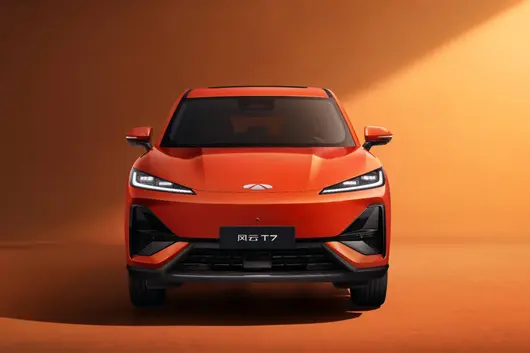
August 12, Chery Fengyun T7 pre-sale launch event kicked off as scheduled. The new car took "Slow craftsmanship builds good cars, you've waited long" as the core theme. Relying on the hardcore quality built to global standards and comprehensive strength covering the six major household needs in one-stop service, it officially entered the home pure electric SUV market, bringing a high-quality pure electric choice verified by the global market to Chinese families.
Currently, the pure electric industry generally pursues rapid mass production, with many models having pain points such as short testing cycles, single environmental adaptation, and configuration tier premiums. Fengyun T7 does the opposite, adhering to long-term car building, spending 2 years on planning and 3 years on R&D. It built five major systems: global R&D, standards, verification, quality manufacturing, and users. Relying on Chery's consecutive 23 years of exporting Chinese brand passenger vehicles as No.1 and the deep accumulation of 20 million global users, it created a true global pure electric SUV. Its homologue model Lepas L6 has landed in the Thai and South African markets, earning recognition from overseas consumers. Now it returns to the domestic market with the results of global strict testing.
To strengthen product reliability, Fengyun T7 was developed strictly according to the 2026 Edition E-NCAP five-star safety standard. It completed over 5000 global user surveys, visited 15 typical countries in person, accumulated over 6 million kilometers of vehicle road tests, and special durability tests reached 1.45 million kilometers, covering 95% of global road types and temperature zones from -40°C to 55°C. Specifically optimized for extreme scenarios such as extreme cold, high temperature, high humidity, plateau, and complex rough roads, it debuts the dual-source wide temperature range heat pump system in its class, paired with a 500mm off-road grade waterproof body, thoroughly solving users' core anxiety about electric car durability and environmental adaptability.
As a home SUV built for quality families, Fengyun T7 breaks the industry's configuration trade-off routine, covering six major household needs in one stop: looks, travel, safety, intelligence, comfort, and driving control. All models are equipped with 65.05kWh Rhino Battery as standard, CLTC range 600km, actual test range reaches 667km, 30%-80% fast charging takes only 22 minutes, achieving range equality; the vehicle is equipped with 80% high-strength steel body, 9 airbags and 31-layer protection Rhino Battery, safety configuration without cuts; equipped with 4nm 8775 cockpit-drive integrated chip, paired with Lingxi Smart Cockpit 2.0 and Doubao Large Model, all-scenario smart interaction is smooth.
Body dimensions 4570×1852×1694mm, 2700mm wheelbase brings 84% interior space utilization rate, pure flat rear row and maximum 1550L expanded trunk adapt to camping, parent-child, long-distance all scenarios. At the design level, it blends global aesthetics and Eastern elegance, six exclusive national style car paints paired with dual-style interiors, lines are introverted and atmospheric, taking into account long-term anti-aging ability, achieving good-looking not flashy, long use not looking old.
From global R&D polishing to multi-country market trials, Fengyun T7, with the attitude of "a little slower, much better", reshapes the value standard of home pure electric SUVs. After this pre-sale opens, the new car will simultaneously promote overseas market deployment. It will land in the EU in September, covering Australia and New Zealand, and multiple Southeast Asian countries within the year, allowing high-quality Chinese pure electric products to continue going global.
© 2024 Bitauto.com. All Rights Reserved.
Bitauto (www.yiche.com and www.bitauto.com) is one of the most visited automotive websites in China. We provide detailed info on Chinese car brands available in your area. Please note that the information provided on this website is based on publicly available data and is for reference only. It may not be fully updated or accurate at all times.

Help us improve our website


