

HomeMitsubishi EVO

Search History
Popular Searches
Dealer Login / Sign Up
车型概览

Audi A7 值不值得买,关键不是它看起来有多吸引,而是它能不能解决你的真实用车需求。这篇文章会把重点放在它是否容易融入日常生活。
版本方面,Audi A7 目前可围绕 2025 Sportback quattro 来比较。
购车价格指南
评估 Audi A7 的购车预算时,建议先从版本定位和后续拥车成本下手。价格不是唯一重点,真正决定是否划算的是每天会不会用到那些配置。
如果你在几个版本之间犹豫,可以把 2025 Sportback quattro 放在同一张清单里比较。日常通勤买家优先看舒适与安全,常跑高速的买家则更应重视动力、辅助驾驶和座舱便利。
核心参数汇总
看 Audi A7 的核心规格,最重要是把数字翻译成生活里的感受。
Audi A7 的核心价值应回到日常场景判断:你要它负责通勤、家庭出行、长途,还是作为更有个性的选择。
优缺点分析
Audi A7 的优点不必夸张,真正有价值的是它能不能让日常使用更省心:车型定位清楚,适合先作为同级比较对象。
需要留意的是,最终取舍会落在版本配置、保险和长期保养成本。这些不是扣分项,而是下订前应该先想清楚的生活细节。
购车常见问题解答
购买 Audi A7 前,买家最常问的不是单一规格,而是它能不能融入自己的生活。
这辆车适合谁?适合把它是否容易融入日常生活放在首位的买家。 家庭用户要看什么?优先看后排乘坐、儿童座椅、行李和日常上下车是否顺手。 每天开会不会麻烦?如果能源成本、停车便利和版本配置都符合你的生活节奏,它会比较容易相处。
竞品对比内容
把 Audi A7 放进同级车名单时,不建议只看品牌或外形。真正有用的比较顺序是:先从版本定位、品牌售后和日常用途开始比较。
这样筛选出来的结果更贴近日常生活。你会更清楚它是适合城市通勤、家庭代步、长途巡航,还是更适合作为一辆讲求个性的选择。
用车全周期指南
拥有 Audi A7 的重点,是确认保险、路税、保养和轮胎成本都在可接受范围内。买车不是一次付款结束,而是每天都要相处。
如果你常跑南北大道,动力和座舱舒适度会比单纯低价更重要;如果主要在市区,停车灵活性、视野和低速顺滑度会更影响心情。


作者:石柯

每隔几年,汽车行业就要被宣布一次”进入淘汰赛”。2018年说要淘汰,2020年说寒冬来了,2022年说洗牌开始了,2024年说卷不动了,到了2026年,换了一批高管,又有人说:这次真的进入淘汰赛了。
这个行业怎么还没被淘汰完?
看到“160余起高管变动”“十年最密集人事震荡”这种标题,第一反应不是紧张,是疲劳。数据堆得整整齐齐,结论下得斩钉截铁,读起来像一份加了感叹号的行业研报。但市场真有那么惨吗?
不一定。
换个思路:如果这不是末日呢?
2015年到2018年,中国移动互联网也经历过一轮”史上最密集”的管理层迭代。BAT集体“换血”,O2O尸横遍野,共享单车五颜六色地躺在大街上。那时候唱衰移动互联网的声音比现在唱衰汽车的响亮多了。
结果呢?
字节跳动在那轮”寒冬”里“长出”了抖音。拼多多在所有人看不上的下沉市场里找到了万亿元级机会。美团从“千团大战”的血海里爬出来,成了本地生活的巨无霸。互联网没死,反而从草创走向了成熟。
汽车现在走的是同一条路
过去5年,新能源渗透率从5%干到了60%以上。那是一个草莽年代,谁胆子大谁就能起飞。但现在渗透率过了60%,游戏规则变了。从“有没有”变成”好不好”,从“抢地盘”变成“拼内功”。这时候需要的人不再是敢打敢冲的草莽英雄,而是懂体系、懂AI、懂全球市场的专业管理者。
一堆企业同时换高管看起来像是行业出了问题。实际上,是行业变了,企业在拼命让自己匹配新战场。
这不是淘汰赛。只是成人礼来得有点疼。
盯着国内销量哭丧的人算的是一笔糊涂账——前5个月乘用车零售下滑近二成,利润率为3.2%,历史新低。数字是真实的,但如果只看这些数字就喊“末日”,视野也太窄了。
2023年,中国汽车出口491万辆,第一次超过日本成为全球第一。2024年涨到了580万辆。比亚迪在泰国、巴西、匈牙利建厂,奇瑞跑去西班牙收购工厂,上汽、长城、吉利把产能铺到了全球各大洲。国内掉二成,海外涨了近五成。拿着“国内零售销量”这一个指标给整个行业判死刑,就像拿着体温计给全身做体检,你测出了发烧,但没看见人在长肌肉。
还有那个“3.7亿辆保有量就是天花板”的说法。说这话的人脑子还停留在燃油车时代。
那时候一辆车开十年,当然到顶了。但现在汽车正在变成AI终端,智驾能力每半年迭代一次。当汽车从“耐用品”变成“科技消费品”,换车周期会大幅缩短。保有量不是天花板,是一个等着被重新激活的巨大池子。
“价格战”打不动了?谢天谢地
“持续3年的‘价格战’已经失效,低价再也刺激不动消费。”这句话被当成悲观论据到处引用,但它其实是2026年最好的消息。
2023-2024年的“价格战”,把行业利润率压到了3.2%的历史低位。那段时间市场上充斥着什么?是为了便宜而便宜的产品,配置缩水、品质下降、安全隐患频发。车企陷入降价走量、利润收缩、缩减研发的死循环,消费者也没占到便宜。买回去才发现,省的那点钱,全用在修车和后悔上了。
但2025年开始市场变天了。
比亚迪20万元以上的车越卖越好。华为问界M9均价50万以上,月销稳定破万辆。小米SU7上市就爆单,靠的不是低价,是产品定义能力。理想在纯电转型的阵痛里,L系列照样统治细分市场。
这些企业有一个共同点:它们都不是各自赛道里最便宜的,但消费者就愿意买单。
说白了,中国消费者成熟了。从“便宜买谁”进化到了“谁好买谁”。“价格战”熄火是因为价格敏感度下降,价值敏感度上升。这对有真本事的企业是天大的利好,“劣币驱逐良币”的日子,终于到头了。
理想走了12个人 然后呢?
“理想半年12位核心高管离任”被当成危机信号反复渲染,但没几个人提另一件事:理想同时在以更快的速度大规模招募AI算法工程师、智能座舱专家、自动驾驶架构师。
走了12个可能招了120个。人才流动的方向是什么?从传统汽车岗位流向AI岗位。这不是人才流失,是战略“换血”。
蔚来的逻辑也一样。大规模从华为、苹果、大疆挖跨界人才。李斌要的不是更会造车的人,是要把蔚来从一家造车公司变成AI驱动的出行科技公司。“换帅”不是为了救销量,是给新战略配新团队。
长安提拔了两个80后副总裁。大型国企的用人逻辑变了,软件定义汽车的时代不需要经验丰富的“老法师”,需要能快速迭代、敢试错的新管理者。
BBA启用总部外派高管直管中国区,被解读成“权限向海外收拢”。这个解读实在有点好笑。如果中国市场真的不行了,欧洲总部派最强阵容来干什么?养老吗?恰恰相反。在智能座舱、高阶智驾这些领域,中国市场的创新速度已经领先欧洲一到两个身位。BBA把中国从”销售市场”升级为”全球创新策源地”,这是在“救火”,不是在收权。
真正该担心的不是谁走了 是谁还没来
人事变动本身从来不是问题的根源,它只是表象。换个CEO救不了产品烂的企业,但一个好的战略配上对的人,可以让一家平庸的公司脱胎换骨。
现在的汽车行业最大的风险不是“换帅”太频繁,而是有些企业换得还不够彻底。
有些车企还在用增量时代的打法打存量战争:拼价格、堆配置、卷参数,唯独不卷用户体验。有些管理层还在开十年前的会、做十年前的决策、用十年前的眼光看今天的市场。这些才是真正该被淘汰的东西。
2026年的“换帅潮”淘汰的不是行业,是旧时代的打法。而那些率先完成组织迭代、把战略想清楚、把团队配齐的企业,会在这轮调整之后变得更强。
汽车产业的冬天没来。它只是脱掉了草创期的“旧衣服”,准备走进下一个十年。

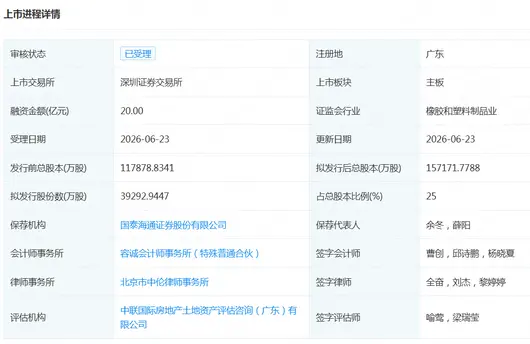
2026 年 6 月 23 日,萬力輪胎股份有限公司深圳證券交易所主板 IPO 申請正式獲得受理,保薦機構為國泰海通證券。這家華南地區最大的子午線輪胎企業正式步入 A 股審核流程,擬集資 20 億元,重點投向海外基地建設及產能智能化升級。

業績穩健,三年營業額超 186 億
招股書顯示,萬力輪胎近三年業績保持穩步增長。2023 年至 2025 年,公司營業收入分別達 55.88 億元、60.22 億元和 70.28 億元,年均複合增速達 12.14%;淨利潤分別為 3.98 億元、4.17 億元和 4.19 億元,盈利能力持續增強。
作為廣州市國資委實際控制的企业,萬力輪胎目前擁有廣州從化、安徽合肥及柬埔寨三大生產基地,年產子午線輪胎 3920 萬條。其中,從化基地已建成國內最大半鋼子午線輪胎單體工廠。根據 2025 全球輪胎 75 強榜單,萬力輪胎位列全球第 41 位、中國大陸企業第 17 位。

聚焦新能源賽道,配套 15 家主機廠
在新能源汽車輪胎細分賽道,萬力輪胎具備先發優勢。根據中國橡膠工業協會認證,公司新能源汽車專用輪胎銷量在國內輪胎企業中排名前三。目前,公司已成功配套比亞迪、廣汽、東風、奇瑞等 15 個主機廠,累計銷量超 300 萬條。2026 年 4 月上市的廣汽埃安 N60,萬力輪胎更是作為唯一受邀輪胎企業進行獨家配套。

集資 20 億建廠,打造高韌性全球供應鏈
本次 IPO,萬力輪胎擬集資 20 億元,投向五大項目,其中包括備受矚目的新建柬埔寨工廠項目、馬來西亞高性能綠色橡膠輪胎生產基地建設項目,以及從化基地三期擴建和研發中心升級項目。
近年來,萬力輪胎外銷收入佔比持續過半。通過本次募投項目的實施,公司一方面可擴建升級生產裝備,實現產能及研發能力躍升;另一方面,將加快柬埔寨、馬來西亞等海外基地佈局,更高效回應海外客戶需求,降低物流成本,打造抗風險、高韌性的全球供應鏈體系。
從 1988 年引進美國費爾斯通技術起步,到如今叩響深圳證券交易所大門,萬力輪胎 38 年完成了從技術跟跑到行業領先的躍遷。此次借助資本力量加速出海與新能源佈局,將為其邁向“百億輪胎”戰略目標注入強勁動力。


左手芯片,右手机器人。
比亚迪,要换种活法。
2026年对于中国汽车行业整体而言,并不好过。
多家上市车企都在经历利润腰斩(甚至膝盖斩)、股价承压,还出现了股东大会上股东当面诉苦的局面......
若只看比亚迪的财报和股价,有人可能会以为这家公司正在经历一场危机。
然而,若看其技术储备、海外、芯片和机器人等战略布局,反而会觉得,这是一家正在蓄力的“科技巨头”。

两种完全相悖的判断,道出这家“只做新能源车”的企业,正在布局一个远超汽车的大棋局。
01
“2026年第一季度是新能源汽车行业的阶段性至暗时刻。”比亚迪董事长王传福股东大会发言十分坦率。
他直言,自2026年1月1日起,我国新能源汽车免征购置税政策改为减半征收,政策退坡导致2025年11月、12月需求大幅前置,国内新能源渗透率从2025年12月的59.1%降到今年1月的38.6%,2月又回升至44.9%。
2026年一季度,比亚迪营收1502.25亿元,同比下滑11.82%;归母净利润40.85亿元,同比下滑55.38%。
 「图片来源:比亚迪一季报」
不过,王传福也给出了他的判断:“最坏的时刻已经过去。”由于中东冲突,油价飙升,新能源渗透率这两个月持续回升。
今年3月,比亚迪发布二代刀片电池与闪充技术,直指电动化“上半场”的补能焦虑痛点。
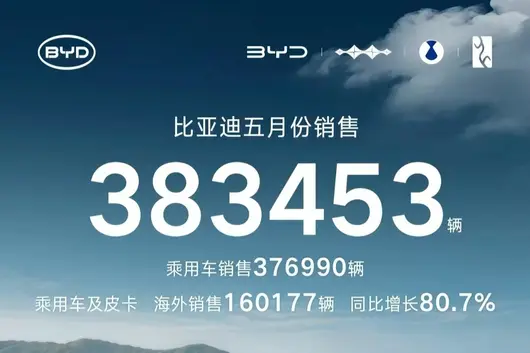
5月,比亚迪新能源汽车销量达38.35万辆,同比增长0.26%,时隔数月销量同比首次转正。
然而,销量复苏并非坦途。
王传福表示,“2026年整体销量取决于电池产能释放情况,更大的产能释放在2027年。”

他表示,由于二代刀片电池产线内部结构与一代差异巨大,需要对原有一代产线进行改造升级,产能爬坡需要周期。目前产能正以每月2万~3万辆的增量爬升。
02
电池产能爬坡解决的是“卖多少车”的问题。而比亚迪正在布局的,是比“卖车”更大的故事。
如果说智驾是比亚迪正在兑现的“现在时”,那芯片和人形机器人就是它正在布局的“未来时”。
在股东大会前一周,比亚迪集团执行副总裁李柯在一档访谈节目中确认,比亚迪正在开发人形机器人。
她还表示“机器人的竞争在于谁有最强的制造能力、软件能力和硬件能力,而汽车相关AI能力与机器人有同源性。”

消息一出,市场沸腾。
有消息就传出比亚迪人形机器人代号“尧舜禹”、计划2026年内部部署2万台。比亚迪随即辟谣称:相关消息均不属实。但“辟谣”本身恰恰证实了另一件事,入局是真的,只是节奏和规模被夸大了。
事实上,比亚迪在机器人领域的布局远比外界想象的更早、更系统。
其具身智能研究团队成立于2022年,已开发完成工艺机器人、智能移动机器人、类人形机器人等多款产品。
在投资端,2023年参投智元机器人;2025年入股触觉技术公司帕西尼感知科技,成为大股东。
03
从李柯的表述来看,工业机器人是现阶段重心,因为比亚迪自己就是最大的用户;未来一旦人形机器人具备走进家庭的条件,比亚迪可以依托全球经销商网络来销售。

这并非跨界追风口,而是一种全产业链技术能力平移复用。电机、电控、电池、芯片、代工,造车所需的全产业链能力,几乎可以平移至机器人领域。目前,上汽集团、吉利、广汽集团等中国上市车企都已经开始布局汽车衍生行业。
财报显示,比亚迪2025年员工总薪酬支出1305亿元,用机器人替代重复性高的产线岗位来降本,逻辑高度合理。
花旗预测,到2050年全球人形机器人市场规模将达7万亿美元,数量达6.48亿台。
对于正在寻找“第二增长曲线”的比亚迪而言,这无疑是一个值得押注的赛道,而目前几乎所有中国主要上市车企都在谋求切换赛道,跳出已经饱和的汽车市场,开辟新蓝海,尤其是像具身智能这样的领域。
04
支撑机器人长期想象的硬件底座,是芯片和智能驾驶能力,这些同样是比亚迪正在兑现的“现在时”。

比亚迪当下亟需向市场证明,自研电池、车载芯片、高阶智能驾驶、整车代工等业务,不只是造车环节的配套成本,而是能够独立对外商业化、创造增量收益的优质资产。
目前,比亚迪辅助驾驶车型保有量已超315万辆,每日产生智驾相关行驶数据超2亿公里,智能驾驶研发工程师规模超5000人。
自研4纳米制程智驾芯片“璇玑A3”已于5月发布并规模化量产,三颗芯片总算力超2100TOPS。
从这组数据来看,比亚迪整套智能驾驶体系实现底层数据、算法、自研芯片一体化布局,形成持续自我迭代优化的技术闭环。
路上数百万台车辆持续采集真实路况数据,海量实景路测素材,是多数专注智能驾驶研发企业难以企及的核心优势。一旦国内L3级自动驾驶法规正式全面落地,比亚迪具备快速规模化落地高阶智驾的先天条件。

王传福对此毫不掩饰:“L3法规一旦落地,比亚迪将快速腾飞。”
05
技术的故事讲完,回到当下比亚迪最现实的增长引擎——海外市场。
待产能爬坡完成后,比亚迪将同步发力海内外两大核心市场,其中海外业务是现阶段确定性最强的增长板块。
今年5月,比亚迪海外汽车销量达16.06万辆,同比增长80.7%,再创历史新高。今年前5个月,累计出口销量达61.45万辆,占总销量的35%。

王传福明确表示,年初制定的2026年150万辆海外出口目标“现在预计应该会超越”。目前,比亚迪已完成今年海外出口目标的40.96%。
不仅如此,王传福还提出中长期目标,五年后比亚迪在规模上要做到真正的全球第一。到2030年,通过海外扩张实现1000万辆销量蓝图。
06
为支撑全球化战略,比亚迪不再局限于整车产品外销,转而推进整套产业体系出海落地。
生产端,泰国、巴西、乌兹别克斯坦本地工厂已经投产,匈牙利生产基地即将投产运营,印尼工厂进入量产筹备阶段;物流配套层面,定制化滚装船队扩充至8艘,每年可承载25万~30万台整车海运运力。

值得警惕的是,海外业务高速扩张同样伴随不可忽视的成本压力:欧盟针对国内新能源车型加征反补贴关税政策逐步落地,各地新建工厂属于重资产投入,拉长盈利回报周期,海外板块毛利率提升仍需要长期经营沉淀。
这道题没有捷径,只能靠产能规模与品牌溢价一步步解开。
07
如果说销量是比亚迪的“面子”,那股价就是它的“里子”,而这个“里子”,却让股东们寝食难安。
股东会上,有股东当场直言,公司在资本市场的表现远不及宁德时代,自己重仓被套、亏损严重,感到“非常伤心”。
面对股东的质疑,王传福动情回应,“比亚迪是我的生命。”
他表示:“我们的潜力大家都很认同,但是现在我们的股价还没能反映。”他希望股东保持耐心,并承诺“一定会实现股东更好的回报”。
 「图片来源:比亚迪年报」
从数据对比来看,比亚迪在业绩和资本市场的反差确实刺眼:2025年比亚迪营收8039.65亿元、净利润326.19亿元,盈利能力在乘用车上市公司首屈一指。
然而,自年报披露后,比亚迪的股价和市值,震荡下行,截止6月18日收盘,比亚迪A股和港股分别报收88.13元/股和80.85港元/股。
在《汽车K线》看来,这固然与今年以来比亚迪销量持续下滑,一季度利润下跌有关,但更多或是因为,市场仍在用“汽车制造商”的眼光,来衡量一家正在转向“科技平台”的企业。
王传福说最坏的时刻已经过去了。这句话背后,是比亚迪已铺展开的整套技术布局与产能长期规划。
这份规划有明确推进节奏,但也要扛住实打实的成本压力:产能爬坡阶段漫长的损耗、海外建厂持续砸下的巨额资金等,方方面面都在消磨股东的耐心。
Views of AutosKline:
真正值得关注的,可能不是某个月的销量能不能继续“转正”,而是比亚迪早已不只是一家单纯卖车的车企,它正在一步步转型成覆盖能源、智能驾驶、高端制造、工业机器人的综合工业实体。
这也是市场需要给比亚迪重新估值的根本原因。至于价值重估什么时候到来,还要看技术落地、产能扩张等的实际推进效果。在此之前,所有愿意长期守候的投资者,本质都是在为比亚迪长远的成长潜力买单。
文字为【汽车K线】原创,内容参考素材源自上市公司公告和行业公开信息(相关公司和机构应有义务对其真实性负责);部分图片来源于网络,版权归原作者所有。
本号文章,未经授权,不得转载,违者必究。同时,文章内容不构成对任何人的投资建议!股市风险大,投资需谨慎!



2026年的中国车市,正在经历一场前所未有的“冰火两重天”。乘联会数据显示,1-5月国内狭义乘用车累计零售709.9万辆,同比下滑19.5%。燃油车更是遭遇雪崩,5月燃油车零售同比暴跌39%,其中自主品牌下降39%,主流合资品牌下降41%。然而就在这片“跌”声中,比亚迪集团1-5月新能源累计销量突破140.5万辆,稳坐中国汽车品牌与新能源销量双榜首。

当大盘在跌、竞品在卷,为什么是比亚迪乘风领跑? 拨开销量数字的表层,真正值得关注的是三个结构性的变化。
大盘下行中的“逆势逻辑”:销量同比下滑≠竞争力下滑
先看一组容易被误读的数据。比亚迪1-5月总销量140.5万辆,同比下滑20.32%。单纯看这个数字,有人会得出“比亚迪不行了”的结论。但放在行业语境下审视,结论完全不同。
第一,基数效应。 2025年同期的销量建立在新能源购置税全免的政策红利之上,而2026年1月起购置税已从全免改为减半征收。政策退潮带来的需求透支是行业性的,并非比亚迪独有。

第二,趋势反转。 5月单月,比亚迪销量38.35万辆,同比增长0.3%,环比增长19.4%。这是2026年以来月销量同比首次转正,结束了此前连续8个月的下滑。在行业整体仍在深度下滑的背景下,比亚迪率先踩住了刹车,拐点信号明确。
第三,份额扩张。 1-5月,比亚迪在汽车集团销量排名中位居第二(140.5万辆),市场份额11.5%;在新能源汽车厂商排名中,则以76.6万辆的累计销量位居榜首,市场份额高达20.7%。蛋糕在缩小,但比亚迪切走的份额在变大。
增长引擎切换:海外已成第二增长极
如果说国内销量是比亚迪的基本盘,那海外市场正在成为真正的增量引擎。
5月,比亚迪海外销量首破16万辆,达16.06万辆,同比增长80.4%,创历史新高。1-5月海外累计销量61.69万辆,同比增长64.9%。更值得关注的是结构变化,5月海外销量占比已达41.9%。

这意味着什么?比亚迪近一半的销量来自海外市场。国内销量同比下滑24.1%的同时,海外以80%以上的增速在填补缺口。比亚迪正在从一个“中国新能源车企”变成“全球新能源车企”,这个转变,远比月度销量的涨跌更重要。

从车型看,海鸥、宋PLUS、元系列在海外持续热销,SHARK皮卡连续两个月销量突破4000辆。从产能看,比亚迪已在泰国、乌兹别克斯坦、巴西、匈牙利等多地布局海外工厂。从战略看,比亚迪预计全年出口170万辆,同比再增62%。海外业务的高增长不仅对冲了国内市场的下行压力,更以更高的单车ASP和盈利水平优化了整体盈利结构。
技术与规模的“双护城河”:别人学不来的壁垒
销量只是结果,真正支撑比亚迪持续领先的,是技术与规模构筑的双重护城河。

技术端,闪充正在重新定义电动车体验。 2026年3月,比亚迪发布第二代刀片电池与闪充技术,常温下10%充至70%仅需5分钟,10%充至97%仅需9分钟;即便在零下30℃的极寒环境下,从20%充至97%也只比常温多3分钟。这不是参数的堆砌,而是对“充电慢”和“低温充电难”这两个电动化世界性难题的系统性攻克。截至5月,比亚迪已在全国321个城市布局6682座闪充站,计划年底达到20000座。搭载闪充技术的第三代元PLUS、方程豹豹5/豹8闪充版、腾势N9闪充版等车型已密集上市。

智能化端,315万辆车的数据飞轮正在加速转动。 截至5月28日,比亚迪辅助驾驶车型保有量超过315万辆,“天神之眼”每日生成数据超过2亿公里。数据越多,算法迭代越快;算法越好,用户体验越优。这是一个典型的“数据飞轮”效应。比亚迪率先承诺为城市领航安全兜底一年,并宣布全系车型可选装“天神之眼B”智驾方案。

规模端,8款车型月销破两万的“集团军作战”。 5月,王朝网的元、宋分别交出56691台、51370台的成绩;海洋系列的海鸥、海豚、海豹、海狮、宋PLUS五款车型全部破两万。比亚迪宋更是以75825辆拿下5月全车型销量榜首。多款车型同时放量,考验的是供应链稳定性、生产效率和成本控制能力,这正是140万辆规模带来的系统性优势。
结语:
2026年的中国车市,竞争逻辑已经彻底改变。价格战的边际效应正在递减,技术战和体验战刚刚开始。在一个整体下行、政策红利消退的市场里,比亚迪用140.5万辆的累计销量证明了一个朴素的道理:真正决定企业能否持续增长的,是技术、规模和全球化能力。
国内销量正在筑底回升,海外市场持续高歌猛进,闪充技术与智能化战略双轮驱动。比亚迪的领先,不是来自某一个维度的优势,而是来自多维度构建的系统性壁垒。对于整个行业而言,比亚迪的案例也提供了一个清晰的信号:新能源竞赛的上半场拼的是谁先上车,下半场拼的是谁跑得远。


Maklumat Kereta Burung Hantu (ID:owlauto) memberitahu, perubahan struktur organisasi dalam DingTalk berlaku pada awal April. Ramai pekerja Tembok Besar yang menetap di luar negara perasan, mereka secara tiba-tiba telah dipindahkan keluar daripada "Perdagangan Antarabangsa Tembok Besar", dan dipindahkan ke bawah nama "Syarikat Kereta Tembok Besar Berhad". Seterusnya, kontrak pekerjaan juga ditandatangani semula.
Bagi golongan yang kerap berstation di luar negara ini, ini bukan sekadar penyesuaian sistem IT. Ada yang rasa, lebih kepada ibu pejabat Baoding menarik kembali tali kendali.
Hingga pertengahan Jun, satu lagi berita tersebar: Presiden Antarabangsa Syarikat Kereta Tembok Besar, Shi Qingke, akan meletakkan jawatan, digantikan oleh Presiden Zon Brazil-Meksiko, Zhang Gengshen.
Melihat jualan luar negara sahaja, kedua-dua perkara ini agak membingungkan. Lima bulan pertama 2026, Tembok Besar menjual 231,000 unit kereta di luar negara, naik 46.2% berbanding tahun lalu. Kadar pertumbuhan ini agak menonjol dalam industri. Namun pada masa inilah, ketua yang memulakan operasi luar negara ini pula mahu pergi, dan orang yang pandai melihat dapat melihat, jawatan yang bakal digantikannya telah direduksi menjadi serpihan.
Shi Qingke adalah pekerja lama Tembok Besar, berkhidmat lebih dua puluh tahun. Dari tiada ke ada di luar negara, dari kilang Tula, Rusia, ke kilang Rayong, Thailand, hingga kilang Irasemapolis di Brazil yang melalui perolehan dan pengubahsuaian, bayangannya ada di sebalik semuanya. Secara rasmi, sebab peletakan jawatan adalah "sebab keluarga peribadi", tetapi jika ditarik semula ke perubahan organisasi April, sebabnya tidak sukar diteka.
Operasi luar negara Tembok Besar dahulu, lebih seperti pasukan yang dihantar keluar. Untuk membolehkan bahagian hadapan dengan pantas menyerang pasaran, ibu pejabat memberi "Tembok Besar Antarabangsa" kebebasan besar, dari penyelidikan dan pembangunan ke pengeluaran ke jualan, secara asas ditentukan sendiri. Strategi ini sangat berkesan pada awal – 2021 jualan luar negara baru 140,000 unit, hingga 2025 sekali langgar ambang 500,000 unit, bergantung pada keupayaan setiap zon untuk menyesuaikan diri.
Namun bila jualan meningkat, masalah turut datang. Pasaran berbeza untuk merebut saham pasaran, strategi makin berbeza, imej jenama kadangkala orang dalam sendiri rasa kacau. Bahagian penyelidikan dan pembangunan rasa spesifikasi tertentu bagus, bahagian jualan kata di situ tak laku langsung, kedua-dua pihak selalunya bertentangan.
Wei Jianjun jelas tidak mahu teruskan begini. Operasi luar negara dari ratusan unit kepada beratus ribu unit, tidak boleh lagi beraksi sebagai pasukan gerila, mesti bertukar kepada cara pengurusan pasukan bersatu.
Maka berlaku penyesuaian di bulan April. Dalam struktur baru, tidak lagi ditetapkan pemimpin tertinggi luar negara. Mengambil Rusia sebagai contoh, bahagian penyelidikan dan pembangunan setempat, pengurusan kilang, dan jualan, masing-masing melaporkan kepada tiga Timbalan Presiden yang berbeza di ibu pejabat Baoding. Presiden Rusia asal, Zhang Junxue, sudah dipindahkan ke dalam negara.
Jujur saja, kerja "Presiden Antarabangsa" Shi Qingke telah dipecahkan kepada beberapa bahagian, walaupun dia tidak pergi, tiada jawatan yang sepadan untuk diduduki.
Zhang Gengshen boleh menggantikan, tidak mengejutkan. Dia berkhidmat lama di Zon Brazil-Meksiko, kilang Brazil dari perolehan ke pengubahsuaian hingga pembinaan rantaian bekalan, semuanya didorong sepenuhnya olehnya. Tembok Besar kini paling menghargai orang yang boleh menguruskan pasaran kompleks sepenuhnya. Cuma, peranan Zhang Gengshen selepas naik berbeza dari dahulu – penyelaras setiap zon nanti hanya urus jualan kereta, penyelidikan dan pembangunan belakang, rantaian bekalan, pasca-jualan, semua dikawal langsung oleh Baoding.
Wei Jianjun membina platform tengah besar di Baoding yang mengawal luar negara secara langsung. Menggunakan istilah lama, ini disebut mengurangkan kuasa serantau.
Tujuan tindakan ini sekurang-kurangnya dua peringkat. Peringkat pertama adalah bersedia untuk masa hadapan. Ketua syarikat kereta swasta generasi Wei Jianjun, lambat laun perlu hadapi masalah penyerahan tongkat kepimpinan. Lebih baik mengikat operasi luar negara kepada satu orang ahli, lebih baik mengembalikan kuasa keputusan sepenuhnya ke ibu pejabat, bergantung pada sistem berbanding individu. Peringkat kedua adalah mencegah risiko. Sekarang di luar negara penuh dengan cukai pengimbungan dan halangan perdagangan berlainan, jika setiap zon buat keputusan sendiri, bila tiba masalah sebenar, ibu pejabat tidak sempat mengkoordinasi perbekalan.
Situasi Tembok Besar sekarang, jualan dalam negara terus turun, tetapi luar negara terus naik ganas. Pada April tahun ini, jualan luar negara sudah hampir separuh daripada jumlah keseluruhan. Maksudnya, luar negara menjadi enjin tunggal Tembok Besar yang masih naik.
Maka urus langsung ibu pejabat, sekurang-kurangnya boleh tumpukan sumber teras paling kritikal – seperti Zhang Gengshen yang pernah berjaya – ke pasaran paling kritikal, seperti Amerika Latin.
Namun cara ini ada risiko ketara. Risiko terbesar adalah kecekapan. Baoding bukan Shanghai atau Shenzhen, nak rekrut bakat antarabangsa tahap tinggi yang mencukupi tidak mudah. Masa depan kereta bersaing pada kecerdasan dan perisian, jika setiap keputusan perlu maklum balas dari barisan hadapan ke Baoding, kemudian disahkan secara berlapis, mungkin bila selesai persetujuan, jendela pasaran sudah tertutup.
Dahulu Presiden Zon melihat pesaing tempatan turunkan harga, boleh buat keputusan sendiri. Nanti bagaimana? Mula-mula tulis laporan, tunggu ibu pejabat mesyuarat, kemudian tunggu tanda tangan bersama setiap departmen. Mengelilingi ini, sekurang-kurangnya tiga hingga lima hari, kesempatan sudah hilang.
Bagaimana mencari titik keseimbangan antara mengukuhkan kuasa dan lentur, adalah satu soalan yang tidak boleh dielakkan oleh Wei Jianjun.
Shi Qingke sudah pergi. Ini bukan sekadar kepergian seorang lama, lebih kepada halaman "pertumbuhan liar" luar negara Tembok Besar sudah terbalik. Wei Jianjun memilih menggunakan pengurusan ketenteraan yang dia kenali, menyambungkan semula operasi luar negara ke badan ibu pejabat Baoding. Jika langkah ini berjaya, Tembok Besar ada peluang menjadi pemain global sebenar. Jika tidak berjaya, tongkat pengarah yang terlalu panjang boleh mematikan barisan hadapan.
Tetapi satu perkara sudah pasti: walaupun perlu mengantar keluar seorang jeneral berpengalaman yang pernah berjaya besar, Tembok Besar teguh hati mahu memeluk kembali nyawa operasi luar negara ke tangan sendiri.


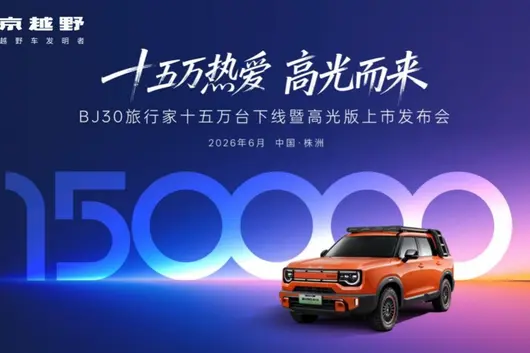
6月12日,北汽株洲超级工厂,BJ30旅行家第15万台下线,高光版同日上市。全系推出3万元超级置换补贴,全系超级置换价6.99万起,高光版8.29万起。
高光版的主要变化集中在动力和用料。后电机功率从55kW提升至70kW,匝道汇入、紧急避让响应更快;换装专用AGM电瓶,循环寿命是普通电瓶的3倍;整车充电效率99%。动力架构延续三擎四驱六模HEV——41%热效率混动专用发动机+前后双电机,智能四驱响应时间30ms,0.5秒爆发峰值扭矩。
油耗这块,来自南非、印尼、阿联酋、波兰、墨西哥的五国博主分别实测,BJ30旅行家在每个国家都跑出百公里不超5L,一箱油续航超1000km。不用找充电桩,加油即走。
空间方面,轴距2820mm,后备厢1496L,后排放倒成1.92米大床,38处储物。
发布会现场联合央视财经,直播拆解了一台行驶15万公里的BJ30旅行家:发动机、变速箱、电池包、底盘悬挂均状态良好,积碳少,无漏油,无异常衰减。
15万台,对轻越野这个品类来说,是北京越野交出来的一份比较具体的答卷。


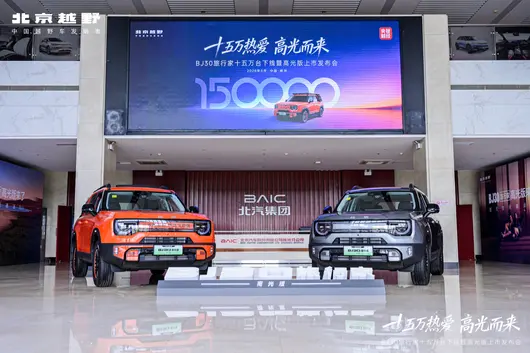

On June 12, the "150,000 Units of Passion, Here to Shine" BJ30 Traveler 150,000 Units Milestone & Highlight Edition Launch Conference was held at the BAIC Zhuzhou Super Factory. To further advance off-road equity and allow more families to enjoy light off-road life, the entire BJ30 Traveler series introduces a 30,000 yuan trade-in policy, with a super trade-in price starting from 69,900 yuan. The annual all-new version BJ30 Traveler Highlight Edition has launched, positioned as a light off-road SUV, with comprehensive leaps in appearance, performance, and experience, with a super trade-in price starting from 82,900 yuan. Under CCTV cameras, Beijing Off-road also livestreamed the teardown of a BJ30 Traveler with 150,000 kilometers driven, allowing the entire internet to witness the vehicle's reliable quality.


Recognized by 150,000 Global Users, Forging the BJ30 Traveler Highlight Moment
As the fastest model in China's light off-road SUV sector to reach 150,000 units, the BJ30 Traveler relies on Beijing Off-road's over 60 years of professional accumulation. With hardcore strength in super off-road, super large, and super economical aspects, it allows the world to see China.
"Super Off-road" is the confidence to set out. Beijing Off-road has created the industry-leading "Three-Motor Four-Wheel-Drive Six-Mode HEV Hybrid Architecture", and was the first to apply it to the BJ30 Traveler, becoming the first HEV hybrid vehicle in the Chinese Box-style SUV category. The Three-Motor Powertrain consists of a hybrid-specific engine with 41% thermal efficiency, a front drive motor, and a rear drive motor, specializing in long-distance energy saving, real-time recharging, and instantaneous power burst respectively; Intelligent Four-Wheel Drive responds in 30 milliseconds, reaching peak torque in 0.5 seconds. Six Modes can automatically select the optimal working mode, ensuring power is always in the best state. Coupled with energy central lock, four-wheel electronic slip control, and Intelligent Electric ATS All-Terrain Control System, it easily handles scenarios like mud and sand.

"Super Large" is the calmness of travel. The BJ30 Traveler features a three-row seven-seater layout, boasting a 2820mm ultra-long wheelbase, a 66% ultra-high usable space ratio, and a 1496-liter super large trunk. Folding the rear row flat instantly turns into a 1.92-meter large bed. The B-segment box-style super-wide third-row space allows 1.8-meter adults to sit comfortably. With 38 storage spaces throughout the vehicle, personal items always have a dedicated spot. Family travel is free, no one has to settle.
"Super Economical" is long-term companionship. The BJ30 Traveler achieves saving money, saving time, and saving worry. Recently, automotive bloggers from five countries—South Africa, Indonesia, UAE, Poland, and Mexico—tested the fuel consumption of domestic SUVs. The BJ30 Traveler achieved fuel consumption not exceeding 5 liters per 100 kilometers in every country, with a range of over 1000 kilometers per tank of fuel. No need to find charging piles, just refuel and go, saving dozens of hours of recharging time annually. Meanwhile, the first owner enjoys a lifetime warranty for the entire vehicle, with no high-voltage battery pack safety hazards. Maintenance is simple and parts are abundant, ensuring every departure is worry-free.

The BJ30 Traveler is both a box-style SUV that takes you to the wild, and a city commute SUV that allows you to enjoy life comfortably. Light off-road SUVs are all the same, but the BJ30 Traveler stands out from the crowd!
BJ30 Traveler Highlight Edition Launched, Welcoming Three Major Highlight Moments: Appearance, Performance, and Experience
At the milestone of 150,000 units produced, Beijing Off-road launched the all-new version—the BJ30 Traveler Highlight Edition. Based on "Super Off-road, Super Large, Super Economical", it achieves comprehensive leaps in appearance, performance, and experience.

Highlight Appearance, Customized for Different Life Stages. The BJ30 Traveler Highlight Edition adopts a classic box-style design, perfectly blending a tough atmosphere with delicate lines. The exclusive five-star ring integrated light strip is eye-catching and cool; the full set of trendy styling kit, exclusive star-ring wheels, front and rear color-matched sport bumpers, fully display passion and ease; new orange interior and metal texture trim panels outline layers and quality, highlighting a warm foundation. Users of different ages can find passion and meet their highlight moments in this vehicle.

Highlight Performance, Gaining Both Power and Fuel Economy. The BJ30 Traveler Highlight Edition is equipped with a high-performance, long-life dedicated AGM battery, with a cycle life 3 times that of ordinary batteries; it features Porsche-same turbocharging technology, achieving 99% whole-vehicle charging efficiency; the rear motor power increased from 55 kW to 70 kW. On-ramp merging, intersection starting, emergency evasion, all receive timely response, giving you the confidence to stick to your rights on the road.
Highlight Experience, Creating a Mobile Comfortable Living Room. Compared to ordinary SUVs, the BJ30 Traveler has a higher body, wider field of view, and features like seat heating, ventilation, and steering wheel heating, providing intimate comfort. The system can detect raindrops and automatically close windows. The 64-color ambient light moves with the music rhythm, giving you a space to enjoy soothing emotions exclusively.
The BJ30 Traveler Highlight Edition allows you to enjoy both off-road life and city commuting. With the composure of one car, it holds both sides of life, turning every ordinary day into a highlight moment.

First Online Teardown of 150,000 KM BJ30 Traveler, CCTV Certifies Real Quality
To give back to the 150,000 owners' companionship and passion, Beijing Off-road launched the "30,000 Super Trade-in Policy", available to both trade-in users and new purchase users. Beyond the 30,000 yuan super trade-in policy, Beijing Off-road also brings five premium benefits.


True strength fears no strict scrutiny. At the press conference, Beijing Off-road joined hands with CCTV Finance to livestream the teardown of a BJ30 Traveler with 150,000 kilometers driven, showing durability quality with real vehicle conditions. Meanwhile, cameras deeply visited the BAIC Zhuzhou Super Factory, witnessing how Chinese Smart Manufacturing guards the excellent quality control of every vehicle from the source.
150,000 kilometers is equivalent to nearly ten years of use for an ordinary family. After tearing down the BJ30 Traveler: the engine turbo is clean with little carbon buildup, power output remains abundant, the transmission casing is intact without oil leaks, internal gears show no wear or pits, the power system status is excellent; the battery pack shows no bulging, leakage, or internal degradation, no worry about battery aging faults with long-term use; the subframe and suspension arms have no rust or oil seepage/leakage, the overall chassis flatness and neatness differ very little from a new car, passive safety protection remains online. This livestream proved with lenses that the BJ30 Traveler uses solid materials, reliable craftsmanship, and outstanding durability, bringing users lower maintenance costs, longer car replacement cycles, and peace of mind for every trip.

150,000 Units of Passion, Here to Shine. As a family of off-road expertise, Beijing Off-road makes precise layouts with a diversified product matrix, dedicated to letting users with different needs find the most suitable travel partner. The BJ30 Traveler Highlight Edition, with ultimate product power and sincere pricing, ensures every passion is not let down and every departure shines; the BJ40 Extended Range Long-Endurance version accompanies users to explore broader worlds with hardcore strength of "City and Off-road Ultimate Safety". In the future, Beijing Off-road will continue to walk shoulder-to-shoulder with car owners, journey to the next mountains, rivers, and seas, and share every highlight moment.

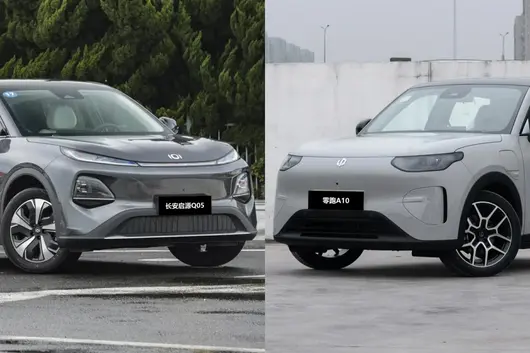
對於普通家庭嚟講,代步車嘅核心訴求始終圍繞實用、舒適、經濟,8 萬左右嘅純電 SUV 就係優解。長安啟源全新 Q05 同零跑 A10 靠平實嘅定價同均衡嘅產品力,成為唔少用戶關注嘅對象。兩款車都恪守全球化造車品質,零跑 A10 以全球嚴苛規範定為整車品質嘅核心標竿,長安啟源全新 Q05 擁有央企精工品質,5 月仲係喺泰國上市收獲海外口碑,後續穩步開拓海外銷售,整車可靠性表現出色。咁呢兩台車,邊部更適合家用需求呢?今日我哋來一窺究竟。

長安啟源全新 Q05 作為緊湊型純電 SUV,指導價區間係 7.99-11.49 萬,終端價格係 6.99-10.99 萬,睇返終端價格,價錢都幾有心意;零跑 A10 定位係小型 SUV,指導價區間係 6.58-8.68 萬,價格都符合主流。我哋以 8 萬為例,揀選長安啟源全新 Q05 405 Max、零跑 A10 505 悅享版嚟做比較,兩者嘅價格非常接近。

(長安啟源全新 Q05)
(零跑 A10)

內飾用料同智能細節,影響住長遠用車體驗。長安啟源全新 Q05 座艙大面積採用軟質包裹,觸手可及之處質感細膩,行車過程中唔易產生異響,整體嘅檔次感更好。而且長安啟源全新 Q05 支援多種主流手機互聯系統,無論係蘋果,定係華為、榮耀,都能快速連結車機,搭配 50W 無線快充,告別雜亂數據線。零跑 A10 內飾都有軟包,但覆蓋面積中規中矩。交互方面,零跑 A10 基礎智能交互功能齊全,但手機互聯方式單一,日常使用便捷性稍遜一籌。
(長安啟源全新 Q05)

(零跑 A10)

考慮到家庭用車嘅需求,空間都係一道坎。長安啟源全新 Q05 作為緊湊型 SUV,軸距達到 2735mm,相較零跑 A10 嘅 2605mm 軸距,長安啟源全新 Q05 嘅後排乘坐空間會更寬敞,180cm 嘅大個坐喺後排仲留有 1 拳多膝部餘量,再加上後排純平地台,就算坐滿三個成年人都不局促,孩子喺後排玩耍、安裝安全座椅都綽綽有餘。零跑 A10 嘅後排空間就中規中矩了,180cm 身高落座後排膝蓋快貼近前排靠背,不過日常通勤代步都夠用嘅,但如果是全家遠途出行,後排乘客腿部餘量有限,出行舒展度相比長安啟源全新 Q05 嚟講都係稍遜一籌。
(長安啟源全新 Q05)

(零跑 A10)

乘坐舒適性嘅差異,進一步拉開咗兩車嘅家用差距。兩車都配備前排座椅加熱,寒冬出行都能告別冰冷座椅。但長安啟源全新 Q05 喺此基礎上增加咗前排座椅通風與按摩功能,座椅按摩能有效緩解駕乘人員嘅腰部疲勞,通風功能喺夏季都可以驅散座椅悶熱。唔止如此,長安啟源全新 Q05 仲配備後排靠背調節,後排乘客可根據自身習慣調整坐姿,適配唔同人群嘅乘坐需求。而零跑 A10 聚焦冬季實用屬性,主副駕僅配備加熱功能,日常足以應付市區短途出行。一個人開車,好難感受到配置落差;但遇上盛夏出行或是長途全家出遊時,長安啟源全新 Q05 自帶嘅通風、按摩功能,能進一步提升久坐舒適度,更貼合多樣化嘅用車需求。
另外,細節方面,長安啟源全新 Q05 搭載自動空調並配備後排出風口,後排乘客都能享受穩定舒適嘅溫度;零跑 A10 搭載手動空調,冇配備後排出風口,日常前排短途單人用車,制冷製熱完全夠用;不過盛夏滿載出行時,後排降溫效率偏弱,前後排好容易出現冷熱不均嘅情況。
(長安啟源全新 Q05)

(零跑 A10)

動力與續航表現,決定咗出行嘅從容度。長安啟源全新 Q05 搭載 120kW 電機,動力輸出充沛,城市道路超車、路口起步都乾脆利落,就算長上坡路段,都好輕鬆。零跑 A10 電機功率為 90kW,城市通勤倒也夠用,但如果需要急加速,或者高速超車時,動力表現就比較平緩了,超車要留足提前量。續航方面,喺 CLTC 工況下,長安啟源全新 Q05 嘅純電續航係 405km,日常出行夠用,零跑 A10 係 505km,小有優勢。但長安啟源全新 Q05 都提供 506km 續航嘅版本,能滿足大對長續航嘅追求。
電池與質保政策,係家用车長久使用嘅重要保障。長安啟源全新 Q05 搭載寧德時代電池組,行業口碑出色,穩定性與安全性都經過市場長期驗證,電池衰減風險更低,搭配 6 年或 15 萬公里整車質保,大幅降低咗車主後期用車顧慮。零跑 A10 採用國軒高科/江蘇正力電池組,整車質保為 4 年或 12 萬公里,對比之下,長久使用嘅保障力度稍弱。
(長安啟源全新 Q05)


(零跑 A10)
綜合嚟睇,兩款車型定位同取向有清楚區別。零跑 A10 車身小巧靈活,價格門檻更低,適合單身人士、情侶二人世界日常通勤。而長安啟源全新 Q05 喺空間、舒適配置、內飾用料、動力性能以及質保服務上占優,滿足日常通勤代步需求嘅同時,亦都適配全家出行。所以,預算 8 萬嘅前提下,我覺得長安啟源全新 Q05 會更值得入手。

2026年6月10日,5月国内紧凑型SUV销量榜单,深蓝S05强势霸榜登顶,成功实现3-5月销量三连冠,持续领跑15万内新能源SUV细分市场。自上市以来,深蓝S05始终保持月均破万的强劲势头,5月全球销量达18,866辆,同比增长102.71%,截至5月底全球累计销量已突破22万辆,成为中国新能源汽车市场当之无愧的现象级“全球大单品”。
国内市场,深蓝S05用连续三个月的销量领跑,在15万内纯电紧凑型SUV这个竞争最为激烈的细分市场确立了绝对领先地位;全球市场,其已成功进入70多个国家和地区,未来将进一步拓展至150+国家,成为中国新能源汽车技术出海的标杆之作。这种“国内领跑、全球开花”的双线热销态势,在15万级纯电SUV市场独树一帜。区别于行业惯常的出海路径,深蓝S05坚持全球统一标准、统一品质,在欧洲、东南亚、中南美等多个市场都获得了消费者的高度认可。
从“价格战”到“价值战”:深蓝S05的破局之道
过去一年,15万内新能源SUV市场曾陷入激烈的价格博弈。面对行业的普遍内卷,深蓝S05选择了一条更具韧性的发展道路:不参与单纯的低价竞争,而是依托技术创新与产品进化,为用户提供超越期待的“越级体验”,赢得了市场的广泛认可。

深蓝S05的成功,核心在于精准把握了主流家庭用户的真实需求。对于大多数家庭用户而言,纯电汽车的核心诉求远非“低价”,而是“续航是否扎实、补能是否高效、低温是否可靠、安全是否硬核”。深蓝S05正是围绕这些本质,打造了全面无短板的产品力。
在续航与补能方面,深蓝S05全系搭载宁德时代电芯+金钟罩电池,CLTC纯电续航最高可达620km,充分满足日常通勤与长途出行需求。同时,全系标配3C超充技术,SOC 30%-80%充电时间仅需15分钟,真正实现了“充电一刻钟,畅行百公里”,从根本上解决了纯电车主的里程焦虑。

针对北方用户最为关注的低温续航问题,深蓝S05采用了获得中国专利金奖及联合国知识产权组织认可的全球首创微核高频脉冲加热技术。该技术可在-30℃极端低温环境下,将电池温度提升20℃,动力性提升50%,充电时间缩短15%。配合标配的热泵空调系统,相比传统加热方式效率提升1.8-2.4倍,最大可节能38%,有效保障冬季续航的真实性与稳定性。
在安全与车身结构方面,深蓝S05的动力电池率先通过了2025版新国标安全检测,并获得了中汽中心NESTA六维电安全认证。同时,全车高强度钢铝占比达78%,最高钢材强度1700MPa,配合7700T大压铸一体式铸铝技术,车身扭转刚度达35000N・m/deg,全方位守护出行安全。
从“产品出海”到“品牌出海”:中国汽车的全球化新征程
深蓝S05的全球化征程,不是简单的产品出口,而是技术标准与品牌价值的全面输出。在欧洲这个全球汽车工业发源地,深蓝S05展现出了强大的竞争力,2-3月连续斩获西班牙紧凑型纯电SUV注册量第一名;在东南亚市场,深蓝S05巴基斯坦上市即热销,首月收获2000+首发大订,后续月均订单稳定在500+;5月,深蓝S05正式登陆波兰市场,进一步完善了其在欧洲的战略布局。

市场的认可与专业的奖项形成了双向印证。国内,深蓝S05在J.D.Power2026中国新能源汽车新车质量研究中斩获紧凑型纯电动SUV第一名,这是行业对其产品品质最权威的背书;海外,它先后拿下泰国年度最佳后驱紧凑型电动SUV、智利Autocosmos 2026最佳推荐车型、FIPA美洲汽车记者联合会年度混动车型大奖,证明其产品力能够适配不同国家的用车需求和消费偏好。同时,德国iF设计大奖、都灵汽车设计奖最佳智能人机融合奖、世界绿色设计组织绿色设计国际大奖的获得,更从设计美学、智能交互和可持续发展等多个维度,印证了深蓝S05已经达到国际一流产品水准,全球市场对中国汽车的认知。

值得一提的是,深蓝汽车近日还成为了葡萄牙国家队全球官方合作伙伴,将借助体育IP的影响力,进一步提升品牌的全球影响力。此前,深蓝S05已正式交付葡萄牙国家队,将与C罗等世界级球星携手,共同传递“满电上场,全球主场”的竞技精神。这种跨界联动,不仅是顶尖智造实力与冠军精神的共鸣,更向世界展示了中国汽车品牌的自信与实力。
结语
从国内市场的持续领跑,到全球70多个国家和地区的热销,再到斩获多项国际权威大奖,深蓝S05用实打实的成绩证明:中国汽车品牌已经具备了打造全球爆款的能力。它的成功,不仅为中国新能源汽车产业树立了价值标杆,更为中国品牌高质量出海提供了可借鉴的发展样本。
三连冠不是终点,而是深蓝S05新征程的起点。未来,随着深蓝汽车全球化布局的持续深化,我们有理由相信,深蓝S05将继续领跑紧凑型SUV市场,书写中国汽车品牌的新篇章。
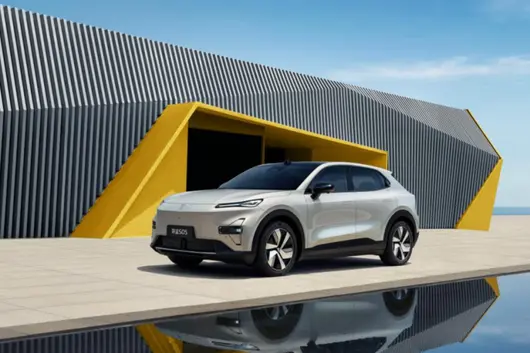

For ordinary families, the core demand for commuter cars always revolves around practicality, comfort, and economy. An all-electric SUV around 80,000 is the optimal solution. Changan Qiyuan New Q05 and Leapmotor A10 have become the focus of many users with their affordable pricing and balanced product power. Both cars adhere to global automotive manufacturing quality. Leapmotor A10 takes global strict regulations as the core benchmark for overall vehicle quality. Changan Qiyuan New Q05 possesses state-owned enterprise precision craftsmanship quality. It also went on sale in Thailand in May, gaining overseas reputation. It will steadily expand overseas sales later, and the overall vehicle reliability is excellent. So, between these two cars, which is more suitable for home use? Let's find out today.
Changan Qiyuan New Q05 as a compact all-electric SUV, guide price range is 79,900 - 114,900, terminal price is 69,900 - 109,900. Looking at terminal price, the price is still very sincere; Leapmotor A10 positioning is small SUV, guide price range is 65,800 - 86,800, price also fits mainstream. Let's take 80,000 as an example, select Changan Qiyuan New Q05 405 Max, Leapmotor A10 505 Enjoy Edition for comparison, their prices are very close.
(Changan Qiyuan New Q05)
(Leapmotor A10)
Interior materials and intelligent details affect long-term driving experience. Changan Qiyuan New Q05 cabin uses soft wrapping in large areas, texture is fine where touchable, noise is not easy to generate during driving, overall class is better. And Changan Qiyuan New Q05 supports multiple mainstream mobile phone interconnection systems, whether Apple, or Huawei, Honor, can quickly connect to the car machine, paired with 50W wireless fast charging, say goodbye to messy data cables. Leapmotor A10 interior also has soft wrapping, but coverage area is moderate. In terms of interaction, Leapmotor A10 basic intelligent interaction functions are complete, but mobile phone interconnection method is single, daily use convenience is slightly inferior.
(Changan Qiyuan New Q05)
(Leapmotor A10)
Considering family car needs, space is also a hurdle. Changan Qiyuan New Q05 as a compact SUV, wheelbase reaches 2735mm, compared to Leapmotor A10's 2605mm wheelbase, Changan Qiyuan New Q05 rear row seating space will be more spacious, 180cm tall person sitting in rear row still has more than a fist of knee clearance, plus rear row pure flat floor, even sitting three adults is not cramped, child playing in rear row, installing safety seat is also more than enough. Leapmotor A10 rear space is moderate, 180cm height sit in rear row knee almost touch front row backrest, but daily commute is enough, but if it is full family long-distance travel, rear row passenger leg clearance is limited, travel comfort compared to Changan Qiyuan New Q05 is still slightly inferior.
(Changan Qiyuan New Q05)
(Leapmotor A10)
Difference in seating comfort further widens the home use gap between the two cars. Both cars are equipped with front seat heating, cold winter travel can say goodbye to cold seats. But Changan Qiyuan New Q05 adds front seat ventilation and massage functions on this basis, seat massage can effectively relieve lumbar fatigue of driving and riding personnel, ventilation function can also dispel seat stuffiness in summer. Not only that, Changan Qiyuan New Q05 also equips rear row backrest adjustment, rear row passengers can adjust sitting posture according to their own habits, adapt to seating needs of different groups. While Leapmotor A10 focuses on winter practical attributes, driver and passenger only equipped with heating function, daily enough to cope with city short-term travel. One person driving, hard to feel configuration gap; but meeting summer travel or long-distance full family travel, Changan Qiyuan New Q05 built-in ventilation, massage functions, can further improve long-time sitting comfort, more fit diverse driving needs.
In addition, details, Changan Qiyuan New Q05 carries automatic air conditioning and equips rear air outlets, rear row passengers can also enjoy stable comfortable temperature; Leapmotor A10 carries manual air conditioning, no equips rear air outlets, daily front row short-term single person car use, cooling and heating completely enough; but summer full load travel, rear row cooling efficiency is weak, front and rear rows easy to appear cold and hot uneven situation.
(Changan Qiyuan New Q05)
(Leapmotor A10)
Power and range performance determines travel ease. Changan Qiyuan New Q05 carries 120kW motor, power output is abundant, city road overtaking, intersection start are crisp and clean, even long uphill road, also very easy. Leapmotor A10 motor power is 90kW, city commute also enough, but if need rapid acceleration, or highway overtaking, power performance is relatively flat, overtaking needs to leave enough advance. Range aspect, under CLTC conditions, Changan Qiyuan New Q05 pure electric range is 405km, daily travel enough, Leapmotor A10 is 505km, small advantage. But Changan Qiyuan New Q05 also provides 506km range version, can satisfy everyone's pursuit of long range.
Battery and warranty policy is long-term use important guarantee of family car. Changan Qiyuan New Q05 carries CATL battery pack, industry reputation is excellent, stability and safety both passed market long-term verification, battery degradation risk is lower, paired with 6 years or 150,000 km whole car warranty, greatly reduced owner's later car use concerns. Leapmotor A10 uses Gotion High-tech / Jiangsu Zhengli battery pack, whole car warranty is 4 years or 120,000 km, compared, long-term use guarantee strength is slightly weaker.
(Changan Qiyuan New Q05)
(Leapmotor A10)
Comprehensive view, two models positioning and orientation have clear differences. Leapmotor A10 body is small and flexible, price threshold is lower, suitable for singles, couples second world daily commute. While Changan Qiyuan New Q05 in space, comfort configuration, interior material, power performance and warranty service has advantage, meet daily commute commuter needs at the same time, also adapts to full family travel. So, under 80,000 budget premise, I think Changan Qiyuan New Q05 is more worth buying.

In May, China's automotive market overall presented a gentle recovery trend, with domestic brands still being the sales backbone of the market. Recently, BYD, Geely, Chery, Changan, and Great Wall, the top 5 domestic automakers, successively released their monthly performance reports. From the data, these five companies show a general characteristic of "stable total growth, divergence between domestic and international markets, and accelerated new energy penetration". Overseas exports and new energy vehicles have become the most core growth engines; export business has evolved from a "bonus item" to the "core foundation" for some companies. BYD's "dominant leader" status is further consolidated, Chery achieved high growth via exports, Geely's new energy penetration rate broke 56%, Changan focused steadily on balanced development, while Great Wall appeared slightly under pressure during structural transformation.
BYD: Export Hits New High Becomes Biggest HighlightIn May, BYD stood firmly at the top of domestic brands with a monthly sales volume of 383,500 vehicles, maintaining positive growth both year-on-year and month-over-month under a large base. Its two main brands, Dynasty and Ocean, sold a combined 330,200 vehicles, contributing 86.1% of total sales; Fangchengbao's monthly sales broke 30,000 units to reach 30,200, a year-on-year increase of 139.7%, setting a new high for the year; Denza sold 16,300 vehicles, and Yangwang delivered 286 vehicles. From a model perspective, BYD had eight models in May with monthly sales exceeding 20,000 vehicles. The Song Family and Yuan Family both broke 50,000 units, selling 51,370 and 56,691 vehicles respectively. The Sea Lion Family followed closely with 42,615 vehicles, and Seagull sales were also close to 40,000 vehicles.

BYD's biggest highlight in May was exports. Overseas new energy vehicle sales reached 160,600 units, an 80.4% year-on-year increase, accounting for about 42%. The sharp expansion of export scale effectively countered the phased weakness in domestic demand. Cumulative exports from January to May exceeded 620,000 vehicles. High export growth mainly benefited from continued ramping up of overseas factory capacity, improved ocean shipping capacity, and accelerated channel network expansion. In the domestic market, BYD promoted Megawatt Super Charging and intelligent strategies simultaneously—Megawatt charging achieved about 90% charge in 9 minutes; 20,000 super charging stations are planned to be built by 2026; all series models are available with Sky Eye B intelligent driving solutions and city navigation safety fallback plans, accelerating the popularization of high-level intelligent driving. As Gen 2 Blade Battery capacity gradually releases, the company's orders are expected to continue rising.
Chery: Sales Growth Leads the Top 5Chery Group's total sales volume in May was 247,800 vehicles, a significant year-on-year increase of 20.5%, ranking first in growth speed among the top 5. Exports remained its most core growth engine—May exports reached 181,900 vehicles, an 80.5% year-on-year increase, accounting for 73.4% of total sales that month, continuously breaking the single-month export record for Chinese brands for three months. In terms of new energy, Chery New Energy sold 100,300 vehicles, a 58.8% year-on-year increase. April and May consecutively saw monthly new energy sales breaking 100,000 vehicles.

The strong performance in exports benefited from Chery's long-term deep cultivation of overseas channel advantages and localized operation capabilities. While overseas orders continued to rise, high export growth formed a sharp contrast with domestic sales—Chery's domestic sales in May were only 60,000 vehicles, accounting for one-quarter of total sales. From cumulative data, Chery Group accumulated 1.101 million sales from January to May, but against the annual goal of 3.2 million vehicles, monthly averages need to reach about 420,000 vehicles later, and pressure remains significant.
Geely: New Energy Penetration Rate Breaks 56%Geely Auto's total sales volume in May was 237,600 vehicles, a 1% year-on-year increase, achieving month-over-month double growth for three consecutive months. In terms of structure, Geely's "New Four Transformations" transformation showed significant results: new energy vehicle sales reached 133,400 units, accounting for 56% of total sales, with new energy share exceeding 50% for four consecutive months.

From sub-brands, performance was significantly divergent. Zeekr brand sales in May reached 34,400 vehicles, a 82% year-on-year increase; Zeekr 9 Series and 8 Series models combined sales approached 50% of total sales, showing bright performance in the high-end market; Galaxy brand sales were 81,700 vehicles; Geely brand sales were 182,500 vehicles, among which China Star Series sales reached 100,800 vehicles; Lynk & Co brand sales were 20,700 vehicles, with new energy vehicle sales share rising to 71%.
In terms of exports, Geely's overseas vehicle exports in May reached 85,100 vehicles, a explosive 184% year-on-year increase, setting a brand single-month export record high. Among exported products, new energy vehicles reached 40,800 units, accounting for nearly half; hybrid and pure electric products have successively landed in Southeast Asia, Middle East, Latin America, and other markets, highlighting the results of global strategy implementation.
Changan: Multi-brand Matrix Balanced EffortChangan Auto's delivery volume in May was 209,100 vehicles, among which new energy deliveries were 92,400 vehicles, a 5.8% year-on-year increase, with new energy share about 44%. In terms of exports, overseas deliveries reached 70,700 vehicles, a 38% year-on-year increase, becoming another major growth highlight for Changan in May.
In the sub-brand matrix, Changan Qiyuan delivered 34,500 vehicles in May; All-New Q05 delivered 15,800 units, with orders breaking 3,000 units within three days of listing in Thailand; Deepal sales in May were 33,200 vehicles, a 30% year-on-year increase; January to May overseas cumulative sales were 28,700 vehicles, a significant 167% year-on-year increase; Avatr delivered 7,336 vehicles in May; Changan Auto (Gravity) delivered nearly 49,000 vehicles in May.

Changan Auto's balanced layout was fully reflected in May: the fuel car base remained stable, new energy brands Deepal and Qiyuan accelerated volume growth, high-end brand Avatr continued to break through in technical cooperation, and overseas markets simultaneously achieved breakthrough growth. The pattern of five brands working together, driven by both new energy and exports, is initially taking shape.
Great Wall: Overseas Sales Growth Year-on-Year 46.75%Great Wall Motor's sales in May were 100,400 vehicles, slightly down compared to last May's 102,200 vehicles, making it the only company among the top 5 to show a year-on-year negative growth. From sub-brands, Haval brand sales in May were 55,500 vehicles, remaining Great Wall's most important sales pillar; Tank brand sales were 17,100 vehicles; both Haval and Tank brand sales showed year-on-year declines; Wey brand sold 8,119 vehicles, a 31.78% year-on-year increase, achieving growth against the trend; Ora brand performance was most stunning, with sales of 6,018 vehicles, a significant 206.88% year-on-year increase. In terms of new energy, Great Wall sold 30,400 new energy vehicles in May, with new energy vehicle transformation gradually accelerating.

The overseas market became Great Wall's biggest highlight in May, with overseas sales growing 46.75% year-on-year. Against the background of pressure on the domestic market, strong growth in overseas business effectively made up for the decline in the domestic market. Great Wall Motor's current core contradiction lies in: Haval and Tank, the two traditional main-selling brands, face weak growth, while Wey and Ora brands, although growing notably, have relatively small volume and are not yet enough to support overall growth. How to complete the "relay" between old and new brands is the key issue Great Wall must solve subsequently.
Final ThoughtsFrom May data, the growth pattern of the top 5 domestic brands has clearly diverged, but there are three common trends worth noting: First, exports have become a key engine for domestic brands to seek stability and growth. Second, new energy transformation is still accelerating, but paths differ among enterprises. Third, technological innovation continues to deepen brand moats. Looking ahead to the second half of the year, competition in the automotive industry will continue to upgrade around these three trends. Although everyone has a common direction, these three trends are all competing for the entire enterprise's industrial chain strength, and the strong will remain strong, which has almost become an inevitable outcome.

On November 15, 1977. A customized gas-powered Fairmont Futura rolled off the line at the New Jersey plant. This was Ford's 100 millionth vehicle produced in the US. Under the pressure of the CAFE mandate, the influx of Japanese cars, and controversies over excessive cost-cutting, Ford decided not to sell this car. Instead, it used it to kick off a cross-coast tour to celebrate.
When the Detroit Three and Toyota were staging a showdown of the century in the world's largest auto market, a bold idea appeared on the banks of the Huangpu River, 11,460 kilometers away. The accumulation of handmade Phoenix sedans became the momentum for Shanghai-brand sedans entering a steady development phase. Even with an annual output close to 3,000 units, this still could not meet the soaring demand. The concept of adopting Ford's assembly line operations for China's sedan production was brought back to the agenda.
Joint venture cooperation with transnational automakers became the most realistic option. Across the domestic automotive industry, there was only one place capable of mass-producing sedans and having an assembly line: Shanghai. Next, the story of China's auto industry entered the SAIC Volkswagen (now known as: SAIC Volkswagen) era. Amidst the acclaim of "driving a Santana anywhere is safe", transnational car companies rushed to China to seek fortune. The craze of sedans entering ordinary households caused the world's largest auto market to shift accordingly. After the fierce competition of the fuel vehicle era, the machine changing the world gradually switched to the smart-electric track.

On the afternoon of May 28, 2026. Inside the World Living Room of North Bund, Shanghai. SAIC Group Chairman Wang Xiaoqiu handed an IM LS9 Hyper exclusive custom model to Momenta CEO Cao Xudong. Applause erupted, they shook hands, and SAIC Group's 100 millionth vehicle delivery was frozen in time. Over 70 years of vehicle building journey converged in the giant waves of Shanghai's new era, making SAIC the first Chinese vehicle group to enter the global 100 million-level auto camp: Leading the charge at the forefront of the tide.
In January 1997. Toyota welcomed its 100 millionth car after 50 years. Cross Ford's assembly line operations, Toyota used its unique lean production method to pull the efficiency of the fuel vehicle era to the peak. In the shadow of the Heisei recession and the Asian financial crisis, Japanese cars completed the disassembly of the Euro-American auto myths. Amidst a chorus of praise, Toyota did not indulge in the steel dividends piled by 100 million fuel vehicles. Less than 10 months later, Toyota shocked the world again. The Economist wrote at the turn of the century: When Detroit was still obsessed with the roar of large-displacement SUVs, this Eastern automaker knocked on the door of green and low-carbon early with the Prius.
Now, SAIC IM LS9 Hyper is accelerating the transformation of the auto world with a Chinese way. This car is equipped with the next-generation Star Super Extended-Range Power System, the next-generation Full-Line-by-Wire Four-Wheel Steering System, and the next-generation Intelligent Driving Technology. Every item points to the highest standards of the next generation of electric vehicles. It is both the culmination of SAIC's 70 years of vehicle building foundation and technology, and more importantly, a declaration of China's new energy to the auto world. If the Prius was a gentle reform of the fuel vehicle order, then SAIC IM LS9 Hyper is a breakthrough reshaping of the global automotive gravitational field. Chinese Academy of Engineering academician Wu Wangxing said that LS9 Hyper implants China's original endogenous safety system into the car, which is a very important highlight moment for the whole world: it is the flagship benchmark for the Chinese automotive industry entering the "Fourth Generation Electric Vehicle" era.

Looking back, from a golden phoenix hatched from a grassy nest, to SAIC Volkswagen taking root in Anting, to SAIC GM rising in Pudong, MG, Roewe, IM, Wuling, Baojun, Maxus, etc. have become the backbone of independent brands, Shangjie and Huajing are forging new roads for vehicle building; from fuel vehicles to pure electric; from passenger cars to commercial vehicles; Shanghai's open-mindedness that accepts hundreds of rivers has made SAIC Group different: no technical walls, no ecological islands.
In May 2005. With a silver Touran rolling off the production line, Wolfsburg's 100 millionth car pushed the Volkswagen brand to the 100 million automobile brand club. It is the highest harvest of human mechanical manufacturing system on hardware replication consistency. The golden age of China's automobiles provided even richer dividends for Volkswagen. Crossing the threshold of 100 million automobile scale has never been in the soil of coincidence. In the slice of auto history, it corresponds to three hardcore indicators: anti-risk ability in the face of external changes, industrial consistency under a modern manufacturing system, and strategic agility.
20 years later, these three hardcore indicators welcome a redefinition of smart electrification. Entering 2026, the new energy penetration rate of China's auto market continues to climb. Among them, the penetration rate of passenger cars in April broke through 60 percent for the first time. Standing at the new starting point of cumulative 100 million vehicles, SAIC Group has demonstrated strategic agility in capability output to the global auto market.

This May, SAIC Group's vehicle sales reached 349,000 units, continuing to hold the top position in the industry. In the first five months, independent brand cumulative sales reached 1.173 million units, up 8.6% year-on-year; new energy vehicle sales reached 595,000 units, up 13.2% year-on-year; overseas market sales reached 589,000 units, up 45.9% year-on-year. Independent joint ventures, passenger and commercial vehicles, domestic and overseas working in the same direction, promoting SAIC to continue upward while navigating the cycle.
It is worth mentioning that SAIC's joint venture new energy sector also welcomed new growth points. Joint venture new energy made a strong comeback in May. SAIC GM's new energy vehicle sales in May reached 13,000 units, up 75% year-on-year, with Zhijing E7 deliveries breaking 10,000 in its first month after launch. SAIC Volkswagen's new energy vehicle sales in May reached nearly 10,000 units, up 34.3% year-on-year; the newly launched ID.ERA 9X cumulative deliveries exceeded 7,000 units.
SAIC GM Buick's Series 7 models adopt the locally self-researched Xiaoyao Super Architecture, with the Zhenlong Hybrid Power System. From the three-electric system to high-level intelligent driving with LiDAR redundancy, the underlying R&D logic is realized through localization. SAIC's technology output allowed the Buick brand to be reborn. SAIC Volkswagen's flagship SUV model for the Volkswagen brand, ID.ERA 9X, and Audi's AUDI E7X, are all aggregating global resources and precisely customizing for Chinese users' smart-electric needs.
At this year's Greater Bay Area Auto Show, the AUDI E7X officially launched with a starting price of 269,800 RMB, becoming a new answer for BBA solving the China puzzle. With the dense landing of these models, the cooperation between SAIC Group and General Motors and Volkswagen has completed a transgenerational transition from introducing technology to joint development, to the current "Joint Venture 2.0". Volkswagen's 100 million units in 2005 was built on the fuel dividends of 23 million Golfs and 13 million Passats, erecting the peak of hardware replication consistency.
SAIC Group's 100 million units in 2026, one of its most core contents, is through its own technology and architecture output, restructuring the cooperative division of labor of joint venture brands. This has become the optimal solution for transnational automakers to establish themselves in the Chinese market. This round of new energy transformation in the global auto industry is stormy with uncertainties. Holding the trump cards of technology, SAIC has gradually established a position as a rule maker in the future smart-electric era: Ignore the sound of wind and rain through the woods; why not chant aloud and walk leisurely?
In September 2024. After 57 years of building the factory, a Hyundai IONIQ 5 produced at the Ulsan plant pushed its production record to 100 million. This is the Han River Miracle, a new narrative in the history of the world auto business. The Hyundai Motor Group, therefore, became one of the most globalized automakers. After the export volume of Chinese automakers climbed to the scale of 8 million units, Korea and Japan's auto export records were rewritten. The example of Hyundai and Toyota advancing globally has a new protagonist.

On May 30, 2026. After SAIC Group stood on the first 9-digit delivery volume, the first user of the next 100 million appeared in the UK. London doctor Natalia exchanged her grandfather's MGB from memory for the new generation MG4 EV Urban. The ticking pointer brings a new story. In Shanghai Pudong, in Jakarta, Indonesia, in Lantian, Shaanxi, in Singapore DHL Supply Chain Advanced Regional Center, in Taiyuan, Shanxi, in Hechi, Guangxi, the delivery of 15 brands under SAIC Group is laid out by the second.
Along with the alternating pictures on the screen, SAIC Group's Glocal strategy extends a new outline. It is no longer traditional commodity foreign trade and one-way export of products, but using the whole value chain's Chinese smart-electric core to comprehensively fit the specific lives of different global time zones: Every car of SAIC must turn China's best intelligent technology into steady happiness within reach for every family in the world.
In Oceania, MG's small cars rank at the head of the niche market; in Thailand, MG has become the most stable growing Chinese brand; in 7 countries of South America, MG's sales are approaching the 10,000 unit mark; in Europe, MG has held the European sales champion of Chinese brands for 11 consecutive years, and is also the first Chinese automobile brand with sales breaking 1 million.
In the first five months of this year, cumulative sales exceeded 150,000 units, up 20% year-on-year, continuing to lead Chinese brands. The glory of 100 million+, rushes forward along the Huangpu River. In London's rain, in Bangkok's sunset, in the waves of the Suez Canal, in every corner where Chinese smart-electric solutions take root, it is a new answer sheet of a more international SAIC Group: Stars hang low over the vast plains; the moon surges with the flow of the great river.


受中東局勢擾動、國際燃油價格大幅攀升影響,澳洲汽車市場正經歷深刻嘅結構性變革。當地民眾用車成本與生活成本持續走高,正推動消費需求向高性價比電氣化車型加速傾斜。
喺此背景下,中國車企憑藉成熟嘅新能源技術與親民定價快速搶占市場,銷量大增,持續擠壓日系車企生存空間。今年,澳洲對華汽車進口量首次超越對日進口量,標誌著延續多年嘅澳洲車市格局正發生根本性轉變。
中國車企強勢突圍,日系傳統優勢持續鬆動
澳洲車市長期由豐田等日系品牌主導,但今年以來市場話語權加速更迭。汽車行業研究機構考克斯汽車嘅數據顯示,今年 1 至 4 月,比亞迪成為澳洲銷量增幅最大嘅車企,同比多售出 13,269 輛新車,奇瑞、吉利、長城、Jaecoo 緊隨其後,共同躋身澳洲銷量增幅前五席位。

海獅 7;圖源:比亞迪
與之形成鮮明對比嘅係,澳洲市場龍頭豐田銷量大幅下滑,同比減少 17,502 輛,為行業最大跌幅,三菱、日產、馬自達等日系品牌及美國福特均出現不同程度嘅銷量萎縮。
近年來中國車企喺澳洲嘅佈局節奏持續提速,市場滲透率實現跨越式增長。自 2022 年喺今,澳洲在售中國車型數量增長超五倍,達到 70 款,共計 11 家中國車企、22 個品牌扎根當地市場。
今年 1-4 月,中國品牌澳洲整體銷量占比升至 25%,較去年同期唔足 15% 嘅份額實現大幅躍升。反光日系車企,儘管今年前三個月仍佔據澳洲四成市場份額,底蘊深厚,且豐田依舊係澳大利亞銷量最高嘅汽車品牌,但喺中系車嘅持續衝擊下,日系車企增長基本停滯,市場份額正被逐步蠶食。

圖源:豐田
全球汽車產業格局轉變趨勢日趨明顯:今年澳洲從中國進口嘅汽車總量,首次超過從日本進口嘅汽車數量,其中既包含中國本土品牌車型,也涵蓋喺華建廠生產嘅海外品牌車型。
今年前三個月,澳洲進口中國產汽車 107,196 輛,同比增長 60%;進口日本產汽車 94,500 輛,同比下滑 23%;中國首次超越日本,成為澳洲第一大汽車進口來源國;同期澳洲從泰國、韓國、德國進口嘅車輛分別為 72,689 輛、47,492 輛、17,569 輛,均低於中國進口規模,中系車嘅市場競爭力顯著提升。
考克斯汽車評論員 Mike Costello 分析,澳洲新車年銷量穩定喺 120 萬輛左右,市場體量穩固,隨著更多中國車企持續入局,傳統車企嘅市場份額將進一步被擠壓,“中升日降”已成為澳洲車市嘅核心趨勢之一。
Mike Costello 講道:“簡單來說,當下市場格局呈現中國車企份額上漲、日系車企份額下滑嘅特徵。日系品牌整體底蘊依舊雄厚,但澳洲車市整體漲幅僅有數個百分點。”
油價與性價比共振,中企領跑澳洲新能源賽道
喺此輪市場變革中,新能源汽車成為撬動格局更迭嘅核心力量。此前澳洲電動化進度長期滯後於全球主流市場,消費者更偏好傳統燃油車。但中東局勢引發嘅油價暴漲,疊加政府購車補貼政策,顯著激活咗當地新能源消費潛力,電動車市場迎來爆發式增長。
今年 3 月,澳洲電動車銷量已佔乘用車與 SUV 總銷量嘅近兩成,市場滲透速度大幅加快。行業預判,2026 年澳洲電動車銷量有望達到 15 萬輛,較去年實現五成左右增幅。
憑藉技術與價格雙重優勢,中國車企已喺澳洲新能源賽道佔據主導地位。數據顯示,中國車企佔據澳洲純電動車市場 54% 嘅份額,喺插電混合市場嘅占比更是高達 76%。
具體銷量維度,特斯拉 Model Y 小幅領跑純電車型銷量榜單,比亞迪海獅 07(Sealion 7)緊隨其後;而整體電動車銷量榜單中,比亞迪以 14,406 輛嘅累計銷量遙遙領先,領先第二名特斯拉嘅 8,485 輛。

圖源:特斯拉
新能源熱潮已覆蓋新車、二手車全市場。澳洲汽車經銷商協會數據顯示,今年 3 月當地二手電動車成交量較 2 月實現翻倍增長,市場消費熱度持續升溫。
澳洲汽車經銷商協會行政總裁 James Voortman 表示,油價走高、政策補貼加持,疊加大批高性價比中國電動車入局,多重因素共同加速咗當地純電與混動車型嘅普及進程。
James Voortman 講道:“好多人忽略咗一點,如今湧入澳洲市場嘅電動車價格大幅下探,核心原因之一就係大批高性價比中國車型進駐。購車門檻降低、日常無需承擔高昂油費,再疊加政策補貼加持,對於打算入手新車或二手車嘅消費者而言,電氣化車型已具備極強嘅選購吸引力。”
相較於傳統燃油車較高嘅使用成本,中國混動、純電車型兼顧低價購入、低成本養護嘅核心優勢,精準匹配當下澳洲民眾降低生活開支嘅需求。
Mike Costello 表示:“目前民眾生活成本壓力加大,越來越多人傾向選購電氣化車型,而中國車企產品恰好契合這兩大市場需求。中國車型定價普遍更具優勢,混動與純電車技術成熟、產品實力出眾。”
從市場邏輯來看,日系燃油車嘅省油、耐用優勢,喺高油價時代正被電動車嘅綜合性價比逐步抵消,這亦係日系品牌持續走弱、中國車企快速崛起嘅核心底層邏輯之一。隨着電動化浪潮持續深化,中國品牌喺澳洲市場嘅地位有望進一步鞏固。

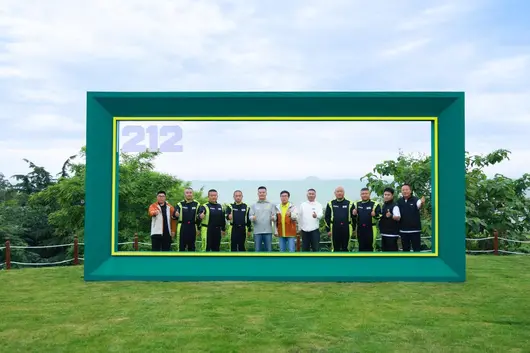
June 6, the 212 off-road vehicle Altay Rally finale ceremony landed in Qingdao. Han Qiaosheng, well-known driver Han Wei, manufacturers and amateur drivers, and event logistics teams gathered on-site to recap the just-concluded 2026 Altay International Rally. This year's event covered an extreme journey of 7,500 km. The 212 team relied on near-stock T01 mass-produced models, facing a host of 3.0T large-displacement competitors with 2.0T power, securing two wins and one runner-up in stages SS10 to SS13, winning the runner-up position in the T2.1 production factory team, and was the only participating manufacturer to achieve 100% course completion in this category. From the extreme battles on the Gobi sand fields to the glory summary at the offline ceremony, the old off-road IP proved with a practical fight: classic off-road is not just about preserving nostalgia; stock mass-produced cars can also stand on the podium of domestic top-tier rally events. The ordinary person's Altay off-road dream is taking root and sprouting.
The Altay Rally is known as the 'Eastern Dakar'. The 2026 session is considered the peak of difficulty in history by the industry. It spans across the northern and southern sides of the Tianshan Mountains, interwoven with desert, Gobi, Yardang, and shell crater road conditions. Over 60% of stages are shifting desert terrain, with partial stage surface temperatures breaking 60°C. Ultra-long distance high temperatures, continuous marches in no-man's-land caused many old teams to fail consecutively. The single ultra-long SS3 stage alone saw more than 30 vehicles suffer tire blowouts and more than 10 race cars helplessly withdraw, a tragic scene. The T2.1 category, as the core arena for factory mass-produced head-on showdown, rules clearly require that participating vehicles' power, chassis, gearbox, and other core hardware remain consistent with the mass-market production version. Only safety accessories like roll cages can be added, making it a 'strict open-air testing laboratory' for measuring a off-road vehicle's factory reliability. Against this background, 3.0T large-displacement models have long occupied category advantages. For small-displacement 2.0T models to break through was viewed by most off-road practitioners as an almost impossible task before the race.
No one expected that the old domestic off-road 212 would become the biggest dark horse of this event. The T01 battle cars that participated throughout had no heavy event modifications. The factory standard 2.0T turbocharged engine paired with ZF 8AT gearbox, assisted by BorgWarner large transfer case, 4L mode torque can be amplified 2.64 times. Under extreme operating conditions such as Gobi steep slope climbing and full-load towing, low-torque output is enough to rival large-displacement models. Long-distance crossing power remained smooth throughout, and failure rate was controlled at an extremely low level. At the body level, body-on-frame + front and rear solid axle classic hard-core architecture, combined with specialized optimized chassis tuning, faced continuous bumps and deep pit impacts, with body torsion resistance and deformation control performance standing out; full vehicle galvanized steel body calmly resisted Gobi gravel continuous scraping corrosion. Regarding safety configurations, the load-bearing capacity of the reinforced occupant cabin top increased by 16%. The cage body structure, paired with 540° panoramic imaging and emergency rescue call system, balanced extreme off-road performance with daily driving safety. This set of factory hardware configuration stood up to the solid real-world all-scenario verification in more than 7,000 km of bad road conditions.
At the finale ceremony scene, a group of Altay witnesses took turns sharing stage stories. From steady positioning earlier to preserve vehicle condition, to the latter half's devil desert stages suddenly powering up to sweep stage championships and runner-ups, drivers admitted that before the race no one was certain a 2.0T factory car could break out from a group of large-displacement opponents. The vehicle's stable and durable foundation was the key for the team to achieve full completion. Famous event host Han Qiaosheng commented on-site: "212 is a symbol of off-road nostalgia for generations of Chinese. In the past, people only remembered its classic history. Now it refreshes cognition with Altay results. Domestic hard-core off-road is breaking stereotypes with practical factory quality." Champion driver Han Wei also stated on-site: "T01 factory mechanical quality exceeded industry expectations. Relying on event data to polish products is a reliable path for domestic off-road brands to move steadily upwards."
Stage results landing in the consumer market was the heavy signal released by this ceremony. 212 officials officially announced at the event that the Altay same off-road modification kit will soon land on the brand's official mall. The kit includes chassis armor, beadlock wheels, professional off-road tires, and a full set of recovery and rescue equipment. All modification accessories have been tested on 212's 7,500 km extreme road conditions. Ordinary 212 owners do not need to modify the vehicle body significantly and can quickly upgrade off-road hardware to easily realize a cross-over switch from city commuting to wilderness crossing. 212 Off-Road Vehicle Marketing General Manager He Zhaopeng stated in the ceremony interview: "212's original intention was never to only be a race champion car, but to popularize off-road culture, giving every ordinary owner a chance for the off-road seeds in their hearts to take root and sprout. Verifying products at the Altay venue and benefiting users with modification kits is a key step for the brand to connect the race track and consumer market."
Focusing on future event layout, 212 has finalized the global off-road event map: the Altay Rally, Malaysia Sabah International Rainforest Race, Alxa T3 Challenge, and 2027 Altay Rally are all included in the participation plan, continuously practicing the 'race promoting research' product development philosophy. In addition, the brand's two heavy user support plans were launched simultaneously: the 2027 Altay amateur driver national recruitment has officially started, ordinary owners have the chance to fight in the top Altay venue as drivers; partnering with champion driver Han Wei to build the Champion Off-Road Training Academy, providing systematic off-road teaching, pre-race training, and full-chain empowerment for race participation to national owners. From professional factory teams fighting international events to cultivating amateur off-road enthusiasts, 212 is building a complete national off-road ecosystem from products, events to user training.
Looking at the domestic hard-core off-road market, many brands fall into the quagmire of 'heavy track modifications for results, mass-market vehicles disconnected from race cars', while 212 chooses to go against the grain, insisting on factory mass-produced car participation, using Altay extreme road conditions to reverse-optimize mass-produced models, and then releasing off-road technology precipitated from the track to ordinary consumers. With more than 60 years of brand accumulation, 212 has long stepped out of the single-nostalgia marketing old road. The Altay 7,500 km yellow sand trial is a self-renewal of classic domestic off-road. When modification kits enter the mall and amateur drivers can go directly to the Altay venue, 'Every 212 has an Altay dream' is no longer a slogan, but a reality that can be touched upon landing.
In the future, accompanied by multiple domestic and international top events landing successively and the off-road training academy operating on a normalized basis, 212 will also continue to convert track technology into consumer product strength, letting domestic hard-core off-road not only gallop across the Gobi and Altay but also accompany thousands of owners to rush to the distant mountains and fields.

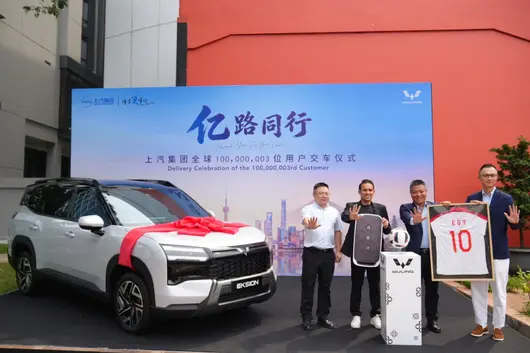
5 月 28 日,上海汽車集團交咗第 1 億輛整車,成為國內首家累計產銷量破億嘅汽車集團。其中,上海汽車通用五菱貢獻咗超過 3200 萬輛。同一日,上海汽車通用五菱嘅全球車型 EKSION 喺印尼雅加達交付畀首批用戶。

“人民需要咩,五菱就造咩。”呢句話唔係白講嘅。五菱總能抓實用戶真實嘅需求,推出爆款車型。例如五菱宏光,能拉貨能帶人,皮實耐用,變成無數創業同埋家庭嘅得力助手。後來大家生活水平提升咗,寶駿 730 又靠靈活空間同埋平實價格,打破咗合資品牌喺 MPV 市場嘅壟斷。2020 年,趕上新能源轉型嘅窗口期,宏光 MINIEV 爆紅咗,成為國內代步細電車入面嘅先行者之一。今年 5 月,五菱同華為乾崑聯手推出首款科技旗艦大六座 SUV——華境 S,把高端智能駕駛嘅價格門檻打低咗。
五菱唔單止喺新能源同智能化上加緊佈局,海外市場越走越深。而家,五菱喺海外嘅累計銷量已經超過 150 萬輛,業務覆蓋全球 110 多個國家同地區。

五菱能夠走到依家,靠嘅係三把“刷子”:第一,全球首創嘅智能島製造體系,簡單講就係“車搵工位、料搵車”,用柔性生產嘅方式,既提高效率又降低成本;第二,針對唔同國家推出唔同車型,如 EKSION(星光 560)、DARION(星光 730)、BINGO(五菱繽果)、BINGO S(繽果 S)等,覆蓋 SUV、MPV、轎車,滿足各地用戶嘅多樣化需求;第三,獨創嘅“搬鏈出海”模式,將製造、供應、銷售、金融、人才五條鏈深度綁埋一齊,唔再係簡單將車賣咗出,而係將整套中國智造嘅體系同標準推向全球。

今次喺印尼交付嘅全球車 EKSION,就係五菱全球化戰略嘅最新成果。五菱以印尼為核心,持續深耕“印尼—馬來西亞—泰國”一體化區域戰略,將新能源產品同本地化嘅供應鏈逐步覆蓋到馬來西亞、泰國,未來仲將輻射越南、菲律賓等東盟國家,形成區域聯動、共同發展嘅全球化格局。


Author: Guan Hongye
Who Leads the Tide — A Milestone for SAIC's 100 Million Vehicles and a Watershed Moment for the Chinese Automotive Industry.
Rivers surge and peaks compete. In the 2026 Chinese automotive market, unprecedented scenes are surging forward.
Local brands have broken through a market share of 60%, new energy vehicle penetration is approaching 40%, and export volume has ranked first globally for two consecutive years... This is not merely a pile of numbers, but a profound structural transformation. Chinese cars have shed the old label of "large but not strong", and now stand on the map of the global automotive industry, using wheels as the brush and mountains and rivers as the ink to write their own majestic footnotes.
Amidst the magnificent progress of Chinese automobiles, on May 28, 2026, SAIC Group became the first domestic automaker to reach this historic milestone with a cumulative production and sales volume of 100 million vehicles.
The formation of any industry's landmark volume is not the work of a day or two, but the result of long-term resonance between the general trend of the times, industrial iteration, and corporate resolve.
Behind the "100 million vehicles" lies not only the ceiling of one company's growth, but a microcosm of China Manufacturing's independence, autonomy, and self-strengthening, and even more so, an epic of growth where the enterprise and industry grow in sync and share in the ups and downs.
Understanding SAIC's "100 million vehicles" is to understand the growth code of Chinese automobiles moving from large to strong, breaking the cocoon and becoming a butterfly.
Protagonist: A Global Relay of 100 Million Trusts
On the afternoon of May 28, the Shanghai North Bund World Living Room. This place has witnessed a century of tides on both sides of the Huangpu River, the exchange and dialogue of Chinese and foreign civilizations, and many historic moments when China opened its doors to the world. And today, a "Global Relay Delivery" spanning the Asian and European continents is about to unfold here.
The camera starts from the banks of the Huangpu River, sweeps across the ocean, and lands in London — a young doctor receives the keys to the MG4 EV from his grandfather, inheriting the legacy; it turns to Jakarta, where an Indonesian men's football national player sits in the Wuling Eksion, heading towards the distance; it comes to the Singapore DHL regional center, where a batch of Maxus eDeliver5 pure electric light trucks goes into operation, mission accomplished. In Shanghai Anting, in Liuzhou, Guangxi, in Lantian, Shaanxi... 15 brands, 18 models, multiple time zones, multiple cities succeeding each other, completing a historic delivery spanning mountains and seas, resonating in sync.
The special thing about this delivery is that users were pushed to the center of the stage. There was no deliberate positioning, only a handoff of keys stick after stick, and a silent relay of 100 million trusts.
The 100 millionth user was Momenta CEO Cao Xudong. This is highly symbolic — Cao Xudong not only became the 001st owner of the LS9 Hyper himself, but also announced at the delivery site that L3 autonomous driving will be launched first by SAIC.

There are more stories worth remembering.
Luo Zhenyu, founder of the GetAPP, became the 001st experimenter of the Huajing S; former German national football player Yang Chen chose the ID.ERA 9X, as its golden hybrid and long-termism were in sync; 85-born village secretary Pang Fuqiang delivered meals to elderly people left behind using a Wuling Rongguang pure electric vehicle; a tech media blogger was moved by the Huawei smart driving of the Shangjie Z7; bulk users such as DHL and Jiading Bus — behind every commercial vehicle is a "wealth creation tool" for the strivers.
This is a delivery ceremony without an absolute protagonist, yet where everyone is the protagonist. 100 million vehicles is not just a number rolling over on the production line, but 100 million real, specific, and warm choices.
And only SAIC has the capability to complete such a global relay: Wuling deepens into the people's livelihood and inclusive market, MG flies the flag of Chinese brands going global, IM Motors pushes into the global high-end intelligent manufacturing track, Shangjie promotes the inclusiveness of intelligent technology for the public, plus a mature and profound matrix of joint venture brands — this is no longer a simple delivery, but a panoramic parade of SAIC's seventy-year system competitiveness, a comprehensive practical exercise.
Scale: Three Leaps Behind 100 Million Vehicles
Fifteen brands, eighteen models, multiple time zones, 100 million trusts — this ruler measuring the thickness of the Chinese automotive industry clearly records the deep value at the three levels of enterprise, industry, and country.
Enterprise Dimension: From an alley workshop to a giant of 100 million vehicles.
In 1955, the Shanghai Internal Engine Parts Manufacturing Company was established, with only workshops in alleyways and a group of enthusiastic workers. In 1958, workers hammered out the first Phoenix brand sedan with hammers — "A golden phoenix flies out of a straw nest". Seventy years later, SAIC became China's first automotive group to break through 100 million cumulative production and sales.
What is more noteworthy is the structural change: over ten years, the proportion of local brands rose from 38.0% to 65.0%, new energy penetration rose from 0.2% to 36.4%, and overseas sales increased from 697,000 vehicles to 1.071 million vehicles. This is a profound transformation of "trading structure for scale" — numbers are adjusting, quality is leaping. Outside of 100 million vehicles, challenges still exist, but SAIC has bid farewell to the old era of making money solely from joint ventures; the sequel to scale will be written by technology-driven.

Industry Dimension: From "Market for Technology" to "Defined by China".
SAIC's 100 million vehicles is a bright mirror of the rise of Chinese automobiles. Forty-odd years ago we traded market for technology; today Chinese car companies begin to export technology, standards, and ecosystems to the world.
Especially "Autonomous, New Energy, Export" — the New Three Items have become the core support of the Chinese automotive industry. Local brands have broken through a market share of 60%; new energy penetration is approaching 40%. SAIC started with 1,125 new energy vehicles from the 2010 World Expo and ended 2024 with 1.368 million vehicles delivered at terminals; semi-solid-state batteries, zero-combustion magic cube batteries, and other technologies lead the world; exports have ranked first globally for two consecutive years. SAIC products are distributed in over 170 countries, with cumulative overseas deliveries exceeding 7 million vehicles; MG has been the top-selling Chinese brand in Europe for 11 consecutive years.
In 2025, Chinese automobile production and sales ranked first globally for 17 consecutive years, and new energy vehicles ranked first globally for 11 consecutive years. Innovation has moved from "single-point breakthroughs" to "systematic promotion". SAIC has cumulatively invested over 150 billion yuan in R&D, with nearly 25,000 valid patents. Semi-solid-state batteries were mass-produced first, steer-by-wire was implemented, and dual L4 licenses were secured — hard-core technology has moved from the "bookshelf" to the "store shelf".
National Dimension: From Economic Pillar to World Business Card.
In 2023, China's automotive industry output value reached 11 trillion yuan, accounting for nearly 10% of GDP, exceeding real estate for the first time as the primary economic pillar, with direct and indirect employment exceeding 30 million people. Strong automobiles mean strong manufacturing; strong manufacturing means a stable Chinese economy.

SAIC's globalization is upgrading from "Product Going Global" to "Value Chain Going Global". Relying on three R&D centers and four overseas manufacturing bases, the self-operated RoRo fleet has reached 41 ships, with routes covering the globe. This is not just growth in export data, but a profound reconstruction of global capabilities. The technology and products of Chinese intelligence are bringing greener and smarter travel choices to global users — this is the most vivid world meaning of "Made in China".
Genetics: The Underlying Logic of 100 Million Choices
100 million vehicles is not just a number. It is more like a milestone, leading us to look back: on what basis did this group reach today?
Over seventy years of prosperity, leading the way through multiple waves of industry changes, is not accidental. Amidst the ups and downs where wind tunnels alternate one after another and frivolity prevails, SAIC has precipitated three core genes: dare to break through, good at coexisting, and valuing original intentions — this is the fundamental confidence for enterprises to cross cycles and resist risks, and the most precious spiritual base color for high-quality industrial enterprises in China.
Dare to break through, do not stick to the comfort zone.
In 1958, workers in an alley workshop hammered out the Phoenix brand sedan with hammers — "A golden phoenix flies out of a straw nest". This is the simplest interpretation of "knowing cars": even without conditions, create conditions to build cars and let Chinese people drive their own sedans.

In 1987, the localization rate of the Santana was only 2.7%. Zhu Rongji proposed "Never do substitute engineering". The Shanghai Automotive Gear Factory sent 43 people to Germany to disassemble and transport second-hand transmission equipment. In 1989, the domestic Santana transmission was born, with quality fully meeting standards. By 1993, the localization rate exceeded 80%.

In 2016, SAIC and Alibaba crossed boundaries to launch the Roewe RX5, the world's first mass-produced Internet car. Jack Ma sighed that "the driving force needed for innovation to land is huge", but SAIC dared to be the first to move, evolving cars from mechanical tools into intelligent terminals. This breakthrough was the starting point of "understanding you" — users need not just transportation, but a partner connected to digital life.

In the Intelligent Electric Era, from mass-producing semi-solid-state batteries to implementing steer-by-wire, from dual L4 licenses to AI large models on cars, SAIC has always responded to "how to understand users better" with technological breakthroughs — range anxiety? Solved. Control pain points? Solved. Smart experience? From understanding commands to predicting needs.

Not sticking to past achievements, not following industry trends blindly, seeking survival in change and developing in innovation — this is the development base color that SAIC has always followed.
Good at coexisting, do not build cars in isolation.
In the 1980s, SAIC gathered the strength of the city to overcome parts localization. German experts taught technology, Chinese workers learned craftsmanship. German experts sent coffee for Chinese workers, Chinese workers invited German experts home for Chinese New Year. Cooperation was to let Chinese users have cars of world-class quality — this is the original intention of "understanding you" in itself.
In 1998, the Shanghai General Motors project was built and put into production in just 23 months, creating "Shanghai Speed". The chairman of General Motors of the US sighed: "We brought the management and technology of General Motors in the US to Shanghai General Motors, we also want to bring the construction speed of Shanghai General Motors back to the US."
Today, SAIC never becomes an "ecosystem island". With Huawei, the Stelato was launched, bringing high-level intelligent driving into the 150,000 yuan family bracket; in-depth co-creation with Momenta, intelligent driving solutions empower IM Motors, Volkswagen, Audi, Buick, Cadillac, and other brands; together with tech companies such as OPPO, Doubao, and Horizon Robotics, they turn AI large models, intelligent cockpits, and chip computing power into smooth experiences that users can touch and feel.

The 100 millionth user is the Momenta CEO — partners becoming car owners, this is the most vivid persuasiveness of an open co-creation ecosystem.
Openness is not dependency, coexistence is not compromise, but turning external resources into own technology, product, and service capabilities, ultimately benefiting thousands of users.
Valuing original intentions, not betraying trust.
The iron law of Santana localization "Never do substitute engineering" continues today in every factory and production line of SAIC. From promoting the concept change with small matters like "Toilet Revolution" to making "exquisiteness" the vow of quality work — users do not understand technical parameters, but they understand "This car is reliable to use".
Fengxiang supplied bumpers for Shanghai General Motors. The first batch of products met the standards, but General Motors required higher quality. The general manager said nothing and sawed off that bumper on the spot: "Customers are God. What God does not want is to be sawed off."
This obsession with quality eventually turned into the reputation of "10-year fade-proof paint", "zero self-ignition battery", "300,000 kilometers without major overhaul". Quality is the baseline of "understanding you". No "understanding" can leave "reliability". SAIC exchanged 70 years of quality adherence for 100 million times of trust choice by users.

Three cultures, one lineage. Breakthrough makes SAIC constantly break boundaries; coexistence makes SAIC gather global wisdom; original intention makes SAIC win user trust. These three genes eventually converge into one simple promise: Know cars, understand you better.
Knowing cars is the extreme pursuit of core technology. Understanding you is to accurately implement every frontier technology into a perceivable and enjoyable美好 travel experience for users. "Know cars, understand you better" is not a slogan, but an action guideline that runs through SAIC.

Just as the temperature conveyed by the global delivery ceremony — no deliberate positioning, only a handoff of keys stick after stick, and 100 million trusts completing the relay.
Journey: 100 Million Is Not the End, The New Journey Surpasses the Past
In 1955, a starting point of a small alley workshop.
In 1983, the first Santana assembly was off the line, localization rate 2.7%. The German Spiegel asserted the project might fail.
In 2006, the first Roewe 750 was off the line, breaking the ice for local brands.
In 2016, the first Internet car Roewe RX5 was launched.
On May 28, 2026, the global 100 millionth user was delivered.
This is a long-distance run spanning over 70 years. Every leg was accompanied by doubts and challenges, and every step stepped on the key nodes of the Chinese automotive industry.

100 million vehicles is a milestone and also a watershed. The era of wild growth for the Chinese automotive industry has ended, and the old path of extensive scale expansion and homogeneous low-price competition has reached its end. SAIC has bid farewell to the traditional thinking of "scale priority" and is accelerating the deep transformation into a user-oriented high-tech travel company.
On the technical end, deepen the "Three Electrics", intelligent driving, digital chassis, AI cockpit, and promote technology equality; on the market end, consolidate the local brand base, deepen the globalization strategy, and promote the full-range global export of brands, technology, standards, and ecosystems; on the industrial end, persist in open coexistence and build a more vital intelligent travel ecosystem.
From the faint starlight in Shanghai alleyways to the industrial galaxy of 100 million volumes; from passively following overseas standards to proactively defining the industry's future; from a single vehicle manufacturing enterprise to a technology travel service provider with a full domain layout — SAIC's 70 years is an engineering history of a single enterprise, and more so, an evolutionary history of the Chinese automotive industry's turbulent advancement, seeking light and rising upward.

Now, standing on a new starting point, SAIC's next 100 million vehicles will also present a more distinct new posture: Local brands as the flag, global as the boundary, technology as the core. The road ahead will be run faster and travel farther, making Chinese automobiles not only have the weight of scale, but also the power of technology, the gold content of brands, and truly stand at the top of the world.
100 million is not the end — the road ahead is long, the journey is not yet finished.
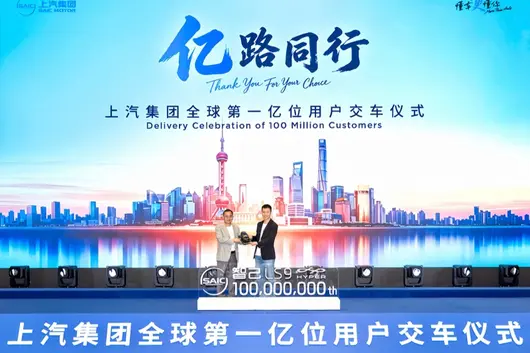


6 月 1 號,2026 中國環塔國際拉力賽喺新疆收車。首次參賽嘅 212 越野車隊,喺總里程 7500 公里、特殊賽段 3400 公里嘅極限苦戰中,成為 T2.1 量產組廠商隊唯一 100% 完賽嘅品牌,最終贏得該組別亞軍。喺 2.0T 引擎對抗 3.0T 嘅排量劣勢下,212 T01 用一場全隊完賽證明咗中國硬派越野嘅量產可靠性。
本屆環塔被稱為「史上最難」,沙漠賽段佔比超 60%,極端高溫、無人區奔襲、連續刀鋒坡與「雞窩坑」對車輛動力、底盤、車身剛性提出咗嚴苛考驗。喺競爭最激烈嘅 T2.1 量產組中,212 T01 以接近原廠狀態嘅量產車出戰——僅加裝防滾架、賽車座椅等安全裝備,核心動力總成同底盤結構同市售版一致。
首賽段 SS1,212 T01 即拿下組別季軍;SS3 賽段,喺 30 餘台賽車爆胎、十餘輛退賽嘅險境中,成為該組別唯一完賽嘅 2.0T 廠商車隊;淘汰率最高嘅 SS5 賽段,車隊頂住壓力,以 100% 完賽率包攬組別三、四名。進入後半程魔鬼賽段,265 號、266 號車組連續喺 SS10、SS11 賽段奪得組別冠軍,SS12 賽段再奪亞軍。最終,212 車隊贏得 T2.1 量產組廠商隊亞軍,並成為全場唯一全隊完賽嘅 T2.1 量產組品牌。
喺環塔咁高强度、長距離嘅越野賽事中,完賽率本身就係最直觀嘅可靠性指標。T01 嘅動力系統喺高溫與高負載交替中保持穩定輸出;交叉軸密布嘅河道與「雞窩坑」路段,佢嘅懸掛行程與輪胎抓地力經受住考驗;碎石河床嘅暗坑衝擊下,高抗扭剛性車身維持咗姿態穩定。全程無被動陷車,驗證咗車輛喺極限環境下嘅機械素質與耐久性。同步承擔後勤保障任務嘅探境者 01,每天賽車返回後準時送達維修設備與備件,保障咗車隊嘅持續作戰能力。這種「以賽代驗」嘅模式,正成為 212 技術迭代嘅加速器。
212 T01 嘅量產車表現,依賴於品牌喺北京車展上發布嘅「俠客」與「遠征」兩大技術平台。「俠客」平台採用前後五連桿整體橋、非承載式車身,支持汽油、柴油及混動系統,T01 同探境者 01 均誕生於此;「遠征」平台則定位全場景智能越野架構。兩大平台嘅發布,標誌住 212 從單一車型生產邁向體系化技術輸出。
賽事之外,212 嘅全球化佈局同步推進。目前其全球銷售網絡已覆蓋超 80 個國家和地區,喺阿聯酋、墨西哥、印尼等地設立海外子公司與辦事處,建成 9 大全球配件中心倉庫,並喺東南亞、中亞、中東落地多個 KD 散件裝配項目,未來仲會喺拉美、非洲持續拓展。從賽道驗證到全球市場,212 正構建「賽事 - 技術 - 產品 - 服務」嘅閉環。
環塔賽場上,車隊曾主動停車救援受困對手,一位從 200 公里外專程趕來嘅細路仔收到咗車手贈送嘅帽子。這些細節傳遞出越野精神:探索、熱愛與互助。喺國內,212 透過「樂野之日」音樂派對、G212 國道探索之旅等活動培育越野文化;喺海外,從達喀爾到馬來西亞沙巴雨林賽,從 Mille Miglia 經典車拉力賽到美國 SEMA 改裝展,212 正將中國越野品牌帶入全球視野。
從全隊完賽到全球化佈局,212 喺環塔嘅答卷不僅係成績單,更係一次對量產車極限可靠性嘅公開展示。當中國越野品牌敢於用最嚴苛嘅賽道驗證產品,並將驗證成果轉化為消費者可感知嘅品質承諾,「中國製造」喺硬派越野領域嘅信任資產正在積累。
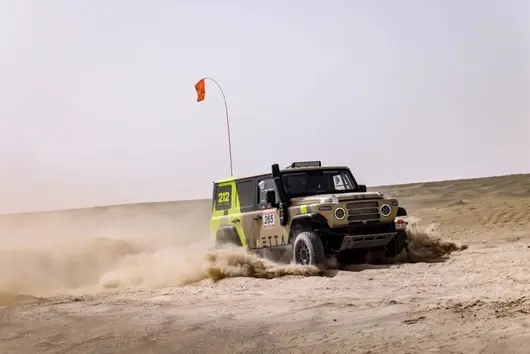

Terdapat gangguan daripada situasi Timur Tengah, harga minyak petrol antarabangsa meningkat secara mendadak, pasaran kereta Australia sedang mengalami perubahan struktur yang mendalam. Kos penggunaan kenderaan dan kos sara hidup orang tempatan terus meningkat, mendorong permintaan pengguna untuk condong kepada model elektrifikasi nilai tinggi secara cepat.
Dalam konteks ini, pengeluar kereta China dengan teknologi tenaga baharu yang matang dan penetapan harga mesra rakyat dengan cepat merebut pasaran, jualan meningkat secara besar-besaran, terus menekan ruang pasaran pengeluar kereta Jepun. Tahun ini, jumlah import kereta Australia ke China untuk kali pertama mengatasi import ke Jepun, menandakan struktur pasaran kereta Australia yang berlanjutan bertahun-tahun sedang mengalami perubahan asas.
Pengeluar kereta China meletup dengan kuat, kelebihan tradisional pengeluar Jepun terus melemah
Pasaran kereta Australia telah lama dipimpin oleh jenama Jepun seperti Toyota, tetapi sejak awal tahun ini kuasa pasaran semakin berubah dengan cepat. Data daripada institusi penyelidikan industri automotif Cox Automotive menunjukkan, dari Januari hingga April tahun ini, BYD menjadi pengeluar kereta dengan peningkatan jualan terbesar di Australia, menjual 13,269 unit kereta baharu lebih berbanding tahun lalu, Chery, Geely, Great Wall, Jaecoo mengikuti rapat, bersama-sama menduduki lima kedudukan teratas peningkatan jualan di Australia.
Singa Laut 7; Sumber Gambar: BYD
Sebagai kontras yang ketara, jualan Toyota sebagai pemimpin pasaran Australia merosot dengan ketara, menurun 17,502 unit berbanding tahun lalu, merupakan penurunan terbesar dalam industri, jenama Jepun seperti Mitsubishi, Nissan, Mazda serta Ford Amerika Syarikat menunjukkan penyusutan jualan pada tahap yang berbeza.
Pada tahun-tahun kebelakangan ini,节奏布局 pengeluar kereta China di Australia terus mempercepat,渗透率 pasaran mencapai pertumbuhan melompat. Sejak 2022 sehingga kini, bilangan model kereta China yang dijual di Australia meningkat lebih lima kali, mencapai 70 model, jumlah 11 pengeluar kereta China, 22 jenama berakar di pasaran tempatan.
Januari-April tahun ini, keseluruhan bahagian jualan jenama China di Australia meningkat ke 25%, dibandingkan bahagian kurang 15% tahun lalu mencapai lonjakan besar. Sebaliknya pengeluar kereta Jepun, walaupun empat bulan pertama tahun ini masih menguasai 40% bahagian pasaran Australia, dasar kukuh, dan Toyota masih menjadi jenama kereta jualan tertinggi di Australia, tetapi di bawah serbuan berterusan kereta sistem China, pertumbuhan pengeluar kereta Jepun basic tersangkut, bahagian pasaran sedang dikikis secara beransur-ansur.
Sumber Gambar: Toyota
Trend perubahan struktur industri automotif global semakin jelas: jumlah keseluruhan import kereta Australia dari China tahun ini, untuk kali pertama melebihi jumlah import dari Jepun, di antaranya termasuk model jenama tempatan China, juga merangkumi model jenama luar negara yang dihasilkan di kilang di China.
Empat bulan pertama tahun ini, Australia mengimport 107,196 unit kereta pengeluaran China, meningkat 60% berbanding tahun lalu; mengimport 94,500 unit kereta pengeluaran Jepun, menurun 23% berbanding tahun lalu; China untuk kali pertama mengatasi Jepun, menjadi negara sumber import kereta terbesar di Australia; pada masa yang sama, import kereta Australia dari Thailand, Korea, Jerman masing-masing ialah 72,689 unit, 47,492 unit, 17,569 unit, semuanya lebih rendah daripada skala import China, daya saing pasaran kereta sistem China meningkat dengan ketara.
Peneraju Cox Automotive Mike Costello menganalisis, jualan tahunan kereta baharu Australia stabil sekitar 1.2 juta unit, saiz pasaran kukuh, seiring pengeluar kereta China yang lebih banyak terus masuk ke dalam, bahagian pasaran pengeluar kereta tradisional akan semakin ditekan, "China naik Jepun turun" telah menjadi salah satu trend utama pasaran kereta Australia.
Mike Costello berkata: "Secara ringkas, struktur pasaran semasa menunjukkan ciri kenaikan bahagian pengeluar kereta China dan penurunan bahagian pengeluar kereta Jepun. Jenama Jepun secara keseluruhan asas masih kukuh, tetapi peningkatan keseluruhan pasaran kereta Australia hanya beberapa peratus poin."
Harga Minyak dan Nilai Baik Beresonans, Syarikat China Memimpin Landasan Tenaga Baharu Australia
Dalam perubahan pasaran ini, kereta tenaga baharu menjadi kekuatan teras untuk mengungkit perubahan struktur. Sebelum ini,进度 elektrifikasi Australia telah ketinggalan lama berbanding pasaran utama global, pengguna lebih meminati kereta petrol tradisional. Tetapi ledakan harga minyak yang berpunca daripada situasi Timur Tengah, ditambah dasar subsidi pembelian kereta kerajaan, secara ketara mengaktifkan potensi konsumsi tenaga baharu tempatan, pasaran kereta elektrik menyambut pertumbuhan letupan.
Mac tahun ini, jualan kereta elektrik Australia telah hampir mengambil 20% daripada jumlah jualan kenderaan penumpang dan SUV, kelajuan渗透 pasaran dipercepat dengan ketara. Industri meramal, tahun 2026 jualan kereta elektrik Australia dijangka mencapai 150,000 unit, mencapai peningkatan sekitar lima puluh peratus berbanding tahun lalu.
Dengan kelebihan ganda teknologi dan harga, pengeluar kereta China telah mendominasi landasan tenaga baharu di Australia. Data menunjukkan, pengeluar kereta China menguasai 54% bahagian pasaran kereta elektrik tulen Australia, dalam pasaran pam hybrid lebih tinggi lagi mencecah 76%.
Dalam dimensi jualan spesifik, Tesla Model Y memimpin sedikit dalam senarai jualan model elektrik tulen, BYD Singa Laut 07 (Sea Lion 7) mengikuti rapat; manakala dalam senarai jualan keseluruhan kereta elektrik, BYD unggul jauh dengan jumlah kumulatif 14,406 unit, mendahului Tesla kedua dengan 8,485 unit.
Sumber Gambar: Tesla
Gelombang kehangatan tenaga baharu telah menutupi pasaran kereta baharu dan kereta terpakai sepenuhnya. Data Persatuan Pengedar Kereta Australia menunjukkan, pada Mac tahun ini, transaksi kereta elektrik terpakai setempat mencapai peningkatan dua kali ganda berbanding Februari, kehangatan konsumsi pasaran terus meningkat.
Ketua Pegawai Eksekutif Persatuan Pengedar Kereta Australia, James Voortman menyatakan, harga minyak meningkat, sokongan subsidi dasar, ditambah dengan masuknya besar-besaran kereta elektrik China nilai tinggi, pelbagai faktor secara bersama mempercepatkan proses pengamiran model elektrik tulen dan hybrid di setempat.
James Voortman berkata: "Ramai orang mengabaikan satu perkara, kini harga kereta elektrik yang memenuhi pasaran Australia merosot dengan ketara, punca utama salah satunya ialah model China nilai tinggi yang besar-besaran masuk. Pengurangan ambang pembelian kereta, tiada keperluan menanggung biaya minyak tinggi secara harian, ditambah sokongan subsidi dasar, bagi pengguna yang merancang untuk membeli kereta baharu atau terpakai, model elektrifikasi sudah mempunyai daya tarikan pemilihan yang sangat kuat."
Berbanding kos penggunaan tinggi kereta petrol tradisional, model hybrid dan elektrik tulen China menggabungkan kelebihan teras harga rendah untuk dibeli, kos penyelenggaraan rendah, tepat mencocok keperluan pengguna Australia kini mengurangkan perbelanjaan sara hidup.
Mike Costello menyatakan: "Kini tekanan kos sara hidup pengguna meningkat, semakin ramai orang cenderung memilih model elektrifikasi, dan produk pengeluar kereta China sesuai tepat dengan dua keperluan pasaran ini. Model China penetapan harga secara umum lebih berkelebihan, model hybrid dan elektrik tulen teknologi matang, kekuatan produk luar biasa."
Dari segi logik pasaran, kelebihan jimat minyak dan tahan lasak kereta petrol Jepun, pada zaman harga minyak tinggi sedang secara beransur dibatalkan oleh nilai baik komprehensif kereta elektrik, ini juga salah satu logik teras bawah jenama Jepun terus lemah, pengeluar kereta China bangkit pantas. Dengan ombak elektrifikasi yang berterusan mendalam, kedudukan pasaran jenama China di pasaran Australia dijangka semakin kukuh.

21 Mei, BYD Yuan Plus Generasi Ketiga Dilancarkan Secara Rasmi. Kenderaan baharu menawarkan 4 variasi model dengan julat harga dari 119,900 hingga 149,900 Yuan. Sebagai produk pengganti, kenderaan baharu akan dibina di atas platform e 3.0 Evo, menggunakan pemacu roda belakang dan dilengkapi secara piawai dengan Bateri Pisau Generasi Kedua + teknologi cas pantas. Selain itu, bentuk luaran dan dalaman kenderaan juga mengalami peningkatan besar, dan menyediakan Sistem Pemanduan Pintar Mata Dewa B tahap tinggi.

Permulaan kepada perkara yang paling diminati ramaijangkauan dan pengecasan, ini juga menjadi titik terbesar kenderaan baharu. BYD Yuan Plus Generasi Ketiga, semua model dilengkapkan dengan Bateri Pisau Generasi Kedua secara piawai. Keamanan dan ketahanan tidak perlu ditekankan lagi, ini adalah teknologi utama BYD. Jangkauan menawarkan dua versi 540 kilometer dan 630 kilometer, lengkap untuk perjalanan harian dan lawatan hujung minggu berhampiran, bahkan untuk perjalanan jarak sederhana dan jauh pun tidak perlu risau.

Dari segi pengecasan, ia terus menyelesaikan masalah utama kenderaan elektrik tulen. Kenderaan baharu dilengkapi dengan teknologi cas pantas BYD secara piawai. Data rasmi sangat praktikal: 5 minit sudah cukup untuk cas, 9 minit sudah cas penuh. Bahkan dalam cuaca sangat sejuk minus 30 darjah Celsius, hanya 3 minit lebih lama berbanding suhu biasa. Dilengkapi dengan kuas cas pantas graviti sifar yang mudah digunakan, pengecasan tidak perlu membongkok atau bersusah payah, juga menyokong pembayaran tanpa kesedaran (pasif), setelah cas penuh terus pergi tanpa perlu operasi telefon pintar.

Sekarang ini stesen cas pantas BYD di seluruh negara melebihi 6000 stesen. Semasa keluar, pada amnya boleh mencari titik cas pantas sepanjang jalan. Kenderaan baharu juga memberikan manfaat cas pantas percuma selama 1 tahun, kos penggunaan harian lebih rendah, meninggalkan sepenuhnya kebimbangan 'cas lambat, cari tiang susah'.
Pemanduan pintar dan parkir juga disediakan dengan cukup baik. BYD Yuan Plus Generasi Ketiga boleh memilih Sistem Pemanduan Pintar Mata Dewa B - Edisi Laser Pemandu Pembantu, iaitu DiPilot 300, dipadankan dengan Mata Dewa 5.0 terkini. Keupayaan pembelajaran lebih kuat, jalan bandar dan lebuh raya boleh melaksanakan bantuan pemanduan, kesesakan lalu lintas dan keadaan jalan yang rumit boleh dikawal dengan mudah, memandu lebih mudah.

BYD Yuan Plus Generasi Ketiga
Kenderaan baharu dibina berdasarkan arkitektur Platform e 3.0 Evo BYD. Perubahan struktur terbesar adalah daripada susun atur pemacu hadapan pada model sedia ada sepenuhnya beralih ke susun atur pemacu belakang, menawarkan dua versi motor 200kW dan 240kW. Momen puncak pusingan mencecah 310N·m. Rangka bawah dikemas kini secara serentak ke suspensi bebas McPherson hadapan dan lima tangkai belakang. Model pengesahan tinggi dilengkapi dengan sistem kawalan badan penapisan pintar Yun Nian -C dan sistem kawalan tork pintar iTAC. Semua model dilengkapkan dengan Bateri Pisau Generasi Kedua dan teknologi cas pantas voltan tinggi 800V secara piawai, secara besar-besaran mengurangkan kebimbangan pengguna mengenai penambahan tenaga.

Saiz badan kenderaan diperluas secara menyeluruh. Panjang, lebar dan tinggi kenderaan baharu masing-masing 4665 × 1895 × 1675mm, jarak paksi mencecah 2770mm. Berbanding model sedia ada masing-masing bertambah 210mm dan 50mm. Kapasiti beg belakang 750L, diperkenalkan lagi beg hadapan elektrik 180L, keseluruhan kenderaan menetapkan 39 ruang simpanan. Bentuk luaran meneruskan bahasa reka bentuk Wajah Naga, menawarkan 6 warna kenderaan baharu seperti Pink Mimpi, Biru Trendi, Hijau Aura, dan varian dwiwarna, dan dilengkapi pemegang pintu separa tersembunyi serta lampu belakang ombak merentas.

Dalaman dinaik taraf ke gaya teknologi ringkas, menggantikan stereng dua baris baharu dan pemegang gear elektronik. Papan pengecasan wayarles ditambah pada konsol tengah, mengekalkan butang fizikal tertentu. Dari segi pengawalan keselesaan, menawarkan duduk penumpang kanan Ratu (dukungan kaki elektrik + pengudaraan dan pemanasan), peti sejuk pintar panas/sejuk, sistem audio 16 pembesar suara dan lampu suasana 256 warna. Dari segi keselamatan dilengkapi 7 beg udara, sistem keselamatan tayar letup pantas TBC dan beg udara jauh.

Dari segi kenderaan pintar, kenderaan baharu dilengkapkan dengan sistem kenderaan pintar DiLink 150 secara piawai dan skrin terapung 15.6 inci penyesuaian automatik boleh putar. Dari segi pemanduan pintar, dilengkapkan dengan Sistem Pemanduan Pembantu Mata Dewa C (DiPilot 100) secara piawai, menyokong laju penuh Adaptive Cruise Control, Brek Kecemasan Automatik AEB dan fungsi mengekalkan laluan LKA. Model pengesahan tinggi boleh memilih radar laser untuk menaik taraf ke Sistem Pemanduan Pintar Mata Dewa B, menyokong NOA bandar dan parkir automatik tahap tinggi.
Komen Automotif
Pada tahun 2022, apabila BYD Yuan Plus baru dilancarkan, pasaran SUV kompak elektrik tulen di dalam negara masih berada di pasaran biru, pesaing yang ia hadapi hanyalah model seperti AION Y dan Geometry C. Oleh itu ia dengan cepat memenangkan pasaran, bulan penyerahan lengkap pertama pun mencapai prestasi melebihi 10,000 unit. Hanya mengambil masa 14 bulan untuk mencapai tonggak 300,000 unit, dan menduduki puncak jualan rakan sekelas untuk masa yang lama, menetapkan status penanda aras. Satu perkara yang perlu disebutkan, ia juga merupakan model global pertama BYD, menjadi produk jambatan untuk menjajah pasaran luar negara.
Setakat 24 April 2026, BYD Yuan Plus (dinamakan ATTO 3 di luar negara) jejak merangkumi 116 negara dan wilayah, dan mencapai lebih 1.1 juta unit di pasaran global, termasuk pasaran luar negara seperti Thailand, Singapura, Australia, Sweden dan Israel. Ia pernah mencapai jualan tertinggi pasaran tenaga baharu tempatan, berjaya membantu BYD membuka pintu pasaran luar negara. Walau bagaimanapun di pasaran dalam negara, dengan kehadiran model saingan sekelas baharu berterusan dalam 2 tahun terdekat, pengaruh pasaran Yuan Plus juga semakin terjejas.
Sebenarnya pada mesyuarat teknologi BYD pada Mac tahun ini, BYD Yuan Plus Generasi Ketiga tidak muncul dalam senarai 11 model pertama yang dilengkapi Bateri Pisau Generasi Kedua dan teknologi cas pantas Megawatt. Ketika itu saya sebenarnya ada kebimbangan, sama ada teknologi ini boleh diturunkan ke dalam produk sekitar 100,000, dan bila ia akan diturunkan. Tidak disangka, hanya selepas dua bulan, BYD Yuan Plus Generasi Ketiga sudah hadir. Selepas peningkatan semua dimensi kekuatan produk, harganya juga hampir sama dengan model lama. Prestasi pasaran apa yang akan dicapainya, dan bagaimana pesaing akan memberi tindak balas, marilah kita menunggu.
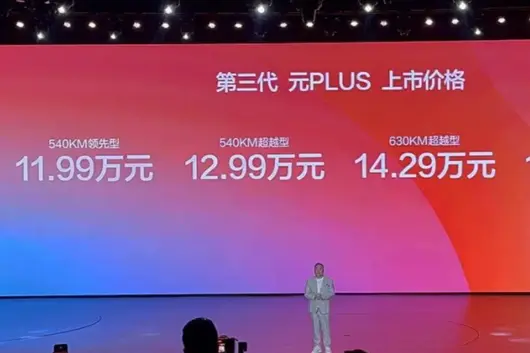
© 2024 Bitauto.com. All Rights Reserved.
Bitauto (www.yiche.com and www.bitauto.com) is one of the most visited automotive websites in China. We provide detailed info on Chinese car brands available in your area. Please note that the information provided on this website is based on publicly available data and is for reference only. It may not be fully updated or accurate at all times.

Help us improve our website


