

HomePerodua Kancil

Search History
Popular Searches
Dealer Login / Sign Up

喺馬來西亞嘅 SUV 市場,好多買家喺揀車嗰陣都會拿本田 CR-V 同名爵 HS 嚟做比較。呢兩款車喺價位同定位上都幾接近,今日我就從多個方面做一個詳細嘅比較,幫大家省咗做功課嘅時間。
本田 CR-V 喺馬來西亞嘅 OTR 售價係 RM 178,200 - 195,900,一共有 4 個版本,包括 2026 e:HEV 2.0L 2WD RS(RM 195,900)、2026 1.5T 4WD V(RM 181,900)、2026 e:HEV 2.0L 2WD E(RM 178,200)等。
名爵 HS 喺馬來西亞嘅 OTR 售價係 RM 130,450 - 146,450,一共有 2 個版本,包括 1.5L Standard(RM 105,000)、1.5L Executive(RM 115,000)等。
由價錢睇,名爵 HS 嘅起步價比本田 CR-V 平咗 RM 47,750。老實講,喺呢個價位段,幾千蚊嘅差距其實唔算大,關鍵仲係睇整體嘅性價比同長期使用成本。

本田 CR-V 嘅安全評級係 5★ (ASEAN NCAP),主動安全系統包括本田 SENSING (ACC, CMBS, LKAS, RDM)。
名爵 HS 嘅安全評級係 TBD,主動安全系統包括 Basic。
安全配備方面,兩款車都獲得唔錯嘅評級。不過本田 CR-V 嘅本田 SENSING (ACC, CMBS, LKAS, RDM) 同名爵 HS 嘅 Basic 喺功能上有少少差異,如果你比較重視主動安全嘅話,可以仔細比較一下兩者嘅功能列表。

本田 CR-V 採用 FWD 驅動方式。
名爵 HS 採用 FWD 驅動方式。
兩款車嘅驅動方式一樣,都係 FWD,日常駕駛感受唔會有太大分別。

本田 CR-V 同名爵 HS 都係馬來西亞市場嘅主流選擇,適合家庭使用、日常通勤。如果你更重視品牌口碑同二手價,可以優先考慮口碑更好嗰款;如果你更在意性價比同配備,那就揀配備更豐富嗰款。最終仲係建議兩款都去試駕,親身體驗先係最重要。
總體嚟講,本田 CR-V 同名爵 HS 都係馬來西亞市場幾唔錯嘅車款。揀邊一輛,關鍵仲係睇你嘅個人需求同預算。建議大家做好功課,多比較幾間車行之嘅報價,再去試駕做最終決定。買車係件大事,花少少時間做功課絕對唔會錯。


喺馬來西亞嘅 SUV 市場,好多買家喺揀車嘅時候都會拎 Honda CR-V 同 Chery Tiggo 8 PHEV 嚟比較。呢兩款車喺價位同定位上都幾接近,今日我哋就從多個方面做一個詳細嘅比較,幫你節省做功課嘅時間。
Honda CR-V 喺馬來西亞嘅 OTR 售價係 RM 178,200 - 195,900,一共有 4 個版本,包括 2026 e:HEV 2.0L 2WD RS(RM 195,900)、2026 1.5T 4WD V(RM 181,900)、2026 e:HEV 2.0L 2WD E(RM 178,200)等等。
Chery Tiggo 8 PHEV 喺馬來西亞嘅 OTR 售價係 RM 159,750 - 159,750,一共有 2 個版本,包括 1.6L Turbo Standard(RM 130,000)、1.6L Turbo Premium(RM 145,000)等等。
睇返價錢,Chery Tiggo 8 PHEV 嘅起步價比 Honda CR-V 平咗 RM 18,450。老實講,喺呢個價位段,幾千蚊嘅差距其實唔算大,關鍵始終係睇整體嘅性價比同長期使用成本。
Honda CR-V 採 FWD 驅動方式。
Chery Tiggo 8 PHEV 採 FWD 驅動方式。
兩款車嘅驅動方式一樣,都係 FWD,日常駕駛感受唔會有太大分別。
Honda CR-V 保修 5 年/無限制里數,保養間隔 每 10,000km 或 6 個月。
Chery Tiggo 8 PHEV 保修 3 年/100,000km,保養間隔 每 10,000km 或 6 個月。
Honda CR-V 同 Chery Tiggo 8 PHEV 都係馬來西亞市場嘅主流選擇,適合家庭使用、日常通勤。如果你更重視品牌聲譽同二手價,可以優先考慮口碑更好嗰一款;如果你更在意性價比同配備,就揀配備更豐富嗰款。最終都建議兩款都去試駕,親身體驗先至最重要。
總嚟講,Honda CR-V 同 Chery Tiggo 8 PHEV 都係馬來西亞市場都幾唔錯嘅車款。揀邊輛,關鍵始終係睇你嘅個人需求同預算。建議大家做好功課,多比較幾間車行嘅報價,再去試駕做最終決定。買車係件大事,花少少時間做功課絕對唔會錯。

喺馬來西亞嘅 SUV 市場,好多買家喺揀車嘅時候都會拿 Honda CR-V 同 Chery Tiggo 8 Pro 嚟做比較。呢兩款車喺價位同定位上都幾接近,今日我哋就由多個方面做一個詳細嘅比較,幫你省咗做功課嘅時間。
Honda CR-V 喺馬來西亞嘅 OTR 售價係 RM 178,200 - 195,900,一共有 4 個版本,包括 2026 e:HEV 2.0L 2WD RS(RM 195,900)、2026 1.5T 4WD V(RM 181,900)、2026 e:HEV 2.0L 2WD E(RM 178,200) 等。
Chery Tiggo 8 Pro 喺馬來西亞嘅 OTR 售價係 RM 159,750 - 159,750,一共有 2 個版本,包括 1.6L Turbo Standard(RM 130,000)、1.6L Turbo Premium(RM 145,000) 等。
從價錢睇,Chery Tiggo 8 Pro 嘅起價比 Honda CR-V 平咗 RM 18,450。講句老實話,喺呢個價位段,幾千蚊嘅差距其實唔算大,關鍵仲係睇整體嘅性價比同長期使用成本。
Honda CR-V 配備 2.0L 4-cyl,馬力 170 hp。官方油耗 8.0 L/100km。
Chery Tiggo 8 Pro 配備 2.0L 4-cyl,馬力 170 hp。官方油耗 8.0 L/100km。
兩款車用緊同一套動力系統,日常開起嚟嘅感覺基本冇分別。油耗方面都幾似,唔使太糾結呢一點。
Honda CR-V 嘅安全評級係 5★ (ASEAN NCAP),主動安全系統包括 Honda SENSING (ACC, CMBS, LKAS, RDM)。
Chery Tiggo 8 Pro 嘅安全評級係 TBD,主動安全系統包括 Basic。
安全配備方面,兩款車都拿到唔錯嘅評級。不過 Honda CR-V 嘅 Honda SENSING (ACC, CMBS, LKAS, RDM) 同 Chery Tiggo 8 Pro 嘅 Basic 喺功能上有少少差異,如果你比較重視主動安全嘅話,可以仔細比較下兩者嘅功能列表。
Honda CR-V 保養 5 年/無限制里程,保養間隔 每 10,000km 或 6 個月。
Chery Tiggo 8 Pro 保養 3 年/100,000km,保養間隔 每 10,000km 或 6 個月。
Honda CR-V 同 Chery Tiggo 8 Pro 都係馬來西亞市場嘅主流選擇,適合家庭使用、日常通勤。如果你更加重視品牌聲譽同二手價,可以優先考慮聲譽更好嗰款;如果你更加在意性價比同配備,就揀配備更豐富嗰款。最終仲係建議兩款都去試駕,親身感受先係最重要嘅。
總體嚟講,Honda CR-V 同 Chery Tiggo 8 Pro 都係馬來西亞市場好唔錯嘅車型。揀邊輛,關鍵仲係睇你嘅個人需求同預算。建議大家做好功課,多比較幾間車行嘅報價,再去試駕做最終決定。買車係件大事,花少少時間做功課絕對無錯。

【第一商用车网 原创】
当前,商用车行业正经历深刻变革。新能源化浪潮不仅在国内市场重塑竞争格局,也将海外战场推至所有车企的战略核心——从欧洲的碳排放法规到东南亚的能源转型诉求,全球市场对电动重卡的需求正在从零星试探走向规模化萌芽。然而,面对不同国家和地区的政策门槛、基建差异与用户习惯,如何出海、何时规模化出海、以怎样的产品和生态出海,已经成为摆在每一家中国商用车企业面前的必答题。
近日,DeepWay深向国际公司总经理赵敏彧接受第一商用车网专访,就中国新势力重卡企业如何在国际市场出牌,以及为何将2026年定义为品牌“出海元年”等市场核心关切,给出了系统回应。
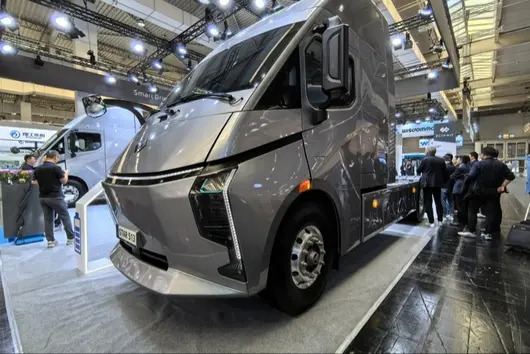
 DeepWay深向亮相汉诺威车展
内外因共振 2026年是“出海元年”
“2024-2025年更多的是市场探索、验证,2026年才是DeepWay深向真正的出海元年。”采访伊始,赵敏彧便给出了一个明确的论断,这不是临时起意的口号,而是DeepWay深向多年海外深耕后必然迈出的关键一步。
站在DeepWay深向的角度,赵敏彧坦言,早在2024年,公司便已开始向海外进行小批量产品试点输出,2025年则重点进行全球市场的“摸底”与产品调研。加上经过国内这个全球竞争最激烈、应用场景最丰富的电动重卡市场的锤炼,DeepWay深向完成了从技术、产品到供应链的全面验证。赵敏彧强调,2026年的战略升级,核心在于DeepWay深向已经具备了“读懂不同区域需求,基于统一技术底座做本地化产品定义”的完整能力。这不是简单地将国内成熟车型复制出海,而是公司面向全球市场进行深度定制化开发。
 DeepWay深向国际公司总经理赵敏彧
近年来,新能源重卡的外部市场环境在急剧变化。受地缘政治等因素影响,全球油价波动剧烈,物流成本不确定性上升,这使得许多国家开始从能源安全的高度审视运输工具的转型。赵敏彧观察到,今年以来,海外对电动重卡的真实需求出现了“非常大幅的上升”。如果说此前海外客户对电动重卡更多是试探和观望,那么现在在一些区域,基于TCO(全生命周期成本)核算和能源独立的需求,规模化应用的萌芽已经出现。
DeepWay深向今年超3.1亿美元的Pre-IPO轮融资中,三大海外资本同时入局,为其加速出海提供了多维度的助推。在赵敏彧看来,这些顶级投资机构带来的不仅是资金,更是本地化的产业生态资源——从融资租赁、保险到物流运营乃至属地化生产资源,这些都为DeepWay深向扎根当地市场提供了“入场券”。至此,从属地化产品定义能力、外部市场的需求爆发,到本地化生态均已就绪,三股力量交汇,促使DeepWay深向将2026年正式定义为“出海元年”。

不搞“一款车闯天下” 基于统一技术底座的深度定制
面对各个国家截然不同的法规、气候、工况和用户习惯,中国新能源重卡如何打破“水土不服”的魔咒?赵敏彧给出的答案是:坚持不做“一款产品打天下”,DeepWay深向将基于正向研发的统一技术底座,进行深度的属地化定制。
这恰恰是DeepWay深向的核心优势所在。作为一家专注正向研发的新能源重卡科技企业,DeepWay深向的车型并非“油改电”,其整车架构、核心零部件和底层算法均为从0到1的原生电动化设计,大幅提升了安全性、经济性,并且使智驾功能响应更快、控制更精准。软硬件一体化体系使得其内部研发团队和高度可控的供应链能够对海外市场的定制化需求做出快速反应,而无需过度依赖外部供应商。

“我们在海外搭建的不是纯销售团队,而是销售+产品一体化团队。”赵敏彧介绍道。这套模式的核心逻辑在于,不是拿着国内定型好的整车去要求海外客户适应,而是下沉到当地真实的物流场景中,反向进行产品定义。
比如,针对西非市场高温多雨、沿海区域盐雾腐蚀严重的使用工况,DeepWay深向专门强化了空调制冷能力,将底盘耐盐雾防腐性能提升至480小时盐雾试验标准,并采用双层喷涂工艺强化防腐性能。同时,针对当地复杂的路况,电机额定功率提升了15%。在泰国、马来西亚等右舵车市场,DeepWay深向开发了适配车型并投入运营;在澳新市场,产品已通过认证并获得了冷链客户的积极反馈,在短途冷链运输中实现了极佳的经济性。

目前,DeepWay深向的全球版图已覆盖欧洲、中东、东南亚、澳新、拉美及非洲等多个区域市场。赵敏彧认为,进入欧洲这个法规高地,是为了给全球市场打个“好底子”;而在不同区域,他们都在做同一件事:依托在中国经过大规模验证的产品底座,做好本地化适配,找到匹配的场景,给客户算清经济账,创造真实价值。
不做“掠夺者” 价值输出与生态共建
在谈及DeepWay深向的海外市场版图时,赵敏彧将其划分为不同的战略层级:欧洲是长期战略核心,旨在对标全球最高标准,建立话语权;澳洲和中东是价值验证与模式创新的市场,尝试超大电量车型、超充干线等新玩法;东南亚则被视作“类中国市场”,虽然价格竞争激烈,但通过深耕场景、做好定制化,依然能凭借技术和供应链优势实现突破。

但更重要的是,DeepWay深向的国际化被赋予了一层超越商业的行业期许。 赵敏彧在专访中反复强调,“中国企业应该做价值输出,而不只是产品输出”。他呼吁行业效仿当年日韩车企出海时的“抱团”策略,避免将国内激烈的“内卷式”价格战带到海外。
“在海外,我们真正的竞争对手不是中国友商,而是燃油车。”赵敏彧一针见血地指出。中国电动重卡当前的最大使命,是通过有竞争力的产品和成熟的技术,去证明电车的TCO优势,去争夺传统燃油车的市场份额,共同把海外电动重卡市场的蛋糕做大,这也是DeepWay深向出海的目标之一。

结语
“与全球产业生态共生”——这是DeepWay深向在此次专访中传递出的核心理念。对其而言,国际化道路不仅是其在中国市场站稳脚跟后的自然外溢,更是一场从产品输出向技术、产业、标准全方位输出的产业升级。通过“中国验证、全球定制、本土共生”的战略,DeepWay深向试图在海外市场扮演一个赋能者,而非“掠夺者”。通过扶持当地产业生态,融入当地供应链,让中国先进的电动化供应链能力成为全球能源动荡格局下的一股稳定力量。这或许才是中国商用车企业从“走出去”到“走进去”的最佳路径探索。


Volume increased, but profits did not follow.
Against the backdrop of the domestic automotive market decline and overseas boom, every traditional listed auto company stands at a crossroads, though everyone's feeling is different.
In this context, Changan Automobile, upgraded to a central automotive SOE, delivered its first semi-annual report after promotion, and the financial data does not look good.
01
In H1 2026, Changan Automobile's revenue was 65.634 billion yuan, down 9.71% year-on-year; net profit attributable to shareholders was 817 million yuan, down 64.32% year-on-year; net profit excluding non-recurring gains and losses was only 251 million yuan, plummeting 83.01% year-on-year. Gross margin was 14.5%, slightly down 0.08 percentage points year-on-year.

On the surface, this is a report card with declining revenue, profit, and gross margin. But carefully reviewing this semi-annual report reveals the situation is not as simple as it appears.
In the first half, Changan Automobile recorded a net exchange loss of about 230 million yuan, while last year's same period had a net exchange gain of about 1.356 billion yuan. One in and one out, the difference is 1.586 billion yuan. This is also an objective reality faced by all listed Chinese automotive companies.
Affected by this, Changan Automobile's financial expenses changed from a net gain of 1.957 billion yuan in the first half of last year to a net expense of 69 million yuan now, a difference as high as 2.026 billion yuan.
Changan Automobile also admitted in the semi-annual report: "After deducting the impact of exchange gains, the net profit attributable to shareholders of the listed company increased by 12% year-on-year." In other words, more than 64% of the decline in net profit was largely caused by exchange rate fluctuations.
 [Image Source: Changan Automobile Announcement]
Apart from exchange losses, Changan Automobile accrued about 456 million yuan in asset impairment provisions in the first half, among which inventory price decline provisions reached 468 million yuan, while last year's same period was only 59 million yuan. If this impairment is deducted, the net profit for the first half could reach 1.273 billion yuan.
The combination of these two non-recurring factors is the real driver behind the sharp decline in this automotive central enterprise's profits.
Changan Automobile mentioned at the performance explanation meeting that, affected by the overall industry downturn in the first half, market demand continued to weaken. The company went all out to stabilize operations and grab sales volume. Although the half-year results were below expectations due to the general environment, it still stabilized the core business.
But in the view of AutosKline, guarding the core business itself has already consumed a large amount of resources.
02
In the first half, Changan Automobile's total sales volume was 1.1189 million units, down 17.44% year-on-year. Among them, new energy vehicle sales were 414,200 units, down 8.3% year-on-year.
But excluding the gap of about 70,000 units from the Lumin model which stopped production this year, the new energy sales actually grew by about 11% year-on-year. This means the sales growth of other products is just enough to fill the exit of old products.
 [Image Source: Changan Automobile Announcement]
In this view, the contraction of fuel vehicles is the more troublesome problem.
Data from the China Association of Automobile Manufacturers shows that the domestic fuel vehicle market contracted by 27.8% year-on-year in the first half. Changan Automobile's main fuel models such as CS75 PLUS, sales volume dropped nearly 40% year-on-year.
Looking by brand, the situation is more differentiated.
Changan Qiyuan delivered 173,800 units in the first half, achieved profitability in a single quarter in the second quarter, becoming the first brand in Changan Automobile's new energy sector to achieve self-sustaining growth. At the same time, Deepal Automobile delivered 164,200 units, a year-on-year growth of 14.6%, overseas sales 35,800 units, skyrocketing by 141%.
Avatr, which was highly expected internally by Changan Automobile, became the group's financial bleeding point. It delivered only 31,500 units in the first half, a year-on-year plunge of 46.74%. Cumulative losses over 4 years of establishment exceeded 13.2 billion yuan, to the point where Zhu Huarong proposed an integration plan for Avatr and Deepal Automobile in April this year for cost reduction and efficiency improvement.
 [Image Source: Avatr Prospectus]
The Changan fuel vehicle main lineup, as the main force of fuel cars, delivered about 329,800 units cumulatively in the first half. Affected by the overall contraction of the fuel vehicle market, sales continued to be under pressure. The highlight lies in the performance of hybrid models.
AutosKline believes that in the process of switching from old to new drivers of momentum, Changan Automobile is experiencing a period of transition. The profit pool of fuel vehicles is quickly drying up, and although the scale of new energy business is expanding, profitability has not caught up yet.
03
In comparison, the overseas market became a highlight for Changan Automobile in the first half, just like most listed auto companies.
In the first half of this year, Changan Automobile's overseas sales were 455,000 units, a year-on-year increase of 51.9%; overseas income was 21.942 billion yuan, a year-on-year increase of 78.77%, with the share of total revenue rising from 16.89% to 33.43%. Overseas gross margin was 20.13%, far higher than the 11.67% of domestic business.
Changan Automobile's overseas strategy is named "Embrace All Waters". It was upgraded to version 2.0 in April this year, establishing the four principles of "Long-term, Localization, Systematization, and ESG Integration". The goal is to achieve overseas sales of 1.5 to 1.8 million units by 2030.

In the first half, its Brazil factory officially started production, the Thailand factory's 20,000th vehicle came off the line, and the overseas sales network has expanded to 129 countries and regions. However, the two subsidiaries responsible for exports encountered increased revenue but not increased profit.
Chongqing Xingzhi Technology revenue was 10.905 billion yuan, a year-on-year growth of 85%, net profit 165 million yuan, down 65% year-on-year; Changan International Sales Service revenue was 4.316 billion yuan, a year-on-year growth of 25.6%, net profit 137 million yuan, down 58% year-on-year; overseas gross margin also decreased by 2.1 percentage points year-on-year.
04
The costs of overseas channel construction, brand promotion, and localized operations are being incurred in advance, and profits are naturally eroded. More importantly, the larger the export scale, the greater the exchange rate risk exposure.
According to foreign currency monetary items disclosed in the semi-annual report, as of June 30, Changan Automobile's foreign currency assets totaled about 7.967 billion yuan, foreign currency liabilities about 3.356 billion yuan, net foreign currency exposure about 4.612 billion yuan.

As Changan Automobile stated in the semi-annual report, if the Renminbi appreciates or depreciates by 5% against the US dollar, it will increase or decrease net profit by about 66.1935 million yuan as a result.
Although Changan Automobile has already carried out forward foreign exchange hedging business, the amount sold for hedging in the first half was about 372 million yuan. Relative to over 4.6 billion yuan of net exposure, the coverage ratio is less than 10%, making it difficult to effectively hedge exchange rate fluctuation impact.
05
In addition, from the end of the first half to the release of the latest August sales data, Changan Automobile's overall situation has not improved.
Total sales for the first 8 months of this year were 1.4772 million units, down 17.92% year-on-year. The decline rate is still expanding compared to the first half. Independent brands' sales for the first 8 months were down 20.18% year-on-year, compared to 19.91% in the first half. The decline is also expanding.
The only comforting thing is new energy. Changan Automobile's August new energy single-month sales broke through 100,000 units, a year-on-year growth of 12.98%, and new energy penetration rate broke through 51%.
 [Image Source: Changan Automobile Announcement]
From accumulated data, new energy's first 8 months cumulative sales were 589,500 units. The year-on-year decline has narrowed from 8.3% in the first half to 5.03%. Qiyuan, Deepal and other brands continued to scale up, becoming main drivers.
But if placed under the group's overall performance, this result is obviously not enough.
At the beginning of the year, the group set an annual sales target of 3.3 million units. The completion rate for the first 8 months was less than 45%. In the remaining 4 months, monthly average needs to exceed 450,000 units to meet the target. In the current market environment, this is an impossible mission.
06
For such reality, perhaps Changan Automobile itself is also hard to feel satisfied.
At the semi-annual performance explanation meeting on August 31, facing online investor questions, Changan Automobile management's answer left people bewildered.
When investors asked about HEV model sales, Changan Automobile answered how advanced the Blue Whale Ultra Engine hybrid technology is; when asked about second-half performance outlook, the official answer was "Will continue to deeply promote three major plans" and "Persist in value orientation, volume and profit balanced operating principle"; when asked about capacity utilization rate, it only said "See disclosed relevant reports", turning to explain how to improve operational efficiency.

Behind these answers to non-questions, reflects Changan Automobile's caution and avoidance when communicating with investors under operational pressure. No matter how grand the enterprise high-level strategy is depicted, it cannot cover the reality of operational difficulties.
In the first half, Changan Automobile's three core strategies - Smart "Beidou Tianshu", New Energy "Shangri-La", and Overseas "Embrace All Waters", all made progress in technology and scale. But between strategy and profit, there are multiple variables such as product, market, cost, exchange rate, etc.
R&D investment has not yet converted to significant profit contribution. New energy brands are still continuously losing money. Fuel vehicle base accelerates contraction. Export business volume increases but profit does not.
07
After the semi-annual report release, multiple mainstream brokerages' judgment on Changan Automobile was highly consistent. They believe its short-term performance is dragged by exchange rate and other non-recurring factors, but the medium-to-long term logic of overseas expansion, new energy loss reduction, and smart technology remains unchanged.
CITIC Securities believes Q2 product structure continued to optimize, overseas sales hit a quarterly high. At the same time, based on domestic demand pressure, it lowered the full-year earnings forecast. Guoyuan Securities values Tianshu Smart Driving completion from hardware to complete solution loop.
However, institutions' prediction for full-year net profit ranges from 2 billion yuan to 5.6 billion yuan, divergence is quite large. Most research reports also warned of domestic demand continuing to bear pressure, industry competition intensifying, overseas trade barriers and exchange rate fluctuation, etc. risks.

For this semi-annual report, capital market feedback was relatively flat. On the first trading day after the semi-annual report release (August 31), Changan Automobile micro-dropped 0.42%. In that week, its stock price only micro-grew 0.28%, closing at 7.12 yuan. The stock price being nearly zero fluctuation might be because the profit performance forecast released in July already released most negative news in advance.
But if the time line is lengthened, since this year, Changan Automobile stock price has fallen from 11.74 yuan at year start to 7.11 yuan at noon close on September 10, a decline of 39.44%.
Views of AutosKline:
Changan Automobile's semi-annual report is a typical answer sheet for a traditional auto giant experiencing pain during key transition period.
Exchange losses and asset impairment amplified the profit decline. But even excluding these factors, fuel vehicle base contraction, new energy not yet profitable, overseas expansion investment period triple pressure superposition is the truly structural problem to face.
Beidou Tianshu, Shangri-La, Embrace All Waters, these strategy names are loud enough. Technical level also indeed let outside world see this central enterprise's strength. But Changan Automobile needs to prove not only owning advanced technology, but more is products can sell well, money can earn.
Text is original by AutosKline, content reference materials from listed company announcements and industry public information (related companies and institutions should be responsible for the authenticity of truth); some parts from Internet images, copyright belongs to original owner.
This account article, without authorization, cannot reprint, violators will be prosecuted. At the same time, article content does not constitute investment advice to anyone! Stock market risk is high, investment must be cautious!


In the Malaysian SUV market, many buyers compare the Honda CR-V and Chery Tiggo 8 when choosing a car. These two cars are quite close in price and positioning. Today we will make a detailed comparison from multiple aspects to help you save time on research.
Honda CR-V OTR price in Malaysia is RM 178,200 - 195,900, with a total of 4 versions, including 2026 e:HEV 2.0L 2WD RS (RM 195,900), 2026 1.5T 4WD V (RM 181,900), 2026 e:HEV 2.0L 2WD E (RM 178,200), etc.
Chery Tiggo 8 OTR price in Malaysia is RM 129,750 - 129,750, with a total of 1 version, including 2026 1.6T Standard (RM 129,750), etc.
From a price perspective, the starting price of Chery Tiggo 8 is RM 48,450 cheaper than Honda CR-V. Honestly, in this price range, the difference of a few thousand is actually not that big. The key is to look at overall value for money and long-term usage costs.
Honda CR-V safety rating is 5★ (ASEAN NCAP), active safety systems include Honda SENSING (ACC, CMBS, LKAS, RDM).
Chery Tiggo 8 safety rating is TBD, active safety systems include Basic.
Regarding safety features, both cars received good ratings. However, there are some differences in functionality between Honda CR-V's Honda SENSING (ACC, CMBS, LKAS, RDM) and Chery Tiggo 8's Basic. If you value active safety more, you can carefully compare the feature lists of both.
Honda CR-V uses FWD drive type.
Chery Tiggo 8 uses FWD drive type.
Both cars have the same drive type, both are FWD, so there will not be much difference in daily driving experience.
Honda CR-V warranty 5 years/unlimited mileage, maintenance interval every 10,000km or 6 months.
Chery Tiggo 8 warranty 3 years/100,000km, maintenance interval every 10,000km or 6 months.

Overall, Honda CR-V and Chery Tiggo 8 are both very good models in the Malaysian market. Which one to choose depends on your personal needs and budget. We suggest doing your research, comparing quotes from several car dealerships, and then test driving to make the final decision. Buying a car is a big matter, spending a bit of time researching will definitely not be wrong.
In Malaysia's SUV market, many buyers compare the Honda CR-V and Mazda CX-80 when choosing a car. Both cars are quite close in price and positioning. Today, we will do a detailed comparison from multiple aspects to help you save time on research.
The OTR price of the Honda CR-V in Malaysia is RM 178,200 - 195,900, with a total of 4 versions, including 2026 e:HEV 2.0L 2WD RS (RM 195,900), 2026 1.5T 4WD V (RM 181,900), 2026 e:HEV 2.0L 2WD E (RM 178,200), etc.
The OTR price of the Mazda CX-80 in Malaysia is RM 296,610 - 296,610, with a total of 1 version, including 2025 2.5L 65km High Plus (RM 296,610), etc.
From the price perspective, the Honda CR-V's starting price is indeed RM 118,410 cheaper than the Mazda CX-80. If your budget is limited, Honda's entry-level version can already meet daily needs. However, be aware that the few thousand cheaper might involve trade-offs in features, depending on your specific needs.
The Honda CR-V safety rating is 5★ (ASEAN NCAP), active safety systems include Honda SENSING (ACC, CMBS, LKAS, RDM).
The Mazda CX-80 safety rating is 5★ (ASEAN NCAP), active safety systems include Brand ADAS.
Both cars have the same safety rating; safety features in this class are quite comprehensive. New cars nowadays are generally safe, so there is no need to worry too much about this.
Honda CR-V adopts FWD drive system.
Mazda CX-80 adopts FWD drive system.
Both cars have the same drive system, both are FWD, so the daily driving experience should not differ significantly.
Honda CR-V warranty 5 years / unlimited mileage, maintenance interval every 10,000km or 6 months.
Mazda CX-80 warranty 5 years / 150,000km, maintenance interval every 10,000km or 6 months.

Both the Honda CR-V and Mazda CX-80 are mainstream choices in the Malaysian market, suitable for family use and daily commuting. If you value brand reputation and resale value more, consider the one with better reputation; if you care more about cost-performance and features, choose the one with richer configuration. Ultimately, we recommend test driving both, as personal experience is the most important.

Overall, the Honda CR-V and Mazda CX-80 are both very good models in the Malaysian market. Choosing which one mainly depends on your personal needs and budget. We recommend doing your research, comparing quotes from several dealerships, and then test driving to make the final decision. Buying a car is a major decision, spending time on research will definitely not be wrong.
In the Malaysian SUV market, many buyers compare Honda CR-V and Mazda CX-9 when choosing a car. The price and positioning of these two cars are quite close, so today we will do a detailed comparison from multiple aspects to help you save time on research.
Honda CR-V's OTR price in Malaysia is RM 178,200 - 195,900, there are a total of 4 versions, including 2026 e:HEV 2.0L 2WD RS (RM 195,900), 2026 1.5T 4WD V (RM 181,900), 2026 e:HEV 2.0L 2WD E (RM 178,200), etc.
Mazda CX-9's OTR price in Malaysia is RM 328,810 - 345,810, there are a total of 2 versions, including 2023 2.5T 4WD (RM 345,810), 2023 2.5T 2WD (RM 328,810), etc.
From a pricing perspective, the Honda CR-V's starting price is indeed RM 150,610 cheaper than Mazda CX-9. If your budget is limited, Honda's entry-level version can already meet daily needs. But you should also note, the savings of a few thousand ringgit might involve trade-offs in specifications, it depends on your specific needs.
Honda CR-V is equipped with a 2.0L 4-cyl, 170 hp. Official fuel consumption 8.0 L/100km.
Mazda CX-9 is equipped with a 2.0L Turbo, 220 hp. Official fuel consumption 9.5 L/100km.
Regarding power, the Mazda CX-9's 2.0L Turbo has 50 more horsepower than the Honda CR-V's 2.0L 4-cyl. However, for daily city driving, the power of both cars is sufficient, you won't feel underpowered.
The Honda CR-V's safety rating is 5★ (ASEAN NCAP), active safety systems include Honda SENSING (ACC, CMBS, LKAS, RDM).
The Mazda CX-9's safety rating is 5★ (ASEAN NCAP), active safety systems include Brand ADAS.
Both cars have the same safety rating. In this class, safety features are quite comprehensive. New cars nowadays have good safety, no need to worry too much about this point.
Honda CR-V body length 4500 mm, trunk 450 L.
Mazda CX-9 body length 4500 mm, trunk 450 L.
The dimensions of both cars are almost identical, interior space difference is not significant. Cars in this class are fully sufficient for daily use.

Honda CR-V warranty 5 years/unlimited mileage, maintenance interval every 10,000km or 6 months.
Mazda CX-9 warranty 5 years/150,000km, maintenance interval every 10,000km or 6 months.

Overall, Honda CR-V and Mazda CX-9 are both very good models in the Malaysian market. Choosing which one depends mainly on your personal needs and budget. We suggest doing research, comparing quotes from several car dealerships, and test driving to make a final decision. Buying a car is a big matter, spending time doing research will definitely not be wrong.

Pada pasaran SUV di Malaysia, banyak pembeli yang sering membandingkan Honda CR-V dan Chery Tiggo 8 ketika memilih kereta. Kedua-dua kereta ini mempunyai harga dan kedudukan pasaran yang agak hampir, hari ini kita akan membuat perbandingan terperinci dari pelbagai aspek untuk membantu anda menjimatkan masa membuat penyelidikan.
Harga OTR Honda CR-V di Malaysia ialah RM 178,200 - 195,900, mempunyai jumlah 4 varian, termasuk 2026 e:HEV 2.0L 2WD RS (RM 195,900), 2026 1.5T 4WD V (RM 181,900), 2026 e:HEV 2.0L 2WD E (RM 178,200) dan lain-lain.
Harga OTR Chery Tiggo 8 di Malaysia ialah RM 129,750 - 129,750, mempunyai jumlah 1 varian, termasuk 2026 1.6T Standard (RM 129,750) dan lain-lain.
Dari segi harga, harga permulaan Chery Tiggo 8 lebih murah RM 48,450 berbanding Honda CR-V. Jujur dikatakan, dalam kategori harga ini, perbezaan ribuan ringgit sebenarnya tidak begitu besar, yang penting adalah lihat pada kos faedah keseluruhan dan kos penggunaan jangka panjang.
Panjang badan Honda CR-V 4500 mm, ruang bagasi 450 L.
Panjang badan Chery Tiggo 8 4400 mm, ruang bagasi 400 L.
Dari segi ruang, badan Honda CR-V lebih panjang 100 mm berbanding Chery Tiggo 8, ruang duduk dalam kenderaan sedikit lebih luas, terutamanya ruang kaki di kerusi belakang. Jika anda kerap membawa keluarga atau perlu meletakkan kerusi bayi, badan kereta yang lebih besar memang lebih praktikal.
Jaminan Honda CR-V tempoh 5 tahun/jarak tanpa had, selang penyelenggaraan setiap 10,000km atau 6 bulan.
Jaminan Chery Tiggo 8 tempoh 3 tahun/100,000km, selang penyelenggaraan setiap 10,000km atau 6 bulan.
Honda CR-V dan Chery Tiggo 8 adalah pilihan utama di pasaran Malaysia, sesuai untuk kegunaan keluarga dan perjalanan harian. Jika anda lebih menghargai reputasi jenama dan nilai jualan semula, anda boleh memprioritaskan model dengan reputasi lebih baik; Jika anda lebih mengutamakan nilai kegunaan dan kelengkapan, pilih model dengan spesifikasi lebih lengkap. Pada akhirnya, disyorkan kedua-dua model untuk dicuba diuji, pengalaman sendiri adalah yang paling penting.
Secara keseluruhannya, Honda CR-V dan Chery Tiggo 8 adalah model kereta yang sangat baik di pasaran Malaysia. Memilih yang mana satu, penting untuk melihat keperluan dan bajet peribadi anda. Disarankan semua membuat penyelidikan, membandingkan beberapa tawaran dari agensi kereta, kemudian melakukan ujian memandu untuk membuat keputusan akhir. Membeli kereta adalah perkara besar, meluangkan masa untuk membuat penyelidikan pasti tidak akan salah.

Di pasaran SUV di Malaysia, ramai pembeli membandingkan Honda CR-V dan Mazda CX-80 semasa memilih kereta. Kedua-dua kereta ini mempunyai harga dan kedudukan pasaran yang agak hampir, hari ini kita akan membuat perbandingan terperinci dari pelbagai aspek untuk membantu anda menjimatkan masa membuat penyelidikan.
Harga OTR Honda CR-V di Malaysia ialah RM 178,200 - 195,900, terdapat 4 varian, termasuk 2026 e:HEV 2.0L 2WD RS (RM 195,900), 2026 1.5T 4WD V (RM 181,900), 2026 e:HEV 2.0L 2WD E (RM 178,200) dan lain-lain.
Harga OTR Mazda CX-80 di Malaysia ialah RM 296,610 - 296,610, terdapat 1 varian, termasuk 2025 2.5L 65km High Plus (RM 296,610) dan lain-lain.
Dari segi harga, harga permulaan Honda CR-V sebenarnya lebih murah RM 118,410 berbanding Mazda CX-80. Jika bajet anda terhad, versi permulaan Honda sudah boleh memenuhi keperluan harian. Tetapi perlu diingat, perbezaan harga beribu-ribu ringgit ini mungkin melibatkan kompromi pada spesifikasi, bergantung pada keperluan anda.
Honda CR-V menggunakan enjin 2.0L 4-cyl, kuasa 170 hp. Kecekapan bahan api rasmi 8.0 L/100km.
Mazda CX-80 menggunakan enjin 2.0L Turbo, kuasa 220 hp. Kecekapan bahan api rasmi 9.5 L/100km.
Dari segi kuasa, enjin 2.0L Turbo Mazda CX-80 mempunyai 50 hp lebih berbanding 2.0L 4-cyl Honda CR-V. Walau bagaimanapun, untuk penggunaan harian di bandar, kuasa kedua-dua kereta sudah mencukupi, tidak akan terasa kurang kuasa.
Panjang badan Honda CR-V 4500 mm, ruang bonet 450 L.
Panjang badan Mazda CX-80 4500 mm, ruang bonet 450 L.
Saiz kedua-dua kereta hampir sama, ruang dalaman tidak banyak perbezaan. Kereta pada tahap ini sudah cukup untuk kegunaan harian.
Honda CR-V jaminan 5 tahun/kilometer tanpa had, selang servis setiap 10,000km atau 6 bulan.
Mazda CX-80 jaminan 5 tahun/150,000km, selang servis setiap 10,000km atau 6 bulan.
Secara keseluruhannya, Honda CR-V dan Mazda CX-80 adalah model kereta yang sangat bagus di pasaran Malaysia. Memilih yang mana, terutamanya bergantung pada keperluan dan bajet peribadi anda. Kami syorkan anda membuat penyelidikan terlebih dahulu, bandingkan sebut harga di beberapa kedai kereta, kemudian buat ujian memandu untuk membuat keputusan akhir. Membeli kereta adalah satu perkara besar, meluangkan masa membuat penyelidikan tidak akan meleset.

喺馬來西亞嘅 SUV 市場,好多買家在揀車嘅時候都會拿 Honda CR-V 同 Chery Tiggo 8 Pro 做比較。呢兩部車喺價位同定位上都幾接近,今日我哋就由多個方面做一個詳細嘅比較,幫你節省做足功課嘅時間。
Honda CR-V 喺馬來西亞嘅 OTR 售價係 RM 178,200 - 195,900,總共 4 個版本,包括 2026 e:HEV 2.0L 2WD RS(RM 195,900)、2026 1.5T 4WD V(RM 181,900)、2026 e:HEV 2.0L 2WD E(RM 178,200) 等。
Chery Tiggo 8 Pro 喺馬來西亞嘅 OTR 售價係 RM 159,750 - 159,750,總共 2 個版本,包括 1.6L Turbo Standard(RM 130,000)、1.6L Turbo Premium(RM 145,000) 等。
由價錢嚟睇,Chery Tiggo 8 Pro 嘅起頭價比 Honda CR-V 平咗 RM 18,450。講真係,喺呢個價位段,千幾蚊嘅差距其實唔算大,關鍵始終係睇整體嘅性價比同長期使用成本。
Honda CR-V 嘅安全評級係 5★ (ASEAN NCAP),主動安全系統包括 Honda SENSING (ACC, CMBS, LKAS, RDM)。
Chery Tiggo 8 Pro 嘅安全評級係 TBD,主動安全系統包括 Basic。
安全配備方面,兩部車都拿到唔錯嘅評級。不過 Honda CR-V 嘅 Honda SENSING (ACC, CMBS, LKAS, RDM) 同 Chery Tiggo 8 Pro 嘅 Basic 喺功能上有些分別,如果你比較睇重主動安全嘅話,可以仔細對比一下兩者嘅功能列表。
Honda CR-V 採用 FWD 驅動方式。
Chery Tiggo 8 Pro 採用 FWD 驅動方式。
兩部車嘅驅動方式一樣,都係 FWD,日常駕駛感受唔會有太大分別。
Honda CR-V 保養 5 年/無限制里程,保養間隔 每 10,000km 或 6 個月。
Chery Tiggo 8 Pro 保養 3 年/100,000km,保養間隔 每 10,000km 或 6 個月。
總括嚟講,Honda CR-V 同 Chery Tiggo 8 Pro 都係馬來西亞市場幾好嘅車型。揀邊一部,關鍵始終係睇你嘅個人需求同預算。大家建議做足功課,多比較幾間車行嘅報價,先至去試駕做最終決定。買車係件大事情,花少少時間做功課絕不會錯。
In the Malaysian SUV market, many buyers compare Honda CR-V and Mazda CX-8 when choosing a car. These two models are quite close in price and positioning. Today, we will make a detailed comparison from multiple aspects to help you save time on research.
Honda CR-V is sold in Malaysia with OTR prices ranging from RM 178,200 to 195,900. There are a total of 4 versions, including 2026 e:HEV 2.0L 2WD RS (RM 195,900), 2026 1.5T 4WD V (RM 181,900), 2026 e:HEV 2.0L 2WD E (RM 178,200), etc.
Mazda CX-8 is sold in Malaysia with OTR prices ranging from RM 165,360 to 201,360. There are a total of 5 versions, including 2025 2.5T 4WD High Plus Petrol (RM 201,360), 2025 2.2L 2WD High Plus Diesel (RM 193,123), 2025 2.5L 2WD High Plus Petrol (RM 186,360), etc.
From a price perspective, the starting price of Mazda CX-8 is RM 12,840 cheaper than Honda CR-V. To be honest, in this price range, a difference of a few thousand is actually not significant. The key is still to look at overall value and long-term usage costs.
Honda CR-V is equipped with a 2.0L 4-cylinder engine, 170 hp. Official fuel consumption 8.0 L/100km.
Mazda CX-8 is equipped with a 2.0L 4-cylinder engine, 170 hp. Official fuel consumption 8.0 L/100km.
Both cars use the same powertrain system, so the driving feel is basically the same in daily use. Fuel consumption is also similar, no need to worry too much about this point.
Honda CR-V's safety rating is 5★ (ASEAN NCAP). Active safety systems include Honda SENSING (ACC, CMBS, LKAS, RDM).
Mazda CX-8's safety rating is 5★ (ASEAN NCAP). Active safety systems include Brand ADAS.
Both cars have the same safety rating. Safety features in this class are quite comprehensive. New cars nowadays are generally safe, no need to worry too much about this.
Honda CR-V body length 4500 mm, trunk 450 L.
Mazda CX-8 body length 4500 mm, trunk 450 L.
The dimensions of both cars are almost the same, with little difference in interior space. Cars in this class are fully sufficient for daily use.

Honda CR-V warranty 5 years/unlimited mileage, maintenance interval every 10,000km or 6 months.
Mazda CX-8 warranty 5 years/150,000km, maintenance interval every 10,000km or 6 months.
Overall, Honda CR-V and Mazda CX-8 are both very good models in the Malaysian market. Choosing which one depends on your personal needs and budget. It is recommended to do research, compare quotes from multiple car dealers, and then test drive before making a final decision. Buying a car is a big matter, spending time on research will definitely not be a mistake.
In the Malaysian SUV market, many buyers compare Honda CR-V and Mazda CX-8 when choosing a car. These two cars are quite close in price and positioning. Today we will do a detailed comparison from multiple aspects, helping you save time on research.
Honda CR-V has an OTR price in Malaysia of RM 178,200 - 195,900, with a total of 4 versions, including 2026 e:HEV 2.0L 2WD RS (RM 195,900), 2026 1.5T 4WD V (RM 181,900), 2026 e:HEV 2.0L 2WD E (RM 178,200), etc.
Mazda CX-8 has an OTR price in Malaysia of RM 165,360 - 201,360, with a total of 5 versions, including 2025 2.5T 4WD High Plus Petrol (RM 201,360), 2025 2.2L 2WD High Plus Diesel (RM 193,123), 2025 2.5L 2WD High Plus Petrol (RM 186,360), etc.
In terms of price, the Mazda CX-8's starting price is RM 12,840 cheaper than the Honda CR-V. To be honest, in this price range, a difference of a few thousand is actually not that big. The key is still to look at overall value for money and long-term running costs.
Honda CR-V is equipped with 2.0L 4-cyl, horsepower 170 hp. Official fuel consumption 8.0 L/100km.
Mazda CX-8 is equipped with 2.0L 4-cyl, horsepower 170 hp. Official fuel consumption 8.0 L/100km.
Both cars use the same powertrain, and the driving experience in daily use is basically the same. Fuel consumption is also similar, so no need to worry too much about this.
Honda CR-V's safety rating is 5★ (ASEAN NCAP), active safety system includes Honda SENSING (ACC, CMBS, LKAS, RDM).
Mazda CX-8's safety rating is 5★ (ASEAN NCAP), active safety system includes Brand ADAS.
Both cars have the same safety rating, and in this class, safety features are quite comprehensive. Safety for new cars nowadays is not lacking, so no need to worry too much about this.
Honda CR-V warranty 5 years/unlimited mileage, service interval every 10,000km or 6 months.
Mazda CX-8 warranty 5 years/150,000km, service interval every 10,000km or 6 months.
Overall, Honda CR-V and Mazda CX-8 are both very good models in the Malaysian market. Which one to choose mainly depends on your personal needs and budget. We suggest doing your research, compare quotes from several car dealerships, then go for a test drive to make a final decision. Buying a car is a big matter, spending some time researching will definitely not go to waste.
In the Malaysia SUV market, many buyers compare Honda CR-V and Mazda CX-8 when choosing a car. These two cars are quite close in price and positioning. Today we will make a detailed comparison from multiple aspects to help you save time doing research.
Honda CR-V OTR price in Malaysia is RM 178,200 - 195,900. There are 4 versions in total, including 2026 e:HEV 2.0L 2WD RS (RM 195,900), 2026 1.5T 4WD V (RM 181,900), 2026 e:HEV 2.0L 2WD E (RM 178,200), etc.
Mazda CX-8 OTR price in Malaysia is RM 165,360 - 201,360. There are 5 versions in total, including 2025 2.5T 4WD High Plus Petrol (RM 201,360), 2025 2.2L 2WD High Plus Diesel (RM 193,123), 2025 2.5L 2WD High Plus Petrol (RM 186,360), etc.
From the price perspective, the starting price of Mazda CX-8 is RM 12,840 cheaper than Honda CR-V. Honestly, in this price segment, a difference of a few thousand is not really big. The key is still looking at overall cost-effectiveness and long-term usage costs.
Honda CR-V safety rating is 5★ (ASEAN NCAP). Active safety systems include Honda SENSING (ACC, CMBS, LKAS, RDM).
Mazda CX-8 safety rating is 5★ (ASEAN NCAP). Active safety systems include Brand ADAS.
Both cars have the same safety rating. Safety features in this class are quite comprehensive. New cars today generally do not have poor safety, no need to worry too much about this point.
Honda CR-V adopts FWD drive mode.
Mazda CX-8 adopts FWD drive mode.
Both cars have the same drive mode, both are FWD. Daily driving experience will not have much difference.
Honda CR-V and Mazda CX-8 are both mainstream choices in the Malaysia market, suitable for family use and daily commuting. If you value brand reputation and second-hand price more, you can prioritize the one with better reputation; if you care more about cost-performance and features, choose the model with richer configuration. In the end, it is still recommended to test drive both, personal experience is the most important.
Overall, Honda CR-V and Mazda CX-8 are both very good models in the Malaysia market. Which one to choose, the key still depends on your personal needs and budget. It is recommended to do research, compare quotes from several car dealers, and then go for test drive to make the final decision. Buying a car is a big matter, spending some time on research will definitely not be wrong.

Di pasaran SUV di Malaysia, ramai pembeli ketika memilih kereta sering membandingkan Honda CR-V dengan Mazda CX-9. Kedua-dua kereta ini hampir sama dari segi harga dan kedudukan pasaran, hari ini kita akan lakukan perbandingan terperinci dari pelbagai aspek untuk membantu anda menjimatkan masa membuat kajian.
Harga OTR Honda CR-V di Malaysia adalah RM 178,200 - 195,900, terdapat 4 versi, termasuk 2026 e:HEV 2.0L 2WD RS (RM 195,900), 2026 1.5T 4WD V (RM 181,900), 2026 e:HEV 2.0L 2WD E (RM 178,200) dan lain-lain.
Harga OTR Mazda CX-9 di Malaysia adalah RM 328,810 - 345,810, terdapat 2 versi, termasuk 2023 2.5T 4WD (RM 345,810), 2023 2.5T 2WD (RM 328,810) dan lain-lain.
Dari segi harga, harga permulaan Honda CR-V memang lebih murah RM 150,610 berbanding Mazda CX-9. Jika bajet anda terhad, versi permulaan Honda sudah mencukupi untuk keperluan harian. Tetapi perlu diingat, perbezaan harga beberapa ribu ringgit ini mungkin melibatkan kompromi pada spesifikasi, bergantung pada keperluan anda.
Honda CR-V dilengkapi enjin 2.0L 4-cyl, output kuasa 170 hp. Penggunaan minyak rasmi 8.0 L/100km.
Mazda CX-9 dilengkapi enjin 2.0L Turbo, output kuasa 220 hp. Penggunaan minyak rasmi 9.5 L/100km.
Dari segi kuasa, enjin 2.0L Turbo pada Mazda CX-9 mempunyai 50 hp lebih berbanding enjin 2.0L 4-cyl pada Honda CR-V. Namun, untuk pemanduan harian di bandar, kuasa kedua-dua kereta ini sudah mencukupi, tidak akan berasa kurang kuasa.
Panjang badan Honda CR-V 4500 mm, ruang bagasi 450 L.
Panjang badan Mazda CX-9 4500 mm, ruang bagasi 450 L.
Saiz kedua-dua kereta hampir sama, ruang dalaman tidak banyak berbeza. Untuk kereta dalam kelas ini, untuk penggunaan harian sudah mencukupi.
Honda CR-V menggunakan sistem pemacu FWD.
Mazda CX-9 menggunakan sistem pemacu FWD.
Sistem pemacu kedua-dua kereta sama, kedua-duanya FWD, pengalaman memandu harian tidak akan berbeza banyak.
Secara keseluruhan, Honda CR-V dan Mazda CX-9 adalah model kereta yang sangat baik di pasaran Malaysia. Memilih mana satu, yang penting bergantung pada keperluan dan bajet peribadi anda. Kami sarankan anda membuat riset, bandingkan sebut harga di beberapa showroom, kemudian buat ujian memandu untuk membuat keputusan akhir. Membeli kereta adalah perkara penting, meluangkan masa untuk membuat riset tidak akan salah.

Di pasaran SUV di Malaysia, ramai pembeli akan membandingkan Honda CR-V dan Mazda CX-5 ketika memilih kereta. Kedua-dua kereta ini mempunyai harga dan penentuan pasaran yang hampir sama, hari ini kita akan membuat perbandingan terperinci dari pelbagai aspek, membantu anda menjimatkan masa untuk melakukan kajian.
Harga OTR Honda CR-V di Malaysia ialah RM 178,200 - 195,900, terdapat 4 versi secara keseluruhan, termasuk 2026 e:HEV 2.0L 2WD RS (RM 195,900), 2026 1.5T 4WD V (RM 181,900), 2026 e:HEV 2.0L 2WD E (RM 178,200) dan lain-lain.
Harga OTR Mazda CX-5 di Malaysia ialah RM 135,469 - 166,760, terdapat 3 versi secara keseluruhan, termasuk 2025 2.0L AT 35th Anniversary (RM 316,154), 2025 2.0L AT (RM 296,154), 2025 2.0L MT (RM 294,154) dan lain-lain.
Dari segi harga, harga permulaan Mazda CX-5 lebih murah RM 42,731 berbanding Honda CR-V. Sejujurnya, dalam kawasan harga ini, perbezaan beberapa ribu ringgit sebenarnya tidak besar, yang penting adalah melihat nilai harga keseluruhan dan kos penggunaan jangka panjang.
Markah keselamatan Honda CR-V ialah 5★ (ASEAN NCAP), sistem keselamatan aktif termasuk Honda SENSING (ACC, CMBS, LKAS, RDM).
Markah keselamatan Mazda CX-5 ialah 5★ (ASEAN NCAP), sistem keselamatan aktif termasuk .
Markah keselamatan kedua-dua kereta adalah sama, peralatan keselamatan dalam tahap ini adalah cukup lengkap. Keselamatan kereta baharu sekarang tidak buruk, tidak perlu terlalu risau tentang perkara ini.
Honda CR-V menggunakan sistem penggerak FWD.
Mazda CX-5 menggunakan sistem penggerak FWD.
Sistem penggerak kedua-dua kereta adalah sama, semuanya FWD, pengalaman memandu harian tidak akan terlalu berbeza.
Honda CR-V jaminan 5 tahun/jarak tanpa had, selang penjagaan setiap 10,000km atau 6 bulan.
Mazda CX-5 jaminan 5 tahun/150,000km, selang penjagaan setiap 10,000km atau 6 bulan.

Secara keseluruhannya, Honda CR-V dan Mazda CX-5 kedua-duanya adalah model kereta yang cukup bagus di pasaran Malaysia. Memilih yang mana satu, yang penting adalah melihat keperluan peribadi dan bajet anda. Cadangan kami, lakukan kajian terlebih dahulu, bandingkan lebih banyak tawaran dari beberapa dealer, kemudian buat ujian pemanduan untuk membuat keputusan akhir. Membeli kereta adalah perkara besar, mengambil masa untuk melakukan kajian pasti tidak akan salah.

Dalam pasaran SUV di Malaysia, ramai pembeli membandingkan Honda CR-V dan Mazda CX-30 apabila memilih kereta. Kedua-dua kereta ini mempunyai harga dan penarafan yang agak hampir, hari ini kita akan membuat perbandingan terperinci dari pelbagai aspek, membantu anda menjimatkan masa membuat kajian.
Harga OTR Honda CR-V di Malaysia ialah RM 178,200 - 195,900, terdapat keseluruhan 4 varian, termasuk 2026 e:HEV 2.0L 2WD RS (RM 195,900), 2026 1.5T 4WD V (RM 181,900), 2026 e:HEV 2.0L 2WD E (RM 178,200) dan lain-lain.
Harga OTR Mazda CX-30 di Malaysia ialah RM 122,409 - 146,409, terdapat keseluruhan 4 varian, termasuk 2025 2.0L High+ Premium (RM 146,409), 2025 2.0L High+ (RM 138,409), 2025 2.0L High (RM 130,409) dan lain-lain.
Dari segi harga, harga permulaan Mazda CX-30 lebih murah RM 55,791 berbanding Honda CR-V. Jujurnya, dalam julat harga ini, perbezaan beribu-ribu sebenarnya tidak besar, yang penting ialah lihat nisbah nilai keseluruhan dan kos penggunaan jangka panjang.
Honda CR-V dilengkapi enjin 2.0L 4-silinder, kuasa 170 hp. Penggunaan minyak rasmi 8.0 L/100km.
Mazda CX-30 dilengkapi enjin 1.5L Turbo, kuasa 140 hp. Penggunaan minyak rasmi 7.0 L/100km.
Dari segi kuasa, enjin 2.0L 4-silinder Honda CR-V mempunyai 30 hp lebih daripada 1.5L Turbo Mazda CX-30, lebih yakin dalam pecutan pertengahan, terutamanya ketika menyalip di lebuh raya. Namun, penggunaan minyak Mazda CX-30 mungkin lebih mesra, perbezaan untuk pengangkutan harian di bandar tidak akan terlalu besar.
Panjang badan Honda CR-V 4500 mm, tempat letak barang belakang 450 L.
Panjang badan Mazda CX-30 4500 mm, tempat letak barang belakang 450 L.
Saiz kedua-dua kereta hampir sama, ruang dalaman tidak banyak berbeza. Kereta di peringkat ini, cukup untuk penggunaan harian.
Honda CR-V menggunakan sistem penggerak FWD.
Mazda CX-30 menggunakan sistem penggerak FWD.
Sistem penggerak kedua-dua kereta sama, semuanya FWD, rasa memandu harian tidak akan terlalu berbeza.

Honda CR-V dan Mazda CX-30 adalah pilihan utama di pasaran Malaysia, sesuai untuk kegunaan keluarga, pengangkutan harian. Jika anda lebih mengutamakan reputasi jenama dan harga jual semula, anda boleh memberi keutamaan kepada model yang mempunyai reputasi lebih baik; jika anda lebih mengutamakan nilai dan kelengkapan, maka pilih model dengan kelengkapan lebih banyak. Akhir sekali disarankan untuk menguji memandu kedua-dua model, pengalaman sendiri adalah yang paling penting.

Secara keseluruhan, Honda CR-V dan Mazda CX-30 adalah model kereta yang sangat bagus di pasaran Malaysia. Memilih mana satu, yang penting adalah lihat keperluan peribadi dan bajet anda. Kami menyarankan anda membuat kajian, membandingkan banyak tawaran kedai kereta, kemudian uji memandu untuk membuat keputusan akhir. Membeli kereta adalah perkara besar, meluangkan masa untuk kajian pasti tidak akan salah.

喺馬來西亞嘅 SUV 市場,好多買家喺揀車嘅時候都會拿 Honda CR-V 同 Mazda CX-60 嚟做比較。呢兩款車喺價位同定位上都幾近,今日我哋就從多個方面做一個詳細嘅比較,幫你省返做功課嘅時間。
Honda CR-V 喺馬來西亞嘅 OTR 售價係 RM 178,200 - 195,900,一共有 4 個版本,包括 2026 e:HEV 2.0L 2WD RS(RM 195,900)、2026 1.5T 4WD V(RM 181,900)、2026 e:HEV 2.0L 2WD E(RM 178,200) 等。
Mazda CX-60 喺馬來西亞嘅 OTR 售價係 RM 200,510 - 252,873,一共有 2 個版本,包括 2026 3.3T 4WD High Plus(RM 252,873)、2025 2.5L 2WD High(RM 200,510) 等。
從價錢睇嚟,Honda CR-V 嘅起步價確實比 Mazda CX-60 平咗 RM 22,310。如果你預算有限,Honda 嘅入門版已經可以滿足日常需要。但亦都要留意,平嗰幾千蚊,可能喺配備上有取舍,具體要看你嘅需求。
Honda CR-V 搭載 2.0L 4-cyl,馬力 170 hp。官方油耗 8.0 L/100km。
Mazda CX-60 搭載 2.0L 4-cyl,馬力 170 hp。官方油耗 8.0 L/100km。
兩款車用咗同一套動力系統,日常開起嚟嘅感覺基本冇咩差別。油耗方面都差不多,唔使太糾結這一點。
Honda CR-V 車身長 4500 mm,行李箱 450 L。
Mazda CX-60 車身長 4500 mm,行李箱 450 L。
兩款車嘅尺寸幾乎一樣,車內空間差別唔大。呢個級別嘅車,日常使用完全夠用。
Honda CR-V 採用 FWD 驅動方式。
Mazda CX-60 採用 FWD 驅動方式。
兩款車嘅驅動方式一樣,都係 FWD,日常駕駛感受唔會有太大區別。

總嘅嚟講,Honda CR-V 同 Mazda CX-60 都係馬來西亞市場好好嘅車型。揀邊一輛,關鍵係睇你嘅個人需求同預算。建議大家做足功課,多比較幾間車行嘅報價,再去試駕做最終決定。買車係件大事,花少少時間做功課絕對唔會錯。


In mythology, what saved Ne Zha was his master Taiyi Zhenren, who constructed his body using lotus roots. In reality, the investor saving Neta Auto has named themselves"Taiyi Shenglian". This appears quite dramatic and delivers an emotional impact.
On the morning of September 11, Neta Auto's parent company Hozon New Energy Co., Ltd. (hereinafter referred to as "Hozon New Energy") held its fourth creditors' meeting in bankruptcy reorganization via online format to vote on the "Restructuring Plan (Draft)". Zhejiang Taiyi Shenglian Enterprise Management Partnership (Limited Partnership) (hereinafter referred to as "Taiyi Shenglian"), as the restructuring investor, plans to invest 3 billion yuan for restructuring investment and obtain approximately 70.62% of Hozon New Energy's equity, mastering the operating control rights of the enterprise after restructuring.
According to the content of the "Restructuring Plan (Draft)", the 3 billion yuan that Taiyi Shenglian intends to invest will be used in two parts: 1.167 billion yuan will be used to repay relevant claims corresponding to assets to be retained and bankruptcy expenses; the remaining 1.833 billion yuan will be used to supplement Hozon New Energy's working capital, supporting its operation and development after restructuring.
It is understood that the ordinary claims in this Neta Auto restructuring amount to 11.7 billion yuan, involving over 1,600 households; priority claims amount to about 2.2 billion yuan, involving 9 households. Regarding repayment methods, for ordinary claims below 800,000 yuan, the repayment rate is about 12%, paying 10,000 yuan within the first 12 months, and paying the remaining approximately 80,000 yuan within two years, with excess amounts converted into equity; priority claim amounts remain unchanged, paying interest for the first three years and repaying principal starting from the fourth year.

In terms of asset disposal, the "Restructuring Plan (Draft)" also clearly states that this restructuring will retain core assets related to Neta X and Neta L, while equipment related to Neta S and Neta GT will be disposed of as non-core assets. Some media reports stated that Taiyi Shenglian's management team possesses automotive industry operation and bankruptcy restructuring experience and had managed the restructuring of listed companies in the parts industry.
The mastermind behind the Taiyi Shenglian company is actually Shanzi High-Tech, a company transformed from a traditional real estate enterprise to high-end manufacturing, which previously entered whole vehicle manufacturing by acquiring Hebei Hongxing Automobile Manufacturing Co., Ltd. and cooperating with the Harbin Municipal Government to establish Heilongjiang Yunfeng Automobile, but the automotive business progress was not smooth.
During Hozon New Energy's public recruitment for restructuring investors in August 2025, Shanzi High-Tech was the sole prospective investor and paid a security deposit of 50 million yuan. Taiyi Shenglian is indeed the entity specifically established by Shanzi High-Tech for this restructuring. Qichacha shows that this company was registered in April 2026, established as a partnership by Zhejiang Shanzi Holding Co., Ltd. and Zhejiang Shanzi Yuxu Technology Co., Ltd., with the actual controller being Ye Ji, chairman of Shanzi High-Tech, and registered capital of 3.001 billion yuan.

The "Restructuring Plan (Draft)" also planned a "Three-Step" strategy for Neta Auto:
Step 1: Restart Neta X model production, mainly targeting overseas markets, with a target annual sales volume of 10,000 units. Retaining production qualifications is the most critical task for Neta Auto at present. From November 2024 until now, Neta has not produced for two years. If production is lower than 2,000 vehicles for two consecutive years, it might be listed on the Ministry of Industry and Information Technology Special Publicity List. That is to say, Neta must achieve production resumption within the next 4 months. The Neta X proposed to restart production first is exactly the main model for Neta Auto's previous overseas expansion. The "Restructuring Plan (Draft)" discloses that the model has already received some intention orders.
Step 2: Develop adapted models for markets such as Asia, Africa, Latin America, with a target annual production of 300,000 units to further amplify overseas market advantages.
Step 3: Build global intelligent models, aiming for an annual output value of 40 billion yuan, and start IPO preparation work.
However, the "Restructuring Plan (Draft)" did not propose a clear timeline for the "Three-Step" strategy. Judging from the "Three-Step" strategy, Neta still chooses to break through through overseas markets. This is easy to understand, because the competition in the domestic market is no longer the same as before. Whether in brand reputation, technological reserves, or channel coverage, Neta no longer possesses competitiveness in China. However, overseas is not a blue ocean either. With the pressure on domestic market sales, domestic independent automakers are going overseas in batches, including Neta's previous overseas market Thailand, where EV competition is becoming increasingly intense. It is relatively difficult for Neta to break through with an old model.

Additionally, the draft also mentions that Neta Auto will rebuild confidence in upstream supply chain cooperation, restore official spare parts supply, fully restart after-sales maintenance and repair, and activate existing service networks. For the approximately 400,000 Neta car owners nationwide, this is the most practical positive information.
However, it needs to be noted that Taiyi Shenglian company's 3.001 billion yuan registered capital is currently in the subscribed state, not paid-in. Furthermore, the voting results of this "Restructuring Plan (Draft)" have not yet been released.
This means that before the money actually arrives, everything still remains uncertain. HiPhi Auto serves as a cautionary tale. After repeatedly being let down by the Saudi Investment Department and iAuto Group, in 2025, the Lebanese company EV Eletra and Neta's parent Human Horizons established Jiangsu HiPhi Auto Co., Ltd., announcing an investment of 600 million USD (including 100 million USD deposit). Just when the outside world thought the restructuring was stable, this money never arrived on time, eventually falling through, and HiPhi's revival ended with nothing.
Even if the 3 billion yuan arrives smoothly, only 1.833 billion yuan can truly be used for operational infusion. For car manufacturing, this is just a drop in the bucket. For example: NIO Chairman Li Bin raised the threshold for car manufacturing from 20 billion yuan to 40 billion yuan in 2021. In the first half of this year, only Leapmotor among the new forces achieved profitability. Li Auto, which was profitable first, had a net loss of 3.994 billion yuan in the first half of this year, Xpeng lost 3.12 billion yuan, and NIO lost 0.86 billion yuan. Even these top new forces are still struggling on the line of profit and loss, and Neta wants to stand firm, needing continuous capital infusion later.


以产品力赢得世界认可!比亚迪正在收获全球范围的广泛认可,用真实品质走出属于中国新能源汽车的出海之路。美国财政部长贝森特在公开演讲中提到,比亚迪车型能让消费者以3.5万美元的花费,获得价值7万美元的用车体验,直观印证了比亚迪车型出色的性价比和越级产品价值。

不止于海外业内人士的认可,比亚迪的技术实力与产业价值,也获得了多国高层的肯定。美国加州州长体验仰望U8后,认可其前沿技术突破;乌兹别克斯坦总统为比亚迪颁发国家级友谊勋章,肯定其当地产业贡献。此外,巴西、泰国、智利等多国政要,也多次认可比亚迪的技术创新、绿色发展理念与本土化建设成果。

这些正向评价也引发海外网友广泛讨论,大众普遍认可比亚迪的产品价值,期待其深耕海外市场。当下,汽车的价值评判标准,正逐步回归技术、配置与实际用车体验,比亚迪也在慢慢改写全球汽车的固有评价体系。


依托过硬产品力,比亚迪海外市场销量持续走高,数据表现十分亮眼,今年1-8月海外累计销售115.8万辆,成功超越2025年全年104.96万辆的销量成绩。目前,比亚迪已在泰国、新加坡、西班牙、巴西等十余个国家登顶当地新能源销量榜首,稳步推进技术、产品与品牌的全球化落地,成为出海表现稳健的中国汽车品牌。

© 2024 Bitauto.com. All Rights Reserved.
Bitauto (www.yiche.com and www.bitauto.com) is one of the most visited automotive websites in China. We provide detailed info on Chinese car brands available in your area. Please note that the information provided on this website is based on publicly available data and is for reference only. It may not be fully updated or accurate at all times.

Help us improve our website


