

HomeTown

Search History
Popular Searches
Dealer Login / Sign Up

喺馬來西亞嘅 SUV 市場,好多買家喺揀車嗰陣都會用 Proton X90 同 Chery Tiggo Cross 嚟比較。呢兩款車喺價錢同定位上都幾接近,今日我哋就由多個方面做詳細比較,幫你節省做功課嘅時間。
Proton X90 喺馬來西亞嘅 OTR 售價係 RM 106,800 至 122,800,合共有 4 個版本,包括 2026 1.5T Prime X(RM 122,800)、2026 1.5T Prime(RM 116,800)、2026 1.5T Lite(RM 106,800) 等等。
Chery Tiggo Cross 喺馬來西亞嘅 OTR 售價係 RM 88,750 至 99,750,合共有 2 個版本,包括 2025 HEV 1.5L CSH(RM 99,750)、2025 1.5T Standard(RM 88,750) 等等。
由價錢睇,Chery Tiggo Cross 嘅起步價比 Proton X90 平咗 RM 18,050。講真嘅,喺呢個價位段,幾千蚊嘅差距其實唔算大,關鍵仲係睇整體嘅性價比同長期使用成本。

Proton X90 配備 1.5L Turbo,馬力 140 hp。官方油耗 7.0 L/100km。
Chery Tiggo Cross 配備 1.5L 4-cyl,馬力 105 hp。官方油耗 6.0 L/100km。
動力方面,Proton X90 嘅 1.5L Turbo 比 Chery Tiggo Cross 嘅 1.5L 4-cyl 多咗 35 匹馬力,中段加速更有信心,尤其係行高速公路超車嗰陣。不過 Chery Tiggo Cross 嘅油耗可能更友好,日常市區通勤分別唔會太大。

Proton X90 車身長度 4400 mm,車尾箱 400 L。
Chery Tiggo Cross 車身長度 4400 mm,車尾箱 400 L。
兩款車嘅尺寸差唔多,車內空間分別唔大。呢個級別嘅車,日常使用完全夠用。

Proton X90 同 Chery Tiggo Cross 都係馬來西亞市場嘅主流選擇,適合家庭使用、日常通勤。如果你更重視品牌口碑同二手價,可以優先考慮口碑更好嗰一款;如果你更在意性價比同配備,就揀配備更豐富嗰款。最終都建議兩款都去試駕,親身體驗先至最重要。

總體嚟講,Proton X90 同 Chery Tiggo Cross 都係馬來西亞市場幾唔錯嘅車款。揀邊一輛,關鍵仲要睇你個人需求同預算。建議大家做好功課,多比較幾間車行嘅報價,再去試駕做最後決定。買車係件大事情,花少少時間做功課絕對唔會錯。


喺馬來西亞嘅 SUV 市場,好多買家揀車嗰陣都會將 Proton X90 同 Mazda CX-60 嚟比較。呢兩部車喺價位同定位上都好接近,今日我哋就從多方面做個詳細比較,幫你省卻做功課嘅時間。
Proton X90 喺馬來西亞嘅 OTR 售價係 RM 106,800 - 122,800,合共有 4 個版本,包括 2026 1.5T Prime X(RM 122,800)、2026 1.5T Prime(RM 116,800)、2026 1.5T Lite(RM 106,800)等。
Mazda CX-60 喺馬來西亞嘅 OTR 售價係 RM 200,510 - 252,873,合共有 2 個版本,包括 2026 3.3T 4WD High Plus(RM 252,873)、2025 2.5L 2WD High(RM 200,510)等。
從價錢嚟睇,Proton X90 嘅起步價確實比 Mazda CX-60 平咗 RM 93,710。如果你預算有限,Proton 嘅入門版已經滿足日常需要。但都要注意,平嗰幾千蚊,可能喺配備上有取舍,具體睇你嘅需要。
Proton X90 搭載 1.5L Turbo,馬力 140 hp。官方油耗 7.0 L/100km。
Mazda CX-60 搭載 2.0L 4-cyl,馬力 170 hp。官方油耗 8.0 L/100km。
動力方面,Mazda CX-60 嘅 2.0L 4-cyl 比 Proton X90 嘅 1.5L Turbo 多咗 30 匹馬力。不過日常喺市區開,兩部車嘅動力都夠用,唔會覺得唔夠力。
Proton X90 車身長 4400 mm,行李箱 400 L。
Mazda CX-60 車身長 4500 mm,行李箱 450 L。
空間方面,Mazda CX-60 嘅車身比 Proton X90 長咗 100 mm,乘坐空間更有優勢。不過 Proton X90 喺城市入面泊車會靈活啲,各有取舍。
Proton X90 保修 5 年/150,000km,保養間隔 每 10,000km 或 6 個月。
Mazda CX-60 保修 5 年/150,000km,保養間隔 每 10,000km 或 6 個月。
兩部車嘅保修條件一樣,呢方面唔使糾結。實際保養成本仲要睇品牌嘅服務網絡同零件價格,建議去車友群問下真實車主嘅經驗。

總括嚟講,Proton X90 同 Mazda CX-60 都係馬來西亞市場好唔錯嘅車型。揀邊一部,關鍵仲要睇你嘅個人需要同預算。建議大家做好功課,多比較幾間車行嘅報價,先去試駕先做最後決定。買車係件大事,花少少時間做功課絕對唔會錯。

喺馬來西亞嘅 SUV 市場,好多買家喺揀車嘅時候都會拿 Proton X90 同 Mazda CX-5 嚟做比較。呢兩款車喺價位同定位上都幾接近,今日我哋就從多個方面做一個詳細嘅比較,幫你省下做功課嘅時間。
Proton X90 喺馬來西亞嘅 OTR 售價係 RM 106,800 - 122,800,一共有 4 個版本,包括 2026 1.5T Prime X(RM 122,800)、2026 1.5T Prime(RM 116,800)、2026 1.5T Lite(RM 106,800) 等。
Mazda CX-5 喺馬來西亞嘅 OTR 售價係 RM 135,469 - 166,760,一共有 3 個版本,包括 2025 2.0L AT 35th Anniversary(RM 316,154)、2025 2.0L AT(RM 296,154)、2025 2.0L MT(RM 294,154) 等。
從價錢睇,Proton X90 嘅起步價確實比 Mazda CX-5 平咗 RM 28,669。如果你預算有限,Proton 嘅入門版已經可以滿足日常需求。但要小心,平嗰幾千蚊,可能喺配備上有取舍,具體要睇你嘅需求。
Proton X90 搭載 1.5L Turbo,馬力 140 hp。官方油耗 7.0 L/100km。
Mazda CX-5 搭載 1.5L Turbo,馬力 140 hp。官方油耗 7.0 L/100km。
兩款車用咗同一套動力系統,日常開起嚟嘅感覺基本冇差別。油耗方面都差不多,唔使太糾結呢一點。
Proton X90 嘅安全評級係 5★ (ASEAN NCAP),主動安全系統包括 ADAS (ACC, AEB, LKA, LDA, BSM, RCTA)。
Mazda CX-5 嘅安全評級係 5★ (ASEAN NCAP),主動安全系統包括 。
兩款車嘅安全評級一樣,喺呢個級別裡面安全配備都算給得好齊全。而家嘅新車安全性都唔差,唔使太擔心呢一點。
Proton X90 車身長 4400 mm,後備箱 400 L。
Mazda CX-5 車身長 4500 mm,後備箱 450 L。
空間方面,Mazda CX-5 嘅車身比 Proton X90 長咗 100 mm,乘坐空間更有優勢。不過 Proton X90 喺城市入面停車會靈活啲,各有取舍。

Proton X90 採用 FWD 驅動方式。
Mazda CX-5 採用 FWD 驅動方式。
兩款車嘅驅動方式一樣,都係 FWD,日常駕駛感覺唔會有太大區別。

總體嚟講,Proton X90 同 Mazda CX-5 都係馬來西亞市場好好嘅車型。揀邊一部,關鍵都要睇你嘅個人需求同預算。建議大家做好功課,多比較幾間車行嘅報價,再去試駕做最終決定。買車係件大事,花啲時間做功課絕對唔會錯。

In Malaysia's SUV market, many buyers compare Proton X90 and Mazda CX-3 when choosing a car. Both cars are quite close in price and positioning, and today we will make a detailed comparison from multiple aspects to help you save time on research.
The Proton X90 OTR price in Malaysia is RM 106,800 - 122,800, there are a total of 4 versions, including 2026 1.5T Prime X (RM 122,800), 2026 1.5T Prime (RM 116,800), 2026 1.5T Lite (RM 106,800), etc.
The Mazda CX-3 OTR price in Malaysia is RM 126,159 - 139,159, there are a total of 2 versions, including 2023 2.0L High (RM 139,159), 2023 2.0L Plus (RM 126,159), etc.
In terms of price, the starting price of Proton X90 is indeed RM 19,359 cheaper than Mazda CX-3. If your budget is limited, Proton's entry-level version is already enough to meet daily needs. But also note, that saving of a few thousand might involve trade-offs in features, it depends on your specific needs.
Proton X90 is equipped with 1.5L Turbo, 140 hp. Official fuel consumption 7.0 L/100km.
Mazda CX-3 is equipped with 1.5L Turbo, 140 hp. Official fuel consumption 7.0 L/100km.
Both cars use the same powertrain, the driving experience is basically the same. Fuel consumption is also similar, no need to worry too much about this.
Proton X90 body length 4400 mm, trunk 400 L.
Mazda CX-3 body length 4500 mm, trunk 450 L.
In terms of space, Mazda CX-3 body is 100 mm longer than Proton X90, passenger space has an advantage. However, Proton X90 is more flexible for parking in the city, both have trade-offs.
Proton X90 uses FWD drive mode.
Mazda CX-3 uses FWD drive mode.
Both cars have the same drive mode, both are FWD, daily driving experience will not differ much.

Proton X90 and Mazda CX-3 are both mainstream choices in the Malaysian market, suitable for family use and daily commuting. If you value brand reputation and resale price more, you can prioritize the one with better reputation; if you care more about cost-performance and features, then choose the one with richer configuration. Finally, it is recommended to test drive both, personal experience is the most important.

Overall, Proton X90 and Mazda CX-3 are both very good car models in the Malaysian market. Which one to choose, the key depends on your personal needs and budget. It is recommended to do your research, compare quotes from multiple dealers, and then test drive to make a final decision. Buying a car is a big matter, spending some time on research will never be wrong.

In the Malaysian SUV market, many buyers compare Proton X90 and Mazda CX-3 when choosing a car. Both cars are quite close in price and positioning. Today, we will make a detailed comparison from multiple aspects to help you save time doing research.
Proton X90's OTR price in Malaysia is RM 106,800 - 122,800, with a total of 4 variants, including 2026 1.5T Prime X (RM 122,800), 2026 1.5T Prime (RM 116,800), 2026 1.5T Lite (RM 106,800), etc.
Mazda CX-3's OTR price in Malaysia is RM 126,159 - 139,159, with a total of 2 variants, including 2023 2.0L High (RM 139,159), 2023 2.0L Plus (RM 126,159), etc.
From the price perspective, Proton X90's starting price is indeed RM 19,359 cheaper than Mazda CX-3. If your budget is limited, Proton's entry-level version can already meet daily needs. However, be aware that the difference of a few thousand ringgit might involve trade-offs in features, which depends on your specific requirements.
Proton X90's safety rating is 5★ (ASEAN NCAP), with active safety systems including ADAS (ACC, AEB, LKA, LDA, BSM, RCTA).
Mazda CX-3's safety rating is 5★ (ASEAN NCAP), with active safety systems including i-Activsense.
Both cars have the same safety rating, and safety features are quite comprehensive for this segment. New car safety in general is not bad these days, no need to worry too much about this point.
Proton X90 adopts FWD drive system.
Mazda CX-3 adopts FWD drive system.
Both cars use the same drive system, both are FWD, and there won't be a significant difference in daily driving feel.
Proton X90 warranty is 5 years / 150,000 km, maintenance interval is every 10,000 km or 6 months.
Mazda CX-3 warranty is 5 years / 150,000 km, maintenance interval is every 10,000 km or 6 months.
Both cars have the same warranty terms, no need to worry about this aspect. Actual maintenance costs depend on the brand's service network and parts prices, it is recommended to ask real owners in car owner groups for experience.
Overall, Proton X90 and Mazda CX-3 are both very good car models in the Malaysian market. Which one to choose depends on your personal needs and budget. It is recommended that you do your homework, compare quotes from several dealerships, and then go for a test drive to make a final decision. Buying a car is a big matter, spending some time on research will never go wrong.


Penulis | Wu Jing
Editor | Huang Dalu
Rekabentuk | Zhen Youmei
10 Julai 2026, sebelum ulang tahun ke-10 penghakiman rundingan Laut China Selatan, "China Daily" mengeluarkan video yang dihasilkan AI: seekor monyet memakai pakaian tradisional Filipina, dikendalikan oleh tangan Amerika Syarikat dan Jepun, kemudian dilemparkan ke laut, diserang semburan air oleh kapal penjaga pantai China yang disyaki.
Pemerintah Filipina mengklasifikasikan ini sebagai ungkapan menghina dan rasis, Presiden Marcos memanggil duta China; Kementerian Luar China memberi respons bahawa video itu tidak mewakili kedudukan rasmi, tetapi mengulang semula tidak mengakui penghakiman rundingan.
19 hari kemudian, pada 29 Julai, Marcos menandatangani Pengisytiharan Perintah ke-121, melancarkan strategi insentif kenderaan elektrik (EVIS) bernilai keseluruhan 60 bilion peso (kira-kira 1 bilion dolar AS), sasaranannya adalah menjadikan Filipina sebagai pusat pembuatan kereta di rantau ini.

Senarai pelabur yang paling diharapkan oleh dasar ini, justru terdapat pengeluar kereta China—agensi perdagangan Filipina di China pada Mac tahun ini juga mengadakan mesyuarat kerjasama perniagaan Filipina-China secara khusus, mengundang secara terbuka syarikat kenderaan elektrik, bateri tenaga, dan komponen China untuk melabur di Filipina.
EVIS menyediakan dana sokongan untuk perbelanjaan modal syarikat, merangkumi penyelidikan pembangunan dan latihan pekerja: kenderaan elektrik tulen dan komponennya mendapat subsidi tertinggi 40%, model hibrid, hibrid boleh dicas, dan sel bahan api mendapat subsidi 30%. Ambang kemasukan pilih dua: modal minimum 5 bilion peso (kira-kira 81 juta dolar AS), atau kapasiti pengeluaran kenderaan elektrik 10,000 unit setahun. Had atas subsidi untuk model tunggal 15 bilion peso, setiap syarikat kereta boleh memohon maksimum dua model, dikeluarkan dalam bentuk pengurangan cukai, boleh ditolak daripada cukai pendapatan perusahaan, cukai konsumsi, cukai pertambahan nilai dan duti import.
Filipina berharap menggunakan wang ini untuk mengubah permintaan kenderaan elektrik kepada kapasiti pengeluaran tempatan. Tetapi sehingga kini, tiada syarikat kereta penuh China telah mengumumkan secara terbuka penyertaan dalam EVIS.
Yang pertama bersuara ialah Kereta Mitsubishi yang telah menghasilkan di Filipina selama beberapa dekad.
Dari CARS ke EVIS
EVIS tidak muncul secara tiba-tiba. Sumber dasar ini boleh dirunut kembali kepada Undang-Undang Pembangunan Perindustrian Kenderaan Elektrik (EVIDA) tahun 2022—pada tahun itu, Filipina telah menurunkan duti import kenderaan elektrik penuh dan komponen teras kepada sifar untuk menggalakkan pengguna, sejak itu, kerangka insentif untuk pembuatan kenderaan elektrik telah direka bentuk selama kira-kira empat tahun, EO 121 adalah pelaksanaan garis panduan ini.
Sebaliknya, adalah penyusutan dasar zaman kereta bahan api. Pada Januari tahun ini, Marcos menandatangani Bajet Kebangsaan 2026 bernilai 6.793 triliun peso, serentak menyanggah peruntukan pra-projek sebanyak 92.5 bilion peso yang tidak diisytiharkan, termasuk dana sokongan kewangan sebanyak 4.32 bilion peso di bawah projek CARS. Persatuan Pengilang Komponen Filipina menyatakan, dua projek CARS dan RACE adalah "nyawa" industri pembuatan tempatan, penyangkalan ini menyebabkan pengeluar kereta dan pembekal segera berasa risau.

CARS dilaksanakan pada tahun 2015, dengan bajet 27 bilion peso, tujuannya adalah membina semula kedudukan Filipina sebagai pusat pembuatan kereta penuh di rantau ini: pengeluar kereta berjanji model yang direkodkan (Toyota Vios, Mitsubishi Mirage) mencapai sekurang-kurangnya 200,000 unit pengeluaran tempatan, maka boleh menerima subsidi berdasarkan kapasiti pengeluaran dan komitmen pelaburan. RACE pula merupakan susulannya, yang dirancang untuk meningkatkan daya saing tempatan lagi.
Pemerintah dengan cepat menjelaskan: CARS tidak dibatalkan, hanya laluan pembayaran tahun 2026 yang ditolak. 19 Januari, Jabatan Bajet, Kementerian Perdagangan dan Perindustrian serta Kementerian Kewangan mengisytiharkan bersama, semua bayaran subsidi yang layak telah diterbitkan dan disahkan bukti pembayaran cukai akan dibayar mengikut tarikh—daripada jumlah peruntukan 5.43 bilion peso untuk rancangan ini, sebelum ini 1.44 bilion peso telah dipindahkan. RACE pernah diisytiharkan oleh Kementerian Perdagangan dan Perindustrian tidak dilanjutkan pada April, tapi pada Julai, pemerintah menyatakan mempertimbangkan untuk memulihkan rancangan ini, dilaksanakan selari dengan EVIS, nasibnya belum ditentukan sepenuhnya.
Pusat tumpuan dasar sudah jelas: hutang lama dibayar, sumber baharu diarahkan ke elektrifikasi. Ungkapan Kementerian Kewangan Filipina terhadap ini ialah, pikiran negara telah berubah daripada "bagaimana mengekalkan kapasiti kereta bahan api" menjadi "bagaimana membiarkan proses pembuatan kenderaan baru generasi seterusnya di negara ini".
Peralihan ini mempunyai kepastiannya sendiri. Elektrifikasi kereta global adalah arus masa, nilai tapak pemasangan kereta bahan api semata-mata sedang mengecil, peluang bernilai tambah tinggi tertumpu pada motor pendorong, bateri tenaga, semikonduktor kuasa, perisian dan cip kenderaan, sistem pengurusan terma, teknologi hibrid, dan kitar semula bateri. Sambung menyubsidi kapasiti kereta bahan api yang ketinggalan hanya mengekalkan satu struktur yang semakin kehilangan daya saing.
Ini bukan bermakna CARS salah pada masa lalu. Ia menyelesaikan dilema sebenar: di sekelilingnya terdapat pusat pengeluaran besar seperti Thailand dan Indonesia, bagaimana pengeluar kereta boleh mencapai pengeluaran skala besar di Filipina? CARS menggunakan subsidi untuk mengikat komitmen kapasiti dan pelaburan, pada suatu tahap memecahkan keadaan buntu.
Hanya saja satu rancangan yang direka pada 2015 ini tidak boleh menyesuaikan diri dengan gelombang elektrifikasi dan kecerdasan yang melanda dunia beberapa tahun kebelakangan ini.
Mengapa Pengeluar Kereta China Tidak Akan Membina Kilang
Pengeluar kereta China berjalan di depan gelombang elektrifikasi dan kecerdasan global, tetapi pada dasarnya tidak akan menerima jemputan seperti Filipina.
Pertama ialah saiz pasaran. Filipina 2025, jualan kereta baru kira-kira 493,000 unit, jauh lebih kecil daripada pasaran jutaan unit di Indonesia dan Thailand, sahaja bergantung pada permintaan dalam negara tidak boleh sokong sebuah kilang kenderaan baharu yang besar.

Kedua ialah asas industri. Thailand mempunyai sistem pengeluaran kenderaan penuh, komponen dan eksport yang lengkap, pengeluar kereta China masuk ke Thailand adalah membina di atas ekosistem kereta sedia ada. Indonesia pula menarik syarikat seperti CATL dan BYD dengan mengandungi sumber nikel dan rantaian nilai bahan bateri. Filipina walaupun mempunyai bijih nikel, belum membentuk rantaian nilai bahan kenderaan baharu dan komponen pada skala yang sama.
Ketiga ialah substitusi import. BYD, Geely, Chery, Great Wall dan SAIC telah masuk ke Filipina, tetapi utama bergantung pada import kenderaan penuh. Syarikat boleh membekalkan terus dari China, juga boleh menumpukan pengeluaran di Thailand atau Indonesia, melaporkan ke Filipina setelah memenuhi peraturan asal ASEAN. Dilihat kedua-dua kaedah ini kos gabungan lebih rendah daripada pengeluaran tempatan, maka membina kilang di Filipina bukan pilihan optimum.
Akhirnya ialah hubungan China-Filipina. Ribut video di permulaan tidak boleh terus menjelaskan mengapa pengeluar kereta China tidak pergi membina kilang di Filipina, setakat ini tiada syarikat menyatakan secara terbuka pelaburan keputusan terkesan oleh peristiwa itu. Tetapi kitar pulangan pembuatan kereta panjang, aset sukar dipindahkan, hubungan China-Filipina masih merupakan risiko yang perlu dipertimbangkan secara tambahan oleh syarikat China. Kenderaan elektrik pintar juga melibatkan peta, kamera, penyimpanan data dan kemas kini jarak jauh, lebih mudah memasuki skop semakan pematuhan data dan keselamatan berbanding kereta bahan api tradisional.
Siasatan yang dijalankan OCTA Research pada Julai 2026 menunjukkan, 64% responden dewasa Filipina tidak mempercayai China, naik 9 titik peratus berbanding suku pertama tahun itu. Data Jabatan Statistik Filipina menunjukkan, pada tahun 2025 komitmen pelaburan China mewakili 3.76% daripada semua komitmen pelaburan asing. Data ini tidak boleh membuktikan pertikaian Laut China Selatan menghalang pelaburan China, tetapi ia boleh menjelaskan, Filipina belum menjadi lokasi prioritas modal China.
Filipina juga sukar memaksa syarikat membina kilang melalui kenaikan duti import yang tinggi. Kilang tempatan Toyota dan Mitsubishi mempunyai kapasiti pengeluaran tahunan bersama kira-kira 110,000 unit, jauh lebih rendah daripada permintaan seluruh negara. Membatasi import sebelum kapasiti tempatan didirikan, pertama sekali boleh membawa kepada kenaikan harga kereta, pilihan pengguna berkurang dan pasaran mengecil.
60 bilion peso boleh membantu Mitsubishi dan pengeluar sedia ada lain menukar talian pengeluaran, tetapi tidak cukup untuk mengubah susun atur rantau pengeluar kereta China. Oleh itu, dalam masa hadapan yang boleh diramal, kemungkinan pengeluar kereta China membina kilang kenderaan penuh di Filipina adalah rendah.
Mengapa Toyota dan Mitsubishi Boleh Menghasilkan di Filipina
"Ulasan Perniagaan Kereta" berpendapat, sasaran yang mungkin dicapai oleh EVIS, bukan untuk menukar pengeluar kereta China membina kilang, tapi membantu syarikat sedia ada seperti Toyota, Mitsubishi melengkapkan ubahsuai elektrifikasi, mengelakkan kemerosotan keupayaan pembuatan kereta sedia ada di Filipina.
Sepanjang sejarah pembuatan kedua-dua syarikat ini, Toyota dan Mitsubishi di Filipina lebih setengah abad: Toyota boleh dirunut ke 1962, syarikat Filipina Delta Motors merakit kereta Toyota, syarikat Toyota Filipina sekarang ditubuhkan 1988, kilang Bicutan mula beroperasi 1989, kilang Santa Rosa dibuka 1997; Pendahulu Mitsubishi Filipina ditubuhkan 1963, mula beroperasi 1964.

Perakarannya adalah hasil daripada keadaan sejarah tertentu. Selepas Perang Dunia Kedua, Filipina kekurangan mata wang asing lama, kawalan mata wang dari 1949 memaksa pengeluar kereta mengimport komponen dan merakit di tempat; rancangan pembuatan kereta beransur-ansur 1973 (PCMP) membatasi lagi import kenderaan penuh, memaksa meningkatkan kadar tempatan.
Isyarat institusi sangat jelas: untuk memasuki pasaran Filipina jangka panjang, perlu merakit di tempat, secara beransur-ansur tempatan. Pada masa itu, ASEAN belum mempunyai rangkaian pengeluaran rantau, Thailand juga baru bermula.
Selepas 1990-an, kawalan dibebaskan, duti ASEAN turun, Thailand, Indonesia membangunkan kelompok industri yang lebih besar, pengeluar kereta tidak perlu lagi menubuhkan kilang berasingan di setiap negara. Saiz kilang Filipina kecil, bekalan tidak lengkap, pasaran tidak cukup besar, Ford, Honda, Nissan beransur keluar dari pengeluaran tempatan.
Toyota dan Mitsubishi kekal, satu sebab kos tenggelam kilang, peralatan, pekerja dan pembekal, dua lagi pasaran yang cukup besar. Apa yang dibuat oleh rancangan CARS, sebenarnya stabilize kapasiti sedia ada kedua-dua ini.
Ini juga menjelaskan mengapa Mitsubishi adalah penerusi pertama EVIS: Kapasiti pengeluaran tahunan kilang Santa Rosa kira-kira 50,000 unit, menghasilkan model Mirage, Mirage G4, L300 dan lain-lain, menambah talian hibrid tidak perlu runtuh dan bina semula, pekerja boleh dilatih semula, pembekal tempatan boleh masuk ke rantaian bekalan kenderaan baharu.
Bagi Mitsubishi, memperkenalkan model hibrid adalah mengubah suai talian pengeluaran sedia ada, bukan membina sistem pengeluaran dari sifar. Ini adalah kunci ia boleh menyatakan niat penyertaan sebelum EVIS dikeluarkan secara rasmi.
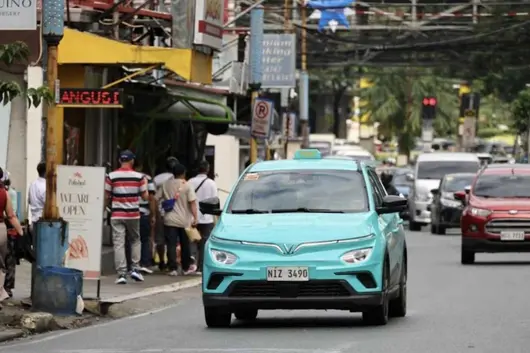

In the Malaysian SUV market, many buyers compare Proton X90 and Toyota Fortuner when choosing a car. These two cars are quite close in price and positioning. Today we will make a detailed comparison from multiple aspects to help you save time on research.
The OTR price of Proton X90 in Malaysia is RM 106,800 - 122,800, totaling 4 versions, including 2026 1.5T Prime X (RM 122,800), 2026 1.5T Prime (RM 116,800), 2026 1.5T Lite (RM 106,800) etc.
The OTR price of Toyota Fortuner in Malaysia is RM 195,880 - 241,880, totaling 3 versions, including 2024 2.8T VRZ Diesel (RM 241,880), 2024 2.7L SRZ Petrol (RM 202,880), 2024 2.4L Standard Diesel (RM 195,880) etc.
From the price perspective, the starting price of Proton X90 is indeed RM 89,080 cheaper than Toyota Fortuner. If your budget is limited, Proton's entry-level version can already meet daily needs. But keep in mind, the cheaper price of a few thousand might mean trade-offs in features, it depends on your needs.
The safety rating of Proton X90 is 5★ (ASEAN NCAP), active safety systems include ADAS (ACC, AEB, LKA, LDA, BSM, RCTA).
The safety rating of Toyota Fortuner is 5★ (ASEAN NCAP), active safety systems include.
Both cars have the same safety rating, safety features in this level are quite complete. New cars nowadays are not lacking in safety, no need to worry too much about this.
Proton X90 body length 4400 mm, trunk 400 L.
Toyota Fortuner body length 4400 mm, trunk 400 L.
Dimensions of both cars are almost the same, interior space difference is small. For cars in this level, daily use is fully sufficient.
Proton X90 adopts FWD drive mode.
Toyota Fortuner adopts FWD drive mode.
Drive modes of both cars are the same, both are FWD, daily driving experience will not have too much difference.

Overall, Proton X90 and Toyota Fortuner are both quite good car models in the Malaysian market. Choosing which one depends on your personal needs and budget. Suggest everyone do research, compare quotes from several car dealers, then test drive to make final decision. Buying a car is a big thing, spending time on research will definitely not be wrong.

Dalam pasaran SUV di Malaysia, ramai pembeli membandingkan Proton X90 dan Toyota Corolla Cross semasa memilih kereta. Kedua-dua model ini agak dekat dari segi harga dan penargetan, hari ini kita akan membuat perbandingan terperinci dari pelbagai aspek, membantu anda menjimatkan masa untuk membuat kajian sendiri.
Proton X90 ditawarkan di Malaysia dengan harga OTR RM 106,800 - 122,800, terdapat 4 varian, termasuk 2026 1.5T Prime X (RM 122,800), 2026 1.5T Prime (RM 116,800), 2026 1.5T Lite (RM 106,800) dan sebagainya.
Toyota Corolla Cross ditawarkan di Malaysia dengan harga OTR RM 133,800 - 148,800, terdapat 3 varian, termasuk 2026 HEV 1.8L GR Sport (RM 148,800), 2026 HEV 1.8L Standard (RM 140,800), 2026 1.8L Standard (RM 133,800) dan sebagainya.
Dari segi harga, harga permulaan Proton X90 memang RM 27,000 lebih murah daripada Toyota Corolla Cross. Jika bajet anda terhad, varian pemula Proton sudah boleh memenuhi keperluan harian. Namun perlu diingat, perbezaan harga ribuan ringgit ini mungkin ada kompromi dari segi kelengkapan, bergantung pada keperluan anda sendiri.
Pensijilan keselamatan Proton X90 adalah 5★ (ASEAN NCAP), sistem keselamatan aktif termasuk ADAS (ACC, AEB, LKA, LDA, BSM, RCTA).
Pensijilan keselamatan Toyota Corolla Cross adalah 5★ (ASEAN NCAP), sistem keselamatan aktif termasuk TSS (PCS, LDA, ACC, LTA).
Pensijilan keselamatan kedua-dua kereta adalah sama, dalam kelas ini kelengkapan keselamatan dianggap sangat lengkap. Keselamatan kereta baharu sekarang tidak buruk, tidak perlu risau terlalu banyak mengenai hal ini.
Proton X90 panjang kenderaan 4400 mm, ruang bagasi 400 L.
Toyota Corolla Cross panjang kenderaan 4400 mm, ruang bagasi 400 L.
Saiz kedua-dua kereta hampir sama, ruang dalaman tidak banyak berbeza. Kereta kelas ini, untuk penggunaan harian sudah memadai sepenuhnya.
Proton X90 jaminan 5 tahun/150,000km, jarak penyelenggaraan setiap 10,000km atau 6 bulan.
Toyota Corolla Cross jaminan 5 tahun/mileaj tanpa had, jarak penyelenggaraan setiap 10,000km atau 6 bulan.

Secara keseluruhannya, Proton X90 dan Toyota Corolla Cross kedua-duanya adalah model yang sangat baik di pasaran Malaysia. Memilih mana satu, kunci utamanya adalah melihat keperluan dan bajet peribadi anda. Kami mengesyorkan anda membuat kajian, membandingkan beberapa kutipan harga dari dealer kereta, baru kemudian buat ujian memandu untuk keputusan akhir. Membeli kereta adalah perkara besar, meluangkan sedikit masa untuk kajian pasti tidak akan salah.

In Malaysia's SUV market, many buyers compare the Proton X90 and Toyota Yaris Cross when choosing a car. These two cars are quite close in price and positioning. Today we will conduct a detailed comparison from multiple aspects to help you save time on research.
The Proton X90's OTR price in Malaysia is RM 106,800 - 122,800. There are a total of 4 versions, including the 2026 1.5T Prime X (RM 122,800), 2026 1.5T Prime (RM 116,800), 2026 1.5T Lite (RM 106,800), etc.
The Toyota Yaris Cross's OTR price in Malaysia is RM 99,900 - 109,900. There are a total of 2 versions, including the 2026 1.5L Standard (RM 99,900), 2026 HEV 1.5L Standard (RM 109,900), etc.
From the price perspective, Toyota Yaris Cross's starting price is RM 6,900 cheaper than the Proton X90. Honestly, at this price point, a difference of a few thousand is not really significant; the key is to look at overall cost-performance ratio and long-term usage costs.
The Proton X90 body length is 4400 mm, trunk 400 L.
The Toyota Yaris Cross body length is 4400 mm, trunk 400 L.
The dimensions of the two cars are almost identical, with little difference in interior space. For this class of car, it is more than enough for daily use.
Proton X90 warranty is 5 years/150,000km, service interval every 10,000km or 6 months.
Toyota Yaris Cross warranty is 5 years/unlimited mileage, service interval every 10,000km or 6 months.
Proton X90 and Toyota Yaris Cross are both mainstream choices in the Malaysian market, suitable for family use and daily commuting. If you value brand reputation and resale price more, you can prioritize the one with better reputation; if you care more about cost-performance ratio and features, choose the one with richer configurations. In the end, it is suggested to test drive both, and experiencing it personally is the most important.

Overall, Proton X90 and Toyota Yaris Cross are both very good models in the Malaysian market. Which one to choose depends mainly on your personal needs and budget. We suggest you do your research, compare quotes from several dealerships, and then test drive to make the final decision. Buying a car is a big matter, spending some time on research will never go wrong.

Dalam pasaran SUV di Malaysia, ramai pembeli semasa memilih kereta sering membandingkan Proton X90 dan Honda CR-V. Kedua-dua kereta ini agak dekat dari segi harga dan segmen pasaran, hari ini kita akan buat perbandingan terperinci dari pelbagai aspek, membantu anda menjimatkan masa membuat kajian.
Proton X90 harga OTR di Malaysia adalah RM 106,800 - 122,800, terdapat 4 varien, termasuk 2026 1.5T Prime X (RM 122,800), 2026 1.5T Prime (RM 116,800), 2026 1.5T Lite (RM 106,800) dan lain-lain.
Honda CR-V harga OTR di Malaysia adalah RM 178,200 - 195,900, terdapat 4 varien, termasuk 2026 e:HEV 2.0L 2WD RS (RM 195,900), 2026 1.5T 4WD V (RM 181,900), 2026 e:HEV 2.0L 2WD E (RM 178,200) dan lain-lain.
Dari segi harga, Proton X90 harga permulaan memang lebih murah RM 71,400 berbanding Honda CR-V. Jika bajet anda terbatas, versi asas Proton sudah boleh memenuhi keperluan harian. Tetapi perlu diingat, perbezaan harga beberapa ribu, mungkin ada pertukaran pada kelengkapan, bergantung pada keperluan anda.
Proton X90 panjang badan 4400 mm, bagasi 400 L.
Honda CR-V panjang badan 4500 mm, bagasi 450 L.
Dari segi ruang, badan Honda CR-V lebih panjang 100 mm berbanding Proton X90, ruang penumpang lebih baik. Namun Proton X90 lebih mudah ketika parkir di bandar, masing-masing ada kelebihan.
Proton X90 menggunakan cara pemacu FWD.
Honda CR-V menggunakan cara pemacu FWD.
Dua-dua kereta ini cara pemacu sama, semua FWD, pengalaman memandu harian tiada perbezaan besar.
Proton X90 dan Honda CR-V adalah pilihan utama pasaran Malaysia, sesuai untuk kegunaan keluarga, komuter harian. Jika anda lebih mengutamakan reputasi jenama dan harga jual semula, boleh pertimbangkan yang mempunyai reputasi lebih baik; jika anda lebih mementingkan nilai harga dan kelengkapan, maka pilih yang mempunyai kelengkapan lebih banyak. Akhir sekali disarankan kedua-dua model untuk diuji memandu, pengalaman sendiri adalah paling penting.

Secara keseluruhan, Proton X90 dan Honda CR-V adalah model kereta yang bagus di pasaran Malaysia. Memilih yang mana, kunci utama melihat keperluan dan bajet peribadi anda. Disarankan anda buat kajian terlebih dahulu, bandingkan beberapa tawaran harga dari pengedar kereta, baru pergi uji memandu buat keputusan akhir. Membeli kereta adalah perkara besar, meluangkan masa membuat kajian pasti tidak salah.
喺馬來西亞嘅SUV市場,好多買家喺揀車嘅時候都會拿 Proton X90 同 Honda HR-V 嚟比較。這兩款車喺價位同定位上都幾接近,今日我哋就從多個方面做一個詳細嘅對比,幫你節省咗做功課嘅時間。
Proton X90 喺馬來西亞嘅 OTR 售價係 RM 106,800 - 122,800,一共有 4 個版本,包括 2026 1.5T Prime X(RM 122,800)、2026 1.5T Prime(RM 116,800)、2026 1.5T Lite(RM 106,800)等。
Honda HR-V 喺馬來西亞嘅 OTR 售價係 RM 115,900 - 143,900,一共有 4 個版本,包括 2026 e:HEV 1.5L RS(RM 143,900)、2026 1.5T V(RM 137,900)、2026 1.5T E(RM 130,900)等。
從價錢睇翻,Proton X90 嘅起售價確實比 Honda HR-V 平咗 RM 9,100。如果你預算有限,Proton 嘅入門版已經可以滿足日常需要。但亦都要注意,便宜嗰幾千蚊,可能喺配備上會有取捨,具體視乎你嘅需要。
Proton X90 配備 1.5L Turbo,馬力 140 hp。官方油耗 7.0 L/100km。
Honda HR-V 配備 1.5L Turbo,馬力 140 hp。官方油耗 7.0 L/100km。
兩款車用得係同一套動力系統,日常駕駛嘅感受基本冇分別。油耗方面都差唔多,唔使太糾結呢一點。
Proton X90 嘅安全評級係 5★ (ASEAN NCAP),主動安全系統包括 ADAS (ACC, AEB, LKA, LDA, BSM, RCTA)。
Honda HR-V 嘅安全評級係 5★ (ASEAN NCAP),主動安全系統包括 Honda SENSING (ACC, CMBS, LKAS, RDM)。
兩款車嘅安全評級一樣,喺呢個級別入面安全配備都算好齊全。依家嘅新車安全性唔差,唔使太擔心呢一點。
Proton X90 保用 5 年/150,000km,保養間隔 每 10,000km 或 6 個月。
Honda HR-V 保用 5 年/無限里程,保養間隔 每 10,000km 或 6 個月。

總體嚟講,Proton X90 同 Honda HR-V 都係馬來西亞市場好唔錯嘅車型。揀邊一輛,關鍵仲係要看你嘅個人需要同預算。建議大家做足功課,多比較幾間車行之報價,再去試車做最後決定。買車係件大事,花少少時間做功課絕對唔會錯。

Dalam pasaran SUV di Malaysia, ramai pembeli membandingkan Proton X70 dan Subaru Forester semasa memilih kereta. Kedua-dua kereta ini hampir sama dari segi harga dan kedudukan pasaran, hari ini kita akan buat perbandingan terperinci dari pelbagai aspek, membantu anda menjimatkan masa membuat kajian.
Proton X70 dijual di Malaysia pada harga OTR RM 106,800 - 122,300, terdapat 3 varian, termasuk 1.5L Standard 2WD (RM 106,800), 1.5L Executive 2WD (RM 115,800), 1.5L Premium 2WD (RM 122,300) dan sebagainya.
Subaru Forester dijual di Malaysia pada harga OTR RM 174,000 - 197,000, terdapat 3 varian, termasuk 2024 2.0L S EyeSight GT Edition (RM 189,538), 2024 2.0L S EyeSight (RM 177,538), 2024 2.0L L EyeSight (RM 167,538) dan sebagainya.
Dari segi harga, harga permulaan Proton X70 memang lebih murah RM 67,200 berbanding Subaru Forester. Jika bajet anda terhad, versi permulaan Proton sudah boleh memenuhi keperluan harian. Tetapi perlu diingat, berbeza harganya ribuan ringgit itu, mungkin ada kompromi dari segi kelengkapan, bergantung pada keperluan anda.

Proton X70 dilengkapi enjin 1.5L Turbo, kuasa 140 hp. Konsumsi bahan api rasmi 7.0 L/100km.
Subaru Forester dilengkapi enjin 2.0L 4-cyl, kuasa 170 hp. Konsumsi bahan api rasmi 8.0 L/100km.
Dari segi kuasa, enjin 2.0L 4-cyl Subaru Forester mempunyai 30 hp lebih daripada 1.5L Turbo Proton X70. Walau bagaimanapun, untuk penggunaan harian dalam bandar, kedua-dua kereta ini mempunyai kuasa yang mencukupi, tidak rasa kurang kuasa.

Proton X70 waranti 5 tahun/150,000km, selang servis setiap 10,000km atau 6 bulan.
Subaru Forester waranti 3 tahun/100,000km, selang servis setiap 10,000km atau 6 bulan.

Proton X70 dan Subaru Forester adalah pilihan utama pasaran Malaysia, sesuai untuk kegunaan keluarga, perjalanan harian. Jika anda lebih mempedulikan reputasi jenama dan harga kedua, boleh utamakan yang mempunyai reputasi lebih baik; jika anda lebih mempedulikan nisbah harga dan prestasi, pilih yang mempunyai kelengkapan lebih banyak. Akhir sekali disarankan untuk mencuba kedua-duanya, pengalaman peribadi adalah yang paling penting.
Secara keseluruhannya, Proton X70 dan Subaru Forester adalah model yang sangat baik di pasaran Malaysia. Memilih yang mana satu, penting sekali lihat keperluan peribadi dan bajet anda. Disarankan buat kajian, bandingkan tawaran beberapa kedai kereta, kemudian buat ujian memandu untuk membuat keputusan akhir. Membeli kereta adalah perkara besar, meluangkan masa membuat kajian tidak akan salah.


喺馬來西亞嘅 SUV 市場,好多買家喺揀車嗰陣都會拎 Proton X70 同 Subaru Forester 嚟做比較。呢兩款車喺價位同埋定位上都幾接近,今日我哋就從多個角度做一個詳細嘅對比,幫你省咗做功課嘅時間。
Proton X70 喺馬來西亞嘅 OTR 售價係 RM 106,800 - 122,300,一共有 3 個版本,包括 1.5L Standard 2WD(RM 106,800)、1.5L Executive 2WD(RM 115,800)、1.5L Premium 2WD(RM 122,300) 等等。
Subaru Forester 喺馬來西亞嘅 OTR 售價係 RM 174,000 - 197,000,一共有 3 個版本,包括 2024 2.0L S EyeSight GT Edition(RM 189,538)、2024 2.0L S EyeSight(RM 177,538)、2024 2.0L L EyeSight(RM 167,538) 等等。
從價錢嚟睇,Proton X70 嘅起步價確實比 Subaru Forester 平咗 RM 67,200。如果你預算有限,Proton 嘅入門版已經可以滿足日常需要。但亦都要注意,平嗰啲幾千蚊,可能喺配備上要有取捨,具體睇你嘅需要。
Proton X70 搭載 1.5L Turbo,馬力 140 hp。官方油耗 7.0 L/100km。
Subaru Forester 搭載 2.0L 4-cyl,馬力 170 hp。官方油耗 8.0 L/100km。
動力方面,Subaru Forester 嘅 2.0L 4-cyl 比 Proton X70 嘅 1.5L Turbo 多咗 30 匹馬力。不過日常喺市區開,兩款車嘅動力都夠用,唔會覺得唔夠力。
Proton X70 車身長 4400 mm,後備箱 400 L。
Subaru Forester 車身長 4400 mm,後備箱 400 L。
兩款車嘅尺寸幾乎一樣,車內空間差別唔大。呢個級別嘅車,日常使用完全夠用。
Proton X70 採用 FWD 驅動方式。
Subaru Forester 採用 FWD 驅動方式。
兩款車嘅驅動方式一樣,都係 FWD,日常駕駛感受唔會有太大分別。
Proton X70 保修 5 年/150,000km,保養間隔 每 10,000km 或 6 個月。
Subaru Forester 保修 3 年/100,000km,保養間隔 每 10,000km 或 6 個月。
總嘅嚟講,Proton X70 同 Subaru Forester 都係馬來西亞市場好好嘅車型。揀邊一輛,關鍵都係要睇你嘅個人需要同埋預算。建議大家做好功課,多比較幾間車行之報價,再去做試駕做最終決定。買車係件大事,花少少時間做功課絕對唔會錯。

In the SUV market in Malaysia, many buyers compare Proton X70 and GWM Haval H6 when choosing a car. The two models are quite close in price and positioning. Today, we will make a detailed comparison from multiple aspects to help you save time on research.
Proton X70 OTR price in Malaysia is RM 106,800 - 122,300, there are 3 versions in total, including 1.5L Standard 2WD (RM 106,800), 1.5L Executive 2WD (RM 115,800), 1.5L Premium 2WD (RM 122,300), etc.
GWM Haval H6 OTR price in Malaysia is RM 139,750 - 139,750, there are 2 versions in total, including 1.5L Turbo Standard (RM 140,000), 1.5L Turbo Premium (RM 155,000), etc.
In terms of price, the Proton X70 starting price is indeed RM 32,950 cheaper than the GWM Haval H6. If your budget is limited, the Proton entry-level version can already meet daily needs. But also note, the few thousand cheaper might have trade-offs in features, it depends on your specific needs.
Proton X70 is equipped with 1.5L Turbo, horsepower 140 hp. Official fuel consumption 7.0 L/100km.
GWM Haval H6 is equipped with Hybrid, horsepower 170 hp. Official fuel consumption 4.5 L/100km.
In terms of power, GWM Haval H6's Hybrid has 30 more horsepower than Proton X70's 1.5L Turbo. However, for daily city driving, the power of both cars is sufficient, you won't feel it's not powerful enough.
Proton X70 safety rating is 5★ (ASEAN NCAP), active safety systems include ADAS (ACC, AEB, LKA, LDA, BSM, RCTA).
GWM Haval H6 safety rating is TBD, active safety systems include Basic.
In terms of safety features, both cars have achieved good ratings. However, Proton X70's ADAS (ACC, AEB, LKA, LDA, BSM, RCTA) and GWM Haval H6's Basic have some differences in functionality. If you value active safety, you can compare the feature lists of both carefully.
Proton X70 vehicle length 4400 mm, trunk 400 L.
GWM Haval H6 vehicle length 4400 mm, trunk 400 L.
The dimensions of both cars are almost the same, cabin space difference is not large. For this class of cars, daily use is completely sufficient.
Proton X70 and GWM Haval H6 are both mainstream choices in the Malaysian market, suitable for family use and daily commuting. If you value brand reputation and resale value more, you can prioritize the one with better reputation; if you care more about cost-performance ratio and features, choose the one with richer configuration. Ultimately, it is recommended to test drive both, personal experience is the most important.
Overall, Proton X70 and GWM Haval H6 are both very good models in the Malaysian market. Which one to choose depends on your personal needs and budget. It is recommended to do your research, compare quotes from several dealerships, then test drive to make a final decision. Buying a car is a big matter, spending time on research will never be wrong.

Recently, South Korean automaker KG Mobility (KGM) announced a strategic investment agreement with Chery Automobile. According to the agreement, Chery will invest 75 million US dollars into KGM and carry out or expand cooperation in areas such as accelerating new vehicle development, autonomous driving, and advanced electronic and electrical architecture.
If the transaction is completed and all bonds are converted to equity, Chery is expected to hold approximately 10% of KGM's shares and is expected to become its second-largest shareholder.

Chery's partnership with a South Korean automaker this time easily brings to mind the recent cooperation between Geely and Ford. Geely acquired 34% equity in the joint venture for 221 million euros and shares Ford's factory resources located in Valencia, Spain.
On the surface, in both collaborations, Chinese enterprises did not obtain absolute controlling equity, nor did they directly control daily operation management, but this precisely embodies the strategic wisdom of China's deep cultivation in the global market.
In the past, Chinese automakers going global relied more on product exports; however, nowadays, with changing competitive environments, Chinese automobiles are moving from pure "product output" to "global operation" covering technology, supply chain, manufacturing capabilities, brand value, and industrial ecosystems. For Chinese automakers, carrying out deep cooperation with local enterprises can faster utilize existing manufacturing, channels, and industrial resources to enter overseas markets with lower cost thresholds and achieve long-term rooting.
Currently, the globalization of Chinese automakers is entering a brand new stage. According to data from the General Administration of Customs, China's auto exports reached 5.31 million units in the first half of this year, a year-on-year increase of 53%, achieving continuous growth for 5 years. At the same time, consulting firms predict that China's auto export volume in 2026 will approach 10 million units, and China is expected to become the first country in the world to break through the 10 million unit auto export scale.
However, it needs to be seen that export volume growth does not equal the formation of globalization capabilities. For Chinese automakers, going global still faces multiple challenges such as trade barriers, policy differences, local operations, and brand awareness. How to move from "selling out" to "staying in" is the proposition that must be answered in the next stage.
True globalization still requires automakers to answer three core questions: Why are locals willing to accept the enterprise staying? Why are partners willing to walk alongside the enterprise for the long term? Can the enterprise achieve sustainable profitability locally?
These three questions correspond to industrial value, cooperation value, and commercial value respectively. Only when the three form a closed loop does going global become not just a short-term sales growth, but a long-term business capable of crossing cycles and continuously creating value.
"Behind the 'Global Expansion Fever', Chinese Automakers Still Need to Find Long-term Growth Solutions"
In recent years, "going global" has become a mandatory course that Chinese automakers cannot bypass. Besides Chery, enterprises such as Geely, Changan, Leapmotor, and Xpeng are also accelerating the promotion of global layout.
On the surface, this is a natural spillover after the improvement of Chinese automobile technology, product strength, and complete industrial chain capabilities; but from a more realistic perspective, it is also a strategic choice forced by market competition.

In the past few years, China's new energy vehicle market grew rapidly, with new brands, new models, and a large amount of capacity flooding in, and market competition gradually moved from incremental competition to stock game phase. Against the backdrop of domestic market "involution to death", many automakers face the dilemma of "increasing revenue but not profit". Therefore, the overseas market has become an important direction for enterprises to digest capacity, expand scale, and improve profit space.
However, when more and more enterprises regard going global as the answer for growth, a new question also appears: Will the overseas market become the next competitive red sea?
From the demand side, the global new energy vehicle market indeed still exists a large growth space. In the first half of 2026, the cumulative sales of new energy vehicles in the European market were about 2.378 million units, a year-on-year increase of 32.7%, penetration rate reached 29.2%, an increase of about 6 percentage points compared to the same period last year, accounting for 20.3% of global new energy vehicle sales. At the same time, new energy sales in emerging markets such as India and the Philippines also grew rapidly, among which India increased by 83.8% year-on-year, and the Philippines increased by 149.6% year-on-year.
However, it needs to be seen that different countries exist huge differences in consumption habits, regulatory standards, infrastructure, channel systems, and brand awareness, etc. The overseas market is not simply copying the Chinese market's "second battlefield", nor is it as simple as moving domestic mature models overseas for sales.
In fact, the export growth in the first half of this year not only comes from the improvement of the competitiveness of Chinese automakers themselves, but is also affected by multiple factors such as changes in international energy prices and adjustment of the electrification rhythm of overseas traditional automakers. With more Chinese brands entering the overseas market, competition is also gradually upgrading, and the dividends of going global are also gradually decreasing.
If enterprises only rely on price advantages, short-term sales, and channel deployment for expansion, then Chinese automobiles overseas may also fall into the cycle of "low-price competition" and "scale involution".
"Overseas is not a 'Safe Haven', Chinese Automakers Welcome Higher Cost Battlefields"
As is well known, the selling price of many Chinese automobile brands in the overseas market is often higher than the domestic market. Taking Chery Tiggo 8 as an example, the market price in China is around 100,000 yuan, but after entering the Russian market, the starting price is converted to about 220,000 yuan RMB, and in some markets in the Middle East, the landed price of the top configuration model is even close to 400,000 yuan.

This also makes many people in the past believe: going global means "China production, overseas sales", utilizing China's mature supply chain system and cost advantages to obtain higher premiums in the overseas market. But in fact, as Chinese automakers' globalization enters the deep water zone, this simple sales model is facing more and more challenges.
Even, a higher overseas selling price does not necessarily mean higher overseas profits. And a series of factors such as tariff barriers, local production requirements, environmental policies, distribution networks, after-sales service, etc., will directly affect the enterprise's final profitability.
Especially against the background of intensified competition in the global automobile industry, the overseas market is raising entry barriers. For example, the EU "Industrial Accelerator Act" proposes to implement "conditional market access" for countries with global key industry manufacturing capacity share exceeding 40%; the EU "New Battery Act" stipulates that starting from February 2027, power batteries must provide full life cycle carbon footprint data.
At the same time, European local automakers are also strengthening defense. Volkswagen, Stellantis, Renault and other European automotive enterprises have called for the EU to take more measures to protect the local electric vehicle industry; some European enterprises and unions also have concerns about cooperating with Chinese automakers, and even some overseas media described Chinese new energy vehicles as "Trojan horses".
It can be seen that Chinese automobile going global is experiencing a change in underlying logic, the past relied on product quality-price ratio, the future competes on system capabilities. Whoever can transform complex costs in global operations into brand, technology and industrial chain advantages, can truly realize the leap from "exporting products" to "global operations".
"Going Global is Not a Zero-Sum Game, But a Competitive Cooperation Game"
Chinese automakers' going global has never been standing on the opposite side of overseas enterprises.
Previously, Chairman Yin Tongyue of Chery Automobile Co., Ltd. pointed out: "Going to a (emerging) market is not just about pushing Chinese products out, must comply with local regulations, fit local user habits, at the same time we cannot keep all for themselves." He further emphasized that Chery going global is not to "grab" others' territory. "Do not be a plunderer, but be a fertilizer provider, increase fertility; do not go to their (place) to plunder markets, plunder talent."
Because true sustainable globalization is not about selling a car to the overseas market, but forming industrial connections locally, truly rooting in the local market.
Nowadays, the overseas layout methods of Chinese automakers have become more and more diversified, covering whole vehicle exports, CKD assembly, local production, dealer cooperation, technology licensing, platform output, capital cooperation, and joint operation and other models. And different models are essentially all for improving the enterprise's adaptability to the global market.

For example, SAIC-GM-Wuling planned production bases in Indonesia through the industrial chain synergy mode, built 120,000 units of whole vehicle capacity, while leading 16 domestic three-electric enterprises to go out together, and cultivated more than 100 local suppliers, achieving transition from product entry to industrial chain integration; Great Wall Motors through acquiring and transforming Brazil Daimler factory, officially started production in August 2025, created about 2,000 direct employment positions, and drove local supply chain system development; Chery and Spain EV MOTORS established a joint venture company, took over the Nissan closed Barcelona factory, with "Chery Technology + EBRO Brand" method to re-activate local manufacturing capability
In addition, Changan Thailand Rayong Factory welcomed the 20,000th whole vehicle off the line in June 2026, the factory total investment about 2.2 billion yuan, phase one annual capacity 100,000 units, key quality control workstation automation rate reached 90%; Geely relied on Proton brand deep plowing in Malaysia market, its Tanjung Malim electric vehicle factory has started production, phase one annual capacity reached 20,000 units.
It is worth noting that new power brands are also accelerating the output of technical systems and infrastructure capabilities. For example, Nio has deployed 93 battery swap stations overseas, and participated in research and formulation of Singapore electric vehicle charging and swapping standards "Singapore Standard SS 722"; Leapmotor, through establishing a joint venture company with Stellantis, promotes internationalization with the help of global channel resources, its main model C10 has also started local assembly production at Kulim Factory, Kedah, Malaysia; Xpeng not only has strategic cooperation with Volkswagen, but also acquired 90.1% equity of Indonesian listed company EIDO, planning its first overseas production base, and adopted CKD model to promote localized manufacturing.
From the perspective of industry insiders, different going global paths do not exist absolute superiority or inferiority, the key lies in whether it matches the enterprise's own capabilities and development stages. Whole vehicle export speed is fast, investment is relatively light, but easy to be affected by trade policy changes; local factory construction can enhance industrial integration, but needs continuous capital investment and scale support; channel cooperation can quickly open the market, but user relationships and brand assets may be constrained by partners; technology licensing and capital cooperation are lighter, but test whether the enterprise can transform technical advantages into long-term commercial value.
And judging whether an enterprise's going global is successful, cannot look only at export volume, how many countries and regions entered, or even cannot look only at overseas sales growth, but need to see whether it can answer several more core questions.
First, can it make money. Whether overseas business can form stable and sustainable profit-making ability, rather than relying on domestic market blood transfusion, financing support or short-term price advantages.
Secondly, can it take root. Whether it establishes local R&D, manufacturing, channel, service and supply chain systems, rather than staying at one-time product sales.
Thirdly, can it achieve win-win. Whether it can create employment, tax and industrial value for the locality, making government, partners, suppliers and consumers all become beneficiaries in the globalization process.
In addition, it also needs to see if the enterprise can resist risks. Facing tariff changes, policy adjustments, exchange rate fluctuations and geopolitical uncertainties, whether overseas business has sufficient resilience.
More importantly, whether the enterprise can build true brand value. What consumers buy, is it just a lower price Chinese automobile product, or recognize a global automobile brand that can exist for a long time and continuously provide value.
From the perspective of industry insiders, the highest standard of going global is not how much Chinese automakers took away from the overseas market, but how much value was left for the local while obtaining commercial returns. The overseas market does not reject Chinese automobiles, but no market will long-term welcome an "outsider" who only sells products, fights for share, but does not bear industrial responsibility and does not create local value.
Truly viable globalization is not a short-term surprise battle won relying on cost advantages, but finding the greatest common divisor of enterprise interests and local interests in different markets. Only from "entering overseas market" to "integrating into local industry", Chinese automobiles can truly complete the transformation from export powerhouse to important participant in the global automobile industry.
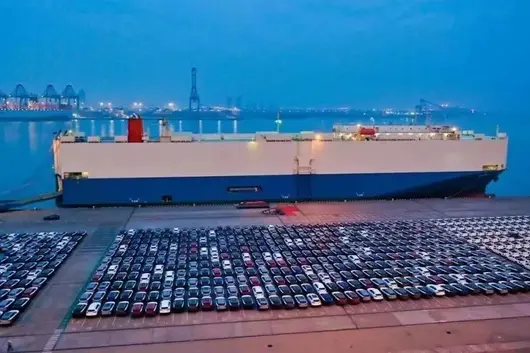

July 16, on the occasion of reaching the 30 million user milestone, GAC Group launched a series of user gratitude and reward activities.
Deeply cultivated in the industry for 29 years, GAC Group has progressed from early joint ventures and independent R&D to global operations today, completing a comprehensive transformation. Behind the number 30 million are the choices and trust of tens of millions of users, GAC's long-term determination to maintain quality and safety, the determination to transform towards electrification and intelligence, and also a microcosm of the Chinese automobile industry growing from large to strong, from scale expansion to value leap.

Guests witnessed the moment GAC welcomed its 30 millionth user milestone
Multiple New Energy Vehicles Debuted Simultaneously, Witnessing the Pace of Transformation Development
At the event site, GAC's global production bases were connected synchronously. GAC Honda P7, GAC Toyota Platinum Wisdom 7, GAC Qijing GT7, GAC AION N60, and GAC Hyper S600 rolled off the line sequentially as GAC's 29,999,995th to 29,999,999th vehicles. Finally, the right-hand drive version of GAC Trumpchi M8 PHEV appeared on the stage as the 30 millionth complete vehicle. The collective debut of the new energy vehicle lineup rolled off the production line became an intuitive proof of GAC's full-speed push towards electrification and intelligence transformation.

GAC's 30 millionth complete vehicle – Right-hand drive GAC Trumpchi M8 PHEV driving off the production line
Subsequently, GAC Group Chairman Feng Xingya handed over the key of the 30 millionth vehicle to Thailand owner Tony Jaa. This scene also represents the long-term two-way trust between GAC and global users.

Feng Xingya (left) handed over new car keys to Thailand owner Tony Jaa (right)

He Xianqing (first from left) presented awards to GAC Group all-brand honorary car owners
Relying on the continuous support of global consumers, GAC maintained stable growth amidst industry changes. In the first half of this year, GAC Group sales reached 773,100 units, up 2.35% year-on-year. Among them, new energy vehicle sales increased by 68.8% year-on-year. Overseas exports exceeded 120,000 units, a surge of 132% year-on-year. The overall market performance remained stable and positive.
Strictly Adhere to Quality Standards, Guard Daily Travel Safety for Users
"Quality is the bottom line that GAC will never yield." Feng Xingya stated in the summary. In GAC's development, scale growth has always been based on quality. For many years, GAC Group has always adhered to the concept of "Quality First", integrating Honda's Total Quality Management (TQM), Toyota's Lean Production Method (TPS) and Lingnan culture, building a quality management model centered on "Integrated Innovation". The focus of everything is to create good cars that allow users to drive with peace of mind, use with peace of mind, and sit comfortably.

Witnesses of important nodes in GAC's development history told the story of GAC walking with quality

GAC Design Team told the story of design innovation journey

GAC AION Intelligent Eco-Factory
From R&D to manufacturing end, GAC established a full-chain strict quality control system: Every new car must pass extreme environment tests such as "Five Highs, One Mountain, One Dust" (High Cold, High Heat, High Altitude, High Humidity, High Corrosion, Mountainous Areas, and Dust) before launch, and complete "Two Winters One Summer" actual road tests; Through test tracks and laboratories covering 12 major items of the whole vehicle and over 1,500 verification sub-items, systematic quality verification is realized; GAC AION Intelligent Eco-Factory, as a "New Energy Vehicle Lighthouse Factory", ensures stable mass production quality with digital intelligent manufacturing system.

GAC Star Ling Security Protection System
In terms of core security technology, the Star Ling Security Protection System builds four defense dimensions. Eight key systems use dual redundancy design, having protected nearly 2 million users, avoiding 6.28 million potential travel risks; Cassette batteries accumulated 1.5 million vehicles, safe driving mileage exceeding 160 billion kilometers; The service end simultaneously added protection guarantees. GAC launched the "Three Responsibilities" policy, actively covering battery and intelligent driving assistance issues concerned by users to eliminate users' concerns about car use, and layered security guarantees build brand reputation.
Focusing on User Needs, Creating Full-Cycle Considerate Service
"What users care about, we put in our hearts; what users look forward to, we give our all." Feng Xingya stated. This user-centric concept has long been deeply integrated into the development gene of GAC Group. For many years, GAC Group has always adhered to the corporate concept of "People First, Trust as Way, Innovation as First", among which the core essence of "People First" is exactly being user-centric.

GAC "User All Open Mic" Event Site
On the one hand, to face problems directly and listen to users' voices, GAC regularly holds "User All Open Mic" events, inviting users to "home" for face-to-face communication. Meanwhile, establish a full-process closed-loop management mechanism to ensure every suggestion is properly handled, and common problems are optimized for all users in the first time.
In addition, GAC established a dedicated user insight department and promoted full-process change from problem discovery to solution, guaranteeing that every user request has a response and every matter is settled from the organizational mechanism.
On the other hand, the service network also accelerated penetration. At the channel end, promoted service network sinking into counties, with plans to add 1,000 county-level authorized stores this year; At the response end, launched "Super Butler" service, achieving 5-second response, 2-hour request completion, ensuring user requests reach quickly. At the energy replenishment end, built a "9 Vertical and 10 Horizontal" energy network, already covering 31 provinces and 213 cities nationwide, core urban areas achieving "must have a station within a 1-kilometer straight line". Self-operated charging pile quantity exceeds 27,000 units, among which super charging piles exceed 20,000 units, providing convenient energy replenishment services for new energy vehicle owners.

GAC Group 30 Millionth Vehicle Roll-off · Renewed Gratitude Season Officially Launched
The core theme of this gratitude activity is to express sincere feedback and gratitude to the 30 million users' long-term support. At the event site, Feng Xingya announced that effective immediately, GAC officially launched "GAC Group 30 Millionth Vehicle Roll-off · Renewed Gratitude Season". GAC Honda, GAC Toyota, GAC Trumpchi, GAC AION, GAC Hyper, and GAC Qijing Automobile six passenger car brands will respectively launch characteristic policies around new purchase, trade-in, to additional purchase, to return every companion and support.
Deep Cultivation in Technology R&D, Improving Travel Experience with Practical Technology
With 30 million as a new starting point, GAC will drive innovation to embark on a new journey towards electrification and intelligence, allowing cutting-edge technology to truly convert into users' perceptible peace of mind and convenience.
In the power field, enterprise self-developed Star Origin Power, covering Star Origin Range-Extender, Star Origin Plug-in Hybrid and Star Origin Super Twin Motor three technologies, will be equipped in more mass-produced vehicles. Every product must pass 100,000 hours bench and whole-vehicle verification, equivalent mileage exceeding 10 million kilometers, ensuring performance stability in all scenarios and regions.

GAC Star Origin Power allows users to choose "No Longer Settling"
In the "Three Electrification" field, GAC continues to crack down on industry pain points such as battery super fast charging and low-temperature range. Full solid-state battery pilot production line has been built, creating ultimate energy consumption technology. Mass-produced Quark Electric Drive Motor highest efficiency exceeded 99%.
In the intelligent networking field, Super Brain Star Ling Architecture continues to evolve, connecting intelligent driving assistance, intelligent cockpit, power, chassis, body, vehicle networking six systems, achieving "One Brain Unified Command", comprehensive performance increased by 40%; Galaxy Intelligent Cockpit achieves endpoint-cloud integration, making the car become a truly "thinking, understanding human heart" partner. GAC will also fight side by side with top partners such as Huawei, CATL, Didi, Tencent, Alibaba, etc., jointly building a more powerful AI intelligent ecosystem.
As of now, GAC Group cumulative R&D investment exceeded 62 billion yuan, global R&D team exceeded 6,800 people. Continuous technical investment is driving GAC's products to evolve from commuting tools to intelligent travel partners, mobile smart spaces, and green energy ecosystems.
Looking towards the future, GAC will continue to use user needs as anchor points, quality as the foundation, technological innovation as the core driver, and global layout as the development path, accelerate towards the advancement of Eco-type Technology GAC, walk side by side with more users, achieve each other, and rush to a more intelligent, greener, and broader future together.
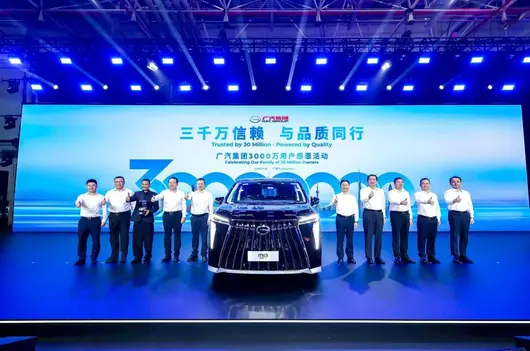

喺馬來西亞嘅 SUV 市場,好多買家喺選車嘅時候都會拿 Perodua Ativa 同 Mitsubishi Xforce 做比較。這兩款車喺價位同定位上都好接近,今日我哋就由多個方面做一個詳細嘅對比,幫大家省咗做功課嘅時間。
Perodua Ativa 喺馬來西亞嘅 OTR 售價係 RM 62,500 - 73,400,一共有 3 個版本,包括 1.0L Turbo X(RM 62,500)、1.0L Turbo H(RM 67,300)、1.0L Turbo AV(RM 73,400) 等。
三菱 Xforce 喺馬來西亞嘅 OTR 售價係 RM 109,930 - 119,930,一共有 2 個版本,包括 2026 1.5L Ultimate(RM 119,930)、2026 1.5L Urban(RM 109,930) 等。
從價錢來看,Perodua Ativa 嘅起步價確實比三菱 Xforce 平咗 RM 47,430。如果你預算有限,Perodua 嘅入門版已經可以滿足日常需求。但都係要注意,平嗰幾千蚊,可能喺配備上會有取捨,具體要看你嘅需求。

Perodua Ativa 搭載 1.5L 4-cyl,馬力 105 hp。官方油耗 6.0 L/100km。
三菱 Xforce 搭載 1.5L Turbo,馬力 140 hp。官方油耗 7.0 L/100km。
動力方面,三菱 Xforce 嘅 1.5L Turbo 比 Perodua Ativa 嘅 1.5L 4-cyl 多咗 35 匹馬力。不過日常喺市區開,兩款車嘅動力都夠用,唔會覺得唔夠力。

Perodua Ativa 嘅安全評級係 5★ (ASEAN NCAP),主動安全系統包括 ASA 3.0 + ACC + LDA + LKA + BSM + RCTA。
三菱 Xforce 嘅安全評級係 5★ (ASEAN NCAP),主動安全系統包括 MI-PILOT。
兩款車嘅安全評級一樣,喺呢個級距入面安全配備都算係好齊全。而家嘅新車安全性都唔差,唔使太擔心這一點。

Perodua Ativa 採用 FWD 驅動方式。
三菱 Xforce 採用 FWD 驅動方式。
兩款車嘅驅動方式一樣,都係 FWD,日常駕駛感受唔會有太大分別。

總括嚟講,Perodua Ativa 同 Mitsubishi Xforce 都係馬來西亞市場幾不錯嘅車型。揀邊一輛,關鍵仲係要睇你嘅個人需求同預算。我哋建議大家做足功課,多比較幾間車行嘅報價,先去試駕先做最後決定。買車係件大嚟嘅事,花少少時間做功課絕對唔會錯。


Dalam pasaran SUV di Malaysia, ramai pembeli semasa memilih kereta akan membandingkan Proton X70 dan MG MG HS. Kedua-dua model ini agak hampir dari segi harga dan penentuan pasaran. Hari ini kami akan membuat perbandingan terperinci dari pelbagai aspek, membantu anda menjimatkan masa membuat kajian.
Proton X70 di Malaysia berharga OTR RM 106,800 - 122,300, terdapat 3 varian, termasuk 1.5L Standard 2WD (RM 106,800), 1.5L Executive 2WD (RM 115,800), 1.5L Premium 2WD (RM 122,300) dan lain-lain.
MG MG HS di Malaysia berharga OTR RM 130,450 - 146,450, terdapat 2 varian, termasuk 1.5L Standard (RM 105,000), 1.5L Executive (RM 115,000) dan lain-lain.
Dari segi harga, Proton X70 memang lebih murah RM 23,650 berbanding MG MG HS. Jika bajet anda terhad, model asas Proton sudah boleh memenuhi keperluan harian. Tetapi perlu diambil perhatian, sedikit perbezaan harga mungkin membawa kepada pengorbanan pada kelengkapan, bergantung pada keperluan anda.
Proton X70 dilengkapi enjin 1.5L Turbo, 140 hp. Penggunaan bahan api rasmi 7.0 L/100km.
MG MG HS dilengkapi enjin 1.5L Turbo, 140 hp. Penggunaan bahan api rasmi 7.0 L/100km.
Kedua-dua kereta menggunakan sistem enjin yang sama, rasa memandu sehari-hari hampir tiada perbezaan. Dari segi penggunaan bahan api juga hampir sama, tidak perlu terlalu bimbang mengenai perkara ini.
Penggredan keselamatan Proton X70 adalah 5★ (ASEAN NCAP), sistem keselamatan aktif termasuk ADAS (ACC, AEB, LKA, LDA, BSM, RCTA).
Penggredan keselamatan MG MG HS adalah TBD, sistem keselamatan aktif termasuk Basic.
Dari segi pelengkapan keselamatan, kedua-dua kereta mendapat penggredan yang baik. Namun, ADAS (ACC, AEB, LKA, LDA, BSM, RCTA) pada Proton X70 dan Basic pada MG MG HS ada perbezaan dari segi fungsi. Jika anda mengutamakan keselamatan aktif, anda boleh membandingkan senarai fungsi antara kedua-duanya dengan teliti.
Proton X70 jaminan 5 tahun/150,000km, jarak servis setiap 10,000km atau 6 bulan.
MG MG HS jaminan 7 tahun/150,000km, jarak servis setiap 10,000km atau 6 bulan.
Proton X70 dan MG MG HS adalah pilihan utama di pasaran Malaysia, sesuai untuk kegunaan keluarga dan perjalanan harian. Jika anda lebih mengutamakan reputasi jenama dan harga jual semula, anda boleh优先考虑 yang mempunyai reputasi lebih baik; jika anda lebih mengutamakan nilai dan kelengkapan, pilih yang konfigurasi lebih lengkap. Akhir sekali kami cadangkan kedua-dua model untuk dipandu uji, pengalaman sendiri adalah yang paling penting.
Secara keseluruhan, Proton X70 dan MG MG HS adalah model kereta yang sangat baik di pasaran Malaysia. Memilih yang mana, kunci utamanya bergantung pada keperluan dan bajet peribadi anda. Kami cadangkan anda membuat kajian, membandingkan tawaran harga dari beberapa pengedar kereta, kemudian memandu uji sebelum membuat keputusan akhir. Membeli kereta adalah perkara besar, meluangkan masa untuk membuat kajian pasti tidak salah.
喺馬來西亞嘅 SUV 市場,好多買家喺揀車嘅時候都會拎 Proton X70 同 Mitsubishi Xforce 嚟做比較。呢兩款車喺價位同定位上都幾接近,今日我哋就從多個方面做一個詳細嘅對比,幫你節省做功課嘅時間。
Proton X70 喺馬來西亞嘅 OTR 售價係 RM 106,800 - 122,300,一共有 3 個版本,包括 1.5L Standard 2WD(RM 106,800)、1.5L Executive 2WD(RM 115,800)、1.5L Premium 2WD(RM 122,300)等。
Mitsubishi Xforce 喺馬來西亞嘅 OTR 售價係 RM 109,930 - 119,930,一共有 2 個版本,包括 2026 1.5L Ultimate(RM 119,930)、2026 1.5L Urban(RM 109,930)等。
由價錢睇,Proton X70 嘅起步價真係比 Mitsubishi Xforce 平咗 RM 3,130。如果你預算有限,Proton 嘅入門版已經可以滿足日常需求。但都要注意,平嗰幾千蚊,喺配備上可能有取舍,具體要看你嘅需求。
Proton X70 搭載 1.5L Turbo,馬力 140 hp。官方油耗 7.0 L/100km。
Mitsubishi Xforce 搭載 1.5L Turbo,馬力 140 hp。官方油耗 7.0 L/100km。
兩款車用緊嘅係同一套動力系統,日常開起嚟嘅感受基本冇分別。油耗方面都差唔多,唔使太糾結這一點。
Proton X70 嘅安全評級係 5★ (ASEAN NCAP),主動安全系統包括 ADAS (ACC, AEB, LKA, LDA, BSM, RCTA)。
Mitsubishi Xforce 嘅安全評級係 5★ (ASEAN NCAP),主動安全系統包括 MI-PILOT。
兩款車嘅安全評級一樣,喺呢個級別入面安全配備都算給得好齊全。而家嘅新車安全性都好,唔使太擔心這一點。
Proton X70 車身長 4400 mm,後廂 400 L。
Mitsubishi Xforce 車身長 4400 mm,後廂 400 L。
兩款車嘅尺寸幾乎一樣,車廂內部空間差異唔大。呢個級別嘅車,日常使用完全夠用。
Proton X70 保修 5 年/150,000km,保養間隔 每 10,000km 或 6 個月。
Mitsubishi Xforce 保修 3 年/100,000km,保養間隔 每 10,000km 或 6 個月。
總括嚟講,Proton X70 同 Mitsubishi Xforce 都係馬來西亞市場好好嘅車型。揀邊一輛,關鍵仲係要看你嘅個人需求同預算。建議大家做好功課,多比較幾間車行嘅報價,再去試駕做最終決定。買車係件大事,花少少時間做功課絕對唔會錯。

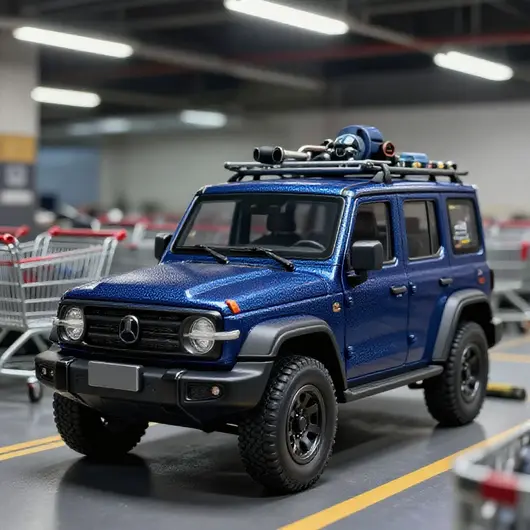
喺馬來西亞嘅 SUV 市場,好多買家喺揀車嘅時候都會拿 Proton X70 同 GWM Haval H6 做比較。這兩款車喺價位同定位上都好接近,今日我哋就從多個方面做一個詳細比較,幫你省咗做功課嘅時間。
Proton X70 喺馬來西亞嘅 OTR 售價係 RM 106,800 - 122,300,一總共有 3 個版本,包括 1.5L Standard 2WD(RM 106,800)、1.5L Executive 2WD(RM 115,800)、1.5L Premium 2WD(RM 122,300)等。
GWM Haval H6 喺馬來西亞嘅 OTR 售價係 RM 139,750 - 139,750,一總共有 2 個版本,包括 1.5L Turbo Standard(RM 140,000)、1.5L Turbo Premium(RM 155,000)等。
由價錢睇落,Proton X70 嘅起價確實比 GWM Haval H6 平咗 RM 32,950。如果你預算有限,Proton 嘅入門版已經可以滿足日常需要。但要留意,平咗嗰幾千蚊,可能喺配備上有取舍,具體睇你嘅需要。
Proton X70 車身長 4400 mm,行李廂 400 L。
GWM Haval H6 車身長 4400 mm,行李廂 400 L。
兩款車嘅尺寸幾近一樣,車內空間差別唔大。呢個級別嘅車,日常使用完全夠用。
Proton X70 採用 FWD 驅動方式。
GWM Haval H6 採用 FWD 驅動方式。
兩款車嘅驅動方式一樣,都係 FWD,日常駕駛感受唔會有太大分別。
Proton X70 同 GWM Haval H6 都係馬來西亞市場嘅主流選擇,適合家庭使用、日常通勤。如果你更看重品牌口碑同二手價,可以優先考慮口碑更好嗰一款;如果你更在意性價比同配備,就揀配備更豐富嗰款。最終都係建議兩款都去試駕,親自體驗先至最重要。
總體嚟講,Proton X70 同 GWM Haval H6 都係馬來西亞市場幾唔錯嘅車型。揀邊一輛,關鍵仲係睇你嘅個人需求同預算。建議大家做好功課,多比較幾間車行嘅報價,再去試駕做最後決定。買車係件大事,花少少時間做功課絕對唔錯。
© 2024 Bitauto.com. All Rights Reserved.
Bitauto (www.yiche.com and www.bitauto.com) is one of the most visited automotive websites in China. We provide detailed info on Chinese car brands available in your area. Please note that the information provided on this website is based on publicly available data and is for reference only. It may not be fully updated or accurate at all times.

Help us improve our website


