

Homecooking

Search History
Popular Searches
Dealer Login / Sign Up

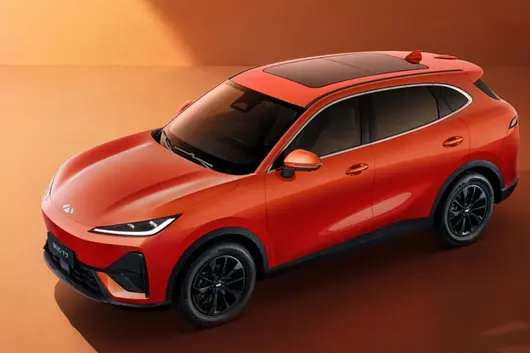
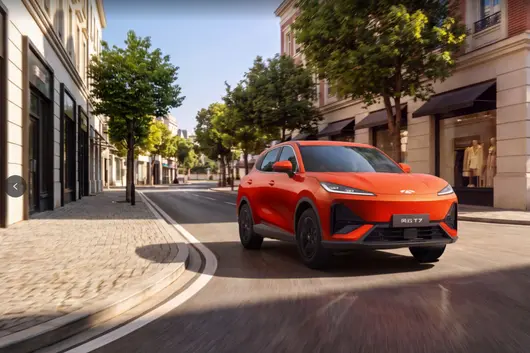
August 12th, Chery Fengyun Series new pure electric SUV — Fengyun T7 officially started pre-sale. The new car offers 3 trims, pre-sale guide price from 109,900 Yuan to 129,900 Yuan. When the industry chases the "one new car every 12 months" quick-success rhythm, this global quality pure electric SUV, after 2 years of planning and 3 years of R&D, chose to tell the market with a "Slow Work Makes Good Cars, You've Been Waiting" launch event — some things cannot be rushed, some roads cannot be circumvented.

First go overseas, then return home, a "reverse" global car
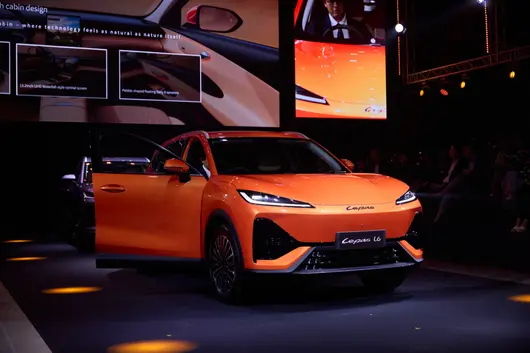
Fengyun T7 is not a "China-specific car". It is called LEPAS L6 overseas, pre-sale has started in South Africa, launched in Thailand on July 24th, landed in Indonesia in August, entered the EU in September, arrived in Australia, New Zealand and UK in October. A car must simultaneously meet regulations, climate conditions, road characteristics, and usage habits of over 130 countries and regions, the R&D cycle is destined to be long.

This is the underlying logic of Fengyun T7's "slowness" — it did not first build domestically and then find a way to sell abroad, but started R&D according to global standards, completed verification globally, and returned to China with real feedback from the overseas market.
Slow in R&D: 3 Years Polishing, Global System Support
Relying on Chery's global 1+7+N R&D system, Fengyun T7 went through a complete 3-year R&D cycle. Visited 15 typical countries, completed over 5,000 global user research surveys, incorporating different market needs into product definition in advance. Cumulative investment of 963 test vehicles, global durability test mileage reached 1.45 million km. Tests covered over 100 extreme road condition environments including EU, Australia, New Zealand, Middle East, South Africa, Russia, Mexico, Brazil, etc. Whole vehicle cumulative test mileage exceeded 6 million km.
Slow in Design: Global Aesthetics, User Co-creation

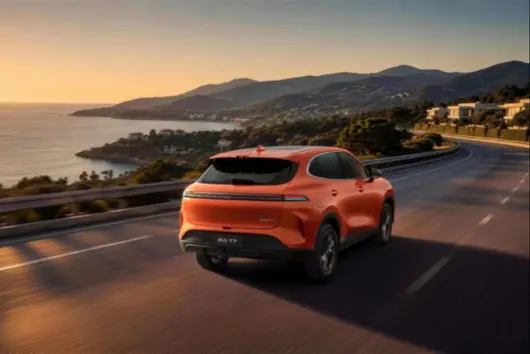
Co-created by Chery's 10 major global design centers and over 100 designers, deeply co-created with over 5,000 users globally. Homologous model LEPAS L6 debuted at Milan Design Week, widely internationally recognized. Wind-shaped front, wind-sculpted satin body, sky glow tailgate, balancing international minimalist aesthetics with Eastern elegant charm. 6 exclusive Eastern elegant colors — Blazing Orange, Mountain Smoke Purple, Cloud Pink Beige, Flowing Light Silver, Green Bamboo Grey, Ink Stone Black, among which Blazing Orange uses luxury-grade 2K 8-layer exterior paint, anti-UV, scratch-resistant. Cloud Wing wrap cockpit matches large area soft wrapping, Warm Black-Brown and Polar Night Obsidian two interior styles each have their own beauty.
Slow in Standards: Anchored 2026 Version E-NCAP Five-Star Safety
Fengyun T7 is designed according to the 2026 version E-NCAP Five-Star Safety standard, the strictest in history. The 2026 version E-NCAP divides whole vehicle safety into four dimensions: Safe Driving, Collision Avoidance, Collision Protection, Post-Collision Safety, any shortcoming in any dimension prevents reaching the Five-Star rating. The new car simultaneously achieves Functional Safety ASIL D highest level and global data compliance requirements.

The body uses 80% high-strength steel, 18.84% hot-formed steel to build a nine-horizontal five-vertical cage body. Same-class unique shotgun structure, double-frame subframe + PACK anti-collision beam, front collision 6 paths/side collision 9 paths maximize energy dispersion. 9 airbags most in same class, including 48L dual-chamber remote airbag and rear side airbag. Rhino Battery 6D super strong protection, 31-layer protection structure, IP68 waterproof 96 times national standard.
Slow in Verification: Five Extreme Environments, Full Domain Calm
Fengyun T7 crosses five extreme environments of high temperature, high cold, high humidity, high salinity, high altitude. Full domain adaptation interval covers -40°C to 55°C. 81 dedicated durability cars synchronous road test. Under Nordic extreme cold conditions, same-class first dual-source wide temperature range heat pump + high voltage PTC system increases winter range by 30%; in tropical rainy areas, 500 mm off-road water wading ability deals calmly; in Middle East high temperature sun exposure areas equipped with 4.5 L large capacity cleaning fluid tank; Brazil gravel road adds battery front and rear beam protection. Global all-road adaptation, South Africa unpaved bog escape, Brazil 140 mm high speed bump deal calmly.
Six Core Needs, Full Spec is Standard Spec

Travel Needs: All trims standard 65.05 kWh Rhino Battery, CLTC range 600 km, actual test reached 667+ km. 30%-80% fast charging only needs 20 minutes. 100 km electricity consumption as low as 10.7 kWh. Smart Needs: 4 nm Qualcomm SA8775 Cockpit-Driving Integrated Chip, NPU computing power 72 TOP. 15.6-inch 2.5K floating central control large screen, Lingxi Smart Cockpit 2.0 integrates Doubao Large Model, supports full scenario voice interaction. Comfort Needs: 4,570 mm car length, 2,700 mm wheelbase, 84% Space Efficiency. Front seats all trims standard heating/ventilation, can fully fold flat to form 1,955 mm x 1,310 mm pure flat large bed. Trunk 450 L, max expandable to 1,550 L. Peace of Mind Needs: Whole vehicle lifetime warranty (including Three-Electric) + 666 Yuan purchase value 3,999 Yuan lifetime basic maintenance. Power battery Safety Guarantee, Smart Driving Accident Guarantee (maximum 5 million within one year).
Pre-sale Benefits: 7 Benefits, Sincerity Full
During pre-sale, paying 1,000 Yuan deposit enjoys 7 benefits: 1,000 Yuan offsets 2,000 Yuan car purchase, priority delivery right, value 6,000 Yuan Blazing Orange/Mountain Smoke Purple exclusive color limited time free, Power Battery Safety Guarantee, Smart Driving Accident Guarantee (maximum 5 million within one year), Whole Vehicle including Three-Electric Lifetime Warranty, 666 Yuan purchase lifetime basic maintenance package.
Fengyun T7 is not a "fast" produced car. It exchanged slow work for global standard hard core quality, with 109,900 Yuan starting price brought global car into Chinese families. #GlobalCarsCannotBeFast#, #FengyunT7SlowWorkMakesGoodCars# — This is not a slogan, it's the answer run on 1.45 million km.

如今的新能源赛道,所有人都在赶时间。上新、迭代、冲销量,仿佛慢半拍就会被浪潮甩下。但刚刚开启预售的奇瑞风云T7,偏把“慢功造好车,久等了”做成了发布会主题,把“慢”堂堂正正摆到了台面上。这一点我挺有共鸣,一台要经得住全球市场考验的车,本来就快不起来。

风云T7走的是典型的反向出海路径,同源车型Lepas L6已在南非开启预售、泰国正式上市,后续还将陆续登陆印尼、欧盟、澳新等市场。它先走过全球不同地域的路,经过各色法规与路况打磨,再回到国内开售,我觉得这是一台真正全球车的必经之路。

先说研发层面的慢。它整整磨了3年,依托奇瑞全球1+7+N研发体系一点点调校,没有为了赶上市节点压缩底层适配时间。落到实际体验上差别很明显——
全系标配65.05kWh犀牛电池,CLTC续航600km,实测能跑到667km以上,属于行业里少见的反向虚标。30%到80%快充只要20分钟,中途歇脚喝杯咖啡就能补能大半;
搭配双源宽热泵空调+高压PTC,-30℃到55℃超宽温域稳定运转,北方冬天开,温度升得快,续航也不会打太多折扣;
还有舱驾一体8775芯片,4nm制程、72TOPS算力,系统响应延迟仅80ms,车机滑动、语音交互的跟手感很好,这些细腻体验,光堆硬件堆不出来,得花时间慢慢调。

再看设计的慢。它不是单一团队闭门画出来的,是奇瑞10大全球设计中心、百余名设计师协同,联动5000多名全球用户共创的成果,同源车型还登上过米兰设计周收获认可。要让不同地区、不同审美的用户都觉得耐看,本身就急不得。
实车观感也确实均衡,驭风前脸利落大气,风塑绸缎车身线条舒展,6款车色各有风格,其中炽焰橙用了豪车级8层高外观油漆,耐刮擦、抗紫外线,长期用也不容易显旧。

内饰是云翼环抱布局,大面积软质包覆配鹅卵石悬浮扬声器、菱格绗缝细节,质感在线。空间上,4570×1852×1694mm的车身,配2700mm轴距,车内得房率84%,后排911mm腿部空间加纯平地台,满载不局促;后排放倒能拓出1955mm纯平空间,家用、露营都能适配。很多贴合不同地区用户习惯的小细节,没慢下来做调研,根本考虑不到这么周全。

智能与舒适的细节,同样是慢磨出来的。15.6英寸2.5K高清大屏,支持多品牌手机无线投屏,灵犀智舱2.0有多种真人语音陪伴与场景模式;猎鹰500辅助驾驶系统搭载22颗高精度传感器,覆盖300+泊车场景,断头路泊车、跨楼层泊车都能实现,日常停车省心不少。9层云感座椅,通风加热齐备,冬天升温快、夏天不闷汗,久坐也不容易累。

但全球车最耗时间的,应该是安全标准和实车验证。风云T7直接对标2026版E-NCAP五星安全标准设计,功能安全达到ASILD最高等级,相当于把欧洲最严苛的要求前置到了研发阶段。
所以我们看到的实车,车身80%是高强度钢、18.84%是热成型钢,打造出九横五纵笼式结构,搭配同级别少见的shotgun传力结构、双框副车架+Pack防撞梁,像一副坚实骨架,碰撞时能层层卸力,同步护住乘员舱与电池包;全车9个安全气囊,覆盖更全面;犀牛电池用6D防护构建立体屏障,IP68防水等级达到国标的96倍,侧边抗挤压能力是国标2倍,雨季涉水、高温高湿环境都更省心。
与此同时,为了适配全球多样路况,项目组投入81台专属耐久车同步路试,整车累计测试里程超600万公里,仅耐久专项实测就有145万公里。从东南亚500mm深水、中东高温暴晒,到西伯利亚极寒、巴西砂石路……从-40℃到55℃极端温域,上百种极限场景,它都一一走过。底盘由国际化专家团队调校,50.8:49.2 的接近黄金轴荷比,过弯稳、高速不飘,滤震质感也很整。这种全场景可靠性,没有足够长的验证周期,根本练不出来。

写在最后
在全行业都追快的当下,愿意沉下心把功夫花在看不见的地方,其实挺需要定力。风云T7把三年时光、百万公里的淬炼,化成了全球品质,和用户握在方向盘上的踏实。10.99万起的预售价格,以及足够有诚意的权益和兜底方案,把颜值、安全、续航、智能、舒适、售后这些家用刚需全覆盖,反而比很多匆匆上马的车型更经得起长期使用。毕竟车和征途一样,从来不是比谁出发得更快,而是比谁走得更稳、更远。

喺而家極度內捲嘅新能源汽車市場,車企似乎都喺進行一場「倍速播放」嘅生存遊戲。12 至 18 個月行完從研發到上市嘅全流程,變成業界默認嘅及格線。然而,當「速成車」變成常態,我哋唔禁要問:嗰啲被極致壓縮嘅時間,究竟節省咗咩?係睇唔見嘅結構冗餘,定係用戶感知唔到嘅安全底線?

8 月 12 日,奇瑞風雲 T7 以 10.99 萬元至 12.99 萬元嘅預售價正式啟動預訂。喺呢場發布會,奇瑞拋出一個極具反共識嘅話題——「慢工造好車」。喺呢個流量至上嘅時代,風雲 T7 揀咗一條好似笨拙嘅路線。但係當我哋剝開呢層「慢」嘅外衣,會發現這唔係效率嘅低下,而係一場對長期主義嘅堅守。
將時間花喺「睇唔見」嘅底線
風雲 T7 嘅「慢」,首先體現喺長達 3 年嘅研發週期上。喺業界普遍追求「短平快」嘅今天,花三年時間打磨一款車,聽落好似個「笨辦法」。但係呢三年,奇瑞冇將時間花喺營銷噱頭或者表面參數嘅堆砌上,而係將其傾注喺全球 1+7+N 研發體系嘅深度打磨中。

為咗台車,奇瑞投入咗 963 台試驗車,完成咗高達 145 萬公里嘅極限驗證。從 -40℃嘅高寒到 60℃嘅高溫,從印尼嘅高濕到沙特嘅高溫暴曬,風雲 T7 嘅足跡遍佈歐盟、南非、澳新等 10 多個國家。呢種「慢」,本質上係對物理規律嘅敬畏。將時間花喺用戶睇唔見、但喺極端工況下能保命、能抵造嘅地方,先至係對家庭用戶真正嘅負責。
先接受全球最嚴苛嘅「拷問」
風雲 T7 嘅「慢」,仲體現喺佢「反向出海」嘅獨特節奏上。作為台全球車,佢嘅同源車型 Lepas L6 率先喺南非、泰國等海外市場上市,隨後先喺 9 月進軍歐盟等高法規市場,最後先回歸國內。

呢種「先全球、後國內」嘅路線,意味著佢必須對標 2026 版 E-NCAP 五星安全標準進行開發。80% 嘅高強度鋼、18.84% 嘅熱成型鋼、同級獨有嘅 shotgun 結構以及多達 9 個嘅安全氣囊,構成咗佢嘅安全底線。奇瑞連續 23 年位居中國品牌乘用車出口第一,全球用戶突破 2000 萬,呢份底氣令佢敢於將經過全球最嚴苛市場驗證嘅產品,原汁原味地帶回國內。呢種「慢」,係對中國消費者嘅極大尊重。


將成本砸喺刀刃上嘅「誠意」
喺新能源下半場,好多車廠為咗拉低起售價,往往會喺續航或者核心配置上「動刀」,搞分級溢價。但係風雲 T7 喺定價邏輯上同樣展現咗「慢」嘅定力:預訂指導價 10.99 萬 -12.99 萬元,唔僅全系標配 65.05kWh 犀牛電池,實現 CLTC 600km 續航(實測可達 667+km),仲首發咗 4nm 製程嘅 8775 芯片(72TOPS 算力)。

10.99 萬起嘅定價,恰恰因為「慢工出細活」將成本花喺刀刃上,而唔係無止境嘅營銷戰上。呢種「續航平權」同「智能平權」,打破咗業界通行嘅溢價邏輯。配合整車終身保養、動力電池熱失控毀損賠新車、輔助駕駛最高 500 萬兜底等權益,奇瑞用實際行動證明:真正嘅性價比,唔係靠減配換來嘅低價,而係靠全球標準打磨出嘅越級價值。


喺新能源嘅浪潮中,「快」或許係獲取流量嘅捷徑,但「慢」先係沉澱產品力嘅必經之路。風雲 T7 用 3 年研發、145 萬公里驗證、對標 2026 版 E-NCAP 嘅硬核數據,詮釋咗「全球車快唔到一點」嘅深刻內涵。台慢工出細活嘅純電 SUV,唔僅係對內捲時代嘅有力回擊,更係奇瑞全球造車體系反哺國內市場嘅誠意之作。

慢功造好车!奇瑞风云T7预售10.99万起,六大刚需拉满全球品质
8 月 12 日,奇瑞风云 T7 正式开启预售,发布会以 “慢功造好车,久等了” 为核心主题,传递奇瑞长期主义造车初心。依托 23 年全球化技术积淀,新车走反向出海试炼路线,以严苛全球标准打磨产品,推出 3 款版型,预售区间 10.99-12.99 万元,下单即享 7 重超值购车权益,兼顾亲民定价与越级产品力。

当下新能源产业进入 “中国主场”,奇瑞风云 T7 跳出速成造车思维,围绕当代家庭六大用车刚需打造全能纯电 SUV,通勤、长途自驾、户外露营、全家出行全场景适配,从颜值、安全、续航、智能、空间、售后六大维度全方位突破。
颜值刚需:融汇东西方美学,久用依旧如新
依托奇瑞十大全球设计中心,联合五千余名用户共创,同源车型登陆米兰设计周斩获国际认可。风云 T7 打造驭风前脸 + 风塑绸缎车身 + 天际霞光贯穿尾灯,简约国际范融合东方温润气韵。
车身同步海外耐候车漆标准,提供炽焰橙、山烟紫、云粉米等 6 款潮流配色;内饰提供温暖黑棕、极夜黑曜两套座舱风格,大面积软包覆搭配菱格绗缝、鹅卵石悬浮音响,精致感拉满。全车内饰塑料、皮革、密封条抗老化抗褪色,常年使用不易显旧。


安全刚需:对标五星标准,全车无死角防护
整车按照 2026 版 E-NCAP 五星安全标准开发,功能安全达 ASILD 最高等级。历经 5 年研发、81 台耐久车同步路试,总测试里程超 600 万公里,远赴东南亚、中东、印尼完成高温、高湿、雨季涉水极限试炼。
车身采用 80% 高强度钢 + 18.84% 热成型钢打造九横五纵笼式结构,9 前 6 侧多重碰撞传力通道,搭配 9 安全气囊(含 48L 双腔远端气囊);全系标配犀牛动力电池,6D 立体防护,IP68 级防水防护能力为国标 96 倍,暴雨涉水、城市内涝无惧电池短路。
出行刚需:全系 600km 续航平权,告别里程焦虑
风云 T7 实现续航配置全系平等,统一搭载 65.05kWh 犀牛电池,CLTC 标准续航 600km,实际实测续航超 667km,实打实反向虚标。快充性能亮眼,30%-80% 电量仅需 20 分钟,短途补能无需久等。
搭载双源宽热泵空调搭配高压 PTC,-30℃至 55℃超宽温域稳定工作,北方冬季制热省电、南方酷暑散热高效;配合 AGS 主动进气格栅与 14 项低风阻优化,高低速能耗表现稳定,适配全球各类气候路况。

智能刚需:4nm 高算力芯片,座舱智驾双在线
新车搭载舱驾一体 8775 芯片,4nm 制程、72TOPS 算力,系统响应仅 80ms,开机速度提升 33%,操作流畅无卡顿。
智能座舱配备 15.6 英寸 2.5K 防眩光大屏,无线支持 CarPlay、华为 HiCar 等全品类手机互联;灵犀智舱 2.0 内置多风格 AI 语音助手,自带小憩、露营、宠物六大专属场景模式。
猎鹰 500 智驾系统搭载 22 颗高精度传感器,支持 300 + 场景全自动泊车,断头路泊车、循迹倒车、跨楼层泊车轻松实现,彻底解决停车难题。

舒享刚需:大空间大师底盘,全家出行超安逸
车身尺寸 4570×1852×1694mm,轴距 2700mm,车内得房率 84%,后排纯平地台,腿部空间可达 911mm;常规后备箱 450L,后排放倒拓展至 1550L,形成 1955mm 纯平大床,露营休憩、大件装载毫无压力。
9 层云感座椅自带通风、3 档加热功能,低温 5 分钟快速升温;全车 38 处储物格,车内标配承重铆环与挂钩,露营装备轻松固定。底盘由玛莎拉蒂前调校专家带队打磨,50.8:49.2 黄金轴荷比,过弯稳定、行驶质感高级,依托奇瑞多年 K&C 底盘试验技术,驾乘舒适度远超同级。


安心刚需:四大兜底终身权益,用车全程无忧
购车即享双重兜底保障 + 两项终身权益,彻底打消养车、用车顾虑:
两大兜底保障
两大终身权益

从全球设计、全球研发、全球路试到全球制造,奇瑞风云 T7 以全链路全球化品质,打造十万级纯电 SUV 价值标杆。不做速成车,只造经得起岁月与全球路况考验的家用 SUV,用颜值、安全、续航、智能、舒适、售后六大刚需实力,满足中国品质家庭全部出行期待。目前新车已开启预售,静待用户到店体验。


逆市领跑。
面对全球变局,全球汽车市场已经发生了巨大变动。而2026年已走过大半,中国车市的结构性调整,正进一步深化。
中国汽车流通协会乘联分会数据显示,7月全国乘用车市场零售146.1万辆,同比下降20.9%,前7个月累计零售1017.3万辆,同比下降20.3%。当月常规燃油乘用车零售仅51万辆,同比下降41%,市场呈现总量持续承压、结构极致分化的态势。
就在这样的背景下,一份来自吉利汽车的销量报告,显得颇具分量,也凸显了吉利汽车多能源路径并进发展的决心和实力。

数据显示,吉利博越7月共销售1.67万辆,连续12个月蝉联中国A级燃油SUV销量冠军。今年1~7月,该系列主力车型博越L累计零售12.37万辆,继今年前6个月以11.06万辆的销量表现斩获2026半年度燃油车销量冠军之后继续霸榜,且依旧是全品类汽车销量Top5中唯一的燃油车。
《汽车K线》认为,在竞争白热化的市场环境中,单一车型取得短暂的销量领先并不罕见,但今年以来,博越L的销量表现更像一个信号,当市场转入存量博弈,消费者的选择正加速向头部产品集中。
一个更具说服力的现象是,自2016年第一代车型上市至今,博越家族仅用25个月就实现50万辆下线,至今在全球范围积累了超过240万用户。
相比如今新车火不过3个月却依旧前赴后继的现状,博越则是一场持续10年的长跑!
01
要理解博越L今天的销冠地位,《汽车K线》认为这很难脱离博越家族10年来四代产品的持续迭代。它们之间不是简单的迭代关系,而是一场针对不同时代消费需求的接力。
2016年,第一代博越凭借“你好,博越”的语音交互,开创了中国品牌SUV的智能互联先河,并成为同级首款实现OTA云端升级的产品。2019年,第二代博越聚焦智能安全,将AEB预碰撞系统、倒车车侧预警系统、并线辅助系统带入主流市场,推动了安全配置的普及。

及至第三代,基于CMA全球豪华架构打造,并同级首次搭载NOA高速领航辅助,博越开始涉足驾控与智能的深水区,打破了“燃油车缺乏高级感”的固有观念。
如今,接力棒传到了第四代博越L手中。这一次,它的目标是为燃油车的智能化正名。
当行业热衷于将前沿智能技术向新能源产品倾斜时,第四代博越L用十年如一日的造车坚持,将GEEA 3.0电子电气架构、Flyme Auto智能座舱系统等硬核配置,稳稳地落地到一款12万级的燃油SUV上,让每一代用户都能享受到时代最扎实的技术红利。
02
10年4次迭代,每一次人们都能看到,吉利在把当时最前沿的技术下沉到主流价位上,践行和传承在每个时代“好看、好开、好智能”的“三好”策略。

更值得关注的是,从中国汽车产业发展这一更高的视角看,博越的迭代节奏恰好踩中了过去10年中国汽车消费升级的几个关键节点——2016年智能化启蒙、2019年安全配置普及、2022年架构化造车、2025年AI技术上车。
《汽车K线》认为,这绝非刻意设计,而是基于数百万用户真实反馈、持续优化的自然结果。第四代博越L今日的成绩,正是这份长达10年的技术路线图所结出的果实。
03
对于一款车而言,销冠的荣誉最终要回归产品本身。第四代博越L面临的课题很明确,在燃油车市场,如何定义新时代的价值标准。
它的回答不是简单的配置堆砌,而是对真实用车场景的深度回应。
它所搭载的基于“龍鹰一号”芯片的智能座舱系统,追求的不是跑分的高低,而是操作的流畅度、语音交互的准确率,这些用户每天都能感知的细节。
其引入的星睿AI-Drive数字调校技术,解决的则是传统燃油车出厂设定的瓶颈,让车辆的动力响应、换挡逻辑可以持续学习和进化,实现越开越好开的长期价值。

在安全领域,“安全就是吉利”这句宣言,同样在一款10万元级SUV上极致体现——32000N·m/deg的车身扭转刚度与1500MPa一体式热成型硼钢门环,构成了被动安全的物理底线;21项主动安全功能则将防护前置到危险发生之前。
这些技术的应用,体现了吉利汽车一种非常务实的创新观:不追逐昙花一现的噱头,而是将成熟可靠的技术转化为用户每天都能享受到的红利。
这或许能解释,为何在如此胶着的主流燃油SUV市场,博越L能吸引到如此规模的、持久的用户选票。
04
《汽车K线》相信,一款车的成功可以归因于产品定义,但一个车系能畅销10年,其背后必然是一家车企体系能力在支撑。
240万辆的累计销量,为吉利带来了在采购、生产和研发上的强大成本分摊能力,使其在10万~13万元这个利润极薄的价格区间,依然有余力投入前沿技术,是规模效应带来的良性循环。
而遍布全国的销售网络,也因这款持续热销的车型,获得了稳定的现金流,得以向用户提供更优质的服务。
其次,是吉利汽车全球化布局带来的品质反哺。

相信不少中国游客,走在吉隆坡街头,时不时便能瞥见一款中国车的身影,然后发出“这里有这么多博越!”的惊叹。
作为一款在60多个国家和地区销售,并在白俄罗斯、马来西亚实现本地化生产的全球车型,博越从诞生之初就必须满足差异化的法规、气候和路况要求。这种严苛的全球标准,反过来淬炼了博越的产品可靠性与普适性,最终惠及了中国市场的消费者。
当一个产品系列从“中国爆款”进化为“全球名片”,它的市场根基已非一般竞品可比。
值得注意的是,乘联会数据显示,今年7月乘用车出口达91.8万辆,同比增长87.8%,出口正成为中国汽车重要的增长引擎。

博越凭借国内销冠品质积攒的用户口碑,在海外市场同样收获了大量用户的信任。而这份信任无关政策红利,只关乎产品本身。博越从国内市场走向世界舞台,它证明了一款中国燃油车完全可以凭实力赢得全球消费者的青睐。
05
面对博越L如今取得的销量成绩,《汽车K线》认为其中存在三个更深层的价值。
吉利汽车集团CEO淦家阅多次公开表示,吉利不会退出燃油车市场。因此,在吉利汽车内部,博越L便是燃油板块的定海神针。
当新能源渗透率在吉利内部突破60%时,博越L用全品类Top5的表现证明,作为一款燃油车,它依旧能够独立输出战斗力。
在品牌层面,博越L是吉利汽车“油电并行,油电同智”战略最具说服力的产品之一。博越L不仅仅是销量数字上的胜利,更是品牌资产在代际更迭中的一种成功传递。

老用户愿意置换新款,新用户愿意在这个价格带选择一款燃油吉利,这种信任的建立和延续,远比销量数字更难复刻。
而在产业层面,博越L的成功证明了一件事,燃油车在中国市场远未到退场的时候,它只是在经历一场深刻的进化。
新能源渗透率越高,燃油车市场的品牌淘汰就越彻底,作为头部车型反而能获得更大的单车型销量。博越L,正是这一逻辑的有力佐证。
Views of AutosKline:
从2016年到2026年,博越用10年时间完成了从开创智能互联SUV的先行者,到成为全品类市场中具有举足轻重地位的冠军车型的成长。
第四代博越L今年以来交出的销冠答卷,其价值不仅在于数字本身,更在于它为中国汽车行业提供了一个长期主义的鲜活案例。
在一个快速变革的时代,真正的冠军从不追逐一时的风潮,而是通过持续为最广泛用户创造真实的价值。
文字为【汽车K线】原创,内容参考素材源自上市公司公告和行业公开信息(相关公司和机构应有义务对其真实性负责);部分图片来源于网络,版权归原作者所有。
本号文章,未经授权,不得转载,违者必究。同时,文章内容不构成对任何人的投资建议!股市风险大,投资需谨慎!


Dalam pasaran SUV di Malaysia, ramai pembeli membandingkan Proton X90 dan Chery Tiggo 8 semasa memilih kereta. Kedua-dua kereta ini sangat hampir dari segi harga dan kedudukan, hari ini kita akan melakukan perbandingan terperinci dari pelbagai aspek untuk membantu anda menjimatkan masa membuat kajian.
Harga OTR Proton X90 di Malaysia ialah RM 106,800 - 122,800, terdapat 4 varian, termasuk 2026 1.5T Prime X (RM 122,800), 2026 1.5T Prime (RM 116,800), 2026 1.5T Lite (RM 106,800) dan lain-lain.
Harga OTR Chery Tiggo 8 di Malaysia ialah RM 129,750 - 129,750, terdapat 1 varian, termasuk 2026 1.6T Standard (RM 129,750) dan lain-lain.
Dari segi harga, harga permulaan Proton X90 memang lebih murah RM 22,950 berbanding Chery Tiggo 8. Jika bajet anda terhad, versi pengenalan Proton sudah boleh memenuhi keperluan harian. Tetapi perhatikan, beberapa ribu yang murah itu, mungkin ada kompromi dalam kelengkapan, lihat keperluan anda secara spesifik.

Proton X90 dilengkapi enjin 1.5L Turbo, kuasa 140 hp. Jimat minyak rasmi 7.0 L/100km.
Chery Tiggo 8 dilengkapi enjin 1.5L Turbo, kuasa 140 hp. Jimat minyak rasmi 7.0 L/100km.
Kedua-dua kereta menggunakan sistem penggerak yang sama, rasa memandu sehari-hari hampir tiada perbezaan. Jimat minyak juga hampir sama, tidak perlu terlalu bimbang tentang hal ini.

Panjang badan Proton X90 4400 mm, bak muatan 400 L.
Panjang badan Chery Tiggo 8 4400 mm, bak muatan 400 L.
Saiz kedua-dua kereta hampir sama, ruang dalaman hampir tiada beza. Kereta dalam kelas ini, penggunaan sehari-hari cukup.

Proton X90 menggunakan cara penggerak FWD.
Chery Tiggo 8 menggunakan cara penggerak FWD.
Cara penggerak kedua-dua kereta sama, iaitu FWD, rasa memandu sehari-hari tiada beza besar.

Secara keseluruhan, Proton X90 dan Chery Tiggo 8 adalah model kereta yang sangat bagus di pasaran Malaysia. Memilih yang mana, kunci tetap lihat keperluan peribadi dan bajet anda. Disarankan untuk membuat kajian, bandingkan harga beberapa dealer, kemudian uji memandu buat keputusan akhir. Membeli kereta adalah perkara besar, meluangkan masa membuat kajian pasti tidak salah.


In Malaysia's SUV market, many buyers compare Proton X90 and Chery Tiggo Cross when choosing a car. Both cars are quite close in price and positioning, so today we will make a detailed comparison from multiple aspects to help you save time on research.
Proton X90 OTR price in Malaysia is RM 106,800 - 122,800, with a total of 4 versions, including 2026 1.5T Prime X (RM 122,800), 2026 1.5T Prime (RM 116,800), 2026 1.5T Lite (RM 106,800) etc.
Chery Tiggo Cross OTR price in Malaysia is RM 88,750 - 99,750, with a total of 2 versions, including 2025 HEV 1.5L CSH (RM 99,750), 2025 1.5T Standard (RM 88,750) etc.
In terms of price, the starting price of Chery Tiggo Cross is RM 18,050 cheaper than Proton X90. To be honest, in this price range, a difference of a few thousand is actually not that big, the key is still to look at overall cost-effectiveness and long-term usage costs.
Proton X90 safety rating is 5★ (ASEAN NCAP), active safety systems include ADAS (ACC, AEB, LKA, LDA, BSM, RCTA).
Chery Tiggo Cross safety rating is TBD, active safety systems include Basic.
Regarding safety features, both cars have received good ratings. However Proton X90 ADAS (ACC, AEB, LKA, LDA, BSM, RCTA) and Chery Tiggo Cross Basic have some functional differences. If you value active safety more, you can compare the function lists of both carefully.
Proton X90 uses FWD drive method.
Chery Tiggo Cross uses FWD drive method.
Both cars have the same drive method, both are FWD, daily driving feel will not have too big a difference.
Proton X90 and Chery Tiggo Cross are both mainstream choices in Malaysia market, suitable for family use and daily commuting. If you value brand reputation and second-hand price more, you can prioritize the one with better reputation; if you value cost-effectiveness and equipment more, choose the one with richer configurations. Ultimately it is suggested to test drive both, firsthand experience is most important.

Overall, Proton X90 and Chery Tiggo Cross are both very good models in Malaysia market. Choosing which one, key still depends on your personal needs and budget. Suggest everyone prepare well, compare quotes from several dealerships, then test drive to make final decision. Buying a car is a big matter, spending some time doing research will definitely not be wrong.

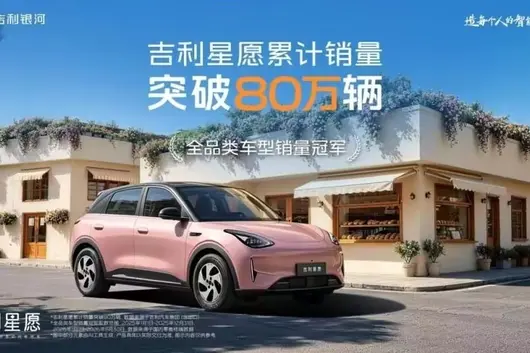
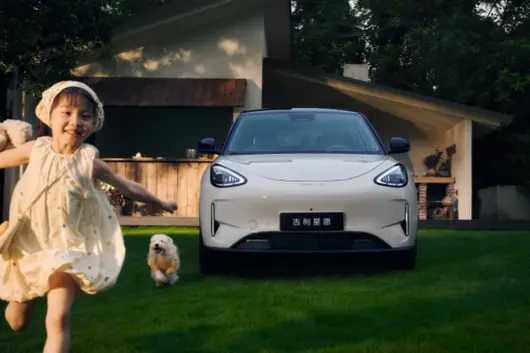
800,000 people buying cars, what answer would they choose? The sales list writes it clearly: Geely Xingyuan. 21 months on the market, 800,000 users voted with their hard-earned money, bringing this A0-class small car to the sales champion throne. Someone asks, why is it them? Peel away the marketing filter, take it apart to see the hard-core assets of this small car, and you will find: Hit products never rely on luck, but rather on solid, cross-class product strength.

1. Good Battery, No Blind Box Gaming
What are small cars most afraid of? False range claims, unreliable batteries. Xingyuan directly gives you peace of mind: Equipped with CATL cells across the board, regardless of version or batch, users never have to play the blind box. Coupled with an all-domain liquid cooling temperature control system, CLTC range up to 480km, real-world tested range redemption rate exceeds 100%; 30% to 80% fast charging takes only 19 minutes, recharging efficiency leads in class. Plus Shenhu battery safety system and 11-in-1 intelligent e-drive, full-link protection from cell protection to BMS smart management. Regarding the battery, Xingyuan welded 'peace of mind' to the car.

2. Good Chassis, Even Beginners Dare to Let Loose
Having a good battery isn't enough, driving well is the real skill. Xingyuan's chassis is honed with real skill: Joint tuning by China and Germany, rear-wheel drive + multi-link independent suspension standard across the board, 4.95m turning radius, U-turn in narrow alleys in one go. This January, the team also partnered with Lotus Engineering to travel to Sweden, repeatedly honed ESC and anti-slip systems in minus 30°C ice and snow, sediment track experience into daily stability. 130km/h Fishhook Test, 80.7km/h Moose Test, unique in its class. Wenzhou owner avoided danger twice with emergency evasions on a foggy day, this is the best live ad for this chassis.

3. Good Safety, Stand Tough Without Fear
Driving control is face, safety is the lining. Xingyuan partnered with CCTV to challenge frontal 50km/h + lateral 55km/h continuous collision, high voltage system powers down in seconds, battery pack does not smoke or catch fire, passenger cabin structure intact; AEB stop at 120km/h, AES active avoidance at 130km/h, active and passive safety maxed out directly. A Chengdu owner's car was rear-ended by a box truck, crashed into 'total loss level' but unscathed, bought another Xingyuan afterward; Thailand owner rear-ended and crushed by 18-wheeler heavy truck, similarly escaped safely. Regarding safety matters, Xingyuan never plays games.


Small cars shouldn't just be cheap, they must be reliable. Xingyuan achieved cross-class quality in battery, chassis, safety three major matters, only then earned the confidence of 800,000 users. How to choose an A0-class small car? Remember one sentence: Like Xingyuan, willing to pile up materials, daring to weld safety bottom line, just buy it without hesitation.

Di pasaran SUV di Malaysia, ramai pembeli membandingkan Proton X90 dan Mazda CX-5 semasa memilih kereta. Kedua-dua kereta ini mempunyai harga dan kedudukan pasaran yang agak dekat. Hari ini kami akan melakukan perbandingan terperinci dari pelbagai aspek, membantu anda menjimatkan masa untuk membuat kajian.
Harga OTR Proton X90 di Malaysia adalah RM 106,800 - 122,800, terdapat keseluruhan 4 varian, termasuk 2026 1.5T Prime X (RM 122,800), 2026 1.5T Prime (RM 116,800), 2026 1.5T Lite (RM 106,800) dll.
Harga OTR Mazda CX-5 di Malaysia adalah RM 135,469 - 166,760, terdapat keseluruhan 3 varian, termasuk 2025 2.0L AT 35th Anniversary (RM 316,154), 2025 2.0L AT (RM 296,154), 2025 2.0L MT (RM 294,154) dll.
Dari segi harga, harga permulaan Proton X90 memang lebih murah RM 28,669 berbanding Mazda CX-5. Jika bajet anda terhad, varian permulaan Proton sudah boleh memenuhi keperluan harian. Tetapi perhatikan juga, ribuan ringgit yang lebih murah itu, mungkin ada kompromi dalam peralatan, bergantung pada keperluan anda.
Proton X90 dilengkapi dengan 1.5L Turbo, kuasa kuda 140 hp. Kegunaan minyak rasmi 7.0 L/100km.
Mazda CX-5 dilengkapi dengan 1.5L Turbo, kuasa kuda 140 hp. Kegunaan minyak rasmi 7.0 L/100km.
Kedua-dua kereta menggunakan sistem kuasa yang sama, perasaan memandu sehari-hari hampir tiada perbezaan. Dari segi kegunaan minyak juga hampir sama, tidak perlu terlalu bimbang mengenai perkara ini.
Proton X90 panjang badan kereta 4400 mm, bagasi 400 L.
Mazda CX-5 panjang badan kereta 4500 mm, bagasi 450 L.
Dari segi ruang, badan kereta Mazda CX-5 lebih panjang 100 mm daripada Proton X90, ruang duduk lebih unggul. Namun Proton X90 lebih mudah diparkir di bandar, masing-masing ada kelebihan dan kekurangan.
Proton X90 menggunakan sistem penggerak FWD.
Mazda CX-5 menggunakan sistem penggerak FWD.
Sistem penggerak kedua-dua kereta sama, iaitu FWD, perasaan memandu sehari-hari tidak akan banyak perbezaan.

Secara keseluruhan, Proton X90 dan Mazda CX-5 adalah model kereta yang sangat baik di pasaran Malaysia. Memilih mana satu, kuncinya bergantung pada keperluan dan bajet peribadi anda. Kami cadangkan anda membuat kajian terlebih dahulu, bandingkan harga dari beberapa kedai kereta, kemudian buat ujian memandu sebelum membuat keputusan akhir. Membeli kereta adalah urusan besar, meluangkan masa untuk membuat kajian pasti tidak akan rugi.
In Malaysia's SUV market, many buyers compare the Proton X90 and Toyota Fortuner when choosing a car. These two cars are quite close in price and positioning. Today, we will make a detailed comparison from multiple aspects to help you save time doing your homework.
The OTR price of the Proton X90 in Malaysia is RM 106,800 - 122,800, with a total of 4 versions, including 2026 1.5T Prime X (RM 122,800), 2026 1.5T Prime (RM 116,800), 2026 1.5T Lite (RM 106,800), etc.
The OTR price of the Toyota Fortuner in Malaysia is RM 195,880 - 241,880, with a total of 3 versions, including 2024 2.8T VRZ Diesel (RM 241,880), 2024 2.7L SRZ Petrol (RM 202,880), 2024 2.4L Standard Diesel (RM 195,880), etc.
In terms of price, the starting price of the Proton X90 is indeed RM 89,080 cheaper than the Toyota Fortuner. If your budget is limited, Proton's entry-level version can already meet daily needs. But also note that the few thousand difference in price might involve compromises on features, depending on your specific needs.
The Proton X90 is equipped with a 1.5L Turbo, 140 hp. Official fuel consumption is 7.0 L/100km.
The Toyota Fortuner is equipped with a 2.5L Diesel, 187 hp. Official fuel consumption is 8.5 L/100km.
In terms of power, the Toyota Fortuner's 2.5L Diesel has 47 more horsepower than the Proton X90's 1.5L Turbo. However, for daily driving in the city, the power of both cars is sufficient, you won't feel lacking in power.
The Proton X90 body length is 4400 mm, trunk 400 L.
The Toyota Fortuner body length is 4400 mm, trunk 400 L.
The dimensions of both cars are almost the same, with little difference in interior space. For cars of this class, it is completely sufficient for daily use.
Both the Proton X90 and Toyota Fortuner are mainstream choices in the Malaysian market, suitable for family use and daily commuting. If you value brand reputation and resale value more, you can prioritize the one with better reputation; if you care more about cost-performance ratio and features, then choose the one with richer configuration. Ultimately, it is recommended to test drive both, as personal experience is the most important.

Overall, both the Proton X90 and Toyota Fortuner are very good models in the Malaysian market. Choosing which one depends mainly on your personal needs and budget. It is recommended to do your homework, compare quotes from several dealerships, and then test drive to make the final decision. Buying a car is a big matter, spending time doing homework will never be wrong.

Recently, there's an interesting topic in the automotive world — "rapid-production cars are being stopped".
The issue started at the 2026 China Auto Forum, where automotive executives publicly criticized some brands for cutting necessary testing phases to accelerate market entry, effectively making consumers act as "test drivers" and creating safety hazards. At almost the same time, the National Automotive Standardization Technical Committee proposed increasing the total mileage for reliability driving tests for new energy vehicle models to 30,000 kilometers. From industry self-reflection to standard upgrades, the gears calling for "rapid-production cars" to be stopped are accelerating their rotation.
Simply put, some brands, in order to grab market share, have forcibly compressed R&D testing that should take several years down to 18 months or even shorter. In the fuel vehicle era, it generally took over 36 months from design to market launch for a new car; now many brands cut it in half. A netizen commented poignantly: "Even QQ Speed new cars have to be tested on the test server for half a year before officially launching." Virtual racing cars in games need half a year of testing, while real cars worth over 100,000 in reality, some brands only give half a year.

In this wave of "nothing works faster than speed," Chery Fengyun T7 appears a bit out of place.
On August 9, "Auto Man Old Xu" publicly questioned on Weibo: Others have finished the facelift for three generations of cars, but Fengyun T7 is still "coming soon". Is this due to poor R&D efficiency, or is there another reason? After the question was raised, Li Xueyong, Executive Vice President of Chery Automobile, gave three responses to "cannot be fast" — R&D cannot be fast, testing cannot be fast, co-creation cannot be fast.
To be honest, this response sounds quite official. But if you see what Fengyun T7 has actually been doing over the years, you might understand a bit.

Fengyun T7 is not a "China-exclusive car" — it is called LEPAS L6 overseas. South Africa has already pre-sold, Thailand has already launched, and it will subsequently enter over 130 countries and regions including the EU, Australia-New Zealand, UK, etc. A car must meet regulatory standards of so many countries at the same time; just in terms of regulatory adaptation, this cannot be completed in 18 months.
Let's look at testing. Fengyun T7 has cumulatively invested 963 test vehicles, with global durability test mileage reaching 1.45 million kilometers. Test routes cover the EU, Australia, South America, Middle East, Southeast Asia, Russia, experiencing extreme environments such as high temperature, extreme cold, high humidity, and high salinity. This is not beautiful data run out in a lab, but polished inch by inch on real extreme road conditions. Regarding safety, it benchmarks the 2026 version E-NCAP Five-Star standards, covering four dimensions: safe driving, collision avoidance, collision protection, and post-collision safety. These testing phases cannot be saved on any single one, nor can any be rushed.

Additionally, there are the top 10 global R&D design centers, over a hundred designers collaborating, and over 1,000 global users deeply co-creating. From design to verification to user feedback polishing for a car, every link requires time.
Of course, from the consumer's perspective, whether these reasons for "slowness" hold water is a topic worth discussing. After all, the market waits for no one — while you spend five years polishing a car, competitors may have already completed the iteration of two generations of products. Technology updates so fast, will long-cycle R&D lead to obsolescence upon launch? For this question, I'm afraid no one can give a standard answer.

But thinking from another angle, building cars is ultimately not building phones. If a phone has bugs, a restart fixes it; if a car has issues on the highway, that is a life-threatening matter. Rather than letting users act as "test drivers" to find issues after launch, it's better to solve all issues before launch. Fengyun T7 follows a path of "go overseas first, then return home" — first run around the globe to verify quality, then return to the domestic market. This path spends several times more time than "rapid production", but every step is unavoidable.
At the end of the day, this controversy of "fast and slow" reflects the clash of two car-building logics: one treats cars as fast-moving consumer goods, pursuing speed and traffic; the other treats cars as durable goods, obsessing over quality and safety. "Rapid-production cars" being stopped is never about the ability to iterate quickly, but rather about neglecting safety and perfunctorily handling quality.

Is Fengyun T7's "slowness" actually a shortcoming in R&D efficiency, or is it a time cost that a global car must pay? This question, perhaps only after it truly launches and stands the test of the market and time, can we get a clear answer.
Do you think, when it comes to building cars, should it be fast or should it be slow?

Dalam pasaran SUV di Malaysia, ramai pembeli membandingkan Proton X90 dan Honda WR-V semasa memilih kereta. Kedua-dua model ini mempunyai harga dan kedudukan yang hampir sama, hari ini kita akan membandingkan secara terperinci dari pelbagai aspek untuk membantu anda menjimatkan masa.
Proton X90 dijual di Malaysia dengan harga OTR RM 106,800 - 122,800, terdapat 4 varian termasuk 2026 1.5T Prime X (RM 122,800), 2026 1.5T Prime (RM 116,800), 2026 1.5T Lite (RM 106,800) dan lain-lain.
Honda WR-V dijual di Malaysia dengan harga OTR RM 89,900 - 107,900, terdapat 4 varian termasuk 2023 1.5L V (RM 99,900), 2023 1.5L E (RM 95,900), 2023 1.5L S (RM 89,900) dan lain-lain.
Dilihat dari segi harga, harga permulaan Honda WR-V adalah RM 16,900 lebih murah berbanding Proton X90. Jujur berkata, dalam julat harga ini, perbezaan beberapa ribu sebenarnya tidak besar, kunci utamanya adalah melihat nisbah harga-kualiti keseluruhan dan kos penggunaan jangka panjang.
Proton X90 dilengkapi 1.5L Turbo, kuasa 140 hp. Penggunaan minyak rasmi 7.0 L/100km.
Honda WR-V dilengkapi 1.5L 4-cyl, kuasa 105 hp. Penggunaan minyak rasmi 6.0 L/100km.
Dari segi kuasa, 1.5L Turbo Proton X90 mempunyai 35 hp lebih berbanding 1.5L 4-cyl Honda WR-V, pecutan bahagian tengah lebih yakin, terutamanya ketika memotong di lebuh raya. Namun, penggunaan minyak Honda WR-V mungkin lebih mesra, perbezaan untuk perjalanan harian bandar tidak akan terlalu besar.
Proton X90 panjang badan 4400 mm, ruang bagasi 400 L.
Honda WR-V panjang badan 4400 mm, ruang bagasi 400 L.
Saiz kedua-dua kereta hampir sama, ruang dalaman tidak banyak berbeza. Kereta dalam kelas ini, penggunaan harian sudah memadai sepenuhnya.
Proton X90 menggunakan sistem pemacu FWD.
Honda WR-V menggunakan sistem pemacu FWD.
Kedua-dua kereta menggunakan cara pemacu yang sama, iaitu FWD, pengalaman memandu harian tidak akan berbeza banyak.

Secara umumnya, Proton X90 dan Honda WR-V adalah model kereta yang bagus di pasaran Malaysia. Memilih mana satu, kunci utamanya masih bergantung pada keperluan peribadi dan bajet anda. Disyorkan anda buat penelitian terlebih dahulu, bandingkan lebih banyak kutipan harga daripada beberapa kedai kereta, kemudian uji pemanduan untuk membuat keputusan akhir. Membeli kereta adalah perkara besar, meluangkan sedikit masa untuk membuat penelitian tidak akan salah.

喺馬來西亞嘅 SUV 市場,好多買家喺揀車嗰陣都會拿 Proton X90 同 Honda CR-V 嚟做比較。這兩款車喺價位同定位上都幾接近,今日我就從多個方面做一個詳細比較,幫你省返做功課嘅時間。
Proton X90 喺馬來西亞嘅 OTR 售價係 RM 106,800 - 122,800,一共有 4 個版本,包括 2026 1.5T Prime X(RM 122,800)、2026 1.5T Prime(RM 116,800)、2026 1.5T Lite(RM 106,800) 等。
Honda CR-V 喺馬來西亞嘅 OTR 售價係 RM 178,200 - 195,900,一共有 4 個版本,包括 2026 e:HEV 2.0L 2WD RS(RM 195,900)、2026 1.5T 4WD V(RM 181,900)、2026 e:HEV 2.0L 2WD E(RM 178,200) 等。
從價錢嚟睇,Proton X90 嘅起步價確實比 Honda CR-V 平咗 RM 71,400。如果你預算有限,Proton 嘅入門版已經可以滿足日常需要。但都要注意,平嗰幾千塊,可能喺配備上會有取舍,具體要看你嘅需要。
Proton X90 嘅安全评分係 5★ (ASEAN NCAP),主動安全系統包括 ADAS (ACC, AEB, LKA, LDA, BSM, RCTA)。
Honda CR-V 嘅安全评分係 5★ (ASEAN NCAP),主動安全系統包括 Honda SENSING (ACC, CMBS, LKAS, RDM)。
兩款車嘅安全评分一樣,喺呢個級別入面安全配備都算俾好足。而家嘅新車安全性都唔差,唔使太擔心這一點。
Proton X90 採 FWD 驅動方式。
Honda CR-V 採 FWD 驅動方式。
兩款車嘅驅動方式一樣,都係 FWD,日常駕駛感受唔會有太大分別。
Proton X90 同 Honda CR-V 都係馬來西亞市場嘅主流選擇,適合家庭使用、日常通勤。如果你更睇重品牌口碑同二手價,可以優先考慮口碑好嗰一款;如果你更在意 CP 值同配備,就揀配備更豐富嗰款。最終仲係建議兩款都去試駕,親身感受先係最重要。

總括嚟講,Proton X90 同 Honda CR-V 都係馬來西亞市場好唔錯嘅車型。揀邊一輛,關鍵仲係睇你嘅個人需要同預算。建議大家做足功課,多比較幾間車行之報價,先去試駕做最後決定。買車係件大事,花少少時間做功課絕對無錯。

Di pasaran SUV Malaysia, ramai pembeli membandingkan Proton X70 dan Subaru Forester semasa memilih kereta. Kedua-dua kereta ini mempunyai harga dan kedudukan yang agak hampir, hari ini kita akan buat perbandingan terperinci dari pelbagai aspek untuk bantu anda menjimatkan masa membuat kajian.
Harga OTR Proton X70 di Malaysia ialah RM 106,800 - 122,300, terdapat 3 varian, termasuk 1.5L Standard 2WD (RM 106,800), 1.5L Executive 2WD (RM 115,800), 1.5L Premium 2WD (RM 122,300) dan lain-lain.
Harga OTR Subaru Forester di Malaysia ialah RM 174,000 - 197,000, terdapat 3 varian, termasuk 2024 2.0L S EyeSight GT Edition (RM 189,538), 2024 2.0L S EyeSight (RM 177,538), 2024 2.0L L EyeSight (RM 167,538) dan lain-lain.
Dari segi harga, harga permulaan Proton X70 memang RM 67,200 lebih murah daripada Subaru Forester. Jika bajet anda terhad, varian masuk Proton sudah boleh memenuhi keperluan harian. Tetapi perlu diingatkan, perbezaan harga ribuan itu, mungkin terdapat kompromi dalam kelengkapan, bergantung pada keperluan anda.

Penarafan keselamatan Proton X70 ialah 5★ (ASEAN NCAP), sistem keselamatan aktif termasuk ADAS (ACC, AEB, LKA, LDA, BSM, RCTA).
Penarafan keselamatan Subaru Forester ialah 5★ (Euro NCAP), sistem keselamatan aktif termasuk EyeSight.
Dari segi kelengkapan keselamatan, kedua-dua kereta mendapat penarafan yang baik. Namun, ADAS (ACC, AEB, LKA, LDA, BSM, RCTA) pada Proton X70 dan EyeSight pada Subaru Forester mempunyai perbezaan dalam fungsi, jika anda mengutamakan keselamatan aktif, boleh bandingkan senarai fungsi kedua-dua belah dengan teliti.

Proton X70 panjang badan 4400 mm, kapasiti bagasi 400 L.
Subaru Forester panjang badan 4400 mm, kapasiti bagasi 400 L.
Saiz kedua-dua kereta hampir sama, perbezaan ruang dalaman tidak banyak. Kereta dalam kelas ini, penggunaan harian sudah cukup.

Proton X70 waranti 5 tahun/150,000km, selang servis setiap 10,000km atau 6 bulan.
Subaru Forester waranti 3 tahun/100,000km, selang servis setiap 10,000km atau 6 bulan.
Secara keseluruhannya, Proton X70 dan Subaru Forester merupakan model yang sangat baik di pasaran Malaysia. Memilih mana satu, teras utamanya bergantung pada keperluan peribadi dan bajet anda. Kami cadangkan anda membuat kajian, bandingkan lebih banyak tawaran daripada pengedar, kemudian buat ujian memandu untuk membuat keputusan akhir. Membeli kereta adalah perkara besar, meluangkan masa membuat kajian pasti tidak salah.


In the Malaysian SUV market, many buyers compare Proton X70 and Hyundai Tucson when choosing a car. These two cars are quite close in price and positioning. Today, we will do a detailed comparison from multiple aspects to help you save time on research.
The OTR selling price of Proton X70 in Malaysia is RM 106,800 - 122,300. There are 3 versions in total, including 1.5L Standard 2WD (RM 106,800), 1.5L Executive 2WD (RM 115,800), 1.5L Premium 2WD (RM 122,300), etc.
The OTR selling price of Hyundai Tucson in Malaysia is RM 143,888 - 197,888. There are 5 versions in total, including 2025 HEV 1.6T AT 2WD Prestige (RM 197,888), 2025 1.6T DCT 4WD Prestige (RM 186,888), 2025 1.6T DCT 2WD Prime (RM 164,888), etc.
From a price perspective, Proton X70's entry price is indeed RM 37,088 cheaper than Hyundai Tucson. If your budget is limited, Proton's entry-level version can already meet daily needs. However, note that the cost saving of a few thousand may involve trade-offs in equipment, which depends on your specific requirements.

Proton X70 is equipped with a 1.5L Turbo, 140 hp. Official fuel consumption 7.0 L/100km.
Hyundai Tucson is equipped with a 1.5L Turbo, 140 hp. Official fuel consumption 7.0 L/100km.
Both cars use the same powertrain system, and the driving feel is basically the same in daily use. Fuel consumption is also similar, so no need to worry too much about this.

Proton X70's safety rating is 5★ (ASEAN NCAP). Active safety systems include ADAS (ACC, AEB, LKA, LDA, BSM, RCTA).
Hyundai Tucson's safety rating is 5★ (ASEAN NCAP). Active safety systems include SmartSense.
Both cars have the same safety rating, and safety features are quite comprehensive within this class. Safety standards for new cars today are generally good, so there is no need to worry too much about this.

Proton X70 Warranty 5 Years/150,000km. Service interval Every 10,000km or 6 months.
Hyundai Tucson Warranty 5 Years/300,000km. Service interval Every 10,000km or 6 months.
Overall, Proton X70 and Hyundai Tucson are both very good car models in the Malaysian market. Which one to choose depends on your personal needs and budget. It is recommended to do your research, compare quotes from several car dealerships, and then go for a test drive to make the final decision. Buying a car is a big deal, spending some time doing research will never be wrong.


In Malaysia's SUV market, many buyers compare the Proton X70 and GWM Haval H6 when choosing a car. These two models are quite close in price and positioning. Today we will make a detailed comparison from multiple aspects to help you save time doing research.
The OTR price of Proton X70 in Malaysia is RM 106,800 - 122,300, with a total of 3 versions, including 1.5L Standard 2WD (RM 106,800), 1.5L Executive 2WD (RM 115,800), 1.5L Premium 2WD (RM 122,300), etc.
The OTR price of GWM Haval H6 in Malaysia is RM 139,750 - 139,750, with a total of 2 versions, including 1.5L Turbo Standard (RM 140,000), 1.5L Turbo Premium (RM 155,000), etc.
From a price perspective, the starting price of the Proton X70 is indeed RM 32,950 cheaper than the GWM Haval H6. If your budget is limited, Proton's entry-level version can already meet daily needs. However, also note that the few thousand less in price might involve trade-offs in features, depending on your specific needs.
Proton X70 is equipped with a 1.5L Turbo, 140 hp. Official fuel consumption 7.0 L/100km.
GWM Haval H6 is equipped with Hybrid, 170 hp. Official fuel consumption 4.5 L/100km.
In terms of power, the Hybrid of GWM Haval H6 has 30 more horsepower than the 1.5L Turbo of Proton X70. However, for daily driving in the city, both cars have enough power and won't feel underpowered.
The safety rating of Proton X70 is 5★ (ASEAN NCAP), active safety systems include ADAS (ACC, AEB, LKA, LDA, BSM, RCTA).
The safety rating of GWM Haval H6 is TBD, active safety systems include Basic.
Regarding safety features, both cars received good ratings. However, there are some differences in function between the Proton X70's ADAS (ACC, AEB, LKA, LDA, BSM, RCTA) and the GWM Haval H6's Basic. If you value active safety, you can carefully compare the feature lists of both.
Proton X70 warranty 5 years/150,000km, service interval every 10,000km or 6 months.
GWM Haval H6 warranty 7 years/150,000km, service interval every 10,000km or 6 months.
Overall, Proton X70 and GWM Haval H6 are both very good models in the Malaysian market. Which one to choose depends on your personal needs and budget. It is recommended to do your homework, compare quotes from several dealerships, and then test drive to make a final decision. Buying a car is a big matter, spending time doing research will never be wrong.

Pada pasaran SUV di Malaysia, ramai pembeli ketika memilih kereta akan membandingkan Proton X70 dan Mitsubishi Xforce. Kedua-dua kereta ini hampir sama dari segi harga dan segmen pasaran, hari ini kita akan buat perbandingan terperinci dari pelbagai aspek untuk membantu anda menjimatkan masa melakukan kajian.
Proton X70 dijual pada harga OTR di Malaysia ialah RM 106,800 - 122,300, terdapat 3 versi, termasuk 1.5L Standard 2WD (RM 106,800), 1.5L Executive 2WD (RM 115,800), 1.5L Premium 2WD (RM 122,300) dan sebagainya.
Mitsubishi Xforce dijual pada harga OTR di Malaysia ialah RM 109,930 - 119,930, terdapat 2 versi, termasuk 2026 1.5L Ultimate (RM 119,930), 2026 1.5L Urban (RM 109,930) dan sebagainya.
Dari segi harga, harga permulaan Proton X70 memang lebih murah RM 3,130 berbanding Mitsubishi Xforce. Jika bajet anda terhad, versi masuk Proton sudah boleh memenuhi keperluan harian. Namun perlu diingat, beberapa ribu ringgit yang lebih murah itu mungkin ada kompromi dari segi kelengkapan, bergantung kepada keperluan anda.

Proton X70 dilengkapi enjin 1.5L Turbo, kuasa kuda 140 hp. Penggunaan minyak rasmi 7.0 L/100km.
Mitsubishi Xforce dilengkapi enjin 1.5L Turbo, kuasa kuda 140 hp. Penggunaan minyak rasmi 7.0 L/100km.
Kedua-dua kereta menggunakan sistem enjin yang sama, pengalaman memandu harian pada dasarnya tiada perbezaan. Dari segi penggunaan minyak juga hampir sama, tidak perlu terlalu bimbang tentang hal ini.
Penilaian keselamatan Proton X70 ialah 5★ (ASEAN NCAP), sistem keselamatan aktif termasuk ADAS (ACC, AEB, LKA, LDA, BSM, RCTA).
Penilaian keselamatan Mitsubishi Xforce ialah 5★ (ASEAN NCAP), sistem keselamatan aktif termasuk MI-PILOT.
Penilaian keselamatan kedua-dua kereta adalah sama, kelengkapan keselamatan pada tahap ini adalah cukup lengkap. Keselamatan kereta baru sekarang tidak buruk, tidak perlu terlalu risau tentang hal ini.
Proton X70 panjang badan 4400 mm, bak muatan 400 L.
Mitsubishi Xforce panjang badan 4400 mm, bak muatan 400 L.
Saiz kedua-dua kereta hampir sama, ruang dalam kenderaan tidak banyak berbeza. Kereta pada tahap ini, cukup untuk penggunaan harian.
Proton X70 menggunakan sistem pemacu FWD.
Mitsubishi Xforce menggunakan sistem pemacu FWD.
Sistem pemacu kedua-dua kereta adalah sama, semuanya FWD, pengalaman memandu harian tidak akan banyak berbeza.
Secara keseluruhannya, Proton X70 dan Mitsubishi Xforce adalah model kereta yang sangat bagus di pasaran Malaysia. Memilih yang mana, penting melihat keperluan dan bajet peribadi anda. Disyorkan untuk melakukan penyelidikan terlebih dahulu, bandingkan sebutan harga daripada beberapa agen kereta, kemudian buat ujian memandu untuk membuat keputusan akhir. Membeli kereta adalah perkara besar, meluangkan masa untuk melakukan penyelidikan pasti tidak akan salah.


In July, Geely Xingyuan sold 55,105 units.

This number is interesting when viewed in the off-season — the CPCA forecasts that retail sales of light passenger cars in July will decline over 15% year-on-year. Most brands saw a month-on-month decline, yet it was actually more than 4,000 units higher than in June.
But what is more worth discussing is not the monthly sales, but another number: 800,000 units.
From its launch in October 2024 to now, 664 days, Geely Xingyuan has cumulatively sold 800,000 vehicles. Averaged over every day, that's about 1,200 units.
Is this speed considered fast?
Tesla Model 3 took nearly six years to reach 800,000 units in China. Xingyuan compressed the time to 21 months. Around May Day this year, it just passed 700,000 units; after 71 days, it rose by another 100,000 units.
There is a rule in the automotive industry: the larger the sales base, the harder it is to gain increment. But Xingyuan's curve at the 800,000-unit level has not significantly flattened — the off-season performance of 55,000 units in July, in some way, indicates that this car's market ceiling is still far from being reached.
What does 800,000 units actually mean?
Data is one thing, but what is truly interesting is another matter: Geely Xingyuan's official guide price is 64,800–94,800 yuan, with a limited-time rights price starting from 61,800 yuan. Entering the A0-class market with a 'High Quality, Good Price' strategy, it achieved the impressive result of 800,000 units sold.

In traditional perception, small cars should be cheap, the cheaper the better. Wuling Hongguang MINI EV drove the price below 30,000 yuan, with monthly sales once surging to over 50,000 units. But that is a completely different logic — extreme low price, extreme commuting, extreme simplicity.
Xingyuan took another path.
It comes standard with CATL battery cells across the entire series, offers rear-wheel drive with independent suspension, a 70-liter front trunk, Flyme Auto smart cockpit, and highway NOA assisted driving. These configurations, in the fuel car era, were basically available only on B-class or higher-level vehicles. Geely crammed all of these into a 4.1-meter small car, selling for over 90,000 yuan.
What was the result? The market accepted it.
The choice of 800,000 users illustrates one thing: A0-class small car users do not only recognize cheapness. They are willing to spend a little extra money for better driving texture, more intuitive infotainment, safer structure, and better-looking design — provided you can really deliver these things.
Xingyuan did one thing right: it downgraded B-class car configuration logic to A0-class, piled up the sense of value to the extent where users feel "this money is well spent", then set the price at a reasonable position. This strategy worked.
Champion in all categories, without qualifiers
The term "sales champion" has almost been worn out in automotive marketing. But Xingyuan's "champion" is a bit different.
For the whole year of 2025, it was the best-selling among all models in the Chinese car market — whether fuel or electric, whether sedan or SUV, whether domestic or joint venture. In the first half of 2026, it continued to be number one. 55,000 units in July means the momentum for the second half has not broken.

An A0-class pure electric small car has overshadowed divine cars of the fuel era like Sylphy, Lavida, and Corolla, and also surpassed global star models like Model 3 and Model Y. Put this five years ago, no one would believe it.
It shows that the definition of "a good car" among Chinese consumers has changed. The weight of brand halo is declining, while the competitiveness of the product itself is rising. Electric cars are no longer "compromises", and small cars are no longer "settling". A refined, easy-to-drive, smart, and safe pure electric small car can be the main vehicle for many families, not just a second commuting car at home.
Another perspective: This system can run globally
Xingyuan has entered more than twenty countries and regions.
Sold over 10,000 units in Brazil in five months, winning the local "Best Compact Electric Vehicle of the Year". In the pure electric markets of Indonesia, Costa Rica, and Paraguay, its monthly sales rank first. One week at the Thailand auto show brought over 3,000 orders.

Interestingly, Xingyuan didn't make major changes for overseas markets. The handling feel of rear-wheel drive, the smoothness of the car computer, the solidity of the range — these things gain recognition from consumers in different countries without needing translation.
This shows that Chinese brands already have the ability to output product definitions in the A0-class pure electric segment. In the past, European small cars set aesthetic standards, and Japanese K-Cars set space standards. Now, Chinese cars like Xingyuan are telling the global market: what a good small car should look like.
Final Thoughts
800,000 units is a milestone, but the greater value may lie in the fact that it validates a judgment: In today's price wars where profits are paper-thin, what can truly weather the cycle is not the lowest price, but the most certain value.
This curve Xingyuan ran out in 664 days is not just the success of one car. It means the rules of the game in a niche market have changed, and it also means Chinese brands on the global new energy sector finally start to have the qualification to define what is "good".
Of course, 800,000 is just a checkpoint. The road ahead is still long, but at least the direction has already been established.
In the Malaysian SUV market, many buyers compare Perodua Ativa and Toyota Yaris Cross when choosing a car. These two models are quite close in price and positioning. Today we will make a detailed comparison from multiple aspects to help you save time on research.
Perodua Ativa OTR price in Malaysia is RM 62,500 - 73,400, with 3 versions including 1.0L Turbo X (RM 62,500), 1.0L Turbo H (RM 67,300), 1.0L Turbo AV (RM 73,400), etc.
Toyota Yaris Cross OTR price in Malaysia is RM 99,900 - 109,900, with 2 versions including 2026 1.5L Standard (RM 99,900), 2026 HEV 1.5L Standard (RM 109,900), etc.
From a price perspective, the Perodua Ativa starting price is indeed RM 37,400 cheaper than the Toyota Yaris Cross. If your budget is limited, the Perodua entry-level version is already sufficient for daily needs. However, be aware that saving a few thousand might mean compromises in features, depending on your specific requirements.

Perodua Ativa safety rating is 5★ (ASEAN NCAP), active safety systems include ASA 3.0 + ACC + LDA + LKA + BSM + RCTA.
Toyota Yaris Cross safety rating is 5★ (ASEAN NCAP), active safety systems include TSS.
Both vehicles have the same safety rating; safety features are quite comprehensive for this segment. New cars nowadays generally have good safety, so there is no need to worry too much about this.

Perodua Ativa body length is 4400 mm, boot capacity 400 L.
Toyota Yaris Cross body length is 4400 mm, boot capacity 400 L.
The dimensions of both vehicles are almost identical, with little difference in interior space. This class of car is perfectly adequate for daily use.

Both Perodua Ativa and Toyota Yaris Cross are mainstream choices in the Malaysian market, suitable for family use and daily commuting. If you value brand reputation and resale value more, prioritize the one with better reputation; if you care more about cost-effectiveness and features, choose the one with richer specifications. Ultimately, it is recommended to test drive both; experiencing them personally is the most important.

Overall, both Perodua Ativa and Toyota Yaris Cross are excellent models in the Malaysian market. Choosing which one depends mainly on your personal needs and budget. It is recommended to do your research, compare quotes from several dealerships, and then test drive to make the final decision. Buying a car is a major decision, spending some time doing research will never go wrong.

In the Malaysian SUV market, many buyers compare Perodua Ativa and Toyota Yaris Cross when choosing a car.
The OTR price of Perodua Ativa in Malaysia is RM 62,500 - 73,400, with a total of 3 versions, including 1.0L Turbo X (RM 62,500), 1.0L Turbo H (RM 67,300), 1.0L Turbo AV (RM 73,400), etc.
The OTR price of Toyota Yaris Cross in Malaysia is RM 99,900 - 109,900, with a total of 2 versions, including 2026 1.5L Standard (RM 99,900), 2026 HEV 1.5L Standard (RM 109,900), etc.
From a price perspective, Perodua Ativa's starting price is indeed RM 37,400 cheaper than Toyota Yaris Cross. If your budget is tight, Perodua's entry-level version already meets daily needs. However, note that the cheaper price might involve compromises in features, depending on your specific needs.
Perodua Ativa's safety rating is 5★ (ASEAN NCAP), active safety systems include ASA 3.0 + ACC + LDA + LKA + BSM + RCTA.
Toyota Yaris Cross's safety rating is 5★ (ASEAN NCAP), active safety systems include TSS.
Both cars have the same safety rating, and in this class, safety features are quite comprehensive. New cars nowadays are not poor in safety, so don't worry too much about this point.
The Perodua Ativa is 4400 mm long with a 400 L trunk.
The Toyota Yaris Cross is 4400 mm long with a 400 L trunk.
The dimensions of both cars are almost identical, and the interior space difference is not significant. For this class of cars, it is completely sufficient for daily use.
Perodua Ativa warranty is 5 years/150,000km, maintenance interval is every 10,000km or 6 months.
Toyota Yaris Cross warranty is 5 years/unlimited mileage, maintenance interval is every 10,000km or 6 months.
Overall, Perodua Ativa and Toyota Yaris Cross are both excellent car models in the Malaysian market. Which one to choose mainly depends on your personal needs and budget. We recommend doing your research, comparing quotes from several dealerships, and test driving before making a final decision. Buying a car is a big deal, taking time to research is never wrong.
© 2024 Bitauto.com. All Rights Reserved.
Bitauto (www.yiche.com and www.bitauto.com) is one of the most visited automotive websites in China. We provide detailed info on Chinese car brands available in your area. Please note that the information provided on this website is based on publicly available data and is for reference only. It may not be fully updated or accurate at all times.

Help us improve our website


