

Homediscovering

Search History
Popular Searches
Dealer Login / Sign Up

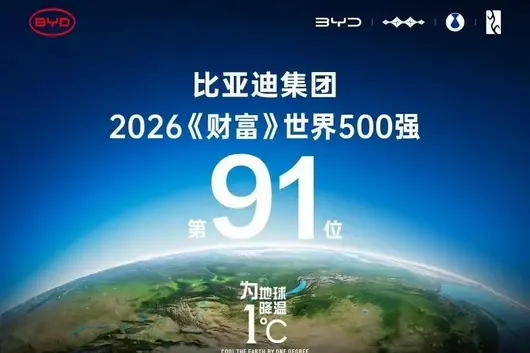
2026年的《财富》世界500强榜单于7月28日正式发布,比亚迪连续第5年登上榜单。今年位列第91位、强势跻身世界百强阵营,毫无悬念的成为全球新能源汽车标杆企业,同时也彰显中国制造强劲的发展势头。
2025年,比亚迪实现全年营收8040亿元、净利润326亿元;新能源汽车全年销量达460万辆,蝉联全球新能源汽车销量冠军、中国市场车企销量冠军等。截止至6月份,2026年比亚迪累计销量已超过了180万辆。而就在刚刚过去的7月,比亚迪的第1700万辆新能源汽车下线,成为首家达成这一里程碑的车企。
 可能有些朋友会疑惑,2025比亚迪全年营收高达8040亿元,可为何净利润才326亿?这就不得不谈比亚迪集团对于技术研发的巨额投入了。比亚迪始终把技术深耕、长期发展作为核心理念,多年来对技术研发投入了大量的资金。2025年比亚迪在技术研发部分的投入已经达到了634亿元,几乎已经达到了净利润的2倍。
如此之高的资金投入所换来的就是比亚迪凭借高深的技术连续不断的破解行业痛点,不断去深挖技术护城河。如第二代刀片电池+闪充技术、易三方、云辇-A闭式双腔空悬、天神之眼 5.0辅助驾驶系统等等。就在近日,比亚迪的第20000座闪充站即将建成,比亚迪还将在全球范围内建设6000座海外闪充站,比亚迪的研发投入已经连续两年位居A股上市公司第一。
 2025年比亚迪海外销量首次突破100万辆,同比增长145%;2026年上半年海外销量超78万辆,继续维持强劲增长势头。海外市场已成为比亚迪增长的重要引擎。更值得关注的是海外布局的深度和广度同步拓展。今年,比亚迪首条海外云轨在巴西圣保罗正式通车,巴西工厂迎来第10万辆新能源汽车下线,拉美市场进入产销服一体化运营阶段;腾势品牌携Z、Z9GT与D9三款车型进入欧洲,以科技新豪华定位开拓高端市场;首款海外专研车型海獭(BYD RACCO)精准落地日本,充分贴合当地市场需求;泰国工厂投产两周年,东南亚市场根基进一步夯实。
在可持续发展层面,截至2025年6月30日,比亚迪新能源汽车相较传统燃油车,在能源生产与使用环节累计实现碳减排约1.49亿吨,相当于植树24.8亿棵。这组数据直观呈现了新能源汽车对全球碳减排的切实贡献。在回馈社会方面,比亚迪启动30亿元教育慈善基金,与全国127所高校达成捐赠协议,已激励超6000名学子。长期投入教育公益事业,与公司坚持技术创新、注重长远发展的理念一脉相承。
 总而言之,《财富》世界500强第91这个排名对于比亚迪而言可不仅仅是一个商业战绩,而更多是一次完美的证明,证明了始终“坚持技术为王、保持初心”这一发展理念不仅可以获得成功,还能带着中国车企在全球领跑,比亚迪不愧是全球新能源汽车标杆企业。而它那“为地球降温1℃”的美好愿景,也终将会一步步地实现。

In the Malaysian SUV market, many buyers compare Perodua Aruz and Chery Tiggo Cross when choosing a car. The price and positioning of these two cars are quite close, so today we will conduct a detailed comparison from multiple aspects to help you save time on research.
The OTR price for Perodua Aruz in Malaysia is RM 72,900 - 77,900, with 2 versions in total, including 1.5L X (RM 72,900), 1.5L AV (RM 77,900) etc.
The OTR price for Chery Tiggo Cross in Malaysia is RM 88,750 - 99,750, with 2 versions in total, including 2025 HEV 1.5L CSH (RM 99,750), 2025 1.5T Standard (RM 88,750) etc.
From a price perspective, the starting price of Perodua Aruz is indeed RM 15,850 cheaper than Chery Tiggo Cross. If your budget is limited, Perodua's entry-level version can already meet daily needs. However, note that the few thousand dollars difference may involve trade-offs in features, depending on your specific needs.

The safety rating for Perodua Aruz is 5★ (ASEAN NCAP), and active safety systems include .
The safety rating for Chery Tiggo Cross is TBD, and active safety systems include Basic.

Perodua Aruz adopts FWD drive mode.
Chery Tiggo Cross adopts FWD drive mode.
Both cars have the same drive mode, which is FWD, so there should not be much difference in the driving feel for daily use.

Perodua Aruz comes with a 5-year/150,000km warranty, service interval every 10,000km or 6 months.
Chery Tiggo Cross comes with a 3-year/100,000km warranty, service interval every 10,000km or 6 months.

Both Perodua Aruz and Chery Tiggo Cross are mainstream choices in the Malaysian market, suitable for family use and daily commuting. If you value brand reputation and resale value more, you can prioritize the one with better reputation; if you care more about cost-performance and features, then choose the one with richer configurations. Ultimately, it is recommended to test drive both, as personal experience is the most important.

Overall, both Perodua Aruz and Chery Tiggo Cross are very good models in the Malaysian market. Which one to choose depends on your personal needs and budget. It is recommended to do your research, compare quotes from several dealerships, and then test drive to make a final decision. Buying a car is a major matter, and spending time on research will never be wrong.


喺馬來西亞嘅 SUV 市場,好多買家喺揀車嗰陣都會拿 Perodua Aruz 同 Mitsubishi Xforce 嚟做比較。這兩款車喺價錢同定位上都幾接近,今日我哋就從多個方面做一個詳細嘅對比,幫你攞咗做功課嘅時間。
Perodua Aruz 喺馬來西亞嘅 OTR 售價係 RM 72,900 - 77,900,合共 2 個版本,包括 1.5L X(RM 72,900)、1.5L AV(RM 77,900)等。
Mitsubishi Xforce 喺馬來西亞嘅 OTR 售價係 RM 109,930 - 119,930,合共 2 個版本,包括 2026 1.5L Ultimate(RM 119,930)、2026 1.5L Urban(RM 109,930)等。
由價錢睇落,Perodua Aruz 嘅起步價確實比 Mitsubishi Xforce 平咗 RM 37,030。如果你預算有限,Perodua 嘅入門版已經可以滿足日常需求。不過都要留意,平嗰幾千蚊,喺配備上可能有取捨,具體要看你嘅需求。
Perodua Aruz 搭載 1.5L 4-cyl,馬力 105 hp。官方油耗 6.0 L/100km。
Mitsubishi Xforce 搭載 1.5L Turbo,馬力 140 hp。官方油耗 7.0 L/100km。
動力方面,Mitsubishi Xforce 嘅 1.5L Turbo 比 Perodua Aruz 嘅 1.5L 4-cyl 多咗 35 匹馬力。不過日常喺市區開,兩款車嘅動力都夠用,唔會覺得唔夠力。
Perodua Aruz 採用 FWD 驅動方式。
Mitsubishi Xforce 採用 FWD 驅動方式。
兩款車嘅驅動方式一樣,都係 FWD,日常駕駛感受唔會有太大區別。
Perodua Aruz 保固 5 年/150,000km,保養間隔 每 10,000km 或 6 個月。
Mitsubishi Xforce 保固 3 年/100,000km,保養間隔 每 10,000km 或 6 個月。

Perodua Aruz 同 Mitsubishi Xforce 都係馬來西亞市場嘅主流選擇,適合家庭使用、日常通勤。如果你更睇重品牌口碑同二手價,可以優先考慮口碑好嗰款;如果你更在意性價比同配備,那就揀配備更豐富嗰款。最後仍然建議兩款都去試駕,親身體驗先係最重要嘅。

總體嚟講,Perodua Aruz 同 Mitsubishi Xforce 都係馬來西亞市場幾唔錯嘅車款。揀邊輛,關鍵仲係要看你嘅個人需求同預算。建議大家做好功課,多比較幾間車行嘅報價,先去試駕先做最終決定。買車係件大事,花少少時間做功課絕對唔會錯。

In the Malaysian SUV market, many buyers compare Proton X70 and Mazda CX-3 when choosing a car. These two cars are quite close in price and positioning. Today we will make a detailed comparison from multiple aspects to save you time doing your homework.
Proton X70's OTR price in Malaysia is RM 106,800 - 122,300, totaling 3 versions, including 1.5L Standard 2WD (RM 106,800), 1.5L Executive 2WD (RM 115,800), 1.5L Premium 2WD (RM 122,300), etc.
Mazda CX-3's OTR price in Malaysia is RM 126,159 - 139,159, totaling 2 versions, including 2023 2.0L High (RM 139,159), 2023 2.0L Plus (RM 126,159), etc.
From a pricing perspective, the starting price of Proton X70 is indeed RM 19,359 cheaper than Mazda CX-3. If your budget is limited, Proton's entry-level version can already meet daily needs. However, note that the few thousand difference might mean trade-offs in equipment, depending specifically on your needs.

Proton X70's safety rating is 5★ (ASEAN NCAP), active safety systems include ADAS (ACC, AEB, LKA, LDA, BSM, RCTA).
Mazda CX-3's safety rating is 5★ (ASEAN NCAP), active safety systems include i-Activsense.
Both cars have the same safety rating. In this class, safety equipment is quite complete. New car safety is generally good nowadays, no need to worry too much about this.

Proton X70 adopts FWD drive configuration.
Mazda CX-3 adopts FWD drive configuration.
Both cars share the same drive configuration, both are FWD, daily driving experience will not differ significantly.

Proton X70 warranty 5 years/150,000km, maintenance interval every 10,000km or 6 months.
Mazda CX-3 warranty 5 years/150,000km, maintenance interval every 10,000km or 6 months.
Both cars have the same warranty terms, no need to stress over this. Actual maintenance costs depend on the brand's service network and parts prices, suggest asking real owners in car groups for experience.
Overall, Proton X70 and Mazda CX-3 are both very good models in the Malaysian market. Which one to choose depends on your personal needs and budget. We suggest doing your homework, compare quotes from multiple dealerships, then go for a test drive to make the final decision. Buying a car is a major matter, spending time doing your research is never wrong.


In Malaysia's SUV market, many buyers compare Perodua Aruz and Kia Sportage when choosing a car. The price and positioning of these two cars are quite close. Today, we will make a detailed comparison from multiple aspects to help you save time on research.
The OTR price of Perodua Aruz in Malaysia is RM 72,900 - 77,900, with a total of 2 variants, including 1.5L X (RM 72,900), 1.5L AV (RM 77,900), etc.
The OTR price of Kia Sportage in Malaysia is RM 129,639 - 179,320, with a total of 4 variants, including 2025 1.6T DCT 4WD High (RM 179,320), 2025 1.6T DCT 2WD High (RM 159,320), 2025 2.0L AT 2WD High (RM 139,639), etc.
In terms of price, the starting price of Perodua Aruz is indeed RM 56,739 cheaper than Kia Sportage. If your budget is limited, the entry-level Perodua is sufficient for daily needs. But also note, the few thousand cheaper might involve trade-offs in features, depending on your specific needs.
Perodua Aruz is equipped with a 1.5L 4-cyl, 105 hp. Official fuel consumption 6.0 L/100km.
Kia Sportage is equipped with a 1.5L Turbo, 140 hp. Official fuel consumption 7.0 L/100km.
In terms of power, Kia Sportage's 1.5L Turbo has 35 more horsepower than Perodua Aruz's 1.5L 4-cyl. However, for daily city driving, both cars have sufficient power and won't feel underpowered.
Perodua Aruz's safety rating is 5★ (ASEAN NCAP), active safety systems include.
Kia Sportage's safety rating is 5★ (ASEAN NCAP), active safety systems include Drive Wise.
Both cars have the same safety rating, and safety features are quite complete at this level. New cars nowadays are generally safe, so there is no need to worry too much about this.
Perodua Aruz warranty 5 years/150,000km, servicing interval every 10,000km or 6 months.
Kia Sportage warranty 5 years/300,000km, servicing interval every 10,000km or 6 months.

Overall, Perodua Aruz and Kia Sportage are both very good models in the Malaysian market. Which one to choose depends mainly on your personal needs and budget. It is recommended to do your research, compare quotes from several car dealerships, and then test drive to make a final decision. Buying a car is a big matter, taking some time to research will never be wrong.

喺馬來西亞嘅 SUV 市場,好多買家在揀車嘅時候都會揀 寶騰 X50 同 豐田 Yaris Cross 嚟做比較。呢兩款車喺價位同定位上都幾接近嘅,今日我哋就從多個方面做個詳細嘅比較,幫你節省做功課嘅時間。
寶騰 X50 喺馬來西亞嘅 OTR 售價係 RM 89,800 - 113,300,合共 4 個版本,包括 1.5T Executive(RM 89,800)、1.5T Premium(RM 101,800)、1.5T Flagship(RM 113,300) 等。
豐田 Yaris Cross 喺馬來西亞嘅 OTR 售價係 RM 99,900 - 109,900,合共 2 個版本,包括 2026 1.5L Standard(RM 99,900)、2026 HEV 1.5L Standard(RM 109,900) 等。
從價錢來看,寶騰 X50 嘅起步價的確比 豐田 Yaris Cross 平咗 RM 10,100。如果你預算有限,寶騰嘅入門版已經可以滿足日常需求。但都要記住,平嗰幾千蚊,可能喺配備上面會有取舍,具體睇你嘅需求。

寶騰 X50 配備 1.5L 4-cyl,馬力 105 hp。官方油耗 6.0 L/100km。
豐田 Yaris Cross 配備 1.5L 4-cyl,馬力 105 hp。官方油耗 6.0 L/100km。
兩款車用緊同一套動力系統,日常開起嚟嘅感覺基本冇乜分別。油耗方面也差不多,唔使太糾結這一點。
寶騰 X50 嘅安全評級係 5★ (ASEAN NCAP),主動安全系統包括 ADAS (ACC, AEB, LKA, LDA, BSM, RCTA)。
豐田 Yaris Cross 嘅安全評級係 5★ (ASEAN NCAP),主動安全系統包括 TSS。
兩款車嘅安全評級一樣,喺呢個級別入面安全配備都算好齊全。而家嘅新車安全性都唔差,唔使太擔心這一點。
寶騰 X50 保養保修 5 年/150,000km,保養間隔 每 10,000km 或 6 個月。
豐田 Yaris Cross 保養保修 5 年/無限制里程,保養間隔 每 10,000km 或 6 個月。

寶騰 X50 同 豐田 Yaris Cross 都係馬來西亞市場嘅主流選擇,適合家用、日常通勤。如果你更睇重品牌口碑同二手價,可以優先考慮口碑更好嗰一款;如果你更在意性價比同配備,嗰就揀配置更豐富嗰款。最終仲係建議兩款都去試駕,親身感受先係最重要。
總體嚟講,寶騰 X50 同 豐田 Yaris Cross 都係馬來西亞市場幾唔錯嘅車型。揀邊輛,關鍵仲係睇你嘅個人需求同預算。建議大家做好功課,多比較幾間車行嘅報價,再去試駕做最終決定。買車係件大事,花點時間做功課絕對唔會錯。


In the Malaysian SUV market, many buyers compare the Proton X50 and Honda HR-V when choosing a car. These two cars are quite close in price and positioning. Today, we will do a detailed comparison from multiple aspects to help you save time on research.
The OTR price of the Proton X50 in Malaysia is RM 89,800 - 113,300, with a total of 4 versions, including 1.5T Executive (RM 89,800), 1.5T Premium (RM 101,800), 1.5T Flagship (RM 113,300) etc.
The OTR price of the Honda HR-V in Malaysia is RM 115,900 - 143,900, with a total of 4 versions, including 2026 e:HEV 1.5L RS (RM 143,900), 2026 1.5T V (RM 137,900), 2026 1.5T E (RM 130,900) etc.
From a price perspective, the starting price of the Proton X50 is indeed RM 26,100 cheaper than the Honda HR-V. If your budget is limited, the Proton's entry-level version is enough to meet daily needs. But be aware, the few thousand cheaper might involve compromises in features, it depends on your specific needs.
Proton X50 body length is 4400 mm, trunk 400 L.
Honda HR-V body length is 4500 mm, trunk 450 L.
In terms of space, the Honda HR-V's body is 100 mm longer than the Proton X50, offering an advantage in seating space. However, the Proton X50 is a bit more flexible to park in the city, each has its trade-offs.
Proton X50 uses 4WD drive method.
Honda HR-V uses FWD drive method.
Proton's 4WD and Honda's FWD will feel different in handling, a test drive comparison is recommended.
Proton X50 and Honda HR-V are both mainstream choices in the Malaysian market, suitable for family use and daily commuting. If you value brand reputation and resale value more, you can prioritize the one with better reputation; if you care more about cost-performance ratio and features, choose the one with more configuration. Ultimately, it is recommended to test drive both, personal experience is the most important.

Overall, Proton X50 and Honda HR-V are both very good models in the Malaysian market. Which one to choose depends on your personal needs and budget. It is recommended to do your research, compare quotes from several dealerships, and then test drive to make a final decision. Buying a car is a big deal, taking some time to research is never wrong.

In Malaysia's SUV market, many buyers compare Proton X50 and Toyota Corolla Cross when choosing a car. These two models are quite close in price and positioning. Today, we will make a detailed comparison from multiple aspects to save you time doing research.
The Proton X50 OTR price in Malaysia is RM 89,800 - 113,300, with a total of 4 versions, including 1.5T Executive (RM 89,800), 1.5T Premium (RM 101,800), 1.5T Flagship (RM 113,300), etc.
The Toyota Corolla Cross OTR price in Malaysia is RM 133,800 - 148,800, with a total of 3 versions, including 2026 HEV 1.8L GR Sport (RM 148,800), 2026 HEV 1.8L Standard (RM 140,800), 2026 1.8L Standard (RM 133,800), etc.
From a price perspective, the Proton X50's starting price is indeed RM 44,000 cheaper than the Toyota Corolla Cross. If your budget is limited, Proton's entry-level version can already meet daily needs. However, also note that the difference of a few thousand may involve trade-offs in features, depending on your specific requirements.
Proton X50 safety rating is 5★ (ASEAN NCAP), active safety systems include ADAS (ACC, AEB, LKA, LDA, BSM, RCTA).
Toyota Corolla Cross safety rating is 5★ (ASEAN NCAP), active safety systems include TSS (PCS, LDA, ACC, LTA).
Both cars have the same safety rating, safety features in this class are quite comprehensive. New car safety nowadays is generally good, no need to worry too much about this.
Proton X50 body length is 4400 mm, trunk 400 L.
Toyota Corolla Cross body length is 4400 mm, trunk 400 L.
The dimensions of both cars are almost identical, and the interior space difference is not significant. Cars in this class are completely sufficient for daily use.
Proton X50 adopts 4WD drive system.
Toyota Corolla Cross adopts FWD drive system.
Proton's 4WD and Toyota's FWD will offer different handling experiences, test drive comparison is recommended.

Overall, Proton X50 and Toyota Corolla Cross are both very good models in the Malaysian market. Which one to choose mainly depends on your personal needs and budget. It is recommended to do your research, compare quotes from several dealerships, and then test drive to make a final decision. Buying a car is a big deal, spending time doing research will never be wrong.

In the Malaysian SUV market, many buyers compare the Proton X70 and Toyota Fortuner when choosing a car. These two cars are quite close in terms of price and positioning, so today we will make a detailed comparison from multiple aspects to help you save time on research.
The Proton X70 OTR price in Malaysia is RM 106,800 - 122,300, with a total of 3 versions, including 1.5L Standard 2WD (RM 106,800), 1.5L Executive 2WD (RM 115,800), 1.5L Premium 2WD (RM 122,300), etc.
The Toyota Fortuner OTR price in Malaysia is RM 195,880 - 241,880, with a total of 3 versions, including 2024 2.8T VRZ Diesel (RM 241,880), 2024 2.7L SRZ Petrol (RM 202,880), 2024 2.4L Standard Diesel (RM 195,880), etc.
In terms of price, the starting price of the Proton X70 is indeed RM 89,080 cheaper than the Toyota Fortuner. If your budget is limited, the entry-level version of the Proton is already sufficient for daily needs. But also note, that difference of a few thousand might mean compromises on equipment, depending on your specific needs.

The Proton X70 body length is 4400 mm, and the trunk capacity is 400 L.
The Toyota Fortuner body length is 4400 mm, and the trunk capacity is 400 L.
The dimensions of both cars are almost the same, and the interior space difference is not significant. For this class of cars, it is more than enough for daily use.

The Proton X70 adopts FWD drive mode.
The Toyota Fortuner adopts FWD drive mode.
Both cars have the same drive mode, both are FWD, so the daily driving experience will not be very different.

Both Proton X70 and Toyota Fortuner are mainstream choices in the Malaysian market, suitable for family use and daily commuting. If you value brand reputation and resale value more, you can prioritize the one with better reputation; if you care more about cost-performance ratio and equipment, then choose the one with richer configuration. Ultimately, it is recommended to test drive both, as personal experience is the most important.
Overall, both Proton X70 and Toyota Fortuner are very good models in the Malaysian market. Which one to choose mainly depends on your personal needs and budget. It is recommended that everyone do their homework, compare quotes from a few dealers, and then test drive to make the final decision. Buying a car is a big matter, taking some time to do homework will never be wrong.


In the Malaysian SUV market, many buyers compare Proton X50 and Chery Tiggo Cross when choosing a car. These two cars are quite close in price and positioning, so today we will make a detailed comparison from multiple aspects to help you save time on research.
Proton X50 OTR price in Malaysia is RM 89,800 - 113,300, with 4 versions in total, including 1.5T Executive (RM 89,800), 1.5T Premium (RM 101,800), 1.5T Flagship (RM 113,300), etc.
Chery Tiggo Cross OTR price in Malaysia is RM 88,750 - 99,750, with 2 versions in total, including 2025 HEV 1.5L CSH (RM 99,750), 2025 1.5T Standard (RM 88,750), etc.
From the price perspective, the starting price of Chery Tiggo Cross is RM 1,050 cheaper than Proton X50. Honestly, in this price range, a difference of a few thousand is not really big, the key is still looking at overall value and long-term usage cost.
Proton X50 is equipped with 1.5L 4-cyl, 105 hp. Official fuel consumption 6.0 L/100km.
Chery Tiggo Cross is equipped with 1.5L 4-cyl, 105 hp. Official fuel consumption 6.0 L/100km.
Both cars use the same powertrain, the driving feel is basically the same in daily use. Fuel consumption is also similar, no need to worry too much about this point.
Proton X50 body length 4400 mm, trunk 400 L.
Chery Tiggo Cross body length 4400 mm, trunk 400 L.
The size of both cars is almost the same, interior space difference is not big. For this level of cars, daily use is completely enough.
Proton X50 adopts 4WD drive system.
Chery Tiggo Cross adopts FWD drive system.
Proton's 4WD and Chery's FWD will have different handling experiences, test drive comparison is recommended.
Proton X50 warranty 5 years/150,000km, maintenance interval every 10,000km or 6 months.
Chery Tiggo Cross warranty 3 years/100,000km, maintenance interval every 10,000km or 6 months.
Overall, Proton X50 and Chery Tiggo Cross are both very good car models in the Malaysia market. Which one to choose depends on your personal needs and budget. It is recommended to do homework, compare quotes from a few dealerships, and then test drive to make a final decision. Buying a car is a big matter, spending some time doing homework will never be wrong.

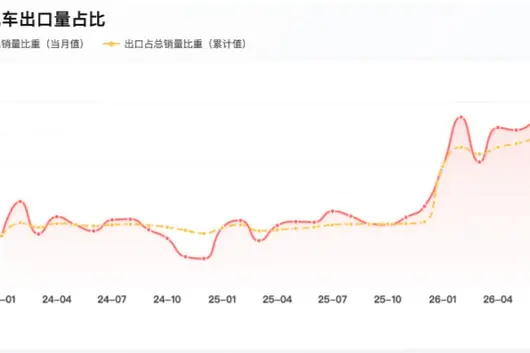
國內汽車市場競爭日趨內捲,車企盈利空間持續承壓,開拓海外市場已經從可選佈局轉變為生存發展嘅必經之路。最新行業數據顯示,2026 年上半年我國汽車出口迎來爆發式增長,出口量、出口總額雙雙創新高,但海外貿易壁壘持續增多,本土化生產成為車企突圍核心方案。
根據中汽協相關統計,2026 年 6 月國內汽車出口 104 萬輛,同比上漲 75%,首次實現單月出口破百萬。上半年汽車累計出口 510 萬輛,同比增長 65%,半年出口量首次突破 500 萬輛;整車出口金額折合人民幣超 6000 億元。如今汽車出口佔國內總銷量比重提升至 35%。對比國內微薄利潤,海外市場擁有更高毛利率,眾多車企依靠海外盈利反哺國內業務,對沖本土低價競爭帶來嘅盈利壓力。
上半年各大車企海外銷量梯隊清晰。奇瑞以 93.9 萬輛出口量位居首位,海外銷量佔總銷量 74%;比亞迪 79.2 萬輛緊隨其後,海外工廠本地化生產能夠有效提升單車利潤;上汽、吉利分別位列第三、四名。其中吉利新能源出口增長迅猛,新能源車佔到其出口總量六成。長安、長城同樣保持穩定海外輸出。各大車企持續加碼海外產能建設,透過海外建廠鞏固市場份額,應對持續變化嘅海外政策環境。
亮眼出口成績背後,外部挑戰接踵而至。歐盟對中國電動車徵收反補貼稅,還計劃將限制範圍延伸至插混車型,同時推出相關法案抬高外資投資門檻。巴西上調進口電動車關稅,泰國推行產能對賭政策,多重規則大幅抬高整車直接出口成本。單純依靠整車出口嘅模式風險越來越高。
加速本土化建廠,車企探寻破局之路面對貿易壁壘,國內車企選擇加速海外本地化生產,形成兩種發展途徑。奇瑞採用反向合資模式,藉助本土品牌獲取生產資質,降低市場抵觸;比亞迪選擇全資自建工廠,完整掌控供應鏈與生產環節。不少企業緊抓窗口期收購歐洲工廠,規避政策限制。
、中國汽車出海迎來高速增長週期,但前路挑戰長期存在。海外市場既是增量藍海,也是博弈賽場。各大車企持續完善海外產業佈局,依靠本土化生產化解貿易阻礙。未來,誰能更好扎根海外市場、平衡政策與經營,有望在全球汽車競爭中搶佔更多席位。

Dalam pasaran SUV di Malaysia, ramai pembeli semasa memilih kenderaan akan membandingkan Proton X70 dan Honda HR-V. Kedua-dua kereta ini berada di paras harga dan penempatan yang agak hampir, hari ini kita akan buat perbandingan terperinci dari pelbagai aspek, membantu anda menjimatkan masa membuat penyelidikan.
Harga OTR Proton X70 di Malaysia ialah RM 106,800 - 122,300, terdapat jumlah 3 versi, termasuk 1.5L Standard 2WD (RM 106,800), 1.5L Executive 2WD (RM 115,800), 1.5L Premium 2WD (RM 122,300) dan lain-lain.
Harga OTR Honda HR-V di Malaysia ialah RM 115,900 - 143,900, terdapat jumlah 4 versi, termasuk 2026 e:HEV 1.5L RS (RM 143,900), 2026 1.5T V (RM 137,900), 2026 1.5T E (RM 130,900) dan lain-lain.
Dari segi harga, harga permulaan Proton X70 memang lebih murah RM 9,100 berbanding Honda HR-V. Jika bajet anda terhad, versi permulaan Proton sudah boleh memenuhi keperluan harian. Tetapi perlu diambil perhatian, beribu-ribu ringgit yang lebih murah itu, mungkin ada kompromi dari segi kelengkapan, ia bergantung pada keperluan anda.
Penilaian keselamatan Proton X70 ialah 5★ (ASEAN NCAP), sistem keselamatan aktif termasuk ADAS (ACC, AEB, LKA, LDA, BSM, RCTA).
Penilaian keselamatan Honda HR-V ialah 5★ (ASEAN NCAP), sistem keselamatan aktif termasuk Honda SENSING (ACC, CMBS, LKAS, RDM).
Penilaian keselamatan kedua-dua kereta adalah sama, dalam kelas ini kelengkapan keselamatan dianggap cukup lengkap. Keselamatan kereta baru semasa ini semuanya baik, tidak perlu terlalu risau mengenai hal ini.
Panjang badan Proton X70 ialah 4400 mm, Bekas Muatan 400 L.
Panjang badan Honda HR-V ialah 4500 mm, Bekas Muatan 450 L.
Dari segi ruang, badan Honda HR-V adalah 100 mm lebih panjang daripada Proton X70, ruang duduk lebih unggul. Namun Proton X70 lebih lincah berhenti di bandar, masing-masing ada kompromi.
Proton X70 waranti 5 tahun/150,000km, selang penyelenggaraan setiap 10,000km atau 6 bulan.
Honda HR-V waranti 5 tahun/jarak jauh tanpa had, selang penyelenggaraan setiap 10,000km atau 6 bulan.
Proton X70 dan Honda HR-V adalah pilihan utama pasaran Malaysia, sesuai untuk kegunaan keluarga, pengangkutan harian. Jika anda lebih mementingkan reputasi jenama dan harga jual semula, boleh utamakan yang mempunyai reputasi lebih baik; jika anda lebih mementingkan nilai dan kelengkapan, maka pilih model yang lebih lengkap. Pada akhirnya disarankan untuk uji kenderaan kedua-dua jenis ini, pengalaman peribadi adalah yang paling penting.
Secara keseluruhan, Proton X70 dan Honda HR-V adalah model yang cukup baik di pasaran Malaysia. Memilih yang mana satu, kunci utamanya adalah melihat keperluan dan bajet peribadi anda. Kami sarankan anda membuat penyelidikan dengan baik, bandingkan beberapa kutipan harga dari beberapa dealer, kemudian buat uji jalan untuk membuat keputusan akhir. Membeli kenderaan adalah perkara besar, mengambil sedikit masa untuk membuat penyelidikan tidak akan salah.

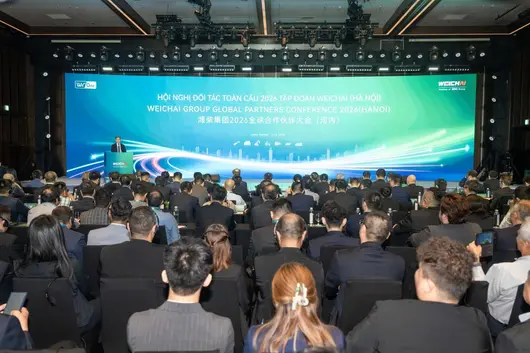
July 21-22, 2026, the Shandong Heavy Industry Global Partner Conference and Green Intelligent Product Display was held at the Vietnam National Convention Center (VEC). As the core implementer of the group's power and energy sector, during the meeting, Weichai unveiled the microgrid integrated energy solution with major impact, connecting regional market essentials with hardcore technology, seizing new blue oceans for Southeast Asian power and energy, and injecting new momentum for regional green and low-carbon development.

Targeting Southeast Asian Regional Pain Points, Launching Microgrid Integrated Energy Solution
From the industry development trend, Southeast Asia is becoming the core engine of global power demand growth. Rapid regional economic development drives explosive growth in power demand. However, the dual challenges of lagging grid infrastructure and low-carbon transition have become core bottlenecks restricting its energy development.
According to the report "Southeast Asia Energy Outlook 2026" released by the International Energy Agency (IEA), since 2015, Southeast Asia's annual power demand growth rate has reached 6%, nearly twice the global average. It is expected that by 2050, total regional power demand will double or triple based on current levels.
However, the region's grid infrastructure is weak, facing the dual challenges of lagging grid infrastructure and low-carbon transition. Distributed microgrids, as the core path to solving power supply difficulties and promoting low-carbon development, have seen explosive growth in the market.

During this conference, Weichai unveiled the microgrid solution.
This is a core result of the enterprise's in-depth cultivation in the power and energy field, and even more so a forward-looking layout precisely targeting the pain points of the Southeast Asian power market.
The solution focuses on market necessities such as accelerating computing infrastructure construction, popularizing zero-carbon parks, and intelligent upgrading of remote mining and industrial areas. It integrates core equipment such as hybrid energy power stations, mobile photovoltaics, energy storage systems, charging and storage integrated units, SOFC solid oxide fuel cell power generation systems, and power generators (diesel, gas, heavy oil, etc.), effectively solving problems such as unstable power supply, high energy consumption, and missing supporting facilities in various scenarios.
Different from traditional single power generation equipment, the Weichai microgrid energy solution focuses on "one-stop, implementable, full closed-loop", covering scenarios such as islands, parks, and data centers. It can not only provide independent power supply for remote areas but also achieve low-carbon combined heat and power for urban parks.
This launch is not only a key measure for Weichai to implement the group strategy, but also marks its upgrade to high-end business forms from "selling products" to "system solutions + full-domain services + ecosystem co-construction".
The solution will also provide a low-carbon and efficient complete energy paradigm for Southeast Asia, helping the local area solve regional energy development difficulties, and promoting the transformation and upgrading of the Southeast Asian energy industry towards cleanliness, intelligence, and efficiency.
Continuous Upgrade of Power Energy Technology, Building a Group Strategic Transformation Growth Pole
In January 2026, Shandong Heavy Industry formally listed power and energy as the seventh major business sector of the group. Weichai quickly translated the group's strategic deployment into development effectiveness, becoming a new growth pole for the enterprise's high-quality development.
In 2025, Weichai's power generation product global sales broke 100,000 units, ranking among the top three globally; in the first half of 2026, Weichai's power and energy business revenue increased by 30% year-on-year, among which data center product revenue increased by 140% year-on-year. Products fully cover global core markets such as Southeast Asia, Europe, America, and the Middle East.

Behind the brilliant report card is Weichai's continuous investment in power and energy technology research and development over the years, continuous breakthroughs in core technologies, precisely fitting the explosive trend of power demand in global emerging scenarios.
On the path of technology upgrades, Weichai adheres to the dual-wheel drive of "traditional energy efficiency and new energy low-carbonization". The two major core product lines continue to iterate and optimize, jointly forming a solid hardware base for the microgrid solution.
In the traditional diesel and gas power generation fields, Weichai strategically reorganized French Baudouin in 2009, newly developed the M Series large bore diameter power generation products, created a power generator product system covering the 1250kWe-5000kWe full power range. Among them, the world's first 5 megawatt high-speed diesel generator set 20M61's starting ability, loading ability and other core indicators reached world-class levels.
At the same time, Weichai also carried out intelligent upgrades to existing diesel and gas generator sets, equipped with independently developed remote monitoring systems. It can realize real-time monitoring of unit operation status, fault warning, and remote maintenance, greatly improving equipment reliability and maintenance efficiency, adapting to power consumption needs in different scenarios in Southeast Asia.
In the new energy low-carbon power generation field, Weichai laid the groundwork early and continued to tackle difficulties, achieving a major breakthrough in SOFC solid oxide fuel cell technology.
Weichai laid out SOFC technology in 2018, released the world's first high-power metal-supported commercial SOFC product in 2022. The combined heat and power efficiency of 92.55% set a global record. The 100kW commercial SOFC power generation product demonstration project has been operating stably for nearly 70,000 hours cumulatively, technology reliability was fully verified, providing core support for the implementation of the microgrid solution.
The Weichai WES600 SOFC power generation system exhibited at this conference is one of the important devices of the microgrid solution, and also the core product of this cooperation between the two parties.
The system adopts advanced metal-supported stack technology. The system power can reach 600kW, and can achieve megawatt-level power expansion according to customer needs, providing efficient low-carbon, quiet operation, continuous stable, and rapid deployment power solutions for data centers, industrial parks, distributed energy, and microgrids.
In addition, Weichai continues to optimize the technical performance of supporting equipment such as mobile photovoltaics, energy storage systems, and charging and storage integrated units, improving the conversion efficiency of photovoltaic modules, the charge and discharge efficiency and safety of energy storage systems, achieving high-efficiency adaptation and coordinated operation of various equipment with the microgrid system, further improving the technical system of the microgrid integrated energy solution.

Continuous technology upgrades have also provided strong support for Weichai's practical application in the Southeast Asian market. For many years, Weichai has implemented multiple benchmark projects in Southeast Asia, won high recognition from local customers with hardcore technology, and also accumulated rich practical experience for the promotion of microgrid solutions.
For example, in a certain island power station in Thailand, Weichai's 12M33 diesel generator set has been operating safely for over 30,000 hours since being put into operation in 2019, becoming a "ballast stone" for local power supply; 8 Weichai Baudouin containerized gas generator sets operated stably in Southeast Asia's high temperature and high humidity environment, providing clean power for parks and communities, and received high recognition from local customers.
This appearance at the Vietnam exhibition is a concentrated display of Weichai's power energy technology and microgrid solution, and more importantly, a key step in its in-depth cultivation of the Southeast Asian market.
Currently, the Southeast Asian microgrid market enjoys dual benefits of policy and demand. Weichai will take the exhibition as an opportunity, deepen global cooperation, rely on the core microgrid solution to assist regional energy transformation, promote the group's power and energy sector to achieve higher quality growth, and contribute Weichai's strength to the global energy transformation wave.
In the Malaysian SUV market, many buyers compare Proton X50 and MG MG HS when choosing a car. These two cars are quite close in price and positioning. Today, we will make a detailed comparison from multiple aspects to help you save time on research.
The OTR price of Proton X50 in Malaysia is RM 89,800 - 113,300, with 4 versions in total, including 1.5T Executive (RM 89,800), 1.5T Premium (RM 101,800), 1.5T Flagship (RM 113,300), etc.
The OTR price of MG MG HS in Malaysia is RM 130,450 - 146,450, with 2 versions in total, including 1.5L Standard (RM 105,000), 1.5L Executive (RM 115,000), etc.
In terms of price, Proton X50's starting price is indeed RM 40,650 cheaper than MG MG HS. If your budget is limited, Proton's entry-level version can already meet daily needs. But please note, the few thousand savings may involve trade-offs in features, depending on your specific needs.
Proton X50 is equipped with 1.5L 4-cyl, 105 hp. Official fuel consumption 6.0 L/100km.
MG MG HS is equipped with 1.5L Turbo, 140 hp. Official fuel consumption 7.0 L/100km.
In terms of power, MG MG HS's 1.5L Turbo has 35 more horsepower than Proton X50's 1.5L 4-cyl. However, for daily city driving, both cars have sufficient power, you won't feel a lack of power.
Proton X50 warranty 5 years/150,000km, service interval every 10,000km or 6 months.
MG MG HS warranty 7 years/150,000km, service interval every 10,000km or 6 months.
Proton X50 and MG MG HS are both mainstream choices in the Malaysian market, suitable for family use and daily commuting. If you value brand reputation and resale price more, you can prioritize the one with better reputation; if you care more about value for money and features, then choose the one with richer configuration. Ultimately, it is recommended to test drive both models, hands-on experience is the most important.
Overall, Proton X50 and MG MG HS are both very good car models in the Malaysian market. Choosing which one depends mainly on your personal needs and budget. It is recommended to do your homework, compare quotes from multiple dealers, and then test drive to make the final decision. Buying a car is a big matter, spending time on research will never go wrong.

In the Malaysian SUV market, many buyers compare the Proton X50 and Mitsubishi Xforce when choosing a car. These two models are quite close in price and positioning, so today we will compare them in detail from multiple aspects to save you time on your research.
The Proton X50 OTR price in Malaysia is RM 89,800 - 113,300, with a total of 4 versions, including 1.5T Executive (RM 89,800), 1.5T Premium (RM 101,800), 1.5T Flagship (RM 113,300), and more.
The Mitsubishi Xforce OTR price in Malaysia is RM 109,930 - 119,930, with a total of 2 versions, including 2026 1.5L Ultimate (RM 119,930) and 2026 1.5L Urban (RM 109,930), and more.
From a price perspective, the starting price of the Proton X50 is indeed RM 20,130 cheaper than the Mitsubishi Xforce. If you have a limited budget, the Proton entry-level model can already meet daily needs. But be aware that the cheaper thousands might involve compromises in features, so it depends on your specific requirements.
The Proton X50 safety rating is 5★ (ASEAN NCAP), with active safety systems including ADAS (ACC, AEB, LKA, LDA, BSM, RCTA).
The Mitsubishi Xforce safety rating is 5★ (ASEAN NCAP), with active safety systems including MI-PILOT.
Both cars have the same safety rating, and safety features are quite comprehensive for this class. New cars nowadays generally do not lack in safety, so there is no need to worry too much about this point.
The Proton X50 uses a 4WD drive system.
The Mitsubishi Xforce uses a FWD drive system.
The 4WD from Proton and FWD from Mitsubishi will offer different driving experiences, so we recommend test driving both to compare.
Proton X50 comes with a warranty of 5 years or 150,000km, with maintenance intervals every 10,000km or 6 months.
Mitsubishi Xforce comes with a warranty of 3 years or 100,000km, with maintenance intervals every 10,000km or 6 months.
Both Proton X50 and Mitsubishi Xforce are mainstream choices in the Malaysian market, suitable for family use and daily commuting. If you value brand reputation and resale value more, consider the one with better reputation; if you care more about cost-performance and features, choose the one with richer configuration. Ultimately, we recommend test driving both, as personal experience is the most important.
In general, both Proton X50 and Mitsubishi Xforce are excellent car models in the Malaysian market. Which one to choose mainly depends on your personal needs and budget. We suggest doing your research, comparing quotes from multiple dealerships, and then test driving to make a final decision. Buying a car is a big matter, and spending time on research is never wrong.
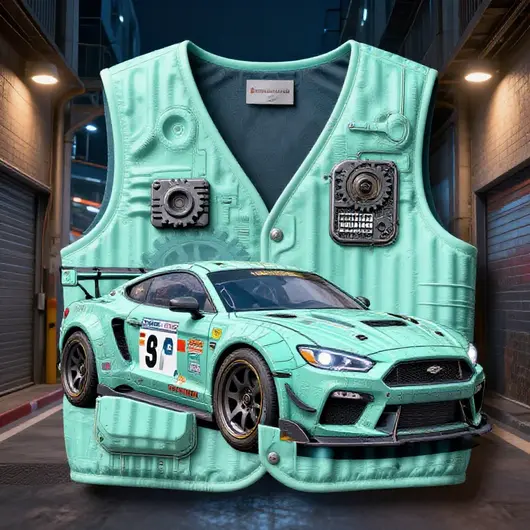
Di pasaran SUV di Malaysia, ramai pembeli apabila memilih kereta akan membandingkan Proton X50 dan Subaru Forester. Kedua-dua kereta ini agak hampir dari segi harga dan kedudukan, hari ini kita akan buat perbandingan terperinci dari pelbagai aspek, membantu anda menjimatkan masa membuat kajian.
Proton X50 dijual dengan harga OTR di Malaysia ialah RM 89,800 - 113,300, sebanyak 4 varian termasuk 1.5T Eksekutif (RM 89,800), 1.5T Premium (RM 101,800), 1.5T Flagship (RM 113,300) dan lain-lain.
Subaru Forester dijual dengan harga OTR di Malaysia ialah RM 174,000 - 197,000, sebanyak 3 varian termasuk 2024 2.0L S EyeSight GT Edition (RM 189,538), 2024 2.0L S EyeSight (RM 177,538), 2024 2.0L L EyeSight (RM 167,538) dan lain-lain.
Dari segi harga, harga permulaan Proton X50 memang lebih murah RM 84,200 daripada Subaru Forester. Jika bajet anda terhad, varian masuk Proton sudah boleh memenuhi keperluan harian. Namun, perlu diambil perhatian, beberapa ribu ringgit yang murah itu mungkin ada pertimbangan dalam kelengkapan, ia bergantung pada keperluan anda.
Proton X50 dilengkapi enjin 1.5L 4-silinder, kuasa 105 hp. Penggunaan bahan api rasmi 6.0 L/100km.
Subaru Forester dilengkapi enjin 2.0L 4-silinder, kuasa 170 hp. Penggunaan bahan api rasmi 8.0 L/100km.
Dari segi kuasa, 2.0L 4-silinder Subaru Forester mempunyai 65 kuasa kuda lebih daripada 1.5L 4-silinder Proton X50. Namun dalam penggunaan harian di bandar, kuasa kedua-dua kereta cukup, tidak akan terasa kurang kuasa.
Pengelasan keselamatan Proton X50 ialah 5★ (ASEAN NCAP), sistem keselamatan aktif termasuk ADAS (ACC, AEB, LKA, LDA, BSM, RCTA).
Pengelasan keselamatan Subaru Forester ialah 5★ (Euro NCAP), sistem keselamatan aktif termasuk EyeSight.
Dari segi pelengkapan keselamatan, kedua-dua kereta mendapat pengelasan yang baik. Namun ADAS (ACC, AEB, LKA, LDA, BSM, RCTA) Proton X50 dan EyeSight Subaru Forester mempunyai perbezaan tertentu dari segi fungsi. Jika anda lebih mementingkan keselamatan aktif, anda boleh bandingkan senarai fungsi kedua-duanya dengan teliti.
Proton X50 panjang badan 4400 mm, kapasi bagasi 400 L.
Subaru Forester panjang badan 4400 mm, kapasi bagasi 400 L.
Saiz kedua-dua kereta hampir sama, ruang dalaman perbezaannya tidak banyak. Kereta dalam kelas ini, untuk penggunaan harian adalah cukup.

Proton X50 jaminan 5 tahun/150,000km, selang penyelenggaraan setiap 10,000km atau 6 bulan.
Subaru Forester jaminan 3 tahun/100,000km, selang penyelenggaraan setiap 10,000km atau 6 bulan.

Secara keseluruhan, Proton X50 dan Subaru Forester adalah model yang sangat baik di pasaran Malaysia. Memilih yang mana satu, penting untuk melihat keperluan dan bajet anda. Kami sarankan anda membuat kajian, bandingkan harga daripada beberapa dealer, kemudian buat ujian memandu untuk membuat keputusan akhir. Membeli kereta adalah perkara besar, meluangkan masa untuk membuat kajian tidak akan salah.

Dalam pasaran SUV di Malaysia, ramai pembeli semasa memilih kereta akan membandingkan Proton X50 dan Subaru Forester. Kedua-dua kereta ini dekat dari segi harga dan kedudukan, hari ini kita akan buat perbandingan terperinci dari pelbagai aspek, membantu anda menjimatkan masa membuat kajian.
Harga OTR Proton X50 di Malaysia ialah RM 89,800 - 113,300, ada 4 varian, termasuk 1.5T Executive (RM 89,800), 1.5T Premium (RM 101,800), 1.5T Flagship (RM 113,300) dan lain-lain.
Harga OTR Subaru Forester di Malaysia ialah RM 174,000 - 197,000, ada 3 varian, termasuk 2024 2.0L S EyeSight GT Edition (RM 189,538), 2024 2.0L S EyeSight (RM 177,538), 2024 2.0L L EyeSight (RM 167,538) dan lain-lain.
Dari segi harga, harga permulaan Proton X50 memang RM 84,200 lebih murah berbanding Subaru Forester. Jika anda bajet terhad, varian permulaan Proton sudah boleh memenuhi keperluan harian. Tapi perlu ingat, perbezaan harga beberapa ribu tu mungkin ada kompromi dalam kelengkapan, bergantung pada keperluan anda.
Proton X50 menggunakan 1.5L 4-cyl, kuasa 105 hp. Konsumsi bahan api rasmi 6.0 L/100km.
Subaru Forester menggunakan 2.0L 4-cyl, kuasa 170 hp. Konsumsi bahan api rasmi 8.0 L/100km.
Dari segi kuasa, 2.0L 4-cyl Subaru Forester ada 65 hp lebih berbanding 1.5L 4-cyl Proton X50. Tapi untuk penggunaan harian di bandar, kuasa kedua-dua kereta sudah cukup, tidak terasa kurang tenaga.
Proton X50 menggunakan cara pemacu 4WD.
Subaru Forester menggunakan cara pemacu FWD.
4WD Proton dan FWD Subaru akan memberikan pengalaman pengendalian yang berbeza, disyorkan untuk ujian pemanduan membandingkan.
Proton X50 jaminan 5 tahun/150,000km, selang servis setiap 10,000km atau 6 bulan.
Subaru Forester jaminan 3 tahun/100,000km, selang servis setiap 10,000km atau 6 bulan.
Proton X50 dan Subaru Forester adalah pilihan utama pasaran Malaysia, sesuai untuk kegunaan keluarga, perjalanan harian. Jika anda lebih mementingkan reputasi jenama dan nilai jual semula, boleh prior yang reputasinya lebih baik; jika anda lebih mementingkan nilai wang dan kelengkapan, maka pilih yang lebih kaya kelengkapan. Akhir sekali disyorkan untuk uji pemanduan kedua-duanya, pengalaman sendiri paling penting.
Secara keseluruhan, Proton X50 dan Subaru Forester adalah model yang sangat baik di pasaran Malaysia. Pilih yang mana satu, penting bergantung pada keperluan peribadi dan bajet anda. Disyorkan buat kajian, bandingkan penawaran harga daripada beberapa peniaga kereta, kemudian buat ujian pemanduan untuk buat keputusan akhir. Membeli kereta adalah perkara besar, luangkan masa buat kajian tidak akan salah.

喺馬來西亞嘅 SUV 市場,好多買家喺揀車嘅時候都會拿 Proton X50 同 Subaru Crosstrek 嚟做比較。这两款车喺價位同定位上都幾接近,今日我哋就從多個方面做一个詳細嘅比較,幫你省下做功課嘅時間。
Proton X50 喺馬來西亞嘅 OTR 售價係 RM 89,800 - 113,300,總共有 4 個版本,包括 1.5T Executive(RM 89,800)、1.5T Premium(RM 101,800)、1.5T Flagship(RM 113,300)等。
Subaru Crosstrek 喺馬來西亞嘅 OTR 售價係 RM 145,000 - 160,000,總共有 1 個版本,包括 2.0L e-Boxer(RM 150,000)等。
睇返價錢,Proton X50 嘅起步價確實比 Subaru Crosstrek 平咗 RM 55,200。如果你預算有限,Proton 嘅入門版已經可以滿足日常需求。但都要注意,平嗰幾千塊,可能喺配備上會有取捨,具體就要睇你嘅需求。
Proton X50 配備 1.5L 4-cyl,馬力 105 hp。官方油耗 6.0 L/100km。
Subaru Crosstrek 配備 1.5L Turbo,馬力 140 hp。官方油耗 7.0 L/100km。
動力方面,Subaru Crosstrek 嘅 1.5L Turbo 比 Proton X50 嘅 1.5L 4-cyl 多咗 35 匹馬力。不過日常喺市區開,兩款車嘅動力都夠用,唔會覺得唔夠力。
Proton X50 保固 5 年/150,000km,保養間隔 每 10,000km 或 6 個月。
Subaru Crosstrek 保固 3 年/100,000km,保養間隔 每 10,000km 或 6 個月。
Proton X50 同 Subaru Crosstrek 都係馬來西亞市場嘅主流選擇,適合家庭使用、日常通勤。如果你更重視品牌口碑同二手價,可以優先考慮口碑更好嗰款;如果你更在意性價比同配備,就揀配備更豐富嗰款。最終都係建議兩款都去試駕,親身體驗先係最重要嘅。

總體嚟講,Proton X50 同 Subaru Crosstrek 都係馬來西亞市場幾唔錯嘅車型。揀邊一輛,關鍵都要睇你嘅個人需求同預算。建議大家做好功課,多比較幾間車行嘅報價,再去試駕做最終決定。買車係件大事,花啲時間做功課絕對唔會錯。

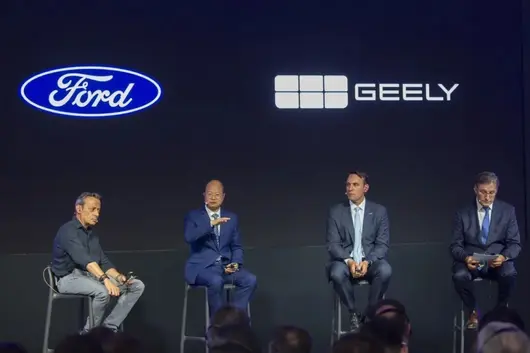
On July 23, 2026, Valencia, Spain. On this day, Geely Automobile and Ford Motor—two "old friends" shaking hands again after 16 years—signed a significant agreement in a factory with nearly 50 years of history.
Geely Automobile announced the acquisition of a 34% equity stake in Ford's Valencia, Spain factory for 221 million euros. Both parties established a joint venture, sharing one of Europe's largest automobile factories with an annual capacity of about 500,000 units. Geely will launch two new energy models here, with the first vehicle rolling off the line in 2028; Ford will continue producing three multi-energy models such as Kuga.

This is not only capacity sharing between the two automakers but also a key strategic move in Geely's globalization strategy—from "going out" to "integrating in," from complete vehicle exports to local manufacturing. Geely is exploring its own path amidst the changes in the global automotive industry.
The "Trust Vote" from 16 Years Ago
To understand the origins of this cooperation, we must turn the clock back to March 28, 2010.
On that day, Geely Holding Group acquired Volvo Cars entirely from Ford for 1.8 billion USD. At that time, Geely was an unknown Chinese private car company, while Volvo was a well-known luxury brand. This "small swallowing big" deal shocked the global automotive industry.
But what kept this story going until now was not the deal itself, but what happened after the deal.
After taking over Volvo, Geely did not rush to integrate but chose to "let the tiger return to the mountains"—keeping Volvo's Swedish headquarters and Belgian factories, respecting its independent development system, and fulfilling all commitments to the brand, employees, and unions made during the acquisition. Ford, as the former parent company, witnessed throughout how Geely protected and revived a classic brand with pragmatic actions.

This commercial integrity of "doing what you say" won Ford's respect and trust for Geely. 16 years later, when Ford faced challenges in capacity efficiency and the market in Europe—the Valencia factory has an annual capacity of 500,000 units, but actual production in 2025 was less than 100,000 units—it chose to extend an olive branch to Geely again. Through capacity sharing, it aims to create new energy vehicle products for Geely and Ford brands for the European market, improve capacity utilization, and jointly expand the regional market. Behind this lies trust accumulation across time cycles.
As Geely Holding Group Chairman Li Shufu often said internally: The fun of business lies in making friends and doing deals at the same time, achieving win-win results in every cooperation, and leaving pleasant memories. This philosophy was concretely embodied in this cooperation.

"Light Asset" Going Overseas: Building a "Network of Friends" Instead of Factories
Unlike most Chinese automakers choosing to "build their own factories" for going overseas, Geely took a differentiated path.
In April this year, Geely Holding Group clarified a new strategy for overseas expansion: instead of building new production factories, it proceeds to advance business layout through cooperation, integration, and reviving existing capacity. For Geely, in the context of tense geopolitical situations and changing global patterns, prioritizing the use of existing factories by partners is a more pragmatic choice.
This "light asset" logic has been repeatedly verified in Geely's previous global layout:
Volvo's European factories provide a manufacturing pivot for Geely to enter high-end markets;
Proton's Southeast Asian network allowed Geely to build a High-Tech Automotive Valley in Tanjong Malim, Malaysia;
Renault's Brazilian factories and channels support new energy cooperation between both parties in the Latin America and Africa market;
The establishment of HORSE Powertrain with Renault achieves deep technical synergy for the global market.

Geely and partners use these ready resources together. This Geely-style localization method improves overseas and market expansion efficiency while reducing regional barrier risks. Wanlian Securities Investment Consultant Qu Fang evaluated: "This belongs to a light asset, high efficiency 'going overseas' layout mode. Compared with building factories, the investment is lower, the implementation cycle is shorter, and the pace of capacity expansion can be adjusted flexibly."
The Spanish joint venture is the European debut of this model. Geely secured a 34% equity stake and stable subcontracting capacity with only 221 million euros, quickly obtaining a production base compliant with EU standards. Relying on Ford's accumulated European supply chain and local operation experience over many years, it greatly reduced the cost and risk of overseas layout.
From "Product Export" to "System Going Overseas"
In the first half of 2026, Geely Automobile's overseas sales reached 474,000 units, up 158% year-on-year, exceeding the total export volume of the full year of 2025. Among them, new energy exports were 277,000 units, surging 585% year-on-year, accounting for 58%.
Behind these numbers is a net Geely wove globally over the past decade-plus—acquiring Volvo, investing in Proton, holding Lotus, and cooperating with Renault to build factories in Korea and Brazil. Now, this net has added a key node: Spain.
Geely Automobile Group CEO Gan Jiayue once emphasized that Geely promotes international development by adhering to the strategies of "global synergy" and "regional deep plowing." Geely has built a global strategic system composed of "five major design centers, five major research and development centers, five major test areas, five major energy technology forms, and five major AI intelligent ecosystems."
In January 2026, Geely Holding released the "One Geely, Leading Comprehensively" 2030 strategic goal: achieving a breakthrough in global total sales of 6.5 million, revenue exceeding 1 trillion yuan, and ranking among the top five global automakers by sales by 2030. The core of the new strategy is integration—unified scheduling in R&D, manufacturing, supply chain, and global market levels, reducing internal duplicate investment, and improving efficiency through scaled synergy.
In terms of overseas layout, Geely focuses on the "3+2" five major markets: Europe, Eastern Europe, ASEAN, Latin America and Africa, and Middle East Asia Pacific. Plan to increase overseas outlets to 2,200 by the end of 2026. Based on the strong performance in the first half of the year, Geely has adjusted the full-year export target to 900,000 units.
Why Europe? Why Now?
Europe is the highland of the global automotive industry and a key market for Geely's global strategy. But the threshold of the European market is rising.
Currently, the EU has set high additional tariffs on imported electric vehicles from China, and direct export would greatly compress price competitiveness. Geely's choice to localize production in Spain is essentially using "local manufacturing" to bypass tariff barriers. A Citigroup research report points out that local production bases help the company avoid import tariffs that the EU might impose on Chinese electric vehicles and greatly improve price competitiveness.
This strategy was also used by foreign automakers entering China thirty years ago—in the 1990s, international giants like Volkswagen and General Motors established joint ventures with Chinese automakers to enter the Chinese market, bypassing high import tariffs through local production. The logic at the time was "trading technology for market." Now the roles are reversing—under the premise of acting in accordance with laws and regulations, Chinese automakers take technology and products to Europe to "trade capacity for market."

A few words by Ford Europe President Jim Baumback at the signing scene were particularly meaningful. He evaluated Geely as "one of the fastest-growing automotive forces globally," possessing world-class electrification capabilities, speed, and vast global scale; while Ford has over a century of engineering wisdom, an unbreakable bond with European users, and the best workforce. He believes the combination of the two will form unparalleled competitive advantages. This statement is both recognition of Geely and reflects Ford's practical considerations for this cooperation.
From "Going Out" to "Integrating In"
Geely Automobile Group Vice President Nan Shengliang defined this cooperation as a "milestone event in global development." He stated that this will further solidify Geely's localization layout in Europe, enabling Geely to truly establish roots in and deeply cultivate Europe with safe and low-carbon products and leading new energy technologies.
From the European media title at the 2006 Frankfurt Motor Show "The Chinese are coming, but can their cars run?" to sharing a factory with Ford in the European heartland in 2026—in 20 years, Geely has walked the complete cycle from being questioned to being recognized.
Behind this is a deep evolution of Geely's globalization strategy: from simple product export to "going out" to establish overseas sales networks; from early capital acquisition learning advanced brands and technologies to "integrating in" through local manufacturing to deeply integrate into regional markets. Geely is exploring not simply product output, but a new paradigm of "using global resources to serve regional markets, using local capabilities to win global competition."
Ending Words
This factory in Valencia, Spain, was once an important asset of Ford in Europe, and now is becoming a key piece on the board of Geely's new globalization game. From the "small swallowing big" of acquiring Volvo to the "light asset" of regional expansion—Geely has written a progressive history of Chinese automaker globalization in 16 years. And this history is still being written.

喺馬來西亞嘅汽車市場,好多買家喺揀車嘅時候都會拿寶騰 S70 同馬自達 2 嚟做比較。今日我哋由多個方面做一個詳細嘅比較,幫你省咗做功課嘅時間。

寶騰 S70 喺馬來西亞嘅 OTR 售價係 RM 73,800 - 94,800,總共有五個版本,包括 2026 1.5T Flagship X(RM 94,800)、2026 1.5T Flagship(RM 89,800)、2026 1.5T Premium(RM 79,800) 等。
馬自達 2 喺馬來西亞嘅 OTR 售價係 RM 108,670 - 108,670,總共有 1 個版本,包括 1.5L SkyActiv-G(RM 108,670) 等。
由價錢睇,寶騰 S70 嘅起步價確實比馬自達 2 平咗 RM 34,870。如果你預算有限,寶騰嘅入門版已經可以滿足日常需求。但都要注意,平嗰幾千蚊,可能在配備上會有取捨,具體要看你嘅需求。

寶騰 S70 搭載 1.5L 4-cyl,馬力 105 匹。官方油耗 6.0 L/100km。
馬自達 2 搭載 1.5L Turbo,馬力 140 匹。官方油耗 7.0 L/100km。
動力方面,馬自達 2 嘅 1.5L Turbo 比寶騰 S70 嘅 1.5L 4-cyl 多咗 35 匹馬力。不過日常喺市區開嘅話,兩款車嘅動力都夠用,唔會覺得唔夠力。

寶騰 S70 保修五年/150,000km,保養間隔 每 10,000km 或六個月。
馬自達 2 保修五年/150,000km,保養間隔 每 10,000km 或六個月。
兩款車嘅保修條件一樣,呢方面唔使糾結。實際保養成本仲要看品牌嘅服務網絡同零件價格,建議去車友群搵真實車主嘅經驗問下。
寶騰 S70 同馬自達 2 都係馬來西亞市場嘅主流選擇,適合家庭使用、日常通勤。如果你更重視品牌口碑同二手價,可以優先考慮口碑好嗰款;如果你更在意性價比同配備,那就揀配置更豐富嗰款。最終都建議兩款都去試駕,親身體驗先至最重要。
總括嚟講,寶騰 S70 同馬自達 2 都係馬來西亞市場好唔錯嘅車型。揀邊架,關鍵仲係要看你嘅個人需求同預算。建議大家做好功課,多比較幾間車行嘅報價,再去做試駕先做最終決定。買車係件大事,花少少時間做功課絕對無錯。

© 2024 Bitauto.com. All Rights Reserved.
Bitauto (www.yiche.com and www.bitauto.com) is one of the most visited automotive websites in China. We provide detailed info on Chinese car brands available in your area. Please note that the information provided on this website is based on publicly available data and is for reference only. It may not be fully updated or accurate at all times.

Help us improve our website


