

Homeheritage

Search History
Popular Searches
Dealer Login / Sign Up

Di pasaran SUV Malaysia, ramai pembeli membandingkan Honda HR-V dan Chery Tiggo 7 PHEV ketika memilih kereta. Kedua-dua kereta ini mempunyai harga dan posisi yang agak hampir, hari ini kita akan buat perbandingan terperinci dari pelbagai aspek, membantu anda menjimatkan masa membuat kaji selidik.
Honda HR-V dijual OTR di Malaysia pada harga RM 115,900 - 143,900, terdapat 4 varian, termasuk 2026 e:HEV 1.5L RS (RM 143,900), 2026 1.5T V (RM 137,900), 2026 1.5T E (RM 130,900) dan lain-lain.
Chery Tiggo 7 PHEV harga OTR di Malaysia ialah RM 129,750 - 129,750, terdapat 2 varian, termasuk 2025 1.5T 90km CSH (RM 129,750), Apakah kaedah pengecasan yang disokong oleh Tiggo 7 PHEV? Bolehkah ia dicas menggunakan soket kuasa rumah? (RM 117,478) dan lain-lain.
Dari segi harga, harga permulaan Honda HR-V memang RM 13,850 lebih murah berbanding Chery Tiggo 7 PHEV. Jika bajet terhad, varian asas Honda sudah cukup memenuhi keperluan harian. Tapi perlu diingat, beberapa ribu lebih murah ini, mungkin ada kompromi pada kelengkapan, bergantung kepada keperluan anda.

Honda HR-V menggunakan 1.5L Turbo, kuasa 140 hp. Penggunaan bahan api rasmi 7.0 L/100km.
Chery Tiggo 7 PHEV menggunakan Hybrid, kuasa 170 hp. Penggunaan bahan api rasmi 4.5 L/100km.
Dari segi kuasa, Hybrid Chery Tiggo 7 PHEV mempunyai 30 hp lebih daripada 1.5L Turbo Honda HR-V. Tetapi untuk memandu harian di bandar, kuasa kedua-dua kereta cukup, tidak rasa kurang tenaga.

Gred keselamatan Honda HR-V ialah 5★ (ASEAN NCAP), sistem keselamatan aktif termasuk Honda SENSING (ACC, CMBS, LKAS, RDM).
Gred keselamatan Chery Tiggo 7 PHEV ialah TBD, sistem keselamatan aktif termasuk Basic.
Dari segi kelengkapan keselamatan, kedua-dua kereta mendapat gred yang baik. Walau bagaimanapun, Honda SENSING (ACC, CMBS, LKAS, RDM) Honda HR-V dan Basic Chery Tiggo 7 PHEV mempunyai perbezaan dari segi fungsi. Jika anda lebih mementingkan keselamatan aktif, boleh bandingkan senarai fungsi kedua-duanya dengan teliti.

Honda HR-V menggunakan sistem penggerak FWD.
Chery Tiggo 7 PHEV menggunakan sistem penggerak FWD.
Sistem penggerak kedua-dua kereta sama, iaitu FWD, pengalaman memandu harian tidak akan ada perbezaan besar.

Secara keseluruhannya, Honda HR-V dan Chery Tiggo 7 PHEV adalah model kereta yang sangat baik di pasaran Malaysia. Memilih yang mana, utamanya bergantung kepada keperluan peribadi dan bajet anda. Kami sarankan anda membuat kajian, bandingkan banyak tawaran dari beberapa dealer, kemudian buat ujian jalan untuk membuat keputusan akhir. Membeli kereta adalah perkara besar, meluangkan masa untuk kajian pasti tidak salah.


喺馬來西亞嘅 SUV 市場,好多買家喺揀車時都會拿本田 HR-V 同 GWM 哈弗 H6 做比較。
本田 HR-V 喺馬來西亞嘅 OTR 售價係 RM 115,900 - 143,900,合共有 4 個版本,包括 2026 e:HEV 1.5L RS(RM 143,900)、2026 1.5T V(RM 137,900)、2026 1.5T E(RM 130,900) 等。
GWM 哈弗 H6 喺馬來西亞嘅 OTR 售價係 RM 139,750 - 139,750,合共有 2 個版本,包括 1.5L Turbo Standard(RM 140,000)、1.5L Turbo Premium(RM 155,000) 等。
睇返價錢,本田 HR-V 嘅入門價確實比 GWM 哈弗 H6 平咗 RM 23,850。如果你預算有限,本田嘅入門版已經可以滿足日常需要。但亦要記住,平嗰幾千塊,可能喺配備上會有取舍,具體睇返你嘅需要。
本田 HR-V 配備 1.5L Turbo,馬力 140 hp。官方油耗 7.0 L/100km。
GWM 哈弗 H6 配備 Hybrid,馬力 170 hp。官方油耗 4.5 L/100km。
動力方面,GWM 哈弗 H6 嘅 Hybrid 比本田 HR-V 嘅 1.5L Turbo 多咗 30 匹馬力。不過日常喺市區行,呢兩部車嘅動力都夠用,唔會覺得唔夠力。
本田 HR-V 車身長度 4500 mm,尾箱 450 L。
GWM 哈弗 H6 車身長度 4400 mm,尾箱 400 L。
空間方面,本田 HR-V 嘅車身比 GWM 哈弗 H6 長咗 100 mm,車內乘坐空間會稍為寬鬆啲,尤其係後座腳位空間。如果你經常載家人或者需要放嬰兒車,車身大少少嘅車確實更加實用。
本田 HR-V 保修 5 年/無限制里程,保養間隔 每 10,000km 或 6 個月。
GWM 哈弗 H6 保修 7 年/150,000km,保養間隔 每 10,000km 或 6 個月。
總括嚟講,本田 HR-V 同 GWM 哈弗 H6 都係馬來西亞市場幾唔錯嘅車型。揀邊一部,關鍵都係睇返你嘅個人需要同預算。建議大家做足功課,多比較幾間車行嘅報價,先去試車做最後決定。買車係件大事,花少少時間做功課絕對唔會錯。

喺馬來西亞嘅 SUV 市場,好多買家喺揀車嘅時候都會拿本田 HR-V 同奇瑞瑞虎 9 去做比較。呢兩款車喺價位同定位上都幾接近,今日我哋就從多個方面做一個詳細比較,幫你省返做功課嘅時間。
本田 HR-V 喺馬來西亞嘅 OTR 售價係 RM 115,900 - 143,900,一共有 4 個版本,包括 2026 e:HEV 1.5L RS(RM 143,900)、2026 1.5T V(RM 137,900)、2026 1.5T E(RM 130,900) 等。
奇瑞瑞虎 9 喺馬來西亞嘅 OTR 售價係 RM 166,800 - 179,800,一共有 1 個版本,包括 2026 2.0T Standard(RM 179,750) 等。
從價錢睇落,本田 HR-V 嘅起價確實比奇瑞瑞虎 9 平咗 RM 50,900。如果你預算有限,本田嘅入門版已經可以滿足日常需要。但都係要留意,平啲嗰啲幾千蚊,可能喺裝備方面會有取舍,具體睇你嘅需要。
本田 HR-V 配備 1.5L Turbo,馬力 140 hp。官方油耗 7.0 L/100km。
奇瑞瑞虎 9 配備 2.0L 4-cyl,馬力 170 hp。官方油耗 8.0 L/100km。
動力方面,奇瑞瑞虎 9 嘅 2.0L 4-cyl 比本田 HR-V 嘅 1.5L Turbo 多咗 30 匹馬力。不過日常喺市區開,兩款車嘅動力都夠用,唔會覺得唔夠力。
本田 HR-V 車身長 4500 mm,行李廂 450 L。
奇瑞瑞虎 9 車身長 4400 mm,行李廂 400 L。
空間方面,本田 HR-V 嘅車身比奇瑞瑞虎 9 長咗 100 mm,車內乘座空間會稍微寬裕少少,尤其係後座腿部空間。如果你經常載家人或者需要放手推車,大少少嘅車身確實更實用。
本田 HR-V 採用 FWD 驅動方式。
奇瑞瑞虎 9 採用 FWD 驅動方式。
兩款車嘅驅動方式一樣,都係 FWD,日常駕駛感覺唔會有太大分別。

本田 HR-V 同奇瑞瑞虎 9 都係馬來西亞市場嘅主流選擇,適合家庭使用、日常通勤。如果你更看重品牌口碑同二手價,可以優先考慮口碑更好嗰一款;如果你更在意性價比同配備,那就揀配置更豐富嗰款。最終都係建議兩款都去試車,親身體驗先至最緊要。

總體嚟講,本田 HR-V 同奇瑞瑞虎 9 都係馬來西亞市場幾唔錯嘅車型。揀邊一輛,關鍵都係要睇你嘅個人需要同預算。建議大家做足功課,多比較幾間車行嘅報價,再去試車先至做最終決定。買車係件大事,花啲時間做功課絕對無錯。

In the Malaysian SUV market, many buyers compare the Honda HR-V and Chery Tiggo 8 when choosing a car. These two cars are quite close in price and positioning. Today, we will make a detailed comparison from multiple aspects to help you save time doing research.
The OTR price of the Honda HR-V in Malaysia is RM 115,900 - 143,900, with a total of 4 versions, including 2026 e:HEV 1.5L RS (RM 143,900), 2026 1.5T V (RM 137,900), 2026 1.5T E (RM 130,900), etc.
The OTR price of the Chery Tiggo 8 in Malaysia is RM 129,750 - 129,750, with a total of 1 version, including 2026 1.6T Standard (RM 129,750), etc.
From a price perspective, the Honda HR-V's starting price is indeed RM 13,850 cheaper than the Chery Tiggo 8. If your budget is limited, Honda's entry-level version can already meet daily needs. But note also that the few thousand ringgit difference might have compromises in equipment, which depends on your needs.
Honda HR-V is equipped with 1.5L Turbo, 140 hp. Official fuel consumption 7.0 L/100km.
Chery Tiggo 8 is equipped with 1.5L Turbo, 140 hp. Official fuel consumption 7.0 L/100km.
Both cars use the same powertrain system, the driving experience is basically no difference daily. Fuel consumption is also similar, no need to worry too much about this point.
Honda HR-V's safety rating is 5★ (ASEAN NCAP), active safety systems include Honda SENSING (ACC, CMBS, LKAS, RDM).
Chery Tiggo 8's safety rating is TBD, active safety systems include Basic.
Regarding safety equipment, both cars have received good ratings. However, Honda HR-V's Honda SENSING (ACC, CMBS, LKAS, RDM) and Chery Tiggo 8's Basic have some differences in functions. If you value active safety, you can compare the function lists of both carefully.
Honda HR-V uses FWD drive type.
Chery Tiggo 8 uses FWD drive type.
Both cars use the same drive type, both are FWD, there won't be a big difference in daily driving experience.

Both Honda HR-V and Chery Tiggo 8 are mainstream choices in the Malaysian market, suitable for family use and daily commuting. If you value brand reputation and resale value more, you can prioritize the one with better reputation; if you care more about cost-performance ratio and equipment, choose the one with richer configuration. In the end, it is recommended to test drive both, personal experience is the most important.

Overall, Honda HR-V and Chery Tiggo 8 are both very good models in the Malaysian market. Which one to choose depends mainly on your personal needs and budget. It is recommended to do your research, compare quotes from several car dealerships, and then test drive to make the final decision. Buying a car is a big matter, spending some time doing research will never be wrong.

Pasar SUV di Malaysia, ramai pembeli ketika memilih kereta akan membandingkan Honda HR-V dan Chery Tiggo 8 PHEV. Kedua-dua kereta ini agak hampir dari segi harga dan kedudukan, hari ini kita akan buat perbandingan terperinci dari pelbagai aspek, membantu anda menjimatkan masa untuk membuat kajian.
Harga OTR Honda HR-V di Malaysia ialah RM 115,900 - 143,900, terdapat 4 varian, termasuk 2026 e:HEV 1.5L RS (RM 143,900), 2026 1.5T V (RM 137,900), 2026 1.5T E (RM 130,900) dan lain-lain.
Harga OTR Chery Tiggo 8 PHEV di Malaysia ialah RM 159,750 - 159,750, terdapat 2 varian, termasuk 1.6L Turbo Standard (RM 130,000), 1.6L Turbo Premium (RM 145,000) dan lain-lain.
Daripada segi harga, harga mula Honda HR-V memang RM 43,850 lebih murah berbanding Chery Tiggo 8 PHEV. Jika bajet anda terhad, varian asas Honda sudah cukup untuk memenuhi keperluan harian. Tetapi perlu diingatkan, ribuan ringgit yang lebih murah itu mungkin ada kompromi pada perkelengkapan, bergantung kepada keperluan anda.
Tahap pengesahan keselamatan Honda HR-V ialah 5★ (ASEAN NCAP), sistem keselamatan aktif termasuk Honda SENSING (ACC, CMBS, LKAS, RDM).
Tahap pengesahan keselamatan Chery Tiggo 8 PHEV ialah TBD, sistem keselamatan aktif termasuk Basic.
Daripada segi perkelengkapan keselamatan, kedua-dua kereta mendapat pengesahan yang baik. Walau bagaimanapun, Honda SENSING (ACC, CMBS, LKAS, RDM) pada Honda HR-V dan Basic pada Chery Tiggo 8 PHEV mempunyai perbezaan dari segi fungsi, jika anda lebih mementingkan keselamatan aktif, boleh lihat perbandingan senarai fungsi kedua-duanya.
Honda HR-V panjang badan 4500 mm, but 450 L.
Chery Tiggo 8 PHEV panjang badan 4400 mm, but 400 L.
Daripada segi ruang, badan Honda HR-V lebih panjang 100 mm berbanding Chery Tiggo 8 PHEV, ruang dalam kereta akan sedikit lebih lapang, terutamanya ruang kaki penumpang belakang. Jika anda sering membawa keluarga atau perlu letak kereta bayi, badan yang lebih besar memang lebih praktikal.
Honda HR-V menggunakan cara pemacu FWD.
Chery Tiggo 8 PHEV menggunakan cara pemacu FWD.
Kedua-dua kereta mempunyai cara pemacu yang sama, iaitu FWD, pengalaman memandu harian tidak akan berbeza terlalu banyak.
Secara keseluruhannya, Honda HR-V dan Chery Tiggo 8 PHEV adalah model kereta yang sangat bagus di pasaran Malaysia. Memilih yang mana, kuncinya adalah melihat keperluan dan bajet peribadi anda. Disarankan untuk membuat kajian, membandingkan beberapa tawaran harga dari pelbagai showroom, kemudian buat test drive untuk membuat keputusan akhir. Membeli kereta adalah perkara besar, meluangkan masa untuk membuat kajian pasti tidak salah.

喺馬來西亞嘅 SUV 市場,好多買家喺揀車嘅時候都會拿本田 HR-V 同奇瑞 Tiggo 7 PHEV 做比較。呢兩款車喺價位同定位上都好接近,今日我會由多個方面做一個詳細嘅比較,幫你節省咗做功課嘅時間。
本田 HR-V 喺馬來西亞嘅 OTR 售價係 RM 115,900 - 143,900,一共有 4 個版本,包括 2026 e:HEV 1.5L RS(RM 143,900)、2026 1.5T V(RM 137,900)、2026 1.5T E(RM 130,900) 等。
奇瑞 Tiggo 7 PHEV 喺馬來西亞嘅 OTR 售價係 RM 129,750 - 129,750,一共有 2 個版本,包括 2025 1.5T 90km CSH(RM 129,750)、Tiggo 7 PHEV 支援邊種充電方法?佢可以用家用電源插座充電嗎?(RM 117,478) 等。
從價錢嚟睇,本田 HR-V 嘅起步價確實比奇瑞 Tiggo 7 PHEV 平咗 RM 13,850。如果你預算有限,本田嘅入門版已經可以滿足日常需求。但都要留意,平嗰幾千蚊,可能喺配備上會有取舍,具體睇你嘅需求。
本田 HR-V 搭載 1.5L Turbo,馬力 140 hp。官方油耗 7.0 L/100km。
奇瑞 Tiggo 7 PHEV 搭載混合動力,馬力 170 hp。官方油耗 4.5 L/100km。
動力方面,奇瑞 Tiggo 7 PHEV 嘅混合動力比本田 HR-V 嘅 1.5L Turbo 多咗 30 匹馬力。不過日常喺市區開,兩款車嘅動力都夠用,唔會覺得唔夠力。
本田 HR-V 車身長 4500 mm,行李廂 450 L。
奇瑞 Tiggo 7 PHEV 車身長 4400 mm,行李廂 400 L。
空間方面,本田 HR-V 嘅車身比奇瑞 Tiggo 7 PHEV 長咗 100 mm,車內乘坐空間會稍微寬鬆少少,尤其係後座腿部空間。如果你經常載家人或者需要放嬰兒車,大少少嘅車身確實更實用。
本田 HR-V 同奇瑞 Tiggo 7 PHEV 都係馬來西亞市場嘅主流選擇,適合家庭使用、日常通勤。如果你更看重品牌口碑同二手價,可以優先考慮口碑更好嗰一款;如果你更在意性價比同配備,就揀配置更豐富嗰款。最終都係建議兩款都去試駕,親身體驗先係最重要嘅。
總體嚟講,本田 HR-V 同奇瑞 Tiggo 7 PHEV 都係馬來西亞市場好好嘅車型。揀邊一輛,關鍵都要睇你嘅個人需求同預算。建議大家做好功課,多比較幾間車行嘅報價,再去試駕做最終決定。買車係件大事,花少少時間做功課絕對唔會錯。

近日,新華財經圍繞中國輪胎行業當前嘅變革拐點、新能源與智能化發展機遇,以及玲瓏輪胎「品牌向上、產品向上、渠道向上」嘅融合增長戰略,同玲瓏輪胎總裁周令坤展開咗深度對話。作為中國輪胎行業嘅頭部企業,玲瓏輪胎嘅戰略思考同實踐路徑對全行業高質量發展具備重要參考價值。

記者:當前中國輪胎行業迎來新嘅發展機遇,呢啲機遇體現喺咩方面?對玲瓏輪胎呢類頭部企業而言,呢啲機遇又係咩意思?
周令坤:當前中國輪胎行業正站喺前所未有嘅歷史拐點,呢個拐點由三重浪潮疊加而成。一係全球經貿格局深刻調整帶嚟嘅「不出海,就出局」現象。二係新能源汽車滲透率提升帶嚟嘅「換道超車」。2026 年 7 月,中國新能源乘用車零售滲透率突破 60%,新能源汽車對輪胎嘅滾阻、靜音、承載提出咗全新要求,從耐磨省油轉向靜音、智能、安全。三係從低價競爭到技術引領帶嚟嘅品牌升維。輪胎行業全球市場份額正向中國輪胎企業轉移,但真正從「性價比」走向「品牌力」,需要硬實力嘅支撐。
當下嘅行業洗盤,為頭部企業提质進階提供咗關鍵窗口。立足發展趨勢,玲瓏喺每個維度上都已經在行動,這亦成為企業穿越週期嘅核心底氣。
出海方面,玲瓏係最早出海嘅中國輪胎企業之一,擁有「在地生產、在地交付」嘅靈活應對能力。泰國工廠 2014 年投產,年產能超 1720 萬條;塞爾維亞工廠係中國輪胎企業喺歐洲嘅首個生產基地,已通過大眾、奧迪、寶馬等全球知名主機廠審核,2025 年銷量同比增長 159.74%,今年上半年產銷率持續向好。
新能源賽道方面,玲瓏唔係追趕者,而係領跑者。玲瓏係最早一批為新能源車型做專用輪胎配套嘅企業,從配方到結構到靜音設計做專屬研發,目前玲瓏喺新能源汽車配套領域走喺行業前列。根據沙利文認證,自 2020 年起,玲瓏已连续五年成為全球市場領先嘅新能源汽車 OE 輪胎製造商,配套嘅新能源車企覆蓋一汽紅旗、比亞迪、吉利、奇瑞、上汽通用、東風日產、廣汽本田、賽力斯、零跑等品牌。
品牌方面,玲瓏已進入咗全球 70 多個汽車品牌嘅配套體系,覆蓋德系、美系、日系、韓系以及國內主流車企,全球十大車企中有八家係玲瓏嘅合作夥伴。2026 年玲瓏輪胎品牌價值達 1212.36 億元,位列中國 500 最具價值品牌第 106 位,連續多年保持 50 億元以上穩健增長。
記者:今年 4 月,玲瓏輪胎提出依托品牌、產品、渠道「三個向上」實現融合增長,請問這將如何助力企業應對挑戰、把握機遇?
周令坤:「品牌向上、產品向上、渠道向上」戰略,係玲瓏應對市場環境變化、突破高端市場准入瓶頸嘅系統性打法。三個維度並非孤立推進,而係形成融合增長閉環,品牌為產品打開市場空間,產品為渠道提供有利支撐,渠道為品牌積累用戶口碑。
品牌向上,核心係從「中國主流」邁向「全球主流」。首先體現在配套體系嘅「含金量」,從早期嘅紅旗、吉利、比亞迪,到攻克奧迪、寶馬、大眾等合資壁壘,實現咗配套從量嘅積累到質嘅躍遷,玲瓏全球累計配套輪胎超 3 億條。同時,玲瓏攜手皇馬、車路士等頂級體育 IP,搭建起面向全球消費者嘅品牌溝通橋樑,大幅提升國際市場認知度與影響力。
產品向上,核心係從「追趕」到「比肩」。今年 4 月發布嘅新玲瓏大師二代,首次實現從新胎到磨損極限全生命週期性能穩定。呢背後係高投入研發支撐起嘅「三代並舉」研發體系,即銷售一代對標市場、儲備一代高出競品 1 至 2 個等級,研發一代高出 3 至 4 個等級。
渠道向上,核心係從「銷售終端」升級為「服務陣地」。玲瓏喺全國擁有近 3 萬家合作門店,實現地級市「廣覆蓋」,未來將通過服務標準化、營銷聯動化同四級配送體系(總倉、分倉、長尾倉、前置倉)實現「當日達」,並推進 TCO 全生命週期服務。
記者:「三個向上」戰略離唔開技術同人才嘅持續賦能,玲瓏將如何通過研發投入來放大自身產業比較優勢?
周令坤:「三個向上」嘅核心根基係技術研發。面對日趨激烈嘅全球競爭同車企高端化、新能源化嘅迭代需求,玲瓏將持續加大研發投入,喺研發體系、測試能力、新材料儲備、數位化工具等維度上,構建系統化嘅技術代差,形成難以複製嘅比較優勢。
首先睇睇投咗咩。喺行業週期低谷持續投入研發,需要定力,更需要對未來嘅篤定。2025 年玲瓏研發投入 9.78 億元,同比增長 6.26%。2022 年至 2025 年,累計研發支出超 34.61 億元,企業研發投入佔營收比例連續四年維持喺約 4% 嘅行業高位。2026 年以來,公司新獲得專利授權 144 個,同比增長 87.01%,創新產出嘅加速度正形成。
其次睇投喺邊。玲瓏主要聚焦三大領域:一係高端配套技術。玲瓏持續加大新能源汽車專用輪胎、靜音輪胎、高耐磨原配產品嘅研發投入,今年上半年,國際車企多個重點項目實現量產,2025 至 2026 年主機廠定點新項目中,企業高端產品佔比保持喺 70% 左右嘅高水平。二係新材料研發。2026 年已研發出 85% 可持續材料輪胎產品,其中生物基可再生材料佔比超 60%、回收材料佔比約 25%,關鍵性能指標達到歐盟輪胎標籤 A 級標準。三係數智化研發能力。主要係基於人工智能輪胎模型縮短研發週期,提高研發嘅精確度同效率;通過內置傳感器同 AI 分析,實現從製造到使用全過程嘅優化、監測同追蹤。
第三睇點樣保障。平台端,玲瓏已建成覆蓋中國、德國、美國嘅「三國八地」全球化研發體系;擁有世界級輪胎試驗場。人才端,玲瓏通過革新培養模式、深化產學研協同,實現人才價值同產業升級嘅雙向賦能。
記者:未來三至五年,玲瓏輪胎喺全球化、產品高端化、品牌價值提升等方面嘅具體發展目標係咩?有咩關鍵抓手?
周令坤:未來嘅全球輪胎行業中,中國輪胎企業嘅聲音、品牌影響力會更大,呢係不可逆嘅趨勢,優質嘅企業、創新嘅技術依然能夠穿越週期。基於此,玲瓏確定咗清晰嘅目標:力爭到 2030 年產銷量突破 1.6 億條,實現銷售收入超 800 億元,產能規模進入世界前五,打造具備世界一流技術水平、世界一流管理水平、世界一流品牌影響力嘅技術型輪胎製造企業。
為此,玲瓏將喺以下几方面發力。一係完成全球化佈局,持續提升海外產能。目前玲瓏喺國內已建成招遠、德州、柳州、荊門、吉林五大基地;海外擁有泰國同塞爾維亞兩大支點。未來三至五年,將把海外產能擴張同市場拓展作為階段性發展重心,「主機廠走到邊度,玲瓏嘅工廠就建到邊度」,隨整車出海、同步本土化,構建以國內大循環為主體、國內國際雙循環相互促進嘅新發展格局。
二係鞏固新能源配套第一地位,拓展智能輪胎。玲瓏將持續鞏固新能源配套嘅領先地位,深化同國內外主流車企嘅戰略合作,並前瞻布局智能輪胎等新興賽道。同時,喺材料、配方、結構等基礎研發上持續深耕,以「安全、舒適、綠色」嘅高性能產品持續為用戶創造價值。
三係深化數智化轉型,讓 AI 從辦公延伸至客戶運營、數據智能等更多領域,用數位化嘅力量,為全球化運營裝上「AI 新輪胎」;將 ESG 從「合規要求」升級為「核心競爭力」,持續深耕國際一線車企配套體系,推動品牌價值喺全球範圍內持續躍升。
行業評論
當前中國輪胎產業正處喺全球經貿格局重構、新能源汽車深度滲透、行業競爭向技術品牌升維嘅三重歷史拐點,行業分化同洗盤節奏持續加快,粗放式增長嘅時代已然落幕,真正考驗企業戰略定力、體系化能力與長期主義佈局嘅時代已經到來。
玲瓏輪胎提出「品牌向上、產品向上、渠道向上」融合增長戰略,正係對呢一行業命題嘅系統性回應。三者形成咗「品牌拓空間、產品築支撐、渠道聚口碑」嘅正向循環閉環,清晰展現咗中國頭部輪胎企業從「規模擴張」轉向「價值增長」、從「中國製造」轉向「中國智造」、從「中國主流」邁向「全球主流」嘅進階邏輯。
站在行業視角睇,玲瓏輪胎錨定 2030 年嘅中長期發展目標同落地路徑,不僅為自身穿越週期構建咗核心護城河,亦為中國輪胎產業整體向全球價值鏈高端攀升提供咗可參考嘅實踐樣本。


In the Malaysian SUV market, many buyers compare the Honda HR-V and Chery Tiggo 7 Pro when choosing a car. These two cars are quite close in price and positioning. Today, we will make a detailed comparison from multiple aspects to help you save time doing research.
The OTR price for the Honda HR-V in Malaysia is RM 115,900 - 143,900, with a total of 4 versions, including 2026 e:HEV 1.5L RS (RM 143,900), 2026 1.5T V (RM 137,900), 2026 1.5T E (RM 130,900), etc.
The OTR price for the Chery Tiggo 7 Pro in Malaysia is RM 123,750 - 123,750, with a total of 2 versions, including 1.6L Turbo Standard (RM 125,000), 1.6L Turbo Premium (RM 140,000), etc.
Looking at the price, the Honda HR-V's starting price is indeed RM 7,850 cheaper than the Chery Tiggo 7 Pro. If your budget is limited, Honda's entry-level version can already meet daily needs. But keep in mind, the few thousand RM cheaper might mean compromises on equipment, depending on your specific needs.
Honda HR-V is equipped with a 1.5L Turbo, horsepower 140 hp. Official fuel consumption 7.0 L/100km.
Chery Tiggo 7 Pro is equipped with a 1.5L Turbo, horsepower 140 hp. Official fuel consumption 7.0 L/100km.
Both cars use the same powertrain, so the driving experience is basically the same. Fuel consumption is also similar, no need to worry too much about this point.
Honda HR-V body length 4500 mm, trunk 450 L.
Chery Tiggo 7 Pro body length 4400 mm, trunk 400 L.
Regarding space, the Honda HR-V body is 100 mm longer than the Chery Tiggo 7 Pro, the interior seating space is slightly more spacious, especially the rear legroom. If you often carry family members or need to fit a stroller, the larger body is indeed more practical.
Honda HR-V uses FWD drive mode.
Chery Tiggo 7 Pro uses FWD drive mode.
Both cars have the same drive mode, both are FWD, the daily driving experience won't differ much.
Overall, the Honda HR-V and Chery Tiggo 7 Pro are both very good models in the Malaysian market. Which one to choose depends mainly on your personal needs and budget. It is recommended to do your research, compare quotes from several dealerships, and then test drive to make the final decision. Buying a car is a big matter, spending some time doing research will definitely not be a mistake.
In Malaysia's SUV market, many buyers compare Honda HR-V and Mazda CX-60 when choosing a car. These two cars are quite close in price and positioning. Today, we will make a detailed comparison from multiple aspects to help you save time on research.
Honda HR-V's OTR price in Malaysia is RM 115,900 - 143,900, with 4 versions in total, including 2026 e:HEV 1.5L RS (RM 143,900), 2026 1.5T V (RM 137,900), 2026 1.5T E (RM 130,900), etc.
Mazda CX-60's OTR price in Malaysia is RM 200,510 - 252,873, with 2 versions in total, including 2026 3.3T 4WD High Plus (RM 252,873), 2025 2.5L 2WD High (RM 200,510), etc.
In terms of price, Honda HR-V's starting price is indeed RM 84,610 cheaper than Mazda CX-60. If your budget is limited, Honda's entry-level version can already meet daily needs. But be aware that the few thousand difference might involve trade-offs in features, depending on your specific needs.
Honda HR-V's safety rating is 5★ (ASEAN NCAP), active safety systems include Honda SENSING (ACC, CMBS, LKAS, RDM).
Mazda CX-60's safety rating is 5★ (Euro NCAP), active safety systems include i-Activsense Pro.
Regarding safety features, both cars have received good ratings. However, Honda HR-V's Honda SENSING (ACC, CMBS, LKAS, RDM) and Mazda CX-60's i-Activsense Pro have some differences in functionality. If you value active safety highly, you can compare their feature lists carefully.
Honda HR-V body length is 4500 mm, trunk 450 L.
Mazda CX-60 body length is 4500 mm, trunk 450 L.
The dimensions of both cars are almost the same, with little difference in interior space. For this class of cars, daily use is more than enough.
Honda HR-V warranty 5 years/unlimited mileage, maintenance interval every 10,000km or 6 months.
Mazda CX-60 warranty 5 years/150,000km, maintenance interval every 10,000km or 6 months.

Honda HR-V and Mazda CX-60 are both mainstream choices in the Malaysian market, suitable for family use and daily commuting. If you value brand reputation and resale value more, you can prioritize the one with better reputation; if you care more about value for money and features, choose the one with richer configurations. Finally, it is recommended to test drive both, experiencing it personally is the most important.

Overall, Honda HR-V and Mazda CX-60 are both very good models in the Malaysian market. Which one to choose depends mainly on your personal needs and budget. It is recommended to do your homework, compare quotes from several car dealerships, and then test drive to make the final decision. Buying a car is a big deal, taking some time to research will definitely not be wrong.

In the Malaysian SUV market, many buyers compare Honda HR-V and Mazda CX-5 when choosing a car. These two cars are quite close in price and positioning. Today, we will make a detailed comparison from multiple aspects to help you save time on research.
The OTR price of Honda HR-V in Malaysia is RM 115,900 - 143,900, with a total of 4 versions, including 2026 e:HEV 1.5L RS (RM 143,900), 2026 1.5T V (RM 137,900), 2026 1.5T E (RM 130,900), etc.
The OTR price of Mazda CX-5 in Malaysia is RM 135,469 - 166,760, with a total of 3 versions, including 2025 2.0L AT 35th Anniversary (RM 316,154), 2025 2.0L AT (RM 296,154), 2025 2.0L MT (RM 294,154), etc.
From a price perspective, the starting price of Honda HR-V is indeed RM 19,569 cheaper than Mazda CX-5. If your budget is limited, Honda's entry-level version can already meet daily needs. But be aware, the few thousand cheaper might involve trade-offs in features, depending on your needs.
Honda HR-V is equipped with 1.5L Turbo, 140 hp. Official fuel consumption 7.0 L/100km.
Mazda CX-5 is equipped with 1.5L Turbo, 140 hp. Official fuel consumption 7.0 L/100km.
Both cars use the same powertrain system, the driving experience is basically the same. Fuel consumption is also similar, no need to worry too much about this point.
Honda HR-V safety rating is 5★ (ASEAN NCAP), active safety system includes Honda SENSING (ACC, CMBS, LKAS, RDM).
Mazda CX-5 safety rating is 5★ (ASEAN NCAP), active safety system includes.
Both cars have the same safety rating, safety features are quite comprehensive in this class. New cars nowadays have good safety, no need to worry too much about this point.
Honda HR-V body length 4500 mm, trunk 450 L.
Mazda CX-5 body length 4500 mm, trunk 450 L.
Both cars are almost the same size, interior space difference is not large. Cars in this class are completely sufficient for daily use.

Honda HR-V uses FWD drive system.
Mazda CX-5 uses FWD drive system.
Both cars have the same drive system, both are FWD, daily driving experience will not differ too much.

Overall, Honda HR-V and Mazda CX-5 are both very good models in the Malaysian market. Which one to choose mainly depends on your personal needs and budget. It is recommended to do your homework, compare quotes from several dealers, and test drive to make a final decision. Buying a car is a big matter, spending time on research will never be wrong.


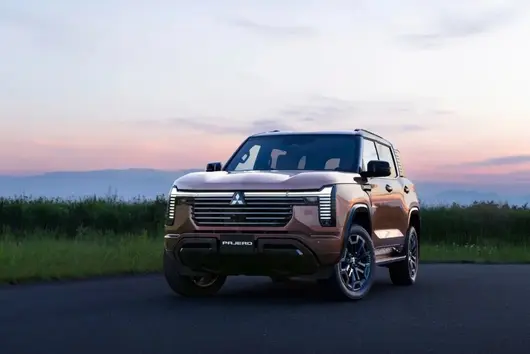
After 20 years, the legendary Dakar Pajero finally welcomes a new generation.
On September 2, Mitsubishi Motors officially unveiled the all-new Pajero in Tokyo. As Mitsubishi Motors' new flagship model, the all-new Pajero is manufactured at the Thailand production base. It will launch in the Thai market first, followed by launches in Japan and Australia in 2026, and gradually enter around 100 countries and regions globally, including ASEAN, Latin America, and the Middle East, starting from 2027.

The all-new Pajero retains the upright and rugged body proportions and horizontal design baseline of the first-generation model. Powerful wheel arches and sculpted body surfaces further enhance visual tension. The front design is inspired by Japanese Kendo, conveying restrained yet powerful inner strength, offering both horizontal bar and honeycomb grille styles. The headlights feature a signature T-shaped design, combining modernity and technology.

The new vehicle body dimensions are 4,920 x 1,925 x 1,910 mm, wheelbase 2,870 mm, ground clearance 230 mm, approach angle 30.4°, breakover angle 22.6°, departure angle 25.8°. The 52:48 front-to-rear weight distribution further optimizes off-road stability.
Classic elements are everywhere on the body: The C-pillar design pays tribute to the roll cage of the first-generation model, while the hexagonal rear design reinterprets the spare tire mounted on the rear seen in past Pajero generations. The body offers two metallic paint themes – Armored Bronze highlights the metallic heaviness, while Phantom Blue blends gold luster into a grey-blue base, presenting a refined texture that changes with light.
The all-new Pajero adopts a three-row, seven-seat layout. The second-row seats have a 150 mm slide range and support folding. The third row provides sufficient headroom for adults, with feet able to tuck under the second-row seats. Front and second-row seats feature ventilation, and a three-zone automatic air conditioner controls temperature independently.

The cabin features a horizontally extended dashboard integrating two 14.3-inch high-resolution screens (12.3-inch for some configurations). The signature three-circle instruments of Pajero generations are reinterpreted as Multi Meter multi-function displays, presenting off-road information such as altitude, compass, temperature, vehicle pitch and roll angles, and AYC control status in real-time. The dashboard and door panels feature stitched soft material lining inspired by the traditional Japanese "Kigome" craft, creating a flagship-level luxury atmosphere. Interior colors offer Camel (Tan), forming a refined contrast with black.

The new vehicle has significantly upgraded in quietness. The front windshield and front and rear doors all use acoustic glass. Combined with full-vehicle sound insulation measures, it ensures passengers in all three rows can converse naturally at high speeds. The infotainment system supports wireless smartphone connection, and the instrument cluster offers 16 background themes that change in real-time with time.

In terms of power, the all-new Pajero is equipped with a 2.4-liter diesel engine, featuring a wide-range single Variable Geometry Turbocharger (VGT). Maximum torque reaches 480 N·m (470 N·m for some configurations), matched with a newly developed 8-speed automatic transmission (with Sport mode), balancing low-speed explosive power and high-speed smoothness.

Off-road performance remains uncompromising. The high-rigidity ladder frame uses more high-strength steel, significantly improving torsional and bending stiffness while reducing weight. Suspension is front double-wishbone independent + rear new five-link solid axle structure. Long-travel design ensures tire ground contact in complex terrain.

The all-new Pajero is equipped with Mitsubishi S-AWC Comprehensive Vehicle Dynamics Control System and SS4-II Super Select 4WD II. It offers four drive modes: 2H, 4H, 4HLc, 4LLc, and seven driving modes: Standard, Eco, Gravel, Snow, Mud, Sand, and Rock.

Regarding safety features, the new vehicle is equipped with FCM Front Collision Mitigation (including pedestrian/cyclist/motorcycle detection and intersection assist), PFCW Predictive Front Collision Warning, and EAPM Accelerator Misapplication Assist. It also features ELA Emergency Lane Assist and FCTA Front Cross Traffic Alert for the first time. The MI-PILOT High-Speed Single-Lane Driving Assist System integrates ACC and LKA to relieve long-distance driving fatigue. The whole vehicle is equipped with 8 airbags, including Mitsubishi's first application of a front center airbag. Additionally, the 3D Multi-View Panoramic Image supports chassis see-through function, allowing real-time viewing of the road under the vehicle during off-road driving.

Since its birth in 1982, the Pajero has gone through four generations of updates, with cumulative production exceeding 3.29 million units, covering over 170 countries and regions. It is one of Mitsubishi Motors' most iconic models. The all-new Pajero, building on the "Confidence (Confidence)" and "Comfort (Comfort)" product philosophies inherited since the first generation, adds the "Prestige (Prestige)" dimension. With the design concept of "Grand Charisma (Grand Charm)", luxury quality has significantly improved, evolving comprehensively into a flagship-level crossover off-road SUV.
Mitsubishi Motors President and Chief Operating Officer Keisuke Kishura stated: "The all-new Pajero is the first model to implement Mitsubishi Motors' mid-to-long-term vision for the 2030s. As a flagship, it will lead the subsequent Pajero series and even the entire Mitsubishi Motors product lineup."
The author of this article is Wenfeng from TiCheBang.


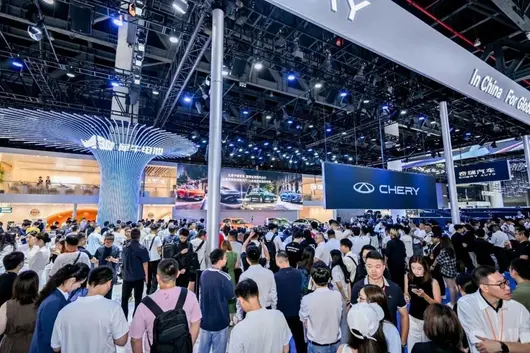
If we draw a curve of the past 20-plus years of Chinese automotive overseas expansion, the earliest comparison was "whether there is one", later it was "how many", and by today, the real question separating the competition has become: Is a Chinese car first built domestically and then sold globally, or is it defined from the very first day of project initiation according to global users, global regulations, and global environments?
These are two completely different concepts. The former is exports, testing channel, cost, and product competitiveness; the latter is true globalization, testing whether a car manufacturer can build a cross-market operating system in R&D, design, testing, manufacturing, services, and even local operations.
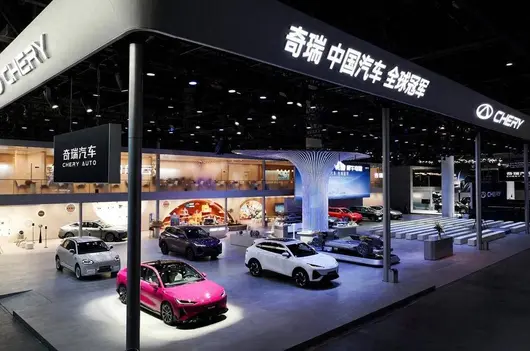
At the newly opened 2026 Chengdu Auto Show, Chery once again took the theme "Chinese Cars, Global Champions", with Chery, Exeed, Zongheng, Jetour, and iCAR five major brands and 38 models collectively appearing. Compared to the massive product lineup, what is more noteworthy is that this time Chery repeatedly emphasized one keyword—"Global Car".

From Fengyun T7 and Fengyun A9 to the all-new QQ3 and Arrizo 7, the role these products bear is no longer just that of "export vehicles", but they are trying to answer a new question: After Chinese cars enter the deep waters of globalization, what kind of car deserves the three words "Global Car"? This question is important because Chinese car overseas expansion has reached a stage where standards must be redefined.
In the past few years, the scale of Chinese car exports grew rapidly, "how many countries to sell to" and "how many vehicles exported" were once the most intuitive indicators of globalization. But sales can prove market breakthroughs but not necessarily equal global capability.
A true global car, first of all, cannot just be "domestic version + overseas adaptation". The differences between different markets are far more complex than left-hand/right-hand drive conversion and language switching. European consumers are used to high-speed driving, the Middle East faces long-term high temperatures, Southeast Asia is humid and rainy, and the Nordic region has extreme cold, darkness, and icy environments; consumers in different countries have obvious differences in steering feel, physical buttons, interior materials, lighting methods, and even parking habits. That is to say, the real difficulty of a global car is not "selling the same car to more places", but how to use a product system to respond to the real needs of different markets simultaneously.

Fengyun T7 is a relatively typical example. According to the definition given by Chery, it does not modify for overseas markets after development is completed domestically, but unfolds according to global needs from the product project initiation phase. The project researched global regulations two years in advance, designed benchmarking the 2026 version E-NCAP standards, and conducted surveys around 15 typical countries and more than 5,000 global users, incorporating real needs from different regions into product definitions in advance.
Some details particularly explain the problem. For example, Thai users prefer a heavier steering feel, so the vehicle increases steering force accordingly; Indonesian road conditions have many bumps, so the steering wheel return feel is optimized; Southeast Asia, South Africa, and Australia/New Zealand regions have intense sunlight, so low-reflection materials are used in the steering wheel and center control area; Turkish and Israeli users are more used to physical operations, so physical buttons are retained for high-frequency functions; European users more often park nose-first, so the vehicle automatically displays the front camera when approaching obstacles.
Looking at these functions individually, it is hard to call them "showing off technology", and they might not even appear in a core parameter table. But it is precisely these seemingly insignificant differences that constitute the true threshold of a global car. Because the essence of globalization is not to require global users to adapt to a Chinese car, but for the product to actively understand users in different markets.
This logic also permeates the vehicle verification phase. Fengyun T7 accumulated test mileage exceeding 6 million kilometers, covering 100-plus types of environments and road conditions such as the EU, Australia/New Zealand, Middle East, South Africa, Mexico, Brazil, and others. From Southeast Asian rainy seasons and Middle Eastern high temperatures to Siberian low temperatures, Brazilian gravel roads, and Mexican cobblestone roads, the meaning of testing has gone beyond simply proving whether a vehicle "is durable", but rather trying to move the real environments a vehicle might face in the future into the R&D cycle as much as possible.
This actually also indicates that Chinese automotive globalization is crossing a new threshold. In the past, Chinese brands overseas expansion relied on "product power + cost-effectiveness"; what will increasingly determine how far a brand can go in the future is global regulations, global quality, global verification, and global user understanding capabilities. In other words, sales prove whether you have entered a market, while system capability determines whether you can stay in that market long-term.

What Fengyun A9 represents is another dimension of globalization. For a long time, Chinese cars have faced a problem in design: how to establish their own cultural expression while avoiding falling into excessive symbolization; how to conform to global aesthetics without becoming followers of mature luxury brand design languages.
The "Oriental Originality, Global Aesthetics" emphasized by Fengyun A9 is exactly trying to answer this question. Taking Oriental aesthetics as a starting point, but not simply stacking so-called traditional elements, it attempts to translate the Oriental understanding of lines, proportions, and artistic conception into a more modern and universal automotive design language. Winning the 2026 German Red Dot Product Design Award, of course, is only an external certification, but the significance behind it lies in: Chinese brands beginning to attempt moving from "adapting to global aesthetics" to establishing their own global aesthetic expression.
This step is not easy. Technical parameters can be caught up, configurations can be downgraded, but design recognition and brand awareness require longer accumulation. A truly global brand must eventually not only have product output but also possess its own aesthetic and cultural expression.

Beyond this, the all-new QQ3 provides another observation sample. QQ was once one of the most representative products in the Chinese small car market. Today, the all-new QQ3 re-emphasizes personality, fashion, and user expression, and is gradually entering markets in Southeast Asia, South Asia, South Africa, etc., cumulatively winning global 1.6 million users, bearing a role beyond just a commuting tool.
Europe has MINI and Fiat 500, Japan has its own K-Car culture, and Chinese small cars were more often given the label of "economical and practical" in the past. Today, the QQ series is outputting personalized, youthful lifestyles to the global market again, which is in a certain sense also a microcosm of Chinese automotive culture beginning to go global. Because a truly mature automotive industry ultimately outputs not only vehicles but also the lifestyle and cultural identity formed around automobiles.
Arrizo 7 has taken the matter of "Global Car" to a more mainstream price range. This new car positioned for the 100,000 yuan tier market, developed according to global standards from the very beginning of project initiation, and simultaneously provides fuel and hybrid powertrains. The important signal it releases is: global standards should not belong only to high-end models, nor should it only be the value-added nature of export products. Only when global safety, global verification, global aesthetics, and global quality gradually enter the mainstream market accessible to ordinary consumers, can "Global Car" truly have the opportunity to change from a brand label to a common product capability.
And the fact that Chery can take "Global Car" as today's core proposition is also inseparable from more than 20 years of overseas accumulation.

As of the end of July 2026, Chery Group's cumulative global users have broken through 20.16 million, of which overseas users exceed 6.99 million; in July this year, the group's single-month exports exceeded 200,000 vehicles, January to July cumulative exports broke 1.14 million vehicles, products entered more than 130 countries and regions globally.
But what is more noteworthy than export scale is the change in Chery's globalization method. Currently, Chery's overseas employees exceed 20,000 people, of which local employees account for 85%. From Spain to South Africa, Chery is promoting local production, local employment, and local supply chain construction. This means that the relationship it has with overseas markets is gradually moving from the past simple "produced in China, sold overseas" to deep integration of R&D, manufacturing, talent, supply chain, and market operations.
This is also the real problem that Chinese automotive globalization's next stage must face. Export volume is still important, but it is increasingly like a result. What truly determines a company's global competitiveness is whether it can convert global user needs into product definitions, transform regulations of different countries into R&D standards, turn complex environments into verification systems, and then incorporate local manufacturing, local talent, and local operations into the same global system.

In this sense, "Global Car" has never been a model label, but the ultimate projection of a car manufacturer's global capabilities. In the past more than 20 years, Chinese automobiles have completed the transition from "going out" to "selling out"; but today, the real competition has become how to move from "selling globally" to "built for the globe".
Chery has ranked first in Chinese brand passenger car exports for 23 consecutive years, giving it enough long-term global market experience. But what is more noteworthy than "exports first" is that it is trying to take the more than 20 years of globalization accumulation and re-settle it into a standard that can enter product definitions, R&D, and manufacturing systems.
So looking at "Chery is a Chinese car, but more importantly a global car" today, what it really wants to express might not be so simple as "Chinese cars have gone global". More importantly, Chinese cars are beginning to answer a question that long-term defined by multinational car companies in their own way: What kind of car can truly belong to the globe.

【CNMO科技消息】9月3日,现代汽车集团正式宣布,在美国工业设计师协会主办的“2026 IDEA设计大奖”中荣获16项大奖,包括金奖2项、银奖1项、铜奖3项及本奖10项。IDEA设计大奖与德国iF设计奖、红点设计奖并称为世界三大设计奖,综合评估设计创新性、用户价值与社会责任。

现代汽车集团
金奖(产品及概念设计) 授予了现代汽车“E3W & E4W微出行概念”。该设计将印度的机动三轮车重新诠释为未来电动化平台,针对拥挤的城市环境优化了车身、座椅布局及空间利用率,可灵活应用于乘客运输、物流及紧急救援场景。
另一项金奖(品牌传播)由现代汽车集团新加坡全球创新中心的“NAO餐厅品牌书”获得。该书记录了HMGICS内韩国餐厅“NAO”的品牌理念与诞生过程,展现了与米其林三星主厨李科里的合作、与韩国匠人的联结以及韩国文化与现代美学的融合。
捷尼赛思“Magma GT Concept” 获得汽车·运输类别银奖。该车以低矮宽阔的车身、长车顶线条及中置比例设计,展现了捷尼赛思豪华高性能品牌的设计方向。

铜奖授予了现代汽车“Heritage Stella & Sonata Retrace杂志”、全球儿童癌症支援活动“Hope on Wheels”以及起亚“PV5信息娱乐系统”。PV5信息娱乐系统将车辆扩展为数字服务空间,在数字交互类别中获得认可。
本奖获奖作品包括现代汽车“UX Studio Seoul”(服务设计与环境类别),以及NAO餐厅品牌设计、现代员工证保护壳、Mobile Nap、Furnished Lounge & Hyundai AdGear、MobED等作品。起亚“Kia x Ocean Cleanup”获得社会影响力设计本奖。捷尼赛思“G90 Wingback Concept”与“Magma UI Design”分别在汽车·运输与数字交互类别中获得本奖。



作者:王珊珊
煞車,唔係認輸,係換道。「唔可以活喺成功经验入面」,唔係否定過去,係睇清咗未來。
汽車唔係快銷,本唔該追逐短平快。可現實係,整個行業嘅競爭,已經淪為一場競速遊戲。資本嘅壓力、流量嘅狂歡,不斷擠壓車企嘅開發週期。大家都在加速嘅時候,有人選擇減速,就成咗異類。
日前,奇瑞風雲 T7 上市。奇瑞汽車執行副總裁李學用上台,第一句話就令會場安靜咗幾秒:「全球車,快唔到一啲。」

喺而家嘅汽車行業,呢句話幾乎係同所有人唱反調。整車研發週期由 48 個月被壓縮到 26 個月,本該喺實驗室解決嘅 Bug,直接甩畀車主路試。而奇瑞行咗一條完全相反嘅路。風雲 T7 歷經 2 年策劃、3 年研發,完成 145 萬公里耐久專項測試。同源車型 Lepas L6 而先喺泰國上市、南非開始預售,打磨完海外市場先回流國內,行咗一條非主流嘅「反向上市」路徑。
呢台揀選「慢做」嘅新車,撕開咗奇瑞而家最核心嘅命題:當整個行業都在拼命踩油門,奇瑞點解踩咗煞車?
2000 萬輛之後緣何踩煞車?
一個月前,7 月 25 日,奇瑞全球累計銷量突破 2000 萬輛。放喺任何車企,都係值得大興師動眾嘅時刻。但奇瑞嘅慶典由頭至尾透出反常。
冇沉浸喺數字狂歡入面,尹同躍當眾講咗一段話:「2000 萬之後,我哋唔再參與內捲,唔再只追求銷量,而要追求品牌向上,追求技術更多嘅突破,追求客戶滿意度更大嘅提升。」

喺外人睇嚟,一路狂奔嘅奇瑞似乎冇調整嘅必要。由 2021 年嘅 96 萬輛到去年嘅 280 萬輛,增長曲線足夠靚。但尹同躍近乎踩咗一脚煞車、打咗一把方向。
其後,奇瑞汽車常務副總裁張國忠將話講得更透:「奇瑞唔可以活喺過去嘅成功经验入面。面對行業嘅快速變革,有些要小改,有些甚至要重構,只有咁先至可以適應下一個週期嘅發展。」
佢舉咗個例子。幾年前行業對於未來能源格局嘅主流判斷係混動 4、純電 3、燃油 3,但而家純電嘅增速同市佔率早已遠超當初嘅預期。「呢種消費趨勢嘅變化嚟得好快都好猛,過去我哋覺得獵鷹 500 嘅智駕就夠用咗,但由第二季開始,消費者更加想要獵鷹 700 甚至 900 咁樣嘅高階版本。」

變化嚟得太快。如果奇瑞仲抱著過去二十年嘅成功经验——繼續依賴燃油車紅利、繼續以銷量為第一優先級、繼續用過去嘅產品定義邏輯應對市場——好可能喺下個週期掉隊。
過去二十年到底做啱咗乜?
要理解奇瑞點解要「煞車」,得先搞清楚奇瑞係點樣「跑」到今日嘅。
奇瑞嘅崛起,本身就係對行業成見嘅反抗。上世紀 90 年代,中國汽車圈流行兩句說話:唔搞合資冇活路,唔到百萬輛規模就別談自主研發。奇瑞偏偏唔信。
1999 年,第一台自主研發嘅發動機點火成功。同年 12 月,第一輛「風雲」下線。冇合資背書,冇現成體系,奇瑞硬係由發動機、變速箱、底盤呢啲核心部件啃起,成為中國品牌第一家掌握「三大件」核心技術嘅車企。呢份技術自研嘅堅持,令奇瑞躲過咗好多車企「卡頸」嘅危機。

呢條路行得啱。2007 年,奇瑞成為第一個累計銷量破百萬嘅自主品牌。QQ 成就咗 140 萬輛嘅銷量傳奇,令普通家庭能開上私家車。瑞虎系列靠高性價比、低保養成本,快速做大規模,積累咗海量用戶同完善嘅供應鏈,完成咗企業最關鍵嘅原始積累。
奇瑞最精明嘅一著,係早早走出咗國門。2001 年第一批風雲出口敘利亞,其後連續 23 年位居中國品牌乘用車出口第一。當所有自主品牌擠喺國內市場貼肉搏鬥時,奇瑞悄悄鋪好咗全球渠道。海外市場一直係奇瑞嘅「壓艙石」,國內卷價格賺唔到錢嘅時候,海外市場穩定輸血、對沖風險。

總結落嚟,奇瑞過去嘅成功邏輯唔複雜:靠自研稳住底盤,靠性價比做大銷量,靠海外稳住基本盤。
呢套打法放喺過去二十年,屢試不爽。但放喺而家,光環暗淡咗。
點解唔可以活喺過去?
行業最根本嘅變化係:由增量擴張轉咗存量競爭。靠規模攤薄成本、以價換量嘅粗放增長模式走到頭咗,行業利潤率跌到 1.5%,甚至出現賣嘅越多蝕嘅越多。拼命衝銷量,早已經唔係做大做強,而係低效內耗。
另一個變化係賽道切換。奇瑞最擅長嘅,係燃油車時代嘅硬件研發同動力技術。但而家嘅競爭核心係電動化、智能化同軟件體驗。過去比嘅係車耐唔耐開、動力夠唔夠強;而家比嘅係智駕好唔好用、車機夠唔夠流暢。奇瑞過去穩步迭代嘅節奏,放喺燃油車時代係穩,放喺新能源時代,就係慢。

仲有一個現實短板:品牌桎梏。靠性價比起家,係奇瑞嘅優勢,亦係最大嘅包袱。喺大數消費者心裡,奇瑞就係「實惠家用車」,同高端、價值、溢價呢啲詞唔沾邊。2000 萬累計用戶大多係平價用戶,好難形成品牌溢價。冇品牌高度,就只能永遠困喺低端價格帶廝殺。
比產品同市場更难改嘅,係組織慣性。一套打法成功二十年,企業內部一定會形成思維固化。做燃油車嘅經驗、舊嘅項目流程、唯銷量論嘅考核方式,會唔自覺套用喺新能源、新車型上。呢就係路徑依賴嘅可怕之處——過去令你登頂嘅經驗,會變成困住你嘅圍牆。張國忠講嘅「有些要小改,有些要重構」,改嘅唔單止係車,係整個企業嘅思維同體系。
告別影子之後,奇瑞向何處去?
重構已經開始咗。最直觀嘅信號係,過去幾年奇瑞並唔避諱自己發佈會開得咁多,2025 年辦咗 189 場活動,但今年以來,媒體前往蕪湖嘅次數少咗一半多。
另一個體現喺銷量上。上半年奇瑞喺國內少發咗 15 萬台車,主動擠掉「水分」,大幅降低經銷商庫存,國內零售約 41.28 萬輛,同比下滑 36.4%。呢個係陣痛,亦係修復終端價格體系嘅必要代價。而喺海外,月銷 20 萬正成為常態,7 月海外銷量佔比已悄然嚟到七成。

變化已經開始發生。9 月 1 日公布咗 8 月銷量數據顯示,奇瑞單月銷量 280,128 輛,其中出口 196,984 輛,國內銷量 83,144 輛。相比 7 月出口首次突破 20 萬輛、國內銷量約 7.4 萬輛嘅數據,8 月國內銷量環比回升咗近 1 萬輛。喺連續數月收縮之後,國內基本盤出現咗修復跡象。
一降一升之間,奇瑞正完成發展邏輯上嘅切換。用張國忠嘅話講,「無內唔穩,無外唔強」,奇瑞已唔再單一依賴國內燃油車市場,而係建構起咗「海外 + 新能源」呢兩大新嘅增長曲線。
喺內部,品牌矩陣進入整合期。奇瑞近期調整咗星途事業部嘅匯報關係,戰略重心全面轉咗海外;智界品牌由追求單品爆發轉咗「長跑思維」。雖然多品牌同源重疊嘅問題尚未根本解決,但精簡 SKU、厘清定位嘅動作已經啟動。新能源方面,上半年毛利率由 5.2% 大幅提升至 12.8%,告別低價走量,進入規模盈利週期。

風雲 T7 嘅上市路徑,恰好說明咗呢套新邏輯。一台車而先在米蘭設計週亮相,接住喺南非、泰國上市,接受海外消費者同市場嘅檢驗,打磨完咗再回國內——「全球車,快唔到一啲」。唔跟行業拼上新速度,用全球市場驗證過嘅產品力講。
人汽說:
中國品牌間嘅你追我趕仲在持續加碼。比亞迪 7 月海外銷量已達 17.98 萬輛,吉利將出口目標上調至 92 萬輛並衝擊百萬規模,長城設定 60 萬輛目標。奇瑞嘅先發優勢正被稀釋,窗口期喺收窄。
想要穿越週期,奇瑞嘅路徑已經清晰:全球化由「賣得多」轉咗「攞得穩」;打通海内外技術雙向反哺通道;國內市場唔再盲目衝批發量,聚焦產品價值競爭。國內市場嘅核心任務,係成為智能化新技術嘅試驗田,完成驗證之後先反哺全球車型。

對於奇瑞而言,跨過 2000 萬輛,唔係終點,係一道分水嶺。尹同躍踩下嘅嗰腳煞車,唔係認輸,係換道。張國忠講嘅「唔可以活喺過去嘅成功经验入面」,唔係否定過去,係睇清咗未來。
當喧囂退潮,呢間由蕪湖小草房走出嘅企業,依然用近乎愚直嘅方式,行一條更遠嘅路。

Dalam pasaran SUV Malaysia, ramai pembeli ketika memilih kereta akan membandingkan Honda HR-V dan Mazda CX-60. Kedua-dua kereta ini dalam hal harga dan lokasi pasaran agak hampir, hari ini kita akan membuat perbandingan terperinci dari pelbagai aspek, membantu anda menjimatkan masa membuat kajian.
Honda HR-V harga OTR di Malaysia adalah RM 115,900 - 143,900, sebanyak 4 varian, antaranya termasuk 2026 e:HEV 1.5L RS (RM 143,900), 2026 1.5T V (RM 137,900), 2026 1.5T E (RM 130,900) dan lain-lain.
Mazda CX-60 harga OTR di Malaysia adalah RM 200,510 - 252,873, sebanyak 2 varian, antaranya termasuk 2026 3.3T 4WD High Plus (RM 252,873), 2025 2.5L 2WD High (RM 200,510) dan lain-lain.
Dari segi harga, harga permulaan Honda HR-V memang lebih murah berbanding Mazda CX-60 sebanyak RM 84,610. Jika bajet anda terhad, varian asas Honda sudah boleh memenuhi keperluan harian. Namun, perlu diingat, beberapa ribu ringgit yang lebih murah itu mungkin terdapat kompromi dari segi kelengkapan, bergantung kepada keperluan anda.
Honda HR-V dilengkapi dengan 1.5L Turbo, kuasa 140 hp. Konsumsi bahan api rasmi 7.0 L/100km.
Mazda CX-60 dilengkapi dengan 2.0L 4-cyl, kuasa 170 hp. Konsumsi bahan api rasmi 8.0 L/100km.
Dari segi kuasa, 2.0L 4-cyl Mazda CX-60 mempunyai 30 hp lebih daripada 1.5L Turbo Honda HR-V. Namun untuk penggunaan harian di bandar, kuasa kedua-dua kereta sudah mencukupi, tidak akan terasa kurang kuasa.
Gred keselamatan Honda HR-V adalah 5★ (ASEAN NCAP), sistem keselamatan aktif termasuk Honda SENSING (ACC, CMBS, LKAS, RDM).
Gred keselamatan Mazda CX-60 adalah 5★ (Euro NCAP), sistem keselamatan aktif termasuk i-Activsense Pro.
Dari segi kelengkapan keselamatan, kedua-dua kereta telah memperoleh gred yang baik. Namun Honda SENSING (ACC, CMBS, LKAS, RDM) Honda HR-V dan i-Activsense Pro Mazda CX-60 memiliki sedikit perbezaan dari segi fungsi, jika anda lebih menitikberatkan keselamatan aktif, dapat membandingkan senarai fungsi kedua-duanya dengan teliti.
Honda HR-V jaminan 5 tahun/tanpa had jarak, selang penjagaan setiap 10,000km atau 6 bulan.
Mazda CX-60 jaminan 5 tahun/150,000km, selang penjagaan setiap 10,000km atau 6 bulan.
Honda HR-V dan Mazda CX-60 adalah pilihan utama pasaran Malaysia, sesuai untuk kegunaan keluarga, perjalanan harian. Jika anda lebih menitikberatkan reputasi jenama dan harga pasaran kedua, utamakan yang mana mempunyai reputasi lebih baik; jika anda lebih menitikberatkan nisbah nilai dan kelengkapan, pilih varian yang lebih dilengkapi. Akhirnya disarankan menguji kenderaan kedua-duanya, pengalaman langsung adalah yang paling penting.
Secara keseluruhan, Honda HR-V dan Mazda CX-60 adalah model kereta yang sangat bagus pasaran Malaysia. Memilih yang mana, kuncinya bergantung kepada keperluan dan bajet peribadi anda. Disarankan melakukan kajian, bandingkan lebih banyak sebutan harga dari kedai kereta, kemudian uji kenderaan buat keputusan akhir. Membeli kereta adalah perkara besar, meluangkan masa membuat kajian tidak akan salah.

Dalam pasaran SUV di Malaysia, ramai pembeli semasa memilih kereta akan membandingkan Honda HR-V dan Mazda CX-5. Dua kereta ini dalam hal harga dan penarafan agak dekat, hari ini kita akan membuat perbandingan terperinci dari pelbagai aspek, membantu anda menjimatkan masa membuat kajian.
Harga OTR Honda HR-V di Malaysia ialah RM 115,900 - 143,900, terdapat 4 varian, termasuk 2026 e:HEV 1.5L RS (RM 143,900), 2026 1.5T V (RM 137,900), 2026 1.5T E (RM 130,900) dan lain-lain.
Harga OTR Mazda CX-5 di Malaysia ialah RM 135,469 - 166,760, terdapat 3 varian, termasuk 2025 2.0L AT 35th Anniversary (RM 316,154), 2025 2.0L AT (RM 296,154), 2025 2.0L MT (RM 294,154) dan lain-lain.
Dari segi harga, Honda HR-V sememangnya lebih murah berbanding Mazda CX-5 sebanyak RM 19,569. Jika bajet anda terhad, varian permulaan Honda sudah boleh memenuhi keperluan harian. Namun perlu diingat, beberapa ribu ringgit yang lebih murah itu, mungkin terdapat pertukaran dari segi kelengkapan, bergantung pada keperluan anda.
Penarafan keselamatan Honda HR-V ialah 5★ (ASEAN NCAP), sistem keselamatan aktif termasuk Honda SENSING (ACC, CMBS, LKAS, RDM).
Penarafan keselamatan Mazda CX-5 ialah 5★ (ASEAN NCAP), sistem keselamatan aktif termasuk.
Penarafan keselamatan kedua-dua kereta sama, kelengkapan keselamatan dalam kategori ini dianggap cukup lengkap. Keselamatan kereta baharu sekarang tidak buruk, tidak perlu terlalu risau mengenai hal ini.
Panjang badan Honda HR-V 4500 mm, ruang bagasi 450 L.
Panjang badan Mazda CX-5 4500 mm, ruang bagasi 450 L.
Saiz kedua-dua kereta hampir sama, ruang dalaman tidak banyak berbeza. Kereta dalam kelas ini cukup untuk penggunaan harian.
Waranti Honda HR-V 5 tahun/tanpa had kilometer, selang penyelenggaraan setiap 10,000km atau 6 bulan.
Waranti Mazda CX-5 5 tahun/150,000km, selang penyelenggaraan setiap 10,000km atau 6 bulan.
Secara keseluruhan, Honda HR-V dan Mazda CX-5 adalah model kereta yang sangat baik di pasaran Malaysia. Memilih yang mana satu, penting bergantung pada keperluan dan bajet peribadi anda. Kami sarankan anda membuat kajian, bandingkan beberapa kutipan harga dari pengedar kereta, kemudian buat ujian memandu untuk membuat keputusan akhir. Membeli kereta adalah perkara besar, menghabiskan masa untuk kajian pasti tidak akan salah.

於馬來西亞嘅 SUV 市場,好多買家喺揀車嘅時候都會拿本田 HR-V 同奇瑞 Tiggo 7 Pro 嚟做比較。呢兩款車喺價位同定位上都幾接近嘅,今日我就會從多個方面做一個詳細比較,幫你節省咗做功課嘅時間。
本田 HR-V 喺馬來西亞嘅 OTR 售價係 RM 115,900 - 143,900,一總共有 4 個版本,包括 2026 e:HEV 1.5L RS(RM 143,900)、2026 1.5T V(RM 137,900)、2026 1.5T E(RM 130,900) 等。
奇瑞 Tiggo 7 Pro 喺馬來西亞嘅 OTR 售價係 RM 123,750 - 123,750,一總共有 2 個版本,包括 1.6L Turbo Standard(RM 125,000)、1.6L Turbo Premium(RM 140,000) 等。
由價錢睇,本田 HR-V 嘅起價確實比奇瑞 Tiggo 7 Pro 平咗 RM 7,850。如果你預算有限,本田嘅入門版已經可以滿足日常需求。但亦都要留意,平嗰幾千塊,可能喺配備上會有取捨,具體就要睇你嘅需求。
本田 HR-V 嘅安全評級係 5★ (ASEAN NCAP),主動安全系統包括本田 SENSING (ACC, CMBS, LKAS, RDM)。
奇瑞 Tiggo 7 Pro 嘅安全評級係 TBD,主動安全系統包括 Basic。
安全配備方面,兩款車都拿到唔錯嘅評級。不過本田 HR-V 嘅本田 SENSING (ACC, CMBS, LKAS, RDM) 同奇瑞 Tiggo 7 Pro 嘅 Basic 喺功能上有少少分別,如果你比較重視主動安全嘅話,可以仔細比較下兩者嘅功能列表。
本田 HR-V 車身長 4500 mm,行李廂 450 L。
奇瑞 Tiggo 7 Pro 車身長 4400 mm,行李廂 400 L。
空間方面,本田 HR-V 嘅車身比奇瑞 Tiggo 7 Pro 長咗 100 mm,車內乘坐空間會稍微寬敞啲,尤其係後座腿部空間。如果你經常載家親或者需要放嬰兒車,大啲嘅車身確實更實用。
本田 HR-V 同奇瑞 Tiggo 7 Pro 都係馬來西亞市場嘅主流選擇,適合家庭用途、日常通勤。如果你更重視品牌口碑同二手價,可以優先考慮口碑更好嗰款;如果你更在意性價比同配備,就揀配備更豐富嗰款。最後始終建議兩款都去試駕,親身體驗先係最重要嘅。
總括嚟講,本田 HR-V 同奇瑞 Tiggo 7 Pro 都係馬來西亞市場幾唔錯嘅車型。揀邊一輛,關鍵仍然係睇你嘅個人需求同預算。建議大家做好功課,多比較幾間車行嘅報價,再去做試駕做最終決定。買車係一件大事,花少少時間做功課絕對唔會錯。

喺馬來西亞嘅 SUV 市場,好多買家喺揀車嘅時候都會拿 Honda HR-V 同 Mazda CX-8 嚟做比較。兩款車喺價錢同定位上都幾接近,今日我哋就從多個方面做一個詳細嘅比較,幫你節省咗做功課嘅時間。
Honda HR-V 喺馬來西亞嘅 OTR 售價係 RM 115,900 - 143,900,合共 4 個版本,包括 2026 e:HEV 1.5L RS(RM 143,900)、2026 1.5T V(RM 137,900)、2026 1.5T E(RM 130,900) 等。
Mazda CX-8 喺馬來西亞嘅 OTR 售價係 RM 165,360 - 201,360,合共 5 個版本,包括 2025 2.5T 4WD High Plus Petrol(RM 201,360)、2025 2.2L 2WD High Plus Diesel(RM 193,123)、2025 2.5L 2WD High Plus Petrol(RM 186,360) 等。
從價錢嚟睇,Honda HR-V 嘅起步價確實比 Mazda CX-8 平咗 RM 49,460。如果你預算有限,Honda 嘅入門版已經可以滿足日常需要。但都要留意,平嗰幾千蚊,可能喺配備上面會有取舍,具體就要睇你嘅需要。
Honda HR-V 嘅安全評級係 5★ (ASEAN NCAP),主動安全系統包括 Honda SENSING (ACC, CMBS, LKAS, RDM)。
Mazda CX-8 嘅安全評級係 5★ (ASEAN NCAP),主動安全系統包括 Brand ADAS。
兩款車嘅安全評級一樣,喺呢一個級別入面安全配備都算好齊全。而家嘅新車安全性都唔差,唔使太擔心呢一點。
Honda HR-V 採用 FWD 驅動方式。
Mazda CX-8 採用 FWD 驅動方式。
兩款車嘅驅動方式一樣,都係 FWD,日常駕駛感受唔會有大分別。
Honda HR-V 保修 5 年/無限里程,保養間隔 每 10,000km 或 6 個月。
Mazda CX-8 保修 5 年/150,000km,保養間隔 每 10,000km 或 6 個月。

總體嚟講,Honda HR-V 同 Mazda CX-8 都係馬來西亞市場好唔錯嘅車款。揀邊一輛,關鍵始終係睇你嘅個人需要同預算。建議大家做好功課,多比對間車行嘅報價,先至去試駕做最終決定。買車係一件大事,花少少時間做功課絕對唔會錯。

在馬來西亞嘅 SUV 市場,好多買家喺揀車嘅時候都會拎本田 HR-V 同馬自達 CX-8 嚟做比較。呢兩款車喺價位同定位上都相當接近,今日我哋就從多個方面做一個詳細嘅對比,幫你節省咗做功課嘅時間。
本田 HR-V 喺馬來西亞嘅 OTR 售價係 RM 115,900 - 143,900,一共有 4 個版本,包括 2026 e:HEV 1.5L RS(RM 143,900)、2026 1.5T V(RM 137,900)、2026 1.5T E(RM 130,900) 等。
馬自達 CX-8 喺馬來西亞嘅 OTR 售價係 RM 165,360 - 201,360,一共有 5 個版本,包括 2025 2.5T 4WD High Plus Petrol(RM 201,360)、2025 2.2L 2WD High Plus Diesel(RM 193,123)、2025 2.5L 2WD High Plus Petrol(RM 186,360) 等。
從價錢嚟睇,本田 HR-V 嘅起價確實比馬自達 CX-8 平咗 RM 49,460。如果你預算有限,本田嘅入門版已經可以滿足日常需要。但都要注意,平嗰幾千蚊,可能喺配備上面會有取舍,具體要看你嘅需求。
本田 HR-V 車身長 4500 mm,車尾箱 450 L。
馬自達 CX-8 車身長 4500 mm,車尾箱 450 L。
兩款車嘅尺寸幾乎一樣,車內空間差唔大。呢個級別嘅車,日常使用完全夠用。
本田 HR-V 保修 5 年/無限里數,保養間隔 每 10,000km 或 6 個月。
馬自達 CX-8 保修 5 年/150,000km,保養間隔 每 10,000km 或 6 個月。
本田 HR-V 同馬自達 CX-8 都係馬來西亞市場嘅主流選擇,適合家庭用車、日常通勤。如果你更看重品牌口碑同二手價,可以優先考慮口碑更好嗰一款;如果你更在意性價比同配備,就選配置更豐富嗰款。最終都係建議兩款都去試駕,親身體驗先係最重要嘅。
總嘅嚟講,本田 HR-V 同馬自達 CX-8 都係馬來西亞市場幾唔錯嘅車型。揀邊一部,關鍵始終要看你嘅個人需求同預算。建議大家做好功課,多比較幾間車行嘅報價,再去試駕做最後決定。買車係件大事,花少少時間做功課絕對無錯。

喺馬來西亞嘅 SUV 市場,好多買家喺揀車嗰陣都會拿 Honda HR-V 同 Mazda CX-8 嚟比較。呢兩款車喺價位同定位上都幾接近,今日我哋就由多個方面做一次詳細嘅比較,幫你省返做功課嘅時間。
Honda HR-V 喺馬來西亞嘅 OTR 售價係 RM 115,900 - 143,900,總共有 4 個版本,包括 2026 e:HEV 1.5L RS(RM 143,900)、2026 1.5T V(RM 137,900)、2026 1.5T E(RM 130,900)等。
Mazda CX-8 喺馬來西亞嘅 OTR 售價係 RM 165,360 - 201,360,總共有 5 個版本,包括 2025 2.5T 4WD High Plus Petrol(RM 201,360)、2025 2.2L 2WD High Plus Diesel(RM 193,123)、2025 2.5L 2WD High Plus Petrol(RM 186,360)等。
從價錢嚟睇,Honda HR-V 嘅起步價確實比 Mazda CX-8 平咗 RM 49,460。如果你預算唔多,Honda 嘅入門版已經可以滿足日常需要。但都要注意,平咗嘅幾千蚊,可能喺配備方面要有取舍,具體睇返你嘅需求。
Honda HR-V 配備 1.5L Turbo,馬力 140 hp。官方油耗 7.0 L/100km。
Mazda CX-8 配備 2.0L 4-cyl,馬力 170 hp。官方油耗 8.0 L/100km。
動力方面,Mazda CX-8 嘅 2.0L 4-cyl 比 Honda HR-V 嘅 1.5L Turbo 多咗 30 匹馬力。不過日常喺市區行,兩款車嘅動力都夠用,唔會覺得唔夠力。
Honda HR-V 車身長 4500 mm,行李箱 450 L。
Mazda CX-8 車身長 4500 mm,行李箱 450 L。
兩款車嘅尺寸差唔多,車內空間分別唔大。呢個級別嘅車,日常使用完全夠用。
Honda HR-V 採用了 FWD 驅動方式。
Mazda CX-8 採用了 FWD 驅動方式。
兩款車嘅驅動方式一樣,都係 FWD,日常駕駛感受唔會有太大分別。
總體嚟講,Honda HR-V 同 Mazda CX-8 都係馬來西亞市場幾不錯嘅車型。揀邊一輛,關鍵都要睇你嘅個人需求同預算。建議大家做足功課,多比較幾間車行嘅報價,再去做試駕先做最終決定。買車係件大事,花少少時間做功課絕對無錯。
© 2024 Bitauto.com. All Rights Reserved.
Bitauto (www.yiche.com and www.bitauto.com) is one of the most visited automotive websites in China. We provide detailed info on Chinese car brands available in your area. Please note that the information provided on this website is based on publicly available data and is for reference only. It may not be fully updated or accurate at all times.

Help us improve our website


