

Homeliving

Search History
Popular Searches
Dealer Login / Sign Up

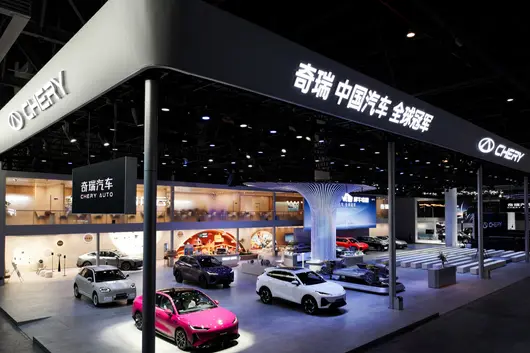
8月21日,2026成都国际车展正式开幕。奇瑞集团以“中国汽车 全球冠军”为主题,携旗下奇瑞、星途、捷途、iCAR、纵横五大品牌共38款车型登陆中国西部国际博览城5号馆。其中奇瑞品牌展出12款车型,风云A9和风云T7“颜值双子星”同台登场,QQ3摩登版开启抢鲜体验,全球品质家轿新标杆艾瑞泽7迎来全球首秀。

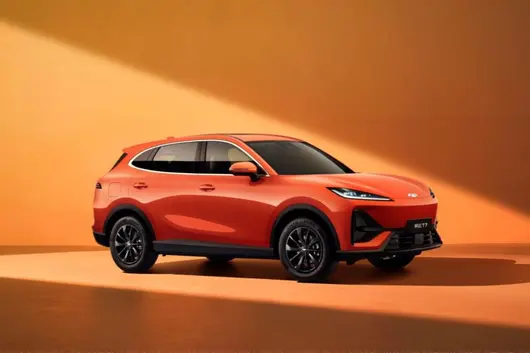
风云T7:预售9天订单破1.6万,8月26日正式上市
作为奇瑞智电时代首款原生全球车型,风云T7定位“全球品质纯电SUV”。新车采用“驭风美学”外观设计,搭载65.05kWh犀牛电池,配合宽温域热泵空调与高压PTC系统,CLTC纯电续航达600km。智能化方面配备舱驾一体8775芯片、灵犀智舱2.0以及猎鹰500驾驶辅助系统。
风云T7预售价为10.99万元至12.99万元,官方数据显示预售9天订单已突破16787台。按规划,新车将于8月26日正式上市。上市节奏方面,风云T7目前已在南非、泰国上市,8月将登陆中国和印尼市场,9月进入欧盟,10月登陆英国、马来西亚、澳大利亚等地。
奇瑞汽车股份有限公司执行副总裁李学用在发布会现场表示:“奇瑞坚信,真正的全球车,不是在国内完成开发后再改出去,而是从研发起始就锚定全球。”

【全球品质纯电SUV风云T7】
艾瑞泽7全球首秀:8万级家轿的“动水之势”
沉寂多年的经典家轿艾瑞泽7在本届车展正式回归,迎来全球首次公开亮相。新车定位“全球品质家轿新标杆”,锚定8万至10万级市场。
这台车最值得说的是设计,艾瑞泽7从水的动静变化中汲取灵感,形成“动水之势”设计语言——静止时车身舒展稳健,行进时型面流动有势。动力方面,新车提供C-DM超能电混和鲲鹏燃油版两种选择。据官方信息,艾瑞泽7预计于2026年四季度正式上市。

【全球品质家轿新标杆艾瑞泽7】
风云A9L运动版亮相:四驱470kW、零百4秒级
风云A9L运动版在车展同步亮相,新车配备全套专属运动化升级套件,包括熏黑前脸通风口、扰流板组件、20英寸轮圈、六活塞固定卡钳以及FNC涂层大尺寸通风打孔制动盘。
动力方面,新车搭载鲲鹏超能电混CDM 6.0系统,四驱版本综合功率470kW,峰值扭矩854N·m,零百加速进入4秒级,综合续航里程突破2000km。底盘采用前双叉臂+后多连杆悬架结构。数据层面确实够硬。但23万级别的顶配售价,在这个价位段面临的竞争对手不只是中国品牌,还有特斯拉Model 3和大众ID.系列。“全球真C级旗舰”这个定位能否在终端被市场接受,还需要持续的销量来回答。

【全球真C级旗舰风云A9L ULTRA四驱版】
QQ3摩登版:Neo Retro复古未来主义
QQ3摩登版是奇瑞展台上另一个有意思的产品。001号官方改装版本,Neo Retro设计理念,把汽车工业的经典元素和智电时代的科技感做融合。本质上是在用设计语言和年轻人交朋友。
全新QQ3连续四个月月销过万,海外首月即破万,QQ系列全球累计160万用户,20-35岁用户占比41%。在全球市场,小车品类往往承载着超出交通工具的情感价值。QQ3摩登版的思路很接近这个逻辑:它卖的不仅是代步工具,是一种个性表达。

【QQ3摩登版】
犀牛电池与三大核心技术
犀牛电池展区是这次技术展示的核心。现场设置了安全体验专线,观众可以观看电池穿刺、电芯挤压后泡水的极限演示。

【犀牛电池电芯挤压泡水安全演示】
犀牛电池的逻辑是“三道防线”:犀晶(材料/电芯)——正极标准严16%、负极严20%、隔膜严14%、电解液严20%;犀盾(Pack结构)——31层防护、980DP高强钢底护板;犀云(BMS智控)——7×24h云端监测。
现场展示的几个测试:10针针刺(10倍国标)不冒烟不起火;底部挤压50%(3倍国标)后3针针刺不冒烟;端侧挤压40%后完全浸水再放电不冒烟。400Wh/kg硫化物全固态电池同步展出,按官方规划2026年上车、2027年批量上市。
飞鱼数智底盘i是另一项前瞻技术。4合1智能行驶单元,集成线控制动、线控转向、轮毂电机、主动悬架,可实现90°车轮转角横向行驶、“0”米原地转向、麋鹿测试≥90km/h。但线控底盘的成本、法规、供应链成熟度都还在早期阶段,量产落地需要时间。
鲲鹏动力方面,鲲鹏天擎热效率48.57%,油电转化效率>4.0kWh/L;可变磁通电机CLTC效率96.7%,高速续航提升10%。灵犀智舱-Carmind大模型集成百亿参数,550ms语义响应,支持2000+车内工具调用。
写在最后:
2026年成都车展,奇瑞用38款车型、五大品牌和一连串硬数据,给出了自己关于“全球车”的回答。
从风云T7的原生研发逻辑,到艾瑞泽7的东方美学表达,到QQ3摩登版的年轻化尝试,再到犀牛电池的体系化安全——奇瑞正在做一件中国品牌很少做到的事:用全球标准定义产品,用技术能力支撑出海,用设计语言与世界对话。
这套逻辑在过去几个月已经初步得到市场验证:7月单月出口首破20万辆,上半年全球份额升至第九,1-7月累计出口114.6万辆。而风云T7预售9天1.6万单的成绩,也说明这套“原生全球车”的逻辑正在被更多用户接受。
当然,从“中国车”到“全球车”,从“走出去”到“走上去”,中间还有很长的路。但至少在成都车展5号馆,奇瑞已经让人看到了一个清晰的方向——不是把中国车卖到全球,而是让全球车来自中国。这个方向,值得持续关注。

喺馬來西亞嘅 SUV 市場,好多買家喺揀車嘅時候都會用 本田 WR-V 同 奇瑞瑞虎 Cross 來比較。這兩款車喺價位同定位上都好接近,今日我哋就從多個方面做詳細比較,幫你節省做功課嘅時間。
本田 WR-V 喺馬來西亞嘅 OTR 售價係 RM 89,900 - 107,900,總共 4 個版本,包括 2023 1.5L V(RM 99,900)、2023 1.5L E(RM 95,900)、2023 1.5L S(RM 89,900) 等。
奇瑞瑞虎 Cross 喺馬來西亞嘅 OTR 售價係 RM 88,750 - 99,750,總共 2 個版本,包括 2025 HEV 1.5L CSH(RM 99,750)、2025 1.5T Standard(RM 88,750) 等。
從價錢睇落,奇瑞瑞虎 Cross 嘅起步價比 本田 WR-V 平咗 RM 1,150。老實講,喺呢個價位段,幾千蚊嘅差距其實唔算大,關鍵仲要睇整體嘅性價比同長期使用成本。

本田 WR-V 搭載 1.5L 4 缸,馬力 105 hp。官方油耗 6.0 L/100km。
奇瑞瑞虎 Cross 搭載 1.5L 4 缸,馬力 105 hp。官方油耗 6.0 L/100km。
兩款車用緊同一套動力系統,日常開起嚟嘅感覺基本上無分別。油耗方面都幾啱,唔使太糾結呢一點。

本田 WR-V 嘅安全評級係 5★ (ASEAN NCAP),主動安全系統包括 Honda SENSING。
奇瑞瑞虎 Cross 嘅安全評級係 TBD,主動安全系統包括 基礎。
安全配備方面,兩款車都拿到唔錯嘅評級。不過 本田 WR-V 嘅 Honda SENSING 同 奇瑞瑞虎 Cross 嘅 基礎 喺功能上有啲分別,如果你比較重視主動安全嘅話,可以仔細對比下兩者嘅功能清單。

本田 WR-V 車身長 4400 mm,行李箱 400 L。
奇瑞瑞虎 Cross 車身長 4400 mm,行李箱 400 L。
兩款車嘅尺寸幾乎一樣,車內空間差別唔大。呢個級別嘅車,日常使用完全夠用。

本田 WR-V 保修 5 年/無限制里程,保養間隔 每 10,000km 或 6 個月。
奇瑞瑞虎 Cross 保修 3 年/100,000km,保養間隔 每 10,000km 或 6 個月。
總括嚟講,本田 WR-V 同 奇瑞瑞虎 Cross 都係馬來西亞市場好唔錯嘅車型。揀邊一輛,關鍵仲要睇你嘅個人需求同預算。建議大家做好功課,多比較幾間車行嘅報價,先去試駕先做最終決定。買車係件大事,花啲時間做功課絕對唔會錯。


Dalam pasaran SUV di Malaysia, ramai pembeli membandingkan Honda WR-V dan Mazda CX-8 apabila memilih kereta. Kedua-dua kereta ini hampir sama dari segi harga dan kedudukan, hari ini kita akan melakukan perbandingan terperinci dari pelbagai aspek untuk membantu anda menjimatkan masa menyediakan kajian.
Harga OTR Honda WR-V di Malaysia ialah RM 89,900 - 107,900, terdapat 4 varian, termasuk 2023 1.5L V (RM 99,900), 2023 1.5L E (RM 95,900), 2023 1.5L S (RM 89,900) dan lain-lain.
Harga OTR Mazda CX-8 di Malaysia ialah RM 165,360 - 201,360, terdapat 5 varian, termasuk 2025 2.5T 4WD High Plus Petrol (RM 201,360), 2025 2.2L 2WD High Plus Diesel (RM 193,123), 2025 2.5L 2WD High Plus Petrol (RM 186,360) dan lain-lain.
Dari segi harga, harga permulaan Honda WR-V memang lebih murah RM 75,460 berbanding Mazda CX-8. Jika bajet anda terbatas, versi permulaan Honda sudah boleh memenuhi keperluan harian. Namun perlu diingat, perbezaan harga beberapa ribu itu mungkin melibatkan pilihan dalam peralatan, bergantung kepada keperluan anda.
Penilaian keselamatan Honda WR-V adalah 5★ (ASEAN NCAP), sistem keselamatan aktif termasuk Honda SENSING.
Penilaian keselamatan Mazda CX-8 adalah 5★ (ASEAN NCAP), sistem keselamatan aktif termasuk Brand ADAS.
Penilaian keselamatan kedua-dua kereta sama, dalam kelas ini peralatan keselamatan dikira cukup lengkap. Kereta baharu masa kini tidak kurang dari segi keselamatan, tidak perlu terlalu bimbang mengenai hal ini.
Panjang kenderaan Honda WR-V 4400 mm, kapasiti bagasi 400 L.
Panjang kenderaan Mazda CX-8 4500 mm, kapasiti bagasi 450 L.
Dari segi ruang, badan Mazda CX-8 lebih panjang 100 mm berbanding Honda WR-V, ruang duduk lebih berprestasi. Namun Honda WR-V lebih fleksibel untuk diparkir di bandar, kedua-duanya ada kelebihan masing-masing.
Honda WR-V menggunakan cara penggerak FWD.
Mazda CX-8 menggunakan cara penggerak FWD.
Kedua-dua kereta sama cara penggerak, keduanya FWD, pengalaman memandu harian tidak akan banyak berbeza.

Secara keseluruhan, Honda WR-V dan Mazda CX-8 adalah model kereta yang sangat bagus di pasaran Malaysia. Memilih mana satu, kuncinya bergantung kepada keperluan dan bajet individu anda. Kami cadangkan sediakan kajian yang baik, bandingkan beberapa harga di showroom kereta yang berbeza, kemudian buat uji memandu untuk keputusan akhir. Membeli kereta adalah perkara besar, luangkan masa untuk kajian pasti tidak akan salah.

In the Malaysian SUV market, many buyers often compare Honda WR-V and Mazda CX-30 when choosing a car. These two cars are quite close in price and positioning. Today, we will do a detailed comparison from multiple aspects to help you save time on research.
Honda WR-V has an OTR price in Malaysia of RM 89,900 - 107,900, with a total of 4 versions, including 2023 1.5L V (RM 99,900), 2023 1.5L E (RM 95,900), 2023 1.5L S (RM 89,900), etc.
Mazda CX-30 has an OTR price in Malaysia of RM 122,409 - 146,409, with a total of 4 versions, including 2025 2.0L High+ Premium (RM 146,409), 2025 2.0L High+ (RM 138,409), 2025 2.0L High (RM 130,409), etc.
From a price perspective, Honda WR-V's starting price is indeed RM 32,509 cheaper than Mazda CX-30. If your budget is limited, Honda's entry-level version is already sufficient for daily needs. But you should also note that the few thousand cheaper might mean trade-offs in features, which depends on your specific requirements.
Honda WR-V is equipped with 1.5L 4-cyl, horsepower 105 hp. Official fuel consumption 6.0 L/100km.
Mazda CX-30 is equipped with 1.5L Turbo, horsepower 140 hp. Official fuel consumption 7.0 L/100km.
In terms of power, Mazda CX-30's 1.5L Turbo has 35 more horsepower than Honda WR-V's 1.5L 4-cyl. However, for daily city driving, the power of both cars is sufficient, so you won't feel underpowered.
Honda WR-V's safety rating is 5★ (ASEAN NCAP), active safety systems include Honda SENSING.
Mazda CX-30's safety rating is 5★ (ASEAN NCAP), active safety systems include i-Activsense.
Both cars have the same safety rating, and safety features in this class are quite comprehensive. New car safety is generally good nowadays, so there is no need to worry too much about this.
Honda WR-V body length is 4400 mm, trunk space 400 L.
Mazda CX-30 body length is 4500 mm, trunk space 450 L.
In terms of space, Mazda CX-30 is 100 mm longer than Honda WR-V, making it more advantageous for passenger space. However, Honda WR-V is more flexible for parking in the city. Each has its trade-offs.

Honda WR-V warranty 5 years/Unlimited mileage, service interval Every 10,000km or 6 months.
Mazda CX-30 warranty 5 years/150,000km, service interval Every 10,000km or 6 months.

Overall, Honda WR-V and Mazda CX-30 are both very good models in the Malaysian market. Which one to choose ultimately depends on your personal needs and budget. We suggest you do your research, compare quotes from several dealerships, and then test drive to make the final decision. Buying a car is a big matter, spending time on research will never be wrong.

In the Malaysian SUV market, many buyers compare Proton X90 and Subaru Forester when choosing a car. These two cars are quite close in price and positioning. Today we will make a detailed comparison from multiple aspects to save you time doing the research.
The OTR price of Proton X90 in Malaysia is RM 106,800 - 122,800, with a total of 4 versions, including 2026 1.5T Prime X (RM 122,800), 2026 1.5T Prime (RM 116,800), 2026 1.5T Lite (RM 106,800), etc.
The OTR price of Subaru Forester in Malaysia is RM 174,000 - 197,000, with a total of 3 versions, including 2024 2.0L S EyeSight GT Edition (RM 189,538), 2024 2.0L S EyeSight (RM 177,538), 2024 2.0L L EyeSight (RM 167,538), etc.
From a price perspective, the starting price of the Proton X90 is indeed RM 67,200 cheaper than the Subaru Forester. If your budget is limited, the entry-level Proton can already meet daily needs. However, also note that the savings of a few thousand might involve trade-offs in features, depending on your specific requirements.

Proton X90 safety rating is 5★ (ASEAN NCAP), active safety systems include ADAS (ACC, AEB, LKA, LDA, BSM, RCTA).
Subaru Forester safety rating is 5★ (Euro NCAP), active safety systems include EyeSight.
In terms of safety features, both cars received good ratings. However, Proton X90's ADAS (ACC, AEB, LKA, LDA, BSM, RCTA) and Subaru Forester's EyeSight have some differences in functionality. If you value active safety, you can carefully compare the feature lists of both.
Proton X90 body length 4400 mm, trunk 400 L.
Subaru Forester body length 4400 mm, trunk 400 L.
The dimensions of both cars are almost the same, interior space difference is not significant. Cars in this class are completely sufficient for daily use.

Proton X90 warranty 5 years/150,000km, maintenance interval every 10,000km or 6 months.
Subaru Forester warranty 3 years/100,000km, maintenance interval every 10,000km or 6 months.

Proton X90 and Subaru Forester are both mainstream choices in the Malaysian market, suitable for family use and daily commuting. If you value brand reputation and resale value more, you can prioritize the one with better reputation; if you care more about cost-performance and features, then choose the one with richer configuration. Finally, it is recommended to test drive both, personal experience is the most important.

Overall, Proton X90 and Subaru Forester are both very good models in the Malaysian market. Choosing which one depends on your personal needs and budget. We recommend doing your research, comparing quotes from several dealerships, and then test driving to make the final decision. Buying a car is a big matter, spending some time doing research will never be wrong.


一边是出口量稳步上涨,创下阶段性新高;一边是营收持续下滑、利润濒临归零。
2026年前7个月中国轮胎行业的外贸数据,撕开了制造业最残酷的“假性繁荣”真相。
海关总署8月18日发布的最新出口数据,看似亮眼的出口增量背后,没有产业升级的红利,没有利润增长的喜悦,只有一场全球贸易围剿下的低端内卷血战。
所有轮胎外贸人都在被迫接受一个现实:我们卖得越来越多,赚得越来越少,品牌越来越廉价。
数据魔幻:量增价跌,出口虚火
先看一组极具反差感的核心数据,直观感受行业现状:
2026年1-7月,中国橡胶轮胎出口量576万吨,同比上涨2.4%,整体出口规模稳居历史高位,单轮胎出口条数突破4.2亿条,妥妥的全球轮胎出口第一大国。

但诡异的是,销量涨了,钱却少了。
同期轮胎出口总金额963亿元,同比下降3%,核心品类新充气橡胶轮胎、汽车轮胎跌幅更为惨烈:新胎出口金额下滑3.2%,汽车轮胎出口金额暴跌5.5%。
作为全国轮胎产业绝对核心、轮胎第一大省的山东,数据更是直击行业痛点:2026年1-7月山东橡胶轮胎出口金额达505.1亿元,占到全国总额超半数,却同比大幅下降7.7%,跌幅远超全国平均水平。头部产区的深度下滑,彻底坐实了行业利润崩塌的现状。
量涨价跌,从来不是简单的市场波动,而是行业陷入恶性竞争的铁证。
这意味着,中国轮胎正在以降价换销量,用极致的低价透支市场、换取出口数据的好看。无数工厂开足马力生产,忙活一整年,最终只赚来了产能消耗和微薄流水,唯独没有利润。
高端锁死:欧美市场彻底闭环
这场内卷危机的根源,始于全球高端市场的全面封锁。
过去依赖欧美高端市场赚取高利润的时代,已经彻底终结,且没有逆转可能。
今年6月延期落地的欧盟反倾销终裁,给中国轮胎企业致命一击:对国内轻卡胎、乘用车胎征收4.3%-45.3%的高额惩罚性关税。
政策落地后,市场数据瞬间变脸:2026年上半年,中国半钢轮胎对欧盟出口同比暴跌35.2%,前两月整体对欧出口直接腰斩。

不止欧盟,美国市场早已彻底封闭。
美国对华轮胎综合税率最高逼近190%,叠加中转渠道全面受限,如今中国轮胎对美出口较历史峰值暴跌98%,基本等同于彻底退出美国市场。
更严峻的是,贸易壁垒还在层层加码。碳关税、严苛技术标准、追溯补税政策接踵而至,欧美高端、高利润的轮胎市场,已经对中国企业彻底关上大门。
昔日的核心利润粮仓彻底枯竭,过剩的国内产能瞬间无处安放。
新兴市场:看似增量,实则退路
很多人疑惑:欧美市场崩盘,为何整体出口量还能逆势上涨?答案很简单:国内企业集体出逃,扎堆涌入亚非拉新兴市场。
这不是主动开拓的战略升级,而是被动避险的生存退路。
2026年上半年,非洲、亚洲(不含西亚)、拉美三大新兴市场,撑起了中国轮胎出口的全部增量。
以下是上半年乘用车胎和商用车胎出口各大洲同比增减情况:


✅ 非洲市场爆发式增长:轮胎进口增幅高达25.48%,南非、尼日利亚、坦桑尼亚等核心市场出口增幅全部突破30%,南非更是暴涨65.64%。地缘冲突导致中东订单受阻,大量国内产能被迫转移至非洲,叠加非洲基建落地、商用车替换刚需、性价比优势,快速承接国内过剩产能。
✅ 亚洲市场稳中有升:依托RCEP政策红利,关税减免、通关提速大幅降低出口成本,印尼、马来西亚、越南等国基建扩张、运力需求暴涨,本土产能严重不足,1-3月印度、印尼商用车产量同比分别暴涨20%、35.6%,高度依赖中国轮胎进口。
✅拉美市场强势补位:半钢轮胎出口增幅达22.3%,巴西进口量近乎翻倍,墨西哥依托自贸协定优势,成为中国轮胎迂回进入北美市场的唯一跳板。
看似遍地开花的新兴市场,背后藏着最大隐患:所有增量,全部集中在中低端赛道。
行业内卷:低价血战,利润归零
高端市场进不去,中低端市场挤爆人,一场惨烈的产能内卷,彻底压垮了行业利润。
原本供给欧美高端市场的过剩产能,大批量涌入东南亚、非洲、拉美市场。有限的中低端需求,面对泛滥的中国轮胎产能,价格战成为唯一竞争手段。
行业现状已经残酷到极致:
1、全年海外轮胎报价普遍下滑10%-18%,售价持续探底;
2、中小外贸轮胎企业毛利率跌破3%,陷入“不接单停产、接单就亏损”的死循环;
3、绝大多数企业不靠产品赚钱,全靠出口退税勉强续命。
比短期亏损更可怕的,是不可逆的品牌降级。
长期以低价换市场,让中国轮胎彻底固化了“低端廉价、性价比杂牌”的负面标签。即便有优质产能、高端产品,也无法进入海外高端渠道,彻底丧失品牌溢价能力。
与此同时,曾经的蓝海市场正在快速变红。俄罗斯、南美多国陆续发起贸易调查、加征关税,新兴市场的贸易壁垒正在快速成型,留给国内企业的生存空间,正在持续收缩。

终极困局:外遭围剿,内陷内耗
纵观2026年前7月轮胎出口全貌,我们可以戳破行业最大的误区:当下轮胎行业的危机,从来不是市场需求不足,而是双重围剿下的产能恶性内卷。
外部,全球贸易保护主义全面抬头,高端封锁、中端围堵、低端围剿,中国轮胎的全球贸易空间持续被压缩;内部,低端产能严重过剩,企业缺乏差异化竞争力,只会陷入同质化价格厮杀。
量增不增收、增量不增利、走量不增价,这就是当前轮胎行业最真实的写照。
短期来看,依靠新兴市场的刚需承接,国内轮胎出口数据还能维持体面;但长期来看,低价内卷、品牌降级、壁垒加剧的趋势,若无产业升级、产能出清、品牌突围,这场惨烈的生存血战,只会愈演愈烈。
当中国制造只会用低价换市场,最终输掉的,是整个行业的未来。


作者 | Janson
编辑 | 志豪
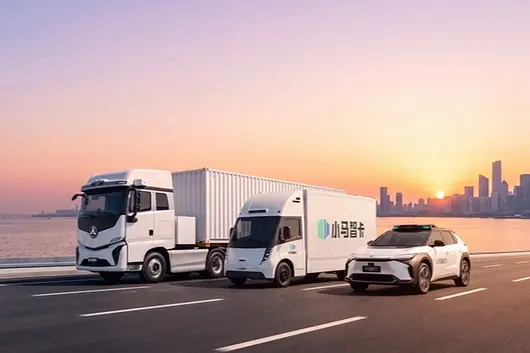
车东西8月19日消息,日前,小马智行与全球出行平台Uber宣布进一步扩大战略合作,计划在欧洲5座城市部署超过2000辆小马智行Robotaxi,这也是欧洲规模最大的Robotaxi部署计划之一,而由此小马智行海外部署计划合计超4000辆。
此次小马智行与Uber的合作将以克罗地亚萨格勒布现有商业化运营为基础,扩展至包括萨格勒布在内的5座欧洲城市。

▲小马智行创始人兼CEO彭军(右)与Uber CEO Dara Khosrowshahi(左)
与此同时,萨格勒布Robotaxi服务即将接入Uber平台,用户通过Uber App即可呼叫小马智行Robotaxi。
从萨格勒布单城运营到欧洲5城、超过2000辆,小马智行与Uber的合作正在跨过一个关键节点。
双方针对同一套技术、产品和运营模式为何能在多个城市快速复制?
对此,技术、平台、运营被组织进同一套“共建车队”体系。
小马智行正与海外合作伙伴一道,把在中国市场验证过的自动驾驶技术、量产产品和商业化能力复制到更广阔的海外市场。
01.
从萨格勒布到欧洲五城
小马智行与Uber共建Robotaxi车队
此次扩张,小马智行与Uber合作,探索出了一种由技术方和出行平台共同参与的“共建车队”模式。
与全链条自营相比,这种分工可以减少重复建设。
小马智行无须在每座海外城市从零搭建出行平台和完整的线下运营体系,Uber也不必自行研发L4自动驾驶系统。
双方可以在各自能力基础上,引入熟悉当地市场的合作伙伴,推进车辆管理及城市运营,车辆资金投入和资产归属也并非采用固定方案。
按照双方披露的合作框架,各参与方可以根据当地市场条件承担多重角色,车辆由谁投入、资产由谁持有,可以结合具体城市灵活安排。
这使同一套合作模式能够适应不同市场,而不是为每座城市重新设计一套业务架构。
当然,共建车队并不等于绕开本地化工作,Robotaxi进入新的国家和城市,仍需推进监管沟通、车辆准入、测试验证和运营许可,而这部分工作正好是当地合作伙伴,特别是Uber这样丰富经验合作伙伴的优势,小马智行再利用自身技术及运营优势针对当地道路环境、交通规则和用户需求进行产品适配。
当地合作伙伴的价值,在于补充城市资源和运营经验,提高项目落地效率。小马智行仍需负责自动驾驶系统的安全、稳定和持续迭代。
从此前的经验来看,萨格勒布已经完成了这套模式的前期验证。

▲小马智行Robotaxi在欧洲
萨格勒布已经完成了这套模式的单城验证,今年5月,小马智行、Uber与克罗地亚本地公司Verne合作,在当地推出商业化Robotaxi服务。
接下来,三方要验证的,是这套模式能否适应不同城市的道路、监管和运营环境,从单城落地走向区域复制,这正是“共建车队”的核心价值,各方重新组合已有能力,从而降低进入新市场的资金压力和执行复杂度,为Robotaxi由单点落地走向区域规模运营提供基础。
02.
从技术验证到千辆部署
小马智行为何获得Uber加码
Uber扩大与小马智行的合作,核心原因并不复杂,平台需要能在欧洲路况复杂的老城区提供服务、能在雨天等叫车高峰时段接单、而硬件和运营总成本足够低的Robotaxi运力。
小马智行已经完成了从技术测试到商业运营的跨越。
目前,小马智行已在北京、上海、广州和深圳开展全无人Robotaxi商业化运营,拥有1975辆Robotaxi。
同时,小马智行全球自动驾驶路测里程超过1亿公里,其中全无人驾驶路测里程超过4000万公里。
复杂道路、真实用户和常态化运营,共同检验了其自动驾驶系统的安全性与稳定性。
但对于Uber而言,技术能够跑通只是基础,将Robotaxi接入出行平台,还要保证车辆能够在打车需求最旺盛的复杂核心城区长期稳定服务、风雨无阻,且乘坐体验能够被用户接受,车队规模扩大后服务质量不会下降。
小马智行在国内一线城市积累的用户体验和规模车队运营经验,满足了Uber在欧洲运营的高要求,从而成为Uber在欧洲最大的自动驾驶合作伙伴。

▲小马智行Robotaxi在中国
技术之外,商业化能力同样关键。小马智行第七代Robotaxi已在广州、深圳实现单车盈利,说明其Robotaxi不仅能够完成全无人驾驶,也开始跑通收入与成本之间的平衡。
对Uber来说,只有单车经济模型成立,自动驾驶运力才可能从少量示范车扩大为持续运营的千辆级车队。
支撑规模扩张的另一项能力,是车规级量产。
小马智行第七代Robotaxi已经具备规模化生产和部署能力,其技术、安全、用户体验及成本控制均经过实际运营检验。
相比针对单个项目改装的测试车辆,标准化、可量产的Robotaxi更适合跨城市复制,也能为后续车辆补充和车队运营提供稳定基础。
在量产能力之外,成本优势进一步扩大了小马智行的规模部署空间。
小马智行创始人兼CEO彭军此前表示,小马智行的车辆成本约为Waymo的四分之一至五分之一,这一差距来自技术研发、供应链和工程化能力的共同作用。
更低的车辆投入,意味着海外合作伙伴可以用相同资金部署更多车辆,也为车队扩大后的投资回报留下更大空间。
对Uber而言,小马智行提供的不只是L4级虚拟司机,还包括车规级量产车型、经过验证的用户体验和可持续的单车经济模型。
这也是Uber选择与小马智行合作加码的关键。
由此一来,在海外市场,小马智行的角色也随之改变。小马智行开始向全球出行平台提供能够批量部署的Robotaxi产品和无人驾驶运力能力。
03.
车队规模扩大
小马智行“双引擎”开始转动
欧洲5城、超过2000辆车队,全球4000辆总规划规模的规模,意味着小马智行的海外布局开始从单一城市落地,转向区域规模运营。
未来,小马智行在欧洲形成的将不再是若干分散项目,而是一张覆盖多座城市的Robotaxi运营网络。
千辆级规模也是Robotaxi商业化的重要分水岭。
车辆数量达到一定规模,才能提高区域覆盖密度和运力调度效率,让用户更容易叫到车,并依靠更多订单和规模效应进一步改善单车经济模型。
建立在第七代Robotaxi单车盈利和成本优势之上,小马智行已经具备将国内验证过的商业模式放大至欧洲千辆级车队的基础。
欧洲则为这一模式提供了更大的价值空间。
欧洲城市密集、共享出行市场成熟,人工及用车成本较高,为Robotaxi提供了更大的商业价值空间。
小马智行已经跑通的单车经济模型,有望在当地获得更高收入和更大利润空间;更好的车辆回报也将增强平台及运营伙伴扩大部署的意愿。
规模扩大后,小马智行获得的也不只是车辆部署数量。
按照此次共建车队的商业模式,欧洲车队运营有望为其带来技术授权、乘客车费分成等持续性收入。
车辆越多、覆盖城市越广,小马智行的收入来源也将由项目合作,逐步转向与实际运营规模挂钩的长期收益。
这正是小马智行“中国+海外”双引擎战略的核心。

▲小马智行Robotaxi在中东
中国市场承担产品验证和产业化任务。小马智行依托国内复杂的城市道路环境打磨技术、验证商业模型,并借助成熟的汽车供应链推进车规级量产和持续降本。
海外市场则承担规模放大和收入增长任务,将国内跑通的Robotaxi产品与商业模式复制到高价值增量市场。
两个市场由此形成相互增强的循环。
国内把产品做成熟、把成本降下来,为海外部署提供基础;海外扩大车队和服务范围,释放更大的商业价值,同时带回不同道路、法规和用户需求下的运营经验,推动产品继续迭代。
欧洲5城只是这一全球扩张路径的重要一步。
目前,小马智行已在中东、新加坡、韩国、卢森堡和克罗地亚等市场取得自动驾驶测试或运营牌照,并提出2026年进入全球超过20座城市、车队规模突破3500辆的目标。
小马智行向海外输出的也不再只是一套自动驾驶算法,而是经过中国超大城市验证的Robotaxi产品、供应链能力和商业运营方法论。
至此,小马智行“中国+海外”双引擎开始真正转动。
04.
结语:Robotaxi进入“规模运营”阶段
Robotaxi竞争的下一阶段,比拼的是谁能把技术、车辆、订单、资本和线下运营真正组织起来。
Uber的持续加码,也使小马智行在欧洲的共建车队模式逐渐形成闭环。
超2000辆新增部署,全球4000辆规划部署预期若能陆续转化为稳定运营的真实车队,其所验证的将不只是一家企业的出海路径,更是一套源于中国市场、面向全球复制的Robotaxi商业化方法。

Di pasaran SUV Malaysia, ramai pembeli bandingkan Proton X90 dan Subaru Crosstrek semasa memilih kereta. Kedua-dua kereta ini mempunyai harga dan kedudukan yang hampir sama, hari ini kami buat perbandingan terperinci dari pelbagai aspek, membantu anda menjimatkan masa membuat kajian.
Proton X90 di Malaysia harga OTR ialah RM 106,800 - 122,800, ada 4 varian, termasuk 2026 1.5T Prime X (RM 122,800), 2026 1.5T Prime (RM 116,800), 2026 1.5T Lite (RM 106,800) dsb.
Subaru Crosstrek di Malaysia harga OTR ialah RM 145,000 - 160,000, ada 1 varian, termasuk 2.0L e-Boxer (RM 150,000) dsb.
Dari segi harga, harga permulaan Proton X90 memang lebih murah RM 38,200 daripada Subaru Crosstrek. Jika bajet anda terhad, varian masuk Proton sudah boleh memenuhi keperluan harian. Tapi kena ambil perhatian, perbezaan ribuan ringgit itu mungkin ada kompromi pada kelengkapan, bergantung pada keperluan anda.
Proton X90 dilengkapi 1.5L Turbo, kuasa 140 hp. Penggunaan bahan api rasmi 7.0 L/100km.
Subaru Crosstrek dilengkapi 1.5L Turbo, kuasa 140 hp. Penggunaan bahan api rasmi 7.0 L/100km.
Kedua-dua kereta guna sistem kuasa yang sama, perasaannya sehari-hari hampir tiada beza. Dari segi penggunaan bahan api juga hampir sama, tak perlu terlalu bimbang.
Proton X90 panjang kenderaan 4400 mm, kapasiti bagasi 400 L.
Subaru Crosstrek panjang kenderaan 4400 mm, kapasiti bagasi 400 L.
Ukuran kedua-dua kereta hampir sama, ruang dalam kenderaan tiada banyak perbezaan. Kereta di kelas ini, penggunaan harian sudah cukup.
Proton X90 guna cara pemacu FWD.
Subaru Crosstrek guna cara pemacu FWD.
Cara pemacu kedua-dua kereta sama, semua FWD, perasaannya sehari-hari tak banyak beza.

Secara keseluruhan, Proton X90 dan Subaru Crosstrek kedua-duanya model kereta yang bagus di pasaran Malaysia. Pilih mana satu, penting sekali lihat keperluan dan bajet peribadi anda. Cadangan buat kajian terlebih dahulu, banding lebih banyak tawaran harga dari dealer, kemudian buat keputusan akhir selepas ujian memandu. Membeli kereta adalah perkara besar, luangkan masa membuat kajian tidak akan rugi.

喺馬來西亞嘅 SUV 市場,好多買家揀車嗰陣都會拿 Honda WR-V 同 Toyota Corolla Cross 做比較。呢兩部車喺價位同定位上都幾接近,今日我哋就從多個方面做一次詳細嘅對比,幫你省返做功課嘅時間。
Honda WR-V 喺馬來西亞嘅 OTR 售價係 RM 89,900 - 107,900,一總共有 4 個型號,包括 2023 1.5L V(RM 99,900)、2023 1.5L E(RM 95,900)、2023 1.5L S(RM 89,900)等。
Toyota Corolla Cross 喺馬來西亞嘅 OTR 售價係 RM 133,800 - 148,800,一總共有 3 個型號,包括 2026 HEV 1.8L GR Sport(RM 148,800)、2026 HEV 1.8L Standard(RM 140,800)、2026 1.8L Standard(RM 133,800)等。
由價錢嚟睇,Honda WR-V 嘅起步價確實比 Toyota Corolla Cross 平咗 RM 43,900。如果你預算有限,Honda 嘅入門版已經可以滿足日常需求。但都要注意,平嗰幾千蚊,可能喺配備方面有取舍,具體要看你嘅需求。
Honda WR-V 配備 1.5L 4-cyl,馬力 105 hp。官方油耗 6.0 L/100km。
Toyota Corolla Cross 配備 1.5L Turbo,馬力 140 hp。官方油耗 7.0 L/100km。
動力方面,Toyota Corolla Cross 嘅 1.5L Turbo 比 Honda WR-V 嘅 1.5L 4-cyl 多咗 35 匹馬力。不過日常喺市區開,兩部車嘅動力都夠用,唔會覺得唔夠力。
Honda WR-V 車身長 4400 mm,行李廂 400 L。
Toyota Corolla Cross 車身長 4400 mm,行李廂 400 L。
兩部車嘅尺寸幾乎一樣,車內空間分別唔大。呢級別嘅車,日常使用完全夠用。
Honda WR-V 同 Toyota Corolla Cross 都係馬來西亞市場嘅主流選擇,適合家庭使用、日常通勤。如果你更睇重品牌口碑同二手價,可以優先考慮口碑更好嗰款;如果你更在意性價比同配備,就揀配置更豐富嗰款。最後仲建議兩款都去試駕,親身體驗先至最重要。

總嚟講,Honda WR-V 同 Toyota Corolla Cross 都係馬來西亞市場幾好嘅車型。揀邊輛,關鍵始終要睇你嘅個人需求同預算。建議大家做好功課,多比較幾間車行嘅報價,先至去試駕做最後決定。買車係件大事,花少少時間做功課絕對唔會錯。

当一些车企还在卷造车速度时,奇瑞风云转而强调“慢造车”。近日,风云T7开启预售,预售价10.99万元-12.99万元。发布会以“慢功造好车,久等了”为主题,传递出扎实打造高品质全球车的坚守。

风云T7的“慢”主要体现在研发与验证两端。研发层面,依托奇瑞全球“1+7+N”研发体系,历经2年策划、3年研发;验证层面,共投入81台专属耐久车同步路试,整车累计测试里程超600万公里,耐久专项实测145万公里,并针对东南亚雨季、中东高温暴晒、印尼高湿等全球多地域进行极限实车试炼。
设计上,风云T7依托奇瑞10大全球设计中心,5000余名海内外用户全程共创,同源车型Lepas L6亮相米兰设计周,获得国际认可。新车提供炽焰橙、山烟紫、云粉米、流光银、青竹灰、墨石黑6款外观配色,内饰提供温暖黑棕、极夜黑曜两种风格。整车尺寸4570×1852×1694mm,轴距2700mm,车内得房率84%,后排纯平地台,拥有同级领先的911mm腿部空间;后排放倒后可拓展为1955mm纯平大床,常规后备箱450L,最大可拓展至1550L,满足户外穿越和多人结伴出行需求。

安全方面,风云T7车身采用80%高强度钢、18.84%热成型钢打造九横五纵笼式车身,并采用shotgun结构、双框副车架+Pack防撞梁,前9条、侧6条碰撞传力路径可最大化分散碰撞能量,保障乘员生存空间。全车配备9个安全气囊,包含48L双腔远端气囊和后排侧气囊,实现360°乘员保护。电池方面,风云T7全系搭载犀牛电池,通过超强6D防护构建多层立体安全屏障,可全面抵御挤压、穿刺、冲击等风险。犀牛电池IP68防水能力为国标96倍,面对夏季暴雨频发,无惧雨季内涝、路面积水和户外涉水,有效防止电池进水短路隐患。
续航与能耗方面,风云T7全系标配65.05kWh犀牛电池,CLTC续航600km,实测续航667km以上,30%-80%快充仅需20分钟。同时,新车搭载全域一体化热管理系统,采用双源宽热泵空调+高压PTC,可在-30°C至55°C超宽温域稳定运行,低温制热更省电、高温散热更高效;配合全系标配的AGS智能进气格栅和14项低风阻优化,能耗表现更加稳定。

智能化配置上,风云T7全系搭载高通骁龙8775舱驾一体芯片,中控为15.6英寸2.5K屏,支持CarPlay、HUAWEI HiCar、CarLink无线连接,内置小憩、露营、宠物、醒神等六大场景模式。驾驶辅助方面,新车搭载猎鹰500系统,集成3颗毫米波雷达、7个摄像头和12个超声波雷达,共22颗传感器,支持300余种场景自动泊车,涵盖断头路泊车、一键循迹倒车、跨楼层泊车等功能。
为让用户更安心,风云T7还提供两大兜底政策。动力电池安全兜底:因动力电池自身原因导致整车发生热失控损毁,奇瑞将赔付同款新车或不低于原车配置新车。辅助驾驶兜底:自购车之日起一年内,在“泊车场景”“智能领航场景”判定为“智能驾驶辅助系统原因”导致事故,造成车上人员伤害与第三者损失赔偿的,最高赔偿500万元。

In Malaysia's SUV market, many buyers compare Proton X90 and Kia Sportage when choosing a car. The pricing and positioning of these two cars are quite similar. Today, we will do a detailed comparison from multiple aspects to save you the time of doing your research.
The OTR price of Proton X90 in Malaysia is RM 106,800 - 122,800, with a total of 4 variants, including 2026 1.5T Prime X (RM 122,800), 2026 1.5T Prime (RM 116,800), 2026 1.5T Lite (RM 106,800), etc.
The OTR price of Kia Sportage in Malaysia is RM 129,639 - 179,320, with a total of 4 variants, including 2025 1.6T DCT 4WD High (RM 179,320), 2025 1.6T DCT 2WD High (RM 159,320), 2025 2.0L AT 2WD High (RM 139,639), etc.
In terms of price, the entry-level price of Proton X90 is indeed RM 22,839 cheaper than Kia Sportage. If your budget is tight, the entry-level Proton model can already meet daily needs. However, be aware that the difference of a few thousand ringgit might involve trade-offs in features, depending on your specific needs.
Proton X90 has a 5-star safety rating (ASEAN NCAP), with active safety systems including ADAS (ACC, AEB, LKA, LDA, BSM, RCTA).
Kia Sportage has a 5-star safety rating (ASEAN NCAP), with active safety systems including Drive Wise.
Both cars have the same safety rating, and safety features are quite comprehensive for this class. New cars nowadays generally have good safety, so you don't need to worry too much about this.
Proton X90 uses FWD drive system.
Kia Sportage uses FWD drive system.
Both cars use the same drive system, FWD, so there won't be a huge difference in daily driving experience.
Proton X90 warranty is 5 years/150,000km, maintenance interval every 10,000km or 6 months.
Kia Sportage warranty is 5 years/300,000km, maintenance interval every 10,000km or 6 months.

Both Proton X90 and Kia Sportage are mainstream choices in the Malaysian market, suitable for family use and daily commuting. If you value brand reputation and resale value more, you might prioritize the one with better reputation; if you care more about value for money and features, choose the one with richer configurations. Ultimately, it is recommended to test drive both models, as personal experience is the most important.

Overall, both Proton X90 and Kia Sportage are very good models in the Malaysian market. Which one to choose ultimately depends on your personal needs and budget. We suggest doing your research, comparing quotes from multiple dealerships, and then test driving to make the final decision. Buying a car is a big matter, and spending time doing research will never go wrong.
In the Malaysian SUV market, many buyers often compare the Proton X90 and Kia Sportage when choosing a car. These two cars are quite close in price and positioning. Today we will make a detailed comparison from multiple aspects to help you save time on research.
The Proton X90 OTR price in Malaysia is RM 106,800 - 122,800, with a total of 4 versions, including 2026 1.5T Prime X (RM 122,800), 2026 1.5T Prime (RM 116,800), 2026 1.5T Lite (RM 106,800) etc.
The Kia Sportage OTR price in Malaysia is RM 129,639 - 179,320, with a total of 4 versions, including 2025 1.6T DCT 4WD High (RM 179,320), 2025 1.6T DCT 2WD High (RM 159,320), 2025 2.0L AT 2WD High (RM 139,639) etc.
Looking at the price, the Proton X90 starting price is indeed RM 22,839 cheaper than the Kia Sportage. If your budget is limited, the Proton entry-level version can already meet daily needs. But also note, the few thousand difference might involve trade-offs in features, specifically depending on your needs.
The Proton X90 is equipped with 1.5L Turbo, 140 hp. Official fuel consumption 7.0 L/100km.
The Kia Sportage is equipped with 1.5L Turbo, 140 hp. Official fuel consumption 7.0 L/100km.
Both cars use the same powertrain system, the driving feel in daily use is basically no difference. Fuel consumption is also similar, no need to worry too much about this.
The Proton X90 safety rating is 5★ (ASEAN NCAP), active safety systems include ADAS (ACC, AEB, LKA, LDA, BSM, RCTA).
The Kia Sportage safety rating is 5★ (ASEAN NCAP), active safety systems include Drive Wise.
Both cars have the same safety rating, safety features in this class are quite complete. New cars nowadays are not bad in safety, no need to worry too much about this.
The Proton X90 body length is 4400 mm, trunk 400 L.
The Kia Sportage body length is 4400 mm, trunk 400 L.
Both cars are almost the same size, interior space difference is not large. For this class of cars, daily use is completely sufficient.
The Proton X90 adopts FWD drive mode.
The Kia Sportage adopts FWD drive mode.
Both cars have the same drive mode, both are FWD, daily driving feel will not have much difference.
Overall, Proton X90 and Kia Sportage are both excellent models in the Malaysian market. Which one to choose depends mainly on your personal needs and budget. We recommend doing your research well, compare quotes from several car dealers, then go test drive to make the final decision. Buying a car is a big matter, spending some time doing research will definitely not be wrong.

8月12日,奇瑞风云T7正式开启预售,3款车型定价10.99万-12.99万元。发布会主题定为“慢功造好车,久等了”——在当下新能源行业普遍压缩研发周期、新车上新节奏越来越快的背景下,这句slogan反倒像一句直白的行业表态:在快与稳之间,奇瑞选择了后者。
这款车最特别的地方,是它走了一条“反向出海”的路径。不同于多数车型国内首发、再逐步出海的常规节奏,风云T7的同车型Lepas L6早已率先登陆泰国、印尼等东南亚市场,经过全球多地市场与路况的真实试炼之后,才正式回到国内市场发售。依托奇瑞23年的全球化技术积淀,它从研发之初就以全球标准打造,相当于把海外市场的严苛验证,变成了国内用户的品质背书。

五年磨一剑 把功夫下在看不见的地方
近些年,“速成车”成了行业热议的话题。传统燃油车时代一款车研发普遍要3-4年,而现在不少新车的开发周期被压缩到18个月以内,参数卷得飞快,却也埋下了耐久度、可靠性的隐忧。奇瑞执行副总裁李学用坦言,“奇瑞造车慢”的评价听了不少,但有些时间真的不敢省——研发不能快、验证不能快、用户共创不能快。

这份“慢”落到了具体数字上:风云T7前后历经2年策划、3年研发,累计投入81台专属耐久车同步路试,整车测试里程超600万公里,仅耐久专项实测就达145万公里。它不是只在实验室里跑标准工况,而是拉到全球不同地域做极限试炼:扛过中东的高温暴晒,蹚过东南亚的雨季积水,适应过印尼的高湿环境,把不同国家用户会遇到的极端场景,提前都验证了一遍。

安全标准同样与全球同步。车身对标2026版E-NCAP五星安全标准打造,采用80%高强度钢、18.84%热成型钢的九横五纵笼式结构,搭配9条正面+6条侧面碰撞传力路径,最大限度保留乘员生存空间。全车9个安全气囊,包含48L双腔远端气囊与后排侧气囊,360度覆盖防护。三电安全上,全系搭载的犀牛电池拥有6D防护体系,IP68防水等级达到国标的96倍,哪怕遭遇暴雨内涝、路面涉水,也能有效规避电池短路风险。
不做偏科生 六大刚需戳中家用痛点
十万级纯电SUV是竞争最卷的赛道,却也最容易出现“偏科”:有的卷续航砍配置,有的堆智能降品质,看似参数亮眼,实际家用体验处处短板。风云T7的思路很明确:围绕家庭用户的六大核心需求做全能覆盖,不搞噱头,只解决真实痛点。
续航上直接打出“全系平权”,没有用短续航入门款拉低起售价。三个配置全部标配65.05kWh犀牛电池,CLTC续航600km,实测续航超过667km,用“反向虚标”直接打消续航焦虑。30%-80%快充仅需20分钟,配合双源宽热泵空调,-30℃到55℃超宽温域都能稳定运转,北方冬季续航打折、南方高温耗电快的问题,都做了针对性优化。

智能层面走的是“好用不花哨”的务实路线。舱驾一体8775芯片带来流畅的基础体验,15.6英寸2.5K大屏支持三大主流手机互联,上车就能无缝衔接。灵犀智舱2.0做了六款人设化语音助手,搭配小憩、露营、宠物等场景模式,比千篇一律的机械交互多了不少烟火气。驾驶辅助重点攻坚泊车场景,22颗高精度传感器加持下,支持300+场景自动泊车,断头路泊车、跨楼层泊车、一键循迹倒车都能实现,切实解决城市用户的停车难题。
空间与舒适性则是家用车的基本功。2700mm轴距带来84%的车内空间利用率,后排纯平地台加上911mm腿部空间,满载三人也不局促。后排放倒可拓展出1955mm纯平空间,从日常通勤到户外露营都能适配。9层云感座椅支持通风加热,冬天5分钟速热、夏天吸风不闷汗;全车38处储物空间加上露营专用铆环挂钩,细节处都对准了家庭用户的使用习惯。底盘由国际化团队调校,黄金轴荷比带来稳当的行驶质感,过弯不飘、滤震柔和,兼顾了驾驶者的手感与乘客的舒适。
兜底式权益 把用户顾虑摆到台面上解决
很多人买新能源车,除了产品本身,最担心的就是后期保障。这次风云T7没有玩文字游戏,直接拿出“两大兜底+两大终身”的权益方案,把用户最焦虑的问题一一回应。

两大兜底堪称行业少见的诚意:一是动力电池安全兜底,若因电池自身原因引发热失控导致整车损毁,直接赔付同款或更高配置新车;二是辅助驾驶兜底,购车一年内,泊车与智能领航场景下因系统原因造成的事故,最高赔付500万元。等于直接把用户最怕的两个风险,给实实在在兜住了。
终身权益则覆盖长期用车成本:整车终身质保(含三电系统),解决后期维修顾虑;666元即可购买价值3999元的终身基础保养套餐,一年一次,把家用车的养车成本压到了最低。再加上预售期7重购车权益,从订车到用车的全周期都做了覆盖。

从米兰设计周拿奖的全球设计,到覆盖多地域的极限路试,再到全系平权的续航配置、兜底式的售后权益,风云T7的核心逻辑始终没变:用全球标准造一台适合中国家庭的务实家用车。
如今的中国新能源产业早已进入“全球时间”,中国车企出海不再是新鲜事,但像风云T7这样,先经过海外市场淬炼、再反哺国内市场的产品,依然不多见。它代表着另一种造车思路:不追短期的流量热度,不做参数上的表面功夫,把成本花在耐久、安全、可靠性这些看不见的地方,给用户一台能长久放心开的车。

十万级纯电市场从不缺新品,缺的是真正懂家用痛点的踏实产品。风云T7这张“慢工造车”的答卷,能不能打动追求稳妥的家庭用户,市场很快会给出答案。
这篇新车预售稿件属于典型的新媒体传播内容,工作任务模式可以帮你补齐多版标题备选、配图方案、排版优化和发布物料,要不要切换过去继续完善?

喺馬來西亞嘅 SUV 市場,好多買家喺揀車嗰陣,成日拿 Proton X90 同 Kia Sportage 黎比較。呢兩款車喺價位同定位上都好相近,而家我哋就從多個方面做一个詳細嘅比較,幫你省返做功課嘅時間。
Proton X90 喺馬來西亞嘅 OTR 售價係 RM 106,800 - 122,800,總共有 4 個版本,包括 2026 1.5T Prime X(RM 122,800)、2026 1.5T Prime(RM 116,800)、2026 1.5T Lite(RM 106,800)等等。
Kia Sportage 喺馬來西亞嘅 OTR 售價係 RM 129,639 - 179,320,總共有 4 個版本,包括 2025 1.6T DCT 4WD High(RM 179,320)、2025 1.6T DCT 2WD High(RM 159,320)、2025 2.0L AT 2WD High(RM 139,639)等等。
從價錢睇嚟,Proton X90 嘅起步價的確比 Kia Sportage 平咗 RM 22,839。如果你預算有限,Proton 嘅入門版已經可以滿足日常需要。但都要記住,平緊嗰幾千蚊,配裝上可能會有取舍,具體就要睇你嘅需要。
Proton X90 嘅安全評級係 5★ (ASEAN NCAP),主動安全系統包括 ADAS (ACC, AEB, LKA, LDA, BSM, RCTA)。
Kia Sportage 嘅安全評級係 5★ (ASEAN NCAP),主動安全系統包括 Drive Wise。
兩款車嘅安全評級一樣,喺呢個級別入面,安全配備都算好齊全。而家嘅新車安全性都唔差,唔使太擔心呢點。
Proton X90 採用 FWD 驅動方式。
Kia Sportage 採用 FWD 驅動方式。
兩款車嘅驅動方式一樣,都係 FWD,日常駕駛感受唔會有太大分別。
Proton X90 保修 5 年/150,000km,保養間隔 每 10,000km 或 6 個月。
Kia Sportage 保修 5 年/300,000km,保養間隔 每 10,000km 或 6 個月。
Proton X90 同 Kia Sportage 都係馬來西亞市場嘅主流選擇,適合家庭使用、日常通勤。如果你更睇重品牌口碑同二手價,可以優先考慮口碑更好嗰一款;如果你更介意性價比同配備,那就揀配置更豐富嗰款。最後始終建議兩款都去試駕,親身體驗先係最重要嘅。
總嘅嚟講,Proton X90 同 Kia Sportage 都係馬來西亞市場好唔錯嘅車型。揀邊一輛,關鍵仲要睇你嘅個人需要同預算。建議大家做好功課,多比較幾間車行嘅報價,再去試駕做最終決定。買車係件大事,花啲時間做功課絕對唔會錯。

In the Malaysian SUV market, many buyers compare Proton X90 and Chery Tiggo 9 when choosing a car. These two cars are quite close in price and positioning. Today, we will make a detailed comparison from multiple aspects to help you save time on research.
The Proton X90 OTR selling price in Malaysia is RM 106,800 - 122,800, with a total of 4 versions, including 2026 1.5T Prime X (RM 122,800), 2026 1.5T Prime (RM 116,800), 2026 1.5T Lite (RM 106,800), etc.
The Chery Tiggo 9 OTR selling price in Malaysia is RM 166,800 - 179,800, with a total of 1 version, including 2026 2.0T Standard (RM 179,750), etc.
In terms of price, the starting price of Proton X90 is indeed RM 60,000 cheaper than Chery Tiggo 9. If your budget is limited, the Proton entry-level version is already sufficient for daily needs. However, you should also note that the few thousand cheaper might involve trade-offs in features, depending on your specific needs.
Proton X90 is equipped with 1.5L Turbo, 140 hp. Official fuel consumption 7.0 L/100km.
Chery Tiggo 9 is equipped with 2.0L 4-cyl, 170 hp. Official fuel consumption 8.0 L/100km.
In terms of power, the 2.0L 4-cyl of Chery Tiggo 9 has 30 more horsepower than the 1.5L Turbo of Proton X90. However, for daily driving in the city, the power of both cars is sufficient, you won't feel like it lacks power.
Proton X90 body length 4400 mm, trunk 400 L.
Chery Tiggo 9 body length 4400 mm, trunk 400 L.
The dimensions of both cars are almost the same, with little difference in interior space. For cars at this level, it is completely sufficient for daily use.
Proton X90 and Chery Tiggo 9 are both mainstream choices in the Malaysian market, suitable for family use and daily commuting. If you value brand reputation and resale value more, you can prioritize the one with a better reputation; if you care more about value for money and features, choose the one with richer configurations. Ultimately, it is recommended to test drive both, as personal experience is the most important.

Overall, Proton X90 and Chery Tiggo 9 are both very good car models in the Malaysian market. Which one to choose mainly depends on your personal needs and budget. It is recommended that you do your homework, compare quotes from a few dealerships, and then test drive to make the final decision. Buying a car is a big matter, taking some time to research is never wrong.

Dalam pasaran SUV di Malaysia, ramai pembeli sering membandingkan Proton X90 dan MG MG HS semasa memilih kereta. Kedua-dua kereta ini mempunyai harga dan sasaran pasaran yang hampir serupa. Hari ini kita akan membandingkan secara terperinci dari pelbagai aspek untuk membantu anda menjimatkan masa melakukan penyelidikan.
Harga OTR Proton X90 di Malaysia ialah RM 106,800 - 122,800, terdapat keseluruhan 4 varian, termasuk 2026 1.5T Prime X (RM 122,800), 2026 1.5T Prime (RM 116,800), 2026 1.5T Lite (RM 106,800) dan lain-lain.
Harga OTR MG MG HS di Malaysia ialah RM 130,450 - 146,450, terdapat keseluruhan 2 varian, termasuk 1.5L Standard (RM 105,000), 1.5L Executive (RM 115,000) dan lain-lain.
Dari segi harga, harga permulaan Proton X90 memang lebih murah RM 23,650 berbanding MG MG HS. Jika bajet anda terhad, versi pemula Proton sudah memadai untuk keperluan harian. Namun, perlu diingat, perbezaan harga beberapa ribu itu mungkin melibatkan kompromi pada kelengkapan, bergantung kepada keperluan anda.
Proton X90 dilengkapi enjin 1.5L Turbo, kuasa 140 hp. Penggunaan bahan api rasmi 7.0 L/100km.
MG MG HS dilengkapi enjin 1.5L Turbo, kuasa 140 hp. Penggunaan bahan api rasmi 7.0 L/100km.
Kedua-dua kereta menggunakan sistem enjin yang sama, perbezaan pengalaman memandu harian adalah hampir tidak ketara. Dari segi penggunaan bahan api juga hampir sama, tidak perlu terlalu bimbang mengenai perkara ini.
Proton X90 panjang kenderaan 4400 mm, kapasiti bagasi 400 L.
MG MG HS panjang kenderaan 4400 mm, kapasiti bagasi 400 L.
Saiz kedua-dua kereta hampir sama, perbezaan ruang dalaman tidak banyak. Kereta dalam kelas ini, cukup untuk penggunaan harian.
Proton X90 menggunakan sistem pemacu FWD.
MG MG HS menggunakan sistem pemacu FWD.
Kedua-dua kereta mempunyai sistem pemacu yang sama, semuanya FWD, pengalaman memandu harian tidak akan terlalu berbeza.
Secara keseluruhan, Proton X90 dan MG MG HS adalah model kereta yang sangat baik di pasaran Malaysia. Memilih yang mana, penting bergantung kepada keperluan dan bajet peribadi anda. Disarankan agar membuat kajian terlebih dahulu, bandingkan beberapa tawaran dari dealer kereta, kemudian uji memandu untuk membuat keputusan akhir. Membeli kereta adalah perkara besar, meluangkan masa untuk membuat kajian tidak akan pernah salah.

奇瑞风云 T7 正式开启预售,共 3 款配置,预售价 10.99-12.99 万元。付 1000 元订金可解锁 7 重购车权益,从买车到长期用车的核心顾虑基本都兜住了。

出身:慢工打磨,全球市场验证过的品质
这台车走的是 “反向出海试炼” 路线,不是仓促上马的新车:
2 年策划、3 年研发,投入 81 台测试车,整车累计测试里程超 600 万公里,东南亚雨季、中东高温、印尼高湿等极端环境都做了实车测试。
同源海外车型 Lepas L6 曾亮相米兰设计周,相当于先经过全球市场验证,再带着成熟品质回归国内。
车漆用的是海外耐候级工艺,内饰大面积软包,易损件都做了抗老化优化,开几年也不容易显旧。
续航:全系 600km 平权,低温也靠谱
没有高低续航区别对待,全系标配 65.05kWh 大容量电池:
CLTC 续航 600km,实测能跑到 667km,属于反向虚标;30%-80% 快充仅需 20 分钟,补能效率高。
搭载双源宽热泵空调,-30℃到 55℃超宽温域都能稳定工作,北方冬天开暖风也不会掉电太夸张,全场景续航都扎实。
空间与驾控:家用够实用,底盘有调校
2700mm 轴距,车内空间利用率 84%:
后排腿部空间 911mm,地板纯平,坐三个人也不挤;常规后备箱 450L,放倒后排可拓展至 1550L 纯平空间,拉货、露营都适配。全车 38 处储物格,还预留了户外固定铆环。
底盘由玛莎拉蒂前调校专家团队打造,50.8:49.2 的接近 50:50 轴荷比,过弯稳、直线行驶质感好,兼顾家用舒适和基础驾控感。

智能:舱驾一体芯片,泊车能力拉满
配 4nm 制程的 8775 舱驾一体芯片,72TOPS 算力,实现舱驾协同:
15.6 英寸 2.5K 防眩光大屏,支持主流手机无线互联;车机有 6 种语音人设,还有露营、小憩等专属场景模式。
猎鹰 500 驾驶辅助系统配 22 颗高精度传感器,支持 300 + 全场景自动泊车,断头路泊车、循迹倒车这些小众难用场景也能覆盖。
安全 + 权益:硬核兜底,用车没后顾之忧
安全和售后是这台车的核心亮点,诚意很足:
车身对标 2026 版 E-NCAP 五星标准,80% 高强度钢 + 18.84% 热成型钢打造笼式结构,全系标配 9 个安全气囊。
犀牛电池带多层 6D 防护,IP68 防水能力达到国标的 96 倍,涉水、内涝场景都有保障。

两大兜底承诺:动力电池因自身原因热失控,直接赔付同款新车;智能驾驶辅助场景下的事故,最高赔付 500 万。
养车成本透明:购车送整车终身质保,加 666 元就能拿下终身基础保养套餐,再叠加 1000 元订金抵 2000 元、限时免费个性车色等福利,长期用车成本很低。
在行业普遍快周转的环境下,风云 T7 属于用慢工磨出来的全能选手,10 万级家用纯电 SUV 里,续航、安全、售后保障都给得很扎实,适合追求省心耐用的家庭用户。
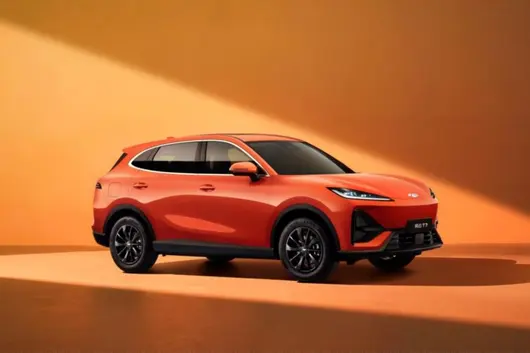

The global automotive market in the first half of 2026 delivered its results amidst multiple shifts: escalating geopolitical conflicts, repeated supply chain disruptions, and the electrification transition entering a critical phase. Looking at internationally mainstream automakers with announced data, the sales landscape shows significant differentiation: Japanese, German, and American traditional giants generally face pressure and decline, while some Chinese independent brands and automakers focusing on emerging markets achieve resilient growth. This structural reshuffle reflects the profound reshaping of the global automotive industry landscape.
Toyota Retains Sales Crown, Multiple Chinese Brands Reach the Top Tier
According to the official H1 2026 global sales data announced by each automaker, Toyota Motor remained the sales champion for the first half of the year, with global sales of approximately 5.39 million units, a year-over-year decrease of 2.8%. This marks the first time Toyota has seen a year-over-year decline in global H1 sales in two years. The Volkswagen Group ranked second globally with approximately 4.126 million sales, with the year-over-year decline widening to 6.3%, a gap of 1.26 million units from Toyota. The Hyundai Motor Group (combined Hyundai and Kia) had a total H1 sales of approximately 3.579 million units, overall performance relatively stable, holding the third place globally.

(Note: Some automakers have not yet announced H1 sales data)
The Stellantis Group ranked fourth with H1 sales of 2.958 million units, the only traditional giant achieving double-digit positive growth, with a year-over-year increase of 11%, demonstrating surprising resilience and elasticity. Stellantis Group H1 global sales were approximately 1.36 million units in the first quarter, a year-over-year increase of 12%; 1.597 million units in the second quarter, a year-over-year increase of 10%, mainly driven by the North American and European markets.
General Motors delivered approximately 2.721 million units in the first half of the year, a year-over-year decrease of 8.9%. However, benefiting from the high premium of North American pickups and SUVs, its sales revenue instead grew counter-trend slightly to $91.7 billion, showing the rare characteristic of "volume down, profit stable".
Notably, Chinese brands occupy three spots on the top 10 list. BYD's cumulative sales reached 1.809 million units in the first half of the year, a year-over-year decrease of 15.7%. Geely's total sales for the first half of the year were approximately 1.423 million units, including brands such as Geely, Lynk & Co, and Zeekr, a slight year-over-year increase of 1%, with new energy product penetration reaching 56%. During the same period, Chery Group's total sales for the first half of the year reached 1.358 million units, a year-over-year increase of 7.7%, setting a new historical high. Among them, June single-month sales were 256,612 units, a year-over-year increase of 9.8%.
Japanese automaker Suzuki's total sales for the first half of the year were 1.8 million units, a significant year-over-year increase of 110.3%. The company saw sales growth in markets such as India, Indonesia, Pakistan, and Africa, driving its overseas H1 sales to a new record. Nissan's sales for the first half of the year were 1.506 million units, a year-over-year decrease of 6.7%, continuing the sluggish trend of recent years.
Traditional Giants Lose Speed: Loss of China Market Resonates with Middle East Geopolitical Impact
In traditional automakers where performance declined, the sluggish sales in the China market, the spillover effects of Middle East geopolitical conflicts, US tariffs, and the retreat of electric vehicle policies, together formed the "headwinds" suppressing their global performance.
An announcement issued by Toyota Motor at the end of July stated that due to weakening demand in the Chinese market and the drag from model replacement adjustments of the popular model RAV4, the company's global production and sales in the first half of the year saw a decline. From January to June this year, Toyota's sales in the Chinese market plummeted by 17.1%, offsetting demand growth in the North American and Japanese markets. In the announcement, the Toyota Group stated: "North American and Japanese market demand is stable, demand for hybrid models and other models in the North American market remains strong, but was offset by the decline in sales in the Chinese market."

Image Source: Toyota Motor
Geopolitical conflict combined with fierce competition in the Chinese market has begun to impact the profit records set by Toyota in the previous fiscal year. In June this year, sales of Toyota and Lexus brands in the Middle East region decreased by 24% year-over-year, while sales in the Chinese market decreased by 27% year-over-year. At the performance conference in May this year, Toyota stated that the automaker exports approximately 500,000 to 600,000 vehicles to the Middle East annually, and the company estimates that nearly half of the export volume could be impacted by the situation in the Middle East.
However, Toyota also adjusted the combined sales forecast for automobiles upwards by 100,000 units from the previous forecast, to 9.7 million units, a figure higher than the previous fiscal year's total sales of 9.595 million units. Toyota stated that the upward adjustment originated from strong demand in North American and European markets, while alternative logistics channels to the Middle East were completed, driving a recovery in local sales.
Volkswagen Group's performance pressure in the first half of the year was also highly concentrated in the Asia-Pacific market, where the decline in the Chinese market was particularly obvious. Volkswagen delivered 24% less in the Asia-Pacific market in the first half of the year, and deliveries in the Chinese market decreased by 25.9% year-over-year. From the perspective of sub-sectors, the downward trend of pure electric models is particularly significant: from January to June this year, Volkswagen Group's deliveries of pure electric models in China plummeted by 47.9%. Volkswagen also had a difficult situation in the North American market in the first half of the year, with pure electric business performance particularly pronounced. In the first half of the year, the group's sales of pure electric models in North America fell sharply by 68.8%, plummeting from 31,300 units in the same period last year to only 9,800 units in the first half of the year.
General Motors' global deliveries for the first half of the year decreased by 8.9%, but supported by stable prices and strong demand for pickups and SUVs, global sales revenue still climbed slightly, demonstrating the profit moat of the North American market. However, General Motors' performance in the Chinese market was also not optimistic, as its joint venture brands face all-round siege from Chinese local brands.
Chinese Brands: From Domestic Fierce Competition to Global Offense
Represented by automakers such as BYD, Geely, and Chery, Chinese automakers ranked high on the global sales list in the first half of the year, showing an unprecedented scale presence for Chinese brands. These three automakers supported overall sales with explosive growth in overseas markets. The core engine of these brands' growth has shifted from domestic to overseas, and the globalization of Chinese automakers is changing from slogans to reality.

Image Source: BYD
Although BYD's total sales declined in the first half of the year, its structural highlight lies in the continuous breakthrough in overseas markets — cumulative overseas sales of passenger cars and pickups reached 789,000 units, a year-over-year increase of 68%, and the proportion of overseas sales to total sales has exceeded 43%. This means BYD has transformed from a "Chinese new energy giant" into a true "global new energy automaker".
BYD's export destinations in the first half of the year showed a layout characteristic of "Latin America leading, Europe breaking out at multiple points, Oceania, Southeast Asia, and Middle East differentiated expansion". Brazil continues to firmly occupy the position of this automaker's largest overseas market, and the top five countries in Europe also rank in the top ten of BYD's export destinations.
Geely's total sales for the first half of the year were approximately 1.423 million units, with outstanding overseas export performance, cumulative exports of 474,228 units, a year-over-year increase of 158%, a figure that has already exceeded the total export volume for the full year of 2025. June single-month exports were 102,874 units, a year-over-year increase of 157%, a month-on-month increase of 21%, achieving year-over-year and month-on-month double growth for six consecutive months, marking that Geely's export business has entered the stage of scale release. Geely's new energy product export sales in the first half of the year were 277,189 units, a surge of 585% year-over-year, with new energy proportion reaching 59%.
As a leader of Chinese brands going global, Chery Automobile accumulated 943,817 exports in the first half of the year, a year-over-year increase of 71.5%, with export proportion approaching 70%, making it a Chinese brand with high degree of internationalization. In July, Chery's exports of automobiles were 202,533 units, a year-over-year increase of 70.1%, breaking the record for Chinese car single-month exports for five consecutive months, becoming the first Chinese automaker to break through 200,000 exports in a single month.
Summary:
In the second half of the year, the global automotive industry will still move forward heavily burdened: weak demand, continuous heating of trade protection, cost increases brought by Middle East turmoil, and logistics and supply chain disruptions, transnational automakers will continue to promote cost reduction, production capacity contraction, and adjustment of electrification pace. These factors will also lead to the global car market still being full of high uncertainty. But a clear trend has been established: with the rise of Chinese automakers, the global automotive industry is accelerating from "Triopoly of Japan, Germany, and America" to "Multipolar Competition".
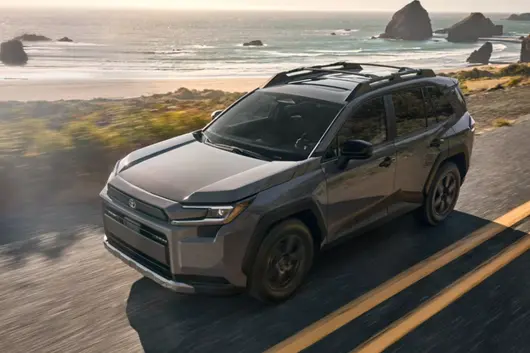

近日風雲 T7 正式展開預售,新車共推出 3 款車型,預售指導價格為 10.99 萬至 12.99 萬,並享有 7 重購車優惠。風雲 T7 作為一款緊湊型 SUV,以“慢功造好車”為目標,秉持長期主義嘅造車理念,主打一個高標準高品質。

依托奇瑞 10 大全球設計中心,風雲 T7 造型上採用御風前臉、風塑綢緞車身、天際霞光尾門,平衡國際簡約美學同東方雅緻氣韻。全車漆面標準同步海外嚴苛耐候要求,提供熾焰橙、山煙紫、雲粉米、流光銀、青竹灰、墨石黑 6 種配色。

內飾設計採用雲翼環抱座艙搭配大面積軟包覆,細節上擁有鵝卵石懸浮揚聲器、菱格縫紉等。配色則有溫暖黑棕、極夜黑曜兩種風格。整車尺寸 4570×1852×1694mm,軸距 2700mm,車內實用率 84%。

動力系統方面,風雲 T7 全系標配大容量犀牛電池 65.05kWh,CLTC 600km 續航,實測續航 667+km。電池由 30% 充至 80% 只需 20 分鐘。且搭載全域一體化熱管理雙源寬溫热泵空調 + 高壓 PTC,北方車主冬季亦能安心開。-30°C-55°C 超寬溫域穩定運作,低溫環境製暖更省電、高溫環境散熱更高效。配合全系標配嘅 AGS 智能進氣格柵同 14 項低風阻優化,高速低速能耗更穩定。
在底盤懸掛系統方面,風雲 T7 採由由瑪莎拉蒂前底盤調校專家領銜嘅國際化底盤團隊進行測試調校,50.8:49.2 黃金軸荷比能有效抑制轉向推頭、甩尾現象,提升過彎穩定性同直線行駛循跡性。

在智能化方面,風雲 T7 搭載座艙駕駛一體 8775 晶片,做到座艙駕駛雙優,兩大域無縫協同。72TOPS 嘅高算力,響應僅需 80ms,提升整體體驗速度。中控台使用 15.6 英寸 2.5K 高清大屏畫面細膩真實,防眩光、抗反射、抗指紋,CarPlay、HUAWEI HiCar、CarLink 無線連接。

智能駕駛採用獵鷹 500 駕駛輔助系統,集成 3 顆毫米波雷達、7 個高性能攝像頭、12 個超聲波雷達,總計 22 顆高精度傳感器,除咗常規輔助功能外仲可以实现全場景自動泊車。

最後再提下安全同耐用,首先全車身採用 80% 高強度鋼、18.84% 熱成型鋼打造九橫五縱籠式車身,採用 shotgun 結構、雙框副車架 +Pack 防撞梁。安全配置搭載咗 9 個安全氣囊,包含 48L 雙腔遠端氣囊同後排側氣囊。全系搭載嘅犀牛電池亦構建咗抵禦擠壓、穿刺、衝擊等情況嘅多種安全保護機制。此外風雲 T7 經過 2 年策劃,3 年研發,合共投入 81 台專屬耐久車同步路試,車身累計測試里程超過 600 萬公里,耐久專項實測 145 萬公里,同時針對東南亞雨季、中東高溫暴曬、印尼高濕等多種全球多地域進行極限實車試煉。
從風雲 T7 嘅產品力同佢嘅設計工藝可以睇出,佢確實係一台高標準、重品質,針對家用车市場痛點推出嘅車型。目前預售價已出,仲有唔少購車優惠,可以繼續關注佢嘅正式發布。
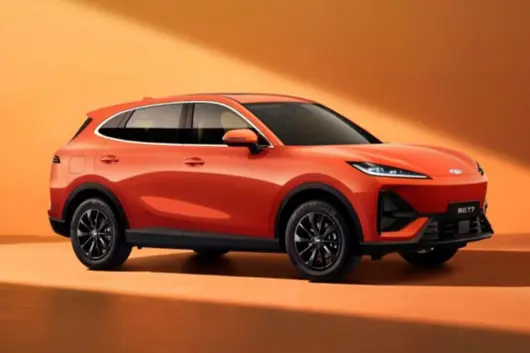

近日风云T7正式开启预售,新车共推出3款版型,预售指导价格为10.99万元至12.99万元,且享受7重购车权益。风云T7作为一款紧凑型SUV,以“慢功造好车”为目标,秉持长期主义的造车理念,主打一个高标准高品质。
依托奇瑞10大全球设计中心,风云T7在造型上使用了驭风前脸、风塑绸缎车身、天际霞光尾门,平衡国际简约审美与东方雅致气韵。 整车漆面标准同步海外严苛耐候要求,提供炽焰橙、山烟紫、云粉米、流光银、青竹灰、墨石黑6款配色。
内饰设计采用云翼环抱座舱搭配大面积软包覆,细节上拥有鹅卵石悬浮扬声器、菱格绗缝等。配色则有温暖黑棕、极夜黑曜两种风格。整车尺寸 4570×1852×1694mm,轴距 2700mm,车内得房率 84%。
动力系统方面,风云 T7 全系标配大容量犀牛电池65.05kWh,CLTC 600km续航,实测续航667+km。电池30%充到80%只需20分钟。且搭载全域一体化热管理双源宽热泵空调+高压PTC,北方用户冬季也能放心开。-30°C-55°C超宽温域稳定运转,低温环境制热更省电、高温环境散热更高效。配合全系标配的 AGS 智能进气格栅与 14 项低风阻优化,高低速能耗更稳定。
在底盘悬架系统方面,风云T7采由由玛莎拉蒂前底盘调校专家领衔的国际化底盘团队进行测试调校,50.8:49.2黄金轴荷比能够有效抑制转向推头、甩尾现象,提升过弯稳定性与直线行驶循迹性。
在智能化上,风云T7搭载舱驾一体8775 芯片,做到舱驾双优,两大域无缝协同。72TOPS的高算力,响应仅需80ms,提升整体体验速度。中控台使用15.6 英寸 2.5K 高清大屏画面细腻真实,防眩光、抗反射、抗指纹,CarPlay、HUAWEI HiCar、CarLink无线连接。
智驾采用猎鹰 500 驾驶辅助系统,集成3颗毫米波雷达、7个高性能摄像头、12个超声波雷达,总计22颗高精度传感器,除了常规的辅助功能外还能够实现全场景自动泊车。
最后再提一下安全和耐久,首先全车身采用 80% 高强度钢、18.84% 热成型钢打造九横五纵笼式车身,采用shotgun 结构、双框副车架+Pack防撞梁。安全配置搭载了9个安全气囊,包含48L双腔远端气囊和后排侧气囊。全系搭载的犀牛电池也构建了抵御挤压、穿刺、冲击等情况的多种安全保障机制。此外风云T7经过2年策划,3年研发,共投入81 台专属耐久车同步路试,整车累计测试里程超 600 万公里,耐久专项实测 145 万公里,同时针对东南亚雨季、中东高温暴晒、印尼高湿等多种全球多地域进行极限实车试炼。
从风云T7的产品力和它的设计工艺可以看出,它确实是一台高标准,重品质,针对家用车市场痛点所推出的车型。目前预售价已出,还有不少购车权益,可以持续关注它的正式发布。
© 2024 Bitauto.com. All Rights Reserved.
Bitauto (www.yiche.com and www.bitauto.com) is one of the most visited automotive websites in China. We provide detailed info on Chinese car brands available in your area. Please note that the information provided on this website is based on publicly available data and is for reference only. It may not be fully updated or accurate at all times.

Help us improve our website


