

Hometraditions

Search History
Popular Searches
Dealer Login / Sign Up

Dalam pasaran SUV di Malaysia, ramai pembeli membandingkan Honda CR-V dan Chery Tiggo 8 PHEV semasa memilih kereta. Kedua-dua kereta ini mempunyai julat harga dan lokasi pasaran yang hampir sama, hari ini kita akan buat perbandingan terperinci dari pelbagai aspek, membantu anda menjimatkan masa untuk membuat persiapan.
Honda CR-V di Malaysia harga OTR adalah RM 178,200 - 195,900, keseluruhan mempunyai 4 varian, merangkumi 2026 e:HEV 2.0L 2WD RS (RM 195,900), 2026 1.5T 4WD V (RM 181,900), 2026 e:HEV 2.0L 2WD E (RM 178,200) dan lain-lain.
Chery Tiggo 8 PHEV di Malaysia harga OTR adalah RM 159,750 - 159,750, keseluruhan mempunyai 2 varian, merangkumi 1.6L Turbo Standard (RM 130,000), 1.6L Turbo Premium (RM 145,000) dan lain-lain.
Dari segi harga, harga permulaan Chery Tiggo 8 PHEV lebih murah RM 18,450 berbanding Honda CR-V. Jujur berkata, dalam julat harga ini, perbezaan ribuan ringgit sebenarnya tidak besar, perkara penting adalah melihat kos kecekapan keseluruhan dan kos penggunaan jangka panjang.

Honda CR-V dilengkapi enjin 2.0L 4-cyl, kuasa 170 hp. Penggunaan minyak rasmi 8.0 L/100km.
Chery Tiggo 8 PHEV dilengkapi enjin Hybrid, kuasa 170 hp. Penggunaan minyak rasmi 4.5 L/100km.
Dari segi kuasa, enjin Hybrid Chery Tiggo 8 PHEV mempunyai 0 hp lebih berbanding enjin 2.0L 4-cyl Honda CR-V. Walau bagaimanapun untuk pemanduan harian di bandar, kuasa kedua-dua kereta sudah memadai, anda tidak akan berasa kurang kuasa.

Honda CR-V jaminan waranti 5 tahun / tanpa had jarak, selang penyelenggaraan setiap 10,000km atau 6 bulan.
Chery Tiggo 8 PHEV jaminan waranti 3 tahun/100,000km, selang penyelenggaraan setiap 10,000km atau 6 bulan.

Honda CR-V dan Chery Tiggo 8 PHEV kedua-duanya adalah pilihan utama pasaran Malaysia, sesuai untuk kegunaan keluarga, perjalanan harian. Jika anda lebih mengutamakan reputasi jenama dan nilai resell, boleh memilih model yang mempunyai reputasi lebih baik terlebih dahulu; Jika anda lebih mengutamakan kos kecekapan dan kelengkapan, maka pilih model yang konfigurasinya lebih lengkap. Akhir kata, kami cadangkan kedua-dua model dicuba, pengalaman sendiri adalah yang paling penting.
Secara keseluruhannya, Honda CR-V dan Chery Tiggo 8 PHEV kedua-duanya adalah model yang sangat bagus dalam pasaran Malaysia. Memilih yang mana satu, perkara penting adalah melihat keperluan dan bajet anda. Kami sarankan anda lakukan kajian, bandingkan banyak tawaran dari beberapa kedai kereta, kemudian cuba pemandu untuk membuat keputusan akhir. Membeli kereta adalah perkara besar, luangkan masa untuk mengkaji tidak akan salah.


喺馬來西亞嘅 SUV 市場,好多買家喺揀車嘅時候都會拿 Honda CR-V 同 Chery Tiggo 8 做比較。呢兩款車喺價位同定位上都好接近,今日我就從多個方面做一個詳細嘅比較,幫你省做功課嘅時間。
Honda CR-V 喺馬來西亞嘅 OTR 售價係 RM 178,200 - 195,900,一共有 4 個版本,包括 2026 e:HEV 2.0L 2WD RS(RM 195,900)、2026 1.5T 4WD V(RM 181,900)、2026 e:HEV 2.0L 2WD E(RM 178,200) 等等。
Chery Tiggo 8 喺馬來西亞嘅 OTR 售價係 RM 129,750 - 129,750,一共有 1 個版本,包括 2026 1.6T Standard(RM 129,750) 等等。
從價錢嚟睇,Chery Tiggo 8 嘅起步價比 Honda CR-V 平咗 RM 48,450。老實講,喺呢個價位段,幾千塊嘅差距其實唔算大,關鍵仲係睇整體嘅性價比同長期使用成本。
Honda CR-V 搭載 2.0L 4-cyl,馬力 170 hp。官方油耗 8.0 L/100km。
Chery Tiggo 8 搭載 1.5L Turbo,馬力 140 hp。官方油耗 7.0 L/100km。
動力方面,Honda CR-V 嘅 2.0L 4-cyl 比 Chery Tiggo 8 嘅 1.5L Turbo 多咗 30 匹馬力,中段加速更有信心,尤其係跑高速公路超車嘅時候。不過 Chery Tiggo 8 嘅油耗可能更友善,日常市區通勤差別唔會太大。
Honda CR-V 採用 FWD 驅動方式。
Chery Tiggo 8 採用 FWD 驅動方式。
兩款車嘅驅動方式一樣,都係 FWD,日常駕駛感受唔會有太大區別。
Honda CR-V 保修 5 年/無限制里程,保養間隔 每 10,000km 或 6 個月。
Chery Tiggo 8 保修 3 年/100,000km,保養間隔 每 10,000km 或 6 個月。

Honda CR-V 同 Chery Tiggo 8 都係馬來西亞市場嘅主流選擇,適合家庭使用、日常通勤。如果你更看重品牌口碑同二手價,可以優先考慮口碑更好嗰一款;如果你更在意性價比同配備,就揀配備更豐富嗰款。最終都係建議兩款都去試駕,親身體驗先係最重要嘅。

總括嚟講,Honda CR-V 同 Chery Tiggo 8 都係馬來西亞市場好唔錯嘅車型。揀邊一輛,關鍵仲係要睇你嘅個人需求同預算。建議大家做好功課,多比較幾間車行嘅報價,再去試駕做最終決定。買車係件大事,花點時間做功課絕對唔會錯。

喺馬來西亞嘅 SUV 市場,好多買家喺揀車嘅時候都會拿 Honda CR-V 同 Chery Tiggo 8 嚟做比較。呢兩款車喺價位同定位上都幾接近嘅,今日我哋就從多個方面做一次詳細嘅對比,幫你節省做功課嘅時間。
Honda CR-V 喺馬來西亞嘅 OTR 售價係 RM 178,200 - 195,900,一共有 4 個版本,包括 2026 e:HEV 2.0L 2WD RS(RM 195,900)、2026 1.5T 4WD V(RM 181,900)、2026 e:HEV 2.0L 2WD E(RM 178,200) 等。
Chery Tiggo 8 喺馬來西亞嘅 OTR 售價係 RM 129,750 - 129,750,一共有 1 個版本,包括 2026 1.6T Standard(RM 129,750) 等。
從價錢嚟睇,Chery Tiggo 8 嘅起步價比 Honda CR-V 平咗 RM 48,450。老實講,喺呢個價位段,幾千塊嘅差距其實唔算大,關鍵始終係睇整體嘅性價比同長期使用成本。
Honda CR-V 嘅安全評級係 5★ (ASEAN NCAP),主動安全系統包括 Honda SENSING (ACC, CMBS, LKAS, RDM)。
Chery Tiggo 8 嘅安全評級係 TBD,主動安全系統包括 Basic。
安全配備方面,兩款車都拿到唔錯嘅評級。不過 Honda CR-V 嘅 Honda SENSING (ACC, CMBS, LKAS, RDM) 同 Chery Tiggo 8 嘅 Basic 喺功能上有些差異,如果你比較睇重主動安全嘅話,可以仔細對下兩者嘅功能列表。
Honda CR-V 保修 5 年/無限制里程,保養間隔 每 10,000km 或 6 個月。
Chery Tiggo 8 保修 3 年/100,000km,保養間隔 每 10,000km 或 6 個月。
Honda CR-V 同 Chery Tiggo 8 都係馬來西亞市場嘅主流選擇,適合家庭使用、日常通勤。如果你更睇重品牌口碑同二手價,可以優先考慮口碑更好嗰一款;如果你更在意性價比同配備,那就揀配置更豐富嗰款。最終始終建議兩款都去試駕,親身體驗先至係最重要嘅。
總括嚟講,Honda CR-V 同 Chery Tiggo 8 都係馬來西亞市場好唔錯嘅車型。揀邊輛,關鍵始終都要睇你個人需求同預算。建議大家做好功課,多比較幾間車行嘅報價,再去試駕做最終決定。買車係件大事,花啲時間做功課絕對唔會錯。

In the Malaysian SUV market, many buyers compare Honda CR-V and Mazda CX-8 when choosing a car. These two models are quite close in price and positioning. Today, we will make a detailed comparison from multiple aspects to help you save time on research.
The OTR price for Honda CR-V in Malaysia is RM 178,200 - 195,900. There are 4 versions in total, including 2026 e:HEV 2.0L 2WD RS (RM 195,900), 2026 1.5T 4WD V (RM 181,900), 2026 e:HEV 2.0L 2WD E (RM 178,200) etc.
The OTR price for Mazda CX-8 in Malaysia is RM 165,360 - 201,360. There are 5 versions in total, including 2025 2.5T 4WD High Plus Petrol (RM 201,360), 2025 2.2L 2WD High Plus Diesel (RM 193,123), 2025 2.5L 2WD High Plus Petrol (RM 186,360) etc.
Looking at the price, the starting price of Mazda CX-8 is RM 12,840 cheaper than Honda CR-V. Honestly, at this price range, a difference of a few thousand is actually not significant. The key is to look at overall value for money and long-term usage costs.
Honda CR-V safety rating is 5★ (ASEAN NCAP), active safety systems include Honda SENSING (ACC, CMBS, LKAS, RDM).
Mazda CX-8 safety rating is 5★ (ASEAN NCAP), active safety systems include Brand ADAS.
The safety ratings for both cars are the same, and safety features in this class are quite comprehensive. New cars nowadays do not have poor safety, so there is no need to worry too much about this.
Honda CR-V warranty is 5 years/unlimited mileage, maintenance interval every 10,000km or 6 months.
Mazda CX-8 warranty is 5 years/150,000km, maintenance interval every 10,000km or 6 months.
Honda CR-V and Mazda CX-8 are both mainstream choices in the Malaysian market, suitable for family use and daily commuting. If you value brand reputation and resale price more, you can prioritize the one with better reputation; if you care more about value for money and features, then choose the one with richer configuration. Ultimately, it is recommended to test drive both, as experiencing it personally is the most important.

Overall, Honda CR-V and Mazda CX-8 are both very good models in the Malaysian market. Which one to choose depends on your personal needs and budget. We recommend doing your homework, comparing quotes from several dealerships, and then test driving to make the final decision. Buying a car is a big matter, spending time doing research is never wrong.

Di pasaran SUV Malaysia, ramai pembeli semasa memilih kereta akan membandingkan Honda CR-V dan Mazda CX-5. Kedua-dua kereta ini agak hampir dari segi harga dan posisi. Hari ini kita akan buat perbandingan terperinci dari pelbagai aspek untuk membantu anda menjimatkan masa membuat penyelidikan.
Harga OTR Honda CR-V di Malaysia adalah RM 178,200 - 195,900, sebanyak 4 versi, termasuk 2026 e:HEV 2.0L 2WD RS (RM 195,900), 2026 1.5T 4WD V (RM 181,900), 2026 e:HEV 2.0L 2WD E (RM 178,200) dan lain-lain.
Harga OTR Mazda CX-5 di Malaysia adalah RM 135,469 - 166,760, sebanyak 3 versi, termasuk 2025 2.0L AT 35th Anniversary (RM 316,154), 2025 2.0L AT (RM 296,154), 2025 2.0L MT (RM 294,154) dan lain-lain.
Dari segi harga, harga permulaan Mazda CX-5 adalah RM 42,731 lebih murah berbanding Honda CR-V. Jujur berkata, dalam julat harga ini, perbezaan beberapa ribu ringgit sebenarnya tidak besar, kuncinya adalah melihat nisbah nilai dan kos jangka panjang keseluruhan.
Honda CR-V dilengkapi enjin 2.0L 4-cyl, kuasa 170 hp. Penggunaan bahan api rasmi 8.0 L/100km.
Mazda CX-5 dilengkapi enjin 1.5L Turbo, kuasa 140 hp. Penggunaan bahan api rasmi 7.0 L/100km.
Dari segi kuasa, enjin 2.0L 4-cyl Honda CR-V mempunyai 30 kuasa kuda lebih berbanding enjin 1.5L Turbo Mazda CX-5, pecutan pertengahan lebih meyakinkan, terutamanya semasa memotong di lebuh raya. Namun, penggunaan bahan api Mazda CX-5 mungkin lebih efisien, perbezaan untuk komuter harian bandar tidak akan terlalu besar.
Panjang badan Honda CR-V 4500 mm, kapasiti storan belakang 450 L.
Panjang badan Mazda CX-5 4500 mm, kapasiti storan belakang 450 L.
Saiz kedua-dua kereta hampir sama, ruang dalaman tiada perbezaan besar. Kereta dalam kategori ini, cukup untuk kegunaan harian.
Honda CR-V menggunakan sistem pemacu FWD.
Mazda CX-5 menggunakan sistem pemacu FWD.
Cara pemacu kedua-dua kereta sama, iaitu FWD, pengalaman memandu harian tidak akan terlalu berbeza.

Secara keseluruhan, Honda CR-V dan Mazda CX-5 adalah kedua-duanya adalah model kereta yang cukup bagus di pasaran Malaysia. Memilih yang mana, kuncinya adalah melihat keperluan dan bajet peribadi anda. Kami sarankan anda membuat penyelidikan yang teliti, bandingkan beberapa sebut harga daripada dealer kereta, baru buat ujian jalan dan buat keputusan akhir. Membeli kereta adalah perkara penting, menghabiskan masa membuat penyelidikan pasti tidak salah.

喺馬來西亞嘅 SUV 市場,好多買家喺揀車嗰陣都會拎 Honda CR-V 同 Mazda CX-8 嚟做比較。
Honda CR-V 喺馬來西亞嘅 OTR 售價係 RM 178,200 - 195,900,一共有 4 個版本,包括 2026 e:HEV 2.0L 2WD RS(RM 195,900)、2026 1.5T 4WD V(RM 181,900)、2026 e:HEV 2.0L 2WD E(RM 178,200) 等。
Mazda CX-8 喺馬來西亞嘅 OTR 售價係 RM 165,360 - 201,360,一共有 5 個版本,包括 2025 2.5T 4WD High Plus Petrol(RM 201,360)、2025 2.2L 2WD High Plus Diesel(RM 193,123)、2025 2.5L 2WD High Plus Petrol(RM 186,360) 等。
由價錢睇,Mazda CX-8 嘅起步價比 Honda CR-V 平咗 RM 12,840。講真,喺呢個價位段,幾千蚊嘅差距其實唔算大,關鍵仲係睇整體嘅性價比同長期使用成本。
Honda CR-V 配備 2.0L 4-cyl,馬力 170 hp。官方油耗 8.0 L/100km。
Mazda CX-8 配備 2.0L 4-cyl,馬力 170 hp。官方油耗 8.0 L/100km。
兩款車用咗同一套動力系統,日常開起嚟嘅感覺基本冇分別。油耗方面都差唔多,唔使太糾結呢一點。
Honda CR-V 嘅安全評級係 5★ (ASEAN NCAP),主動安全系統包括 Honda SENSING (ACC, CMBS, LKAS, RDM)。
Mazda CX-8 嘅安全評級係 5★ (ASEAN NCAP),主動安全系統包括 Brand ADAS。
兩款車嘅安全評級一樣,喺呢個級裏面安全配備都算畀得好齊全晒。而家嘅新車安全性都唔差,唔使太擔心呢一點。
Honda CR-V 車身長 4500 mm,後備箱 450 L。
Mazda CX-8 車身長 4500 mm,後備箱 450 L。
兩款車嘅尺寸幾乎一樣,車內空間差別唔大。呢個級數嘅車,日常使用完全夠用。
Honda CR-V 採用 FWD 驅動方式。
Mazda CX-8 採用 FWD 驅動方式。
兩款車嘅驅動方式一樣,都係 FWD,日常駕駛感受唔會有太大區別。
總嘅嚟講,Honda CR-V 同 Mazda CX-8 都係馬來西亞市場好唔錯嘅車款。揀邊一輛,關鍵仲係睇你嘅個人需求同預算。建議大家做好功課,多比較幾間車行嘅報價,再去試駕做最終決定。買車係件大事,花少少時間做功課絕對唔會錯。

在全球汽車市場的版圖中,家用 MPV 是一個極具地域差異的細分類別——消費習慣、能源結構、家庭結構乃至道路條件,都會深刻影響一款產品的成敗。正因如此,能夠同時在本土市場與海外市場登頂的產品屈指可數。近日,「全能舒享大 7 座」星光 730 交出了一份頗具說服力的答卷:國內連續 10 個月穩居 15 萬內 MPV 銷量冠軍,泰國市場 8 月榮登全品類 MPV 銷量榜首,一舉摘得「中外雙冠王」;截至目前,其國內累計銷量已突破 65000 台,持續刷新國民家用 MPV 市場紀錄。

一邊是全球競爭最激烈、產品迭代最迅速的中國市場,一邊是外資品牌深耕數十年、消費偏好高度成熟的泰國市場,星光 730 先後登頂,其意義遠超單一市場的銷量數字。它折射出一個更具普適性的判斷:無論地域與文化如何不同,全球家庭對家用 MPV 的核心訴求高度趨同——大空間、高配備、低耗能。而這三點,也恰好構成了星光 730 產品價值的底層邏輯。
大空間是全家人出行體驗的物理基礎。中國的多孩家庭與泰國多代同堂的大家庭,雖然生活場景各異,但"讓每一位家庭成員都坐得舒展"的訴求如出一轍。星光 730 以 2+2+3 真七座佈局回應這一需求:二排 230mm 寬適過道讓進出從容不迫,第三排 88% 的空間利用率告別"應急座"的尷尬,配合超 1.2 米的頂棚高度,營造出開闊通透的艙內感受。老人上下車不必彎腰拘束,孩子可在艙內自由活動,即便滿員出行,也不必在空間上做任何妥協——這種"不將就",正是家用 MPV 最樸素也最難兌現的價值承諾。

如果說空間解決的是"坐得下",那麼配備決定的則是"坐得好"。星光 730 將電動側滑門這一原本多見於高端 MPV 的配備帶入全球用車場景,為中泰用戶提供了更從容、更體面的上下車體驗,尤其在狹窄車位與接送孩子的日常場景中,其便利性被顯著放大。智能化層面,靈眸智能輔助駕駛以更輕鬆的駕駛體驗贏得廣泛認可;在中國市場,車輛更搭載靈語 AI 中樞智能體,讓車機交互從"功能響應"進化為"意圖理解",為家庭出行增添了越級的智能質感。
在能源路徑上,星光 730 展現出難得的"因地制宜"智慧。不同市場的能源基礎設施與用車習慣差異巨大,一刀切的動力方案往往難以奏效。在中國,星光 730 提供純電、插混、燃油一車三動力,全面覆蓋通勤、長途、長途接待等多元場景——日常通勤經濟省心,長途出行續航安心;而在充電網絡與政策導向更為明確的泰國市場,星光 730(Darion EV)則聚焦純電路線,以超長續航與超低電耗從容應對日常通勤與商務接待,更契合當地綠色出行的趨勢。這種基於市場洞察的差異化佈局,本質上是體系能力而非單點技術的勝利。

市場的回饋最終由用戶構成。星光 730 在中國的核心用戶,多為注重質價比、看重全家出行的多口之家;在泰國,其用戶畫像則延伸至商人、醫生等高淨值人群,以及政企、高端酒店客戶。人群屬性不同,選擇卻高度一致——這恰恰說明,星光 730 的三大核心產品力經受住了不同市場環境、不同文化背景與不同消費層級的真實檢驗,堪稱名副其實的「全球車」。
站穩中國市場、登頂泰國市場,星光 730 以國內外雙優成績,驗證了上汽通用五菱全球化戰略的決心與實力。截至目前,星光 730 已登陸印尼、哈薩克、泰國等 25 個海外市場。面向未來,依托中國智造的領先優勢與持續的技術迭代,上汽通用五菱有望為全球家庭用戶提供更具普適價值的出行解決方案。好產品從不分國界,而雙冠王的背後,是一次關於"中國智造"全球適應性的有力作答。
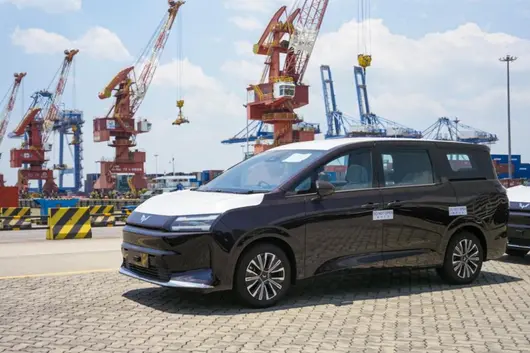

哪吒汽车母公司合众新能源的破产重整有了实质性进展。9月11日,第四次债权人会议线上召开,重整投资方太乙圣莲计划出资30亿元,换取合众新能源约70.62%的股权。这笔钱里,11.67亿用来还债,18.33亿留作流动资金。重整后的第一件事是让哪吒X复产,主攻海外市场,第一阶段目标1万台。从年销15万的新势力销冠到破产重整,哪吒用了不到四年。30亿能不能让它真正活过来,值得冷静看一看。

投资方是谁
太乙圣莲这家公司名字听着跟哪吒挺配,但它其实是为这次重整专门设立的主体。公开信息显示,太乙圣莲注册于2026年4月,由浙江山子控股和浙江山子玉虚科技合伙组建,实控人是山子高科董事长叶骥。早在2025年8月合众新能源招募重整投资人时,山子高科就是唯一的意向投资人,后来才由太乙圣莲代替山子高科参与重整投资,相关权利义务一并转移。太乙圣莲的管理团队据说有破产重整经验,曾经操盘过零部件行业上市公司的重整工作。

30亿怎么花
按照重整草案的安排,30亿元被拆成两块。11.67亿元用于清偿拟保留资产对应的债权和破产费用,说白了就是填历史债务的窟窿。剩下的18.33亿元作为流动资金注入合众新能源,用来恢复生产、重启供应链、维持日常经营。投资方拿走70.62%的股权,取得经营主导权。
这里需要看清一个现实:30亿听起来不少,但哪吒汽车的债务规模远超这个数字。截至2025年3月,公司拖欠134家核心供应商超过60亿元货款,总负债接近百亿,账面现金只剩3.2亿元。11.67亿的偿债资金对于庞大的债务盘子来说,能覆盖的比例相当有限。重整方案能不能在债权人会议上顺利通过,是第一个关口。
复产哪吒X,主攻海外
重整后的首要任务是让哪吒X重新下线。这款紧凑型SUV此前是哪吒出海的绝对主力,2024年7月海外上市后订单超过7000台,在泰国市场连续两个月拿下纯电SUV上牌量第一。目前哪吒X已经拿到部分意向订单,复产后的第一阶段销量目标定为1万台,主要面向海外市场。
除了整车复产,方案还提到要修复与上游供应商的合作关系,恢复备件供应,盘活原有线下服务网络,给存量车主提供维保服务。这一点对现有40万车主来说是最实在的承诺。哪吒汽车暴雷之后,大量车主面临售后断供的困境,能不能把服务体系重新搭起来,比卖多少台新车更能说明问题。
按照规划,后续阶段还会面向亚非拉市场开发适配车型,目标年产30万台,远期计划冲刺年产值400亿元并启动IPO。这个蓝图跨度不小,但从第一步复产1万台开始,中间的差距需要一步步填。

结语
哪吒汽车这次重整,本质上是在用30亿换一个重新开始的机会。哪吒X在海外确实有基础,泰国的上牌数据、7个国家的销售网络、7000多台的历史订单,这些都是真实的资产。但也要看到,哪吒汽车从2022年销冠到2024年停产,崩塌速度在新势力里是罕见的,三年累计亏损183亿,平均每卖一辆车亏超过8万元。问题的根子不只是在渠道或者产品节奏上,而是整个商业模式从一开始就没有跑通。
太乙圣莲这笔钱能解决的是“活下去”的问题,不是“活得好”的问题。11.67亿偿债资金面对近百亿的债务,实际能撬动的债权人信心有限。复产哪吒X打海外市场,方向是对的,但海外市场的竞争格局和2024年已经完全不同,中国品牌在东南亚的布局越来越密,哪吒想重新抢回份额并不轻松。这次重整能不能成,短期看债权人会议的表决结果,中期看哪吒X复产后的实际交付量,长期看新投资方愿不愿意在研发和品控上持续投钱。30亿只是入场券,后面的路还很长。


In the Malaysia SUV market, many buyers compare Honda CR-V and Toyota Harrier when choosing a car. These two cars are quite close in price and positioning, today we will make a detailed comparison from multiple aspects to help you save time on research.
The OTR price of Honda CR-V in Malaysia is RM 178,200 - 195,900, with a total of 4 versions, including 2026 e:HEV 2.0L 2WD RS (RM 195,900), 2026 1.5T 4WD V (RM 181,900), 2026 e:HEV 2.0L 2WD E (RM 178,200), etc.
The OTR price of Toyota Harrier in Malaysia is RM 289,000 - 289,000, with a total of 1 version, including 2026 HEV 2.5L Standard (RM 289,000), etc.
In terms of price, Honda CR-V's starting price is indeed RM 110,800 cheaper than Toyota Harrier. If your budget is limited, Honda's entry-level version is already sufficient for daily needs. But keep in mind, the few thousand less expensive might involve trade-offs in features, depending on your specific needs.
Honda CR-V is equipped with 2.0L 4-cyl, 170 hp. Official fuel consumption 8.0 L/100km.
Toyota Harrier is equipped with 2.0L Turbo, 220 hp. Official fuel consumption 9.5 L/100km.
In terms of power, Toyota Harrier's 2.0L Turbo has 50 hp more than Honda CR-V's 2.0L 4-cyl. However, for daily driving in the city, both cars have sufficient power, you won't feel underpowered.
Honda CR-V safety rating is 5★ (ASEAN NCAP), active safety systems include Honda SENSING (ACC, CMBS, LKAS, RDM).
Toyota Harrier safety rating is 5★ (ASEAN NCAP), active safety systems include Brand ADAS.
Both cars have the same safety rating, safety features are considered quite comprehensive in this class. New cars nowadays have good safety, no need to worry too much about this.
Honda CR-V body length 4500 mm, trunk 450 L.
Toyota Harrier body length 4400 mm, trunk 400 L.
Regarding space, Honda CR-V's body is 100 mm longer than Toyota Harrier, interior seating space is slightly more spacious, especially rear legroom. If you often carry family or need to fit a stroller, the larger body is indeed more practical.

Honda CR-V warranty 5 years/unlimited mileage, service interval every 10,000km or 6 months.
Toyota Harrier warranty 5 years/unlimited mileage, service interval every 10,000km or 6 months.
Warranty conditions for both cars are the same, no need to worry about this. Actual maintenance costs depend on the brand's service network and parts prices, recommend asking real owners in car groups for experience.

In summary, Honda CR-V and Toyota Harrier are both very good models in the Malaysia market. Which one to choose mainly depends on your personal needs and budget. We recommend doing your research, comparing quotes from several dealerships, and test driving before making a final decision. Buying a car is a big matter, spending some time on research will never be wrong.
In Malaysia's SUV market, many buyers compare the Honda CR-V and Toyota Corolla Cross when choosing a car. These two models are quite close in price and positioning. Today, we will make a detailed comparison from multiple aspects to help you save time on research.
Honda CR-V OTR price in Malaysia is RM 178,200 - 195,900, with a total of 4 versions, including 2026 e:HEV 2.0L 2WD RS (RM 195,900), 2026 1.5T 4WD V (RM 181,900), 2026 e:HEV 2.0L 2WD E (RM 178,200), etc.
Toyota Corolla Cross OTR price in Malaysia is RM 133,800 - 148,800, with a total of 3 versions, including 2026 HEV 1.8L GR Sport (RM 148,800), 2026 HEV 1.8L Standard (RM 140,800), 2026 1.8L Standard (RM 133,800), etc.
In terms of price, the starting price of Toyota Corolla Cross is RM 44,400 cheaper than Honda CR-V. Honestly, in this price range, a difference of a few thousand isn't that big, the key is to look at overall value for money and long-term usage costs.
Honda CR-V comes with a 2.0L 4-cyl, 170 hp. Official fuel consumption is 8.0 L/100km.
Toyota Corolla Cross comes with a 1.5L Turbo, 140 hp. Official fuel consumption is 7.0 L/100km.
Regarding power, Honda CR-V's 2.0L 4-cyl has 30 more horsepower than Toyota Corolla Cross's 1.5L Turbo, offering more confidence in mid-range acceleration, especially when overtaking on highways. However, Toyota Corolla Cross's fuel consumption might be more friendly, and the difference in daily city commuting won't be too large.
Honda CR-V safety rating is 5★ (ASEAN NCAP), active safety systems include Honda SENSING (ACC, CMBS, LKAS, RDM).
Toyota Corolla Cross safety rating is 5★ (ASEAN NCAP), active safety systems include TSS (PCS, LDA, ACC, LTA).
Both cars have the same safety rating, safety features in this class are quite comprehensive. New cars nowadays don't have poor safety, so there is no need to worry too much about this.
Honda CR-V body length is 4500 mm, trunk 450 L.
Toyota Corolla Cross body length is 4400 mm, trunk 400 L.
In terms of space, Honda CR-V's body is 100 mm longer than Toyota Corolla Cross, interior seating space is slightly more spacious, especially rear legroom. If you often carry family members or need to fit a stroller, a larger body is indeed more practical.

Honda CR-V adopts FWD drive method.
Toyota Corolla Cross adopts FWD drive method.
Both cars have the same drive method, both are FWD, daily driving experience will not be too different.
Overall, Honda CR-V and Toyota Corolla Cross are both very good models in the Malaysia market. Which one to choose mainly depends on your personal needs and budget. It is recommended to do your research, compare quotes from multiple car dealers, and go for a test drive to make a final decision. Buying a car is a big deal, spending time on research will never be wrong.

Starting from late August, more than twenty tire companies, including Cheng Shin, Maxxis, Triangle, Aeolus, Zhongce, etc., have successively released September price adjustment notices.
The mainstream increase for heavy-duty tires is 2%-3%, while engineering tires and inner tubes increased up to 3%-5% at most. The price adjustment time is scheduled from September 1st to the middle or latter half of the month; some special tires will only raise prices in October.

The reason given by manufacturers is the same: natural rubber, carbon black, and steel cord prices have risen, and production costs can no longer be borne.
The rise in raw material prices is no empty talk. Data from September 8th showed that Thailand 20# standard latex spot prices in Shandong surged 2.37% in a day.
Estimates show that the raw material cost for semi-steel tires rose nearly 20% year-on-year, and the increase for heavy-duty tires is similar. Under the same cost pressure, the results are completely different.
Heavy-duty tire manufacturers dare to raise prices collectively, while semi-steel tire companies can only wait and see, afraid to easily raise ex-factory prices.
The core reason is simple: the three major markets for semi-steel tires — exports, OEM original equipment, and replacement markets. Both exports and OEM channels have cooled down, and the replacement market simply cannot support a price hike.

Export bonuses exhausted, EU market plummeted abruptly
Exports were once the main force for the growth of domestic semi-steel tires, growing for consecutive years. However, influenced by the EU anti-dumping investigation on Chinese passenger car tires, exports of semi-steel tires in 2025 declined for the first time in the whole year.
The EU cancelled the preliminary ruling and directly entered the July final ruling, leaving a window period for domestic tire factories. In the first half of 2026, many factories rushed to concentrate shipments to the EU to export more before the final ruling took effect, directly boosting the export data for the first half of the year, with cumulative growth in February increasing year-on-year by 8.42%.
But this early shipment is essentially borrowing from future orders. Once the bonus is gone, the momentum for exports immediately fails to catch up. By July, domestic semi-steel tire exports dropped sharply by 15.76% year-on-year, and cumulative data turned negative directly.
Especially exports to the EU, which dropped 73.70% year-on-year in July! The EU is the most important overseas market for our semi-steel tires; this huge gap cannot be made up by the growth in other regions such as the Middle East and Southeast Asia. Added to the tense situation in the Middle East, doing overseas business is becoming increasingly difficult.

New car sales decline, original equipment orders shrink accordingly
The semi-steel tire OEM market follows passenger car sales completely. Data from the China Passenger Car Association for August: domestic passenger car retail sales were 1.626 million units, down 19% year-on-year; new energy passenger car retail sales were 1.069 million units, down 4% year-on-year. The new car market is clearly weakening, and the original equipment orders for tire procurement by car companies naturally shrank accordingly.
With both exports and OEM channels under pressure, a large amount of production capacity can only return to the domestic replacement market.
Inventory increases while demand remains stagnant, leading to fiercer market competition.
In this situation, who dares to raise prices casually? Once prices are raised, dealers and customers are very likely to switch to competitors.
Profit margins shrink further, industry shake-up accelerates
Raw material prices have been rising all along, but downstream demand cannot accept the price hikes, and profit margins are being eaten away bit by bit.
The downstream sector for heavy-duty tires is freight fleets, which have a higher acceptance of price increases. Coupled with relatively healthy market supply and demand, manufacturers have the confidence to issue collective price hike notices.

In contrast, for semi-steel tires, overseas exports are hindered, domestic new car original equipment is weak, replacement market inventory is high, and competition is fierce. Manufacturers can only bear the cost of rising raw materials themselves.
Summarizing this round of raw material price hikes, the tire industry shows obvious differentiation: heavy-duty tires led the price increase, while semi-steel tires fell into a dilemma of "huge cost increases, weak demand, afraid to raise prices".
EU anti-dumping dealt a heavy blow to exports, domestic new car sales declined, two core channels were frustrated, excess capacity crowded into the replacement market, and the price war cannot stop.
In the short term, it is very difficult for semi-steel tires to raise prices, and corporate profits continue to be under pressure; in the long term, the industry's polarization will become increasingly severe.
Large-scale factories have stronger risk resistance capabilities; those small and medium-sized tire factories that highly rely on exports will have a harder time ahead. The shake-up in the semi-steel track has already begun.
Dalam pasaran SUV di Malaysia, ramai pembeli yang membandingkan Honda CR-V dan Toyota Yaris Cross semasa memilih kereta. Kedua-dua kereta ini mempunyai julat harga dan kategori yang hampir sama. Hari ini, kami akan membuat perbandingan terperinci dari pelbagai aspek untuk membantu anda menjimatkan masa penyelidikan.
Harga jualan OTR Honda CR-V di Malaysia ialah RM 178,200 - 195,900, dengan keseluruhan 4 versi, termasuk 2026 e:HEV 2.0L 2WD RS (RM 195,900), 2026 1.5T 4WD V (RM 181,900), 2026 e:HEV 2.0L 2WD E (RM 178,200) dan lain-lain.
Harga jualan OTR Toyota Yaris Cross di Malaysia ialah RM 99,900 - 109,900, dengan keseluruhan 2 versi, termasuk 2026 1.5L Standard (RM 99,900), 2026 HEV 1.5L Standard (RM 109,900) dan lain-lain.
Dari segi harga, harga permulaan Toyota Yaris Cross lebih murah sebanyak RM 78,300 berbanding Honda CR-V. Jujurnya, pada julat harga ini, perbezaan beberapa ribu sebenarnya tidak besar, yang penting adalah nilai keseluruhan dan kos penggunaan jangka panjang.
Honda CR-V menggunakan mod pendorong FWD.
Toyota Yaris Cross menggunakan mod pendorong FWD.
Mod pendorong kedua-dua kereta sama, iaitu FWD, pengalaman memandu harian tidak akan terlalu berbeza.
Honda CR-V mempunyai waranti 5 tahun/jarak tanpa had, selang penyelenggaraan setiap 10,000km atau 6 bulan.
Toyota Yaris Cross mempunyai waranti 5 tahun/jarak tanpa had, selang penyelenggaraan setiap 10,000km atau 6 bulan.
Syarat waranti kedua-dua kereta sama, tidak perlu bimbang mengenai hal ini. Kos penyelenggaraan sebenar bergantung pada rangkaian perkhidmatan jenama dan harga bahagian, disyorkan untuk bertanya pengalaman pemilik sebenar dalam kumpulan peminat kereta.
Honda CR-V dan Toyota Yaris Cross adalah pilihan utama pasaran Malaysia, sesuai untuk penggunaan keluarga dan perjalanan kerja harian. Jika anda mengutamakan nama baik jenama dan harga kenderaan terpakai, anda boleh mempertimbangkan yang mempunyai nama baik lebih baik; jika anda lebih mengutamakan nilai dan peralatan, pilihlah yang lebih lengkap. Pada akhirnya, disyorkan untuk uji pemanduan kedua-duanya, pengalaman peribadi adalah yang paling penting.

Secara keseluruhannya, Honda CR-V dan Toyota Yaris Cross adalah model kereta yang sangat baik di pasaran Malaysia. Memilih yang mana, yang penting adalah melihat keperluan dan bajet peribadi anda. Kami cadangkan anda melakukan penyelidikan, membandingkan beberapa tawaran harga dari beberapa dealer, kemudian uji pemanduan untuk membuat keputusan akhir. Membeli kereta adalah perkara besar, mengambil masa untuk melakukan penyelidikan tidak akan mendatangkan kesilapan.

喺馬來西亞嘅 SUV 市場,好多買家喺揀車嗰陣都會拿 Honda CR-V 同 Toyota Yaris Cross 嚟比下。呢兩部車喺價位同定位上都差唔多,今日我哋就從多個方面做個詳細嘅比較,幫你省返做功課嘅時間。
Honda CR-V 喺馬來西亞嘅 OTR 售價係 RM 178,200 - 195,900,合共有 4 個版本,包括 2026 e:HEV 2.0L 2WD RS(RM 195,900)、2026 1.5T 4WD V(RM 181,900)、2026 e:HEV 2.0L 2WD E(RM 178,200)等。
Toyota Yaris Cross 喺馬來西亞嘅 OTR 售價係 RM 99,900 - 109,900,合共有 2 個版本,包括 2026 1.5L Standard(RM 99,900)、2026 HEV 1.5L Standard(RM 109,900)等。
從價錢睇,Toyota Yaris Cross 嘅起步價比 Honda CR-V 平咗 RM 78,300。講真嘅,喺呢個價位段,幾千蚊嘅差距其實唔算大,重點仲係睇整體性價比同長期使用成本。
Honda CR-V 嘅安全評級係 5★ (ASEAN NCAP),主動安全系統包括 Honda SENSING (ACC, CMBS, LKAS, RDM)。
Toyota Yaris Cross 嘅安全評級係 5★ (ASEAN NCAP),主動安全系統包括 TSS。
兩部車嘅安全評級一樣,喺呢個級別入面安全配備都算給好齊全啦。依家嘅新車安全性都唔差,唔使太擔心呢一點。
Honda CR-V 車身長 4500 mm,行李廂 450 L。
Toyota Yaris Cross 車身長 4400 mm,行李廂 400 L。
空間方面,Honda CR-V 嘅車身比 Toyota Yaris Cross 長咗 100 mm,車內乘坐空間會稍微闊落啲,尤其係後座腳位空間。如果你經常載家人或者要放細路仔車,車身大少少確實更加實用。
Honda CR-V 保修 5 年/無限制里程,保養間隔 每 10,000km 或 6 個月。
Toyota Yaris Cross 保修 5 年/無限制里程,保養間隔 每 10,000km 或 6 個月。
兩部車嘅保修條件一樣,呢方面唔使糾結。實際保養成本仲要睇品牌嘅服務網絡同零件價格,建議去車友群問下真實車主嘅經驗。
總括嚟講,Honda CR-V 同 Toyota Yaris Cross 都係馬來西亞市場好唔錯嘅車型。揀邊輛,關鍵仲係要睇你嘅個人需要同預算。建議大家做好功課,多比下幾間車行嘅報價,先再去試駕做最後決定。買車係件大事,花少少時間做功課絕對無錯。

在馬來西亞嘅 SUV 市場,好多買家喺揀車嗰陣都會拿本田 HR-V 同斯巴鲁 Forester 嚟做比較。呢兩款車喺價位同定位上都好接近,今日我哋就從多個方面做一個詳細嘅對比,幫你省下做功課嘅時間。
本田 HR-V 喺馬來西亞嘅 OTR 售價係 RM 115,900 - 143,900,一共有 4 個版本,包括 2026 e:HEV 1.5L RS(RM 143,900)、2026 1.5T V(RM 137,900)、2026 1.5T E(RM 130,900)等。
斯巴鲁 Forester 喺馬來西亞嘅 OTR 售價係 RM 174,000 - 197,000,一共有 3 個版本,包括 2024 2.0L S EyeSight GT Edition(RM 189,538)、2024 2.0L S EyeSight(RM 177,538)、2024 2.0L L EyeSight(RM 167,538)等。
從價睇落去,本田 HR-V 嘅起頭價確實比斯巴鲁 Forester 便宜咗 RM 58,100。如果你預算有限,本田嘅入門版已經可以滿足日常需要。但都要注意,便宜嗰幾千蚊,可能喺配備上會有取捨,具體要看你嘅需要。

本田 HR-V 搭載 1.5L Turbo,馬力 140 hp。官方油耗 7.0 L/100km。
斯巴鲁 Forester 搭載 2.0L 4-cyl,馬力 170 hp。官方油耗 8.0 L/100km。
動力方面,斯巴鲁 Forester 嘅 2.0L 4-cyl 比本田 HR-V 嘅 1.5L Turbo 多咗 30 匹馬力。不過日常喺市區開,兩款車嘅動力都夠用,唔會覺得唔夠力。

本田 HR-V 車身長 4500 mm,車尾箱 450 L。
斯巴鲁 Forester 車身長 4400 mm,車尾箱 400 L。
空間方面,本田 HR-V 嘅車身比斯巴鲁 Forester 長咗 100 mm,車內乘坐空間會稍微寬鬆少少,尤其係後座腿部空間。如果你經常載家人或者需要放嬰兒車,大少少嘅車身確實更實用。
本田 HR-V 採用 FWD 驅動方式。
斯巴鲁 Forester 採用 FWD 驅動方式。
兩款車嘅驅動方式一樣,都係 FWD,日常駕駛感覺唔會有太大分別。

本田 HR-V 保修 5 年/無限制里程,保養間隔 每 10,000km 或 6 個月。
斯巴鲁 Forester 保修 3 年/100,000km,保養間隔 每 10,000km 或 6 個月。
總嘅嚟講,本田 HR-V 同斯巴鲁 Forester 都係馬來西亞市場好好嘅車型。揀邊一部,關鍵仲係要看你嘅個人需要同預算。建議大家做好功課,多比較幾間車行嘅報價,先去試駕做最終決定。買車係件大事,花少少時間做功課絕對唔會錯。


In Malaysia's SUV market, many buyers compare the Honda HR-V and Kia Sportage when choosing a car. These two cars are quite close in price and positioning. Today, we will make a detailed comparison from multiple aspects to help you save time on research.
The Honda HR-V OTR price in Malaysia is RM 115,900 - 143,900, with a total of 4 versions, including 2026 e:HEV 1.5L RS (RM 143,900), 2026 1.5T V (RM 137,900), 2026 1.5T E (RM 130,900), etc.
The Kia Sportage OTR price in Malaysia is RM 129,639 - 179,320, with a total of 4 versions, including 2025 1.6T DCT 4WD High (RM 179,320), 2025 1.6T DCT 2WD High (RM 159,320), 2025 2.0L AT 2WD High (RM 139,639), etc.
From a price perspective, the Honda HR-V's starting price is indeed RM 13,739 cheaper than the Kia Sportage. If your budget is limited, Honda's entry-level version can already meet daily needs. But note, the few thousand ringgit saved might have trade-offs in features, depending on your specific requirements.
Honda HR-V is equipped with a 1.5L Turbo, 140 hp. Official fuel consumption 7.0 L/100km.
Kia Sportage is equipped with a 1.5L Turbo, 140 hp. Official fuel consumption 7.0 L/100km.
Both cars use the same powertrain, the driving experience is basically the same. Fuel consumption is also similar, no need to worry too much about this point.
Honda HR-V warranty 5 years/unlimited mileage, maintenance interval every 10,000km or 6 months.
Kia Sportage warranty 5 years/300,000km, maintenance interval every 10,000km or 6 months.
Honda HR-V and Kia Sportage are both mainstream choices in the Malaysian market, suitable for family use and daily commuting. If you value brand reputation and resale value more, you can prioritize the one with better reputation; if you care more about cost-performance and features, choose the one with richer configuration. Ultimately, it is recommended to test drive both models; experiencing it firsthand is the most important.

Overall, Honda HR-V and Kia Sportage are both very good models in the Malaysian market. Which one to choose depends on your personal needs and budget. It is suggested that everyone do their homework, compare quotes from several car dealers, and then test drive to make the final decision. Buying a car is a big matter, spending time on research will never go wrong.
In Malaysia's SUV market, many buyers compare Honda HR-V and Hyundai Santa Fe when choosing a car. These two cars are quite close in price and positioning, so today we will make a detailed comparison from multiple aspects to help you save time doing research.
The Honda HR-V OTR price in Malaysia is RM 115,900 - 143,900, with a total of 4 versions, including 2026 e:HEV 1.5L RS (RM 143,900), 2026 1.5T V (RM 137,900), 2026 1.5T E (RM 130,900), etc.
The Hyundai Santa Fe OTR price in Malaysia is RM 225,000 - 270,000, with a total of 3 versions, including 2025 2.5T DCT 4WD Calligraphy 6 Seats (RM 270,000), 2025 HEV 1.6T AT 2WD Prestige 7 Seats (RM 245,000), 2025 HEV 1.6T AT 2WD Prime 7 Seats (RM 225,000), etc.
From a price perspective, the Honda HR-V starting price is indeed RM 109,100 cheaper than the Hyundai Santa Fe. If your budget is limited, Honda's entry-level version can already meet daily needs. However, note that the few thousand Ringgit saved might involve trade-offs in features, specifically depending on your needs.
The Honda HR-V safety rating is 5★ (ASEAN NCAP), active safety systems include Honda SENSING (ACC, CMBS, LKAS, RDM).
The Hyundai Santa Fe safety rating is TBD, active safety systems include Basic.
Regarding safety features, both cars have received good ratings. However, there are some functional differences between the Honda HR-V's Honda SENSING (ACC, CMBS, LKAS, RDM) and the Hyundai Santa Fe's Basic. If you value active safety, you can compare the feature lists of both closely.
Honda HR-V warranty 5 years/unlimited mileage, maintenance interval every 10,000km or 6 months.
Hyundai Santa Fe warranty 5 years/300,000km, maintenance interval every 10,000km or 6 months.
Both Honda HR-V and Hyundai Santa Fe are mainstream choices in the Malaysian market, suitable for family use and daily commuting. If you value brand reputation and resale value more, you can prioritize the one with the better reputation; if you care more about price-performance ratio and features, then choose the one with richer configurations. Ultimately, it is recommended to test drive both, as personal experience is the most important.

Overall, both Honda HR-V and Hyundai Santa Fe are very good models in the Malaysian market. Which one to choose, the key depends on your personal needs and budget. We suggest doing your homework, comparing quotes from several car dealerships, and then test driving to make a final decision. Buying a car is a big matter, spending time on research will definitely not be wrong.

In Malaysia's SUV market, many buyers compare Honda HR-V and Hyundai Santa Fe when choosing a car. These two models are quite close in price and positioning. Today we will make a detailed comparison from multiple aspects to help you save time doing research.
The Honda HR-V OTR price in Malaysia is RM 115,900 - 143,900, with a total of 4 versions, including 2026 e:HEV 1.5L RS (RM 143,900), 2026 1.5T V (RM 137,900), 2026 1.5T E (RM 130,900), etc.
The Hyundai Santa Fe OTR price in Malaysia is RM 225,000 - 270,000, with a total of 3 versions, including 2025 2.5T DCT 4WD Calligraphy 6 Seats (RM 270,000), 2025 HEV 1.6T AT 2WD Prestige 7 Seats (RM 245,000), 2025 HEV 1.6T AT 2WD Prime 7 Seats (RM 225,000), etc.
From a price perspective, the starting price of the Honda HR-V is indeed RM 109,100 cheaper than the Hyundai Santa Fe. If your budget is limited, Honda's entry-level version can already meet daily needs. However, note that the few thousand ringgit difference may involve trade-offs in features, depending on your specific requirements.
The Honda HR-V is equipped with a 1.5L Turbo, producing 140 hp. Official fuel consumption 7.0 L/100km.
The Hyundai Santa Fe is equipped with a 2.0L 4-cyl, producing 170 hp. Official fuel consumption 8.0 L/100km.
In terms of power, the Hyundai Santa Fe's 2.0L 4-cyl has 30 more horsepower than the Honda HR-V's 1.5L Turbo. However, for daily city driving, both cars have sufficient power and won't feel underpowered.
The Honda HR-V has a body length of 4500 mm and a trunk capacity of 450 L.
The Hyundai Santa Fe has a body length of 4400 mm and a trunk capacity of 400 L.
In terms of space, the Honda HR-V body is 100 mm longer than the Hyundai Santa Fe, and the interior seating space is slightly more spacious, especially the rear legroom. If you frequently carry family members or need to put in a stroller, a larger body is indeed more practical.
Both the Honda HR-V and Hyundai Santa Fe are mainstream choices in the Malaysian market, suitable for family use and daily commuting. If you value brand reputation and resale value more, you can prioritize the one with better reputation; if you care more about value for money and features, choose the one with richer configurations. Ultimately, it is recommended to test drive both models, as personal experience is the most important.
Overall, the Honda HR-V and Hyundai Santa Fe are both very good models in the Malaysian market. Which one to choose depends mainly on your personal needs and budget. We recommend doing your research, comparing quotes from a few dealerships, and then test driving to make a final decision. Buying a car is a big matter, and spending time doing research will never be wrong.

In the SUV market in Malaysia, many buyers compare the Honda HR-V and Hyundai Tucson when choosing a car. These two cars are quite close in price and positioning. Today, we will do a detailed comparison from multiple aspects to help you save time on research.
The OTR price for Honda HR-V in Malaysia is RM 115,900 - 143,900, with a total of 4 versions, including 2026 e:HEV 1.5L RS (RM 143,900), 2026 1.5T V (RM 137,900), 2026 1.5T E (RM 130,900), etc.
The OTR price for Hyundai Tucson in Malaysia is RM 143,888 - 197,888, with a total of 5 versions, including 2025 HEV 1.6T AT 2WD Prestige (RM 197,888), 2025 1.6T DCT 4WD Prestige (RM 186,888), 2025 1.6T DCT 2WD Prime (RM 164,888), etc.
Looking at the price, the starting price of the Honda HR-V is indeed RM 27,988 cheaper than the Hyundai Tucson. If your budget is limited, Honda's entry-level version can already meet daily needs. But be aware that the few thousand dollars cheaper might involve trade-offs in equipment, depending on your specific needs.
The safety rating for Honda HR-V is 5★ (ASEAN NCAP), with active safety systems including Honda SENSING (ACC, CMBS, LKAS, RDM).
The safety rating for Hyundai Tucson is 5★ (ASEAN NCAP), with active safety systems including SmartSense.
Both cars have the same safety rating, and safety features are quite comprehensive within this class. New cars nowadays generally have good safety, so there is no need to worry too much about this.
Honda HR-V uses FWD drive configuration.
Hyundai Tucson uses FWD drive configuration.
Both cars have the same drive configuration, both are FWD, so there won't be much difference in daily driving experience.
Honda HR-V warranty 5 years/unlimited mileage, service interval every 10,000km or 6 months.
Hyundai Tucson warranty 5 years/300,000km, service interval every 10,000km or 6 months.

In general, both Honda HR-V and Hyundai Tucson are quite good models in the Malaysian market. Choosing which one depends mainly on your personal needs and budget. We recommend doing your research, comparing quotes from multiple dealerships, and going for a test drive to make a final decision. Buying a car is a big matter, spending time doing research will definitely not be wrong.

車規級晶片嘅國產替換之路
導語:奪回晶片命脈,中國汽車產業嘅自我救贖
2021 年 8 月 17 日,博世中國執行副總裁徐大全仲記得呢個徹夜難眠嘅夜晚。
嗰天,佢喺朋友圈發咗一條消息:某半導體晶片供應商位於馬來西亞嘅 Muar 工廠關閉咗數條生產線,博世 ESP、IPB、VCU、TCU 呢幾類晶片受到直接影響。並配咗一張意味深長嘅圖:樓,6 層;跳,定唔跳;帶上領導,定唔帶?
好快,呢條朋友圈嘅評論區,集齊咗汽車人當時嘅精神狀態:生不如死、欲哭無淚、9 月更慘……令到整個行業焦頭爛額嘅罪魁禍首,就係晶片。


為咗保證生產嘅正常進行,搵晶片成咗車企嘅頭等大事。
嗰一年,幾乎所有車企嘅老總都蹲喺上海(博世中國總部)要晶片。博世樓下擠唔落,採購就跑到晶片代工廠、制造商嘅門口蹲住。
但係呢種方式嘅效果好一般,斷供危機仍然波及咗生產一線。
蔚來,成咗中國第一個因缺芯被迫停產嘅新能源車企,江淮蔚來合肥工廠自 2021 年 3 月 29 日起,停產 5 個工作日。一汽 - 大眾連續 5 個月產能受到影響,單月產能影響超過 50%。
蹲點,成咗那一年整車廠嘅集體回憶;
燥候,係當時從業者嘅普遍心情;
缺芯,尤其係車規級晶片依賴進口嘅隱痛,再一次被斷供減產潮撕開。
由此開始,車規級晶片走上咗一條自我救贖嘅國產替換之路。
晶片危機
對汽車公司而言,缺芯最壞嘅局面就係停產。停產意味住整條產業鏈條中斷,每日都在失血。為咗避免停產,轟轟烈烈嘅搶購潮,將車規級晶片嘅價格推至數百倍。某型號晶片正常價格喺 1500 元左右,黑市漲幅高達 6 倍,而呢喺當時嘅黑市交易入面,仲算係厚道嘅價格。
而晶片漲價帶嚟嘅成本上升,令車企陷入咗兩難:假如唔把成本傳導到銷售端,咁本就利潤率下降,甚至賣一台虧一台嘅車企,就會加速失血。如果轉嫁畀消費者,又會喺本就價格戰白熱化嘅汽車市場,喪失價格優勢。

從後來嘅市場反饋來看,顯然大多數車企都選擇把成本傳導畀產業鏈最末端嘅消費者。
一向以「價格屠夫」形象示人嘅特斯拉,先後調高咗多款車售价。國內,大眾邁騰、本田雅閣呢些暢銷車型嘅終端優惠普遍回調,提车要等一兩個月,有啲甚至要等上半年。
更隱藏嘅代價係減配。有啲新勢力車企推出咗「先交付、後補裝」毫米波雷達嘅方案,有啲車企則喺個別車型上捨棄咗車內導航。
可以話,晶片斷供嘅每一分成本,最終都會落喺消費者嘅錢包同體驗入面。
呢場亂象,好快驚動咗監管部門。2021 年 8 月,市場監管總局對涉嫌哄抬價格嘅汽車晶片經銷企業立案調查。但係,行政手段只能事後亡羊補牢。

當晶片僧多粥少、供小於求,價格就必然會上漲。更根本嘅問題係,關乎車企命脈嘅車載晶片,點解冇國產供應鏈來作為緩衝呢?
造芯唔難
2021 年,中國並唔係造唔出車規級嘅晶片。
車規級晶片大多採用成熟製程,避開咗手機 SoC 晶片 3 納米、5 納米先進製程被「卡脖子」嘅痛處,恰好落喺國內已具備製造能力嘅區間。國產晶片嘅成熟製程完全可以滿足車企嘅需求,仲可以長期供貨,明明係強項,點解無法緩解汽車產業嘅焦渴呢?
關鍵在於「車規級」呢三個字。
你嘅晶片有邊用過?上車嗎?量產有質量問題點算?芯馳科技創辦人、董事長仇雨菁把呢三個問題,稱為客戶對國產晶片初創公司嘅「靈魂三問」。
2021 年前後,呢三個問題足以把絕大多數國產晶片企業擋喺門外。

唔係車企唔想用國產,亦都唔係國產嘅產品唔可以用,或者達唔到車企嘅要求,主要係因為測試成本喺度。一旦出問題,就係一條生產線或一批車型出問題。國產晶片需要喺漫長嘅驗證週期中,證明自身嘅質量安全能夠經得住考驗。
而喺當時,驗證一款晶片是否滿足汽車對於可靠性同功能安全嘅嚴苛要求,認證體系同標準組織都由國際巨頭發起並主導。所以,國內汽車企業自然更傾向於選擇國外廠商配套。
譬如說,AEC(汽車電子委員會)由克萊斯勒、福特、通用發起建立,AEC-Q 系列標準經過 30 年發展,已成爲公認嘅車規元器件通用測試標準,包含 7 大類別共 41 項測試,至少 28 項實驗係必須完成嘅。
仲有 IATF 16949 質量管理體系,基於 ISO 9001 嘅汽車行業質量管理標準,強調零缺陷同全流程管控,需要確保生產過程嘅穩定性,依靠呢一體系,確保後來參與製造嘅每一顆晶片,都達到與最初送樣認證時相同嘅水平。

氣囊、防抱死煞車(ABS)、電子助力轉向呢啲系統,則要求最高等級嘅 ASIL-D,要求 ASIL-D 等級嘅系統,故障檢測覆蓋率須達 99% 以上。
車企因為國產晶片冇大規模上車數據,所以唔敢用,國產晶片因為冇車企使用,就永遠拿唔出大規模上車數據,呢構成咗一個有先有雞定有先有蛋嘅死循環,牢牢限制咗國芯嘅上車路。
難在上車
晶片根本唔係問題,真正嘅問題係車企敢唔敢用。國產晶片,差嘅只係一個上車嘅機會,而身處絕地,往往就係破局之時。
海外晶片斷供危機嘅爆發,俾咗國產晶片上車一個關鍵嘅窗口期。糧草斷絕,呢下唔敢都得敢咗。
一款小車,打響咗國產替換嘅發令槍。
五菱宏光 MINI EV,號稱係人民嘅代步車,喺市場上賣得好火熱,但佢嘅 ABS 防抱死系統由兩家供應商共同供貨,由於缺芯,另一家供應商直接躺平,原來承諾嘅產品無法交付。危急時刻,聯創汽車電子臨危受命,決定用預研嘅替換晶片,全力保證五菱唔停線。
2021 年 8 月 26 日,五菱同聯創共同決定,喺一個月內把替代方案嘅軟件開發、標定、產線驗證全部完成。9 月 27 日凌晨 4 點 21 分,一輛搭載全新 ABS 產品嘅宏光 MINI EV 下线。

五菱同聯創電子喺 2021 年嘅成功合作,並不係孤例。
如前所說,車載係落喺半導體產業嘅製造能力之內。
喺呢個階段內,國產晶片密集上車,喺許多車型上扎實咗根。
其中,功率半導體,作為新能量汽車三電系統嘅核心,係替代最快嘅一支。
2022 年,國產車規 IGBT 模塊嘅龍頭斯達半導體,實現咗國內首個 800V 高壓 SiC 主驅平台批量裝車,包括小鵬、蔚來、比亞迪嘅車型。比亞迪半導體則係垂直整合嘅標桿,2025 年功率器件裝機量已经达到 380.6 万套。
智能駕駛同座艙 SoC,係汽車晶片嘅算力高地。座艙晶片廠商中,芯馳科技以 3.77% 嘅份額位居第五、本土廠商第一,華為海思以 3.39% 位列第六。座艙域控晶片市場中,華為、芯擎科技、芯馳科技等國產廠商嘅份額,亦喺持續攀升。

MCU 同安全晶片,公認係車規級晶片中最難啃嘅骨頭。兆易創新嘅車規 NOR Flash 全球市佔率排名第三,已打入特斯拉、大眾等供應鏈。國芯科技則以 PowerPC 架構自主可控見長,佢嘅車規級安全氣囊控制器晶片,亦打破咗博世嘅壟斷。
仲有唔少晶片細分領域嘅隱形冠軍,比如北京君正,佢嘅車規 DRAM 喺全球市場位居前列,公司主要客戶涵蓋博世、偉世通呢啲一級零部件供應商,以及特斯拉、比亞迪、吉利呢啲整車廠。納芯微係國內車規隔離驅動、信號鏈模擬晶片龍頭,填補咗國內高壓隔離晶片空白……
國產晶片,終於開始打破上車嘅僵局。而車規級晶片,呢個成熟製程市場,亦成爲半導體國產替代最先撕開嘅戰場。
臨時工轉正
或許有人會講,2021 年事急從權,國產晶片係接到咗一個海外供應鏈波動嘅天降大餅,呢種意外事件並唔會長期存在,一旦全球供應鏈恢復正常,國芯嘅上車率就會回退。
但係實際上,並唔係一個備胎嘅臨時轉正,車規級晶片嘅國產化之路才剛剛開始。國產晶片企業能夠接住來自車企嘅訂單,並唔係靠機緣巧合,呢背後有着複雜嘅成因,而呢啲構成咗國芯上車嘅穩定要素。
首先係天时。傳統燃油車時代,博世、大陸、電裝以系統方案交付,自主車企買到嘅係黑盒,底層晶片被封裝喺供應鏈內部,國產晶片想要打進呢個產業鏈,門檻係非常高嘅。而 2021 年,恰逢汽車產業電動化、智能化嘅變局之中,三電系統成為新嘅價值中心,汽車「大腦」嘅座艙同車控晶片係通用嘅核心環節,亦係車企最需要穩定供應鏈嘅部分,中國車企第一次有機會從整車需求出發,嚟定義晶片。

亦要看到地利,國產半導體產業積累到一定階段,形成咗基本完善嘅全鏈路產業結構,除咗極少數先進晶片之外,可以支持大部分車規級晶片嘅設計、流片、量產。同時,相對於海外供應鏈,本土供應鏈喺響應速度、協同創新、溝通效率等方面,優勢更明顯,可以俾車企所需要嘅做到極致。亦爲國產替代建立咗比较好嘅地緣優勢。
更重要係人同,也就是車企同晶片供應鏈關係嘅重構。
傳統模式下,車企一般唔直接採購晶片,由博世、大陸呢類一級零部件供應商 Tier1 提供,Tier1 接到車企訂單後,再向晶片廠商落單,晶片廠商委託晶圓代工廠生產,零件廠商拿到晶片做成零部件,最後供應畀車廠。
喺呢條分工明確、環節極長嘅產業鏈上,晶片廠根本夠唔着整車廠。等車企感受到斷供風險,行業性危機往往已經相當嚴重咗。所以缺芯之後,部分車企開始繞過 Tier1 直接向晶片設計公司落單。恩智浦亦曾公開表示,正喺尋求繞過博世呢啲 Tier1,直接同整車廠建立供應關係。
而整車廠同晶片廠嘅聯動共創,亦爲國產車規級晶片嘅上車,鋪平咗道路。而呢條共創之路一旦啟動,就唔會輕易地終止。
2026 年,比亞迪、理想、蔚來、小鵬四家頭部車企嘅自研智駕晶片,喺同一時期實現規模化上車。

除咗自研之外,車企仲可以資金入股晶片廠商,嚟鎖定長期優先供貨權。最有代表性嘅係比亞迪同長鑫科技嘅深度綁定,從資本參與到研發協同,提前鎖定騰勢、仰望呢啲高端品牌嘅前裝需求。
有啲嘅主機廠同晶片企業成立聯合創新中心,深度綁定,聯合上下游打造技術共同體,縮短開發週期。
呢一系列動作唔僅推動住整個汽車產業嘅智能化升級,而係逐漸形成咗一個開放共贏嘅產業生態。如果話 2021 年嘅國產晶片上車,係斷供危機下嘅備胎轉正,咁來到今天,車規級晶片嘅國產替代,已經有天時地利人同嘅條件疊加。
曙光乍現之後
國產晶片真嘅批量上車咗,車企真嘅在用,車規級晶片嘅國產化替代,似乎已經出現曙光。
但係中國產業有一個熟悉嘅劇本:只要一個領域出現突破,集中心力辦大事嘅另一面,係一哄而上嘅擁擠。
2024 年到 2026 年,喺車規級晶片呢個賽道上,資本市場嘅溫度計係相當燙人。與此同時,一哄而上、各自為戰嘅弊端開始顯現。
由於缺乏全國統一嘅晶片評價體系,多家頭部車企紛紛自建研究中心做晶片驗證,准入要求「各自為戰」。結果係晶片廠商疲於應付各種認證,A 車企跑一遍,B 車企唔認,又得重新測試,而一次完整嘅可靠性測試可能要花費 6 到 9 個月,成本高昂。

價格戰開始顯形。國內目前約 400 家 MCU 廠商中,專注車規級嘅超過 30 家,價格戰頻繁。好多冇車規背景嘅晶片廠,拿自家工規級晶片做咗 AEC-Q100 後,就聲稱切入車規 MCU 賽道,導致相關晶片質量良莠唔齊、難以分辨。
呢樣一來,冇統一標準,又出現低質供給,結果就係,稀釋整個「國產」標籤嘅信譽。
對普通消費者來說,車規級晶片關乎汽車嘅性能表現、安全可靠性,一旦國產晶片俾消費者留下咗低價低質嘅品牌認知,咁呢種唔信任傳導畀車企,就係國產車規級晶片好容易打開嘅局面,又會面臨阻礙。
目前破題嘅力量來自兩個方面,一個係國家層面,構建凝聚行業共識嘅技術體系標準。

2026 年 8 月 17 日,《汽車晶片機構認證審查通用評價要求》等五項認證認可行業標準正式發布,採用「1+4」架構:頂層 1 項通用評價要求統攬全局,4 項細分專項標準分別針對設計、認證、測試、算力四大核心環節。實現咗從晶片研發到整車集成嘅全流程覆蓋,系統構建咗汽車晶片領域機構能力評價體系,相當於全產業鏈都有一個統一嘅評價尺度,有助於凝聚行業共識,避免各自為戰嘅資源浪費。
另一個改變嘅力量來自產業層面。一部分廠商以價換量打價格戰,仲有好多廠商放棄喺低端通用品嘅紅海入面內捲,喺走高質高價嘅路線,打造面向 800V 高壓、高阶智駕、AI 場景嘅高可靠產品,喺市場上供唔到求。
站喺 2026 年回望,曾經無芯可用嘅絕望感,已經悄然遠去咗。

2021 年蹲喺博世同代工廠門口嘅車企高管,大概唔會諗到,一次供應鏈斷裂嘅劇痛,開啟咗車規級晶片嘅國產替換之路。車規級晶片國產化率,從 2022 年嘅 4.7%,一路升至 2025 年嘅 16.8%,預計 2027 年會達到 25% 至 30%。
呢條路仲遠遠冇走完,但價值已經開始顯現。
當整車廠唔再需要為一顆晶片嘅短缺而停下產線,咁,交付週期會縮短,車輛嘅價格波動亦隨之收敛,係消費者睇唔見、卻實實在在享受到嘅紅利。
呢一切嘅前提,都係把晶片嘅命脈握喺自己手入面。呢條緣起於晶片嘅自我救贖,證明咗中國嘅汽車產業同半導體產業,真嘅能夠彼此成就。


喺馬來西亞嘅 SUV 市場,好多買家喺揀車嘅時候都會拿 Honda HR-V 同 Mitsubishi Xforce 嚟做比較。呢兩款車喺價錢同定位上都好接近,今日我哋就從多個方面做一個詳細嘅對比,幫你節省做功課嘅時間。
Honda HR-V 喺馬來西亞嘅 OTR 售價係 RM 115,900 - 143,900,一總共有 4 個版本,包括 2026 e:HEV 1.5L RS(RM 143,900)、2026 1.5T V(RM 137,900)、2026 1.5T E(RM 130,900) 等。
Mitsubishi Xforce 喺馬來西亞嘅 OTR 售價係 RM 109,930 - 119,930,一總共有 2 個版本,包括 2026 1.5L Ultimate(RM 119,930)、2026 1.5L Urban(RM 109,930) 等。
從價錢嚟睇,Mitsubishi Xforce 嘅起步價比 Honda HR-V 平咗 RM 5,970。老實講,喺呢個價位段,幾千塊嘅差距其實唔算大,關鍵都係睇整體嘅性價比同長期使用成本。
Honda HR-V 嘅安全評級係 5★ (ASEAN NCAP),主動安全系統包括 Honda SENSING (ACC, CMBS, LKAS, RDM)。
Mitsubishi Xforce 嘅安全評級係 5★ (ASEAN NCAP),主動安全系統包括 MI-PILOT。
呢兩款車嘅安全評級一樣,喺呢個級別入面安全配備都算好齊全。而家嘅新車安全性都唔差,唔使太擔心呢一點。
Honda HR-V 車身長度 4500 mm,後尾箱 450 L。
Mitsubishi Xforce 車身長度 4400 mm,後尾箱 400 L。
空間方面,Honda HR-V 嘅車身比 Mitsubishi Xforce 長咗 100 mm,車內乘坐空間會寬敞少少,尤其係後座腿部空間。如果你有經常載家人或者需要放嬰兒車,大少少嘅車身真係更實用。
Honda HR-V 保修 5 年/無限里程,保養間隔 每 10,000km 或 6 個月。
Mitsubishi Xforce 保修 3 年/100,000km,保養間隔 每 10,000km 或 6 個月。

總體嚟講,Honda HR-V 同 Mitsubishi Xforce 都係馬來西亞市場唔錯嘅車型。揀邊一部,關鍵都係睇你嘅個人需求同預算。我建議大家做好功課,多比較幾間車行嘅報價,再嚟試駕做最後決定。買車係件大事,花啲時間做功課絕對唔會錯。
© 2024 Bitauto.com. All Rights Reserved.
Bitauto (www.yiche.com and www.bitauto.com) is one of the most visited automotive websites in China. We provide detailed info on Chinese car brands available in your area. Please note that the information provided on this website is based on publicly available data and is for reference only. It may not be fully updated or accurate at all times.

Help us improve our website


