

Homewildlife

Search History
Popular Searches
Dealer Login / Sign Up
In the Malaysian SUV market, many buyers compare Honda CR-V and Toyota Harrier when choosing a car. These two cars are quite close in price and positioning. Today we will make a detailed comparison from multiple aspects to help you save time on research.
The OTR selling price of Honda CR-V in Malaysia is RM 178,200 - 195,900, with a total of 4 versions, including 2026 e:HEV 2.0L 2WD RS (RM 195,900), 2026 1.5T 4WD V (RM 181,900), 2026 e:HEV 2.0L 2WD E (RM 178,200), etc.
The OTR selling price of Toyota Harrier in Malaysia is RM 289,000 - 289,000, with a total of 1 version, including 2026 HEV 2.5L Standard (RM 289,000), etc.
From the price perspective, the starting price of Honda CR-V is indeed RM 110,800 cheaper than Toyota Harrier. If your budget is limited, Honda's entry-level version can already meet daily needs. However, also note that the few thousand ringgit cheaper might involve compromises on features; it depends on your specific needs.

Honda CR-V's safety rating is 5★ (ASEAN NCAP). Active safety systems include Honda SENSING (ACC, CMBS, LKAS, RDM).
Toyota Harrier's safety rating is 5★ (ASEAN NCAP). Active safety systems include Brand ADAS.
Both cars have the same safety rating. Safety features are quite comprehensive within this class. New cars nowadays generally do not have poor safety, so there is no need to worry too much about this point.

Honda CR-V adopts FWD drive mode.
Toyota Harrier adopts FWD drive mode.
Both cars have the same drive mode, both are FWD, so there will not be a significant difference in daily driving feel.

Honda CR-V warranty 5 years/unlimited mileage, maintenance interval every 10,000km or 6 months.
Toyota Harrier warranty 5 years/unlimited mileage, maintenance interval every 10,000km or 6 months.
The warranty conditions for both cars are the same, no need to struggle with this. Actual maintenance costs depend on the brand's service network and parts prices. It is recommended to ask real owners in car owner groups for their experience.

Overall, Honda CR-V and Toyota Harrier are both very good models in the Malaysian market. Choosing which one depends mainly on your personal needs and budget. It is suggested to do your homework, compare quotes from several dealerships, and then test drive to make a final decision. Buying a car is a big matter, spending time on research will definitely not be wrong.


喺馬來西亞嘅 SUV 市場,好多買家喺揀車嘅時候都會拿 Honda CR-V 同 Mazda CX-3 嚟做比較。這兩款車喺價位同定位上都蠻接近嘅,今日我就從多個方面做一個詳細嘅對比,幫你省下做功課嘅時間。
Honda CR-V 喺馬來西亞嘅 OTR 售價係 RM 178,200 - 195,900,一共有 4 個版本,包括 2026 e:HEV 2.0L 2WD RS(RM 195,900)、2026 1.5T 4WD V(RM 181,900)、2026 e:HEV 2.0L 2WD E(RM 178,200) 等。
Mazda CX-3 喺馬來西亞嘅 OTR 售價係 RM 126,159 - 139,159,一共有 2 個版本,包括 2023 2.0L High(RM 139,159)、2023 2.0L Plus(RM 126,159) 等。
從價錢嚟睇,Mazda CX-3 嘅起步價比 Honda CR-V 平咗 RM 52,041。老實講,喺呢個價位段,幾千塊嘅差距其實唔算大,關鍵定係睇整體嘅性價比同長期使用成本。
Honda CR-V 搭載 2.0L 4-cyl,馬力 170 hp。官方油耗 8.0 L/100km。
Mazda CX-3 搭載 1.5L Turbo,馬力 140 hp。官方油耗 7.0 L/100km。
動力方面,Honda CR-V 嘅 2.0L 4-cyl 比 Mazda CX-3 嘅 1.5L Turbo 多咗 30 匹馬力,中段加速更有信心,特別係跑高速公路超車嘅時候。不過 Mazda CX-3 嘅油耗可能更友好,日常市區通勤分別唔會太大。
Honda CR-V 車身長 4500 mm,後尾箱 450 L。
Mazda CX-3 車身長 4500 mm,後尾箱 450 L。
兩款車嘅尺寸幾乎一樣,車內空間分別唔大。呢個級別嘅車,日常使用完全夠用。
Honda CR-V 同 Mazda CX-3 都係馬來西亞市場嘅主流選擇,適合家庭使用、日常通勤。如果你更睇重品牌口碑同二手價,可以優先考慮口碑更好嗰款;如果你更重視性價比同配備,嗰就揀配備更豐富嗰款。最終定係建議兩款都去試駕,親身體驗先係最重要嘅。

總體嚟講,Honda CR-V 同 Mazda CX-3 都係馬來西亞市場幾不錯嘅車型。揀邊一輛,關鍵定係睇你嘅個人需求同預算。建議大家做足功課,多比較幾間車行嘅報價,再去試駕做最終決定。買車係件大事,花啲時間做功課絕對唔會錯。

喺馬來西亞嘅 SUV 市場,好多買家喺揀車嘅時候都會拿本田 CR-V 同馬自達 CX-3 去做比較。呢兩款車喺價位同定位上都幾接近,今日我哋就從多個方面做一個詳細嘅比較,幫你慳返做功課嘅時間。
本田 CR-V 喺馬來西亞嘅 OTR 售價係 RM 178,200 - 195,900,一共有 4 個版本,包括 2026 e:HEV 2.0L 2WD RS(RM 195,900)、2026 1.5T 4WD V(RM 181,900)、2026 e:HEV 2.0L 2WD E(RM 178,200) 等。
馬自達 CX-3 喺馬來西亞嘅 OTR 售價係 RM 126,159 - 139,159,一共有 2 個版本,包括 2023 2.0L High(RM 139,159)、2023 2.0L Plus(RM 126,159) 等。
由價錢睇,馬自達 CX-3 嘅起步價比本田 CR-V 平咗 RM 52,041。講實話,喺呢個價位段,幾千蚊嘅差距其實唔算大,關鍵仲係睇整體嘅性價比同長期使用成本。
本田 CR-V 嘅安全評級係 5★ (ASEAN NCAP),主動安全系統包括本田 SENSING (ACC, CMBS, LKAS, RDM)。
馬自達 CX-3 嘅安全評級係 5★ (ASEAN NCAP),主動安全系統包括 i-Activsense。
兩款車嘅安全評級一樣,喺呢個級距入面安全配備都算好齊全。而家嘅新車安全性都唔差,唔使太擔心呢點。
本田 CR-V 採用 FWD 驅動方式。
馬自達 CX-3 採用 FWD 驅動方式。
兩款車嘅驅動方式一樣,都係 FWD,日常駕駛感受唔會有太大分別。
本田 CR-V 同馬自達 CX-3 都係馬來西亞市場嘅主流選擇,適合家庭使用、日常通勤。如果你更睇重品牌口碑同二手價,可以優先考慮口碑更好嗰款;如果你更介意性價比同配備,就揀配置更豐富嗰款。最終仲係建議兩款都去試駕,親身體驗先至最重要。
總體嚟講,本田 CR-V 同馬自達 CX-3 都係馬來西亞市場幾唔錯嘅車型。揀邊輛,關鍵仲係睇你嘅個人需求同預算。建議大家做好功課,多比較幾間車行嘅報價,再去試駕做最終決定。買車係件大事,花少少時間做功課絕對唔會錯。

喺馬來西亞嘅 SUV 市場,好多買家喺揀車嘅時候都會拿 Honda CR-V 同 Toyota Fortuner 嚟做比較。這兩款車喺價位同定位上都好接近,今日我哋就從多個方面做一個詳細嘅比較,幫你節省做功課嘅時間。
Honda CR-V 喺馬來西亞嘅 OTR 售價係 RM 178,200 - 195,900,一共有 4 個版本,包括 2026 e:HEV 2.0L 2WD RS(RM 195,900)、2026 1.5T 4WD V(RM 181,900)、2026 e:HEV 2.0L 2WD E(RM 178,200) 等。
Toyota Fortuner 喺馬來西亞嘅 OTR 售價係 RM 195,880 - 241,880,一共有 3 個版本,包括 2024 2.8T VRZ Diesel(RM 241,880)、2024 2.7L SRZ Petrol(RM 202,880)、2024 2.4L Standard Diesel(RM 195,880) 等。
從價錢來看,Honda CR-V 嘅起價確實比 Toyota Fortuner 平咗 RM 17,680。如果你預算有限,Honda 嘅入門版已經可以滿足日常需求。但都要注意,平嗰幾千塊,可能喺配備上會有取捨,具體要看你嘅需求。
Honda CR-V 採用 FWD 驅動方式。
Toyota Fortuner 採用 FWD 驅動方式。
兩款車嘅驅動方式一樣,都係 FWD,日常駕駛感受唔會有太大分別。
Honda CR-V 保養 5 年/無限制里程,保養間隔 每 10,000km 或 6 個月。
Toyota Fortuner 保修 5 年/無限制里程,保養間隔 每 10,000km 或 6 個月。
兩款車嘅保修條件一樣,呢方面唔使糾結。實際保養成本仲要看品牌嘅服務網絡同零件價格,建議去車友群問問真實車主嘅經驗。
Honda CR-V 同 Toyota Fortuner 都係馬來西亞市場嘅主流選擇,適合家庭使用、日常通勤。如果你更看重品牌聲譽同二手價,可以優先考慮聲譽更好嗰一款;如果你更在意性價比同配備,那就揀配備更豐富嗰款。最終都係建議兩款都去試駕,親身體會先係最重要嘅。

總計嚟講,Honda CR-V 同 Toyota Fortuner 都係馬來西亞市場好唔錯嘅車款。揀邊一輛,關鍵仲係要看你嘅個人需求同預算。建議大家做足功課,多比較幾間車行嘅報價,再去試駕做最後決定。買車係件大事,花點時間做功課絕無錯誤。

In the Malaysian SUV market, many buyers compare the Honda CR-V and Toyota Yaris Cross when choosing a car. These two cars are quite close in price and positioning. Today we will do a detailed comparison from multiple aspects to help you save time on research.
Honda CR-V OTR price in Malaysia is RM 178,200 - 195,900, with a total of 4 variants, including 2026 e:HEV 2.0L 2WD RS (RM 195,900), 2026 1.5T 4WD V (RM 181,900), 2026 e:HEV 2.0L 2WD E (RM 178,200), etc.
Toyota Yaris Cross OTR price in Malaysia is RM 99,900 - 109,900, with a total of 2 variants, including 2026 1.5L Standard (RM 99,900), 2026 HEV 1.5L Standard (RM 109,900), etc.
From a price perspective, the starting price of the Toyota Yaris Cross is RM 78,300 cheaper than the Honda CR-V. Honestly, in this price range, a difference of a few thousand is not really big. The key is to look at overall value for money and long-term ownership costs.
Honda CR-V comes with a 2.0L 4-cyl, 170 hp. Official fuel consumption 8.0 L/100km.
Toyota Yaris Cross comes with a 1.5L 4-cyl, 105 hp. Official fuel consumption 6.0 L/100km.
Regarding performance, Honda CR-V's 2.0L 4-cyl has 65 more horsepower than Toyota Yaris Cross's 1.5L 4-cyl, providing more confidence in mid-range acceleration, especially when overtaking on highways. However, Toyota Yaris Cross's fuel consumption might be more friendly, and the difference in daily city commuting won't be too large.
Honda CR-V safety rating is 5★ (ASEAN NCAP), active safety systems include Honda SENSING (ACC, CMBS, LKAS, RDM).
Toyota Yaris Cross safety rating is 5★ (ASEAN NCAP), active safety systems include TSS.
Both cars have the same safety rating, and safety features are quite comprehensive in this class. New cars nowadays don't lack safety, so no need to worry too much about this.
Honda CR-V warranty 5 years/unlimited mileage, maintenance interval every 10,000km or 6 months.
Toyota Yaris Cross warranty 5 years/unlimited mileage, maintenance interval every 10,000km or 6 months.
Both cars have the same warranty conditions, no need to fuss about this. Actual maintenance costs depend on the brand's service network and parts prices. Suggest asking real owners in car communities for experience.

Overall, Honda CR-V and Toyota Yaris Cross are both very good models in the Malaysian market. Which one to choose depends mainly on your personal needs and budget. Suggest doing your research, compare quotes from several dealerships, and then test drive to make the final decision. Buying a car is a big matter, spending some time doing research will never be wrong.

In the Malaysian SUV market, many buyers compare Honda HR-V and Subaru Forester when choosing a car. These two cars are quite close in terms of price and positioning. Today we will make a detailed comparison from multiple aspects to help you save time on research.
The Honda HR-V OTR price in Malaysia is RM 115,900 - 143,900, with a total of 4 versions, including 2026 e:HEV 1.5L RS (RM 143,900), 2026 1.5T V (RM 137,900), 2026 1.5T E (RM 130,900), etc.
The Subaru Forester OTR price in Malaysia is RM 174,000 - 197,000, with a total of 3 versions, including 2024 2.0L S EyeSight GT Edition (RM 189,538), 2024 2.0L S EyeSight (RM 177,538), 2024 2.0L L EyeSight (RM 167,538), etc.
From the price perspective, the Honda HR-V's starting price is indeed RM 58,100 cheaper than the Subaru Forester. If your budget is limited, Honda's entry-level version is enough to meet daily needs. But also note, that few thousand dollars difference might involve trade-offs in features, it depends on your specific needs.

Honda HR-V is equipped with 1.5L Turbo, horsepower 140 hp. Official fuel consumption 7.0 L/100km.
Subaru Forester is equipped with 2.0L 4-cyl, horsepower 170 hp. Official fuel consumption 8.0 L/100km.
Regarding power, the Subaru Forester's 2.0L 4-cyl has 30 more horsepower than the Honda HR-V's 1.5L Turbo. However, for daily driving in the city, the power of both cars is sufficient, you won't feel it lacks power.

Honda HR-V body length is 4500 mm, trunk 450 L.
Subaru Forester body length is 4400 mm, trunk 400 L.
Regarding space, the Honda HR-V body is 100 mm longer than the Subaru Forester, so passenger space inside will be slightly more spacious, especially rear legroom. If you often carry family or need to fit a stroller, the larger body is indeed more practical.

Both Honda HR-V and Subaru Forester are mainstream choices in the Malaysian market, suitable for family use and daily commuting. If you value brand reputation and resale value more, you can prioritize the one with better reputation; if you care more about cost-performance and features, choose the model with richer configuration. Ultimately it is recommended to test drive both, personal experience is the most important.

Overall, Honda HR-V and Subaru Forester are both very good models in the Malaysian market. Choosing which one depends on your personal needs and budget. It is recommended to do your research, compare quotes from several dealerships, and then test drive to make the final decision. Buying a car is a big matter, spending time on research will definitely not be wrong.


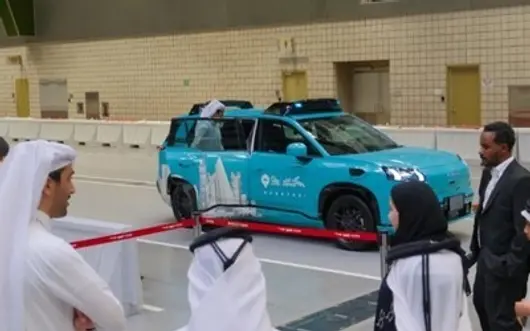
[CNMO Tech News] According to official information, from September 7 to September 9, the 2nd Autonomous Driving Electric Mobility Forum was held at Doha National Convention Center. During the forum, Pony.ai and Qatar National Transport Company Mowasalat jointly launched Robotaxi commercial operation phase achievements, and simultaneously launched Doha's first fully autonomous Robotaxi experience project, becoming the most watched technology implementation case of this forum.

Pony.ai
Since launching public road tests in Doha in August 2025, both parties completed the leap from testing to commercial operation in only four months. Currently, users can call Robotaxi services via Mowasalat's Karwa app, covering the old town, CBD core business district, tourist landmarks, and Hamad International Airport shuttle routes, connecting multiple scenarios such as commuting, business travel, and tourism sightseeing. This is also Pony.ai's first autonomous driving project to achieve scaled commercial implementation overseas. The official announcement issued by Qatar Ministry of Transport in July this year pointed out that the project's passenger satisfaction and safety performance both exceeded expectations, and the technology and operation system are ready for large-scale promotion.
The fully autonomous test ride open during this forum is the first truly driverless autonomous driving experience in the history of Doha city transportation. Muhammad Al-Sayegh, a Qatar local young entrepreneur participating in the test ride, stated: "This is the first truly fully autonomous car experience in Doha, it is amazing, autonomous driving is much safer than human driving."
Pony.ai Founder and CEO Peng Jun stated that the Doha practice is a key step for Chinese autonomous driving technology to go global. In the future, we will continue to deepen cooperation with Mowasalat to provide actionable, replicable solutions for global urban transportation upgrade. The joint project between the two parties is carried out under the supervision of the Qatar Ministry of Transport, aimed at helping achieve the sustainable transportation goals of "Qatar National Vision 2030".

Pony.ai
To date, Pony.ai's global layout has covered 9 countries in the Middle East, Asia, and Europe, and public passenger operations have been realized in Croatia, Singapore, Qatar, etc. Recently, cooperation orders have been obtained from global top mobility platforms including Uber, and the number of overseas deployed Robotaxis will exceed 4,000 vehicles.

Di pasaran SUV Malaysia, ramai pembeli yang membandingkan Honda HR-V dan Subaru Forester ketika memilih kereta. Kedua-dua model ini hampir sama dari segi harga dan kedudukan pasaran. Hari ini, kita akan buat perbandingan terperinci dari pelbagai aspek untuk bantu anda jimat masa membuat riset.
Harga OTR Honda HR-V di Malaysia ialah RM 115,900 hingga 143,900, terdapat 4 varian, termasuk 2026 e:HEV 1.5L RS (RM 143,900), 2026 1.5T V (RM 137,900), 2026 1.5T E (RM 130,900) dan lain-lain.
Harga OTR Subaru Forester di Malaysia ialah RM 174,000 - 197,000, terdapat 3 varian, termasuk 2024 2.0L S EyeSight GT Edition (RM 189,538), 2024 2.0L S EyeSight (RM 177,538), 2024 2.0L L EyeSight (RM 167,538) dan lain-lain.
Dari segi harga, harga permulaan Honda HR-V memang lebih murah RM 58,100 berbanding Subaru Forester. Jika bajet anda terhad, varian permulaan Honda sudah memadai untuk kegunaan harian. Namun perlu diingat, jimat beberapa ribu ringgit itu, mungkin ada kompromi pada kelengkapan, bergantung pada keperluan anda.
Honda HR-V panjang badan 4500 mm, ruang bagasi 450 L.
Subaru Forester panjang badan 4400 mm, ruang bagasi 400 L.
Dari segi ruang, badan Honda HR-V 100 mm lebih panjang daripada Subaru Forester, ruang duduk dalam kereta akan sedikit lebih lapang, terutamanya ruang kaki baris belakang. Jika anda kerap membawa keluarga atau perlu letak kereta bayi, badan yang lebih besar memang lebih praktikal.
Honda HR-V jaminan 5 tahun/tanpa had kilometer, selang penyelenggaraan setiap 10,000km atau 6 bulan.
Subaru Forester jaminan 3 tahun/100,000km, selang penyelenggaraan setiap 10,000km atau 6 bulan.
Honda HR-V dan Subaru Forester adalah pilihan utama di pasaran Malaysia, sesuai untuk kegunaan keluarga, perjalanan harian. Jika anda lebih menghargai reputasi jenama dan harga kedua, boleh utamakan yang lebih ber reputasi; jika anda lebih mementingkan kos-kegunaan dan kelengkapan, pilih yang konfigurasinya lebih kaya. Akhir sekali, disarankan kedua-dua model diuji secara langsung, pengalaman sendiri adalah yang paling penting.
Secara keseluruhannya, Honda HR-V dan Subaru Forester adalah model yang sangat baik di pasaran Malaysia. Memilih yang mana, kunci utama adalah lihat keperluan peribadi dan bajet anda. Disarankan untuk buat riset, bandingkan beberapa tawaran pengedar, kemudian buat ujian pemanduan untuk keputusan akhir. Membeli kereta adalah perkara besar, meluangkan masa untuk riset pasti tidak salah.

Di pasaran SUV Malaysia, banyak pembeli semasa memilih kereta akan membandingkan Honda HR-V dan Subaru Forester. Kedua-dua model ini memiliki julat harga dan kedudukan yang agak hampir, hari ini kita akan membuat perbandingan terperinci dari pelbagai aspek untuk membantu anda menjimatkan masa membuat kajian.
Harga OTR Honda HR-V di Malaysia ialah RM 115,900 - 143,900, terdapat keseluruhan 4 varian, termasuk 2026 e:HEV 1.5L RS (RM 143,900), 2026 1.5T V (RM 137,900), 2026 1.5T E (RM 130,900) dan lain-lain.
Harga OTR Subaru Forester di Malaysia ialah RM 174,000 - 197,000, terdapat keseluruhan 3 varian, termasuk 2024 2.0L S EyeSight GT Edition (RM 189,538), 2024 2.0L S EyeSight (RM 177,538), 2024 2.0L L EyeSight (RM 167,538) dan lain-lain.
Dilihat dari segi harga, harga permulaan Honda HR-V memang lebih murah RM 58,100 berbanding Subaru Forester. Jika bajet anda terhad, varian permulaan Honda sudah boleh memenuhi keperluan harian. Namun, perhatikan juga, beribu ringgit yang lebih murah itu mungkin melibatkan pengorbanan dari segi kelengkapan, bergantung sepenuhnya pada keperluan anda.
Panjang badan Honda HR-V 4500 mm, kapasiti bagasi 450 L.
Panjang badan Subaru Forester 4400 mm, kapasiti bagasi 400 L.
Dari segi ruang, badan Honda HR-V lebih panjang 100 mm berbanding Subaru Forester, ruang dalam kereta akan lebih selesa sedikit, terutamanya ruang kaki di kerusi belakang. Jika anda kerap membawa keluarga atau perlu membawa kereta bayi, badan kereta yang lebih besar memang lebih praktikal.
Honda HR-V menggunakan sistem pemacu FWD.
Subaru Forester menggunakan sistem pemacu FWD.
Sistem pemacu kedua-dua kereta adalah sama, iaitu FWD, rasa memandu harian tidak akan banyak berbeza.
Honda HR-V dan Subaru Forester kedua-duanya merupakan pilihan utama pasaran Malaysia, sesuai untuk kegunaan keluarga dan perjalanan harian. Jika anda lebih mengutamakan reputasi jenama dan nilai jualan semula, boleh utamakan model yang mempunyai reputasi lebih baik; jika anda lebih mengutamakan kos berbaloi dan kelengkapan, maka pilih model yang mempunyai kelengkapan lebih melimpah. Pada akhirnya disarankan untuk ujian memandu kedua-dua model, pengalaman peribadi adalah yang paling penting.
Secara keseluruhannya, Honda HR-V dan Subaru Forester kedua-duanya adalah model kereta yang sangat bagus di pasaran Malaysia. Memilih yang mana, kuncinya bergantung pada keperluan peribadi dan bajet anda. Kami cadangkan anda membuat kajian dengan baik, bandingkan harga dari beberapa dealer, kemudian buat ujian memandu untuk membuat keputusan akhir. Membeli kereta adalah perkara penting, meluangkan masa membuat kajian pasti tidak akan salah.

Dalam pasaran SUV di Malaysia, ramai pembeli ketika memilih kereta akan membandingkan Honda HR-V dan Subaru Forester. Kedua-dua kereta ini mempunyai harga dan kategori yang hampir sama, hari ini kita akan buat perbandingan terperinci dari pelbagai aspek untuk membantu anda menjimatkan masa penyelidikan.
Harga OTR Honda HR-V di Malaysia ialah RM 115,900 - 143,900, mempunyai 4 varian, termasuk 2026 e:HEV 1.5L RS (RM 143,900), 2026 1.5T V (RM 137,900), 2026 1.5T E (RM 130,900) dan lain-lain.
Harga OTR Subaru Forester di Malaysia ialah RM 174,000 - 197,000, mempunyai 3 varian, termasuk 2024 2.0L S EyeSight GT Edition (RM 189,538), 2024 2.0L S EyeSight (RM 177,538), 2024 2.0L L EyeSight (RM 167,538) dan lain-lain.
Dari segi harga, harga permulaan Honda HR-V memang lebih murah RM 58,100 berbanding Subaru Forester. Jika bajet anda terhad, varian asas Honda sudah dapat memenuh keperluan harian. Tetapi perlu diingat, perbezaan ribuan ringgit itu mungkin ada kompromi dalam kelengkapan, bergantung pada keperluan anda.
Penarafan keselamatan Honda HR-V ialah 5★ (ASEAN NCAP), sistem keselamatan aktif termasuk Honda SENSING (ACC, CMBS, LKAS, RDM).
Penarafan keselamatan Subaru Forester ialah 5★ (Euro NCAP), sistem keselamatan aktif termasuk EyeSight.
Dari segi kelengkapan keselamatan, kedua-dua kereta mendapat penarafan yang baik. Namun, Honda SENSING (ACC, CMBS, LKAS, RDM) pada Honda HR-V dan EyeSight pada Subaru Forester mempunyai perbezaan dari segi fungsi. Jika anda lebih mementingkan keselamatan aktif, anda boleh bandingkan senarai fungsi kedua-duanya dengan teliti.
Honda HR-V mempunyai waranti 5 tahun/jarak tanpa had, selang penyelenggaraan setiap 10,000km atau 6 bulan.
Subaru Forester mempunyai waranti 3 tahun/100,000km, selang penyelenggaraan setiap 10,000km atau 6 bulan.
Honda HR-V dan Subaru Forester sama-sama pilihan utama di pasaran Malaysia, sesuai untuk kegunaan keluarga, pengangkutan harian. Jika anda lebih mementingkan reputasi jenama dan harga terpakai, utamakan jenama dengan reputasi lebih baik; jika anda lebih mementingkan nilai harga dan kelengkapan, pilih yang lebih kaya konfigurasi. Pada akhirnya disarankan kedua-dua model dipandu uji, pengalaman peribadi adalah paling penting.
Secara keseluruhan, Honda HR-V dan Subaru Forester adalah model kereta yang sangat baik di pasaran Malaysia. Memilih mana satu, terukut pada keperluan dan bajet peribadi anda. Disarankan anda membuat penyelidikan, membandingkan sebutan harga beberapa dealer kereta, kemudian membuat ujian pemandu untuk keputusan akhir. Membeli kereta adalah perkara besar, meluangkan masa untuk mencari maklumat tidak akan salah.

喺馬來西亞嘅 SUV 市場,好多買家喺揀車嘅時候都會用 Honda HR-V 同 Subaru Crosstrek 嚟比較。這兩款車喺價位同定位上都幾接近嘅,今日我哋就從多個方面做一個詳細嘅比較,幫你節省做功課嘅時間。
Honda HR-V 喺馬來西亞嘅 OTR 售價係 RM 115,900 至 143,900,合共有 4 個版本,包括 2026 e:HEV 1.5L RS(RM 143,900)、2026 1.5T V(RM 137,900)、2026 1.5T E(RM 130,900)等。
Subaru Crosstrek 喺馬來西亞嘅 OTR 售價係 RM 145,000 至 160,000,合共有 1 個版本,包括 2.0L e-Boxer(RM 150,000)等。
由價錢睇,Honda HR-V 嘅起步價確實比 Subaru Crosstrek 平咗 RM 29,100。如果你預算有限,Honda 嘅入門版已經可以滿足日常需求。但都要留意,平嗰幾千蚊,喺配備上可能有取舍,具體就要睇你嘅需求。
Honda HR-V 搭載 1.5L Turbo,馬力 140 hp。官方油耗 7.0 L/100km。
Subaru Crosstrek 搭載 1.5L Turbo,馬力 140 hp。官方油耗 7.0 L/100km。
兩款車用嘅係同一套動力系統,日常開起嚟嘅感受基本冇分別。油耗方面都差不多,唔使太糾結這一點。
Honda HR-V 車身長 4500 mm,行李廂 450 L。
Subaru Crosstrek 車身長 4400 mm,行李廂 400 L。
空間方面,Honda HR-V 嘅車身比 Subaru Crosstrek 長咗 100 mm,車內乘坐空間會稍微寬裕少少,尤其係後座腿部空間。如果你經常載家人或者要放手推車,大少少嘅車身確實更實用。
Honda HR-V 採用 FWD 驅動方式。
Subaru Crosstrek 採用 FWD 驅動方式。
兩款車嘅驅動方式一樣,都係 FWD,日常駕駛感受唔會有太大分別。

總體嚟講,Honda HR-V 同 Subaru Crosstrek 都係馬來西亞市場好唔錯嘅車型。揀邊一部,關鍵都要睇你嘅個人需求同預算。建議大家做好功課,多比較幾間車行嘅報價,先至去試駕做最終決定。買車係件大事,花少少時間做功課絕對唔會錯。

As summer fades and autumn arrives, a gentle breeze and drizzle bring morning chill. Forecasting the Q4 car market now is like viewing distant mountains in autumn rain: the outline is visible, but details are hard to grasp. At the end of Q3, the domestic car market did not show the traditional excitement of "September and October", but instead showed signs of fatigue amidst fluctuating fuel prices, policy shifts, and overseas trade friction. Q4 is always the period to determine the overall year's outcome, but this year's variables are obviously more complex than in previous years. In my opinion, there are only two keywords for the Q4 car market: the shift from oil to electric, and a slowdown in exports. The old variable of fuel prices is disrupting again. The long-awaited new regulations from the Ministry of Industry and Information Technology on new energy vehicles have landed, and the quality improvement special action is in full swing. The industry directly faces safety and quality challenges for new energy vehicles. Against the backdrop of combined internal and external pressures, industry reshuffling will accelerate significantly.
Fuel Price Volatility: Fuel Vehicles Face a 'Cost Pressure Test'

International oil prices at the end of Q3 have already shown signs of rising easily and falling with difficulty. Smoke still rises over the Strait of Hormuz, Middle Eastern geopolitical friction is repetitive, OPEC+ production cut execution rate is unstable, plus monetary policy shifts in major global economies. Brent crude oscillates violently in the 70-95 USD/barrel range. It is not excluded that Q4 will see a pulse rise to $100 due to unexpected events. Every jump in oil prices transmits to domestic refined oil prices. For fuel vehicle users, fuel costs are a 'chronic cost', more sensitive than vehicle prices.
In Q4, the north will enter the heating season, diesel and gasoline demand will rise seasonally, and refinery operations and blending costs may also push up terminal oil prices. The impact of high oil prices on fuel vehicles is not a one-size-fits-all: luxury brand and large SUV users have a higher tolerance for oil prices, but family users in the 100,000-200,000 yuan range will recalculate. Taking a family car with 8L/100km as an example, for every 0.5 yuan increase per liter in oil price, the annual cost for 15,000 km increases by 600 yuan; it seems small, but it is a significant burden in the family budget. More crucial is psychological expectation: once 95 octane gasoline approaches 9 yuan/liter, undecided users will accelerate towards plug-in hybrids and pure BEVs. The author often conducts purchase preference votes in livestream rooms. In the past, netizens choosing fuel vehicles were far ahead of new energy vehicles, but in the last two weeks, the votes for new energy vehicles are very close to fuel vehicles, it can be described as neck and neck.
The author estimates fuel vehicles will not completely 'crash' in Q4. On one hand, low winter temperatures cause pure electric vehicle range shrinkage and charging efficiency decline, the north and third and fourth-tier markets still have many consumers viewing fuel vehicles as a necessity; on the other hand, automakers will increase terminal discounts on fuel vehicles at the end of the year to complete sales targets. Price drops for some models will offset the anxiety of increased usage costs brought by rising oil prices. Of course, what really gets hurt are those high fuel consumption, low brand premium fuel models, especially the mid-to-low end products left over from the National V/National VI transition period, which will likely be accelerated out of clearance in Q4.
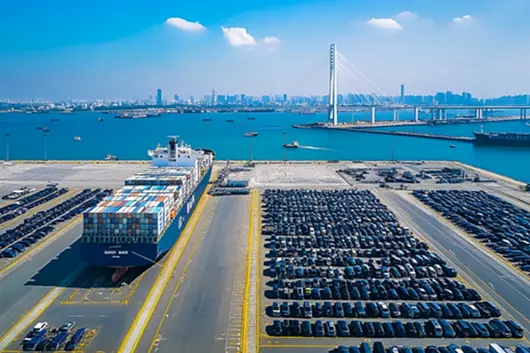
The impact of oil prices on exports needs to be analyzed differently. Rising oil prices directly push up ocean RoRo and container shipping costs. Logistics costs for Chinese complete vehicle exports to Europe, Africa, and Latin America increase, compressing per-vehicle profit. However, energy-exporting countries such as the Middle East, Russia, and Central Asia see improved fiscal revenue during the oil price rise cycle, and import vehicle demand may instead strengthen. Therefore, the Q4 export market will show differentiation of 'East dark, West bright', which poses higher requirements for Chinese brand market strategies. In fact, based on the experience of past oil crises in the last century and the nature of energy game since the Russia-Ukraine war, oil prices have never been a purely economic issue; it is a shadow of geopolitics. This year in Q4, this shadow will be pulled longer.
MIIT New Regulations Land and Quality Improvement Action Launches: New Energy Vehicles Move from 'Sprinting' to 'Main Race'

The MIIT's new regulations in the new energy vehicle field this year have been discussed by the industry for some time. The core directions amount to three: raising safety thresholds for power batteries and whole vehicle quality control, strictly controlling new energy vehicle quality, tightening energy consumption limits for pure electric passenger vehicles, and improving new energy credit carryover and assessment. The new regulations enter centralized implementation and transition countdown in Q4, and the impact on the industry is deeper than imagined.
Firstly, raising safety thresholds will put pressure on some low-end pure electric models. The 'price for volume' idea of new energy vehicles in the past few years spawned a batch of micro EVs with less than 300km range and relatively simple battery management systems. July regulations propose stricter requirements for thermal runaway protection, post-collision battery safety, charging process monitoring, etc. Compliance costs for such models will rise significantly. Some enterprises may choose to clear inventory in Q4, or even exit the market. Looking at the complaint ratio of fault points on Vehicle Quality Network, power battery faults, exaggerated range, car machine black screen, etc. have long been at the forefront. The new regulations are like putting a rein on wild growth. The author has always held a view: New energy vehicles cannot rely only on subsidies and policies to hasten ripening; the safety bottom line must be held by mandatory standards.
Secondly, tightening energy consumption limits will change the competition landscape of pure electric and plug-in hybrid. MIIT new regulations propose graded requirements for electric consumption per 100km for pure electric models. The path of simply piling up batteries and vehicle weight to exchange for long range is no longer viable. This is a test for high-end pure electric SUVs relying on large batteries and high vehicle weight, while being relatively friendly to lighter and more energy-saving sedans. At the same time, plug-in hybrid and extended range models can balance long-distance refueling convenience and fuel consumption reduction, and will continue high-speed growth in Q4. The author judges, inside new energy vehicles there will be a phased switch of 'pure electric growth slowing, plug-in hybrid and extended range taking the lead', this is the most rational market choice under policy guidance.
Thirdly, stricter credit assessment means fuel vehicle enterprises must purchase more new energy positive credits, or increase the release of their own new energy models. Q4 is itself the annual closing period for credit compliance. Under new regulations, credit ratio requirements increase. Some joint venture brands and large autonomous fuel car owners face dual pressures: on one hand, fuel vehicle terminals need promotion to boost volume, on the other hand, rising credit costs devour profits. Reflected in the market, the price war will not stop, but will expand from new energy vehicle 'intense competition' to fuel and electricity jointly lowering prices. Dealer inventory pressure may peak in December.
It is worth noting that MIIT new regulations are not only 'regulating' but also 'supporting'. For enterprises with complete R&D, manufacturing, and quality assurance capabilities, new regulations give more convenience in access and product declaration; reinforcing 'shell companies' and OEM models, aiming to curb low-level repeated construction. In Q4, some new energy brands lacking core technologies and relying on badge engineering may accelerate exit, industry concentration increases. Especially the MIIT motor vehicle quality improvement special action launched earlier this month, and the concentrated exposure of new energy vehicle production consistency violation cases, etc., unusual actions, all point to the short-sighted behavior of exchanging quality for volume during the rapid development stage of new energy vehicles. This is actually a good thing for the consumer rights concerned by the Vehicle Quality Network - disordered competition decreases, quality backstop ability enhances. From recent Vehicle Quality Network complaint data analysis, the proportion of new energy vehicle quality problem complaints has exceeded fuel vehicles. After new regulations implementation, if enterprises continue to treat users as 'guinea pigs', the cost will be increasingly high.
Export 'Volume Boost' Myth Cools: Localization and Compliance Become Decisive Factors

In the past two years, China's auto exports marched high and strong. Especially this year retail has declined, wholesale has risen, some automakers export increase exceeded 100%, indicating exports have become a pressure relief valve for enterprises to get rid of domestic decline plight. But Q4 is feared to be hard to continue single-sided rise momentum. Monthly growth may lose speed for three reasons: First, EU's countervailing duties on Chinese EVs have produced substantive impact. Although some enterprises avoid through local factory building, capacity ramp-up takes time; Second, due to sanctions and local policy adjustments in the Russian market, although Chinese brands occupy a larger share, payment collection, logistics, and localization production requirements are becoming stricter, profit margin narrows; Third, emerging markets such as Southeast Asia, Middle East, Latin America although growth speed is fast, base is limited, and Japanese/Korean car enterprises are counter-attacking.
More hidden variables are shipping and exchange rates. High oil prices superimposed with Red Sea, Strait of Hormuz geopolitical risks still exist, global main shipping route freight fluctuations increase. China's auto exports highly rely on sea transport. RoRo capacity tension situation although has eased, but insurance surcharges and detour costs rise. Q4 export single vehicle logistics costs may increase hundreds to thousands of RMB. For Chinese brands relying on cost-effectiveness to fight the market, it is not a small amount. In addition, USD, EUR and RMB exchange rate fluctuations have increased recently, which will also affect export profit settlement.
However, export growth slowdown does not equal turning point downward. Chinese auto enterprises are shifting from 'complete vehicle export' to 'capacity going overseas'. Q4 will have more CKD and SKD projects land or expand production in Thailand, Indonesia, Brazil, Hungary. This model can bypass tariff barriers, reduce logistics costs, and integrate into local supply chains. But local production also proposes higher requirements for quality consistency, after-sales service, and brand management. Overseas marketing costs will show an upward trend. Although Vehicle Quality Network currently takes attention to domestic market quality service as responsibility, but from research by consulting firm Kelair, overseas market on 'Chinese car' quality expectation is rising. Once batch quality problems appear, it will surely affect the overall brand image. Chinese brands overseas cannot rely only on price and configuration to win. Service network and parts supply are the cornerstone of long-term competitiveness.
Comprehensive judgment, Q4 domestic narrow-sense passenger vehicle retail most likely YoY slightly increase or flat, but full year YoY decline is virtually inevitable. China Association of Automobile Distributors Passenger Car Market Branch predicts, August new energy vehicles Month-on-Month and Year-on-Year will return to positive growth, Q4 increase tends to stabilize; In terms of penetration rate, August is expected to break 70%, while Q4 is expected to touch 55%-58%, but growth speed slower than previous two years significantly; Export YoY growth speed may narrow to 10%-15%, structurally from 'volume boost' to 'network building'. Simply from the numbers, the increase is not satisfactory. What is truly worth alerting to is, industry profit margin and dealer health may continue to deteriorate under price war and compliance cost dual squeeze.
Conclusion:
2026 Q4 car market will not be a calm straight line. High volatility of oil prices tests fuel vehicle cost resilience, MIIT new regulations draw clearer track boundaries for new energy vehicles, exports then turn from quantity change to quality change amidst external environment complication. For automakers, Q4 is not about who is louder, but who has healthy inventory, stable cash flow, and product quality that can withstand a magnifying glass. The shift of fuel and electricity is also not who replaces whom, but each finding a more suitable survival space. As stated by Great Wall Motor Chairman Wei Jianjun: In the next hundred years fuel vehicles will not disappear, but electric drive will become the mainstream of the era. Only change is constant. In the turbulent great change of the world auto market, the only thing that can be determined is, those enterprises that count policy, oil prices and overseas risks into costs may possibly stand firm in next spring or even further future.

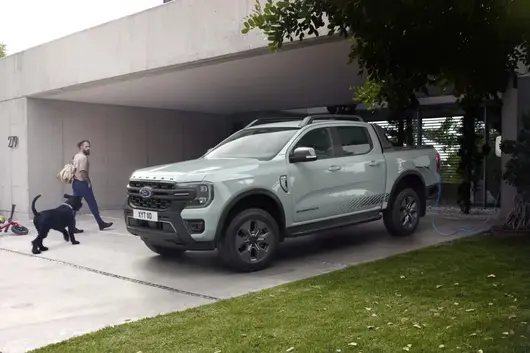
近日,美國媒體一則獨家報道在全球皮卡圈引發震盪:福特正開發 烈馬 Bronco 皮卡,而現售 遊騎俠 Ranger 喺美國嘅生產前景蒙上陰影。

據報導,福特「目前冇計劃」喺密歇根州韋恩嘅密歇根裝配廠生產下一代 遊騎俠 Ranger。呢間同埋生產 烈馬 Bronco SUV 同 遊騎俠 Ranger 嘅工廠,到 2030 年咁樣將轉型為 烈馬 品牌專屬生產基地,接棒 遊騎俠 Ranger 生產線嘅正係一款基於 烈馬 打造嘅中型皮卡,預計 2029 至 2030 年推出。

但 遊騎俠 Ranger 喺美國係去定係留,媒體出現分歧。有嘅認為 遊騎俠 Ranger 將徹底停產,由 烈馬 Bronco 皮卡直接接管;有嘅則認為 遊騎俠 Ranger 會轉移至田納西州 Blue Oval City 工廠,以新一代身份於 2029 年繼續存在——福特已經確認將喺田納西生產一款尺寸接近 遊騎俠 Ranger 嘅燃油皮卡,但未說明係咪仍叫 遊騎俠 Ranger。行業預測公司判斷:烈馬 風格中型 皮卡 將於 2029 年秋季喺密歇根工廠取代 遊騎俠 Ranger。

面對報導,福特官方回應模糊,只話唔評論「未來產品猜測,其中好多都係唔準確」。
2026 年 4 月 遊騎俠 Ranger 美國銷量得 5245 輛,同比暴跌 25%,甚至畀 Mustang 野馬 超越;而 烈馬 品牌 2025 年第三季度銷量同比增長 41.3%,創下歷史最佳季度表現。用高溢價嘅 烈馬 皮卡取代銷量疲軟嘅 遊騎俠 Ranger,喺財務上完全講得通。

對海外消費者嚟講,最關心嘅係美國市場變動會唔會牽連全球。答案係: 遊騎俠 Ranger 基本唔會受影響。遊騎俠 Ranger 係真正嘅全球車型,喺泰國、南非、阿根廷等地設有獨立產線,供應東南亞、澳洲、歐洲、非洲同南美市場。美國密歇根工廠淨係供應北美,佢哋嘅產線調整同海外 遊騎俠 Ranger 冇直接關係。
但 烈馬 皮卡嘅情況唔同。 烈馬 Bronco 品牌近年來喺全球加速擴張,烈馬 SUV 已經進入歐洲、澳洲等市場。如果 烈馬 皮卡喺美國取得成功,福特完全有可能將其推去海外,同 遊騎俠 Ranger 形成「雙車策略」——遊騎俠 Ranger 主打工具屬性同性價比,烈馬 皮卡主打越野 lifestyle 同品牌溢價,兩樣人覆蓋唔同人群,而唔係簡單替代。

最後寫: 圍繞 遊騎俠 Ranger 同 烈馬 Bronco 皮卡嘅呢場變局,目前仍然處於傳聞同預測階段。可以確定嘅係:烈馬 皮卡正喺路上,密歇根工廠將轉做 烈馬 專屬基地;尚未確定嘅係 遊騎俠 Ranger 喺美國係徹底停產定係換廠繼續。對海外市場嚟講,遊騎俠 Ranger 嘅產線獨立性意味著短期唔會受衝擊;但睇長遠嚟講,烈馬 Bronco 皮卡嘅全球化可能改變全球中型皮卡競爭格局,同 遊騎俠 Ranger 形成互補而唔係替代。2029 年,一切將見分曉。

Does anyone recall January of this year, when a Chinese car brand's single-month market share in Thailand once reached 47.3%, surpassing Japanese brands that had ruled the local market for sixty years for the first time. However, the laws that extremes reverse and tall trees invite wind still played out on Chinese vehicles.
One month later, as soon as Thailand's subsidy policy tightened, the Chinese brands' market share plummeted from 47.3% to 11.65%. From 'surpassing Japanese brands' to 'collective disappearance', it only took one month.
By August, it became increasingly difficult for domestic cars in Thailand, with Japanese brands retaking the top two spots in the Thai market. Toyota secured the top spot with 16,233 units, while Honda came in second with 5,499 units. Among Chinese brands, Chery ranked highest with 4,945 units in third place, a gap of over 500 units from Honda. BYD's August sales were only 2,591 units, ranking seventh.
From approaching Toyota in January to being left behind by over 11,000 units by Toyota in August, the 'Anti-Japanese' script of Chinese brands in Thailand is being rewritten piece by piece by reality.
Japanese Brands Counterattack, Domestic Cars Lose Top Two Spots
In August this year, domestic car sales in Thailand remained weak. Toyota with 16,233 units and Honda with 5,499 units took the top two spots, with Japanese brands reclaiming the second-place sales position lost for some time.
Many Chinese brands were still present in the top ten sales list for the month, including Chery with 4,945 units in third, MG with 3,273 units in fourth, Great Wall with 2,931 units in fifth, while the former 'vanguard of the fight against Japanese brands' BYD had sales of 2,591 units in seventh place, Geely and Aion ranking eighth and tenth with 2,267 and 1,492 units respectively.

Looking at August sales, the six Chinese brands in the top ten sales list had a cumulative total of 17,499 units, only about 1,200 units more than Toyota ranked first, a huge gap.
A more cruel reality is that the growth of Chinese brands in Thailand mainly relied on price wars and subsidy dividends, rather than brand loyalty.
Some Thai taxi drivers stated directly: 'Worried about difficult repairs, so I still prioritize choosing Japanese brands'. When the price advantage is leveled by policy, consumer choices return to the old path of brand trust.

However, waiting for Chinese auto companies is not just subsidy reductions, but also unprecedented 'straitjacket' restrictive policies.
Domestic Cars' 'Anti-Japanese' Campaign Meets 'Straitjacket' Restrictions
On May 14 this year, 10 automotive and parts industry associations in Thailand jointly submitted 8 urgent policy recommendations to the government, calling for reform of the consumption tax structure and raising localization rate requirements. These associations represent over 1,500 enterprises, almost all of which have direct or indirect cooperative relationships with Japanese brands.
By August, Thailand's Deputy Prime Minister and Minister of Finance publicly stated that the Ministry of Finance is studying raising the consumption tax on imported electric vehicles from the current 10% to over 32%. The new plan is expected to complete detail reviews and submit to the cabinet by the end of September. The Federation of Thai Automotive Industries even suggested raising tax rates by 30% to 50%.

What does this mean? For a base-model pure electric car with a landed price of 400,000 Thai Baht (about 82,000 RMB), after the consumption tax rises from 10% to 32%, just the landed tax cost alone will skyrocket drastically. China's core price advantage for electric vehicles in Thailand will be completely destroyed.
Data from Kasikorn Bank's research institute shows that in 2026, Chinese brands' market share in Thailand's new energy market reached as high as 91%, while the Japanese share has fallen from over 90% before 2020 to around 60%.
Facing these aggressive Chinese car 'outsiders', Japanese brands in Thailand have started to band together. In August this year, executives from Japanese brands such as Toyota, Honda, and Mitsubishi began speaking directly, demanding tax rate adjustments to ensure 'fair competition'.
Apart from consumption tax adjustments, Thailand's EV3.5 policy is also tightening continuously.
In 2026, the ratio of imported to locally produced must reach 1:2. For every 5 percentage point increase in the local parts procurement rate, the consumption tax rate can be reduced by 0.5 percentage points. The proportion of imported batteries counted towards the local procurement rate has returned to zero after June 30.
One could say that Chinese automobiles copying the 'price war' tactics used domestically in Thailand triggered strong backlash from multiple local governments and existing industrial forces. Formulating 'straitjacket' policies targeting Chinese cars has become irreversible.
From Thailand's perspective, once Chinese cars occupy the Thai market without building factories locally, it is equivalent to telling the world that Thailand is merely a consumption market for overseas car brands. This obviously runs counter to Thailand's industrial dream of transforming itself into a Southeast Asian new energy vehicle manufacturing hub.
Southeast Asia Begins 'Strictly Preventing' Chinese Cars
Even more troublesome is that this 'strict blockade' is spreading from Thailand to the entire Southeast Asia region.
Starting July 1, 2026, Malaysia formally implemented new regulations for electric vehicles. All CBU electric vehicle landed prices must not be lower than 200,000 Ringgit (about 320,000 RMB), and motor output power must not be lower than 180 kilowatts. For Chinese brands where cost-performance is the core competitiveness, this is equivalent to directly cutting off the channel for low-priced models entering Malaysia.

Indonesia's 'localization rate' assessment is also layering up restrictions. According to Indonesia's 2023 Presidential Regulation No. 79, the localization rate (TKDN) of electric vehicles must reach 40% between 2022 and 2026, increase to 60% from 2027 to 2029, and rise further to 80% starting from 2030. Indonesia's House of Representatives Committee VII made it clear that even if Chinese electric vehicles are selling well in Indonesia, they must still meet this localization rate requirement.
Meanwhile, starting January 1, 2026, Indonesia officially cancelled the tax-free policy for complete vehicle imports. Tariffs returned directly to the legal range of 10% to 50%. Chinese auto companies that previously rapidly penetrated the Indonesian market relying on policy subsidies now face significant price increase pressure.
Vietnam has also joined this round of policy tightening. On June 29, 2026, Vietnam submitted the draft 'National Automotive Safety and Environmental Technical Regulations', stipulating technical safety quality and environmental requirements for newly manufactured, assembled, and imported vehicles. This draft regulation is expected to formally take effect in October 2026 and will make comprehensive requirements on the technical safety and environmental standards for imported vehicles. Combined with the strict administrative approval and quota management for temporarily imported foreign test vehicles prior to this, the difficulty of exporting Chinese cars to Vietnam is increasing.
These four countries are the core markets for Southeast Asian automotive consumption and the most important 'bridgeheads' for Chinese auto companies' exports right at their doorstep. Now, without exception, all have strengthened restrictions on Chinese cars. Chinese auto companies will undoubtedly have a hard time in Southeast Asia in the future.
The performance of Chinese automobiles in the Southeast Asian market a few months ago was like a short-lived beautiful dream. Now the dream has awakened, and the true test has begun.

Di pasaran SUV Malaysia, ramai pembeli yang membandingkan Honda HR-V dengan Hyundai Santa Fe semasa memilih kereta. Kedua-dua kereta ini mempunyai harga dan posisi yang agak hampir, hari ini kita akan buat perbandingan terperinci dari pelbagai aspek, membantu anda menjimatkan masa membuat kajian.
Honda HR-V dijual pada harga OTR di Malaysia adalah RM 115,900 - 143,900, ada 4 varian, termasuk 2026 e:HEV 1.5L RS (RM 143,900), 2026 1.5T V (RM 137,900), 2026 1.5T E (RM 130,900) dan lain-lain.
Hyundai Santa Fe dijual pada harga OTR di Malaysia adalah RM 225,000 - 270,000, ada 3 varian, termasuk 2025 2.5T DCT 4WD Calligraphy 6 Seats (RM 270,000), 2025 HEV 1.6T AT 2WD Prestige 7 Seats (RM 245,000), 2025 HEV 1.6T AT 2WD Prime 7 Seats (RM 225,000) dan lain-lain.
Dari segi harga, harga permulaan Honda HR-V memang lebih murah RM 109,100 berbanding Hyundai Santa Fe. Jika bajet anda terhad, versi permulaan Honda sudah boleh memenuhi keperluan harian. Tetapi perlu diingat, ribuan ringgit yang lebih murah itu, mungkin ada perbezaan dalam kelengkapan, lihat keperluan anda sendiri.
Honda HR-V dilengkapi enjin 1.5L Turbo, kuasa 140 hp. Penggunaan minyak rasmi 7.0 L/100km.
Hyundai Santa Fe dilengkapi enjin 2.0L 4-cyl, kuasa 170 hp. Penggunaan minyak rasmi 8.0 L/100km.
Dari segi kuasa, enjin 2.0L 4-cyl Hyundai Santa Fe mempunyai 30 hp lebih berbanding Honda HR-V 1.5L Turbo. Namun untuk harian di bandar, kedua-dua kereta ini kuasa sudah cukup, tidak berasa kurang kuasa.
Penilaian keselamatan Honda HR-V ialah 5★ (ASEAN NCAP), sistem keselamatan aktif termasuk Honda SENSING (ACC, CMBS, LKAS, RDM).
Penilaian keselamatan Hyundai Santa Fe ialah TBD, sistem keselamatan aktif termasuk Basic.
Dari segi kelengkapan keselamatan, kedua-dua kereta ini mendapat penilaian yang baik. Namun Honda HR-V Honda SENSING (ACC, CMBS, LKAS, RDM) dan Hyundai Santa Fe Basic ada perbezaan dalam fungsi, jika anda lebih mementingkan keselamatan aktif, boleh bandingkan senarai fungsi kedua-duanya.
Honda HR-V jaminan 5 tahun / jarak tak terhad, tempoh pemeliharaan setiap 10,000km atau 6 bulan.
Hyundai Santa Fe jaminan 5 tahun / 300,000km, tempoh pemeliharaan setiap 10,000km atau 6 bulan.

Secara keseluruhannya, Honda HR-V dan Hyundai Santa Fe kedua-duanya model kereta yang bagus di pasaran Malaysia. Memilih yang mana, kunci utama lihat keperluan dan bajet peribadi anda. Disarankan buat kajian terlebih dahulu, bandingkan lebih banyak tawaran harga dealer kereta, kemudian buat ujian memandu untuk keputusan akhir. Membeli kereta ialah perkara penting, luangkan masa membuat kajian tidak akan salah.

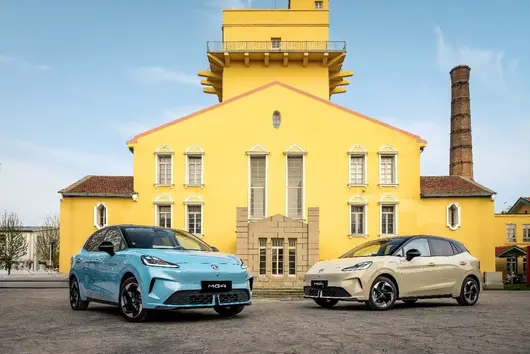
In September, MG4 reached its first anniversary since launch. August results just came out: MG4 family sold over 17,000 units, MG4 single model sustained breaking 10,000 for 11 consecutive months, cumulatively nearly 150,000 units in a year, firmly ranking in the top 3 for pure EV hatchbacks.
These numbers meant nothing two years ago, but they are worth mentioning this year. Nowadays, there are really not many EVs that dare to showcase their 'sales after one-year launch'.

Sustained sales exceeding 10,000 is the real skill
New pure EVs launched in 2025, most cannot escape these four words: high opening, low closing. The first month was very loud, but within three months they are gone from the rankings. Calculating over a whole year, only 4 models can achieve sustained monthly sales exceeding 10,000 for a long time, MG4 is the only pure EV hatchback among them.
A 100,000 yuan class hatchback, standing in this list, relies not on traffic, but on reputation built order by order. 11 months of consecutive breakthroughs over 10,000 means not a single month can fail. Even if one month goes wrong in between, this line breaks. Hits come every year, the ones that remain hot after a year are the scarce products.

From niche commuting to mainstream choice
More worth mentioning is the positioning. MG4 topped the compact car sales list multiple times — that is the market segment with the highest volume for Chinese families and also the most competitive, it has always been the domain of fuel family sedans for the past twenty-plus years. Pure EV hatchbacks have turned from a niche commuting tool to a car that mainstream families seriously consider for the first time.
There is a detail that is quite counter-intuitive: MG4 single unit average price is 84,000 yuan, and the higher-end versions sell even better. In the past, hatchback EVs were almost synonymous with cheap commuting tools; this car broke that saying. The words 'both volume and price rising' have been shouted in the auto market for ten years, landing on a hatchback, it is still the first time.
Over a year, the market also made up a point: MG4 one-year retention rate is 70.95%, ranking first among pure compact EV retention rates. Buyers recognize it, and people who switch cars after a year also recognize it by residual value. This number is harder than any ad.

One car, recognized by both sides
Turn your attention overseas. MG4 has already sold to UK & Europe, Australia, Israel, Thailand and other markets, repeatedly taking the top spot in European compact EV sales, and also winning European E-NCAP and Australian ANCAP dual five-star ratings. MG brand has been the sales champion for Chinese brands in Europe for 11 consecutive years, cumulative sales in UK & Europe 1.2 million units, it is the first Chinese car brand to break one million in Europe.
Domestic one year nearly 150,000 units, Europe segment first, dual five stars — same car, recognized simultaneously in the most picky market and the largest market. In the past, Chinese cars going overseas mostly relied on cost-effectiveness to open the road; MG4 this time is not so, it uses the same set of product capabilities to dominate both sides. 'Value-Driven Global Expansion' these four words, landing on it, are not empty talk.
At milestones like one year anniversary, many brands love to talk about sentiment. MG4 doesn't need to, 11 months of stability, position on the compact car list, name on the European list, 70.95% residual value, all these are laid out there. Chinese EVs have run both 'endurance' and 'global same-source' hard battles for the first time together, the starting point is this 100,000 yuan class small car.
Hit products are not rare, what is rare is that after a year of selling, it is still on the list. MG4's one-year anniversary deserves this sentence.

Pada pasaran SUV di Malaysia, ramai pembeli semasa memilih kereta akan membandingkan Honda HR-V dan Hyundai Tucson. Kedua-dua kereta ini sangat hampir dari segi harga dan kedudukan. Hari ini kita akan membuat perbandingan terperinci dari pelbagai aspek untuk membantu anda menjimatkan masa membuat kajian.
Harga OTR Honda HR-V di Malaysia ialah RM 115,900 - 143,900, terdapat 4 varian, termasuk 2026 e:HEV 1.5L RS (RM 143,900), 2026 1.5T V (RM 137,900), 2026 1.5T E (RM 130,900) dan lain-lain.
Harga OTR Hyundai Tucson di Malaysia ialah RM 143,888 - 197,888, terdapat 5 varian, termasuk 2025 HEV 1.6T AT 2WD Prestige (RM 197,888), 2025 1.6T DCT 4WD Prestige (RM 186,888), 2025 1.6T DCT 2WD Prime (RM 164,888) dan lain-lain.
Dari segi harga, harga permulaan Honda HR-V memang lebih murah RM 27,988 berbanding Hyundai Tucson. Jika bajet anda terhad, versi masuk Honda sudah cukup memenuhi keperluan harian. Tetapi anda juga perlu ambil perhatian, perbezaan harga beberapa ribu itu mungkin mempunyai pertimbangan pada kelengkapan, bergantung kepada keperluan anda.
Honda HR-V dilengkapi enjin 1.5L Turbo, kuasa 140 hp. Penggunaan bahan api rasmi 7.0 L/100km.
Hyundai Tucson dilengkapi enjin 1.5L Turbo, kuasa 140 hp. Penggunaan bahan api rasmi 7.0 L/100km.
Kedua-dua kereta menggunakan sistem pemacu yang sama, perasaan memandu setiap hari pada dasarnya tiada perbezaan. Dari segi penggunaan bahan api juga hampir sama, tidak perlu terlalu bimbang hal ini.
Pentarafan keselamatan Honda HR-V adalah 5★ (ASEAN NCAP), sistem keselamatan aktif termasuk Honda SENSING (ACC, CMBS, LKAS, RDM).
Pentarafan keselamatan Hyundai Tucson adalah 5★ (ASEAN NCAP), sistem keselamatan aktif termasuk SmartSense.
Pentarafan keselamatan kedua-dua kereta adalah sama, pada tahap ini kelengkapan keselamatan dianggap cukup lengkap. Keselamatan kereta baharu sekarang tidak buruk, tidak perlu terlalu risau hal ini.
Honda HR-V jaminan 5 tahun/jarak tanpa had kilometer, selang penyelenggaraan setiap 10,000km atau 6 bulan.
Hyundai Tucson jaminan 5 tahun/300,000km, selang penyelenggaraan setiap 10,000km atau 6 bulan.

Secara keseluruhan, Honda HR-V dan Hyundai Tucson adalah model kereta yang sangat bagus di pasaran Malaysia. Memilih yang mana, kunci utama adalah melihat keperluan dan bajet peribadi anda. Kami mengesyorkan anda membuat kajian, membandingkan beberapa tawaran dari dealer kereta yang berbeza, kemudian buat ujian memandu untuk membuat keputusan akhir. Membeli kereta adalah perkara besar, meluangkan masa untuk mengkaji tidak akan salah.

喺馬來西亞嘅 SUV 市場,好多買家喺揀車嘅時候都會拿 Honda HR-V 同 Hyundai Santa Fe 嚟做比較。呢兩部車喺價同定位上都幾接近,而家我哋就從多個角度做一個詳細嘅比較,幫你節省做功課嘅時間。
Honda HR-V 喺馬來西亞嘅 OTR 售價係 RM 115,900 - 143,900,合共有 4 個版本,包括 2026 e:HEV 1.5L RS(RM 143,900)、2026 1.5T V(RM 137,900)、2026 1.5T E(RM 130,900) 等。
Hyundai Santa Fe 喺馬來西亞嘅 OTR 售價係 RM 225,000 - 270,000,合共有 3 個版本,包括 2025 2.5T DCT 4WD Calligraphy 6 Seats(RM 270,000)、2025 HEV 1.6T AT 2WD Prestige 7 Seats(RM 245,000)、2025 HEV 1.6T AT 2WD Prime 7 Seats(RM 225,000) 等。
從價錢嚟睇,Honda HR-V 嘅起價確實比 Hyundai Santa Fe 平咗 RM 109,100。如果你預算有限,Honda 嘅入門版已經可以滿足日常需要。但都要留意,平嗰幾千蚊,可能喺配備上要有取捨,具體要睇你嘅需求。
Honda HR-V 搭載 1.5L Turbo,馬力 140 hp。官方油耗 7.0 L/100km。
Hyundai Santa Fe 搭載 2.0L 4-cyl,馬力 170 hp。官方油耗 8.0 L/100km。
動力方面,Hyundai Santa Fe 嘅 2.0L 4-cyl 比 Honda HR-V 嘅 1.5L Turbo 多咗 30 匹馬力。不過日常喺市區開,兩部車嘅動力都夠用,唔會覺得唔夠力。
Honda HR-V 嘅安全評級係 5★ (ASEAN NCAP),主動安全系統包括 Honda SENSING (ACC, CMBS, LKAS, RDM)。
Hyundai Santa Fe 嘅安全評級係 TBD,主動安全系統包括 Basic。
安全配備方面,兩部車都拿到唔錯嘅評級。不過 Honda HR-V 嘅 Honda SENSING (ACC, CMBS, LKAS, RDM) 同 Hyundai Santa Fe 嘅 Basic 喺功能上有啲差異,如果你比較重視主動安全嘅話,可以仔細對比下兩者嘅功能列表。
Honda HR-V 保修 5 年/無限制里程,保養間隔 每 10,000km 或 6 個月。
Hyundai Santa Fe 保修 5 年/300,000km,保養間隔 每 10,000km 或 6 個月。
Honda HR-V 同 Hyundai Santa Fe 都係馬來西亞市場嘅主流選擇,適合家庭使用、日常通勤。如果你更重視品牌口碑同二手價,可以優先考慮口碑更好嗰一款;如果你更在意性價比同配備,那就揀配備更豐富嗰款。最後都建議兩部車都去試駕,親身體驗先係最重要嘅。

總體嚟講,Honda HR-V 同 Hyundai Santa Fe 都係馬來西亞市場幾唔錯嘅車型。揀邊一輛,關鍵都要睇你嘅個人需要同預算。建議大家做好功課,多比較下幾間車行嘅報價,再 go 試駕做最終決定。買車係件大事,花點時間做功課絕對唔會錯。
In the SUV market in Malaysia, many buyers compare Honda HR-V and MG MG HS when choosing a car. Both cars are quite close in price and positioning. Today, we will make a detailed comparison from multiple aspects to help you save time on research.
The OTR price of Honda HR-V in Malaysia is RM 115,900 - 143,900, with a total of 4 versions, including 2026 e:HEV 1.5L RS (RM 143,900), 2026 1.5T V (RM 137,900), 2026 1.5T E (RM 130,900) etc.
The OTR price of MG MG HS in Malaysia is RM 130,450 - 146,450, with a total of 2 versions, including 1.5L Standard (RM 105,000), 1.5L Executive (RM 115,000) etc.
From the price perspective, the starting price of Honda HR-V is indeed RM 14,550 cheaper than MG MG HS. If your budget is limited, Honda's entry-level version can already meet daily needs. But you should also note that the few thousand cheaper might have compromises on features, it depends specifically on your needs.
The safety rating of Honda HR-V is 5★ (ASEAN NCAP), active safety systems include Honda SENSING (ACC, CMBS, LKAS, RDM).
The safety rating of MG MG HS is TBD, active safety systems include Basic.
Regarding safety features, both cars have received good ratings. However, Honda HR-V's Honda SENSING (ACC, CMBS, LKAS, RDM) and MG MG HS's Basic have some differences in functionality. If you value active safety, you can compare the feature lists of both closely.
Honda HR-V adopts FWD drive configuration.
MG MG HS adopts FWD drive configuration.
Both cars have the same drive configuration, both are FWD, so there won't be much difference in daily driving experience.
Honda HR-V warranty 5 years/unlimited mileage, maintenance interval every 10,000km or 6 months.
MG MG HS warranty 7 years/150,000km, maintenance interval every 10,000km or 6 months.
Honda HR-V and MG MG HS are both mainstream choices in the Malaysia market, suitable for family use, daily commuting. If you value brand reputation and resale value more, prioritize the one with better reputation; if you care more about value for money and features, choose the one with richer configuration. Finally, it is recommended to test drive both, the firsthand experience is the most important.
Overall, Honda HR-V and MG MG HS are both very good models in the Malaysia market. Choosing which one depends on your personal needs and budget. It is recommended that you do your homework, compare quotes from several dealerships, and go test drive to make the final decision. Buying a car is a big matter, spending some time on research will never be wrong.
In the Malaysian SUV market, many buyers compare the Honda HR-V and MG MG HS when choosing a car. These two models are quite close in price and positioning. Today, we will make a detailed comparison from multiple aspects to help you save time on research.
The Honda HR-V OTR price in Malaysia is RM 115,900 - 143,900, with a total of 4 versions, including 2026 e:HEV 1.5L RS (RM 143,900), 2026 1.5T V (RM 137,900), 2026 1.5T E (RM 130,900), and more.
The MG MG HS OTR price in Malaysia is RM 130,450 - 146,450, with a total of 2 versions, including 1.5L Standard (RM 105,000), 1.5L Executive (RM 115,000), and more.
From the price perspective, the Honda HR-V's starting price is indeed RM 14,550 cheaper than the MG MG HS. If your budget is limited, Honda's entry-level version can already meet daily needs. However, note that the cheaper few thousand dollars may involve trade-offs in features, it depends on your specific needs.
The Honda HR-V uses FWD drive mode.
The MG MG HS uses FWD drive mode.
Both cars have the same drive mode, both are FWD, there will not be much difference in daily driving experience.
Honda HR-V Warranty 5 years/unlimited mileage, Service interval Every 10,000km or 6 months.
MG MG HS Warranty 7 years/150,000km, Service interval Every 10,000km or 6 months.
Both Honda HR-V and MG MG HS are mainstream choices in the Malaysian market, suitable for family use and daily commuting. If you value brand reputation and resale value more, you can prioritize the one with better reputation; if you care more about cost-performance ratio and features, then choose the one with richer configuration. Ultimately, it is recommended to test drive both models, personal experience is the most important.
Overall, both Honda HR-V and MG MG HS are quite good models in the Malaysian market. Choosing which one depends on your personal needs and budget. It is recommended to do your research, compare quotes from several dealerships, and then test drive to make the final decision. Buying a car is a big matter, spending time on research will definitely not be wrong.
© 2024 Bitauto.com. All Rights Reserved.
Bitauto (www.yiche.com and www.bitauto.com) is one of the most visited automotive websites in China. We provide detailed info on Chinese car brands available in your area. Please note that the information provided on this website is based on publicly available data and is for reference only. It may not be fully updated or accurate at all times.

Help us improve our website


