Download App
Follow Us
  • Facebook
  • YouTube
  • Instagram
  • TikTok
  • X
HomeCompareProton e.MAS 7 PHEV vs Mitsubishi Triton

Proton e.MAS 7 PHEV vs Mitsubishi Triton: Price, Specs & Which to Buy

Last updated: 22 Nov 2026 · Malaysia Market
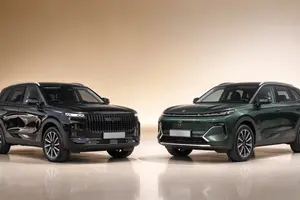
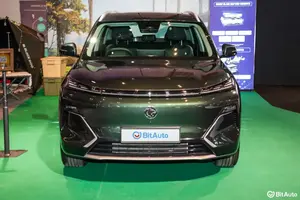
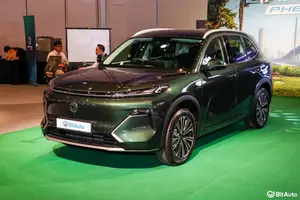
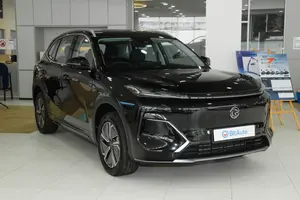
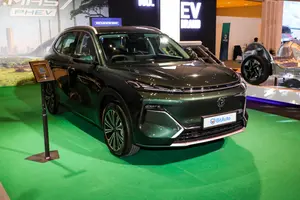
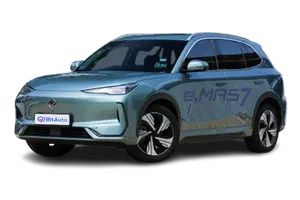
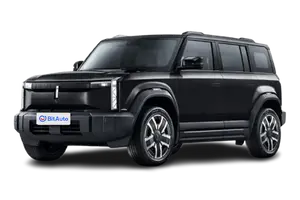
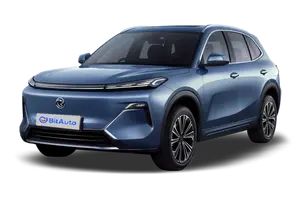
Proton e.MAS 7 PHEV
Proton e.MAS 7 PHEV
RM 109,750
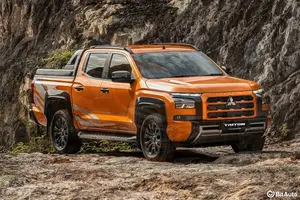
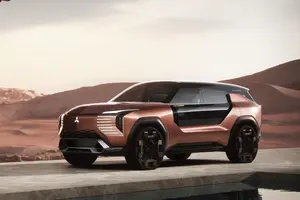
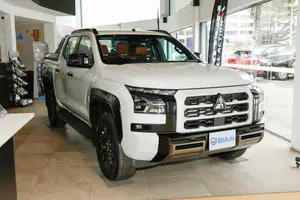
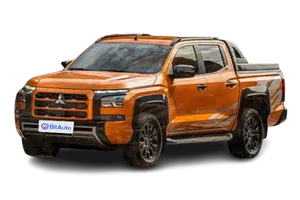
Mitsubishi Triton
Mitsubishi Triton
RM 104,930

Verdict: Which Car Should You Buy?

One is a pure electric, the other a non-plug-in hybrid — only one needs charging at all. The Triton is the cheaper way in at RM 104,930, undercutting the e.MAS 7 PHEV by RM 4,820. With no clear hardware advantage to justify the difference, the e.MAS 7 PHEV is harder to recommend.

Key Differences

  • Price: e.MAS 7 PHEV RM 109,750; Triton RM 104,930
  • Power: e.MAS 7 PHEV 99 hp; Triton 184 hp
  • Length: e.MAS 7 PHEV 4740 mm; Triton 5320 mm

Pros & Cons

Proton e.MAS 7 PHEV 1.5L 105km Prime CBU (2026)

Pros

  • Competitive on price for what it offers

Cons

  • Higher entry price
  • Less power

Mitsubishi Triton Single Cab 2.4T MT Standard (2026)

Pros

  • Lower price at RM 104,930
  • Stronger 184 hp

Find the Right Car

Choose the e.MAS 7 PHEV if you want...

  • a compact body that's easy to park and thread through traffic
  • 528 L of boot space
  • a 4.3 s 0-100 km/h time

Choose the Triton if you want...

  • the lowest purchase price (RM 104,930)
  • stronger 184 hp performance
  • a 2.4-litre engine

Which car suits your lifestyle best?

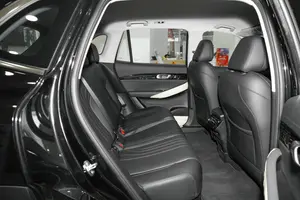
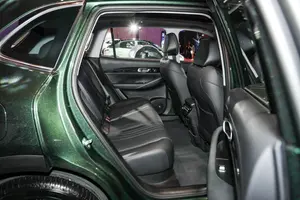
  • Family buyers: e.MAS 7 PHEV — 5 seats suits family duty better
  • Daily commuters: Triton — the lower price makes it a cheap city runabout
  • Long-distance drivers: Triton — refuels anywhere with no charging stops
  • Performance seekers: Triton — 184 hp beats the e.MAS 7 PHEV's 99 hp

Price & Ownership Costs

ParameterProton e.MAS 7 PHEVMitsubishi Triton
Price RM 109,750RM 104,930 ✓
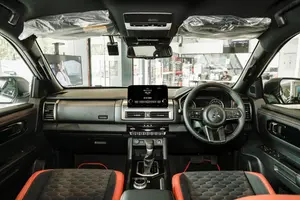
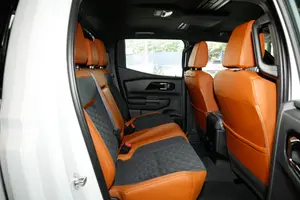
Body Type / Seats 5 door SUV · 5 seats2 door Pickup · 2 seats
Assembly CBU/CKDCBU
Annual Road Tax RM 120 ✓RM 793.60

Engine, Fuel Economy & Refuelling

ParameterProton e.MAS 7 PHEVMitsubishi Triton
Engine Capacity 1,500 cc2,442 cc ✓
Fuel Tank 51 L75 L ✓

Both run conventional petrol engines. The Triton uses a 2.4-litre turbocharged engine; the e.MAS 7 PHEV a 1.5-litre naturally-aspirated engine.

Power & Performance

ParameterProton e.MAS 7 PHEVMitsubishi Triton
Motor Front-
Max Power 99 Ps184 Ps ✓
Max Torque 125 N·m430 N·m ✓
Drivetrain FWD4WD
Transmission DHTMT

Dimensions

ParameterProton e.MAS 7 PHEVMitsubishi Triton
Length 4,740 mm5,320 mm ✓
Width 1,905 mm ✓1,865 mm
Height 1,685 mm1,785 mm ✓
Wheelbase 2,755 mm3,130 mm ✓
Boot Capacity 528-2065 L-

The Triton is the longer car — 580 mm up at 5320 mm versus 4740 mm. The Triton also leads on wheelbase, 3130 mm versus 2755 mm. The e.MAS 7 PHEV seats 5.

Comfort & Technology

e.MAS 7 PHEV

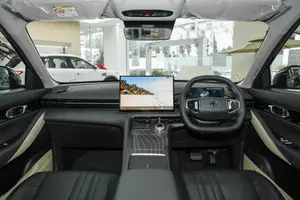
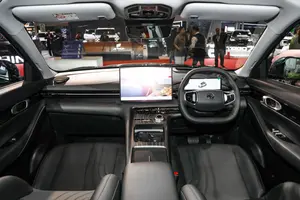
  • 15.4" central touchscreen + 10.2" digital cluster
  • Automatic climate control
  • Heated door mirrors
  • Remote charging management

Triton

  • Manual air conditioning

Key Specs Compared

ParameterProton e.MAS 7 PHEVMitsubishi Triton
Overview
Price RM 109,750RM 104,930 ✓
Body Type 5 door SUV2 door Pickup
Seats 5 seats ✓2 seats
Assembly CBU/CKDCBU
Performance
Motor Front-
Max Power 99 Ps184 Ps ✓
Max Power 73 kW135 kW ✓
Max Torque 125 N·m430 N·m ✓
0–100 km/h 4.3 s-
Top Speed 170 km/h-
Drivetrain FWD4WD
Transmission DHTMT
Battery & Charging
Battery Type LFP battery-
Battery Capacity 18.4 kWh-
Electric Range 105 km · NEDC-
DC Charging Time 20 min-
Dimensions
Length 4,740 mm5,320 mm ✓
Width 1,905 mm ✓1,865 mm
Height 1,685 mm1,785 mm ✓
Wheelbase 2,755 mm3,130 mm ✓
Kerb Weight 1,735 kg-
Boot Capacity 528-2065 L-

Image Gallery

FAQs

Is the Triton or e.MAS 7 PHEV better?

The Triton is the cheaper pick at RM 104,930 and also adds power. The e.MAS 7 PHEV has to justify its premium elsewhere.

What is the price difference between the Triton and e.MAS 7 PHEV?

The Triton starts at RM 104,930, the e.MAS 7 PHEV at RM 109,750 — about RM 4,820 in favour of the Triton.

Which one is more powerful?

The Triton is more powerful — 184 hp against 99 hp.

Which is bigger?

The Triton is longer, at 5320 mm against 4740 mm.
Feedback