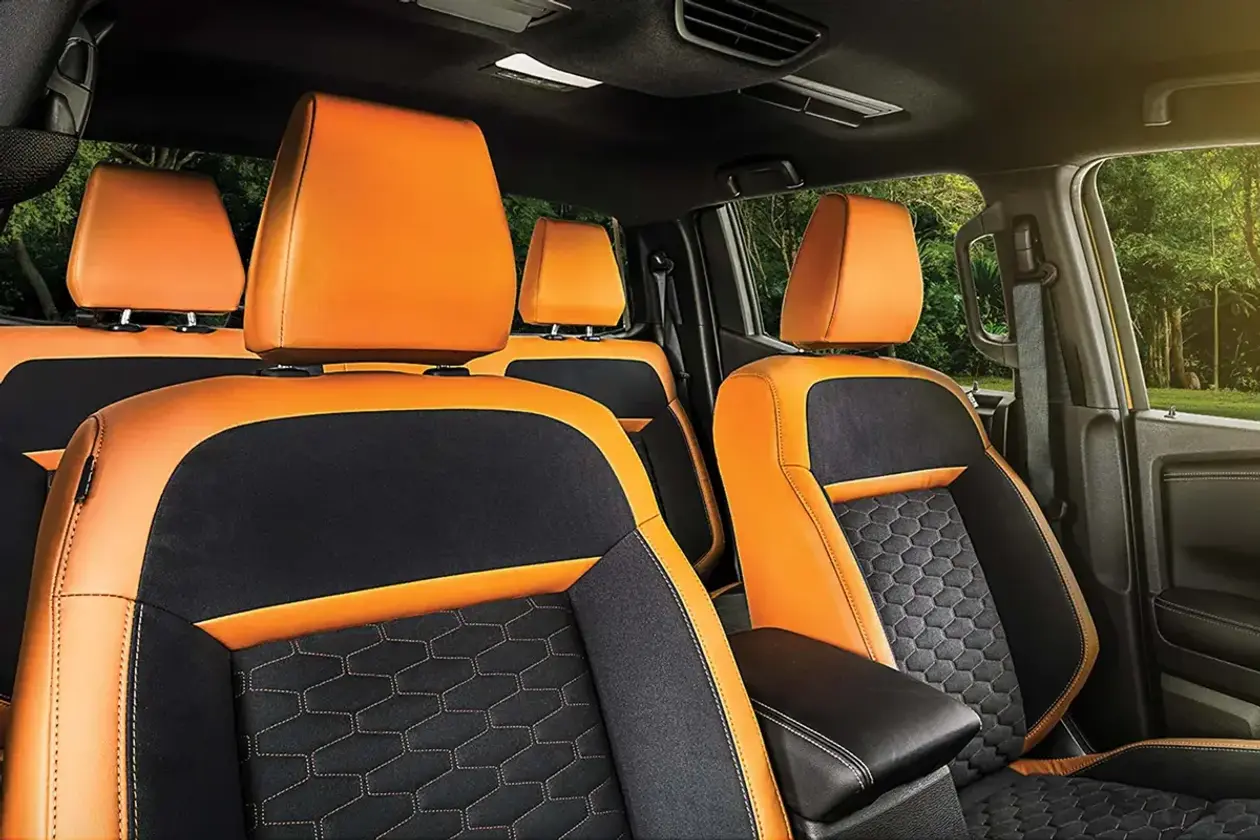
The old chatter online claiming that "the Triton's rear seats recline and feel more comfortable than the D-Max" needs to be retired for this generation. The latest Triton has discarded the previous J-line rear seat angle; the backrest is now noticeably more upright, bringing the seating posture closer to that of a conventional pick-up truck.
The D-Max's rear bench was never particularly raked either, meaning the gap in rear-seat posture between these two workhorses is far narrower than past reviews suggested. Stop using the "Triton has sofa-like rear seats" argument as your main reason to buy one.
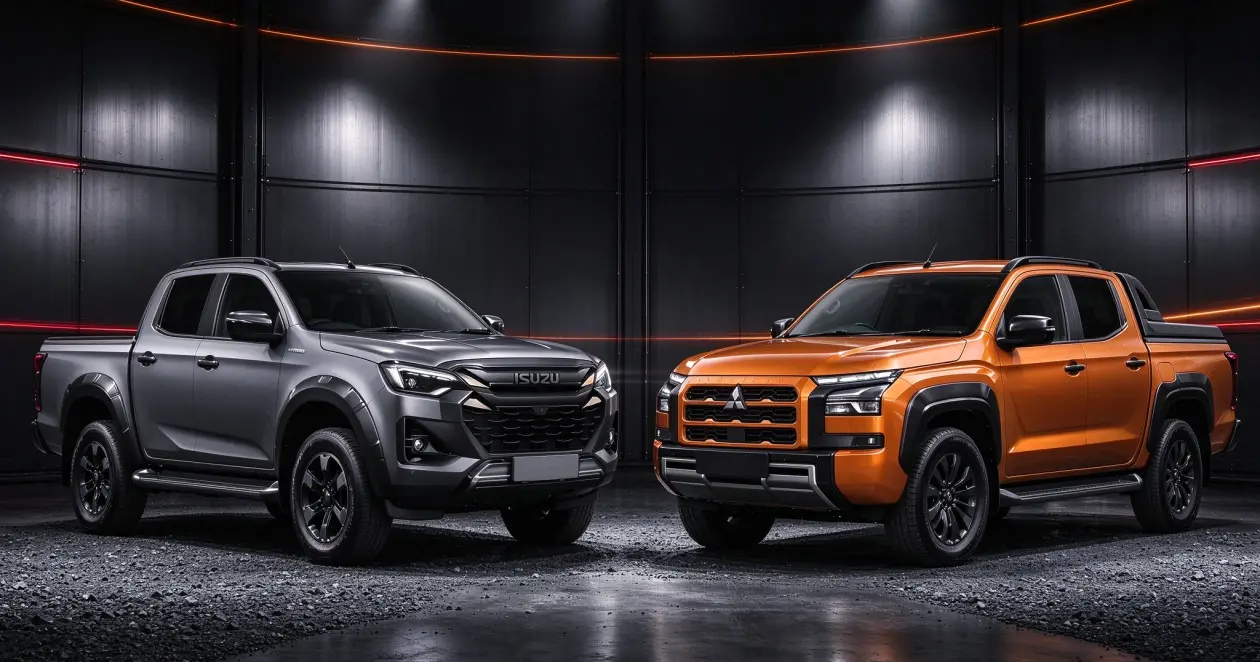
The D-Max 2.2L 4×4 Standard AT is priced at RM122,171, while the Triton 2.4 GL AT 4×4 retails for RM116,980—a difference of RM5,191. In the pick-up truck world, over RM5,000 is substantial; it easily covers a decent tonneau bed cover and a few rounds of scheduled maintenance. However, when it comes to where that money is directed, both trucks take vastly different philosophies.
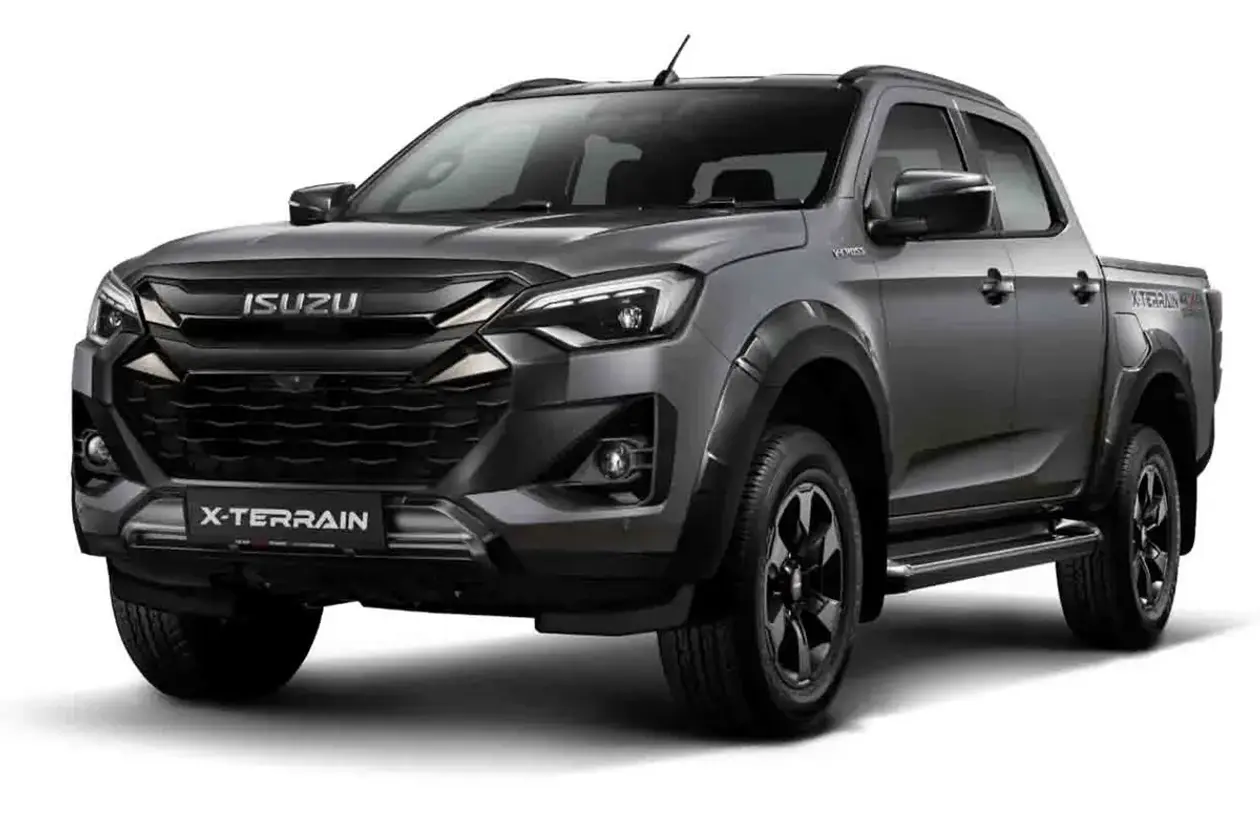
The D-Max is powered by the 2.2L RZ4F-TC turbodiesel lump producing 161 hp and 400 N·m, with full torque available across 1,600 to 2,400 rpm, paired with an 8-speed AT. Meanwhile, the Triton's 2.4L 4N16 delivers 179 hp and 430 N·m, reaching its peak at 2,250 rpm via a 6-speed AT. That gives the Triton an extra 18 hp and 30 N·m, courtesy of a 278 cc larger displacement.
Driving unladen or crawling in stop-and-go city traffic, you will barely feel this 30 N·m gap. The real disparity surfaces under full load: a loaded cargo bed, a full cabin of passengers, and a steep hill climb ahead. The Triton holds onto a higher gear for longer before kicking down, whereas the D-Max might drop a gear earlier to hunt for revs.
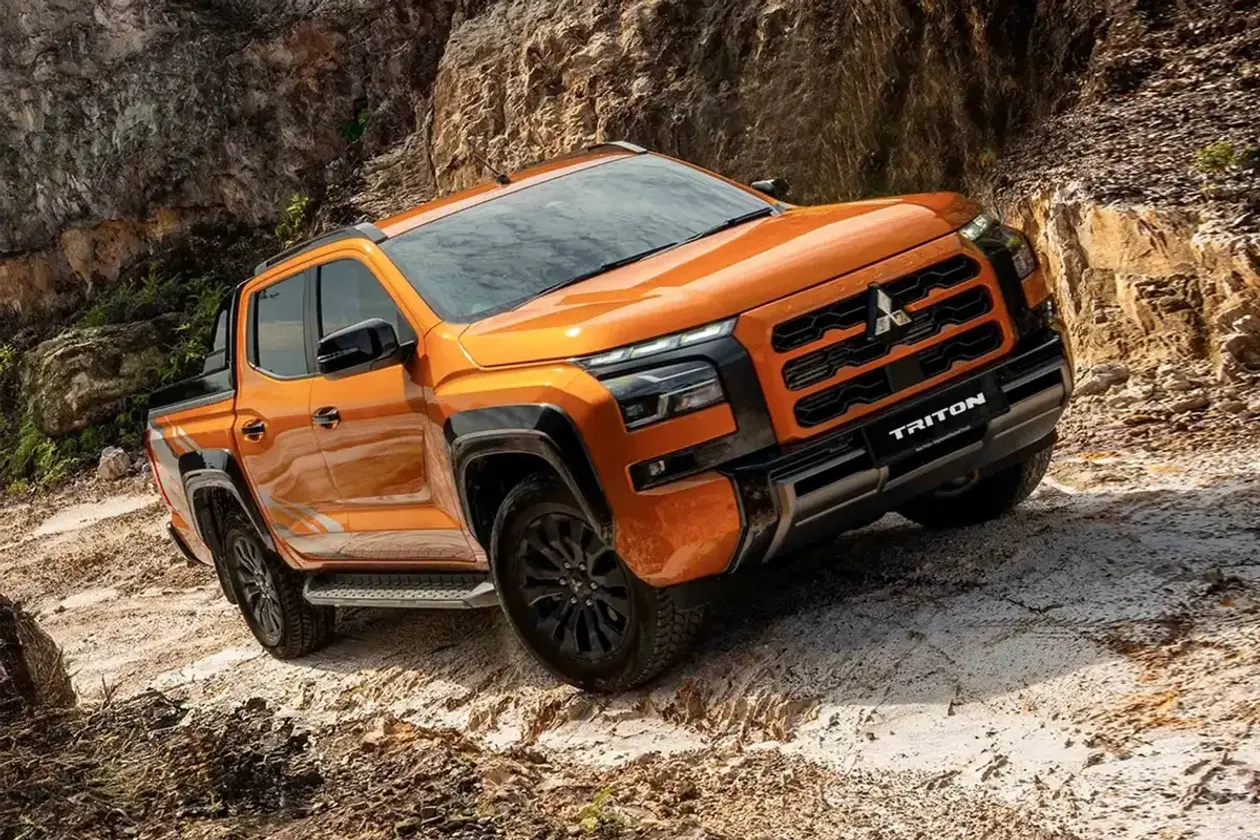
For contractors and site operators frequently tackling estate trails, construction grounds, or heavy haulage, that extra 30 N·m pays dividends on every trip with fewer gear-hunting downshifts and less engine strain.
Beyond fuel efficiency, the D-Max's 8-speed automatic gearbox significantly aids NVH. With eight closely spaced ratios, the 7th and 8th cogs serve as tall overdrive gears specifically engineered to lower cruising revs. Cruising on the PLUS Highway, the D-Max runs at lower rpm, keeping cabin noise appreciably lower.
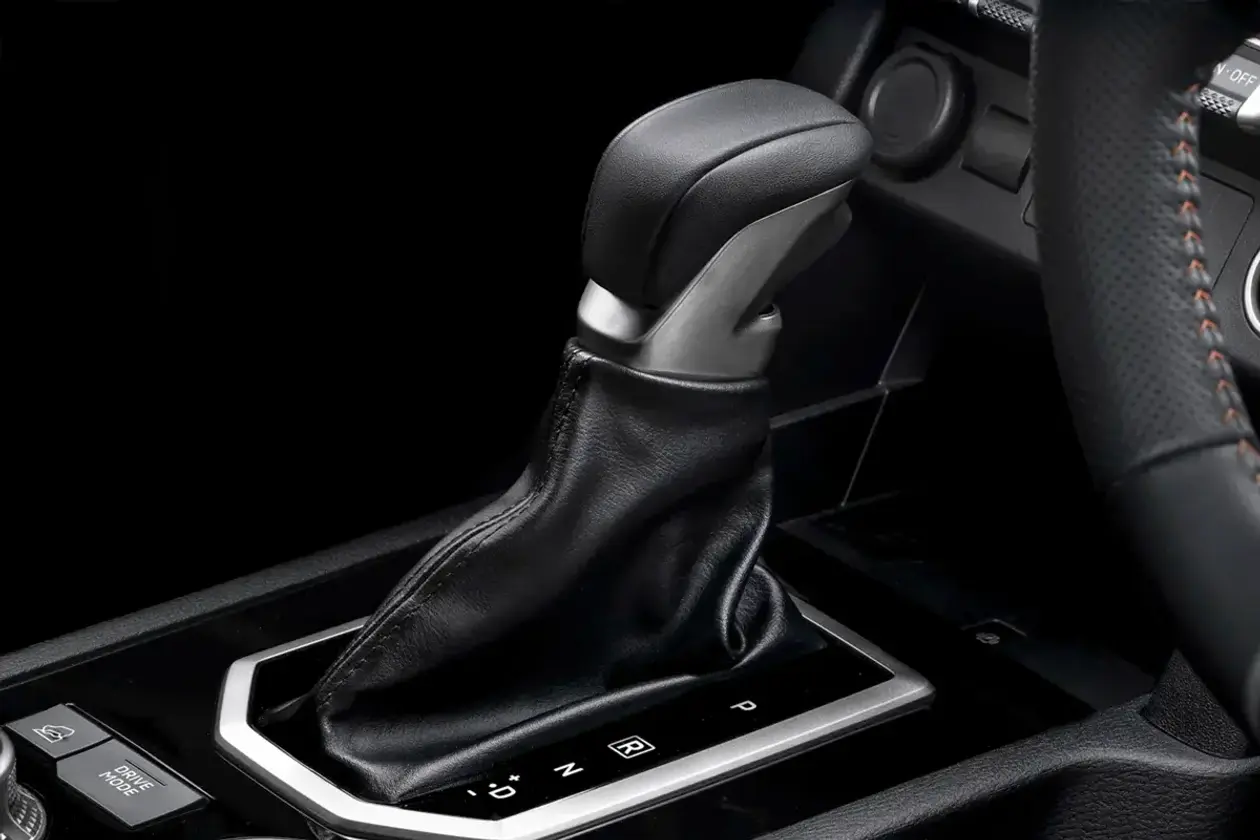
The Triton's 6-speed AT paired with the 4N16 is a time-tested, dependable setup with little to fault daily. However, with fewer gears and wider steps, cruising revs are naturally higher. The more long-distance highway mileage you clock monthly, the more fuel and peace of mind the D-Max's 8AT will save you.
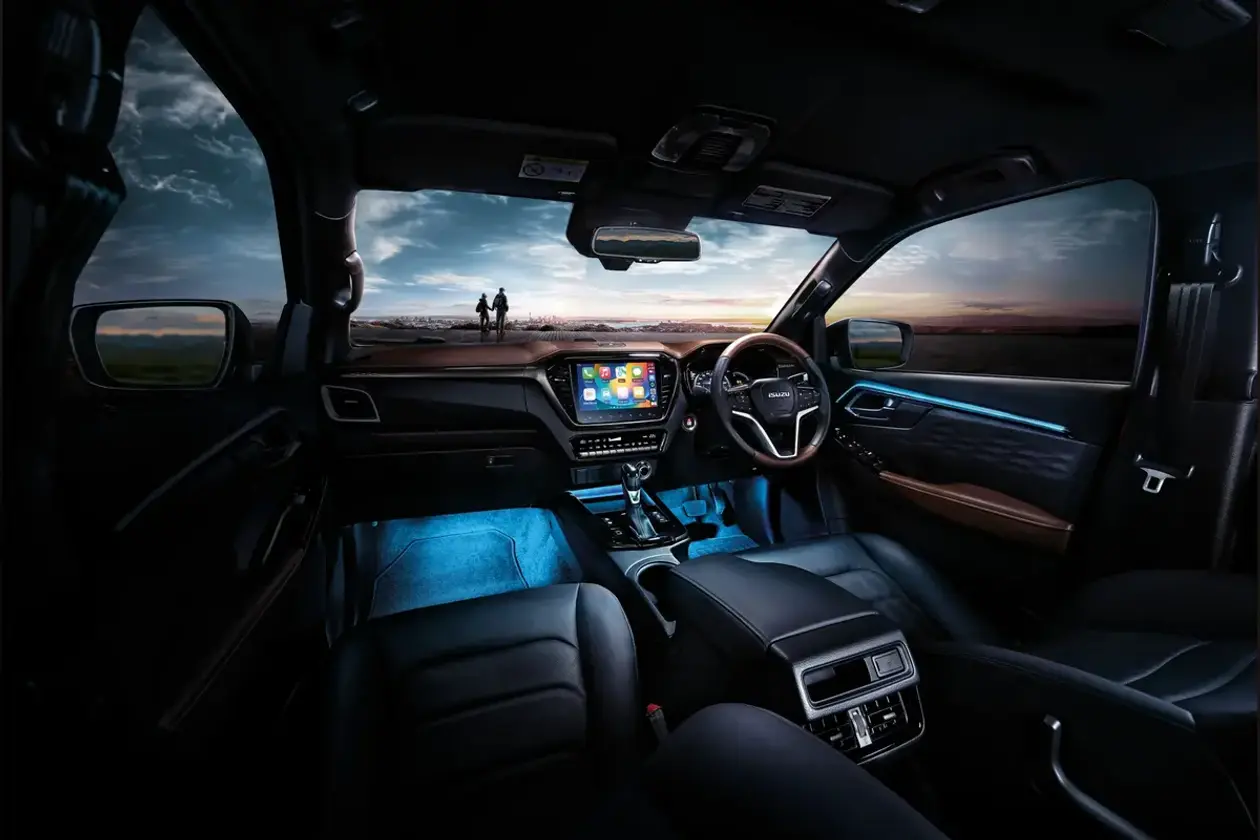
The D-Max Standard AT comes equipped with just 2 airbags (driver and front passenger). The Triton GL AT offers 3 (driver, front passenger, and a driver's knee airbag).
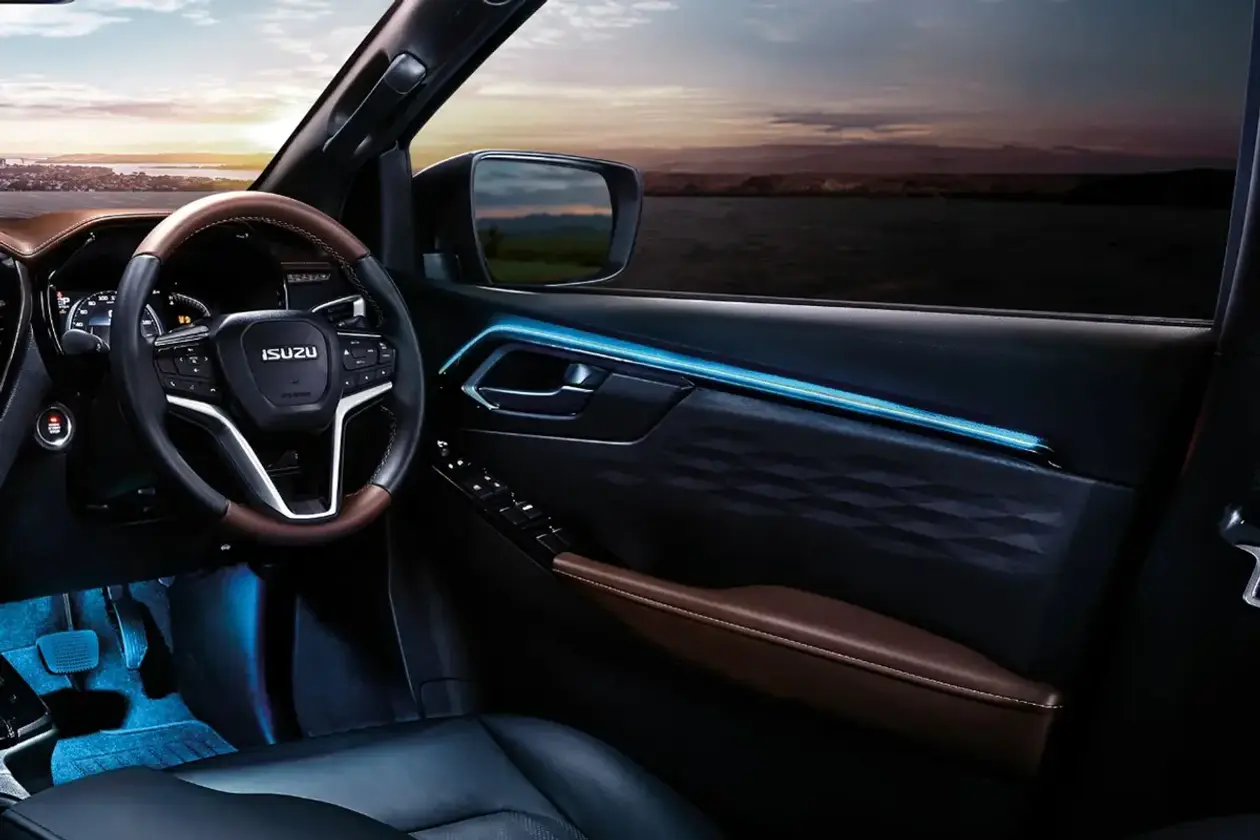
A knee airbag is definitely welcome to safeguard the driver's lower limbs. However, if your double-cab regularly ferried crew or family in the back, side curtain airbags to cushion head and torso strikes during a side impact are missing from both spec sheets.
The Triton having one extra airbag is a plus on paper, but it does not address the lack of rear passenger side protection.
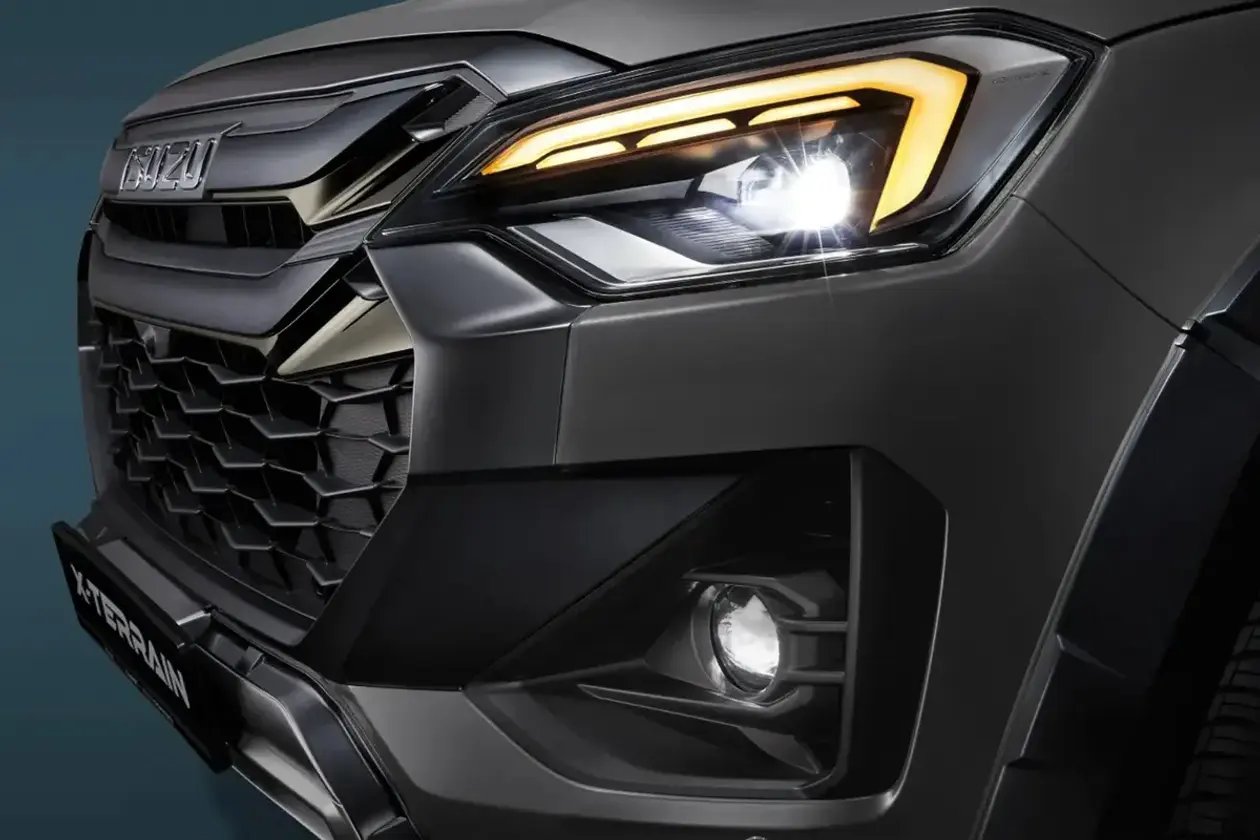
The D-Max provides a 5-year or 150,000 km factory warranty, whereas the Triton comes with a 5-year unlimited mileage package. If you rack up 30,000 to 40,000 km annually on heavy commercial duties, the Triton's unlimited mileage coverage offers superior peace of mind. If you clock under 20,000 km a year, both warranties will essentially cover you throughout the 5-year tenure with minimal practical difference.
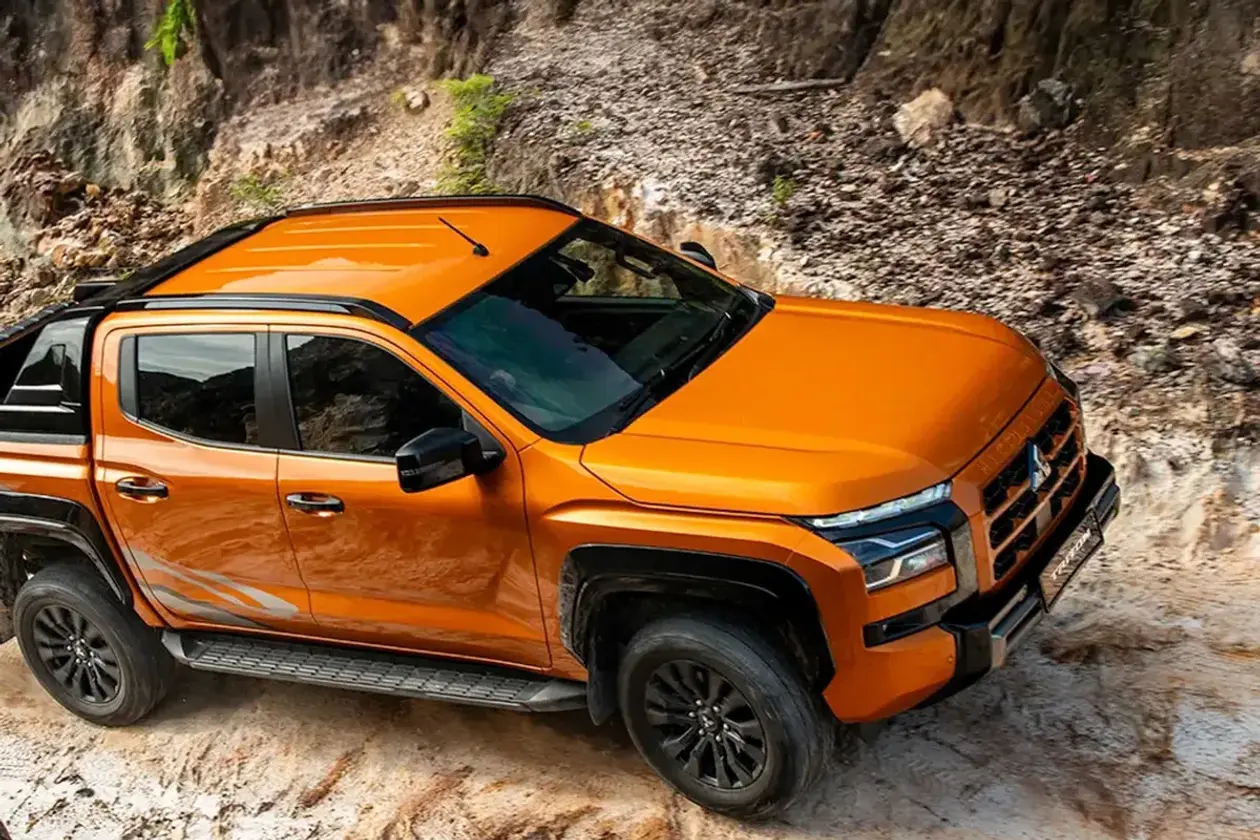
Road tax paints the opposite picture. The D-Max costs RM571 per year, while the Triton sits at RM794 annually—a difference of RM223. This is a recurring yearly overhead, handing the D-Max an immediate advantage in long-term operating costs. It is not an astronomical saving, but a guaranteed one.
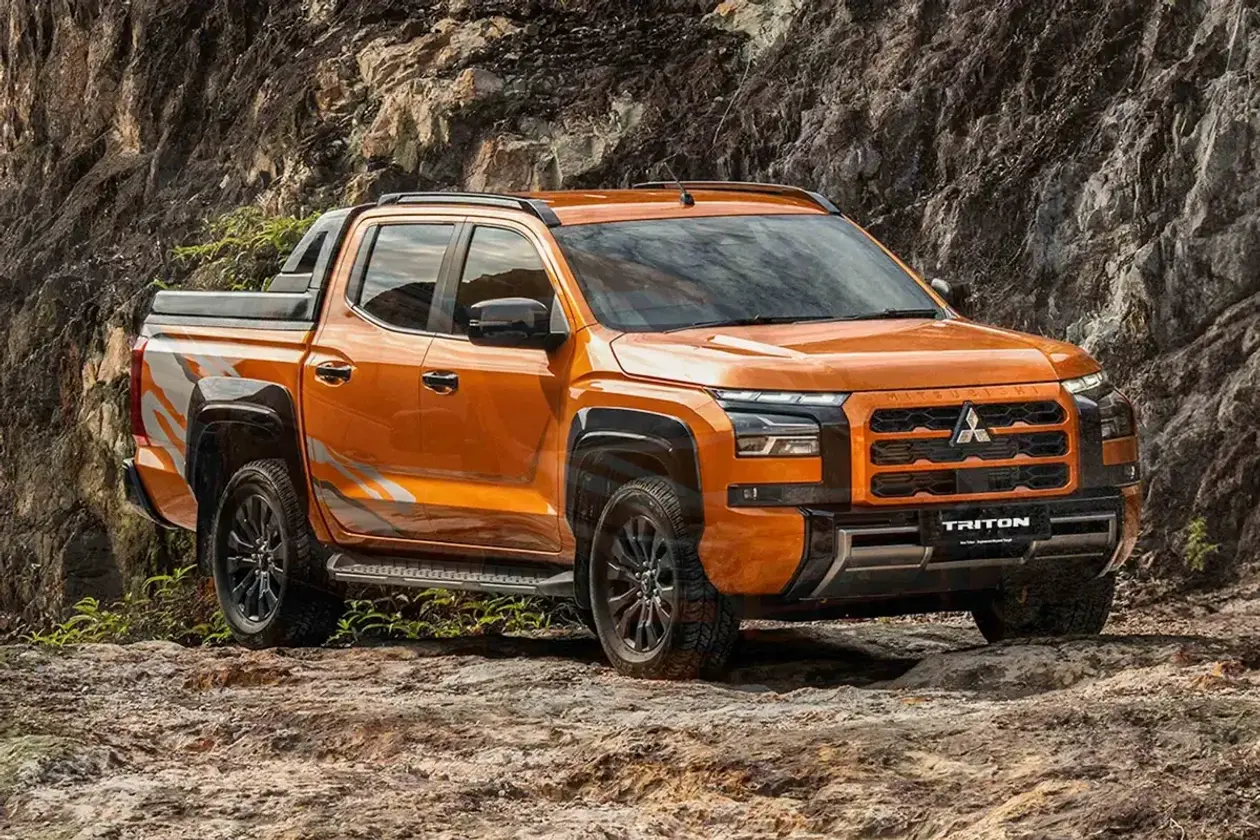
In the local used truck market, the Triton commands immense buyer enquiry; used units change hands swiftly with strong commercial demand.
The D-Max holds its residual value just as respectably, but buyers tend to scrutinise overall vehicle condition, mileage, and service records more closely—lacking that "buy-on-reputation" momentum the Triton enjoys.
Simply put, the Triton sells on market liquidity, while the D-Max sells on proven vehicle upkeep.
At this baseline entry point, neither model markets "towering ground clearance" as its calling card.
Both cope effortlessly with broken roads, access tracks, and muddy paths after tropical downpours, but neither is built for hard-core rock crawling in factory-stock trim. It is the same story in the rear bench: the new Triton no longer reclines like its predecessor, and the D-Max has always adopted a more upright stance. In terms of seat comfort, the real-world difference is far less pronounced than forum lore suggests.
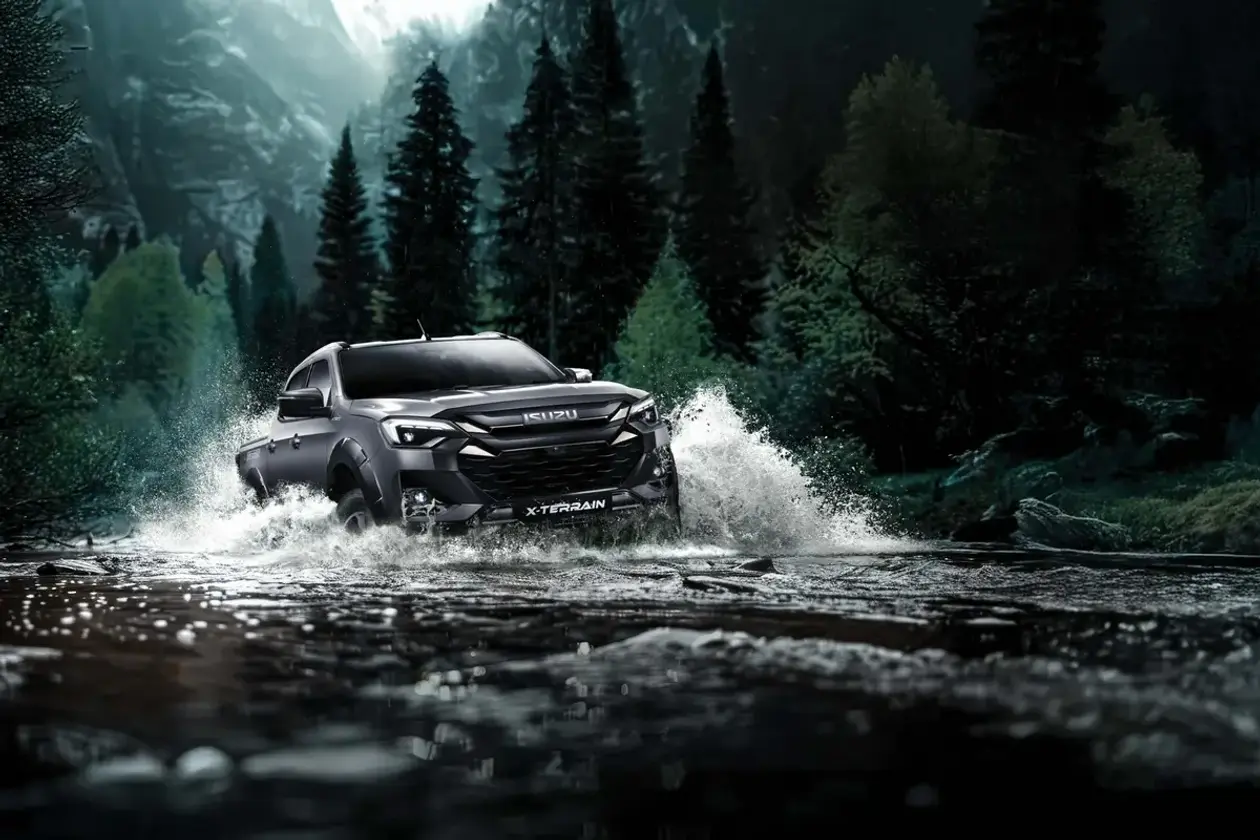
If you log heavy outstation highway miles, place a premium on fuel efficiency and low NVH levels, and want a truck that drives closer to a modern passenger car, the D-Max and its 8-speed transmission are spot-on.
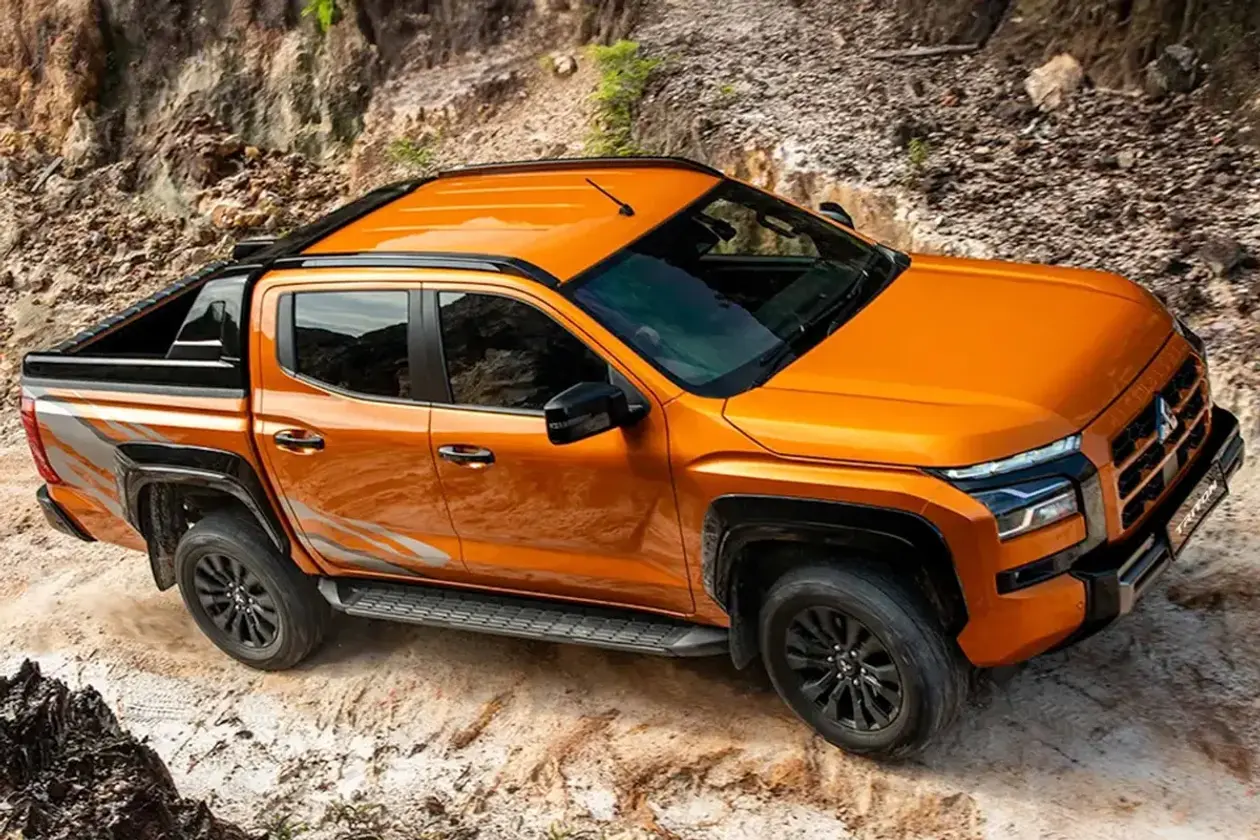
If you routinely run heavy payloads, handle demanding commercial jobs, and need robust pulling reserves backed by an unlimited mileage warranty safety net, the Triton's extra 30 N·m and warranty backing are harder to beat.
Neither offers a full passive safety suite: the Triton gains a knee airbag, while the D-Max sticks to the bare basics. There is no outright victor here—only a choice of priorities.
| Specification | Isuzu D-Max 2.2L 4×4 Standard AT | Mitsubishi Triton 2.4 GL AT 4×4 |
|---|---|---|
| On-the-Road Price without Insurance (Peninsular Malaysia) | RM122,171 | RM116,980 |
| Assembly | CBU | CKD |
| Engine | 2.2L RZ4F-TC Turbodiesel | 2.4L 4N16 Turbodiesel |
| Engine Capacity | 2,164 cc | 2,442 cc |
| Maximum Output | 161 hp | 179 hp |
| Peak Torque | 400 N·m | 430 N·m |
| Transmission | 8-speed Automatic | 6-speed Automatic |
| Drivetrain | 4WD | 4WD |
| Airbags | 2 (Driver, Front Passenger) | 3 (Driver, Front Passenger, Driver's Knee) |
| Curtain Airbags | None | None |
| Fuel Tank Capacity | 76 L | 75 L |
| Wheelbase | 3,125 mm | 3,130 mm |
| Overall Width | 1,870 mm | 1,865 mm |
| Annual Road Tax (Peninsular Malaysia Private) | RM571 | RM794 |
| Warranty | 5 Years / 150,000 km | 5 Years / 200,000 km |


Your go-to source for all things automotive in Malaysia. 🚗 Latest reviews, breaking news, launches & industry trends.
+ Follow Locally assembled (CKD) GWM ORA 5 Hi2 HEV from Pegoh, Melaka. Estimated under RM115k the wait is almost over!
#GWMMalaysia #GWMORA5 #ORA5Hi2HEV #GWM #BitAutoM #CarNewsMalaysia #AutomotiveMY #CKDMalaysia #HybridSUV 1 minute ago
 He helps develop Toyota’s GR cars. He coaches Morizo. And he has surprisingly firm opinions about how an Alphard should look. 👀
When Masahiro Sasaki couldn’t find aero parts that suited his taste, he decided to make his own.
We caught up with Sasaki at SC Custom in Setapak to talk GROW’s Malaysian arrival, what he learns from Morizo, and the enthusiast behind the development driver.
#GROWdesign #GR #Toyota #gazooracing #winghin 1 minute ago
 YangWang U9 - vying to be world's fastest car - crashes, but look at that safety cell that kept the driver safe!
#yangwang #u9extreme 1 minute ago
Get the latest car news first!
Your go-to source for all things automotive in Malaysia. 🚗 Latest reviews, breaking news, launches & industry trends.
Locally assembled (CKD) GWM ORA 5 Hi2 HEV from Pegoh, Melaka. Estimated under RM115k the wait is almost over!
#GWMMalaysia #GWMORA5 #ORA5Hi2HEV #GWM #BitAutoM #CarNewsMalaysia #AutomotiveMY #CKDMalaysia #HybridSUV 1 minute ago He helps develop Toyota’s GR cars. He coaches Morizo. And he has surprisingly firm opinions about how an Alphard should look. 👀
When Masahiro Sasaki couldn’t find aero parts that suited his taste, he decided to make his own.
We caught up with Sasaki at SC Custom in Setapak to talk GROW’s Malaysian arrival, what he learns from Morizo, and the enthusiast behind the development driver.
#GROWdesign #GR #Toyota #gazooracing #winghin 1 minute ago YangWang U9 - vying to be world's fastest car - crashes, but look at that safety cell that kept the driver safe!
#yangwang #u9extreme 1 minute ago 
© 2024 Bitauto.com. All Rights Reserved.
Bitauto (www.yiche.com and www.bitauto.com) is one of the most visited automotive websites in China. We provide detailed info on Chinese car brands available in your area. Please note that the information provided on this website is based on publicly available data and is for reference only. It may not be fully updated or accurate at all times.

Help us improve our website


