In the 2026 Malaysian automotive market, consumers are faced with an unprecedentedly complex choice. While national makes Perodua and Proton still dominate sales, electric vehicles (EVs) are penetrating the market at a rapid pace.
The Proton eMas 5 registered 2,071 deliveries in March alone, while sales for BYD and Tesla continue to climb.
Petrol, hybrid, or EV—which option is the most cost-effective over a five-year ownership cycle?
There is no one-size-fits-all answer. With differences in driving habits, living arrangements, and annual mileage, everyone's math will vary. However, we can break down the individual costs to help you find the best fit.
This is where the gap between the three powertrains is widest.
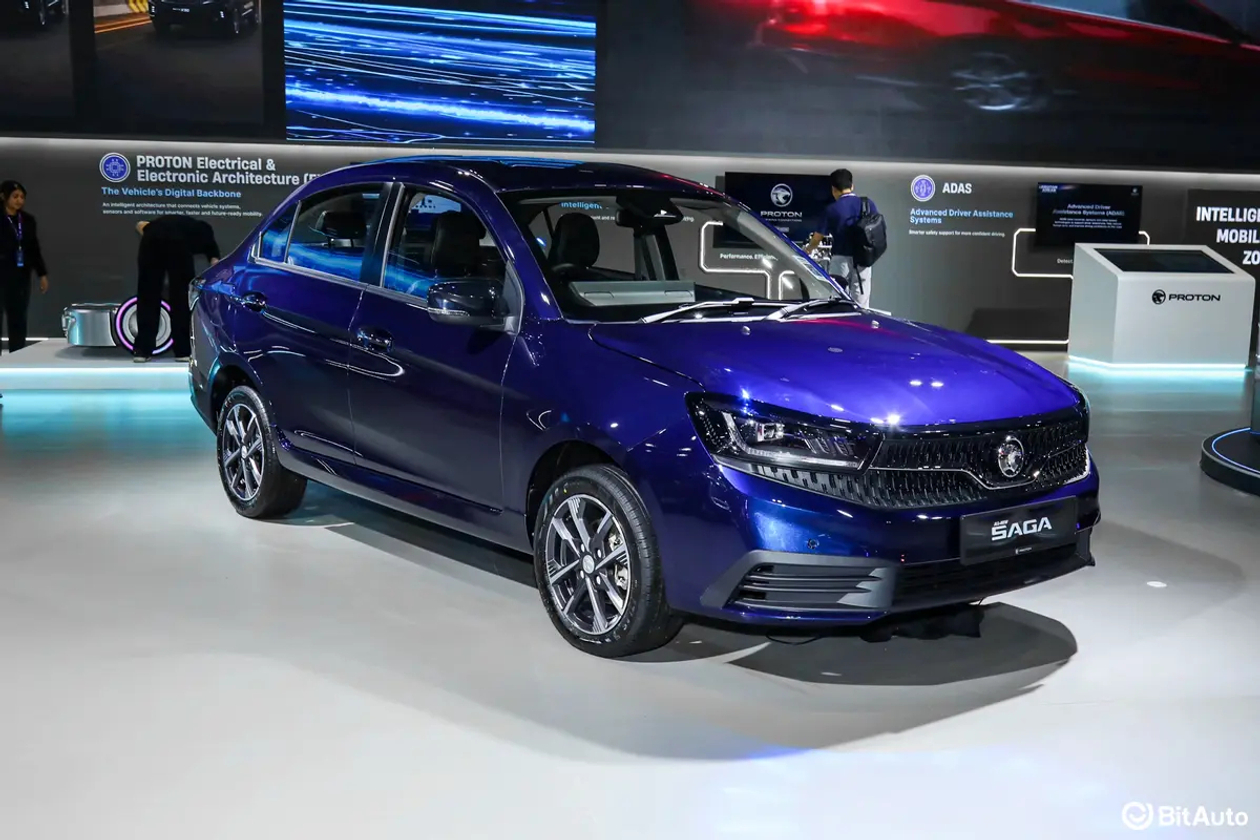
For a standard 1.5L petrol car, routine servicing over five years costs roughly between RM3,500 and RM4,500. This involves periodic changes of engine oil, oil filters, spark plugs, timing belts, and transmission fluid. Taking the Perodua Myvi as an example, the five-year servicing bill exceeds RM3,000.
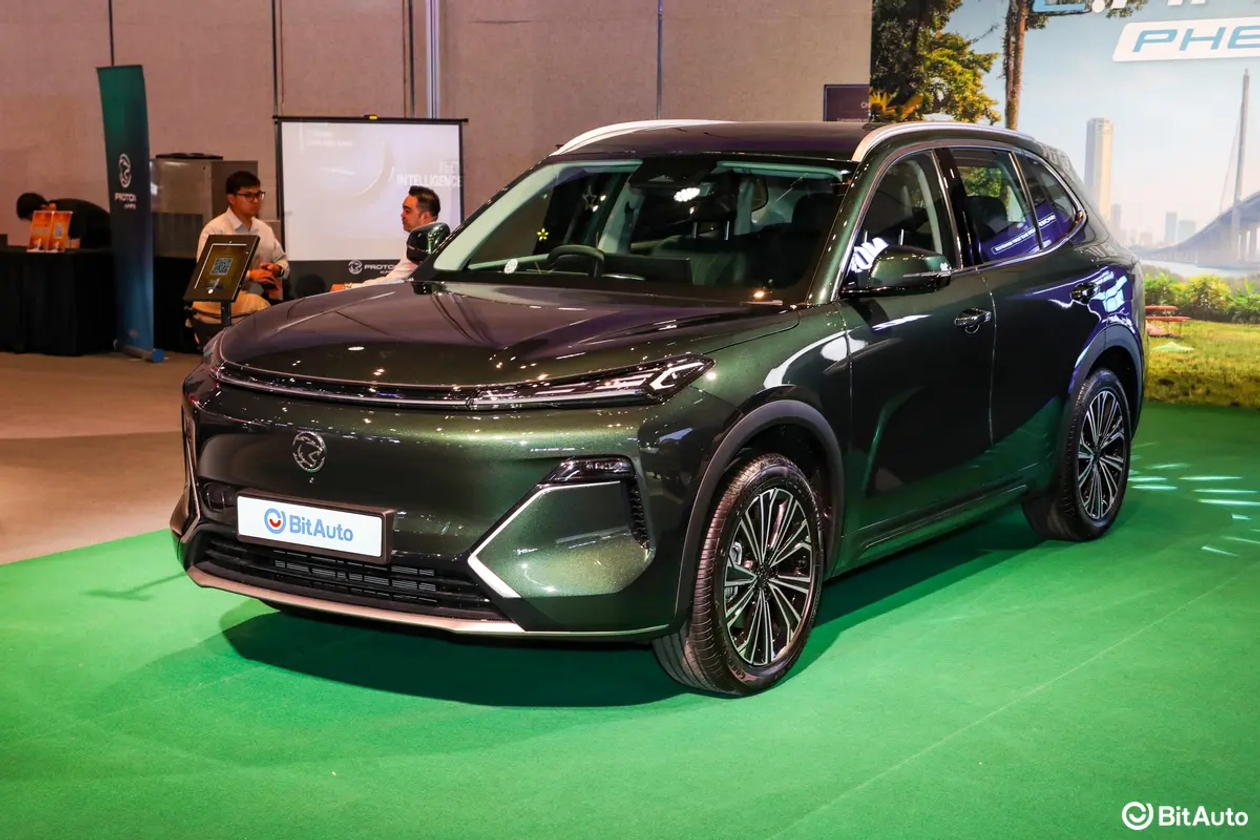
Hybrids are slightly more complex. With both an internal combustion engine (ICE) and an electric motor, their maintenance schedules cover all standard petrol car items, plus hybrid system diagnostics. The five-year servicing cost hovers between RM4,000 and RM5,000.
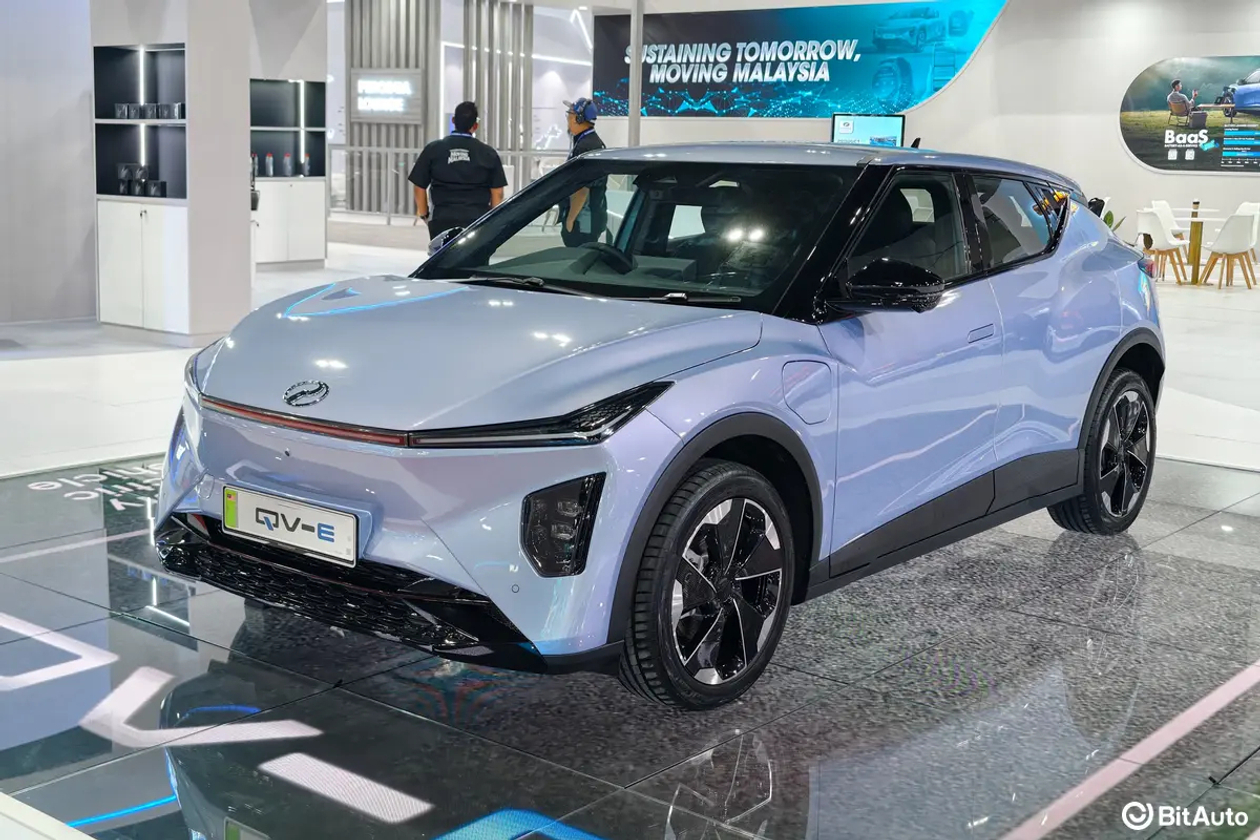
EVs, on the other hand, are a different story.
No engine means no engine oil changes; the lack of a traditional gearbox eliminates transmission fluid changes, and there are no wear-and-tear items like timing belts or spark plugs. Thus, five-year servicing costs can be as low as RM1,500 to RM2,500.
The Proton eMas 5, for instance, costs only about RM1,250 over five years, requiring just one service visit annually.
In terms of maintenance alone, an EV saves you RM2,000 to RM3,000 over five years compared to a petrol car, and even more when stacked against a hybrid.
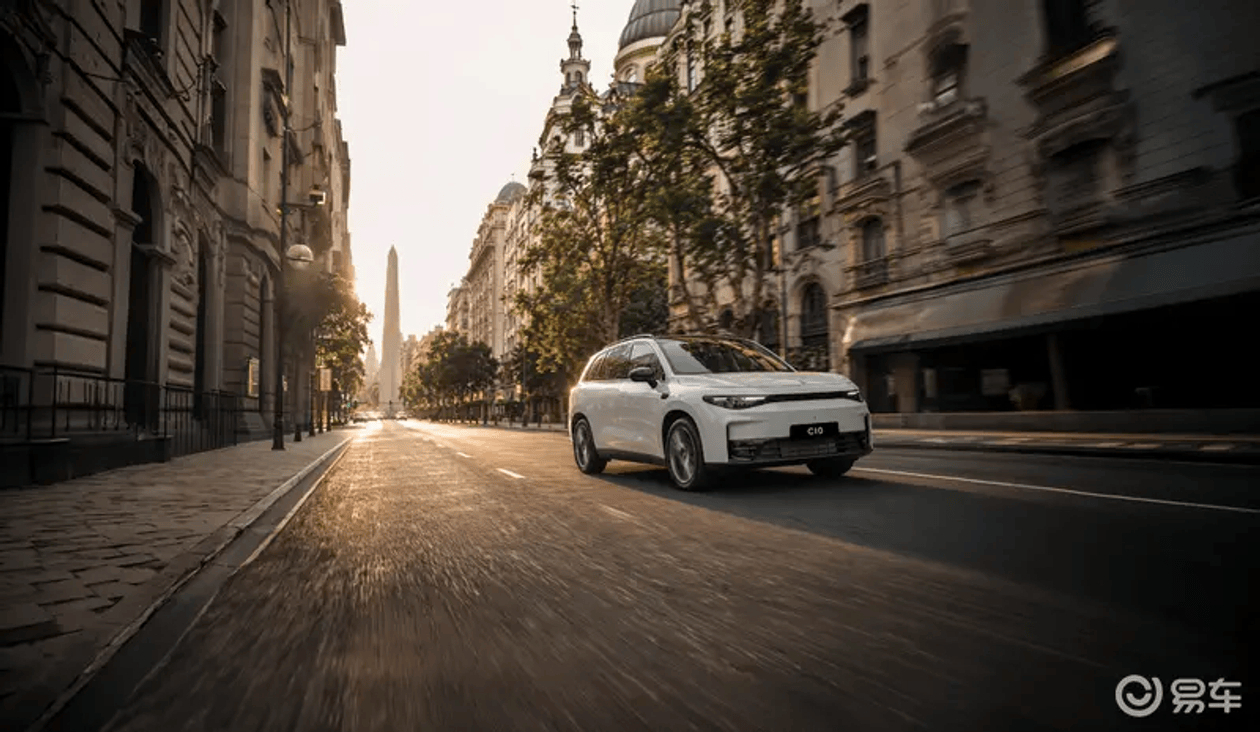
As of 1 January 2026, the road tax exemption for EVs has officially ended. The new tax structure is calculated based on motor output (kW) rather than engine capacity (cc).
Annual road tax for mainstream EVs ranges between RM40 and RM280, which is up to 85% cheaper than equivalent petrol models.
For context, the annual road tax for a BYD Dolphin (70 kW) is just RM40, a BYD Atto 3 (150 kW) is RM160, and a Tesla Model 3 (208 kW) is RM280.
Hybrids are taxed similarly to petrol cars, based on engine displacement. The annual road tax for a 1.5L hybrid or plug-in hybrid (PHEV) is about RM90. A 1.5L petrol car pays the same RM90, while a 1.8L petrol car costs RM279.
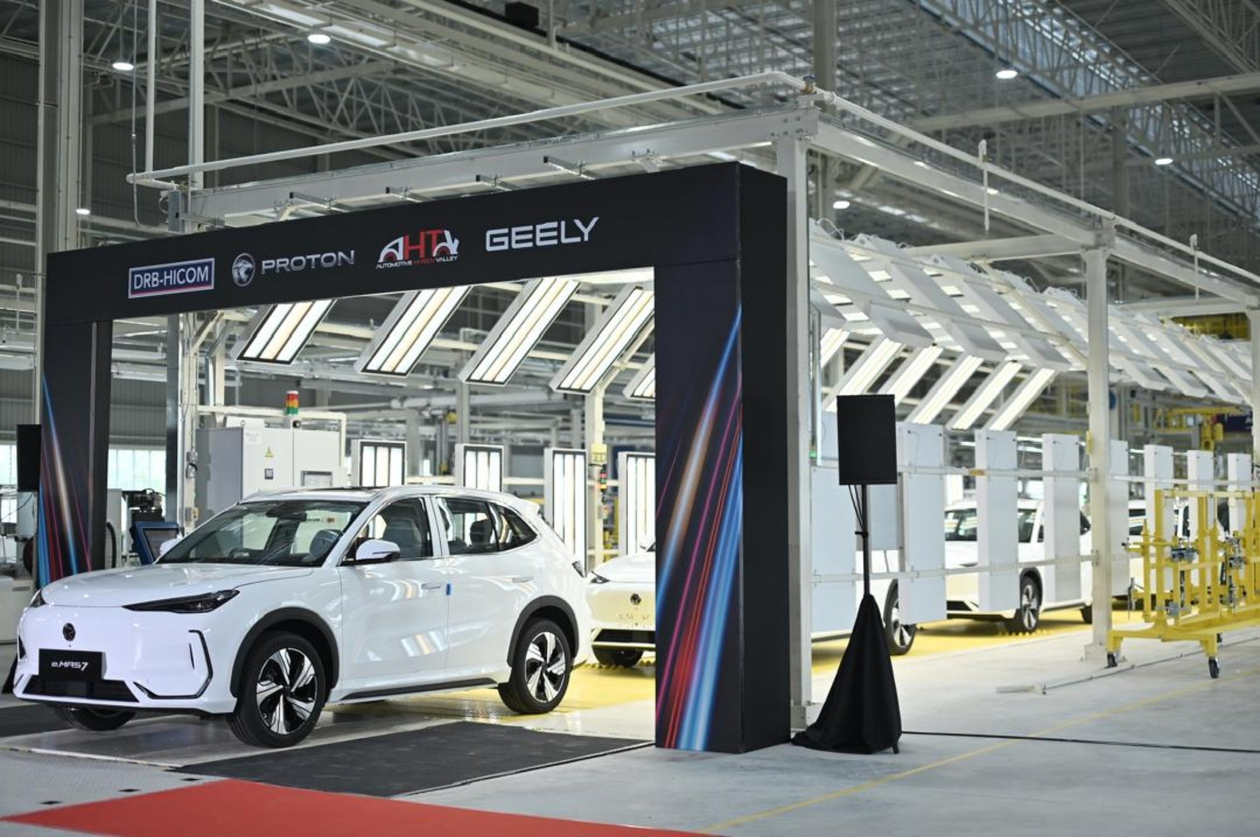
When it comes to insurance, EV premiums are typically 10% to 30% higher than those of equivalent petrol cars. The reasons are clear: battery replacement costs are astronomical (ranging from RM30,000 to over RM80,000), repairs require specialised tools and certified technicians, and parts are mostly imported.
However, insurers like Allianz have introduced packages like the EV EcoMiles low-mileage plan, which offers up to a 15% cash rebate for annual mileages under 10,000 km. Hybrid insurance rates remain closer to those of conventional petrol cars.
Based on an average annual mileage of 20,000 km:
A 1.5L petrol car with an average fuel consumption of 14 km/L, running on subsidised RON95 at RM1.99/litre, will cost around RM2,840 annually in fuel. Should the RON95 subsidy be removed and priced at a market rate of RM3.72/litre, the annual fuel bill would soar to RM5,310.
A hybrid, averaging 22 km/L in urban stop-and-go traffic, would cost around RM1,810 annually at RM1.99/litre—saving over RM1,000 compared to a petrol counterpart.
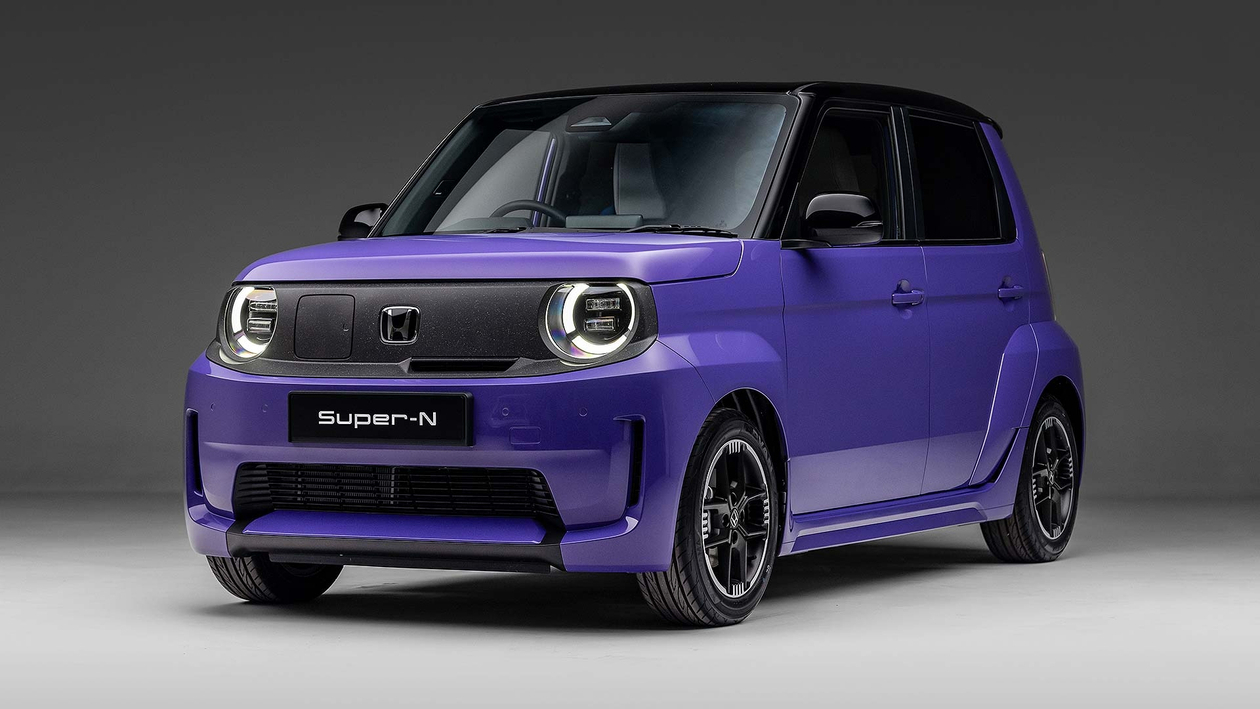
For EVs, home charging is the most cost-effective option. Under TNB's time-of-use tariff, charging during off-peak hours (10 PM - 2 PM) costs about 24.43 sen/kWh.
Based on a real-world energy consumption of 15.4 kWh/100km, the annual charging bill for 20,000 km is only about RM830. Even at standard residential tariffs, it is just around RM960.
Public DC fast charging is significantly pricier, ranging from RM1.20 to RM2.50/kWh, which could push the annual cost past RM3,600.
This is currently the most significant shortcoming of electric vehicles.
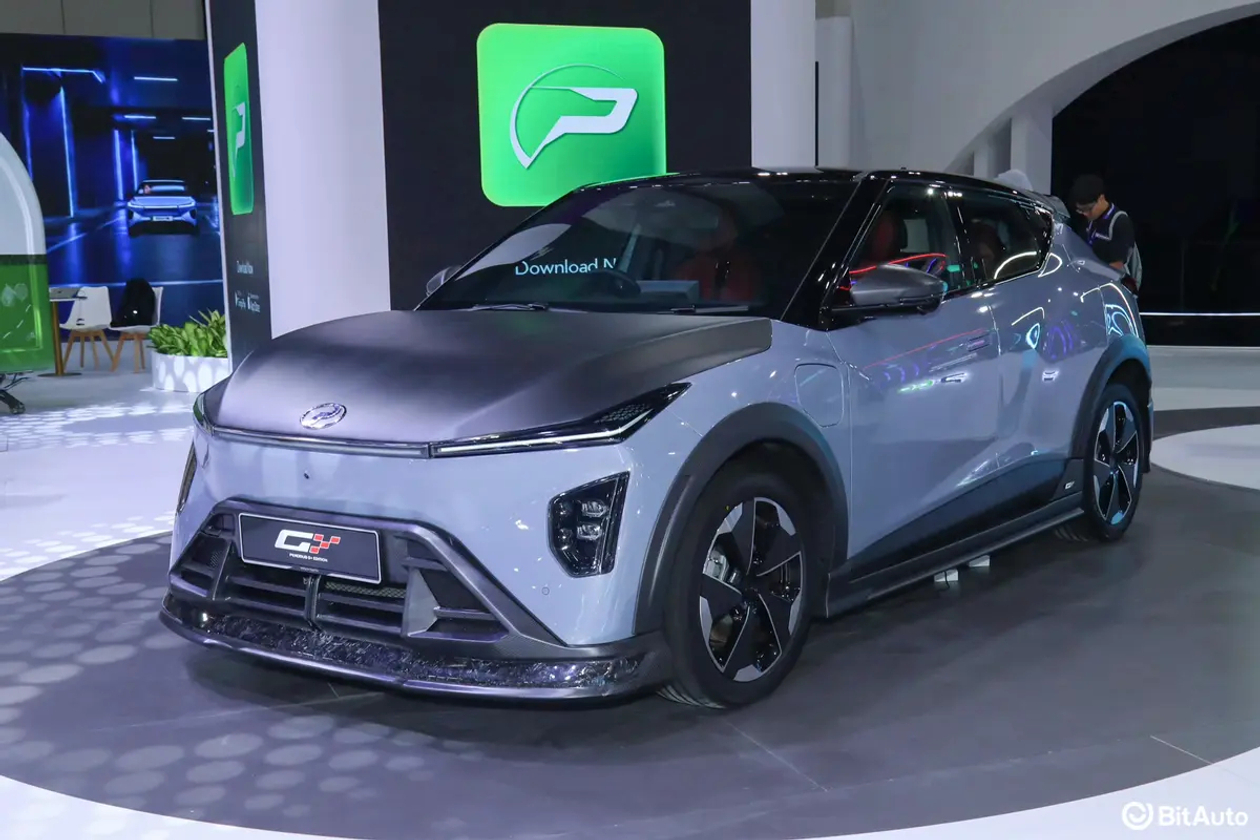
Typically, petrol cars in Malaysia depreciate by about 30% to 40% over three years, and 50% to 60% after five years. Highly sought-after brands like Perodua retain their value even better.
EVs face a completely different reality. Data shows that a certain EV model registered in 2022 currently commands a market value of only RM67,100, leaving its retention rate at just 42%.
Industry observations indicate that many EVs depreciate by 30% to 40% within three to five years. Furthermore, when manufacturers slash prices or launch updated models, the residual value of older models drops even faster.
Demand for used EVs remains weak, keeping resale values generally low. In the current market environment of continuous price cuts for new models, this depreciation issue is only set to worsen.
Based on a vehicle with a purchase price of RM100,000, here is the total cost of ownership (TCO) over five years:
Hybrids emerge as the most cost-effective option, with a five-year total cost of around RM48,855. Petrol cars follow closely at around RM50,370.
While EVs are the cheapest to run and maintain daily, their heavy depreciation results in a higher five-year total cost of about RM53,615.
Also based on a new car purchase price of RM100,000:
Hybrids remain the best option here, costing around RM49,760 over five years. Petrol cars come in at around RM51,790, while EVs cost about RM54,030.
The conclusion from both scenarios is clear.
Hybrids offer the lowest total cost of ownership (TCO) in both cases, balancing low running costs with relatively stable resale value.
Petrol cars stand out for their lower upfront cost, making them ideal for budget-conscious buyers with lower annual mileage.
Meanwhile, EVs offer the lowest daily running costs, but their steep depreciation virtually wipes out these savings. The exception is if you plan to keep the EV for 8 to 10 years until the battery warranty expires, or if you clock extremely high mileage (above 25,000 km annually) where fuel savings can offset the depreciation gap.
So, back to the ultimate question: which powertrain is the most economical? The answer depends on your ownership duration and annual mileage. There is no absolute right or wrong choice—only what fits your driving profile best.


Your go-to source for all things automotive in Malaysia. 🚗 Latest reviews, breaking news, launches & industry trends.
+ Follow This weekend is your chance to own a Volvo Selekt Certified Used Car, priced from just RM 148,000.
What are you waiting for?
#volvo 1 minute ago
This weekend is your chance to own a Volvo Selekt Certified Used Car, priced from just RM 148,000.
What are you waiting for?
#volvo 1 minute ago  We saw this accident this morning, and here’s a reminder to everyone: please drive safe. 2 days ago
  The G50 BMW 3 series is now here, adopting much of the i3's design elements.
So, where's the BMW M3?
#bmw #BMW3Series 4 days ago
The G50 BMW 3 series is now here, adopting much of the i3's design elements.
So, where's the BMW M3?
#bmw #BMW3Series 4 days ago Get the latest car news first!
Your go-to source for all things automotive in Malaysia. 🚗 Latest reviews, breaking news, launches & industry trends.
This weekend is your chance to own a Volvo Selekt Certified Used Car, priced from just RM 148,000.
What are you waiting for?
#volvo 1 minute ago We saw this accident this morning, and here’s a reminder to everyone: please drive safe. 2 days ago The G50 BMW 3 series is now here, adopting much of the i3's design elements.
So, where's the BMW M3?
#bmw #BMW3Series 4 days ago  ProtonGWMVolkswagenJAECOOVolvoPeroduaToyotaHondaTESLAMitsubishiMazdaJetourCheryBYDLexusBMWMercedes-BenziCAURZeekrIsuzuNissanLeapmotorPorscheFordOMODAMINIMGSuzukiXPengHyundaiWulingKiaSubaruDenzaGACLand RoverDongfengCAMAudiPeugeotFotonMAXUSsmartDaihatsuJACJMCMaseratiLotusAlfa RomeoRenaultGolden DragonKaiceneSeresLamborghiniFerrariJeepRolls-RoyceLepasAston MartinMcLarenChevroletBentleyFiatBAICForthingGeelyRoeweAeolusChanganARCFOXDeepalExeedHongqiVoyahJaguarKGMBuforiAcuraCadillacDodgeAbarthINEOSMHEROJMEVFreelander
© 2024 Bitauto.com. All Rights Reserved.
Bitauto (www.yiche.com and www.bitauto.com) is one of the most visited automotive websites in China. We provide detailed info on Chinese car brands available in your area. Please note that the information provided on this website is based on publicly available data and is for reference only. It may not be fully updated or accurate at all times.
Help us improve our website


