
Search History
Popular Searches
English
Dealer Login / Sign Up
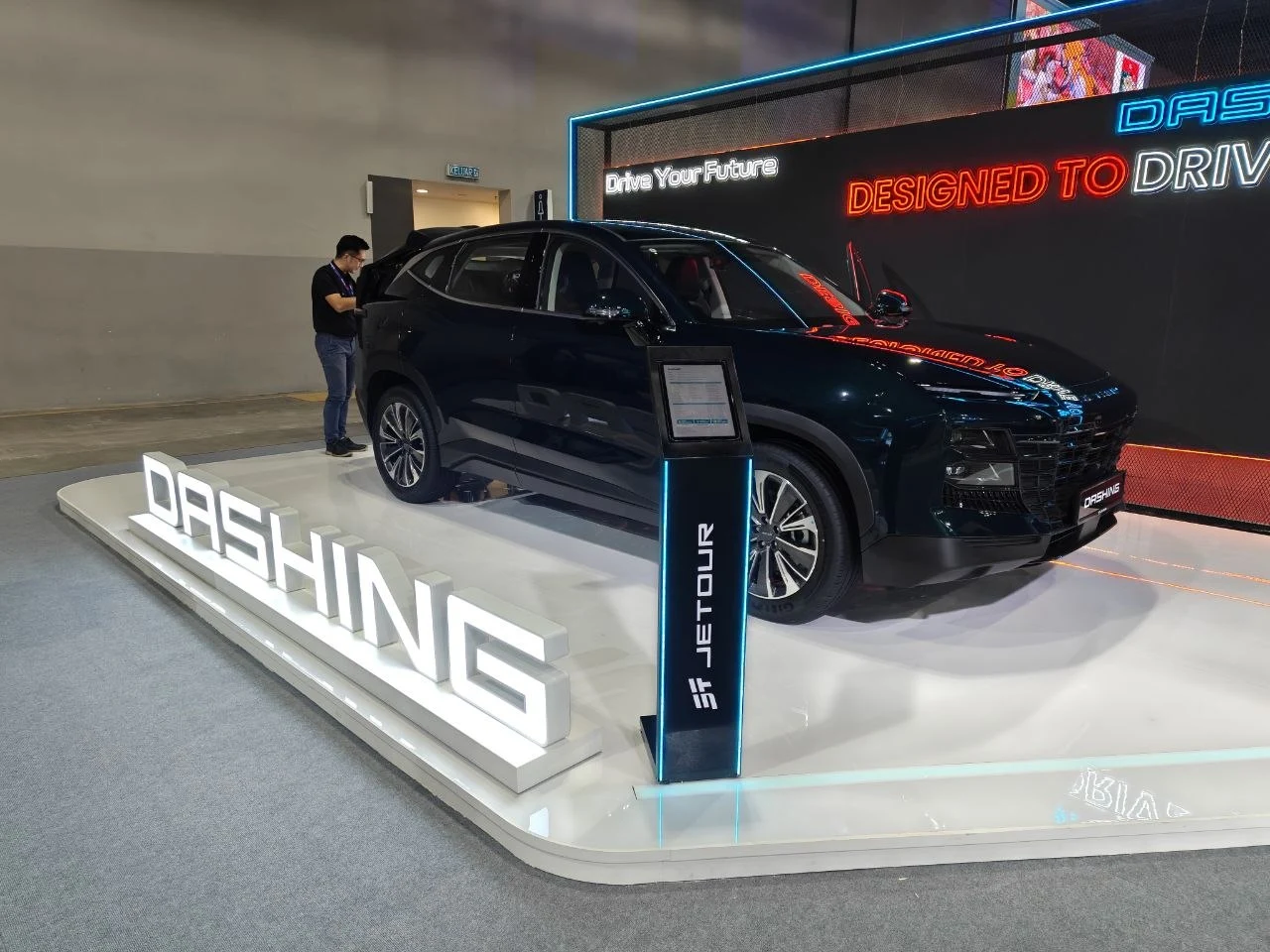
The Jetour Dashing arrives at KLIMS 2026 with a clear, if understated, mission. While the brand’s recent buzz has centred on the rugged T2 and the freshly debuted T1, the Dashing remains the lifestyle-oriented entry point in Jetour Malaysia’s listed range. It is the model tasked with introducing the brand’s bold design language to buyers who want an urban SUV silhouette without committing to the boxier, adventure-focused siblings. In a local line-up that now stretches from the seven-seat X70 to the off-road-styled T2, the Dashing carves out a distinct niche as the style-led city runabout.
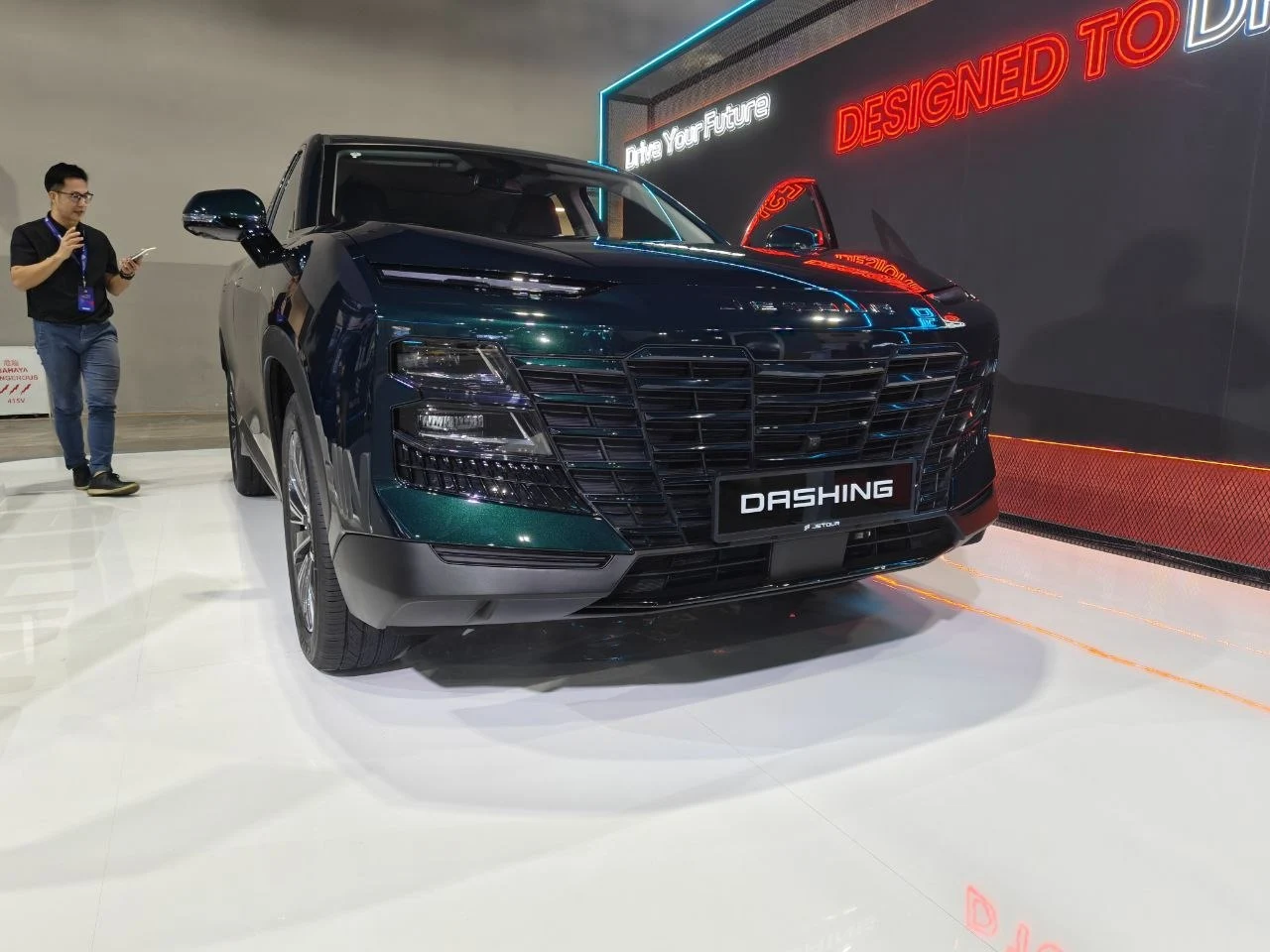
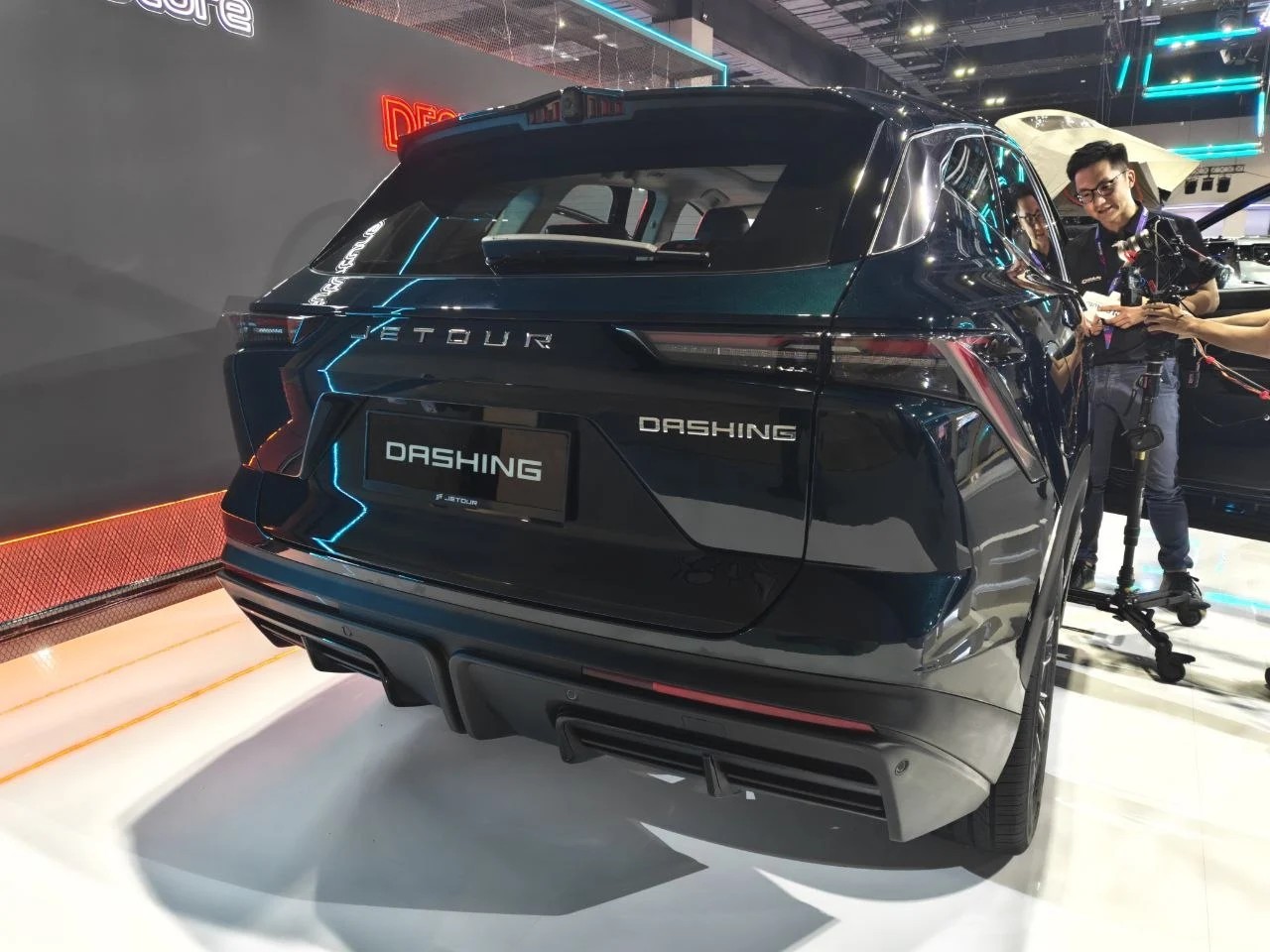
Jetour’s market identity revolves around value, bold design and a “travel+” lifestyle message, and the Dashing is arguably the purest expression of that formula for younger households or upgraders moving out of B-segment hatchbacks. Its exterior detailing and proportions aim to deliver a visual presence that belies its entry-level billing. This is a deliberate play in Malaysia’s congested entry-SUV space, where Proton, Perodua and Honda have long set the benchmarks for trust and resale value. The Dashing does not attempt to outmuscle them on heritage or badge equity; instead, it leans on perceived style and equipment generosity to tempt buyers who prioritise modern aesthetics and cabin technology.
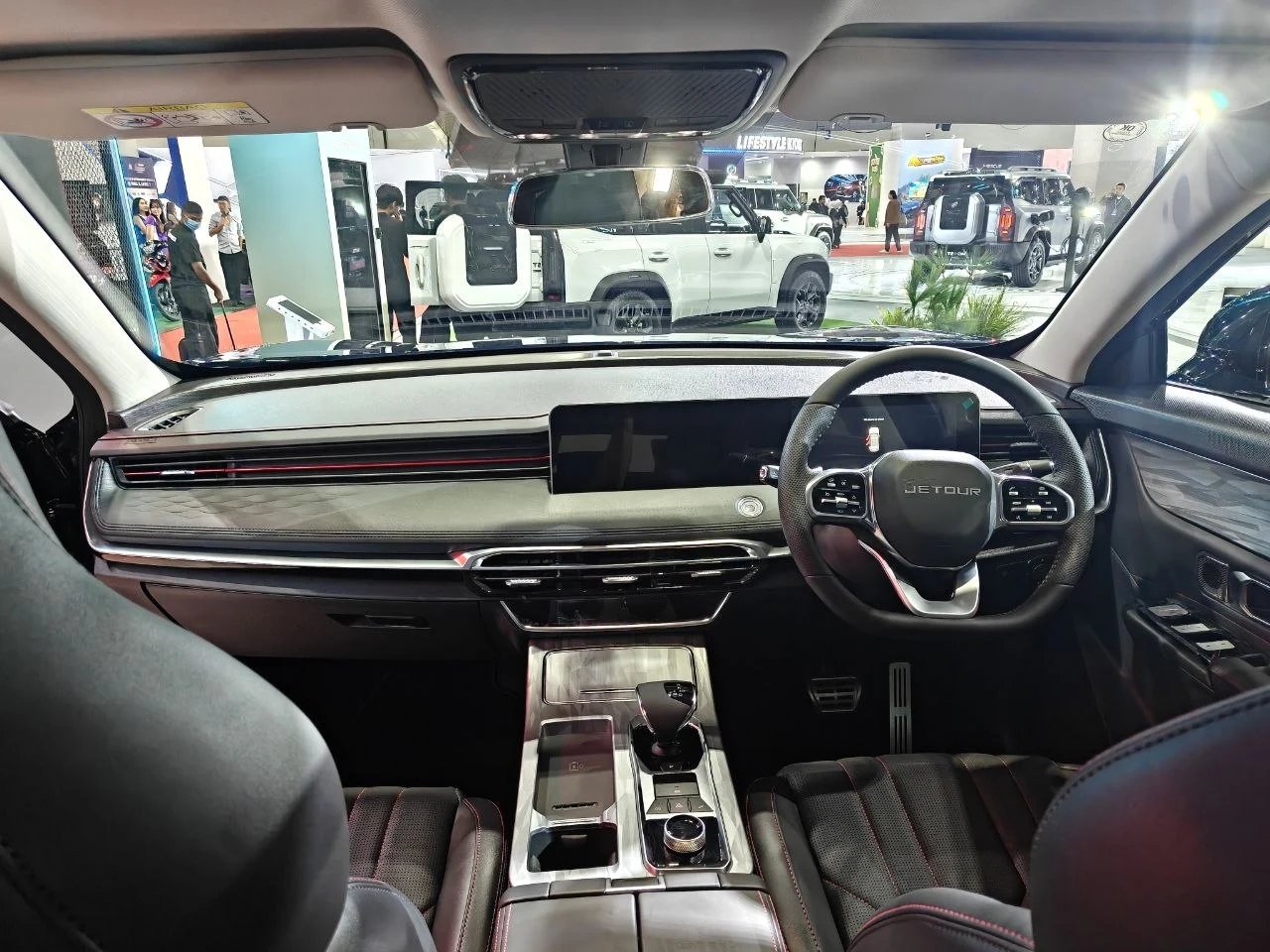
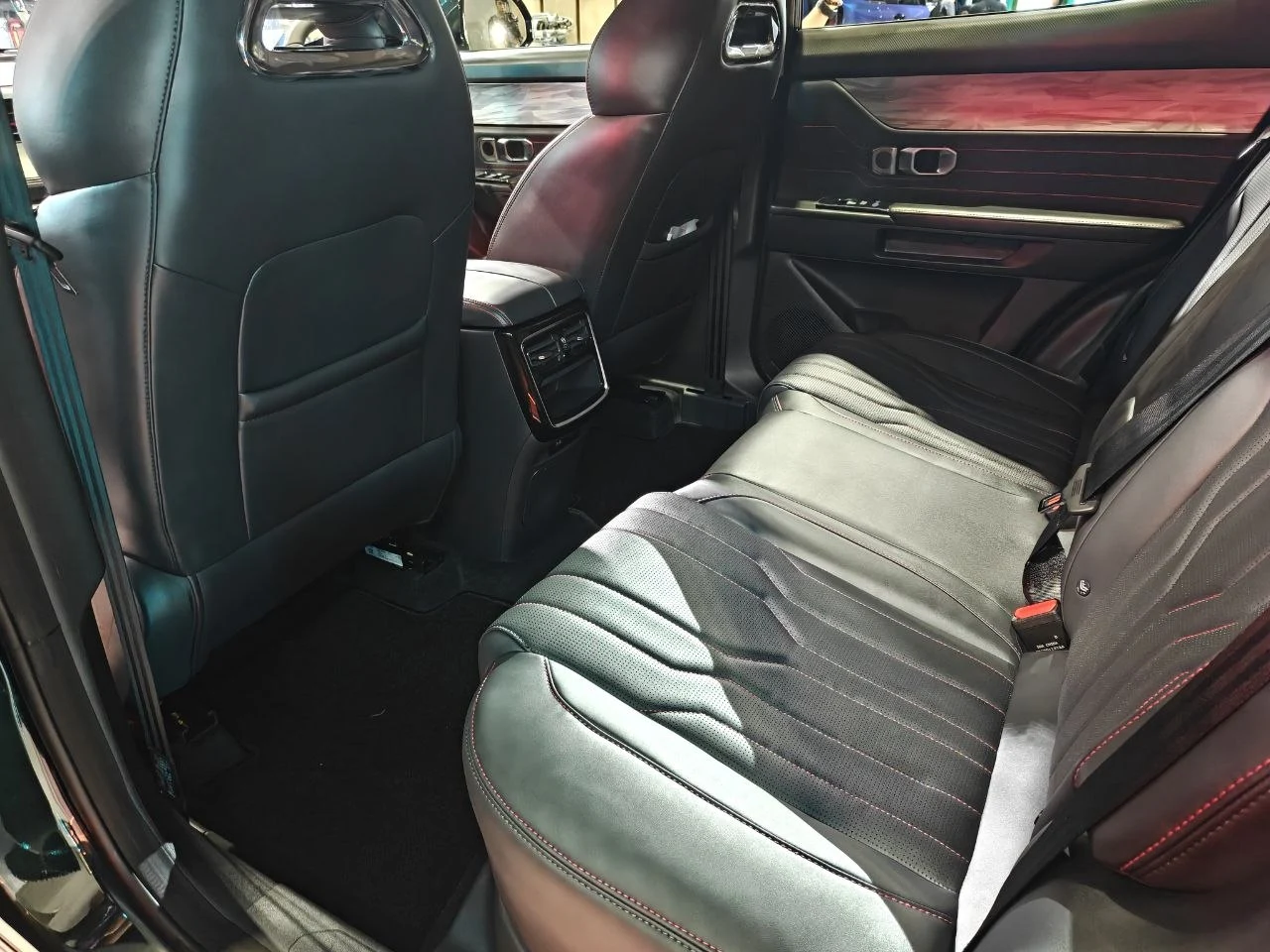
Amid the wave of electrified debuts at this year’s show, the Dashing is understood to stick with a conventional petrol engine. In 2026 Malaysia, where hybrid and battery-electric options are multiplying, a pure-petrol SUV might seem like a conservative bet, yet it remains a pragmatic one for buyers who still lack reliable home-charging infrastructure or simply prefer the familiarity of petrol servicing intervals. For Jetour, keeping the Dashing straightforward on the powertrain front also keeps the sales pitch uncomplicated: no charging curves to explain, no battery-leasing contracts to navigate, and no range-anxiety conversations to manage. That simplicity can be an asset when dealing with first-time SUV buyers who are already cautious about adopting a new brand.
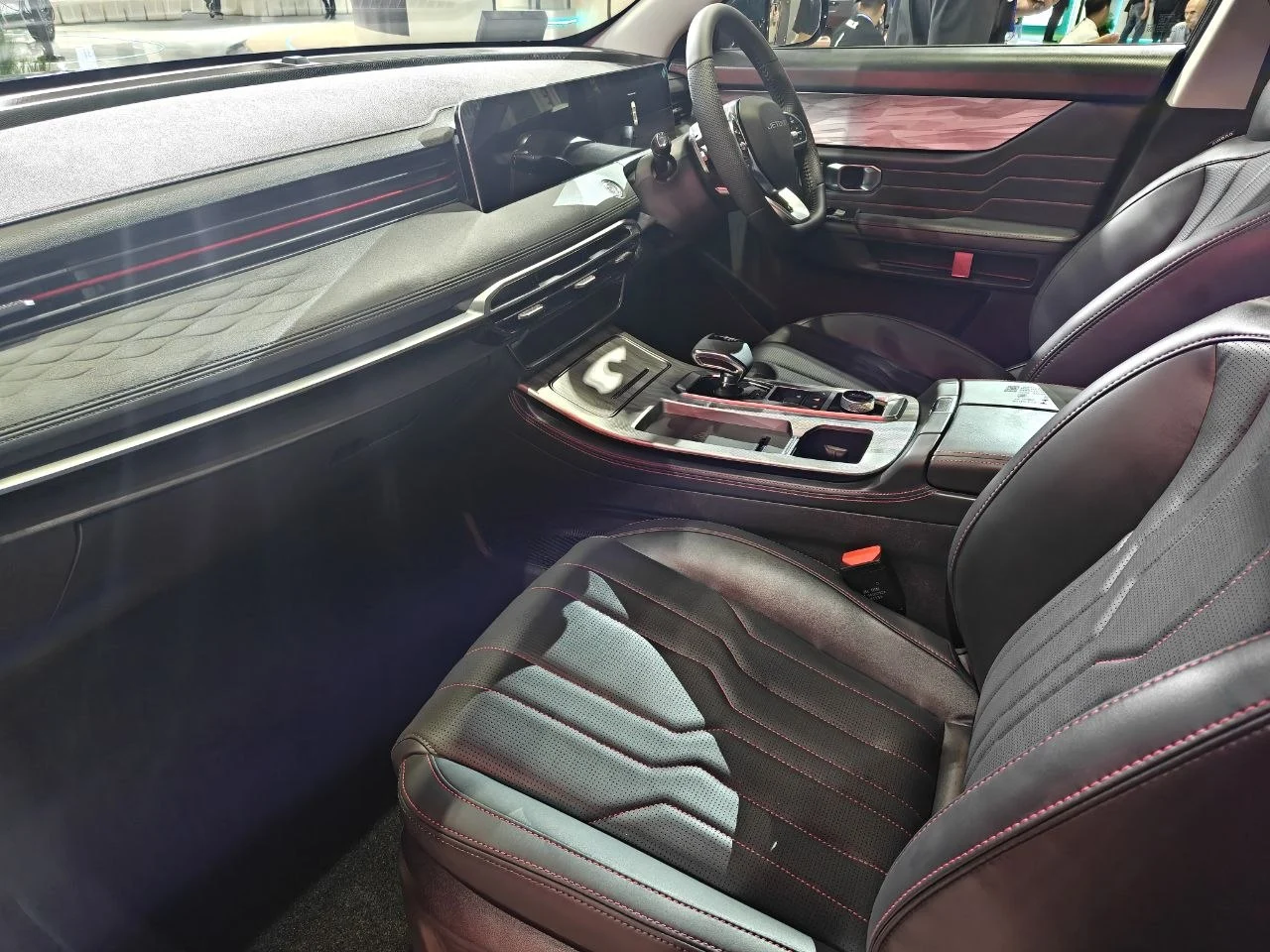
The most critical factor for the Dashing is not its alloy-wheel design or infotainment screen size, but the confidence of the buyer considering a purchase. Jetour is still building its name in Malaysia, and the Dashing will be scrutinised less for its sheet metal than for what happens after the deal is signed. New Chinese brands in this market face a universal hurdle: convincing owners that service, parts and warranty support will be consistently available. Jetour Auto Malaysia has responded with a public pledge to expand to 50 outlets and to establish a new headquarters equipped with a regional technical training centre. Those infrastructure commitments carry more weight than any showroom display, and for the Dashing to convert interest into signed order forms, prospective owners need tangible proof that aftersales coverage is shrinking the gap with entrenched Japanese and national marques.
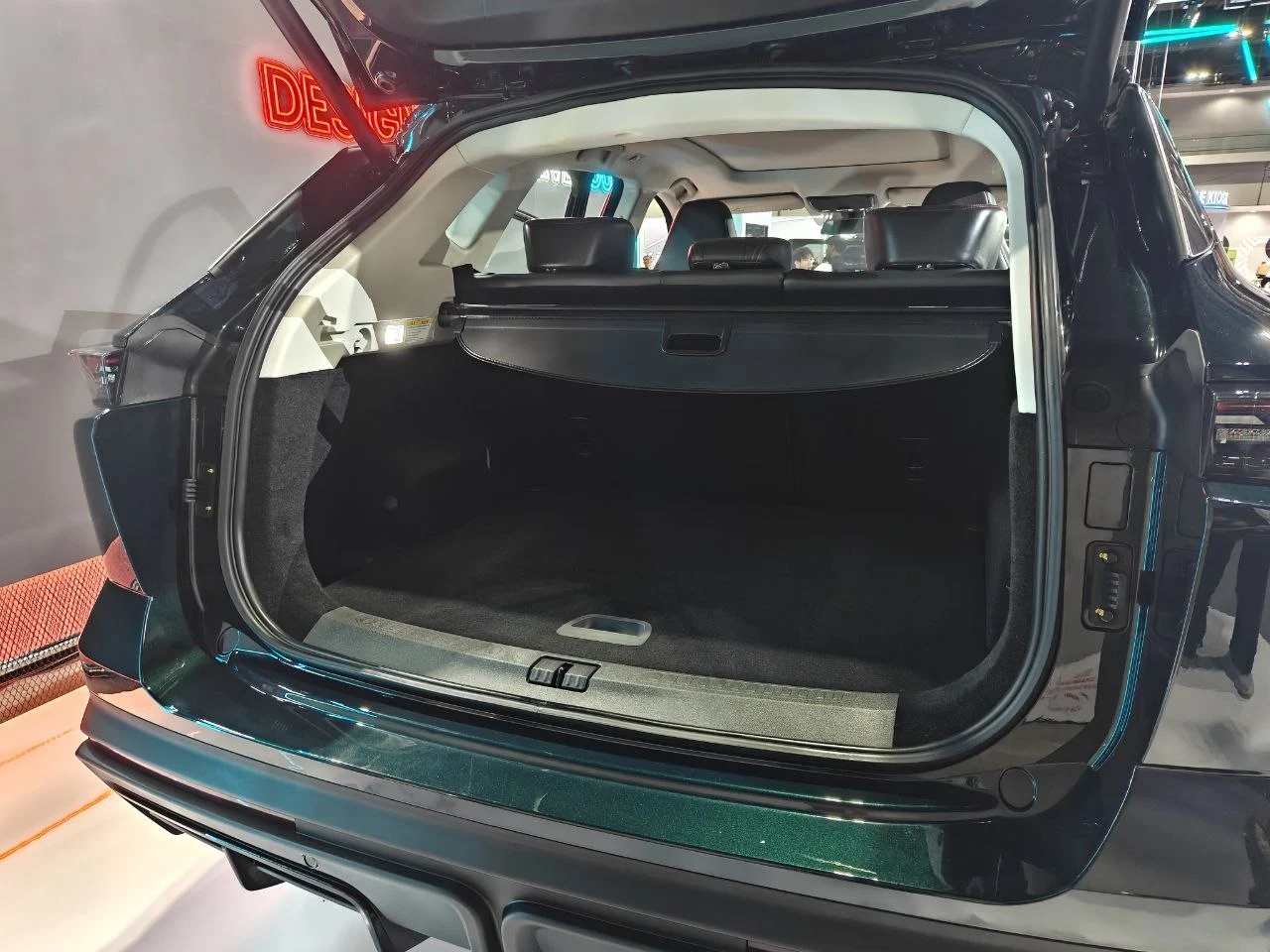
Positioned as an entry-lifestyle SUV, the Dashing asks Malaysian buyers to weigh contemporary design and value against the accumulated trust of established names. Its competitive set includes familiar benchmarks such as the Perodua Ativa, Proton X50 and Honda WR-V, though the Jetour approaches the contest from a different angle. It is not yet the safe default, but it is a calculated alternative for drivers who see their vehicle as an expression of personal style rather than a conservative long-term asset.
At KLIMS 2026, the Dashing’s presence underscores Jetour’s larger ambition: to field a credible SUV at every tier of the Malaysian market. Whether the model can move from intriguing alternative to mainstream consideration will depend less on any single specification and more on Jetour’s ability to deliver the dealer density and service reassurance that entry-level buyers rightly demand.


Your go-to source for all things automotive in Malaysia. 🚗 Latest reviews, breaking news, launches & industry trends.
+ Follow This weekend is your chance to own a Volvo Selekt Certified Used Car, priced from just RM 148,000.
What are you waiting for?
#volvo 1 minute ago
This weekend is your chance to own a Volvo Selekt Certified Used Car, priced from just RM 148,000.
What are you waiting for?
#volvo 1 minute ago  We saw this accident this morning, and here’s a reminder to everyone: please drive safe. 2 days ago
  The G50 BMW 3 series is now here, adopting much of the i3's design elements.
So, where's the BMW M3?
#bmw #BMW3Series 4 days ago
The G50 BMW 3 series is now here, adopting much of the i3's design elements.
So, where's the BMW M3?
#bmw #BMW3Series 4 days ago Get the latest car news first!
Your go-to source for all things automotive in Malaysia. 🚗 Latest reviews, breaking news, launches & industry trends.
This weekend is your chance to own a Volvo Selekt Certified Used Car, priced from just RM 148,000.
What are you waiting for?
#volvo 1 minute ago We saw this accident this morning, and here’s a reminder to everyone: please drive safe. 2 days ago The G50 BMW 3 series is now here, adopting much of the i3's design elements.
So, where's the BMW M3?
#bmw #BMW3Series 4 days ago  ProtonGWMVolkswagenJAECOOVolvoPeroduaToyotaHondaTESLAMitsubishiMazdaJetourCheryBYDLexusBMWMercedes-BenziCAURZeekrIsuzuNissanLeapmotorPorscheFordOMODAMINIMGSuzukiXPengHyundaiWulingKiaSubaruDenzaGACLand RoverDongfengCAMAudiPeugeotFotonMAXUSsmartDaihatsuJACJMCMaseratiLotusAlfa RomeoRenaultGolden DragonKaiceneSeresLamborghiniFerrariJeepRolls-RoyceLepasAston MartinMcLarenChevroletBentleyFiatBAICForthingGeelyRoeweAeolusChanganARCFOXDeepalExeedHongqiVoyahJaguarKGMBuforiAcuraCadillacDodgeAbarthINEOSMHEROJMEVFreelander
 © 2024 Bitauto.com. All Rights Reserved.
Bitauto (www.yiche.com and www.bitauto.com) is one of the most visited automotive websites in China. We provide detailed info on Chinese car brands available in your area. Please note that the information provided on this website is based on publicly available data and is for reference only. It may not be fully updated or accurate at all times.
Help us improve our website


