
Search History
Popular Searches
English
Dealer Login / Sign Up
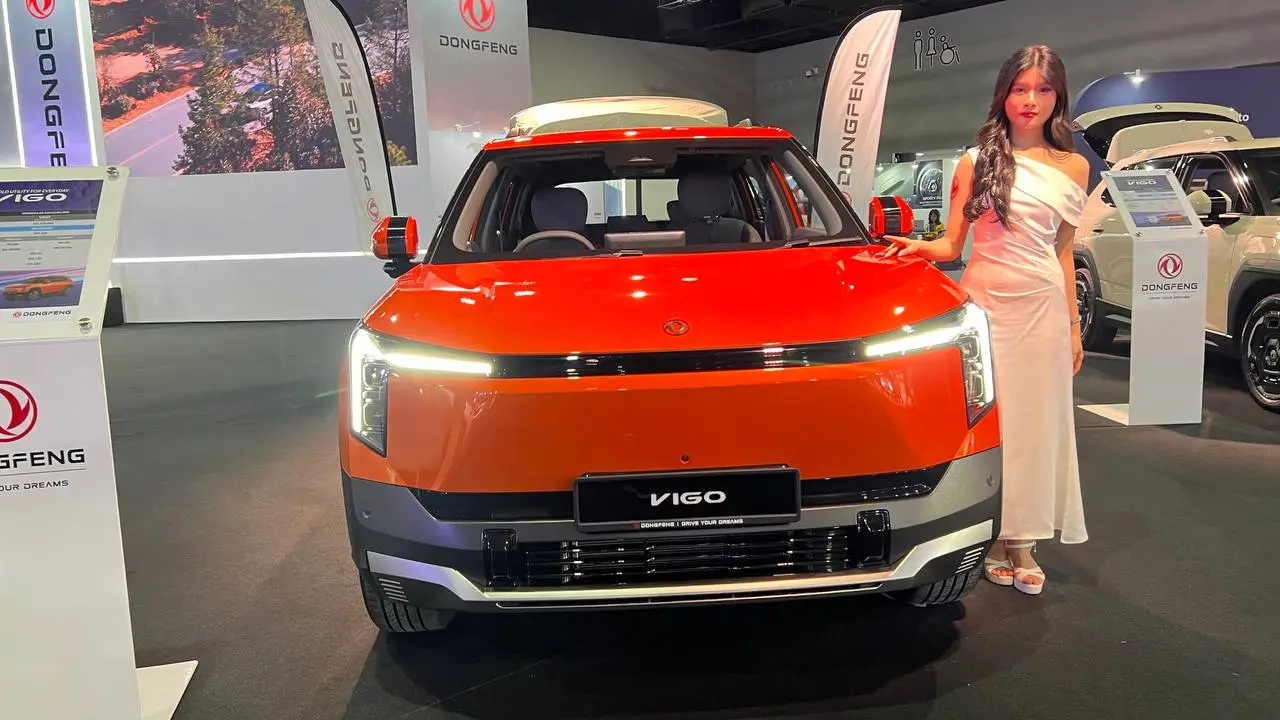
At KLIMS 2026, the Dongfeng Vigo arrives with a brief that is easy to state but difficult to execute: offer Malaysian families a battery-electric SUV at a price point that sits around the psychologically critical RM100,000 mark. Launched in February 2026 alongside the larger Dongfeng 007, the Vigo represents the brand’s most mainstream gamble yet. With an introductory positioning near RM100,000 and a reported standard price of RM108,888, it is not merely an entry-level EV but a statement that Dongfeng intends to compete where volume is increasingly contested.
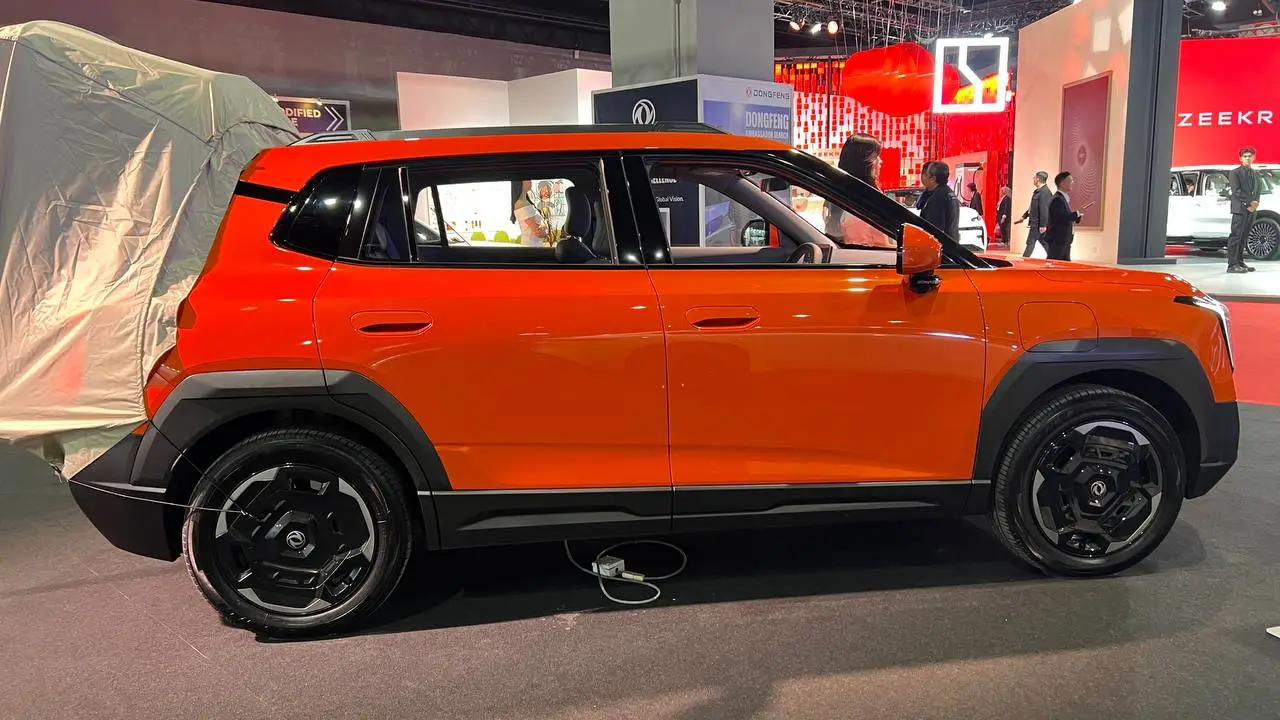
Where some rivals in the same price bracket lean towards compact city-hatchback proportions, the Vigo pitches itself as a proper B-segment SUV. That distinction matters for Malaysian buyers who want a first EV to accommodate weekend family trips without stepping up to the larger and more expensive C-segment crossovers that dominate the next pricing tier.
A 51.87 kWh battery pack feeds a reported range figure of roughly 380 km under WLTP or 471 km under CLTC testing, figures that place it in the practical middle ground for daily commutes and intermittent highway runs. Dongfeng is therefore not chasing headline range records; it is selling sufficiency at a price that undercuts many existing alternatives.
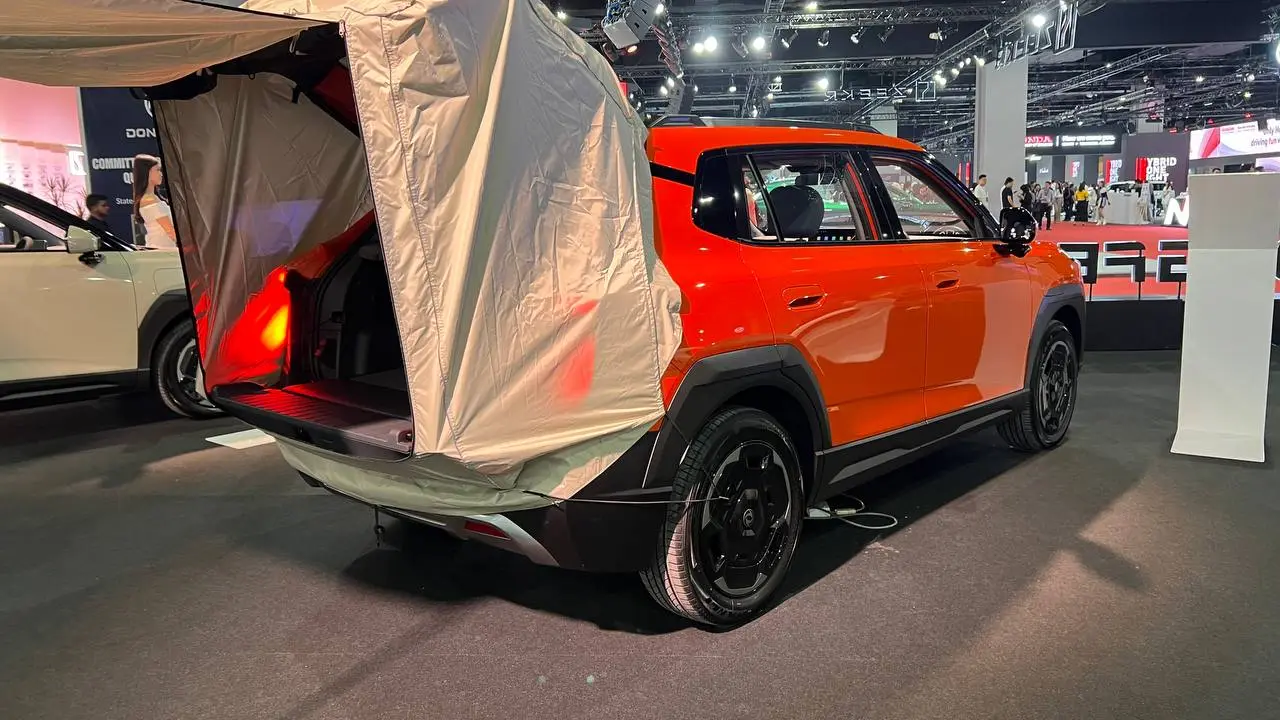
The Vigo’s arrival comes at a moment when Malaysia’s affordable EV landscape is already crowded. Proton’s e.MAS 5 and e.MAS 7 have quickly established themselves as the default local-brand choice, with the e.MAS 5 briefly topping monthly registration charts after launch. BYD’s ATTO 2 offers another China-sourced alternative with strong brand recognition, while the MG S5 EV and Perodua’s QV-E hover nearby in price and positioning.
Against this lineup, the Vigo must differentiate through cabin space and SUV packaging rather than brand heritage. For Dongfeng, the challenge is convincing buyers to look past the established order and consider a newer name when the financial outlay is roughly the same.

Price alone does not close deals in Malaysia’s maturing EV market. Consumers are increasingly asking about warranty depth, service centre density and parts availability before committing to a new marque. Dongfeng Cars Malaysia, represented locally through Volt Auto and Central Auto Distributors Berhad, knows this.
The brand’s simultaneous presence at KLIMS 2026 with both the 007 and Vigo suggests it is investing in showroom visibility, but long-term confidence will depend on whether that translates into a reliable service footprint. Reports that Dongfeng is studying local CKD assembly add a useful signal: a brand willing to manufacture locally usually intends to support the product for the long haul.
KLIMS 2026 is not just a motor show for Dongfeng; it is a public examination of staying power. By placing the Vigo on the same floor as its more expensive showroom sibling, the company is telling Malaysian buyers that its portfolio stretches from the mass-market heartland to the premium D-segment.
Whether that breadth becomes a strength or a distraction depends on execution. For now, the Vigo occupies a genuinely interesting niche—a RM100,000-class electric SUV with enough range and space to serve as a household’s sole car. The market will watch closely to see if Dongfeng can convert that theoretical appeal into sustained sales and service credibility.


Your go-to source for all things automotive in Malaysia. 🚗 Latest reviews, breaking news, launches & industry trends.
+ Follow We saw this accident this morning, and here’s a reminder to everyone: please drive safe. 1 day ago
  The G50 BMW 3 series is now here, adopting much of the i3's design elements.
So, where's the BMW M3?
#bmw #BMW3Series 3 days ago
The G50 BMW 3 series is now here, adopting much of the i3's design elements.
So, where's the BMW M3?
#bmw #BMW3Series 3 days ago  DRIFT PARTY in Malaysia! Can the Xiaomi SU7, Yangwang U8 mix it up against JDM favourites in KL?
Our adventure with the Xiaomi SU7 and Yangwang U8 brings us to APDCrew circuit as we give witness a drift show. With pro drifters and fan-favourites - RX7s, S15s, Skylines, Supras, and more - in the mix, can our Xiaomi SU7 and Yangwang U8 hold their own?
It's also a quick look at Malaysian car culture, including some wildly modified minivans, and more!
#drift #malaysia #xiaomisu7 #yangwangu8 #larrychen #drifting #JDM跑車 3 days ago
DRIFT PARTY in Malaysia! Can the Xiaomi SU7, Yangwang U8 mix it up against JDM favourites in KL?
Our adventure with the Xiaomi SU7 and Yangwang U8 brings us to APDCrew circuit as we give witness a drift show. With pro drifters and fan-favourites - RX7s, S15s, Skylines, Supras, and more - in the mix, can our Xiaomi SU7 and Yangwang U8 hold their own?
It's also a quick look at Malaysian car culture, including some wildly modified minivans, and more!
#drift #malaysia #xiaomisu7 #yangwangu8 #larrychen #drifting #JDM跑車 3 days ago Get the latest car news first!
Your go-to source for all things automotive in Malaysia. 🚗 Latest reviews, breaking news, launches & industry trends.
We saw this accident this morning, and here’s a reminder to everyone: please drive safe. 1 day ago The G50 BMW 3 series is now here, adopting much of the i3's design elements.
So, where's the BMW M3?
#bmw #BMW3Series 3 days ago DRIFT PARTY in Malaysia! Can the Xiaomi SU7, Yangwang U8 mix it up against JDM favourites in KL?
Our adventure with the Xiaomi SU7 and Yangwang U8 brings us to APDCrew circuit as we give witness a drift show. With pro drifters and fan-favourites - RX7s, S15s, Skylines, Supras, and more - in the mix, can our Xiaomi SU7 and Yangwang U8 hold their own?
It's also a quick look at Malaysian car culture, including some wildly modified minivans, and more!
#drift #malaysia #xiaomisu7 #yangwangu8 #larrychen #drifting #JDM跑車 3 days ago  ProtonGWMVolkswagenJAECOOVolvoPeroduaToyotaHondaTESLAMitsubishiMazdaJetourCheryBYDLexusBMWMercedes-BenziCAURZeekrIsuzuNissanLeapmotorPorscheFordOMODAMINIMGSuzukiXPengHyundaiWulingKiaSubaruDenzaGACLand RoverDongfengCAMAudiPeugeotFotonMAXUSsmartDaihatsuJACJMCMaseratiLotusAlfa RomeoRenaultGolden DragonKaiceneSeresLamborghiniFerrariJeepRolls-RoyceLepasAston MartinMcLarenChevroletBentleyFiatBAICForthingGeelyRoeweAeolusChanganARCFOXDeepalExeedHongqiVoyahJaguarKGMBuforiAcuraCadillacDodgeAbarthINEOSMHEROJMEVFreelander
 © 2024 Bitauto.com. All Rights Reserved.
Bitauto (www.yiche.com and www.bitauto.com) is one of the most visited automotive websites in China. We provide detailed info on Chinese car brands available in your area. Please note that the information provided on this website is based on publicly available data and is for reference only. It may not be fully updated or accurate at all times.
Help us improve our website


