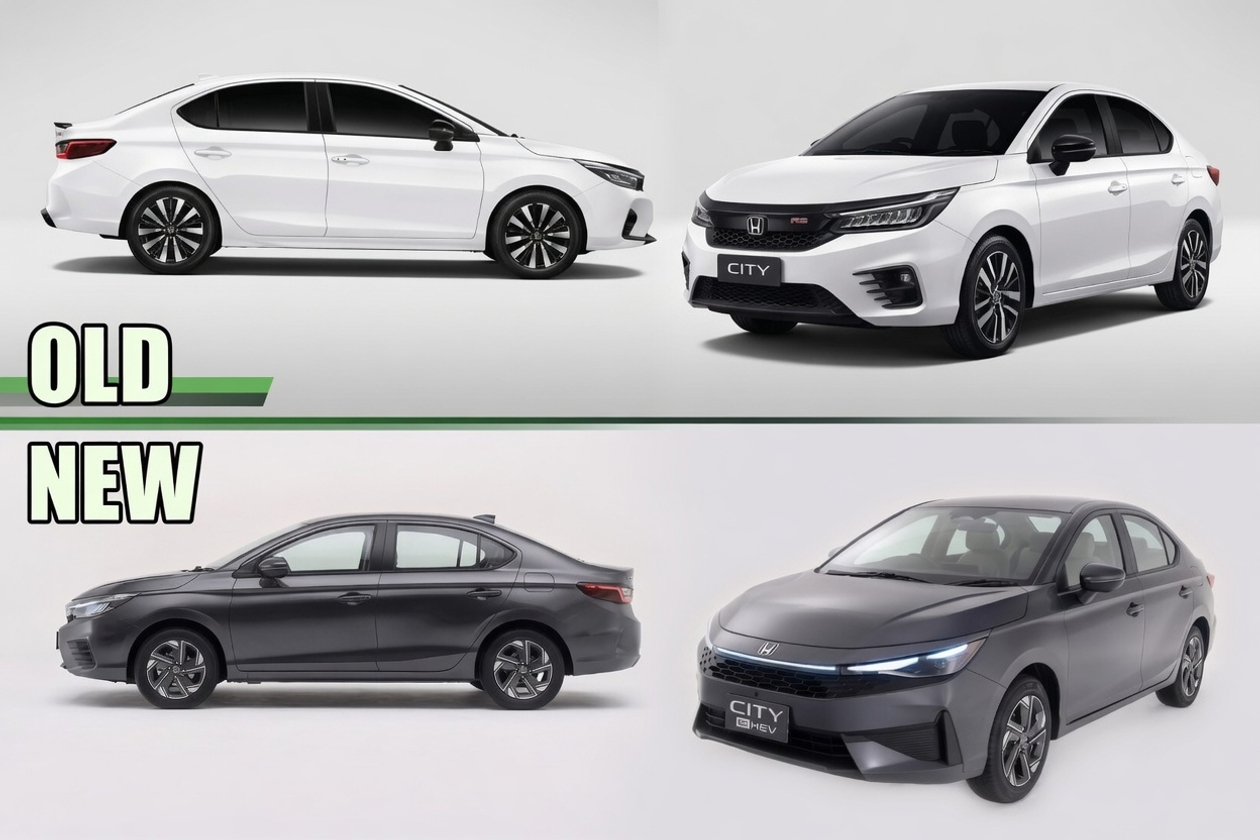
Just last week, Honda Automobile Thailand launched the new and improved 2026 Honda City facelift, available in both sedan and hatchback body styles.
This update exercise marks the second update for the GN-generation Honda City, which made its global debut back in November 2019. Subsequently in 2023, Honda introduced the first facelift of the City sedan. The facelifted City Hatchback came later in February 2024.
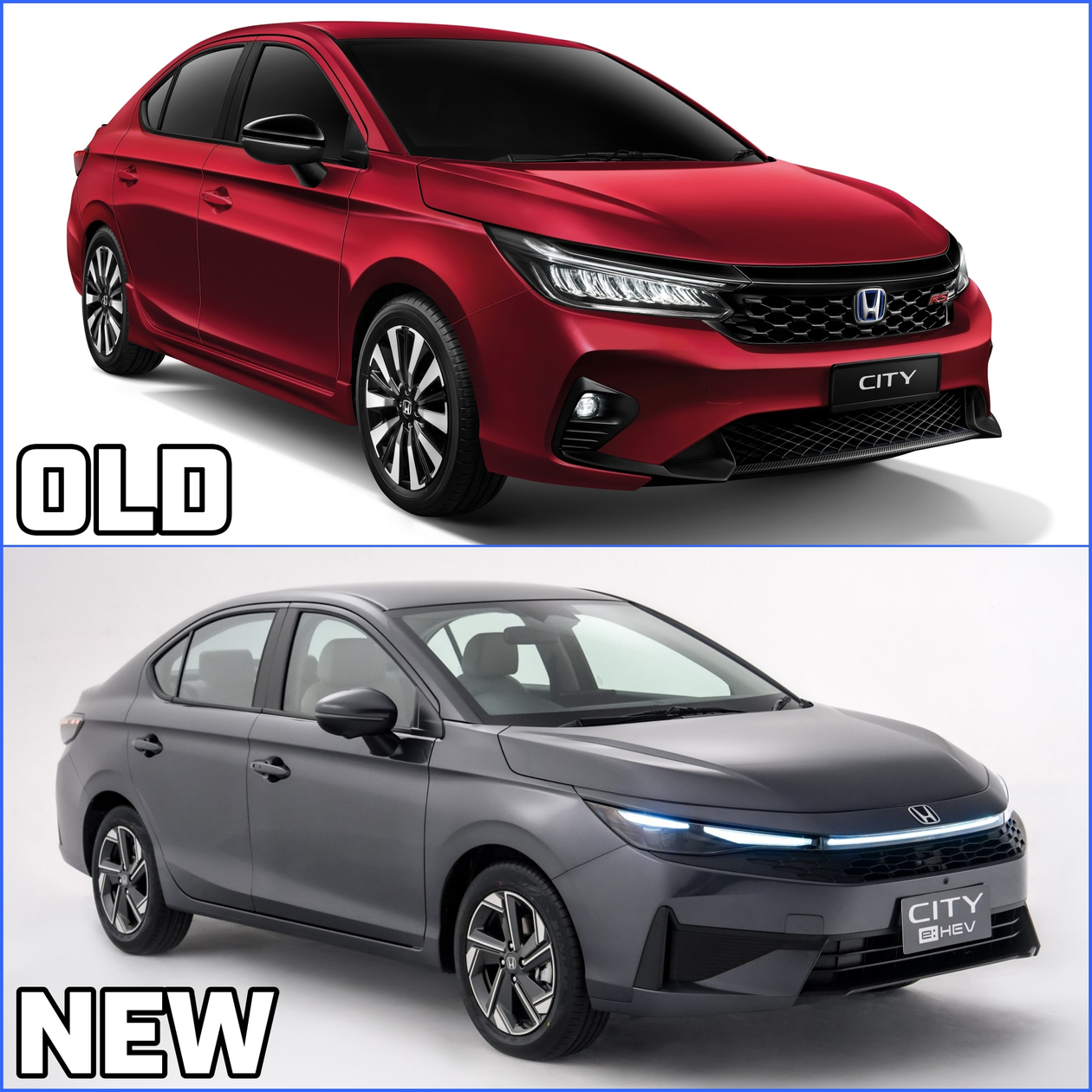
Compared to the first facelift, this second facelift exercise is more comprehensive – the front fascia receives most of the changes.
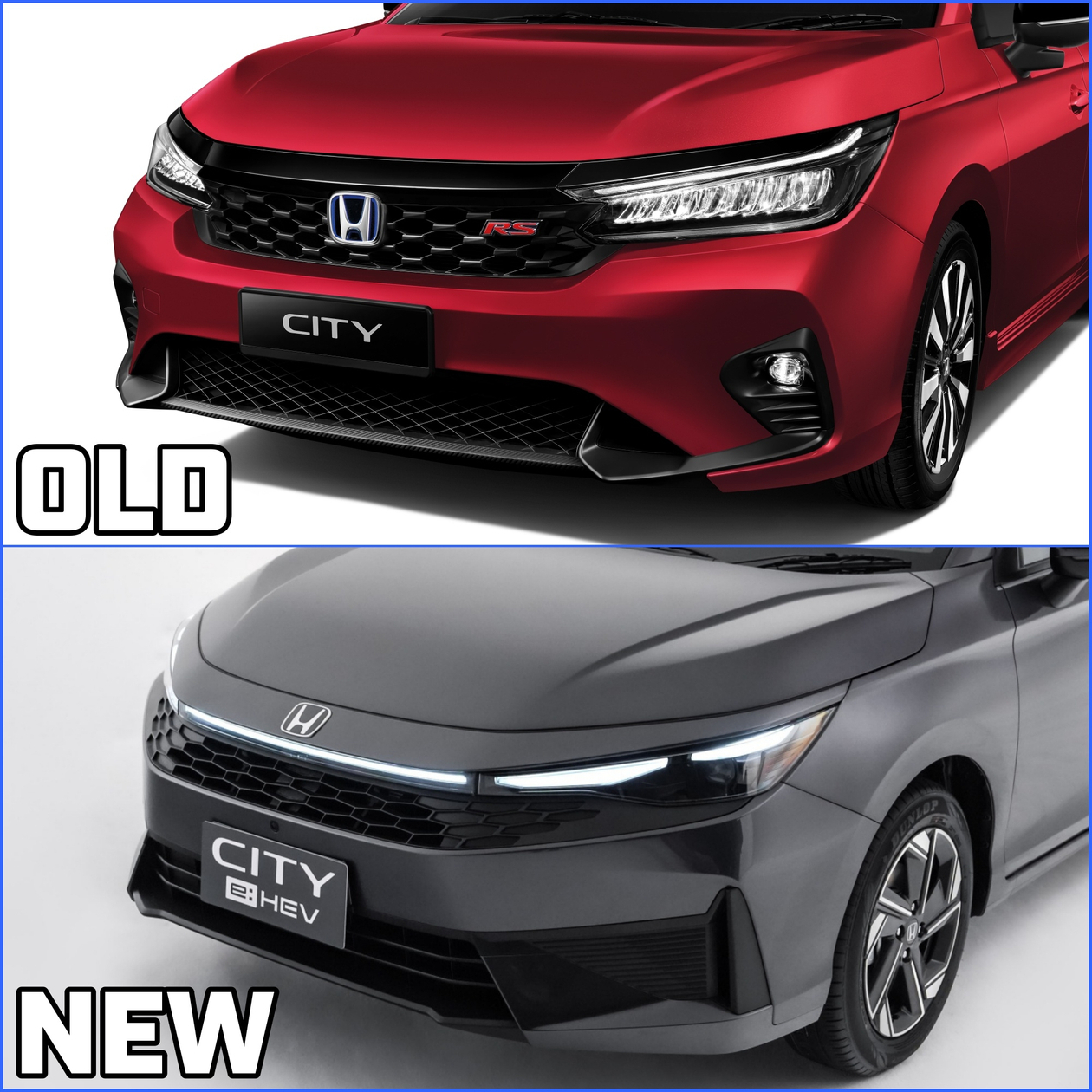 Firstly, the headlights are new. Out goes the LED reflector units found on the earlier City variants, as they have been replaced by a pair of LED projector headlights. Also new is are the LED daytime running lights (DRLs), with now interconnect via the front grille.
There’s also a new front bumper design with a narrower upper grille and slimmer lower air intake, as well as deeper and sharper edges.
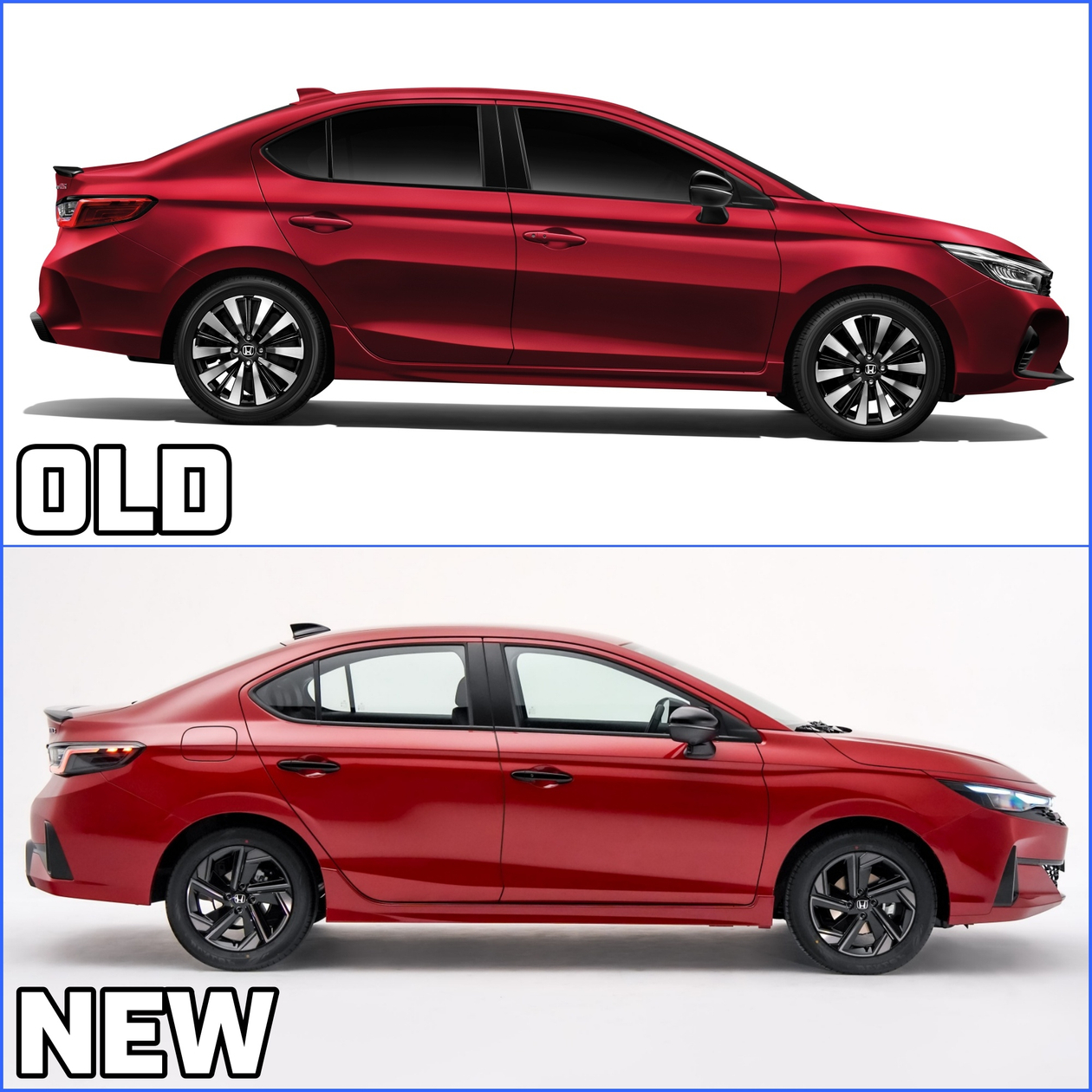
Towards the rear-end, while the shape of the LED tail lights is unchanged, the red housing is no more, replaced by dark clear lenses.
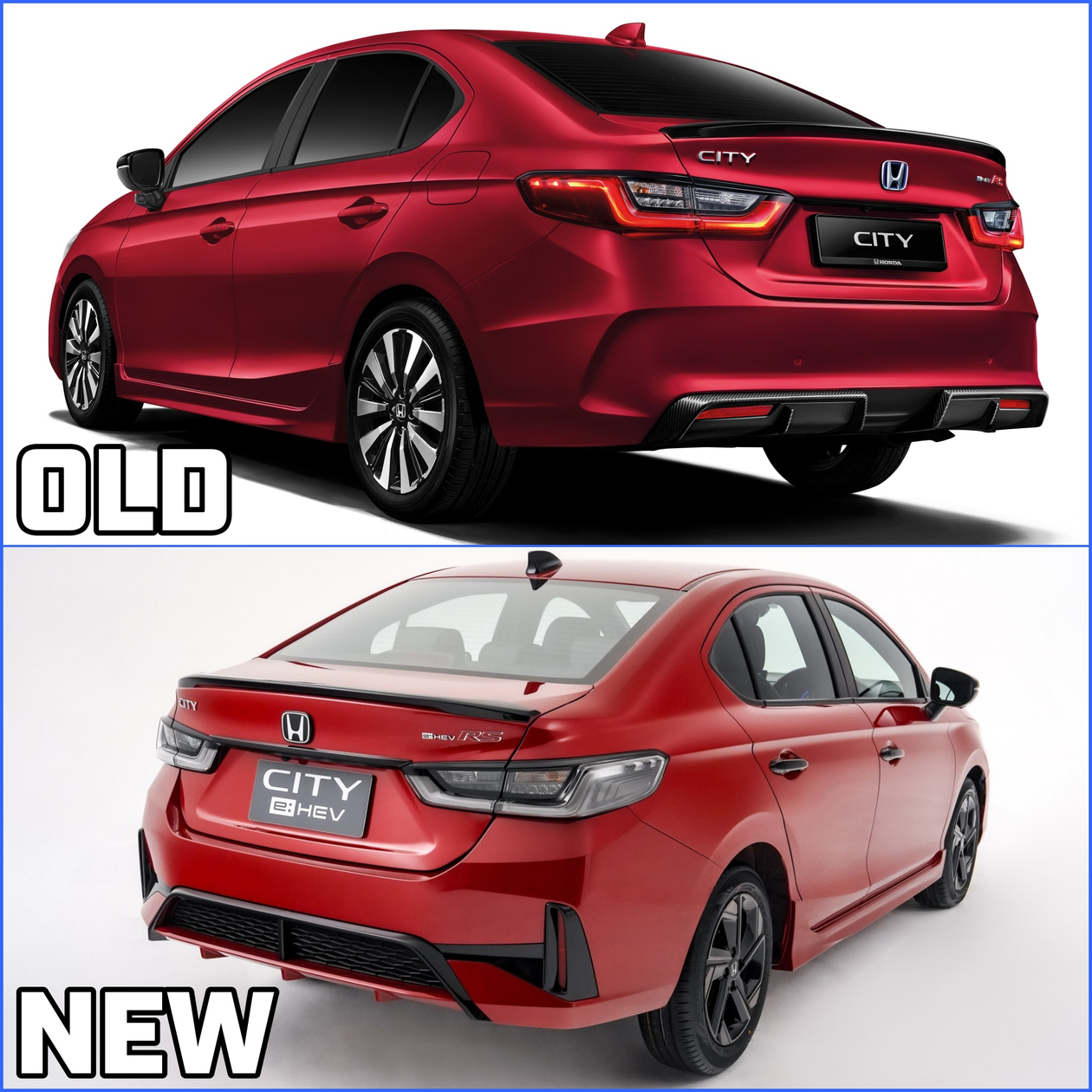
Also new is the rear bumper, which drops the oversized rear diffuser piece, replacing it with a cleaner and simpler body-coloured unit. The latest revision also adds a black trim piece on the lower half of the rear bumper, giving it some contrast.
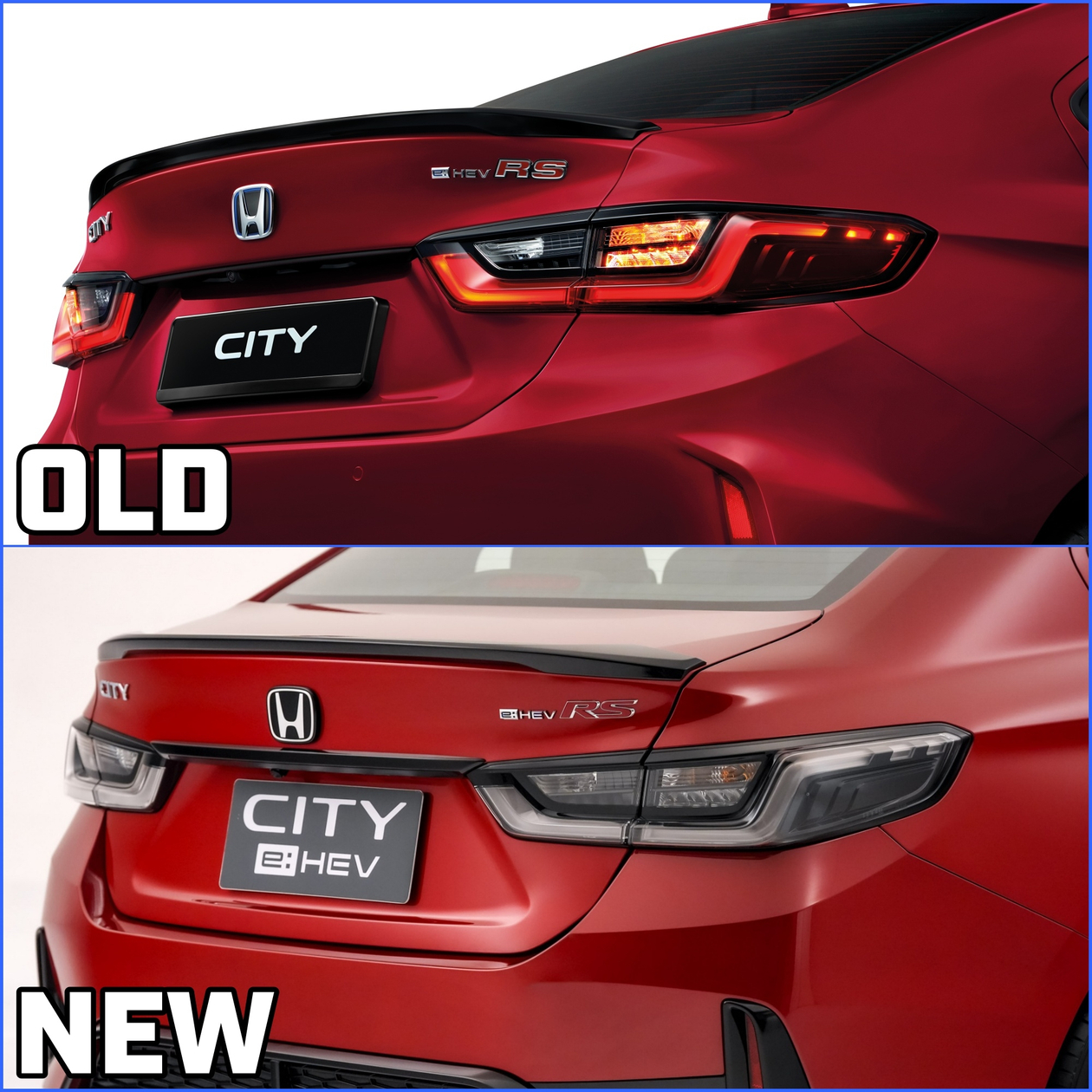
As for the City Hatchback, the RS variant gets a marginally toned-down rear bumper design, which also drops the faux diffuser piece the previous model had. Curiously, the facelifted non-RS’ rear-end appears to be identical to the pre-facelift model.
A new set of dual-tone alloy wheels complete the exterior of the updated 2026 Honda City facelift.
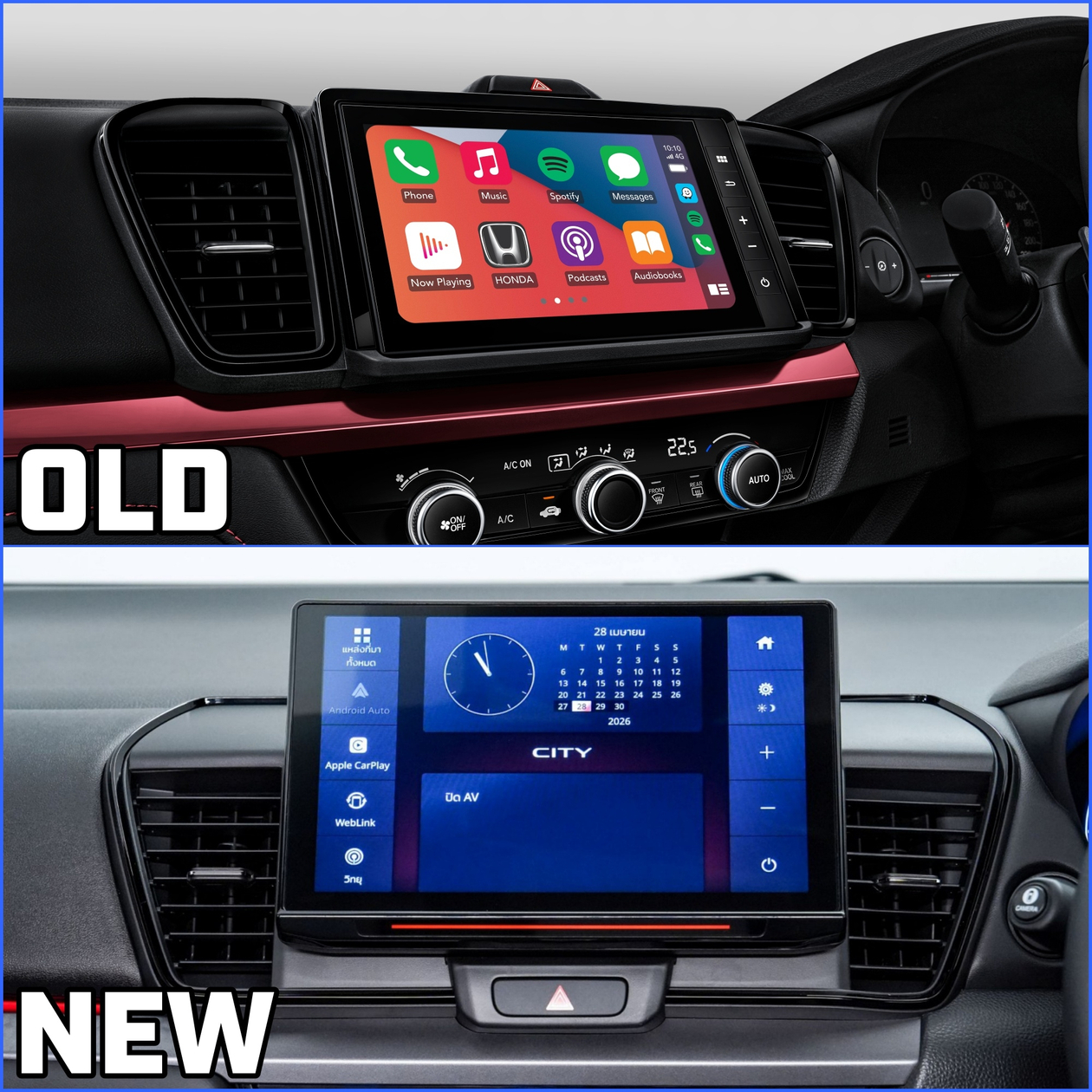
Stepping into the cabin and the biggest update here is the addition of the new floating-style 10.0-inch infotainment display – a two-inch upgrade over the outgoing car’s 8.0-inch unit. Functionality wise, the new infotainment system still supports wireless Apple CarPlay and Android Auto.
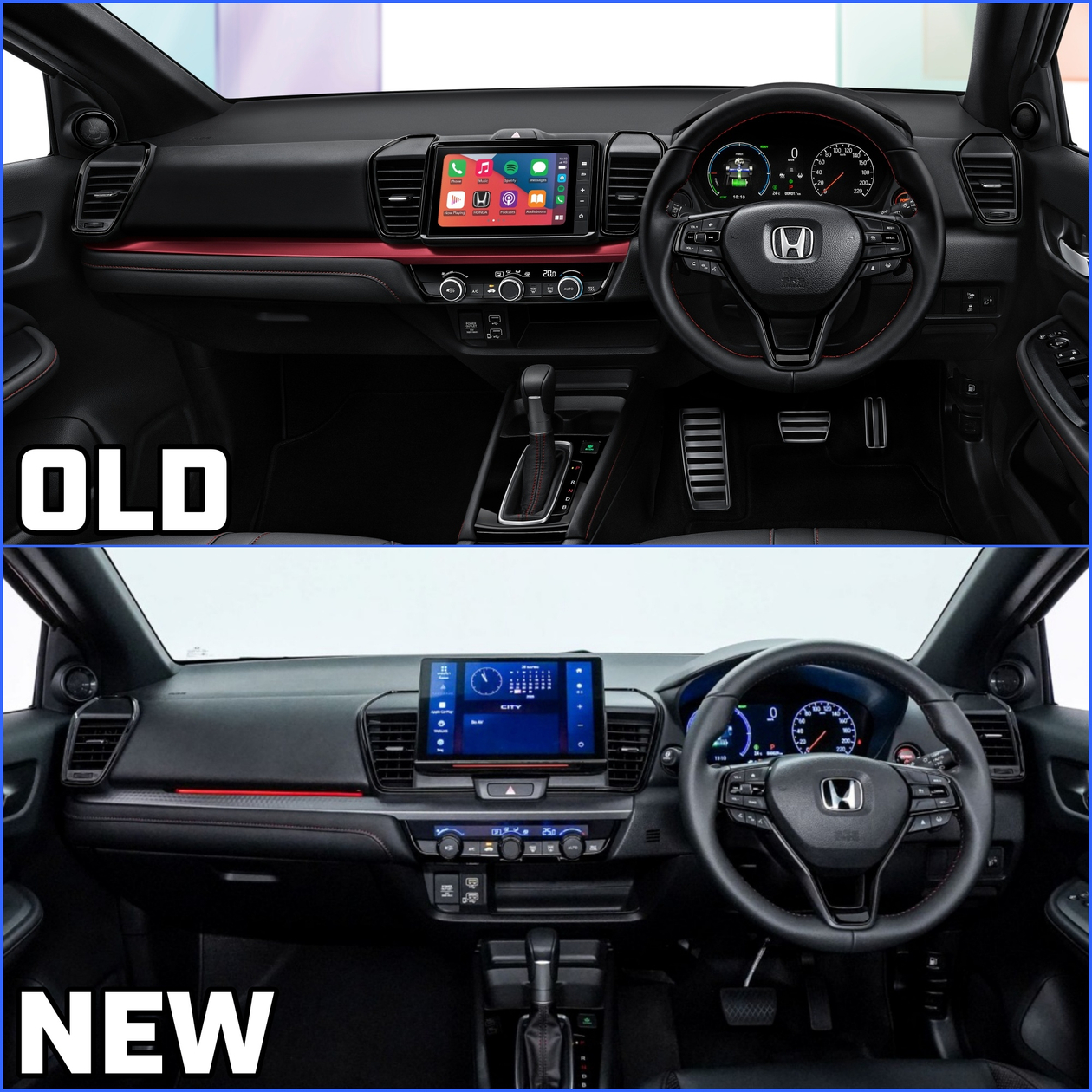
Upper variants of the 2026 Honda City facelift also add an auto-dimming rear-view mirror and ambient lighting. There’s also a Qi wireless charging pad, for those who needs it.
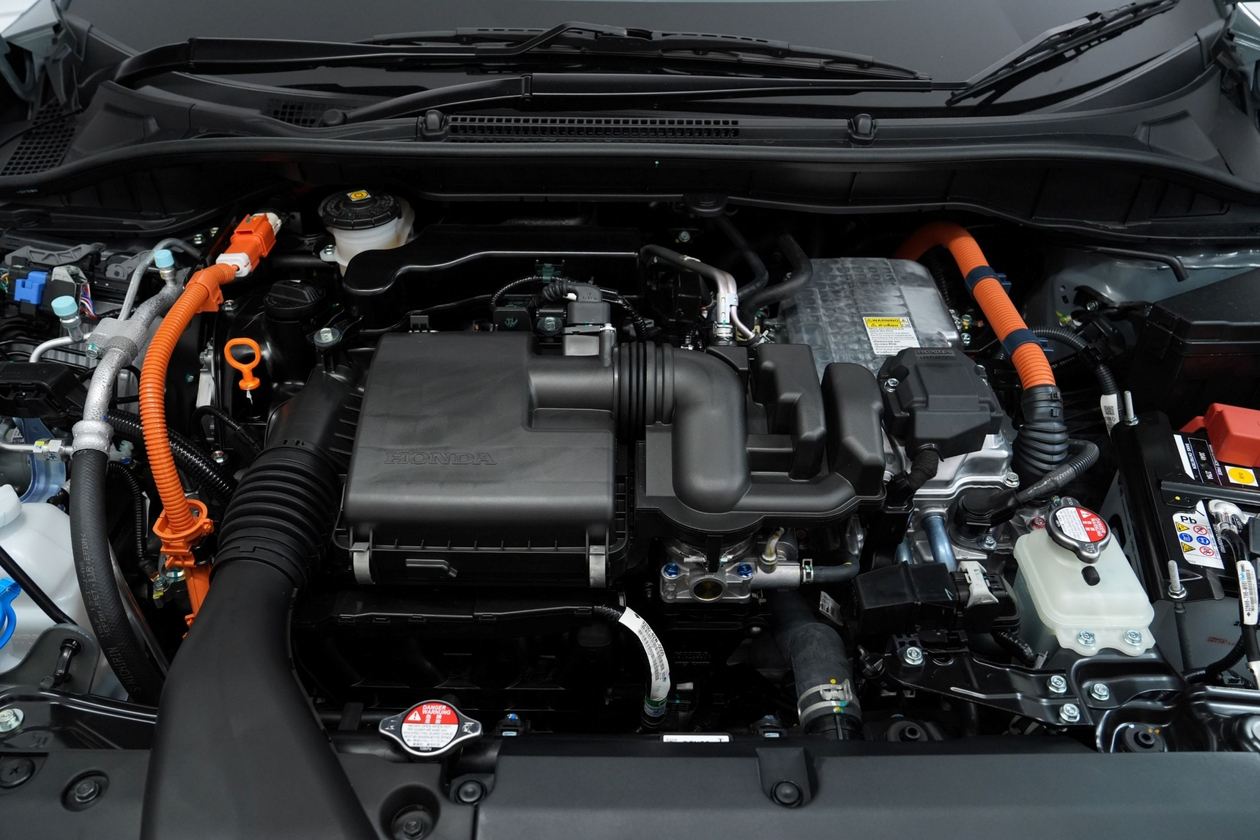
While the exterior and interior were overhauled, Honda stuck to its tried-and-tested formula with the facelifted City’s powertrain.
The Thai-spec car continues to offer two powertrain options: a 1.0-litre turbo three-pot that does 122 PS and 173 Nm, mated to a CVT automatic, and the other is a 1.5-litre petrol-electric hybrid with a combined output of 109 PS and 253 Nm.
In Thailand, prices of the 2026 Honda City facelift start from THB 569,000 for the entry-level 1.0 Turbo S variant and tops out at THB 739,000 for the top-spec e:HEV RS variant. Hatchback variants are an extra THB 10,000.


Your go-to source for all things automotive in Malaysia. 🚗 Latest reviews, breaking news, launches & industry trends.
+ Follow Dari Beijing ke Masjid Wilayah Persekutuan bersama Xiaomi SU7 Max!
Apa yang menarik tentang kereta elektrik Xiaomi ini? Saksikan pertemuan spontan ini hingga akhir.
Terima kasih kepada Kassim dan rakan-rakan atas layanan mesra dan kesudian berkongsi cerita. Semoga bertemu lagi, insya-Allah!
Jika diberi peluang, sanggupkah anda memandu dari Kuala Lumpur ke Beijing?
Kongsikan jawapan anda di ruangan komen.
#XiaomiSU7 #KeretaElektrik #EVMalaysia #BeijingKeMalaysia #AutomotifMalaysia 8 hours ago
Dari Beijing ke Masjid Wilayah Persekutuan bersama Xiaomi SU7 Max!
Apa yang menarik tentang kereta elektrik Xiaomi ini? Saksikan pertemuan spontan ini hingga akhir.
Terima kasih kepada Kassim dan rakan-rakan atas layanan mesra dan kesudian berkongsi cerita. Semoga bertemu lagi, insya-Allah!
Jika diberi peluang, sanggupkah anda memandu dari Kuala Lumpur ke Beijing?
Kongsikan jawapan anda di ruangan komen.
#XiaomiSU7 #KeretaElektrik #EVMalaysia #BeijingKeMalaysia #AutomotifMalaysia 8 hours ago  Pernah tengok roadshow org bawa kereta lama?? Ha, ini kerja gila KIA Malaysia, siap ada tv lama! #kia #kiamalaysia #sportage #carnival 10 hours ago
  Missed the earlier opportunities to check out our Xiaomi SU7 and Yangwang U8?
Fret not as both cars are currently on display at MyTown Shopping Centre, in front of Uniqlo.
Our showcase starts from today, and will be running until 11 October 2026.
Do drop by, snap photos with our cars, as well as download our BitAuto app. Doing the latter also allows you to get a free umbrella too (whilst stock lasts). 10 hours ago
Missed the earlier opportunities to check out our Xiaomi SU7 and Yangwang U8?
Fret not as both cars are currently on display at MyTown Shopping Centre, in front of Uniqlo.
Our showcase starts from today, and will be running until 11 October 2026.
Do drop by, snap photos with our cars, as well as download our BitAuto app. Doing the latter also allows you to get a free umbrella too (whilst stock lasts). 10 hours ago Get the latest car news first!
Your go-to source for all things automotive in Malaysia. 🚗 Latest reviews, breaking news, launches & industry trends.
Dari Beijing ke Masjid Wilayah Persekutuan bersama Xiaomi SU7 Max!
Apa yang menarik tentang kereta elektrik Xiaomi ini? Saksikan pertemuan spontan ini hingga akhir.
Terima kasih kepada Kassim dan rakan-rakan atas layanan mesra dan kesudian berkongsi cerita. Semoga bertemu lagi, insya-Allah!
Jika diberi peluang, sanggupkah anda memandu dari Kuala Lumpur ke Beijing?
Kongsikan jawapan anda di ruangan komen.
#XiaomiSU7 #KeretaElektrik #EVMalaysia #BeijingKeMalaysia #AutomotifMalaysia 8 hours ago Pernah tengok roadshow org bawa kereta lama?? Ha, ini kerja gila KIA Malaysia, siap ada tv lama! #kia #kiamalaysia #sportage #carnival 10 hours ago Missed the earlier opportunities to check out our Xiaomi SU7 and Yangwang U8?
Fret not as both cars are currently on display at MyTown Shopping Centre, in front of Uniqlo.
Our showcase starts from today, and will be running until 11 October 2026.
Do drop by, snap photos with our cars, as well as download our BitAuto app. Doing the latter also allows you to get a free umbrella too (whilst stock lasts). 10 hours ago  ProtonGWMVolkswagenJAECOOVolvoPeroduaToyotaHondaTESLAMitsubishiMazdaJetourCheryBYDLexusBMWMercedes-BenziCAURZeekrIsuzuNissanLeapmotorPorscheFordOMODAMINIMGSuzukiXPengHyundaiWulingKiaSubaruDenzaGACLand RoverDongfengCAMAudiPeugeotFotonMAXUSsmartDaihatsuJACJMCMaseratiLotusAlfa RomeoRenaultGolden DragonKaiceneSeresLamborghiniFerrariJeepRolls-RoyceLepasAston MartinMcLarenChevroletBentleyFiatBAICForthingGeelyRoeweAeolusChanganARCFOXDeepalExeedHongqiVoyahJaguarKGMBuforiAcuraCadillacDodgeAbarthINEOSMHEROJMEVFreelanderXiaomiYangwang
© 2024 Bitauto.com. All Rights Reserved.
Bitauto (www.yiche.com and www.bitauto.com) is one of the most visited automotive websites in China. We provide detailed info on Chinese car brands available in your area. Please note that the information provided on this website is based on publicly available data and is for reference only. It may not be fully updated or accurate at all times.
Help us improve our website


