Less than a year later, the Honda Civic is getting another update in Thailand.
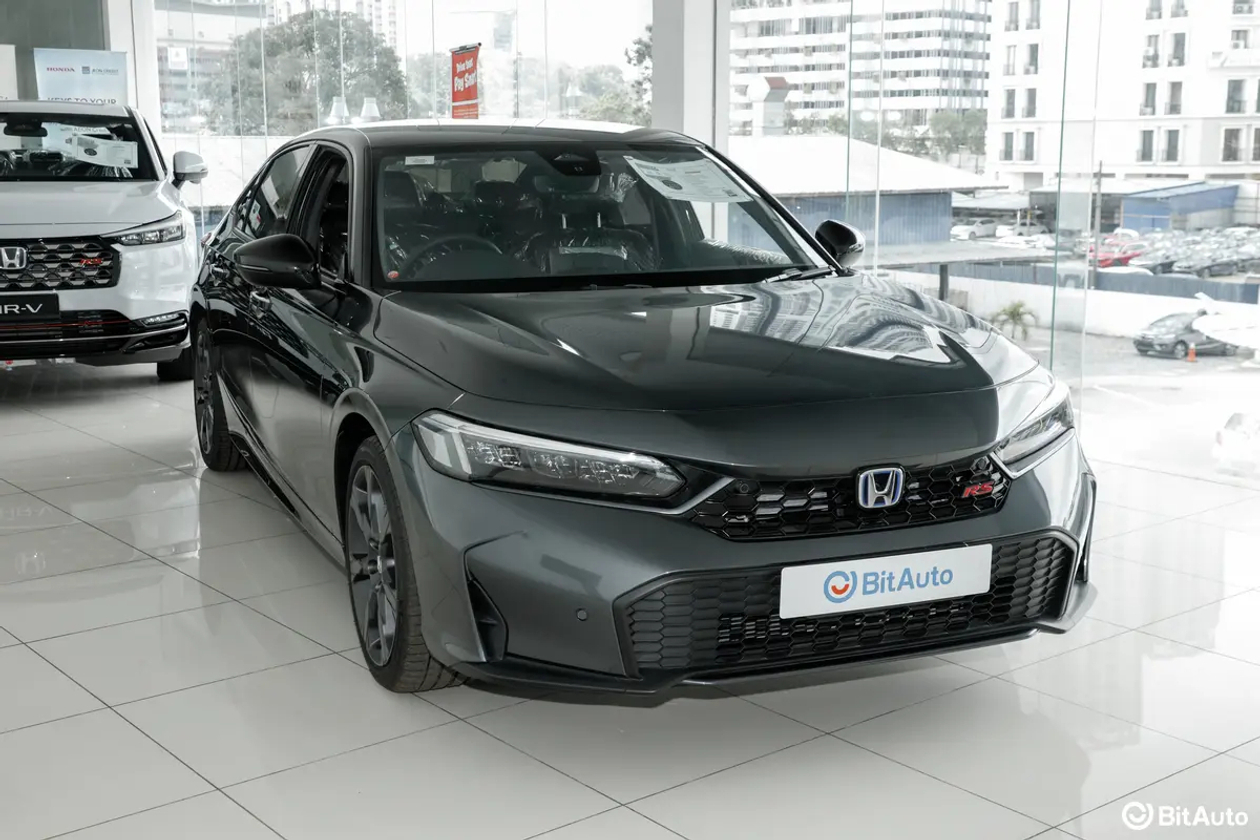
Rewind to last year, when Malaysia received the facelifted 11th-generation Civic. The changes were relatively modest, focusing mainly on exterior tweaks and an upgrade of the infotainment screen from 8 inches to 9 inches. The powertrain lineup remained unchanged — the 1.5L VTEC Turbo continued as the mainstay, while the e:HEV hybrid system was reserved for the top-spec variant.
Not long after that, Thailand is already preparing for another round of updates this year. In July, the 2026 Honda Civic e:HEV officially went on sale in Thailand, bringing with it Honda's new S+ Shift technology.
So, what is Honda rushing to do?
The biggest difference between the two markets lies in their powertrain strategies.
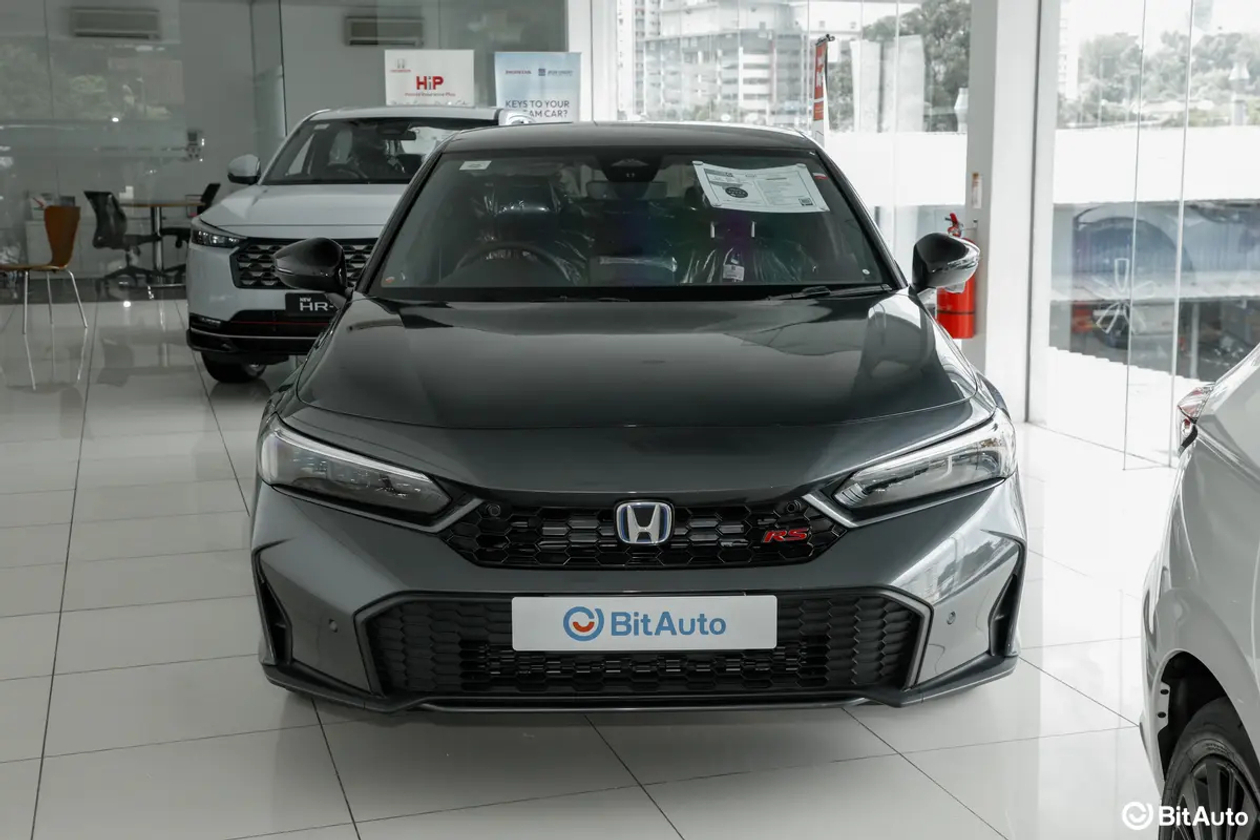
By early 2026, the Thai-market Civic had fully transitioned to an e:HEV hybrid lineup, completely dropping the 1.5L turbocharged petrol engine. Every Civic variant currently sold in Thailand comes with a hybrid powertrain, with the entry-level e:HEV EL starting at around THB 949,000 (approximately RM 118,000).
Malaysia, meanwhile, remains a very different story. The facelifted Civic launched in January 2025 continued with four variants — three turbocharged versions (E, V and RS) alongside the range-topping e:HEV RS hybrid. The turbo engine remains the main choice, while the hybrid system is positioned as a premium upgrade.
The powertrain strategies of Thailand and Malaysia are clearly moving in different directions.
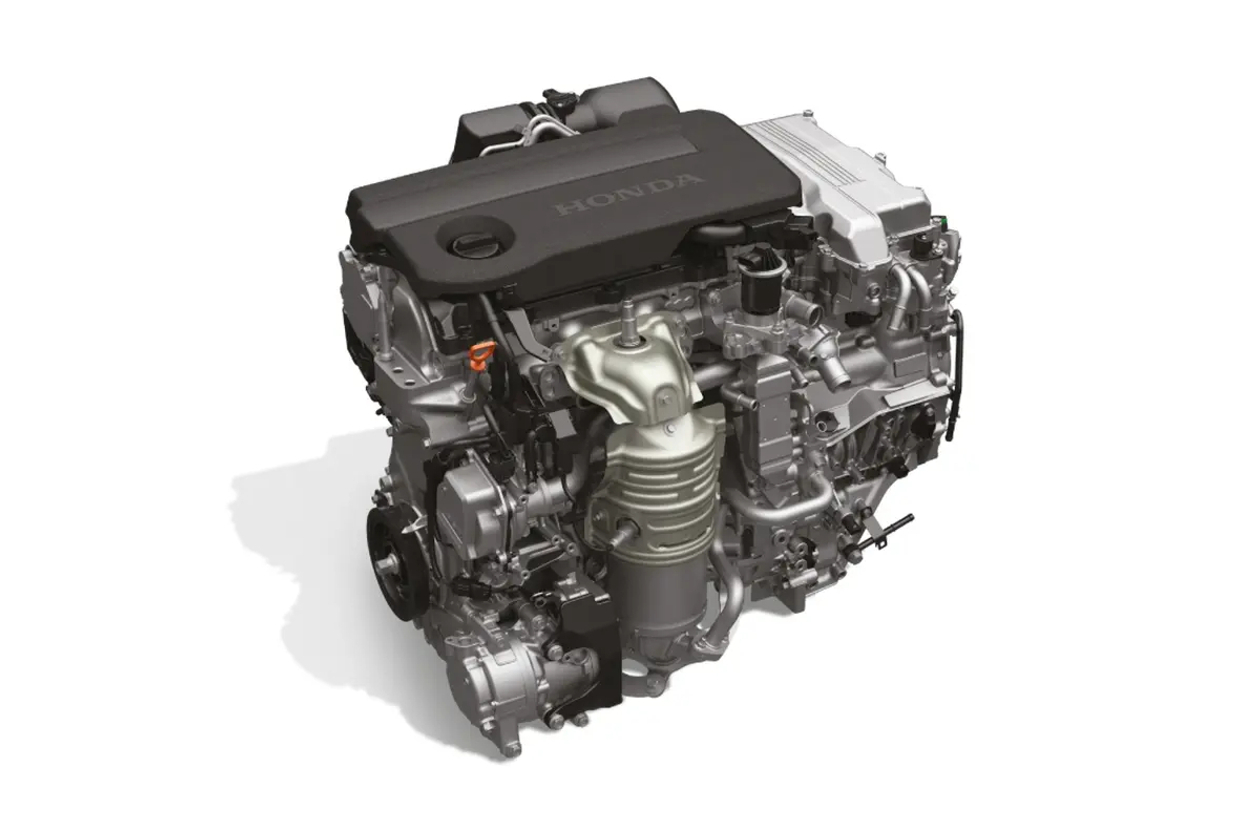
Thailand's decision to go fully hybrid is supported by government electrification policies and tax incentives that encourage manufacturers to introduce more electrified models. Malaysia is also moving towards greater electrification, but the pace and level of incentives are different.
For Honda Malaysia to switch the entire Civic lineup to e:HEV in a short period would require major adjustments to its cost structure and pricing strategy — something that cannot happen overnight.
So while Thailand's move towards an all-hybrid Civic lineup represents the future direction of the market, Malaysia is likely to retain turbocharged options in the short term.
The biggest highlight of the Thai-market Civic update is not the exterior styling. Visual changes are expected to be limited to new paint options, including Blazing Red and Urban Gray, along with minor adjustments to the wheels and trim details.
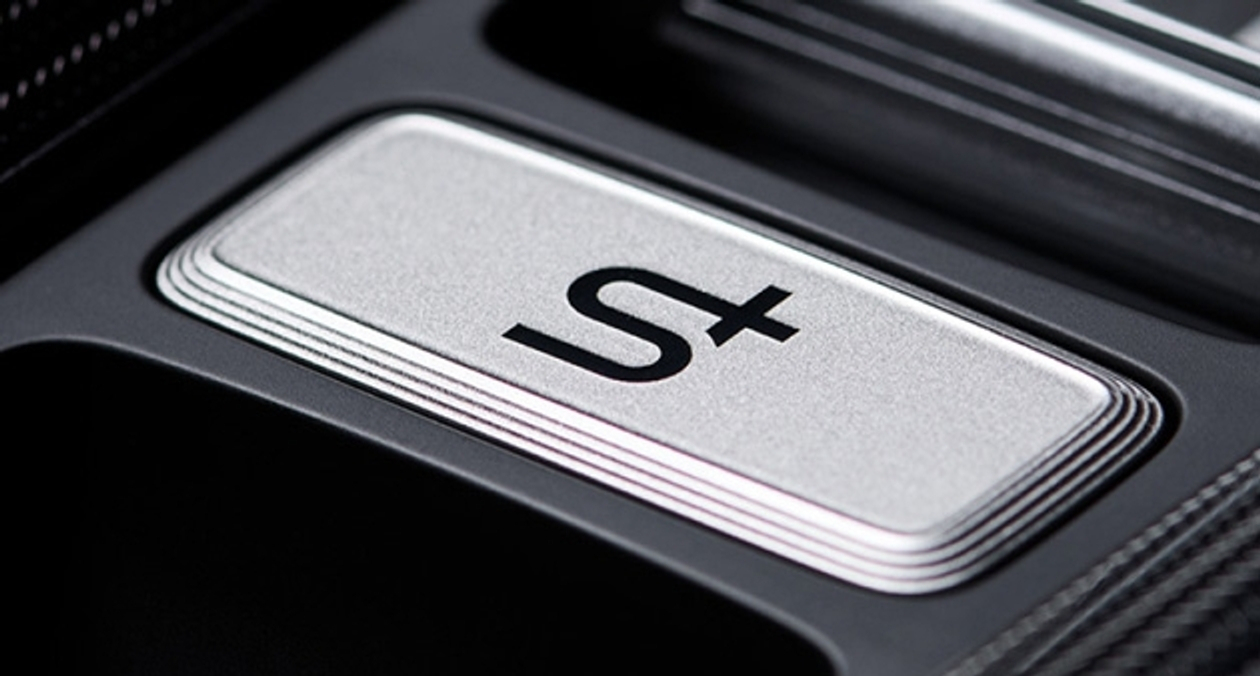
The real headline is Honda's new S+ Shift technology.
The system first debuted on the new Honda Prelude sports coupe, and Honda has now brought it down to the Civic e:HEV.
What exactly is S+ Shift?
Put simply, the Civic e:HEV does not use a conventional transmission. Instead, the vehicle is driven directly by electric motors.
This setup offers several advantages — smooth power delivery, strong efficiency and quick response. However, the downside is that the driving experience can feel somewhat uneventful. Press the accelerator and the car simply delivers linear acceleration, without the familiar sensations of a traditional petrol car, such as downshifts, rising engine revs and the feeling of gear changes.
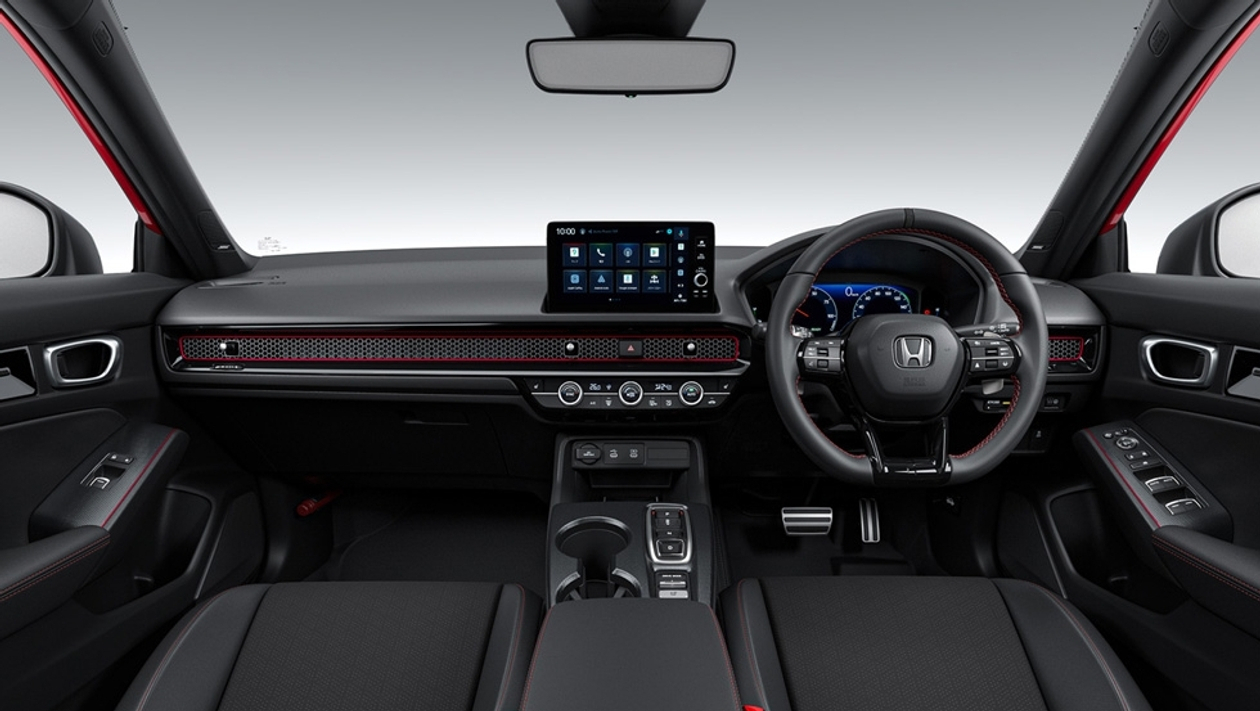
That is where S+ Shift comes in.
Through electronic control, the system simulates the shifting characteristics of an 8-speed dual-clutch transmission. Drivers can manually "change gears" using the metal paddle shifters behind the steering wheel, while the system adjusts engine revs and simulated sound effects to create a driving experience closer to that of a conventional performance car.
According to Honda, the system is an evolution of the existing Linear Shift Control used in e:HEV models. Previously, the system only adjusted engine speed based on accelerator input. With S+ Shift, it introduces a more distinct stepped gear-change feel.
Why did Honda develop this?
Because more drivers have been criticising hybrids for being efficient but boring.
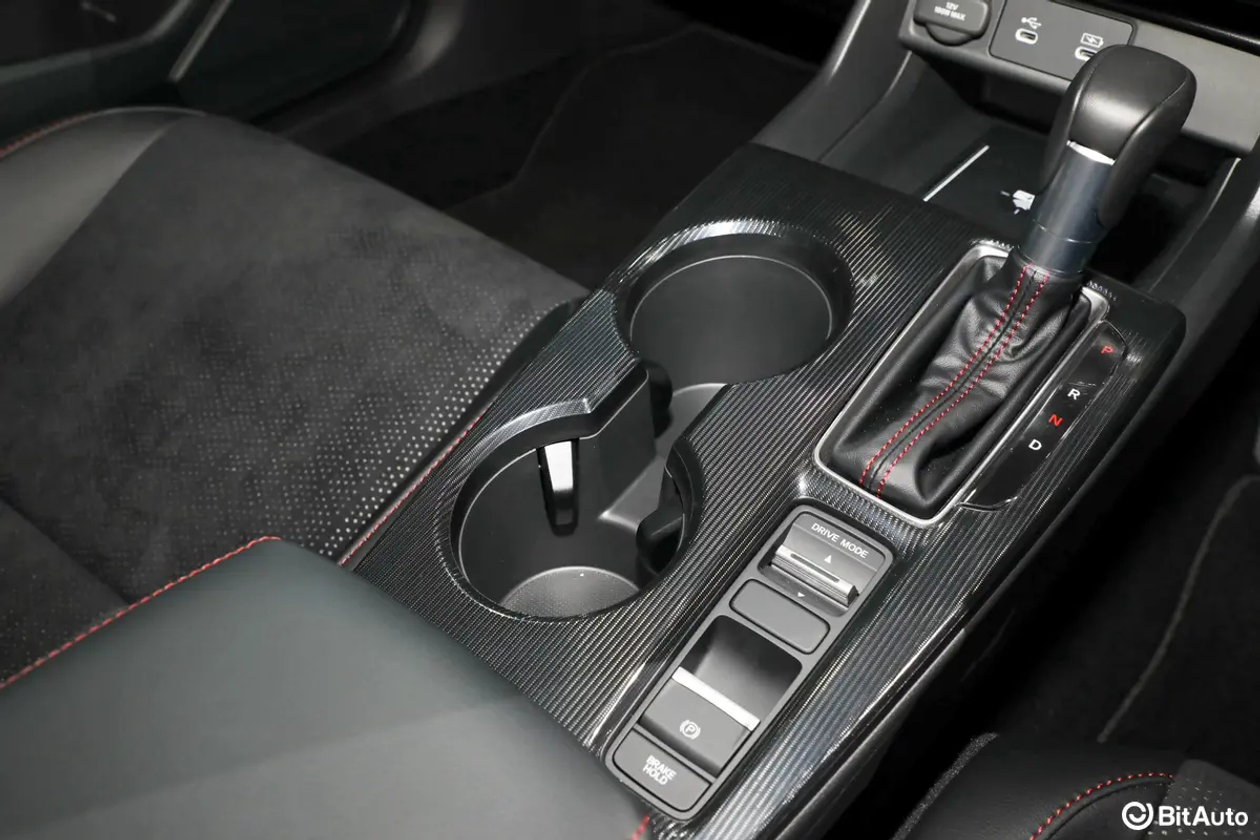
Honda's e:HEV system is known for smooth performance and strong fuel economy, but the "CVT-like" driving sensation has never fully satisfied traditional driving enthusiasts. The introduction of S+ Shift can be seen as Honda's response to that feedback:
You want efficiency? Honda delivers.
You want driving enjoyment? Honda delivers that too.
In the Japanese market, S+ Shift is currently available only on the e:HEV RS variant, which also receives the Prelude-inspired flat-bottom steering wheel with an Alcantara 12 o'clock marker and 18-inch Berlina Black twin-spoke alloy wheels. Whether these RS-specific features will be carried over to Southeast Asian models remains unclear.
One more interesting detail: the Japanese-spec e:HEV uses the same button-style gear selector found in the Prelude, while Southeast Asian versions are expected to continue with a traditional gear lever. It is a small difference, but it highlights Honda's different positioning strategies across markets.
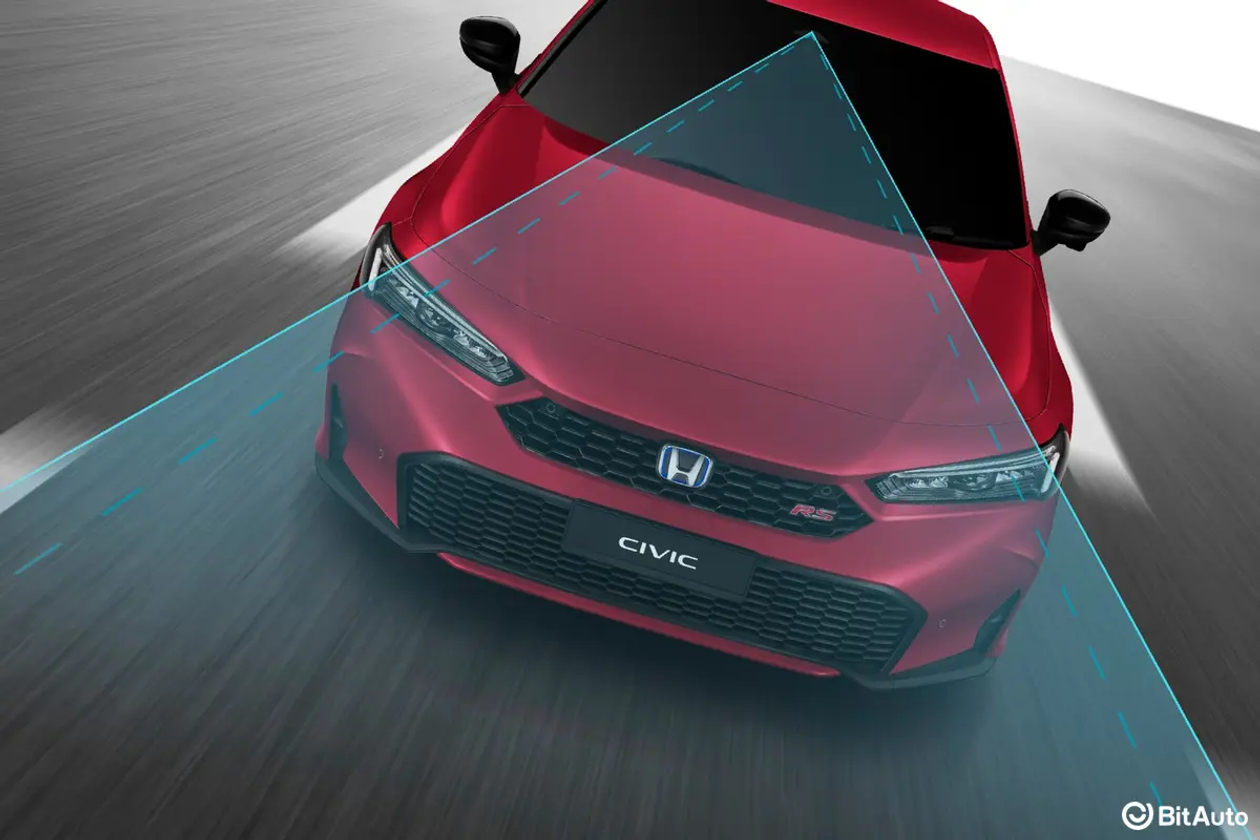
If S+ Shift is the highlight upgrade, then the safety improvements are more of a long-overdue catch-up.
For years, many Honda Civic owners in Malaysia have criticised one particular feature: the LaneWatch blind spot camera.
The system only displays the view on the left side of the vehicle, leaving the right-side blind spot uncovered. The camera can also be easily affected by rain and road grime, while it relies on the driver actively checking the screen instead of providing proactive warnings like a proper blind spot monitoring system.
With the latest Thai-market Civic update, Honda has finally made a change — replacing LaneWatch with BSI (Blind Spot Information) and RCTA (Rear Cross Traffic Alert). The update also adds a 360-degree Multi-View Camera System.
These features have already become common among rivals, including the Toyota Corolla, Mazda 3, and even some Chinese-brand models. With this upgrade, the Civic is finally catching up with current market expectations.
For everyday driving, the addition of a 360-degree camera is particularly useful. The Civic's low-slung body can make parking visibility challenging, and the surround-view system helps drivers avoid scraping the wheels against kerbs. Meanwhile, BSI and RCTA provide active warnings during lane changes and reversing, delivering a noticeable improvement in overall confidence and safety.
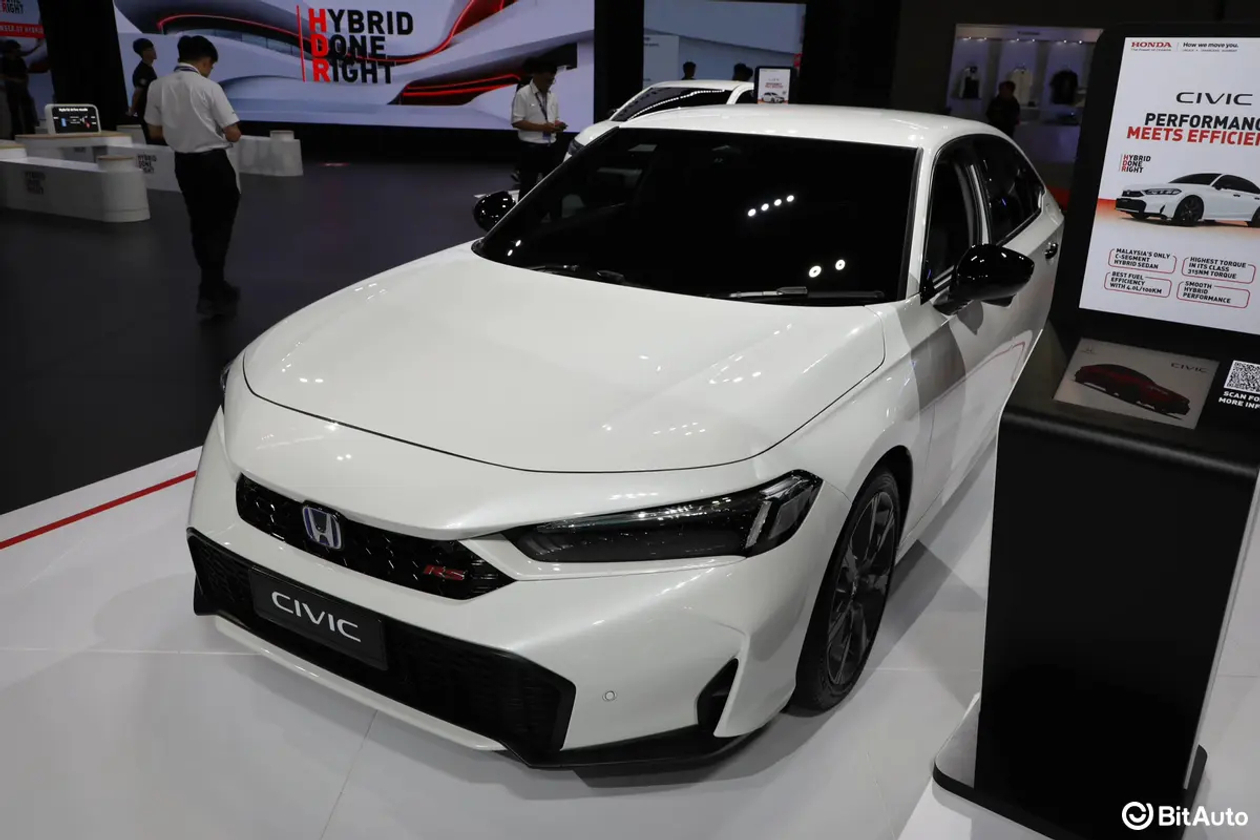
Timeline: Honda Malaysia has already announced plans to launch six new models in 2026, with the updated Civic confirmed as one of them. Based on previous launch patterns, Malaysia typically follows Thailand within three to six months after a new model is introduced.
Considering Honda Malaysia's busy launch schedule this year, the updated Civic has a strong chance of arriving in Malaysia before the end of 2026.
Specifications: Will Malaysia Get the Same Package as Thailand? Not necessarily.
There are several factors to consider:
First, the powertrain. Thailand has already moved to an all-e:HEV Civic lineup, but Malaysia is likely to retain the 1.5L VTEC Turbo option. The reason is straightforward — pricing. If Honda Malaysia switches the entire Civic range to hybrid, the entry price could rise significantly from the current RM133,900 to around the RM150,000–160,000 range. That could push away some buyers who are more price-sensitive.
Second, the availability of S+ Shift. In Japan, S+ Shift is exclusive to the e:HEV RS variant. If Malaysia continues with a strategy of keeping turbo models as the main lineup and hybrid as the premium option, S+ Shift will likely be limited to the top-spec e:HEV RS, with turbo variants unlikely to receive the feature.
Third, safety equipment. The addition of BSI and a 360-degree camera system is highly likely to make its way to Malaysia. These are no longer considered premium technologies, but increasingly expected features in the segment. If Honda leaves them out, the Civic's competitiveness in the C-segment will continue to weaken.
Whenever a new facelift or update is announced, the biggest dilemma usually falls on two groups of buyers — those who have just bought the current model and those who are considering a purchase.
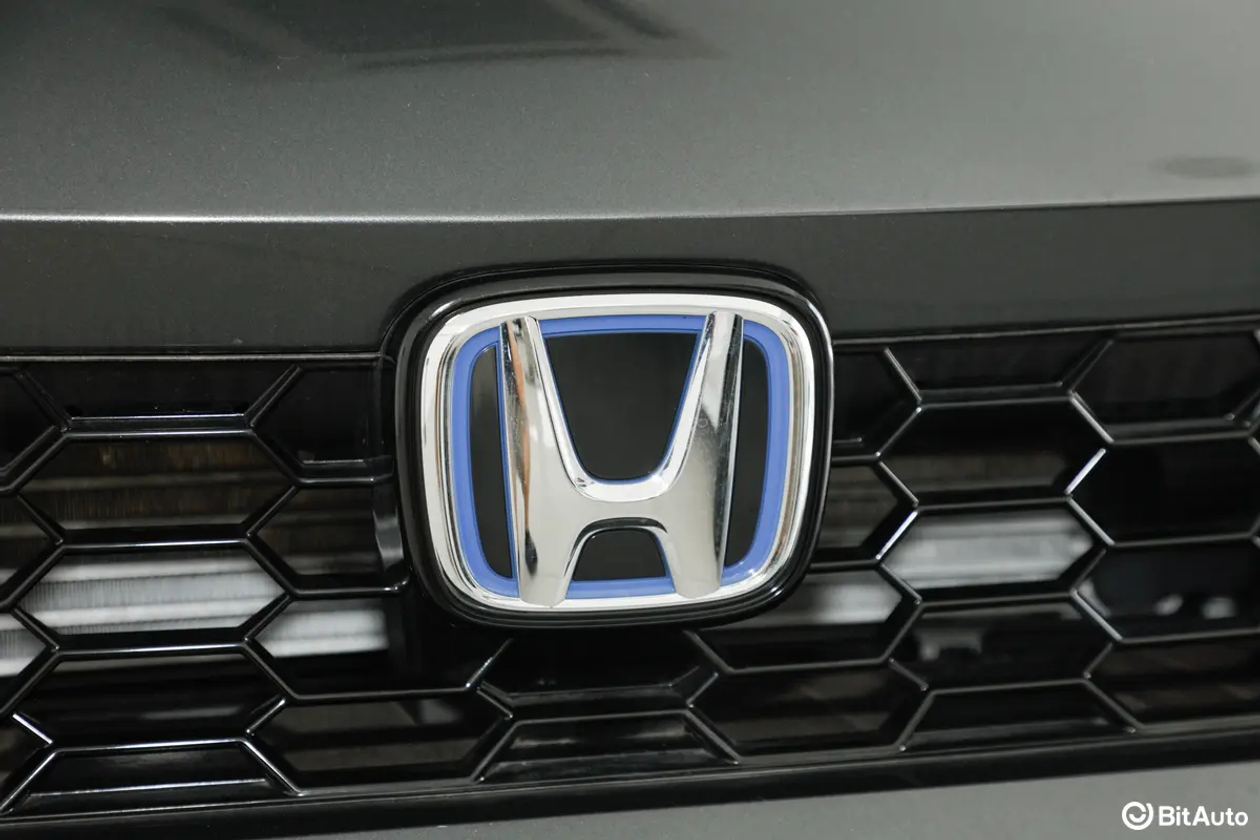
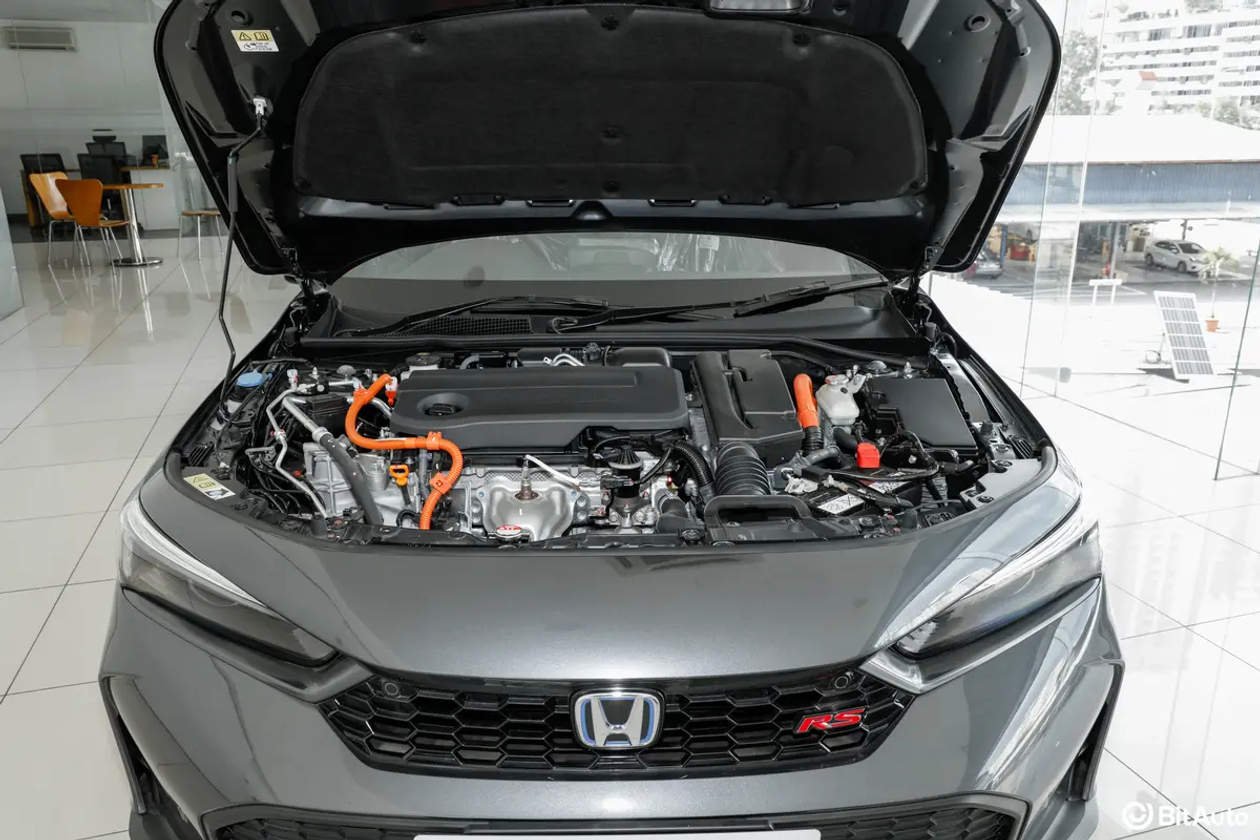
If you already bought the 2025 facelifted Civic, don't feel too disappointed. You still own a mature and market-proven model. While S+ Shift may sound exciting, it is essentially an experience upgrade rather than a performance upgrade. The powertrain itself remains unchanged, using the same 2.0L e:HEV system with a 184 PS electric motor, 141 PS petrol engine and a combined output of 203 PS. In other words, you did not necessarily make the wrong choice.
If you are currently considering buying a Civic — it may be worth waiting. The 2026 update brings practical improvements, especially the safety upgrades such as BSI and a 360-degree camera system, which will make a noticeable difference in daily driving. S+ Shift also adds a completely different character to the hybrid driving experience. Unless you urgently need a car, or the current model comes with a significant promotional discount, waiting a few more months could be the more sensible decision.
If your budget is around RM 140,000 — there is one thing to consider. If Malaysia follows Thailand's strategy of moving towards an all-hybrid Civic lineup, the entry price could increase. However, if you are not specifically looking for a hybrid and do not care much about S+ Shift, buying the current 1.5L VTEC Turbo model could actually represent better value. After all, there is a possibility that the turbocharged variants may no longer be available after the next update.
Over the past few years, Chinese brands such as BYD, MG, Geely and GWM have become increasingly aggressive in the C-segment market, offering strong equipment levels and competitive pricing. If Honda continues with its old approach of charging extra for features that competitors already include as standard, it risks losing more customers.
The introduction of S+ Shift, along with the addition of BSI and a 360-degree camera system, is not simply Honda being generous — it is a necessary response to growing market pressure.
For Malaysian buyers, the good news is that a safer and more refined Civic is likely on the way. The downside is that these upgrades may come with a higher price tag.
How much more will buyers have to pay, and when exactly will it arrive? We will have to wait for Honda Malaysia's official announcement. Based on the current timeline, more details are likely to be revealed before the end of this year.


Your go-to source for all things automotive in Malaysia. 🚗 Latest reviews, breaking news, launches & industry trends.
+ Follow Kereta Rally Karamjit Singh & Proton Wira Schumacher Ada Sini! | HME Asia 2026
Hujung minggu dah tiba dan anda mencari sesuatu untuk cuci mata? Jemput datang ke Heritage Motor Exchange Asia 2026 yang berlangsung di Dewal Merdeka, World Trade Centre (WTC) Kuala Lumpur!
Berbeza dengan pameran biasa, acara ini memberi tumpuan khas kepada kenderaan-kenderaan warisan dan klasik yang menggamit memori. Antara daya tarikan utama yang dipamerkan termasuk:
🏎️ Kereta Rally Legenda: Kereta rally ikonik yang pernah dipandu oleh pemandu legenda negara, Karamjit Singh!
🏎️ Proton Wira Schumacher: Model Proton Wira penuh sejarah yang pernah dipandu oleh pelumba F1 legenda, Michael Schumacher!
🚘 Kereta Klasik & Mewah: Mercedes-Benz W111 Cabriolet (1960-an), Rolls-Royce Silver Cloud, Jaguar E-Type, dan pelbagai lagi model berprestasi tinggi.
Membawa tema "When Passion Meets Acquisition", pameran ini menghimpunkan lebih 50 buah kereta daripada pelbagai era. Ia turut memperkenalkan sistem penilaian Concours 100 mata serta kemudahan urusan pemeriksaan, insurans, dan cukai jalan bersama agensi seperti Puspakom dan JPJ di lokasi.
📅 Tarikh: 23 – 25 Oktober 2026
📍 Lokasi: Dewan Merdeka, WTC Kuala Lumpur
Tonton video ini sampai habis untuk lihat sendiri kehebatan jentera-jentera klasik ini! Jangan lupa untuk Like, Comment, dan Subscribe ke saluran BitAuto!
#HeritageMotorExchange #HMEAsia2026 #BitAuto #WTCKL #KeretaKlasik 1 day ago
Kereta Rally Karamjit Singh & Proton Wira Schumacher Ada Sini! | HME Asia 2026
Hujung minggu dah tiba dan anda mencari sesuatu untuk cuci mata? Jemput datang ke Heritage Motor Exchange Asia 2026 yang berlangsung di Dewal Merdeka, World Trade Centre (WTC) Kuala Lumpur!
Berbeza dengan pameran biasa, acara ini memberi tumpuan khas kepada kenderaan-kenderaan warisan dan klasik yang menggamit memori. Antara daya tarikan utama yang dipamerkan termasuk:
🏎️ Kereta Rally Legenda: Kereta rally ikonik yang pernah dipandu oleh pemandu legenda negara, Karamjit Singh!
🏎️ Proton Wira Schumacher: Model Proton Wira penuh sejarah yang pernah dipandu oleh pelumba F1 legenda, Michael Schumacher!
🚘 Kereta Klasik & Mewah: Mercedes-Benz W111 Cabriolet (1960-an), Rolls-Royce Silver Cloud, Jaguar E-Type, dan pelbagai lagi model berprestasi tinggi.
Membawa tema "When Passion Meets Acquisition", pameran ini menghimpunkan lebih 50 buah kereta daripada pelbagai era. Ia turut memperkenalkan sistem penilaian Concours 100 mata serta kemudahan urusan pemeriksaan, insurans, dan cukai jalan bersama agensi seperti Puspakom dan JPJ di lokasi.
📅 Tarikh: 23 – 25 Oktober 2026
📍 Lokasi: Dewan Merdeka, WTC Kuala Lumpur
Tonton video ini sampai habis untuk lihat sendiri kehebatan jentera-jentera klasik ini! Jangan lupa untuk Like, Comment, dan Subscribe ke saluran BitAuto!
#HeritageMotorExchange #HMEAsia2026 #BitAuto #WTCKL #KeretaKlasik 1 day ago  Rare cars, legendary icons and automotive dreams come alive at Heritage Motor Exchange Asia!
#HMEA #HeritageMotorExchangeAsia #ClassicCars #Supercars #CarCulture #MalaysiaCars 1 day ago
Rare cars, legendary icons and automotive dreams come alive at Heritage Motor Exchange Asia!
#HMEA #HeritageMotorExchangeAsia #ClassicCars #Supercars #CarCulture #MalaysiaCars 1 day ago  Waze could be banned?
IT seems like the Malaysian government may look into banning Waze, but only when local alternatives are ready. 1 day ago
Waze could be banned?
IT seems like the Malaysian government may look into banning Waze, but only when local alternatives are ready. 1 day ago Get the latest car news first!
Your go-to source for all things automotive in Malaysia. 🚗 Latest reviews, breaking news, launches & industry trends.
Kereta Rally Karamjit Singh & Proton Wira Schumacher Ada Sini! | HME Asia 2026
Hujung minggu dah tiba dan anda mencari sesuatu untuk cuci mata? Jemput datang ke Heritage Motor Exchange Asia 2026 yang berlangsung di Dewal Merdeka, World Trade Centre (WTC) Kuala Lumpur!
Berbeza dengan pameran biasa, acara ini memberi tumpuan khas kepada kenderaan-kenderaan warisan dan klasik yang menggamit memori. Antara daya tarikan utama yang dipamerkan termasuk:
🏎️ Kereta Rally Legenda: Kereta rally ikonik yang pernah dipandu oleh pemandu legenda negara, Karamjit Singh!
🏎️ Proton Wira Schumacher: Model Proton Wira penuh sejarah yang pernah dipandu oleh pelumba F1 legenda, Michael Schumacher!
🚘 Kereta Klasik & Mewah: Mercedes-Benz W111 Cabriolet (1960-an), Rolls-Royce Silver Cloud, Jaguar E-Type, dan pelbagai lagi model berprestasi tinggi.
Membawa tema "When Passion Meets Acquisition", pameran ini menghimpunkan lebih 50 buah kereta daripada pelbagai era. Ia turut memperkenalkan sistem penilaian Concours 100 mata serta kemudahan urusan pemeriksaan, insurans, dan cukai jalan bersama agensi seperti Puspakom dan JPJ di lokasi.
📅 Tarikh: 23 – 25 Oktober 2026
📍 Lokasi: Dewan Merdeka, WTC Kuala Lumpur
Tonton video ini sampai habis untuk lihat sendiri kehebatan jentera-jentera klasik ini! Jangan lupa untuk Like, Comment, dan Subscribe ke saluran BitAuto!
#HeritageMotorExchange #HMEAsia2026 #BitAuto #WTCKL #KeretaKlasik 1 day ago Rare cars, legendary icons and automotive dreams come alive at Heritage Motor Exchange Asia!
#HMEA #HeritageMotorExchangeAsia #ClassicCars #Supercars #CarCulture #MalaysiaCars 1 day ago Waze could be banned?
IT seems like the Malaysian government may look into banning Waze, but only when local alternatives are ready. 1 day ago 
© 2024 Bitauto.com. All Rights Reserved.
Bitauto (www.yiche.com and www.bitauto.com) is one of the most visited automotive websites in China. We provide detailed info on Chinese car brands available in your area. Please note that the information provided on this website is based on publicly available data and is for reference only. It may not be fully updated or accurate at all times.

Help us improve our website


