According to the latest batch of new vehicle declaration lists from China's Ministry of Industry and Information Technology (MIIT), the second-generation BYD Seagull has arrived.
The immediate reaction upon seeing the declaration data is: this vehicle has grown significantly. The second-generation Seagull boasts exterior dimensions of 4,205 x 1,810 x 1,570 mm with a wheelbase extended to 2,650 mm. The overall length increases by 425 mm compared to the current model, while the wheelbase is stretched by 150 mm. The powertrain has also been upgraded, with motor power jumping from 55 kW to 95 kW (approximately 129 PS). Most notably, the optional equipment list now includes LiDAR and a high-mount stop lamp with a camera——signalling that advanced driver-assistance capabilities will trickle down to entry-level electric vehicles.
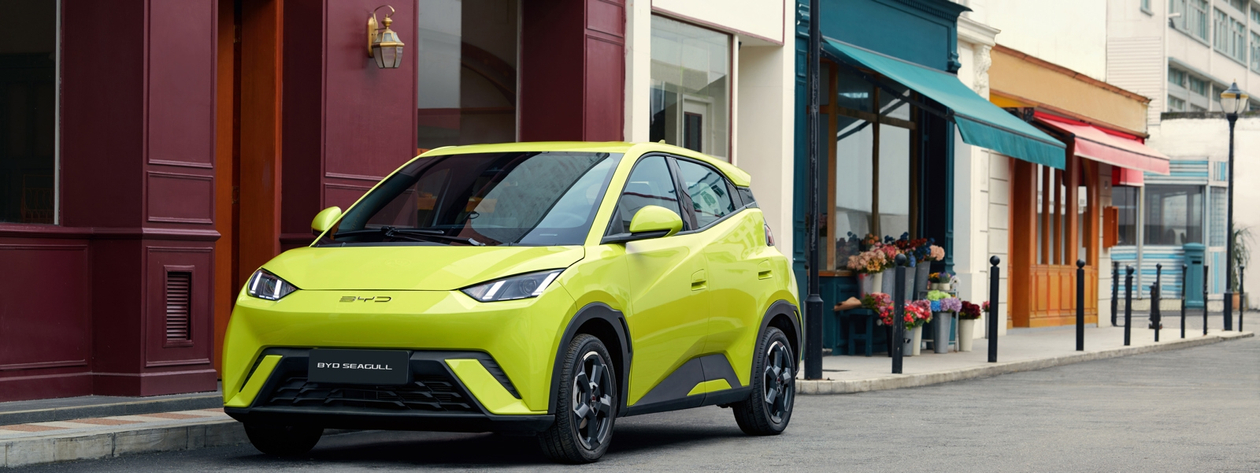
Let's look at the dimensions first.
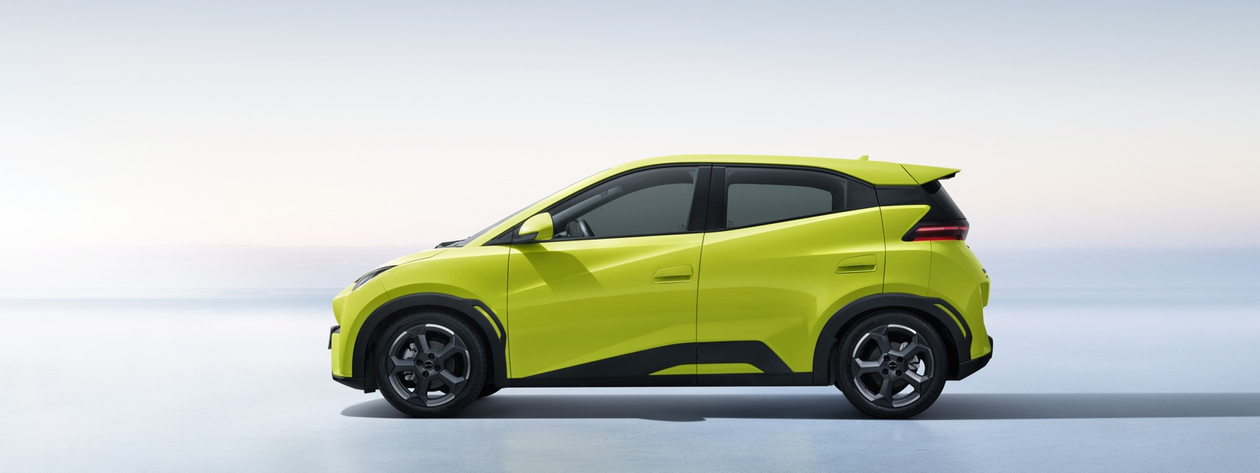
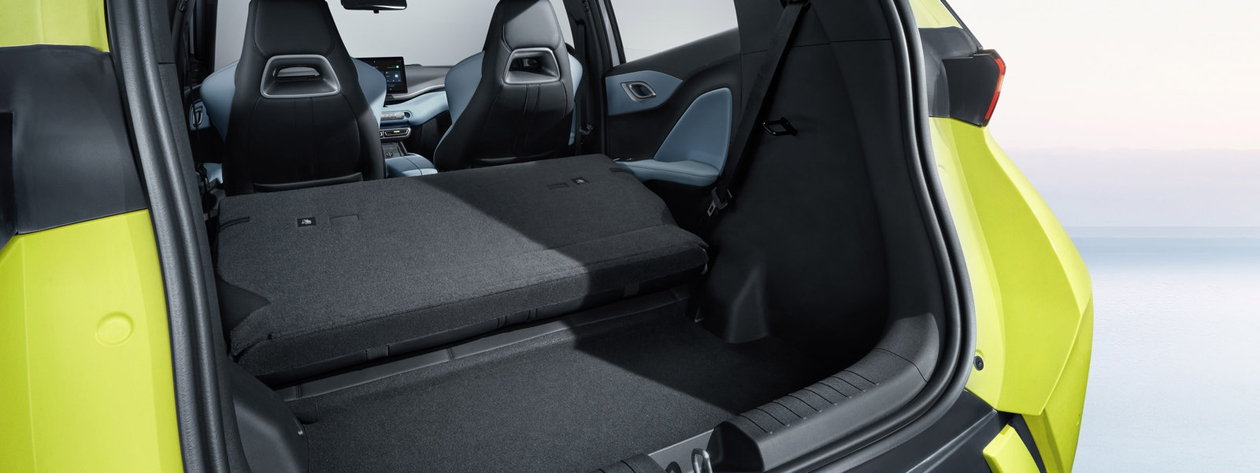
The current Seagull measures 3,780 mm in length with a 2,500 mm wheelbase. While agile within the A0-class small car segment, the rear space can only be described as "adequate." The second generation has pushed the dimensions to 4,205 mm, bringing the wheelbase up to 2,650 mm. The 4-seater layout has been upgraded to a 5-seater configuration——finally allowing adults to sit comfortably in the rear.
What do these dimensions imply?
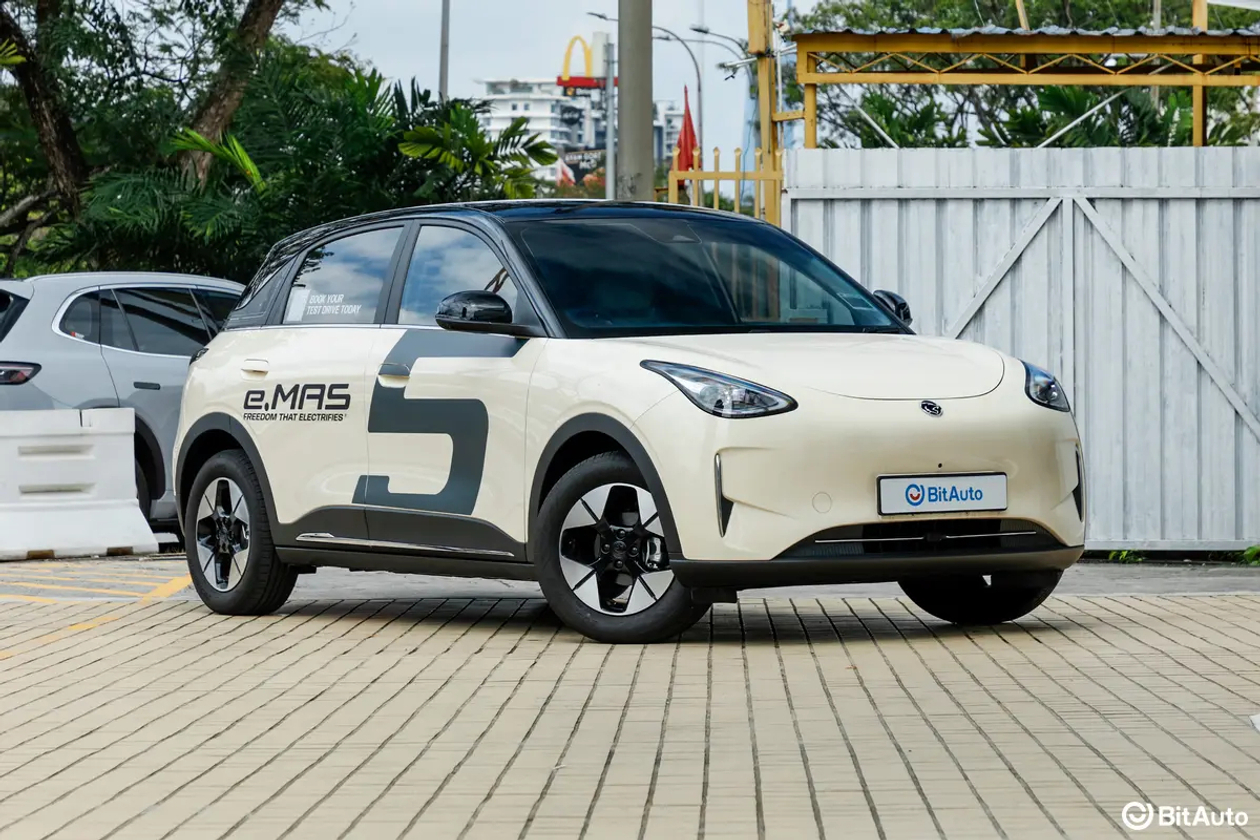
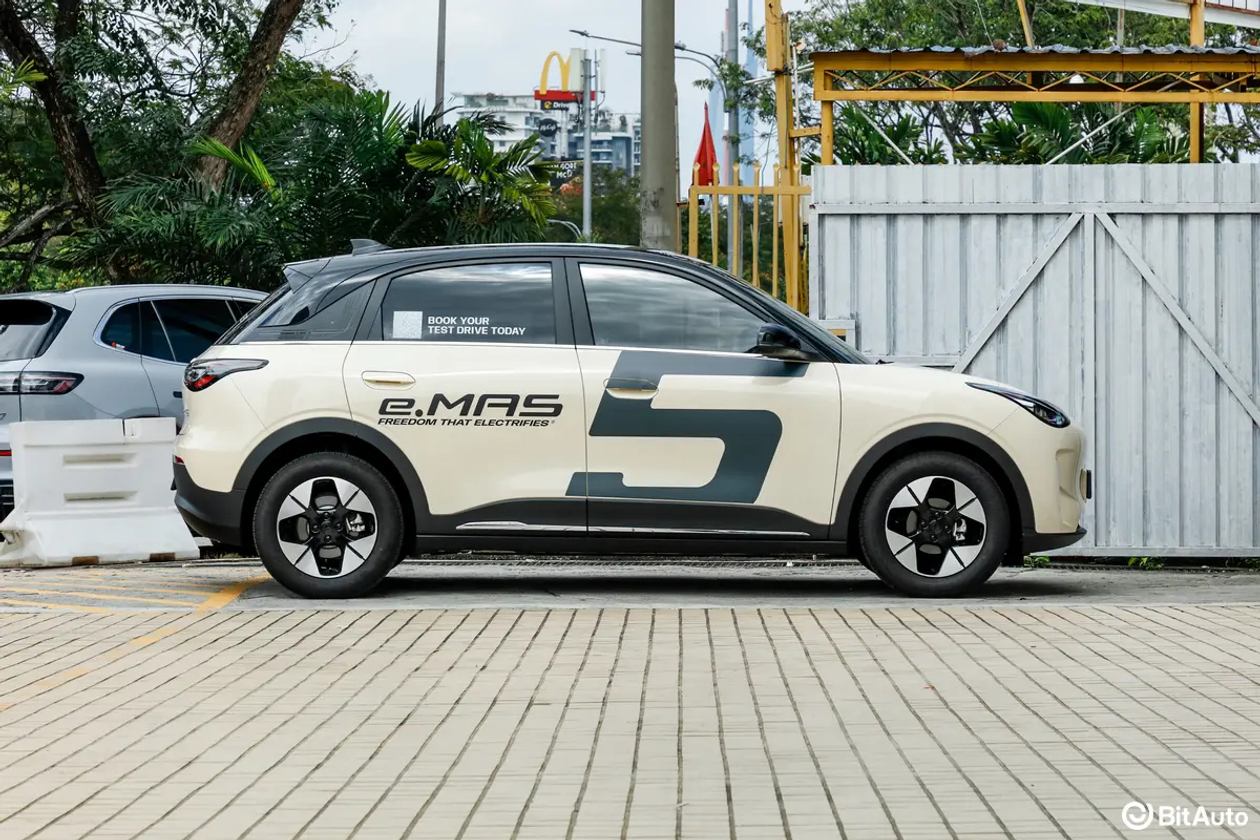
A comparison with the Proton e.MAS 5, most familiar to Malaysian consumers, makes the answer clear:
| Dimensions | Previous Generation Seagull | Second-Generation Seagull | Proton e.MAS 5 (Geely Xingyuan) |
|---|---|---|---|
| Length | 3,780 mm | 4,205 mm | 4,135 mm |
| Width | 1,715 mm | 1,810 mm | 1,805 mm |
| Height | 1,540 mm | 1,570 mm | 1,570 mm |
| Wheelbase | 2,500 mm | 2,650 mm | 2,650 mm |
The previous generation Seagull was 355 mm shorter in length and 150 mm shorter in wheelbase compared to its rival. The second generation has now matched the wheelbase and surpassed the Proton e.MAS 5 in length by 70 mm.
Regarding power, the second-generation Seagull is equipped with a 95 kW (129 PS) permanent magnet synchronous motor, nearly doubling the 55 kW (75 PS) of the current model. The top speed increases from 130 km/h to 150 km/h. The battery continues to utilise BYD's LFP Blade Battery, with a kerb weight starting from 1,180 kg.

Intelligent configuration is another surprise. MIIT declaration data indicates that the second-generation Seagull can be optionally equipped with LiDAR, front/rear/side radars, and a high-mount stop lamp with a camera. This means advanced driver-assistance capabilities will be available for entry-level electric vehicles.
The Seagull was once one of China's best-selling pure electric models. In 2025 alone, over 529,537 units were delivered in the Chinese market. However, since the entry of the Geely Xingyuan (the prototype of Malaysia's Proton e.MAS 5), the situation has turned unfavourable.
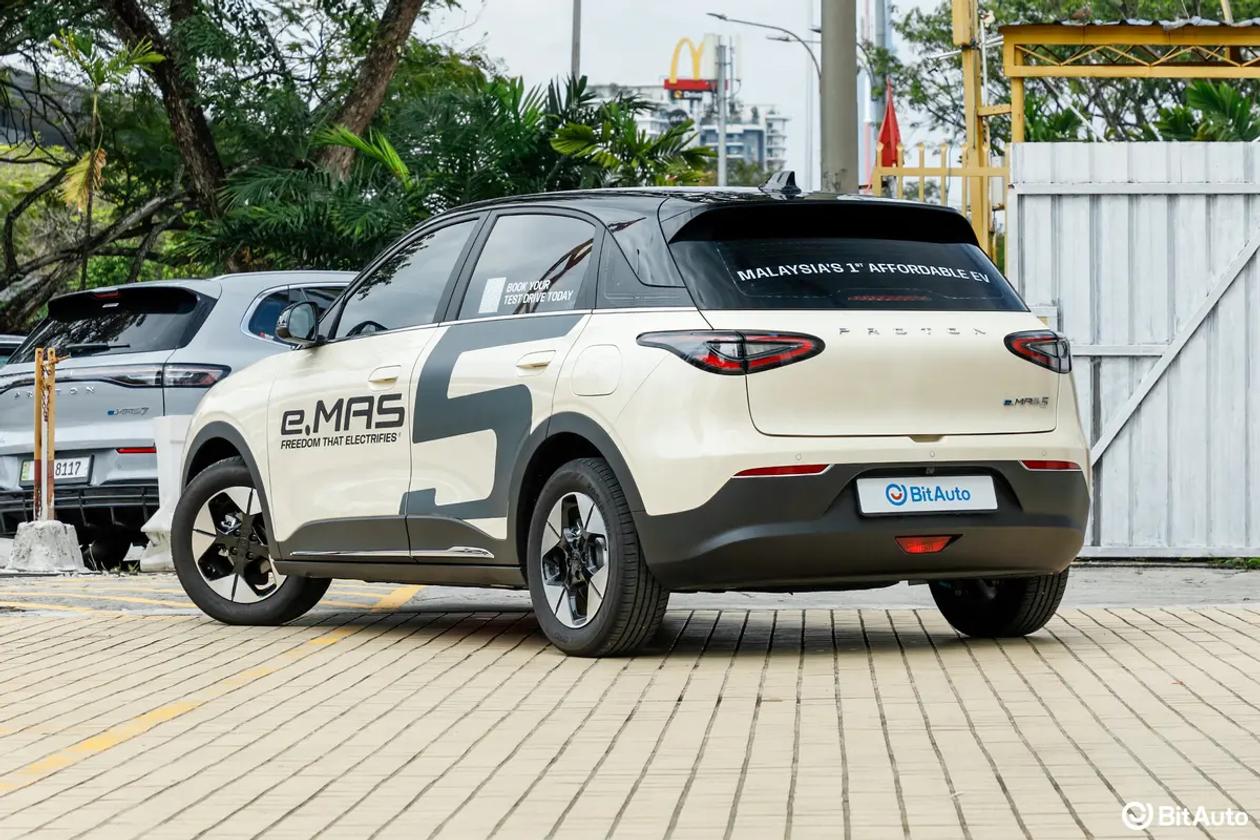
From January to May 2025, the Seagull sold 144,200 units, while the Xingyuan sold 164,000 units, a difference of less than 20,000. From January to May 2026, the Seagull plummeted to just 45,280 units, whereas the Xingyuan remained steady at 160,800 units——the gap suddenly expanded to 115,500 units, nearly six times larger. During April and May 2026, Seagull sales fell below 10,000 units, while the Xingyuan broke through 34,000 and 38,000 units respectively.
The Xingyuan stole a large number of potential Seagull users with its spacious interior and surprising pricing. Now, the second-generation Seagull has increased its dimensions, boosted its power, and is also making moves in intelligence.
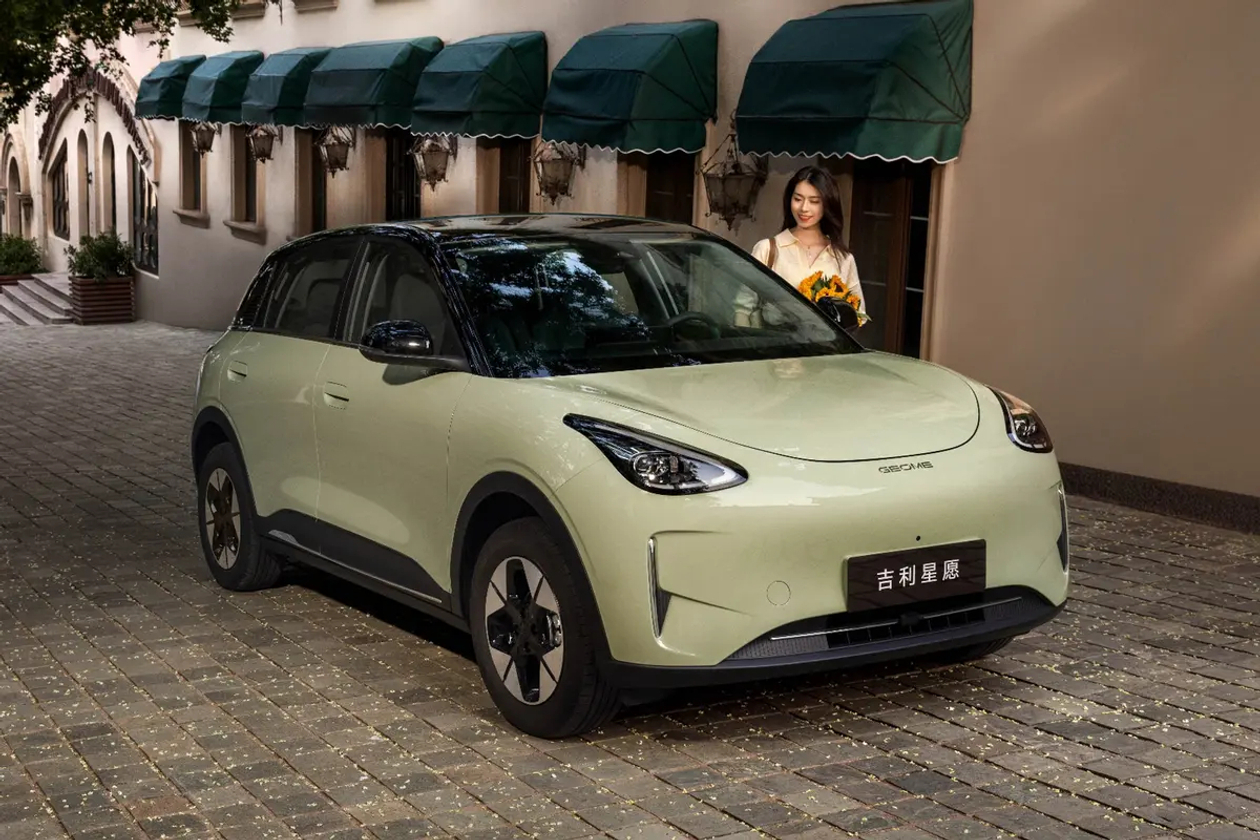
The Seagull is already on sale in multiple markets around the world. It is marketed as the Dolphin Mini in Latin America, the Dolphin Surf in Europe, and the Atto 1 across parts of the Asia-Pacific region, including Indonesia and Thailand. In Indonesia and Thailand, it is priced from around RM 52,000. Yet despite its global expansion, Malaysia has remained absent from the list.
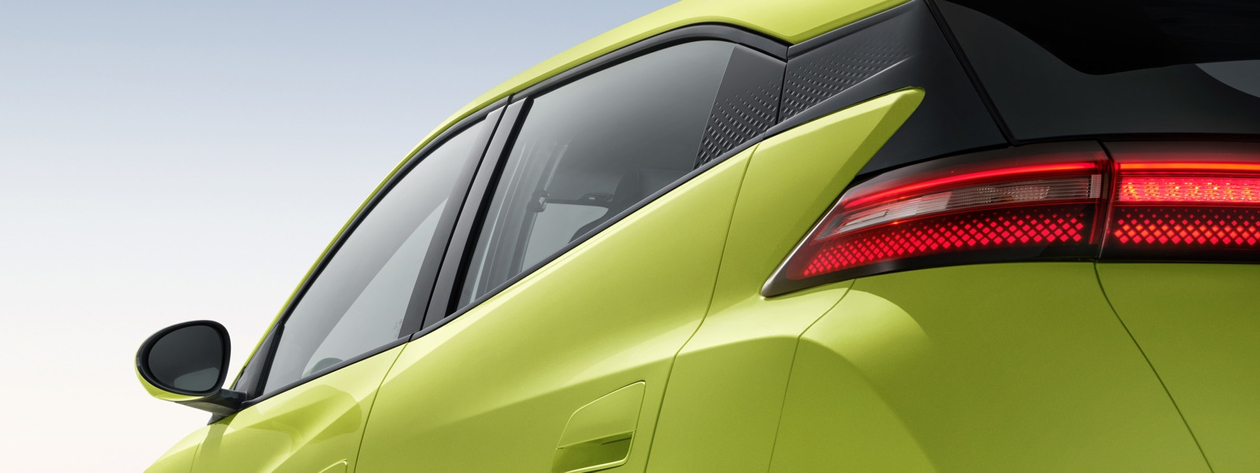
The main reason comes down to one thing: Malaysia's CBU import policy.
In 2025, the Seagull was described by Malaysian media as the "Myvi of the EV era". However, BYD Malaysia never officially introduced the model, largely because of the pricing requirements imposed on completely built-up (CBU) electric vehicles.
At the end of 2025, the Malaysian Government reinstated import and excise duties on CBU EVs and introduced a minimum retail price requirement of RM 250,000, which took effect on 1 January 2026.
The requirements became even stricter on 1 July 2026.
Under the latest regulations introduced by the Ministry of Investment, Trade and Industry (MITI), all CBU electric vehicles must meet both of the following criteria:
So, what do these requirements mean for BYD?
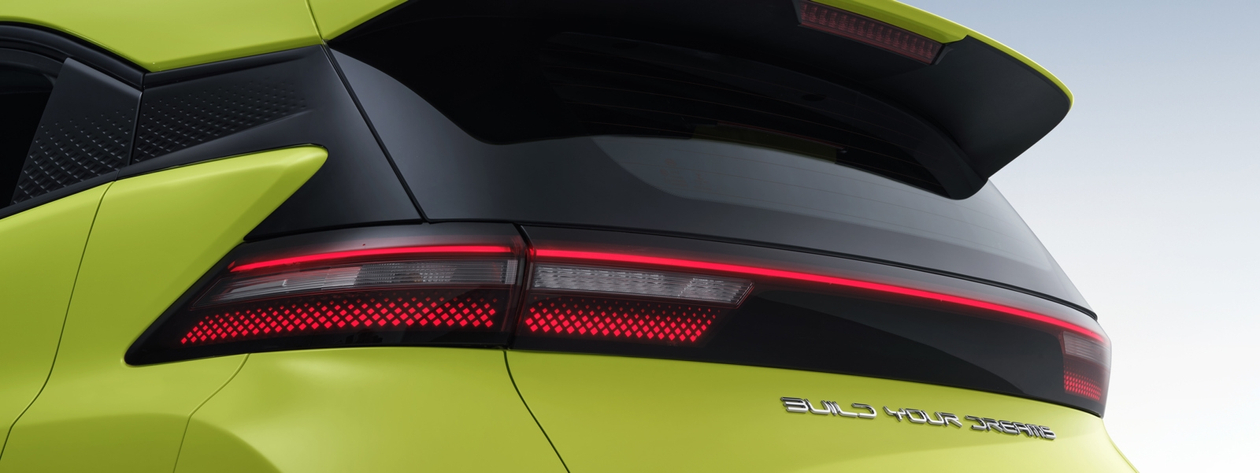
All seven BYD models currently sold in Malaysia are priced below RM 200,000. If BYD were required to declare a CIF value of at least RM 200,000 under the new regulations, the addition of import duty, excise duty and sales tax would likely push the final retail price to close to RM 300,000.
By comparison, the Seagull is priced from around RM 52,000 in Indonesia and Thailand. If it were imported into Malaysia as a CBU model, its retail price would likely exceed RM 100,000, if not more. A model originally designed to be an affordable EV would effectively become a much more expensive proposition in the Malaysian market.
The challenge does not end there. The Seagull's electric motor produces 95 kW (129 PS), which falls well short of the 180 kW minimum power output required under the new regulations.
In other words, under the current CBU regulations, the BYD Seagull is simply not eligible for import into Malaysia.
If importing the Seagull as a CBU model is no longer feasible, the only remaining option is CKD (Completely Knocked Down) local assembly.
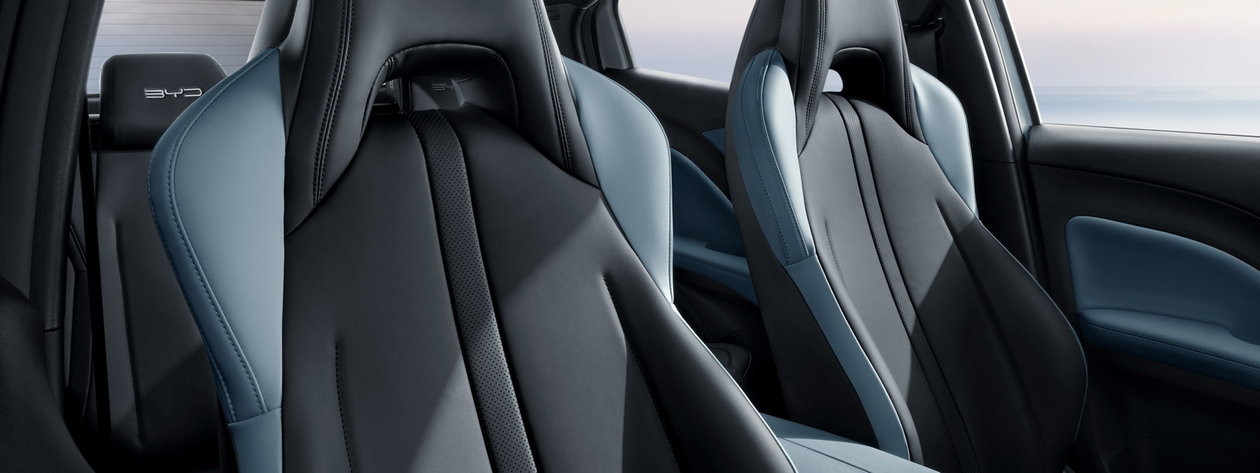
In August 2025, BYD announced plans to build a CKD plant in Tanjung Malim, Perak, covering approximately 600,000 square metres, with production originally expected to begin in the second half of 2026. At the time, BYD's Asia-Pacific management said the facility would enable Malaysian consumers to enjoy more affordable new energy vehicles.
If the Seagull were to be assembled locally, import and excise duties would be significantly reduced, potentially allowing the model to be priced between RM 50,000 and RM 70,000—making it a genuine mass-market EV.
However, the CKD route has also encountered obstacles.
In March 2026, several media outlets reported that BYD might be reconsidering its Tanjung Malim plant plans. The main issue centred on two additional conditions imposed by MITI on locally approved EV manufacturing projects from 1 September 2025 onwards:
For BYD, both requirements present significant challenges. The company already operates large-scale production facilities in Thailand and Indonesia. Meeting an 80% export requirement in Malaysia would effectively position the country as an export hub rather than a manufacturing base primarily serving the local market, which differs from BYD's original objective.
The good news is that MITI later clarified that the policy was not intended to be discriminatory. BYD also stated that it would respect the Government's policies and continue introducing more new models to Malaysia. Nevertheless, the timeline for the Tanjung Malim plant has shifted from an expected launch in the second half of 2026 to one that remains uncertain.
So, when will the Seagull arrive in Malaysia?
For now, there is no clear timeline. Whether the CKD plant will proceed as planned, whether the Seagull will be among the first locally assembled models, and how BYD will address the export requirement all remain unanswered.
From a product perspective, the second-generation Seagull certainly has the credentials to compete with the Proton e.MAS 5.
Its 4,205 mm body length exceeds the e.MAS 5's 4,135 mm, while both models share the same wheelbase. The Seagull's 129 PS motor also offers significantly more power than the 79 PS entry-level version of the e.MAS 5. In terms of technology, the availability of an optional LiDAR system could also give the Seagull an advantage in advanced driver assistance features.
If local CKD production becomes a reality, the Seagull's expected RM 50,000 to RM 70,000 price range would place it directly within the e.MAS 5's core market segment, where prices start from RM 56,800.
However, the e.MAS 5 still enjoys two key advantages that will not be easy to replicate.
The first is brand recognition. Proton remains Malaysia's national automotive brand, and the e.MAS 5 benefits from strong consumer familiarity and trust as a locally branded EV. Although BYD has become one of the world's leading EV manufacturers, it is still regarded by many Malaysian buyers as an overseas brand.
The second is its ecosystem. Proton e.MAS already has an established nationwide sales and after-sales network, supported by charging partners across the country. While BYD continues to expand its own network in Malaysia, it has yet to match Proton's scale and reach.
That said, greater competition ultimately benefits consumers.
The success of the e.MAS 5 has established a benchmark in Malaysia's entry-level EV market. Should the Seagull eventually arrive, competition on pricing, equipment and after-sales support would only give buyers more choice.
The second-generation BYD Seagull is a product shaped by an increasingly competitive market. Faced with strong rivals such as the Geely Xingyuan—the model that forms the basis of the Proton e.MAS 5—BYD has responded with a larger body, more power and even the option of LiDAR technology.
For Malaysian consumers, however, the Seagull remains a model that can be seen but not yet bought.
The dual barriers imposed by Malaysia's CBU regulations—a minimum RM 200,000 CIF value and 180 kW minimum power output—effectively keep the Seagull out of the market. Local CKD production remains the only realistic path forward, but uncertainty surrounding the Tanjung Malim plant and the 80% export requirement means there is still no clear timeline.
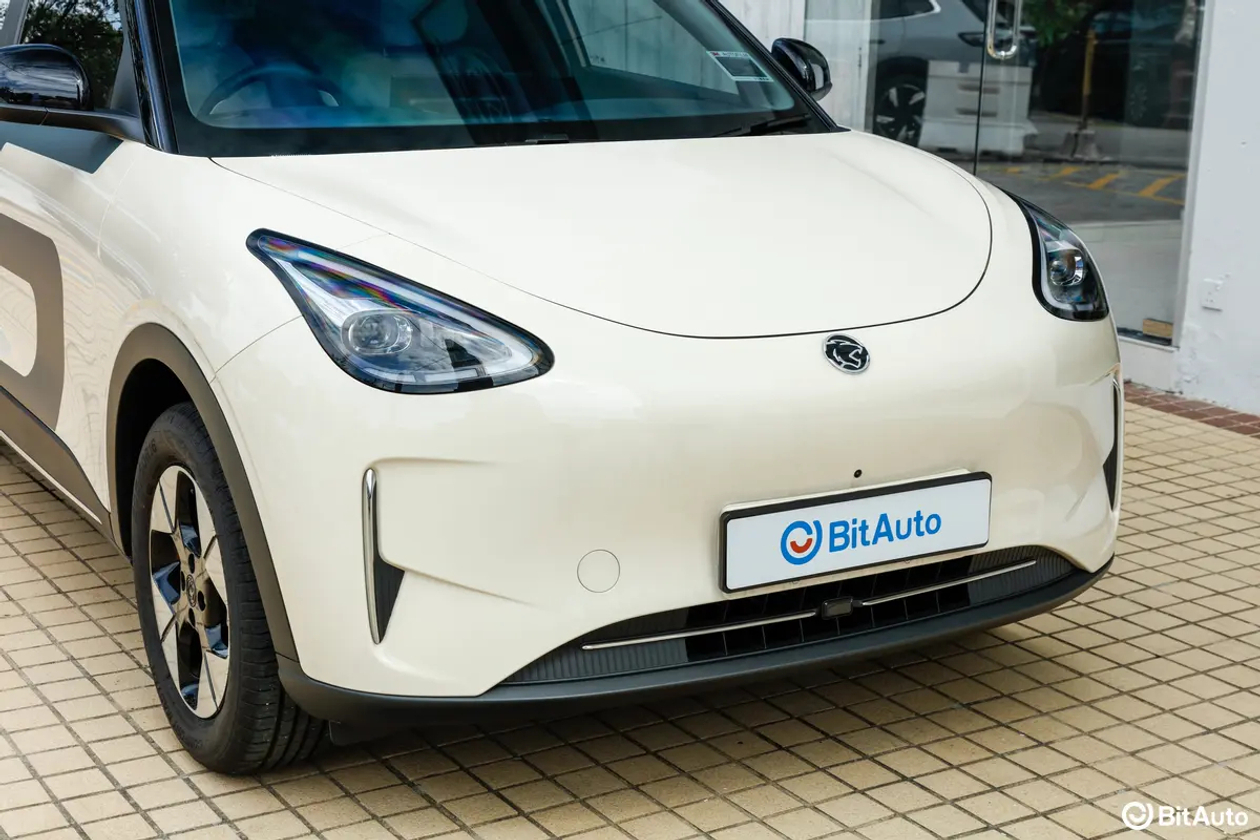
In the short term, the Seagull is unlikely to arrive in Malaysia anytime soon. If you are looking for an electric vehicle in the RM 50,000 to RM 70,000 price range today, the Proton e.MAS 5 remains the only option—and a very capable one at that.
Looking further ahead, however, intense competition within China's EV industry is accelerating product development. Whether it is the Seagull or another model, more affordable CKD-assembled EVs are likely to enter the Malaysian market in time. When that happens, the entry-level EV segment could look very different from what it is today.
For consumers, waiting may prove worthwhile. But for those who need a new car now, the Proton e.MAS 5 is already a compelling choice.


Your go-to source for all things automotive in Malaysia. 🚗 Latest reviews, breaking news, launches & industry trends.
+ Follow This weekend is your chance to own a Volvo Selekt Certified Used Car, priced from just RM 148,000.
What are you waiting for?
#volvo 1 minute ago
This weekend is your chance to own a Volvo Selekt Certified Used Car, priced from just RM 148,000.
What are you waiting for?
#volvo 1 minute ago  We saw this accident this morning, and here’s a reminder to everyone: please drive safe. 2 days ago
  The G50 BMW 3 series is now here, adopting much of the i3's design elements.
So, where's the BMW M3?
#bmw #BMW3Series 4 days ago
The G50 BMW 3 series is now here, adopting much of the i3's design elements.
So, where's the BMW M3?
#bmw #BMW3Series 4 days ago Get the latest car news first!
Your go-to source for all things automotive in Malaysia. 🚗 Latest reviews, breaking news, launches & industry trends.
This weekend is your chance to own a Volvo Selekt Certified Used Car, priced from just RM 148,000.
What are you waiting for?
#volvo 1 minute ago We saw this accident this morning, and here’s a reminder to everyone: please drive safe. 2 days ago The G50 BMW 3 series is now here, adopting much of the i3's design elements.
So, where's the BMW M3?
#bmw #BMW3Series 4 days ago  ProtonGWMVolkswagenJAECOOVolvoPeroduaToyotaHondaTESLAMitsubishiMazdaJetourCheryBYDLexusBMWMercedes-BenziCAURZeekrIsuzuNissanLeapmotorPorscheFordOMODAMINIMGSuzukiXPengHyundaiWulingKiaSubaruDenzaGACLand RoverDongfengCAMAudiPeugeotFotonMAXUSsmartDaihatsuJACJMCMaseratiLotusAlfa RomeoRenaultGolden DragonKaiceneSeresLamborghiniFerrariJeepRolls-RoyceLepasAston MartinMcLarenChevroletBentleyFiatBAICForthingGeelyRoeweAeolusChanganARCFOXDeepalExeedHongqiVoyahJaguarKGMBuforiAcuraCadillacDodgeAbarthINEOSMHEROJMEVFreelander
© 2024 Bitauto.com. All Rights Reserved.
Bitauto (www.yiche.com and www.bitauto.com) is one of the most visited automotive websites in China. We provide detailed info on Chinese car brands available in your area. Please note that the information provided on this website is based on publicly available data and is for reference only. It may not be fully updated or accurate at all times.
Help us improve our website


