Tesla has officially released its financial report for the second quarter of 2026.
Despite facing intense market competition and increased investments in future technologies, the company still delivered stellar results across global vehicle deliveries, revenue, artificial intelligence (AI), and energy storage businesses.
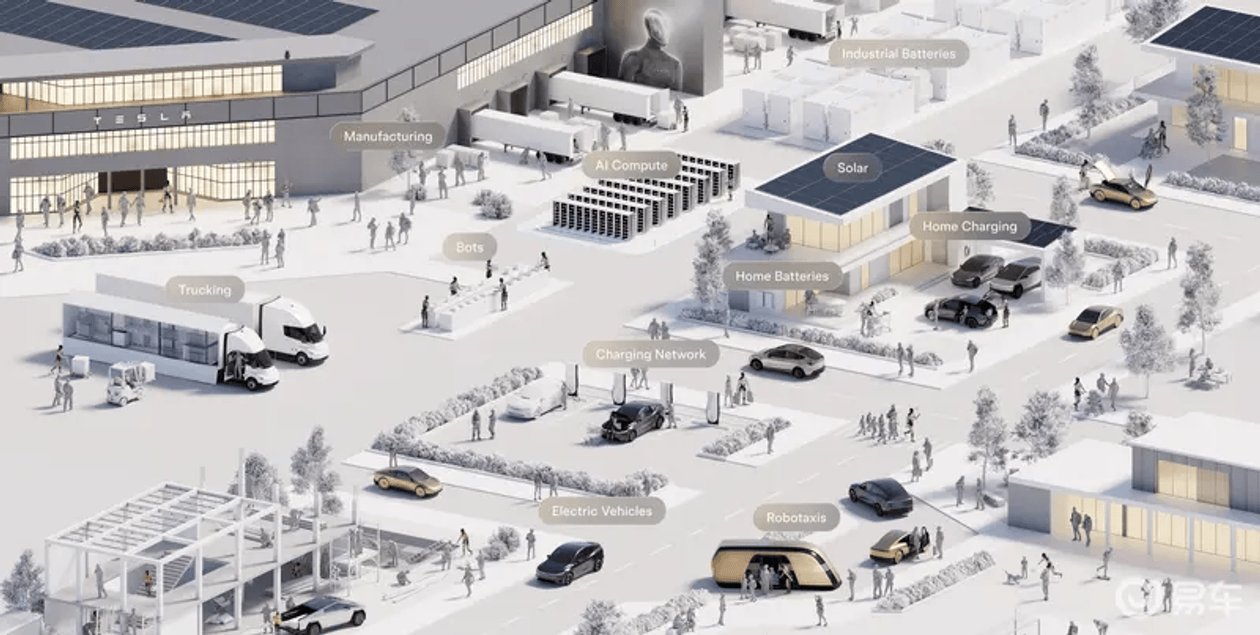
Tesla demonstrated strong momentum in electric vehicles and core services this quarter:
Record Global Deliveries: Second-quarter global total revenue grew 26% year-on-year to $28.2 billion. Global battery electric vehicle (BEV) production exceeded 451,000 units (up approximately 10% YoY), while deliveries surpassed 480,000 units (up approximately 25% YoY).
Steady Growth Across Key Markets: Broken down by region, deliveries in the Americas, Asia-Pacific, and EMEA (Europe, Middle East, and Africa) markets recorded significant quarter-on-quarter (QoQ) increases of 60%, 27%, and 12% respectively.
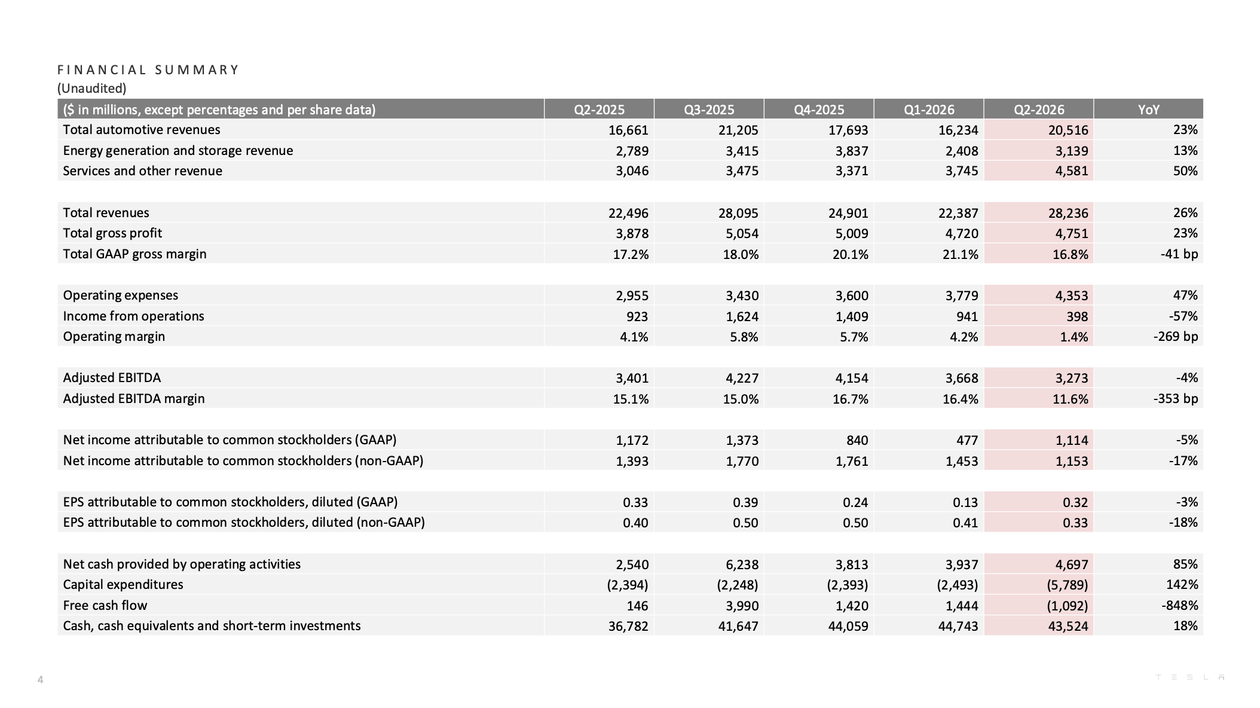
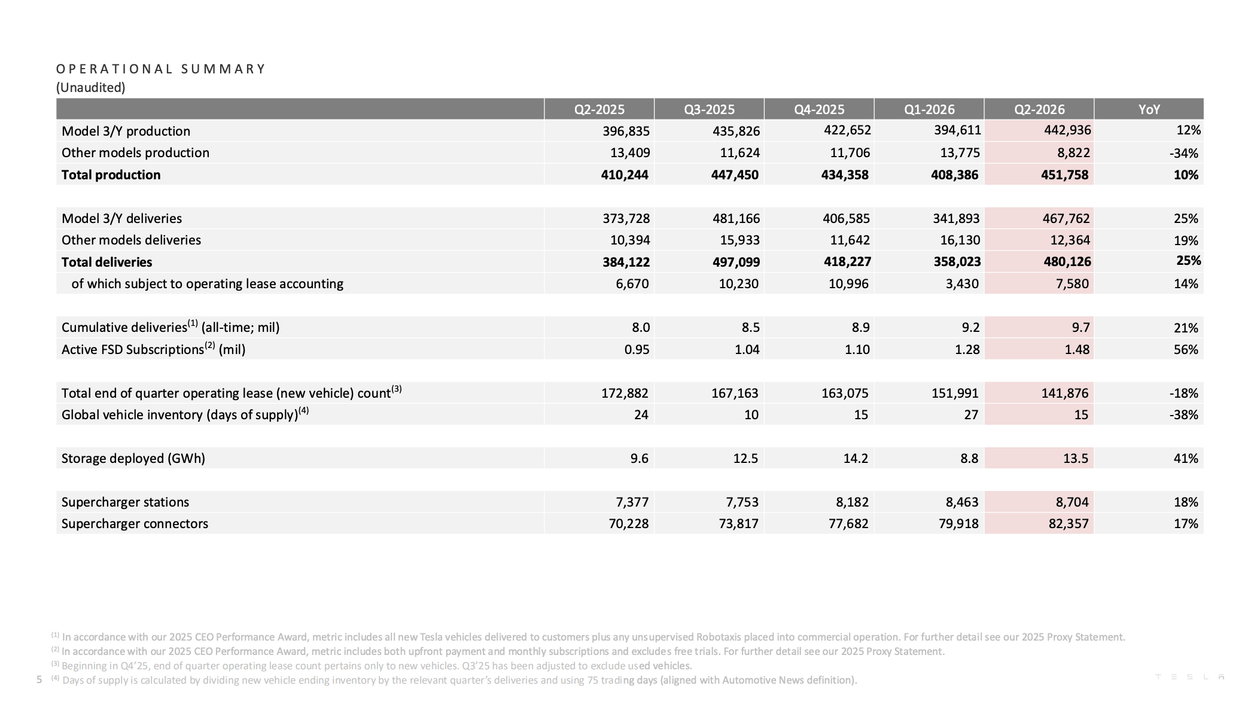
Note: To read the full Tesla Q2 financial report, please click here.
Strong Performance from Gigafactory Shanghai: As Tesla's crucial global export hub, Gigafactory Shanghai delivered over 89,000 electric vehicles in June (a 24.4% year-on-year increase), setting a new monthly high for the year. Furthermore, cumulative deliveries for the first half of the year neared 468,000 units (up 28.4% year-on-year).
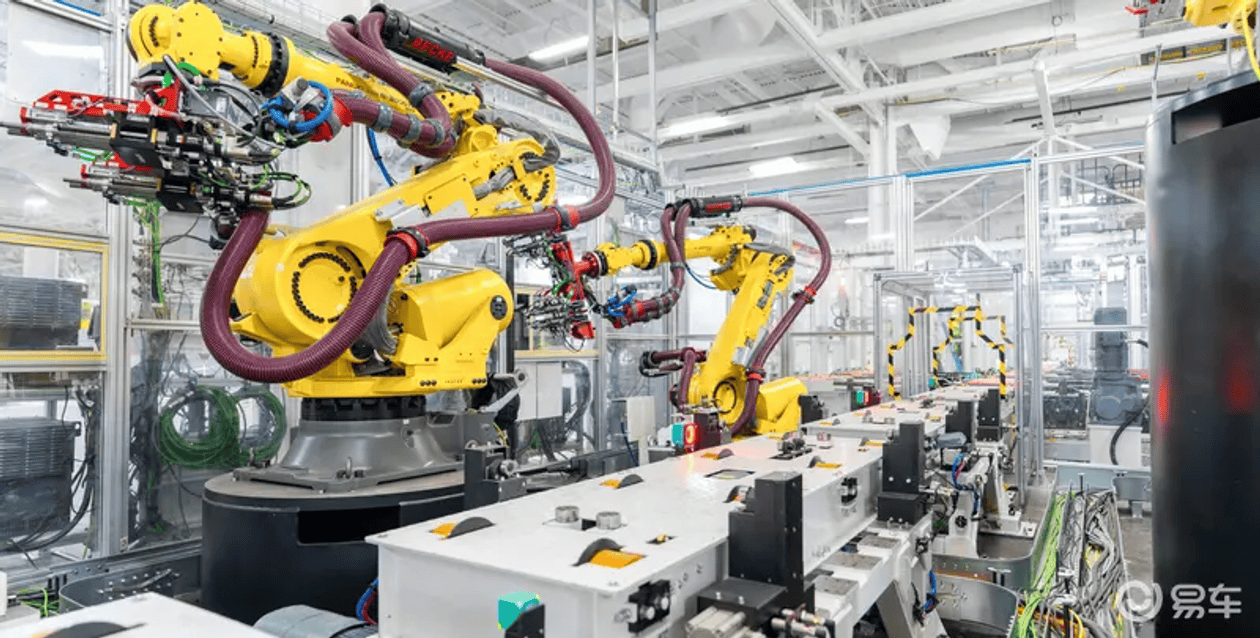
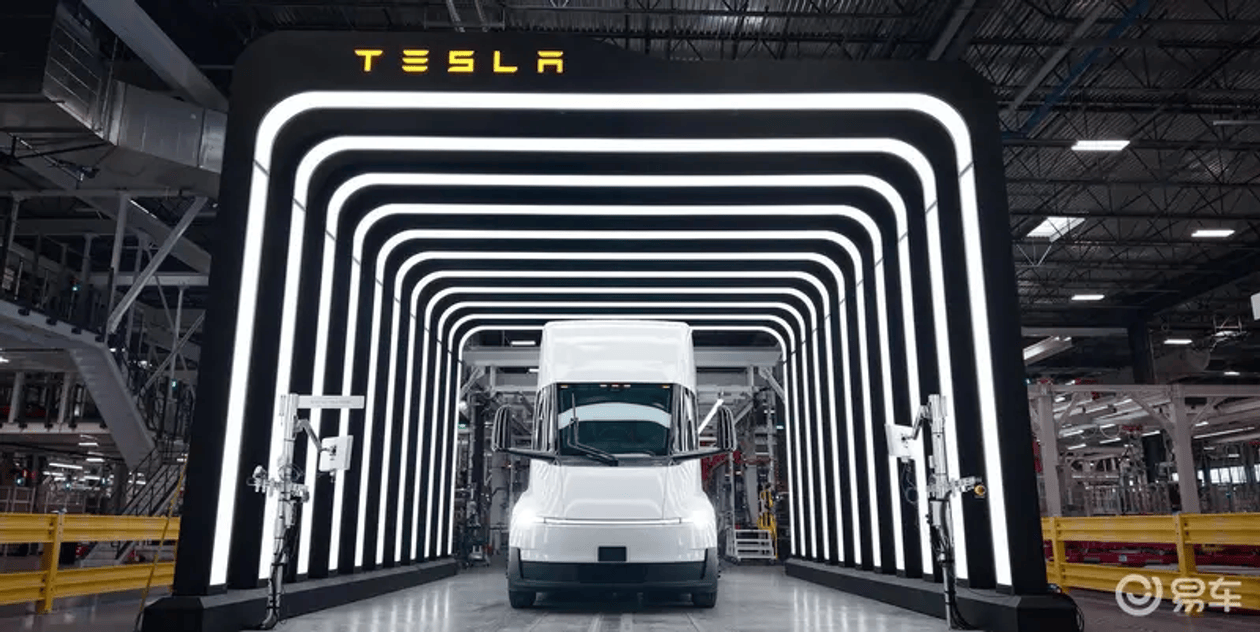
As EV adoption rates continue to climb, Tesla's charging network is also expanding:
Global Supercharging Footprint: In Q2 2026, 2,700 new Supercharger stalls were added globally, expanding the network by 17% year-on-year to a total of over 82,000.
Charging Efficiency & Reliability: Global power delivery for the quarter reached 2.0 Terawatt-hours (TWh) (up 30% year-on-year), serving over 60 million charging sessions cumulatively. The Supercharger uptime remained at an industry-leading 99.95%.
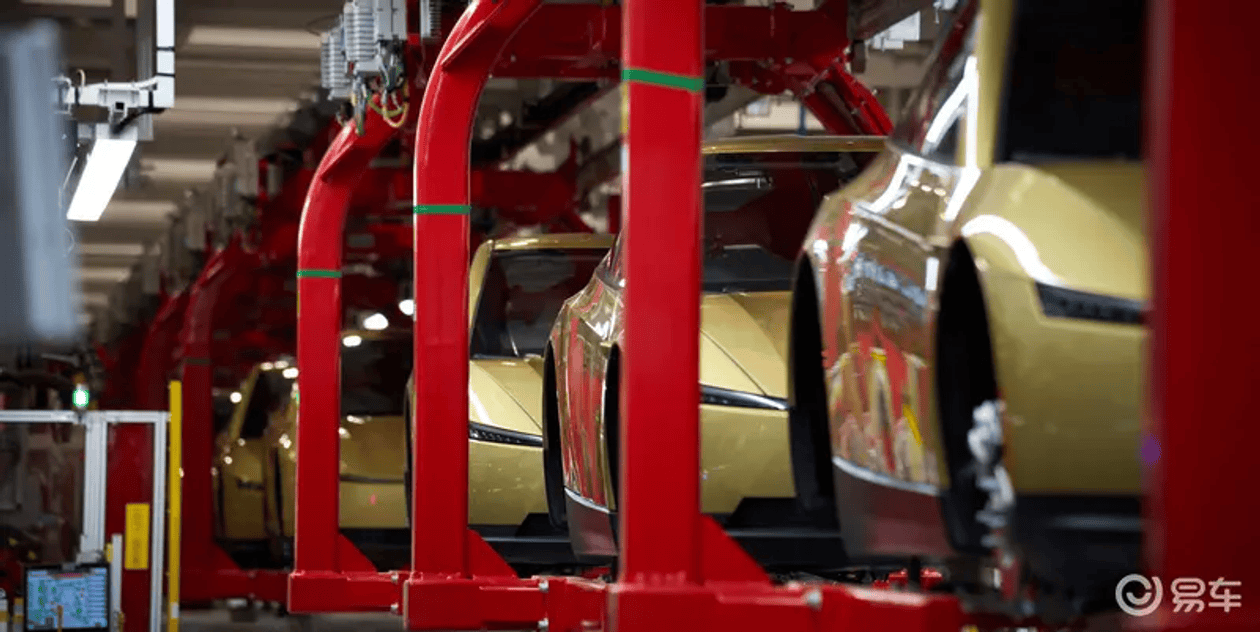
In the fields of AI and software services, Tesla is accelerating its transformation from a pure carmaker to a tech giant:
FSD Subscriptions Surge: As of the second quarter, Tesla's global paid user base for FSD (Full Self-Driving/Driver Assist) has reached 1.48 million. Among these users, 55% chose the one-time outright purchase, while 45% opted for a monthly subscription. In the North American market, the take rate for FSD options at vehicle delivery hit an all-time high, with over half of all new vehicles delivered directly equipped with the software.
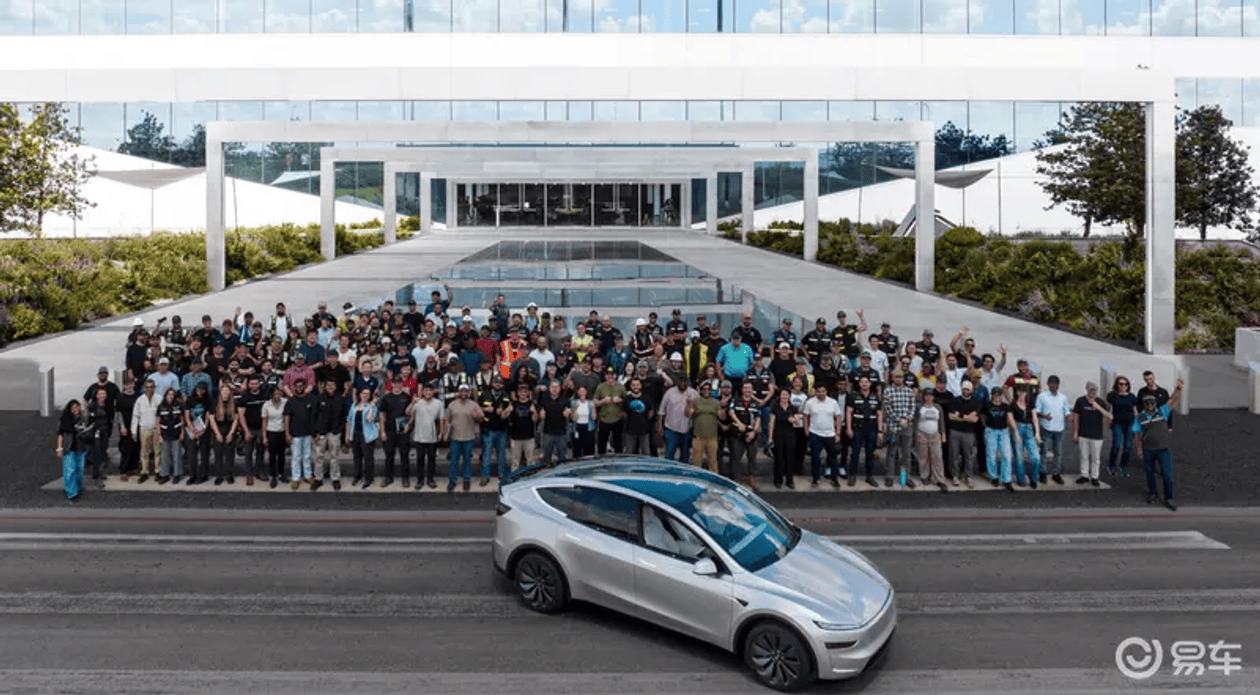
Impressive Safety Data: Total global mileage driven under driver assistance systems has exceeded 12 billion miles (approximately 19 billion kilometres). Data shows that vehicles operating with driver assistance enabled are 1/8 as likely to be involved in a major collision compared to the human average.
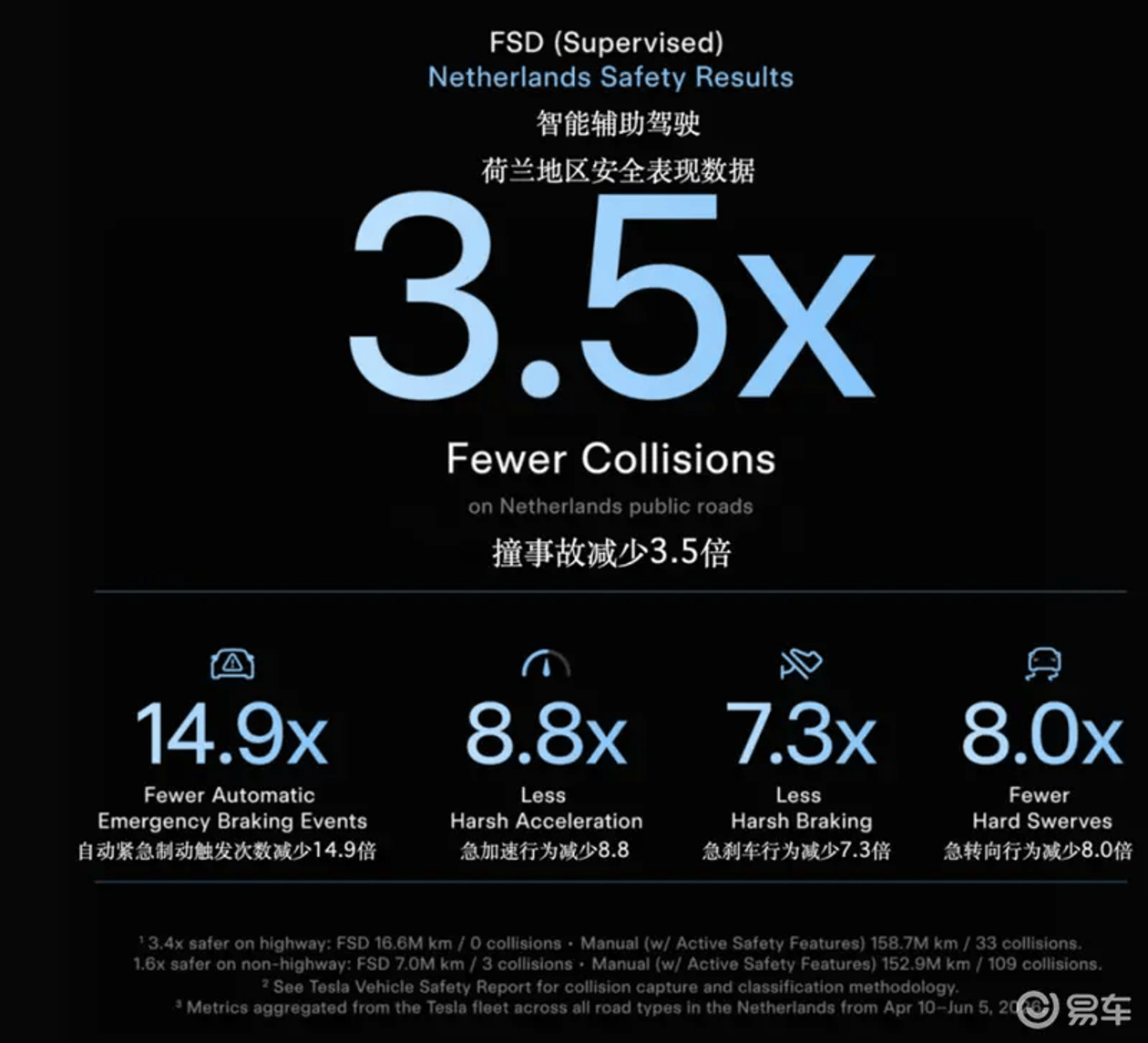
European Real-world Safety Performance: Tesla's first driver assistance safety report for the Netherlands revealed that driving safety improves by 3.4 times when utilising driver assistance systems. The system achieved a cumulative 16.6 million kilometres without a single collision, alongside a significant reduction in erratic driving behaviors such as emergency braking and sudden acceleration—proving that system stability has surpassed that of the average human driver.
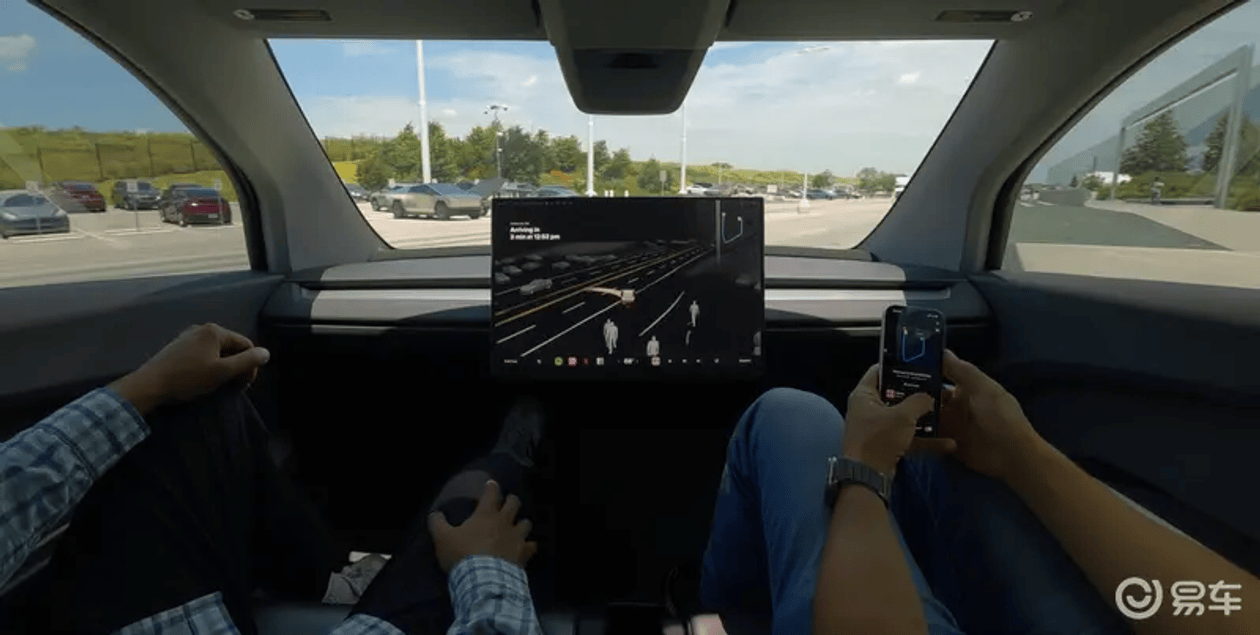
Robotaxi: Driverless Robotaxi services have now expanded across the entire Austin metropolitan area in Texas, and have officially launched in Miami, Orlando, and Tampa, Florida. The service is currently operational across 7 US cities, achieving a cumulative service distance of 600,000 kilometres while maintaining a flawless record of zero major accidents.
Next-Gen Chip R&D: Design work has been completed for the AI 5 inference processor chip, engineered specifically for humanoid robots and data centres. Given that the current AI 4 hardware already possesses unsupervised autonomous driving capabilities far safer than human driving, there is no immediate rush to deploy AI 5 into vehicular systems at this stage. Elon Musk highly praised it as by far the most outstanding AI inference chip in edge computing today, while revealing that development work for AI 6 is already progressing at full speed.
To clear space for the future of embodied intelligence (Humanoid Robots), Tesla is undertaking a historic overhaul of its traditional automotive production lines:
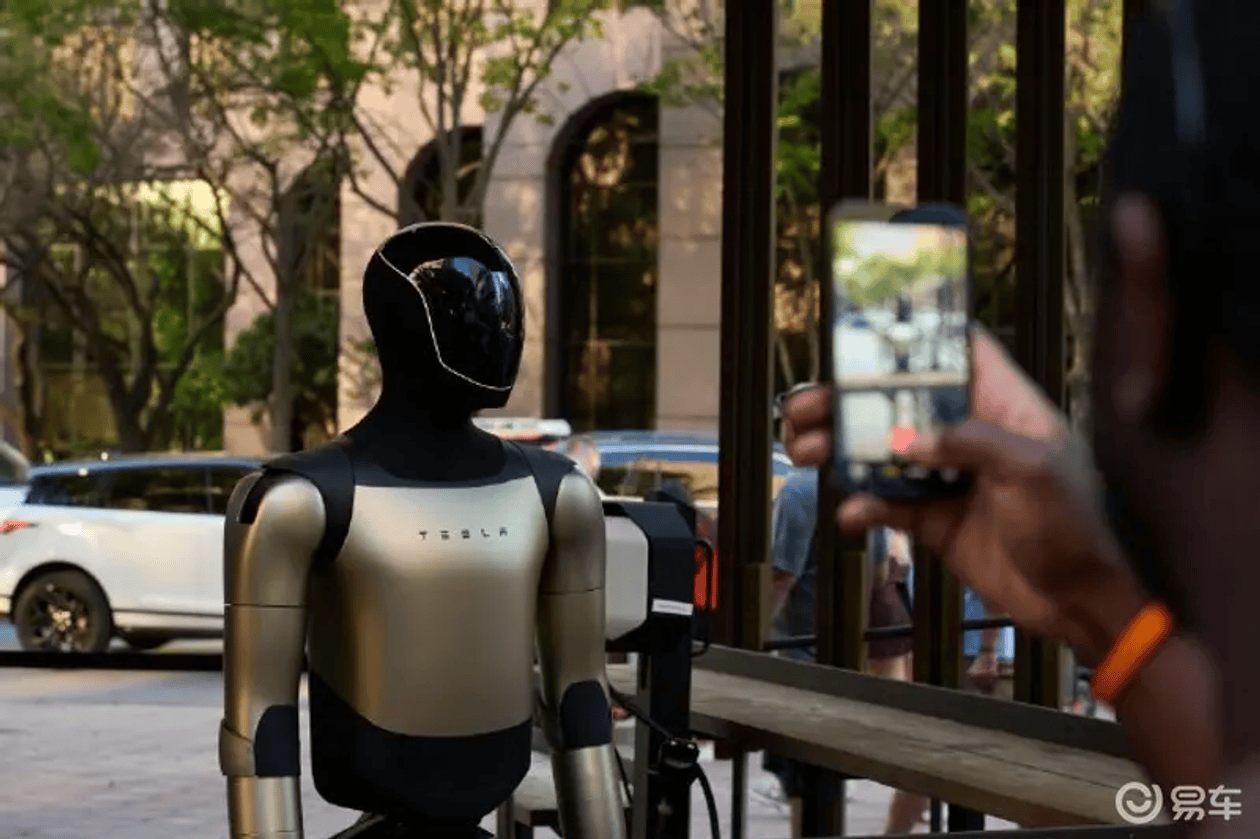
Classic Models Pass the Torch: As the final batch of Model S and Model X vehicles roll off the line at the Fremont factory in California, the production lines for these two legendary pioneer models have officially been retired. The space has been completely repurposed into a dedicated assembly line for Tesla’s humanoid robot (Optimus), with a planned annual production capacity of up to 1 million units.
Ambitious Capacity Targets: Tesla is also preparing a second robotics production line at Gigafactory Texas. This facility boasts an even higher long-term design capacity of up to 10 million units annually, with official production expected to commence around next summer.
Beyond vehicles and AI, Tesla's energy storage business continues to show robust performance, establishing itself as another vital financial growth engine for the company:
Record-Breaking Shanghai Megafactory: Production at the Shanghai Megafactory has reached an all-time high, directly driving energy storage deployments in the EMEA market to a historic peak. The facility is currently continuing its steady production ramp-up.
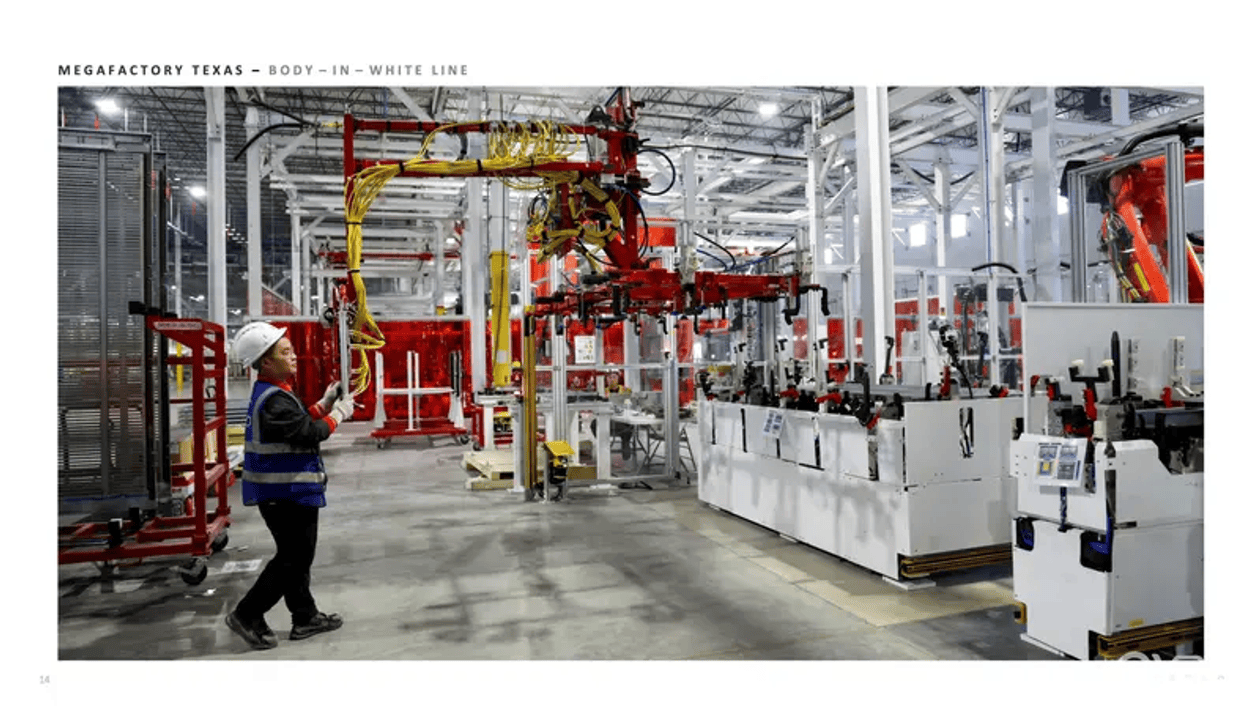
US Factory Progress: The new Megafactory in Texas is on track to begin mass production of the third-generation Megapack and Megablock commercial energy storage systems this year.

Your go-to source for all things automotive in Malaysia. 🚗 Latest reviews, breaking news, launches & industry trends.
+ Follow This weekend is your chance to own a Volvo Selekt Certified Used Car, priced from just RM 148,000.
What are you waiting for?
#volvo 1 minute ago
This weekend is your chance to own a Volvo Selekt Certified Used Car, priced from just RM 148,000.
What are you waiting for?
#volvo 1 minute ago  We saw this accident this morning, and here’s a reminder to everyone: please drive safe. 2 days ago
  The G50 BMW 3 series is now here, adopting much of the i3's design elements.
So, where's the BMW M3?
#bmw #BMW3Series 4 days ago
The G50 BMW 3 series is now here, adopting much of the i3's design elements.
So, where's the BMW M3?
#bmw #BMW3Series 4 days ago Get the latest car news first!
Your go-to source for all things automotive in Malaysia. 🚗 Latest reviews, breaking news, launches & industry trends.
This weekend is your chance to own a Volvo Selekt Certified Used Car, priced from just RM 148,000.
What are you waiting for?
#volvo 1 minute ago We saw this accident this morning, and here’s a reminder to everyone: please drive safe. 2 days ago The G50 BMW 3 series is now here, adopting much of the i3's design elements.
So, where's the BMW M3?
#bmw #BMW3Series 4 days ago  ProtonGWMVolkswagenJAECOOVolvoPeroduaToyotaHondaTESLAMitsubishiMazdaJetourCheryBYDLexusBMWMercedes-BenziCAURZeekrIsuzuNissanLeapmotorPorscheFordOMODAMINIMGSuzukiXPengHyundaiWulingKiaSubaruDenzaGACLand RoverDongfengCAMAudiPeugeotFotonMAXUSsmartDaihatsuJACJMCMaseratiLotusAlfa RomeoRenaultGolden DragonKaiceneSeresLamborghiniFerrariJeepRolls-RoyceLepasAston MartinMcLarenChevroletBentleyFiatBAICForthingGeelyRoeweAeolusChanganARCFOXDeepalExeedHongqiVoyahJaguarKGMBuforiAcuraCadillacDodgeAbarthINEOSMHEROJMEVFreelander
© 2024 Bitauto.com. All Rights Reserved.
Bitauto (www.yiche.com and www.bitauto.com) is one of the most visited automotive websites in China. We provide detailed info on Chinese car brands available in your area. Please note that the information provided on this website is based on publicly available data and is for reference only. It may not be fully updated or accurate at all times.
Help us improve our website


