In January this year, news sent shockwaves through the Southeast Asian automotive sector: the market share of new vehicle registrations for Chinese brands in Thailand reached 47.34%, just edging out Japanese brands at 47.33%.
A razor-thin margin of 0.01 percentage points, yet it marked the first time in 60 years that a non-Japanese brand topped the sales charts in Thailand.
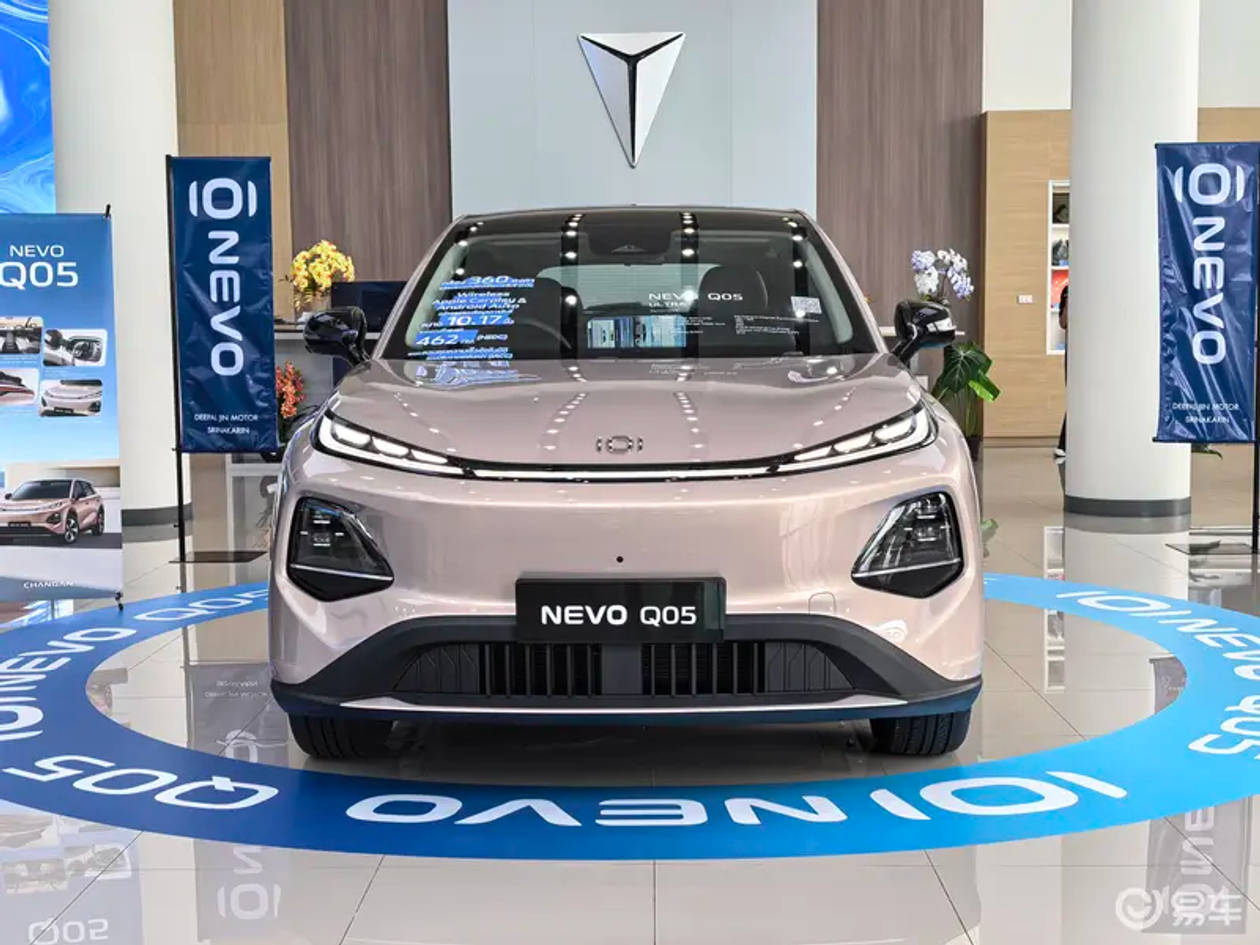
Back then, the media was abuzz with excitement. At the Bangkok International Motor Show, Chinese brands secured seven of the top ten spots in terms of bookings. For the whole year of 2025, Chinese brands accounted for over 80% of Thailand's battery electric vehicle (BEV) market.
Then, the tide turned.
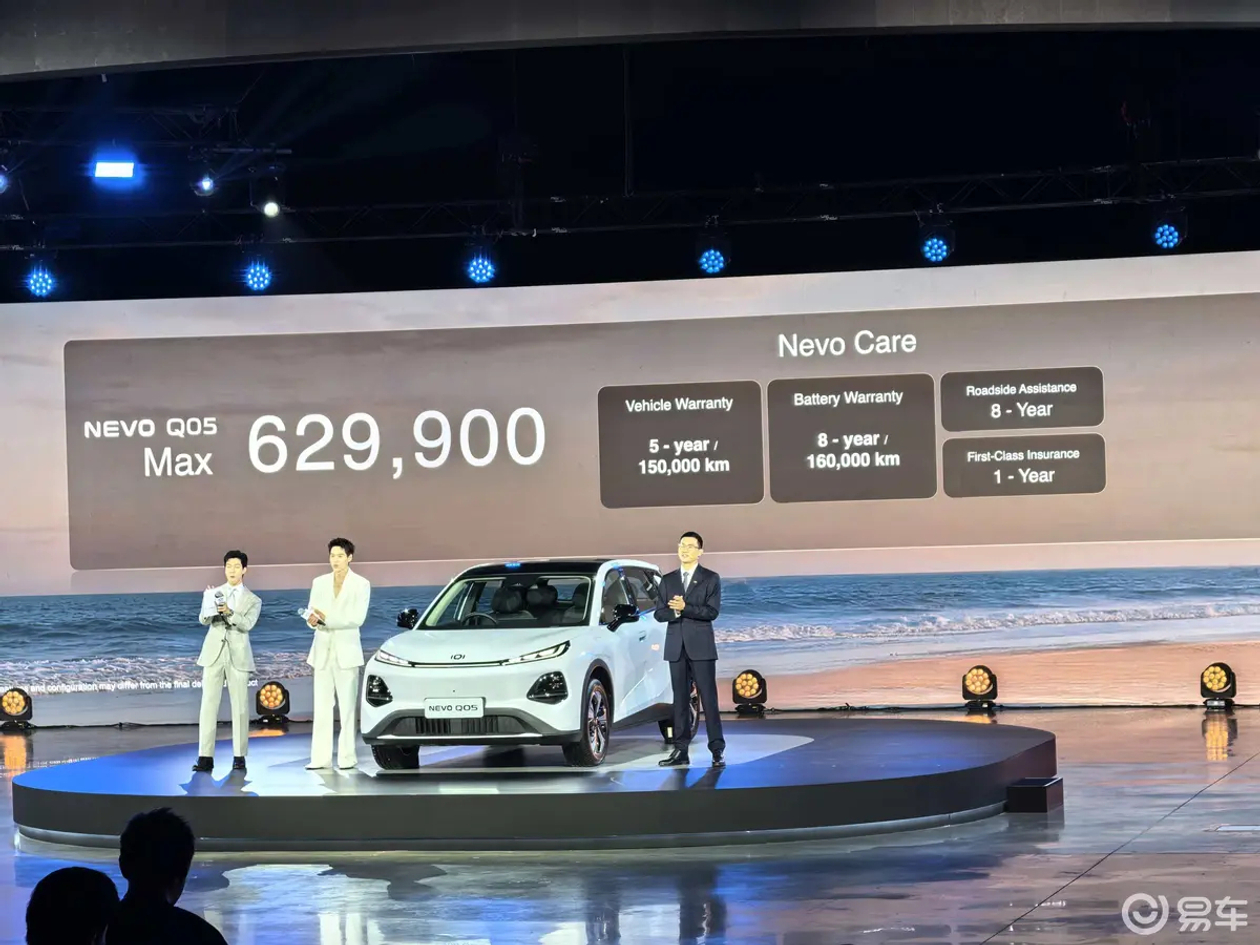
On 21 March this year, new vehicle-specific labelling regulations officially took effect in Thailand.
All vehicles sold in Thailand, whether internal combustion engine (ICE) vehicles or electric vehicles (EVs), must display a Thai-language label clearly stating the product name, brand and model, manufacturer details, specifications, production date, drivetrain, user instructions, safety warnings, warranty terms, and retail price.
EVs are required to disclose additional details, including vehicle type, motor output, battery type and capacity, as well as estimated range on a full charge.
Simply put, specification and equipment lists that were previously labelled in Chinese or English—often leaving Thai consumers confused—must now be clearly stated in Thai. The penalty for non-compliance? Up to six months' jail or a fine of 100,000 Baht.
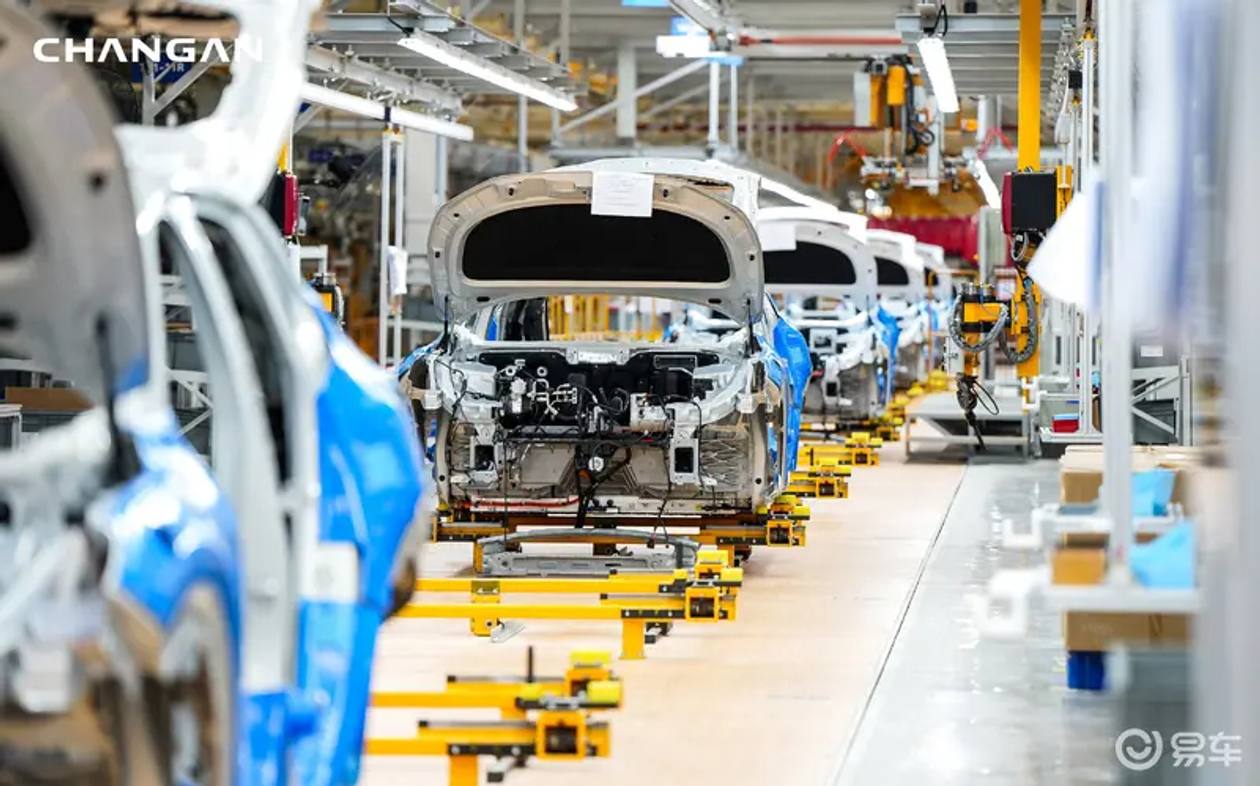
The second card targets after-sales service.
On 16 June, the Thai Cabinet approved the draft Product Liability Act, commonly known as the "Lemon Law". The core of this bill is the reversed burden of proof—if a defect surfaces within a specified period after delivery, liability is automatically presumed to lie with the seller, meaning the buyer does not need to prove that "the defect existed prior to delivery".
For vehicles, this presumed defect period is one year from delivery or 10,000 kilometres mileage, whichever comes first. If the defect cannot be resolved within 90 days, the buyer has the right to demand a price reduction or rescind the contract.
The backdrop of this bill is highly practical: between 2024 and 2026, Thailand recorded a total of 1,348 EV-related complaints, involving product defects, non-refundable booking fees, post-sale price cuts, and unfulfilled free gifts.
The Thailand Consumers Council had received over 300 complaints covering poor after-sales service, spare parts shortages, inverter failures, and excessive waiting times for replacement parts.
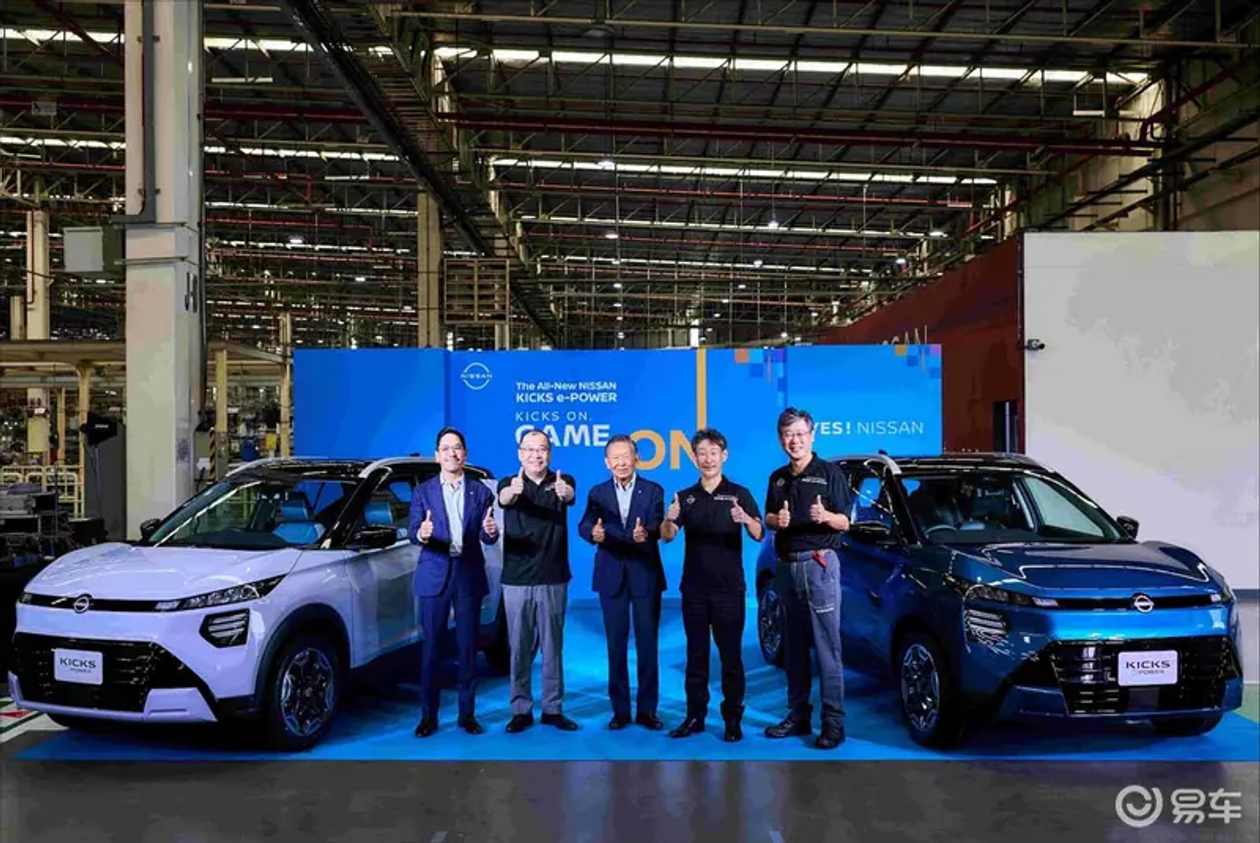
The third card targets the manufacturing sector.
Under the EV3.5 policy, carmakers enjoying import tax exemptions and purchasing subsidies must fulfil strict local production mandates. By 2026, the ratio of imported (CBU) to locally produced (CKD) vehicles must reach 1:2, rising to 1:3 by 2027. For every 5% increase in local parts sourcing, the excise duty rate is reduced by 0.5%. If the local sourcing rate for critical systems like batteries, inverters, and thermal management exceeds 40%, imported batteries will be exempted from customs duties.
Furthermore, after 30 June, the inclusion of imported battery cells in the local sourcing rate will be slashed to zero.
Before 1 January 2026, imported cells could make up to 15% of the local sourcing rate; from January to June 2026, this cap drops to 10%. From 1 July onwards, they will not count towards local sourcing at all.
How damaging has the policy been? The data speaks for itself.
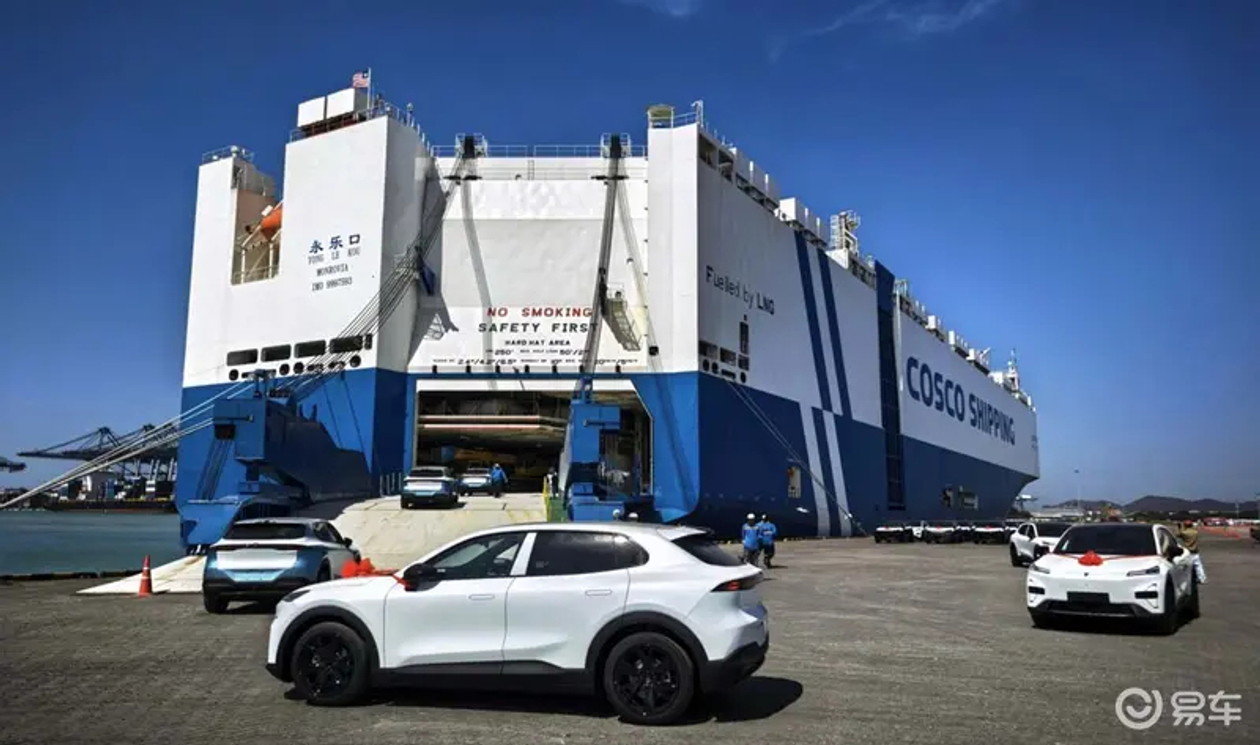
In February 2026, the market share of Chinese brands in Thailand plummeted from 47.34% in January to just 11.65%. BYD's monthly sales slid from a peak of 12,000 units to under 300 units. From "topping the charts" to "a complete freefall", it took only a single month.
Some have even predicted that Chinese carmakers might be forced to "exit" the Thai market. In late July, when media outlets reached out to several Chinese brands established in Thailand regarding their contingency plans, the response was collective silence.
Admittedly, the 47.34% market share in January was an anomaly—driven by a final buying rush before the transition of the subsidy policy. A sales correction was inevitable once subsidies were reduced, but a drop of this magnitude indicates that the impact of the policy shift has far exceeded industry expectations.
While Thailand's regulatory onslaught is not aimed at any specific country, it has disproportionately impacted Chinese carmakers, who are currently the most active players in the Thai EV market.
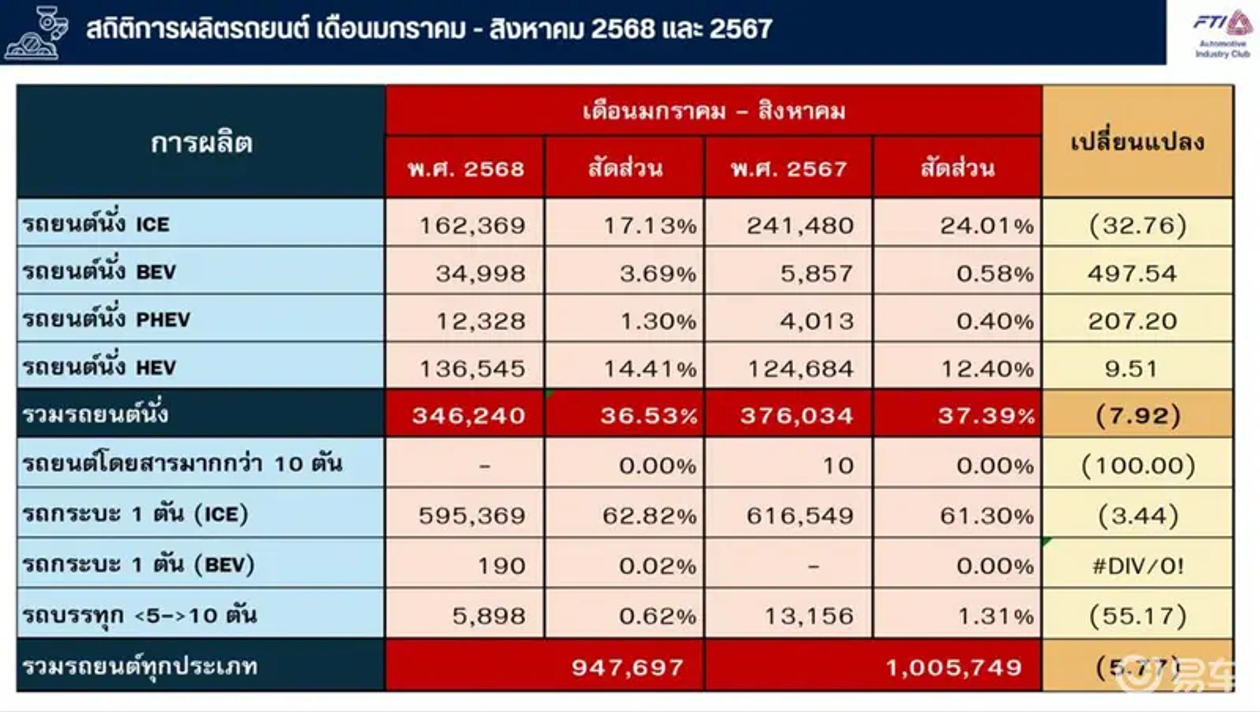
From an "open-door policy" to "tightening the rules", the logic behind Thailand's shift is clear. As the nation with the most established automotive manufacturing base in Southeast Asia, Thailand is not content with being a mere consumer market for foreign brands; it wants to become the regional manufacturing hub for electric vehicles (EVs).
Sound familiar? Malaysia's Minister of Investment, Trade and Industry (MITI), Tengku Zafrul, has been echoing similar sentiments recently—emphasising that foreign carmakers cannot just focus on selling cars, but must actively contribute to building the local automotive ecosystem.
Thailand's strategy is clear: jumpstart the market with subsidies to draw in foreign investments, then use policy leverage to anchor production capacity, supply chains, and technology locally. The 1:2 production ratio under EV3.5, the zero-percent allowance for imported battery cells, and the Lemon Law's after-sales accountability—every move is designed to force carmakers into deeper localisation.
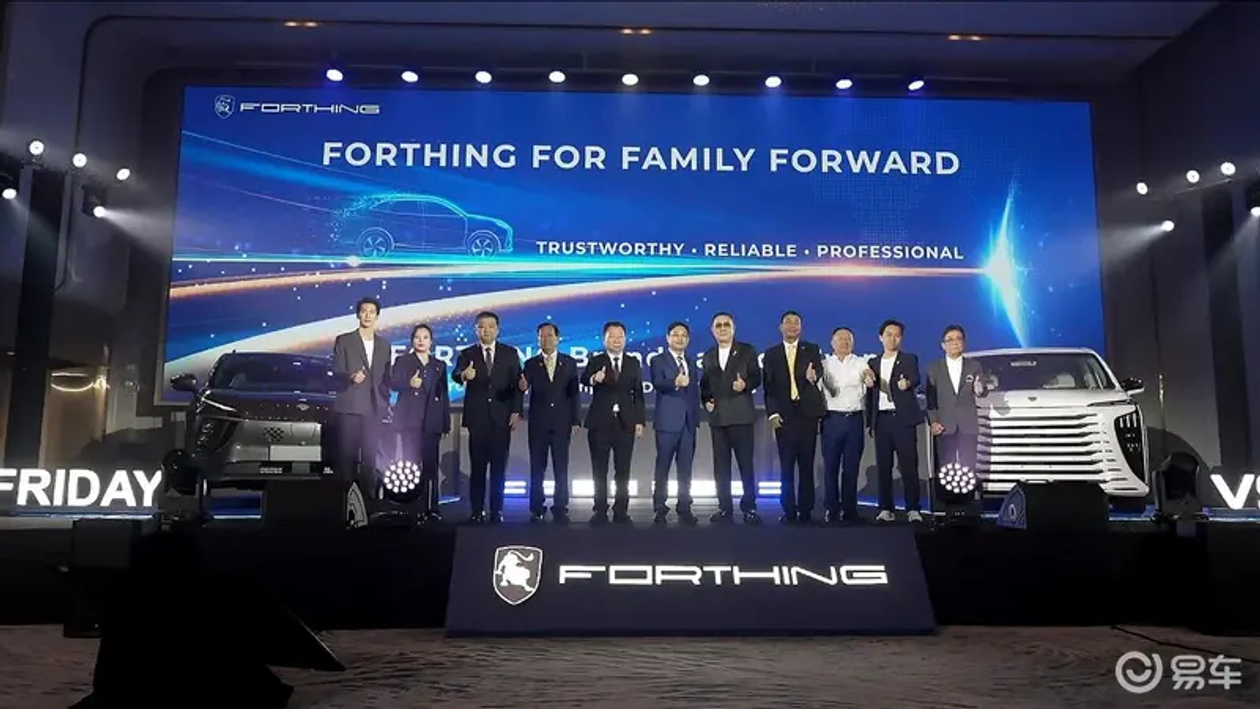
As of March 2026, seven Chinese carmakers have set up plants in Thailand, with major players like BYD, SAIC, GWM, GAC, and Changan investing heavily.
Thailand's game plan is: you are welcome to sell cars, but you cannot just treat it as an export market. You must build here, source here, employ local talent, and take full responsibility for after-sales. If you cannot do that, you are out of the game.
The developments unfolding in Thailand is a crucial reference point for Malaysia.
Between the end of last year and early this year, Malaysia underwent its own policy recalibration—the CBU EV tax exemptions were not extended upon expiry, replaced instead by stricter import thresholds and CKD incentives. The "local participation" repeatedly stressed by our MITI Minister and Thailand's EV3.5 "local production mandates" share the exact same underlying logic.
The problems Thailand is currently facing—a sudden plunge in market share, carmakers under capacity pressure, and spikes in consumer complaints—will likely manifest in Malaysia in the coming years. The only difference is that Malaysia's EV market is much smaller than Thailand's, which may cushion the severity of the policy shock, but the overall trajectory is identical.


Your go-to source for all things automotive in Malaysia. 🚗 Latest reviews, breaking news, launches & industry trends.
+ Follow This weekend is your chance to own a Volvo Selekt Certified Used Car, priced from just RM 148,000.
What are you waiting for?
#volvo 1 minute ago
This weekend is your chance to own a Volvo Selekt Certified Used Car, priced from just RM 148,000.
What are you waiting for?
#volvo 1 minute ago  We saw this accident this morning, and here’s a reminder to everyone: please drive safe. 2 days ago
  The G50 BMW 3 series is now here, adopting much of the i3's design elements.
So, where's the BMW M3?
#bmw #BMW3Series 4 days ago
The G50 BMW 3 series is now here, adopting much of the i3's design elements.
So, where's the BMW M3?
#bmw #BMW3Series 4 days ago Get the latest car news first!
Your go-to source for all things automotive in Malaysia. 🚗 Latest reviews, breaking news, launches & industry trends.
This weekend is your chance to own a Volvo Selekt Certified Used Car, priced from just RM 148,000.
What are you waiting for?
#volvo 1 minute ago We saw this accident this morning, and here’s a reminder to everyone: please drive safe. 2 days ago The G50 BMW 3 series is now here, adopting much of the i3's design elements.
So, where's the BMW M3?
#bmw #BMW3Series 4 days ago  ProtonGWMVolkswagenJAECOOVolvoPeroduaToyotaHondaTESLAMitsubishiMazdaJetourCheryBYDLexusBMWMercedes-BenziCAURZeekrIsuzuNissanLeapmotorPorscheFordOMODAMINIMGSuzukiXPengHyundaiWulingKiaSubaruDenzaGACLand RoverDongfengCAMAudiPeugeotFotonMAXUSsmartDaihatsuJACJMCMaseratiLotusAlfa RomeoRenaultGolden DragonKaiceneSeresLamborghiniFerrariJeepRolls-RoyceLepasAston MartinMcLarenChevroletBentleyFiatBAICForthingGeelyRoeweAeolusChanganARCFOXDeepalExeedHongqiVoyahJaguarKGMBuforiAcuraCadillacDodgeAbarthINEOSMHEROJMEVFreelander
© 2024 Bitauto.com. All Rights Reserved.
Bitauto (www.yiche.com and www.bitauto.com) is one of the most visited automotive websites in China. We provide detailed info on Chinese car brands available in your area. Please note that the information provided on this website is based on publicly available data and is for reference only. It may not be fully updated or accurate at all times.
Help us improve our website


