On the evening of 7 September, the Xiaomi SkyNomad N70 and N90 series were officially launched. This marks Xiaomi EV's second product lineup following the SU7 and YU7, as well as Xiaomi's maiden venture into range-extended electric vehicle (REEV) powertrains.
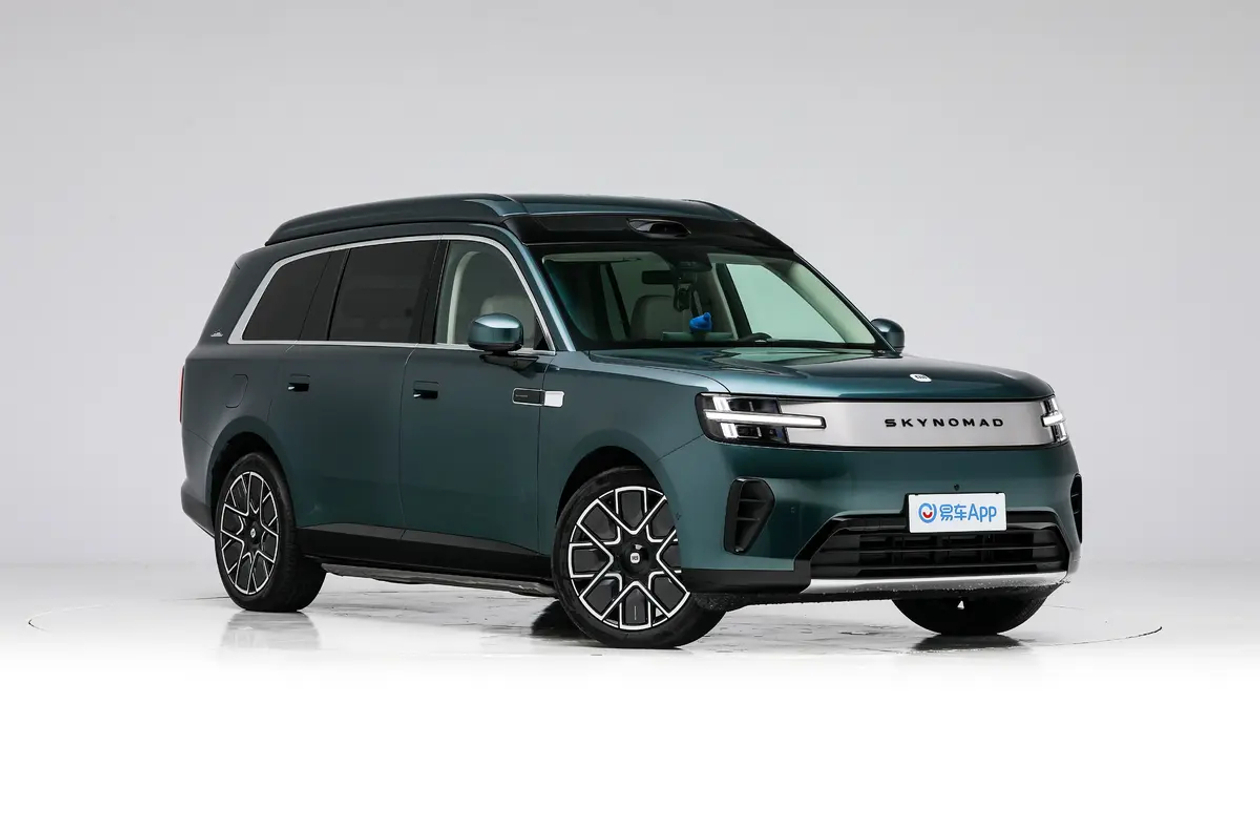
SkyNomad N90
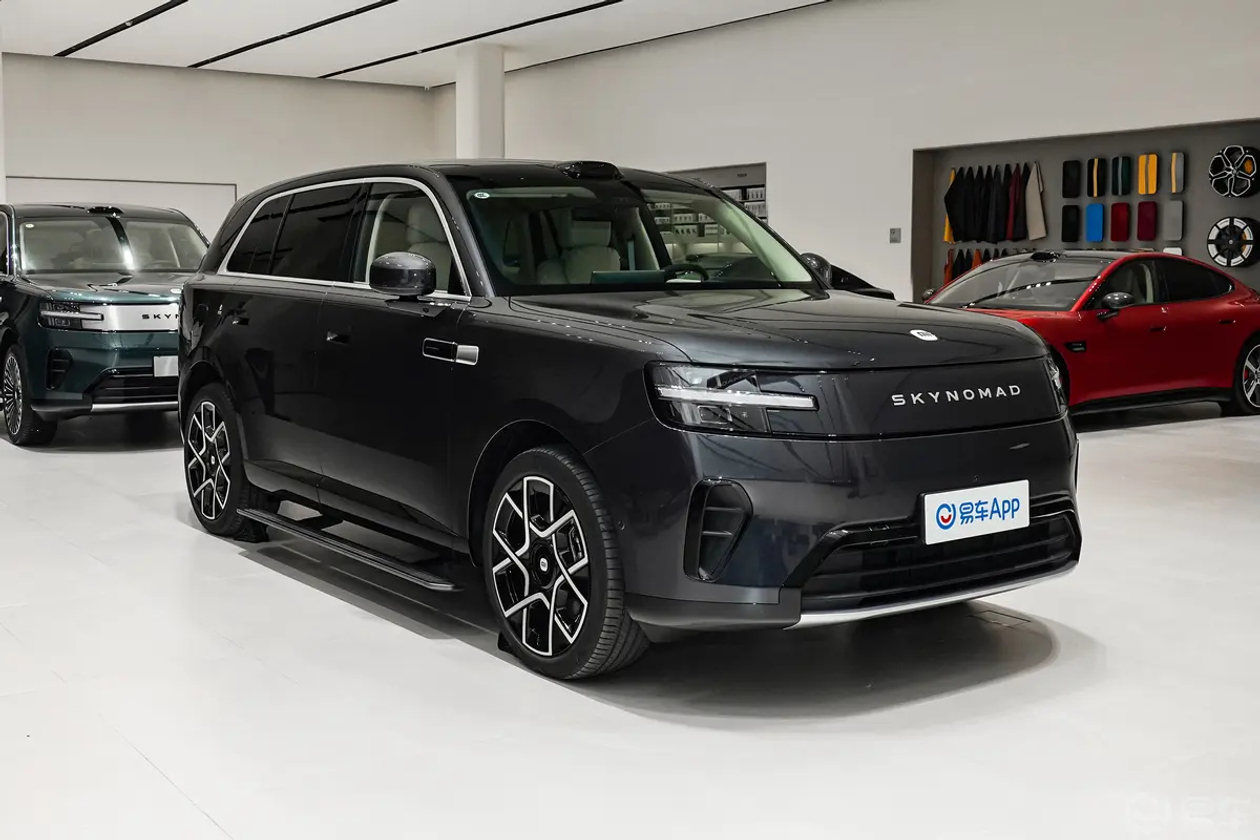
SkyNomad N70
| Parameter | N70 Pro | N70 Max | N90 Max | N90 Max Explorer Edition |
|---|---|---|---|---|
| Price (RMB) | 209,900 (approx. RM125,600) | 239,900 (approx. RM143,600) | 269,900 (approx. RM161,500) | 299,900 (approx. RM179,500) |
| Length | 4,960mm | 4,960mm | 5,285mm | 5,285mm |
| Width | 1,998mm | 1,998mm | 1,998mm | 1,998mm |
| Height | 1,765mm | 1,765mm | 1,825mm | 1,825mm |
| Wheelbase | 2,950mm | 2,950mm | 3,080mm | 3,080mm |
| Seating Layout | 5-Seater | 5-Seater | 2+2+3 7-Seater | 2+2+3 7-Seater |
| Battery Capacity | 52kWh | 76kWh | 76kWh | 76kWh |
| Battery Type | LFP | Ternary Lithium | Ternary Lithium | Ternary Lithium |
| CLTC Electric Range | 351km | 505km | 464km | 464km |
| CLTC Combined Range | 1,351km | 1,461km | 1,705km | 1,705km |
| WLTC Fuel Consumption (Charge Depleting) | 5.7L/100km | 6.1L/100km | 6.26L/100km | 6.26L/100km |
| 0-100km/h | 7.9s | 5.5s | 5.9s | 5.9s |
| Drivetrain | RWD | Dual-Motor AWD | Dual-Motor AWD | Dual-Motor AWD |
| 2,200MPa Ultra-High Strength Steel | 14 Locations | 14 Locations | 16 Locations | 16 Locations |
| Airbags | 9 | 9 | 12 | 12 |
| Rear Solid-State LiDAR | No | No | Yes | Yes |
| Electric Pop-Up Roof Cabin | No | No | No | Yes |
Note: Bold indicates superior figures within the same column. Exchange rate based on the China Foreign Exchange Trade System's RMB-MYR mid-price of 1:0.5985 as of September 8, 2026. The N70 Max's 6.1L/100km fuel consumption figure is sourced from reports. Both N90 models share identical powertrain specifications, with the Explorer Edition adding the electric pop-up roof cabin.
The SkyNomad series comprises four models: N70 Pro at RMB 209,900 (approximately RM125,600), N70 Max at RMB 239,900 (approximately RM143,600), N90 Max at RMB 269,900 (approximately RM161,500), and N90 Max Explorer Edition at RMB 299,900 (approximately RM179,500).
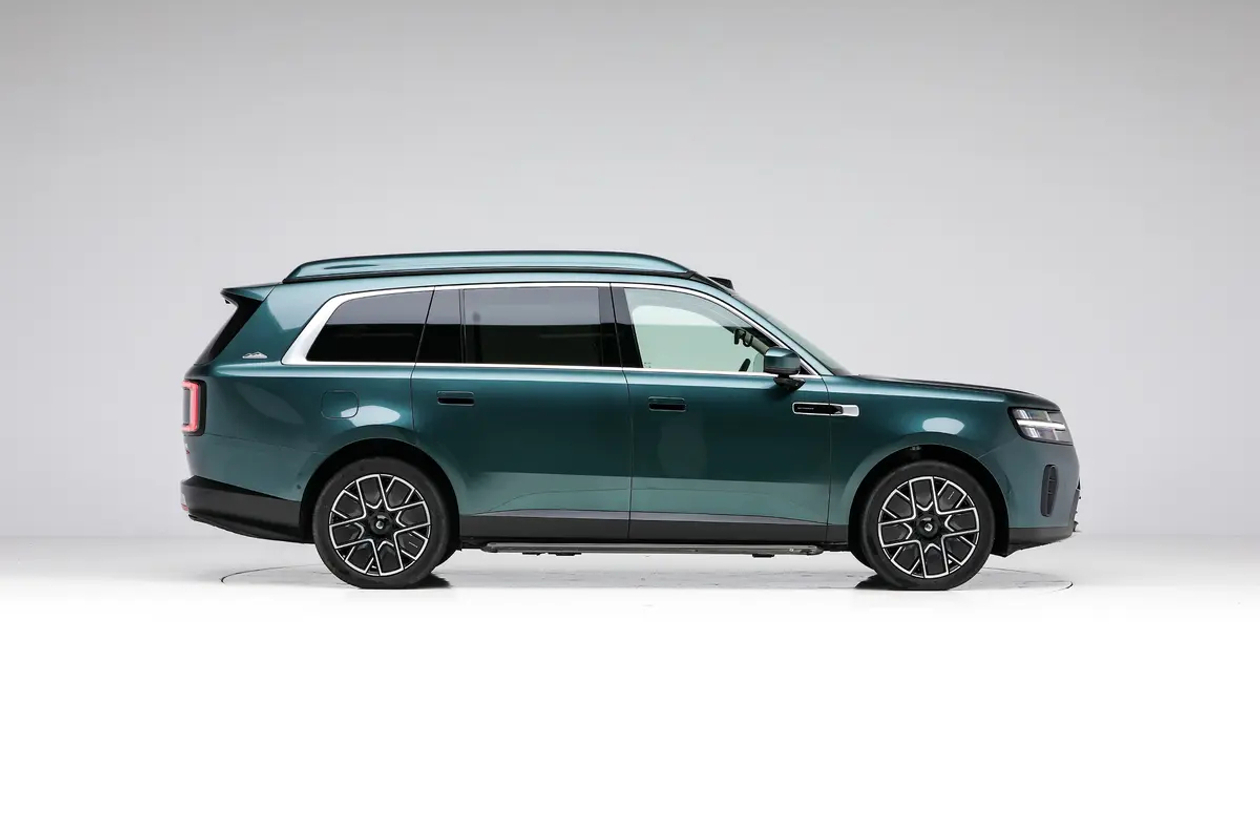
SkyNomad N90
Two key points stand out regarding pricing. The N90 Max was previewed at RMB 299,900 (approximately RM179,500) but launched at RMB 269,900 (approximately RM161,500), a reduction of RMB 30,000 (approximately RM18,000). The N70 Max dropped from RMB 259,900 (approximately RM155,600) to RMB 239,900 (approximately RM143,600), a cut of RMB 20,000 (approximately RM12,000).
The entry-level N70 Pro is priced at RMB 209,900 (approximately RM125,600), which is RMB 10,000 (approximately RM6,000) lower than the current SU7 (starting at RMB 219,900, approximately RM131,600), making it the most affordable Xiaomi car to date.
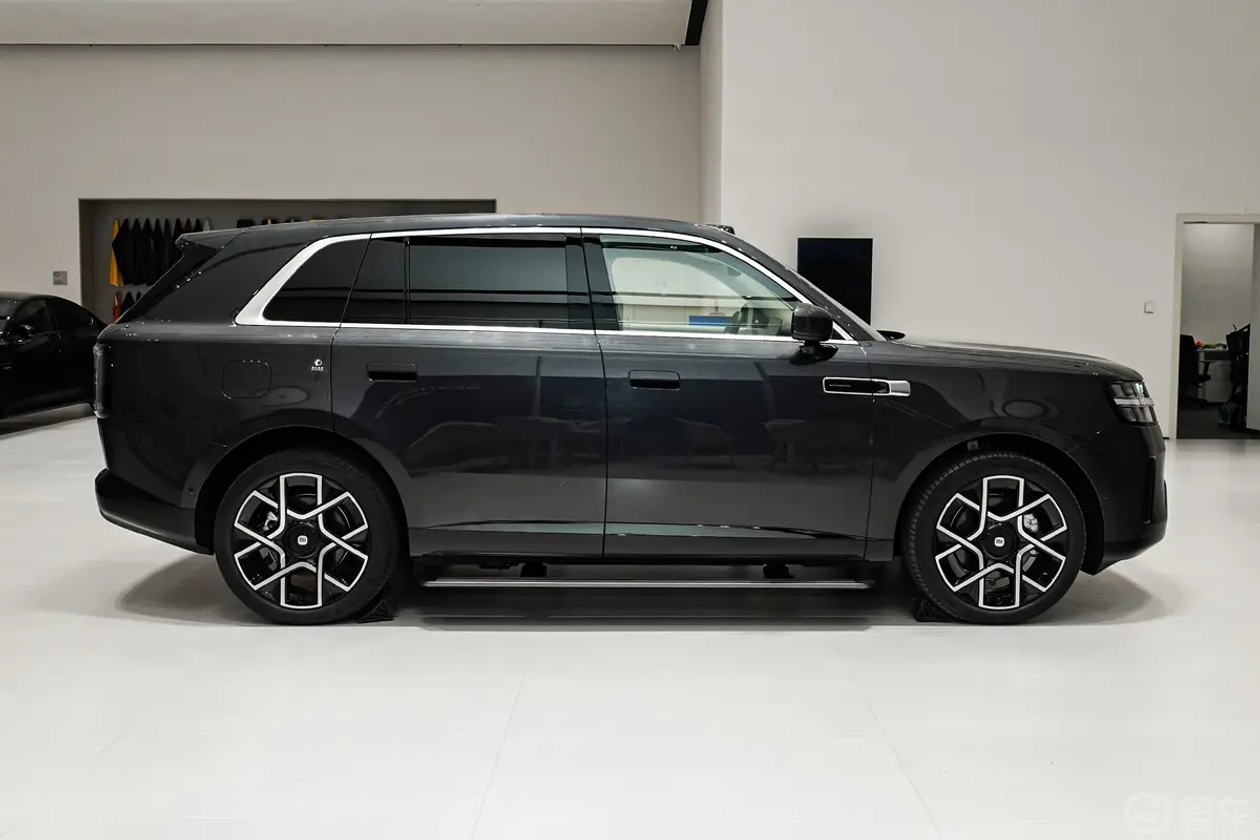
SkyNomad N70
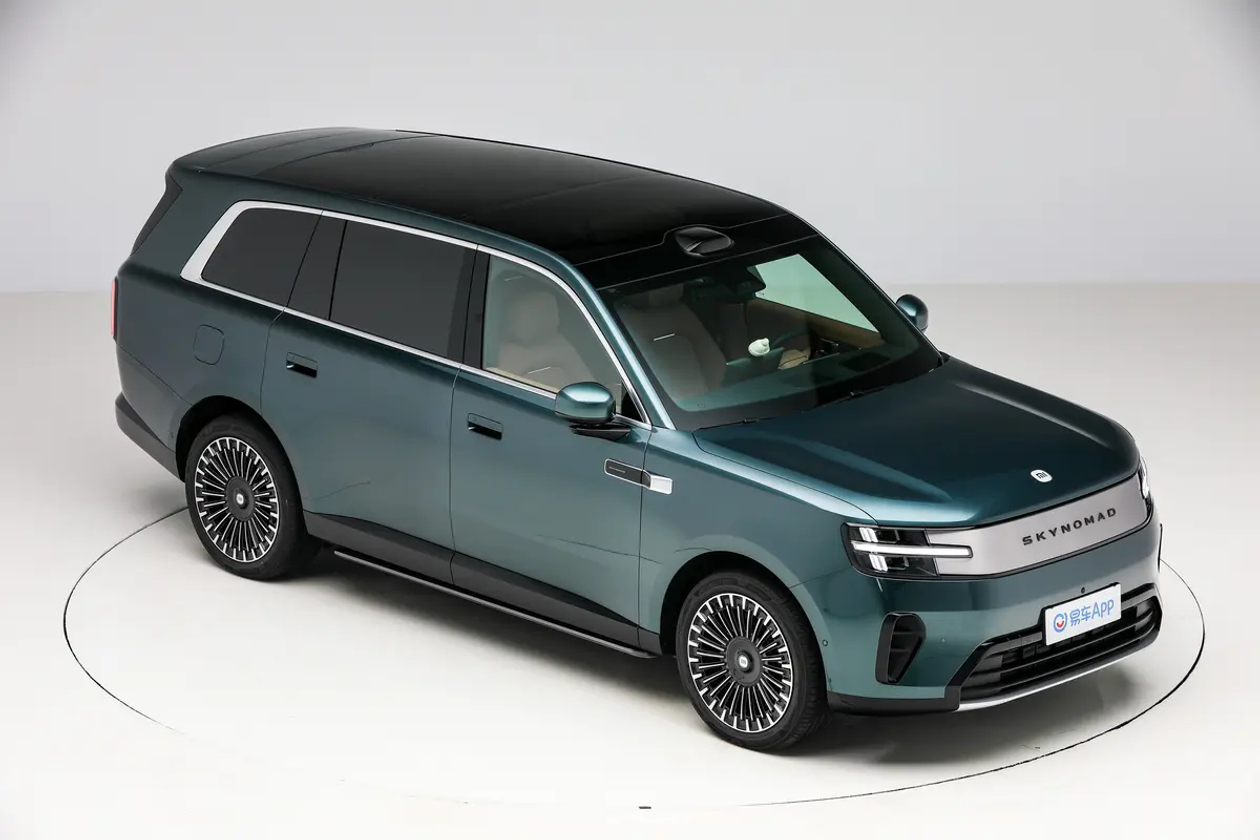
Dimension-wise, the N70 measures 4,960 mm long, 1,998 mm wide, and 1,765 mm tall with a 2,950 mm wheelbase, packaged as a five-seater.
The flagship N90 stretches to 5,285 mm in length, 1,998 mm in width, and 1,825 mm in height with a 3,080 mm wheelbase, adopting a 2+2+3 seven-seat configuration. The N90 is 460 mm longer than a Proton X90.
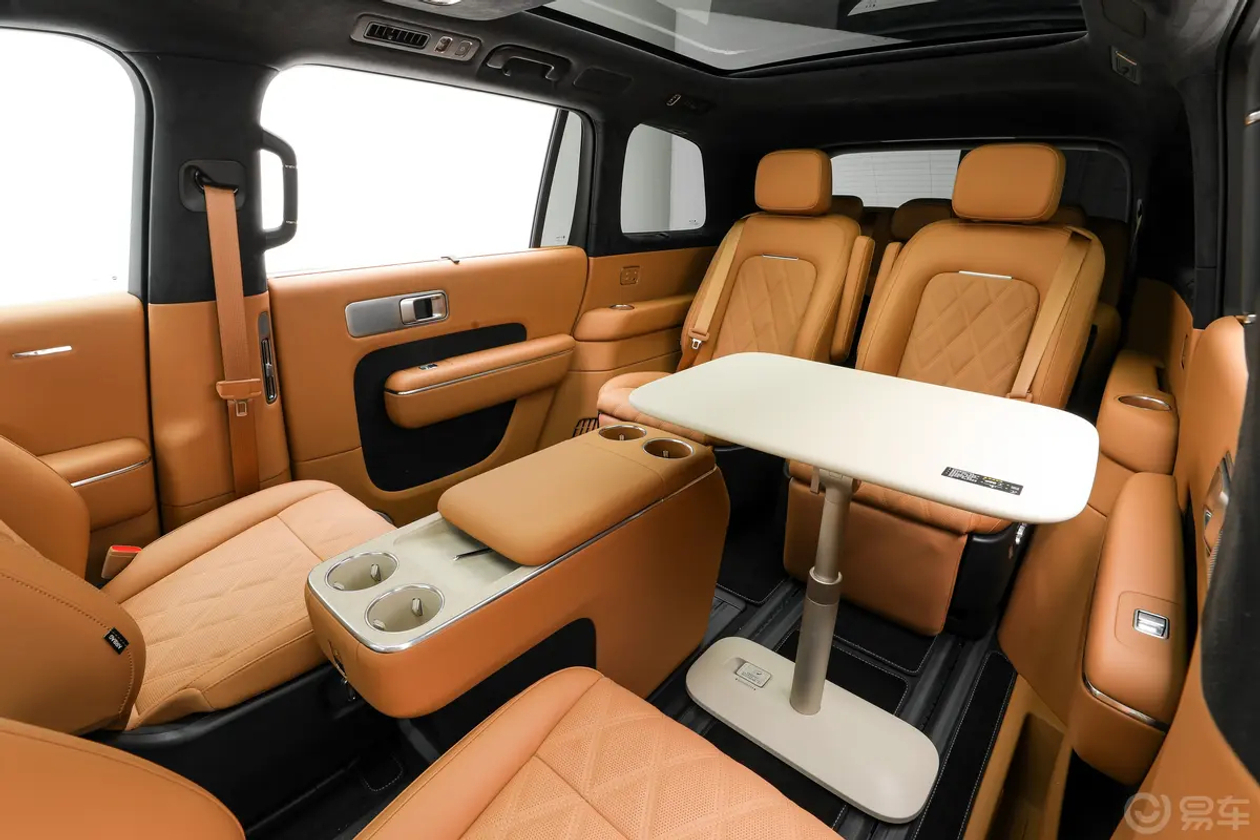
SkyNomad N90
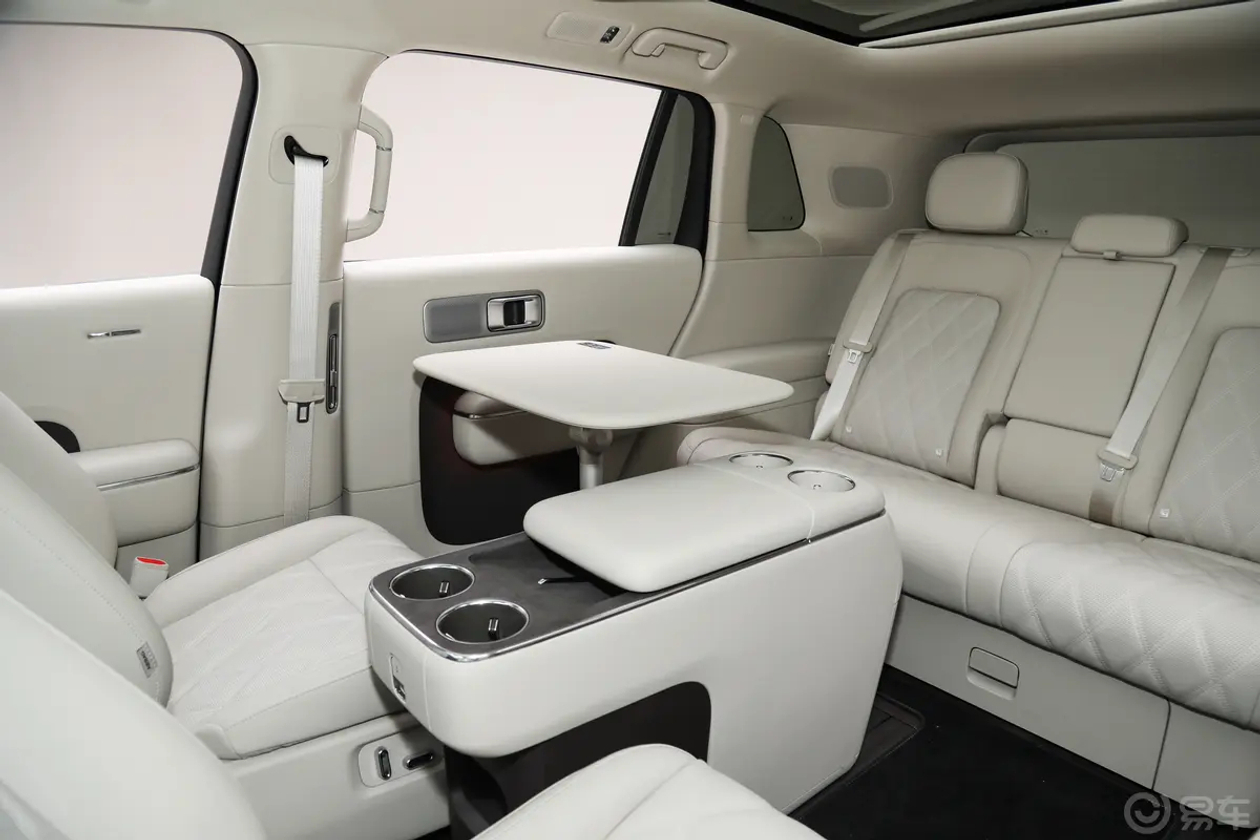
SkyNomad N70
Cabin practicality serves as the SkyNomad's headline selling point. Highlights include a completely flat floor, extended seat sliding rails, and a sliding central console, along with 180-degree swivelling front seats that allow a face-to-face lounge setup with the second row.
In the N90, a 1.9-metre-tall adult can lounge comfortably in row two, while a 1.8-metre passenger gets ample head- and legroom in the third row; maximum boot capacity reaches an 1,831 litres.
The N90 Max Exploration Edition takes versatility further with a built-in power-operated pop-up roof tent, extending interior standing height to 2.29 metres to create an instant duplex loft.
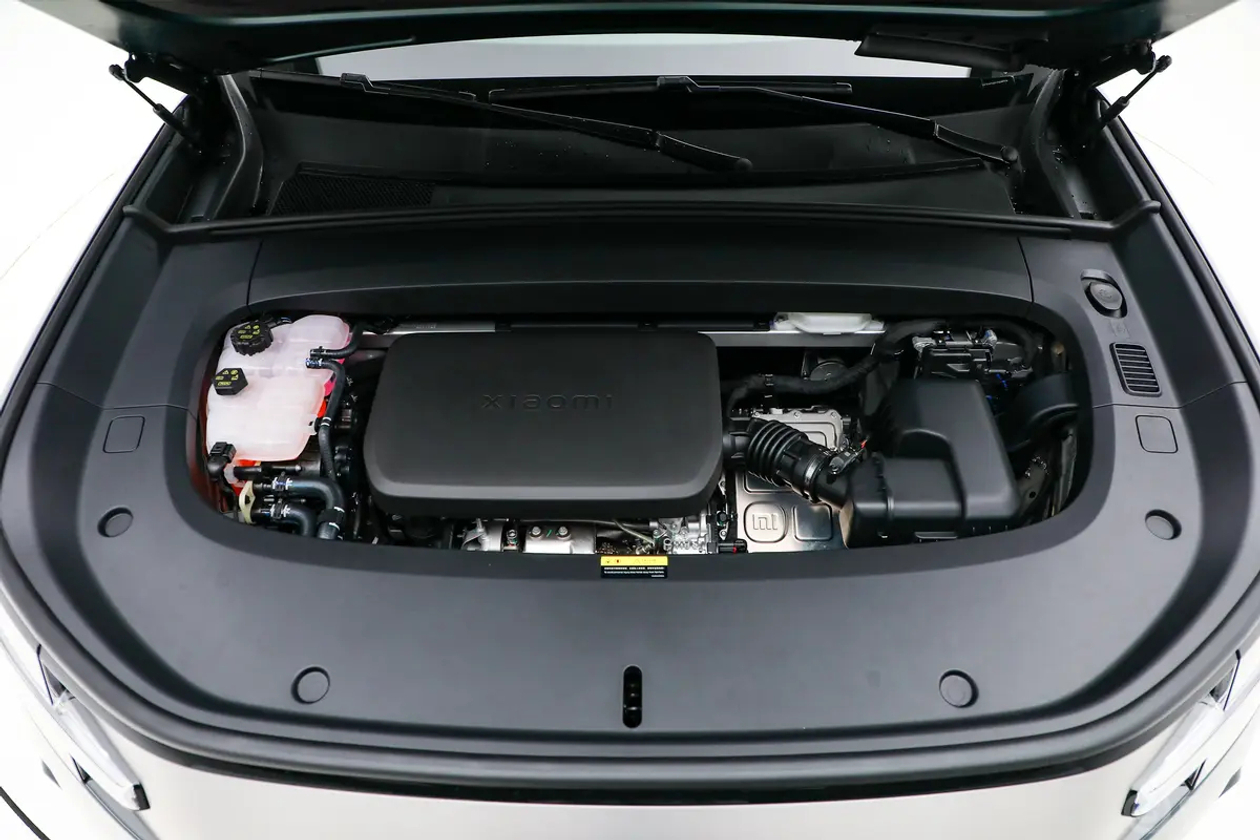
Under the skin, all variants utilise Xiaomi's 1.5-litre turbocharged range extender generator.
The N70 Pro packs a 52 kWh LFP battery, achieving a CLTC pure electric range of 351 km, a combined range of 1,351 km, 0-100 km/h in 7.9 seconds, and a WLTC depleted battery fuel consumption of 5.7 L/100 km.
The N70 Max gets a larger 76 kWh NMC battery, offering 505 km of pure EV range and a 1,461 km total range; its dual-motor AWD layout delivers a peak output of 310 kW, sprinting from 0 to 100 km/h in 5.5 seconds.
The larger N90 Max achieves a CLTC pure electric range of 464 km, a 1,705 km total range, and a WLTC depleted battery fuel consumption of 6.26 L/100 km.
The range extender is compatible with 92 petrol, 95 petrol, and 98 petrol. The 76 kWh battery supports DC fast charging, juicing from 20% to 80% in just 18 minutes, allowing the N90 Max to recover roughly 285 km of range within a 15-minute top-up.
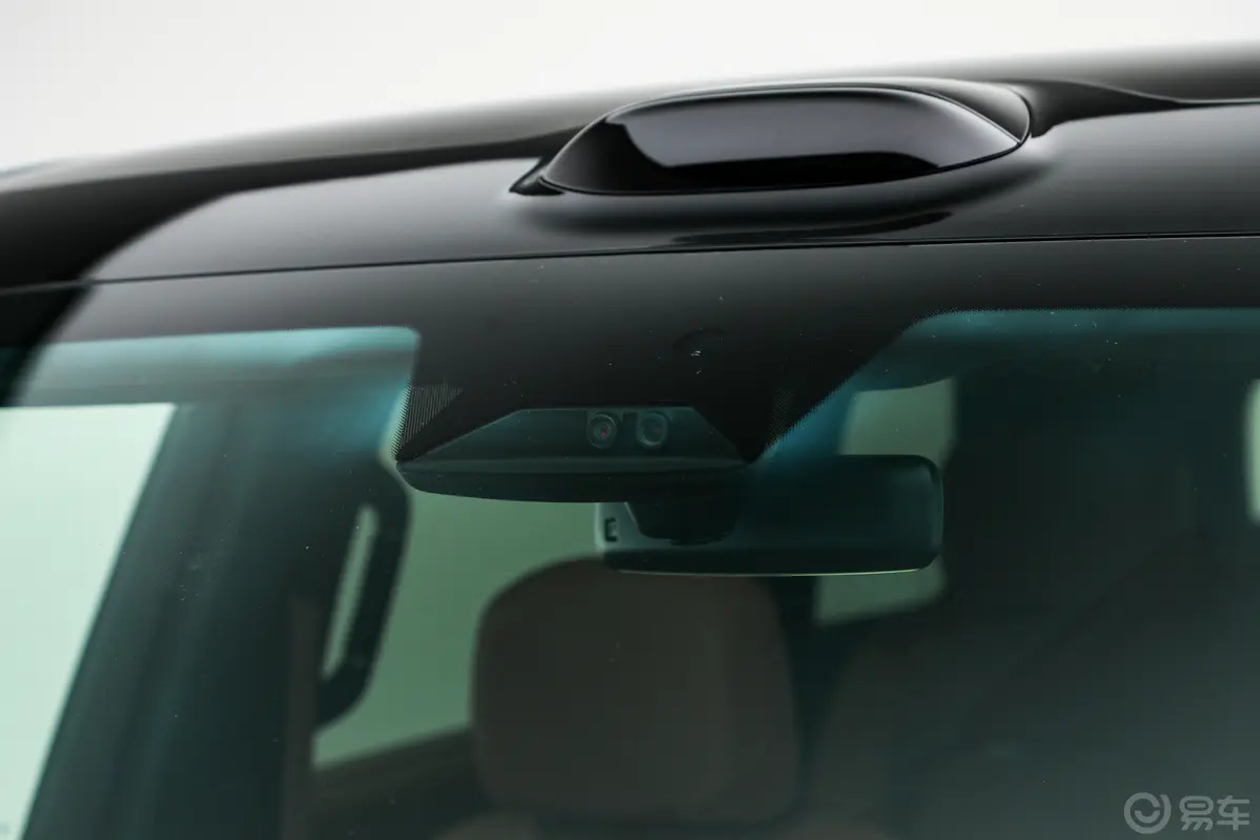
On the tech and safety fronts, the SkyNomad series comes standard with LiDAR, 4 nm NVIDIA Thor chip boasting 700 TOPS of computing power, and Xiaomi HAD advanced driver assistance systems (ADAS). The N90 Max adds a rear-facing solid-state LiDAR.
In terms of passive safety, the N70 incorporates 2,200 MPa ultra-high-strength steel across 14 zones along with 9 airbags, while the N90 upgrades to 16 reinforced zones and 12 airbags.
An integrated roll cage, one-piece hot-stamped door rings, high-speed tyre blowout stability assist operating up to 160 km/h, and an emergency water-floating self-recovery feature are all standard equipment.
Bookings surpassed 10,000 units within just four minutes of its launch.

Ahead of the launch on 4 September, Xiaomi unveiled its Longjia Battery "Peace of Mind Assurance Programme".
Rather than manufacturing cells in-house, Xiaomi sets strict design and quality benchmarks, deploying resident engineers directly to supplier factories. Xiaomi's quality assurance team is based at CALB and Sunwoda manufacturing facilities, managing six core modules with full oversight extending up to raw material suppliers.
The production lines incorporate approximately 8,000 monitoring checkpoints, subjecting every cell to 100% X-ray inspection and CT non-destructive scanning, supported by AI-driven automated error correction and a 15-year archive for all manufacturing data.
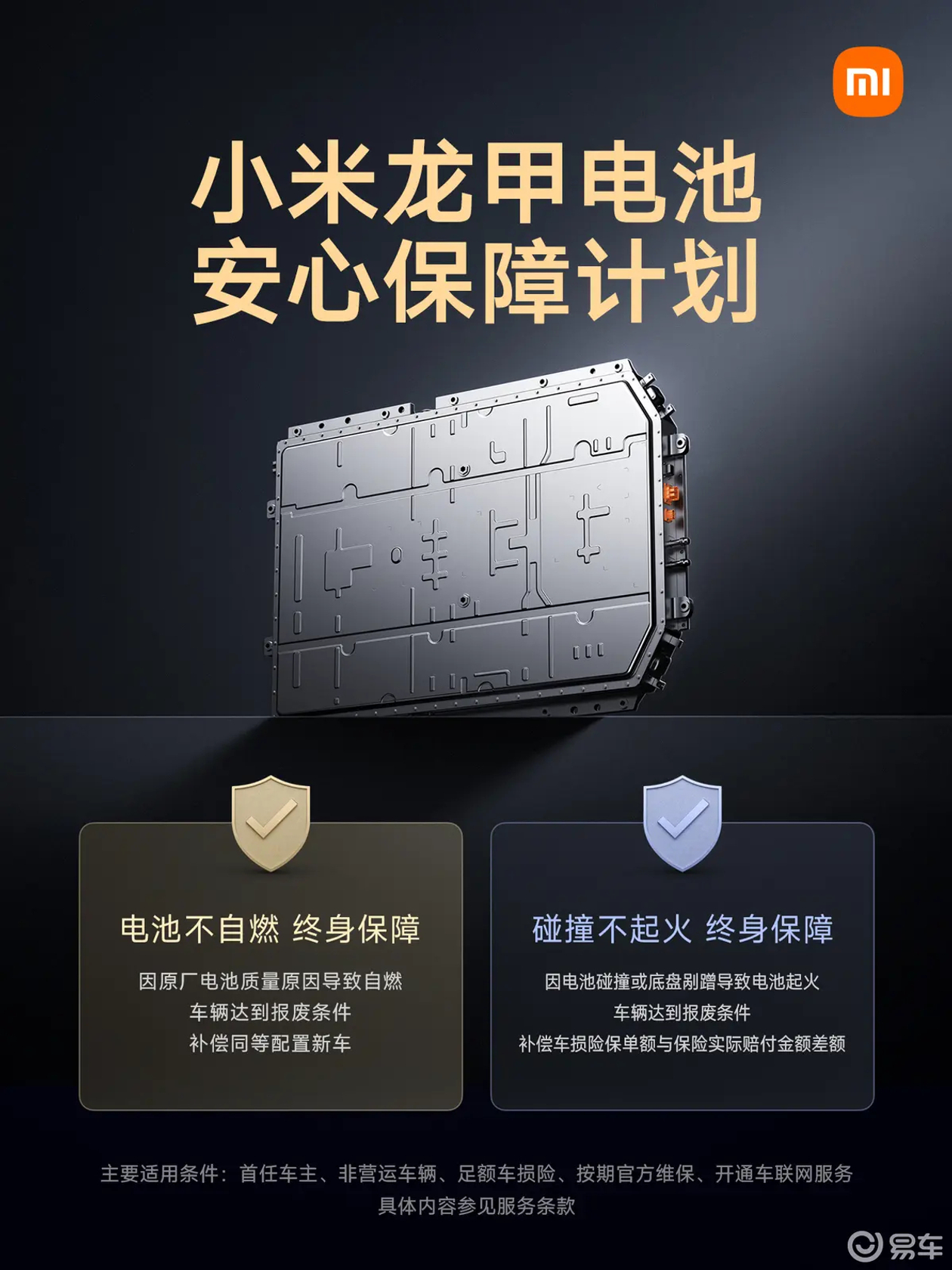
Under the warranty terms, first-party private owners who maintain comprehensive motor insurance, adhere to authorised service intervals, and keep connected telematics active are entitled to two lifetime guarantees.
First, if an original battery pack catches fire due to manufacturing defects resulting in a total constructive loss, a brand-new vehicle of identical specification will be provided.
Second, if collision or undercarriage impact triggers a battery fire causing a total loss, Xiaomi will reimburse the shortfall between the insured market value and the actual insurance payout.
These benefits carry no annual mileage caps or traditional warranty timeline limits.
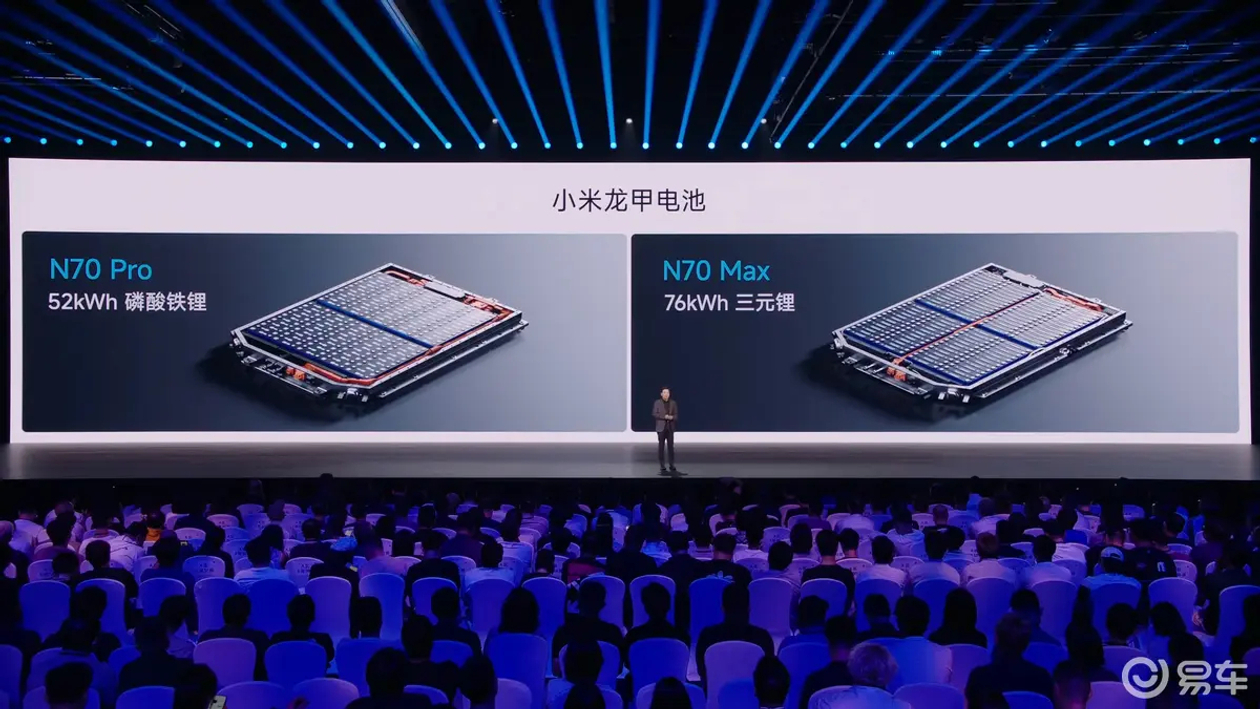
The N70 Pro utilises a 52 kWh LFP pack from Sunwoda, while the N70 Max and N90 Max variants feature 76 kWh NMC units supplied by CALB.
Xiaomi EV has yet to officially launch in Malaysia. However, Group President Lu Weibing confirmed that overseas operations will officially commence in Q3-Q4 2027 starting in Europe, followed by an expansion into right-hand-drive (RHD) markets including the UK, Australia, and Japan in the first half of 2028.
Several telltale signs suggest Malaysia is squarely on Xiaomi's radar.
In mid-July 2026, Xiaomi posted a LinkedIn vacancy for a Government Relations Manager for its automotive division in Malaysia, with "CKD" (Completely Knocked Down) mentioned twice in the job description—the brand's first official hint at local assembly outside China.
Key job requirements include liaisons with agencies such as MIDA, MITI, MARii, Customs, and JPJ, alongside deep expertise in national automotive policies, regulatory frameworks, CBU/CKD, customs duty structures, and cross-border trade compliance.
Furthermore, Xiaomi EV's global website and social channels went live in August 2026.
Taking these factors into account, the earliest plausible window for the SkyNomad N70/N90 to touch down in Malaysia would be the first half of 2028.
A direct currency conversion puts the N70 Pro at around RM 118,000, the N70 Max at RM 135,000, and the N90 Max at RM 152,000.
However, those are Chinese market figures. Factoring in logistics, insurance, import duties, excise duties, and SST, final on-the-road (OTR) prices will inevitably be higher.
Effective 1 July 2026, Malaysia enforced updated regulations on completely built-up (CBU) electric vehicles: a minimum CIF value of RM 200,000 and a minimum motor output of 180 kW.
While the SkyNomad comfortably surpasses the 180 kW threshold, the RM 200,000 CIF floor means that even an entry-level N70 Pro would easily breach the RM 300,000 mark after duties as a CBU import.
The alternative and more strategic route is local assembly (CKD), as hinted in Xiaomi's job posting.
CKD programmes circumvent the CBU RM 200,000 CIF floor and allow access to customised MIDA tax incentives, significantly reducing the overall duty burden—a strategy successfully leveraged by numerous carmakers in Malaysia.
In the first half of 2026, battery electric vehicle (BEV) registrations in Malaysia reached 26,192 units (up 106% YoY), while hybrid sales registered 25,590 units. However, the range-extended EV (REEV) segment remains virtually untapped, with no mainstream brands fielding dedicated REEV options locally.
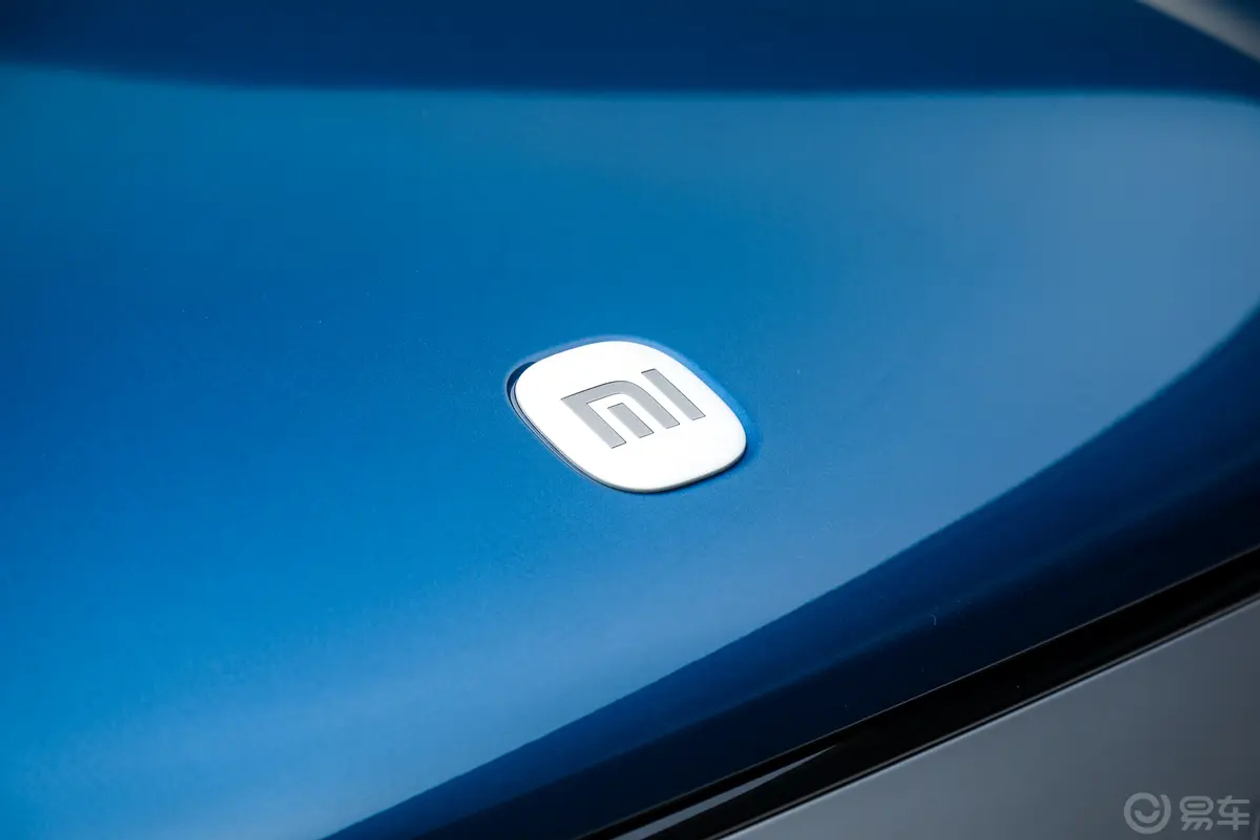
If the SkyNomad makes its local landing, it will directly address the market demand for a "zero-range-anxiety electrified family SUV."
The appetite for large three-row haulers in Malaysia is proven, with the Proton X90 enjoying steady interest alongside perennial favourites like the Perodua Alza and Toyota Innova. A practical seven-seater that operates on pure electric power for daily city commutes while relying on petrol backup for long interstate balik kampung road trips is inherently tailored for Malaysian family needs.
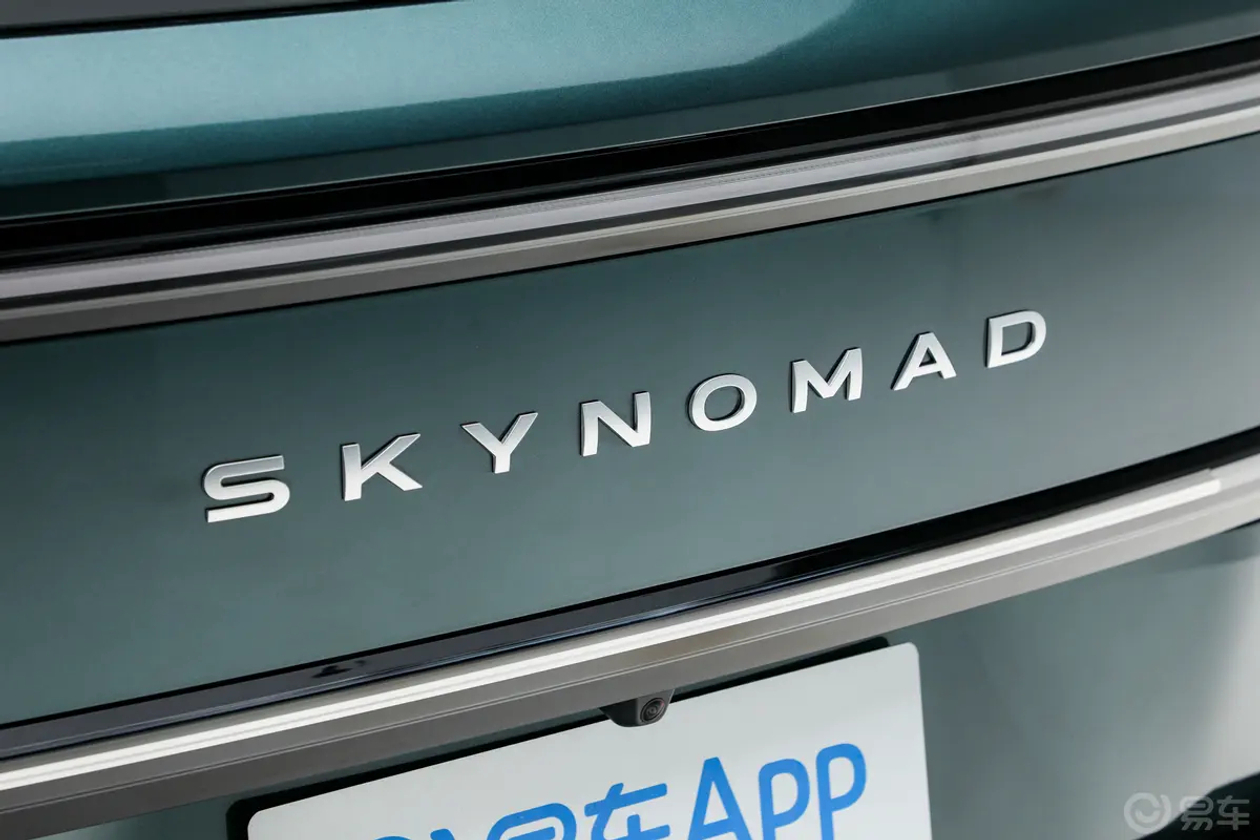
Nevertheless, formidable challenges remain.
If brought in via the CBU route, pricing in excess of RM300,000 thrusts it straight into contention with established premium badges like the BMW iX3, Volvo XC40 Recharge, and Mercedes-Benz EQB. For a marque that has only built cars for three years, brand prestige remains a decisive factor.
Conversely, if Xiaomi pursues CKD assembly and nails a competitive price point, the SkyNomad could mount a serious challenge against the Proton X90 and mainstream Japanese D-segment SUVs.

Your go-to source for all things automotive in Malaysia. 🚗 Latest reviews, breaking news, launches & industry trends.
+ Follow This weekend is your chance to own a Volvo Selekt Certified Used Car, priced from just RM 148,000.
What are you waiting for?
#volvo 1 minute ago
This weekend is your chance to own a Volvo Selekt Certified Used Car, priced from just RM 148,000.
What are you waiting for?
#volvo 1 minute ago  We saw this accident this morning, and here’s a reminder to everyone: please drive safe. 2 days ago
  The G50 BMW 3 series is now here, adopting much of the i3's design elements.
So, where's the BMW M3?
#bmw #BMW3Series 4 days ago
The G50 BMW 3 series is now here, adopting much of the i3's design elements.
So, where's the BMW M3?
#bmw #BMW3Series 4 days ago Get the latest car news first!
Your go-to source for all things automotive in Malaysia. 🚗 Latest reviews, breaking news, launches & industry trends.
This weekend is your chance to own a Volvo Selekt Certified Used Car, priced from just RM 148,000.
What are you waiting for?
#volvo 1 minute ago We saw this accident this morning, and here’s a reminder to everyone: please drive safe. 2 days ago The G50 BMW 3 series is now here, adopting much of the i3's design elements.
So, where's the BMW M3?
#bmw #BMW3Series 4 days ago  ProtonGWMVolkswagenJAECOOVolvoPeroduaToyotaHondaTESLAMitsubishiMazdaJetourCheryBYDLexusBMWMercedes-BenziCAURZeekrIsuzuNissanLeapmotorPorscheFordOMODAMINIMGSuzukiXPengHyundaiWulingKiaSubaruDenzaGACLand RoverDongfengCAMAudiPeugeotFotonMAXUSsmartDaihatsuJACJMCMaseratiLotusAlfa RomeoRenaultGolden DragonKaiceneSeresLamborghiniFerrariJeepRolls-RoyceLepasAston MartinMcLarenChevroletBentleyFiatBAICForthingGeelyRoeweAeolusChanganARCFOXDeepalExeedHongqiVoyahJaguarKGMBuforiAcuraCadillacDodgeAbarthINEOSMHEROJMEVFreelander
© 2024 Bitauto.com. All Rights Reserved.
Bitauto (www.yiche.com and www.bitauto.com) is one of the most visited automotive websites in China. We provide detailed info on Chinese car brands available in your area. Please note that the information provided on this website is based on publicly available data and is for reference only. It may not be fully updated or accurate at all times.
Help us improve our website


