Picking up where we left off. In our previous piece on the Ford Fiesta, we touched upon how Malaysia's B-segment hatchback market suddenly came alive in the early 2010s: the American Fiesta, the German Polo, and today's subject, the French Peugeot 208. During that era, young car buyers were no longer looking exclusively at the Myvi and City; those with a bit more spare cash appeared to take a real shine to the idea of a "premium European Myvi". After all, the King had taught Malaysian drivers that buying a car did not always mean opting for a sedan—a hatchback could be just as practical.
If the Fiesta was an American brand delivering a European-tuned chassis and the Polo showcased quintessential German poise and maturity, what was the 208's selling point? It traded purely on the French ethos: unapologetically individualistic, brimming with its own distinct flair.
When it comes to compact Peugeots, local petrolheads are probably most familiar with the 206. It began with Nasim bringing in CBU 1.4 and 1.6 variants, both mated exclusively to a 4-speed automatic. In June 2005, Naza inked a deal with Peugeot to assemble the 206 locally at its Gurun plant in Kedah. However, when it hit showrooms in May 2006, it bore a Naza badge as the Naza 206 Bestari: a 1.4-litre 5-door hatch equipped with a Porsche-engineered 4-speed Tiptronic auto, retailing at RM68,888 on-the-road with insurance. A French hatchback badged as a national marque on Malaysian roads—that chapter alone deserves its own dedicated feature. Later, the Malaysian-spec 207 sedan was essentially a three-box boot grafted onto the 206's platform, also rolled out of Gurun. But we shall leave the 206's story for another day.
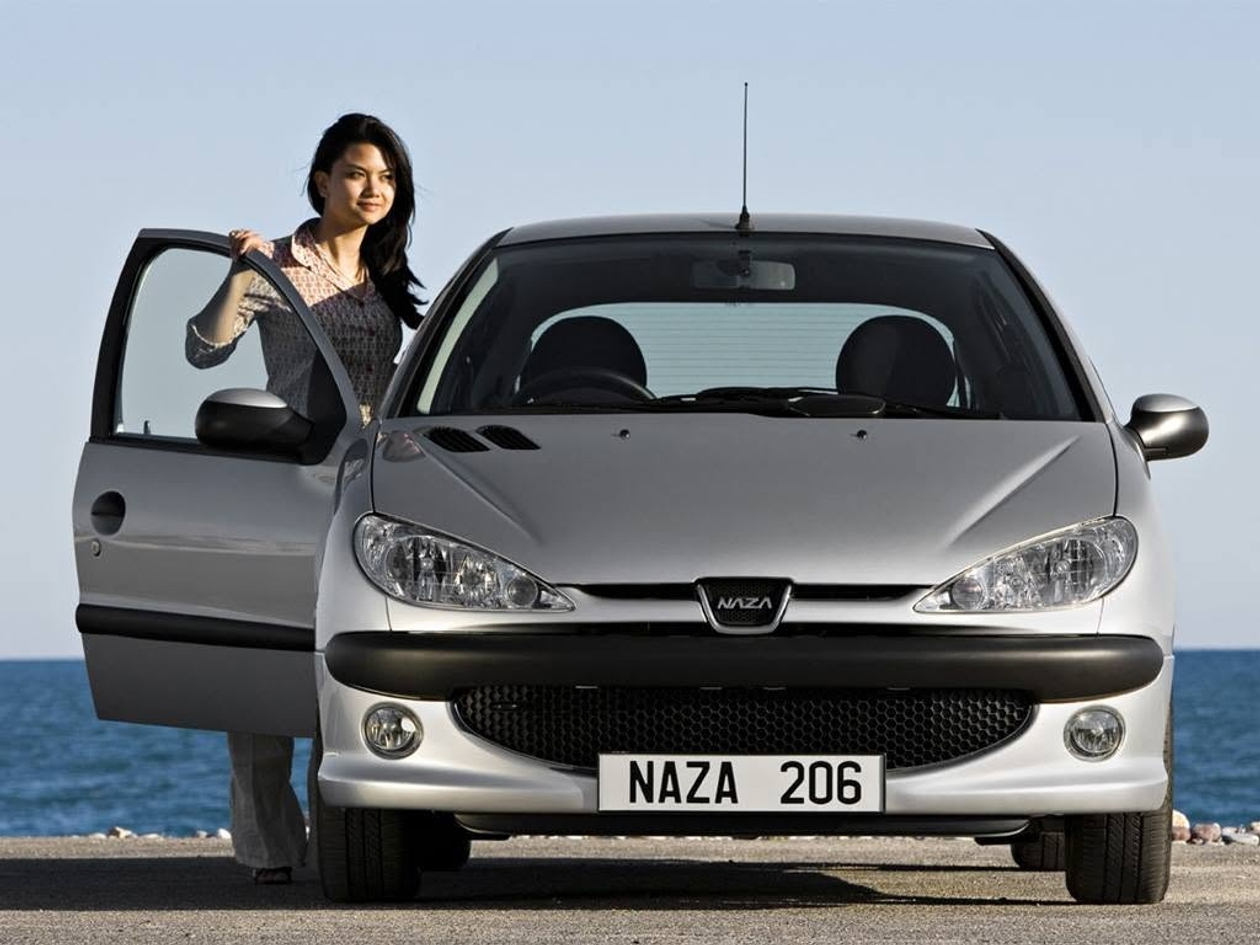
The NAZA 206: the car that propelled NAZA from a franchise distributor into a bona fide vehicle manufacturer
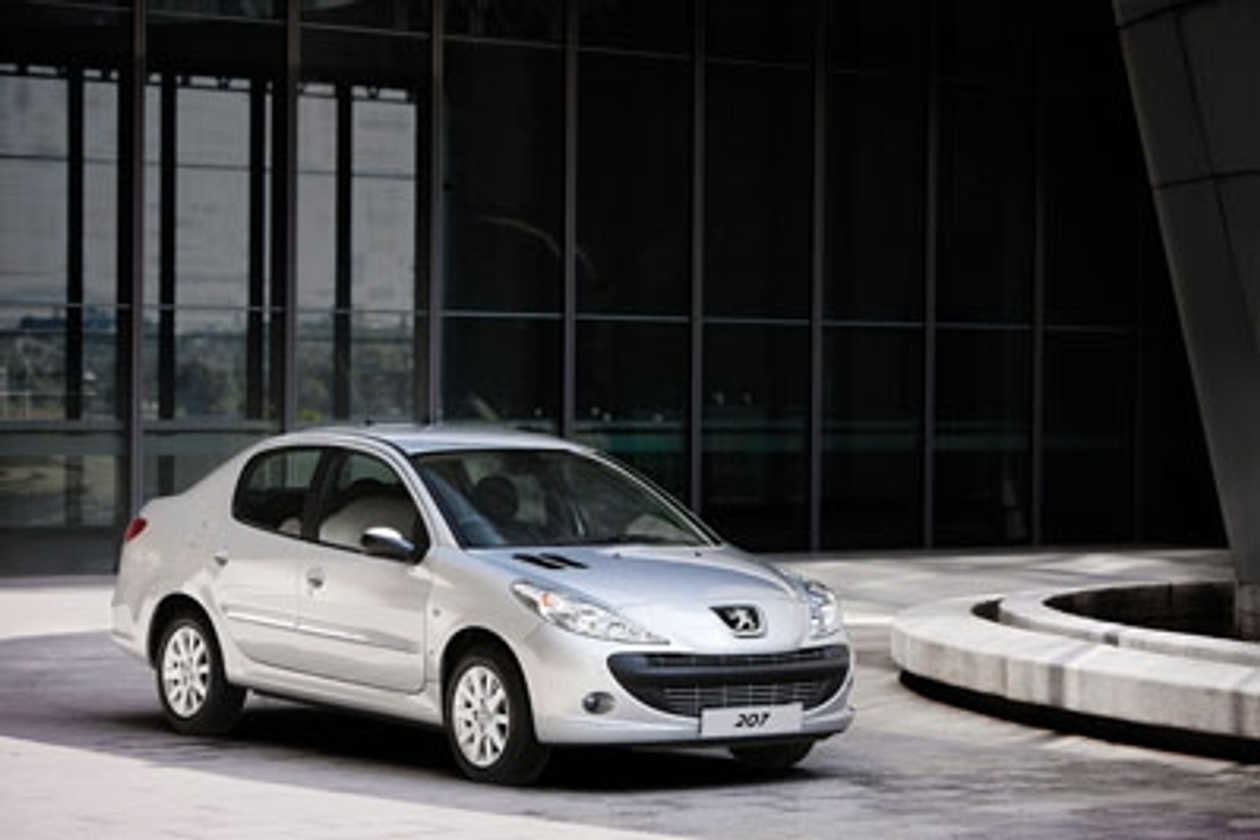 NAZA 207
Peugeot's superminis boast serious heritage in Europe. The iconic 205 racked up 5.3 million sales and the 206 hit 7 million, but by the time the 207 came along, global volume slumped to just 2.4 million units—a noticeable dip in fortunes. It was the same story in Malaysia; according to JPJ registration data, only 3,811 units of the 207 were ever registered. So when the 208 was conceived, its mission was crystal clear: restore the French Lion to its glory days of the 205.
The 208 broke cover in March 2012 at the Geneva Motor Show under the internal code A9, underpinned by PSA's PF1 platform. While rival models bloated with every successive generation, the 208 bucked the trend: it was 7 cm shorter and 1 cm lower than the 207, while maintaining the same 2,540 mm wheelbase. Kerb weight was trimmed by an average of 110 kg—shedding up to 173 kg on select variants—leaving the lightest iteration tipping the scales at just 975 kg. Yet despite its smaller footprint, interior packaging improved: boot space expanded to 285 litres (up 15 litres over the 207), rear legroom grew by 5 cm, and it boasted a sleek drag coefficient of 0.29 Cd.
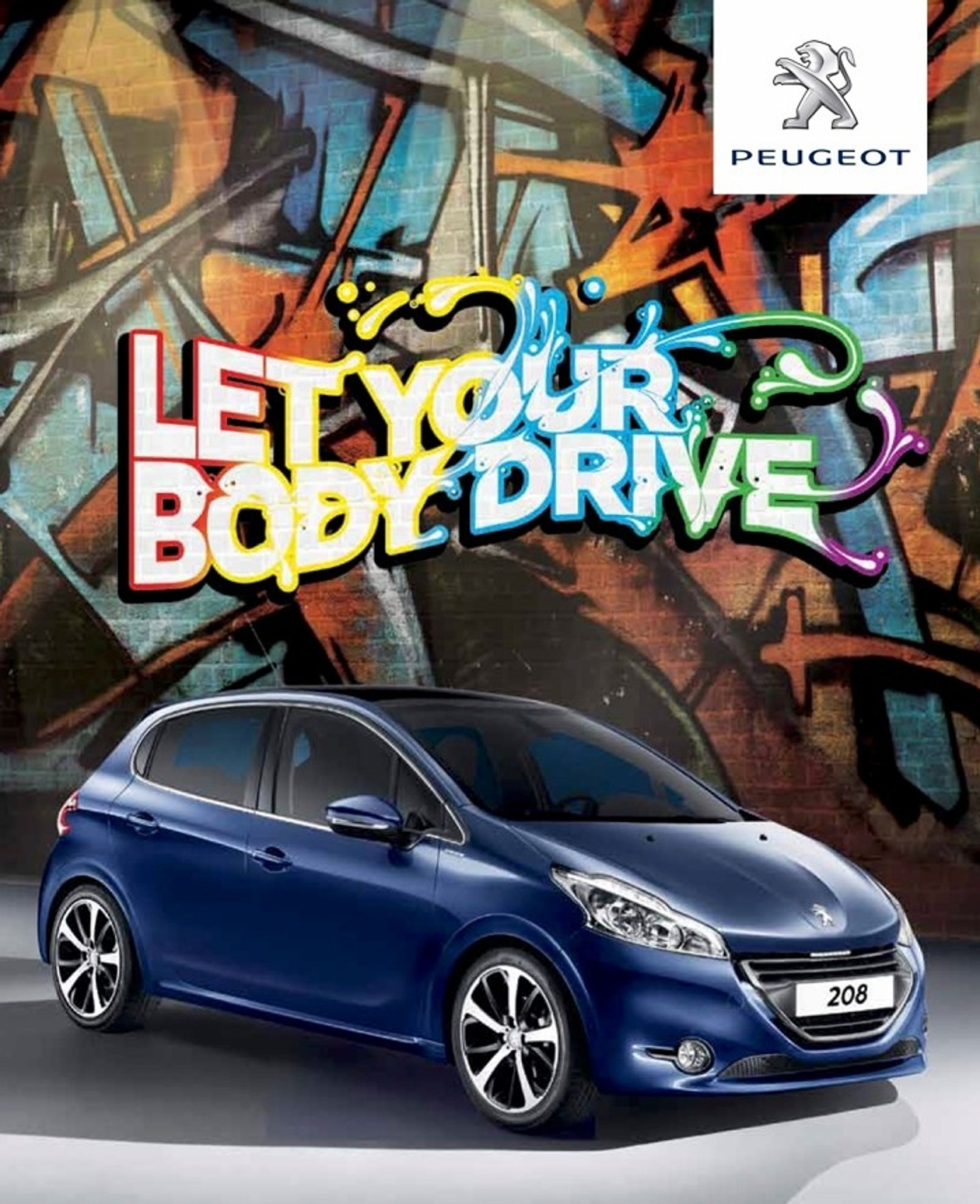
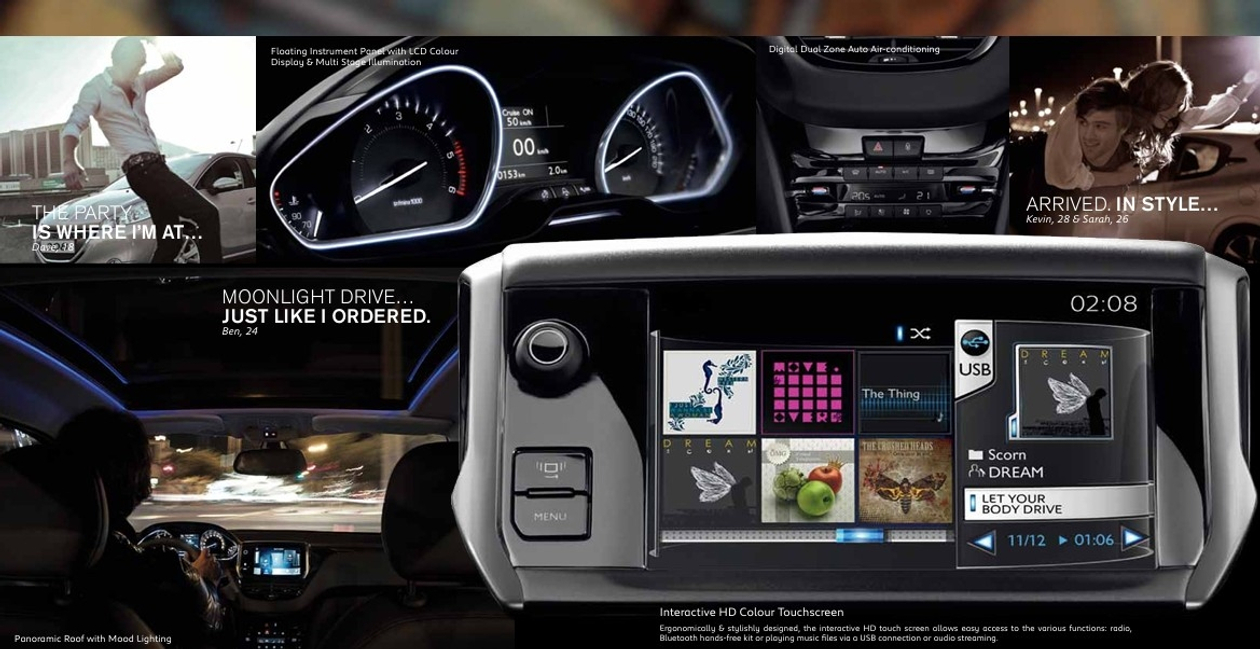
What really stopped you in your tracks the moment you slipped inside, however, was that tiny steering wheel. Noticeably smaller than standard wheels, it sat beneath a raised instrument binnacle, meaning you glanced over the rim rather than through it to read your gauges. Back then, foreign motoring journalists remarked that it felt closer to an arcade racing rig than anything else in a production car. For our generation who spent countless coins on "Initial D" arcade machines growing up, that analogy hit right home. This architecture was later christened i-Cockpit by Peugeot, an ergonomic signature that lives on across the brand's line-up today.
Drivers were divided: some adored the go-kart-like wheel and elevated dials, while others loathed it, complaining they could never dial in their ideal driving position. In that regard, the 208 was genuinely eccentric, quirky, and thoroughly French.
The 208 enjoyed a stellar launch in Europe. From December 2012 onwards, it reigned as Europe's best-selling B-segment hatch for three straight months and bagged Italy's Auto Europa 2013 Car of the Year accolade.
On 17 April 2013, Nasim officially launched the 208 in Malaysia as the successor to the 207. Only a single powertrain was offered from the get-go: a 1.6-litre VTi naturally aspirated mill delivering 122 PS and 160 Nm of torque, paired with a 4-speed automatic gearbox. The 5-door variant went for RM85,888, while the sportier 3-door guise asked RM95,888, the latter adding a panoramic glass roof. The kit list was genuinely generous for its segment at the time: LED DRLs, a 7-inch touchscreen, dual-zone automatic climate control, Arkamys sound system, six airbags, ESP, and a 5-star Euro NCAP crash rating. Nasim aimed for 200 units a month, projecting the 5-door to account for 80% of sales. By October that same year, the 208 transitioned to CKD local assembly.
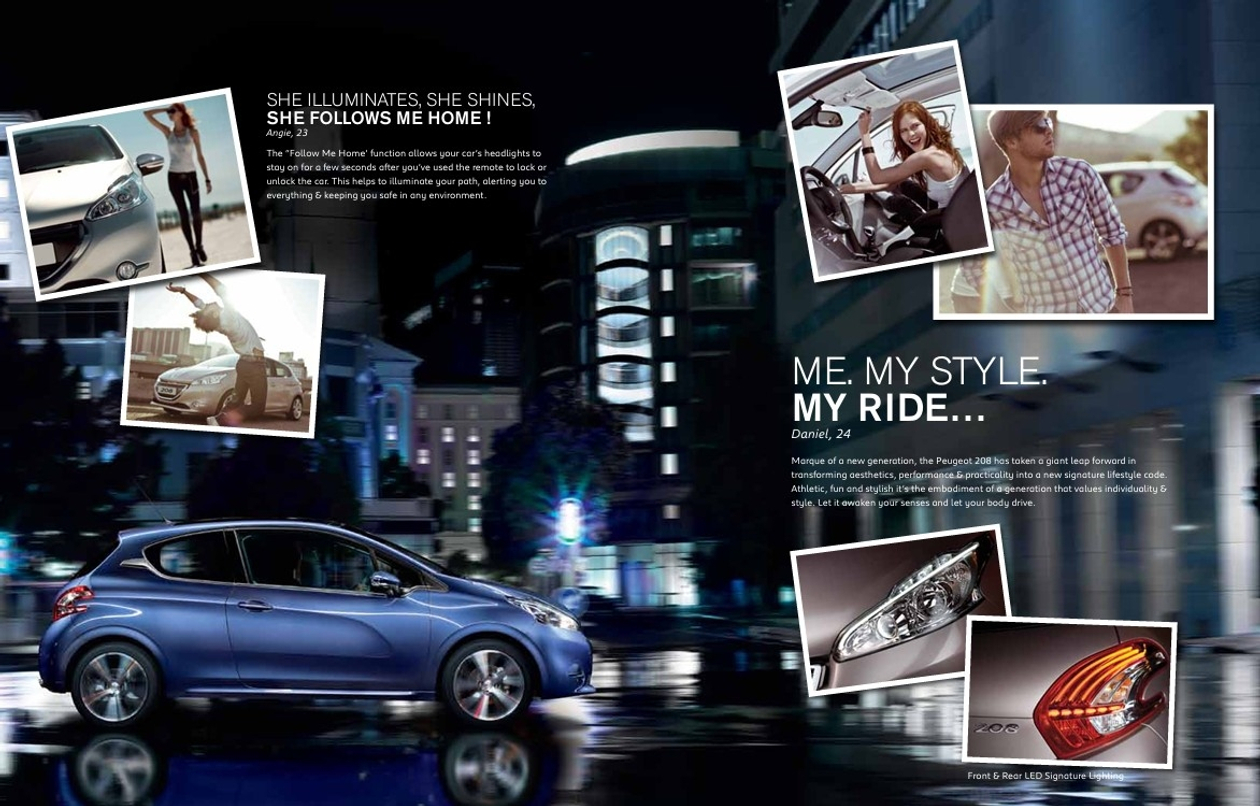
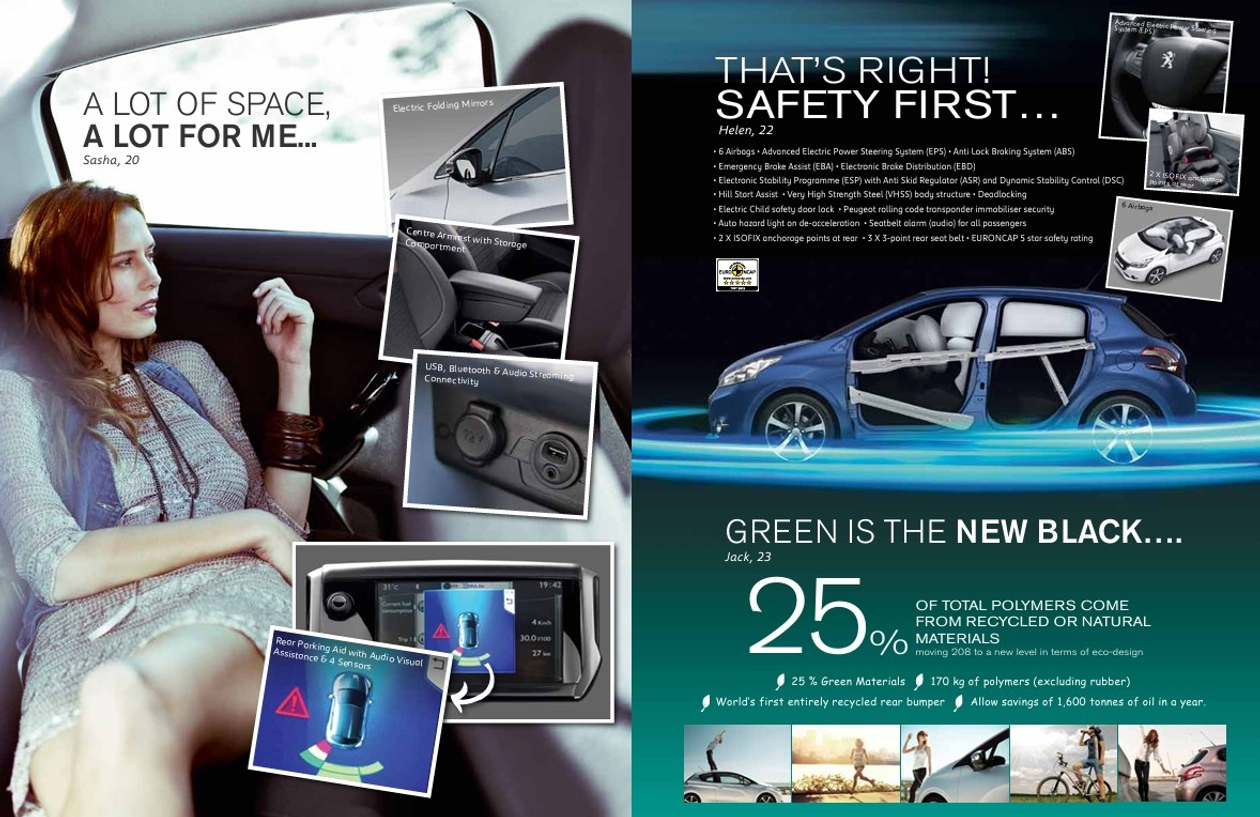
The Achilles' heel, however, was that dated 4-speed automatic. In 2013, the Fiesta 1.6 already ran a 6-speed dual-clutch, the Polo 1.6 packed a 6-speed torque-converter auto, and even the Jazz had a 5-speed unit. The 208's exterior styling and cabin design were fresh out of 2012, yet its transmission felt like a leftover from the previous decade—a sore point that drew relentless flak in netizen forums at the time.
Here is an intriguing piece of trivia from JPJ's database: 30.4% of all registered 208s in Malaysia were painted red. A French lion in a bold scarlet hue—buyers evidently knew what statement they wanted to make. On top of that, there was virtually no recon market for the 208 locally, as used-car importers had little appetite to bring in French metal. Consequently, nearly every single unit you spotted on local roads was an officially distributed car, a rare trait for a continental hatchback back then.
What truly won the hearts of local car enthusiasts was the GTi. On 9 October 2013, Nasim unveiled the 208 GTi at its Peugeot showroom along Old Klang Road, priced at RM139,888 on-the-road with insurance. Powered by a 1.6-litre THP turbocharged engine churning out 200 hp and 275 Nm, it was paired exclusively with a 6-speed manual transmission. It could complete the century sprint in 6.8 seconds on its way to a 230 km/h top speed, available solely in Digital White or Rogue Red. Tipping the scales at 1,160 kg, it was 90 kg lighter than the old 207 GTi. When Peugeot launched this pocket rocket, their rallying cry was clear: rekindling the pure spirit of the legendary 205 GTi.
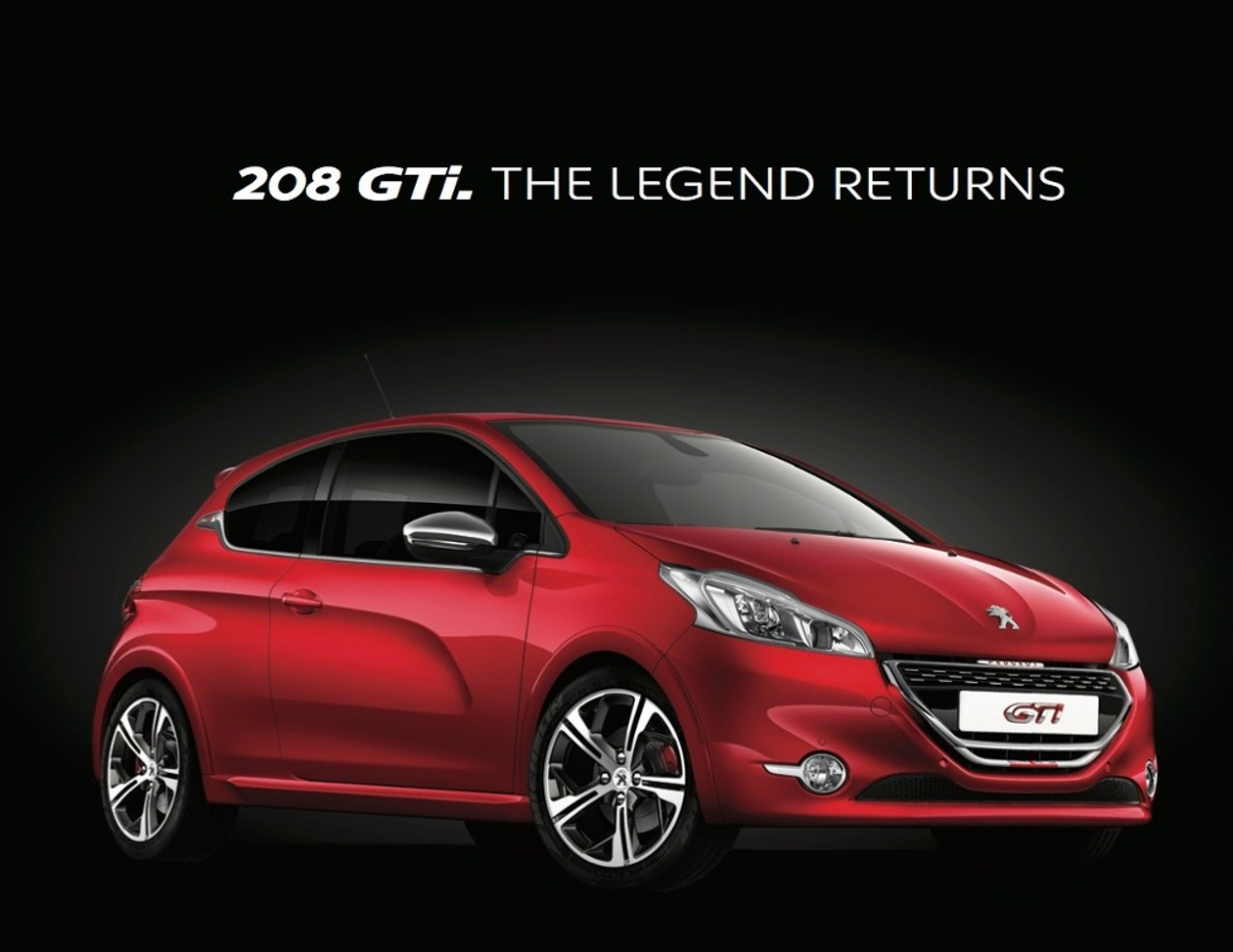
Its chief contemporary rival, the Polo GTI, carried a steeper price tag, leading many to hail the 208 GTi as the cheapest brand-new hot hatch on the Malaysian market. Yet, in a country where over 90% of buyers opt for automatics, a three-pedal-only proposition was inherently consigned to niche status. Those who took the plunge were mostly driving purists who genuinely appreciated rowing their own gears and hitting the touge on weekends. Even today on the used market, you can still find Stage 1-tuned 208 GTis exchanging hands—proof that the passion in this community remains well alive. Incidentally, that 1.6-litre turbo shared its core Prince engine architecture with the contemporary MINI Cooper S, ensuring aftermarket tuning support was never in short supply.
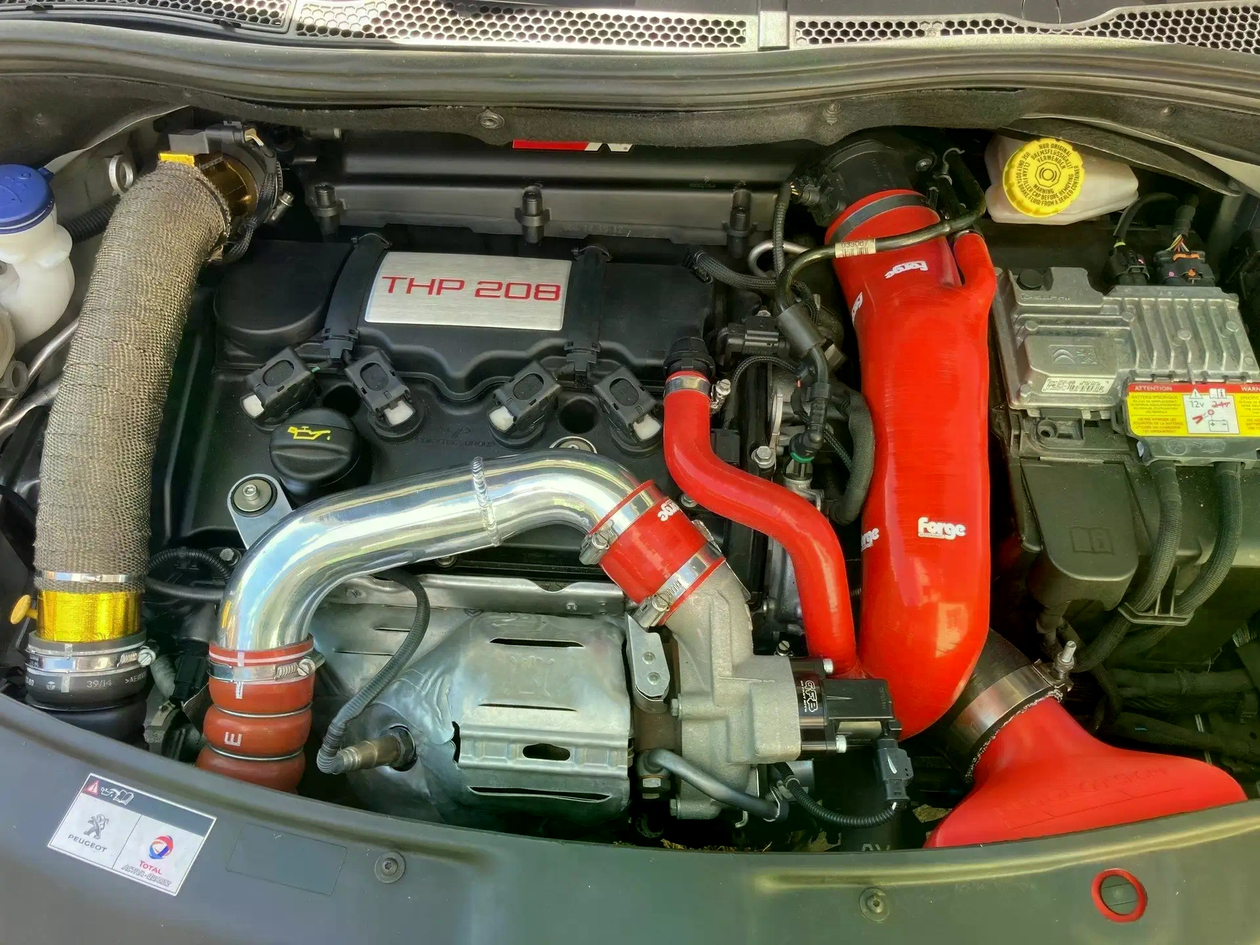
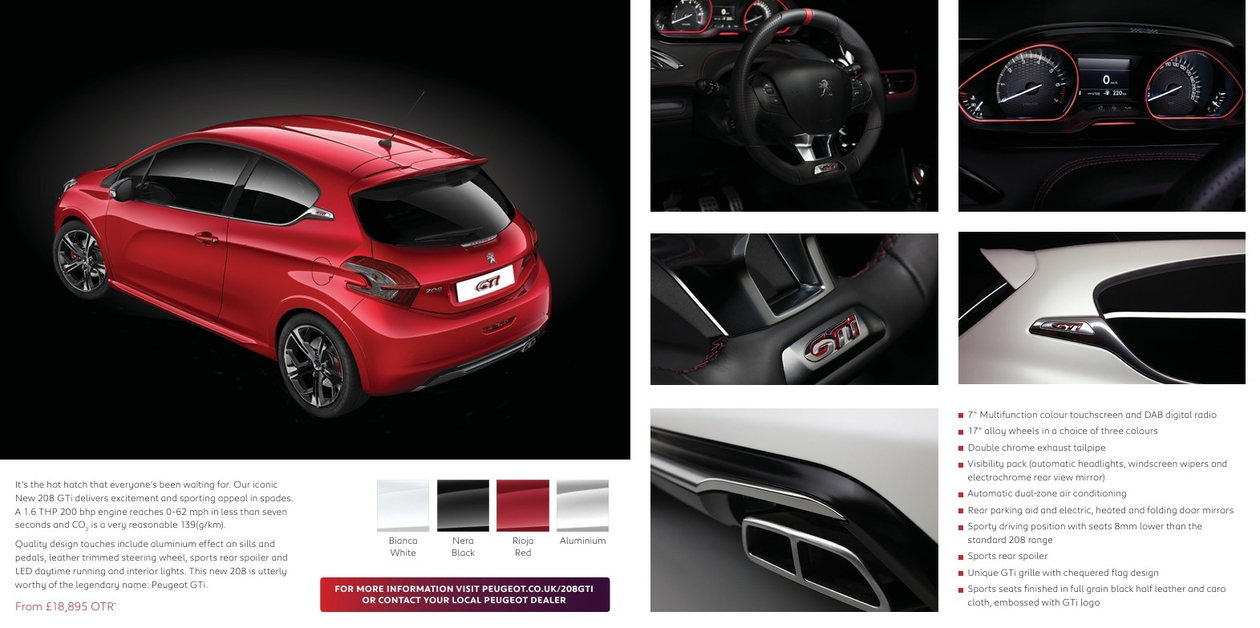
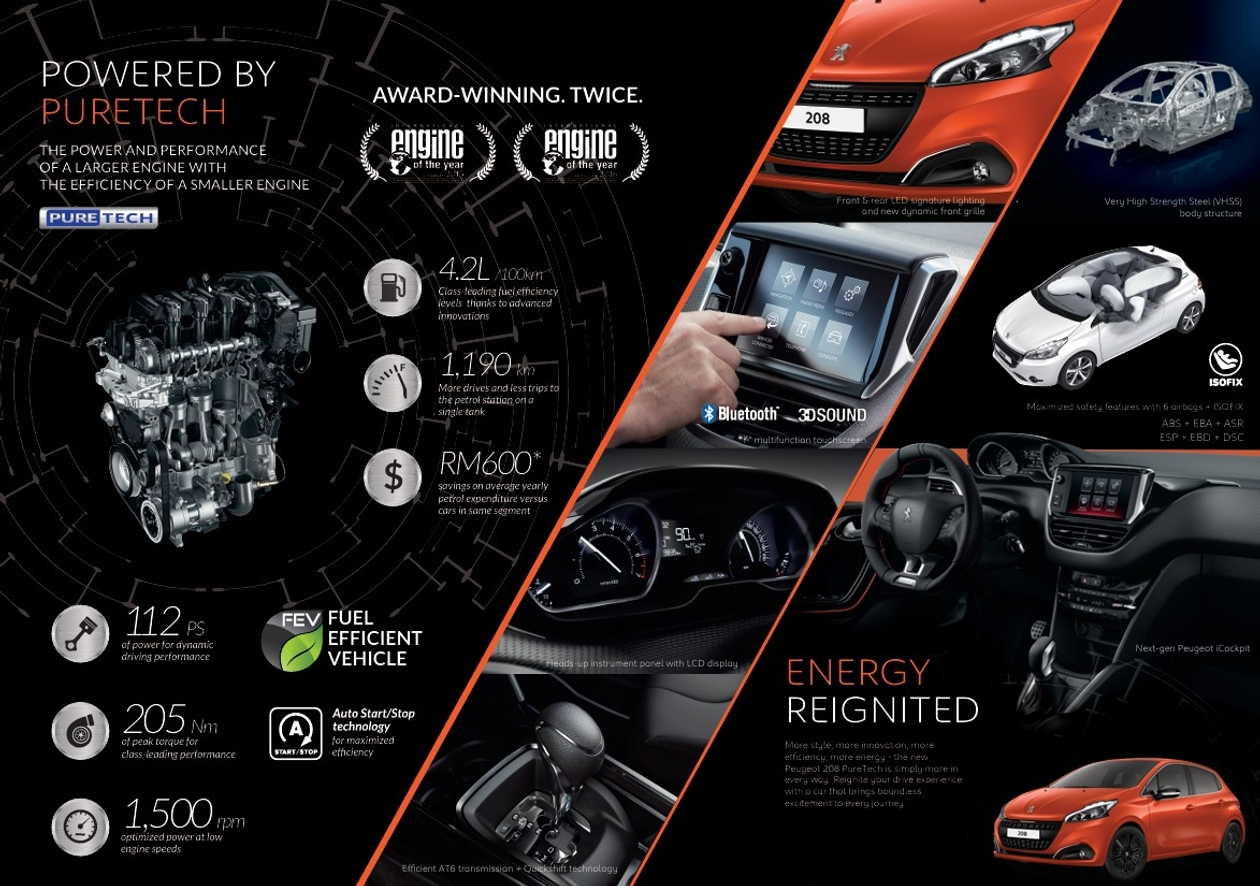
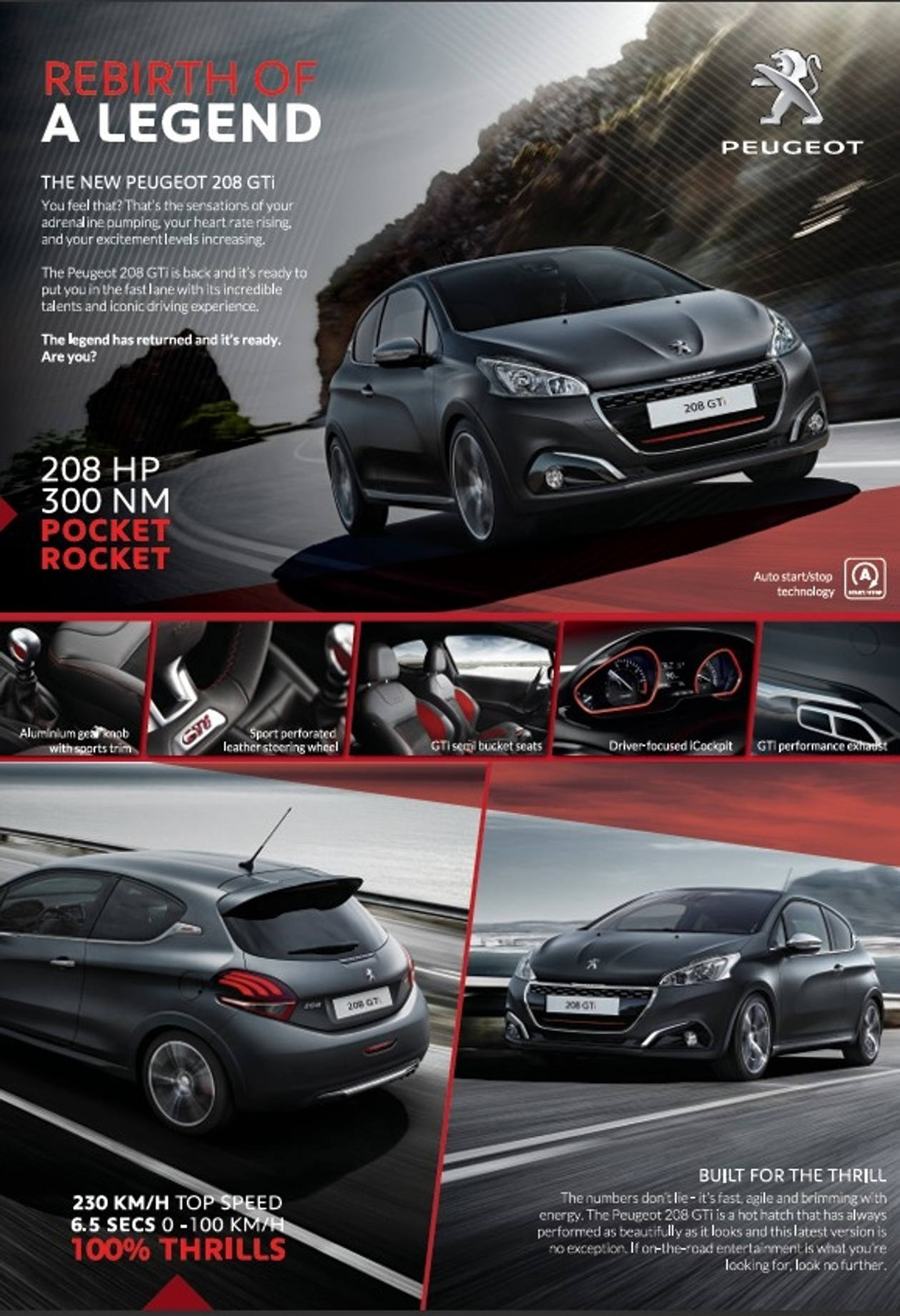
In 2017, the 208 received its mid-lifecycle facelift. The 208 PureTech arrived on 11 January, ditching the old naturally aspirated unit for a 1.2-litre 3-cylinder turbocharged engine good for 110 hp and 205 Nm, finally mated to an Aisin 6-speed automatic. Offered strictly as a 5-door hatch at RM89,888, it boasted a claimed fuel consumption of 4.5 litres/100 km and a theoretical range of 1,190 km on a single tank. Its 205 Nm of twist even edged out the Fiesta EcoBoost's 170 Nm. A month later, the facelifted GTi followed suit, with output bumped to 208 hp and 300 Nm, shaving its 0-100 km/h sprint down to 6.5 seconds. However, hit by the weakening Ringgit, the price tag crept up by RM4,000 to RM143,888.
The figures tell an unvarnished tale. According to JPJ registration records, a total of 5,939 units of the 208 were registered between April 2013 and September 2020. Its strongest calendar year was 2014 with 2,148 units, and its peak monthly tally came in July 2014 with 309 units. Nasim's original sales target of 200 units a month translated to 2,400 units annually—a benchmark it never managed to achieve, even during its best year.
The headwinds were multifaceted. The volume 1.6-litre variants languished with a 4-speed auto for nearly four years; by the time the proper 6-speed box arrived in 2017, buyer appetite was already shifting rapidly towards compact crossovers. Then there was the prevailing local perception surrounding continental French marques: tricky to maintain, pricey replacement parts, and poor resale value. While not entirely warranted, in a market as secondhand-value-obsessed as Malaysia, negative perception alone can kill a car's prospects. Worse still, anecdotal feedback from some frustrated 208 owners only seemed to validate those fears. Malaysian buyers are accustomed to the forgiving, "fill-and-forget" ownership experience of Japanese makes; while the 208 wore a Japanese-level price tag, beneath the skin it was still a finicky European that demanded meticulous, preventative care.
Then came the custodial reshuffle. In October 2020, Naza relinquished its Peugeot and Kia franchise rights, with Bermaz stepping in to take over the reins that December. Bermaz immediately pivoted its strategy towards high-riding crossovers, rolling out the locally assembled, all-new 2008 from Gurun in 2022. The second-generation 208 had already been revealed at Geneva back in March 2019 and remained one of Europe's best-selling superminis, but it was never officially introduced in Malaysia. In March 2024, Stellantis Malaysia took over distributorship duties directly; by August 2025, Stellantis indicated its immediate focus would tilt towards Leapmotor, with Peugeot taking a temporary backseat until its next-generation product offensive was fully primed.
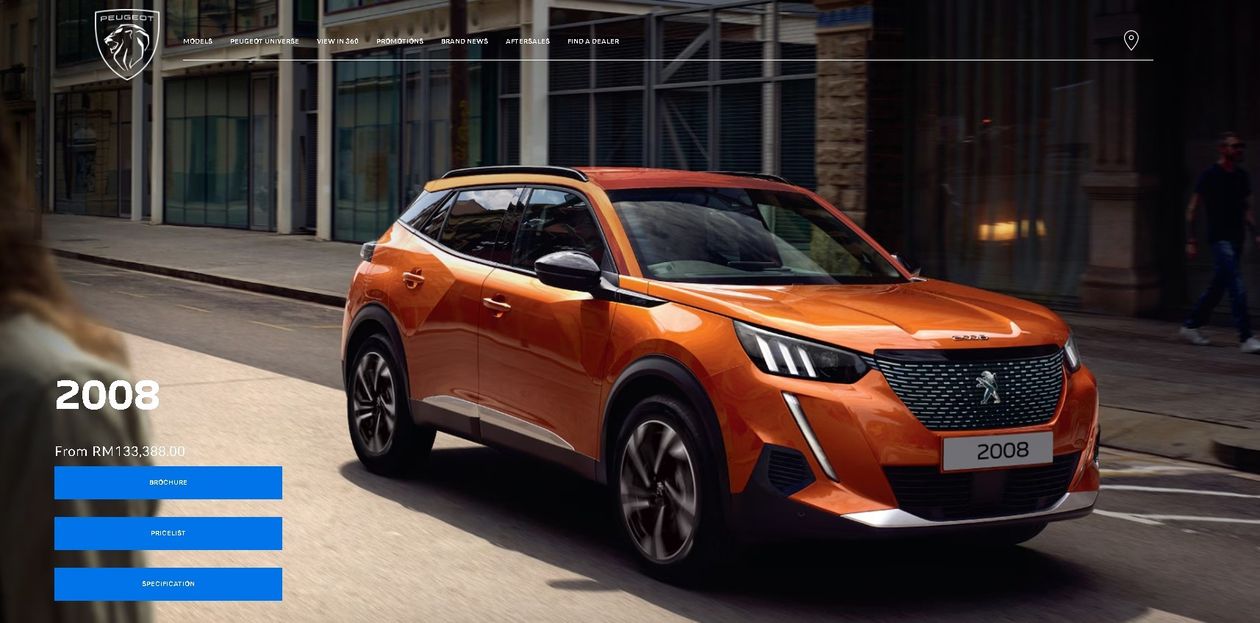
Among local Peugeot enthusiasts, a longstanding sentiment persists that neither Nasim nor Bermaz did full justice to the brand's potential. In many ways, the 208's Malaysian chapter serves as a poignant footnote to that narrative.
So, what is a 208 that once commanded RM85,888 new worth today? On local used-car portals, a 2017 to 2019 1.2 PureTech typically commands between RM16,000 and RM22,000; an earlier 2014 1.6 VTi can be had from roughly RM16,000 upwards. As for the GTi, units were scarce to begin with; much like the Ford Fiesta ST, they tend to trade privately within enthusiast circles, and any clean example that surfaces on the open market gets snapped up almost immediately. If memory serves, market value for a 208 GTi currently hovers around the RM40,000 to RM50,000 mark.
If you are tempted to take the plunge, a comprehensive, documented service history is non-negotiable. That 1.2 PureTech engine underwent internal redesigns by Peugeot down the line to address earlier reliability and maintenance gremlins; before putting down a deposit, getting it thoroughly vetted by an experienced continental specialist is mandatory.
A chic French hatchback that once cost near RM90,000 can now be parked in your driveway for roughly RM20,000—complete with that quirky compact steering wheel, a slick 6-speed auto, or even 200 horses paired with a manual box if you find a GTi. The real question is: do you have the appetite for it?
While staunch defenders argue that most owner headaches boiled down to poor preventative maintenance and a lack of mechanical empathy—insisting the 208 is fundamentally a sound and dependable runabout—the automotive market can be unforgiving: buyers instinctively magnify faults and overlook dynamic brilliance. Brilliant ride-and-handling balance notwithstanding, when faced with the old coffeeshop adage that "taming a French lion will only leave you bitten", the vast majority of local car buyers simply chose not to take the risk.
As for the allure of French automotive couture, we shall dive into another quirky gallic machine next time around.

Your go-to source for all things automotive in Malaysia. 🚗 Latest reviews, breaking news, launches & industry trends.
+ Follow Tesla has finally opened orders for the driverless Cybercab and the price is surprisingly lower than a Model 3!
#TeslaCybercab #TeslaMalaysia #Cybercab #TeslaFSD #AutonomousVehicle 22 hours ago
 Pra Tonton Leapmotor B03X Di Malaysia! SUV Elektrik Kompak 382 KM WLTP & Cas 21 Minit!
Comel, boxy, dan praktikal! Direka sebagai SUV elektrik kompak segmen-B untuk pemanduan bandar, model ini membawakan beberapa spesifikasi yang cukup menarik:
🔋 Bateri LFP 53 kWh — jarak pemanduan sehingga 382 km (WLTP)
⚡ Pengecasan pantas DC 133 kW — cas 10% ke 80% dalam masa 21 minit sahaja
🚀 Kuasa 145 kW (198 hp) & tork 200 Nm — pecutan 0–100 km/j dalam 8.6 saat
📏 Saiz kompak 4.27m — lincah di ibu kota & senang nak parkir
🖥️ Skrin infotainmen besar 14.6 inci + kluster digital 8.8 inci
🧳 Ruang but 405L + Gigabox kalis air bawah lantai (jumlah 510L — siap boleh letak pek ais!)
Kalau Leapmotor B03X ini masuk pasaran Malaysia secara rasmi dengan harga yang kompetitif, pada pendapat anda model EV segmen-B mana yang paling tergugat? Komen di bawah! 👇💬
#LeapmotorB03X #LeapmotorMalaysia #BitAutoMalaysia #KeretaElektrikMalaysia #EVMalaysia#ACE2026#KeretaElektrikMalaysia #EVMalaysia #SUVKompak #InfoAutomotif #KeretaBaharu 1 day ago
 October 2026 car sales, electrified powertrains:
The Proton e.Mas 5 and 7 continue to lead Malaysia's EV adoption journey, while Zeekr takes up the third spot. iCaur also steadily gains, beating out BYD to complete the top 5.
The Yaris Cross proves to be Malaysia's new favourite hybrid SUV, as it narrowly grabs the lead ahead of the e.Mas 7 and Corolla Cross.
For PHEVs, the Proton e.Mas 7 continues to lead while the GWM Wey G9 - a car that costs roughly RM 100k more than both the Proton and Jaecoo - is in second place.
#carsales #hybrid #ev 1 day ago
Get the latest car news first!
Your go-to source for all things automotive in Malaysia. 🚗 Latest reviews, breaking news, launches & industry trends.
Tesla has finally opened orders for the driverless Cybercab and the price is surprisingly lower than a Model 3!
#TeslaCybercab #TeslaMalaysia #Cybercab #TeslaFSD #AutonomousVehicle 22 hours ago Pra Tonton Leapmotor B03X Di Malaysia! SUV Elektrik Kompak 382 KM WLTP & Cas 21 Minit!
Comel, boxy, dan praktikal! Direka sebagai SUV elektrik kompak segmen-B untuk pemanduan bandar, model ini membawakan beberapa spesifikasi yang cukup menarik:
🔋 Bateri LFP 53 kWh — jarak pemanduan sehingga 382 km (WLTP)
⚡ Pengecasan pantas DC 133 kW — cas 10% ke 80% dalam masa 21 minit sahaja
🚀 Kuasa 145 kW (198 hp) & tork 200 Nm — pecutan 0–100 km/j dalam 8.6 saat
📏 Saiz kompak 4.27m — lincah di ibu kota & senang nak parkir
🖥️ Skrin infotainmen besar 14.6 inci + kluster digital 8.8 inci
🧳 Ruang but 405L + Gigabox kalis air bawah lantai (jumlah 510L — siap boleh letak pek ais!)
Kalau Leapmotor B03X ini masuk pasaran Malaysia secara rasmi dengan harga yang kompetitif, pada pendapat anda model EV segmen-B mana yang paling tergugat? Komen di bawah! 👇💬
#LeapmotorB03X #LeapmotorMalaysia #BitAutoMalaysia #KeretaElektrikMalaysia #EVMalaysia#ACE2026#KeretaElektrikMalaysia #EVMalaysia #SUVKompak #InfoAutomotif #KeretaBaharu 1 day ago October 2026 car sales, electrified powertrains:
The Proton e.Mas 5 and 7 continue to lead Malaysia's EV adoption journey, while Zeekr takes up the third spot. iCaur also steadily gains, beating out BYD to complete the top 5.
The Yaris Cross proves to be Malaysia's new favourite hybrid SUV, as it narrowly grabs the lead ahead of the e.Mas 7 and Corolla Cross.
For PHEVs, the Proton e.Mas 7 continues to lead while the GWM Wey G9 - a car that costs roughly RM 100k more than both the Proton and Jaecoo - is in second place.
#carsales #hybrid #ev 1 day ago 
© 2024 Bitauto.com. All Rights Reserved.
Bitauto (www.yiche.com and www.bitauto.com) is one of the most visited automotive websites in China. We provide detailed info on Chinese car brands available in your area. Please note that the information provided on this website is based on publicly available data and is for reference only. It may not be fully updated or accurate at all times.

Help us improve our website


