In the mid-2000s, what did a "premium SUV" look like in Malaysia? For most folks, it was rows upon rows of Toyota Harriers lined up in recond showrooms. Boxy, plush, and respectable enough for any boss to be chauffeured or seen in. Right around that time, an oddity rolled onto showroom floors: up front was an expansive, gleaming chrome grille, its body contoured like a river-smoothed pebble, with vertical tail lamps that looked like twin light beams. This was the Nissan Murano.
The Murano moniker traces its roots to the Venetian island famed for artisanal glassmaking. Penned by Nissan's California design studio, the brief was straightforward: sculpt a crossover that doubled as rolling art. To Malaysians accustomed to upright, two-box SUVs, it looked nothing like the Nissans of the era—appearing more like a concept car that had inadvertently strayed off the motor show stand.
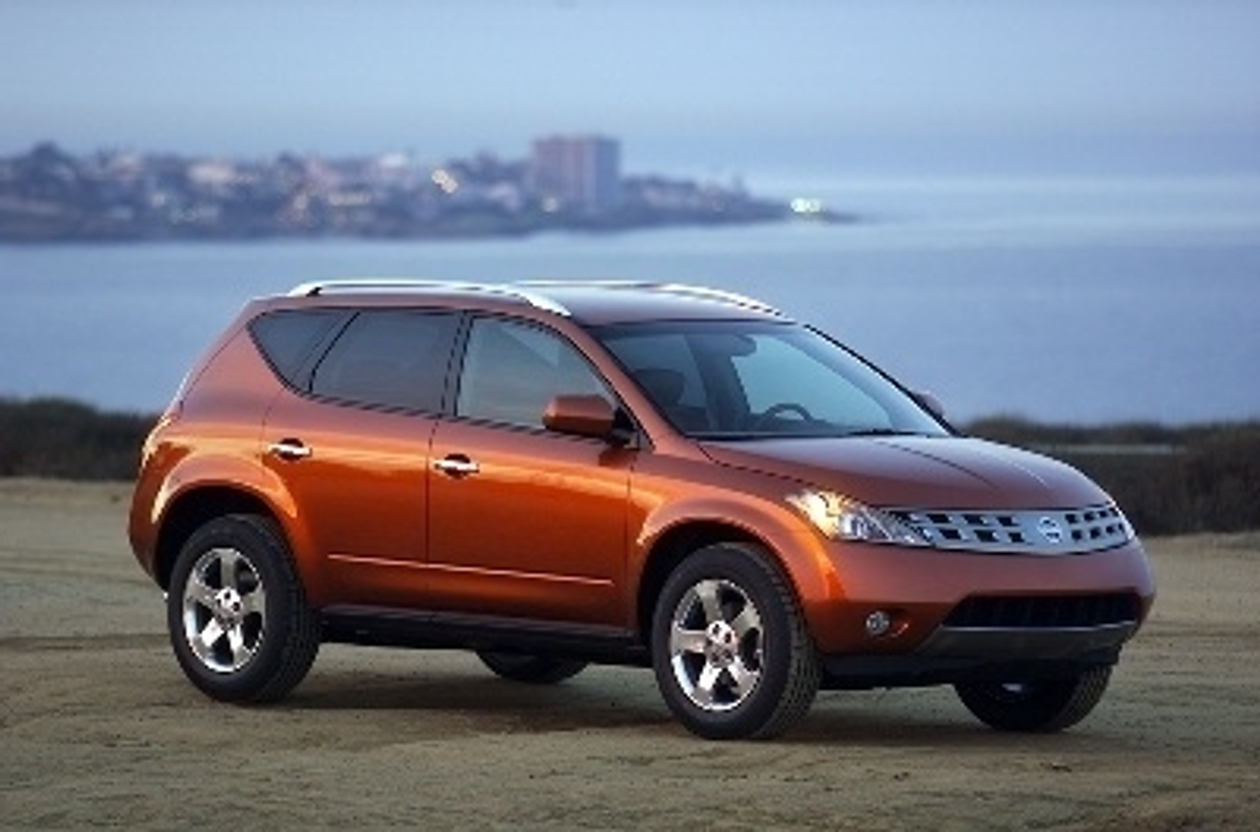
Many local petrolheads still recall the Murano by an enduring cliché: "A 350Z in SUV clothing." That statement holds half the truth, and today we unpack the facts.
To understand the Murano, one must first look at Carlos Ghosn. In 1999, Renault took a substantial stake in a financially beleaguered Nissan and dispatched Ghosn to Tokyo. Under his "Nissan Revival Plan", a central thrust was the ruthless consolidation of platforms and sweeping cost reductions. Yet he also lived by another celebrated automotive maxim: there is no corporate problem that cannot be cured by a truly compelling product.
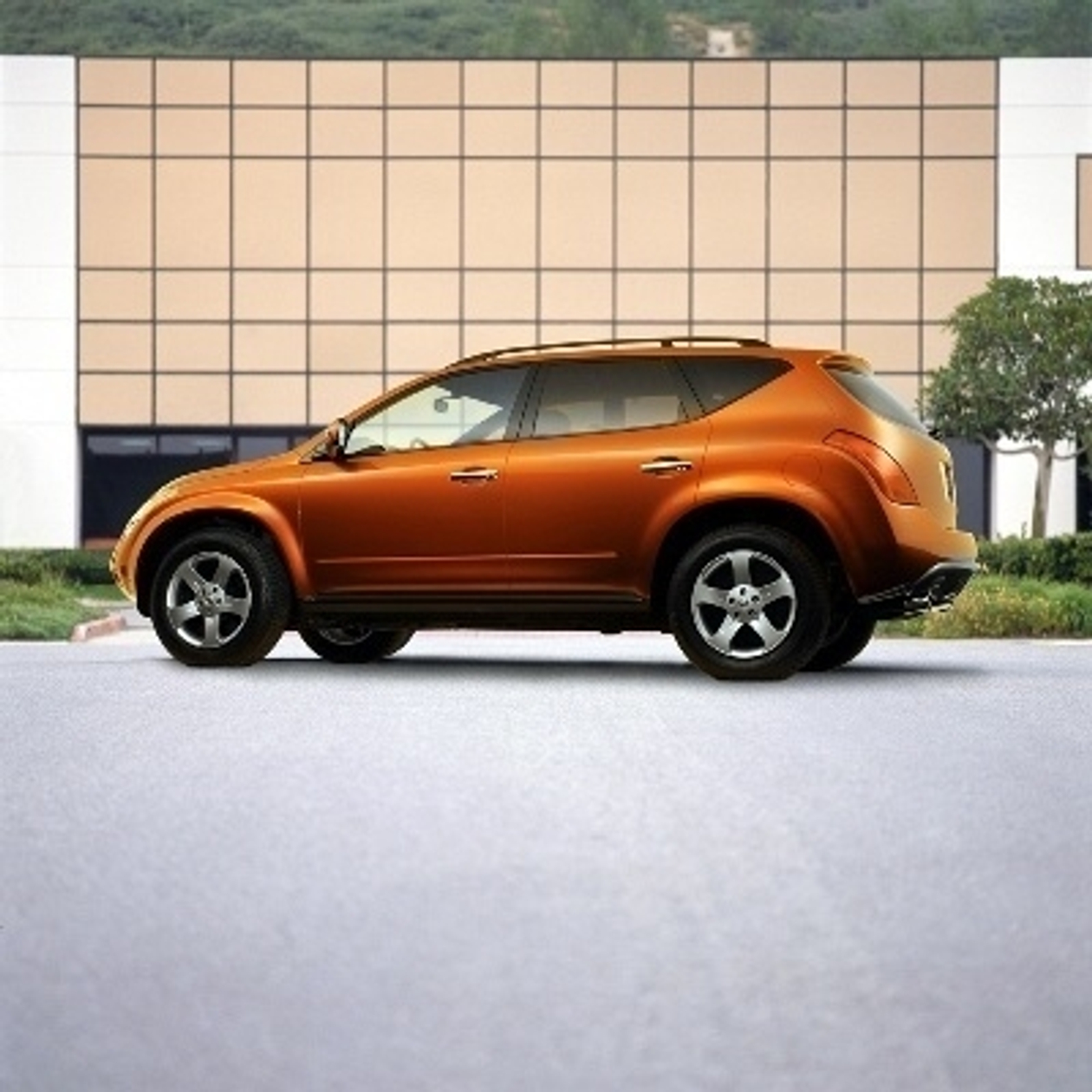
What followed was an onslaught of distinctive "Ghosn-era" machinery: the reborn 350Z sports car, the Skyline (christened the Infiniti G35 in North America), and the subject of our story, the Murano. Overseen by design chief Shiro Nakamura, the Murano bore all the hallmarks of that design chapter: bold, voluptuous, and unapologetically polarising. In 2002, the production-spec Murano bowed at the New York Auto Show, entering production that May for the North American market. For the US and Canada, it marked Nissan's inaugural crossover SUV. Japan, by contrast, only received it in September 2004.
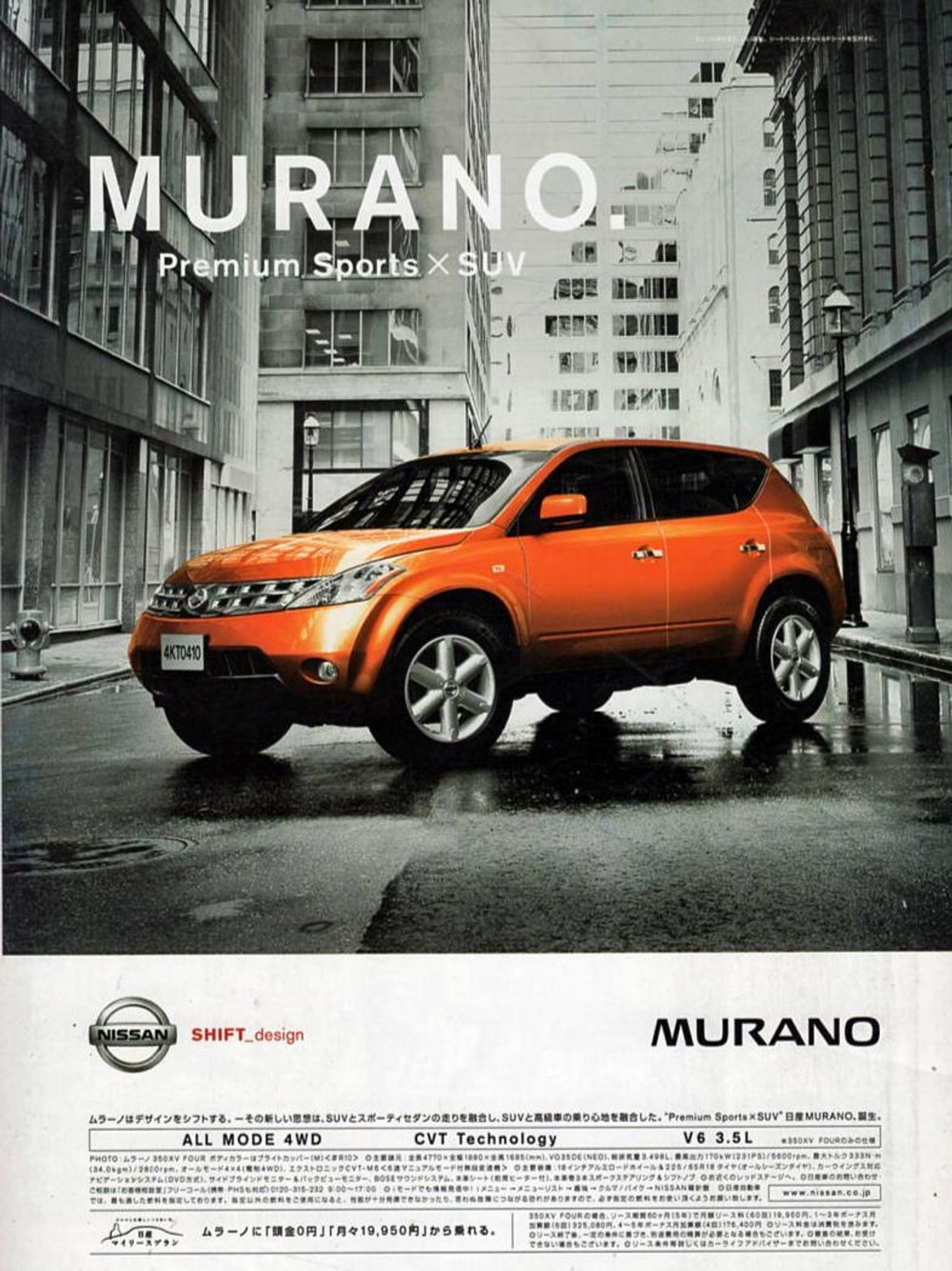
To call the Murano a child of the "Ghosn era" is spot on. As for Ghosn's own subsequent escapades—his 2018 arrest in Tokyo and dramatic 2019 escape inside an audio equipment case to Lebanon—that remains the stuff of a Netflix thriller.
Let us start with the accurate half. The flagship powertrain for the first-generation Murano was indeed the venerable 3.5-litre VQ35DE V6, shared directly with the 350Z. But under the Murano's bonnet, Nissan recalibrated the mill: North American units put out 245 hp, whilst the Japanese domestic market (JDM) iteration was rated at 231 PS and 333 Nm. The focus here was seamless refinement and hush-quiet cruising, miles away from the high-revving, spine-tingling wail of the 350Z.
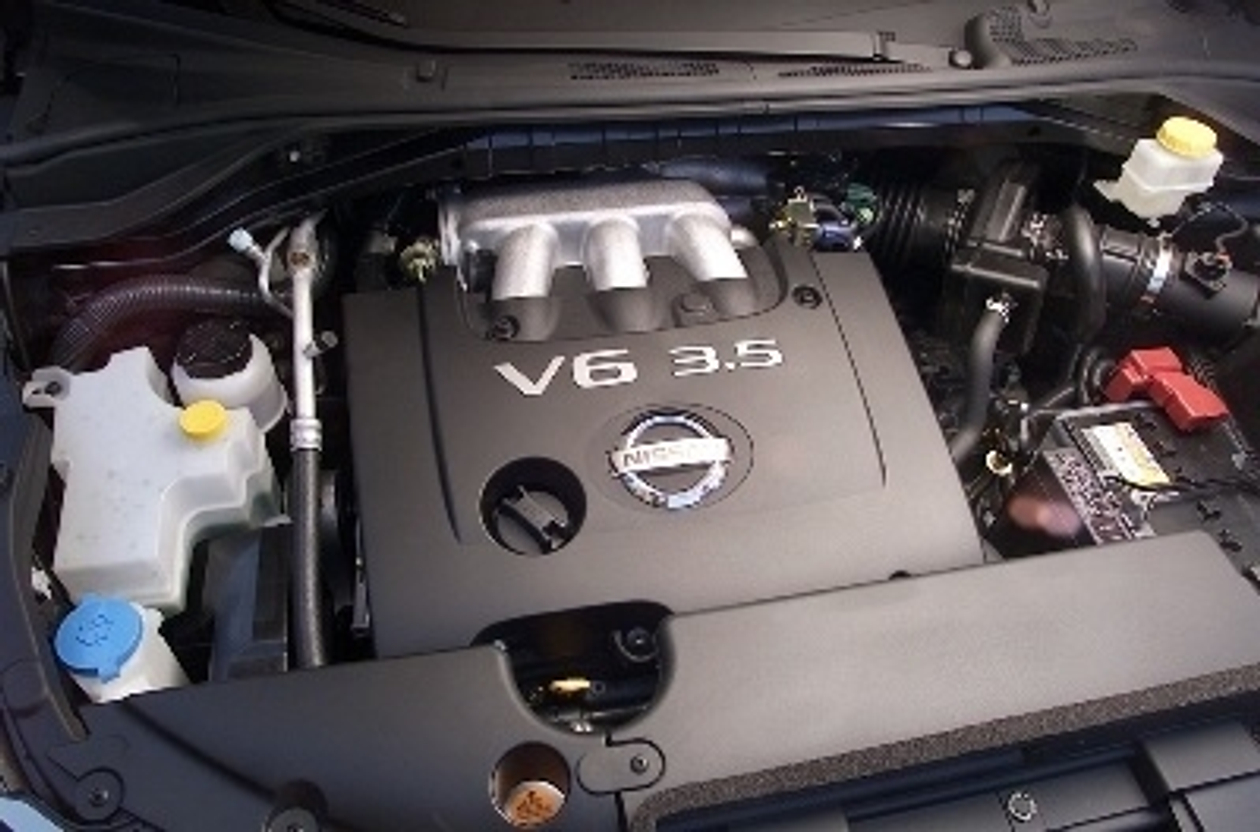
Now for where the myth falls apart. The 350Z underpinned the Front Midship (FM) platform, engineered with the engine tucked well behind the front axle powering the rear wheels to achieve ideal sports car balance. The Murano, conversely, rode on the front-wheel-drive FF-L architecture, which it shared with the Altima and Maxima saloons. In short: while the Murano and the 350Z shared a common beating heart, their structural skeletons could not be more divergent. If one were to truly trace its mechanical gene pool, dubbing it a jacked-up Maxima is vastly more accurate.
Here is another nugget many enthusiasts overlook: the majority of first-gen Muranos on Malaysian tarmac do not even harbour that 350Z powerplant. In Japan, buyers could choose between the 3.5 V6 with an Xtronic CVT, or an entry-level 2.5-litre QR25DE four-pot producing 163 PS paired with a conventional 4-speed automatic transmission. In our local used car market, it is this "250XL" spec that flooded classifieds. The next time someone brags about owning an "SUV-bodied 350Z", ask them first: is it running the 3.5 V6 or the humble 2.5?
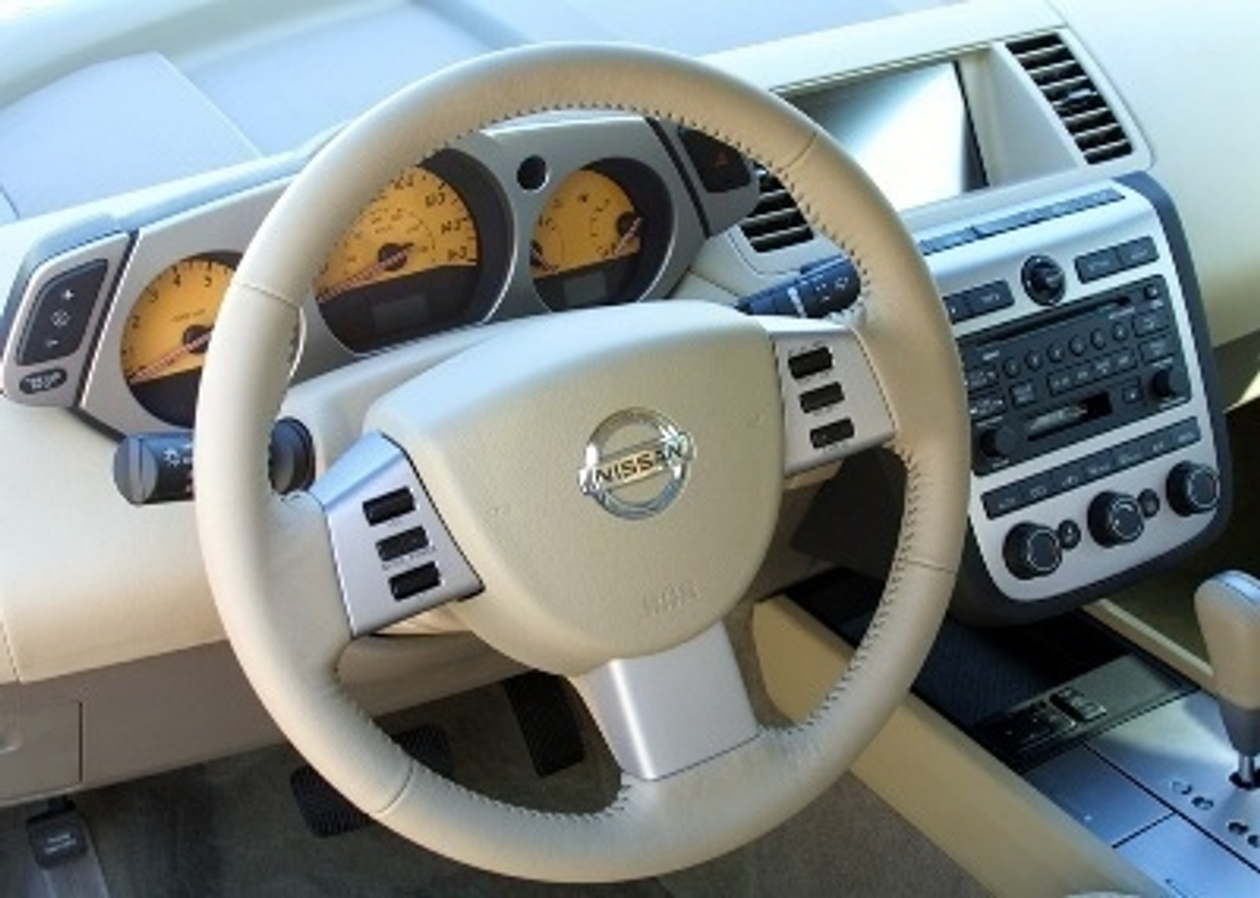
Still, both variants shared that unmistakably striking stance. With its hunkered nose, raked roofline, and tapering greenhouse, the cabin remained an exceptionally cosseting place to sit, whilst from the kerbside, it exuded far more athletic swagger than the boxy SUVs of its day. That "350Z SUV" sentiment was likely born out of this sheer visual drama.
The Murano's Malaysian saga started in typically colourful local fashion. While JDM sales only kicked off in September 2004, JPJ registration records show that the first Murano was already registered here by November 2004—a mere two months later. The model enjoyed its local heyday in 2005 with 621 registrations. Yet, franchise distributor Edaran Tan Chong Motor (ETCM) only slotted the Murano into its official line-up in 2006. In essence, the Murano's peak popularity on local shores was orchestrated entirely by grey import (recond) dealers, not the official principal.
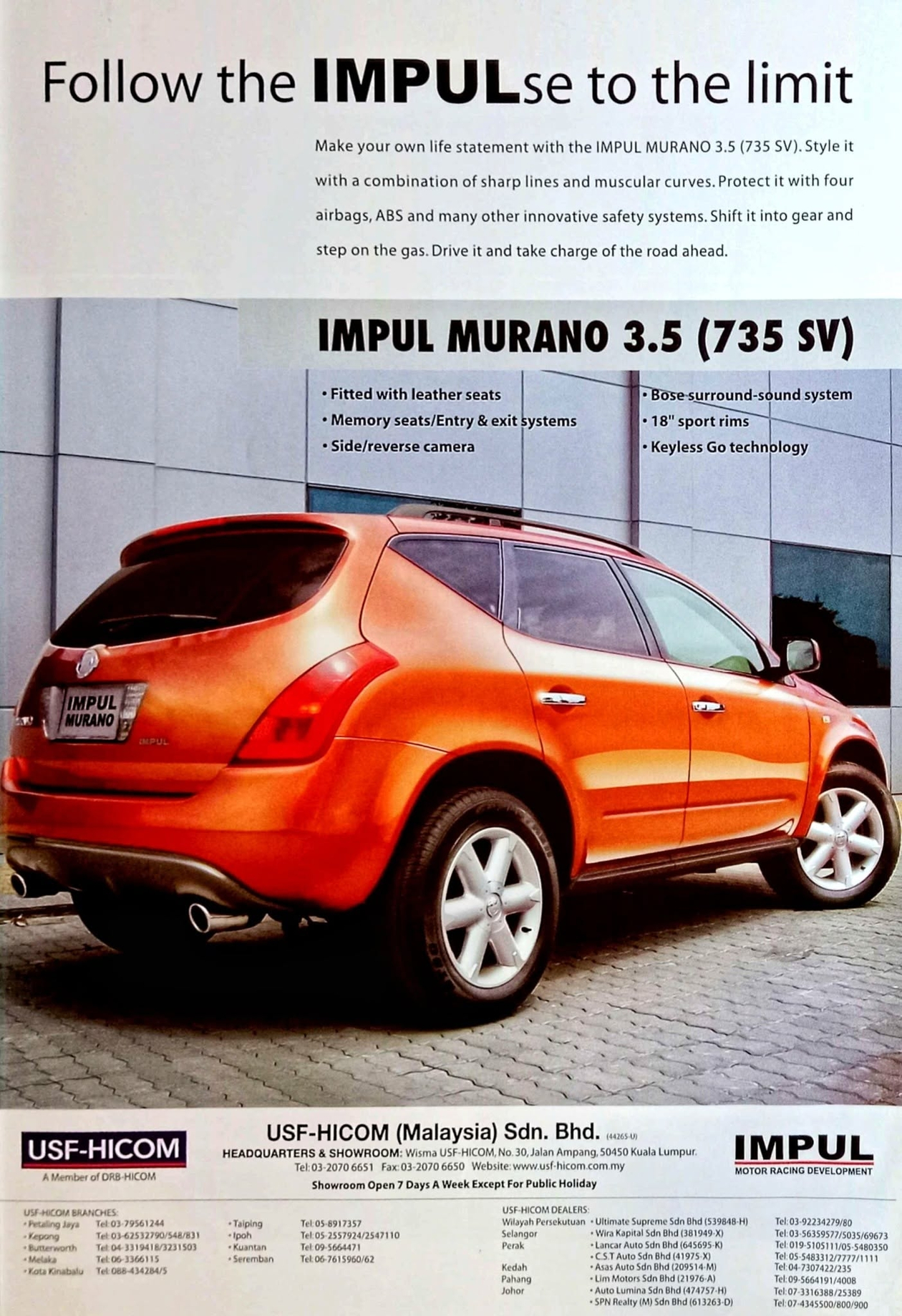
In the recond showrooms of that golden era, the Harrier was undisputed king, and the Murano arrived as its most avant-garde rival. Many were imported sporting IMPUL aerodynamic kits and badging. As Nissan's revered in-house tuning partner, the IMPUL script was considered holy grail performance kit by local car nuts. Yet underneath, most IMPUL-clad Muranos packed completely stock mechanicals, altering nothing beneath the skin. It was quintessential recond culture, and quintessentially Malaysian.
Tan Chong only mounted a serious offensive with the second-generation model. On 11 August 2009, ETCM unveiled the all-new Murano alongside the 370Z as fully imported (CBU) siblings. Motivated by a 3.5-litre V6 churning out 260 PS and 336 Nm, mated to an Xtronic CVT and all-wheel drive, it was stickered at RM318,200 with a 100,000 km warranty. Sharing stage lights with the 370Z cemented the "SUV Z" narrative once and for all in local minds. Come April 2012, a facelifted iteration debuted alongside the Elgrand, priced at RM318,882.50 (on-the-road without insurance and road tax).
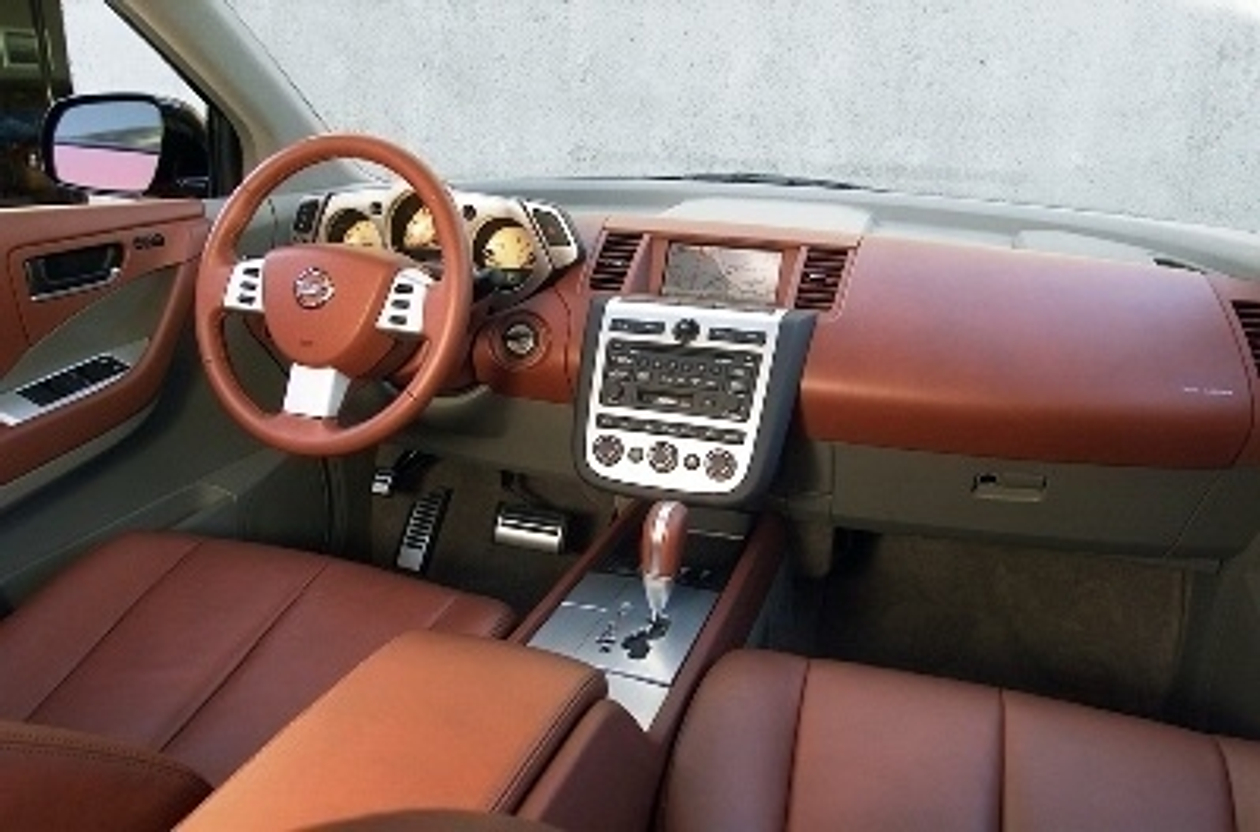
A price tag north of RM310,000 was firmly within continental luxury car territory back then. Buyers who could sign the cheque largely opted for black, which accounted for 32.2% of all registrations, giving off unmistakable "tauke car" authority. The Murano enjoyed its single strongest sales month in October 2011, registering 102 units.
From 2004 through to its final recorded registration in May 2024, a grand total of just 3,437 Muranos were registered in Malaysia. Contrast that with its stablemate, the X-Trail, which has tallied 60,660 units from 2002 to date—with 2016 alone soaking up 8,884 registrations. Put those figures side by side, and Malaysian buying priorities become crystal clear.
The prime hurdle, unsurprisingly, was price. The second-gen CBU Murano commanded RM318,200 and came exclusively with a hefty 3.5-litre V6. In Malaysia, larger engine capacity triggers punitive taxation, astronomical annual road tax, and eye-watering fuel bills. Even used car pundits would consistently advise: if you must have one, stick to the first-gen 2.5, as the 3.5's fuel and upkeep demands are simply too punitive.
Closely tied to pricing was the issue of resale value. A car that cost well over RM300,000 brand new eroded to pocket change within a few years—an unmitigated dealbreaker for depreciation-conscious Malaysian buyers. Furthermore, matching a large SUV to a CVT gearbox was still a novel recipe in those years, leaving many motorists deeply sceptical regarding long-term reliability.
The official distributor's strategic focus was equally pragmatic. Tan Chong poured its marketing muscle and resources into the locally assembled (CKD), far more accessible X-Trail, leaving the Murano to languish as a showroom halo piece. Although the third-generation Murano broke cover globally in 2015, it never officially reached our shores. Fast forward to today, Nissan's local market share hovers at roughly 0.5%, and the intrepid brand that once dared to put a radical concept-styled SUV into production feels like a distant memory.
Scour local classifieds today and you will find first-gen Murano 2.5s floating between RM10,000 and RM13,000. Tidy examples optioned with a sunroof and BOSE sound system command just over RM20,000, with bottom-dollar runners spotted for as low as RM5,800. For the second-generation official 3.5, 2011 models can be had for around RM15,800. A machine that once commanded RM318,200 is now trading for loose change.
Such rock-bottom valuations are entirely understandable. These cars are now knocking on the door of 20 years old, with mileages easily eclipsing the 200,000 km mark, and many listings openly stating "Cash Only" or "Kedai Loan" (in-house financing). For prospective buyers, gearbox health and meticulous service history matter infinitely more than the asking price; opt for the 3.5, and you had better factor in the road tax and fuel appetite first.
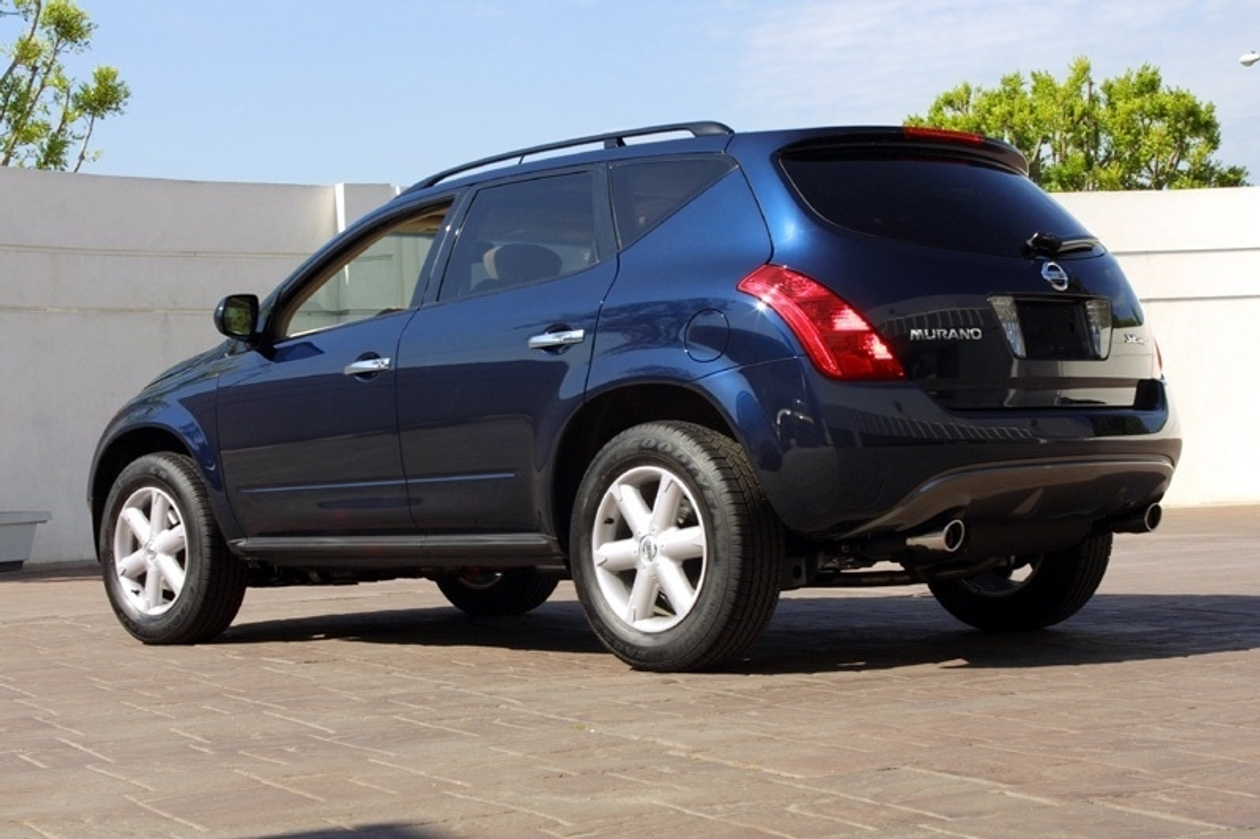
For just over RM10,000, you could purchase a nondescript used runabout, or you could snap up a Murano that once had heads turning in showrooms, mistaken for a concept car. While it was never truly an SUV-bodied 350Z, it stands as arguably the boldest, most audacious family crossover Nissan ever unleashed during the Carlos Ghosn era.
If you were around in those days, would you have put your money down on a Harrier or the Murano? Did you ever know someone who slapped an IMPUL badge onto their Murano and proudly claimed it was a 350Z on stilts? Drop your thoughts in the comments below.

Your go-to source for all things automotive in Malaysia. 🚗 Latest reviews, breaking news, launches & industry trends.
+ Follow Zeekr Lounge X Park Sunway Serene is now live, and owners can enjoy lounge access 24/7!
There'll even be sales advisors on standby if you're looking to update ;)
#zeekr 1 day ago
 70,000 wire harness types and China breathing down their neck 😅🇯🇵
Japanese brands are finally teaming up on basic parts to save cash for next-gen cars.
Tap in 👇 1 day ago
 Yangwang U8 and U9 otw to Malaysia? 👀🔥 BYD Malaysia posted dancing cars on track—not local footage, so is a launch imminent?
Tap in 👇 1 day ago
Get the latest car news first!
Your go-to source for all things automotive in Malaysia. 🚗 Latest reviews, breaking news, launches & industry trends.
Zeekr Lounge X Park Sunway Serene is now live, and owners can enjoy lounge access 24/7!
There'll even be sales advisors on standby if you're looking to update ;)
#zeekr 1 day ago 70,000 wire harness types and China breathing down their neck 😅🇯🇵
Japanese brands are finally teaming up on basic parts to save cash for next-gen cars.
Tap in 👇 1 day ago Yangwang U8 and U9 otw to Malaysia? 👀🔥 BYD Malaysia posted dancing cars on track—not local footage, so is a launch imminent?
Tap in 👇 1 day ago 
© 2024 Bitauto.com. All Rights Reserved.
Bitauto (www.yiche.com and www.bitauto.com) is one of the most visited automotive websites in China. We provide detailed info on Chinese car brands available in your area. Please note that the information provided on this website is based on publicly available data and is for reference only. It may not be fully updated or accurate at all times.

Help us improve our website


