Picking up from where we left off. Previously, we looked at the Toyota Wish—that well-mannered seven-seater that ferries the wife and kids, takes grandma to the pasar, and gets every job done without a fuss. Today, we turn our attention to the more mischievous cousin in the family: the Toyota Caldina.
Both cars actually share plenty in common. Both wear the Toyota badge, both hail from Japan, both are built for family duties, and they even share the same 1.8-litre 1ZZ-FE and 2.0-litre 1AZ-FSE engines under the skin. The key difference lies in the range-topping Caldina, which packs a 260 hp 3S-GTE turbo motor paired with full-time AWD. The Wish takes your entire family up Genting; the Caldina does the exact same run, whilst casually leaving that Subaru behind in its rearview mirror.
On paper, the two exist in completely different leagues. As mentioned previously, over 50,000 units of the Wish found homes in Malaysia; the Caldina, on the other hand, accounts for just 3,802 units registered with JPJ from 2001 to date. The reason is simple: Toyota never officially sold the Caldina in Malaysia. Every single unit roaming our roads is either a recond import or brought back via student and employment APs.
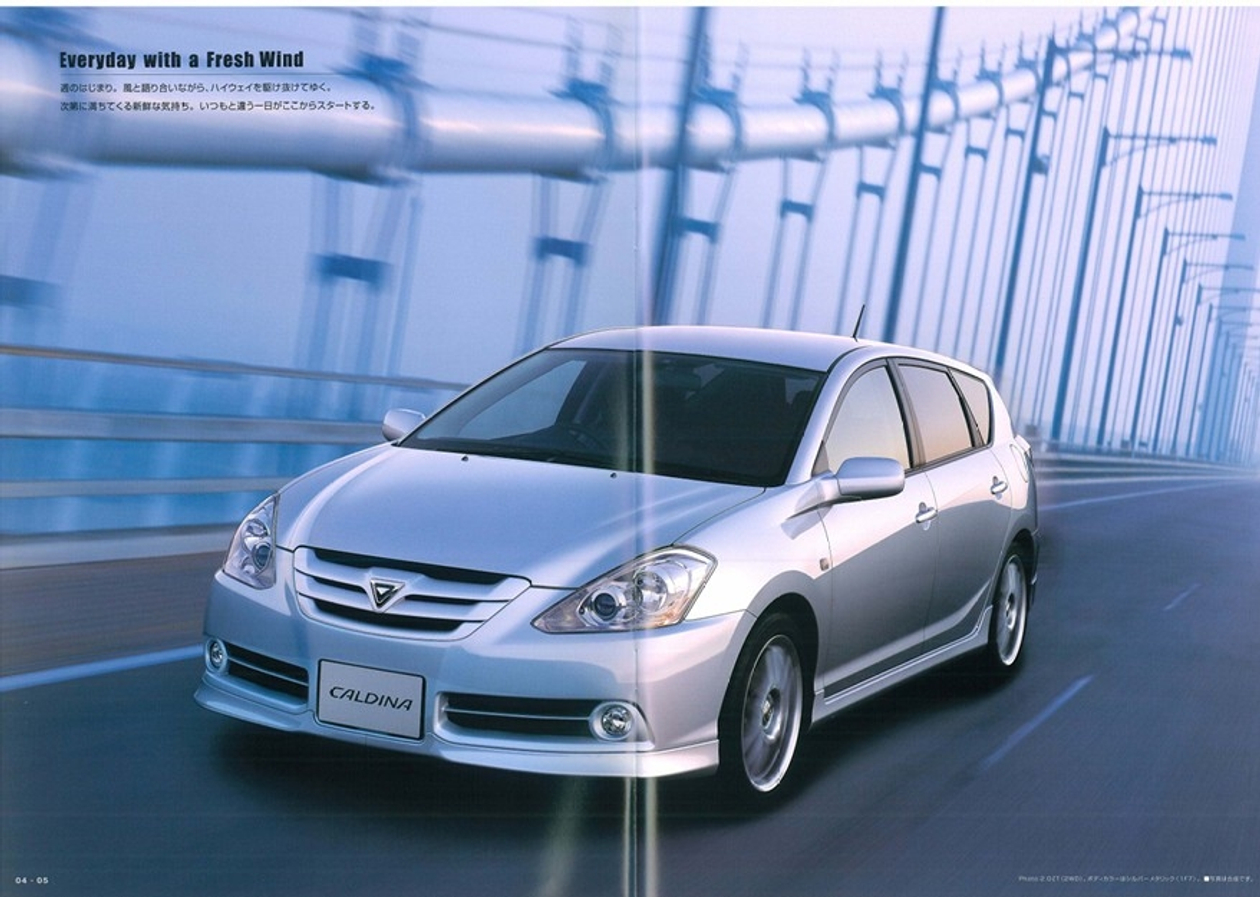
Among local JDM enthusiasts, this wagon commands a cult following right up there alongside the Nissan Stagea and Subaru Forester Turbo.
According to Toyota, the Caldina nameplate is derived from the Italian and English word “cardinal”, signifying “essential or fundamental”. True to its name, it started out as a thoroughly utilitarian offering: the first-generation T190 in 1992 was essentially the station wagon derivative of the Corona/Carina—badged as the Carina E Estate in Europe—built purely for cargo deliveries and family runs, with little else to shout about.
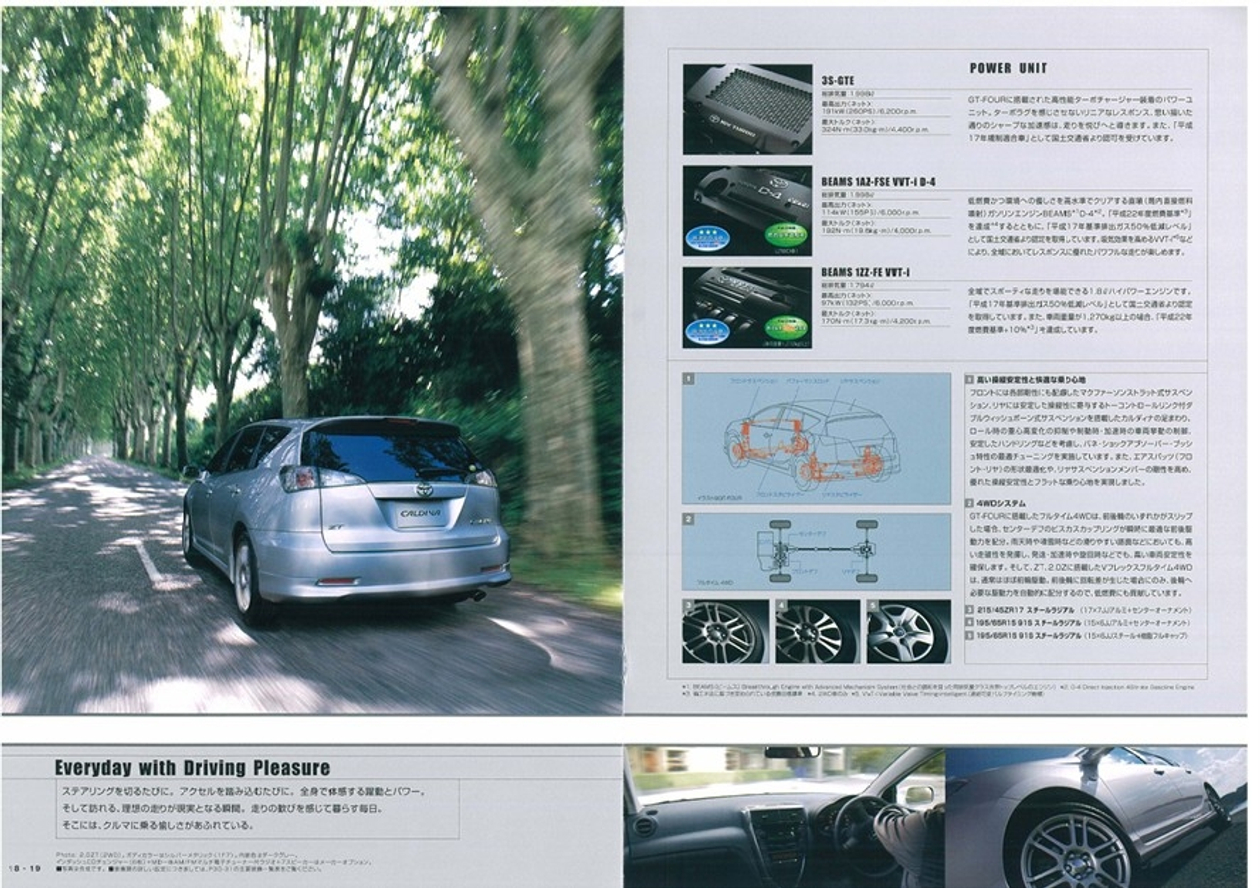
Things took a drastic turn in 1997. The second-generation T210 arrived with a fresh body, sharing its platform with the first-generation Avensis Estate. Then, Toyota did something quintessentially '90s Japanese: they rolled out the GT-T, aimed squarely at dethroning the Subaru Legacy GT-B, the undisputed king of “spirited dad wagons” at the time. The GT-T was powered by the 4th-generation 3S-GTE turbo mill pushing 260 PS, mated to a viscous-coupling full-time AWD system—a recipe borrowed straight from the Celica GT-Four. Tipping the scales at 1,440 kg, the manual variant completed the century sprint in 6.4 seconds, with the automatic trailing by a mere 0.1 of a second. A wagon sporting a functional bonnet scoop, factory fog lamps, side skirts, a roof spoiler, and optional VSC was thoroughly serious kit back in the day.
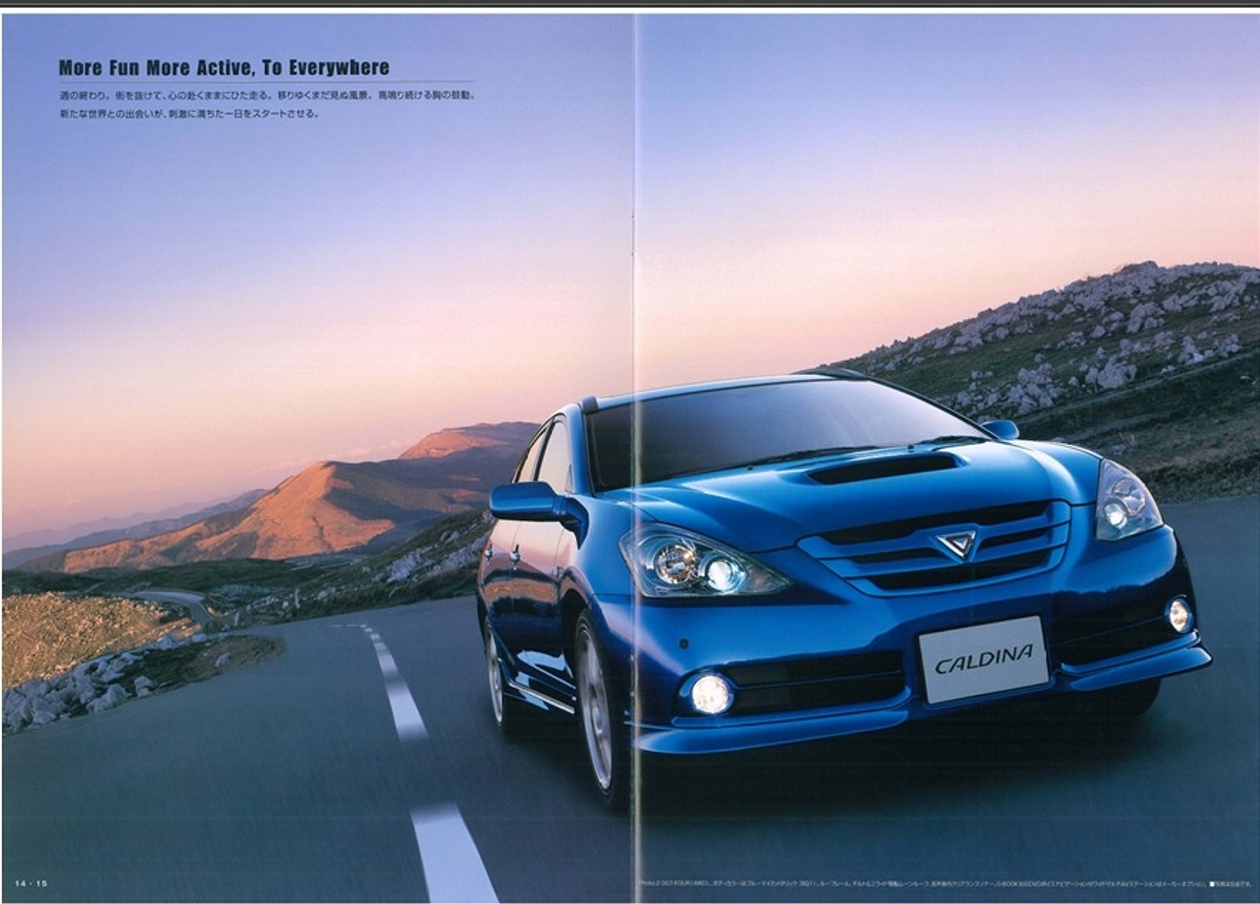
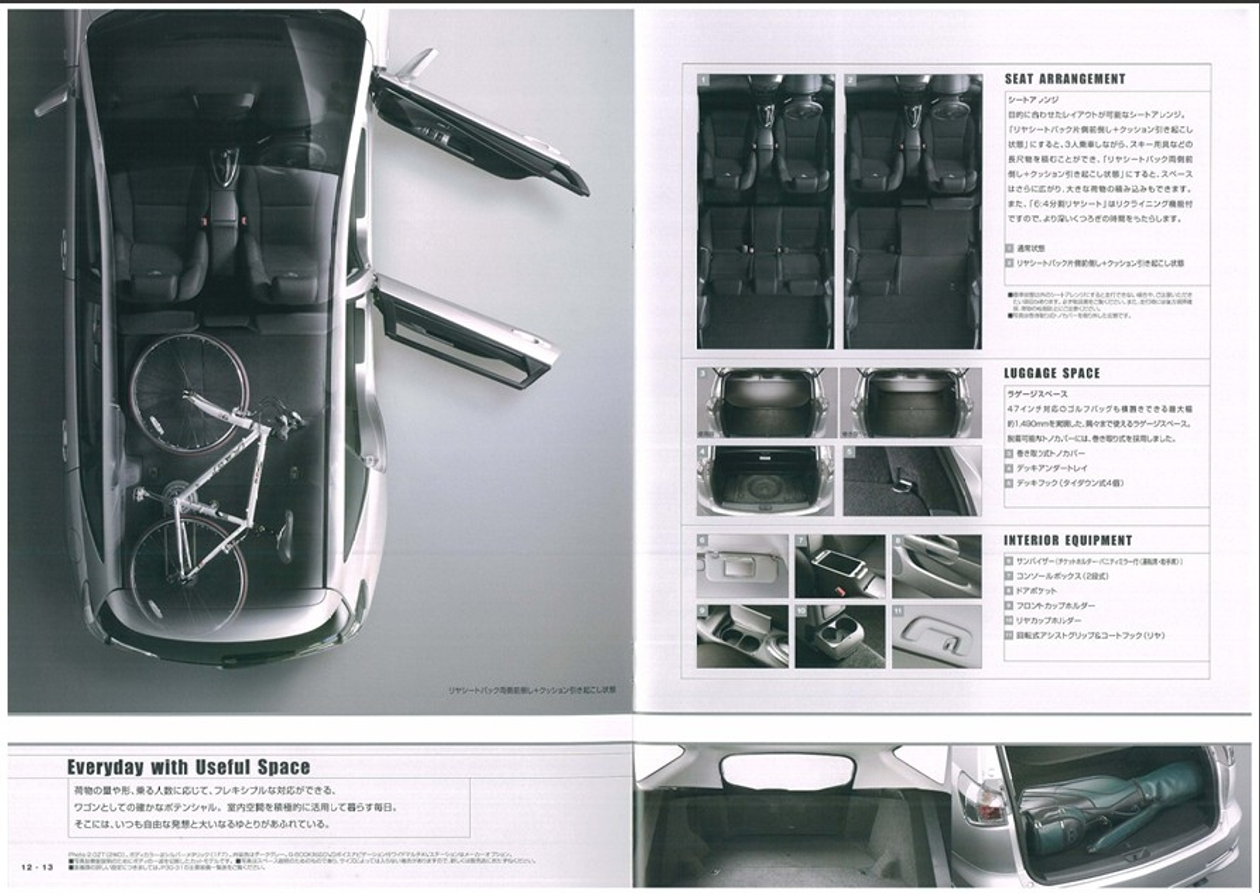
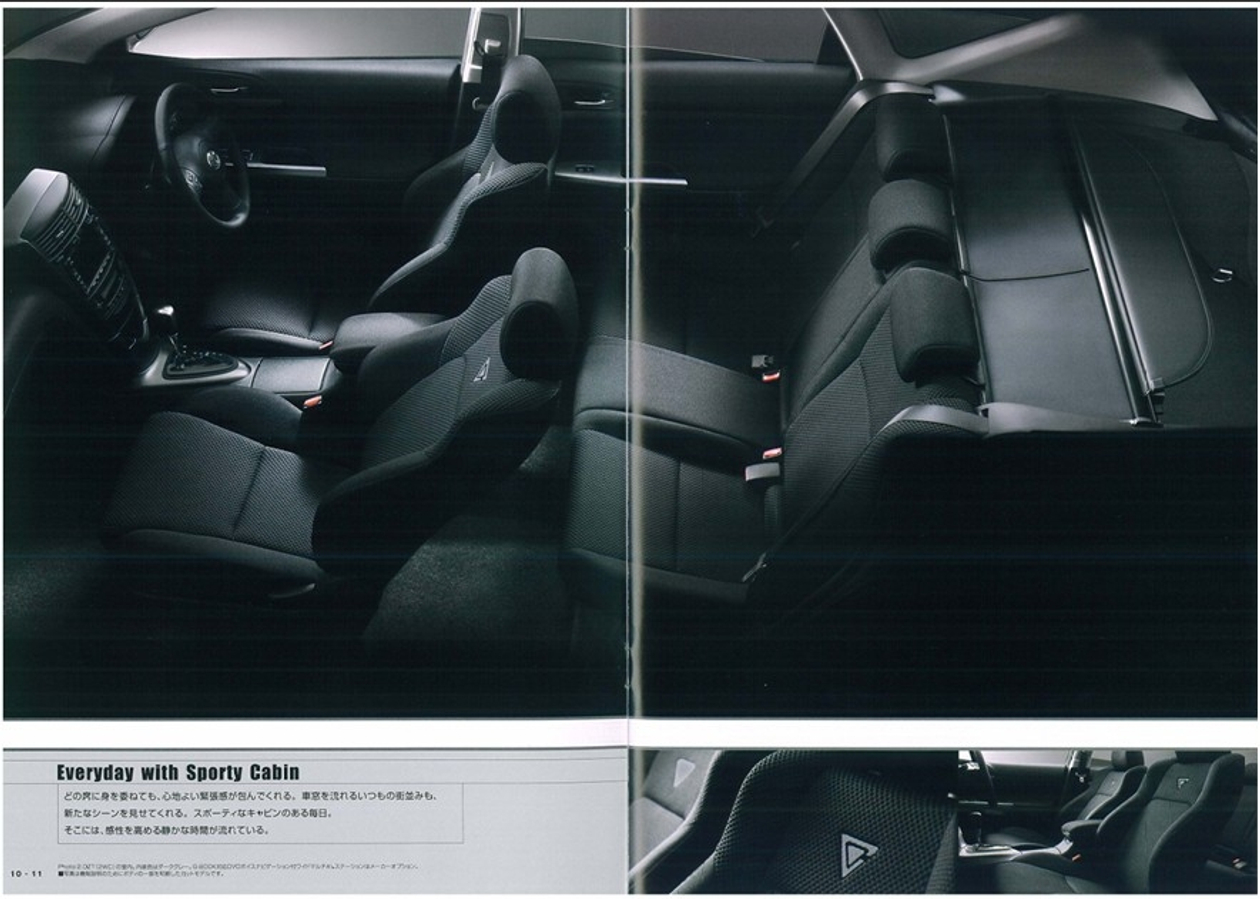
In September 2002, the third-generation T240 made its entrance, going on to become the most recognisable iteration on Malaysian shores. Underpinned by a fresh architecture shared with the WiLL VS, its styling was significantly sharper and more aggressive than its predecessor. It no longer looked like a traditional wagon, resembling instead an extended, rakish sports hatch. Three powertrains were offered: the 1.8-litre 1ZZ-FE, the 2.0-litre 1AZ-FSE, and the flagship GT-Four's 2.0-litre 3S-GTE turbo. This generation went exclusively automatic across the board, with the GT-Four featuring a tiptronic gearbox with manual override and a kerb weight of 1,480 kg.
To enthusiasts of a certain generation, the GT-Four moniker carries serious pedigree. It was originally forged by the Celica GT-Four, Toyota's dominant rally machine that clinched WRC glory throughout the 1990s. By sticking that badge onto the tailgate of a wagon, Toyota meant business.
Under the bonnet, the T240 Caldina GT-Four ran the final evolution of the legendary 3S-GTE. Things got even hotter with the GT-Four N Edition, where the “N” paid homage to Hiromu Naruse—Toyota's legendary master test driver and chief developer of the original Celica GT-Four. A factory wagon tuned and named in his honour carries immense weight in Japanese chassis development circles, not unlike an album bearing the “personally produced by Jay Chou” seal of approval.
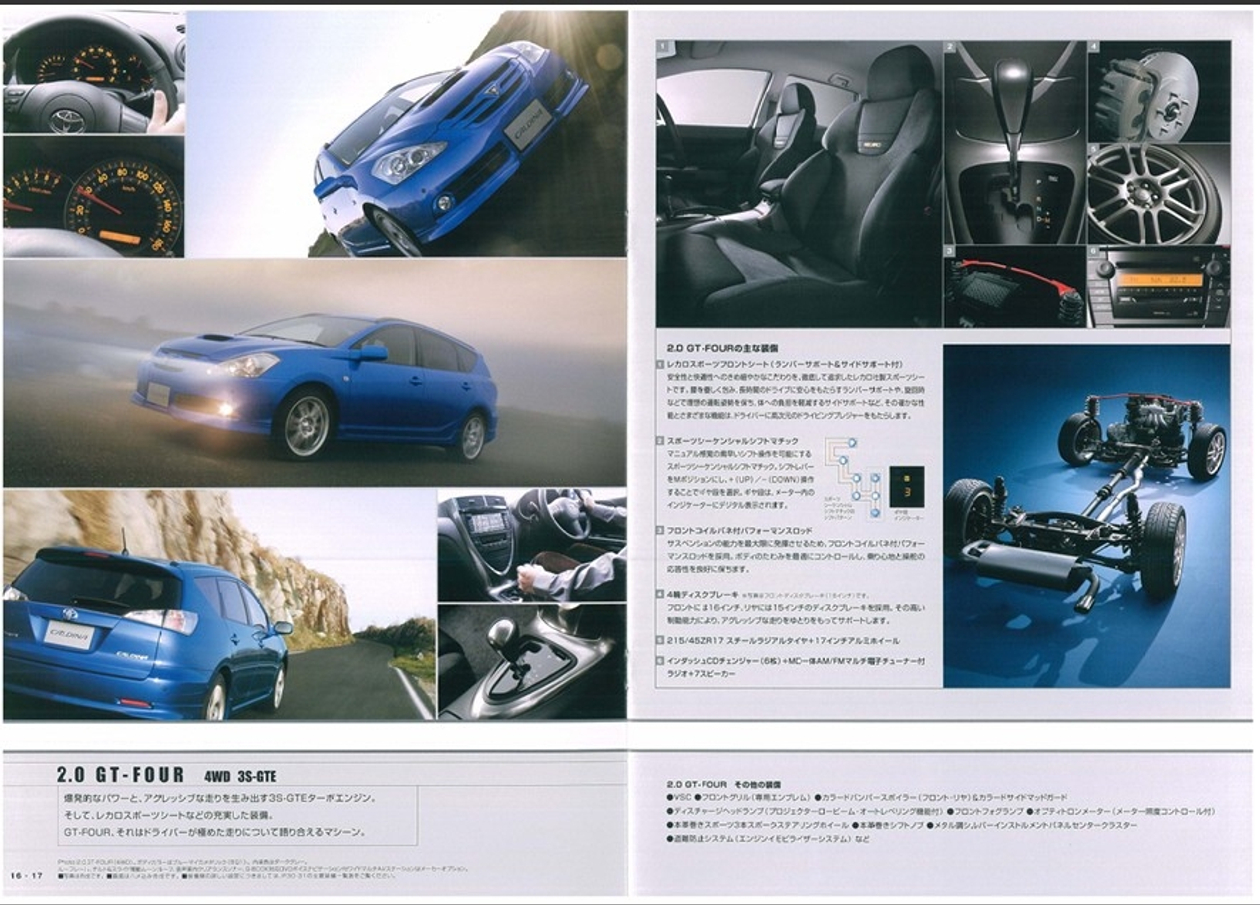
Production of the third-generation Caldina drew to a close in June 2007. Its departure marked the end of the line for both the venerable 3S-GTE and the storied GT-Four badge. In an ironic twist of fate, the final Toyota model to carry the GT-Four nameplate was not a dedicated sports coupé, but a family estate. Enthusiasts had to wait until the arrival of the GR Yaris and its trick GR-FOUR AWD setup years later for Toyota to build another turbocharged AWD pocket rocket—of which fewer than 200 units officially landed in Malaysia.
The Caldina GT-Four also cemented its status in pop culture, featuring prominently in titles like Gran Turismo 4, Gran Turismo 5, and the touge-focused Kaido Battle series. Many kids who spent their youths setting lap times behind a PS2 controller only realised much later in life that this very machine was roaming their neighbourhood streets all along.
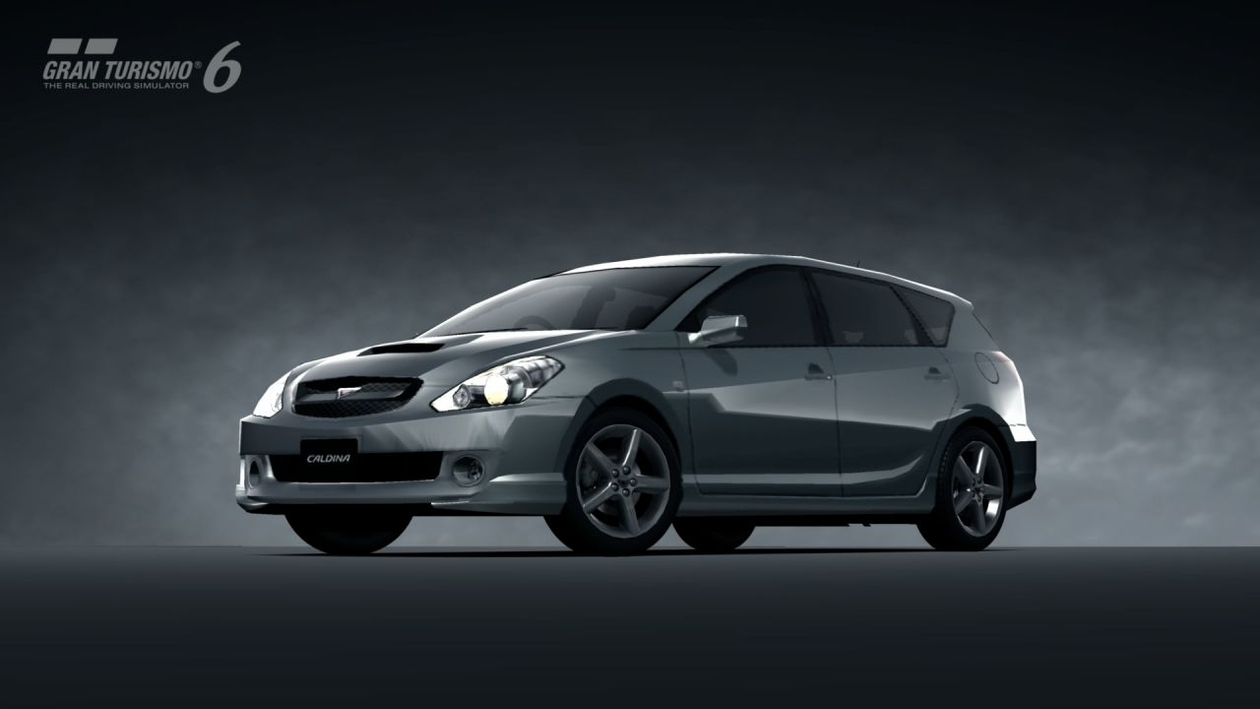
The Caldina's trajectory in Malaysia was rather unconventional: it only gained immense popularity after it was axed. Around 2007, the very year Toyota ceased production in Japan, grey importers began bringing in both 1.8-litre and GT-Four variants in droves. Official JPJ registration trends back this up: the Caldina enjoyed its strongest year locally in 2008, with 812 units registered.
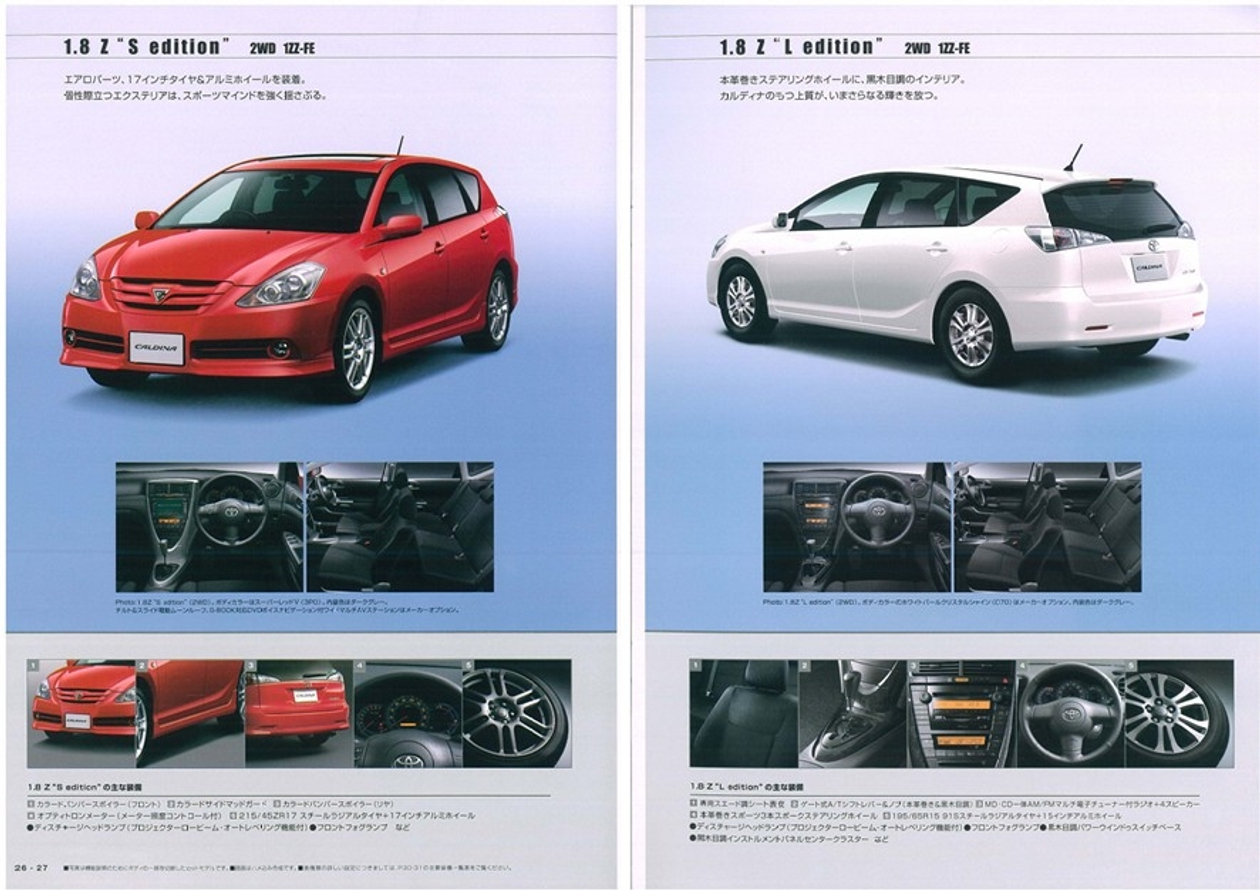
In the recond showrooms of that era, the Caldina was unmistakable: hunkered-down stance, long roofline, and finished almost invariably in white. White examples made up 37.4% of total local registrations—a signature trait of both JDM imports and the local recond scene. Prospective buyers back then were always torn between two choices: opt for a 2004 Caldina 1.8 ZT or step up to the 2.0 GT-Four Turbo? One offered the fuss-free, fuel-efficient reliability shared with the Wish, while the other delivered 260 hp with all-weather AWD capability—a dilemma that routinely fuelled multi-page debates across local car forums.
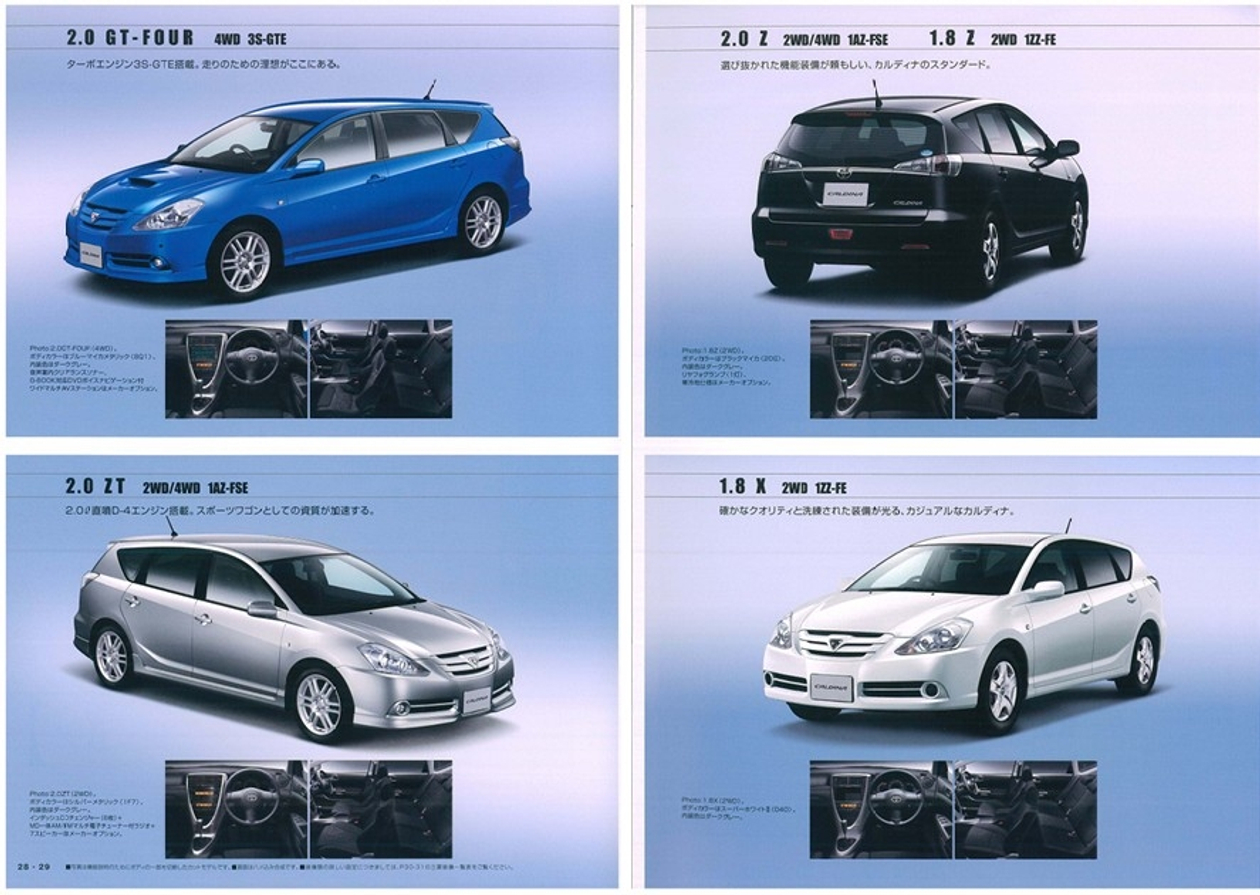
Wagons have never been mainstream favourites among Malaysian motorists, and the Caldina occupied a sweet spot between an estate and a plus-sized hatchback. Yet, that very trait made it the ultimate stealth performance car of its time. Parked in the office basement, it looked like an unassuming daily runner; neither the boss nor the in-laws would bat an eyelid. Only fellow enthusiasts spotting that hood scoop knew what lurked underneath. For the driving enthusiast who craved sports car pace without compromising family duties, it was the perfect justification.
Following the Caldina's demise in 2007, Toyota handed the reins to the Avensis Estate in its domestic market. But without a GT-Four variant or the 3S-GTE under the hood, the era of Toyota proving that “wagons can pack a serious punch” came to an unceremonious end.
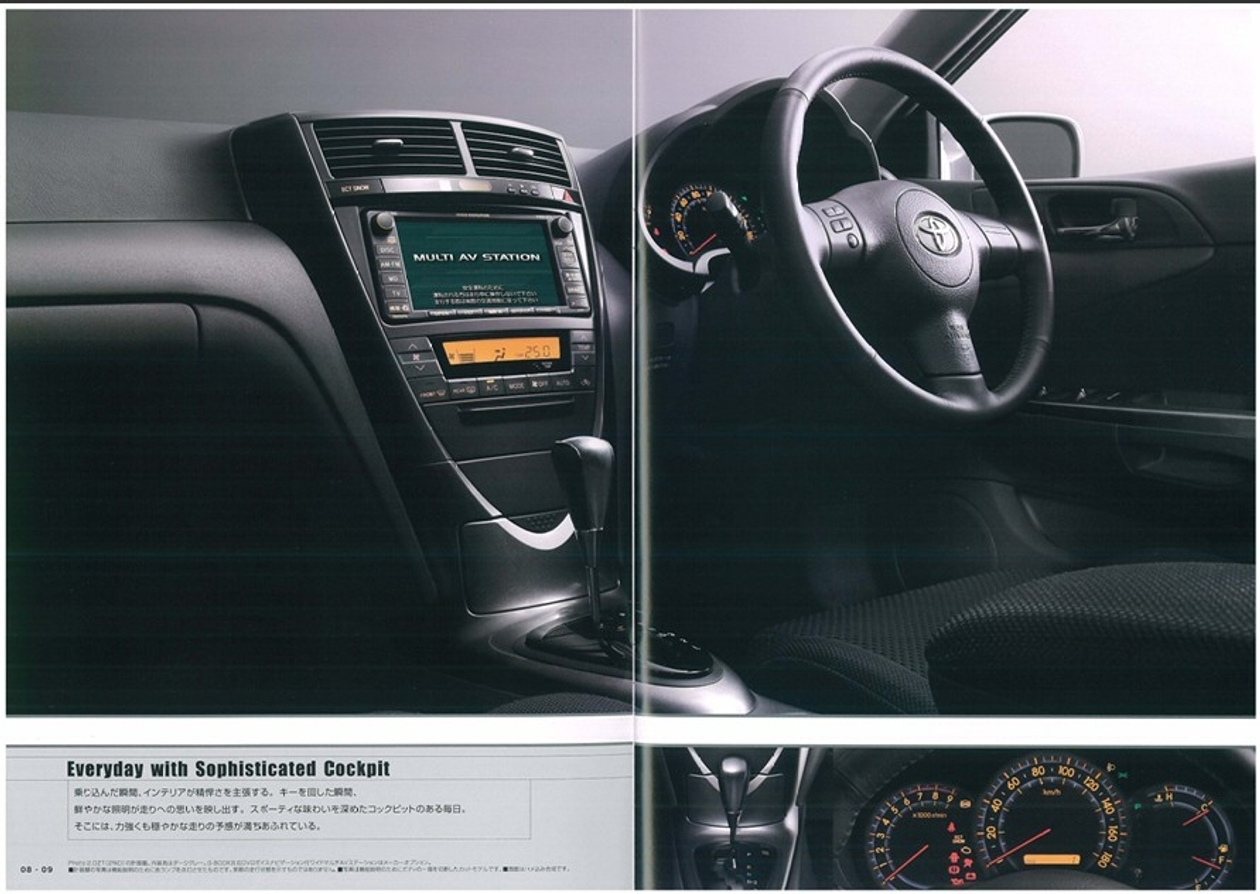
In hindsight, the Caldina was not undone by direct rivals, but rather by shifting consumer tastes. During those years, Japanese families migrated en masse towards MPVs, spearheaded by runaway hits like the Wish we covered previously. Given the choice between identical powertrains and two extra seats, the decision was a no-brainer for most family men. The sensible younger cousin effectively edged the wild older cousin out of the picture—a bitter pill for enthusiasts to swallow, but a classic case of market realities.
In Malaysia, the Caldina's decline was dictated by circumstance. Because it relied entirely on the parallel import channel—which is strictly governed by vehicle age limits—the moment Japanese production halted, the supply of fresh stock naturally dried up within a few years. Following its 2008 peak of 812 units, surviving examples on local roads gradually thinned out, with no successor in sight to rekindle the flame.
Fast forward to today, and the Caldina is knocking on the door of its twentieth year. A quick browse through local classifieds reveals a 2005 GT-Four listed around RM28,000, whilst several 2003 examples show mileages hovering between 150,000 km and 200,000 km.
If you are planning to take the plunge on a GT-Four, you need to go in with your eyes wide open regarding its vintage. The preceding GT-T was notorious for warped exhaust manifolds—an issue Toyota addressed with reinforced designs from 2001 onwards. Within owner circles, it is widely acknowledged that ageing 3S-GTE units warrant close monitoring of the crankshaft main bearings and oil pump. For a 20-year-old turbocharged AWD machine with substantial mileage, comprehensive service history carries far more weight than asking price, and heavily modified examples demand thorough scrutiny of every aftermarket bolt-on.
Between RM20,000 and RM30,000 today gets you into a sensible, trouble-free used family runabout—or a 260 hp, GT-Four-badged Japanese performance estate. One guarantees total peace of mind; the other quickens the pulse.
In 2026, practically any modern electric SUV or MPV can serve up effortless speed paired with utilitarian practicality. But a car that lets you relish the full-bore acoustic fury of an internal combustion engine at wide-open throttle, yet transitions seamlessly into the role of a devoted family man, model son-in-law, and peaceful husband when you dial it back—surely that remains the ultimate unicorn for every petrolhead determined to keep their passion alive after family life takes over?

Your go-to source for all things automotive in Malaysia. 🚗 Latest reviews, breaking news, launches & industry trends.
+ Follow Tesla has finally opened orders for the driverless Cybercab and the price is surprisingly lower than a Model 3!
#TeslaCybercab #TeslaMalaysia #Cybercab #TeslaFSD #AutonomousVehicle 22 hours ago
 Pra Tonton Leapmotor B03X Di Malaysia! SUV Elektrik Kompak 382 KM WLTP & Cas 21 Minit!
Comel, boxy, dan praktikal! Direka sebagai SUV elektrik kompak segmen-B untuk pemanduan bandar, model ini membawakan beberapa spesifikasi yang cukup menarik:
🔋 Bateri LFP 53 kWh — jarak pemanduan sehingga 382 km (WLTP)
⚡ Pengecasan pantas DC 133 kW — cas 10% ke 80% dalam masa 21 minit sahaja
🚀 Kuasa 145 kW (198 hp) & tork 200 Nm — pecutan 0–100 km/j dalam 8.6 saat
📏 Saiz kompak 4.27m — lincah di ibu kota & senang nak parkir
🖥️ Skrin infotainmen besar 14.6 inci + kluster digital 8.8 inci
🧳 Ruang but 405L + Gigabox kalis air bawah lantai (jumlah 510L — siap boleh letak pek ais!)
Kalau Leapmotor B03X ini masuk pasaran Malaysia secara rasmi dengan harga yang kompetitif, pada pendapat anda model EV segmen-B mana yang paling tergugat? Komen di bawah! 👇💬
#LeapmotorB03X #LeapmotorMalaysia #BitAutoMalaysia #KeretaElektrikMalaysia #EVMalaysia#ACE2026#KeretaElektrikMalaysia #EVMalaysia #SUVKompak #InfoAutomotif #KeretaBaharu 1 day ago
 October 2026 car sales, electrified powertrains:
The Proton e.Mas 5 and 7 continue to lead Malaysia's EV adoption journey, while Zeekr takes up the third spot. iCaur also steadily gains, beating out BYD to complete the top 5.
The Yaris Cross proves to be Malaysia's new favourite hybrid SUV, as it narrowly grabs the lead ahead of the e.Mas 7 and Corolla Cross.
For PHEVs, the Proton e.Mas 7 continues to lead while the GWM Wey G9 - a car that costs roughly RM 100k more than both the Proton and Jaecoo - is in second place.
#carsales #hybrid #ev 1 day ago
Get the latest car news first!
Your go-to source for all things automotive in Malaysia. 🚗 Latest reviews, breaking news, launches & industry trends.
Tesla has finally opened orders for the driverless Cybercab and the price is surprisingly lower than a Model 3!
#TeslaCybercab #TeslaMalaysia #Cybercab #TeslaFSD #AutonomousVehicle 22 hours ago Pra Tonton Leapmotor B03X Di Malaysia! SUV Elektrik Kompak 382 KM WLTP & Cas 21 Minit!
Comel, boxy, dan praktikal! Direka sebagai SUV elektrik kompak segmen-B untuk pemanduan bandar, model ini membawakan beberapa spesifikasi yang cukup menarik:
🔋 Bateri LFP 53 kWh — jarak pemanduan sehingga 382 km (WLTP)
⚡ Pengecasan pantas DC 133 kW — cas 10% ke 80% dalam masa 21 minit sahaja
🚀 Kuasa 145 kW (198 hp) & tork 200 Nm — pecutan 0–100 km/j dalam 8.6 saat
📏 Saiz kompak 4.27m — lincah di ibu kota & senang nak parkir
🖥️ Skrin infotainmen besar 14.6 inci + kluster digital 8.8 inci
🧳 Ruang but 405L + Gigabox kalis air bawah lantai (jumlah 510L — siap boleh letak pek ais!)
Kalau Leapmotor B03X ini masuk pasaran Malaysia secara rasmi dengan harga yang kompetitif, pada pendapat anda model EV segmen-B mana yang paling tergugat? Komen di bawah! 👇💬
#LeapmotorB03X #LeapmotorMalaysia #BitAutoMalaysia #KeretaElektrikMalaysia #EVMalaysia#ACE2026#KeretaElektrikMalaysia #EVMalaysia #SUVKompak #InfoAutomotif #KeretaBaharu 1 day ago October 2026 car sales, electrified powertrains:
The Proton e.Mas 5 and 7 continue to lead Malaysia's EV adoption journey, while Zeekr takes up the third spot. iCaur also steadily gains, beating out BYD to complete the top 5.
The Yaris Cross proves to be Malaysia's new favourite hybrid SUV, as it narrowly grabs the lead ahead of the e.Mas 7 and Corolla Cross.
For PHEVs, the Proton e.Mas 7 continues to lead while the GWM Wey G9 - a car that costs roughly RM 100k more than both the Proton and Jaecoo - is in second place.
#carsales #hybrid #ev 1 day ago 
© 2024 Bitauto.com. All Rights Reserved.
Bitauto (www.yiche.com and www.bitauto.com) is one of the most visited automotive websites in China. We provide detailed info on Chinese car brands available in your area. Please note that the information provided on this website is based on publicly available data and is for reference only. It may not be fully updated or accurate at all times.

Help us improve our website


