

HomeChery

Search History
Popular Searches
Dealer Login / Sign Up









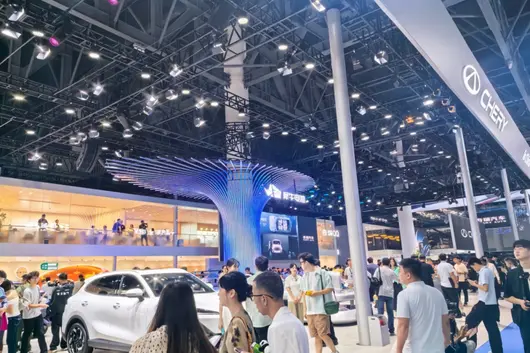
August 21, 2026, Hall 5 of Chengdu Auto Show, Chery showcased 38 models from its five major brands: Chery, Exeed, Zhongheng, Jetour, and iCAR, with the theme 'Chinese Cars, Global Champions'. Against the backdrop of the rapid reshaping of the global automotive industry landscape, Chinese automobiles are moving from 'product exporting' to the new stage of 'brand exporting'. The setting of this theme points to Chery's assessment of its own role—it is not only an automotive brand born in China but also a participant competing with multinational enterprises in the global market.
Li Xueyong, Executive Vice President of Chery Automobile Co., Ltd., said on site: 'A true global car is not developed domestically and then modified for export, but is anchored to the global market from the start of R&D.' This sentence highlights Chery's core logic of globalization: not building Chinese cars first and then selling them overseas, but from the first day of product definition, designing one car to face different market conditions simultaneously, such as high-speed roads in Europe, high temperatures in the Middle East, high humidity in Southeast Asia, and severe cold in Northern Europe.

Global Car Matrix: Four Models, Four Globalization Paths
This logic was specifically presented on the exhibition stand at the Chengdu Auto Show.
Fengyun T7, as the most representative product under the 'Born Global' concept, writes 'Global' into its genes across multiple dimensions. It pre-researched global regulations 2 years in advance, designed to directly benchmark the 2026 version E-NCAP standards, anchoring the strictest global safety requirements; conducted user research in 15 typical countries, wrote 80+ local habit adaptations into initial parameters rather than post-event remediation; 7 categories of extreme environment verification, cumulative vehicle testing mileage exceeded 6 million kilometers, covering 100+ extreme road conditions, allowing the same car to simultaneously adapt to complex conditions in different markets. Fengyun T7 will be launched in China and Indonesia in August, enter the EU in September, and land in Australia and New Zealand, UK, and Malaysia in October.
If Fengyun T7's globalization lies in standard synchronization and technical verification, then Fengyun A9 answers another question: Whether the aesthetics of Chinese cars can be recognized by the world. The acquisition of the 2026 German Red Dot Product Design Award allowed 'Lingfeng Aesthetics' to complete a modern translation of Eastern aesthetics, not deliberately catering to Western aesthetics, nor sticking rigidly to Eastern symbols. As the milestone model for Chery's 20 millionth vehicle off the line, Fengyun A9, from the first generation Fengyun in 2001 breaking the price monopoly of joint venture family sedans, to now possessing the ability to define products under the global standard system, has completed the role upgrade from market disruptor to global competitor.

Different from Fengyun A9's 'upward breakthrough', the all-new QQ3 takes another path, connecting with global users through emotion. QQ has cumulatively gained 1.6 million global users. The all-new QQ3 sales exceeded 10,000 in the first month of its overseas launch. It has already entered the Indonesia and Thailand markets, and will enter South Asia, South Africa, and other regions in the future. The modern version showcased this time was led by a domestic team that won four Red Dot Design Awards, integrating the Neo Retro concept based on the aesthetics of square and round design, blending classic elements with technology of the smart electric era, giving the world small car culture a place for Chinese automobiles.
Arrizo 7 made its global debut at the Chengdu Auto Show, positioned as a 'New Benchmark for Global Quality Family Sedans', anchoring the 80,000 to 100,000 level market. The design draws inspiration from the Eastern wisdom of 'Supreme goodness is like water', transforming the flow and inclusiveness of water into styling language. When stationary, it spreads out steadily; when moving, the surface flows with momentum, allowing global users to understand at a glance and fall in love at first sight. The new car is equipped with Kunpeng Fuel and Super Energy Hybrid electric forms, expected to be launched in the fourth quarter of 2026. Its value lies in: downgrading the global car standards to the mainstream price range, letting 'Global Cars' no longer be exclusive to the high-end market.

Beyond the four models, Chery's globalization product layout further expanded at the brand level. At this Auto Show, the iCAR brand brought three models: V23, V25, and V27, among which V25 was the global premiere. iCAR focuses on youthfulness and personalization, forming a brand hierarchy with Exeed's high-endization, Jetour's off-road travel, and Zhongheng's hardcore off-roading, jointly covering the market demand for different regions and different consumption levels globally. The five major brands with 38 models on the same stage is itself a concentrated presentation of globalized product combination capabilities.
Four models, four paths, plus the hierarchical coverage of five major brands, point to the same conclusion: Chery's globalization is not a single-point breakthrough, but a complete product matrix covering standards, aesthetics, emotion, and the market. Every Chery heading towards the world is proving to users in different ways — Chinese cars, but even more so global cars.
Technical Foundation: Triple Support of Safety, Energy Efficiency, and Intelligence
Behind the globalization of products is the globalization capability of the technical system. At this Chengdu Auto Show, Chery built a 'Tech Ecosystem Island' themed space, focusing on two technical scenarios — batteries and intelligence.
The Rhino Battery exhibition area displayed three layers of technical defense for battery safety. At the material level, high enthalpy change separator, active defense electrolyte, and composite current collector improve cell stability from the source; at the cell level, cells after puncture and extrusion are directly placed in a fish tank for soaking; at the system level, 400Wh/kg solid-state batteries and solid-state modules represent the next-generation technology route. The exhibition site set up a 'Stepping Challenge', where audiences can transform into battery safety verifiers, sensing technical strength through fun experiments.
At the intelligence level, Chery Lingxi Smart Cockpit is equipped with the Carmind large model, integrating billion-parameter central dispatch and agent ecology. It debuted the Doubao End-to-End Voice Model 'Xiao Qi Chat', possessing accurate understanding of fuzzy intent, 550ms ultra-fast semantic response, 3 seconds patient listening without interruption, interacting with users with human-like tone, logic, and emotion, supporting multi-dialect, multi-language, multi-style dialogue. At the function level, Lingxi Smart Cockpit can call over 2000 types of in-vehicle tools, covering audio-video entertainment, car book interpretation, nearby recommendations, navigation, etc., full-scenario car use closed loop. AI Agent 'Xiao Qi Classmate' understands your needs, making every trip have a telepathic connection — this consistency of experience is exactly the core expectation of global users for smart cockpits.

The Flyfish Digital Intelligence Chassis, through the integration of AI algorithms and chassis control, actively adapts to different road conditions. From gravel roads in Brazil to cobblestone roads in Mexico, from European highways to bumpy roads in Southeast Asia, the chassis' adaptability determines the driving and riding quality of vehicles in different markets.
The meaning of the 'Tech Ecosystem Island' lies in: the essence of globalization competition is the competition of technical standards. Whoever can simultaneously meet the strictest global requirements in the three dimensions of safety, energy efficiency, and handling will have the qualification to compete with any opponent in the global market.
Market and Ecosystem: User Choices, Extension of Life
The final tester of technology, aesthetics, and product combinations is the market.
In terms of sales, Chery ranked in the top ten global sales in the first half of 2026. By the end of July, global cumulative users broke through 20 million, with overseas users approaching 7 million. July single-month exports broke through 200,000 vehicles, setting a new record for Chinese automobile brand monthly exports. European market performance was particularly outstanding, selling 174,000 vehicles in the first half of the year, up 212% year-on-year, with new energy vehicle models growing by 385%. In markets such as the UK, Spain, and Australia, Chery ranks among the top Chinese brands. In May 2026, Chery officially entered the Canadian market, and the North American market also achieved a breakthrough.
Behind the user's choice is the continuous recognition by third-party institutions. From June to July 2026, in J.D. Power's five core studies on New Car Quality, Product Appeal, Purchase Experience and After-sales Service, and Vehicle Reliability, Chery won first place in all categories among independent brands. 71 model types received global five-star safety certification, ranking first among Chinese brands. This set of market performance indicates that Chery's globalization is not a self-declared label by the enterprise, but a trust vote cast by users and institutions with their choices.

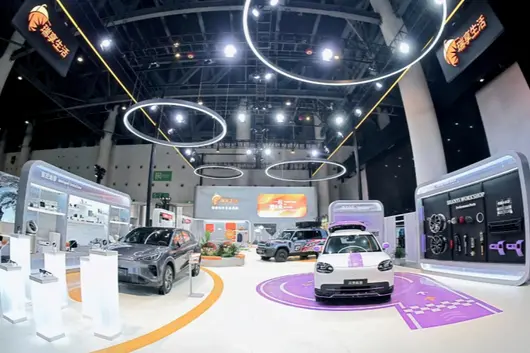
When automobiles evolve from travel tools to lifestyle carriers, Chery's globalization capabilities also extended beyond products. The 'Ruixiang Life Ecosystem Zone' at the Chengdu Auto Show, with 'Home' as the core, constructs a 'Human · Car · Home · Life' full chain, from modified premium products to outdoor camping, from smart technology to IP culture, covering 418 products. What the auto show presents is not just a set of products, but a brand arena that can dialogue with global users.
Summary
When Chery hung 'Chinese Cars Global Champions' on the top of the Hall 5 exhibition stand at the Chengdu Auto Show, it was actually saying one thing: this automotive enterprise that started in Wuhu, Anhui, has found its position on the global industrial map. The trust of 20 million users, the accumulation of 71 five-star safety models, the recognition of J.D. Power 'Five Grand Slams' — these are not the end point, but a footnote for Chinese automobiles going from 'going out' to 'going in'.
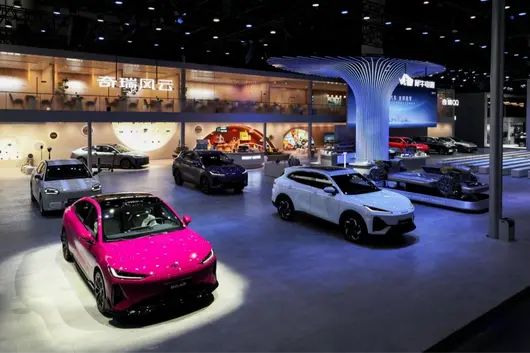

21 Ogos 2026, Pameran Automos Antarabangsa Chengdu Pavilion 5, Chery dengan tema "Kereta China, Juara Global", membawa lima jenama Chery, Exeed, Zhengheng, Jetour, iCAR menampilkan 38 model kereta. Dalam keadaan struktur industri automotif global mempercepat pembentukan semula, kereta China kini beralih dari "eksport produk" ke fasa baharu "eksport jenama". Penetapan tema ini, menunjukkan satu pandangan Chery tentang peranan sendiri — ia bukan sahaja jenama kereta yang lahir di China, tetapi juga peserta yang bersaing di pasaran global bersama syarikat multinasional.
Li Xueyong, Naib Presiden Eksekutif Chery Automobile Co., Ltd berkata di tempat kejadian: "Kereta global sebenar, bukan dibangunkan dalam negara dahulu kemudian diubah untuk dijual, tetapi ditetapkan ke seluruh dunia sejak permulaan pembangunan." Kalimat ini menonjolkan logik utama globalisasi Chery, bukan membina kereta China dahulu kemudian menjual ke luar negara, melainkan sejak hari pertama definisi produk, satu kereta telah ditetapkan untuk merangkumi keadaan pasaran yang berbeza seperti jalan raya tinggi Eropah, suhu tinggi Timur Tengah, kelembapan tinggi Asia Tenggara, dan suhu beku Eropah Utara.
Matriks Kereta Global: Empat Model, Empat Laluan Globalisasi
Logik ini direalisasikan secara jelas di atas pentas Pameran Automos Chengdu.
Fengyun T7 sebagai produk yang paling mewakili konsep "Kereta Global Asli", menulis kata "Global" ke dalam gen pada banyak dimensi. Mengkaji undang-undang global 2 tahun lebih awal, direka bentuk secara langsung menjejaki piawaian E-NCAP versi 2026, menetapkan syarat keselamatan paling ketat di dunia; melakukan kajian pengguna di 15 negara tipikal, 80+ adaptasi tabiat tempatan ditulis dalam parameter awal bukan penyelesaian selepas kejadian; pengujian keadaan ekstrem dalam 7 kategori, jumlah jarak ujian kenderaan penuh melebihi 6 juta kilometer, merangkumi lebih 100 keadaan jalan ekstrem, membolehkan kereta yang sama menyesuaikan diri dengan keadaan kompleks pasaran yang berbeza. Fengyun T7 akan dilancarkan di China dan Indonesia pada Ogos, memasuki Kesatuan Eropah pada September, dan mendarat di Australia, New Zealand, United Kingdom, Malaysia pada Oktober.
Jika globalisasi Fengyun T7 terletak pada penyelarasan standard dan pengesahan teknologi, maka Fengyun A9 menjawab soalan lain: adakah estetika kereta China dapat diakui oleh dunia. Pencapaian Anugerah Red Dot Design Jerman 2026, membolehkan "Estetika Lingfeng" menyelesaikan terjemahan moden estetika Timur, tidak sengaja mengejar estetika Barat, juga tidak mengekalkan simbol Timur. Sebagai model perintis 20 juta unit ke-2000 keluaran kilang Chery, Fengyun A9 dari tahun 2001 apabila generasi pertama Fengyun memecahkan monopoli harga kereta keluarga jenama gabungan, sehingga kini memiliki kemampuan untuk mendefinisikan produk dalam sistem piawaian global, telah menamatkan penggantian peranan dari pemecah pasaran kepada pesaing global.
Berbeza dengan "terobosan ke atas" Fengyun A9, QQ3 Baharu mengambil laluan lain, menyambung pengguna global dengan emosi. QQ telah meraih 1.6 juta pengguna global, QQ3 Baharu yang dilancarkan di luar negara jualan melebihi 10,000 unit dalam bulan pertama, kini telah mendarat di pasaran Indonesia, Thailand, masa depan juga akan memasuki wilayah Asia Selatan, Afrika Selatan. Versi Moden yang ditampilkan kali ini diuruskan oleh pasukan empat anugerah Red Dot Design dalam negara, pada asas estetika reka bentuk bulat dan bersudut memasukkan idea Neo Retro, menggabungkan elemen klasik dengan teknologi zaman elektrik pintar, membolehkan budaya kereta kecil dunia mempunyai tempat untuk kereta China.
Arrizo 7 dilancarkan global di Pameran Automos Chengdu, diletakkan sebagai "Piawai Baharu Kereta Keluarga Kualiti Global", menetapkan pasaran tahap 80,000 hingga 100,000. Reka bentuk mengambil inspirasi daripada kebijaksanaan Timur "Keutamaan Air seperti Sifat Air", menukarkan aliran dan penerimaan air kepada bahasa reka bentuk. Apabila diam, ia meluas dan stabil, ketika bergerak, permukaan berbentuk melengkung dan bertenaga, membolehkan pengguna global membacanya dalam sepintas lalu, memikat dalam sekali lihat. Kereta baharu dilengkapi dengan dua bentuk tenaga Kunpeng Bahan Api dan Hibrid Elektrik Kuasa, dijangka dilancarkan suku keempat 2026. Nilainya terletak pada: menurunkan piawaian kereta global ke julat harga utama, membolehkan "Kereta Global" bukan lagi kepunyaan pasaran mewah.
Di luar empat model, perancangan produk globalisasi Chery berkembang lebih lanjut pada peringkat jenama. Dalam pameran ini, jenama iCAR membawa tiga model V23, V25, V27, di mana V25 adalah tayangan global pertama. iCAR menumpukan kepada penajaan muda dan personalisasi, dengan penghidupan Exeed, percutian off-road Jetour, off-road teguh Zhengheng membentuk tangga jenama, bersama-sama menutupi keperluan pasaran kawasan dan tahap pengguna global yang berbeza. Lima jenama, 38 model bersama pentas, sendiri adalah persembahan terkumpul keupayaan gabungan produk globalisasi.
Empat model, empat laluan, ditambah dengan tangga liputan lima jenama, mengarah ke kesimpulan yang sama: globalisasi Chery bukan terobosan titik tunggal, tetapi matriks produk lengkap yang meliputi standard, estetika, emosi dan pasaran. Setiap Chery yang menuju dunia, sedang membuktikan kepada pengguna dengan cara yang berbeza — Kereta China, malah lebih Kereta Global.
Asas Teknikal: Tiga Sokongan Keselamatan, Kecekapan Tenaga dan Kecerdasan
Di sebalik globalisasi produk, adalah keupayaan globalisasi sistem teknikal. Dalam Pameran Automos Chengdu kali ini, Chery membina ruang tema "Pulau Ekosistem Teknologi", menumpukan pada dua senario teknikal — Bateri dan Kecerdasan.
Zon pameran Bateri Rhinoceros menunjukkan tiga garis pertahanan teknikal keselamatan bateri. Pada tahap bahan, membran perubahan entalpi tinggi, electrolit pertahanan aktif, pengumpul arus komposit meningkatkan kestabilan sel dari sumber; pada tahap sel, sel yang telah ditusuk dan ditekan terus diletakkan dalam tangki ikan untuk direndam; pada tahap sistem, bateri pepejal 400Wh/kg dan modul pepejal mewakili laluan teknologi generasi seterusnya. Di tempat pameran disediakan "Cabaran Injak", penonton boleh menjadi pengesah keselamatan bateri, melalui eksperimen seronok merasakan kekuatan teknikal.
Pada tahap kecerdasan, Kabin Cerdas Chery Lingxi dilengkapi model besar Carmind, mengintegrasikan penjadualan pusat berbilion parameter dan ekosistem ejen pintar. Pelancaran model suara hujung ke hujung Douba "Xiaoqi Chatter", memiliki keupayaan memahami niat kabur secara tepat, respons semantik pantas 550ms, mendengar sabar 3 saat tanpa gangguan, berinteraksi dengan pengguna dengan nada, logik dan emosi seperti manusia, menyokong percakapan pelbagai dialek, pelbagai bahasa, pelbagai gaya. Pada tahap fungsi, Kabin Cerdas Lingxi boleh memanggil lebih 2,000 alat dalam kenderaan, menutupi kitaran penggunaan kenderaan seperti hiburan audio-video, buku panduan kenderaan, cadangan sekitar, navigasi dan lain-lain. Ajen Pintar AI "Xiaoqi Rakan" memahami keperluan anda, membolehkan setiap perjalanan saling memahami tanpa kata — keseragaman pengalaman ini, adalah harapan utama pengguna global terhadap kabin pintar.
Chasis Cerdas Data Ikan Terbang melalui gabungan algoritma AI dan kawalan chasis, menyesuaikan diri secara aktif dengan keadaan jalan berbeza. Dari jalan pasir Brazil ke jalan batu Mexico, dari jalan raya tinggi Eropah ke jalan bergelombang Asia Tenggara, keupayaan menyesuaikan diri chasis menentukan kualiti memandu dan naik kenderaan di pasaran yang berbeza.
"Makna Pulau Ekosistem Teknologi" ialah: hakikat persaingan globalisasi adalah persaingan standard teknikal. Siapa yang mampu memenuhi permintaan paling ketat di dunia pada tiga dimensi keselamatan, kecekapan tenaga, kawalan secara serentak, dia yang berhak bersaing di pasaran global bersama mana-mana lawan.
Pasar dan Ekosistem: Pilihan Pengguna, Sambungan Kehidupan
Teknologi, estetika, gabungan produk adalah penguji akhir ialah pasaran.
Pada peringkat jualan, setengah tahun pertama 2026 Chery masuk dalam 10 teratas jualan global, hingga akhir Julai jumlah pengguna global melebihi 20 juta, pengguna luar negara hampir 7 juta. Eksport bulan Julai melebihi 200,000 unit, memecahkan rekod eksport bulanan tunggal jenama kereta China. Pasaran Eropah menunjukkan prestasi luar biasa, setengah tahun jualan 174,000 unit, meningkat 212% berbanding tahun sebelumnya, di mana model tenaga baharu meningkat 385%. Di pasaran United Kingdom, Sepanyol, Australia, Chery berada di hadapan jenama kereta China. Mei 2026, Chery rasmi memasuki pasaran Kanada, pasaran Amerika Utara juga mencapai terobosan.
Di sebalik pilihan pengguna, adalah pengiktirafan berterusan agensi pihak ketiga. Jun hingga Julai 2026, dalam lima kajian teras J.D. Power Kualiti Kereta Baharu, Ciri Khas Produk, Pengalaman Membeli dan Perkhidmatan Selepas Jualan, Kebolehpercayaan Kenderaan, Chery meraih pertama bagi semua jenama sendiri. 71 model model menerima sijil keselamatan lima bintang global, jumlahnya berada di hadapan jenama kereta China. Prestasi pasaran ini menunjukkan, globalisasi Chery bukan label yang dikaitkan sendiri oleh perusahaan, tetapi undian keyakinan yang dikeluarkan oleh pengguna dan agensi menggunakan pilihan.
Apabila kereta berubah dari alat perjalanan menjadi wadah gaya hidup, keupayaan globalisasi Chery juga meluas ke luar produk. Zon "Ekosistem Kehidupan RuiXiang" di tempat Pameran Automos Chengdu, dengan "Rumah" sebagai teras membina rantaian "Orang·Kereta·Rumah·Kehidupan" penuh, dari barangan ubah suai khas ke kemah luar, dari teknologi pintar ke budaya IP, menutupi 418 model produk. Pameran automos yang dipaparkan bukan hanya sekumpulan produk, malah satu medan jenama yang boleh berbual dengan pengguna global.
Rumusan
Apabila Chery mengaitkan "Kereta China, Juara Global" di tempat paling atas pentas Pavilion 5 Pameran Automos Chengdu, ia sebenarnya mengatakan satu perkara: perusahaan kereta yang bermula dari Wuhu, Anhui ini, telah menemui kedudukannya sendiri pada peta industri global. Keyakinan 20 juta pengguna, akumulasi 71 model keselamatan lima bintang, pengiktirafan "Lima Penuh" J.D. Power — ini bukan titik akhir, tetapi catatan daripada "keluar" ke "masuk" kereta China.


Oleh / Zhao Yun
21 Ogos, Pameran Kereta Chengdu 2026 Bangunan 5, Kumpulan Chery menyewa keseluruhan pavilion, membawa 38 model kereta daripada lima jenama anak syarikat iaitu Chery, Exeed, Jetour, iCAR, dan Zhongheng untuk melancarkan secara bersama. Di antara itu, jenama Chery membawakan 12 model kereta — Fengyun A9 dan Fengyun T7 "Dwi Bintang Kecantihan" muncul bersama, QQ3 Edisi Moden membuka peluang tempahan awal, standard baharu sedan keluarga berkualiti global Arrizo 7 menerima pelancaran dunia. Dari elektrik penuh, hibrid sehingga bahan api, dari sedan keluarga peringkat pemula sehingga coupe bendera, dari kenderaan elektrik kecil individu sehingga off-road berat, Chery sedang menggunakan satu matriks "Kenderaan Global" yang belum pernah ada untuk menghantar tiga isyarat yang jelas kepada dunia.
01
Meninggalkan "Ubah Suai Dalam Negeri Dan Kemudian Mengeksport", Chery Mahu Mendefinisikan Piawai Baharu "Kenderaan Global Asli"

Selama ini, laluan eksport syarikat automotif China kebanyakannya adalah "R&D dalam negara, pelancaran dalam negara, kemudian ubah keluar" — mengambil produk yang dibangunkan untuk pasaran China untuk penyesuaian adaptasi, kemudian diarahkan ke luar negara. Li Xueyong, Timbalan Presiden Eksekutif Syarikat Automobil Chery dengan jelas menafikan laluan ini di laman pameran: "Kenderaan Global sebenar bukan dibangunkan dalam negara dan kemudian diubah keluar, tetapi diarahkan ke全球 sejak awal R&D."

Fengyun T7 adalah sampel pelaksanaan konsep ini. Sebagai model global asli pertama Chery pada zaman Elektrik Cerdas, ia dibangunkan untuk pasaran global dari hari pertama definisi produk. Apakah maksudnya? Sebuah kereta mesti menghadapi lebuh raya Eropah, suhu tinggi Timur Tengah, kelembapan tinggi Asia Tenggara, dan cuaca beku utara, memenuhi ruang duduk orang dewasa Eropah, tabiat penggunaan kereta pengguna Asia Tenggara, dan preferensi penghentian dan operasi negara berbeza. Untuk itu, Chery telah mengkaji perundangan global dua tahun lebih awal, menetapkan标准 berdasarkan E-NCAP 2026; melabur 81 kenderaan tahan lasak khas untuk ujian jalan serentak, jumlah jarak ujian keseluruhan melebihi 6 juta kilometer; merangkumi lebih 100 keadaan jalan teruk seperti Eropah, Australia-Barat, Timur Tengah, Afrika Selatan. Fengyun T7 mencapai tempahan melebihi 16,787 unit dalam 9 hari pra-tempahan, dijangka dilancarkan secara rasmi pada 26 Ogos mengikut pelan, kemudian beransur-ansur muncul di pasaran Indonesia, Eropah, United Kingdom, Australia dan lain-lain.
Logik pembuatan "Global Asli" ini adalah persimpangan penting dari "Eksport Produk" China ke "Eksport Jenama". Apabila eksport automotif China dijangka melangkaui skala 10 juta unit pada 2026, bergantung semata-mata pada eksport jenis perdagangan sudah tidak mencukupi — siapa yang dapat terlebih dahulu membina keupayaan sistem "Diarahkan ke Global sejak R&D", barulah dapat benar-benar meraih kepercayaan jangka panjang pasaran global.
02
Asas Teknologi Bukan "Pamer Kemahiran", Tetapi "Kenderaan Global" Kertas Laluan
Pada zaman Elektrik Cerdas, teknologi adalah kad terkuat syarikat automotif. Pada Pameran Kereta Chengdu kali ini, Chery membina pentas tema "Pulau Ekosistem Teknologi", menukarkan teknologi terhad seperti Bateri Rhinoceros, Tenaga Kunpeng, Kecerdasan AI dari parameter kepada pengalaman yang boleh disentuh. Laman pameran menetapkan demonstrasi keselamatan terhad seperti tusukan bateri, rendaman sel bateri selepas mampatan, pengunjung boleh melihat sendiri: 10 tusukan jarum (10 kali Piawaian Kebangsaan), sel tidak berasap, tidak terbakar; mampatan bawah terubah bentuk 50% (3 kali Piawaian Kebangsaan) kemudian tusukan jarum 3 lagi, masih tidak terbakar.

Keselamatan bateri adalah garisan merah yang tidak boleh dikompromi untuk kenderaan elektrik. Bateri Rhinoceros Chery membina pertahanan lengkap dari tiga dimensi bahan, struktur, kawalan cerdas — tiga perlindungan Rhinoceros Crystal, Rhinoceros Shield, Rhinoceros Cloud. Bahagian pembuatan hampir kejam: lima tahap penghapusan magnet (umumnya industri tiga hingga empat tahap), kilang pembersihan tahap seratus (mencapai standard bilik pembedahan perubatan, jauh melebihi tahap seribu industri), 8,000 lebih titik kawalan proses, lebih 300 pintu kualiti.
Mendukung teknologi ini adalah keupayaan sistem yang dikumpul Chery dalam proses globalisasi. Setakat ini, Chery telah memperoleh pengesahan keselamatan bintang lima untuk 71 model kereta di pasaran global seperti China, Eropah, Australia, ASEAN, jumlah model keselamatan bintang lima menempati nombor satu jenama China. Jun hingga Julai tahun ini, Chery memenangi nombor satu automotif domestik dalam empat kajian teras J.D. Power termasuk kualiti kereta baharu, daya tarikan produk, pengalaman pembelian kereta dan kemudahan selepas jualan.
Jika "Kenderaan Global Asli" adalah falsafah produk Chery, maka sistem teknologi lengkap dari bahan hingga pembuatan, dari ujian hingga pengesahan ini adalah kekuatan keras yang menopang pematuhan falsafah ini. Teknologi bukan "pamer kemahiran", tetapi "pasport" untuk "Kenderaan Global".
03
Pemuda bukan sekadar slogan, tetapi berdialog dengan cara generasi muda
Pada Pameran Kereta Chengdu kali ini, perubahan paling jelas pada pentas Chery ialah "lebih muda". Model modis, bloger潮流 berkumpul, penyampai produk muda berpenampilan cantik China dan luar negara serta barista berkeliaran. Pada "Hari Tema Kecantikan Dewa" 22 Ogos, penonton boleh mengambil gambar fesyen besar di zon Fengyun A9 Paling Cantik dan zon QQ3 Supermodel, pengalaman percuma riasan sama selebriti. Ruang Ekosistem Kehidupan Rui Xiang di sebelah menggabungkan ubah suai潮流, perkhemahan, teknologi pintar, pasaran kehidupan menjadi satu.

Di sebalik aksi pemasaran yang kelihatan "ramai hiasan" ini, ialah pengiktirafan jelas Chery terhadap struktur pengguna: dalam pengguna Fengyun A9, usia 35 tahun ke bawah占了 73.6%, pengguna wanita占了 42.7%; dalam pengguna Fengyun T7, usia 35 tahun ke bawah占了 65%; dalam pengguna serahan pertama QQ3 baharu, usia 20 hingga 35 tahun占了 41%. Pemilihan kumpulan pengguna muda, kini menjadi salah satu faktor teras untuk mengukur pengiktirafan global jenama.

Pemuda pada层面 produk juga jelas. Fengyun A9 memenangi Anugerah Reka Bentuk Produk Red Dot Jerman 2026; Edisi Moden QQ3 baharu dikendalikan oleh pasukan Empat Anugerah Reka Bentuk Red Dot China, menggabungkan elemen klasik dengan teknologi zaman Elektrik Cerdas; Arrizo 7 mengambil inspirasi daripada perubahan gerakan air. Men启用 pasukan pereka muda global, menghubungkan mendalam lebih 10,000 pengguna muda, kumpul semula 21,000 lebih soalselidik — Chery telah "menarikkan" generasi muda ke "bilik mesyuarat" pada fasa definisi produk.

Penutup: Logik Penembusan Chery
Sembilan bulan pertama tahun 2026, bahagian pasaran global Chery mencapai 4.1%, menyamai Ford Amerika menjadi kesembilan di dunia; Januari hingga Julai jumlah eksport kumulatif 1.146 juta unit; Julai tunggal bulan eksport 202,533 unit, menjadi syarikat automotif China pertama yang menembusi eksport 200,000 unit dalam sebulan. Setakat akhir Julai, jumlah pengguna kenderaan global melebihi 20.16 juta, pengguna luar negara lebih 6.99 juta.
Di sebalik angka-angka ini, Chery sedang menempuh laluan globalisasi yang tidak sama dengan mana-mana syarikat automotif China sebelum ini — bukan menjual produk dalam negara ke luar negara, tetapi membina kereta untuk global sejak hari pertama; bukan bergantung pada produk kejayaan tunggal, tetapi membina parit pengaman dengan sistem teknologi lengkap dan matriks produk; bukan membuat jenama dengan cara tradisional, tetapi berdialog dengan pengguna global dengan konteks generasi muda.
Dari "Automotif China" kepada "Juara Global", yang dipersembahkan Chery di Pameran Kereta Chengdu, bukan sekadar pameran produk, tetapi satu logik penembusan global lengkap. Apabila struktur industri automotif global mempercepatkan pembentukan semula, Chery memilih jalan yang sukar tetapi paling betul — menjadi "Kenderaan Global" yang benar.

Written by Zhao Yun
August 21, Hall 5 of the 2026 Chengdu Auto Show, Chery Group rented the entire exhibition hall, showcasing a total of 38 car models from its five major brands: Chery, Exeed, Jetour, iCAR, and Zongheng. Among them, the Chery brand brought 12 car models – the Fengyun A9 and Fengyun T7 'Aesthetic Twin Stars' debuted together, the QQ3 Modern Edition started the early trial experience, and the global quality sedan benchmark Arrizo 7 made its global premiere. From pure electric, hybrid to fuel, from entry-level family sedans to flagship sports coupes, from individual small electric cars to rugged off-roaders, Chery is passing three clear signals to the outside world with an unprecedented 'Global Car' matrix.
01
Saying Goodbye to 'Modify for Export', Chery Aims to Define New Standards for 'Native Global Cars'
For a long time, the export path of Chinese automakers has mostly been 'Domestic R&D, Domestic Launch, Then Modified for Export'—making adaptation adjustments to products developed for the Chinese market and then launching them overseas. Li Xueyong, Executive Vice President of Chery Automobile Co., Ltd., explicitly denied this path at the auto show: "True Global Cars are not developed domestically and then modified for export, but anchored to the global market from the start of R&D."
Fengyun T7 is exactly the implementation sample of this concept. As Chery's first native global model in the Smart Electric Era, it was developed for the global market from the first day of product definition. What does this mean? A car must face European highways, Middle East heat, Southeast Asia humidity, and Nordic severe cold simultaneously, meeting the passenger space requirements for tall Europeans, driving habits of Southeast Asian users, and parking and operation preferences of different countries. To this end, Chery pre-researched global regulations two years in advance and designed against the 2026 E-NCAP standards; invested 81 exclusive durability cars for simultaneous road testing, with a cumulative test mileage of over 6 million kilometers; covering 100 types of extreme road conditions including EU, ANZ, Middle East, South Africa, etc. Fengyun T7 pre-sale orders exceeded 16,787 units in 9 days, scheduled to officially launch on August 26 according to plan, followed by a landing in markets such as Indonesia, EU, UK, Australia, etc.
This 'Native Global' car-making logic is the key turning point for Chinese automobiles moving from 'Product Export' to 'Brand Export'. When Chinese auto exports are expected to break through the 10 million unit scale in 2026, relying solely on trade-based exports is not enough—whoever can first establish the system capability of 'facing the global market from R&D', who can truly win long-term trust in the global market.
02
Technical Foundation is not 'Showing Off Skills', but 'Hard Currency' for 'Global Cars'
In the Smart Electric Era, technology is the hardest hand of cards for auto companies. At this Chengdu Auto Show, Chery built a 'Tech Ecosystem Island' theme exhibition hall, turning frontier technologies such as Rhino Battery, Kunpeng Power, AI Intelligence, etc., from parameters into touchable experiences. Extreme safety demonstrations such as battery puncture and cell soaking after squeezing were set up on site, where visitors can see with their own eyes: 10-pin Puncture (10x National Standard), cells do not smoke, do not catch fire; after bottom squeeze deformation 50% (3x National Standard) then 3-pin puncture, still no fire.
Battery safety is the bottom line that New Energy Vehicles cannot compromise. Chery Rhino Battery builds a complete defense line from three dimensions: Material, Structure, and Smart Control—Rhino Crystal, Rhino Shield, Rhino Cloud three layers of protection. The manufacturing end is even more harsh: Five Demagnetization Steps (industry generally three to four), Grade 100 Clean Room (reaching Medical Operating Room Standard, far higher than the industry Grade 1000), over 8,000 process control points, over 300 quality gates.
Supporting these technologies is the system capability accumulated by Chery during the globalization process. To date, Chery has 71 car models obtained Five-Star Safety Certification in global markets such as China, Europe, Australia, ASEAN, etc., with the number of Five-Star Safety models ranking first among Chinese brands. In June and July this year, Chery won first place among domestic brands in four core studies by J.D. Power: New Car Quality, Product Appeal, Purchase Experience, and After-sales Service.
If 'Native Global Cars' is Chery's product philosophy, then this complete technical system from material to manufacturing, from testing to certification, is the hard strength to support the implementation of this philosophy. Technology is not 'Showing Off Skills', it is the passport for 'Global Cars'.
03
Youthification is not Just Slogans, It's Dialoguing in the Youth's Way
At this Chengdu Auto Show, the most intuitive change in the Chery exhibition booth is 'getting younger'. Fashion Influencers and Trend Bloggers gathered on the booth, young high-value domestic and foreign product presenters and Baristas shuttled between them. On August 22 'God-tier Beauty Theme Day', audiences can take fashion photo shoots in the Fengyun A9 Most Beautiful Combo Zone and QQ3 Supermodel Combo Zone, and free experience Celebrity Same Makeup. The nearby Ruixiang Life Ecosystem Space integrates Trend Modification, Camping, Smart Tech, and Lifestyle Market into one.
Behind these seemingly 'flashy' marketing actions is Chery's sober cognition of user structure: 73.6% of Fengyun A9 users are young people under 35, and the female user ratio is 42.7%; 65% of Fengyun T7 users are young people under 35; among the first batch of delivery users for the new QQ3, users aged 20 to 35 account for 41%. The choice of young consumer groups is becoming one of the core factors to measure brand global recognition.
Product-level youthification is equally clear. Fengyun A9 won the 2026 German Red Dot Design Award; the new QQ3 Modern Edition was designed by a Domestic Red Dot Design 4-Award Team, blending classic elements with technology in the Smart Electric Era; Arrizo 7 drew inspiration from changes in Water Movement and Stillness. Enlisting a Global Young Designer Team, deeply linking with over 10,000 young users, cumulatively collecting over 21,000 survey questionnaires—Chery 'brought young people into the Meeting Room' in the product definition phase.
Conclusion: Chery's Breakout Logic
In the first half of 2026, Chery's global market sales share reached 4.1%, ranking 9th globally alongside US Ford; cumulative exports from January to July reached 1.146 million units; single month exports in July reached 202,533 units, becoming China's first auto company to break through 200,000 units in single month export. As of the end of July, global cumulative car users broke 20.16 million, overseas users exceeded 6.99 million.
Behind these numbers, Chery is walking a globalization path different from any Chinese automaker before—not selling domestic products overseas, but building cars for the globe from Day 1; not relying on a single hit to conquer the world, but building a moat with a complete technical system and product matrix; not doing branding in traditional ways, but dialoguing with global users in the youth's context.
From 'Chinese Cars' to 'Global Champions', what Chery presented at the Chengdu Auto Show is not only a product show, but a complete global breakout logic. As the global automotive industry landscape accelerates reshaping, Chery has chosen the hardest but most correct path—making true 'Global Cars'.

August 21, the Chengdu Auto Show opened. Hall 5 was entirely booked by Chery Group. Chery, Exeed, Jetour, iCAR, and Vantex, five major brands, collectively showcased 38 models, with the Chery brand accounting for 12 of them alone. Fengyun T7 and Fengyun A9L, the "Beauty Twin Stars", debuted together. After 8 years of silence, the classic family sedan Arrizo 7 made its global premiere, and the QQ3 Modern Edition started early reservations.
If this were just a regular product showcase, this would merely be standard procedure for automakers at a Class A auto show. But placed in August 2026, Chery's "hall booking" carries a different meaning.

One month ago, Chery just received a report card sufficient to rewrite the narrative of China's automotive industry: With a 4.1% global share in the first half of the year, it ranked ninth globally, tied with American Ford, for the first time joining the top ten global automakers by sales volume. And at this Chengdu Auto Show, the term "Global Car" has become Chery's distinct calling card.
From "First in Export" to "Global Ninth": The Essential Transformation
In the first half of 2026, Chery Group's global sales share reached 4.1%, ranking ninth globally, tied with Ford. In July, Chery's single-month exports reached 202,533 vehicles, a year-on-year increase of 70.1%, making it the first Chinese automaker to surpass 200,000 vehicles in single-month exports.
From January to July this year, Chery's cumulative exports reached 1.146 million vehicles, a year-on-year increase of 71.2%, equivalent to one "Made in Chery" vehicle rolling out to the world every 16 seconds on average.

Chery's global user base also exceeded 20.16 million at the end of July this year, of which overseas users exceeded 6.99 million, accounting for about 35%. In other words, for every 3 Chery owners, 1 comes from overseas.
In Europe, Chery's conquest also came very rapidly. In the first half of this year, Chery's cumulative sales in 24 European countries reached 174,000 vehicles, up 212% year-on-year; among them, new energy vehicles totaled 86,000, skyrocketing 385% year-on-year, accounting for nearly half.
This means that Chery is not only present in other parts of the world but is also accelerating into the strictest high-regulation markets by global standards — Chery is already an authentic global automaker.
Fengyun T7: The First "Native Global Car" Sample of the Smart Electric Era
What should global automakers do in the Smart Electric Era? Chery's answer is to build "Global Cars".
Among the 12 Chery brand models at this auto show, the brightest focus is the Fengyun T7, which is also Chery's first native global model of the Smart Electric Era.
The Fengyun T7 is currently launched in South Africa and Thailand, landing in China and Indonesia in August, entering the EU in September, and landing in the UK, Malaysia, and Australia in October. In other words, the new car bought by Chinese consumers is the same "Global Car" bought by users in Europe, Southeast Asia, and Oceania.

The Fengyun T7's product strength and pricing are also very notable. The vehicle is equipped with a 65.05kWh Rhinoceros Battery, CLTC range 600km, paired with a wide-temperature range heat pump air conditioning and high-voltage PTC system, actual measured range can reach 647km. In terms of safety, Fengyun T7 has a Rock-body + 9 airbags + master-tuned chassis; intelligence adopts cockpit-driving integrated 8775 chip + Lingxi Smart Cockpit 2.0 + Falcon 500 driving assistance system.
Fengyun T7 pre-sale price is 109,900 - 129,900 yuan, pre-sale orders in 9 days broke 16,787 units. Among Fengyun T7 pre-sale users, those under 35 account for 65.2%, female users account for 35.7%. It can be said that this "Native Global Car" precisely targets the first pure electric purchase market for young families.
On August 26, the Fengyun T7 will officially go on sale — this car's order performance will become the first touchstone to test the "Native Global Car" strategy.
The Logic of "Global Car Matrix" with 12 Models
Besides the Fengyun T7, the 12 Chery brand models unveiled by Chery at the Chengdu Auto Show are all matrix layouts made around the "Global Car" concept.
Fengyun A9L ULTRA AWD version, this is the true Global C-class flagship. Its Yunzheng exterior, Fengchen interior, tri-color luminous grille, electric speed-controlled spoiler; Snow Leopard AWD + front double wishbone rear multi-link suspension; Falcon 700 advanced intelligent driving + Lingxi Smart Cockpit 2.0 + 88% high-strength steel-aluminum ratio + 9 airbags + Rhinoceros Battery, is Chery's "Chinese Flagship" card handed to the global high-end market.

The all-new Arrizo 7 is a new benchmark for global quality family sedans. After 8 years of silence, Arrizo 7 returns, not only drawing inspiration from the movement of water to form the "Flowing Water" design language, but also providing C-DM Super Power Electric Hybrid and ICE Kunpeng Fuel versions as two power choices, anchoring the 80,000-100,000 yuan market, expected to launch in Q4 2026.
QQ3 Modern Edition, this is a youthful expression of Retro-Futurism. As the 001 official modification version of the new QQ3, it incorporates the Neo Retro design concept, fusing classic elements from a hundred years of automotive industry with the technology of the Smart Electric Era.
From the 80,000 yuan family sedan (Arrizo 7), 100,000-130,000 yuan pure electric SUV (Fengyun T7) to C-class flagship (Fengyun A9L), these three cars cover the main price band, and each is developed according to the "Same Global Model" concept, which is exactly the product footnote to Chery blowing the "Global Car" mobilization call.
Younger Transformation: From "Product Going Global" to "Ecosystem Going Global"
Chery's "Global Car" is not only a product concept, but also a comprehensive upgrade of the brand and ecosystem.
Currently, Chery's business covers more than 130 countries and regions, with overseas employees exceeding 20,000, local staff accounting for 85%. The Spanish joint venture factory rejuvenated the local national brand, creating over a thousand local jobs; the South African factory was officially put into use, retaining the original 690+ employees, driving more than 3,000 jobs up and down the supply chain.
Chery has long upgraded from a pioneer of product exports to a leader of localized production. At the same time, Chery's youth-oriented measures and image have also deepened continuously with the deepening of its global automaker status.
At this Chengdu Auto Show, Chery created a "Technology Ecology Island" themed booth, allowing audiences to touch battery safety technology through physical disassembly and immersive experiments; Rhinoceros Battery, Kunpeng Power, AI Intelligence, and other frontier technologies were also displayed together.

On August 22's "Stunning Beauty Theme Day", Chery set up multiple groups of high-beauty themed photo zones, paired with professional lighting backgrounds and the same makeup experience as the spokesperson; Ruixiang Life Ecosystem Space upgraded with Trendy Modification Zone, Smart Control Zone, Wild Camp, Lifestyle Market, Comfortable Cockpit five major areas, Shanyi Technology as Chery's official modification platform, also appeared at this auto show.
2026 is Chery's "Transition to Electric" product year. With the new energy strategy exploding simultaneously in technology, product, and ecosystem dimensions, having the solid foundation of ninth global sales share, the "Native Global Car" development concept made for the world, and localized production around the world, Chery's "Global Car" mobilization call is blowing at the right time and is full of strength.

Every 16 seconds, a "Chery-made" vehicle heads overseas!
This is not some elaborate numbers game, but a report card from a leading export automaker. In July this year, Chery Group exported 202,533 vehicles, up 70.1% year-on-year, breaking China's single-month car export record for five consecutive months, becoming the first automaker to surpass 200,000 vehicles in a single month of exports. Thanks to this, from January to July, Chery Group cumulatively exported 1.146 million vehicles, up 71.2% year-on-year, maintaining the momentum of staying first on the Chinese brand passenger car export list for the past 23 years.
In fact, the overseas market is Chery's greatest confidence. In the first half of this year, Chery Group officially ranked among the Global TOP 10, tying with American Ford for 9th place globally, and together with BYD and Geely Group, forming the first "Chinese Three Powerhouses" in the global top 10 sales camp.

When it comes to overall sales, Chery is not the largest Chinese automaker, but on the road to globalization, why is it always Chery leading the race?
Facing this question, perhaps some will say Chery exported early, due to historical accumulation; perhaps others will say Chery has a complete overseas layout, leading because of multi-point efforts. All this is indeed correct, but only sees Chery's forward-looking vision and strong execution capability, without reaching the essence — that is, the car itself. Every product under Chery is truly developed and manufactured based on global standards, conforms to global aesthetics, adapts to user habits in multiple regions worldwide, and has been verified in various extreme environments globally. In terms of quality, it has truly achieved globalization.
Chinese Cars, Yet Global Cars
Among Chinese cars, if asking which one understands global users best, Chery is certainly the most suitable choice.
Take the Chengdu Auto Show being held this year as an example. This year, Chery Group brought a massive lineup of 38 models from its five brands: Chery, Exeed, Zongheng, Jetour, and iCAR. It is worth noting that all five brands have taken root in the global market, contributing significantly to Chery's accumulation of nearly 7 million overseas users. Among these 38 models, the most notable is Fengyun T7.

Overseas, Fengyun T7 is called Lepas L6. It has already launched in South Africa and Thailand, while the Chinese domestic market has to wait until the 26th of this month — launching overseas first, a privilege once exclusive to joint venture brands, is indeed rare among Chinese brands, yet it exactly reflects the global car attributes of Fengyun T7. In fact, as the latest representative of Chery's globalization, Fengyun T7 is a global quality pure electric SUV built with dedication by Chery using new-generation global car standards. According to Li Xueyong, Executive Vice President of Chery Automobile Co., Ltd., Fengyun T7 "was not developed domestically first and then modified for overseas, but anchored on the global market from the start of R&D".

"Anchored on the Globe" is not just a casual remark. It is reported that for 15 typical national scenarios, the R&D team surveyed 5,000+ global users, incorporating different market demands into the product definition of Fengyun T7 early on, and pre-researched global regulations two years in advance, benchmarking the 2026 E-NCAP standard. Ultimately, Fengyun T7 was co-created by over a hundred designers from eight global R&D and design centers, verified through seven categories of extreme environments including Southeast Asia's high humidity and rainy season, the Middle East's high temperature and sun exposure, Siberia's snow, rain, and low temperature, and Nordic extreme darkness nights. At the same time, Fengyun T7 invested 81 dedicated durability vehicles for global synchronous road testing, with a total cumulative test mileage exceeding 6 million kilometers (1.45 million kilometers of durability special tests), covering over 100 kinds of extreme road conditions in regions like the EU, Australia-New Zealand, Middle East, South Africa, Mexico, Brazil, etc. More importantly, for the driving habits of users in different countries, Fengyun T7 underwent over 80 items of local habit adaptation. For example, for the Thai preference for right-hand drive and heavy steering feel, the steering force calibration increased by 1 level; for Turkish users preferring hard switches, high-frequency function physical buttons were retained; for Europeans who like pulling the car into the garage by the front, a 70cm automatic front camera display is adopted.

Evidently, Fengyun T7 is the sample of Chinese R&D and manufacturing "native global cars". Market response has also been quite enthusiastic. According to official disclosure, within 9 days of pre-sale, Fengyun T7 orders exceeded 16,700 units. Its global launch schedule for the next two months also includes names like Indonesia, EU, Australia-New Zealand, UK, Malaysia, and more.
Fengyun T7's outstanding performance was not sudden, but the result of continuous practice on the foundation of 23 years of Chery's overseas expansion. After all, before this, Chery had already accumulated model after model of global best-selling vehicles with distinct characteristics.

For example, the "Long-Range Smart Beauty Coupe" Fengyun A9, the culmination of Chery's 20+ years of craftsmanship, is a winner of the 2026 German Red Dot Design Product Award, demonstrating global aesthetic recognition of original Chinese design. It continues Chery's global sales of 20 million units, connecting the entire cycle of Chery's independent car manufacturing, proving Chery's leap from "making affordable good cars for the masses" to "defining global high-quality pure electric travel standards".

Another example is the "AI Smart Fun Pure Electric Sedan" All-new QQ3. It went on sale in China this March, with monthly sales exceeding 10,000 for 4 consecutive months. In overseas markets, sales also exceeded 10,000 in the first month of launch in Indonesia and Thailand. It has achieved a global QQ user base of 1.6 million, giving Chinese cars a place in the world's small car culture.

In addition, the All-new Arrizo 7 making its debut at this Chengdu Auto Show is also developed according to global standards from the project initiation. Positioned as the "Global Quality Family Sedan New Benchmark", it offers both ICE Kunpeng fuel version and C-DM Super Energy Electric Hybrid power choices, meeting travel needs of users in different regions worldwide, and is the latest answer for Chinese brand sedans defining the "New Global Car" value benchmark.
Practice proves that every Chery is a global car, and this is the core driving force behind Chery ranking in the global top 10.
Born in China, Developed Globally
Founded in 1997, the first car rolled off the line in 1999, the first batch of exports in 2001, cumulative exports breaking 100,000 in 2007, global users breaking 10 million in 2021, breaking 20 million in 2026 (including 7 million exports)... Who could have imagined that the fledgling bird that started a business in a small shed by the Wuhan river would fly to today's height.
Today, Chery Group's business spans over 130 countries and regions worldwide, ranking first in Chinese brand passenger car exports for 23 consecutive years. Ranked 233rd on the Fortune 2025 World's 500 Enterprises list, a significant jump of 152 positions compared to 2024. Entering 2026, despite facing multiple unfavorable factors such as weak market demand, Chery's global sales from January to July exceeded 1.634 million units, up 10.1% year-on-year, cumulative exports 1.146 million units, up a dramatic 71.2% year-on-year.

Looking back at Chery's development journey, it is not difficult to find that the key to Chery's sustained high growth lies in overseas. Now, overseas supports more than half of Chery, and this is also Chery's greatest difference from other Chinese brands.
In 2020, Chery's export scale was still at the 100,000-unit level (114,000 units), but in the following years it continued to increase, with export scale hitting new highs continuously: 269,000 units in 2021, 451,000 units in 2022, 937,000 units in 2023, 1.145 million units in 2024, 1.344 million units in 2025. At the same time, the proportion of overseas markets in Chery's overall sales continued to climb, rising rapidly from 15.6% in 2020 to 47.9% in 2025. By January-July this year, this number exceeded 70%, making it the first Chinese brand automaker with market focus overseas.

And even more worth noting is that, with the rapid expansion of export scale, Chery's overseas market quality is also continuously optimizing. For a long time, the target markets for Chinese car exports have mostly focused on regions such as South America, Southeast Asia, Middle East, Central Asia, Africa, etc. But Chery is focusing on changing this situation, making continuous breakthroughs in high-end markets.
In Europe, from January to June this year, Chery cumulative sales broke 174,000 units, up 212% year-on-year, becoming the core of Chery's overseas growth. Among them, sales in Spain and the UK were even more prominent. Chery entered the Spanish market only in 2024, now it is among the top three Chinese brands locally; in the UK, Chery has ranked second in the single-month total sales list continuously for several months since March this year, with brand recognition continuously climbing.
In Australia-New Zealand, Chery has maintained positive growth in Australian sales for 22 consecutive months. Among them, JAECOO J5 ranked second in the local pure electric vehicle sales list in May this year, only behind Tesla Model Y.
Not only that, in May this year, Chery officially entered the Canadian market, becoming one of the first batch of Chinese automakers to layout there.

To put it plainly, no matter global business coverage, export scale, or export quality, today's Chery is the Chinese automaker with the highest "globalization content", without exception. According to Chery official data, its overseas employees exceed 20,000, with local staff accounting for up to 85%. Behind this data represents that Chery is not simply selling cars to overseas, but has achieved localization of industry, talent, and supply chain in all domains. And this is the core supporting Chery's sustained high growth overseas. For example, Chery's joint venture factory in Spain revitalized the local national brand, creating over a thousand local jobs; this year Chery's South Africa factory officially opened, retaining original 690+ employees completely, and driving over 3,000 jobs upstream and downstream, creating a model of China-West and China-Africa economic and trade cooperation.
Born in China, developed globally, Chery is using its own practice to tell the world: the global automotive industry has entered Chinese time.
Driving Philosophy
A Chinese automaker established less than 30 years, able to break into the top 10 of global automaker sales lists, racing neck and neck with a century-old veteran player like Ford, this kind of thing, perhaps no one would have dared to think of a few years ago. But now Chery not only has done it, but also left a deep imprint in the hearts of users in 130 global markets — the Chinese car with the most global characteristics.
Statistics show, Chery has cumulative 71 models that have obtained five-star safety certification in global markets such as China, Europe, Australia, ASEAN, etc. The number of five-star safety models ranks first among Chinese brands. For an automaker with ambitions for the global market, this is undoubtedly a global market pass card, and Chery's nearly 7 million overseas users were thus born.
Worth noting, in July, Chery's sales proportion in the overseas market reached as high as 73.2%. We have to admit, such Chery is already the global Chery. Just like Toyota, in its global market sales composition, Japan domestic proportion is less than 13%, yet it has led the global car circle for many years. As for Toyota's global cars, no more need to be said.
Leading Chinese brand car exports for 23 consecutive years, ranking in the global top 10, Chery is changing the world's cognition of Chinese cars with an unprecedented globalization speed.
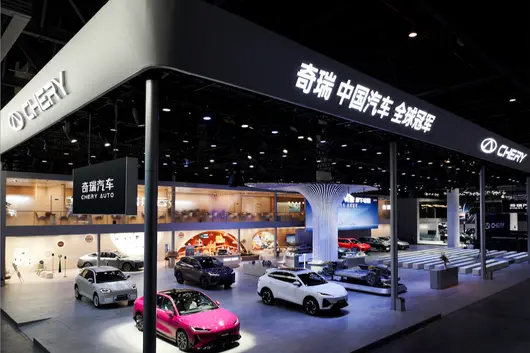

21 Ogos, Pameran Kereta Chengdimulakan. Pavilion 5 disewa keseluruhan oleh Kumpulan Chery, Chery, Exeed, Jetour, iCAR, Zhengheng lima merek keseluruhan 38 model kereta tampil bersama, di mana Chery mendominasi 12 model. Fengyun T7 dan Fengyun A9L "Bintang Kembar Keindahan" muncul di pentas yang sama, kereta keluarga klasik Arrizo 7 yang senyap selama 8 tahun mendapat kemunculan perdana global, QQ3 Edisi Modern memulakan tempahan awal.
Jika hanya pameran produk biasa, ini hanyalah aksi standard kereta di pameran kereta kelas A. Tetapi jika diletakkan pada Ogos 2026, "penyewaan pavilion" Chery mempunyai makna yang berbeza.
Sebulan lalu, Chery baru mendapat satu skor yang cukup untuk mengubah narasi industri automotif Cina: Setengah tahun pertama dengan bahagian global 4.1% bersama Ford Amerika menduduki kesembilan global, pertama kali memasuki sepuluh besar penjualan kereta global. Dan pada Pameran Kereta Chengdu ini, istilah "Kereta Global", menjadi nama chery yang jelas.
Perubahan kualiti dari "Eksport Teratas" ke "Kesembilan Global"
Setengah tahun pertama 2026, bahagian penjualan global Kumpulan Chery mencapai 4.1%, bersama Ford menduduki kesembilan global. Dan pada Julai, eksport tunggal bulan Chery 202,533 unit, meningkat 70.1% tahun ke tahun, menjadi sebuah syarikat kereta pertama di Cina dengan eksport tunggal bulan memecahkan 200,000 unit.
Tahun ini Januari-Juli, eksport terkumpul Chery telah mencapai 1.146 juta unit, meningkat 71.2% tahun ke tahun, setara dengan purata setiap 16 saat, ada satu "Buatan Chery" menuju global.
Pengguna global Chery, juga pada akhir Julai tahun ini terkumpul menembusi 20.16 juta, di mana pengguna luar negara lebih 6.99 juta, kira-kira 35%. Maksudnya, setiap 3 pemilik kereta Chery, ada 1 dari luar negara.
Dan di Eropah, serangan Chery juga datang sangat laju. Setengah tahun pertama ini, Chery di Eropah 24 negara terkumpul penjualan 174,000 unit, meningkat 212% tahun ke tahun; di mana model tenaga baharu 86,000 unit, meningkat tajam 385% tahun ke tahun, bahagian hampir setengah.
Ini bermakna, Chery bukan sahaja telah tersebar di tempat lain di dunia, malah sedang mempercepatkan serangan ke pasaran peraturan tinggi dengan standard global paling ketat - Chery sudah menjadi syarikat kereta global yang tulen.
Fengyun T7: Contoh "Kereta Global Asli" pertama era Pintar-Elektrik
Bagaimana syarikat kereta global seharusnya bertindak di era Pintar-Elektrik? Jawapan Chery adalah membina "Kereta Global".
Dalam 12 model merek Chery pada pameran kereta kali ini, fokus paling cemerlang ialah Fengyun T7, kenderaan ini juga model global asli pertama Chery di era Pintar-Elektrik.
Fengyun T7 sekarang telah dilancarkan di Afrika Selatan, Thailand, Ogos mendarat di Cina dan Indonesia, September masuk Kesatuan Eropah, Oktober mendarat di United Kingdom, Malaysia, Australia. Maksudnya, kereta baru yang dibeli pengguna Cina, dengan pengguna Eropah, Asia Tenggara, Oceania yang dibeli, adalah "Kereta Global" yang sama.
Kekuatan produk dan penentuan harga Fengyun T7 juga sangat menarik. Kenderaan ini dilengkapi bateri Rhinoceros 65.05kWh, jarak CLTC 600km, disertai AC pam haba suhu luas dan sistem PTC tekanan tinggi, ujian sebenar jarak boleh mencapai 647km. Pada tahap keselamatan, Fengyun T7 memiliki badan Rock + 9 beg udara + chasis penalaan tahap Master; Pintaran menggunakan cip 8775 kabin-pemanduan tunggal + Cockpit Pintar Lingxi 2.0 + Sistem Bantuan Pemanduan Falcon 500.
Harga pra-jualan Fengyun T7 109,900 - 129,900 Yuan, tempahan pra-jualan 9 hari memecahkan 16,787 unit. Dalam pengguna pra-jualan Fengyun T7, bawah 35 tahun bahagian 65.2%, pengguna wanita bahagian 35.7%. Boleh dikatakan, "Kereta Global Asli" ini memotong tepat pasar pertama elektrik untuk keluarga muda.
26 Ogos, Fengyun T7 akan dilancarkan rasmi - prestasi pesanan kereta ini, akan menjadi batu ujian pertama untuk menguji kaedah "Kereta Global Asli".
Logik "Matriks Kereta Global" untuk 12 model produk
Selain Fengyun T7, 12 model merek Chery yang ditunjukkan Chery di Pameran Kereta Chengdu, adalah susun atur matriks yang dibuat di sekitar konsep "Kereta Global".
Fengyun A9L ULTRA Penggerak 4, ini adalah Flagship Kelas C asli global. Reka bentuk Yunzheng, dalaman Fengchen, gril cahaya tiga warna, ekoran kawalan elektrik; Penggerak 4 Snow Leopard + lengan ganda depan dan lima penghubung belakang; Falcon 700 Pintaran Tahap Tinggi + Cockpit Pintar Lingxi 2.0 + 88% bahagian keluli-aluminium kekuatan tinggi + 9 beg udara + bateri Rhinoceros, adalah nama "Flagship Cina" yang Chery hantar ke pasaran global tinggi.
Generasi baharu Arrizo 7, ini adalah standard baharu untuk kereta keluarga berkualiti global. Arrizo 7 kembali setelah senyap 8 tahun, bukan sahaja mengambil inspirasi dari perubahan air diam dan bergerak, membentuk bahasa reka bentuk "Kekuatan Air Bergerak", malah menyediakan dua pilihan kuasa C-DM Super Power Hybrid dan ICE Kunpeng Petrol, memoket pasaran 80,000-100,000 kelas, dijangka dilancarkan suku keempat 2026.
QQ3 Edisi Modern, ini adalah ungkapan muda bagi futurisme klasik. Sebagai versi modifikasi rasmi nombor 001 QQ3 baharu, menanamkan konsep reka bentuk Neo Retro, menggabungkan unsur klasik industri automotif seratus tahun dengan teknologi era Pintar-Elektrik.
Dari kereta keluarga 80,000 (Arrizo 7), SUV Elektrik Tulen 100,000-130,000 (Fengyun T7) hingga Flagship Kelas C (Fengyun A9L), tiga model kereta ini merangkumi jalur harga utama, setiap model dibangunkan menurut idea "Kereta Global Sama", inilah catatan produk Chery yang mengimbas panggilan perkumpul "Kereta Global".
Transformasi Muda: Dari "Eksport Produk" ke "Eksport Ekosistem"
"Kereta Global" Chery bukan sahaja konsep produk, malah peningkatan menyeluruh jenama dan ekosistem.
Sekarang, perniagaan Chery meliputi 130 negara dan wilayah di dunia, pekerja luar negara melebihi 20,000 orang, bahagian pekerja tempatan 85%. Pabrik Persekutuan Sepanyol menyegarkan jenama kebangsaan tempatan, mencipta ribuan pekerjaan tempatan; Pabrik Afrika Selatan rasmi digunakan, mengekalkan lebih 690 pekerja asal, memacu 3000 lebih kerjaya dalam dan luar.
Chery sudah lama dari pelopor eksport produk, dinaik taraf kepada pemimpin pengeluaran tempatan. Sementara itu, langkah dan imej pemudaan Chery, juga semakin mendalam seiring pendalaman syarikat keretanya yang global.
Pada Pameran Kereta Chengdu kali ini, Chery cipta tetapan tema "Pulau Ekosistem Teknologi", melalui pemecahan objek sebenar, eksperimen menyedut penonton boleh sentuh keselamatan teknologi bateri; Bateri Rhinoceros, Kuasa Kunpeng, Kecerdasan AI dan teknologi terdepan lain juga tampil serentak.
Hari Tema "Rupa Syurga" pada 22 Ogos, Chery juga menetapkan banyak kumpulan lapangan tanda tangan tema rupa tinggi, dilengkapi dengan latar lampu profesional dan pengalaman solekan sama seperti duta; Ruang Ekosistem Kehidupan Ruixiang penambahbaikan kawasan gaya hidup, zon kawalan pintar, kem semula jadi, pasaran kehidupan, kabin selesa lima kawasan, Shanye Technology sebagai platform modifikasi rasmi di bawah Chery, juga tampil dalam pameran kereta kali ini.
2026 adalah tahun produk "Transformasi ke Elektrik" Chery, semasa strategi tenaga baharu meletup serentak dalam teknologi, produk, ekosistem tiga dimensi, memiliki pangkalan kekuatan bahagian penjualan kesembilan global, memiliki konsep pembangunan "Kereta Global Asli" untuk dunia, dan pengeluaran tempatan dari seluruh dunia, panggilan perkumpul "Kereta Global" Chery dibunyikan pada masa yang tepat, juga penuh dengan kekuatan.

Setiap 16 saat, sebuah kereta "Buatan Chery" meluncur ke luar negara!
Inilah bukan permainan nombor yang pelbagai variasi, tetapi merupakan rekod prestasi yang diberikan oleh sebuah syarikat automotif eksport terkemuka. Pada Julai tahun ini, Kumpulan Chery mengeksport 202,533 unit, meningkat 70.1% secara tahun ke tahun, menanda rekod eksport bulanan kereta China yang baharu selama lima bulan berturut-turut, menjadi syarikat automotif pertama China yang mengeksport melebihi 200,000 unit dalam satu bulan. Berikutan ini, dari Januari hingga Julai, Kumpulan Chery telah mencapai jumlah eksport 1.146 juta unit, meningkat 71.2% secara tahun ke tahun, meneruskan momentum yang kukuh selama 23 tahun terdahulu di mana ia menduduki tempat pertama dalam senarai eksport kereta penumpang jenama China.
Pada hakikatnya, pasaran luar negara adalah kekuatan terbesar Chery. Pada separuh tahun pertama tahun ini, Kumpulan Chery secara rasmi memasuki Top 10 Global, berkongsi tempat kesembilan dengan Ford Amerika, dan bersama BYD serta Kumpulan Geely, menjadi "Tiga Terkuat China" yang pertama muncul dalam kalangan sepuluh syarikat automotif terbesar di seluruh dunia dari segi jualan.
Jika dilihat dari segi jualan keseluruhan, Chery bukan syarikat automotif China yang paling besar, tetapi dalam perjalanan globalisasi, mengapa Chery sentiasa berada di hadapan?
Menghadapi soalan ini, mungkin ada yang berkata, Chery lebih awal mengeksport, ini disebabkan oleh penimbunan sejarah; mungkin juga ada yang berkata, susun atur luar negara Chery lengkap, kepimpinan adalah kerana usaha serentak pelbagai titik. Ini semua memang tiada kesilapan, namun hanya melihat mata jauh Chery yang proaktif dan pelaksanaan kuasa yang hebat, namun tidak menyentuh hakikat—iaitu kenderaan itu sendiri. Setiap produk di bawah Chery benar-benar direka dan dihasilkan berdasarkan piawaian global, sesuai dengan selera global, disesuaikan dengan kebiasaan penggunaan pelbagai negara global, dan disahkan melalui pelbagai persekitaran ekstrem global, kualiti telah benar-benar mencapai globalisasi.
Bukan sekadar Kereta China, malah Kereta Global
Di antara kereta China, jika perlu membincangkan siapa yang paling faham pengguna global, Chery pasti tidak akan mengalah.
Sebagai contoh, pameran auto Chengdu yang sedang berlangsung, pada tahun ini Kumpulan Chery membawa barisan besar 38 model dari lima jenama Chery, Exeed, Jaecoo, Jetour, iCAR. Perlu diketahui, kelima-lima jenama ini telah berakar umbi di pasaran global, dan telah menegakkan kejayaan yang gemilang dengan meraih hampir 7 juta pengguna luar negara untuk Chery. Mengenai 38 model yang dipamerkan ini, yang paling patut dibincangkan tidak lain tidak bukan adalah Fengyun T7.
Di luar negara, Fengyun T7 dikenali sebagai Lepas L6, Afrika Selatan dan Thailand telah meluncur terlebih dahulu, pasaran China sendiri perlu menunggu sehingga tarikh 26 bulan ini—berlaku terlebih dahulu di luar negara, ini dahulunya merupakan hak milik jenama kerjasama, benar-benar jarang dalam jenama China, namun juga tepat mencerminkan sifat global Fengyun T7. Pada hakikatnya, sebagai wakil terbaru globalisasi Chery, Fengyun T7 adalah SUV elektrik global berkualiti yang dibina dengan sepenuh hati oleh Chery berdasarkan piawaian kereta global generasi baharu. Menurut Pengarah Eksekutif Chery Automobile Co., Ltd. Li Xueyong, Fengyun T7 "bukan pembangunan yang disiapkan di dalam negara kemudian diubah untuk ke luar, tetapi sejak awal penyelidikan dan pembangunan ia telah ditetapkan sebagai fokus global".
"Menetapkan global" dalam empat perkataan ini bukanlah cakapan ringan, menurut sumber, bagi 15 senario negara tipikal, pasukan penyelidikan dan pembangunan telah meneliti lebih 5000 pengguna global, memasukkan keperluan permintaan berbeza ke dalam definisi produk Fengyun T7 terlebih dahulu, dan meneliti peraturan global dua tahun lebih awal, menyasarkan standard E-NCAP versi 2026 untuk reka bentuk. Akhirnya, Fengyun T7 dibina secara bekerjasama oleh lebih 100 pereka dari 8 pusat penyelidikan dan reka bentuk global, melalui 7 kategori persekitaran ekstrem seperti musim hujan lembap di Asia Tenggara, panas terik di Timur Tengah, suhu rendah salji-hujan di Siberia, malam kutub di Eropah Utara. Serentak itu, Fengyun T7 melabur 81 kenderaan ketahanan khas untuk ujian jalan serantau global, jumlah mileage ujian keseluruhan melebihi 6 juta kilometer (di mana ujian khusus ketahanan 1.45 juta kilometer), merangkumi lebih 100 jenis persekitaran jalan ekstrem di Eropah, Australia, New Zealand, Timur Tengah, Afrika Selatan, Mexico, Brazil, dan lain-lain. Yang lebih penting, bagi kebiasaan penggunaan pengguna negara yang berbeza, Fengyun T7 telah melakukan lebih 80 penyesuaian kebiasaan tempatan, misalnya Thailand preferensi stereng kanan suka rasa berat, penyesuaian daya stereng ditambah 1 tahap; pengguna Turki preferensi suis keras, kekalkan butang fizikal fungsi frekuensi tinggi; Eropah suka memandu masuk ke garaj dengan hadapan, gunakan kamera hadapan papar automatik 70cm.
Jelas, Fengyun T7 adalah sampel "Kereta Global Tulen" yang direka dan dihasilkan di China, tindak balas pasaran terhadapnya juga agak hangat, menurut pengumuman rasmi, pra-jualan 9 hari, tempahan Fengyun T7 melebihi 16,700 unit, jadual pelancaran global dua bulan kebelakangan ini juga tertera nama-nama seperti Indonesia, Eropah, Australia, New Zealand, UK, Malaysia dan lain-lain.
Kecemerlangan Fengyun T7, bukan tiba-tiba, tetapi hasil latihan berterusan di atas asas 23 tahun Chery di luar negara, kerana sebelumnya, Chery telah mengumpulkan satu model global yang laris dengan pelbagai ciri.
Contohnya "Fengyun A9" (Kereta Sedan Jarak Panjang Pintar Cantik), hasil gabungan 20+ tahun Chery menghasilkan kereta berkualiti, pemenang Anugerah Reka Bentuk Produk Red Dot Jerman 2026, memantapkan pengiktirafan selera global asal Timur. Ia meneruskan jualan global Chery 20 juta unit, menghubungkan keseluruhan kitaran pembuatan kereta bebas Chery, mengesahkan kemajuan langkah Chery dari "membuat kereta murah baik untuk rakyat" ke "mendefinisikan piawaian pengangkutan elektrik global berkualiti tinggi".
Contohnya "QingQing 3" (Sedan Elektrik AI Pintar Seronok), QQ3 baharu, di dalam negara baru dijual pada Mac tahun ini, telah mempunyai jualan melebihi 10,000 secara berterusan selama 4 bulan, pasaran luar negara, Indonesia, Thailand, bulan pertama pelancaran jualan juga melebihi 10,000, telah mencapai pengguna QQ global 1.6 juta, memberikan ruang kepada budaya kereta kecil China dalam dunia.
Sebagai tambahan, "Arrizo 7" baharu yang dilancarkan pertama kali di pameran auto Chengdu ini, juga dari awal projek direka berdasarkan piawaian global, diletakkan pada "Puncak Baru Kereta Keluarga Berkualiti Global", ia serentak menyediakan pilihan kuasa versi bahan api ICE Kunpeng dengan C-DM Super Power Electric Hybrid dua jenis, memenuhi keperluan perjalanan pengguna berbeza di seluruh dunia, juga merupakan jawapan terkini jenama China untuk mendefinisikan nilai "Kereta Global Baharu" dalam sedan.
Bukti membuktikan, setiap kereta Chery adalah kereta global, dan inilah pendorong utama Chery menembusi Top 10 Global.
Lahir di China, Berkembang di Seluruh Dunia
Ditubuhkan pada 1997, 1999 pertama kereta keluar kilang, 2001 eksport pertama, 2007 jumlah eksport cecah 100,000 unit, 2021 pengguna global pecah 10 juta, 2026 pecah 20 juta (di mana eksport 7 juta)…… Siapakah yang sangka, pada awalnya burung kecil bermula berniaga di bilik kecil di tepi sungai Wuhu, boleh terbang ke ketinggian hari ini.
Kini, perniagaan Kumpulan Chery merangkumi lebih 130 negara dan wilayah, berturut-turut 23 tahun menduduki tempat pertama eksot kereta penumpang jenama China, dalam "Fortune" 2025 Peringkat 500 Syarikat Global menduduki tempat ke-233, meningkat 152 kedudukan secara ketara berbanding 2024. Memasuki 2026, walaupun menghadapi pelbagai faktor tidak baik seperti permintaan pasaran kenderaan yang lemah, tetapi凭借 prestasi luar negara yang kukuh, jualan global Chery Jan-Jul lebih 1.634 juta unit, meningkat 10.1% tahun ke tahun, jumlah eksport 1.146 juta unit, meningkat 71.2% tahun ke tahun.
Meninjau semula perkembangan Chery pada tahun-tahun ini, tidak sukar untuk dapati, kunci pertumbuhan tinggi berterusan Chery berada di luar negara, kini, luar negara menyangga separuh besar langit Chery, dan ini juga ciri terbesar Chery berbeza dengan jenama China lain.
Tahun 2020, skala eksport Chery masih berhenti di 100,000 unit (114,000 unit), tetapi tahun-tahun selepas ini terus melonggarkan, skala eksport memecah rekod: 2021 269,000, 2022 451,000, 2023 937,000, 2024 1,145,000, 2025 1,344,000, serentak itu, nisbah pasaran luar negara dalam jualan keseluruhan Chery terus meningkat, dari 15.6% 2020 meningkat cepat ke 47.9% 2025, hingga Jan-Jul tahun ini, nombor ini lebih daripada 70%, menjadi syarikat automotif jenama China pertama dengan pusat pasaran di luar negara.
Yang lebih menarik perhatian, bersama perluasan skala eksport yang cepat, kualiti pasaran luar negara Chery juga terus dioptimumkan. Lama, pasaran sasaran eksport kereta China, kebanyakan di Amerika Selatan, Asia Tenggara, Timur Tengah, Asia Tengah, Afrika dan kawasan lain, tetapi Chery berusaha mengubah status quo ini, terus mencapai penembusan di pasaran premium.
Di Eropah, Jan-Jun tahun ini, jumlah jualan Chery pecah 174,000 unit, meningkat 212% tahun ke tahun, menjadi teras pertambahan Chery luar negara, di mana Sepanyol dan UK lebih menonjol, Chery baru masuk pasaran Sepanyol 2024, kini di sana sudah dalam 3 besar jenama China; di UK, Chery sejak Mac tahun ini berturut-turut beberapa bulan menduduki naib juara senarai jualan bulanan, pengiktirafan jenama terus meningkat.
Di Australia dan New Zealand, Chery telah mengekalkan jualan Australia positif selama 22 bulan berturut-turut, di mana JAECOO J5 pada Mei tahun ini menduduki tempat ke-2 dalam senarai jualan model elektrik tempatan, hanya kalah kepada Tesla Model Y.
Malah, Mei tahun ini, Chery telah rasmi masuk pasaran Kanada, menjadi antara syarikat automotif China pertama yang melabur di negara itu.
Tanpa bermaksud berlebihan, baik dari segi liputan perniagaan global, skala eksport atau kualiti eksport, kini Chery adalah syarikat automotif China dengan "kandungan globalisasi" tertinggi, tiada yang lain. Data rasmi Chery menunjukkan, pekerja luar negara sudah melebihi 20,000, nisbah pekerja tempatan高达 85%, di sebalik data ini, mewakili Chery bukan sekadar menjual kereta ke luar negara, malah mencapai pelokalan industri, bakat, rantai bekalan di seluruh wilayah, dan inilah yang menjadi teras sokongan pertumbuhan tinggi berterusan Chery di luar negara. Contohnya, kilang kongsi Chery di Sepanyol telah menyegarkan jenama kebangsaan tempatan, mewujudkan lebih 1,000 pekerjaan tempatan; tahun ini kilang Chery Afrika Selatan rasmi dilancarkan, juga kekal 690+ pekerja asal, dan带动了 3,000+ peluang pekerjaan hulu-hilir, membina contoh kerjasama perdagangan ekonomi China-Spanyol, China-Afrika.
Lahir di China, berkembang di seluruh dunia, Chery sedang memberitahu seluruh dunia dengan praktiknya sendiri: industri automotif global telah masuk dalam masa China.
Nilai Pemanduan
Sebuah syarikat automotif China yang ditubuhkan kurang dari 30 tahun, boleh menembusi Top 10 senarai jualan syarikat automotif global, sama dengan pemain lama 100 tahun seperti Ford, perkara seperti ini, beberapa tahun yang lalu mungkin tiada siapa berani fikir. Kini Chery bukan sahaja mencapainya, malah dalam 130 pasaran pengguna global telah menanam jejak yang mendalam—kereta China dengan ciri globalisasi paling tinggi.
Menurut statistik, Chery telah 71 model mengumpul pengesahan keselamatan 5 bintang dari China, Eropah, Australia, ASEAN dan pasaran global lain, bilangan model keselamatan 5 bintang menduduki tempat pertama jenama China. Bagi syarikat automotif yang berhasrat global, ini pasti tiket masuk pasaran global, pengguna luar negara Chery hampir 7 juta juga lahir disebabkan ini.
Yang menarik perhatian, Julai, jualan Chery di pasaran luar negara mencapai 73.2%, tidak boleh disangkal, Chery sedemikian sudah menjadi Chery Global. Seperti Toyota, dalam komposisi jualan pasaran globalnya, Jepun asal kurang 13%, tetapi ia telah memimpin dunia automotif global selama bertahun-tahun, dan mengenai kereta global Toyota, tidak perlu banyak cakap.
Berturut-turut 23 tahun memimpin eksot kereta jenama China, masuk Top 10 Global, Chery sedang mengubah pemahaman seluruh dunia terhadap kereta China dengan kelajuan globalisasi belum pernah ada sebelumnya.

On August 21, the 29th Chengdu International Automobile Exhibition kicked off. The Chery Group, taking "China Auto, Global Champion" as the theme, brought 38 models from its five sub-brands Chery, Exeed, Jetour, iCAR, and Zhengzong to Hall 5. Among them, the Chery brand presented 12 models, with the Fengyun A9 and Fengyun T7 "Design Twin Stars" appearing together, the Arrizo 7 making its global premiere, and the QQ3 Modern Edition launching pre-sales.

In the context of cumulative domestic passenger car retail sales dropping about 20% year-on-year in 2026, Chery's product offensive centered on the "Global Car" narrative points not only to exhibition booth heat, but also to a strategic logic for coping with the dual propositions of internal demand contraction and global expansion.
Sales Share Surges to 9th Globally, Exports Become Largest Variable
In the first half of 2026, Chery's global market sales share surged to the 9th position, with Chinese brands occupying three spots in the top 10. By the end of July, Chery's global cumulative car users exceeded 20.16 million, of which overseas cumulative users exceeded 6.99 million, ranking first in Chinese automobile brand exports for 23 consecutive years.
From January to July this year, Chery's cumulative car exports reached 1.146 million units, a year-on-year increase of 71.2%. July saw 202,533 units, making Chery China's first car enterprise to break 200,000 units in a single month in exports.

Li Xueyong, Executive Vice President of Chery Automobile Co., Ltd., stated at the auto show site: "Chery firmly believes that a true global car is not developed domestically and then modified for export, but anchored globally from the start of R&D." "The global automotive industry has entered 'China Time'."
This judgment is supported by data. In July, Chinese passenger car exports reached 918,000 units, up 87.8% year-on-year, with new energy passenger car exports at 540,000 units, up 147.8% year-on-year. As domestic demand continues to contract, overseas markets have changed from "icing on the cake" to a growth pole that many car enterprises must seize. Chery's July export contribution to total sales exceeded 70%.
The Strategic Value of "Native Global Cars", from "Modify and Export" to "Born Global"
At this Chengdu Auto Show, Chery pushed the core concept of "Native Global Cars"—developed for the global market from the beginning of product definition. Fengyun T7 is the first landing model of this strategy.

Fengyun T7 is positioned as a global quality pure electric SUV, equipped with a 65.05kWh Rhino Battery, CLTC range 600km, equipped with cockpit-driving integrated 8775 chip, Lingxi Smart Cockpit 2.0, and Falcon 500 driving assistance system. Pre-sale price 109,900 to 129,900 yuan, pre-sale orders in 9 days broke through 16,787 units.
According to official disclosure, Fengyun T7 has been launched in South Africa and Thailand, landed in China and Indonesia in August, entered the European Union market in September, and landed in the UK, Malaysia, Australia, etc. in October.

This "China Premiere + Global Synchronization" rhythm forms a sharp contrast with the traditional car enterprise model of "selling domestically for two years before modifying and exporting". In the current increasingly heated competition of the 100,000 to 150,000 yuan pure electric SUV market, Fengyun T7's differentiation does not lie in the leading of a single parameter, but in the system capability of "one set of products simultaneously meeting multiple national regulations, multiple terrain conditions, multiple climate conditions". Behind this is the concentrated output of Chery's global R&D, supply chain and testing systems—also the underlying assets accumulated by its 23 consecutive years of export first place.
Every Model is a Capable Competitor
Global quality family sedan Arrizo 7 made its first public appearance at this auto show. The new car draws inspiration from the dynamic changes of water, forming a "Dynamic Water" design language—steady and comfortable when stationary, dynamic flow when moving. It offers C-DM super-energy electric hybrid and Kunpeng fuel versions as two power choices.

In the trend where conventional sedans "die out" at auto shows, the appearance of Arrizo 7 is quite meaningful. The family sedan market is experiencing a drastic transition between new energy and traditional fuel, and a family sedan product providing both hybrid and fuel dual powertrains, aimed at the global market, is both Chery's defensive layout for the stock market and a precise response to the demand for fuel cars in emerging overseas markets. Its "Global Same Model" design logic attempts to use one aesthetic language to appeal to family users in different markets such as China, Southeast Asia, Middle East, and Latin America simultaneously.

Fengyun A9L ULTRA 4WD version is positioned as C-segment flagship, equipped with Snow Leopard 4WD, front double wishbone + rear multi-link suspension, Falcon 700 driving assistance, 88% high-strength steel aluminum ratio. QQ3 Modern Edition launched pre-orders with retro-futurism design.
The common feature of these two products is: no longer taking "practicality" as the only selling point, but placing looks, performance, and self-expression in equally important positions. In the industry trend where domestic brands seek incremental growth in the market above 300,000 yuan, Chery is using Fengyun A9L and QQ3 Modern Edition to test young users' acceptance of "Self-pleasing" products.

At this Chengdu Auto Show, Chery created a "Tech Eco Island" themed booth, converting technical parameters into perceptible experiences through extreme safety demonstrations such as battery puncture, cell squeezing and soaking. The booth also set up a "Chery Future Classroom" science popularization space, Ruixiang Life Eco Space's trendy modification block and wild interest camp. On August 22 "Stunning Looks Theme Day", Fengyun A9 Most Beautiful Photo Zone and QQ3 Supermodel Photo Zone, matching professional lighting sets, turned the booth into a trendy studio.

This play reflects the change in auto show functions—from product display to system display, from one-way output to two-way interaction. When the auto show's "selling cars" attribute is diverted by online channels, the brand needs to provide users with a reason "worth visiting specifically".

Final Words
What Chery presented at the Chengdu Auto Show is not only a group of new cars, but also a competitive logic of "feeding back local market with global capabilities". When the domestic car market enters stock competition and the marginal utility of price wars diminishes, Chery chooses to use the scale effect of global R&D to spread costs, use overseas market profits to support domestic investment, and use "Global Same Model" quality perception to establish brand premium.
Standing on the new starting point of 20.16 million global users, Chery continues to promote the all-round upward movement of brand, product, technology, and experience with global systems, forward-looking technology, and youthful expression. When "China Auto, Global Champion" changes from a booth slogan to market reality, this Chengdu Auto Show might just be the footnote to that turning point.
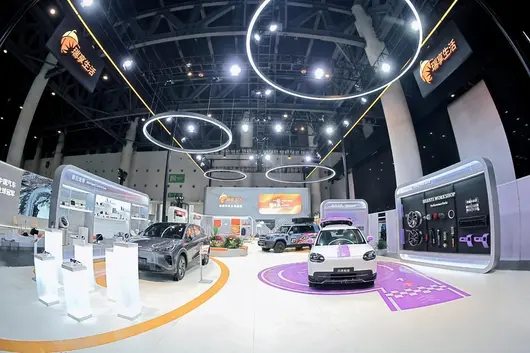

21 Ogos, Pameran Kereta Antarabangsa Chengdu Ke-29 dibuka. Chery Group mengangkat tema "Kereta China Juara Global", membawa 38 model dari lima merek bawahannya, Chery, Exeed, Jetour, iCAR, Zhongheng, ke Pavilion 5. Di antaranya, merek Chery membawa 12 model, Fengyun A9 dan Fengyun T7 "Bintang Dua Cantik" muncul sama, Arrizo 7 peragaan global, QQ3 Edisi Modern membuka tempahan awal.
Dalam konteks persaingan bekalan sedia ada di mana jualan runcit kenderaan penumpang domestik turun sekitar 20% secara tahunan pada 2026, serangan produk Chery yang berpusatkan naratif "Kereta Global" ini bukan sahaja menunjuk ke panas stan pameran, tetapi juga satu logik strategi untuk menangani dua tugas penguncupan permintaan dalam dan pengembangan globalisasi.
Bahagian jualan melonjak ke Ke-9 Global, Eksport menjadi pembolehubah terbesar
Semi tahun pertama 2026, bahagian jualan pasaran global Chery melonjak ke ke-9 di dunia, di mana tiga tempat dalam sepuluh teratas diduduki oleh merek China. Sehingga hujung Julai, pengguna kereta kumulatif global Chery telah melepasi 20.16 juta, di mana pengguna luar negeri melebihi 6.99 juta, menduduki tempat pertama eksport merek kereta China selama 23 tahun berturut-turut.
Januari hingga Julai tahun ini, Chery telah mengeksport 1.146 juta kenderaan secara kumulatif, meningkat 71.2% tahun ke tahun. Julai lebih-lebih lagi dengan rekod 202,533 unit, menjadi syarikat kereta China pertama yang melebihi eksport 200,000 unit sebulan.
Timbalan Ketua Pegawai Eksekutif Chery Automobile Co., Ltd., Li Xueyong berkata di lokasi pameran: "Chery percaya, kereta global sebenar, bukan dibangunkan di dalam negara kemudian diubah untuk keluar, tetapi ditargetkan sejak permulaan penyelidikan dan pembangunan." "Masa China telah memasuki industri kereta global."
Penilaian ini disokong oleh data. Eksport kenderaan penumpang China pada Julai mencapai 918,000 unit, meningkat 87.8% tahun ke tahun, eksport kenderaan penumpang tenaga baharu 540,000 unit, meningkat 147.8%. Apabila permintaan dalam terus mengecil, pasaran luar negara telah berubah dari "hiasan" kepada kutipan pertumbuhan yang mesti dipegang oleh banyak syarikat kereta. Kontribusi eksport Chery bulan Julai terhadap jumlah jualan telah melebihi 70%.
Nilai strategi "Kereta Global Asal", dari "Diubah Keluar" kepada "Dilahirkan Global"
Pada pameran Chengdu kali ini, konsep teras yang digalakkan Chery adalah "Kereta Global Asal" – dikembangkan untuk pasaran global sejak definisi produk. Fengyun T7 adalah model pertama yang melancarkan strategi ini.
Fengyun T7 diletakkan sebagai SUV elektrikal tulen berkualiti global, dilengkapi bateri Rhino 65.05kWh, kelajuan CLTC 600km, dilengkapi cip 8775 ruang dan pemanduan integrasi, Ruang Pintar Lingxi 2.0 dan sistem bantuan pemanduan Falcon 500. Harga prapenjualan 109,900 hingga 129,900 Yuan, tempahan prapenjualan dalam 9 hari melebihi 16,787 unit.
Berdasarkan maklumat rasmi, Fengyun T7 telah dilancarkan di Afrika Selatan dan Thailand, pada Ogos mendarat di China dan Indonesia, pada September memasuki pasaran Kesatuan Eropah, pada Oktober mendarat di United Kingdom, Malaysia, Australia dan tempat lain.
Irama "Penerbitan China + Serentak Global" ini membentuk perbezaan tajam dengan model syarikat kereta tradisional "jual dalam negara dahulu selama dua tahun kemudian ubah untuk ke luar negara". Dalam persaingan SUV elektrikal tulen pada paras 100,000 hingga 150,000 yang semakin sengit sekarang, pembezaan Fengyun T7 bukan pada kepimpinan parameter tertentu, tetapi pada keupayaan sistem "satu produk memenuhi peraturan pelbagai negara, keadaan jalan pelbagai topografi, keadaan iklim pelbagai". Di sebalik ini adalah output terkumpul sistem penyelidikan dan pembangunan globalisasi, rantaian bekalan dan ujian Chery – juga aset teras yang terkumpul semasa ia menduduki tempat pertama eksport selama 23 tahun berturut-turut.
Setiap model adalah pemain yang mampu bertarung
Arrizo 7 sedan keluarga berkualiti global mendapat persembahan umum pertamanya pada pameran kereta ini. Kereta baru mengambil inspirasi daripada perubahan air yang statik dan dinamik, membentuk bahasa reka bentuk "Aliran Air Bergerak" – apabila berhenti tenang dan mantap, ketika bergerak permukaan model mengalir berdaya. Menyediakan dua pilihan kuasa, C-DM Super Hybrid dan versi bahan api Kunpeng.
Di bawah trend kereta tiga kotak biasa "punah habis" di pameran kereta, kehadiran Arrizo 7 adalah bermakna mendalam. Pasar sedan keluarga sedang mengalami pergantian mendadak antara tenaga baharu dan bahan api tradisional, dan sebuah produk sedan keluarga yang menawarkan kuasa hibrid dan bahan api serentak, ditujukan untuk pasaran global, bukan sahaja merupakan susunan defensif Chery terhadap pasaran sedia ada, tetapi juga balasan tepat terhadap permintaan kenderaan bahan api di pasaran luar negara baru. Logik reka bentuk "Sama Global" ini cuba memukul pengguna keluarga di pasaran China, Asia Tenggara, Timur Tengah, Latin Amerika dengan satu bahasa estetik.
Fengyun A9L ULTRA versi pemanduan empat roda diletakkan sebagai flagship Gred C, dilengkapi sistem pemanduan empat roda Snow Leopard, suspensi dua garpu hadapan + lima penyambung belakang, bantuan pemanduan Falcon 700, 88% nisbah keluli dan aluminium kekuatan tinggi. QQ3 Edisi Modern membuka tempahan awal dengan reka bentuk futuristik retro.
Ciri umum kedua-dua produk ini ialah: tidak lagi menjadikan "kegunaan" sebagai satu-satunya titik jualan, tetapi meletakkan rupa, prestasi, ekspresi peribadi pada kedudukan kepentingan yang sama. Di bawah trend industri jenama sendiri mencari pertumbuhan dalam pasaran di atas 300,000 Yuan, Chery sedang menggunakan Fengyun A9L dan QQ3 Edisi Modern untuk menguji penerimaan pengguna muda terhadap produk "Kebahagiaan Diri".
Pada pameran Chengdu kali ini, Chery membina stan tema "Pulau Ekologi Teknologi", melalui demonstrasi keselamatan ekstrem seperti penusukan bateri, pengepresan sel dan celupan air, mengubah parameter teknikal kepada pengalaman yang boleh dirasai. Stan juga menetapkan ruang sains "Chery Kelas Masa Depan", zon perubahan trend "Ruang Ekologi Hidup Rui Xiang" dan kem alam semula jadi. Pada "Hari Tema Cantik Menawan" 22 Ogos, zon gambar bergandengan Fengyun A9 Paling Cantik dan zon gambar bergandengan QQ3 Supermodel disokong oleh pencahayaan profesional, mengubah stan menjadi studio trend.
Cara bermain ini mencerminkan perubahan fungsi pameran kereta – dari pameran produk ke pameran sistem, dari output satu hala ke interaksi dua hala. Apabila sifat "jualan kereta" pameran kereta dipecahkan oleh saluran dalam talian, jenama perlu menyediakan alasan "berbaloi melawat khas" kepada pengguna.
Tulisan Penutup
Apa yang Chery tampilkan di pameran Chengdu, bukan sekadar sekumpulan kereta baharu, tetapi satu logik persaingan "menguat kuasa pasaran tempatan dengan keupayaan global". Apabila pasaran kereta domestik memasuki persaingan stok, dan kegunaan marjinal perang harga berkurang, Chery memilih untuk menggunakan kesan skala penyelidikan pembangunan globalisasi untuk menaburkan kos, menggunakan keuntungan pasaran luar negara untuk menyokong pelaburan domestik, dan menggunakan pengenalan kualiti "Sama Global" untuk membina premium jenama.
Berdasarkan titik permulaan baharu 20.16 juta pengguna global, Chery dengan sistem globalisasi, teknologi proaktif, ekspresi muda, terus memajukan secara menyeluruh jenama, produk, teknologi, pengalaman. Apabila "Kereta China Juara Global" berubah dari slogan stan ke realiti pasaran, pameran Chengdu ini mungkin tepat merupakan catatan bagi persimpangan itu.
© 2024 Bitauto.com. All Rights Reserved.
Bitauto (www.yiche.com and www.bitauto.com) is one of the most visited automotive websites in China. We provide detailed info on Chinese car brands available in your area. Please note that the information provided on this website is based on publicly available data and is for reference only. It may not be fully updated or accurate at all times.

Help us improve our website


