

HomeFood

Search History
Popular Searches
Dealer Login / Sign Up

喺馬來西亞嘅 SUV 市場,好多買家喺揀車嘅時候都會拿本田 CR-V 同斯巴鲁 Crosstrek 嚟比較。呢兩款車喺價位同定位上都好接近,今日我就從多個方面做一個詳細比較,幫你省咗做功課嘅時間。
本田 CR-V 喺馬來西亞嘅 OTR 售價係 RM 178,200 - 195,900,合共 4 個版本,包括 2026 e:HEV 2.0L 2WD RS(RM 195,900)、2026 1.5T 4WD V(RM 181,900)、2026 e:HEV 2.0L 2WD E(RM 178,200)等等。
斯巴鲁 Crosstrek 喺馬來西亞嘅 OTR 售價係 RM 145,000 - 160,000,合共 1 個版本,包括 2.0L e-Boxer(RM 150,000)等等。
由價錢睇,斯巴鲁 Crosstrek 嘅起步價比本田 CR-V 平咗 RM 33,200。老實講,喺呢個價位段,幾千蚊嘅差距其實唔算大,關鍵仲係睇整體嘅性價比同長期使用成本。

本田 CR-V 搭載 2.0L 4-cyl,馬力 170 hp。官方油耗 8.0 L/100km。
斯巴鲁 Crosstrek 搭載 1.5L Turbo,馬力 140 hp。官方油耗 7.0 L/100km。
動力方面,本田 CR-V 嘅 2.0L 4-cyl 比斯巴鲁 Crosstrek 嘅 1.5L Turbo 多咗 30 匹馬力,中段加速更有信心,尤其係跑高速超車嘅時候。不過斯巴鲁 Crosstrek 嘅油耗可能更抵,日常市區通勤差別唔會太大。

本田 CR-V 嘅安全評級係 5★ (ASEAN NCAP),主動安全系統包括本田 SENSING (ACC, CMBS, LKAS, RDM)。
斯巴鲁 Crosstrek 嘅安全評級係 5★ (Euro NCAP),主動安全系統包括 EyeSight。
安全配備方面,兩款車都拿咗到唔錯嘅評級。不過本田 CR-V 嘅本田 SENSING (ACC, CMBS, LKAS, RDM) 同斯巴鲁 Crosstrek 嘅 EyeSight 喺功能上有少少差異,如果你比較睇重主動安全嘅話,可以仔細比較下兩者嘅功能列表。

本田 CR-V 車身長 4500 mm,行李箱 450 L。
斯巴鲁 Crosstrek 車身長 4400 mm,行李箱 400 L。
空間方面,本田 CR-V 嘅車身比斯巴鲁 Crosstrek 長咗 100 mm,車內乘坐空間會稍微寬鬆啲,尤其係後座腿部空間。如果你經常載家人或者需要放嬰兒車,大少少嘅車身確實更實用。

本田 CR-V 保養 5 年/無限制里程,保養間隔 每 10,000km 或 6 個月。
斯巴鲁 Crosstrek 保養 3 年/100,000km,保養間隔 每 10,000km 或 6 個月。

總體嚟講,本田 CR-V 同斯巴鲁 Crosstrek 都係馬來西亞市場幾唔錯嘅車型。揀邊一部,關鍵仲係睇你嘅個人需求同預算。建議大家做好功課,多比較幾間車行嘅報價,再去試駕先做最終決定。買車係件大事,花少少時間做功課絕對唔會錯。


喺馬來西亞嘅 SUV 市場,好多買家喺揀車嗰陣都會拿本田 CR-V 同速霸陸 Crosstrek 黎做比較。呢兩款車喺價位同定位上都幾相近,今日我哋就從多個方面做一次詳細嘅對比,幫你省下做功課嘅時間。
本田 CR-V 喺馬來西亞嘅 OTR 售價係 RM 178,200 - 195,900,一共有 4 個版本,包括 2026 e:HEV 2.0L 2WD RS(RM 195,900)、2026 1.5T 4WD V(RM 181,900)、2026 e:HEV 2.0L 2WD E(RM 178,200) 等。
速霸陸 Crosstrek 喺馬來西亞嘅 OTR 售價係 RM 145,000 - 160,000,一共有 1 個版本,包括 2.0L e-Boxer(RM 150,000) 等。
由價錢睇落嚟,速霸陸 Crosstrek 嘅起步價比本田 CR-V 平咗 RM 33,200。講真話,喺呢個價位段,幾千蚊嘅差距其實唔算大,關鍵還係睇整體嘅性價比同長期使用成本。
本田 CR-V 搭載 2.0L 4-cyl,馬力 170 hp。官方油耗 8.0 L/100km。
速霸陸 Crosstrek 搭載 1.5L Turbo,馬力 140 hp。官方油耗 7.0 L/100km。
動力方面,本田 CR-V 嘅 2.0L 4-cyl 比速霸陸 Crosstrek 嘅 1.5L Turbo 多出 30 匹馬力,中段加速更有信心,特別係喺跑高速公路超车嗰陣。不過速霸陸 Crosstrek 嘅油耗可能更友好,日常市區通勤差別唔會太大。
本田 CR-V 車身長 4500 mm,車尾箱 450 L。
速霸陸 Crosstrek 車身長 4400 mm,車尾箱 400 L。
空間方面,本田 CR-V 嘅車身比速霸陸 Crosstrek 長咗 100 mm,車內乘坐空間會稍微寬裕少少,特別係後座腿部空間。如果你經常載家人或者需要放嬰兒車,大啲嘅車身確實更實用。
本田 CR-V 採用 FWD 驅動方式。
速霸陸 Crosstrek 採用 FWD 驅動方式。
兩款車嘅驅動方式一樣,都係 FWD,日常駕駛感受唔會有太大區別。
本田 CR-V 保養保修 5 年/無限制里程,保養間隔 每 10,000km 或 6 個月。
速霸陸 Crosstrek 保養保修 3 年/100,000km,保養間隔 每 10,000km 或 6 個月。
總計嚟講,本田 CR-V 同速霸陸 Crosstrek 都係馬來西亞市場幾唔錯嘅車型。揀邊一輛,關鍵仲係要睇你嘅個人需求同預算。建議大家做好功課,多比較幾間車行嘅報價,再去試駕做最終決定。買車係件大事,花啲時間做功課絕對唔會錯。
喺馬來西亞嘅 SUV 市場,好多買家喺揀車嘅時候都會拿 Honda CR-V 同 Volvo XC60 嚟做比較。這兩款車喺價位同定位上都幾近,今日我哋就從多個方面做一個詳細嘅比較,幫你省返做功課嘅時間。
Honda CR-V 喺馬來西亞嘅 OTR 售價係 RM 178,200 - 195,900,合共有 4 個版本,包括 2026 e:HEV 2.0L 2WD RS(RM 195,900)、2026 1.5T 4WD V(RM 181,900)、2026 e:HEV 2.0L 2WD E(RM 178,200) 等。
Volvo XC60 喺馬來西亞嘅 OTR 售價係 RM 328,888 - 328,888,合共有 1 個版本,包括 2025 2.0T Core(RM 328,888) 等。
就價錢而言,Honda CR-V 嘅起價確實比 Volvo XC60 平咗 RM 150,688。如果你預算有限,Honda 嘅入門版已經可以滿足日常需求。但都要留意,平嘅幾千蚊,可能喺配備上會有取捨,具體要睇你嘅需求。
Honda CR-V 嘅安全評級係 5★ (ASEAN NCAP),主動安全系統包括 Honda SENSING (ACC, CMBS, LKAS, RDM)。
Volvo XC60 嘅安全評級係 5★ (Euro NCAP),主動安全系統包括 。
Honda CR-V 車身長 4500 mm,車廂尾箱 450 L。
Volvo XC60 車身長 4400 mm,車廂尾箱 400 L。
空間方面,Honda CR-V 嘅車身比 Volvo XC60 長咗 100 mm,車內乘坐空間會稍微寬裕啲,尤其係後座腿部空間。如果你經常載家人或者需要放嬰兒車,大啲嘅車身確實更實用。
Honda CR-V 同 Volvo XC60 都係馬來西亞市場嘅主流選擇,適合家庭用途、日常通勤。如果你更看重品牌聲譽同二手價,可以優先考慮聲譽更好嗰款;如果你更在意性價比同配備,嗰就揀配置更豐富嗰款。最終都建議兩款都去試駕,親身體驗先係最重要嘅。

總體嚟講,Honda CR-V 同 Volvo XC60 都係馬來西亞市場唔錯嘅車型。揀邊輛,關鍵都係要睇你嘅個人需求同預算。建議大家做足功課,多比較幾間車行嘅報價,先去試駕做最終決定。買車係件大事,花少少時間做功課絕對唔會錯。

喺馬來西亞嘅 SUV 市場,好多買家喺揀車嘅時候都會拿 Honda CR-V 同 Volvo XC60 嚟比較。這兩款車喺價錢位同定位上都好接近,今日我哋就從多個方面做一個詳細嘅比較,幫你省咗做功課嘅時間。
Honda CR-V 喺馬來西亞嘅 OTR 售價係 RM 178,200 - 195,900,一共有 4 個版本,包括 2026 e:HEV 2.0L 2WD RS(RM 195,900)、2026 1.5T 4WD V(RM 181,900)、2026 e:HEV 2.0L 2WD E(RM 178,200) 等。
Volvo XC60 喺馬來西亞嘅 OTR 售價係 RM 328,888 - 328,888,一共有 1 個版本,包括 2025 2.0T Core(RM 328,888) 等。
由車價睇,Honda CR-V 嘅起步價確實比 Volvo XC60 平咗 RM 150,688。如果你預算有限,Honda 嘅入門版已經可以滿足日常需求。但都要注意,平嗰幾千蚊,可能喺配備上面會有取捨,具體要看你嘅需求。
Honda CR-V 搭載 2.0L 4-cyl,馬力 170 hp。官方油耗 8.0 L/100km。
Volvo XC60 搭載 2.0L Turbo,馬力 220 hp。官方油耗 9.5 L/100km。
動力方面,Volvo XC60 嘅 2.0L Turbo 比 Honda CR-V 嘅 2.0L 4-cyl 多咗 50 匹馬力。不過日常喺市區行,兩款車嘅動力都夠用,唔會覺得唔夠力。
Honda CR-V 車身長 4500 mm,行李箱 450 L。
Volvo XC60 車身長 4400 mm,行李箱 400 L。
空間方面,Honda CR-V 嘅車身比 Volvo XC60 長咗 100 mm,車內乘坐空間會稍微寬敞啲,尤其係後座腿部空間。如果你經常載家人或者需要放嬰兒車,大啲嘅車身的確更實用。
Honda CR-V 保養 5 年/無限里程,保養間隔 每 10,000km 或 6 個月。
Volvo XC60 保養 5 年/無限里程,保養間隔 每 10,000km 或 6 個月。
總體嚟講,Honda CR-V 同 Volvo XC60 都係馬來西亞市場幾唔錯嘅車型。揀邊一部,關鍵都係要看你嘅個人需求同預算。建議大家做好功課,多比較幾間車行嘅報價,再去試駕先做最終決定。買車係件大事,花少少時間做功課絕對唔錯。
In the SUV market in Malaysia, many buyers compare Honda CR-V and Kia Sportage when choosing a car.
The OTR price of Honda CR-V in Malaysia is RM 178,200 - 195,900, with a total of 4 versions, including 2026 e:HEV 2.0L 2WD RS (RM 195,900), 2026 1.5T 4WD V (RM 181,900), 2026 e:HEV 2.0L 2WD E (RM 178,200) etc.
The OTR price of Kia Sportage in Malaysia is RM 129,639 - 179,320, with a total of 4 versions, including 2025 1.6T DCT 4WD High (RM 179,320), 2025 1.6T DCT 2WD High (RM 159,320), 2025 2.0L AT 2WD High (RM 139,639) etc.
In terms of price, the starting price of Kia Sportage is RM 48,561 cheaper than Honda CR-V. Honestly, at this price point, a gap of a few thousand is not that big. The key is still to look at overall value for money and long-term usage costs.
Honda CR-V adopts FWD drive mode.
Kia Sportage adopts FWD drive mode.
Both cars have the same drive mode, both are FWD, so there won't be much difference in daily driving experience.
Honda CR-V warranty 5 years/unlimited mileage, maintenance interval every 10,000km or 6 months.
Kia Sportage warranty 5 years/300,000km, maintenance interval every 10,000km or 6 months.
Honda CR-V and Kia Sportage are both mainstream choices in the Malaysian market, suitable for family use and daily commuting. If you value brand reputation and resale value more, prioritize the one with better reputation; if you care more about value for money and features, choose the one with richer configurations. Ultimately, it is recommended to test drive both, as personal experience is the most important.

Overall, Honda CR-V and Kia Sportage are both very good models in the Malaysian market. Choosing which one depends mainly on your personal needs and budget. It is recommended that you do your homework, compare quotes from multiple dealerships, and then test drive before making a final decision. Buying a car is a big matter, spending some time doing homework will never be wrong.

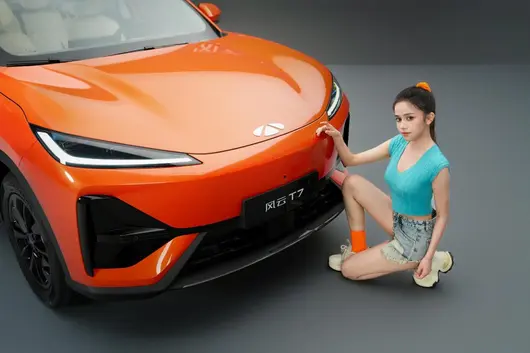
Semasa memilih kereta, sering bergelut dengan "sama ada perlu tambah wang untuk pakej lengkap" — pakej asas jarak rintis tidak mencukupi, konfigurasi keselamatan tidak lengkap, pakej lengkap melebihi bajet. Kereta ini mempunyai jarak rintis 600km untuk semua varian, 9 beg udara piawai, pakej permulaan sudah seperti pakej lengkap orang lain.

Pasar SUV Elektrik Kelas 100,000 tahun 2026, jarak rintis 500km sudah menjadi arus perdana, jarak rintis 600km terus merosot. Tetapi "jarak rintis sama untuk semua varian" masih merupakan amalan yang jarang. Sementara itu, ramai model untuk menekan harga permulaan, membuatkan pengurangan dalam konfigurasi keselamatan — 6 beg udara menjadi 4 beg udara, nisbah keluli tinggi berkurang, perlindungan bateri dipermudahkan. Realiti yang dihadapi pengguna adalah: harga yang dapat dilihat menurun, perkara yang tidak dapat dilihat juga menurun.
Falsafah penyelesaian Fengyun T7 adalah sangat jelas: Tidak buat pakej asas yang dikurangkan, semua varian standard seragam.
Semua varian piawai 9 beg udara, "Melampaui Kelas" Keselamatan Kelas 100,000
Konfigurasi keselamatan adalah bahagian yang paling mudah "berdasarkan keperluan" dalam model kelas 100,000. Pakej asas pengurangan beg udara, mengurangkan kekuatan keluli badan, adalah amalan umum dalam industri.
Pembuatan Fengyun T7 adalah sama sekali berbeza. Model baharu semua varian piawai 9 beg udara, termasuk hadapan 2, hadapan sisi 2, belakang sisi 2, tirai beg udara sisi 2, beg udara jauh 1. 9 beg udara dalam kelas yang sama adalah paling banyak,其中 48L dua rongga beg udara jauh dan beg udara belakang sisi dalam model kelas 100,000 sangat jarang. Mengikut piawaian keselamatan E-NCAP Bintang 5 edisi 2026 dibangunkan, badan menggunakan struktur sangkar sembilan mendatar lima menegak, nisbah keluli tinggi 80%, nisbah keluli pembentukan panas 18.84%.

Model
Nisbah Keluli Tahan Tinggi
Jumlah Beg Udara
Standard Keselamatan
Fengyun T7
80%
9 buah
E-NCAP Bintang 5 Edisi 2026
Leapmotor B10
—
6 buah
—
BYD Yuan PLUS
—
6 buah
—
Geely Galaxy E5
—
6 buah
—
Deepal S05
—
6 buah
—
MG4X
80%
6 buah
—
Konfigurasi 6 beg udara secara umum di model seharga, 9 beg udara Fengyun T7 dalam kelas sama adalah paling banyak. Lebih penting lagi, konfigurasi keselamatan ini tidak berbeza mengikut harga — pakej permulaan dan pakej puncak tiada perbezaan dalam keselamatan.
Badan Batu Karang + Perlindungan Bateri 6D, Keselamatan "Lebih Daripada Cukup" Bukan "Cukup"
Struktur badan Fengyun T7 dikenali sebagai "Badan Batu Karang". Struktur sangkar sembilan mendatar lima menegak配合 struktur shotgun (unik dalam kelas), menambah laluan pemindahan daya, apabila berlaku kemalangan boleh berkesan menyebarkan tenaga hentakan. Baki bingkai berkembar dan梁 anti-hentam Pack (terbitan pertama dalam kelas)兼顾 kecekapan anti-hentam keseluruhan kenderaan dan keperluan perlindungan bawah bateri anti-basah, anti-mampat dua keperluan.
Dalam aspek keselamatan bateri, Bateri Rhino menggunakan struktur perlindungan 31 lapisan kunci gembok 6D. Tahap pengairan mencapai IP68, 96 kali piawaian negara; keupayaan anti-mampat sisi mencapai 200kN, 2 kali piawaian negara. Serentak itu telah meluluskan ujian kabus garam 1008 jam dan ujian api 1.5 kali piawaian negara.
Fengyun T7 juga menyediakan dua hak "Penutup Bawah": kerana sebab bateri kuasa sendiri menyebabkan kerosakan keseluruhan kenderaan Runaway Haba, pampasan model baharu yang sama; pembelian dalam satu tahun kerana sistem bantuan pemanduan pintar menyebabkan kemalangan, pampasan maksimum RM5 juta. Janji "Penutup Bawah" ini dalam model kelas 100,000 sangat jarang, juga dari sisi mencerminkan keyakinan pengeluar terhadap keselamatan produk.
Ke Luar Negeri Duluan, Kemudian Kembali, "Kerja Perlahan" Halus Kualiti Global
Jalur pembangunan Fengyun T7 berbeza dengan ramai model dalam negara. Ia bukan penyelidikan dalam negara, ubah model keluar luar, tetapi dari awal penubuhan yang ditetapkan sebagai "Kereta Global Asli" yang melayani pasaran global.
Siklus penyelidikan 3 tahun, bergantung pada sistem penyelidikan global Chery "1+7+N"; 10 pusat reka bentuk global, lebih 100 pereka bekerjasama reka bentuk; 5000+ penyelidikan pengguna global, 15 negara tipikal lawatan mendalam; mengikut piawaian keselamatan E-NCAP Bintang 5 edisi 2026 direka, keselamatan fungsi mencapai ASIL-D tahap tertinggi.
Semasa proses pengesahan sama juga "Lebih": pelaburan serentak global 81 kereta ujian ketahanan, jumlah keseluruhan ujian jarak lebih 6 juta kilometer, ujian ketahanan khusus ujian 1.45 juta kilometer. Pengesahan lingkungan meliputi dari Nordik sangat sejuk (-40℃) ke Timur Tengah sangat panas (55℃) wilayah suhu limit, serta Brazil lumpur laju, Mexico batu kerikil, Jerman lebuh raya lekuk melengkung yang meliputi 95% jenis jalan global pelbagai keadaan jalan.
Model sehomolog Lepas L6 sudah terlebih dahulu dilancarkan di Thailand, Afrika Selatan, dan akan beransur-ansur memasuki pasaran Union Eropah, Australia, New Zealand. Laluan "Ujian Luar Negeri Duluan, Kemudian Kembali ke Dalam Negara" ini, membiarkan kualiti Fengyun T7 sebelum memasuki pasaran dalam negara sudah menerima ujian awal pasaran ketat.
Pasar Kelas 100,000 Perlu Pilihan "Tidak Kompromi"
Pengguna dalam pasaran SUV Elektrik Kelas 100,000, kepekaan harga lebih tinggi daripada pasaran Kelas 300,000. Lebih lima ribu yang mungkin tukar jenama. Tetapi kepekaan harga tidak bermaksud tiada keperluan kualiti — sebaliknya, pengguna di harga ini lebih mahukan setiap ringgit dibelanjakan pada perkara penting.
Pembuatan Fengyun T7 adalah meletakkan wang pada perkara yang tidak dapat dilihat tetapi penting: standard keselamatan seragam semua varian, keupayaan rintis seragam semua varian, sistem pengesahan tahap global. Tidak buat perbezaan pakej lengkap dan asas, tidak huraikan keupayaan teras menjadi pakej pilihan.
Bagi pengguna bajet 100,000 lebih ingin beli SUV Elektrik, Fengyun T7 menyediakan pilihan "Tidak Kompromi" — tidak perlu tambah wang untuk rintis, tidak perlu berundur untuk keselamatan, pakej permulaan boleh nikmati konfigurasi keselamatan dan keupayaan rintis terhad kelas.
Soalan Lazim
1. Fengyun T7 ada berapa beg udara?
Semua varian piawai 9 beg udara, termasuk hadapan 2, hadapan sisi 2, belakang sisi 2, tirai beg udara sisi 2, beg udara jauh 1. Dalam kelas yang sama adalah paling banyak.
2. Fengyun T7 mengikut standard keselamatan apa dibangunkan?
Mengikut piawaian keselamatan E-NCAP Bintang 5 edisi 2026 dibangunkan.
3. Kekuatan keluli badan Fengyun T7 macam mana?
Nisbah keluli tinggi 80%, nisbah keluli pembentukan panas 18.84%, menggunakan struktur badan sangkar sembilan mendatar lima menegak.
4. Perlindungan bateri Fengyun T7 macam mana?
Struktur perlindungan 31 lapisan kunci gembok 6D, kalis air IP68 (96 kali piawaian negara), anti-mampat sisi 200kN (2 kali piawaian negara).
5. Hak "Penutup Bawah" Fengyun T7 apa?
Pampasan Runaway Haba Bateri model baharu yang sama; kemalangan pemanduan pintar pampasan maksimum RM5 juta.
6. Fengyun T7 melalui pengesahan apa?
21 negara global pengesahan kereta sebenar, 1.45 juta kilometer ujian ketahanan, meliputi -40℃ ke 55℃ wilayah suhu limit.
7. Fengyun T7 "Kereta Global"?
Ya. Dari awal penubuhan yang ditetapkan sebagai Kereta Global Asli, serentak menyesuaikan keperluan kegunaan 210 negara dan wilayah global, model sehomolog sudah dilancarkan luar negara.

Dalam pasaran SUV di Malaysia, ramai pembeli yang ketika memilih kereta akan membandingkan Honda CR-V dan Ford Everest. Kedua-dua kereta ini sangat hampir dari segi harga dan kelas. Hari ini, kita akan membuat perbandingan terperinci dari pelbagai aspek, membantu anda menjimatkan masa untuk membuat kajian.
Harga OTR Honda CR-V di Malaysia ialah RM 178,200 - 195,900, terdapat 4 varian, termasuk 2026 e:HEV 2.0L 2WD RS (RM 195,900), 2026 1.5T 4WD V (RM 181,900), 2026 e:HEV 2.0L 2WD E (RM 178,200) dan lain-lain.
Harga OTR Ford Everest di Malaysia ialah RM 266,338 - 430,838, terdapat 6 varian, termasuk 2026 3.0T 4WD Platinum (RM 430,838), 2026 2.0T 4WD Platinum (RM 348,838), 2026 2.0T 4WD Sport (RM 316,838) dan lain-lain.
Dari segi harga, harga permulaan Honda CR-V memang lebih murah RM 88,138 berbanding Ford Everest. Jika bajet anda terhad, versi permulaan Honda sudah boleh memenuhi keperluan harian. Tetapi perlu diingat, ribuan ringgit yang lebih murah itu, mungkin ada kompromi dari segi peralatan, bergantung pada keperluan anda.
Penarafan keselamatan Honda CR-V adalah 5★ (ASEAN NCAP), sistem keselamatan aktif termasuk Honda SENSING (ACC, CMBS, LKAS, RDM).
Penarafan keselamatan Ford Everest adalah 5★ (ASEAN NCAP), sistem keselamatan aktif termasuk Co-Pilot360.
Penarafan keselamatan kedua-duanya sama, peralatan keselamatan dalam kelas ini dianggap lengkap. Keselamatan kereta baharu semasa tidak buruk, tidak perlu risau sangat tentang hal ini.
Honda CR-V menggunakan cara pemacu FWD.
Ford Everest menggunakan cara pemacu FWD.
Kedua-dua kereta ini mempunyai cara pemacu yang sama, iaitu FWD, pengalaman pemanduan harian tidak akan berbeza banyak.
Honda CR-V jaminan 5 tahun/ tanpa had jarak, selang penyelenggaraan setiap 10,000km atau 6 bulan.
Ford Everest jaminan 3 tahun/ 100,000km, selang penyelenggaraan setiap 10,000km atau 6 bulan.

Secara keseluruhan, Honda CR-V dan Ford Everest adalah model yang sangat bagus di pasaran Malaysia. Memilih mana satu, kunci utamanya masih bergantung pada keperluan dan bajet peribadi anda. Disarankan agar anda membuat kajian terlebih dahulu, membandingkan banyak tawaran dari kedai kereta yang berbeza, kemudian buat keputusan akhir selepas ujian memandu. Membeli kereta adalah perkara besar, meluangkan masa untuk membuat kajian pasti tidak akan salah.

喺馬來西亞嘅 SUV 市場,好多買家喺揀車嗰陣都會拿 Honda CR-V 同 Volkswagen Tiguan 做比較。呢兩部車喺價位同定位上都幾接近,今日我哋就從多個方面做一個詳細嘅比較,幫你節省做功課嘅時間。
Honda CR-V 喺馬來西亞嘅 OTR 售價係 RM 178,200 - 195,900,一共有 4 個版本,包括 2026 e:HEV 2.0L 2WD RS(RM 195,900)、2026 1.5T 4WD V(RM 181,900)、2026 e:HEV 2.0L 2WD E(RM 178,200) 等。
Volkswagen Tiguan 喺馬來西亞嘅 OTR 售價係 RM 206,540 - 260,024,一共有 2 個版本,包括 2025 Allspace 2.0T R-Line(RM 260,024)、2025 Allspace 1.4T Elegance(RM 206,540) 等。
從價錢睇嚟,Honda CR-V 嘅起步價確實比 Volkswagen Tiguan 平咗 RM 28,340。如果你預算唔夠,Honda 嘅入門版已經可以滿足日常需要。但都要注意,平啲嘅幾千蚊,可能喺配備上會會有取捨,具體要看你嘅需要。
Honda CR-V 車身長 4500 mm,車尾箱 450 L。
Volkswagen Tiguan 車身長 4400 mm,車尾箱 400 L。
空間方面,Honda CR-V 嘅車身比 Volkswagen Tiguan 長咗 100 mm,車內乘坐空間會稍微寬鬆少少,尤其係後排腳部空間。如果你經常載家人或者需要放嬰兒車,大少少嘅車身確實更實用。
Honda CR-V 採用 FWD 驅動方式。
Volkswagen Tiguan 採用 FWD 驅動方式。
兩款車嘅驅動方式一樣,都係 FWD,日常駕駛感受唔會有太大分別。
Honda CR-V 同 Volkswagen Tiguan 都係馬來西亞市場嘅主流選擇,適合家庭使用、日常通勤。如果你更重視品牌聲譽同二手價,可以優先考慮口碑好嘅嗰一款;如果你更在意性價比同配備,就揀配備更豐富嘅嗰款。最後都係建議兩部都去試駕,親身體驗先係最重要嘅。

總嚟講,Honda CR-V 同 Volkswagen Tiguan 都係馬來西亞市場幾唔錯嘅車型。揀邊一部,關鍵都要看你嘅個人需要同預算。建議大家做好功課,多比較幾間車行嘅報價,再去試駕做最終決定。買車係件大事,花少少時間做功課絕對唔會錯。

喺馬來西亞嘅 SUV 市場,好多買家喺揀車嘅時候都會拿本田 CR-V 同 Volkswagen Tiguan 嚟做比較。呢兩款車喺價錢同定位上都幾近,今日我哋就從多個方面做一個詳細比較,幫你節省做功課嘅時間。
本田 CR-V 喺馬來西亞嘅 OTR 售價係 RM 178,200 - 195,900,一共有 4 個版本,包括 2026 e:HEV 2.0L 2WD RS(RM 195,900)、2026 1.5T 4WD V(RM 181,900)、2026 e:HEV 2.0L 2WD E(RM 178,200) 等。
Volkswagen Tiguan 喺馬來西亞嘅 OTR 售價係 RM 206,540 - 260,024,一共有 2 個版本,包括 2025 Allspace 2.0T R-Line(RM 260,024)、2025 Allspace 1.4T Elegance(RM 206,540) 等。
睇價錢嚟講,本田 CR-V 嘅起步價確實比 Volkswagen Tiguan 平咗 RM 28,340。如果你預算有限,本田嘅入門版已經可以應付日常需要。但要注意,平嗰幾千蚊,可能喺配備上會有取舍,具體睇你嘅需要。
本田 CR-V 嘅安全評級係 5★ (ASEAN NCAP),主動安全系統包括本田 SENSING (ACC, CMBS, LKAS, RDM)。
Volkswagen Tiguan 嘅安全評級係 5★ (Euro NCAP),主動安全系統包括 IQ.Drive。
安全配備方面,兩款車都拿到唔錯嘅評級。不過本田 CR-V 嘅本田 SENSING (ACC, CMBS, LKAS, RDM) 同 Volkswagen Tiguan 嘅 IQ.Drive 喺功能上有啲差異,如果你比較重視主動安全嘅話,可以仔細比較下兩者嘅功能列表。
本田 CR-V 車身長 4500 mm,後車廂 450 L。
Volkswagen Tiguan 車身長 4400 mm,後車廂 400 L。
空間方面,本田 CR-V 嘅車身比 Volkswagen Tiguan 長咗 100 mm,車內乘坐空間會稍微寬鬆啲,尤其係後座腿部空間。如果你經常帶家人或者需要放嬰兒車,大少少嘅車身確實更實用。
本田 CR-V 保修 5 年/無限制里程,保養間隔 每 10,000km 或 6 個月。
Volkswagen Tiguan 保修 3 年/100,000km,保養間隔 每 10,000km 或 6 個月。
本田 CR-V 同 Volkswagen Tiguan 都係馬來西亞市場嘅主流選擇,適合家庭用途、日常通勤。如果你更重視品牌口碑同二手價,可以優先考慮口碑更好嗰款;如果你更在意性價比同配備,那就揀配備更豐富嗰款。最終仍建議兩款都去試駕,親身體驗先至最重要。
總括嚟講,本田 CR-V 同 Volkswagen Tiguan 都係馬來西亞市場唔錯嘅車型。揀邊一部,關鍵始終係睇你嘅個人需要同預算。建議大家做好功課,多比較幾間車行之報價,先至去試駕做最終決定。買車係件大事,花少少時間做功課絕對無錯。

喺馬來西亞嘅 SUV 市場,好多買家喺揀車嘅時候都好喜歡拿本田 CR-V 同起亚 Sportage 嚟比較。呢兩款車喺價位同定位上都幾接近,今日我哋就由多個方面做個詳細嘅比較,幫你節省做功課嘅時間。
本田 CR-V 喺馬來西亞嘅 OTR 售價係 RM 178,200 - 195,900,一共有 4 個版本,包括 2026 e:HEV 2.0L 2WD RS(RM 195,900)、2026 1.5T 4WD V(RM 181,900)、2026 e:HEV 2.0L 2WD E(RM 178,200) 等。
起亚 Sportage 喺馬來西亞嘅 OTR 售價係 RM 129,639 - 179,320,一共有 4 個版本,包括 2025 1.6T DCT 4WD High(RM 179,320)、2025 1.6T DCT 2WD High(RM 159,320)、2025 2.0L AT 2WD High(RM 139,639) 等。
從價錢睇,起亚 Sportage 嘅起步價比本田 CR-V 便宜咗 RM 48,561。老實講,喺呢個價位段,幾千蚊嘅差距其實唔算大,關鍵仲係睇整體嘅性價比同長期使用成本。
本田 CR-V 搭載 2.0L 4-cyl,馬力 170 hp。官方油耗 8.0 L/100km。
起亚 Sportage 搭載 1.5L Turbo,馬力 140 hp。官方油耗 7.0 L/100km。
動力方面,本田 CR-V 嘅 2.0L 4-cyl 比起亚 Sportage 嘅 1.5L Turbo 多咗 30 匹馬力,中段加速更有信心,尤其係跑高速公路超車嘅時候。不過起亚 Sportage 嘅油耗可能更友好,日常市區通勤差別唔會太大。
本田 CR-V 嘅安全評級係 5★ (ASEAN NCAP),主動安全系統包括本田 SENSING (ACC, CMBS, LKAS, RDM)。
起亚 Sportage 嘅安全評級係 5★ (ASEAN NCAP),主動安全系統包括 Drive Wise。
兩款車嘅安全評級一樣,喺呢個級別入面安全配備都算係好齊全嘞。而家嘅新車安全性都唔差,唔使太擔心這一點。
本田 CR-V 車身長 4500 mm,行李廂 450 L。
起亚 Sportage 車身長 4400 mm,行李廂 400 L。
空間方面,本田 CR-V 嘅車身比起亚 Sportage 長咗 100 mm,車內乘坐空間會稍微闊少少,尤其係後座腿部空間。如果你經常載親人或者需要放嬰兒車,大啲嘅車身確實更實用。
本田 CR-V 保修 5 年/無限里程,保養間隔 每 10,000km 或 6 個月。
起亚 Sportage 保修 5 年/300,000km,保養間隔 每 10,000km 或 6 個月。

總體嚟講,本田 CR-V 同起亚 Sportage 都係馬來西亞市場好唔錯嘅車款。揀邊架,關鍵仲係係睇你嘅個人需求同預算。建議大家做好功課,多比較幾間車行嘅報價,再去試車做最終決定。買車係件大事,花少少時間做功課絕對唔會錯。

喺馬來西亞嘅 SUV 市場,好多買家喺揀車嘅時候都會拿本田 CR-V 同起亚 Sportage 嚟做比較。呢兩款車喺價位同定位上都相當接近,今日我哋就由多個方面做一個詳細嘅對比,幫你節省做功課嘅時間。
本田 CR-V 喺馬來西亞嘅 OTR 售價係 RM 178,200 - 195,900,一總共有 4 個版本,包括 2026 e:HEV 2.0L 2WD RS(RM 195,900)、2026 1.5T 4WD V(RM 181,900)、2026 e:HEV 2.0L 2WD E(RM 178,200) 等。
起亚 Sportage 喺馬來西亞嘅 OTR 售價係 RM 129,639 - 179,320,一總共有 4 個版本,包括 2025 1.6T DCT 4WD High(RM 179,320)、2025 1.6T DCT 2WD High(RM 159,320)、2025 2.0L AT 2WD High(RM 139,639) 等。
睇價錢方面,起亚 Sportage 嘅起價比本田 CR-V 平咗 RM 48,561。老實講,喺呢個價位段,幾千蚊嘅差距其實唔算大,關鍵始終都係睇整體嘅性價比同長期使用成本。
本田 CR-V 嘅安全評級係 5★ (ASEAN NCAP),主動安全系統包括本田 SENSING (ACC, CMBS, LKAS, RDM)。
起亚 Sportage 嘅安全評級係 5★ (ASEAN NCAP),主動安全系統包括 Drive Wise。
兩款車嘅安全評級一樣,喺呢個級別入面安全配備都算好齊全。而家嘅新车安全性都唔差,唔使太擔心呢一點。
本田 CR-V 車身長 4500 mm,行李箱 450 L。
起亚 Sportage 車身長 4400 mm,行李箱 400 L。
空間方面,本田 CR-V 嘅車身比起亚 Sportage 長咗 100 mm,車內乘坐空間會稍微闊落啲,尤其係後座腿部空間。如果你經常載家人或者需要放嬰兒車,大少少嘅車身確實更實用。
本田 CR-V 同起亚 Sportage 都係馬來西亞市場嘅主流選擇,適合家庭使用、日常通勤。如果你更看重品牌口碑同二手價,可以優先考慮口碑更好嗰一款;如果你更關心性價比同配備,就揀配置更豐富嗰款。最終始終建議兩款都去試駕,親自體驗先係最重要嘅。
總嚟講,本田 CR-V 同起亚 Sportage 都係馬來西亞市場好唔錯嘅車型。揀邊輛車,關鍵始終都要睇你嘅個人需求同預算。建議大家做好功課,多比較幾間車行嘅報價,再去試駕先做最終決定。買車係件大事,花少少時間做功課絕對唔會錯。

喺馬來西亞嘅 SUV 市場,好多買家喺揀車嘅時候都會拿本田 CR-V 同 現代 Santa Fe 嚟做比較。呢兩款車喺價位同定位上都幾接近,今日我哋就從多個方面做一個詳細嘅對比,幫你省返做功課嘅時間。
本田 CR-V 喺馬來西亞嘅 OTR 售價係 RM 178,200 - 195,900,合共 4 個版本,包括 2026 e:HEV 2.0L 2WD RS(RM 195,900)、2026 1.5T 4WD V(RM 181,900)、2026 e:HEV 2.0L 2WD E(RM 178,200) 等。
現代 Santa Fe 喺馬來西亞嘅 OTR 售價係 RM 225,000 - 270,000,合共 3 個版本,包括 2025 2.5T DCT 4WD Calligraphy 6 Seats(RM 270,000)、2025 HEV 1.6T AT 2WD Prestige 7 Seats(RM 245,000)、2025 HEV 1.6T AT 2WD Prime 7 Seats(RM 225,000) 等。
單睇價錢,本田 CR-V 嘅起步價的確比 現代 Santa Fe 平咗 RM 46,800。如果你預算有限,本田嘅入門版已經可以應付日常需要。但亦都要注意,平嗰幾千蚊,可能喺配備上要有取舍,具體就要睇你嘅需要。
本田 CR-V 嘅安全評級係 5★ (ASEAN NCAP),主動安全系統包括 Honda SENSING (ACC, CMBS, LKAS, RDM)。
現代 Santa Fe 嘅安全評級係 TBD,主動安全系統包括 Basic。
安全配備方面,兩款車都拿到咗唔錯嘅評級。不過本田 CR-V 嘅 Honda SENSING (ACC, CMBS, LKAS, RDM) 同埋 現代 Santa Fe 嘅 Basic 喺功能上有少少分別,如果你比較重視主動安全嘅話,可以仔細對比下兩者嘅功能列表。
本田 CR-V 車身長 4500 mm,尾箱 450 L。
現代 Santa Fe 車身長 4400 mm,尾箱 400 L。
空間方面,本田 CR-V 嘅車身比 現代 Santa Fe 長咗 100 mm,車內乘坐空間會稍微寬裕少少,尤其係後座腿部空間。如果你經常載家人或者需要放嬰兒車,大一點嘅車身的確更實用。
本田 CR-V 採 FWD 驅動方式。
現代 Santa Fe 採 FWD 驅動方式。
兩款車嘅驅動方式一樣,全部都係 FWD,日常駕駛感受唔會有太大分別。

總體嚟講,本田 CR-V 同埋 現代 Santa Fe 都係馬來西亞市場好唔錯嘅車型。揀邊一部,關鍵始終係睇你嘅個人需要同預算。建議大家做好功課,多比較幾間車行嘅報價,再去試駕先做最後決定。買車係件大事,花少少時間做功課絕對唔會錯。

2026 年 9 月 12 日 - 13 日,西班牙 Brava 杯落下帷幕。由比亞迪支持的中國足球小將 2018 隊,在匯集巴塞羅那、馬德里競技、西班牙本土頂級青訓力量,總計 67 支球隊的豪強對決中,一路過關斬將,奪得賽事冠軍,五星紅旗飄揚於歐洲青訓賽場。

本次征程,小將們歷經 9 輪鏖戰。小組賽四戰全勝,淘汰賽兩次上演逆轉奇蹟,半決賽力克西班牙人梯隊,決賽更是激戰至點球大戰,以 5:4 擊敗美斯旗下科內亞梯隊,以9 戰全勝的完美戰績登頂。隊中核心韓承均(喬治)火力全開,9 場比賽轟入 17 球,一舉包攬本屆賽事 MVP 與金靴兩項大獎。中國少年,閃耀歐洲綠茵。

從泰國亞洲青年冠軍盃,到義大利“小世界盃”,再到此番西班牙 Brava 杯折桂,比亞迪一路相伴,見證這群少年拿下一座又一座沉甸甸的冠軍。遠赴海外,直面世界豪門青訓,少年們不畏強敵,打破外界固有偏見。在缺少掌聲的成長階段,比亞迪選擇鼎力托舉,陪伴小將衝出亞洲,站上歐洲高水平賽場,讓世界看見中國青少年足球的力量。

深耕足球青訓,比亞迪始終堅持長期主義,這份堅守,與品牌造車研發的理念同根同源。二十餘年扎根動力電池與新能源賽道,累計研發投入超 2700 億元,沉心專研技術,不靠短期噱頭博取關注。正如李雲飛在粉絲嘉年華分享所說:短期只是熱鬧,長期堅守才是熱愛。

造車沒有捷徑,青訓同樣如此。自 2024 年起,比亞迪持續推動青少年足球海外交流,組織超 200 人次小將奔赴德國、日本、西班牙、泰國、義大利、巴西,和全球頂級俱樂部梯隊交手切磋,追求的从来不是一时流量。去年 Brava 杯,隊伍止步八強;一年潛心打磨,今年成功站上最高領獎台。

一次冠軍不是終點。無論是新能源技術攻堅,還是青少年足球培養,成功從來都不是一蹴而就。默默耕耘,久久為功,時間終將回饋堅持者。比亞迪將繼續守護少年足球夢想,陪伴更多中國小將奔赴世界賽場,續寫屬於中國少年的綠茵榮光。



9 月 16 日晚,比亞迪豪華品牌騰勢 Z9GT 於泰國上市,售價 2999900 泰銖,折合人民幣 60 萬元起,比國內足足貴出二十多萬元。

在濛濛雨夜,見證了騰勢旗艦車型正式登陸泰國市場這一重要時刻,豪華設計 + 前沿科技 + 卓越性能,頂級豪華品牌。

在泰國市場,它主要對標寶馬 8 系、奔馳 CLS、奧迪 A7 等進口豪華 GT 轎跑。
於歐洲市場,騰勢 Z9GT 售價 11.5 萬歐元起(≈92 萬人民幣),巴西更是賣到 85 萬,價格是國內近 3 倍,直接對標保時捷 Taycan。


Competition in the smart driving industry has often tended to focus on computing power parameters and hardware specifications for a long time. Many views regard high-level smart driving as a configuration exclusive to high-end models, and capabilities like urban NOA seem naturally bound to high-priced models, making it difficult for family cars in the price range of over a hundred thousand yuan to fully possess a mature smart driving experience. However, as the domestic smart driving chip industry gradually completes scaled implementation, the industrial reality is undergoing subtle changes. The value of technology is not just about bright indicators on a lab PPT, but more about whether it can truly penetrate to more widespread consumer models, allowing ordinary consumers to enjoy reliable smart driving capabilities just the same.
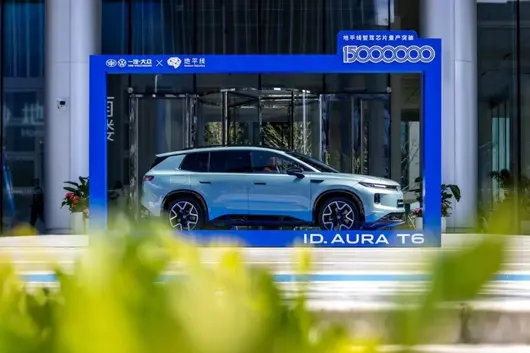
On September 15, Horizon Robotics held a witnessing ceremony for the Journey® chip mass production breakthrough of 15 million units in Shanghai Lingang Science Park. The 15 millionth Journey® chip will be equipped on the FAW-Volkswagen ID.AURA T6 model. There was also a rather meaningful detail at the event: Horizon Robotics founder and CEO Dr. Yu Kai became the 001 owner of the ID.AURA T6, witnessing the landing of the joint R&D results of both parties in the identity of a user.

This ceremony is not just an announcement of shipment numbers, but also raises a proposition worth thinking about for the whole industry: when domestic smart driving chips cross the tens of millions mass production threshold, how the industry can transform high-level smart driving from luxury configuration to capabilities accessible to more ordinary users, truly realizing the smart driving rights equality that the industry has been discussing. Through the product plans released on site, the practices of partners, and the sharing of management, it can be seen that the landing of smart driving rights equality requires the joint support of multiple conditions such as scale mass production, open industrial ecology, and software-hardware collaborative iteration, and is not a goal that can be achieved relying on a single technical breakthrough.
Tens of Millions Mass Production, Scale is the Most Solid Endorsement for Smart Driving Safety
For automotive-grade smart driving chips, tens of millions of shipment volume is not just a number of market scale, but also a process of continuous verification under massive real road conditions. The paper computing power parameters of a chip can be completed in the lab, but vehicles have to face real road scenarios of different regions, different weather, and diverse situations in China. Snow, rain, heavy fog, unlit roads at night, city streets where people and vehicles are highly mixed, these scenarios are difficult to fully simulate and reproduce in the laboratory. Only by installing them on a large number of vehicles and hitting the road, continuously precipitating data and exposing potential problems in massive real working conditions, can the chips and supporting smart driving algorithms continue to complete iteration and optimization. This is also the biggest difference between automotive products and consumer electronics chips. Consumer electronics pursue extreme performance, while vehicle-mounted systems must put safety and reliability first.
Data shows that as of September 2026, the Journey® series chips have accumulated mass production shipments exceeding 15 million units. There are more than 8 million vehicles equipped with this chip driving across the country, accumulating billions of kilometers of real driving mileage. When Dr. Yu Kai, founder and CEO of Horizon Robotics, shared on site, he mentioned that scale is the best endorsement for safety and reliability. Every Journey® chip running on the road is a verification of a real scenario. Massive real road experience is transformed into the safety confidence for product mass production landing. At the same time, the growth rate of shipments is also accelerating continuously. From 10 million units to 15 million units, it took only 12 months, and the pace of industrial landing is continuously speeding up.

Market share data also shows the changes brought by scale. According to the High-Tech Intelligent Automotive Research Institute, in the first half of 2026, Horizon Robotics' market share in smart driving chips for all stages of independent brand passenger cars reached 31.94%, maintaining first place in the industry; the market share in ADAS chips for independent brands exceeded 50%, about twice the second place, retaining the market first place; in the urban NOA high-level track, the market share reached 22.82%, an increase of nearly five percentage points compared to the previous year, jumping to the second place in the industry, forming a competitive pattern of two strong competitors in high-level smart driving with NVIDIA. From the early low-computing power auxiliary driving chip Journey 2 to the Journey 6 full series facing urban high-level smart driving, in 11 years, Horizon Robotics has completed the growth path from follower to main market participant.
But the milestone of tens of millions of sets does not mean the industry can rest easy. At the same time as the scale expands, it puts higher tests on the enterprise's engineering services, version control, and problem closure capabilities. With the continuous broadening of the model brands equipped with chips and price ranges, from hundred-thousand-yuan family cars to mid-to-high-end new energy vehicles, the vehicle architecture, sensor configurations, and chassis tuning conditions of different car manufacturers are different. For the same chip, adapting to different vehicle platforms requires solving a large amount of customized debugging work. If the engineering support capabilities cannot keep up with the speed of shipment expansion, large-scale vehicle installation could instead bring risks of uneven experiences. This is also why the competition for automotive-grade chips has never been simply comparing the chips themselves, the entire engineering support system behind it is equally crucial.
It is precisely based on this reality that Horizon Robotics did not choose a single business model, but rather parallel two completely different cooperation paths. One is similar to the Wintel model of the PC era, directly delivering chips and complete software solutions to car companies, adapting to the majority of OEMs that hope to obtain a complete and mature smart driving solution; the other targets the Arm+Android model of the mobile era, exporting chip and software IP licensing externally, serving those car companies that hope to master underlying R&D capabilities. The two models target customers with different demands, can provide complete solutions that are ready to use for most car companies, and can also open up the underlying technology base for OEMs with self-research demands. When Yu Kai talked about it in the group interview with the media, he predicted that the ultimate industry pattern would present a 80/20 distribution. Approximately 80% of OEMs would choose to cooperate deeply with third-party suppliers, and 20% of the top-tier enterprises would persist in the vertical self-research route. Horizon Robotics' positioning is to serve the market of 80% that accounts for a larger proportion.
The parallel of the two business models also corresponds to the two choices of OEMs facing intelligence. Some car companies hope to focus resources on focusing on vehicle product definition, choosing mature supplier solutions to accelerate product landing; another part of car companies insist on deep self-research, hoping to firmly grasp the underlying capabilities of smart driving in their own hands. For chip suppliers, a fixed approach cannot be used to respond to all customers. Both doing a good job of standardized products and having the capability of open licensing technology base puts high requirements on the enterprise's underlying architecture design. If the underlying architecture is closed and solidified, the IP licensing model will be difficult to truly land. This is also a topic that many domestic smart driving chip manufacturers need to continue to tackle.
Tens of millions of shipments also mean that the logic of industry competition is changing. In the early smart driving chip track, new players emerged one after another, and various startups continued to emerge. But after years of market screening, the industry has entered a convergence stage. Just like the mobile phone baseband chip market, in the end only a few top players will remain. The smart driving chip track will also move towards high convergence. The number of enterprises that can truly withstand automotive tests and achieve large-scale stable mass production will not be too many. The noisy concept promotion will eventually fade away. In the end, the market will use tens of millions of vehicle installations to test the true hard power of a chip enterprise.
Smart Driving Rights Equality is Not Just Lowering Functions to Low-Cost Cars
Nowadays, the industry often mentions the concept of smart driving rights equality, but many people simply understand it as realizing equality by installing urban NOA functions on hundred-thousand-yuan level models. In fact, true smart driving rights equality is far more than the downgrading of hardware configurations. If it is simply a matter of installing high-level smart driving hardware on low-priced cars, but the algorithm experience is poor, the takeover rate is high, version iteration is stagnant, and the user's actual usage experience does not reach a qualified level, then the downgrading of configurations is only formal equality. True equality represents that vehicle models of different price levels, or even different power forms, can all obtain usable smart driving capabilities with continuous iteration. Fuel vehicle users should not be abandoned by intelligence either.

At this event, Li Jiang, CEO of Journey Intelligent Driving, shared a very iconic progress in the industry. Relying on the Journey 6M solution, by the end of the month, a hundred-thousand-yuan level fuel SUV will realize the mass production of urban NOA. This is a very representative signal. For a long time, high-level smart driving has been almost an exclusive label for new energy vehicles, and a large number of existing fuel vehicle users are difficult to access mature pilot assistance functions. The number of fuel vehicles in the domestic car market remains huge, and the proportion of fuel vehicles is even higher globally. If the dividends of intelligence are given only to new energy users, then a large number of consumers will still be kept out of the door. Oil and electricity equal rights are also a link that is easily overlooked in smart driving rights equality.
To downgrade high-level smart driving to hundred-thousand-yuan level models, it is not simply completed by chip price reductions. This requires continuous optimization behind BPU Nash architecture hardware efficiency and end-to-end algorithms. It is not blindly stacking higher computing power indicators, but through software and hardware collaboration, allowing medium-computing power chips to also run excellent urban smart driving performance. Yu Kai explained in the interview that Horizon Robotics will not take the simple low-price low-quality involution route, but rely on technology to expand performance boundaries. Through software and hardware joint optimization, make medium-computing power chips achieve the effects that only high-computing power products could achieve in the past. Journey 6M has 128 TOPS computing power. Relying on BPU Nash architecture's efficient support for Transformers and end-to-end large models, without stacking ultra-high computing power, it can support the landing of complete urban NOA functions.
Software iteration capability is the other half indispensable for smart driving rights equality. Hardware installation is just the starting point. A large part of the smart driving experience comes from subsequent software version continuous updates. This activity disclosed that the HSD V2.1 version will be launched. The new version will debut full-scenario reversing capability, adopting end-to-end models to directly output driving trajectories, rather than relying on a large number of manually written rules, further optimizing the experience in narrow roads, complex breakthrough scenes. At the same time, HSD will achieve mass production landing on the models of a certain top new energy manufacturer within the year. Continuous version iteration means that older models that have already been installed can also obtain new functions through OTA. There will not be a situation where only new cars have new capabilities, and old car functions stagnate here. If only hardware is downgraded, but subsequent software maintenance cannot keep up, the so-called equality is just a brief selling point at the time of listing.

Of course, the realization of smart driving rights equality cannot be separated from the realistic stage of industry development. Yu Kai used the mobile communication industry for analogy. The current smart driving industry is similar to the mobile communication era before 2012. At that stage, only high-end mobile phones could fluently use mobile Internet, and low-end models could only realize basic calls. Until the arrival of the 4G era, communication capabilities were mature enough to achieve full standard configuration from high-end machines to entry-level models. He judged that when technology evolves to a stage where user attention no longer needs to closely monitor driving operations, high-level smart driving will truly become a standard configuration for all-price models. This also shows that smart driving rights equality is not a reality that is achieved in one step today, but a goal that the industry approaches step by step.
On the road to equality, the intelligent transformation of joint venture car companies is also an link that cannot be ignored. For a long time in the past, many joint venture brand smart driving solutions relied on output from overseas headquarters and were difficult to adapt to complex urban road conditions in China. The FAW-Volkswagen ID.AURA T6 equipped with this 15 millionth Journey® chip is the product of deep integration of German automotive manufacturing system and China's local smart driving technology. Wang Shengli, Vice General Manager of FAW-Volkswagen Automobile Co., Ltd. (Business), mentioned on site that this ID.AURA T6 is the first strategic vehicle of the Smart Electric 2.0 era. The smart driving part is led by the joint venture company Core Journey for development, from product definition, experience tuning to whole vehicle verification to complete full-link joint breakthrough. The whole vehicle completes over 450,000 kilometers of smart driving road actual tests in more than 61 cities, fully going through three rounds of whole vehicle verification and the traditional two winters and two summers extreme environment test of FAW-Volkswagen. The cooperation between the two parties will not stop at a single model. Horizon Robotics and FAW-Volkswagen's cooperation in the new energy field will be fully rolled out, and more cooperation products will be pushed to the market subsequently.
The significance of this cooperation case has already exceeded the scope of a single vehicle model. The rigorous whole vehicle verification system represented by global top joint venture car companies has already accepted China's local high-computing power smart driving chips. The pattern of overseas Tier 1 and overseas chips leading joint venture brand intelligence is changing. But we must also objectively see that the cost of磨合 for such deep joint development projects is not low. German whole vehicle factories have safety, testing, version release standards accumulated over decades. Local smart driving technology needs to adapt to the other party's whole verification process, and whole vehicle enterprises also need to understand the pace of rapid iteration of domestic smart driving algorithms. Only through mutual learning can the Chinese smart driving base be integrated into the global whole vehicle product system.
From Domestic Mass Production Landing, Looking at the Long Journey of Globalization
Completing domestic tens of millions of sets mass production is just a starting point for China's smart driving chips to go global. The scale of Chinese whole vehicle overseas departure continues to rise. In the first half of 2026, domestic automotive whole vehicle exports increased by 65.3% year-on-year, and more domestic car models are heading to overseas markets. Accompanied by this, China's smart driving software and hardware technology also welcomes the window of export. But going overseas is not equivalent to simply copying and pasting domestic mature solutions directly to different countries overseas. Traffic regulations, road habits, and user demands for smart driving functions in different regions exist huge differences.
From the current realistic situation, the demand for high-level urban NOA in the overseas market and the domestic market has a significant generation gap. Domestic consumers have a high acceptance of urban pilot assistance. Many new cars, if they do not have urban NOA, will be regarded by users as obvious shortcomings. However, in the vast majority of overseas markets, the current core demand still focuses on basic ADAS active safety and highway assistance driving functions. The large-scale popularization of urban high-level smart driving generally still requires several years. This determines that Horizon Robotics' overseas business must adopt a strategy of phased promotion. At this stage, ADAS solutions are used as the main landing products, and at the same time facing overseas car companies, through IP licensing models, participate in their early R&D projects, and prepare technical reserves for future high-level smart driving overseas mass production.
As of now, the number of Horizon Robotics export models designated has exceeded 60 models, covering all car companies in the domestic export ranking top six. The overseas market has orders in hand exceeding 20 million sets. The globalization business is accelerating; at the same time, deep cooperation has been established with global top Tier 1 enterprises such as Bosch, Denso, and Ansteem.
Li Jiang from Journey Intelligent Driving also introduced on site. Journey Intelligent Driving has already obtained designations from more than 16 OEMs globally, accumulated more than 70 car models, nearly half of the models facing overseas mass production. It is deployed in German R&D centers and Singapore global headquarters. The business covers Japan, South Korea, Southeast Asia, the Middle East, South America and other regions. Relying on the synergy with global Tier 1, Chinese smart driving solutions are no longer just dependent on Chinese car companies going overseas, but beginning to enter the supply chain system of overseas local car companies. This is an important change. In the past, the global automotive supply chain was more about European and American Tier 1 exporting technology outward. Now there is a new path of Chinese smart driving technology, supplied to OEMs all over the world through global Tier 1 suppliers.

But going to the global supply chain, the tests to face are far more than the domestic market. Automotive certification standards, data compliance regulations, and localization test requirements of various countries are different. A chip and smart driving solution, completing domestic mass production, does not equal directly getting the entry ticket for all countries overseas. Each time entering a brand new market, it is necessary to re-complete local regulation adaptation, road tests, and whole vehicle matching. Overseas customers have a set of mature standards that have been running for decades for delivery rhythm, quality system, and document norms. Local technology enterprises need to completely align with this system, so as to truly deeply embed into the global supply chain, and not just obtain a few demonstration projects.
Except for facing the passenger car market, Horizon Robotics is also horizontally expanding the capability of the BPU computing base to the field of pan-mobile travel. Relying on the AI computing technology accumulated by the Journey® series, the business has begun to extend to two-wheeler auxiliary driving, L4 level unmanned logistics mobile robots and other directions. Yu Kai mentioned in the group interview that from the beginning of Horizon Robotics, the name Horizon Robotics has pointed to the robot era, and smart cars are just the first stop towards the robot era. Chips, BPU architecture, AI large model engineering capabilities accumulated on a large scale in the automotive field can overflow to more robot-like scenes. However, it is also necessary to see that although automobiles and robots have the same source of underlying AI technology, their product definition, safety standards, and commercialization logic are completely different. Cross-domain expansion will also bring new challenges.
Written at the End
Standing at the node of tens of millions of shipments, Horizon Robotics does not intend to stay at the positioning of only being a vehicle-mounted chip supplier. On the one hand, it continues to iterate the Journey® series smart driving chips, and at the same time launch the Cockpit and Driving Integration Star Series chips, pushing the whole vehicle from scattered domain control to centralized computing architecture. Cockpit and driving integration is not simply piling hardware together, it needs to solve a series of engineering problems such as safety isolation, memory sharing, power consumption control. The Star chip relies on unified memory architecture design, which can reduce DDR memory resource occupation and help car companies control whole vehicle hardware costs. Cockpit and driving integration is also a major trend for the evolution of future whole vehicle electronics and electrical architecture. This also represents Horizon Robotics' layout, which is no longer limited to the smart driving single track, but extends to the level of whole vehicle intelligent computing base.
Of course, the track is still full of uncertainty. The heat of capital markets for automotive hard technology fluctuates from time to time. The hot spots of AI large models are constantly switching, and the attention of many capitals is attracted by consumer-level robots and data center large models. Automotive intelligence belongs to long-cycle tracks. There will be no explosive short-term bubbles. Enterprises need to endure loneliness and continue to carry out saturated R&D investment. Yu Kai also admitted that the joy brought by tens of millions of shipments lasts only two seconds, and harder challenges are still behind. 15 million sets is a report card submitted by the efforts of the past 11 years, but it is not the end.
Whether it is continuing to promote smart driving rights equality in the domestic market, or the product really stands firm in the global automotive supply chain, there is still a long way to go. Tens of millions of sets is a milestone, and even more a new starting point for the next round of industry competition.

In Malaysia's SUV market, many buyers compare Honda CR-V and GWM Haval H6 when choosing a car. These two models are quite close in price and positioning. Today, we will make a detailed comparison from multiple aspects to help you save time on research.
The OTR price for Honda CR-V in Malaysia is RM 178,200 - 195,900, with 4 versions in total, including 2026 e:HEV 2.0L 2WD RS (RM 195,900), 2026 1.5T 4WD V (RM 181,900), 2026 e:HEV 2.0L 2WD E (RM 178,200), etc.
The OTR price for GWM Haval H6 in Malaysia is RM 139,750 - 139,750, with 2 versions in total, including 1.5L Turbo Standard (RM 140,000), 1.5L Turbo Premium (RM 155,000), etc.
From a price perspective, the starting price of GWM Haval H6 is RM 38,450 cheaper than Honda CR-V. To be honest, at this price range, a difference of a few thousand is not that significant. The key is to look at the overall cost-performance ratio and long-term usage costs.
Honda CR-V is equipped with a 2.0L 4-cyl, 170 hp. Official fuel consumption 8.0 L/100km.
GWM Haval H6 is equipped with Hybrid, 170 hp. Official fuel consumption 4.5 L/100km.
In terms of power, the Hybrid of GWM Haval H6 has 0 more horsepower than the 2.0L 4-cyl of Honda CR-V. However, for daily driving in the city, the power of both cars is sufficient, and you won't feel it's lacking power.
Honda CR-V body length is 4500 mm, trunk 450 L.
GWM Haval H6 body length is 4400 mm, trunk 400 L.
In terms of space, the Honda CR-V body is 100 mm longer than the GWM Haval H6, so the interior seating space will be slightly more spacious, especially rear legroom. If you often carry family members or need to fit a stroller, a slightly larger body is indeed more practical.
Both Honda CR-V and GWM Haval H6 are mainstream choices in the Malaysian market, suitable for family use and daily commuting. If you value brand reputation and resale value more, you can prioritize the one with better reputation; if you care more about cost-performance and features, then choose the one with richer configuration. Ultimately, it is recommended to test drive both, personal experience is the most important.
Overall, Honda CR-V and GWM Haval H6 are both quite good models in the Malaysian market. Which one to choose depends mainly on your personal needs and budget. It is recommended to do your research, compare quotes from several dealerships, and then test drive to make the final decision. Buying a car is a big matter; spending some time doing research will definitely not be a mistake.

Dalam pasaran SUV di Malaysia, ramai pembeli semasa memilih kereta akan membandingkan Honda CR-V dan MG MG HS. Kedua-dua kereta ini mempunyai harga dan kedudukan yang agak hampir, hari ini kita akan membuat perbandingan terperinci dari banyak aspek untuk membantu anda menjimatkan masa membuat penyelidikan.
Honda CR-V di Malaysia, harga OTR adalah RM 178,200 - 195,900, terdapat sebanyak 4 varian, termasuk 2026 e:HEV 2.0L 2WD RS (RM 195,900), 2026 1.5T 4WD V (RM 181,900), 2026 e:HEV 2.0L 2WD E (RM 178,200) dan lain-lain.
MG MG HS di Malaysia, harga OTR adalah RM 130,450 - 146,450, terdapat sebanyak 2 varian, termasuk 1.5L Standard (RM 105,000), 1.5L Executive (RM 115,000) dan lain-lain.
Dari segi harga, harga permulaan MG MG HS lebih murah RM 47,750 berbanding Honda CR-V. Jujur berkata, dalam segmen harga ini, beza beberapa ribu sebenarnya tidak besar, yang penting masih melihat nilai kos keseluruhan dan kos penggunaan jangka panjang.
Honda CR-V dipadankan dengan 2.0L 4-cyl, kuasa kuda 170 hp. Jimat minyak rasmi 8.0 L/100km.
MG MG HS dipadankan dengan 1.5L Turbo, kuasa kuda 140 hp. Jimat minyak rasmi 7.0 L/100km.
Dari segi kuasa, 2.0L 4-cyl Honda CR-V mempunyai 30 hp lebih daripada 1.5L Turbo MG MG HS, pecutan pertengahan lebih berkeyakinan, terutamanya ketika memotong di lebuh raya. Namun jimat minyak MG MG HS mungkin lebih mesra, perbezaan komuter bandar harian tidak akan terlalu besar.
Honda CR-V panjang badan 4500 mm, baga 450 L.
MG MG HS panjang badan 4400 mm, baga 400 L.
Dari segi ruang, badan Honda CR-V lebih panjang 100 mm berbanding MG MG HS, ruang duduk di dalam sedikit lebih lapang, terutamanya ruang kaki bangku belakang. Jika anda sering membawa keluarga atau perlu meletakkan kereta bayi, badan yang lebih besar memang lebih praktikal.
Honda CR-V menggunakan cara pemacu FWD.
MG MG HS menggunakan cara pemacu FWD.
Dua-dua kereta ini sama cara pemacu, iaitu FWD, pengalaman memandu harian tidak akan terlalu berbeza.
Honda CR-V jaminan 5 tahun/jarak tanpa had, selang penyelenggaraan setiap 10,000km atau 6 bulan.
MG MG HS jaminan 7 tahun/150,000km, selang penyelenggaraan setiap 10,000km atau 6 bulan.
Secara keseluruhannya, Honda CR-V dan MG MG HS adalah model yang sangat bagus di pasaran Malaysia. Memilih yang mana satu, yang penting masih melihat keperluan dan bajet peribadi anda. Disarankan membuat penyelidikan terlebih dahulu, bandingkan beberapa harga daripada kedai kereta berbeza, kemudian buat uji memandu untuk membuat keputusan akhir. Membeli kereta adalah perkara besar, mengambil masa membuat penyelidikan pasti tidak akan salah.

Di pasaran SUV Malaysia, ramai pembeli membandingkan Honda CR-V dan MG MG HS ketika memilih kereta. Kedua-dua kereta ini hampir sama dari segi harga dan segmen. Hari ini, kita akan membuat perbandingan terperinci dari pelbagai aspek untuk membantu anda menjimatkan masa membuat kajian.
Harga OTR Honda CR-V di Malaysia ialah RM 178,200 - 195,900, ada 4 varian, termasuk 2026 e:HEV 2.0L 2WD RS (RM 195,900), 2026 1.5T 4WD V (RM 181,900), 2026 e:HEV 2.0L 2WD E (RM 178,200) dan lain-lain.
Harga OTR MG MG HS di Malaysia ialah RM 130,450 - 146,450, ada 2 varian, termasuk 1.5L Standard (RM 105,000), 1.5L Executive (RM 115,000) dan lain-lain.
Daripada segi harga, harga permulaan MG MG HS lebih murah RM 47,750 berbanding Honda CR-V. Jujur berkata, dalam segmen harga ini, perbezaan beberapa ribu bukanlah besar, yang penting adalah melihat nisbah kualiti-harga keseluruhan dan kos penggunaan jangka panjang.
Penarafan keselamatan Honda CR-V ialah 5★ (ASEAN NCAP), sistem keselamatan aktif termasuk Honda SENSING (ACC, CMBS, LKAS, RDM).
Penarafan keselamatan MG MG HS ialah TBD, sistem keselamatan aktif termasuk Basic.
Dari segi peralatan keselamatan, kedua-dua kereta telah mendapat penarafan yang baik. Walau bagaimanapun, Honda SENSING (ACC, CMBS, LKAS, RDM) pada Honda CR-V dan Basic pada MG MG HS mempunyai perbezaan dari segi fungsi. Jika anda lebih mementingkan keselamatan aktif, anda boleh bandingkan senarai fungsi antara kedua-duanya dengan teliti.
Honda CR-V panjang 4500 mm, bak muatan 450 L.
MG MG HS panjang 4400 mm, bak muatan 400 L.
Dari segi ruang, badan Honda CR-V 100 mm lebih panjang daripada MG MG HS, ruang penumpang dalam kereta agak lebih luas, terutamanya ruang kaki di baris belakang. Jika anda sering membawa keluarga atau perlu memuatkan kerusi bayi, badan kereta yang lebih besar memang lebih praktikal.
Honda CR-V jaminan 5 tahun / jarak tanpa had, selang penyelenggaraan setiap 10,000km atau 6 bulan.
MG MG HS jaminan 7 tahun/150,000km, selang penyelenggaraan setiap 10,000km atau 6 bulan.
Secara keseluruhan, Honda CR-V dan MG MG HS adalah model kereta yang sangat baik di pasaran Malaysia. Memilih yang mana, yang utama adalah melihat keperluan dan bajet peribadi anda. Kami sarankan anda membuat kajian yang baik, bandingkan lebih banyak tawaran dari agensi, kemudian buat ujian pemanduan untuk membuat keputusan akhir. Membeli kereta adalah perkara besar, mengambil sedikit masa untuk membuat kajian tidak akan salah.


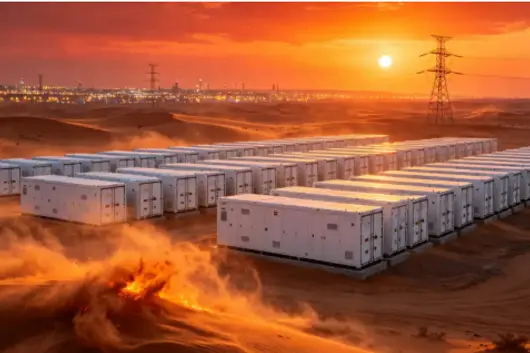
9月11日,国轩高科(002074.SZ)宣布中标沙特首批大型电池储能项目核心6GWh订单,为公司单笔最大储能订单。
就在一天前,上海外滩大会的“AI拓境论坛”上,它还与中国南方电网、阳光电源、蚂蚁数科等24家企业共同发起《AI算力+数字能源公约》。
一纸公约面向未来,一笔订单落在沙漠,国轩高科的储能故事,看起来美丽又动人。
可若翻开2026年半年报,会看到另一个版本:公司储能营收逆势下滑近两成,杠杆一路攀升。

一个老兵的第二曲线
国轩高科2006年创立于合肥,2015年借壳东源电器上市,是国内最早一批专注动力锂电池的企业之一。

其股权结构的特殊性在于,大众汽车(中国)投资有限公司持股24.28%,是第一大股东。
这让它既是一家中国电池公司,也是一家被全球汽车工业标准反复校准过的公司。
储能对国轩而言,不只是多元化的另一条腿,更是一场关于“时间的生意”。动力电池卖的是能量密度和成本,储能卖的是15年、25年不出事的确定性。
沙特项目的准入条件即是典型:极度干旱、风沙频发、昼夜温差悬殊,叠加BOO模式下长达15年的持有运营责任,对产品可靠性、耐久性与可维护性提出近乎苛刻的要求。
国轩给出的答案是“乾元智储”——-30℃至55℃超宽温域运行,设计寿命25年,七级安全防护,配专属高温与风沙方案,并已通过CSA大规模火烧认证与TÜV南德欧盟电池法规认证。
公司全球版图正极速扩张。沙特6GWh,直面-30℃至55℃的极端工况与风沙;澳洲Lower Wonga光储项目281MW/843MWh,是当地最大光储直流耦合项目之一,可满足12.6万户家庭用电;埃及两座合计1.5GWh独立储能电站落地,3GWh本土基地同步规划;巴西办公室开张,南美成为新锚点。
哥廷根、越南、印尼、泰国工厂已投产,摩洛哥、斯洛伐克蓄势待发。

成绩单的另一面:掉队了吗?
数字是诚实的,也是残酷的。

2026年上半年,国轩高科实现营业收入277.76亿元,同比增长43.22%;归母净利润13.86亿元,同比增长278.05%;扣非归母净利润1.07亿元,同比增长46.71%。
但拆开看,储能板块呈反向走势。上半年储能电池系统收入36.89亿元,同比下降19.14%,营收占比由上年同期的23.52%降至13.28%,毛利率19.50%,同比微增0.15个百分点。
更扎心的是横向对照,同期行业整体高速扩张。据SNE Research数据,2026年上半年全球储能电池出货量461.3GWh,同比增长71%;中国市场出货202.5GWh,同比增长49%。
国轩高科上半年储能出货20.8GWh,同比增速41%,低于行业均值,市占率由5.5%降至4.5%,全球排名滑到第九。
原因并不令人费解。上半年动力电池系统收入225.97亿元,同比增长61.01%,占总营收81.36%;国内新能源重卡销量同比增长85%,公司商用车动力电池装机量达7.66GWh,同比增长87.29%;大众标准电芯自2025年底进入稳定批量交付。
在储能大容量产能受限的背景下,公司将产线向需求更确定的动力订单倾斜。这是阶段性资源分配的结果,而非战略收缩。
当前,国轩高科正处于重资产扩张的高峰期。
截至2026年6月末,公司总资产1435.05亿元,资产负债率71.73%;2021年该指标为55.58%,五年间一路爬升。
有息负债超550亿元,其中短期借款与一年内到期非流动负债合计约304亿元;总债务720.61亿元,短期债务约454亿元,占比63%;在建工程206.53亿元,较上年末大增62.93%;
上半年资本开支97.79亿元,而经营活动现金流净额只有4.28亿元。此外,13.86亿元归母净利润中扣非部分仅1.07亿元,近九成来自非经常性损益。
2026年2月,公司披露不超过50亿元的定向增发预案;4月又公告拟注册不超过70亿元的债务融资工具,8月获准。

储能的海,越来越红
储能的赛道正在以惊人的速度变宽,也以同样的速度变挤。

InfoLink数据显示,2026年上半年全球储能电芯出货467.84GWh,同比增长94.76%,全年预计突破1000GWh。但结构正在变化:CR10降至82.3%,创历史低位;同期SNE Research口径下前十名企业合计市占率约89%——头部集中与腰部混战同时发生。
国轩高科所处的“前十尾部”十分脆弱,可谓“上有断层,下有追兵”。中创新航、瑞浦兰钧、楚能新能源出货均在30GWh上下,差距仅1GWh出头;鹏辉能源增速达202%,LG新能源增速357%。座次可能因一两个大型订单而改变。
中东成为新的角斗场。2026年以来,中国企业在中东获得储能订单已超40GWh。
但“出海”在相当程度上仍是中国企业之间的竞争——海辰储能此前中标沙特4GWh项目,报价约73—75美元/千瓦时,接近国内水平,创海外大型储能最低价纪录。有业内专家指出,海外项目投标中“10家企业去投标,至少有七八家是中国企业”。
比价格更具约束力的门槛来自欧盟。2026年8月起,欧盟海关对进口动力及储能电池的碳足迹声明与电池护照数据进入强制抽检阶段,已有数批中国出口至鹿特丹港的电池产品因护照数据填报不规范、绿电凭证附加性条件不足遭扣留。
据业内测算,头部企业出货规模大,单MWh新增成本约在几千元级别,可被巨量产能摊薄;中小集成商出货体量小,单MWh新增成本明显更高,走完全套合规流程一次性投入即达数百万元。
欧洲独立储能项目基准IRR多在8%至11%之间,成本无法完全传导时,IRR或下滑0.5至1.5个百分点。低价抢单在欧洲正在失效,合规已成为投标的硬门槛。
对国轩这样的出海者而言,这张“护照”既是关卡,也是洗牌——全链条的数据与合规能力,恰恰是它的长板。
储能的浪很大,大到足以托起一家公司,也大到足以淹没慢半拍的人。国轩手里有牌:全链条、双Tier1、中东与澳洲高端市场的入场券;脚下也有坑:下滑的储能营收、攀升的杠杆、慢一拍的大电芯节奏。
2026年下半年到2027年,美国、摩洛哥、东南亚基地产能集中释放,市场会看到一个“截然不同”的国轩,还是又一个扩产周期里的注脚?

喺馬來西亞嘅 SUV 市場,好多買家在揀車嗰陣都會拿 Honda CR-V 同 Mitsubishi Xforce 嚟比較。兩款車喺價位同定位上都幾接近,今日我哋就從多個方面做一個詳細嘅對比,幫你省做功課嘅時間。
Honda CR-V 喺馬來西亞嘅 OTR 售價係 RM 178,200 - 195,900,一共有 4 個版本,包括 2026 e:HEV 2.0L 2WD RS(RM 195,900)、2026 1.5T 4WD V(RM 181,900)、2026 e:HEV 2.0L 2WD E(RM 178,200) 等。
Mitsubishi Xforce 喺馬來西亞嘅 OTR 售價係 RM 109,930 - 119,930,一共有 2 個版本,包括 2026 1.5L Ultimate(RM 119,930)、2026 1.5L Urban(RM 109,930) 等。
從價錢嚟睇,Mitsubishi Xforce 嘅起步價比 Honda CR-V 平咗 RM 68,270。講真,喺呢個價位段,幾千蚊嘅差距其實唔算大,關鍵始終睇整體嘅性價比同長期使用成本。
Honda CR-V 裝載 2.0L 4-cyl,馬力 170 hp。官方油耗 8.0 L/100km。
Mitsubishi Xforce 裝載 1.5L Turbo,馬力 140 hp。官方油耗 7.0 L/100km。
動力方面,Honda CR-V 嘅 2.0L 4-cyl 比 Mitsubishi Xforce 嘅 1.5L Turbo 多出 30 匹馬力,中段加速更有信心,尤其係跑高速公路超車嗰陣。不過 Mitsubishi Xforce 嘅油耗可能更抵,日常市區通勤差別唔會太大。
Honda CR-V 車身長 4500 mm,車尾箱 450 L。
Mitsubishi Xforce 車身長 4400 mm,車尾箱 400 L。
空間方面,Honda CR-V 嘅車身比 Mitsubishi Xforce 長咗 100 mm,車內乘坐空間會稍微寬鬆啲,尤其係後座腿部空間。如果你經常載家人或者需要放嬰兒車,大一點嘅車身確實更實用。
Honda CR-V 保修 5 年/無限里程,保養間隔 每 10,000km 或 6 個月。
Mitsubishi Xforce 保修 3 年/100,000km,保養間隔 每 10,000km 或 6 個月。

總嚟講,Honda CR-V 同 Mitsubishi Xforce 都係馬來西亞市場好唔錯嘅車型。揀邊一輛,關鍵始終都要睇你嘅個人需要同預算。建議大家做好功課,多比較幾間車行嘅報價,再去試駕做最終決定。買車係件大事,花少少時間做功課絕對唔會錯。
© 2024 Bitauto.com. All Rights Reserved.
Bitauto (www.yiche.com and www.bitauto.com) is one of the most visited automotive websites in China. We provide detailed info on Chinese car brands available in your area. Please note that the information provided on this website is based on publicly available data and is for reference only. It may not be fully updated or accurate at all times.

Help us improve our website


