

HomeHonda City

Search History
Popular Searches
Dealer Login / Sign Up
In Malaysia's SUV market, many buyers compare the Perodua Aruz and Proton X50 when choosing a car. These two models are quite similar in price and positioning. Today, we will do a detailed comparison from multiple aspects to help you save time on research.
Perodua Aruz has an OTR price in Malaysia of RM 72,900 - 77,900, with a total of 2 versions, including 1.5L X (RM 72,900), 1.5L AV (RM 77,900), etc.
Proton X50 has an OTR price in Malaysia of RM 89,800 - 113,300, with a total of 4 versions, including 1.5T Executive (RM 89,800), 1.5T Premium (RM 101,800), 1.5T Flagship (RM 113,300), etc.
From a price perspective, the starting price of Perodua Aruz is indeed RM 16,900 cheaper than Proton X50. If your budget is limited, Perodua's entry-level version can already meet daily needs. However, note that the difference of a few thousand might involve trade-offs in features, depending on your specific requirements.

Perodua Aruz comes with a 1.5L 4-cyl, 105 hp. Official fuel consumption 6.0 L/100km.
Proton X50 comes with a 1.5L 4-cyl, 105 hp. Official fuel consumption 6.0 L/100km.
Both cars use the same powertrain, and the driving experience feels basically the same in daily use. Fuel consumption is also similar, so there is no need to worry too much about this point.

Perodua Aruz's safety rating is 5★ (ASEAN NCAP), active safety systems include.
Proton X50's safety rating is 5★ (ASEAN NCAP), active safety systems include ADAS (ACC, AEB, LKA, LDA, BSM, RCTA).
Both cars have the same safety rating, and safety features are quite comprehensive for this class. New cars nowadays are not lacking in safety, so there is no need to worry too much about this.

Perodua Aruz body length 4400 mm, trunk 400 L.
Proton X50 body length 4400 mm, trunk 400 L.
The dimensions of both cars are almost the same, and the interior space difference is not significant. For this class of cars, it is completely sufficient for daily use.

Both Perodua Aruz and Proton X50 are mainstream choices in the Malaysian market, suitable for family use and daily commuting. If you value brand reputation and resale value more, you can prioritize the one with better reputation; if you care more about cost-performance and features, choose the one with richer configuration. Ultimately, it is recommended to test drive both, and personal experience is the most important.

Overall, both Perodua Aruz and Proton X50 are very good models in the Malaysian market. Which one to choose depends on your personal needs and budget. We suggest doing your homework, comparing quotes from several dealerships, and then test driving to make the final decision. Buying a car is a big matter, spending time doing homework will definitely not be wrong.


In the Malaysian SUV market, many buyers compare Proton X70 and Chery Tiggo 8 PHEV when choosing a car. These two models are quite close in price and positioning. Today, we will conduct a detailed comparison from multiple aspects to help you save time on research.
The OTR price of Proton X70 in Malaysia is RM 106,800 - 122,300, with a total of 3 versions, including 1.5L Standard 2WD (RM 106,800), 1.5L Executive 2WD (RM 115,800), 1.5L Premium 2WD (RM 122,300), etc.
The OTR price of Chery Tiggo 8 PHEV in Malaysia is RM 159,750 - 159,750, with a total of 2 versions, including 1.6L Turbo Standard (RM 130,000), 1.6L Turbo Premium (RM 145,000), etc.
From a pricing perspective, the starting price of Proton X70 is indeed RM 52,950 cheaper than Chery Tiggo 8 PHEV. If your budget is limited, Proton's entry-level version can already meet daily needs. However, note that the price difference of a few thousand ringgit may involve trade-offs in features, depending on your specific requirements.
Proton X70's safety rating is 5★ (ASEAN NCAP), active safety systems include ADAS (ACC, AEB, LKA, LDA, BSM, RCTA).
Chery Tiggo 8 PHEV's safety rating is TBD, active safety systems include Basic.
In terms of safety features, both cars have received decent ratings. However, there are some differences in function between Proton X70's ADAS (ACC, AEB, LKA, LDA, BSM, RCTA) and Chery Tiggo 8 PHEV's Basic. If you value active safety more, you can carefully compare the feature lists of both.
Proton X70 body length is 4400 mm, boot 400 L.
Chery Tiggo 8 PHEV body length is 4400 mm, boot 400 L.
The dimensions of both cars are almost identical, with little difference in interior space. Cars in this class are completely sufficient for daily use.
Both Proton X70 and Chery Tiggo 8 PHEV are mainstream choices in the Malaysian market, suitable for family use and daily commuting. If you value brand reputation and resale value more, you can prioritize the one with better reputation; if you care more about value for money and features, choose the one with richer configurations. Ultimately, it is recommended to test drive both, as hands-on experience is the most important.
Overall, Proton X70 and Chery Tiggo 8 PHEV are both very good models in the Malaysian market. Which one to choose depends mainly on your personal needs and budget. It is recommended that everyone do their homework, compare quotes from multiple dealerships, and then test drive to make the final decision. Buying a car is a big matter, spending some time doing research will definitely not be wrong.

喺馬來西亞嘅 SUV 市場,好多買家喺揀車嗰陣都會拿 Perodua Aruz 同 Honda HR-V 嚟做比較。呢兩款車喺價位同定位上都幾接近,今日我哋就由多個方面做一個詳細嘅比較,幫你慳做功課嘅時間。
Perodua Aruz 喺馬來西亞嘅 OTR 售價係 RM 72,900 - 77,900,一共有 2 個版本,包括 1.5L X(RM 72,900)、1.5L AV(RM 77,900) 等。
Honda HR-V 喺馬來西亞嘅 OTR 售價係 RM 115,900 - 143,900,一共有 4 個版本,包括 2026 e:HEV 1.5L RS(RM 143,900)、2026 1.5T V(RM 137,900)、2026 1.5T E(RM 130,900) 等。
由價錢嚟睇,Perodua Aruz 嘅起步價確實比 Honda HR-V 平咗 RM 43,000。如果你預算有限,Perodua 嘅入門版已經可以滿足日常需要。但亦要注意,平嘅嗰幾千蚊,可能喺配備上會要有取舍,具體就要睇你嘅需要。
Perodua Aruz 搭載 1.5L 4-cyl,馬力 105 hp。官方油耗 6.0 L/100km。
Honda HR-V 搭載 1.5L Turbo,馬力 140 hp。官方油耗 7.0 L/100km。
動力方面,Honda HR-V 嘅 1.5L Turbo 比 Perodua Aruz 嘅 1.5L 4-cyl 多出 35 匹馬力。不過日常喺市區行,兩款車嘅動力都夠用,唔會覺得唔夠力。
Perodua Aruz 車身長 4400 mm,車尾箱 400 L。
Honda HR-V 車身長 4500 mm,車尾箱 450 L。
空間方面,Honda HR-V 嘅車身比 Perodua Aruz 長咗 100 mm,乘坐空間更有優勢。不過 Perodua Aruz 喺城入面泊車會靈活啲,各有取舍。
Perodua Aruz 採用 FWD 驅動方式。
Honda HR-V 採用 FWD 驅動方式。
兩款車嘅驅動方式一樣,都係 FWD,日常駕駛感覺唔會有太大分別。

總體嚟講,Perodua Aruz 同 Honda HR-V 都係馬來西亞市場幾唔錯嘅車款。揀邊一部,關鍵都要睇你嘅個人需要同預算。建議大家做足功課,多比較幾間車行嘅報價,再去試駕做最終決定。買車係一件大事,花啲時間做功課肯定唔會錯。

喺馬來西亞嘅 SUV 市場,好多買家喺揀車嘅時候都會拿 Perodua Aruz 同 Honda HR-V 嚟做比較。呢兩部車喺價位同定位上都幾接近,今日我哋就由多個方面做個詳細比較,幫你節省咗做功課嘅時間。
Perodua Aruz 喺馬來西亞嘅 OTR 售價係 RM 72,900 - 77,900,總共有 2 個版本,包括 1.5L X(RM 72,900)、1.5L AV(RM 77,900) 等。
Honda HR-V 喺馬來西亞嘅 OTR 售價係 RM 115,900 - 143,900,總共有 4 個版本,包括 2026 e:HEV 1.5L RS(RM 143,900)、2026 1.5T V(RM 137,900)、2026 1.5T E(RM 130,900) 等。
睇價錢嘅話,Perodua Aruz 嘅起步價的確比 Honda HR-V 平咗 RM 43,000。如果你預算有限,Perodua 嘅入門版已經可以滿足日常需要。但都要留意,平嗰幾千蚊,可能喺配備方面會有取舍,具體要睇你嘅需要。
Perodua Aruz 嘅安全評級係 5★ (ASEAN NCAP),主動安全系統包括。
Honda HR-V 嘅安全評級係 5★ (ASEAN NCAP),主動安全系統包括 Honda SENSING (ACC, CMBS, LKAS, RDM)。
呢兩部車嘅安全評級一樣,喺呢個級別入面安全配備都算好齊全。依家嘅新車安全性都唔差,唔使太擔心呢一點。
Perodua Aruz 保修 5 年/150,000km,保養間隔 每 10,000km 或 6 個月。
Honda HR-V 保修 5 年/無限里程,保養間隔 每 10,000km 或 6 個月。
Perodua Aruz 同 Honda HR-V 都係馬來西亞市場嘅主流選擇,適合家庭使用、日常通勤。如果你更重視品牌口碑同二手價,可以優先考慮口碑更好嗰一款;如果你更在乎性價比同配備,那就揀配置更豐富嗰款。最終都建議兩款都去試駕,親身體驗先係最重要嘅。
總括嚟講,Perodua Aruz 同 Honda HR-V 都係馬來西亞市場幾唔錯嘅車款。揀邊部,關鍵都要睇你嘅個人需要同預算。建議大家做好功課,多比較幾間車行嘅報價,先去試駕先做最後決定。買車係件大事,花少少時間做功課絕對唔會錯。

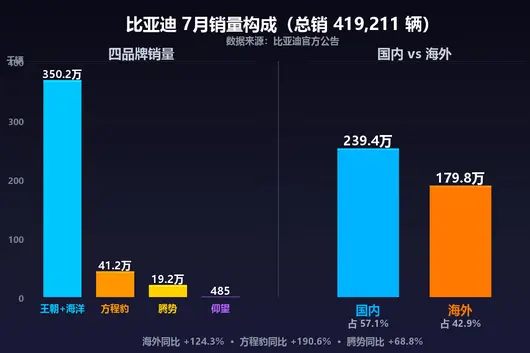
【车市百晓生】比亚迪 7 月销售 419,211 辆,同比增长 21.76%。1-7 月累计 2,227,722 辆。
总量再创新高。结构上的变化比总量更值得关注:海外正在成为最大增长引擎,国内从高速扩张转向精耕细作。

王朝+海洋:350,178 辆。绝对主力,占比超 80%。秦、宋、海豚、海鸥在 10-20 万区间已占据稳固份额。基数庞大,增速自然放缓——这是任何大单品成熟后都会经历的阶段。更重要的是,基本盘没有松动,竞争壁垒依然牢固。
方程豹:41,213 辆,同比增长 190.6%,环比增长 15.7%。比亚迪内部增速最快。豹 5 和豹 8 闪充版在 30-50 万区间站稳,说明高端化不是靠堆配置拼价格,是靠产品力说话。月销 4 万+在 30 万以上市场是什么概念?蔚来主品牌月销约 1 万,理想约 3 万——方程豹一个品牌做到了两者之和的量级。
腾势:19,196 辆,同比增长 68.8%。D9 稳坐 MPV 销冠,Z9GT 在轿跑市场有稳定贡献。Z9S 今天开启预售,轿车线补上后产品矩阵更完整。
仰望:485 辆。百万级月销近 500 台,跟奔驰 S 级、宝马 7 系同一量级。仰望不为走量,是技术旗舰,为品牌向上背书。
海外:18 万辆,增速 124%7 月海外销售 179,841 辆,同比增长 124.3%。1-7 月海外累计 969,208 辆,全年大概率突破 150 万辆。
不只是数字在涨,模式也在升级。泰国工厂年产 15 万辆已投产,巴西工厂在建,乌兹别克斯坦工厂投入运营——从出口整车到本地制造,这一步决定海外增速能不能持续。比亚迪在海外不只是卖车,是建工厂、建渠道、建品牌认知。
7 月全球汽车销量约 700 万辆,比亚迪占 6% 左右。海外提升空间巨大——不是一年两年的事,是十年二十年的增长赛道。

7 月国内销量约 24 万辆。这个数字背后是国内新能源市场的新常态——渗透率已破 60%,高速增长红利期正在过渡到存量竞争期。
对比亚迪来说,这不是挑战,是行业规律。10-20 万区间市场份额已经很高,边际扩张空间自然收窄。国内策略也在调整:不是追求继续大幅提升份额,而是通过新产品(秦 MAX、海豹 08)和新技术(第二代刀片电池、闪充)守住基本盘,同时更多资源投向海外和高端化。
简单说:国内从抢地盘转向守阵地,海外从试水转向猛攻。

三个阶段越来越清晰。
第一阶段"国内卷王"(2021-2023):刀片电池和 DM-i 横扫 10-20 万市场。第二阶段"品牌向上"(2024-2025):腾势、方程豹、仰望冲高端,已基本完成。第三阶段"全球扩张"(2026-至今):海外占比快速提升,从"中国比亚迪"走向"世界比亚迪"。
方程豹月销破 4 万、海外月销逼近 18 万——这两个数字一年前都不敢想。第二阶段收官,第三阶段正在加速。
下一个看点:海外月销何时超过国内?以当前增速差,今年四季度可能就会看到。

在馬來西亞嘅 SUV 市場,好多買家在揀車嘅時候都會用 寶騰 X70 同 奇瑞 Tiggo 7 PHEV 嚟做比較。呢兩款車喺價位同定位上都幾接近,今日我哋就由多個方面做一次詳細嘅對比,幫你節省咗做功課嘅時間。
寶騰 X70 喺馬來西亞嘅 OTR 售價係 RM 106,800 - 122,300,合共有 3 個版本,包括 1.5L Standard 2WD(RM 106,800)、1.5L Executive 2WD(RM 115,800)、1.5L Premium 2WD(RM 122,300) 等。
奇瑞 Tiggo 7 PHEV 喺馬來西亞嘅 OTR 售價係 RM 129,750 - 129,750,合共有 2 個版本,包括 2025 1.5T 90km CSH(RM 129,750)、奇瑞 Tiggo 7 PHEV 支援邊幾種充電方式?可唔可以使用家用電源插座充電?(RM 117,478) 等。
由價錢睇嚟,寶騰 X70 嘅起步價真係比 奇瑞 Tiggo 7 PHEV 平咗 RM 22,950。如果你預算有限,寶騰嘅入門版已經可以滿足日常需要。但都需要注意,平嗰幾千塊,可能喺配備方面要有取捨,具體就要睇你嘅需求。

寶騰 X70 嘅安全評級係 5★ (ASEAN NCAP),主動安全系統包括 ADAS (ACC, AEB, LKA, LDA, BSM, RCTA)。
奇瑞 Tiggo 7 PHEV 嘅安全評級係 TBD,主動安全系統包括 Basic。
安全配備方面,兩款車都拿到唔錯嘅評級。不過寶騰 X70 嘅 ADAS (ACC, AEB, LKA, LDA, BSM, RCTA) 同 奇瑞 Tiggo 7 PHEV 嘅 Basic 喺功能上有啲差異,如果你比較重視主動安全嘅話,可以仔細對比下兩者嘅功能列表。

寶騰 X70 車身長 4400 mm,行李廂 400 L。
奇瑞 Tiggo 7 PHEV 車身長 4400 mm,行李廂 400 L。
兩款車嘅尺寸幾乎一樣,車內空間差別唔大。呢個級別嘅車,日常使用完全够用。

寶騰 X70 採用 FWD 驅動方式。
奇瑞 Tiggo 7 PHEV 採用 FWD 驅動方式。
兩款車嘅驅動方式一樣,都係 FWD,日常駕駛感受唔會有太大分別。
總體嚟講,寶騰 X70 同 奇瑞 Tiggo 7 PHEV 都係馬來西亞市場幾唔錯嘅車款。揀邊一輛,關鍵都要睇你嘅個人需要同預算。建議大家做足功課,多比較幾間車行嘅報價,再去試車做最終決定。買車係一件大事,花少少時間做功課絕對唔會錯。


喺馬來西亞嘅 SUV 市場,好多買家喺揀車嗰陣都會拿 Proton X70 同 Chery Tiggo 7 PHEV 做比較。呢兩款車喺價位同定位上都幾接近,而家我哋就從多個方面做一個詳細嘅比較,幫你慳晒做功課嘅時間。
Proton X70 喺馬來西亞嘅 OTR 售價係 RM 106,800 - 122,300,一共有 3 個版本,包括 1.5L Standard 2WD(RM 106,800)、1.5L Executive 2WD(RM 115,800)、1.5L Premium 2WD(RM 122,300)等。
Chery Tiggo 7 PHEV 喺馬來西亞嘅 OTR 售價係 RM 129,750 - 129,750,一共有 2 個版本,包括 2025 1.5T 90km CSH(RM 129,750)、Tiggo 7 PHEV 支援咩充電方法?可以用家用電源插座充電嗎?(RM 117,478)等。
從價錢睇,Proton X70 嘅起步價確實比 Chery Tiggo 7 PHEV 平咗 RM 22,950。如果你預算有限,Proton 嘅入門版已經可以滿足日常需求。但都要注意,平嗰幾千蚊,可能喺配備上有取舍,具體要睇你嘅需求。
Proton X70 配備 1.5L Turbo,馬力 140 hp。官方油耗 7.0 L/100km。
Chery Tiggo 7 PHEV 配備 Hybrid,馬力 170 hp。官方油耗 4.5 L/100km。
動力方面,Chery Tiggo 7 PHEV 嘅 Hybrid 比 Proton X70 嘅 1.5L Turbo 多咗 30 匹馬力。不過日常喺市區開,兩款車嘅動力都夠用,唔會覺得唔夠力。
Proton X70 車身長 4400 mm,行李箱 400 L。
Chery Tiggo 7 PHEV 車身長 4400 mm,行李箱 400 L。
兩款車嘅尺寸幾乎一樣,車內空間差別唔大。呢個級別嘅車,日常使用完全夠用。
Proton X70 保養保修 5 年/150,000km,保養間隔 每 10,000km 或 6 個月。
Chery Tiggo 7 PHEV 保養保修 3 年/100,000km,保養間隔 每 10,000km 或 6 個月。
總體嚟講,Proton X70 同 Chery Tiggo 7 PHEV 都係馬來西亞市場幾唔錯嘅車型。選擇邊一部,關鍵係要睇你嘅個人需求同預算。建議大家做好功課,多比較幾間車行嘅報價,再去試車做最終決定。買車係件大事,花少少時間做功課絕對唔會錯。
喺馬來西亞嘅 SUV 市場,好多買家喺揀車嘅時候都會用 Proton X70 同 Chery Tiggo 8 Pro 嚟比較。呢兩款車喺價碼同定位上都幾接近,今日我哋就由多個方面做一個詳細嘅對比,幫你節省做功課嘅時間。
Proton X70 喺馬來西亞嘅 OTR 售價係 RM 106,800 - 122,300,合共有 3 個版本,包括 1.5L Standard 2WD(RM 106,800)、1.5L Executive 2WD(RM 115,800)、1.5L Premium 2WD(RM 122,300) 等。
Chery Tiggo 8 Pro 喺馬來西亞嘅 OTR 售價係 RM 159,750 - 159,750,合共有 2 個版本,包括 1.6L Turbo Standard(RM 130,000)、1.6L Turbo Premium(RM 145,000) 等。
由價錢嚟睇,Proton X70 嘅起步價確實比 Chery Tiggo 8 Pro 平咗 RM 52,950。如果你預算有限,Proton 嘅入門版已經可以滿足日常需求。但都要注意,平嗰幾千蚊,可能喺配備上會有取捨,具體要看你嘅需求。
Proton X70 車身長 4400 mm,尾箱 400 L。
Chery Tiggo 8 Pro 車身長 4400 mm,尾箱 400 L。
兩款車嘅尺寸幾乎一樣,車內空間分別唔大。呢級別嘅車,日常使用完全夠用。
Proton X70 保養保固 5 年/150,000km,保養間隔 每 10,000km 或 6 個月。
Chery Tiggo 8 Pro 保養保固 3 年/100,000km,保養間隔 每 10,000km 或 6 個月。
Proton X70 同 Chery Tiggo 8 Pro 都係馬來西亞市場嘅主流選擇,適合家庭用途、日常通勤。如果你更睇重品牌聲譽同二手價,可以優先考慮聲譽更好嗰一款;如果你更介意性價比同配備,就揀配備更豐富嗰款。最終都係建議兩款車都去試駕,親身體驗先係最重要嘅。
總體嚟講,Proton X70 同 Chery Tiggo 8 Pro 都係馬來西亞市場幾唔錯嘅車型。揀邊輛車,關鍵都係睇你嘅個人需求同預算。建議大家做好功課,多比較幾間車行嘅報價,先去試駕先做最終決定。買車係一件大事,花少少時間做功課絕對唔會錯。

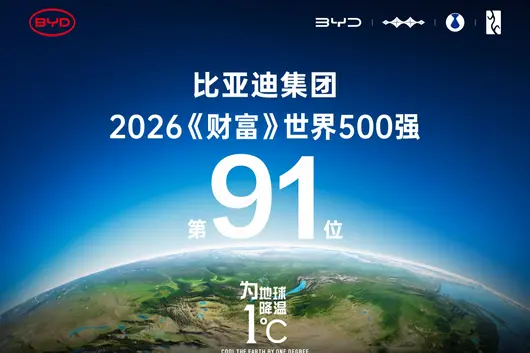
7月28日,2026年《财富》世界500强榜单揭晓,比亚迪连续第5年上榜,位列第91位,稳居全球百强阵营。在中国8家整车厂入围的情况下,比亚迪排名最高,更是榜单中唯一排名进入百强的中国车企。

这份成绩的背后,是一份让所有竞争对手都得仰望的成绩单。
460万辆!全球新能源汽车销冠,没有之一2025年,比亚迪全年营收8040亿元、净利润326亿元,新能源汽车全年销量达460万辆。460万辆是什么概念?相当于每天卖出1.26万辆新能源汽车,每7秒钟就有一辆比亚迪交付到用户手中。
2026年上半年,在行业整体承压的背景下,比亚迪累计销量依然超180万辆。7月,比亚迪第1700万辆新能源汽车正式下线,成为全球首家达成这一里程碑的车企。更令人震撼的是,从第1600万辆到第1700万辆,比亚迪仅用了不到3个月——日均下线超1.2万辆。这种制造速度,放在全球任何一个汽车工厂,都是不可思议的存在。

比亚迪凭什么能稳坐全球新能源汽车标杆企业的宝座?答案是:舍得砸钱搞研发。
2025年,比亚迪研发投入达634亿元,同比增长17%,连续两年位居A股上市公司第一。2026年一季度,研发投入达113亿元,领先国内主流车企及头部新势力。截至目前,累计研发投入已突破2500亿元。
钱砸在哪了?2026年3月,比亚迪发布第二代刀片电池及闪充技术。常温下“5分钟充好,9分钟充饱”,零下30度极寒环境下,充电时间仅比常温多3分钟。工信部总工程师在新闻发布会上专门点赞,称其打破了“快充、高续航、长寿命、低温性能不可兼得”的技术瓶颈。充电和加油一样快,这回真不是吹的。

比亚迪还计划年底前在全国建成20000座闪充站,全球布局6000座海外闪充站。5月,比亚迪率先承诺为城市领航安全兜底1年,宣布全系车型均可搭载天神之眼B辅助驾驶激光版。至今,还没有其他车企跟进这一承诺。

如果说国内市场是比亚迪的基本盘,那海外市场就是它的第二增长曲线。
2025年,比亚迪海外销量首次突破100万辆,同比增长145%。2026年上半年,海外销量超78万辆。其中,欧洲市场上半年上牌量达16.24万台,同比暴增136%。出海战略已形成“拉美领跑、欧洲突破、亚太多点开花”的格局。
今年,比亚迪首条海外云轨在巴西开通,巴西工厂达成第10万辆新能源汽车下线;腾势Z、Z9GT与D9开启欧洲科技新豪华篇章;首款海外专研车型海獭落地日本;泰国工厂迎来投产两周年。截至目前,比亚迪业务已遍布全球121个国家及地区。

截至6月30日,比亚迪新能源汽车相较传统燃油车,累计实现碳减排1.49亿吨,相当于植树24.8亿棵。在社会责任方面,比亚迪启动30亿元教育慈善基金,与全国127所高校达成捐赠协议,激励超6000名学子。

作为全球新能源汽车标杆企业,比亚迪从一家电池厂起步,到如今稳居世界500强第91位,比亚迪用20多年的时间证明了一件事:技术创新才是中国汽车走向全球的唯一通行证。作为全球新能源汽车标杆企业,比亚迪的下一个目标是什么?王传福早已给出了答案——为地球降温1℃。这个目标很大,但以比亚迪今天的节奏,没什么不可能。

The first half of 2026 has passed, a time for summary, review, and reflection. Amidst fluctuations in the global economy, Chinese auto exports have not slowed down; growth is accelerating.
This year, the total volume of complete Chinese car exports approached 5 million units, an increase of more than 60% year-over-year.
According to the consulting firm AlixPartners, China's car exports in 2026 are expected to break 10 million units, setting a historical record for the highest annual car exports from a single country. However, this 10 million unit overseas journey is far from smooth; global regional markets are showing vastly different landscapes and policies.

The US is the world's largest consumer market, but for a long time to come, Chinese cars may be excluded from it.
Many people think Chinese cars cannot enter the US due to high tariffs, but the reality is more complex. The US has effectively constructed a three-tier blockade system, almost completely severing ties with the Chinese automotive industry.
The first layer is tariff barriers. The US levies a 25% general tariff on imported cars, plus a 100% Section 301 tariff on Chinese EVs previously imposed, resulting in a combined tax rate exceeding 125%. For example, assuming the Li Auto i8 is exported to the US with an FOB price of $40,000, the tariff at destination would be $50,000, making the cost of these two items at least $90,000. In the US market, this price is sufficient to purchase the top-spec Cybertruck.

Besides tariffs, there are technology bans. In January 2025, the US released 'Rules for Intelligent Connected Vehicles', requiring that starting from the 2027 model year, connected car software designed, developed, or supplied by entities 'owned, controlled, or subject to the jurisdiction of' China or Russia be prohibited. Starting from the 2030 model year, connected car hardware is further prohibited. This rule not only looks at where the vehicle is assembled but penetrates to the source of software and capital.
Recently, Polestar became the first automotive brand affected by this. The US Department of Commerce refused to grant Polestar sales authorization, citing that 'vehicles equipped with relevant Chinese connected technologies may collect sensitive owner information and pose national security risks'. Therefore, Polestar had to announce a complete stop on selling new cars in the US starting from the 2027 model year, which is almost equivalent to exiting the US market.
Finally, there are legislative restrictions. In May of this year, the US Congress was still pushing for a stricter 'Connected Vehicle Safety Act', planning to elevate this temporary ban to permanent law, while sealing off traditional routes to evade sanctions such as 'transshipment through Mexico or Canada or building factories in the US'.
Therefore, against the backdrop of the US-China power game, the US market is likely the market with the greatest challenge for Chinese auto companies going global.

The EU is the world's second largest new energy vehicle market, and a strategic high ground Chinese auto companies must secure.
Although the previous anti-subsidy investigation and tax increase bill drew wide attention, the EU's strategy did not take a 'one-stick-kill' approach, but adopted a relatively gentle gradual means, essentially a form of self-industry protection.
In early 2026, after more than two years of negotiations between China and the EU, the EU implemented a minimum price commitment mechanism for Chinese imported electric vehicles. This means Chinese pure electric cars do not need to pay extra high taxes to enter Europe, but must price according to EU rules and cannot enter the market at too low a price.

On the surface, it seems Chinese enterprises no longer need to pay high anti-subsidy taxes, keeping profits in their own hands; but in essence, the EU is using administrative means to level out the price advantage of Chinese EVs, limiting Chinese EVs from launching price wars in the European market. This means every model and every configuration must be separately calculated for the minimum price, greatly raising compliance costs.
Therefore, for Chinese auto companies to develop in Europe in the future, they can no longer rely solely on price advantages; they must promote deep localization.
In the future European market, the pure 'complete vehicle trade export' model will have little room to survive. Chery building a joint venture in Spain and BYD's Hungarian factory production are using real investment to exchange for entry tickets, which is actually consistent with China's earlier approach of introducing foreign enterprises.
Although the threshold is raised, as long as enterprises are willing to share value and create benefits locally, the market door remains open—just a door that is 'half-open'.

Southeast Asia is the regional market with the most intensive investment and most significant results for Chinese auto companies. Thailand is a typical weather vane.
In January 2026, the Thai auto market welcomed a historical turning point. According to the Federation of Thai Industries, brand pure electric car sales in January reached 31,860 units, a year-on-year increase of 354%, accounting for more than 75% of Thailand's pure electric market share. On the brand sales list, Toyota ranked first with 19,113 units, BYD stayed firmly second with 12,812 units, Chery entered the top three with 9,714 units, and six Chinese brands collectively entered the top ten. Chinese brands' combined market share in Thailand reached 47.34%, historically surpassing Japanese brands' 47.338% for the first time.

Indonesia is another key market. By the end of 2025, the market share of Chinese brands in Indonesia doubled year-on-year to 14%, and BYD sales jumped to third place. In January 2026, Indonesia's new car wholesale sales were 66,447 units, a year-on-year increase of 7%. In the electric vehicle sector, Chinese market share reached as high as 91.7%.
Looking at the whole of Southeast Asia, the market landscape dominated by Japanese cars for sixty years is facing attacks from all sides. In 2025, Japanese car sales in Indonesia, Thailand, Vietnam and other six major countries declined by 22% compared to 2019, dropping to 68% in Thailand alone. Meanwhile, Chinese auto company sales in Southeast Asia exceeded 800,000 units in 2025, a year-on-year increase of over 120%, with average market share breaking through 35%. By the end of 2025, 7 Chinese auto companies had invested in building factories in Thailand, with cumulative investment exceeding $3 billion.
However, China's supply chain in ASEAN still has about 80% imported from China. Japanese car companies have not withdrawn, but switched tracks—Toyota invested 55 billion Thai Baht to expand hybrid production, local policies are shifting from focusing on pure electricity to technology neutrality. How to build a moat in local supply chain and product diversification is the next hard battle for Chinese auto companies in Southeast Asia.

Chinese cars in the Middle East market are undergoing dramatic changes.
In the first two months of 2026, the UAE has jumped to the second position among Chinese car export destinations, with import volume reaching 103,900 units, a year-on-year increase of 53%. In 2025, China's car exports to the Middle East region reached 1.4 million units, of which the UAE's 570,000 and Saudi Arabia's 300,000 combined contributed more than 60% of the share. The economic report released by Saudi media in 2026 shows that Chinese car brand sales in the Saudi market are expected to exceed 120,000 units annually.
This way, the market share of Chinese brands in the Middle East has risen to above 20%, with proportions breaking through 25% in core markets such as Saudi Arabia and the UAE, among which Chery and BYD are the two largest Chinese enterprises.
The key variable promoting this growth is exactly the recent change in the situation in the Middle East region. The tense situation in the Strait of Hormuz made this traditional golden route nearly paralyzed, ship traffic volume plummeted from about 130 ships per day in February to only 6 ships in March. Toyota has already planned to cut export production to the Middle East by 24,000 units, Nissan continued production cut measures, and Mazda also confirmed that exports to the Middle East would be stopped before the end of May.
The delivery period of Japanese car companies has been greatly extended, while Chinese car companies quickly filled the market vacancy with stable supply chains and more competitive products. Another significant advantage of the Middle East market is ample funds, objective recognition of Chinese brands, and geographical location that can radiate to Africa and Europe. This is also a major unexpected pleasure of Chinese auto exports this year.
The Latin American market is becoming one of the fastest-growing regions for Chinese auto companies.
In the first half of 2026, the sales of Chinese brands in the 7 countries of South America were between 650,000 and 750,000 units, an increase of more than 80% year-on-year, and the market share also officially exceeded US and German brands, becoming the third largest car series in the market.
In March this year, the monthly sales of Chinese brand cars in Mexico reached 15,698 units, with a market share of 11.9%, surpassing German brands for the first time. MG sales surged 54.2% to 6,166 units, ranking rising to 7th place; Geely sales surged 245.3%. Brazil was the fastest growing single market. For the entire first quarter, China exported 166,787 passenger cars to Brazil, with a cumulative year-on-year increase of 242.8%. Brazil has become the country with the largest export volume of Chinese new energy vehicles.
But uncertainties facing the Latin American market are also rising. The US is pressuring Mexico to require it to limit the entry of Chinese cars into North America through the US-Mexico-Canada Trade Agreement. BYD has established sales networks in Brazil and Mexico and plans to build a factory in Mexico, but how long the 'Mexico stepping stone' can play a role largely depends on policy gaming between the US and Mexico.
Africa has 1.4 billion people, but the current car penetration rate is low, and most car companies did not fully pay attention due to consumption power limitations. But looking at the data from the first half of 2026, important trend changes are appearing in South Africa and North Africa.
The industrial orientation of core countries such as Egypt and South Africa is very clear; they vigorously encourage local assembly models, complete vehicle import tariffs are high, but imported parts can enjoy great tax incentives. So layout in Africa, similarly cannot expect to rely solely on complete vehicle exports to achieve profitability, the core logic is still 'industry exchanging for market'.

If enterprises can invest deeply to build factories locally and drive local employment with parts assembly, it is more promising to obtain long-term market entry tickets. Although there is limited premium space at present, there are still few Chinese auto companies willing to make long-term layouts here.
Who is the largest national market for Chinese auto exports? It is Russia.
In the first quarter of 2026, China exported 186,765 passenger cars to Russia, with a cumulative year-on-year increase of 97.1%. From January to May 2026, Russia ranked first among Chinese car export destinations with a monthly import volume of 94,301 units. In 2025, the market share of Chinese independent brands in Russia rebounded to 57.2%, accounting for more than half.

The speciality of the Russian market lies in the huge market vacancy left by the mass exit of Western car companies, and Chinese brands quickly filled this gap. However, objectively speaking, geopolitical risks remain the 'Sword of Damocles' in trade between China and Russia.
Final Thoughts
Some predict that Chinese auto exports in 2026 will cross the 10 million unit threshold, which is undoubtedly a milestone achievement in the entire history of human industry.
However, we believe this number is not the higher the better, because the higher the number, the more challenging the road ahead. Chinese auto exports need to formally move from the 1.0 stage of purely pursuing sales to the 2.0 era of system output and supply chain output. And in this more mature stage, the competitive fire between Chinese auto companies will also extend comprehensively to overseas markets.
Looking around at the current global landscape, the automotive industry is irrevocably dividing into two camps: 'China Ecosystem' and 'Non-China Ecosystem'. In overseas markets, our biggest opponent may no longer be Toyota or Tesla, but those Chinese peers who are going global together to compete.
In the Malaysian SUV market, many buyers compare Perodua Aruz and Mazda CX-30 when choosing a car. These two cars are quite close in price and positioning. Today we will make a detailed comparison from multiple aspects to save you time on research.
Perodua Aruz OTR price in Malaysia is RM 72,900 - 77,900, with a total of 2 versions, including 1.5L X (RM 72,900), 1.5L AV (RM 77,900), etc.
Mazda CX-30 OTR price in Malaysia is RM 122,409 - 146,409, with a total of 4 versions, including 2025 2.0L High+ Premium (RM 146,409), 2025 2.0L High+ (RM 138,409), 2025 2.0L High (RM 130,409), etc.
From a price perspective, the starting price of Perodua Aruz is indeed RM 49,509 cheaper than Mazda CX-30. If your budget is limited, the entry-level Perodua can already meet daily needs. But note, the few thousand cheaper might involve trade-offs in features, depending on your needs.
Perodua Aruz safety rating is 5★ (ASEAN NCAP), active safety systems include.
Mazda CX-30 safety rating is 5★ (ASEAN NCAP), active safety systems include i-Activsense.
Both cars have the same safety rating, and safety features in this segment are considered quite comprehensive. New car safety is not bad nowadays, no need to worry too much about this.
Perodua Aruz body length 4400 mm, trunk 400 L.
Mazda CX-30 body length 4500 mm, trunk 450 L.
Regarding space, Mazda CX-30 body is 100 mm longer than Perodua Aruz, offering an advantage in seating space. However, Perodua Aruz is a bit more flexible for parking in the city, each has trade-offs.
Perodua Aruz warranty 5 years/150,000km, maintenance interval every 10,000km or 6 months.
Mazda CX-30 warranty 5 years/150,000km, maintenance interval every 10,000km or 6 months.
Warranty conditions for both cars are the same, no need to worry about this. Actual maintenance costs depend on the brand's service network and parts prices, suggest asking real owners in car groups for experience.

Overall, Perodua Aruz and Mazda CX-30 are both very good models in the Malaysian market. Which one to choose depends on your personal needs and budget. It is recommended to do your research, compare quotes from several dealerships, and then test drive to make the final decision. Buying a car is a big matter, spending time doing research is never wrong.
喺馬來西亞嘅 SUV 市場,好多買家喺揀車嘅時候都會拿寶達阿路斯同奇瑞瑞虎 7 Pro 嚟做比較。呢兩款車喺價錢同定位上都幾近,今日我就從多個方面做一個詳細嘅比較,幫你節省咗做功課嘅時間。
寶達阿路斯喺馬來西亞嘅 落地價 係 令吉 72,900 - 77,900,一共有 2 個版本,包括 1.5L X(令吉 72,900)、1.5L AV(令吉 77,900) 等。
奇瑞瑞虎 7 Pro 喺馬來西亞嘅 落地價 係 令吉 123,750 - 123,750,一共有 2 個版本,包括 1.6L 渦輪 標準版(令吉 125,000)、1.6L 渦輪 豪華版(令吉 140,000) 等。
從價錢來看,寶達阿路斯嘅起步價確實比奇瑞瑞虎 7 Pro 平咗 令吉 50,850。如果你預算有限,寶達嘅入門版已經可以滿足日常需要。但都要注意,平嘅幾千塊,可能喺配備上會有取舍,具體要睇你嘅需要。
寶達阿路斯搭載 1.5L 四缸,馬力 105 匹。官方油耗 6.0 公升/100 公里。
奇瑞瑞虎 7 Pro 搭載 1.6L 渦輪,馬力 140 匹。官方油耗 7.0 公升/100 公里。
動力方面,奇瑞瑞虎 7 Pro 嘅 1.6L 渦輪 比 寶達阿路斯 嘅 1.5L 四缸 多咗 35 匹馬力。不過日常喺市區開,兩款車嘅動力都夠用,唔會覺得唔夠力。
寶達阿路斯嘅安全評級係 5★ (東協汽車評級),主動安全系統包括 。
奇瑞瑞虎 7 Pro 嘅安全評級係 待定,主動安全系統包括 基礎。
寶達阿路斯保養 5 年/150,000 公里,保養間隔 每 10,000 公里 或 6 個月。
奇瑞瑞虎 7 Pro 保養 3 年/100,000 公里,保養間隔 每 10,000 公里 或 6 個月。
總體嚟講,寶達阿路斯 同 奇瑞瑞虎 7 Pro 都係馬來西亞市場幾唔錯嘅車型。揀邊一部,關鍵始終要睇你嘅個人需要同預算。建議大家做好功課,多比較幾間車行嘅報價,再去試駕做最終決定。買車係一件大事,花少少時間做功課絕對唔會錯。

In the Malaysian SUV market, many buyers tend to compare Proton X70 and Mazda CX-8 when choosing a car. Both cars are quite close in price and positioning, so today we will make a detailed comparison from multiple aspects to help you save time on research.
The OTR price of Proton X70 in Malaysia is RM 106,800 - 122,300, with a total of 3 variants, including 1.5L Standard 2WD (RM 106,800), 1.5L Executive 2WD (RM 115,800), 1.5L Premium 2WD (RM 122,300) etc.
The OTR price of Mazda CX-8 in Malaysia is RM 165,360 - 201,360, with a total of 5 variants, including 2025 2.5T 4WD High Plus Petrol (RM 201,360), 2025 2.2L 2WD High Plus Diesel (RM 193,123), 2025 2.5L 2WD High Plus Petrol (RM 186,360) etc.
In terms of price, the starting price of Proton X70 is indeed RM 58,560 cheaper than Mazda CX-8. If your budget is limited, Proton's entry-level version can already meet daily needs. But also note, that cheaper few thousand amount might involve trade-offs in equipment, specifically depends on your requirements.

Proton X70 is equipped with 1.5L Turbo, horsepower 140 hp. Official fuel consumption 7.0 L/100km.
Mazda CX-8 is equipped with 2.0L 4-cyl, horsepower 170 hp. Official fuel consumption 8.0 L/100km.
In terms of power, Mazda CX-8's 2.0L 4-cyl has 30 more horsepower than Proton X70's 1.5L Turbo. However, for daily driving in the city, the power of both cars is sufficient, will not feel lack of power.

Proton X70's safety rating is 5★ (ASEAN NCAP), active safety systems include ADAS (ACC, AEB, LKA, LDA, BSM, RCTA).
Mazda CX-8's safety rating is 5★ (ASEAN NCAP), active safety systems include Brand ADAS.
Both cars have the same safety rating, in this class safety features are considered quite comprehensive. New car safety nowadays is not bad, no need to worry too much about this point.

Proton X70 adopts FWD drive method.
Mazda CX-8 adopts FWD drive method.
Both cars have the same drive method, both are FWD, daily driving experience will not have too big difference.
Overall, Proton X70 and Mazda CX-8 are both very good car models in the Malaysian market. Choosing which one, the key is still depends on your personal needs and budget. Suggest everyone do research well, compare quotes from several dealerships, then go test drive to make final decision. Buying a car is a big matter, spending time on research will definitely not be wrong.


剛剛過去嘅 7 月,深藍汽車產銷快報顯示全球同比增長 7.52%。放喺上半年價格戰打到關節響嘅環境入面,呢個數據講唔上驚艷,甚至有點溫”。但係越係呢種看似缺乏爆發力嘅爬坡,越考驗一家車企嘅心肺功能。深藍而家嘅累計基數停喺 91 萬輛,距離嗰個被反覆提及嘅百萬里程碑,只剩唔到 10 萬輛。

睇翻細則,海外按月升咗 22.87%。深藍 S07 去咗欧亚,S05 喺印尼同希臘落地。國內卷配置,海外卷嘅係體系。能夠將渠道一點點楔入成熟嘅歐洲市場同複雜嘅東南亞市場,呢種啃硬骨頭嘅慢功夫,短期內睇唔到浪花,卻係日後抗風險嘅命根子。

7 月嘅反常喺於靜。冇見住鋪天蓋地嘅促銷海報,反倒傳出咗調整產品結構嘅消息。喺汽車圈叫收拳。明眼人都看得出,呢啲係為 8 月、9 月騰挪空間,亦係深藍董事長鄧承浩 6 月喺重慶車展“全系上激光雷達”嘅前奏。渠道端嘅店效倍增,唔好成日諗住割韭菜,得識種莊稼。同京東聯合推出國民好車 2.0,押注葡萄牙國家隊,其實都在指向同一個目標,用戶全生命週期嘅價值挖掘。

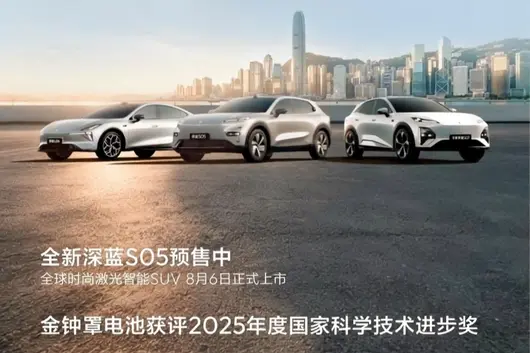
再看技術底子。原力電驅落線破百萬台,呢啲唔止係規模效應,更係可靠性嘅背書。金鍾罩電池攞咗國家科技進步獎,後台監測到嘅 60 萬公里衰減數據,比任何形容詞都勁。下半年要上嘅 800V 高壓平台同 6C 超充,10 分鐘補能 50%,呢啲先係支撐 15 萬級市場嘅硬通貨。
球門就喺眼前。可踢過球嘅人都明,起腳前嗰几步助跑同調整,往往比射門嗰一瞬間更耗費體能,亦更決定成敗。剩下嘅呢 9 萬輛點樣跑完,深藍選擇嘅節奏係換檔而非加速。或許,對於當下嘅中國新能源車市嚟講,呢種敢喺衝刺階段調整呼吸嘅做法,比嗰個百萬數字本身,更值得等待。

In the Malaysian SUV market, many buyers compare Perodua Aruz and Chery Tiggo Cross when choosing a vehicle. These two models are quite close in pricing and positioning. Today, we will conduct a detailed comparison from multiple angles to help you save time on research.
Perodua Aruz OTR price in Malaysia is RM 72,900 - 77,900, with 2 versions in total, including 1.5L X (RM 72,900), 1.5L AV (RM 77,900), etc.
Chery Tiggo Cross OTR price in Malaysia is RM 88,750 - 99,750, with 2 versions in total, including 2025 HEV 1.5L CSH (RM 99,750), 2025 1.5T Standard (RM 88,750), etc.
In terms of price, Perodua Aruz's starting price is indeed RM 15,850 cheaper than Chery Tiggo Cross. If your budget is limited, Perodua's entry-level version can already meet daily needs. However, note that the few thousand ringgit saved might involve trade-offs in features, depending on your specific needs.
Perodua Aruz is equipped with 1.5L 4-cyl, 105 hp. Official fuel consumption 6.0 L/100km.
Chery Tiggo Cross is equipped with 1.5L 4-cyl, 105 hp. Official fuel consumption 6.0 L/100km.
Both cars use the same powertrain system, the daily driving experience is basically no different. Fuel consumption is also similar, no need to worry too much about this.
Perodua Aruz body length 4400 mm, trunk 400 L.
Chery Tiggo Cross body length 4400 mm, trunk 400 L.
The dimensions of both cars are almost identical, interior space difference is not significant. For this class of cars, daily use is more than sufficient.
Perodua Aruz adopts FWD drive mode.
Chery Tiggo Cross adopts FWD drive mode.
Both cars have the same drive mode, both are FWD, daily driving experience will not differ much.

Overall, Perodua Aruz and Chery Tiggo Cross are both excellent models in the Malaysian market. Choosing which one depends on your personal needs and budget. It is recommended to do thorough research, compare quotes from multiple dealerships, and then test drive to make the final decision. Buying a car is a big matter, spending time on research will never be wrong.
In the Malaysian SUV market, many buyers compare Perodua Aruz and Chery Tiggo 7 Pro when choosing a car. These two models are quite close in price and positioning. Today we will make a detailed comparison from multiple aspects to help you save time on research.
Perodua Aruz OTR price in Malaysia is RM 72,900 - 77,900, there are 2 versions in total, including 1.5L X (RM 72,900), 1.5L AV (RM 77,900) etc.
Chery Tiggo 7 Pro OTR price in Malaysia is RM 123,750 - 123,750, there are 2 versions in total, including 1.6L Turbo Standard (RM 125,000), 1.6L Turbo Premium (RM 140,000) etc.
From a price perspective, the starting price of Perodua Aruz is indeed RM 50,850 cheaper than Chery Tiggo 7 Pro. If your budget is limited, the entry-level version of Perodua can already meet daily needs. But also note, the few thousand dollars cheaper might have trade-offs in equipment, it depends on your needs.
Perodua Aruz is equipped with 1.5L 4-cyl, horsepower 105 hp. Official fuel consumption 6.0 L/100km.
Chery Tiggo 7 Pro is equipped with 1.5L Turbo, horsepower 140 hp. Official fuel consumption 7.0 L/100km.
In terms of power, the 1.5L Turbo of Chery Tiggo 7 Pro has 35 more horsepower than the 1.5L 4-cyl of Perodua Aruz. However, for daily driving in the city, the power of both cars is sufficient, you won't feel it lacks power.
Perodua Aruz body length 4400 mm, trunk 400 L.
Chery Tiggo 7 Pro body length 4400 mm, trunk 400 L.
The dimensions of both cars are almost the same, interior space difference is not significant. For cars at this level, daily use is completely sufficient.
Perodua Aruz adopts FWD drive type.
Chery Tiggo 7 Pro adopts FWD drive type.
The drive type of both cars is the same, both are FWD, daily driving experience will not have much difference.
Perodua Aruz warranty 5 years/150,000km, maintenance interval every 10,000km or 6 months.
Chery Tiggo 7 Pro warranty 3 years/100,000km, maintenance interval every 10,000km or 6 months.
In summary, Perodua Aruz and Chery Tiggo 7 Pro are both very good models in the Malaysia market. Which one to choose mainly depends on your personal needs and budget. We suggest doing research well, comparing quotes from several car dealers, and then test drive to make the final decision. Buying a car is a big thing, spending time researching will definitely not be wrong.
In the Malaysian SUV market, many buyers compare Perodua Aruz and Chery Tiggo 8 when choosing a car. These two cars are quite close in price and positioning. Today, we will make a detailed comparison from multiple aspects to help you save time on research.
The OTR price of Perodua Aruz in Malaysia is RM 72,900 - 77,900, with a total of 2 versions, including 1.5L X (RM 72,900), 1.5L AV (RM 77,900), etc.
The OTR price of Chery Tiggo 8 in Malaysia is RM 129,750 - 129,750, with a total of 1 version, including 2026 1.6T Standard (RM 129,750), etc.
From a price perspective, the starting price of Perodua Aruz is indeed RM 56,850 cheaper than Chery Tiggo 8. If your budget is limited, Perodua's entry-level version can already meet daily needs. However, also note that the difference of a few thousand Ringgit may involve compromises in features, depending on your specific needs.
Perodua Aruz's safety rating is 5★ (ASEAN NCAP), active safety systems include .
Chery Tiggo 8's safety rating is TBD, active safety systems include Basic.
Perodua Aruz body length is 4400 mm, trunk 400 L.
Chery Tiggo 8 body length is 4400 mm, trunk 400 L.
The dimensions of both cars are almost the same, and the interior space difference is not significant. Cars in this class are completely sufficient for daily use.
Perodua Aruz and Chery Tiggo 8 are both mainstream choices in the Malaysian market, suitable for family use and daily commuting. If you value brand reputation and resale value more, prioritize the one with better reputation; if you care more about cost-performance ratio and features, choose the one with richer configuration. Ultimately, it is recommended to test drive both, personal experience is the most important.

Overall, Perodua Aruz and Chery Tiggo 8 are both very good car models in the Malaysian market. Which one to choose depends mainly on your personal needs and budget. We recommend doing your research, comparing quotes from several dealerships, and then test driving to make the final decision. Buying a car is a major matter, spending some time on research is never wrong.

喺馬來西亞嘅 SUV 市場,好多買家喺揀車嘅時候都會用 Perodua Aruz 同 Mitsubishi Xforce 嚟做比較。呢兩款車喺價位同定位上都幾接近,今日我哋就從多個方面做個詳細比較,幫你省下做功課嘅時間。
Perodua Aruz 喺馬來西亞嘅 OTR 售價係 RM 72,900 - 77,900,一共有 2 個版本,包括 1.5L X(RM 72,900)、1.5L AV(RM 77,900) 等。
Mitsubishi Xforce 喺馬來西亞嘅 OTR 售價係 RM 109,930 - 119,930,一共有 2 個版本,包括 2026 1.5L Ultimate(RM 119,930)、2026 1.5L Urban(RM 109,930) 等。
由價錢睇落,Perodua Aruz 嘅起價確實比 Mitsubishi Xforce 平咗 RM 37,030。如果你預算有限,Perodua 嘅入門版已經可以滿足日常需求。但都係要留意,平咗嗰幾千蚊,可能喺配備上會有取捨,具體就要睇你嘅需求。
Perodua Aruz 嘅安全評級係 5★ (ASEAN NCAP),主動安全系統包括 。
Mitsubishi Xforce 嘅安全評級係 5★ (ASEAN NCAP),主動安全系統包括 MI-PILOT。
兩款車嘅安全評級一樣,喺呢個級別入面安全配備都算給好齊全。而家嘅新車安全性都唔差,唔使太擔心呢一點。
Perodua Aruz 採用 FWD 驅動方式。
Mitsubishi Xforce 採用 FWD 驅動方式。
兩款車嘅驅動方式一樣,都係 FWD,日常駕駛感受唔會有太大分別。
Perodua Aruz 保修 5 年/150,000km,保養間隔 每 10,000km 或 6 個月。
Mitsubishi Xforce 保修 3 年/100,000km,保養間隔 每 10,000km 或 6 個月。

總體嚟講,Perodua Aruz 同 Mitsubishi Xforce 都係馬來西亞市場好唔錯嘅車款。揀邊一輛,關鍵仲要睇你嘅個人需求同預算。建議大家做好功課,多比較幾間車行嘅報價,再去試駕先至做最終決定。買車係件大事,花少少時間做功課絕對唔會錯。

In the Malaysian SUV market, many buyers compare Perodua Aruz and Chery Tiggo 7 PHEV when choosing a car. These two cars are quite close in price and positioning, today we will make a detailed comparison from multiple aspects to help you save time on research.
Perodua Aruz OTR price in Malaysia is RM 72,900 - 77,900, there are 2 versions in total, including 1.5L X (RM 72,900), 1.5L AV (RM 77,900) etc.
Chery Tiggo 7 PHEV OTR price in Malaysia is RM 129,750 - 129,750, there are 2 versions in total, including 2025 1.5T 90km CSH (RM 129,750), What charging methods does the Tiggo 7 PHEV support? Can it be charged using a home power socket? (RM 117,478) etc.
From the price perspective, Perodua Aruz starting price is indeed RM 56,850 cheaper than Chery Tiggo 7 PHEV. If your budget is limited, Perodua's entry-level version is already sufficient for daily needs. But also note, the few thousand difference might have trade-offs in features, depending on your needs.
Perodua Aruz safety rating is 5★ (ASEAN NCAP), active safety systems include.
Chery Tiggo 7 PHEV safety rating is TBD, active safety systems include Basic.
Perodua Aruz adopts FWD drive mode.
Chery Tiggo 7 PHEV adopts FWD drive mode.
Both cars have the same drive mode, both are FWD, daily driving feel will not differ much.
Perodua Aruz warranty 5 years/150,000km, maintenance interval every 10,000km or 6 months.
Chery Tiggo 7 PHEV warranty 3 years/100,000km, maintenance interval every 10,000km or 6 months.
Overall, Perodua Aruz and Chery Tiggo 7 PHEV are both very good car models in the Malaysian market. Choosing which one depends mainly on your personal needs and budget. We recommend doing research, comparing quotes from several dealerships, and then test driving to make a final decision. Buying a car is a big matter, spending some time doing research will never be wrong.

喺馬來西亞嘅 SUV 市場,好多買家喺揀車嘅時候都會拿 Proton X70 同 Chery Tiggo 7 Pro 嚟做比較。這兩款車喺價位同定位上都幾接近,今日我哋就從多個方面做一個詳細嘅比較,幫你省下做下功課嘅時間。
Proton X70 喺馬來西亞嘅 OTR 售價係 RM 106,800 - 122,300,一共有 3 個版本,包括 1.5L Standard 2WD(RM 106,800)、1.5L Executive 2WD(RM 115,800)、1.5L Premium 2WD(RM 122,300) 等。
Chery Tiggo 7 Pro 喺馬來西亞嘅 OTR 售價係 RM 123,750 - 123,750,一共有 2 個版本,包括 1.6L Turbo Standard(RM 125,000)、1.6L Turbo Premium(RM 140,000) 等。
由價錢睇落,Proton X70 嘅起價確實比 Chery Tiggo 7 Pro 平咗 RM 16,950。如果你預算有限,Proton 嘅入門版已經可以滿足日常需要。但都要注意,便宜嗰幾千塊,喺配備上會有取捨,具體要睇你嘅需要。
Proton X70 配備 1.5L Turbo,馬力 140 hp。官方油耗 7.0 L/100km。
Chery Tiggo 7 Pro 配備 1.5L Turbo,馬力 140 hp。官方油耗 7.0 L/100km。
兩款車用住同一套動力系統,日常開落嚟嘅感覺基本冇分別。油耗方面都差唔多,唔使太糾結呢一點。
Proton X70 採用 FWD 驅動方式。
Chery Tiggo 7 Pro 採用 FWD 驅動方式。
兩款車嘅驅動方式一樣,都係 FWD,日常駕駛感受唔會有太大分別。
Proton X70 保修 5 年/150,000km,保養間隔 每 10,000km 或 6 個月。
Chery Tiggo 7 Pro 保修 3 年/100,000km,保養間隔 每 10,000km 或 6 個月。
Proton X70 同 Chery Tiggo 7 Pro 都係馬來西亞市場嘅主流選擇,適合家庭使用、日常上落班。如果你更重視品牌口碑同二手價,可以優先考慮口碑更好嗰一款;如果你更介意性價比同配備,那就揀配備更豐富嗰款。最終都係建議兩款都去試駕,親身體驗先至係最重要。
總括嚟講,Proton X70 同 Chery Tiggo 7 Pro 都係馬來西亞市場都幾正嘅車型。揀邊輛,關鍵都係睇你嘅個人需要同預算。建議大家做足功課,多比較幾間車行嘅報價,再去試駕做最終決定。買車係件大事,費少少時間做功課絕對唔會錯。
© 2024 Bitauto.com. All Rights Reserved.
Bitauto (www.yiche.com and www.bitauto.com) is one of the most visited automotive websites in China. We provide detailed info on Chinese car brands available in your area. Please note that the information provided on this website is based on publicly available data and is for reference only. It may not be fully updated or accurate at all times.

Help us improve our website


