

HomeHonda City

Search History
Popular Searches
Dealer Login / Sign Up

In the Malaysian SUV market, many buyers tend to compare Toyota Harrier and Volvo XC60 PHEV when choosing a car. Both cars are quite close in price and positioning, so today we will do a detailed comparison from multiple aspects to help you save the time spent on research.
The OTR price of Toyota Harrier in Malaysia is RM 289,000 - 289,000, with a total of 1 version, including 2026 HEV 2.5L Standard (RM 289,000) etc.
The OTR price of Volvo XC60 PHEV in Malaysia is RM 362,888 - 362,888, with a total of 2 versions, including 2025 2.0T 89km Ultra (RM 362,888), What safety features does the Volvo XC60 PHEV have? (RM 296,610) etc.
In terms of price, Toyota Harrier's starting price is indeed RM 73,888 cheaper than Volvo XC60 PHEV. If your budget is limited, Toyota's entry-level version can already meet daily needs. But also note, the few thousand difference might have trade-offs in features, depends on your specific needs.

Toyota Harrier is equipped with 2.0L Turbo, horsepower 220 hp. Official fuel consumption 9.5 L/100km.
Volvo XC60 PHEV is equipped with Hybrid, horsepower 170 hp. Official fuel consumption 4.5 L/100km.
Regarding power, Toyota Harrier's 2.0L Turbo has 50 more horsepower than Volvo XC60 PHEV's Hybrid, giving more confidence in mid-range acceleration, especially when overtaking on highways. However, Volvo XC60 PHEV's fuel economy might be more friendly, difference in daily city commuting won't be too big.

Toyota Harrier safety rating is 5★ (ASEAN NCAP), active safety system includes Brand ADAS.
Volvo XC60 PHEV safety rating is 5★ (Euro NCAP), active safety system includes Premium ADAS.
Regarding safety features, both cars received good ratings. However, there are some differences in functions between Toyota Harrier's Brand ADAS and Volvo XC60 PHEV's Premium ADAS. If you value active safety highly, you can compare their function lists carefully.

Toyota Harrier body length 4400 mm, trunk 400 L.
Volvo XC60 PHEV body length 4400 mm, trunk 400 L.
Both cars have almost the same dimensions, interior space difference is not big. For this class of cars, it is completely sufficient for daily use.

Toyota Harrier warranty 5 years/unlimited mileage, maintenance interval every 10,000km or 6 months.
Volvo XC60 PHEV warranty 5 years/unlimited mileage, maintenance interval every 10,000km or 6 months.

Overall, Toyota Harrier and Volvo XC60 PHEV are both very good models in the Malaysian market. Which one to choose depends mainly on your personal needs and budget. We recommend doing your research, comparing quotes from multiple dealers, and then test driving to make the final decision. Buying a car is a big deal, spending some time researching is definitely not wrong.


In the SUV market in Malaysia, many buyers compare Toyota Harrier and Volvo XC90 when choosing a car. These two cars are quite close in price and positioning. Today we will make a detailed comparison from multiple aspects to save you time doing research.
The OTR price of Toyota Harrier in Malaysia is RM 289,000 - 289,000, with a total of 1 version, including 2026 HEV 2.5L Standard (RM 289,000) and so on.
The OTR price of Volvo XC90 in Malaysia is RM 418,888 - 418,888, with a total of 1 version, including 2025 2.0T Ultra (RM 418,888) and so on.
In terms of price, the starting price of Toyota Harrier is indeed RM 129,888 cheaper than Volvo XC90. If your budget is limited, Toyota's entry-level model can already meet daily needs. But keep in mind, the few thousand dollars cheaper might mean trade-offs in features, depending on your specific needs.
Toyota Harrier is equipped with 2.0L Turbo, horsepower 220 hp. Official fuel consumption 9.5 L/100km.
Volvo XC90 is equipped with 3.0L Turbo, horsepower 350 hp. Official fuel consumption 12.0 L/100km.
In terms of power, Volvo XC90's 3.0L Turbo has 130 more horsepower than Toyota Harrier's 2.0L Turbo. However, for daily city driving, the power of both cars is sufficient, you won't feel underpowered.
Toyota Harrier's safety rating is 5★ (ASEAN NCAP), active safety system includes Brand ADAS.
Volvo XC90's safety rating is 5★ (Euro NCAP), active safety system includes Premium ADAS.
Regarding safety features, both cars have received good ratings. However, Toyota Harrier's Brand ADAS and Volvo XC90's Premium ADAS have some differences in functionality. If you value active safety highly, you can compare their feature lists carefully.
Toyota Harrier body length 4400 mm, trunk 400 L.
Volvo XC90 body length 4400 mm, trunk 400 L.
The dimensions of both cars are almost identical, and the interior space difference is not significant. For cars in this class, they are fully sufficient for daily use.

Toyota Harrier adopts FWD drive mode.
Volvo XC90 adopts FWD drive mode.
The drive mode of both cars is the same, both are FWD, there won't be much difference in daily driving experience.

Overall, Toyota Harrier and Volvo XC90 are both very good models in the Malaysian market. Which one to choose depends on your personal needs and budget. It is recommended to do your homework, compare quotes from a few car dealers, and test drive before making a final decision. Buying a car is a big matter, spending time doing homework will definitely not go wrong.

Dalam pasaran SUV di Malaysia, ramai pembeli membandingkan Toyota Harrier dan Volvo XC90 PHEV ketika memilih kereta. Kedua-dua model ini mempunyai harga dan penjenamaan yang agak hampir, hari ini kita akan buat perbandingan terperinci dari pelbagai aspek untuk membantu anda menjimatkan masa membuat penyelidikan.
Toyota Harrier dijual di Malaysia dengan harga OTR ialah RM 289,000 - 289,000, keseluruhan 1 versi, termasuk 2026 HEV 2.5L Standard (RM 289,000) dan sebagainya.
Volvo XC90 PHEV dijual di Malaysia dengan harga OTR ialah RM 434,888 - 434,888, keseluruhan 2 versi, termasuk 2025 2.0T 77km Ultra (RM 434,888), apakah ciri keselamatan yang dimiliki Volvo XC90 PHEV? (RM 362,888) dan sebagainya.
Dari segi harga, permulaan Toyota Harrier memang RM 145,888 lebih murah daripada Volvo XC90 PHEV. Jika bajet anda terhad, versi pemula Toyota sudah mencukupi untuk keperluan harian. Namun, perlu diingat, beberapa ribu ringgit yang lebih murah itu mungkin mempunyai kompromi dari segi ciri, bergantung kepada keperluan anda.
Toyota Harrier dilengkapi 2.0L Turbo, kuasa 220 hp. Penggunaan minyak rasmi 9.5 L/100km.
Volvo XC90 PHEV dilengkapi Hybrid, kuasa 170 hp. Penggunaan minyak rasmi 4.5 L/100km.
Dari segi kuasa, 2.0L Turbo Toyota Harrier mempunyai 50 hp lebih daripada Hybrid Volvo XC90 PHEV, memberikan keyakinan lebih baik dalam pecutan pertengahan, terutamanya ketika memotong di lebuh raya. Namun, penggunaan minyak Volvo XC90 PHEV mungkin lebih jimat, perbezaan dalam perjalanan harian di bandar mungkin tidak begitu besar.
Penggredan keselamatan Toyota Harrier ialah 5★ (ASEAN NCAP), sistem keselamatan aktif termasuk Brand ADAS.
Penggredan keselamatan Volvo XC90 PHEV ialah 5★ (Euro NCAP), sistem keselamatan aktif termasuk Premium ADAS.
Dari segi ciri keselamatan, kedua-dua kereta mendapat penggredan yang baik. Walau bagaimanapun, Brand ADAS Toyota Harrier dan Premium ADAS Volvo XC90 PHEV mempunyai perbezaan dari segi fungsi. Jika anda mengutamakan keselamatan aktif, anda boleh buat perbandingan terperinci senarai fungsi kedua-duanya.
Toyota Harrier dijamin 5 tahun/ tanpa had jarak, selang penyelenggaraan setiap 10,000km atau 6 bulan.
Volvo XC90 PHEV dijamin 5 tahun/ jarak tanpa had, selang penyelenggaraan setiap 10,000km atau 6 bulan.

Toyota Harrier dan Volvo XC90 PHEV adalah pilihan utama di pasaran Malaysia, sesuai untuk kegunaan keluarga dan perjalanan harian. Jika anda lebih mengutamakan reputasi jenama dan harga kereta terpakai, anda boleh utamakan model yang mempunyai reputasi lebih baik; jika anda lebih mengambil berat tentang nisbah harga dan ciri, pilih model yang lebih kaya dengan konfigurasi. Pada akhirnya, disarankan untuk memandu ujian kedua-dua model, pengalaman peribadi adalah yang paling penting.

Secara keseluruhan, Toyota Harrier dan Volvo XC90 PHEV adalah model yang sangat baik di pasaran Malaysia. Memilih yang mana, penting bergantung kepada keperluan dan bajet peribadi anda. Kami menyarankan anda membuat penyelidikan terlebih dahulu, bandingkan tawaran dari pelbagai pengedar kereta, dan kemudian memandu ujian untuk membuat keputusan akhir. Membeli kereta adalah perkara besar, meluangkan masa membuat penyelidikan pasti tidak akan salah.

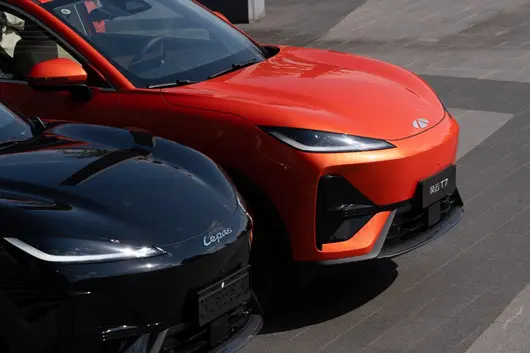
October 22, the LEPAS Global Elegance Night was grandly held. As a mid-to-high-end new energy brand built by Chery for the overseas market, LEPAS stunned the scene with its pure electric model Lepas L6, interpreting an elegant mobility lifestyle with exquisite style. This model, which has attracted global attention, is the "overseas counterpart" of the Fengyun T7 well-known to domestic users—the two were launched simultaneously, developed from the same source, and share a unified R&D, validation, and quality control system. This communication campaign relies on the linkage of two major events and the appearance of both vehicles, combining real vehicle demonstrations, overseas launch evidence, and global test data to once again validate Chery's global strength of moving from product export to system export, allowing Chinese families to enjoy true global quality cars right at their doorstep.

That evening, LEPAS placed "Elegance" as its core brand proposition, presenting immersive scenarios and technology launches to show global users Chery's new understanding of travel aesthetics in the new energy era. As Chery's strategic brand for layout in the overseas mid-to-high-end new energy market, LEPAS not only brought a systematic interpretation of brand concepts this time, but also brought the mass-produced models already launched in multiple overseas markets—the Lepas L6—under the spotlight.

It is worth noting that this model that shone brightly on the international stage is not simply a "badge-engineered sibling" of the Fengyun T7, which attracts much attention in the domestic market, but a native global car with a common source that was launched simultaneously from the very beginning. Fengyun T7 and Lepas L6 share a unified R&D system, validation standards, and quality control processes, serving the domestic and overseas markets simultaneously with one set of technical language. As Lepas L6 sequentially landed in the Thailand and South African markets and is about to enter high-threshold markets such as the EU and Australia/New Zealand, Fengyun T7, as a representative product of this global system's "feeding back internally," also allows domestic consumers in the 100,000-class pure electric SUV market to enjoy standards and validation dividends that once belonged only to the global high-end market.
From Product Export to System Export: Chery's Path to Advanced GlobalizationFor a long time, the narrative of Chinese automotive exports focused on the level of "product export". But Chery is redefining the endpoint of this path with achievements of ranking number one in Chinese brand passenger car exports for 23 consecutive years, global users breaking 20 million, and products sold to over 130 overseas markets.
At the 2025 Chery International User Ecosystem Conference, Chery concentrated on displaying its complete global system: this is no longer the one-way output of parts and complete vehicle products, but a systematic output of R&D networks, test validation systems, and global standard participation capabilities. In fact, Chery has already obtained voting rights for IATF16949 standard revisions, which means Chinese car brands are moving from passively following overseas standards to participating in the formulation of global automotive rules.

In this system, LEPAS and Fengyun T7 happen to form two sides of the same coin: LEPAS is the brand carrier for the landing of this global system externally, outputting products and technology to the overseas mid-to-high-end new energy market; Fengyun T7 is the representative of this system feeding back internally, bringing global R&D results and global validation standards back to the domestic market. Different from the industry common model of "holding domestic versions to local standards, then modifying them for overseas adaptation," Chery chose a more difficult but more solid path—global standards defined in advance, global testing validated first, with final benefits for both domestic and overseas users.
Same Source is More Than a Slogan: One Standard Circulating Domestically and Overseas"Same source" is the most core keyword in this communication, but it is definitely not a marketing slogan. Fengyun T7 and Lepas L6 were launched simultaneously and developed forward; from the beginning of design, they were natively oriented to the vehicle needs of 210 countries and regions, benchmarking the 2026 E-NCAP 5-star safety standards simultaneously, while also taking into account multiple crash regulation requirements such as C-NCAP and ASEAN NCAP. Core technical baselines such as chassis, three-electric systems, and body safety architecture are completely unified, with no existence of two schemes of "high spec overseas, low spec domestic".

This consistency is particularly concrete at the hardware level: a nine-cross five-longitudinal cage body with 80% high-strength steel ratio, Shotgun load transfer structure, dual-frame subframe plus Pack crash beam, 9 airbags (including 48L far-end airbag), and Rhino Battery 6D Lock Armor 31-layer protection, IP68 water resistance, 200 kN side anti-crush (reaching 2 times the national standard)—these safety configurations and hardware standards remain completely consistent between the domestic Fengyun T7 and overseas Lepas L6, without lowering quality thresholds due to different markets.

If "standard same source" defines the upper limit of the product, then "validation same source" guards the bottom line of quality. Fengyun T7 and Lepas L6 share the same set of global strict validation system, and these tests are not only for the overseas version; the domestic Fengyun T7 fully adopts all validation results.

Data is the most intuitive proof: the project cumulatively invested in 81 exclusive durability test cars, cumulative vehicle test mileage exceeded 6 million km, and durability special test mileage reached 1.45 million km; testing covered 100+ extreme road conditions such as Nordic extreme cold, Middle East high heat, Brazilian high-speed bumps, Mexican cobblestone roads, South African unpaved muddy roads, achieving -40°C to 60°C all-environment adaptation. From the 500mm wading capability in the Southeast Asian rainy season to equipment overheating protection under the scorching heat in the Middle East; from filter odor control in the Indonesia high humidity environment to wiper life enhancement in the Siberia snow/rain low temperature—engineers run one more time, test one more time all over the world, and users have less worry in daily use.
Global Dividends for Chinese Families: Good Cars Enjoyed at Their DoorstepIn the 100,000-class pure electric SUV market, Fengyun T7 is doing something rare in the industry: delivering cars of global standards to users at prices affordable by Chinese families.

From the product value perspective, Fengyun T7 comes standard with a 65.05 kWh large capacity Rhino Battery, CLTC pure electric range 600 km, tested range can reach 681.6 km, achieving "reverse labeling"; 30%-80% fast charging takes only 20 minutes, battery cycle life exceeds 2,500 times. Dual-source wide temperature range heat pump air conditioner plus high voltage PTC comes standard across all trims, with range increased by 15%-20% in environments below minus 10°C, breaking the industry convention of range shrinkage in entry-level versions. At the intelligent level, Fengyun T7 is the class premiere launch of the 4nm process 8775 cockpit-driving integrated chip, paired with Lingxi Smart Cockpit 2.0 and Doubao Large Model, and the Falcon 500 Driving Assistance System formed by 22 high-precision sensors, allowing 100,000-class family cars to also enjoy high-level intelligent experience.

The deeper value lies in a new model of "global system dual empowerment". In the past, Chinese users often could only buy models optimized for the local market; but now, regulatory requirements from 210 countries and regions worldwide, in-depth visits of 15 national users, and conclusions from over 5,000 global user surveys all directly act on the product definition of the domestic Fengyun T7. Chinese users are no longer "second-class consumers" of global technology, but enjoy this high-spec system capability synchronously with global users.

From ranking number one in exports for 23 consecutive years to global users breaking 20 million, from product export to the full export of R&D, standards, and validation systems, Chery is providing a new sample for Chinese automotive globalization using this pair of "twin brothers," Fengyun T7 and Lepas L6—not only to sell good cars all over the world, but also to bring the good cars polished globally back to the doorstep of Chinese families. This two-way rush initiated by the LEPAS Global Elegance Night may well be the best footnote for the Chinese automotive industry from "going out" to "going in" and then "feeding back domestically".

10月24日,由比亚迪鼎力赞助的2026东润杯全国青少年足球总决赛在北京工人体育场落幕,清华大学附属中学2:0击败石家庄二中实验学校夺冠。

比亚迪作为赛事顶级战略合作伙伴,现场见证了中国少年绽放纯粹绿茵锋芒!从职业豪门主场到校园足球决赛,比亚迪正在用企业力量,为中国青少年足球搭建一个更扎实的舞台。

本届东润杯辐射全国20余个省区市、覆盖352所学校,惠及球员教练约5000人。总决赛阶段,22支从全国各地脱颖而出的校园球队齐聚北京,开启单败淘汰赛。经过多轮鏖战,清华附中与石家庄二中实验学校会师决赛。

当晚的工体,攻防节奏紧凑,两队全力以赴,上演了一场高质量的校园足球对决。终场哨响,清华附中以2:0取胜,拿下本届东润杯冠军。
 图:清华附中攻入第一个球瞬间(任意球)
颁奖仪式上,最佳守门员、最佳射手、最佳球员以及冠亚季军奖杯与奖金支票依次颁发。东润公益基金会创始人暨理事长孔东梅、比亚迪品牌及公关处总经理李云飞出席颁奖,共同见证少年的荣耀时刻。

值得注意的是,这不是职业球员的舞台,而是普通中学生的决赛。工体的灯光、草坪和看台,第一次为校园足球少年完整亮起。这种“顶级场地不只为少数人专属”的信号,对千千万万踢球的孩子来说,意义远超一场比赛本身。
比亚迪的足球版图:从海外交流到县域校园比亚迪对青少年足球的投入并非单点发力。自2024年起,比亚迪持续组织足球少年前往德国、日本、西班牙、泰国、意大利、巴西、墨西哥等地,超200人次与海外顶级俱乐部交流切磋,并带孩子们走进欧洲杯、世界杯等顶级赛场开拓眼界。
与此同时,比亚迪也把资源下沉到基层:组织新疆伊犁足球少年赴日本开展国际交流赛事,配套捐赠足球装备;联动车主志愿者走进贵州元宝女足,开设公益课堂、捐赠物资。
此次携手东润公益基金会,是比亚迪在校园足球领域的又一次落地。双方联动,聚焦普通高中校园球队,补齐基层足球资源短板——不只扶持少数天赋球员,而是兼顾精英拔高与校园普及,让更多普通孩子就近有球踢、有高质量比赛打。

中国足球的短板从来不在顶端,而在基层。校园足球缺的不是热情,而是场地、赛事、师资和持续的关注。
比亚迪一边给有潜力的孩子创造走出国门、与海外强队交流的机会;一边把赛场建到县域校园,扩大参与基数,循序渐进地夯实国内青少年足球土壤。

从2010年成立慈善基金会,到30周年之际设立30亿元教育慈善基金,比亚迪在公益领域的投入有长期逻辑——期待有更多足球少年们在绿茵场上持续成长,奔赴更远的足球赛场。



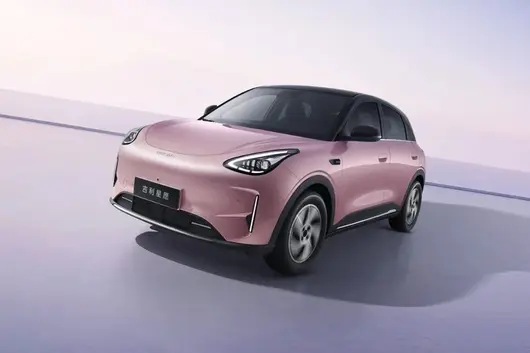
55 秒,這係吉利湘潭製造基地當前落線一台星願嘅節拍。
10 月 20 日,吉利星願第 100 萬輛整車駛落產線。
由 2024 年 10 月全球上市算起,用咗 24 個月。
全球汽車工業嘅常規經驗係,單一車型由上市到百萬輛量產需要 3 至 5 年,唔少品牌仲得要靠多代車型累積。
星願將週期壓至兩年,刷新咗單一車型百萬輛落線嘅全球速度紀錄。
新车爬坡通常先快後穩,星願卻係相反。
去年 5 月,上市 7 個月達成 20 萬輛,刷新同級最快交付紀錄。
今年 3 月突破 60 萬輛,第二個 20 萬增量用咗 10 個月。今年 8 月跨越 80 萬輛,第三個 20 萬增量壓縮至 5 個月。
到 10 月突破 100 萬輛,最後 20 萬輛只用到約 2 個月。
增量時間持續收窄,同傳統車企先釋放產能、再鋪設渠道、最後累積口碑嘅漸進節奏形成反差。
終端數據同步印證。

今年 8 月至 9 月,星願連續兩個月單月銷量突破 6 萬輛,係當前國內車市唯一保持呢個節奏嘅車型。
截至今年 7 月,連續 16 個月蟬聯中國全品類車型月銷量冠軍;去年拿下全品類年度銷量冠軍。
A0 級純電細分市場份額超過 30%,每賣出 3 台同級電車就有 1 台星願。
呢條曲線背後至少有三股力量。
產能端,湘潭基地嘅產線節拍由投产初期逐步壓縮至 55 秒一台,前期訂單積壓嘅釋放為後期加速提供咗供應條件。

需求端,產品口碑擴散同渠道下沉同步發生。
市場端,A0 級純電整體擴容亦提供咗外部推力。
產能組織、訂單管理、渠道節奏,每一項都在影響爬坡嘅實際形態。星願喺 24 個月內保持咗需求釋放同供給爬坡嘅同步。
呢種同步嘅難度喺於:多數車型喺產能同需求之間總有一端跟唔到,而星願喺兩年內唔曾出現明顯嘅節奏斷檔。
A0 級純電市場長期有一項慣性:入門即減配,代步即夠用。
低價競爭嘅邏輯下,前驅加扭力樑、小容量電池、基礎車機係呢一價位嘅常見方案。

星願嘅做法係用越級配置將夠用拉去標桿,但呢一個判斷需要拆開嚟睇:咩啲配置真係改變咗購買決策,咩啲只係產品說明書上嘅加分項。
由架構層面睇,星願基於 GEA 全球化原生架構打造,全係後置後驅加後多連桿獨立懸架。
同價位普遍係前置前驅加扭力樑,呢個組合改寫咗細車嘅駕控基線。
麋鹿測試乾地 80.7km/h,130km/h 高速魚鉤測試通過,轉彎半徑 4.95m。
後驅獨懸要求整車喺操控穩定性、乘坐舒適性同空間佈置上由架構層面重新設計,呢項係星願產品定義中最難被短期複製嘅一環。

三電同智能座艙構成咗第二層產品認知。全係標配寧德時代電芯,續航覆蓋 310 至 480km,11 合一智能電驅綜合效率 89.2%,全係標配液冷溫控系統。
神盾電池安全系統由電芯、電池包到整車防護形成多層結構,側柱碰測試電芯零侵入。
銀河 Flyme Auto 系統同 14.6 吋中控螢幕下放至入門車型,Flyme Auto 用戶已累積超過 280 萬。

空間上,85% 得房率同 70L 前備箱係 A0 級市場入面辨識度最高嘅兩個記憶點,其餘唔使展開。
但百萬輛嘅形成唔可以只歸因於配置越級。
6.18 萬至 9.18 萬嘅定價區間、吉利喺 A0 級市場嘅渠道覆蓋、去年新能源下鄉同購置稅政策嘅環境,以及同級競爭對手喺星願上市初期嘅配置空窗,都係銷量爬坡嘅實際變量。
星願用越級配置建立咗清晰嘅產品認知,降低咗消費者嘅決策門檻。
而價格、渠道同市場時機,決定咗呢種認知能轉化幾多銷量。
標準一嚟,同級車型紛紛跟進優化配置,A0 級細車從低價內捲轉向品質競爭。
星願喺窗口期內建立咗認知優勢,競爭對手跟進需要時間,兩者描述嘅係不同時間段嘅市場狀態。
星願已經登陸全球 30 多個國家同地區。
泰國市場拿下電動車銷量冠軍,車展單週斬獲 3300 台訂單;澳洲上市首月即斬獲純電市場銷量冠軍。
約旦純電車型銷量第一,墨西哥純電市場第二,巴西上市兩個月銷量突破 2300 台。

今年上半年,星願位列中國新能源兩廂車型出口第二名。8 月以嚟,澳洲、英國、法國市場相繼開拓。
數字之外,出海方式亦喺度變。
傳統汽車出口以貿易型輸出為主,產品賣去海外,渠道同售後依賴當地合作夥伴。
星願嘅出海倚靠吉利全球研發同製造體系。
GEA 架構原生面向全球市場開發,中德聯合調校覆蓋唔同場景嘅行車環境,產品喺研發階段即刻考慮多市場法規同路況適配。
製造端,湘潭基地面向出口車型單獨管理製造標準同供應鏈組織:出口車型嘅質檢流程、零部件批次追溯同國內車型分線管理,寧德時代電芯等核心零部件倚靠全球供應體系保障海外交付。
呢啲事實表明,星願出口嘅唔止係整車,仲包括產品定義流程、製造標準同供應鏈組織方式。
但體系輸出係一個強度較高嘅判斷,需要區分層次。

產品研發全球化、製造標準統一、供應鏈全球組織,屬於體系能力嘅輸出;而海外渠道深度、售後服務體系、本地化生產同品牌認知建設,星願仲係處於起步階段。
星願嘅出海呈現出從產品出口向體系輸出過渡嘅跡象,產品定義同製造標準先行,渠道同售後體系仲喺跟進。
呢個過渡能否完成,要看未來兩至三年海外渠道鋪設同本地化運營嘅實際進展,出口銷量本身講唔晒全部問題。
24 個月百萬輛係一個速度紀錄,但速度本身唔係終點。
百萬輛落線意味着星願進入規模化新階段,亦意味著更大嘅考驗剛剛開始。
海外全球 30 多個國家同地區嘅渠道深度、售後體系、品牌認知能否跟上銷量節奏,本地化生產是否提上日程。

國內 A0 級市場嘅份額天花板喺邊,同級競爭對手跟進配置之後,差異化優勢點樣持續迭代,價格帶是否面臨上擠下壓。
喺呢個時間點上,星願速度證明咗兩件事。
入門級純電市場嘅規模化空間遠遠未充分釋放,當產品力真正跨越夠用門檻,大眾市場嘅需求彈性超出行業預期。
中國新能源嘅競爭力正由單一嘅產品性價比,轉向供應鏈效率、產品定義能力同快速迭代響應能力嘅組合。



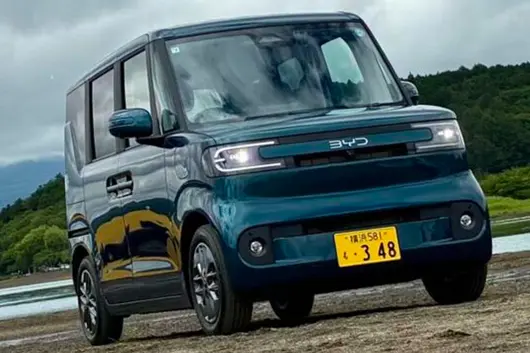
The BYD Racco is an all-electric vehicle developed by the brand for the Japanese K-Car market, officially launched in Japan in July 2026. Although the body size is quite small, its boxy body design, spacious cabin, and electric sliding doors make it perform well in terms of practicality. Now officially entering overseas markets also represents BYD's hope to further expand the market coverage of this model.
According to overseas media reports, the BYD Racco has officially landed in Sri Lanka through the local general agent John Keells CG Auto (JKCG Auto), and launch events were held simultaneously in the three cities of Colombo, Kandy, and Galle.
The launch discount price for this new car locally is 11.45 million Sri Lankan Rupees, and the discount period will last until November 9, 2026. There is also a quote information of 8.75 million Rupees locally, so the actual selling price still needs to be subject to the latest announcement by the dealer.

In comparison, the price of the BYD Racco in the Japanese market starts from only 2.14 million yen, while the price of the top-spec 300 Premium version is 2.497 million yen. The obvious gap in prices between the two places is mainly related to Sri Lanka's import tax and automotive tax system, so the pricing of this car in other countries cannot be directly judged by the local selling price.
It is worth mentioning that JKCG Auto has high expectations for the Racco and plans to sell 3,000 new cars within the next 12 months. Sri Lanka itself has a quite high acceptance of Japanese K-Cars, so BYD hopes to establish a new competitive advantage in this market through all-electric powertrain, lower daily usage costs, and modern equipment.

The most special thing about the BYD Racco is that it was developed entirely according to Japanese K-Car size standards. The body length is only 3395mm, width 1475mm, height reaches 1800mm, and wheelbase is 2520mm.

Although the body length is shorter than many traditional A-Segment hatchbacks, the Racco adopts a quite boxy body design, combined with a 1800mm vehicle height, thus it can maximize the headroom and practical area inside the cabin.
In addition, dual sliding doors are also one of its selling points. For urban users who frequently need to get on and off in narrow parking spaces, sliding doors can reduce the space required when opening the door, while making it more convenient for rear passengers to get on and off.

In terms of power, the BYD Racco uses a front-mounted single motor layout, with maximum output reaching 63Hp, peak torque is 160Nm, and it adopts front-wheel drive. Although the performance data is not particularly outstanding, for a K-Car mainly used for urban commuting, this power configuration is already sufficient to meet general daily usage needs.
The Japanese market offers two battery capacities, namely 22.4kWh and 35.84kWh, both use LFP lithium iron phosphate batteries, and the range performance is as follows:

Among them, the long-range version reaches a maximum range of 320km under the Japanese WLTC test standard. As for the Sri Lankan market, the currently introduced version is the Premium version equipped with a 35.8kWh battery, supporting up to about 6kW AC charging.
Regarding equipment, the overseas version provides a 10.1-inch central control touch screen, 360-degree panoramic camera, electric sliding doors, and six airbags. For a K-Car with a length of less than 3.4 meters, the overall equipment is not considered simple, reflecting BYD's hope to position it as a small urban electric vehicle with a certain level of comfort and technology, not just a basic commuting tool.

Except for Sri Lanka, the BYD Racco has also opened pre-orders in Macau, China, further expanding the sales range of this car in the Asian market. In fact, the BYD Racco was originally developed to comply with Japanese K-Car regulations, so in terms of body size, power output, and space design, it is different from general small electric vehicles developed for the global market.
However, there are also many right-hand drive markets outside Japan that have a certain demand for small cars, such as Sri Lanka, Indonesia, Thailand, and Malaysia. Especially in large cities with dense populations and limited parking space, such small but highly space-efficient cabin models can theoretically meet the needs of specific consumers.
Currently, it has been reported that BYD is researching the demand of local consumers for the Racco in Indonesia, but there is no official launch time yet. With Sri Lanka taking the lead in introduction and Macau, China opening pre-orders, the possibility of this model further expanding its overseas sales range in the future is also increasing.

On the other hand, the Racco's dual sliding doors and four-seat high roof design may also attract some consumers who want a car that is convenient for commuting, easy to park, while also meeting daily passenger carrying needs.
The BYD Racco officially entering overseas markets actually reflects a new direction for BYD's global product layout. In the past, BYD mainly relied on global models like Dolphin, Atto 3, Seal, etc. to expand overseas sales. Now, even the K-Car developed for Japanese special regulations is beginning to try entering other markets. This also indicates that K-Cars do not necessarily have to be sold only in Japan; as long as there is a demand for small cars in the market, combined with reasonable pricing and equipment, there is still a chance to attract overseas consumers.

喺馬來西亞嘅 SUV 市場,好多買家喺揀車嘅時候都會拿 Toyota Harrier 同 Volvo XC90 PHEV 來做比較。這兩款車喺價位同定位上都幾接近嘅,今日我哋就從多個方面做一次詳細嘅對比,幫你省咗做功課嘅時間。
Toyota Harrier 喺馬來西亞嘅 OTR 售價係 RM 289,000 - 289,000,一總共有 1 個版本,包括 2026 HEV 2.5L Standard(RM 289,000) 等。
Volvo XC90 PHEV 喺馬來西亞嘅 OTR 售價係 RM 434,888 - 434,888,一總共有 2 個版本,包括 2025 2.0T 77km Ultra(RM 434,888)、Volvo XC90 PHEV 嘅安全配備都有邊啲?(RM 362,888) 等。
由價錢睇,Toyota Harrier 嘅起步價確係比 Volvo XC90 PHEV 平咗 RM 145,888。如果你預算有限,Toyota 嘅入門版已經可以滿足日常需求。不過都要留意,平嗰幾千蚊,可能喺配備上有取舍,具體要睇你嘅需求。
Toyota Harrier 嘅安全評級係 5★ (ASEAN NCAP),主動安全系統包括 Brand ADAS。
Volvo XC90 PHEV 嘅安全評級係 5★ (Euro NCAP),主動安全系統包括 Premium ADAS。
安全配備方面,兩款車都拿到唔錯嘅評級。不過 Toyota Harrier 嘅 Brand ADAS 同 Volvo XC90 PHEV 嘅 Premium ADAS 喺功能上有啲差異,如果你比較睇重主動安全嘅話,可以仔細對比下兩者嘅功能列表。
Toyota Harrier 保養 5 年/無限里程,保養間隔 每 10,000km 或 6 個月。
Volvo XC90 PHEV 保養 5 年/無限里程,保養間隔 每 10,000km 或 6 個月。
Toyota Harrier 同 Volvo XC90 PHEV 都係馬來西亞市場嘅主流選擇,適合家庭使用、日常通勤。如果你更睇重品牌口碑同二手價,可以優先考慮口碑更好嗰一款;如果你更在意性價比同配備,那就揀配置更豐富嗰款。最後都係建議兩款都去試駕,親身體驗先至最重要。
總體嚟講,Toyota Harrier 同 Volvo XC90 PHEV 都係馬來西亞市場好唔錯嘅車型。揀邊輛,關鍵都要睇你個人需求同預算。建議大家做好功課,多比較間車行嘅報價,再去試駕先做最終決定。買車係件大事,花啲時間做功課絕對唔會錯。

In Malaysia's SUV market, many buyers compare the Toyota Harrier and Volkswagen Tiguan when choosing a car. These two models are quite close in price and positioning. Today, we will make a detailed comparison from multiple aspects to help you save time on research.
The Toyota Harrier's OTR price in Malaysia is RM 289,000 - 289,000, with a total of 1 version, including the 2026 HEV 2.5L Standard (RM 289,000), etc.
The Volkswagen Tiguan's OTR price in Malaysia is RM 206,540 - 260,024, with a total of 2 versions, including the 2025 Allspace 2.0T R-Line (RM 260,024), 2025 Allspace 1.4T Elegance (RM 206,540), etc.
Looking at the price, the starting price of the Volkswagen Tiguan is RM 82,460 cheaper than the Toyota Harrier. Honestly, in this price range, a difference of a few thousand isn't really significant; the key lies in the overall cost-effectiveness and long-term usage costs.
The Toyota Harrier's safety rating is 5★ (ASEAN NCAP), with active safety systems including Brand ADAS.
The Volkswagen Tiguan's safety rating is 5★ (Euro NCAP), with active safety systems including IQ.Drive.
In terms of safety features, both cars received good ratings. However, there are some functional differences between the Toyota Harrier's Brand ADAS and the Volkswagen Tiguan's IQ.Drive. If you value active safety highly, you can compare the feature lists of both carefully.
The Toyota Harrier body length is 4400 mm, trunk 400 L.
The Volkswagen Tiguan body length is 4400 mm, trunk 400 L.
The dimensions of both cars are almost the same, with little difference in interior space. For a car in this class, it is completely sufficient for daily use.
Toyota Harrier warranty 5 years/unlimited mileage, maintenance interval every 10,000km or 6 months.
Volkswagen Tiguan warranty 3 years/100,000km, maintenance interval every 10,000km or 6 months.

Both Toyota Harrier and Volkswagen Tiguan are mainstream choices in the Malaysian market, suitable for family use and daily commuting. If you value brand reputation and resale value more, you can prioritize the one with a better reputation; if you care more about cost-effectiveness and features, then choose the one with richer configurations. Ultimately, it is recommended to test drive both models; experiencing it firsthand is the most important.

Overall, both Toyota Harrier and Volkswagen Tiguan are excellent models in the Malaysian market. Which one to choose depends mainly on your personal needs and budget. It is recommended that everyone does their homework, compares quotes from several dealers, and then test drives to make the final decision. Buying a car is a big matter; spending some time researching will never be a mistake.

Di pasaran SUV Malaysia, ramai pembeli yang membandingkan Toyota Harrier dan Volkswagen Tiguan ketika memilih kereta. Kedua-dua kereta ini mempunyai harga dan penjenamaan yang cukup hampir, hari ini kita akan buat perbandingan terperinci dari pelbagai aspek, membantu anda menjimatkan masa untuk membuat kajian.
Toyota Harrier di Malaysia mempunyai harga OTR RM 289,000 - 289,000, jumlah 1 varian, termasuk 2026 HEV 2.5L Standard (RM 289,000) dan lain-lain.
Volkswagen Tiguan di Malaysia mempunyai harga OTR RM 206,540 - 260,024, jumlah 2 varian, termasuk 2025 Allspace 2.0T R-Line (RM 260,024), 2025 Allspace 1.4T Elegance (RM 206,540) dan lain-lain.
Dari segi harga, Volkswagen Tiguan harga permulaan adalah RM 82,460 lebih murah daripada Toyota Harrier. Jujur, pada julat harga ini, perbezaan beberapa ribu wang sebenarnya tidak besar, yang utama masih melihat pada keseluruhan nilai untuk wang dan kos penggunaan jangka panjang.
Toyota Harrier dilengkapi enjin 2.0L Turbo, 220 hp. Penggunaan minyak rasmi 9.5 L/100km.
Volkswagen Tiguan dilengkapi enjin 2.0L 4-silinder, 170 hp. Penggunaan minyak rasmi 8.0 L/100km.
Dari segi kuasa, 2.0L Turbo Toyota Harrier mempunyai 50 tenaga kuda lebih daripada 2.0L 4-silinder Volkswagen Tiguan, pecutan pertengahan lebih yakin, terutamanya ketika memotong di lebuh raya. Namun, penggunaan minyak Volkswagen Tiguan mungkin lebih ramah, perbezaan komuter bandar harian tidak terlalu besar.
Penilaian keselamatan Toyota Harrier adalah 5★ (ASEAN NCAP), sistem keselamatan aktif termasuk ADAS Jenama.
Penilaian keselamatan Volkswagen Tiguan adalah 5★ (Euro NCAP), sistem keselamatan aktif termasuk IQ.Drive.
Dari segi perkakasan keselamatan, kedua-dua kereta mendapat penilaian yang baik. Namun, ADAS Jenama Toyota Harrier dan IQ.Drive Volkswagen Tiguan mempunyai perbezaan dalam fungsi, jika anda lebih mementingkan keselamatan aktif, boleh bandingkan senarai fungsi kedua-duanya dengan teliti.
Toyota Harrier jaminan 5 tahun / jarak tanpa had, selang penyelenggaraan 10,000km atau 6 bulan sekali.
Volkswagen Tiguan jaminan 3 tahun / 100,000km, selang penyelenggaraan 10,000km atau 6 bulan sekali.
Toyota Harrier dan Volkswagen Tiguan adalah pilihan utama di pasaran Malaysia, sesuai untuk kegunaan keluarga, komuter harian. Jika anda lebih mementingkan kredit jenama dan harga kedua, anda boleh prioritaskan yang mana mempunyai kredit lebih baik; jika anda lebih mementingkan nilai untuk wang dan kelengkapan, maka pilih yang mana mempunyai kelengkapan lebih banyak. Akhir sekali disyorkan kedua-duanya untuk uji jalan, pengalaman sendiri adalah yang paling penting.
Secara keseluruhan, Toyota Harrier dan Volkswagen Tiguan adalah model kereta yang sangat bagus di pasaran Malaysia. Memilih mana satu, yang utama masih melihat pada keperluan dan bajet peribadi anda. Kami cadangkan anda buat kajian, bandingkan beberapa sebut harga daripada penjual kereta, kemudian uji jalan buat keputusan akhir. Membeli kereta adalah perkara besar, luangkan sedikit masa untuk kajian tidak akan salah.

Dalam pasaran SUV di Malaysia, ramai pembeli membandingkan Toyota Harrier dan Ford Everest semasa memilih kereta. Kedua-dua kereta ini sangat hampir dari segi harga dan kedudukan, hari ini kita akan membuat perbandingan terperinci dari pelbagai aspek untuk membantu anda menjimatkan masa membuat kajian.
Harga OTR Toyota Harrier di Malaysia ialah RM 289,000 - 289,000, terdapat 1 varian, termasuk 2026 HEV 2.5L Standard (RM 289,000) dan lain-lain.
Harga OTR Ford Everest di Malaysia ialah RM 266,338 - 430,838, terdapat 6 varian, termasuk 2026 3.0T 4WD Platinum (RM 430,838), 2026 2.0T 4WD Platinum (RM 348,838), 2026 2.0T 4WD Sport (RM 316,838) dan lain-lain.
Dari segi harga, harga permulaan Ford Everest lebih murah RM 22,662 berbanding Toyota Harrier. Jujur berkata, dalam julat harga ini, beza beberapa ribu sebenarnya tidak besar, yang penting lihat nilai keseluruhan dan kos penggunaan jangka panjang.
Toyota Harrier dilengkapi enjin 2.0L Turbo, kuasa 220 hp. Penggunaan minyak rasmi 9.5 L/100km.
Ford Everest dilengkapi enjin 2.5L Diesel, kuasa 187 hp. Penggunaan minyak rasmi 8.5 L/100km.
Dari segi enjin, 2.0L Turbo Toyota Harrier mempunyai 33 hp lebih berbanding 2.5L Diesel Ford Everest, pecutan tengah lebih percaya diri, terutamanya ketika memotong di lebuh raya. Namun, penggunaan minyak Ford Everest mungkin lebih jimat, perbezaan untuk kegunaan harian di bandar tidak besar.
Tahap penilaian keselamatan Toyota Harrier ialah 5★ (ASEAN NCAP), sistem keselamatan aktif termasuk Brand ADAS.
Tahap penilaian keselamatan Ford Everest ialah 5★ (ASEAN NCAP), sistem keselamatan aktif termasuk Co-Pilot360.
Kedua-dua kereta mempunyai tahap penilaian keselamatan yang sama, kelengkapan keselamatan dalam kategori ini sangat lengkap. Keselamatan kereta baharu sekarang tidak buruk, tidak perlu terlalu risau mengenai hal ini.
Panjang kenderaan Toyota Harrier 4400 mm, muatan bagasi 400 L.
Panjang kenderaan Ford Everest 4400 mm, muatan bagasi 400 L.
Saiz kedua-dua kereta hampir sama, ruang dalaman tidak banyak berbeza. Kereta kategori ini, penggunaan harian sudah memadai.

Toyota Harrier menggunakan jenis penggerak FWD.
Ford Everest menggunakan jenis penggerak FWD.
Cara penggerak kedua-dua kereta sama, semuanya FWD, rasa pemanduan harian tidak akan banyak berbeza.

Secara keseluruhannya, Toyota Harrier dan Ford Everest adalah model kereta yang sangat baik di pasaran Malaysia. Memilih yang mana, terasnya adalah keperluan peribadi dan bajet anda. Kami menasihatkan anda membuat kajian, bandingkan lebih banyak tawaran harga dari pelbagai dealer, kemudian buat ujian pusing untuk keputusan akhir. Membeli kereta adalah perkara besar, meluangkan masa membuat kajian pasti tidak salah.

In the SUV market in Malaysia, many buyers compare Toyota Harrier and Chery Tiggo 8 Pro when choosing a car. These two cars are quite close in price and positioning. Today, we will make a detailed comparison from multiple aspects to help you save time doing research.
The OTR price of Toyota Harrier in Malaysia is RM 289,000 - 289,000, with a total of 1 version, including 2026 HEV 2.5L Standard (RM 289,000), etc.
The OTR price of Chery Tiggo 8 Pro in Malaysia is RM 159,750 - 159,750, with a total of 2 versions, including 1.6L Turbo Standard (RM 130,000), 1.6L Turbo Premium (RM 145,000), etc.
From a price perspective, the starting price of Chery Tiggo 8 Pro is RM 129,250 cheaper than Toyota Harrier. Honestly, in this price range, a difference of a few thousand is not actually significant; the key is to look at the overall cost-performance ratio and long-term maintenance costs.
Toyota Harrier's safety rating is 5★ (ASEAN NCAP), and the active safety system includes Brand ADAS.
Chery Tiggo 8 Pro's safety rating is TBD, and the active safety system includes Basic.
Regarding safety features, both cars have received good ratings. However, there are some differences in function between Toyota Harrier's Brand ADAS and Chery Tiggo 8 Pro's Basic. If you value active safety more, you can compare the feature lists of both in detail.
Toyota Harrier warranty is 5 years/unlimited mileage, service interval is every 10,000km or 6 months.
Chery Tiggo 8 Pro warranty is 3 years/100,000km, service interval is every 10,000km or 6 months.
Toyota Harrier and Chery Tiggo 8 Pro are both mainstream choices in the Malaysian market, suitable for family use and daily commuting. If you value brand reputation and resale price more, you can prioritize the one with a better reputation; if you care more about cost-performance and features, choose the one with more configurations. Ultimately, it is recommended to test drive both models, as personal experience is the most important.
Overall, Toyota Harrier and Chery Tiggo 8 Pro are both very good models in the Malaysian market. Which one to choose depends mainly on your personal needs and budget. We recommend doing your research, comparing quotes from several dealerships, and then test driving to make the final decision. Buying a car is a big matter; spending some time doing research will never be a mistake.

Dalam pasaran SUV di Malaysia, ramai pembeli membandingkan Toyota Harrier dan Hyundai Santa Fe semasa memilih kereta. Kedua-dua kereta ini sangat hampir dari segi harga dan kedudukan pasaran, hari ini kita akan buat perbandingan terperinci dari pelbagai aspek, membantu anda menjimatkan masa membuat penyelidikan.
Harga OTR Toyota Harrier di Malaysia adalah RM 289,000 - 289,000, terdapat keseluruhan 1 varian, termasuk 2026 HEV 2.5L Standard (RM 289,000) dan lain-lain.
Harga OTR Hyundai Santa Fe di Malaysia adalah RM 225,000 - 270,000, terdapat keseluruhan 3 varian, termasuk 2025 2.5T DCT 4WD Calligraphy 6 Seats (RM 270,000), 2025 HEV 1.6T AT 2WD Prestige 7 Seats (RM 245,000), 2025 HEV 1.6T AT 2WD Prime 7 Seats (RM 225,000) dan lain-lain.
Daripada segi harga, Hyundai Santa Fe lebih murah RM 64,000 berbanding Toyota Harrier. Jujurlah, dalam julat harga ini, beza beberapa ribu sebenarnya tidak besar, perkara utama masih bergantung pada kos kecekapan keseluruhan dan kos penggunaan jangka panjang.
Pengkelasan keselamatan Toyota Harrier ialah 5★ (ASEAN NCAP), sistem keselamatan aktif termasuk ADAS Jenama.
Pengkelasan keselamatan Hyundai Santa Fe ialah TBD, sistem keselamatan aktif termasuk Asas.
Daripada segi peralatan keselamatan, kedua-dua kereta mendapat pengkelasan yang baik. Namun, ADAS Jenama Toyota Harrier dan Asas Hyundai Santa Fe mempunyai sedikit perbezaan dari segi fungsi, jika anda lebih mengutamakan keselamatan aktif, anda boleh bandingkan senarai fungsi kedua-duanya dengan teliti.
Panjang kenderaan Toyota Harrier ialah 4400 mm, ruang belakang 400 L.
Panjang kenderaan Hyundai Santa Fe ialah 4400 mm, ruang belakang 400 L.
Saiz kedua-dua kereta hampir sama, ruang dalaman tidak banyak berbeza. Untuk kereta dalam kelas ini, ia cukup untuk penggunaan harian.
Toyota Harrier mempunyai tempoh jaminan 5 tahun / tiada had jarak, selang servis setiap 10,000km atau 6 bulan.
Hyundai Santa Fe mempunyai tempoh jaminan 5 tahun / 300,000km, selang servis setiap 10,000km atau 6 bulan.

Secara keseluruhan, Toyota Harrier dan Hyundai Santa Fe adalah model kereta yang sangat baik di pasaran Malaysia. Memilih yang mana, perkara utama bergantung pada keperluan dan bajet peribadi anda. Disarankan anda membuat penyelidikan, membandingkan tawaran harga dari beberapa agensi kereta, kemudian melakukan ujian jalan untuk membuat keputusan akhir. Membeli kereta adalah perkara besar, meluangkan masa untuk membuat penyelidikan tidak akan salah.

Dalam pasaran SUV di Malaysia, ramai pembeli semasa memilih kereta akan membandingkan Toyota Harrier dan Chery Tiggo 8 Pro. Kedua-dua kereta ini mempunyai harga dan penjenamaan yang agak hampir, hari ini kita akan membuat perbandingan terperinci dari pelbagai aspek untuk membantu anda menjimatkan masa membuat kajian.
Harga OTR Toyota Harrier di Malaysia ialah RM 289,000 - RM 289,000, secara keseluruhan ada 1 varian, termasuk 2026 HEV 2.5L Standard (RM 289,000) dan lain-lain.
Harga OTR Chery Tiggo 8 Pro di Malaysia ialah RM 159,750 - RM 159,750, secara keseluruhan ada 2 varian, termasuk 1.6L Turbo Standard (RM 130,000), 1.6L Turbo Premium (RM 145,000) dan lain-lain.
Dari segi harga, harga permulaan Chery Tiggo 8 Pro lebih murah RM 129,250 berbanding Toyota Harrier. Jujur mengatakan, dalam julat harga ini, perbezaan beberapa ribu sebenarnya tidak besar, yang penting adalah lihat nilai keseluruhan dan kos penggunaan jangka panjang.
Toyota Harrier dilengkapi dengan 2.0L Turbo, kuasa 220 hp. Penggunaan bahan api rasmi 9.5 L/100km.
Chery Tiggo 8 Pro dilengkapi dengan 2.0L 4-cyl, kuasa 170 hp. Penggunaan bahan api rasmi 8.0 L/100km.
Dari segi kuasa, 2.0L Turbo Toyota Harrier mempunyai 50 kuasa kuda lebih berbanding 2.0L 4-cyl Chery Tiggo 8 Pro, akselerasi bahagian tengah lebih meyakinkan, terutamanya semasa memotong di lebuh raya. Namun, penggunaan bahan api Chery Tiggo 8 Pro mungkin lebih baik, perbezaan semasa komuter bandar harian tidak akan terlalu besar.
Toyota Harrier mempunyai penarafan keselamatan 5★ (ASEAN NCAP), sistem keselamatan aktif termasuk Brand ADAS.
Chery Tiggo 8 Pro mempunyai penarafan keselamatan TBD, sistem keselamatan aktif termasuk Basic.
Dari segi peralatan keselamatan, kedua-dua kereta ini mendapat penarafan yang baik. Namun ada perbezaan dalam fungsi antara Brand ADAS Toyota Harrier dan Basic Chery Tiggo 8 Pro, jika anda lebih mementingkan keselamatan aktif, boleh dibandingkan senarai fungsi keduanya dengan teliti.
Toyota Harrier panjang badan kereta 4400 mm, bekas barang 400 L.
Chery Tiggo 8 Pro panjang badan kereta 4400 mm, bekas barang 400 L.
Saiz kedua-dua kereta hampir sama, perbezaan ruang dalaman tidak besar. Kereta dalam kategori ini, cukup untuk penggunaan harian.
Toyota Harrier dan Chery Tiggo 8 Pro merupakan pilihan utama dalam pasaran Malaysia, sesuai untuk kegunaan keluarga, komuter harian. Jika anda lebih mementingkan reputasi jenama dan harga pasaran semula, bolehutamakan yang mempunyai reputasi lebih baik; jika anda lebih mempedulikan nilai dan peralatan, maka pilih yang mempunyai konfigurasi lebih kaya. Akhirnya disarankan untuk memandu uji kedua-duanya, pengalaman langsung adalah yang paling penting.
Secara umumnya, Toyota Harrier dan Chery Tiggo 8 Pro merupakan model yang sangat baik dalam pasaran Malaysia. Memilih yang mana satu, penting melihat keperluan dan bajet anda. Disarankan untuk melakukan kajian, bandingkan harga dari beberapa pengedar kereta, kemudian memandu uji untuk membuat keputusan akhir. Membeli kereta adalah perkara besar, meluangkan masa untuk kajian tidak akan salah.


一场大会,把中国智能汽车的上半场和下半场,掰开揉碎了摊在台面上。
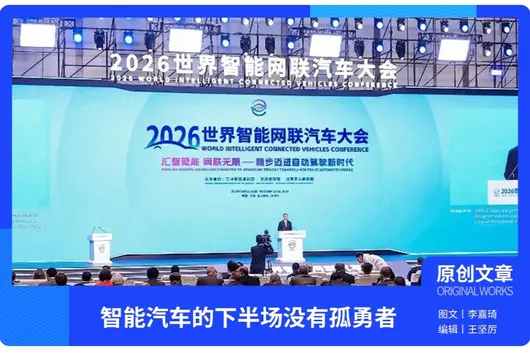
10月的北京,2026世界智能网联汽车大会。这个舞台今年有点不一样。
雷军站在台上,背后是小米汽车累计交付超80万辆的成绩单。他说,今天的汽车就是简化版的具身智能物理终端。这句话听起来有点学术,但拆开来看,意思很直白。汽车不再是一个装着四个轮子的手机,它正在变成一个能感知、能思考、能行动的移动终端。
李书福穿着深色西装,语速不快,但每一句都带着吉利三十年的分量。他说不能搞重复建设。吉利和蔚来签了换电合作协议,但他话锋一转,如果每家都搞一套自己的标准,最后浪费的是整个行业的钱。
张兴海把问界累计行驶400亿公里的数据亮出来。他说汽车是一场马拉松,快不得也慢不得。尹同跃刚从马来西亚赶回来,在台上直言见到了马来西亚工业部长,当面道了歉。他说出海不是收割,是生根。
德系三强的大佬们也来了。大众的奥博穆宣布,2027年实现L3就绪。奔驰的佟欧福说,中国市场是电动汽车领域重要的创新中心。宝马的柯睿辰提出三点主张,核心就一条,安全和质量不能妥协。
还有何小鹏、余凯、杨冬生、靳玉志、李斌。每个人手里都捏着一张牌,有的是技术路线,有的是商业模式,有的是对安全的理解。
这场大会像一面镜子,照出了智能汽车下半场的真实轮廓。上半场比的是谁跑得快,下半场比的是谁看得远,谁活得久。
从“加功能”到“换脑子”
雷军上台的时候,台下有人小声算了一笔账。小米汽车交付超80万辆,均价超26万。这个成绩单放在三年前,没人敢信。
但雷军没花太多时间讲销量。他把重点放在了两个地方。一个是安全,一个是生态。

先说安全。雷军说,汽车产业如果没有安全,其他都是0。这句话他不是第一次说,但这次他说得更具体。小米内部成立了VSR汽车安全研究中心,这是一个独立的研发机构。独立到什么程度?独立调查后端到端的分析问题,再反馈到研发系统来改进。换句话说,这个部门不受产品开发进度绑架,只管挑毛病。
除此之外,小米汽车成立了全域安全部,专门设计整车的安全系统。又成立了一个专门的安全部,由安全专家牵头,总体协调安全事务。还强化了汽车安委会的领导作用。最后还搞了一个汽车安全顾问委员会,把行业机构、高校、科研机构的专家拉进来一起参与。
五层安全架构,层层加码。雷军的意思很清楚,智能汽车的安全不是某一个部门的活,是整个公司从上到下的系统工程。
再说生态。雷军判断,智能网联汽车的下半场,比的不仅仅是车有多聪明,而是生态有多强大。这个观点背后是小米的底气。截至今年二季度末,小米全球AIoT的设备连接数已经超过了11亿台。这是全球最大规模的消费级IoT平台。
雷军说,从造车第一天起,小米就非常重视安全。但光有安全不够,还要有生态。人车家全生态是小米的核心战略。过去五年,小米在硬核科技研发上投了1050亿,未来五年要超过2000亿。这些钱砸在哪里?芯片、操作系统、AI、具身智能。
雷军的逻辑链条很清晰。AI推动了智能网联汽车从分离智能走向整车智能。过去的创新大多集中在单一功能、单一场景。但AI和汽车结合不是给汽车加功能,是换脑子。要实现整车智能的体验升级,必须依靠统一的、强大的基座大模型。
这个判断很关键。很多车企还在纠结是加一个激光雷达还是两个,是上城市NOA还是先做好高速NOA。雷军直接跳到了下一层,未来的竞争不是某个功能的强弱,而是整个大脑的统一程度。
张兴海的角度和雷军不同,但结论殊途同归。赛力斯和华为深度跨界融合,问界车型累计行驶总里程超400亿公里。其中增程式纯电行驶里程285亿公里,占比70%。辅助驾驶活跃用户突破百万级,累计辅助驾驶里程突破百亿公里,累计避免可能发生的碰撞次数超430万次。

张兴海说,坚持长期主义,安全是最大的豪华。问界坚持安全是最大的豪华,始终把用户的人身安全放在首位。依托产业大脑加超级工厂以及超级实验室,赛力斯搭建了端到端数字质量管理体系,每一道工序都有明确的品控标准,每一个检车点都有严格的把关。
截至9月底,问界120万辆已售车中,增程式车型占比七成,纯电车三成。这个结构说明什么?说明用户用脚投票,增程在当下仍然是最务实的选择。但张兴海没把话说死,他说面向自动驾驶新时代,安全内涵在延伸,品质标准在升级,公司也在积极布局L3、L4高级别自动驾驶。
李书福的发言更像是一个行业老兵的劝诫。吉利和蔚来签了换电合作协议,但他马上补了一句,不能搞重复建设。智能化技术也应该协同起来,减少重复投入。
李书福的原话是,小而弱必将乱而差,只有大而强才能引领行业更好的发展。这句话听着不客气,但道理摆在那里。如果每家车企都自己建换电站,自己搞智驾芯片,自己开发操作系统,最后的结果就是全行业产能过剩,资源浪费,没有一家能形成规模效应。

李书福还提到产能问题。吉利的全球产能也是和人家合作,不是自己去买地造房子买设备招工人。这个投入太大,风险也太大,尽最大可能利用人家现有的产能来合作,一点一点地慢慢滚动发展,这样相对比较稳妥。
尹同跃讲出海,观点也很实在。他说国际化是复杂的系统工程,把车子卖出去远远不够,要融入当地的产业体系、供应链、技术链、价值链。他提出标准一定要与国际接轨,特别是要与欧盟接轨。还要深度理解本地化,在当地研发、当地制造、当地采购、当地销售,吸收当地文化和人才。
尹同跃说,出海不是收割,而是去生根。尊重当地法律法规和商业规则,真正深入融入当地文化。尊重是不够的,是要融入当地的文化,真正做到当地化的开发。

这几个人站在一起,拼出了一幅完整的图景。雷军从科技公司的角度,讲AI如何重塑汽车。张兴海从制造企业的角度,讲安全和品质如何落地。李书福从产业全局的角度,讲协同和避免浪费。尹同跃从全球化的角度,讲如何真正走出去。
下半场的竞争,不是某一家车企的单打独斗,是整个产业链的协同作战。谁能在生态上占据主动,谁就能在下半场拿到入场券。
德系三强的本土化转身
如果说中国车企在台上讲的是野心和格局,那德系三强讲的则是生存和转身。
大众的奥博穆是第一个发言的。他说,大众在三年前展开了集团历史上最大规模的转型,从在中国造车转向在中国开展技术研发。这句话的分量很重。过去四十年,大众在中国扮演的角色是制造者,把德国技术拿到中国来生产。但现在,大众要在中国的土地上做研发。

奥博穆给出了一组数字。在合肥,大众有三千多名同事参与决策,软硬件并行开发。大众汽车集团已经是少数掌握新能源汽车全栈技术的车企之一,包括整车平台和电子电气架构。通过合资企业酷睿程实现的自研辅助驾驶方案,累计训练里程超过了1亿公里。这些技术都是在中国研发。
大众汽车集团中国首席技术官吴博锐补充了一个细节。大众与合资合作伙伴一起,把产品开发周期从5到6年缩短为3年,甚至更短。大众构建了本地的汽车开发平台,涵盖了所有关键的新能源汽车细分领域。大众和小鹏汽车一起构建了全新的算力以及区域控制电子架构。通过酷睿程,大众和地平线这样的合作伙伴开发了新产品。

L2加加全场景辅助驾驶已经开始部署,到2027年将实现L3就绪。2027年到2028年,大众将努力达到L3就绪,并且通过合资系统自己开发L3至L4级别的产品,部署在中国市场。
更值得关注的是,大众将在中国开发的架构和平台带向全球。目前已经开始向中东出口汽车,未来还要拓展到东盟和南美市场。这意味着什么?意味着中国研发的技术,反向输出到全球。这在十年前是不可想象的。
奔驰的佟欧福代表康林松发言。奔驰的逻辑和大众不同。奔驰强调的是学习和合作。佟欧福说,中国市场始终是电动汽车领域重要的创新中心,也是智能技术的重要创新中心。奔驰是首批获得有条件L3级别自动驾驶认证的车企。目前有超过2000名工程师正在本地研发当中,不断致力于升级系统。

奔驰和清华大学的合作,开发了一个视觉语言AI模型,已经应用于奔驰的后排座椅系统,未来会在全球范围内部署和销售。奔驰和Momenta合作开发辅助驾驶系统,目前部署在纯电动汽车上,未来将扩展到整个车辆产品组合。
奔驰在中国已经拥有了170亿公里的大量真实驾驶数据,同时进行了广泛的实车测试。奔驰的客户将享受新的世界模型,以及园区到园区的领航功能,能在高速公路、ETC、城市道路以及停车场完美运行。
宝马的柯睿辰提出了三点主张。第一是需要一个公平、开放、健康且可预期的竞争环境。第二是应该对不同技术路线保持开放的态度,选择能够创造最大价值的解决方案。第三是在追求创新与速度的过程当中绝不能妥协质量和安全。

宝马和阿里巴巴、华为、腾讯等中国领先科技企业合作,共同开发智能座舱、个人助理和互联解决方案。宝马还与Momenta携手,针对中国复杂的道路和交通环境,共同开发新一代的驾驶辅助系统。
柯睿辰说,人工智能已不再只是一项辅助技术,它重塑汽车研发、生产以及客户出行的方式。在研发方面,宝马正在利用人工智能加快复杂分析,自动执行重复性任务并优化研发流程。AI智能体能够将宝马数十年的工程知识和现有数据以及AI系统相结合,为工程师赋予全新的能力。但工程师始终掌握主导权,不会取代人的责任。
宝马的i factory生产体系,人工智能驱动的数字化已经成了核心组成部分,涵盖虚拟工厂、数字孪生、人工智能辅助质量检测和智能物流。柯睿辰认为,人工智能数字智能体与智能机器人的结合,将为提升生产的灵活性和效率带来巨大机遇。
德系三强的发言有一个共同点。他们都在强调中国市场的特殊性和重要性。不是把中国当成销售市场,而是当成研发中心、创新中心。大众在合肥搞了三千人的研发团队,奔驰在中国有两千多名工程师,宝马和中国的科技巨头全面合作。
这个转变背后的逻辑是什么?中国是全球最大的新能源汽车市场,也是竞争最激烈的市场。在这里跑通的技术和模式,放到全球其他市场就是降维打击。德系三强看得很清楚,如果在中国市场掉队,全球市场也保不住。
但他们的转身并不轻松。奥博穆说,大众展开了集团历史上最大规模的转型。这句话背后的代价是巨大的。组织架构要调整,供应链要重构,研发体系要重建。大众能做到今天这一步,靠的是三十多年在中国积累的家底。
奔驰和宝马的路线更务实一些。他们不追求全栈自研,而是选择和中国本土的科技公司合作。Momenta、腾讯、华为、阿里巴巴,这些名字出现在德系车企的合作伙伴名单里,本身就是一种信号。中国智能汽车产业链的成熟度,已经到了让国际巨头主动寻求合作的程度。
下半场的三大考题
大会的后半段,何小鹏、余凯、杨冬生、靳玉志、李斌相继发言。他们从不同的角度,给智能驾驶下半场出了三道考题。

第一道题是技术路线。何小鹏认为,智能驾驶行业正迎来发展拐点。上半场主要依靠软件和算法,在局部场景落地L2级辅助驾驶。下半场会有三个巨大变化。技术主线从传统软件驱动转向以AI模型与数据为核心。规则体系扩容,由中国及部分国家先行探索辅助驾驶相关法规,迈向全球协同完善L2、L3、L4监管框架。评价标尺更新,出现上半场不具备的三大核心量化指标,安全碰撞里程、用户全场景覆盖率、用户付费意愿与付费率。

何小鹏的判断是,这套量化指标体系将指引行业下半场兼顾体验提升、安全保障与商业收益。这个观点很关键。上半场大家比的是有没有这个功能,下半场比的是好不好用、安不安全、用户愿不愿意买单。

第二道题是安全标准。杨冬生代表比亚迪发言,他说智能化下半场最大的变化是车企技术到产品和用户之间形成了互信。智能驾驶辅助也好,到L3、L4也好,更多的是高级的自动挡,具备两个属性,舒适属性和更重要的安全属性。车企把安全的属性作为使命,而不是作为某一个技术指标,这样消费者才能敢用。从消费者的视角看,第一是能用,第二是敢用,第三是要天天用。

靳玉志从华为的角度补充了安全的重要性。他说下半场从产业角度看,辅助驾驶正在加速迈向自动驾驶。L2级组合驾驶辅助功能乘用车渗透率超过70%,工信部也在组织有序准入L3级自动驾驶。但自动驾驶对安全的要求会变得更高。L2阶段出了事故的责任主体在司机,到了L3级以上自动驾驶,责任主体转移到自动驾驶系统。
这个转变意味着什么?意味着车企不能再把智驾当成一个营销噱头。出了事要自己扛,这对技术成熟度和安全冗余提出了极高的要求。

第三道题是商业模式。李斌说,自动驾驶的价值是解放精力、减少事故。有两个指标非常重要。一是如果用户不愿意付钱,做得再好也创造不了真正的用户价值,商业模式的闭环非常重要。二是安全性,能不能有量化的指标让用户显著感知到自动驾驶比人开车真的安全,这需要保险公司对事故发生概率和比例给出真正的回馈。
余凯的观点更冷静。他说智驾现在是可用,距离好用还要跨越几次太平洋。MPCI(每关键接管行驶里程)如何从百公里跨越到1000公里?所有的技术问题是否都解决了?跨越1000公里以后朝着1万公里走的时候,是不是沿着那个延长线再往前走?

余凯认为,既要乐观,也要看到这个事情本身还很难。每一次10倍量级的MPCI里程跃迁,就是跨越一次太平洋。现在的智驾是可用,下一个阶段MPCI到1000公里、10000公里是好用,真正到爱用可能要10万公里量级。他希望在未来的4到5年里,行业能跨越过去。
曹旭东接的正是这道题,角度很巧。作为Momenta的CEO,他站在供应商位置看下半场。
曹旭东把2026年定义为智驾上下半场的分界线。Momenta内部原来有个智驾摩尔定律,意思是能力每两年提升十倍。他判断下半场这个节奏会加速到每年十倍,2027到2028年会是L3、L4渗透率大幅提升的拐点。

他最狠的一句话是:哪怕法规上还是L2辅助驾驶,也要按L4级别的安全与体验来做。用户不在乎你叫L2还是L3,只在乎急刹稳不稳、长尾场景安不安全、开长途累不累。
他用特斯拉举了个例子。FSD安全性提升后,订阅率从20%涨到55%。逻辑很简单,体验真上去了,用户才愿意掏钱。所以曹旭东预判,2028年后面向L3的订阅模式会逐渐成为主流,供应商和车企一起运营、一起把转化率做起来。
他还点出了上下游关系的变化。上半场是买卖方案,下半场是共创共赢。Momenta正在跟一家欧洲客户试一套新打法:用L4架构开发中国市场的L3产品,传感器、域控按L4底座做,法规允许先上L3,等L4成熟再软件升级,一套架构分级落地,不用重复开发两遍。
这三道题放在一起,勾勒出下半场的完整画像。技术路线要从软件驱动转向AI和数据驱动。安全标准要从技术指标升级为企业使命。商业模式要从烧钱补贴转向用户付费和保险闭环。
没有哪一道题是容易的。但正是这些难题,把真正有实力的玩家和跟风者区分开来。
回到开头雷军说的那句话,汽车产业如果没有安全,其他都是0。这句话放在下半场尤其适用。智驾再先进,生态再强大,如果安全兜不住,一切归零。张兴海说安全是最大的豪华,杨冬生说车企要把安全当使命,靳玉志说L3的责任主体转移对安全提出更高要求。所有人的共识是,安全不是某个功能,是整辆车的底线。
李书福的反对重复建设,放在下半场也有了新的含义。当技术路线逐渐收敛,当标准逐渐统一,那些重复投入的产能和技术,最终会变成沉没成本。协同、共享、开放,不是情怀,是生存法则。
德系三强的本土化转身,说明中国市场已经从跟随者变成了引领者。大众在合肥的三千人研发团队,奔驰与清华合作的视觉语言AI模型,宝马和Momenta联合开发的智驾系统,这些都是中国智能汽车产业链成熟的证据。
下半场的哨声已经吹响。上半场比的是谁先跑出来,下半场比的是谁跑得稳、跑得远。生态、安全、协同,这三个关键词会决定未来五年的行业格局。那些还在单打独斗、还在把智驾当噱头、还在重复建设的玩家,时间已经不多了。




喺馬來西亞嘅 SUV 市場,好多買家喺揀車嘅時候都會拿豐田 Harrier 同奇瑞 Tiggo 9 嚟做比較。這兩款車喺價位同定位上都幾近,今日我哋就從多個方面做個詳細對比,幫你省咗做功課嘅時間。
豐田 Harrier 喺馬來西亞嘅 OTR 售價係 RM 289,000 - 289,000,一共有 1 個版本,包括 2026 HEV 2.5L Standard(RM 289,000) 等。
奇瑞 Tiggo 9 喺馬來西亞嘅 OTR 售價係 RM 166,800 - 179,800,一共有 1 個版本,包括 2026 2.0T Standard(RM 179,750) 等。
從價錢嚟睇,奇瑞 Tiggo 9 嘅入門價比豐田 Harrier 平咗 RM 122,200。講真,喺呢個價位段,幾千塊嘅差距其實唔算大,關鍵始終係睇整體嘅 CP 值同長期使用成本。
豐田 Harrier 配備 2.0L Turbo,馬力 220 hp。官方油耗 9.5 L/100km。
奇瑞 Tiggo 9 配備 2.0L 4-cyl,馬力 170 hp。官方油耗 8.0 L/100km。
動力方面,豐田 Harrier 嘅 2.0L Turbo 比奇瑞 Tiggo 9 嘅 2.0L 4-cyl 多咗 50 匹馬力,中段加速更有把握,尤其係行高速嘅時候超車。不過奇瑞 Tiggo 9 嘅油耗可能更加抵,日常市區通勤差別唔會太大。
豐田 Harrier 車身長 4400 mm,後尾箱 400 L。
奇瑞 Tiggo 9 車身長 4400 mm,後尾箱 400 L。
兩款車嘅尺寸幾乎一樣,車內空間分別唔大。呢個級別嘅車,日常使用完全夠用。
豐田 Harrier 同奇瑞 Tiggo 9 都係馬來西亞市場嘅主流選擇,適合家庭使用、日常通勤。如果你更睇重品牌口碑同二手價,可以優先考慮口碑更好嗰一款;如果你更在乎 CP 值同配備,就揀配置更豐富嗰款。最後始終建議兩款都去試駕,親自體驗先係最重要嘅。

總嘅嚟講,豐田 Harrier 同奇瑞 Tiggo 9 都係馬來西亞市場幾不錯嘅車型。揀邊一輛,關鍵始終係睇你嘅個人需求同預算。建議大家做足功課,多比較幾間車行嘅報價,先去試駕做最終決定。買車係件大事,花少少時間做功課絕對唔會錯。

喺馬來西亞嘅 SUV 市場,好多買家喺揀車嗰陣都會拿 Toyota Harrier 同 Chery Tiggo 8 Pro 嚟做比較。呢兩款車喺售價同定位上都好接近,今日我哋就從多個方面做一次詳細嘅比較,幫你省返做功課嘅時間。
Toyota Harrier 喺馬來西亞嘅 OTR 售價係 RM 289,000 - 289,000,總共有 1 個版本,包括 2026 HEV 2.5L Standard(RM 289,000) 等。
Chery Tiggo 8 Pro 喺馬來西亞嘅 OTR 售價係 RM 159,750 - 159,750,總共有 2 個版本,包括 1.6L Turbo Standard(RM 130,000)、1.6L Turbo Premium(RM 145,000) 等。
由價錢睇,Chery Tiggo 8 Pro 嘅起步價比 Toyota Harrier 平咗 RM 129,250。講真,喺呢個價位段,幾千蚊嘅差距其實唔算大,關鍵仲係睇整體嘅性價比同長期使用成本。
Toyota Harrier 車身長 4400 mm,後備箱 400 L。
Chery Tiggo 8 Pro 車身長 4400 mm,後備箱 400 L。
兩款車嘅尺寸幾近一樣,車內空間分別唔大。呢個級別嘅車,日常使用完全夠用。
Toyota Harrier 採用 FWD 驅動方式。
Chery Tiggo 8 Pro 採用 FWD 驅動方式。
兩款車嘅驅動方式一樣,都係 FWD,日常駕駛感覺唔會有太大分別。
Toyota Harrier 同 Chery Tiggo 8 Pro 都係馬來西亞市場嘅主流選擇,適合家庭用車、日常通勤。如果你更加重視品牌口碑同二手價,可以優先考慮口碑更好嗰一款;如果你更加在意性價比同配備,就揀配備更豐富嗰款。最終都係建議兩款都去試駕,親自體驗先係最重要。
總括嚟講,Toyota Harrier 同 Chery Tiggo 8 Pro 都係馬來西亞市場好好嘅車型。揀邊部車,關鍵仲係睇你個人需求同預算。建議大家做好功課,多比較幾間車行嘅報價,再去做試駕做最終決定。買車係件大事,花啲時間做功課絕對唔會錯。
© 2024 Bitauto.com. All Rights Reserved.
Bitauto (www.yiche.com and www.bitauto.com) is one of the most visited automotive websites in China. We provide detailed info on Chinese car brands available in your area. Please note that the information provided on this website is based on publicly available data and is for reference only. It may not be fully updated or accurate at all times.

Help us improve our website


