

HomeMercedes C-Class

Search History
Popular Searches
Dealer Login / Sign Up
比亚迪对于中国足球小将的投入,可以说收益超值了,但如果你知道比亚迪的做事风格,那么你就会理解,这波收益是理所应当的。

近期,董路足球小将2018又在西班牙拿下了Brava杯赛冠军。本次赛事共67支球队参加,其中不乏巴萨,马竞等顶级青训梯队。
最后中国足球小将2018来了个9场全胜,决赛击败了科尔内亚夺冠。科尔内亚可能有人知道,是梅西收购的一家青训球队。

本次比赛,来自中国足球小将的小球员乔治(韩承均)9场打进17球,拿下赛事金靴和MVP球员荣誉。

事实上这已经不是中国足球小将头一次拿下国际赛事冠军了,此前在泰国拿下过亚洲青年冠军杯,在意大利拿下过国际青少年杯冠军。
2024年,在足球小将低谷时期,比亚迪选择入局力挺,成为其赞助商确实颇具眼光。

在前几天的比亚迪粉丝嘉年华上,比亚迪李云飞有句话让人记忆深刻。“在还没掌声的时候选择一起同行。”这就是比亚迪的风格,大家可以自己感受。
比亚迪目前在海外市场已经形成了很强的影响力,不仅仅是车卖的好,而且也是国米,曼城和巴黎圣日耳曼等足球豪门的合作伙伴。在帮助球员外出交流比赛等方面确实能提供很大帮助。

这次西班牙杯赛的金靴韩承均就在年初跟随比亚迪去到了国米俱乐部交流。
在比亚迪赞助足球小将期间,已经有李昊炎,刘凯源和吕孟洋等多名球员成功去到西班牙职业梯队。
中国汽车在海外取得了不俗成绩,现在中国足球少年闪耀世界赛场,期待未来中国足球和中国汽车,都能越来越好。
不知道大家觉得比亚迪的这波操作,能打多少分?



Written by | Zhang Linyu
Edited by | Huang Dalu
Designed by | Zhen Youmei
Many global automakers have different realities in China and the rest of the world.
For example, Renault, a brand that has lost its presence in China, is thriving in Europe, much like Geely is in China.
Similarly, Hyundai and Kia have struggled in China for years, but in the US, Europe, and other markets, they have long been one of the major choices for local consumers when buying cars.
Hyundai Motor Group is undervalued in China, but this is also related to its own strategy and the broader environment. Today, as Chinese automakers go global, Hyundai and Kia could be a sample worth studying.
Hyundai, Kia, and Genesis target different consumers, retaining their own product and brand expressions while sharing the group's platforms, R&D, procurement, and manufacturing resources.
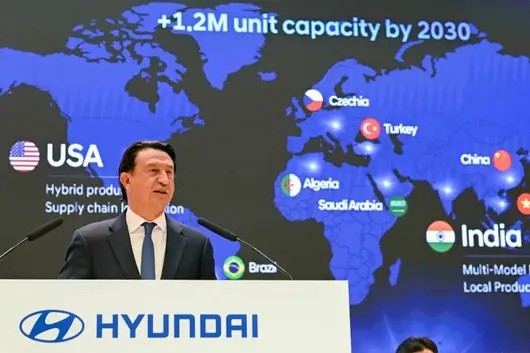
According to the sales announcements released by the two companies on July 1, 2026, in the first half of the year, Hyundai Motor Company including Genesis had a global sales volume of approximately 1.966 million vehicles; Kia had approximately 1.631 million vehicles, with a combined total of approximately 3.597 million vehicles. Among them, Hyundai Motor Company's sales decreased by 4.9% year-on-year, while Kia increased by 2.7%, setting a record for its first-half sales.

During the same period, Hyundai Motor Company's sales in South Korea were approximately 317,000 vehicles, and Kia's were approximately 296,000 vehicles. The Korean local market provides a stable business foundation for the group, but the larger sales volume comes from overseas.
Hyundai and Kia operate products and channels separately in the US, supply through manufacturing bases in the Czech Republic, Turkey, and Slovakia in Europe, and have established local production systems in India. The two brands share the group's technology and procurement resources while competing against different users.
The Hyundai and Kia we see in China obviously do not represent the whole picture of this group. However, global scale has not allowed the two companies to escape profit pressure.
In the second quarter of 2026, Hyundai Motor Company's revenue was 49.22 trillion Korean won, up 1.9% year-on-year; operating profit was 2.85 trillion Korean won, down 20.8% year-on-year, with an operating profit margin of 5.8%. Kia's revenue for the same period was 33.03 trillion Korean won, up 12.6% year-on-year; operating profit was 2.62 trillion Korean won, down 4.9% year-on-year, resulting in an operating profit margin of approximately 7.9%.

Kia's revenue growth and operating profit margin were higher than Hyundai Motor Company, but both companies faced declining operating profit despite revenue growth. Different brands and product combinations presented different operating results within the same group.
Global layout gave Hyundai and Kia multiple market pivots but did not eliminate the pressure brought by costs, products, and competition.

Their lack of development in China does not hinder the study of how they established global business and how they succeeded globally. But at the same time, this system also faces challenges in the new automotive era.

Hyundai and Kia Going Global

The reason for Hyundai going global was first that the South Korean market is too small.
Chinese car companies that do well in their local market may reach millions of vehicles in scale and complete iterations of technology relying on China's supply chain. Hyundai does not have such conditions.
Established in 1967, it began producing the Ford Cortina in 1968, exported the Pony to Ecuador in 1976, and entered the US with Excel in 1986. While learning to build cars, it had to find overseas buyers.
For latecomers to the automotive industry, platforms, molds, R&D, and factories are investments that need to be spread across a scale. Local demand in South Korea determines that if Hyundai wants to become a large automobile enterprise, it cannot wait until all capabilities are mature before considering overseas expansion.
The global market has been a constraint it has had to face since early on in establishing its industrial capabilities.
This makes the growth conditions for Chinese and Korean car companies different.
Chinese enterprises can rely on the huge domestic market to perfect products and accumulate scale before expanding overseas business. Hyundai needed to learn how to enter other people's markets much earlier, understanding price tolerance, aesthetics, roads, and consumption habits. This difference does not determine who is more advanced but influences how enterprises later allocate resources and power.
Hyundai initially also relied on low prices. But the US market quickly made it understand that low prices can bring the first purchase, but quality and service bring the second.
In 1998, Hyundai Motor America introduced a coverage plan for 1999 model new cars, including a limited 10-year or 100,000-mile powertrain warranty. This was a concrete action to establish credit.
Within the scope covered by warranty terms, it transferred the reliability risks consumers worried about back to the manufacturer and required manufacturing, repair, and quality management to catch up. Whether a strange brand can stand, it needs to make consumers believe that someone is still responsible for problems that occur after buying the car.
The 1998 acquisition of Kia was another important node for Hyundai to establish today's global system. The two brands gradually expanded the sharing of platforms and procurement while retaining their own design and market expressions.
In 2005, the Hyundai Alabama plant went into production, and Kia subsequently established a production base in Georgia. Hyundai and Kia gradually changed from import brands to become local employers, purchasers, and investors, establishing long-term relationships with suppliers, dealers, and local governments.
Hyundai's Palisade and Kia's Telluride等大型 SUVs respond to family travel needs, hybrid models respond to usage costs, and Genesis bears the task of brand upward mobility. Two mass-market brands plus a luxury brand allow the group to compete between different prices and needs.
Hyundai and Kia in the US are not just Korean models with a few more configurations added. Local needs entered product definition, and car buying finance, leasing, and services entered the daily lives of consumers.
India took another path.
Hyundai established business in India in 1996, launched the Santro in 1998, and began local production, gradually expanding from small cars to compact SUVs. Price, space, fuel consumption, and maintenance convenience constitute the more realistic car buying judgment for local families.

Kia later entered India, establishing business through local production and products such as SUVs and MPVs. The two brands forming different product combinations in the same market also further increased India's weight in the group's global layout.
Hyundai India disclosed in its performance exchange in February 2026 that the localization level has reached 84%. As local procurement and manufacturing capabilities continue to deepen, India concurrently takes on the role of sales market, manufacturing base, and regional export center, supplying to the Middle East, Africa, Latin America, and other Asia-Pacific markets.
Europe had different requirements.
Hyundai established local R&D capabilities and supplied through Czech and Turkish factories, while Kia formed a manufacturing pivot in Slovakia. Body forms, driving feel, safety, and emission requirements need to be solved in the development stage. Channels, repair, and parts supply familiar to consumers determine whether products can be operated continuously after launch.
Localization in Brazil even went directly into the power system.
The Hyundai Brazil plant put into production in 2012 and the HB20 developed for the local market need to adapt to the ethanol fuel system, purchasing power, and usage environment. The Middle East and Africa rely more on distribution partners to establish coverage, then deepen assembly and procurement according to demand and policy. The Asia-Pacific market's demand for multi-person travel provided product space for MPVs and SUVs different from Europe.
These markets were not treated by Hyundai and Kia as different sales addresses for the same set of models.
South Korean local provides R&D, platform, and manufacturing foundations, with each region forming its own product combinations, supply chains, and business relationships. The group shares resources, brands face consumers separately, and regional business handles local needs.
The change Hyundai and Kia completed is that different markets gradually entered the enterprise, participating in deciding what this group produces, how it is produced, and how it serves users.

Undervalued Design

The role of design is often obscured by the impression of cost-performance ratio.
In the past, when people talked about Korean cars, the first thing that came to mind was value for money.
Today, Hyundai's IONIQ 5 pixel lights and Kia's EV9 geometric contours are all turning brands into recognizable product languages. Hyundai and Kia absorb global design talent and gradually form their own expressions. The experience of South Korean consumer electronics, home furnishings, retail, and cultural industries facing global consumers also provides a background for understanding such aesthetic expressions.
For automobiles, culture can be reflected in proportions, materials, colors, spaces, and interfaces, and does not need to become a prominent traditional symbol every time. The place Hyundai and Kia are worth studying is how to make people from different cultural backgrounds understand their designs while willing to pay for them.
After sharing platforms and technologies, the two brands still need to retain their respective appearances. Technical synergies can spread costs, but design and product positioning need to give consumers different reasons to choose.
When batteries, motors, chips, and screens are increasingly easy to obtain, product differences will not naturally disappear, but relying solely on configuration tables to build advantages will become more and more difficult. Design, usability, and overall experience will affect whether a brand can escape price competition.
Of course, Hyundai and Kia did not invent globalization. Toyota completed much of the work on this path earlier.
In 1984, Toyota and General Motors established NUMMI, i.e., New United Motor Manufacturing Inc., accumulated experience in organizing production and handling labor relations in the US, and then expanded its own manufacturing system. The IMV, i.e., Innovative International Multi-purpose Vehicle project, launched in 2004, incorporated bases such as Thailand, Indonesia, South Africa, and Argentina into common platforms and transnational division of labor, allowing a country's factory to serve multiple markets.
The advantage Toyota established was reliability, production management, repair networks, and long-term usage costs. As a later entrant, Hyundai and Kia needed to make up for quality while closing the brand gap through design, configuration, and price combinations.
They both value local operations, but Hyundai and Kia's experience is closer to the situation Chinese car companies are facing today: products already have competitiveness, why do consumers still unwilling to switch brands?
This is also where this sample is most valuable when comparing Chery, Geely, and BYD.
Chery entered emerging markets earlier, relying on high cost-performance products, local dealers, and co-assembly to expand coverage, then deepening manufacturing and brand investment. This path has similarities with Hyundai and Kia.
The next test is to convert the expansion speed brought by different partners into stable quality, spare parts, and service standards. The more countries, brands, and models, the higher the difficulty of channel management.
Geely relies more on capital shareholding or acquisition and technical cooperation.
Volvo and the cooperation with Renault in Brazil brought different forms of brand, R&D, factory, and regional relationships, and also brought Chinese technology into the existing global network. It needs to solve how brand autonomy and platform sharing get along, and whether complex equity and cooperation relationships can truly improve efficiency.
BYD relies on synergies between batteries, electric drive, entire vehicles, and plug-in hybrid technologies to push the scale and cost advantages formed in the Chinese market overseas.
The Thailand factory places local sales and regional exports together, reflecting the idea of a production network. The next test is, after increasing investment in overseas factory construction, local procurement, and channel services, how much cost advantage BYD can still maintain, and whether it can convert product competitiveness into dealer profits and users' long-term trust. Repair efficiency, spare parts supply, and used car residual value all need to be accumulated through continuous operation.
The experience Hyundai and Kia provide is that the assessment of going global must ultimately fall on local operations. Whether cars sold after entering channels are sold to users, whether dealers can make money, how long spare parts take to arrive, and whether financing costs are acceptable explain business quality more than announcing entering how many countries.
Localization also requires power to follow responsibility.
If a region is to be responsible for sales and profits, it must be able to influence product definition, configuration, launch rhythm, and partner selection. The headquarters retains platforms, quality, and safety standards, and local teams need the ability to respond to the market.

New Automotive Era

China is changing the value structure of automobiles. New energy platforms, batteries, smart cockpits, assisted driving, and rapid updates have formed a high-intensity innovation environment.
New functions and product concepts can quickly enter a large number of models, being verified, improved, or eliminated in real competition.
Chinese car companies have thus obtained a high upper limit for product experience. But a smart car that is highly mature in China may not be able to completely retain this experience in other markets.
Maps, accounts, music, payments, cloud services, and AI applications need to be reconnected; data permissions, privacy settings, and proactive recommendations need to be redesigned. A service that can be completed by voice in the country, overseas, may not have corresponding service providers, or may need to re-obtain user authorization. Whether local users need it also cannot be presumed in advance.
Past localization mainly revolved around regulations, chassis, power, and language. Today, it is increasingly deepening into the automobile's software structure and business relationships. The deeper China's digital ecosystem is integrated, the more parts may need to be re-developed and coordinated when migrating overseas.
China's intelligent advantage needs to be realized overseas through another set of organizational capabilities. How many functions are added should be determined by local needs; to what extent users hope the system is proactive also needs research. Cannot directly equate the high configuration density of the Chinese market with high satisfaction in all markets.
Hyundai and Kia have long faced multiple markets and accumulated experience in handling regional differences. This experience may help them adapt to different digital ecosystems.
But whether they already possess a good enough software architecture, development efficiency, and application experience is another problem still to be tested.
Assisted driving will further increase the difficulty.
Non-motor vehicles in Shanghai, roundabouts in Paris, and parking yield in US suburbs involve different road environments and driving habits formed over the long term. Completing a large number of verifications in China does not mean overseas local verification can be skipped.
Whether data can be collected, where it is stored, and how it is used for training are also affected by rules in different regions. Automobile platforms can be as unified as possible, but the data closed loop needs to possess regional capabilities. For Chinese car companies, this increases the cost of globalization; for Hyundai and Kia, sales scattered around the world will not automatically convert to usable assisted driving data.
Hyundai and Kia's failure in China serves as a reminder that global capabilities accumulated in the past also have boundaries.
Beijing Hyundai once broke through an annual sales volume of one million vehicles in 2013, and Kia also once had a much higher market presence in China than today. Local factories, joint venture partners, and channels were once complete, but when Chinese brands continued to advance in quality, design, SUVs, and new energy, the original reasons for purchasing for Korean brands gradually weakened. External shocks around 2017 exacerbated the decline, but were not enough to explain the long-term slump thereafter.
Manufacturing has been localized, but technology choices and product deployment still need to keep up with changes in the Chinese market. When consumers start evaluating cars with cockpits, assisted driving, and update speeds, past fuel vehicle credit cannot automatically become the attraction of new products.
Therefore, China's significance to Hyundai Motor Group cannot be just restoring sales volume. It also needs to re-enter the innovation system here.
Hyundai has begun introducing the technical capabilities of Chinese partners. In the China strategy announced in 2026, it includes collaborating with Momenta to develop assisted driving systems and introducing the Doubao Large Language Model in the smart cockpit. Whether these cooperations can improve product experience still needs to be verified by mass production performance and continuous updates. Source: Hyundai Motor China Strategy Explanation
Toyota adopting Momenta technology on China models, Nissan and Mazda also promoting new energy products through Chinese teams or partners, all show that China's significance to global automakers is extending from sales markets to the input end of technical and product capabilities.
Hyundai and Kia's Chinese joint venture companies also have new roles.
Yueda Kia's Yancheng factory has become part of the global export network, but manufacturing export is just one layer. China's supply chain and R&D speed can also support product development, then enter other markets through the group's regulations, quality, and brand systems.
Beijing Hyundai ELEXIO has begun moving overseas along this path. This electric SUV was produced by Beijing Hyundai, launched first in the Chinese market in October 2025, and then entered the Australian market, a product under Hyundai's "Made in China, For China, Going Global" strategy.
But after ELEXIO's launch in China, sales were low, and the situation has not yet opened up. China development and manufacturing, using group channels to enter overseas, show the product has connected to the global network; whether it has enough competitiveness still needs to be answered by the market.
ELEXIO's test therefore has two layers: In China, it needs to re-establish consumers' reasons to choose Hyundai electric vehicles; overseas, it needs to prove that after local adaptation, this set of products can obtain continuous sales and reasonable profits. The slump in the Chinese market cannot directly predict overseas results, but equally cannot be covered up by overseas deployment news.
This requires global companies to have the ability to judge which Chinese innovations can be migrated, which need adjustment, and which are only suitable for China. Discovering and verifying innovation in China, then making it adapt to users in different countries is the capability Hyundai Motor Group needs to further establish.
Whether it can complete this step will directly affect how Hyundai and Kia respond to the overseas challenges of Chinese car companies.

New Competition in Global Markets

Competition in Europe has fallen on pure electric, plug-in hybrid, price, and software experience simultaneously.
Hyundai and Kia's respective electric vehicle products expanded the group's market coverage and allowed the two brands to compete for users with different designs and models. But owning electric vehicle products does not mean the market is already held. Chinese brands are still making up for production and channels, while Hyundai and Kia need to face competition on costs and experience.
Competition in South America and Southeast Asia is more direct.
Chinese car companies bring battery and plug-in hybrid advantages to the local area, also building factories, channels, and service systems. Plug-in hybrids especially may change some markets where public charging facilities are insufficient: for consumers with daily charging conditions, they do not need to wait for public charging networks to be fully mature to obtain daily electric driving experiences. How much usage costs can be reduced depends on local gasoline and electricity prices and actual charging and driving situations.
Hyundai and Kia need to judge how long fuel vehicles and regular hybrids can support, and at what speed pure electric, plug-in hybrid, and extended range should enter. Investing too slowly will lose users, while too quickly may bear idle capacity. The Middle East and Africa cannot be processed generally; purchasing power, energy prices, and infrastructure differences vary greatly between the Gulf and other markets.
The US and India provide different degrees of buffer.
US access restrictions, India's investment environment and local industry relationships all increase the difficulty for Chinese car companies to enter directly. But Hyundai and Kia still have to face Toyota, US local enterprises, and India's Maruti Suzuki, Tata, and Mahindra. Policies can influence the time competition occurs but cannot solve cost, product, and demand problems for enterprises.
Both companies' product and investment choices have already reflected this judgment.
Hyundai Motor Company continues to expand capacity in North America and India, strengthen hybrids, and plans to launch its first batch of extended range models starting from the first half of 2027. Kia, in addition to expanding pure electric and hybrid products, takes PBV dedicated vehicle business as a new growth direction. The group's common technical foundation is being used for product arrangements of different brands and markets. Source: Hyundai Motor 2026 Investor Day Announcement, Kia 2026 Investor Day Announcement
What is truly difficult is that multiple technology routes require money and also require organizations to undertake.
Fuel, hybrid, pure electric, and extended range are all invested in simultaneously, old and new factories need coordination, and software, autonomous driving, and robots are vying for R&D resources. The group is promoting Pleos cockpits and software-defined cars. With related systems entering mass production, development, verification, and continuous update efficiency will accept the test of actual use.
Processes that helped it establish global scale in the past may also increase time and costs in new competitions. The more regional businesses there are, the more important unified architecture is; the greater market differences, the more important local autonomy is. How to divide work between the two is something global automotive companies must repeatedly adjust in the future.
Hyundai Motor Company set a sales target of 5.55 million vehicles and an operating profit margin target of over 9% for 2030; Kia set a sales target of 4.13 million vehicles and a 10% operating profit margin target. The combined sales volume targets of the two companies are approximately 9.68 million vehicles. Achieving these targets requires improving product structure, costs, and capacity utilization simultaneously. Source: Hyundai Motor Target, Kia Target
If Chinese competitors continuously improve cost-performance ratios, and Hyundai and Kia can only increase discounts, scale targets and profit targets will constrain each other. Sharing technology and procurement can spread investment but cannot replace each brand establishing a purchase reason in the local market.
Hyundai and Kia have previously proven they are good at absorbing external capabilities and putting these capabilities into their own global systems. The next step, they still need to prove whether they can create new product experiences faster. The task for Chinese car companies is to make the already formed innovative capabilities continue to hold in different regulations, cultures, and digital ecosystems.
Therefore, what Hyundai Motor Group is most worth Chinese car companies learning is how to let an enterprise growing from a local base continue to operate in many countries, letting local users be willing to buy, use for a long time, and choose it again. This capability needs to be implemented in products, factories, suppliers, channels, and every after-sales service.
And the new exam question China gives is, when the technical and experience standards of automobiles are increasingly formed in China, can it bring these changes into the global system in time.
Hyundai and Kia have already proven how to become a global car company, next they still need to prove how to continue to do well as this group after cars are redefined.

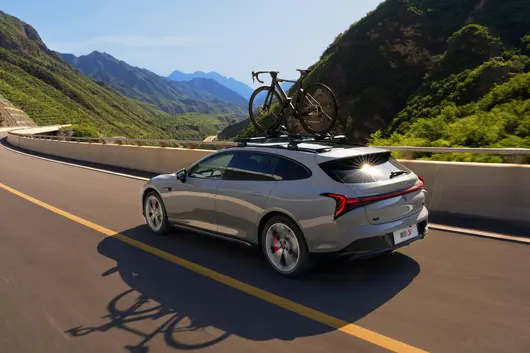
In the Malaysian SUV market, many buyers compare the Honda CR-V and Mazda CX-80 when choosing a car. These two cars are quite close in price and positioning. Today we will make a detailed comparison from multiple aspects to help you save time doing research.
The Honda CR-V's OTR price in Malaysia is RM 178,200 - 195,900, with a total of 4 versions, including 2026 e:HEV 2.0L 2WD RS (RM 195,900), 2026 1.5T 4WD V (RM 181,900), 2026 e:HEV 2.0L 2WD E (RM 178,200), etc.
The Mazda CX-80's OTR price in Malaysia is RM 296,610 - 296,610, with a total of 1 version, including 2025 2.5L 65km High Plus (RM 296,610), etc.
From a price perspective, the Honda CR-V's starting price is indeed RM 118,410 cheaper than the Mazda CX-80. If your budget is limited, Honda's entry-level version already meets daily needs. However, note that the few thousand ringgit saved may involve trade-offs in features, depending on your specific requirements.

The Honda CR-V is equipped with a 2.0L 4-cyl, 170 hp. Official fuel consumption 8.0 L/100km.
The Mazda CX-80 is equipped with a 2.0L Turbo, 220 hp. Official fuel consumption 9.5 L/100km.
In terms of power, the Mazda CX-80's 2.0L Turbo has 50 more horsepower than the Honda CR-V's 2.0L 4-cyl. However, for daily city driving, the power of both cars is sufficient, you won't feel underpowered.

The Honda CR-V body length is 4500 mm, trunk 450 L.
The Mazda CX-80 body length is 4500 mm, trunk 450 L.
The dimensions of both cars are almost the same, the difference in interior space is not large. Cars of this level are completely sufficient for daily use.

The Honda CR-V and Mazda CX-80 are both mainstream choices in the Malaysian market, suitable for family use and daily commuting. If you value brand reputation and second-hand price more, you can prioritize the one with better reputation; if you care more about cost-performance ratio and specifications, then choose the one with richer configuration. Ultimately, it is recommended to test drive both, personal experience is the most important.

Overall, the Honda CR-V and Mazda CX-80 are both very good car models in the Malaysian market. Which one to choose depends mainly on your personal needs and budget. It is recommended to do your homework, compare quotes from several car dealerships, and then test drive to make the final decision. Buying a car is a big matter, spending some time doing homework will never be wrong.


Di pasaran SUV Malaysia, ramai pembeli semasa memilih kereta akan membandingkan Honda CR-V dan Chery Tiggo 8. Kedua-dua model kereta ini mempunyai harga dan segmen penempatan yang hampir sama. Hari ini kita akan buat perbandingan terperinci dari pelbagai aspek untuk membantu anda menjimatkan masa membuat kajian.
Harga OTR Honda CR-V di Malaysia adalah RM 178,200 - 195,900, terdapat 4 versi, termasuk 2026 e:HEV 2.0L 2WD RS (RM 195,900), 2026 1.5T 4WD V (RM 181,900), 2026 e:HEV 2.0L 2WD E (RM 178,200) dan lain-lain.
Harga OTR Chery Tiggo 8 di Malaysia adalah RM 129,750 - 129,750, terdapat 1 versi, termasuk 2026 1.6T Standard (RM 129,750) dan lain-lain.
Dari segi harga, harga permulaan Chery Tiggo 8 lebih murah RM 48,450 berbanding Honda CR-V. Secara jujur, dalam segmen harga ini, perbezaan ribuan ringgit sebenarnya tidak besar. Yang penting adalah nilai keseluruhan dan kos penggunaan jangka panjang.
Markah keselamatan Honda CR-V ialah 5★ (ASEAN NCAP), sistem keselamatan aktif termasuk Honda SENSING (ACC, CMBS, LKAS, RDM).
Markah keselamatan Chery Tiggo 8 ialah TBD, sistem keselamatan aktif termasuk Basic.
Dari segi kelengkapan keselamatan, kedua-dua kereta mendapat markah yang baik. Walau bagaimanapun, terdapat sedikit perbezaan fungsi antara Honda SENSING (ACC, CMBS, LKAS, RDM) Honda CR-V dan Basic Chery Tiggo 8. Jika anda lebih mengutamakan keselamatan aktif, anda boleh bandingkan senarai fungsi kedua-duanya dengan teliti.
Panjang badan Honda CR-V 4500 mm, kapasiti bagasi 450 L.
Panjang badan Chery Tiggo 8 4400 mm, kapasiti bagasi 400 L.
Dari segi ruang, panjang badan Honda CR-V lebih panjang 100 mm daripada Chery Tiggo 8, ruang tempat duduk dalaman akan sedikit lebih lapang, terutamanya ruang kaki kerusi belakang. Jika anda kerap mengangkut keluarga atau perlu memuatkan kerusi bayi, badan kereta yang lebih besar memang lebih praktikal.
Honda CR-V waranti 5 tahun/tiada had kilometer, selang penyelenggaraan setiap 10,000 km atau 6 bulan.
Chery Tiggo 8 waranti 3 tahun/100,000 km, selang penyelenggaraan setiap 10,000 km atau 6 bulan.

Honda CR-V dan Chery Tiggo 8 adalah pilihan utama di pasaran Malaysia, sesuai untuk kegunaan keluarga dan perjalanan harian. Jika anda lebih mengutamakan reputasi jenama dan harga jualan semula, anda boleh优先考虑 model yang mempunyai reputasi lebih baik. Jika anda lebih peduli kepada nilai dan kelengkapan, maka pilih model yang kelengkapan lebih lengkap. Pada akhirnya, kami cadangkan anda buat uji jalan kedua-duanya, pengalaman sendiri adalah yang paling penting.

Secara keseluruhannya, Honda CR-V dan Chery Tiggo 8 adalah model yang sangat baik di pasaran Malaysia. Memilih kereta mana, yang penting adalah melihat keperluan dan bajet peribadi anda. Kami sarankan anda mengerjakan kajian terlebih dahulu, bandingkan tawaran harga dari beberapa penjual, kemudian buat uji jalan untuk membuat keputusan akhir. Membeli kereta adalah perkara besar, meluangkan sedikit masa membuat kajian pasti tidak salah.

Dalam dongeng, Taiyi Zhenren menggunakan batang lotus untuk membentuk semula raga fizikal Nezha. Dalam realiti, sebuah syarikat bernama "Taiyi Shenglian" cuba melabur 3 bilion untuk "membangunkan semula" Kereta Nezha.

Pada 11 September, mesyuarat kreditorku ke-empat kes likuidasi semula ibu syarikat Kereta Nezha, Hozon New Energy, diadakan secara talian. "Rancangan Restruktur (Draf)" mendedahkan buat kali pertama bahawa pelabur restruktur adalah Syarikat Perkongsian Pengurusan Enterprise Taiyi Shenglian Zhejiang (Kumpulan Terhad). Taiyi Shenglian merancang melabur 3 bilion untuk mendapatkan kira-kira 70.62% ekuiti dalam Hozon New Energy, menguasai hak kepimpinan operasi syarikat selepas restruktur. Sebagian darinya sebanyak 1.167 bilion digunakan untuk membayar hutang yang berkaitan dengan aset yang akan dikekalkan dan kos kebankroitan, baki 1.833 bilion untuk tambahan modal kerja.

Berdasarkan maklumat perdagangan, Taiyi Shenglian ditubuhkan pada April 2026. Ia terdiri daripada Zhejiang Shanzi Holdings dan Zhejiang Shanzi Yuxu Technology Co., Ltd. Individu kawalan sebenar Shanzi adalah Ye Ji, Pengerusi Shanzi High-Tech. Shanzi High-Tech telah lama melabur dalam kenderaan lengkap: Pada 2023, ia memperoleh leses pengeluaran kenderaan pribadi dengan membeli Hebei Hongxing Motors. Pada 2025, kereta pertama yang dibina oleh anak syarikat Shanzi Youqian bekerjasama dengan Tmall telah masuk ke fasa pengesahan kejuruteraan, dirancang pengeluaran kuantiti pada suku ketiga 2026. Dalam tempoh merekrut pelabur restruktur oleh Hozon New Energy pada Disember 2025, Shanzi High-Tech adalah pelabur berminat tunggal yang membayar wang jaminan 50 juta Yuan.

Tetapi keadaan kewangan Shanzi High-Tech sendiri tidak cukup. Pada separuh pertama 2026, pendapatan syarikat 1.371 bilion Yuan, turun 20.87% secara tahunan; laba bersih yang boleh dikongsi hanya 30.8296 juta Yuan, turun 85.69%; laba bersih selepas tolak untung tidak berulang rugi 349 juta Yuan. Modal berdaftar 3.001 bilion masih dalam status berbayar, terdapat kemungkinan dana tidak tiba mengikut jadual.

Hutang adalah ujian paling langsung. "Rancangan Restruktur (Draf)" menunjukkan hutang biasa Hozon New Energy kira-kira 11.7 bilion, melibatkan lebih 1600 rumah tangga; hutang prioritas kira-kira 2.2 bilion, melibatkan 9 rumah tangga. Sebagian darinya hutang biasa di bawah 800,000 Yuan kadar pelunasan kira-kira 12%, hanya bayar 10,000 Yuan pada 12 bulan pertama, baki ditukar kepada ekuiti; hutang prioritas hanya bayar faedah selama 3 tahun pertama, mula bayar modal pada tahun keempat. Kereta Nezha telah selesai 10 pusingan pembiayaan sejak 2017, jumlah pembiayaan 22.844 bilion, tetapi margin kasar 2021 hingga 2023 masing-masing -34.4%, -22.5% dan -14.9%, secara jangka panjang dalam keadaan rugi. Sehingga kebankroatan, kerugian bersih Hozon New Energy mencecah 18.3 bilion.

Mengikut "tiga langkah" pelan dalam "Rancangan Restruktur (Draf)", fasa pertama pulihkan semula model Kereta Nezha X, utamakan pasaran luar negara, sasaran jualan tahunan 10,000 unit; fasa kedua kembangkan model yang sesuai untuk Asia, Afrika, Amerika Latin, sasaran pengeluaran tahunan 300,000 unit; fasa ketiga bangun model pintar global, rancang hasil tahunan 40 bilion dan mula persediaan IPO.

Jendela masa pulihan sangat ketat. Kereta Nezha telah berhenti produksi sejak November 2024 sehingga lebih kurang dua tahun. Mengikut peraturan Kementerian Perindustrian, pengeluaran kurang daripada 2,000 kenderaan selama 2 tahun berturut-turut boleh disenaraikan dalam senarai pengumuman khas. Situasi pasaran luar negara juga tidak optimistik - jualan kumulatif Kereta Nezha di Thailand pada separuh pertama 2026 hanya 365 unit, dan Kementerian Kewangan Thailand sebelum ini telah memfailkan tuntutan kerana gagal matlamat pengeluaran tempatan, menuntut subsidi lebih 2 bilion Baht.
Pelajaran daripada insiden sebelumnya tidak terlalu jauh. Kereta High League pada 2025 telah mengisytiharkan mendapat pelaburan 600 juta USD daripada syarikat Lebanon EV Electra, tetapi dana itu tidak pernah sampai, restruktur akhirnya tidak berkesudahan.

Berdasarkan Shanghai Securities Daily, seorang kreditur Nezha menyatakan, kemungkinan rancangan restruktur kali ini diluluskan adalah tinggi, tetapi sama ada Kereta Nezha boleh memulakan semula pengeluaran kuantiti, masih bergantung kepada dana yang dibayar penuh, integrasi keupayaan pengeluaran dan banyak faktor lain. 3 bilion berbanding jurang hutang 13.9 bilion, serta pelaburan modal berterusan yang diperlukan untuk pembuatan kenderaan, jurang sangat jauh. Adakah Nezha benar-benar "terlahir semula", jawapannya tidak dalam draf, tetapi dalam sama ada dana boleh tiba dan sama ada boleh berjaya kembali ke pasaran.

Dalam pasaran SUV di Malaysia, ramai pembeli ketika memilih kereta sering membandingkan Honda CR-V dan Mazda CX-8. Kedua-dua kereta ini hampir sama dari segi harga dan kedudukan, hari ini kita akan buat perbandingan terperinci dari pelbagai aspek, membantu anda menjimatkan masa untuk melakukan penyelidikan.
Honda CR-V mempunyai harga OTR di Malaysia sebanyak RM 178,200 - 195,900, terdapat 4 varian, termasuk 2026 e:HEV 2.0L 2WD RS (RM 195,900), 2026 1.5T 4WD V (RM 181,900), 2026 e:HEV 2.0L 2WD E (RM 178,200) dan lain-lain.
Mazda CX-8 mempunyai harga OTR di Malaysia sebanyak RM 165,360 - 201,360, terdapat 5 varian, termasuk 2025 2.5T 4WD High Plus Petrol (RM 201,360), 2025 2.2L 2WD High Plus Diesel (RM 193,123), 2025 2.5L 2WD High Plus Petrol (RM 186,360) dan lain-lain.
Dari segi harga, harga permulaan Mazda CX-8 adalah RM 12,840 lebih murah daripada Honda CR-V. Jujur dikatakan, dalam julat harga ini, perbezaan beberapa ribu ringgit sebenarnya tidak besar, yang penting adalah nilai keseluruhan dan kos penggunaan jangka panjang.
Honda CR-V mempunyai penarafan keselamatan 5★ (ASEAN NCAP), sistem keselamatan aktif termasuk Honda SENSING (ACC, CMBS, LKAS, RDM).
Mazda CX-8 mempunyai penarafan keselamatan 5★ (ASEAN NCAP), sistem keselamatan aktif termasuk Brand ADAS.
Penarafan keselamatan kedua-dua kereta adalah sama, dalam kelas ini peralatan keselamatan dianggap cukup lengkap. Kereta baharu sekarang tidak kurang dari segi keselamatan, tidak perlu terlalu bimbang tentang hal ini.
Honda CR-V menggunakan cara penggerak FWD.
Mazda CX-8 menggunakan cara penggerak FWD.
Kedua-dua kereta menggunakan cara penggerak yang sama, iaitu FWD, rasa memandu sehari-hari tidak akan berbeza banyak.
Honda CR-V dan Mazda CX-8 adalah pilihan utama dalam pasaran Malaysia, sesuai untuk kegunaan keluarga dan perjalanan harian. Jika anda lebih menekankan reputasi jenama dan harga jualan semula, boleh utamakan yang mempunyai reputasi lebih baik; jika anda lebih mementingkan nisbah nilai dan kelengkapan, maka pilih yang mempunyai konfigurasi lebih kaya. Pada akhirnya adalah dinasihatkan untuk memandu uji kedua-dua kereta, pengalaman langsung adalah yang paling penting.

Secara keseluruhan, Honda CR-V dan Mazda CX-8 adalah model kereta yang sangat baik dalam pasaran Malaysia. Memilih mana satu, yang utama adalah melihat keperluan dan bajet peribadi anda. Adalah disarankan agar anda membuat penyelidikan, membandingkan tawaran harga dari beberapa pengedar kereta, kemudian memandu uji untuk membuat keputusan akhir. Membeli kereta adalah perkara besar, meluangkan masa untuk membuat penyelidikan tidak akan salah.

Dalam pasaran SUV di Malaysia, ramai pembeli membandingkan Honda CR-V dan Mazda CX-5 semasa memilih kereta. Kedua-dua kereta ini mempunyai harga dan sasaran pasaran yang hampir sama. Hari ini kita akan buat perbandingan terperinci dari pelbagai aspek untuk membantu anda menjimatkan masa membuat kajian.
Honda CR-V mempunyai harga OTR di Malaysia sebanyak RM 178,200 - 195,900, terdapat 4 varian, termasuk 2026 e:HEV 2.0L 2WD RS (RM 195,900), 2026 1.5T 4WD V (RM 181,900), 2026 e:HEV 2.0L 2WD E (RM 178,200) dan lain-lain.
Mazda CX-5 mempunyai harga OTR di Malaysia sebanyak RM 135,469 - 166,760, terdapat 3 varian, termasuk 2025 2.0L AT 35th Anniversary (RM 316,154), 2025 2.0L AT (RM 296,154), 2025 2.0L MT (RM 294,154) dan lain-lain.
Dari segi harga, harga permulaan Mazda CX-5 adalah RM 42,731 lebih murah daripada Honda CR-V. Jujurnya, dalam julat harga ini, perbezaan beberapa ribu sebenarnya tidak terlalu besar, yang penting adalah nilai keseluruhan dan kos penggunaan jangka panjang.
Panjang badan Honda CR-V 4500 mm, bak belakang 450 L.
Panjang badan Mazda CX-5 4500 mm, bak belakang 450 L.
Saiz kedua-dua kereta itu hampir sama, ruang dalam kabin tidak terlalu berbeza. Kereta dalam kelas ini, penggunaan harian sepenuhnya memadai.
Jaminan Honda CR-V 5 tahun/tanpa had kilometer, selang servis setiap 10,000km atau 6 bulan.
Jaminan Mazda CX-5 5 tahun/150,000km, selang servis setiap 10,000km atau 6 bulan.
Honda CR-V dan Mazda CX-5 adalah pilihan utama pasaran Malaysia, sesuai untuk kegunaan keluarga dan perjalanan harian. Jika anda lebih mementingkan reputasi jenama dan harga jualan semula, boleh utamakan yang mempunyai reputasi lebih baik; jika anda lebih mementingkan nilai harga dan kelengkapan, pilih yang mempunyai kelengkapan lebih banyak. Akhir sekali, disarankan untuk mencuba kedua-duanya untuk ujian jalan, pengalaman langsung adalah yang paling penting.

Secara keseluruhan, Honda CR-V dan Mazda CX-5 adalah model kereta yang sangat bagus di pasaran Malaysia. Memilih yang mana satu, yang penting adalah keperluan dan bajet peribadi anda. Disarankan untuk membuat kajian, bandingkan tawaran daripada beberapa pengedar, kemudian buat ujian jalan untuk membuat keputusan akhir. Membeli kereta adalah perkara besar, meluangkan masa untuk kajian tidak akan salah.

喺馬來西亞嘅 SUV 市場,好多買家喺揀車嘅時候都會拿 Honda CR-V 同 Mazda CX-8 做比較。呢兩款車喺價位同定位上都幾接近,而家我哋就從多個方面做一個詳細嘅比較,幫你節省咗做功課嘅時間。
Honda CR-V 喺馬來西亞嘅 OTR 售價係 RM 178,200 - 195,900,合共 4 個版本,包括 2026 e:HEV 2.0L 2WD RS(RM 195,900)、2026 1.5T 4WD V(RM 181,900)、2026 e:HEV 2.0L 2WD E(RM 178,200)等。
Mazda CX-8 喺馬來西亞嘅 OTR 售價係 RM 165,360 - 201,360,合共 5 個版本,包括 2025 2.5T 4WD High Plus Petrol(RM 201,360)、2025 2.2L 2WD High Plus Diesel(RM 193,123)、2025 2.5L 2WD High Plus Petrol(RM 186,360)等。
從價錢睇,Mazda CX-8 嘅起價比 Honda CR-V 平咗 RM 12,840。講真係,喺呢個價位段,幾千塊嘅差距其實唔算大,關鍵都係睇整體嘅性價比同長期使用成本。
Honda CR-V 配備 2.0L 4-cyl,馬力 170 hp。官方油耗 8.0 L/100km。
Mazda CX-8 配備 2.0L 4-cyl,馬力 170 hp。官方油耗 8.0 L/100km。
兩款車用到同一套動力系統,日常開嚟嘅感覺基本無咩分別。油耗方面也差唔多,唔使太糾結呢一點。
Honda CR-V 嘅安全評級係 5★ (ASEAN NCAP),主動安全系統包括 Honda SENSING (ACC, CMBS, LKAS, RDM)。
Mazda CX-8 嘅安全評級係 5★ (ASEAN NCAP),主動安全系統包括 Brand ADAS。
兩款車嘅安全評級一樣,喺呢個級別入面安全配備都算好齊全。而家嘅新車安全性都唔差,唔使太擔心呢一點。
Honda CR-V 採用 FWD 驅動方式。
Mazda CX-8 採用 FWD 驅動方式。
兩款車嘅驅動方式一樣,都係 FWD,日常駕駛感覺唔會有太大分別。
總體嚟講,Honda CR-V 同 Mazda CX-8 都係馬來西亞市場好唔錯嘅車型。揀邊一輛,關鍵仍然係要睇你嘅個人需求同預算。建議大家做好功課,多比較幾間車行嘅報價,再去做試駕做最終決定。買車係件大事,花少少時間做功課絕對唔會錯。


神話之中,救哪吒係佢師傅太乙真人,用蓮藕造咗具身體。而現實中,救哪吒汽車嘅投資人,俾自己取名「太乙聖蓮」。呢個睇落好有戲劇性,亦帶嚟情緒衝擊。
9 月 11 號上午,哪吒汽車母公司合眾新能汽車股份有限公司(以下稱「合眾新能源」)破產重整案第四次債權人會議以網絡形式召開,就《重整計劃(草案)》進行表決,浙江太乙聖蓮企業管理合夥企業(有限合夥)(以下稱「太乙聖蓮」)作為重整投資人,計劃出資 30 億圓用嚟重整投資,並取得合眾新能源約 70.62% 股權,掌握重整後企業嘅經營主導權。
根據《重整計劃(草案)》內容,太乙聖蓮擬投入嘅 30 億圓將分兩部分使用:其中 11.67 億圓用嚟清償擬保留資產對應嘅相關債權同破產費用;剩餘 18.33 億圓用嚟補充合眾新能源嘅流動資金,支持佢重整後嘅經營同發展。
據了解,今次哪吒汽車重整嘅普通債權有 117 億圓,涉及 1600 多戶;優先債權有 22 億圓左右,涉及 9 戶。喺償還方式上,普通債權 80 萬以下部分,清償率係約 12%,頭 12 個月付 1 萬圓,兩年內付剩下嘅約 8 萬圓,超過部分轉為股權;優先債權金額唔變,頭三年還利息,由第四年開始還本金。

喺資產處置方面,《重整計劃(草案)》仲明確,今次重整將保留哪吒 X、哪吒 L 相關嘅核心資產,而哪吒 S、哪吒 GT 相關設備則當係非核心資產進行處置。有媒體報導話,太乙聖蓮嘅管理團隊具備汽車產業營運同破產重整經驗,曾經操盤過零部件行業上市公司嘅重整工作。
太乙聖蓮公司幕後操盤其實係山子高科,係由一家傳統房地產企業向高端製造業轉型嘅公司,佢曾經透過收購河北紅星汽車製造有限公司、同哈爾濱市政府合作成立黑龍江雲楓汽車等入局整車製造,但汽車業務進展並唔順利。
喺之前 2025 年 8 月合眾新能源公開招募重整投資人期間,山子高科作為唯一嘅意向投資人,繳納咗 5000 萬圓保證金。而太乙聖蓮正係山子高科為今次重整專門設立嘅主體。企查查顯示,該公司註冊於 2026 年 4 月,由浙江山子控股有限公司同浙江山子玉虛科技有限責任公司合夥組建,實際控制人為山子高科董事長葉驥,註冊資金係 30.01 億圓。

《重整計劃(草案)》亦為哪吒汽車規劃咗「三步走」戰略:
第一步:復產哪吒 X 車型,主要面向海外市場,目標年銷量 1 萬台。保住生產資質係哪吒汽車目前嘅重中之重。哪吒由 2024 年 11 月停產到而家,已經兩年冇生產。如果連續兩年總產量低於 2000 輛可能會被工信部列入特別公示名單。亦即係,哪吒必須喺接下來 4 個月內實現復產。而今次提出率先復產嘅哪吒 X,正係哪吒汽車此前出海嘅主力車型。《重整計劃(草案)》披露,該車型目前已拿到部分意向訂單。
第二步:面向亞洲、非洲、拉美等市場開發适配車型,目標年產 30 萬台,進一步放大海外市場優勢。
第三步:打造全球化智能車型,爭取年產值達 400 億圓,並啟動 IPO 準備工作。
不過,《重整計劃(草案)》並冇畀「三步走」戰略提出明確嘅時間線。由「三步走」戰略睇嚟,哪吒依然選擇透過海外市場破局。呢個好好理解,因為國內市場競爭今時不同往日,無論係品牌口碑、技術儲備定係渠道覆蓋,哪吒喺國內已經唔具備競爭力。但海外亦唔係藍海,隨著國內市場銷量承壓,自主車企紛紛出海,包括哪吒此前嘅海外市場泰國,電動車競爭日趋白熱化,哪吒想靠一款老車型破局,難度都仲係幾大。

另外,草案亦同時提到,哪吒汽車將重建上游供應鏈合作信心,恢復官方備件供應,全面重啟售後維修保養,激活現有服務網絡。呢對全國約 40 萬哪吒車主嚟講,係最實在嘅利好資訊。
不過要注意嘅係,太乙聖蓮公司 30.01 億圓嘅註冊資金,而家處於認繳狀態,而非實繳。而且,今次《重整計劃(草案)》嘅投票結果而家都仲冇出嚟。
呢即係話,喺錢未真正到賬之前,一切都仲有變數。高合汽車就係前車之鑑,喺接連被沙特投資部同 iAuto Group 放鴿後,2025 年,黎巴嫩公司 EV Eletra 同高合母公司華人運通成立咗江蘇高合汽車有限公司,宣布投資 6 億美金(含 1 億美金訂金)。就喺外界都以為重整穩陣嘅時候,呢筆錢卻遲遲未能到賬,最終不了了之,高合復活都冇咗下文。
即便 30 億圓能夠順利到賬,但其中能真正用於經營輸血嘅只有 18.33 億圓。呢對於造車嚟講只係杯水車薪,例如:蔚來董事長李斌喺 2021 年將造車嘅門檻由 200 億提升到 400 億圓。而今年上半年新勢力們只有零跑一家實現盈利,曾經率先盈利嘅理想汽車,上半年淨虧損 39.94 億圓,小鵬虧 31.2 億圓,蔚來虧 8.6 億圓。連呢啲頭部新勢力都仲喺虧盈線上掙扎,哪吒想要站穩腳跟,後續仲需要持續嘅資本輸血。


悦达起亚近期公布了其2026年8月的市场表现,当月销量达到19588辆,而1月至8月的累计销量则攀升至162734辆。与此同时,该品牌在8月份生产了20600辆整车,前八个月的总产量稳定在167600辆。这一成绩的背后,是悦达起亚长期秉持的“以用户为中心”的发展理念,以及针对中国消费者实际需求不断进行的产品迭代与优化。


在深耕本土市场的同时,悦达起亚也在加速推进海外出口战略,形成了内外销协同并进的良好格局。自2018年11月启动出口业务以来,该品牌累计出口整车数量已超过65.06万辆,创造出口销售额逾72.2亿美元。其出口产品矩阵由EV5、狮铂拓界、赛图斯、K5、索奈、焕驰六款车型构成,市场版图覆盖了澳大利亚、墨西哥、沙特阿拉伯等全球92个国家和地区。此外,悦达起亚在零部件出口领域也有所建树,累计出口发动机达544,110台,主要销往韩国、俄罗斯、捷克、斯洛伐克、越南、马来西亚、印度、哈萨克斯坦、土耳其和乌兹别克斯坦等国家。


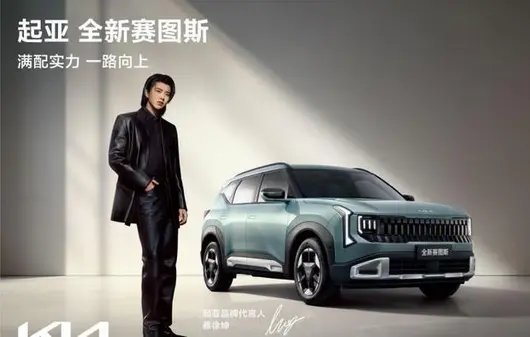
值得关注的是,全新一代起亚赛图斯已于近期正式推向市场,该车型共提供六款配置选择,官方指导价格区间为10.99万元至14.99万元,并推出一口价优惠活动,售价降至7.99万元至11.99万元。新车基于先进的第三代i-GMP平台打造,在动力系统上提供了两种前驱选项:其一为1.5L自然吸气发动机配合IVT智能无级变速箱,能够输出最大功率115马力,峰值扭矩达到144牛·米;另一种则是1.5T涡轮增压发动机与8AT自动变速箱的组合,其最大功率提升至200马力,峰值扭矩可达253牛·米,以满足不同消费者对驾驶性能的需求。
In the Malaysian SUV market, many buyers compare Honda CR-V and Toyota Corolla Cross when choosing a car. These two models are quite close in price and positioning. Today, we will make a detailed comparison from multiple aspects to help you save time on research.
Honda CR-V OTR price in Malaysia is RM 178,200 - 195,900, with a total of 4 variants, including 2026 e:HEV 2.0L 2WD RS (RM 195,900), 2026 1.5T 4WD V (RM 181,900), 2026 e:HEV 2.0L 2WD E (RM 178,200), etc.
Toyota Corolla Cross OTR price in Malaysia is RM 133,800 - 148,800, with a total of 3 variants, including 2026 HEV 1.8L GR Sport (RM 148,800), 2026 HEV 1.8L Standard (RM 140,800), 2026 1.8L Standard (RM 133,800), etc.
Looking at the price, the starting price of Toyota Corolla Cross is RM 44,400 cheaper than Honda CR-V. Honestly, in this price range, a difference of a few thousand is not really significant, the key is still to look at overall cost-performance and long-term usage costs.
Honda CR-V is equipped with 2.0L 4-cyl, power 170 hp. Official fuel consumption 8.0 L/100km.
Toyota Corolla Cross is equipped with 1.5L Turbo, power 140 hp. Official fuel consumption 7.0 L/100km.
In terms of power, the 2.0L 4-cyl of Honda CR-V has 30 horsepower more than the 1.5L Turbo of Toyota Corolla Cross, offering more confidence in mid-range acceleration, especially when overtaking on highways. However, Toyota Corolla Cross's fuel consumption might be friendlier, and the difference for daily city commuting won't be too large.
Honda CR-V uses FWD drivetrain.
Toyota Corolla Cross uses FWD drivetrain.
Both cars use the same drivetrain, both are FWD, there won't be a big difference in daily driving feel.
Honda CR-V warranty 5 years/unlimited mileage, service interval every 10,000km or 6 months.
Toyota Corolla Cross warranty 5 years/unlimited mileage, service interval every 10,000km or 6 months.
Both cars have the same warranty conditions, no need to worry about this aspect. Actual maintenance costs also depend on the brand's service network and parts prices, it is recommended to ask real owners in car owner communities for experience.

Honda CR-V and Toyota Corolla Cross are both mainstream choices in the Malaysian market, suitable for family use and daily commuting. If you value brand reputation and resale value more, you can prioritize the one with better reputation; if you care more about cost-performance and features, then choose the model with richer configuration. Ultimately, it is recommended to test drive both models, personal experience is the most important.
Overall, Honda CR-V and Toyota Corolla Cross are both very good models in the Malaysian market. Which one to choose depends mainly on your personal needs and budget. It is recommended that everyone do their research, compare quotes from several dealerships, and then test drive to make the final decision. Buying a car is a big matter, spending some time doing research will definitely not be wrong.

Dalam pasaran SUV di Malaysia, ramai pembeli membandingkan Honda CR-V dan Toyota Harrier ketika memilih kereta. Kedua-dua kereta ini mempunyai harga dan kedudukan yang agak hampir, hari ini kita akan membuat perbandingan terperinci dari pelbagai aspek untuk membantu anda menjimatkan masa membuat penyelidikan.
Honda CR-V di Malaysia mempunyai harga OTR RM 178,200 - 195,900, terdapat 4 varian, termasuk 2026 e:HEV 2.0L 2WD RS (RM 195,900), 2026 1.5T 4WD V (RM 181,900), 2026 e:HEV 2.0L 2WD E (RM 178,200) dan lain-lain.
Toyota Harrier di Malaysia mempunyai harga OTR RM 289,000 - 289,000, terdapat 1 varian, termasuk 2026 HEV 2.5L Standard (RM 289,000) dan lain-lain.
Dari segi harga, harga permulaan Honda CR-V memang lebih murah RM 110,800 berbanding Toyota Harrier. Jika bajet anda terhad, versi masuk Honda sudah boleh memenuhi keperluan harian. Tetapi perlu diingat, perbezaan harga beberapa ribu itu mungkin ada pertimbangan pada kelengkapan, bergantung pada keperluan anda.
Honda CR-V menggunakan enjin 2.0L 4-silinder, kuasa 170 hp. Kecekapan bahan api rasmi 8.0 L/100km.
Toyota Harrier menggunakan enjin 2.0L Turbo, kuasa 220 hp. Kecekapan bahan api rasmi 9.5 L/100km.
Dari segi kuasa, 2.0L Turbo Toyota Harrier mempunyai 50 hp lebih daripada 2.0L 4-silinder Honda CR-V. Namun untuk memandu harian di bandar, kedua-dua kereta ini mempunyai kuasa yang mencukupi, tidak akan terasa kurang tenaga.
Kadar keselamatan Honda CR-V ialah 5★ (ASEAN NCAP), sistem keselamatan aktif termasuk Honda SENSING (ACC, CMBS, LKAS, RDM).
Kadar keselamatan Toyota Harrier ialah 5★ (ASEAN NCAP), sistem keselamatan aktif termasuk Brand ADAS.
Kadar keselamatan kedua-dua kereta sama, kelengkapan keselamatan di kategori ini dianggap lengkap. Keselamatan kereta baharu sekarang tidak buruk, tidak perlu terlalu bimbang tentang hal ini.
Honda CR-V menggunakan kaedah pemacu FWD.
Toyota Harrier menggunakan kaedah pemacu FWD.
Kaedah pemacu kedua-dua kereta sama, semuanya FWD, pengalaman memandu harian tidak akan berbeza banyak.

Secara keseluruhan, Honda CR-V dan Toyota Harrier adalah model kereta yang sangat baik di pasaran Malaysia. Memilih yang mana, kunci utamanya adalah melihat keperluan dan bajet anda sendiri. Disarankan untuk membuat penyelidikan terlebih dahulu, bandingkan beberapa tawaran dari dealer kereta yang berbeza, kemudian buat ujian memandu untuk keputusan akhir. Membeli kereta adalah perkara besar, meluangkan masa membuat penyelidikan tidak akan salah.

Dalam pasaran SUV di Malaysia, ramai pembeli membuat perbandingan antara Honda HR-V dan Subaru Forester semasa memilih kereta. Dua kereta ini mempunyai harga dan penentuan pasaran yang agak hampir, hari ini kita akan membuat perbandingan terperinci dari pelbagai aspek untuk membantu anda menjimatkan masa membuat kajian.
Honda HR-V di Malaysia mempunyai harga OTR RM 115,900 - 143,900, terdapat keseluruhan 4 versi, termasuk 2026 e:HEV 1.5L RS (RM 143,900), 2026 1.5T V (RM 137,900), 2026 1.5T E (RM 130,900) dan lain-lain.
Subaru Forester di Malaysia mempunyai harga OTR RM 174,000 - 197,000, terdapat keseluruhan 3 versi, termasuk 2024 2.0L S EyeSight GT Edition (RM 189,538), 2024 2.0L S EyeSight (RM 177,538), 2024 2.0L L EyeSight (RM 167,538) dan lain-lain.
Dari segi harga, harga permulaan Honda HR-V memang RM 58,100 lebih murah daripada Subaru Forester. Jika bajet anda terhad, versi permulaan Honda sudah boleh memenuhi keperluan harian. Tetapi berhati-hati, beberapa ratus ringgit yang lebih murah itu, mungkin ada pilihan pada kelengkapan, lihat keperluan anda secara spesifik.

Honda HR-V dilengkapi enjin 1.5L Turbo, kuasa 140 hp. Kecekapan bahan api rasmi 7.0 L/100km.
Subaru Forester dilengkapi enjin 2.0L 4-cyl, kuasa 170 hp. Kecekapan bahan api rasmi 8.0 L/100km.
Dari segi kuasa, 2.0L 4-cyl pada Subaru Forester mempunyai 30 baki kuasa lebih daripada 1.5L Turbo pada Honda HR-V. Tetapi untuk penggunaan harian di bandar, kuasa kedua-dua kereta ini sudah mencukupi, tidak akan terasa kurang tenaga.

Pengkelasan keselamatan Honda HR-V ialah 5★ (ASEAN NCAP), sistem keselamatan aktif termasuk Honda SENSING (ACC, CMBS, LKAS, RDM).
Pengkelasan keselamatan Subaru Forester ialah 5★ (Euro NCAP), sistem keselamatan aktif termasuk EyeSight.
Dari segi kelengkapan keselamatan, kedua-dua kereta mendapat pengkelasan yang baik. Tetapi Honda SENSING (ACC, CMBS, LKAS, RDM) pada Honda HR-V dan EyeSight pada Subaru Forester mempunyai perbezaan dalam fungsi, jika anda lebih mementingkan keselamatan aktif, boleh bandingkan senarai fungsi keduanya dengan teliti.
Honda HR-V panjang badan 4500 mm, ruang muat barang 450 L.
Subaru Forester panjang badan 4400 mm, ruang muat barang 400 L.
Dari segi ruang, badan Honda HR-V lebih panjang 100 mm berbanding Subaru Forester, ruang duduk di dalam akan lebih luas sedikit, terutamanya ruang kaki barisan belakang. Jika anda sering membawa keluarga atau perlu meletakkan kerusi bayi, badan kereta yang lebih besar memang lebih praktikal.

Honda HR-V menggunakan sistem pemacu FWD.
Subaru Forester menggunakan sistem pemacu FWD.
Sistem pemacu kedua-dua kereta adalah sama, iaitu FWD, pengalaman memandu harian tidak akan berbeza jauh.
Secara keseluruhan, Honda HR-V dan Subaru Forester adalah model kereta yang sangat bagus di pasaran Malaysia. Memilih yang mana satu, kunci utamanya masih melihat keperluan dan bajet peribadi anda. Disarankan untuk membuat kajian, bandingkan harga beberapa showroom, kemudian buat ujian pemanduan untuk membuat keputusan akhir. Membeli kereta adalah perkara besar, meluangkan masa membuat kajian tidak akan salah.


喺馬來西亞嘅 SUV 市場,好多買家喺揀車嘅時候都會拿 Honda HR-V 同 Volkswagen Tiguan 嚟做比較。兩款車喺價位同定位上都蠻接近嘅,今日我就由多個方面做一個詳細嘅比較,幫你省下做功課嘅時間。
Honda HR-V 喺馬來西亞嘅 OTR 售價係 RM 115,900 - 143,900,一共有 4 個版本,包括 2026 e:HEV 1.5L RS(RM 143,900)、2026 1.5T V(RM 137,900)、2026 1.5T E(RM 130,900) 等。
Volkswagen Tiguan 喺馬來西亞嘅 OTR 售價係 RM 206,540 - 260,024,一共有 2 個版本,包括 2025 Allspace 2.0T R-Line(RM 260,024)、2025 Allspace 1.4T Elegance(RM 206,540) 等。
從價錢來看,Honda HR-V 嘅起步價確實比 Volkswagen Tiguan 平咗 RM 90,640。如果你預算有限,Honda 嘅入門版已經可以滿足日常需求。但都要注意,平嗰幾千塊,可能喺配備上會有取舍,具體睇你嘅需求。
Honda HR-V 搭載 1.5L Turbo,馬力 140 hp。官方油耗 7.0 L/100km。
Volkswagen Tiguan 搭載 2.0L 4-cyl,馬力 170 hp。官方油耗 8.0 L/100km。
動力方面,Volkswagen Tiguan 嘅 2.0L 4-cyl 比 Honda HR-V 嘅 1.5L Turbo 多咗 30 匹馬力。不過日常喺市區開,兩款車嘅動力都夠用,唔會覺得唔夠力。
Honda HR-V 嘅安全評級係 5★ (ASEAN NCAP),主動安全系統包括 Honda SENSING (ACC, CMBS, LKAS, RDM)。
Volkswagen Tiguan 嘅安全評級係 5★ (Euro NCAP),主動安全系統包括 IQ.Drive。
安全配備方面,兩款車都拿到唔錯嘅評級。不過 Honda HR-V 嘅 Honda SENSING (ACC, CMBS, LKAS, RDM) 同 Volkswagen Tiguan 嘅 IQ.Drive 喺功能上有啲差異,如果你比較看重主動安全嘅話,可以仔細睇下兩者嘅功能列表。
Honda HR-V 採用 FWD 驅動方式。
Volkswagen Tiguan 採用 FWD 驅動方式。
兩款車嘅驅動方式一樣,都係 FWD,日常駕駛感受唔會有太大分別。

Honda HR-V 同 Volkswagen Tiguan 都係馬來西亞市場嘅主流選擇,適合家庭使用、日常通勤。如果你更睇重品牌口碑同二手價,可以優先考慮口碑更好嗰款;如果你更在意性價比同配備,就揀配備更豐富嗰款。最終都係建議兩款都去試駕,親身體驗先至最重要。

總計,Honda HR-V 同 Volkswagen Tiguan 都係馬來西亞市場幾唔錯嘅車型。揀邊一輛,關鍵仲係要睇你嘅個人需求同預算。建議大家做好功課,多比較幾間車行嘅報價,先去試駕先至做最終決定。買車係件大事,花點時間做功課絕對唔會錯。

In the Malaysian SUV market, many buyers compare Honda HR-V and Hyundai Tucson when choosing a car. These two models are quite close in price and positioning. Today, we will make a detailed comparison from multiple aspects to save you time doing research.
The Honda HR-V OTR price in Malaysia is RM 115,900 - 143,900, with a total of 4 versions, including 2026 e:HEV 1.5L RS (RM 143,900), 2026 1.5T V (RM 137,900), 2026 1.5T E (RM 130,900), etc.
The Hyundai Tucson OTR price in Malaysia is RM 143,888 - 197,888, with a total of 5 versions, including 2025 HEV 1.6T AT 2WD Prestige (RM 197,888), 2025 1.6T DCT 4WD Prestige (RM 186,888), 2025 1.6T DCT 2WD Prime (RM 164,888), etc.
In terms of price, the Honda HR-V's starting price is indeed RM 27,988 cheaper than the Hyundai Tucson. If your budget is limited, Honda's entry-level version can already meet daily needs. However, be aware that the few thousand dollars saved might involve compromises in features, depending on your specific needs.
The Honda HR-V is equipped with a 1.5L Turbo, 140 hp. Official fuel consumption 7.0 L/100km.
The Hyundai Tucson is equipped with a 1.5L Turbo, 140 hp. Official fuel consumption 7.0 L/100km.
Both cars use the same powertrain system, so the driving feel is basically no different in daily use. Fuel consumption is also similar, so there is no need to worry too much about this point.
The Honda HR-V body length is 4500 mm, trunk capacity 450 L.
The Hyundai Tucson body length is 4400 mm, trunk capacity 400 L.
In terms of space, the Honda HR-V body is 100 mm longer than the Hyundai Tucson, and the interior seating space will be slightly more spacious, especially the rear legroom. If you often carry family members or need to put in a stroller, the larger body is indeed more practical.
The Honda HR-V adopts FWD drive mode.
The Hyundai Tucson adopts FWD drive mode.
Both cars have the same drive mode, both are FWD, and the daily driving experience will not be much different.

Overall, Honda HR-V and Hyundai Tucson are both very good models in the Malaysian market. Which one to choose depends mainly on your personal needs and budget. It is recommended to do your homework, compare quotes from several dealerships, and then test drive to make the final decision. Buying a car is a big deal, spending time doing research will never be wrong.

喺馬來西亞嘅 SUV 市場,好多買家在揀車嘅時候都會用 Honda HR-V 同 Kia Sportage 做比較。呢兩款車喺價位同定位上都幾接近,今日我哋就從多個角度做一個詳細比較,幫你節省做功課嘅時間。
Honda HR-V 喺馬來西亞嘅 OTR 售價係 RM 115,900 - 143,900,一總共有 4 個版本,包括 2026 e:HEV 1.5L RS(RM 143,900)、2026 1.5T V(RM 137,900)、2026 1.5T E(RM 130,900)等等。
Kia Sportage 喺馬來西亞嘅 OTR 售價係 RM 129,639 - 179,320,一總共有 4 個版本,包括 2025 1.6T DCT 4WD High(RM 179,320)、2025 1.6T DCT 2WD High(RM 159,320)、2025 2.0L AT 2WD High(RM 139,639)等等。
由價錢睇,Honda HR-V 嘅起步價真係比 Kia Sportage 平咗 RM 13,739。如果你預算有限,Honda 嘅入門版已經可以滿足日常需求。但亦要注意,平嗰幾千蚊,可能會喺配備上有所取捨,具體就要睇你嘅需求。
Honda HR-V 嘅安全評級係 5★ (ASEAN NCAP),主動安全系統包括 Honda SENSING (ACC, CMBS, LKAS, RDM)。
Kia Sportage 嘅安全評級係 5★ (ASEAN NCAP),主動安全系統包括 Drive Wise。
兩款車嘅安全評級一樣,喺呢個級別入面安全配備都算配得好齊。而家嘅新車安全性都幾好,唔使太擔心呢一點。
Honda HR-V 採用 FWD 驅動方式。
Kia Sportage 採用 FWD 驅動方式。
兩款車嘅驅動方式一樣,都係 FWD,日常駕駛感受唔會有太大分別。
Honda HR-V 保修 5 年/無限制里程,保養間隔 每 10,000km 或者 6 個月。
Kia Sportage 保修 5 年/300,000km,保養間隔 每 10,000km 或者 6 個月。

Honda HR-V 同 Kia Sportage 都係馬來西亞市場嘅主流選擇,適合家庭使用、日常通勤。如果你更重視品牌口碑同二手價,可以優先考慮口碑更好嗰一款;如果你更在意性價比同配備,就揀配置更豐富嗰款。最終都係建議兩款都去試駕,親身體驗先至係最重要。

總而言之,Honda HR-V 同 Kia Sportage 都係馬來西亞市場幾唔錯嘅車型。揀邊架,關鍵都要睇你嘅個人需求同預算。建議大家做好功課,多比較幾間車行嘅報價,再去試駕做最終決定。買車係件大事,花少少時間做功課絕對唔會錯。

喺馬來西亞嘅 SUV 市場,好多買家喺揀車嗰陣都會拎 Honda HR-V 同 Kia Sportage 嚟比較。呢兩款車喺價位同定位上都好接近,今日我哋就從多個方面做一個詳細嘅比較,幫你省做功課嘅時間。
Honda HR-V 喺馬來西亞嘅 OTR 售價係 RM 115,900 - 143,900,一共有 4 個版本,包括 2026 e:HEV 1.5L RS(RM 143,900)、2026 1.5T V(RM 137,900)、2026 1.5T E(RM 130,900) 等。
Kia Sportage 喺馬來西亞嘅 OTR 售價係 RM 129,639 - 179,320,一共有 4 個版本,包括 2025 1.6T DCT 4WD High(RM 179,320)、2025 1.6T DCT 2WD High(RM 159,320)、2025 2.0L AT 2WD High(RM 139,639) 等。
從價錢嚟睇,Honda HR-V 嘅起步價確實比 Kia Sportage 平咗 RM 13,739。如果你預算有限,Honda 嘅入門版已經可以滿足日常需要。但都要注意,平嗰幾千蚊,可能喺配備上會有取舍,具體要看你嘅需求。
Honda HR-V 配備 1.5L Turbo,馬力 140 hp。官方油耗 7.0 L/100km。
Kia Sportage 配備 1.5L Turbo,馬力 140 hp。官方油耗 7.0 L/100km。
兩款車用嘅係同一套動力系統,日常駕駛感受到基本無分別。油耗方面都相約,唔使太糾結呢一點。
Honda HR-V 嘅安全評級係 5★ (ASEAN NCAP),主動安全系統包括 Honda SENSING (ACC, CMBS, LKAS, RDM)。
Kia Sportage 嘅安全評級係 5★ (ASEAN NCAP),主動安全系統包括 Drive Wise。
兩款車嘅安全評級一樣,喺呢個級別入面安全配備都算好齊全。而家嘅新車安全性都好唔錯,唔使太擔心呢一點。
Honda HR-V 採用 FWD 驅動方式。
Kia Sportage 採用 FWD 驅動方式。
兩款車嘅驅動方式一樣,都係 FWD,日常駕駛感受唔會有太大分別。
Honda HR-V 同 Kia Sportage 都係馬來西亞市場嘅主流選擇,適合家庭使用、日常通勤。如果你更鍾意品牌口碑同二手價,可以優先考慮口碑好嗰一款;如果你更在意性價比同配備,就揀配備更豐富嗰款。最後都建議兩款都去試駕,親身體驗先至係最重要。
總括嚟講,Honda HR-V 同 Kia Sportage 都係馬來西亞市場好唔錯嘅車型。揀邊架,關鍵都係要看你個人需求同預算。建議大家做好功課,多比較幾間車行嘅報價,再走去試駕做最終決定。買車係件大事,花啲時間做功課絕對唔會錯。

喺馬來西亞嘅 SUV 市場,好多買家喺揀車嗰陣都會拿本田 HR-V 同三菱 Xforce 嚟做比較。呢兩部車喺價位同定位上都幾接近嘅,今日我哋就從多個方面做一個詳細比較,幫你節省咗做功課嘅時間。
本田 HR-V 喺馬來西亞嘅 OTR 售價係 RM 115,900 - 143,900,合共 4 個版本,包括 2026 e:HEV 1.5L RS(RM 143,900)、2026 1.5T V(RM 137,900)、2026 1.5T E(RM 130,900) 等等。
三菱 Xforce 喺馬來西亞嘅 OTR 售價係 RM 109,930 - 119,930,合共 2 個版本,包括 2026 1.5L Ultimate(RM 119,930)、2026 1.5L Urban(RM 109,930) 等等。
從價錢睇,三菱 Xforce 嘅起價比本田 HR-V 平咗 RM 5,970。講真,喺呢個價位段,幾千蚊嘅差距其實唔算大,關鍵仲係睇整體嘅性價比同長期使用成本。
本田 HR-V 搭載 1.5L Turbo,馬力 140 hp。官方油耗 7.0 L/100km。
三菱 Xforce 搭載 1.5L Turbo,馬力 140 hp。官方油耗 7.0 L/100km。
呢兩部車用緊同一套動力系統,日常駕駛嘅感受基本冇分別。油耗方面都差唔多,唔使太糾結呢一點。
本田 HR-V 嘅安全評級係 5★ (ASEAN NCAP),主動安全系統包括本田 SENSING (ACC, CMBS, LKAS, RDM)。
三菱 Xforce 嘅安全評級係 5★ (ASEAN NCAP),主動安全系統包括 MI-PILOT。
兩部車嘅安全評級一樣,喺呢個級別入面安全配備都算好齊全。而家嘅新車安全性都幾好,唔使太擔心呢一點。
本田 HR-V 採用 FWD 驅動方式。
三菱 Xforce 採用 FWD 驅動方式。
兩部車嘅驅動方式一樣,都係 FWD,日常駕駛感受唔會有太大分別。

總體嚟講,本田 HR-V 同三菱 Xforce 都係馬來西亞市場好唔錯嘅車型。揀邊一部,關鍵仲係要睇你嘅個人需求同預算。建議大家做足功課,多比較幾間車行嘅報價,先至去試駕做最終決定。買車係件大事,花啲時間做功課絕對唔會錯。

喺馬來西亞嘅 SUV 市場,好多買家喺揀車嗰陣都會拿 Honda HR-V 同 GWM Haval H6 做比較。呢兩部車喺價位同定位上都幾接近嘅,今日我哋就由多個方面做一個詳細嘅比較,幫你省返做功課嘅時間。
Honda HR-V 喺馬來西亞嘅 OTR 售價係 RM 115,900 - 143,900,一共有 4 個版本,包括 2026 e:HEV 1.5L RS(RM 143,900)、2026 1.5T V(RM 137,900)、2026 1.5T E(RM 130,900) 等。
GWM Haval H6 喺馬來西亞嘅 OTR 售價係 RM 139,750 - 139,750,一共有 2 個版本,包括 1.5L Turbo Standard(RM 140,000)、1.5L Turbo Premium(RM 155,000) 等。
從價錢嚟睇,Honda HR-V 嘅起步價確實比 GWM Haval H6 平咗 RM 23,850。如果你預算有限,Honda 嘅入門版已經可以滿足日常需求。但都要留意,平嗰幾千蚊,可能喺配備上會有取舍,具體要看你嘅需求。
Honda HR-V 搭載 1.5L Turbo,馬力 140 hp。官方油耗 7.0 L/100km。
GWM Haval H6 搭載 Hybrid,馬力 170 hp。官方油耗 4.5 L/100km。
動力方面,GWM Haval H6 嘅 Hybrid 比 Honda HR-V 嘅 1.5L Turbo 多咗 30 匹馬力。不過日常喺市區開,兩部車嘅動力都夠用,唔會覺得唔夠力。
Honda HR-V 嘅安全評級係 5★ (ASEAN NCAP),主動安全系統包括 Honda SENSING (ACC, CMBS, LKAS, RDM)。
GWM Haval H6 嘅安全評級係 TBD,主動安全系統包括 Basic。
安全配備方面,兩部車都拿到唔錯嘅評級。不過 Honda HR-V 嘅 Honda SENSING (ACC, CMBS, LKAS, RDM) 同 GWM Haval H6 嘅 Basic 喺功能上有啲差異,如果你比較看重主動安全嘅話,可以仔細比較下兩者嘅功能列表。
Honda HR-V 保養保障 5 年/無限里程,保養間隔 每 10,000km 或 6 個月。
GWM Haval H6 保養保障 7 年/150,000km,保養間隔 每 10,000km 或 6 個月。
Honda HR-V 同 GWM Haval H6 都係馬來西亞市場嘅主流選擇,適合家庭使用、日常通勤。如果你更看重品牌口碑同二手價,可以優先考慮口碑更好嗰一款;如果你更在意性價比同配備,嗰就揀配備更豐富嗰款。最終都係建議兩部都去試駕,親身試吓先至係最重要嘅。
總而言之,Honda HR-V 同 GWM Haval H6 都係馬來西亞市場幾唔錯嘅車型。揀邊一輛,關鍵都要睇你嘅個人需求同預算。建議大家做好功課,多比較幾間車行嘅報價,再去試駕做最終決定。買車係件大事,花少少時間做功課絕對唔會錯。

喺馬來西亞嘅 SUV 市場,好多人買車嘅時候都會拎 Honda HR-V 同 MG MG HS 嚟比較。呢兩款車喺價錢同定位上都幾接近,今日我哋就由多個方面做一次詳細嘅比較,幫你節省咗做功課嘅時間。
Honda HR-V 喺馬來西亞嘅 OTR 售價係 RM 115,900 - 143,900,總共有 4 個版本,包括 2026 e:HEV 1.5L RS(RM 143,900)、2026 1.5T V(RM 137,900)、2026 1.5T E(RM 130,900) 等。
MG MG HS 喺馬來西亞嘅 OTR 售價係 RM 130,450 - 146,450,總共有 2 個版本,包括 1.5L Standard(RM 105,000)、1.5L Executive(RM 115,000) 等。
從價錢睇,Honda HR-V 嘅起步價真係比 MG MG HS 平咗 RM 14,550。如果你預算有限,Honda 嘅入門版已經可以滿足日常需要。但都需要注意,便宜嗰幾千塊,可能喺配備上會有取舍,具體就要睇你嘅需要。
Honda HR-V 搭載 1.5L Turbo,馬力 140 hp。官方油耗 7.0 L/100km。
MG MG HS 搭載 1.5L Turbo,馬力 140 hp。官方油耗 7.0 L/100km。
兩款車用緊同一套動力系統,平日駕駛嘅感覺基本上冇分別。油耗方面都幾相似,唔使太糾結呢一點。
Honda HR-V 車身長 4500 mm,尾箱 450 L。
MG MG HS 車身長 4400 mm,尾箱 400 L。
空間方面,Honda HR-V 嘅車身比 MG MG HS 長咗 100 mm,車內乘坐空間會稍微寬鬆少少,尤其係後座腿部空間。如果你經常載家人或者需要放嬰兒車,大啲嘅車身真係更實用。
Honda HR-V 保養保修 5 年/無限里程,保養間隔 每 10,000km 或 6 個月。
MG MG HS 保養保修 7 年/150,000km,保養間隔 每 10,000km 或 6 個月。
總體嚟講,Honda HR-V 同 MG MG HS 都係馬來西亞市場好唔錯嘅車型。揀邊一輛,關鍵都係睇你嘅個人需要同預算。建議大家做好功課,多比較幾間車行嘅報價,再去試駕做最終決定。買車係件大事,花少少時間做功課肯定冇問題。
© 2024 Bitauto.com. All Rights Reserved.
Bitauto (www.yiche.com and www.bitauto.com) is one of the most visited automotive websites in China. We provide detailed info on Chinese car brands available in your area. Please note that the information provided on this website is based on publicly available data and is for reference only. It may not be fully updated or accurate at all times.

Help us improve our website


