

HomeProton Satria

Search History
Popular Searches
Dealer Login / Sign Up


Author: Wang Shanshan
Braking is not admitting defeat; it is changing lanes. "Cannot live in past success," does not deny the past, but sees the future clearly.
Cars are not FMCG and should not chase short-term quick gains. But the reality is, the competition in the entire industry has degenerated into a racing game. Capital pressure, traffic frenzy, constantly squeezing automakers' development cycles. When everyone is accelerating, someone choosing to decelerate becomes an outlier.
Recently, the Chery Fengyun T7 went on sale. Chery Automobile Executive Vice President Li Xueyong went on stage and his first sentence silenced the venue for a few seconds: "Global cars, they can't be rushed."

In the current automotive industry, this sentence is almost going against everyone. Vehicle development cycles have been compressed from 48 months to 26 months, and bugs that should have been solved in the lab were directly handed over to owners for road testing. Chery took a completely opposite path. The Fengyun T7 underwent 2 years of planning and 3 years of R&D, completing 1.45 million kilometers in durability special testing. The homologous model Lepas L6 was launched in Thailand and pre-sold in South Africa first, refining the overseas market before returning to the domestic market, taking a non-mainstream "reverse listing" path.
This new car that chose to "make it slowly" tore open the most core proposition for Chery: When the entire industry is desperately stepping on the gas, why did Chery hit the brakes?
Why Step on the Brakes After 20 Million Units?
A month ago, on July 25, Chery's global cumulative sales broke through 20 million units. For any automaker, this is a moment worthy of a grand celebration. But Chery's celebration exuded abnormality from start to finish.
Not immersed in the number frenzy, Yin Tongyue said a paragraph of words publicly: "After 20 million, we will no longer participate in involution, no longer only pursue sales, but pursue brand moving upmarket, pursue more technical breakthroughs, and pursue greater improvement in customer satisfaction."

From an outsider's perspective, Chery which has been sprinting all the way seems to have no need to adjust. From 960,000 units in 2021 to 2.8 million units last year, the growth curve is pretty enough. But Yin Tongyue almost stepped on the brakes and turned the steering wheel.
Subsequently, Chery Automobile Executive Vice President Zhang Guozhong spoke even more transparently: "Chery cannot live in past success experiences. Facing rapid industry changes, some need minor adjustments, some even need restructuring, only in this way can we adapt to the development of the next cycle."
He gave an example. A few years ago, the industry mainstream judgment on future energy structure was hybrid 4, pure electric 3, fuel 3, but now pure electric growth speed and market share have long far exceeded initial expectations. "Such consumption trend changes come very fast and fierce. In the past, we thought Falcon 500 intelligent driving was enough, but starting from the second quarter, consumers want higher-order versions like Falcon 700 or even 900 more."

Changes come too fast. If Chery still clings to 20 years of past success experiences—continuing to rely on fuel vehicle dividends, continuing to prioritize sales, continuing to use past product definition logic to cope with the market—it is very likely to fall behind in the next cycle.
What Did We Do Right in the Past 20 Years?
To understand why Chery needs to "brake", we must first understand how Chery "ran" to today.
Chery's rise was itself a resistance to industry prejudices. In the 1990s, two phrases were popular in the Chinese automotive circle: Without joint ventures there is no way to live; do not talk about independent R&D until you reach the million unit scale. Chery simply did not believe it.
In 1999, the first independently developed engine ignited successfully. In December of the same year, the first "Fengyun" went off the line. Without joint venture endorsement and without existing systems, Chery hard-chewed core components like engines, transmissions, and chassis from scratch, becoming the first Chinese brand automaker to master core "three major components" technology. This persistence in independent technology R&D allowed Chery to dodge many automakers' "strangled throat" crises.

This road was walked correctly. In 2007, Chery became the first domestic brand to accumulate sales exceeding one million units. The QQ achieved a sales legend of 1.4 million units, allowing ordinary families to drive private cars. The Tiggo series, relying on high cost-performance and low maintenance costs, quickly expanded scale, accumulated massive users and a complete supply chain, completing the most critical initial accumulation for the enterprise.
The smartest move Chery made was stepping out of the country early. In 2001, the first batch of Fengyun exported to Syria, ranking first in Chinese brand passenger car exports continuously for 23 years. When all domestic brands squeezed in the domestic market for fierce close-quarters combat, Chery quietly paved global channels. Overseas markets have always been Chery's cornerstone; when domestic price wars don't make money, overseas markets provide stable financial support and hedge risks.

In summary, Chery's past success logic is not complicated: Use independent R&D to stabilize the chassis, use cost-performance to expand sales, use overseas to stabilize the core base.
This play style worked time and time again over the past 20 years. But now, the halo is dimmed.
Why Not Live in the Past?
The most fundamental change in the industry is: shifting from incremental expansion to stock competition. The extensive growth model of diluting costs by scale and exchanging price for volume has reached its end; industry profit margins dropped to 1.5%, even showing selling more means losing more. Desperately chasing sales is no longer making big and strong, but inefficient internal friction.
Another change is sector switching. What Chery is best at is hardware R&D and power technology in the fuel vehicle era. But the current competition core is electrification, intelligence, and software experience. In the past, we compared whether cars were durable enough and if power was strong enough; now we compare whether intelligent driving is easy to use and if the car system is smooth enough. Chery's steadily iterating pace was steady in the fuel vehicle era, but in the new energy era, it is slow.

There is another reality shortcoming: brand constraints. Relying on cost-performance to start is Chery's advantage, but also its biggest burden. In the minds of most consumers, Chery is "affordable family car", not associated with words like high-end, value, and premium. 20 million accumulated users are mostly affordable users, difficult to form brand premium. Without brand height, one can only be trapped in the low-end price band to fight.
What is harder to change than products and markets is organizational inertia. A play style successful for twenty years, enterprises will definitely form mental rigidity. Fuel vehicle experience, old project processes, sales-only evaluation methods, will be unconsciously applied to new energy and new models. This is the terrible thing about path dependency—experience that once led you to the peak will become walls trapping you. Zhang Guozhong said "some need minor changes, some need restructuring", the changes are not only cars, but the entire enterprise's thinking and system.
After Saying Goodbye to Shadows, Where Will Chery Go?
Restructuring has begun. The most intuitive signal is that in the past few years Chery did not shy away from holding many launches, 189 events were held in 2025, but since this year, media visits to Wuhu decreased by more than half.
Another manifestation is in sales. In the first half of the year, Chery issued 150,000 fewer cars domestically, actively squeezing out "water", significantly reducing dealer inventory, domestic retail about 412,800 units, down 36.4% year-on-year. This is growing pains, and also a necessary cost to repair the terminal price system. And overseas, 200,000 units monthly sales are becoming normal, July overseas sales share has quietly reached 70%.

Changes have begun to happen. On September 1, August sales data showed Chery single-month sales 280,128 units, among which exports 196,984 units, domestic sales 83,144 units. Compared to July exports first breaking 200,000 units, domestic sales about 74,000 units data, August domestic sales month-on-month rose by nearly 10,000 units. After continuous contraction for several months, the domestic core base showed signs of recovery.
Between one down and one up, Chery is completing a switch in development logic. In Zhang Guozhong's words, "No internal stability, no external strength", Chery is no longer solely reliant on the domestic fuel vehicle market, but has constructed two new growth curves: "Overseas + New Energy".
Internally, the brand matrix enters an integration period. Chery recently adjusted the reporting lines of the Exeed business unit, strategic center turning comprehensively to overseas; the Zhiji brand turned from pursuing single product explosion to "long-distance thinking". Although multi-brand same source overlap problems are not fundamentally resolved, actions to streamline SKUs and clarify positioning have been initiated. In new energy, gross margin in the first half of the year rose significantly from 5.2% to 12.8%, saying goodbye to low price volume, entering scale profitability cycle.

The listing path of the Fengyun T7 happens to illustrate this new logic. One car debuted first at Milan Design Week, then launched in South Africa and Thailand, accepted overseas consumer and market testing, refined and then returned to domestic—"Global cars, can't be rushed". Not competing with the industry on new speed, using product strength verified by the global market to speak.
Auto Times says:
The catch-up racing among Chinese brands continues to add intensity. BYD overseas sales in July reached 179,800 units, Geely raised export target to 920,000 units and impact million scale, Great Wall set 600,000 units target. Chery's first-mover advantage is being diluted, window of opportunity is narrowing.
Wanting to cross the cycle, Chery's path is already clear: Globalization shifting from "sell more" to "earn steady"; open both-way technical feedback channels between domestic and overseas; domestic market no longer blindly rush wholesale volume, focusing on product value competition. The core task of the domestic market is to become a test bed for intelligent new technologies, complete verification before feeding back global models.

For Chery, crossing 20 million units is not the destination, but a watershed. The braking Yin Tongyue stepped on is not admitting defeat, but changing lanes. Zhang Guozhong said "Cannot live in past success", not denying the past, but seeing the future clearly.
When noise subsides, this enterprise that walked out of Wuhu small huts, still uses near-stubborn simplicity ways, to walk a farther road.
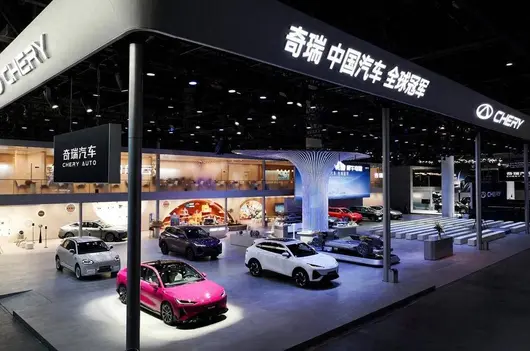

Dalam pasaran SUV di Malaysia, banyak pembeli membandingkan Honda HR-V dan Mazda CX-8 apabila memilih kereta. Kedua-dua kereta ini mempunyai kedudukan dan julat harga yang agak hampir, hari ini kami akan membuat perbandingan terperinci dari pelbagai aspek untuk menjimatkan masa anda melakukan kajian.
Harga OTR Honda HR-V di Malaysia ialah RM 115,900 - 143,900, terdapat 4 varian, termasuk 2026 e:HEV 1.5L RS (RM 143,900), 2026 1.5T V (RM 137,900), 2026 1.5T E (RM 130,900) dan lain-lain.
Harga OTR Mazda CX-8 di Malaysia ialah RM 165,360 - 201,360, terdapat 5 varian, termasuk 2025 2.5T 4WD High Plus Petrol (RM 201,360), 2025 2.2L 2WD High Plus Diesel (RM 193,123), 2025 2.5L 2WD High Plus Petrol (RM 186,360) dan lain-lain.
Ditinjau dari harga, harga permulaan Honda HR-V memang lebih murah RM 49,460 berbanding Mazda CX-8. Jika bajet anda terhad, versi permulaan Honda sudah boleh memenuhi keperluan harian. Tetapi perlu diingat, berapapun perbezaan harga yang lebih rendah tersebut, mungkin ada pertukaran pada kelengkapan, bergantung kepada keperluan anda.

Tahap keselamatan Honda HR-V ialah 5★ (ASEAN NCAP), sistem keselamatan aktif termasuk Honda SENSING (ACC, CMBS, LKAS, RDM).
Tahap keselamatan Mazda CX-8 ialah 5★ (ASEAN NCAP), sistem keselamatan aktif termasuk Brand ADAS.
Kedua-dua kereta mempunyai tahap keselamatan yang sama, dalam kategori ini kelengkapan keselamatan sudah cukup lengkap. Keselamatan kereta baru sekarang memang tidak kurang, tidak perlu terlalu bimbang mengenai perkara ini.

Panjang kenderaan Honda HR-V ialah 4500 mm, ruang muatan 450 L.
Panjang kenderaan Mazda CX-8 ialah 4500 mm, ruang muatan 450 L.
Dimensi kedua-dua kereta hampir sama, ruang dalam kenderaan tidak banyak perbezaan. Kereta dalam kategori ini, sepenuhnya mencukupi untuk penggunaan harian.

Honda HR-V dan Mazda CX-8 kedua-duanya pilihan utama pasaran Malaysia, sesuai untuk kegunaan keluarga dan perjalanan harian. Jika anda lebih mengutamakan reputasi jenama dan harga kedua, boleh pertimbangkan yang mempunyai reputasi lebih baik; jika anda lebih mementingkan nilai dan kelengkapan, pilih yang mempunyai pelbagai konfigurasi. Akhir sekali disyorkan kedua-duanya dicuba, pengalaman peribadi adalah yang paling penting.

Secara keseluruhan, Honda HR-V dan Mazda CX-8 adalah model kereta yang sangat bagus di pasaran Malaysia. Memilih yang mana, teras kepada keperluan peribadi dan bajet anda. Disarankan untuk membuat kajian, bandingkan beberapa tawaran dealer, kemudian ujian pemandu untuk membuat keputusan akhir. Membeli kereta adalah perkara besar, mengambil masa untuk membuat kajian tidak akan salah.


Dalam pasaran SUV di Malaysia, banyak pembeli membuat perbandingan antara Honda HR-V dan Mazda CX-5 semasa memilih kereta. Kedua-dua kereta ini hampir sama dari segi harga dan penjenamaan, hari ini kita akan membuat perbandingan terperinci dari pelbagai aspek, untuk membantu anda menjimatkan masa membuat persediaan.
Harga OTR Honda HR-V di Malaysia ialah RM 115,900 - 143,900, terdapat keseluruhan 4 versi, termasuk 2026 e:HEV 1.5L RS (RM 143,900), 2026 1.5T V (RM 137,900), 2026 1.5T E (RM 130,900) dan lain-lain.
Harga OTR Mazda CX-5 di Malaysia ialah RM 135,469 - 166,760, terdapat keseluruhan 3 versi, termasuk 2025 2.0L AT 35th Anniversary (RM 316,154), 2025 2.0L AT (RM 296,154), 2025 2.0L MT (RM 294,154) dan lain-lain.
Dari segi harga, harga permulaan Honda HR-V memang lebih murah RM 19,569 daripada Mazda CX-5. Jika bajet anda terhad, versi permulaan Honda sudah boleh memenuhi keperluan harian. Tetapi perlu berhati-hati, beza harga beribu ringgit itu mungkin ada kompromi pada kelengkapan, bergantung pada keperluan anda.
Honda HR-V dilengkapi enjin 1.5L Turbo, kuasa 140 hp. Konsumsi bahan api rasmi 7.0 L/100km.
Mazda CX-5 dilengkapi enjin 1.5L Turbo, kuasa 140 hp. Konsumsi bahan api rasmi 7.0 L/100km.
Kedua-dua kereta menggunakan sistem enjin yang sama, pengalaman memandu harian pada dasarnya tiada beza. Dari segi penggunaan bahan api juga hampir sama, tidak perlu terlalu risau tentang hal ini.
Penilaian keselamatan Honda HR-V adalah 5★ (ASEAN NCAP), sistem keselamatan aktif termasuk Honda SENSING (ACC, CMBS, LKAS, RDM).
Penilaian keselamatan Mazda CX-5 adalah 5★ (ASEAN NCAP), sistem keselamatan aktif termasuk.
Kedua-dua kereta mempunyai penilaian keselamatan yang sama, pada tahap ini kelengkapan keselamatan dianggap lengkap. Kereta baharu sekarang tidak kurang kebaikannya, tidak perlu terlalu risau mengenai hal ini.
Honda HR-V menggunakan cara pemanduan FWD.
Mazda CX-5 menggunakan cara pemanduan FWD.
Kedua-dua kereta menggunakan cara pemanduan yang sama, semua FWD, pengalaman memandu harian tidak akan ada perbezaan besar.

Secara keseluruhan, Honda HR-V dan Mazda CX-5 adalah model kereta yang sangat bagus di pasaran Malaysia. Pilihan mana satu, yang penting melihat keperluan peribadi dan bajet anda. Disyorkan membuat persediaan terlebih dahulu, bandingkan lebih banyak sebut harga di kedai-kedai kereta, kemudian buat uji pandu untuk membuat keputusan akhir. Membeli kereta adalah perkara besar, meluangkan masa membuat persediaan tidak akan salah.

喺馬來西亞嘅 SUV 市場,好多買家喺揀車嘅時候都會拿本田 HR-V 同馬自達 CX-8 嚟比較。呢兩款車喺售價同定位上都幾接近,今日我哋就從多個角度做詳細比較,幫你省做功課嘅時間。
本田 HR-V 喺馬來西亞嘅 OTR 售價係 RM 115,900 - 143,900,一共有 4 個型號,包括 2026 e:HEV 1.5L RS(RM 143,900)、2026 1.5T V(RM 137,900)、2026 1.5T E(RM 130,900) 等。
馬自達 CX-8 喺馬來西亞嘅 OTR 售價係 RM 165,360 - 201,360,一共有 5 個型號,包括 2025 2.5T 4WD High Plus Petrol(RM 201,360)、2025 2.2L 2WD High Plus Diesel(RM 193,123)、2025 2.5L 2WD High Plus Petrol(RM 186,360) 等。
從價錢嚟睇,本田 HR-V 嘅起步價確實比馬自達 CX-8 平咗 RM 49,460。如果你預算有限,本田嘅入門版已經可以滿足日常需求。但都要注意,平嗰幾千蚊,可能喺配備上會有取捨,具體要睇你嘅需求。
本田 HR-V 搭載 1.5L Turbo,馬力 140 hp。官方油耗 7.0 L/100km。
馬自達 CX-8 搭載 2.0L 4-cyl,馬力 170 hp。官方油耗 8.0 L/100km。
動力方面,馬自達 CX-8 嘅 2.0L 4-cyl 比本田 HR-V 嘅 1.5L Turbo 多咗 30 匹馬力。不過日常喺市區開,兩款車嘅動力都夠用,唔會覺得唔夠力。
本田 HR-V 嘅安全評級係 5★ (ASEAN NCAP),主動安全系統包括本田 SENSING (ACC, CMBS, LKAS, RDM)。
馬自達 CX-8 嘅安全評級係 5★ (ASEAN NCAP),主動安全系統包括 Brand ADAS。
兩款車嘅安全評級一樣,喺呢個級別入面安全配備都算好齊全。而家嘅新車安全性都唔差,唔使太擔心這一點。
本田 HR-V 採用 FWD 驅動方式。
馬自達 CX-8 採用 FWD 驅動方式。
兩款車嘅驅動方式一樣,都係 FWD,日常駕駛感覺唔會有太大區別。
本田 HR-V 同馬自達 CX-8 都係馬來西亞市場嘅主流選擇,適合家庭使用、日常通勤。如果你更睇重品牌口碑同二手價,可以優先考慮口碑更好嗰款;如果你更在意性價比同配備,就揀配置更豐富嗰款。最終都係建議兩款都去試駕,親身體驗先係最重要嘅。

總體嚟講,本田 HR-V 同馬自達 CX-8 都係馬來西亞市場幾唔錯嘅車型。揀邊輛,關鍵仲要睇你嘅個人需求同預算。建議大家做好功課,多比較幾間車行嘅報價,再去試駕做最終決定。買車係件大事,花少少時間做功課絕對唔會錯。

喺馬來西亞嘅 SUV 市場,好多買家喺揀車嘅時候都會拿本田 HR-V 同馬自達 CX-60 來做比較。這兩款車喺價位同定位上都好接近,今日我哋就從多個方面做一次詳細嘅比較,幫你慳返做功課嘅時間。
本田 HR-V 喺馬來西亞嘅 OTR 售價係 RM 115,900 - 143,900,合共有 4 個版本,包括 2026 e:HEV 1.5L RS(RM 143,900)、2026 1.5T V(RM 137,900)、2026 1.5T E(RM 130,900) 等。
馬自達 CX-60 喺馬來西亞嘅 OTR 售價係 RM 200,510 - 252,873,合共有 2 個版本,包括 2026 3.3T 4WD High Plus(RM 252,873)、2025 2.5L 2WD High(RM 200,510) 等。
從價錢來看,本田 HR-V 嘅起步價確實比馬自達 CX-60 平咗 RM 84,610。如果你預算有限,本田嘅入門版已經可以滿足日常需要。但都係要注意,平嗰幾千蚊,可能喺配備上會有取捨,具體要看你嘅需求。
本田 HR-V 搭載 1.5L Turbo,馬力 140 hp。官方油耗 7.0 L/100km。
馬自達 CX-60 搭載 2.0L 4-cyl,馬力 170 hp。官方油耗 8.0 L/100km。
動力方面,馬自達 CX-60 嘅 2.0L 4-cyl 比本田 HR-V 嘅 1.5L Turbo 多咗 30 匹馬力。不過日常喺市區開,兩款車嘅動力都夠用,唔會覺得唔夠力。
本田 HR-V 嘅安全評級係 5★ (ASEAN NCAP),主動安全系統包括本田 SENSING (ACC, CMBS, LKAS, RDM)。
馬自達 CX-60 嘅安全評級係 5★ (Euro NCAP),主動安全系統包括 i-Activsense Pro。
安全配備方面,兩款車都搵到唔錯嘅評級。不過本田 HR-V 嘅本田 SENSING (ACC, CMBS, LKAS, RDM) 同馬自達 CX-60 嘅 i-Activsense Pro 喺功能上有些差異,如果你比較看重主動安全嘅話,可以仔細比較下兩者嘅功能列表。
本田 HR-V 採用 FWD 驅動方式。
馬自達 CX-60 採用 FWD 驅動方式。
兩款車嘅驅動方式一樣,都係 FWD,日常駕駛感覺唔會有太大區別。

總括嚟講,本田 HR-V 同馬自達 CX-60 都係馬來西亞市場幾唔錯嘅車型。揀邊一輛,關鍵都要睇你嘅個人需要同預算。建議大家做好功課,多比較下幾間車行嘅報價,再去試駕做最終決定。買車係件大事,花少少時間做功課絕對無錯。

9 月 1 日,吉利甩出 2026 年 8 月成績單:銷量 270194 架,連續 6 個月同比環比雙增;新能源 175877 架,佔比沖到 65%;海外出口 110094 架,同比暴增 205%。三組數字放喺一齊,已經唔可以叫「回暖」,分明係踩住油門過彎。作為一個常年跑車企嘅老媒體人,我第一反應唔係吉利贏晒,而係:佢到底憑乜嘢?睇落清楚之後,我發現呢波攻勢,遠比想像中更有章法。

一、三組數字睇明吉利暴漲
把時鐘撥到 8 月,吉利平均每日賣出 8700 多架,一分鐘就有 6 位車主落單。更提氣嘅係,唔係靠某個爆款單扛——吉利銀河 8 月賣咗 119115 架,主流新能源基本盤越扎越穩;領克賣咗 17027 架,環比再漲 4%;極氪交付 36981 架,翻倍仲唔夠,極氪 7X 全球訂單已經突破 20 萬架。整個大盤由高端到主流、由純電到混合動力,各有自己嘅扛旗手。燃油車嗰邊都無拖後腿,中國星系列穩穩賣出 97071 架,環比增長 8%。多線並進仲能保持節奏唔亂,吉利嘅體系力藏唔住咗。

二、新能源滲透率 65%,呢個唔係虛火
新能源銷量站咗上 17.5 萬架,佔總銷量 65%,呢個比例放喺任何一家大廠身上都夠震撼。有人可能覺得,係咪靠網約車或者批發刷數據?真係唔係。吉利星願 8 月賣咗 60955 架,連續 3 個月破 5 萬架,平均每日賣 1200 多架,累計銷量已逼近 90 萬架;銀河 E5 同樣穩穩貢獻 14132 架。終端用戶用真金白銀投票,先至係最有說服力嘅註腳。更值得玩味係,吉利冇一脚踢開燃油車。第四代博越 L i-HEV、星越 L PLUS 陸續登場,用油混技術令經典燃油車繼續發光。雙腳輪流加速,先至跑得又穩又遠。

三、出口暴增 205%,真功夫定係運氣
好多人仲喺度吵中國車出海係咪只係會打價格戰,吉利直接喺結構回應:8 月海外出口 110094 架,其中新能源出口 70629 架,同比激增 446%,佔比 64%。換句話說,吉利打到海外嘅唔再係毛利潤薄弱嘅低端油車,而係高價值新能源車。極氪登頂澳大利亞 1-7 月豪華純電銷量榜首,吉利星願喺泰國當上電動車銷冠,銀河星艦 7 EM-i 亦喺波蘭、西班牙、墨西哥多點開花。連續 3 個月出口破 10 萬架,唔係運氣,係產品、渠道、品牌一齊運作嘅結果。亦正因為如此,吉利先至敢把年度出口目標從 64 萬架直接拉到 92 萬架,再衝刺 100 萬架。呢手牌,確實硬。


由國內月銷 27 萬架,到海外單月出口 11 萬架,吉利交出嘅唔只係一組靚數字,更係中國汽車產業由大變強嘅縮影。新能源滲透率 65%,說明轉型冇回頭路;出口同比翻兩倍,說明全球化冇天花板。把技術攥喺手度,把市場鋪到全球,吉利呢波操作俾所有車企打了個樣。


喺馬來西亞嘅 SUV 市場,好多買家喺揀車嘅時候都會拿 Honda HR-V 同 Mazda CX-60 黎做比較。呢兩款車喺價位同定位上都蠻接近,今日我哋就從多個方面做一个詳細嘅比較,幫你省下做功課嘅時間。
Honda HR-V 喺馬來西亞嘅 OTR 售價係 RM 115,900 - 143,900,一共有 4 個版本,包括 2026 e:HEV 1.5L RS(RM 143,900)、2026 1.5T V(RM 137,900)、2026 1.5T E(RM 130,900) 等。
Mazda CX-60 喺馬來西亞嘅 OTR 售價係 RM 200,510 - 252,873,一共有 2 個版本,包括 2026 3.3T 4WD High Plus(RM 252,873)、2025 2.5L 2WD High(RM 200,510) 等。
從價錢來看,Honda HR-V 嘅起步價確實比 Mazda CX-60 平咗 RM 84,610。如果你預算有限,Honda 嘅入門版已經可以滿足日常需求。但都要注意,平嗰幾千蚊,可能在配備上有取舍,具體要看你嘅需求。
Honda HR-V 搭載 1.5L Turbo,馬力 140 hp。官方油耗 7.0 L/100km。
Mazda CX-60 搭載 2.0L 4-cyl,馬力 170 hp。官方油耗 8.0 L/100km。
动力方面,Mazda CX-60 嘅 2.0L 4-cyl 比 Honda HR-V 嘅 1.5L Turbo 多咗 30 匹馬力。不過日常喺市區開,兩款車嘅動力都夠用,唔會覺得唔夠力。
Honda HR-V 保修 5 年/無限制里程,保養間隔 每 10,000km 或 6 個月。
Mazda CX-60 保修 5 年/150,000km,保養間隔 每 10,000km 或 6 個月。
Honda HR-V 同 Mazda CX-60 都係馬來西亞市場嘅主流選擇,適合家庭使用、日常通勤。如果你更看重品牌口碑同二手價,可以優先考慮口碑更好嗰款;如果你更在意性價比同配備,就揀配置更豐富嘅那款。最終都好建議兩款都去試駕,親身體驗先係最重要。
總嘅嚟講,Honda HR-V 同 Mazda CX-60 都係馬來西亞市場幾唔錯嘅車型。揀邊輛,關鍵仲係睇你個人需求同預算。建議大家做好功課,多比較幾間車行嘅報價,再去試駕做最終決定。買車係件大事,花點時間做功課絕對唔會錯。

喺馬來西亞嘅 SUV 市場,好多買家喺揀車嗰陣都會拿 Honda HR-V 同 Mazda CX-60 做比較。呢兩款車喺價位同定位上都幾接近,今日我哋就從多個方面做一個詳細嘅對比,幫你省下做功課嘅時間。
Honda HR-V 喺馬來西亞嘅 OTR 售價係 RM 115,900 - 143,900,一共有 4 個版本,包括 2026 e:HEV 1.5L RS(RM 143,900)、2026 1.5T V(RM 137,900)、2026 1.5T E(RM 130,900) 等。
Mazda CX-60 喺馬來西亞嘅 OTR 售價係 RM 200,510 - 252,873,一共有 2 個版本,包括 2026 3.3T 4WD High Plus(RM 252,873)、2025 2.5L 2WD High(RM 200,510) 等。
由價錢睇落嚟,Honda HR-V 嘅起步價確實比 Mazda CX-60 便宜咗 RM 84,610。如果你預算有限,Honda 嘅入門版已經可以滿足日常需求。但亦都要注意,平嘅嗰幾千蚊,可能喺配備上面會有取捨,具體要睇你嘅需求。
Honda HR-V 嘅安全評級係 5★ (ASEAN NCAP),主動安全系統包括 Honda SENSING (ACC, CMBS, LKAS, RDM)。
Mazda CX-60 嘅安全評級係 5★ (Euro NCAP),主動安全系統包括 i-Activsense Pro。
安全配備方面,兩款車都拿到唔錯嘅評級。不過 Honda HR-V 嘅 Honda SENSING (ACC, CMBS, LKAS, RDM) 同 Mazda CX-60 嘅 i-Activsense Pro 喺功能上面有少少差異,如果你比較睇重主動安全嘅話,可以仔細對比一下兩者嘅功能列表。
Honda HR-V 採用 FWD 驅動方式。
Mazda CX-60 採用 FWD 驅動方式。
兩款車嘅驅動方式一樣,都係 FWD,日常駕駛感受唔會有太大區別。
Honda HR-V 同 Mazda CX-60 都係馬來西亞市場嘅主流選擇,適合家庭使用、日常通勤。如果你更睇重品牌口碑同二手價,可以優先考慮口碑更好嗰一款;如果你更在意性價比同配備,那就揀配置更豐富嗰款。最後都係建議兩款都去試駕,親身體驗先係最重要嘅。
總嘅嚟講,Honda HR-V 同 Mazda CX-60 都係馬來西亞市場好唔錯嘅車型。揀邊一輛,關鍵都要睇你嘅個人需求同預算。建議大家做好功課,多比較幾間車行嘅報價,再去試駕做最終決定。買車係件大事,花啲時間做功課絕對唔會錯。

In the Malaysian SUV market, many buyers often compare the Honda HR-V and Mazda CX-3 when choosing a car. These two vehicles are quite similar in price and positioning. Today, we will conduct a detailed comparison from multiple aspects to help you save time on research.
The Honda HR-V OTR price in Malaysia is RM 115,900 - 143,900, with a total of 4 versions, including the 2026 e:HEV 1.5L RS (RM 143,900), 2026 1.5T V (RM 137,900), 2026 1.5T E (RM 130,900), and more.
The Mazda CX-3 OTR price in Malaysia is RM 126,159 - 139,159, with a total of 2 versions, including the 2023 2.0L High (RM 139,159), 2023 2.0L Plus (RM 126,159), and more.
From a price perspective, the Honda HR-V starting price is indeed RM 10,259 cheaper than the Mazda CX-3. If your budget is limited, Honda's entry-level version can already meet daily needs. However, also note that for that few thousand difference, there might be trade-offs in features, depending on your specific needs.
The Honda HR-V safety rating is 5★ (ASEAN NCAP), active safety systems include Honda SENSING (ACC, CMBS, LKAS, RDM).
The Mazda CX-3 safety rating is 5★ (ASEAN NCAP), active safety systems include i-Activsense.
Both cars have the same safety rating, safety features are quite comprehensive in this segment. New car safety is generally good nowadays, no need to worry too much about this.
Honda HR-V warranty 5 years/unlimited mileage, maintenance interval every 10,000km or 6 months.
Mazda CX-3 warranty 5 years/150,000km, maintenance interval every 10,000km or 6 months.
The Honda HR-V and Mazda CX-3 are both mainstream choices in the Malaysian market, suitable for family use and daily commuting. If you value brand reputation and resale value more, you can prioritize the one with better reputation. If you care more about value for money and features, choose the one with richer configuration. Ultimately, it is recommended to test drive both, as personal experience is the most important.

Overall, the Honda HR-V and Mazda CX-3 are both very good models in the Malaysian market. Which one to choose mainly depends on your personal needs and budget. It is recommended to do your research, compare quotes from several dealerships, and then test drive to make the final decision. Buying a car is a major matter, spending time doing research will never be wrong.

As more instant-made cars, deadline cars, double-standard cars flood the market, people worry most about counterfeits driving out genuine products. Fortunately, some automakers have already used practical actions to stop this from happening.
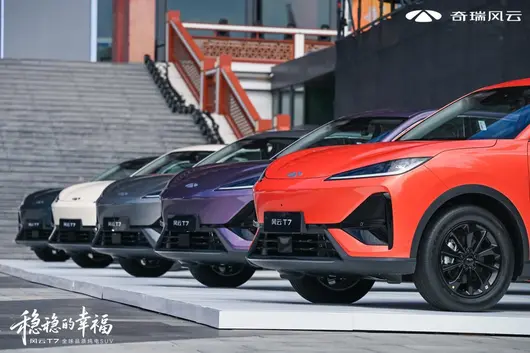
Recently, Chery Fengyun T7 was officially launched in China. The earliest trade-in price starts at only 94,900 yuan. The reason for adding 'domestic' specifically is that one month ago it was already launched first in Thailand and South Africa. This domestic launch is the third stop. Following closely, it will be launched successively in Spain, Italy, UK, Greece, Australia, and Indonesia later this year.

New car launch, overseas first, domestic consumers are not unfamiliar with this. After all, in the fuel car era, traditional joint ventures won for decades relying on this introduction model. But now, domestic brands also putting new car premieres abroad is truly rare - of course, this also confirms from the side that Fengyun T7 has the look of a global car.
What does a global car mean to consumers? In simple terms, a global car must be global quality. In the design phase, it must follow global mainstream market regulation systems, especially the latest 2026 E-NCAP standards. It must undergo verification under various typical extreme road conditions and usage environments globally, and meet global user needs in terms of exterior/interior styling, powertrain, chassis tuning, etc.
So, did Fengyun T7 achieve this?

Global Car: Redundancy First
Must clarify, Fengyun T7 is not Chery's first global car. As the leader in domestic brand passenger car exports for 23 consecutive years, Chery products are sold in 130+ countries and regions, having won 7 million overseas users. For Chery, global cars are basic operations.
The difference of Fengyun T7 lies in that it is a global quality pure electric SUV built over 3 years by Chery with new generation global car standards. According to Li Xueyong, Executive Vice President of Chery Automobile Co., Ltd., Fengyun T7 'is not developed domestically and then modified for export, but anchored globally from the start of R&D'.

The weight of 'Anchored Globally', everyone can understand looking at a set of data - targeting 15 typical country scenarios, the R&D team surveyed 5,000+ global users, incorporated different market needs in advance into Fengyun T7 product definition, pre-researched global regulations two years in advance, benchmarked 2026 version E-NCAP standards for design, finally collaboratively created by over 100 designers from 8 global R&D design centers.
So busy, then how is the product power of this Fengyun T7? Let's look at a detail first.
Taking load weight redundancy as an example, Fengyun T7 load weight is 423 kg (curb weight 1,780 kg, maximum gross mass 2,203 kg), which belongs to mainstream level in same-class pure electric SUVs. What truly makes people sigh is its redundancy design. Taking the 225/60 R18 100H tires equipped in the Smart Enjoyment Edition as an example, load index 100, single wheel load weight limit 800 kg, load weight redundancy up to 45%, enough to match international big brands - Pure electric SUVs with similar dimensions, BMW iX1, its two-wheel drive version maximum gross mass 2,435 kg, tire specification 225/65 R18 102Y, load index 102, single wheel load weight limit 850 kg, load weight redundancy 39.6%.

In fact, 'redundancy' is exactly Fengyun T7's biggest confidence, which is reflected in collision safety, battery, range, energy saving, handling and many other aspects.
Speaking of collision safety, Fengyun T7 was developed according to 2026 E-NCAP five-star safety standards from the beginning of development, adopting nine horizontal five vertical cage body structure, high strength steel ratio 80% (among which hot formed steel ratio 18.84%), same class first release double frame subframe + Pack anti-collision beam, and same class unique Shotgun structure and same class most 9 airbags, building a solid passive safety defense line;

Speaking of battery safety, Fengyun T7 equipped Rhino Battery adopts 6D lock structure, Pack whole package 31 layers protection, three horizontal one vertical structure design. Water resistance ability IP68 level, 200 kN side edge anti-squeeze performance is 2 times national standard, meanwhile passes 1,008 hours salt spray test, 105 seconds fire test;
Speaking of range, Fengyun T7 all series standard 65.05 kWh battery pack, CLTC range 600 km, entry level enjoy long range, and has already had media actual test run 681.6 km, this battery cycle life 2,500 times, service life as long as 15 years;

Speaking of energy saving, to solve the pain point of low temperature range, Fengyun T7 all series standard dual source wide temperature range 'Heat Pump AC + High Voltage PTC' system and AGS intelligent front grille, combined with 14 items low wind resistance design, makes range under minus 10°C environment improve 30%;
Speaking of handling, 178 kW high performance motor, 50.8:49.2 axle load ratio, four-wheel independent suspension, 70 mm large bushing and 26 mm large diameter front stabilizer bar this set of hardware combination, brings 180 km/h max speed and 80 km/h deer test results, plus 500 mm wading depth, can cope with various complex road conditions, chassis, power has sufficient performance margin, giving users controllable, confident driving feeling.
No exaggeration, with 'redundancy' as the base, Fengyun T7 has sufficient confidence to face any same-class opponent globally.

Global Car: Kung Fu is All in 'Slow'
Such a powerful car, why did Chery spend three years refining it before launching? A year earlier, it would have likely set off a T7 craze. You know, this is only 24 hours after launch, its domestic orders have already reached 23,188 units, momentum is not weaker than some traffic-causing internet celebrity brands.
In recent years, domestic new car R&D cycles have become shorter and shorter, cases where a new model comes out in 10-plus months are common, to the point where there is a saying of hundreds of new cars in the first half of this year, even some joint venture brands can't hold on, reducing the rhythm of iterating a new car every about 5 years or so again and again, what 'instant-made cars', 'deadline cars', 'double-standard cars' wind is nearly spreading. Of course, problems that followed, everyone has already seen, relevant departments have also acted, the goal is to correct, let China's auto return to the right track - right on the day after Fengyun T7 launch, Ministry of Industry and Information Technology joint Ministry of Public Security, Ministry of Ecology and Environment, State Administration for Market Regulation and other departments launched a special action on automotive production consistency and quality improvement.

Obviously, the arrival of Fengyun T7 not only proves Chery's bottom line adherence in car building, but also shows its outstanding global vision - using double the time of others to develop a new car, this tests a car manufacturer's determination. However, to build a global car, really cannot be faster? The answer is very affirmative, just like Li Xueyong's line in the VCR advertisement: Global car, cannot be fast at all.
Taking the whole vehicle verification link as an example, the energy consumed is far beyond your imagination.

According to Chery whole vehicle verification chief engineer Antonio, Fengyun T7 successively went through 7 global extreme environment verifications, covering -40°C to 55°C global extreme temperature domain.
Close like Southeast Asia, verify 500 mm off-road wading ability in rainy season, verify filter odor residue control in Indonesia high humidity environment, also went to Middle East, use high temperature sun exposure verify vehicle in-play equipment 40°C overheat protection; Far like Siberia, in low temperature snow rain environment wiper life reinforcement verification, more rushed to Nordic, in extreme night environment verify vehicle interior lighting and charging backlight optimization; Not only so, Fengyun T7 verification track also includes the other end of the Earth Americas continent, such as Mexico cobblestone road do durability noise verification, Brazil gravel road verify battery plug-in multiple protection etc.

As for the whole vehicle durability verification link, Chery even invested 81 exclusive durability cars synchronized road test, whole vehicle cumulative test mileage over 6 million km, among which durability special actual test 1.45 million km, covering EU, Australia/New Zealand, Middle East, South Africa, Mexico, Brazil and other places over 100 kinds of extreme road conditions environments, far exceeding national standard regulations.
If verification is aiming for global regulations, then for product power improvement polishing, Chery spent even more meticulous effort in this aspect. To meet the driving habits of users in different countries, Fengyun T7 conducted over 80 local habit adaptations, such as Thailand right-hand drive preference heavy hand feel, steering force tuning increased 1 level; Indonesia bumpy road users lack sense of security, steering hand feel increased while optimize return quality; Turkey users prefer hard switches, keep high frequency function physical buttons; Europe likes parking in front of head, adopt 70 cm auto display front camera; Even, targeting certain robbery high-risk market car use, specifically design single door unlock to improve sense of security...

A detail, behind Fengyun T7 deer test 80 km/h results, Chery foreign chassis expert Marco (once in global many known car companies focus chassis tuning work) spent a full half year on this car.
Slow work makes good car, Fengyun T7 fully interpreted this point with three years time.

Driving Value View
3 years R&D cycle, 6 million km global road test, 81 durability test cars, minimum 94,900 yuan entry threshold... When 'Fast breaks all' becomes the current mainstream, when price and value open the rollbook in sync, still dare to choose this more time-consuming and laborious high-cost mode, enough to see a car manufacturer's long-term vision. And topped with 'New Generation Global Car' halo, Fengyun T7 has already indisputably become a new sample of China R&D manufacturing 'Native Global Car', at the same time, domestic launch only 24 hours orders refreshed to 23,188 units bold record also proves, car good or not, truly car-savvy consumers are watching with their eyes.
Bad currency, ultimately still failed to drive out good currency, in this aspect, Fengyun T7 made a table for all China brands.
Of course, this is just a beginning, the real test is still overseas, after all that is the big stage where Fengyun T7 needs to prove China auto, especially like Europe such developed market. But fortunately, previously in Milan Design Week, Lepas L6 (Fengyun T7 homologous model) has already gained huge attention, and more than a month ago Thailand and South Africa market pre-launch also positive response, for next coming to land in Spain, Italy, UK, Greece, Australia and other places accumulated overseas market reputation.
Leading China brand cars overseas for 23 years, with Fengyun T7 joining, Chery will further consolidate its overseas market leader status.
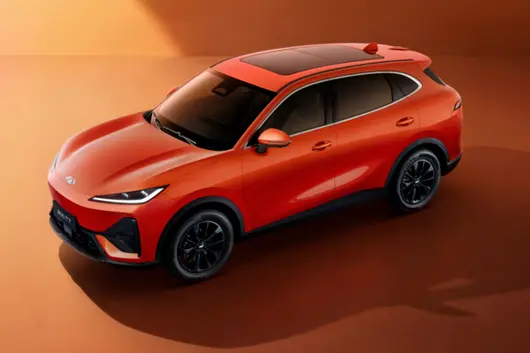

从西安一路到新加坡,33天、上万公里,这趟“丝路万里行”终于收官了。

这次我也有幸参与了其中郑州—亳州—合肥这一段,算是真正跟着车队跑了一程。

一路下来,比亚迪王朝、海洋、腾势、方程豹、仰望组成的新能源车队,在长途、高速以及城市道路等不同场景里完成了实打实的体验,闪充和天神之眼辅助驾驶也贯穿全程。

更有意思的是,终点新加坡也是比亚迪表现很强的海外市场,截至今年7月已经连续19个月拿下当地乘用车全品牌销量第一。

从古代丝绸、瓷器、茶叶沿丝路远行,到今天中国新能源汽车和新能源技术走向海外,丝路承载的“中国名片”也在不断变化。

丝路远行绿能相伴,这一次走出去的不只是车,也是中国新能源技术和中国智造的一次跨国展示。
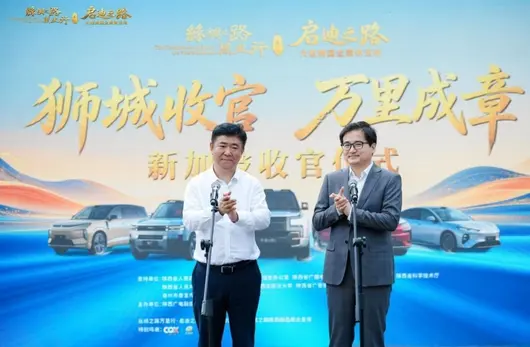
In the SUV market in Malaysia, many buyers compare Honda HR-V and Toyota Corolla Cross when choosing a car. The two cars are quite close in price and positioning. Today, we will make a detailed comparison from multiple aspects to help you save time on research.
The OTR price of Honda HR-V in Malaysia is RM 115,900 - 143,900, with a total of 4 versions, including 2026 e:HEV 1.5L RS (RM 143,900), 2026 1.5T V (RM 137,900), 2026 1.5T E (RM 130,900), etc.
The OTR price of Toyota Corolla Cross in Malaysia is RM 133,800 - 148,800, with a total of 3 versions, including 2026 HEV 1.8L GR Sport (RM 148,800), 2026 HEV 1.8L Standard (RM 140,800), 2026 1.8L Standard (RM 133,800), etc.
Looking at the price, the starting price of Honda HR-V is indeed RM 17,900 cheaper than Toyota Corolla Cross. If your budget is limited, Honda's entry-level version can already meet daily needs. But also note, the few thousand cheaper might involve trade-offs in features, depending on your specific needs.
Honda HR-V is equipped with a 1.5L Turbo, 140 hp. Official fuel consumption 7.0 L/100km.
Toyota Corolla Cross is equipped with a 1.5L Turbo, 140 hp. Official fuel consumption 7.0 L/100km.
Both cars use the same powertrain system, and the driving feel in daily use is basically no difference. Fuel consumption is also about the same, no need to worry too much about this point.
Honda HR-V's safety rating is 5★ (ASEAN NCAP), active safety systems include Honda SENSING (ACC, CMBS, LKAS, RDM).
Toyota Corolla Cross's safety rating is 5★ (ASEAN NCAP), active safety systems include TSS (PCS, LDA, ACC, LTA).
Both cars have the same safety rating, and safety features are quite comprehensive within this level. New car safety is not poor nowadays, no need to worry too much about this.
Honda HR-V adopts FWD drive mode.
Toyota Corolla Cross adopts FWD drive mode.
Both cars have the same drive mode, both are FWD, no big difference in daily driving feel.

Honda HR-V and Toyota Corolla Cross are both mainstream choices in the Malaysia market, suitable for family use and daily commuting. If you value brand reputation and resale value more, you can prioritize the one with better reputation; if you care more about cost-performance and features, then choose the model with richer configuration. Ultimately, it is suggested to test drive both, experiencing it personally is the most important.

In general, Honda HR-V and Toyota Corolla Cross are both quite good models in the Malaysia market. Choosing which one, the key depends on your personal needs and budget. It is recommended to do your homework, compare quotes from several dealerships, and then test drive to make the final decision. Buying a car is a big matter, spending some time doing homework will never be wrong.

Di pasaran SUV di Malaysia, ramai pembeli ketika memilih kereta akan membandingkan Honda HR-V dan Mazda CX-3. Kedua-dua kereta ini mempunyai harga dan posisi yang hampir sama, hari ini kita akan membuat perbandingan terperinci dari pelbagai aspek, membantu anda menjimatkan masa membuat penyelidikan.
Harga OTR Honda HR-V di Malaysia adalah RM 115,900 - 143,900, terdapat 4 varian, termasuk 2026 e:HEV 1.5L RS (RM 143,900), 2026 1.5T V (RM 137,900), 2026 1.5T E (RM 130,900) dan lain-lain.
Harga OTR Mazda CX-3 di Malaysia adalah RM 126,159 - 139,159, terdapat 2 varian, termasuk 2023 2.0L High (RM 139,159), 2023 2.0L Plus (RM 126,159) dan lain-lain.
Dari segi harga, harga permulaan Honda HR-V memang lebih murah RM 10,259 berbanding Mazda CX-3. Jika anda mempunyai bajet terhad, varian masuk Honda sudah boleh memenuhi keperluan harian. Namun perlu juga diingat, perbezaan beribu ringgit yang murah itu, mungkin ada kompromi dalam kelengkapan, ia bergantung pada keperluan anda.
Honda HR-V dilengkapi enjin 1.5L Turbo, kuasa 140 hp. Penggunaan minyak rasmi 7.0 L/100km.
Mazda CX-3 dilengkapi enjin 1.5L Turbo, kuasa 140 hp. Penggunaan minyak rasmi 7.0 L/100km.
Kedua-dua kereta menggunakan sistem kuasa yang sama, pengalaman memandu sehari-hari hampir tiada perbezaan. Dari segi penggunaan minyak juga hampir sama, tidak perlu terlalu bimbang tentang hal ini.
Penilaian keselamatan Honda HR-V ialah 5★ (ASEAN NCAP), sistem keselamatan aktif termasuk Honda SENSING (ACC, CMBS, LKAS, RDM).
Penilaian keselamatan Mazda CX-3 ialah 5★ (ASEAN NCAP), sistem keselamatan aktif termasuk i-Activsense.
Penilaian keselamatan kedua-dua kereta adalah sama, kelengkapan keselamatan di tahap ini dikira sangat lengkap. Keselamatan kereta baru masa kini tidak buruk, tidak perlu terlalu bimbang tentang hal ini.
Honda HR-V menggunakan cara pemacu FWD.
Mazda CX-3 menggunakan cara pemacu FWD.
Cara pemacu kedua-dua kereta adalah sama, keduanya FWD, pengalaman memandu sehari-hari tidak akan ada perbezaan besar.
Honda HR-V dan Mazda CX-3 adalah pilihan utama di pasaran Malaysia, sesuai untuk kegunaan keluarga, perjalanan harian. Jika anda lebih mengutamakan reputasi jenama dan harga jualan semula, boleh utamakan yang mempunyai reputasi lebih baik; jika anda lebih prihatin nisbah harga dengan nilai dan kelengkapan, maka pilih yang mempunyai konfigurasi lebih lengkap. Akhir sekali adalah cadangan kedua-dua model untuk diuji pandu, pengalaman peribadi adalah yang paling penting.
Secara keseluruhannya, Honda HR-V dan Mazda CX-3 adalah model kereta yang sangat baik di pasaran Malaysia. Memilih yang mana satu, kuncinya bergantung pada keperluan peribadi dan bajet anda. Kami menyarankan anda membuat penyelidikan, bandingkan beberapa tawaran daripada dealer kereta, kemudian buat ujian pandu untuk membuat keputusan akhir. Membeli kereta adalah urusan besar, menghabiskan masa untuk membuat penyelidikan pasti tidak salah.

零跑汽车发布2026年中期业绩报告了。净利润2.1亿元、营收381.1亿元、毛利率11.7%、在手现金385.9亿元、全球交付356,487台——如果只看这几个数字,你会觉得这是一家主流车企的常规成绩单。

但把它们放在一起看,故事就不一样了。
这是零跑连续第三个半年度盈利。在新势力阵营里,做到这一点的屈指可数。而同期,零跑的交付量同比增长60.8%,稳居中国新势力销量榜首,在2026年已公布数据的前5个月可比终端上牌数量中,零跑已位列全球新能源乘用车品牌第四名——前面只剩比亚迪、特斯拉和吉利这种量级的玩家。
还记得几年前行业怎么评价零跑吗?门外汉、半价理想、价格屠夫。如今回头再看,那些标签其实都没抓住重点。零跑真正做的,是找到了一条属于自己的路:全域自研控制成本、产品定义精准卡位、渠道快速下沉、再把省下来的每一分钱还给用户。它不追求在最热闹的战场抢风头,但每一步都踩在别人没太在意的地方。
这半年报,值得拆开来看。
销量与盈利,零跑全都要
先看销量。356,487台,新势力第一,同比增长60.8%。这个成绩的含金量,不在于数字本身,而在于它的结构——不是靠某一个爆款撑起来的,而是整个产品矩阵的合力。

从6万到30万,从轿车到SUV到MPV,从纯电到增程——A系列守住10万以内的刚需市场,B系列把800V高压快充、双零重力座椅这些高阶配置下放给年轻用户,C系列覆盖12-18万的主流家用区间,D系列则把均价拉到30万以上、带着品牌往高端走。这样系统性地铺满全价位、全品类,在新势力阵营里,零跑是头一份。
但产品矩阵只是表象,真正的底层能力是全域自研。拆开来看,是三层逻辑。
其一,核心零部件自己造。三电、域控、智驾芯片方案全部自研,等于把供应商那一层毛利自己吃掉了。这个逻辑朴素到近乎无聊,但它是零跑能在10万级还留出血线的根本原因。
其二,一个架构养一群车。LEAP 4.0中央域控架构首发落在D19上,双高通8797芯片、舱驾一体、一个大脑管控全车智能,算力还能在不同场景间动态分配。但更关键的是,这套能力是自上而下下放的——城市领航辅助驾驶已经开放到ABCD全系及Lafa5,三季度还要往LEAP 3.0车型推送全国城市领航。
翻译成用户语言就一句话:10万的车,也能有旗舰级的智能化体验。而对企业来说,研发投入23.17亿元是一次性的,摊到A10和D19上是两本账——研发费用被规模摊薄,这才是毛利率真正的朋友。
其三,产品矩阵做了“保量+保价”的双线。C10/C11/C16守住12-18万的基本盘,6月合计破3万,C11累计卖出35万台,是细分市场的常青树;D19和D99往上抬均价,D19上市15天大定破1.5万、蝉联40万内大型SUV销冠,D99首批订单均价已破30万元。一头走量、一头抬价,毛利结构就这么被悄悄顶了上去。
这正是零跑好而不贵的底层逻辑——不是靠牺牲配置降本,而是靠自研把成本控制住,再把省下来的钱变成配置。
再看盈利。连续半年度盈利、毛利率11.7%、营收创历史新高——这几个数字放在一起,意味着零跑的商业模型已经跑通了。新势力造车这些年最被质疑的一件事,就是销量涨了却不赚钱。
零跑给出的答案是:规模、自研、效率三者叠加,把毛利率做正,再把现金流做厚。385.9亿元的在手资金,就是它接下来继续投入研发和全球化的底气。
出海,零跑是认真的
如果说销量和盈利是零跑这半年交出的国内答卷,那海外市场就是它悄悄写下的第二篇章,而且篇幅不小。

上半年海外交付96,294台,环比持续增长,近乎翻倍。意大利纯电市占率超四分之一、连续位居当地纯电销量榜首;上半年在德国的中国品牌电动汽车里销量领先;在英国的中国品牌纯电零售里排第三;二季度进入墨西哥,打开北美市场。全球已经覆盖超45个国际市场,建立1000多家销售与服务网点。
更值得注意的是本地化生产的进展。在马来西亚,C10已经量产,B10三季度跟上;在西班牙,B10三季度投产;在巴西,Stellantis的戈亚尼亚工厂被选为本地化组装基地。
这已经不是卖车出海,而是扎根海外。和Stellantis的深度合作,让零跑在海外有了现成的渠道、工厂和本地化能力。上半年海外销量96,294台的成绩,正是这套打法跑起来的证据。
零跑这条全球化路径,和它做国内市场的逻辑一脉相承:不追求最响亮的名头,先找到那个“还没被充分竞争”的位置,然后用效率和成本优势站稳它。就像当年它在10-20万级市场找到空档一样,今天它在欧洲的平价电动车市场,找到了同样的位置——那里恰好是欧洲本土车企最难赚钱、最想退出的区间。
零跑等于把这套在国内验证过的“成本+效率”模型,平移到了全球。
半年报的最后还埋了一个彩蛋:零跑将在9月举办年度技术发布会,发布达到行业第一梯队水平的智能驾驶世界模型和三电领域的最新成果。全域自研的故事,还在往下写。
回头看这半年,零跑做对的事情其实很朴素:把成本控制到极致、把产品定义做准、把渠道铺到位、再把眼光放到全球。没有花哨的营销话术,没有惊天的价格战,就是一步一个脚印地把“好而不贵”四个字做实。
连续盈利、新势力销冠、全球前四——这些里程碑的背后,是同一个逻辑:在别人都在卷最热闹的战场时,零跑选择把基本功练到极致,然后在每一个被低估的赛道上,悄悄跑赢。
这或许才是零跑这半年报,最值得行业思考的地方。

喺馬來西亞嘅 SUV 市場,好多買家喺揀車嗰陣都會拿本田 HR-V 同馬自達 CX-30 嚟做比較。呢兩款車喺價位同定位上都幾接近嘅,今日我就哋由多個方面做一個詳細嘅比較,幫你省晒做功課嘅時間。
本田 HR-V 喺馬來西亞嘅 OTR 售價係 RM 115,900 - 143,900,一共有 4 個版本,包括 2026 e:HEV 1.5L RS(RM 143,900)、2026 1.5T V(RM 137,900)、2026 1.5T E(RM 130,900)等。
馬自達 CX-30 喺馬來西亞嘅 OTR 售價係 RM 122,409 - 146,409,一共有 4 個版本,包括 2025 2.0L High+ Premium(RM 146,409)、2025 2.0L High+(RM 138,409)、2025 2.0L High(RM 130,409)等。
由價錢睇嚟,本田 HR-V 嘅起步價真係比馬自達 CX-30 平咗 RM 6,509。如果你預算有限,本田嘅入門版已經可以滿足日常需求。但係要留意,平嗰幾千蚊,可能喺配備上要有取捨,具體要睇你需要。
本田 HR-V 嘅安全評級係 5★ (ASEAN NCAP),主動安全系統包括 Honda SENSING (ACC, CMBS, LKAS, RDM)。
馬自達 CX-30 嘅安全評級係 5★ (ASEAN NCAP),主動安全系統包括 i-Activsense。
兩款車嘅安全評級一樣,喺呢個級別入面安全配備都算好齊全。依家嘅新車安全性都唔差,唔使太擔心呢一點。
本田 HR-V 採用 FWD 驅動方式。
馬自達 CX-30 採用 FWD 驅動方式。
兩款車嘅驅動方式一樣,都係 FWD,日常駕駛感受唔會有太大分別。
本田 HR-V 保修 5 年/無限制里程,保養間隔 每 10,000km 或 6 個月。
馬自達 CX-30 保修 5 年/150,000km,保養間隔 每 10,000km 或 6 個月。

本田 HR-V 同馬自達 CX-30 都係馬來西亞市場嘅主流選擇,適合家庭使用、日常通勤。如果你更重視品牌口碑同二手價,可以優先考慮口碑更好嗰款;如果你更在意性價比同配備,嗰就揀配置更豐富嗰款。最終都建議兩款都去試駕,親身體驗先係最重要。
總嘅嚟講,本田 HR-V 同馬自達 CX-30 都係馬來西亞市場幾唔錯嘅車型。揀邊一部,關鍵仲係要睇你嘅個人需求同預算。建議大家做好功課,多比較幾間車行嘅報價,再去做試駕做最終決定。買車係件大事,花少少時間做功課絕對唔會錯。

喺馬來西亞嘅 SUV 市場,好多買家喺揀車嘅時候都會拿 Honda HR-V 同 Mazda CX-30 嚟做比較。呢兩款車喺價位同定位上都幾接近嘅,今日我哋就從多個角度做一個詳細比較,幫你節省做功課嘅時間。
Honda HR-V 喺馬來西亞嘅 OTR 售價係 RM 115,900 - 143,900,合共 4 個版本,包括 2026 e:HEV 1.5L RS(RM 143,900)、2026 1.5T V(RM 137,900)、2026 1.5T E(RM 130,900)等。
Mazda CX-30 喺馬來西亞嘅 OTR 售價係 RM 122,409 - 146,409,合共 4 個版本,包括 2025 2.0L High+ Premium(RM 146,409)、2025 2.0L High+(RM 138,409)、2025 2.0L High(RM 130,409)等。
由價錢睇落嚟,Honda HR-V 嘅入門價確實比 Mazda CX-30 平咗 RM 6,509。如果你預算有限,Honda 嘅入門版已經可以滿足日常需要。但亦要注意,平嗰幾千蚊,可能會喺配備上有取舍,具體要睇你嘅需要。
Honda HR-V 配備 1.5L Turbo,馬力 140 hp。官方油耗 7.0 L/100km。
Mazda CX-30 配備 1.5L Turbo,馬力 140 hp。官方油耗 7.0 L/100km。
兩款車用嘅係同一套動力系統,日常開落嚟嘅感受基本冇分別。油耗方面都相若,唔使太糾結這一點。
Honda HR-V 嘅安全評級係 5★ (ASEAN NCAP),主動安全系統包括 Honda SENSING (ACC, CMBS, LKAS, RDM)。
Mazda CX-30 嘅安全評級係 5★ (ASEAN NCAP),主動安全系統包括 i-Activsense。
兩款車嘅安全評級一樣,喺呢個級別入面安全配備都算好齊全。而家嘅新車安全性都唔差,唔使太擔心這一點。
Honda HR-V 採用 FWD 驅動方式。
Mazda CX-30 採用 FWD 驅動方式。
兩款車嘅驅動方式一樣,都係 FWD,日常駕駛感受唔會有太大分別。
總體嚟講,Honda HR-V 同 Mazda CX-30 都係馬來西亞市場好唔錯嘅車型。揀邊一輛,關鍵始終要睇你個人需要同預算。建議大家做好功課,多比較幾間車行嘅報價,再去試駕先做最終決定。買車係件大嚟事,花少少時間做功課絕對無錯。

Recently, Chery Fengyun T7 officially went on sale. This car comes in three trim levels, with a manufacturer's suggested retail price ranging from 97,900 Yuan to 118,900 Yuan. Including trade-in subsidies, the advance trade-in price starts from 94,900 Yuan. In the most competitive market for 100,000 Yuan class pure electric SUVs, Fengyun T7's pricing strategy is clear: no tricks, directly bringing global standard products to this price segment.
To be honest, many 100,000 Yuan class pure electric models on the market nowadays use the tactic of differentiating between entry and high specs in terms of range, safety configuration, or intelligence to keep prices down. Entry-level versions often have reduced batteries and discounted range. To get long range and complete safety configurations, you need to pay extra for high specs.

Fengyun T7 goes against the grain this time, standardizing the 65.05kWh Rhino Battery across all trims. CLTC pure electric range is uniformly 600 km, with real-world tests reaching up to 681.6 km. This reverse marketing practice means tangible peace of mind for ordinary users who commute dozens of kilometers daily and want to take family trips to suburbs on weekends. More importantly, fast charging from 30% to 80% takes only 20 minutes. In the time it takes to drink a cup of coffee, nearly 300 km of range can be replenished, so daily use basically won't have range anxiety.
In terms of safety, Fengyun T7 has put in substantial hard work. The body uses a nine-horizontal five-vertical cage structure, with high-strength steel accounting for 80%, and hot-formed steel accounting for 18.84%. More noteworthy is that it was developed according to the 2026 version of E-NCAP five-star safety standards, equipped with the most 9 airbags in its class, including 48L dual-chamber far-end airbags. Battery safety is also not compromised: 6D Lock Armor 31-layer protection structure, IP68 waterproofing, 200kN side crush resistance. These parameters might be abstract for ordinary consumers, but simply put: in case of collision, wading, or extreme weather, the battery pack is unlikely to malfunction. Chery also gave a battery powertrain safety fallback commitment. If thermal runaway damage occurs due to battery self-reason, directly compensate with a brand-new car of the same model. This kind of commitment is rare in the industry, indicating the manufacturer has enough confidence in its own product.

Intelligent configuration is another highlight. Fengyun T7 is equipped with the class-first 8775 cockpit-integrated chip, adopting 4nm process, computing power reaches 72TOPS. This chip drives both smart cockpit and assisted driving simultaneously, system response latency controlled within 80 milliseconds. In actual experience, it supports more than 300 scenarios of fully automatic parking, including multi-floor intelligent parking and 100-meter track reversing, which is very practical for those who find parking difficult. Highway pilot assist function can predict lane changes and ramp merging 500 meters in advance, reducing fatigue on long drives. The 15.6-inch 2.5K HD large screen, supporting CarPlay and HiCar full brand phone interconnection, these configurations in 100,000 Yuan class models are indeed full of sincerity.

Of course, Fengyun T7's biggest differentiation tag is still global vehicle. Chery has ranked first in Chinese brand passenger car exports for 23 consecutive years, with global users exceeding 20 million. Fengyun T7 is not simply a domestic special vehicle with a label change for overseas export, but from the beginning of R&D, it synchronously adapts to vehicle usage needs in 210 countries and regions worldwide. It underwent real-vehicle verification in 21 countries globally, cumulative test mileage exceeding 6 million km, including 1.45 million km for durability special tests, covering 100+ kinds of extreme road conditions from Nordic extreme cold to Middle East high heat, from Southeast Asia high humidity to German highways. Homologous model Lepas L6 is already on the market in South Africa and Thailand, next entering EU, Australia/New Zealand and other markets. This path of running around the globe before returning to the domestic market launch allows Fengyun T7 to accumulate a lot of advance experience in chassis tuning, environmental adaptability, and regulatory compliance.

From actual usage scenarios, Fengyun T7's product definition is very close to daily needs of Chinese families. 84% cabin occupancy rate, rear pure flat floor, 1955mm by 1310mm pure flat bed mode, bringing kids out or camping rest are relatively practical. 450 liters trunk regular volume, folded down can expand to 1,550 liters, loading strollers, camping equipment or moving large items is enough. 9-layer cloud-touch comfortable seats support 3-level heating and ventilation, winter not freeze butt, summer not stuffy sweat. These details look less dazzling than range, acceleration, but precisely is what family users can perceive every time they get on the car.
Regarding launch benefits, Fengyun T7 also brought true sincerity in real money. In addition to 3,000 Yuan trade-in subsidy and 2-year 0% interest for 60,000 or 5-year 3-year interest-free for 100,000 financial plans, there is also value 6,000 Yuan personal car color limited time free, whole vehicle lifetime warranty (including battery), 666 Yuan purchase value 3,999 Yuan lifetime basic maintenance package. For consumers with budget over 100,000, wanting to buy a reliable pure electric SUV, these benefits further lower the threshold for buying and using cars.

Overall, Fengyun T7's product logic is very clear: In the 100,000 Yuan price segment, do not make just-enough products, but bring long range, high safety, true intelligence and global verified quality all at once. It may not be the most explosive parameters model, but wins in balance and down-to-earth. If you are a family user who values practicality, hope less hassle, pursue steady driving experience, Fengyun T7 is worth going to the store to actually see, try. After all, in this price segment, bringing global standards and 600 km range to all trims as standard, currently really not many.

喺马来西亚嘅 SUV 市場,好多買家喺揀車嗰陣都會拿 Honda HR-V 同 Mazda CX-3 做比較。兩部車喺價錢同定位上都幾相近,今日我哋就由多個方面做一個詳細比較,幫你節省做功課嘅時間。
Honda HR-V 喺马来西亚嘅 OTR 售價係 RM 115,900 - 143,900,一共有 4 個版本,包括 2026 e:HEV 1.5L RS(RM 143,900)、2026 1.5T V(RM 137,900)、2026 1.5T E(RM 130,900)等等。
Mazda CX-3 喺马来西亚嘅 OTR 售價係 RM 126,159 - 139,159,一共有 2 個版本,包括 2023 2.0L High(RM 139,159)、2023 2.0L Plus(RM 126,159)等等。
從價錢嚟看,Honda HR-V 嘅起步價的確比 Mazda CX-3 平咗 RM 10,259。如果你預算有限,Honda 嘅入門版已經可以滿足日常需要。但都要注意,平嗰幾千蚊,可能喺配備上會有取捨,具體要睇你嘅需求。
Honda HR-V 搭載 1.5L Turbo,馬力 140 hp。官方油耗 7.0 L/100km。
Mazda CX-3 搭載 1.5L Turbo,馬力 140 hp。官方油耗 7.0 L/100km。
兩部車用緊同一套動力系統,日常開嘅感覺基本冇分別。油耗方面都幾接近,唔使太糾結呢一點。
Honda HR-V 嘅安全評級係 5★ (ASEAN NCAP),主動安全系統包括 Honda SENSING (ACC, CMBS, LKAS, RDM)。
Mazda CX-3 嘅安全評級係 5★ (ASEAN NCAP),主動安全系統包括 i-Activsense。
兩部車嘅安全評級一樣,喺呢個級裡面安全配備都算好齊全。而家嘅新車安全性都唔差,唔使太擔心呢一點。
Honda HR-V 車身長 4500 mm,行李箱 450 L。
Mazda CX-3 車身長 4500 mm,行李箱 450 L。
兩部車嘅尺寸幾乎一樣,車內空間分別唔大。呢個級別嘅車,日常使用完全夠用。
Honda HR-V 保養 5 年/無限制里程,保養間隔 每 10,000km 或 6 個月。
Mazda CX-3 保養 5 年/150,000km,保養間隔 每 10,000km 或 6 個月。
總體嚟講,Honda HR-V 同 Mazda CX-3 都係马来西亚市場好唔錯嘅車款。揀邊一部,關鍵都要睇你嘅個人需要同預算。建議大家做好功課,多比較幾間車行嘅報價,再去試車做最終決定。買車係件大事,花少少時間做功課絕對無錯。
In the Malaysian SUV market, many buyers compare the Honda HR-V and Toyota Yaris Cross when choosing a car. The price and positioning of these two cars are quite close. Today, we will make a detailed comparison from multiple aspects to help you save time on research.
The OTR selling price of Honda HR-V in Malaysia is RM 115,900 - 143,900, with a total of 4 variants, including 2026 e:HEV 1.5L RS (RM 143,900), 2026 1.5T V (RM 137,900), 2026 1.5T E (RM 130,900), etc.
The OTR selling price of Toyota Yaris Cross in Malaysia is RM 99,900 - 109,900, with a total of 2 variants, including 2026 1.5L Standard (RM 99,900), 2026 HEV 1.5L Standard (RM 109,900), etc.
From a price perspective, the starting price of Toyota Yaris Cross is RM 16,000 cheaper than Honda HR-V. Honestly, in this price range, the difference of a few thousand is not actually that big; the key is still to look at overall value for money and long-term usage costs.
Honda HR-V body length is 4500 mm, boot 450 L.
Toyota Yaris Cross body length is 4400 mm, boot 400 L.
Regarding space, the Honda HR-V body is 100 mm longer than the Toyota Yaris Cross, and the interior seating space is slightly more spacious, especially rear legroom. If you frequently carry family members or need to fit a stroller, a larger body is indeed more practical.
Honda HR-V warranty is 5 years/unlimited mileage, maintenance interval every 10,000 km or 6 months.
Toyota Yaris Cross warranty is 5 years/unlimited mileage, maintenance interval every 10,000 km or 6 months.
The warranty conditions for both cars are the same, no need to worry about this. Actual maintenance costs depend on the brand's service network and parts prices. It is recommended to ask real owners in car enthusiast groups for their experience.
Both Honda HR-V and Toyota Yaris Cross are mainstream choices in the Malaysian market, suitable for family use and daily commuting. If you value brand reputation and resale value more, you can prioritize the one with better reputation; if you care more about value for money and features, choose the one with richer configurations. Ultimately, it is recommended to test drive both models; personal experience is the most important.

Overall, both Honda HR-V and Toyota Yaris Cross are very good models in the Malaysian market. Which one to choose depends mainly on your personal needs and budget. It is recommended that everyone do their homework, compare quotes from several dealerships, and then test drive to make the final decision. Buying a car is a major matter; spending some time researching will never be wrong.

喺 馬來西亞嘅 SUV 市場,好多買家喺揀車嗰陣都會用 本田 HR-V 同 豐田 Corolla Cross 嚟做比較。呢兩部車喺價錢同定位上都好接近,今日我哋就從多個方面做一個詳細嘅比較,幫你省返做功課嘅時間。
本田 HR-V 喺 馬來西亞嘅 OTR 售價係 RM 115,900 - 143,900,一共有 4 個版本,包括 2026 e:HEV 1.5L RS(RM 143,900)、2026 1.5T V(RM 137,900)、2026 1.5T E(RM 130,900)等。
豐田 Corolla Cross 喺 馬來西亞嘅 OTR 售價係 RM 133,800 - 148,800,一共有 3 個版本,包括 2026 HEV 1.8L GR Sport(RM 148,800)、2026 HEV 1.8L Standard(RM 140,800)、2026 1.8L Standard(RM 133,800)等。
由價錢睇,本田 HR-V 嘅起步價確實比 豐田 Corolla Cross 平咗 RM 17,900。如果你預算有限,本田嘅入門版已經可以滿足日常需要。不過都要留意,平嗰幾千蚊,可能喺配備上會有取捨,具體要睇你嘅需要。
本田 HR-V 嘅安全評級係 5★ (ASEAN NCAP),主動安全系統包括 本田 SENSING (ACC, CMBS, LKAS, RDM)。
豐田 Corolla Cross 嘅安全評級係 5★ (ASEAN NCAP),主動安全系統包括 TSS (PCS, LDA, ACC, LTA)。
兩部車嘅安全評級一樣,喺呢個級數入面,安全配備都算好齊全。而家嘅新車安全性都唔差,唔使太擔心呢一點。
本田 HR-V 車身長 4500 mm,後備箱 450 L。
豐田 Corolla Cross 車身長 4400 mm,後備箱 400 L。
空間方面,本田 HR-V 嘅車身比 豐田 Corolla Cross 長咗 100 mm,車內坐位空間會稍微闊落少少,尤其係後座腳部空間。如果你經常載家人或者需要放嬰兒車,大啲嘅車身確實更實用。
本田 HR-V 保用 5 年/里程無限制,保養間隔 每 10,000km 或 6 個月。
豐田 Corolla Cross 保用 5 年/里程無限制,保養間隔 每 10,000km 或 6 個月。
兩部車嘅保用條件一樣,呢方面唔使糾結。實際保養成本仲要睇品牌嘅服務網絡同零件價格,建議去車友群問問真實車主嘅經驗。
總括嚟講,本田 HR-V 同 豐田 Corolla Cross 都係 馬來西亞市場好唔錯嘅車型。揀邊部,關鍵仲係睇你嘅個人需求同預算。建議大家做好功課,多比較間車行嘅報價,再去試駕做最終決定。買車係件大事,花啲時間做功課絕對唔會錯。
© 2024 Bitauto.com. All Rights Reserved.
Bitauto (www.yiche.com and www.bitauto.com) is one of the most visited automotive websites in China. We provide detailed info on Chinese car brands available in your area. Please note that the information provided on this website is based on publicly available data and is for reference only. It may not be fully updated or accurate at all times.

Help us improve our website


