

HomeProton Satria

Search History
Popular Searches
Dealer Login / Sign Up
8月19日,奇瑞执行副总裁、国际业务事业群总经理兼墨甲机器人总经理张贵兵在2026世界机器人大会期间透露,奇瑞旗下墨甲机器人(AiMOGA Robotics)已启动IPO筹备,正与多个上市地磋商,时间表尚未确定。他表示,上市既能为技术投资融资,也有助于提升治理透明度。

墨甲的起点并非造机器人,而是数字虚拟形象墨茵(Mornine)。2023年前后,奇瑞海外品牌OMODA为C5车型预热,打造了能与Z世代共鸣的虚拟人墨茵,活跃于宣传动画、品牌直播等平台。
转折始于奇瑞海外门店遇到的运营痛点。张贵兵透露,海外销售受淡旺季影响,人员流动频繁,招工困难,即便招到人,多语种培训又是一道高门槛,团队由此萌生"让墨茵走进现实"的构想,这个想法成为了AiMOGA Robot项目的起源。
2023年底墨茵首台样机下线,2024年初在奇瑞全球经销商大会首次公开亮相。历经两年多的技术积累后,2025年1月7日,奇瑞正式出资成立"安徽墨甲智创机器人科技有限公司",注册资本1亿元人民币,法定代表人为张贵兵,墨甲从内部项目转变为独立法律主体。

同年2月,墨茵在马来西亚吉隆坡门店完成海外商用首秀;4月亮相上海车展,展示多模态感知与灵巧操作能力;10月在奇瑞全球创新大会以七国语言自主演讲,成为全场焦点。

2025年12月至2026年1月,墨甲完成首轮增资引战,注册资本增至约1.04亿元。增资后最新股权结构显示,奇瑞汽车持股96%,伯特利1.40%、富春染织1.20%、和谐超越基金0.40%、智元创新0.20%、芜湖经开区伟达创投0.40%、芜湖科创投资基金0.40%。
业绩方面,墨甲全球累计交付已突破3000台,约2000台销往海外,业务覆盖60多个国家和地区,是全球首个完成欧盟软硬件双认证的人形机器人。2026年4月27日发布会上一次性签约1000台智能警用机器人订单并现场交付110台,产品线由此从"4S店导购"扩展到公共安全领域。重点客户覆盖奇瑞海外经销商网络及多个城市的公共安全部门。
张贵兵透露计划2027年全球交付量提升至1万台,跻身行业第一梯队,并提出“提升大规模应用可靠性与成本效益、在超50国100多个场景中迭代、实现100台交付促成1000台意向签约”的三项具体动作。
产业化按"场景驱动技术"分三阶段推进,先做儿童陪伴场景机器人,再拓展公共服务与企业服务场景,最终推动机器人进入家庭。配套建设上,已设31个创新实验室、成立"AiMOGA学院",与100所高校签约培养人才,四足机器人产线年产能达1.5万台。

今年1月奇瑞AI之夜上,奇瑞董事长尹同跃提出"一个底线、三大方向"战略,以汽车为基石推动AI向物理世界延伸,覆盖人形机器人、Robotaxi、智慧农机等场景,"把汽车大脑装进其他产业的身子"。他透露2026年奇瑞研发预算超320亿元,Robotaxi与墨甲构成的"2R技术"是四大重点之一,并称布局初衷是对"未来汽车总量减少后第二增长点"的再思考。
在4月27日墨甲发布会上,他再次表示:"我们最不希望被定义为一家汽车公司,而是一家面向未来的高科技、具身化、创新公司。"
他提出"智能汽车就是移动的机器人",机器人与智能汽车在感知、规划、控制等底层技术高度同源,技术模块与供应链可平移。
2026年被业内视为车企具身智能布局的集中释放之年,全球已有超20家主流车企通过自研、孵化、投资等方式入局,行业正从技术探索转向量产竞速。
工信部数据显示,中国四足机器人已占全球销量近70%份额。行业普遍判断,2026至2028年将是人形机器人从"原型机"走向"万台量产"的关键验证窗口,但商业化闭环仍处早期"战略亏损"阶段,应用场景有限、成本较高等瓶颈尚待突破。在汽车行业利润率跌破3%的背景下,具身智能已被多家车企视为对冲主业增长放缓的"第二增长曲线"。
来源:车观察


喺馬來西亞嘅 SUV 市場,好多買家喺揀車嗰陣都會拿 本田 WR-V 同 奇瑞 Tiggo Cross 嚟做比較。這兩款車喺價錢同定位上都幾接近嘅,今日我哋就從多個方面做一個詳細對比,幫你省返做功課嘅時間。
本田 WR-V 喺馬來西亞嘅 OTR 售價係 RM 89,900 - 107,900,一總有 4 個版本,包括 2023 1.5L V(RM 99,900)、2023 1.5L E(RM 95,900)、2023 1.5L S(RM 89,900) 等等。
奇瑞 Tiggo Cross 喺馬來西亞嘅 OTR 售價係 RM 88,750 - 99,750,一總有 2 個版本,包括 2025 HEV 1.5L CSH(RM 99,750)、2025 1.5T Standard(RM 88,750) 等等。
由價錢睇落,奇瑞 Tiggo Cross 嘅起步價比 本田 WR-V 平咗 RM 1,150。講真,喺呢個價位段,幾千蚊嘅差距其實唔算大,關鍵仲係睇整體嘅性價比同長期使用成本。

本田 WR-V 搭載 1.5L 4-cyl,馬力 105 hp。官方油耗 6.0 L/100km。
奇瑞 Tiggo Cross 搭載 1.5L 4-cyl,馬力 105 hp。官方油耗 6.0 L/100km。
兩款車用緊同一套動力系統,日常開落嚟嘅感覺基本無咩分別。油耗方面都差不多,唔使太糾結這一點。

本田 WR-V 嘅安全評級係 5★ (ASEAN NCAP),主動安全系統包括 本田 SENSING。
奇瑞 Tiggo Cross 嘅安全評級係 TBD,主動安全系統包括 Basic。
安全配備方面,兩款車都拿到唔錯嘅評級。不過 本田 WR-V 嘅 本田 SENSING 同 奇瑞 Tiggo Cross 嘅 Basic 喺功能上有少少差異,如果你比較重視主動安全嘅話,可以仔細對比下兩者嘅功能列表。

本田 WR-V 車身長 4400 mm,尾箱 400 L。
奇瑞 Tiggo Cross 車身長 4400 mm,尾箱 400 L。
兩款車嘅尺寸幾近一樣,車內空間分別唔大。呢個級別嘅車,日常使用完全夠用。

本田 WR-V 同 奇瑞 Tiggo Cross 都係馬來西亞市場嘅主流選擇,適合家庭使用、日常通勤。如果你更重視品牌口碑同二手價,可以優先考慮口碑更佳嗰一款;如果你更介意性價比同配備,嗰就揀配備更豐富嗰款。最終都係建議兩款都去試駕,親身體驗先係最緊要。
總體嚟講,本田 WR-V 同 奇瑞 Tiggo Cross 都係馬來西亞市場幾唔錯嘅車型。揀邊一輛,關鍵都要睇你嘅個人需求同預算。大家做好功課,多比較幾間車行嘅報價,再去試駕做最終決定。買車係件大事,花少少時間做功課絕對無錯。


Operator Finance Network Auto Channel Li Guangyan / Written by
As a commercial vehicle brand under Geely, Geely Farizon Commercial Vehicle enjoys high recognition and is known as the "Number One New Energy Commercial Vehicle Brand in China". Next, Operator Finance Network will focus on Geely Farizon Commercial Vehicle and attempt to reveal the past experiences of Vice President and Chief Brand Officer Song Zhaohuan.

Public records show that Song Zhaohuan was born in August 1984, is 42 years old this year, and is very young. His educational background is also very high, having obtained a Bachelor's degree in Asian Politics and History from the University of Auckland, an EMBA from the Guanghua School of Management, Peking University, and a Doctorate from the College of Accounting, Singapore Management University. He studied for bachelor's, master's, and doctorate degrees in three different countries.
At the same time, Song Zhaohuan also has very rich work experience in the automotive industry. Before joining Geely, he worked at FAW Audi for a long time. It is reported that in 2007, Song Zhaohuan joined FAW Audi, serving as a Senior Manager of Market Public Relations in the FAW Audi Sales Division, engaged in brand integrated marketing and communication work.
In 2016, Song Zhaohuan joined Geely Holding Group, successively serving as Head of Corporate Social Responsibility, General Manager of Brand Communication Center, Public Relations Director, Head of Public Relations Communication, etc. He worked at the group headquarters for nearly seven years. During this period, he assisted in completing a series of international M&A communication works for Geely Holding, with rich work experience.
However, he did not choose to continue serving at the group headquarters, but joined the commercial vehicle sector under Geely. In 2022, Song Zhaohuan officially assumed the position of Vice President and Chief Brand Officer (CBO) of Geely Farizon New Energy Commercial Vehicle Group, serving in this role until now.
Public data shows that in the first half of 2026, the cumulative sales of the Farizon New Energy Commercial Vehicle Group were 88,000 units, a year-on-year increase of 41.3%. The overseas export volume of new energy commercial vehicles ranks first in the industry, showing excellent performance. Operator Finance Network will continue to follow the development situation of Farizon New Energy Commercial Vehicle and Song Zhaohuan in the future.

Dalam pasaran SUV di Malaysia, ramai pembeli membandingkan Honda WR-V dan Mazda CX-5 semasa memilih kereta. Kedua-dua model ini agak dekat dari segi harga dan kedudukan pasaran, hari ini kita akan membuat perbandingan terperinci dari pelbagai aspek untuk membantu anda menjimatkan masa melakukan kajian.
Harga OTR Honda WR-V di Malaysia ialah RM 89,900 - 107,900, terdapat 4 varian, termasuk 2023 1.5L V (RM 99,900), 2023 1.5L E (RM 95,900), 2023 1.5L S (RM 89,900) dan lain-lain.
Harga OTR Mazda CX-5 di Malaysia ialah RM 135,469 - 166,760, terdapat 3 varian, termasuk 2025 2.0L AT 35th Anniversary (RM 316,154), 2025 2.0L AT (RM 296,154), 2025 2.0L MT (RM 294,154) dan lain-lain.
Dari segi harga, harga permulaan Honda WR-V memang RM 45,569 lebih murah berbanding Mazda CX-5. Jika bajet anda terbatas, varian permulaan Honda sudah dapat memenuhi keperluan harian. Namun, perlu diingat, perbezaan harga beberapa ribu ringgit itu mungkin melibatkan pengurangan dalam kelengkapan, bergantung pada keperluan anda.
Honda WR-V dilengkapi enjin 1.5L 4-cyl, kuasa 105 hp. Konsumsi minyak rasmi 6.0 L/100km.
Mazda CX-5 dilengkapi enjin 1.5L Turbo, kuasa 140 hp. Konsumsi minyak rasmi 7.0 L/100km.
Dari segi kuasa, 1.5L Turbo Mazda CX-5 mempunyai 35 hp lebih banyak berbanding 1.5L 4-cyl Honda WR-V. Namun, untuk penggunaan harian dalam bandar, kuasa kedua-dua kereta ini cukup, anda tidak akan rasa kurang tenaga.
Tahap penilaian keselamatan Honda WR-V ialah 5★ (ASEAN NCAP), sistem keselamatan aktif termasuk Honda SENSING.
Tahap penilaian keselamatan Mazda CX-5 ialah 5★ (ASEAN NCAP), sistem keselamatan aktif termasuk.
Tahap penilaian keselamatan kedua-dua kereta adalah sama, kelengkapan keselamatan dalam kelas ini dianggap cukup lengkap. Keselamatan kereta baharu sekarang tidak kurang baik, tidak perlu terlalu risau mengenainya.
Honda WR-V menggunakan cara pemanduan FWD.
Mazda CX-5 menggunakan cara pemanduan FWD.
Cara pemanduan kedua-dua kereta adalah sama, iaitu FWD, rasa memandu harian tidak akan terlalu berbeza.

Secara keseluruhan, Honda WR-V dan Mazda CX-5 adalah model kereta yang sangat baik di pasaran Malaysia. Memilih mana satu, kuncinya bergantung pada keperluan dan bajet peribadi anda. Disyorkan untuk membuat kajian, bandingkan tawaran dari beberapa dealer kereta, kemudian lakukan ujian jalan untuk membuat keputusan akhir. Membeli kereta adalah perkara besar, meluangkan masa untuk membuat kajian tidak akan salah.

Dalam pasaran SUV di Malaysia, ramai pembeli semasa memilih kereta akan membandingkan Honda WR-V dan Mazda CX-30. Kedua-dua kereta ini memiliki harga dan kedudukan pasaran yang agak dekat, hari ini kita akan membuat perbandingan terperinci dari pelbagai aspek, untuk membantu anda menjimatkan masa membuat kajian.
Harga OTR Honda WR-V di Malaysia ialah RM 89,900 - 107,900, terdapat 4 varian, termasuk 2023 1.5L V (RM 99,900), 2023 1.5L E (RM 95,900), 2023 1.5L S (RM 89,900) dan lain-lain.
Harga OTR Mazda CX-30 di Malaysia ialah RM 122,409 - 146,409, terdapat 4 varian, termasuk 2025 2.0L High+ Premium (RM 146,409), 2025 2.0L High+ (RM 138,409), 2025 2.0L High (RM 130,409) dan lain-lain.
Dari segi harga, harga permulaan Honda WR-V sebenarnya lebih murah RM 32,509 berbanding Mazda CX-30. Jika bajet anda terhad, varian asas Honda sudah boleh memenuhi keperluan harian. Namun perlu diingat, perbezaan beberapa ribu ringgit itu, mungkin ada kompromi pada kelengkapan, bergantung pada keperluan anda.
Honda WR-V panjang badan 4400 mm, bagasi 400 L.
Mazda CX-30 panjang badan 4500 mm, bagasi 450 L.
Dari segi ruang, badan Mazda CX-30 lebih panjang 100 mm berbanding Honda WR-V, ruang penumpang lebih menonjol. Namun Honda WR-V lebih mudah untuk parkir di bandar, masing-masing ada komprominya.
Honda WR-V jaminan 5 tahun/jarak tanpa had, selang penyelenggaraan setiap 10,000km atau 6 bulan.
Mazda CX-30 jaminan 5 tahun/150,000km, selang penyelenggaraan setiap 10,000km atau 6 bulan.
Honda WR-V dan Mazda CX-30 adalah pilihan utama pasaran Malaysia, sesuai untuk kegunaan keluarga, perjalanan harian. Jika anda lebih menghargai reputasi jenama dan harga jualan semula, boleh utamakan mana yang reputasinya lebih baik; jika anda lebih mementingkan nilai untuk wang dan kelengkapan, maka pilih yang kelengkapannya lebih banyak. Akhir sekali disarankan kedua-dua model diuji jalan, pengalaman sendiri adalah paling penting.

Secara keseluruhannya, Honda WR-V dan Mazda CX-30 adalah model kereta yang sangat bagus di pasaran Malaysia. Memilih mana satu, penting sekali bergantung pada keperluan peribadi dan bajet anda. Kami sarankan anda membuat kajian, bandingkan lebih banyak sebut harga dari dealer kereta, kemudian uji jalan untuk membuat keputusan akhir. Membeli kereta adalah perkara besar, mengambil sedikit masa untuk membuat kajian tidak akan salah.

Di pasaran SUV di Malaysia, ramai pembeli membuat perbandingan antara Honda WR-V dan Mazda CX-3 apabila memilih kereta. Kedua-dua kereta ini hampir sama dari segi harga dan sasaran pasaran. Hari ini, kita akan membuat perbandingan terperinci dari pelbagai aspek untuk membantu anda menjimatkan masa membuat kajian.
Harga OTR Honda WR-V di Malaysia ialah RM 89,900 - 107,900, terdapat 4 varian, termasuk 2023 1.5L V (RM 99,900), 2023 1.5L E (RM 95,900), 2023 1.5L S (RM 89,900) dan lain-lain.
Harga OTR Mazda CX-3 di Malaysia ialah RM 126,159 - 139,159, terdapat 2 varian, termasuk 2023 2.0L High (RM 139,159), 2023 2.0L Plus (RM 126,159) dan lain-lain.
Dari segi harga, harga permulaan Honda WR-V memang lebih murah RM 36,259 berbanding Mazda CX-3. Jika bajet anda terhad, versi permulaan Honda sudah cukup untuk memenuhi keperluan harian. Namun, perlu berhati-hati, perbezaan harga beberapa ribu ringgit itu mungkin melibatkan kompromi pada peralatan, bergantung pada keperluan anda.
Honda WR-V dilengkapi enjin 1.5L 4-silinder, kuasa 105 hp. Penggunaan bahan api rasmi 6.0 L/100km.
Mazda CX-3 dilengkapi enjin 1.5L Turbo, kuasa 140 hp. Penggunaan bahan api rasmi 7.0 L/100km.
Dari segi kuasa, Turbo 1.5L Mazda CX-3 mempunyai 35 hp lebih daripada Honda WR-V 1.5L 4-silinder. Namun, untuk penggunaan harian di bandar, kuasa kedua-dua kereta sudah memadai, tidak akan terasa kurang tenaga.
Penilaian keselamatan Honda WR-V adalah 5★ (ASEAN NCAP), sistem keselamatan aktif termasuk Honda SENSING.
Penilaian keselamatan Mazda CX-3 adalah 5★ (ASEAN NCAP), sistem keselamatan aktif termasuk i-Activsense.
Penilaian keselamatan kedua-dua kereta adalah sama, dalam kelas ini, peralatan keselamatan dianggap cukup lengkap. Keselamatan kereta baru sekarang tidak teruk, tidak perlu terlalu bimbang mengenai hal ini.
Honda WR-V menggunakan pemacu FWD.
Mazda CX-3 menggunakan pemacu FWD.
Cara pemacu kedua-dua kereta adalah sama, iaitu FWD, pengalaman memandu harian tidak akan banyak berbeza.

Secara keseluruhannya, Honda WR-V dan Mazda CX-3 adalah model kereta yang sangat baik di pasaran Malaysia. Memilih mana satu, kuncinya ialah melihat keperluan dan bajet anda sendiri. Kami menasihatkan anda untuk membuat kajian, membandingkan beberapa sebut harga dari pengedar kereta yang berbeza, kemudian buat ujian memandu untuk membuat keputusan akhir. Membeli kereta adalah perkara penting, meluangkan masa untuk membuat kajian tidak akan salah.

Di pasaran SUV di Malaysia, ramai pembeli yang membandingkan Honda WR-V dan Mazda CX-3 semasa memilih kereta. Kedua-dua kereta ini mempunyai harga dan kategori pasaran yang hampir sama. Hari ini, kita akan membuat perbandingan terperinci dari pelbagai aspek untuk membantu anda menjimatkan masa melakukan kajian.
Honda WR-V di Malaysia mempunyai harga OTR RM 89,900 - 107,900, terdapat 4 versi, termasuk 2023 1.5L V (RM 99,900), 2023 1.5L E (RM 95,900), 2023 1.5L S (RM 89,900) dan lain-lain.
Mazda CX-3 di Malaysia mempunyai harga OTR RM 126,159 - 139,159, terdapat 2 versi, termasuk 2023 2.0L High (RM 139,159), 2023 2.0L Plus (RM 126,159) dan lain-lain.
Dari segi harga, harga permulaan Honda WR-V memang lebih murah RM 36,259 berbanding Mazda CX-3. Jika bajet anda terhad, versi asas Honda sudah boleh memenuhi keperluan harian. Namun, perlu diingat, perbezaan harga beberapa ribu ringgit itu mungkin melibatkan pilihan kelengkapan, bergantung pada keperluan anda.
Honda WR-V panjang badan 4400 mm, kapasiti boot 400 L.
Mazda CX-3 panjang badan 4500 mm, kapasiti boot 450 L.
Dari segi ruang, badan Mazda CX-3 lebih panjang 100 mm berbanding Honda WR-V, ruang penumpang lebih unggul. Walau bagaimanapun, Honda WR-V lebih mudah diparkir di bandar, setiap ada pertukarannya.
Honda WR-V jaminan 5 tahun/jarak tanpa had, selang penyelenggaraan setiap 10,000km atau 6 bulan.
Mazda CX-3 jaminan 5 tahun/150,000km, selang penyelenggaraan setiap 10,000km atau 6 bulan.
Honda WR-V dan Mazda CX-3 kedua-duanya pilihan utama di pasaran Malaysia, sesuai untuk kegunaan keluarga dan perjalanan harian. Jika anda lebih mengutamakan reputasi jenama dan nilai jualan semula, pilih yang mempunyai reputasi lebih baik. Jika anda lebih mengambil berat mengenai nilai berbanding harga dan kelengkapan, pilih yang mempunyai konfigurasi lebih lengkap. Akhir sekali, disarankan untuk memandu kedua-duanya, pengalaman langsung adalah yang paling penting.
Secara keseluruhan, Honda WR-V dan Mazda CX-3 adalah model kereta yang sangat baik di pasaran Malaysia. Memilih yang mana satu bergantung pada keperluan peribadi dan bajet anda. Disarankan melakukan kajian terlebih dahulu, bandingkan beberapa penawaran harga dari kedai kereta, kemudian buat ujian pemandu untuk membuat keputusan akhir. Membeli kereta adalah urusan besar, meluangkan masa untuk membuat kajian tidak akan salah.

喺馬來西亞嘅 SUV 市場,好多買家揀車嗰陣都會拎本田 WR-V 同馬自達 CX-5 嚟比較。這兩款車喺價位同定位上都好接近,而家我哋就從多個方面做個詳細對比,幫你節省做功課嘅時間。
本田 WR-V 喺馬來西亞嘅 OTR 售價係 RM 89,900 - 107,900,合共 4 個版本,包括 2023 1.5L V(RM 99,900)、2023 1.5L E(RM 95,900)、2023 1.5L S(RM 89,900) 等等。
馬自達 CX-5 喺馬來西亞嘅 OTR 售價係 RM 135,469 - 166,760,合共 3 個版本,包括 2025 2.0L AT 35 週年紀念版(RM 316,154)、2025 2.0L AT(RM 296,154)、2025 2.0L MT(RM 294,154) 等等。
睇落價錢,本田 WR-V 嘅起步價真係比馬自達 CX-5 平咗 RM 45,569。如果你預算有限,本田嘅入門級已經可以满足日常需要。但都要注意,平嗰幾千塊,喺配備上可能有取捨,具體要睇你嘅需求。
本田 WR-V 嘅安全評級係 5★ (ASEAN NCAP),主動安全系統包括本田 SENSING。
馬自達 CX-5 嘅安全評級係 5★ (ASEAN NCAP),主動安全系統包括 。
兩款車嘅安全評級一樣,喺呢個級別入面,安全配備都算好齊全。依家嘅新車安全性都唔錯,唔使太擔心呢一點。
本田 WR-V 採用 FWD 驅動方式。
馬自達 CX-5 採用 FWD 驅動方式。
兩款車嘅驅動方式一樣,都係 FWD,日常駕駛感覺唔會有太大分別。
本田 WR-V 保修 5 年/無限里程,保養間隔 每 10,000km 或 6 個月。
馬自達 CX-5 保修 5 年/150,000km,保養間隔 每 10,000km 或 6 個月。
總而言之,本田 WR-V 同馬自達 CX-5 都係馬來西亞市場幾唔錯嘅車型。揀邊一輛,關鍵都要睇你嘅個人需求同預算。建議大家做好功課,多比較幾間車行嘅報價,再先去試駕先做最終決定。買車係件大事,花少少時間做功課絕對唔會錯。

喺馬來西亞嘅 SUV 市場,好多買家喺揀車嗰陣都會拿 Honda WR-V 同 Mazda CX-5 做比較。呢兩款車喺價位同定位上都幾接近,今日我哋就從多個方面做一個詳細嘅比較,幫你省下做功課嘅時間。
Honda WR-V 喺馬來西亞嘅 OTR 售價係 RM 89,900 - 107,900,一共有 4 個版本,包括 2023 1.5L V(RM 99,900)、2023 1.5L E(RM 95,900)、2023 1.5L S(RM 89,900) 等。
Mazda CX-5 喺馬來西亞嘅 OTR 售價係 RM 135,469 - 166,760,一共有 3 個版本,包括 2025 2.0L AT 35th Anniversary(RM 316,154)、2025 2.0L AT(RM 296,154)、2025 2.0L MT(RM 294,154) 等。
從價錢嚟睇,Honda WR-V 嘅起步價確實比 Mazda CX-5 便宜咗 RM 45,569。如果你預算有限,Honda 嘅入門版已經可以滿足日常需要。但亦要注意,便宜嘅幾千蚊,可能喺配備上會有取捨,具體要看你嘅需要。
Honda WR-V 嘅安全評級係 5★ (ASEAN NCAP),主動安全系統包括 Honda SENSING。
Mazda CX-5 嘅安全評級係 5★ (ASEAN NCAP),主動安全系統包括 。
兩款車嘅安全評級一樣,喺呢個級數入面安全配備都算畀得好齊全。而家嘅新車安全性都唔差,唔使太擔心呢一點。
Honda WR-V 保修 5 年/無限制里程,保養間隔 每 10,000km 或 6 個月。
Mazda CX-5 保修 5 年/150,000km,保養間隔 每 10,000km 或 6 個月。
Honda WR-V 同 Mazda CX-5 都係馬來西亞市場嘅主流選擇,適合家庭使用、日常通勤。如果你更睇重品牌口碑同二手價,可以優先考慮口碑更好嘅嗰一款;如果你更在意性價比同配備,就揀配置更豐富嗰款。最終都係建議兩款都去試駕,親身體驗先係最重要嘅。
總嚟講,Honda WR-V 同 Mazda CX-5 都係馬來西亞市場幾唔錯嘅車款。揀邊一輛,關鍵都係要睇你嘅個人需要同預算。建議大家做好功課,多比較幾間車行嘅報價,先去試駕做最終決定。買車係件大事,花啲時間做功課絕對唔會錯。

喺馬來西亞嘅 SUV 市場,好多買家喺揀車嗰陣都會攞本田 WR-V 同馬自達 CX-5 嚟比較。呢兩部車喺價位同定位上都好好接近,今日我哋就由多個方面做一個詳細嘅比較,幫你節省咗做功課嘅時間。
本田 WR-V 喺馬來西亞嘅 OTR 售價係 RM 89,900 - 107,900,一共有 4 個版本,包括 2023 1.5L V(RM 99,900)、2023 1.5L E(RM 95,900)、2023 1.5L S(RM 89,900)等。
馬自達 CX-5 喺馬來西亞嘅 OTR 售價係 RM 135,469 - 166,760,一共有 3 個版本,包括 2025 2.0L AT 35th Anniversary(RM 316,154)、2025 2.0L AT(RM 296,154)、2025 2.0L MT(RM 294,154)等。
從價錢睇嚟,本田 WR-V 嘅起步價確實比馬自達 CX-5 平咗 RM 45,569。如果你預算有限,本田嘅入門版已經可以滿足日常需求。但都係要留意,平嗰幾千蚊,可能喺配備上會有取舍,具體要睇你嘅需求。
本田 WR-V 搭載 1.5L 4-cyl,馬力 105 hp。官方油耗 6.0 L/100km。
馬自達 CX-5 搭載 1.5L Turbo,馬力 140 hp。官方油耗 7.0 L/100km。
動力方面,馬自達 CX-5 嘅 1.5L Turbo 比本田 WR-V 嘅 1.5L 4-cyl 多咗 35 匹馬力。不過日常喺市區開,兩部車嘅動力都夠用,唔會覺得夠唔出力。
本田 WR-V 車身長 4400 mm,行李廂 400 L。
馬自達 CX-5 車身長 4500 mm,行李廂 450 L。
空間方面,馬自達 CX-5 嘅車身比本田 WR-V 長咗 100 mm,乘坐空間更有優勢。不過本田 WR-V 喺城市裡泊車會靈活啲,各有取舍。
本田 WR-V 採用 FWD 驅動方式。
馬自達 CX-5 採用 FWD 驅動方式。
兩部車嘅驅動方式一樣,都係 FWD,日常駕駛感受唔會有太大分別。
總括嚟講,本田 WR-V 同馬自達 CX-5 都係馬來西亞市場好好嘅車型。揀邊一輛,關鍵仲要睇你嘅個人需求同預算。建議大家做好功課,多比較幾間車行嘅報價,先至去試駕做最終決定。買車係件大事,花少少時間做功課絕對唔會錯。

於馬來西亞嘅 SUV 市場,好多買家喺揀車嘅時候都會拿本田 WR-V 同馬自達 CX-30 嚟做比較。兩款車喺價位同定位上都幾接近,今日我哋就從多個方面做一個詳細嘅對比,幫你慳返做功課嘅時間。
本田 WR-V 喺馬來西亞嘅 OTR 售價係 RM 89,900 - 107,900,一共有 4 個版本,包括 2023 1.5L V(RM 99,900)、2023 1.5L E(RM 95,900)、2023 1.5L S(RM 89,900)等等。
馬自達 CX-30 喺馬來西亞嘅 OTR 售價係 RM 122,409 - 146,409,一共有 4 個版本,包括 2025 2.0L High+ Premium(RM 146,409)、2025 2.0L High+(RM 138,409)、2025 2.0L High(RM 130,409)等等。
從價錢嚟睇,本田 WR-V 嘅起步價確實比馬自達 CX-30 平咗 RM 32,509。如果你預算有限,本田嘅入門版已經可以滿足日常需求。但都要注意,便宜嗰幾千蚊,可能喺配備上會有取舍,具體要睇你嘅需求。
本田 WR-V 車身長 4400 mm,尾箱 400 L。
馬自達 CX-30 車身長 4500 mm,尾箱 450 L。
空間方面,馬自達 CX-30 嘅車身比本田 WR-V 長咗 100 mm,乘車空間更有優勢。不過本田 WR-V 喺城入面停車會靈活啲,各有取舍。
本田 WR-V 採用 FWD 驅動方式。
馬自達 CX-30 採用 FWD 驅動方式。
兩款車嘅驅動方式一樣,都係 FWD,日常駕駛感受唔會有太大分別。
本田 WR-V 同馬自達 CX-30 都係馬來西亞市場嘅主流選擇,適合家庭使用、日常通勤。如果你更睇重品牌口碑同二手價,可以優先考慮口碑更好嗰一款;如果你更在意性價比同配備,嗰就揀配備更豐富嗰款。最終都係建議兩款都去試駕,親身體驗先係最重要嘅。
總體嚟講,本田 WR-V 同馬自達 CX-30 都係馬來西亞市場唔錯嘅車型。揀邊一輛,關鍵都係睇你嘅個人需求同預算。建議大家做好功課,多比較幾間車行嘅報價,再去試駕做最終決定。買車係件大事,搵少少時間做功課絕對唔會錯。

'Jualan kereta tidak untung'—sebuah jenaka industri ini, akhirnya menjadi kenyataan.
Perang harga berlangsung selama 3 tahun, keuntungan industri dari 7.8% sepuluh tahun lalu jatuh kepada 1.5%. 'Kuantiti dan keuntungan tidak boleh diperolehi serentak' daripada satu fenomena, menjadi kesepakatan industri.

Tetapi Geely menggunakan satu set data, meruntuhkan kesepakatan ini—setengah tahun pertama tahun ini, jualan kenderaan 1.42 juta unit, naik sedikit 1% berbanding tahun sebelumnya; pendapatan 173.6 bilion yuan, naik besar 15% berbanding tahun sebelumnya; keuntungan bersih utama yang layak kepada pemilik 9.68 bilion yuan, melonjak 46% berbanding tahun sebelumnya; keuntungan bersih utama per kenderaan 6,806 yuan, meningkat 45% berbanding tahun sebelumnya.

Jualan naik 1%, keuntungan naik 46%.In bukan daripada 'menjual lebih banyak, untung sedikit tetapi banyak unit' yang dikumpulkan, tetapi setiap kenderaan menjana lebih banyak wang. Jika dilihat dalam jangka masa panjang, ini sudah menjadi Geely terus mengekalkan pertumbuhan pendapatan positif selama enam tahun berturut-turut. Dalam satu kitaran dari 'persaingan pertumbuhan' beralih ke 'pelupusan stok sedia ada', 'kuantiti, harga dan keuntungan naik serentak' lima perkataan ini, adalah bukti kukuh laporan setengah tahun.
Satu Geely, mengepalkan tangan
Data diletakkan di situ, siapa pun boleh kira. Tetapi yang lebih patut ditanya ialah—Geely, atas dasar apa?
Jawapannya, tersembunyi dalam satu strategik yang dimulakan dua tahun lalu. September 2024, Geely melancarkan 'Deklarasi Taizhou', mencadangkan 'fokus strategik, integrasi strategik' lima inisiatif utama, mengisytiharkan dari 'era ekspansi melahirkan banyak anak untuk bertarung', masuk ke 'era fokus mengembalikan kepada satu Geely'.

Pada masa itu, Geely menjawab dua masalah pasaran yang paling difokuskan:mengapa dan bagaimana?
Jawapan perkara pertama sangat langsung, ubah keadaan jenama terserak, bertindak sendiri masa lalu, sumber sumber dibiarkan menjadi satu tinju; laluan perkara kedua juga jelas, Zeekr, Lynk & Co, Galaxy, China Star empat jenama berada dalam satu struktur syarikat, Akademi Penyelidikan Pusat, rantai bekalan, sistem pengilangan semuanya disambungkan. Ogos tahun ini juga telah ditubuhkan Syarikat Ibu Jualan, di bawahnya empat syarikat jualan jenama, sumber pemasaran semakin bersinergi. Dari penyelidikan dan pembangunan, pengilangan, pembelian, jualan, 'satu Geely' telah melengkapkan kepingan puzzle terakhir.
Kesan integrasi, juga terus dituliskan dalam penyata keuntungan—setengah tahun pertama kadar kos pentadbiran turun kepada 1.7%, kadar kos penyelidikan dan pembangunan turun kepada 5.2%, wang dibelanjakan lebih sedikit, kecekapan lebih tinggi.

Empat jenama juga bertindak sendiri masing-masing. Zeekr memikul keuntungan, setengah tahun pertama tahun ini menjual 178,000 unit, hanya menampung 12.5% jualan keseluruhan, tetapi menyumbang 31.7% pendapatan—ini adalah kuasa pendekatan premium; purata harga setiap pelanggan 350,000, sudah melebihi BBA.
Galaxy mengejar saiz, setengah tahun pertama tahun ini menjual hampir 520,000 unit, memuncak tiga teratas global kereta baru. Pasar utama mengejar saiz, tabir kos, adalah asas Geely.
China Star menjaga petrol, setengah tahun pertama tahun ini menjual lebih 580,000 unit, tahun kesepuluh berturut-turut menang jualan kereta petrol jenama China pertama. Industri kereta petrol turun 31.9%, China Star hanya turun 8.8%, bergantung pada kekuatan produk menjaga kempet petrol.
Lynk & Co buat perbezaan, setengah tahun pertama tahun ini lebih 144,000 unit, penetrasi kereta baru mencapai 65%, label 'gaya, sukan, peribadi' semakin lekat, buat perkara yang dipelajari dalam pasaran sekat. 'Tidak berperang, tidak ada perpecahan dalaman'—bukan satu jenama dalam pertarungan, empat tiang serentak menopang tapak keuntungan Geely.
Lengkung Kedua, Ekspedisi Luar Negara
Setelah pasaran domestik stabil, Geely mengarahkan tumpuan ke tempat yang lebih jauh.

Apabila pasaran kenderaan dalam negara masih berperang dalam perang harga, kereta Geely sudah dipasang di atas kapal kargo samudra. Setengah tahun pertama tahun ini, jualan eksport luar negara Geely mencapai 474,200 unit, naik 158% berbanding tahun lalu, sudah melebihi jumlah eksport keseluruhan 2025. Jun dan Julai, jualan bulanan luar negara terus melebihi 100,000 unit.
Perbandingan mendatar lebih langsung—Geely adalah eksport yang paling tinggi pertumbuhan dalam kenderaan China arus perdana, jumlah eksport keseluruhan dan eksport kereta baru serentak masuk tiga teratas kenderaan China. Nisbah eksport terhadap jualan keseluruhan, dari kira-kira 13% pada tempoh yang sama tahun lalu ditarik ke 33%.

Tetapi lebih bernilai daripada jualan adalah struktur eksport—setengah tahun pertama tahun ini, eksport model kereta baru Geely 277,200 unit, melonjak 585% berbanding tahun lalu, menampung 58.5% jumlah eksport. Maksudnya, dalam kereta Geely dijual ke luar negara, lebih separuh adalah kereta baru—bukan memindahkan kereta petrol yang tidak dijual di dalam negara ke luar negara untuk membersihkan stok, tetapi mempromosikan produk paling canggih ke pasaran global.
Selain itu, taktik Geely juga naik taraf: dari 'eksport kenderaan penuh' menuju 'keluaran sistem'. Setengah tahun pertama tahun ini kilang pengilangan luar negara yang beroperasi sudah mencapai 12 buah, kapasiti luar negara melebihi 650,000 unit, jangka akhir tahun akan melebihi 840,000 unit. Presiden Jawatankuasa Pengurusan Geely Motors An Conghui mendedahkan susunan jangka panjang lebih panjang dalam mesyuarat prestasi: kilang Volvo Eropah akan menerima pengeluaran kereta mewah dalam sistem Geely; kilang Proton Malaysia sedang menjalani pengubahsuaian teknologi, perancangan naik taraf menjadi tapak pengilangan Asia Tenggara tahap 500,000 unit; kapasiti kilang Sepanyol perkongsian dengan Ford juga sama 500,000 unit. Dari 'menjual kereta' ke 'membina kilang', Geely sedang menyiapkan dari keluaran produk ke lompati keluaran industri.

Dan berdasarkan pertumbuhan setengah tahun pertama, Geely sudah menaikkan sasaran jualan luar negara keseluruhan dari 640,000 unit kepada 920,000 unit, dan mengisytiharkan slogan mengejar 1 juta unit, sasaran jangka panjang adalah sumbangan luar negara dua pertiga jualan keseluruhan.
Dari 13% ke 33%, lagi ke dua pertiga, satu lengkungan menaik yang jelas, melukis jejaki pertumbuhan pasaran luar negara Geely, dan juga menandakan satu titik melompat penting kenderaan China ke syarikat global.
Litar Pintar, Labur Berat AI
Satu dari dalam minta kecekapan, satu dari luar minta pertumbuhan—
Integrasi adalah mengepalkan sumber, keluar negara adalah membuka pasaran. Tetapi ini hanya menyelesaikan masalah masuk ke meja, untuk menang permainan, masih perlu bertaruh lebih besar.

Buka buku akaun penyelidikan Geely: Setengah tahun pertama tahun ini pelaburan penyelidikan R&D 9.06 bilion yuan, naik 8% berbanding tahun lalu, kadar kos penyelidikan R&D sebaliknya turun 0.3 peratus poin. Wang dibelanjakan lebih efisien, tetapi nilai mutlak pelaburan penyelidikan R&D masih naik—wang ini, kebanyakannya dibazir ke satu arah:AI.
Januari 2026, Geely mengisytiharkan di CES Amerika bahawa sistem teknologi AI keseluruhan berkembang ke era 2.0. Pencapaian teras adalah berdasarkan model tingkah laku dunia WAM yang dibangunkan sendiri, mencapai integrasi merentasi domain teknologi AI di semua kawasan kenderaan, membolehkan kecerdasan kenderaan untuk pertama kali mempunyai 'pandangan dunia' dan 'kemampuan menilai' perubahan berterusan.

Berdasarkan model WAM, Geely membina satu bingkai kerjasama agent pintar bernama '1+2+N', logik terasnya tidak rumit: satu otak melaraskan seragam, Super Eva dan Qianli Haohan G-ASD masing-masing bertanggungjawab atas 'berfikir' dan 'bertindak', kemudian meluas ke semua modul fungsi kenderaan. Mudah dikatakan, anda sebut sebaris, di belakangnya mungkin beberapa modul pintar bekerjasama—memahami maksud, merancang laluan, mengawal kenderaan, menyesuaikan kabin, kesatuan.
Dalam pelaksanaan, Qianli Haohan G-ASD sudah menutupi jenama Zeekr, Lynk & Co 16 model kenderaan, dipasang kenderaan lebih 300,000 unit. 2026, Geely merancang di bawah yang dibenarkan undang-undang menghantar fungsi L3 lebuhraya dan L4 bandar, dan mencapai operasi komersial Robotaxi.

Berbeza dengan 'kecerdasan produk' industri umum—di atas kenderaan tambah banyak fungsi, Geely menanam dalam rantaian lengkap dari reka bentuk, penyelidikan, pengilangan hingga pasca jualan. Setengah tahun pertama tahun ini melancarkan i-HEV Zhiqing Hybrid, Rangka AI Digital, Pemanduan Elektrik Pintar 16-in-1, di belakang semuanya mempunyai bayang-bayang model besar AI. Selain itu, catur yang lebih jauh sudah meletakkan batu: Geely sudah memperdalam kerjasama dengan NVIDIA, juga merancang menubuhkan Laboratori 2030, menyusun semikonduktor kuasa, kecerdasan fizikal, model besar dan bidang hadapan lain.
Jika 'Satu Geely' adalah tapak, keluar negara adalah pemercepat, maka AI keseluruhan adalah stereng—ia menentukan syarikat ini akhirnya ke mana pergi. Dan penentuan Geely rasmi terhadap perkara ini ialah:Meneraju menuju 'Peneraju Kereta Pintar AI Keseluruhan' dengan pantas.
Penutup:

'Ini adalah laporan kewangan yang cemerlang, tetapi belum mencapai tahap menakjubkan'. Dalam mesyuarat prestasi, Presiden Jawatankuasa Pengurusan, Pelaksana Kui Shengyue Geely Motors memberikan empat penilaian:Dijangka, Cemerlang, Tidak Menakjubkan, Boleh Berterusan Jangka Panjang dan Mempunyai Ruang Peningkatan yang Besar.
Dan di belakang ini tepat sepadan dengan tiga logik laporan setengah tahun Geely: Dijangka, adalah kebebasan kecekapan dari integrasi; Cemerlang, adalah ruang pertumbuhan dari keluar negara membuka; dan Tidak Menakjubkan tetapi Mempunyai Ruang Peningkatan yang Besar, adalah kesedaran sedar terhadap larian panjang AI ini—Kad sudah ditunjukkan, tetapi akhir jauh belum tiba.
Untuk industri, nilai terbesar laporan setengah tahun Geely ini, bukan memberikan satu lagi 'kes mengaut untung', tetapi memberikan satu 'contoh hidup baik dalam kitaran pelupusan stok'—bukan bergantung pada perang harga, bukan bergantung pada pengumpulan konfigurasi, bergantung pada ketetapan strategik, keupayaan sistem dan susunan pandangan depan.Ini adalah jawapan Geely, dan juga parit pertahanan terdalamnya.

In the Malaysian SUV market, many buyers compare Honda WR-V and Toyota Yaris Cross when choosing a car. The price and positioning of these two models are quite similar. Today we will make a detailed comparison from multiple aspects to save you time doing research.
Honda WR-V OTR price in Malaysia is RM 89,900 - 107,900, with a total of 4 versions, including 2023 1.5L V (RM 99,900), 2023 1.5L E (RM 95,900), 2023 1.5L S (RM 89,900) etc.
Toyota Yaris Cross OTR price in Malaysia is RM 99,900 - 109,900, with a total of 2 versions, including 2026 1.5L Standard (RM 99,900), 2026 HEV 1.5L Standard (RM 109,900) etc.
From a price perspective, the starting price of Honda WR-V is indeed RM 10,000 cheaper than Toyota Yaris Cross. If your budget is limited, Honda's entry-level version can already meet daily needs. However, also note, the cost savings of a few thousand might involve trade-offs in equipment, depending on your specific requirements.
Honda WR-V features a 1.5L 4-cylinder, 105 hp. Official fuel consumption 6.0 L/100km.
Toyota Yaris Cross features a 1.5L 4-cylinder, 105 hp. Official fuel consumption 6.0 L/100km.
Both cars use the same powertrain system, the driving experience is basically the same. Fuel consumption is also similar, no need to worry too much about this.
Honda WR-V safety rating is 5★ (ASEAN NCAP), active safety systems include Honda SENSING.
Toyota Yaris Cross safety rating is 5★ (ASEAN NCAP), active safety systems include TSS.
Both cars have the same safety rating, safety features are quite comprehensive in this segment. New cars nowadays generally have good safety, no need to worry too much about this.
Honda WR-V warranty 5 years/unlimited mileage, maintenance interval every 10,000km or 6 months.
Toyota Yaris Cross warranty 5 years/unlimited mileage, maintenance interval every 10,000km or 6 months.
Both cars have the same warranty conditions, no need to worry about this. Actual maintenance cost depends on the brand's service network and parts price, it is suggested to ask experienced owners in car owner groups.

Overall, Honda WR-V and Toyota Yaris Cross are both very good models in the Malaysian market. Which one to choose depends on your personal needs and budget. It is recommended to do your research, compare quotes from several dealerships, and test drive before making a final decision. Buying a car is a major decision, taking some time to research will never be wrong.
In Malaysia's SUV market, many buyers compare Proton X90 and Subaru Forester when choosing a car. These two models are quite close in price and positioning. Today, we will make a detailed comparison from multiple aspects to save you time on research.
Proton X90's OTR price in Malaysia is RM 106,800 - 122,800, with a total of 4 versions, including 2026 1.5T Prime X (RM 122,800), 2026 1.5T Prime (RM 116,800), 2026 1.5T Lite (RM 106,800), etc.
Subaru Forester's OTR price in Malaysia is RM 174,000 - 197,000, with a total of 3 versions, including 2024 2.0L S EyeSight GT Edition (RM 189,538), 2024 2.0L S EyeSight (RM 177,538), 2024 2.0L L EyeSight (RM 167,538), etc.
From a price perspective, Proton X90's starting price is indeed RM 67,200 cheaper than Subaru Forester. If your budget is limited, Proton's entry-level version can already meet daily needs. However, you should also note that the few thousand less expensive might involve trade-offs in features, depending on your specific needs.

Proton X90 body length is 4400 mm, trunk 400 L.
Subaru Forester body length is 4400 mm, trunk 400 L.
The dimensions of both cars are almost identical, and the interior space difference is not significant. For this class of cars, it is completely sufficient for daily use.

Proton X90 uses FWD drive system.
Subaru Forester uses FWD drive system.
Both cars have the same drive system, both are FWD, so there will not be much difference in daily driving experience.

Both Proton X90 and Subaru Forester are mainstream choices in the Malaysian market, suitable for family use and daily commuting. If you value brand reputation and resale value more, you can prioritize the one with better reputation; if you care more about value for money and features, choose the one with richer configuration. Ultimately, it is recommended to test drive both, as personal experience is the most important.

Overall, both Proton X90 and Subaru Forester are very good models in the Malaysian market. Which one to choose depends mainly on your personal needs and budget. It is recommended that everyone do their research, compare quotes from several dealerships, and then go for a test drive to make the final decision. Buying a car is a big matter; spending time doing research will never be wrong.


In the Malaysian SUV market, many buyers compare Proton X90 and Subaru Forester when choosing a car. These two models are quite close in price and positioning. Today, we will make a detailed comparison from multiple aspects to help you save time on research.
The OTR price of Proton X90 in Malaysia is RM 106,800 - 122,800, with a total of 4 versions, including 2026 1.5T Prime X (RM 122,800), 2026 1.5T Prime (RM 116,800), 2026 1.5T Lite (RM 106,800), etc.
The OTR price of Subaru Forester in Malaysia is RM 174,000 - 197,000, with a total of 3 versions, including 2024 2.0L S EyeSight GT Edition (RM 189,538), 2024 2.0L S EyeSight (RM 177,538), 2024 2.0L L EyeSight (RM 167,538), etc.
In terms of price, the starting price of Proton X90 is indeed RM 67,200 cheaper than Subaru Forester. If your budget is limited, the entry-level version of Proton can already meet daily needs. But note that the few thousand difference might involve trade-offs in features, depending on your specific needs.
Proton X90's safety rating is 5★ (ASEAN NCAP), and active safety systems include ADAS (ACC, AEB, LKA, LDA, BSM, RCTA).
Subaru Forester's safety rating is 5★ (Euro NCAP), and active safety systems include EyeSight.
Regarding safety features, both cars received good ratings. However, there are some differences in functionality between Proton X90's ADAS (ACC, AEB, LKA, LDA, BSM, RCTA) and Subaru Forester's EyeSight. If you value active safety, you can carefully compare the feature lists of both.
Proton X90 body length 4400 mm, trunk 400 L.
Subaru Forester body length 4400 mm, trunk 400 L.
The dimensions of both cars are almost the same, and the interior space difference is not significant. Cars in this class are more than sufficient for daily use.
Both Proton X90 and Subaru Forester are mainstream choices in the Malaysian market, suitable for family use and daily commuting. If you value brand reputation and resale value more, you can prioritize the one with a better reputation; if you care more about cost-performance and features, choose the one with richer configuration. Ultimately, it is recommended to test drive both, as experiencing it firsthand is the most important.
Overall, Proton X90 and Subaru Forester are both excellent models in the Malaysian market. Which one to choose ultimately depends on your personal needs and budget. We recommend doing your homework, comparing quotes from multiple dealerships, and then test driving to make the final decision. Buying a car is a big matter, spending some time on research is never wrong.

In Malaysia's SUV market, many buyers compare the Proton X90 and Subaru Forester when choosing a car. These two models are quite close in price and positioning. Today, we will make a detailed comparison from multiple aspects to help you save time on research.
The OTR price of the Proton X90 in Malaysia is RM 106,800 - 122,800. There are a total of 4 versions, including 2026 1.5T Prime X (RM 122,800), 2026 1.5T Prime (RM 116,800), 2026 1.5T Lite (RM 106,800), etc.
The OTR price of the Subaru Forester in Malaysia is RM 174,000 - 197,000. There are a total of 3 versions, including 2024 2.0L S EyeSight GT Edition (RM 189,538), 2024 2.0L S EyeSight (RM 177,538), 2024 2.0L L EyeSight (RM 167,538), etc.
In terms of price, the starting price of the Proton X90 is indeed RM 67,200 cheaper than the Subaru Forester. If your budget is limited, the entry-level version of Proton can already meet daily needs. But keep in mind, the difference of a few thousand might involve compromises in equipment, depending on your specific needs.
The safety rating of the Proton X90 is 5★ (ASEAN NCAP). Active safety systems include ADAS (ACC, AEB, LKA, LDA, BSM, RCTA).
The safety rating of the Subaru Forester is 5★ (Euro NCAP). Active safety systems include EyeSight.
Regarding safety features, both cars received good ratings. However, the ADAS (ACC, AEB, LKA, LDA, BSM, RCTA) of the Proton X90 and the EyeSight of the Subaru Forester have some differences in functionality. If you value active safety, you can compare their feature lists carefully.
The Proton X90 body length is 4400 mm, trunk 400 L.
The Subaru Forester body length is 4400 mm, trunk 400 L.
The dimensions of both cars are almost identical, with little difference in interior space. Cars at this level are more than sufficient for daily use.
Proton X90 Warranty 5 years/150,000km, Maintenance Interval every 10,000km or 6 months.
Subaru Forester Warranty 3 years/100,000km, Maintenance Interval every 10,000km or 6 months.
Overall, both the Proton X90 and Subaru Forester are very good models in the Malaysian market. Which one to choose ultimately depends on your personal needs and budget. It is recommended to do your homework, compare quotes from several dealerships, and test drive to make a final decision. Buying a car is a big matter; spending time doing research will never go wrong.

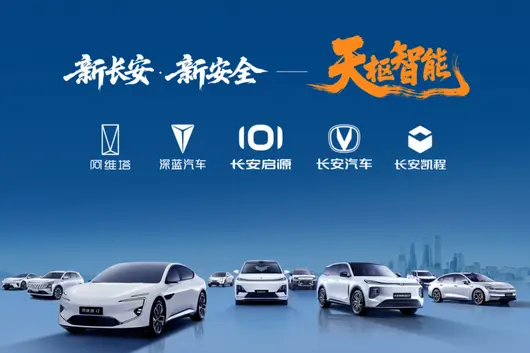
On July 29, 2025, Changan Automobile Group Co., Ltd. was officially established in Chongqing, becoming the third central state-owned automobile enterprise in China.
Recently, on the first anniversary of its establishment, Changan Automobile delivered an impressive performance report: achieving the milestone of rolling out 30 million independent brand vehicles first, obtaining the first batch of L3 autonomous driving dedicated license plates and L4 testing licenses, and realizing the large-scale commercialization of high-level intelligent driving with the fully self-developed "Tianshu Pilot" assisted driving system...
Strategic Foundation Building "Innovation, Entrepreneurship, Intelligent Awakening of Changan" — "1445" Strategy
In 2025, Changan Automobile's total annual sales volume reached 2.913 million units, an 8.5% year-on-year increase, creating a 9-year high. Most significantly, independent brand sales broke through 30 million units, becoming the fastest Chinese automaker to reach 30 million units.

In April 2026, facing the new stage of the "15th Five-Year Plan", Changan Automobile of China officially released the "1445" Strategy: with the core vision of building a world-class automobile group, focusing on 4 core businesses: complete vehicles, parts, modern services, and ecosystem industries, comprehensively advancing 4 major transformations: intelligence, greenness, globalization, and integration, by 2030 achieving 5 major doubling: new energy vehicle sales, overseas complete vehicle sales, operating income, total profit, and brand value — New Energy 2.4 million units, Overseas 1.5 million units, Operating Income 600 billion yuan, Size entering Global Automobile Enterprise TOP 10, Brand Value 200 billion yuan, entering World Brand Top 500. Strategically integrating the resources of Avatr and Deepal Automobile, the two brands will start comprehensive strategic collaboration, creating a global mid-to-high-end brand group exceeding 1.5 million+, with overseas sales share exceeding 40%.

Under the guidance of the strategy, growth momentum is strong.In the first half of 2026, Changan Automobile's cumulative deliveries exceeded 1.1956 million units, of which overseas deliveries reached 402,000 units, a significant year-on-year increase of 35.1%. July deliveries were 207,100 units, of which overseas deliveries were 82,300 units, a 79.1% year-on-year increase, rising year-on-year for 6 consecutive months; New energy deliveries were 96,500 units, a 28.8% year-on-year increase.
"Three Major Plans" Deeply Advancing Brands, Intelligence, and Global Expansion to Fully Blossom

New Energy "Shangri-La" Plan Gains "Acceleration".
Avatr, Deepal Automobile, Changan Qiyuan three major global digital intelligence new energy car brands blooming, Changan Blue Whale Super Engine released, co-releasing global sodium battery strategy with CATL.In 2025, Changan Automobile's new energy sales exceeded 1.11 million units, becoming the first central state-owned automobile enterprise to achieve over a million new energy sales annually. "Golden Bell Shield Battery" won the 2025 National Science and Technology Progress Award, safely protecting over 2.1 million users.In 2026, new energy brand matrix fully exerts strength, cumulative deliveries in the first half were 456,000 units, a 5.2% year-on-year increase.
AvatrSteadily standing at the forefront of new luxury, Building Avatr Strategy 2.0, joining hands with Changan Automobile, Huawei, and CATL to enter a new stage of integrated development. New Avatr 12 fully upgraded and launched, Avatr 06T launched and released, Avatr 07 100,000th complete vehicle rolled off the line, Taixi Intelligent Control 2.0 technology released. Self-developed Avatr Taixi distributed electric drive, with 3 industry firsts and 12 global firsts, continuously demonstrating China's new luxury manufacturing strength.
Deepal AutomobileContinuously attracting the younger generation with technology and fashion, Cumulatively launched 7 models including Deepal S05, S09, L06, etc., Deepal L06 selected as the representative model of CCTV Grand Festival "Yancheng Carnival", Deepal S05 cumulative sales since launch exceeded 240,000 units, Deepal SL03 approved for the first national L3 autonomous driving dedicated formal license plate.
Changan QiyuanDeeply cultivating the new mainstream home market, Creating new global flagship products like Q05, A06, etc., New Q05 won the Italian A' Design Gold Award, Delivered over 80,000 units in the first half, Successively won the monthly sales championship of compact SUVs.

Intelligentization "Beidou Tianshu" Plan Welcomes "New Milestone".
In June 2026, "Changan Tianshu Pilot" combined assisted driving technology released, Over 1000 R&D engineers spent over 1800 days, Successfully built a fully self-developed, full-scenario coverage, full-dimension protection solution pursuing extreme safety assisted driving. During the R&D process, cumulative building of over 400,000 virtual simulation test scenarios, Intelligent driving daily simulation mileage exceeded 3.3 million kilometers, Equivalent to circling the Earth over 80 times daily.
Changan Tianshu Large Model formally passed the filing and approval of the "Generative Artificial Intelligence Service" by the National Internet Information Office, becoming the first automobile enterprise in Chongqing to obtain this qualification, using fully self-developed multimodal foundation to boost vehicle intelligence evolution.

In April 2026, Changan Automobile, having become the first batch of L3 intelligent connected vehicle pilot units, also approved for L4 Robotaxi testing license, Launching high-level autonomous driving multi-scenario landing testing and closed-loop verification, Becoming an automotive enterprise possessing full-compliance, full-scenario L4 autonomous driving practical test qualification.
In addition, Changan Tianshu Intelligent Robot Company officially established, Enter the humanoid robot field, Reshaping mobility ecology with embodied intelligence.

Globalization "Inclusive like the Ocean" Plan Pressing the "Fast Forward" Button.
In 2025, Complete vehicle overseas sales cumulative 637,000 units, Year-on-year increase of 18.9%. January-June 2026, Overseas deliveries 402,000 units, Year-on-year increase of 35.1%. Steadily implementing the globalization "Inclusive like the Ocean" Plan 2.0, Continuously deepening the "152" global development layout, Continuously deepening localization operations and brand building in key global regions.
Since 2026, New UNI-T put into production and rolled off the line at Brazil factory, Received praise from Brazilian President Lula; Thailand Rayong factory 20,000th complete vehicle rolled off line. Global vehicle crash safety performance strategy differentially adapted for different regional regulations and road conditions, Building a solid safety baseline. Global channels expanded to 129 countries and regions, Cumulatively built 22 global manufacturing bases. Vigorously promoting the "Overseas Doubling" Plan, Accelerating the realization of the progression leap from product going global to brand going global, industry going global.

Whole and Zero Precision Docking Platform Changan Automobile Innovation Technology and Ecosystem Cooperation Exhibition Reopening on 9.17
Jointly created by Changan Automobile and Chongqing Automobile Engineering Society —'Changan Automobile Innovation Technology and Ecosystem Cooperation Exhibition' Series Activities, Since being held in 2023, Cumulatively attracted over 500 well-known companies to visit Changan Automobile, Building a solid bridge for cross-border cooperation, joint R&D, vehicle-parts coordination, digital intelligence manufacturing, etc., Effectively supporting Changan Automobile's project sourcing, ecosystem partner expansion, and full-chain resource docking.
Three special sessions planned for June, July, September 2026, The first two sessions successfully held on June 26, and July 23-24 at Changan Automobile Global R&D Center, Cumulatively attracting nearly 160 quality supply chain enterprises to participate, Nearly 2000 professionals attended for docking and exchange.

At the July annual special session scene, Changan Automobile Vice President He Gang stated in the opening ceremony speech, Currently Changan Automobile global ecosystem partners have broken 15,000, Covering core fields such as chassis, power, intelligent connected, new energy three-electric systems, high-precision maps, chips, software, computing power, etc. Changan Automobile actively opened SDA complete vehicle intelligent architecture and Tianshu Intelligent Driving Platform to global ecosystem partners, Achieving technology open source, capability sharing, joint definition, collaborative innovation. Facing new opportunities and challenges, Changan Automobile is willing to stand with industry chain, supply chain partners, Establishing a new type of strategic partnership for symbiotic co-prosperity.

September 17 · Changan Automobile Global R&D Center, 2026 Changan Automobile Innovation Technology and Ecosystem Cooperation Exhibition (September Special Session)Will focus onfields such as automotive materials, lightweighting, intelligent manufacturing, testing, powertrains, interiors/exteriors, new parts, etc., Specially inviting over 60 quality supply chain enterprises to participate in product display and technical presentations. At that time, Changan Automobile will arrange procurement, R&D, manufacturing, quality and other core department heads to attend and exchange, Helping participating enterprises show cutting-edge strength in all aspects, Achieve in-depth communication and precise docking with Changan Automobile.
Activity Content:
Mainly includes Guest tour, Product display, Innovation Technology Forum, Supply and Procurement Docking, Visit Interaction five parts, Specially inviting well-known industry chain supply chain enterprises to participate.
(I) Guest Tour
Inviting Changan Automobile executives, Chongqing Automobile Engineering Society leaders, And attending leaders and guests jointly visit product display, Exchange and interact with participating enterprises.
(II) Product Display
Specially inviting over 60 well-known industry chain supply chain enterprises to participate in product display in fields such as automotive materials, lightweighting, intelligent manufacturing, testing, powertrains, interiors/exteriors, new parts, etc.
Booths Unified construction by the organizer.
(III) Innovation Technology Forum (New Technology and Product Promotion)
According to Changan Automobile R&D and procurement key focused technology directions, Hold multiple innovation technology forums, Specially invite guests to attend and exchange.
Participating Entities: Deepal Automobile, Avatr, Changan Kaicheng, Changan Automobile Technology Project Department, Procurement Center, Forward-looking Institute, Manufacturing Center, Research General Institute, Platform and Module Development Department, Change Efficiency Department, Quality Department, Product Development Center, Mold Division, Design Center etc. Brand and Core Department Heads; Industry Chain Supply Chain Enterprise Representatives; Industry Organizations, Research Institutes Universities Representatives.
(IV) Supply and Procurement Docking
Changan Automobile will arrange Procurement, Technology, R&D, Production Manufacturing etc. relevant department heads to attend, To carry out in-depth docking with participating enterprises.
(V) Visit Interaction
Visit Changan Automobile Global R&D Center, Understand Changan Automobile R&D system on site, Experience Digital Intelligence New Cars.

Previous Sessions Highlights
Exhibition Theme (Key Procurement Directions):
Materials and Lightweighting: High-performance automotive steel, Magnesium/Aluminum Alloy, Automotive Plastic/Composite Materials, Lubrication/Friction Materials, Sealing, Functional and Energy Materials, etc.
Advanced Manufacturing Technology and Equipment: Complete Vehicle Design and R&D, Three-Electric System Manufacturing Technology, Stamping/Welding/Painting/Assembly Engineering, Automated Assembly, Machine Vision, Industrial Software, Digital Twin, AI and Big Data Applications, etc.
Inspection, Testing and Quality Control: Complete Vehicle/Parts/Battery/Electric Drive Testing, ADAS and Autonomous Driving Testing, NVH Analysis, EMC Testing, Reliability/Lifecycle Testing, Quality Management Solutions, etc.
New Supply Chain and Service Providers: Vehicle-mounted Embodied Intelligence Systems and Core Hardware, etc. Emerging Fields, Power and Chassis Key Components, Intelligent Electric Vehicle Various New Parts such as Interiors/Exteriors Systems, Vehicle-mounted Embodied Intelligence Systems and Core Hardware, etc. Molds, Standard Parts, Sealing Parts, Fasteners, Pipe Fittings, Pipelines, Accessories, etc.; And Related Technical Service Providers.

喺馬來西亞嘅 SUV 市場,好多買家喺揀車嘅時候都會拿寶騰 X90 同速霸陸 Forester 來做比較。這兩款車喺價位同定位上都蠻接近嘅,今日我哋就從多個方面做一個詳細嘅比較,幫你省下做功課嘅時間。
寶騰 X90 喺馬來西亞嘅 OTR 售價係 RM 106,800 - 122,800,一總共有 4 個版本,包括 2026 1.5T Prime X(RM 122,800)、2026 1.5T Prime(RM 116,800)、2026 1.5T Lite(RM 106,800) 等。
速霸陸 Forester 喺馬來西亞嘅 OTR 售價係 RM 174,000 - 197,000,一總共有 3 個版本,包括 2024 2.0L S EyeSight GT Edition(RM 189,538)、2024 2.0L S EyeSight(RM 177,538)、2024 2.0L L EyeSight(RM 167,538) 等。
從價錢睇落,寶騰 X90 嘅起步價確實比速霸陸 Forester 平咗 RM 67,200。如果你預算有限,寶騰嘅入門版已經可以滿足日常需要。但都要注意,平嘅嗰幾千塊,可能喺配備上會有取捨,具體要看你嘅需要。
寶騰 X90 嘅安全評級係 5★ (ASEAN NCAP),主動安全系統包括 ADAS (ACC, AEB, LKA, LDA, BSM, RCTA)。
速霸陸 Forester 嘅安全評級係 5★ (Euro NCAP),主動安全系統包括 EyeSight。
安全配備方面,兩款車都拿到唔錯嘅評級。不過寶騰 X90 嘅 ADAS (ACC, AEB, LKA, LDA, BSM, RCTA) 同速霸陸 Forester 嘅 EyeSight 喺功能上有啲差異,如果你比較睇重主動安全嘅話,可以仔細對比下兩者嘅功能列表。
寶騰 X90 保養保用 5 年/150,000km,保養間隔 每 10,000km 或 6 個月。
速霸陸 Forester 保養保用 3 年/100,000km,保養間隔 每 10,000km 或 6 個月。
寶騰 X90 同速霸陸 Forester 都係馬來西亞市場嘅主流選擇,適合家庭使用、日常通勤。如果你更加睇重品牌口碑同二手價,可以優先考慮口碑更好嗰一款;如果你更加在意性價比同配備,那就揀配置更豐富嗰款。最後始終建議兩款都去試駕,親身體驗先至最重要嘅。
總嚟嚟講,寶騰 X90 同速霸陸 Forester 都係馬來西亞市場好唔錯嘅車型。揀邊一部,關鍵都要睇返你個人嘅需要同預算。建議大家做好功課,多比較幾間車行之報價,再去做試駕做最後決定。買車係件大事,花少少時間做功課絕對唔會錯。

In Malaysia's SUV market, many buyers compare Proton X90 and Mitsubishi Xforce when choosing a car.
The OTR price for Proton X90 in Malaysia is RM 106,800 - 122,800, with a total of 4 versions, including 2026 1.5T Prime X (RM 122,800), 2026 1.5T Prime (RM 116,800), 2026 1.5T Lite (RM 106,800), etc.
The OTR price for Mitsubishi Xforce in Malaysia is RM 109,930 - 119,930, with a total of 2 versions, including 2026 1.5L Ultimate (RM 119,930), 2026 1.5L Urban (RM 109,930), etc.
From a price perspective, the entry price of Proton X90 is indeed RM 3,130 cheaper than Mitsubishi Xforce. If your budget is limited, Proton's entry-level version can already meet daily needs. However, note that the cheaper thousands might involve trade-offs in features, depending on your specific needs.
Proton X90 features a 1.5L Turbo, with 140 hp. Official fuel consumption is 7.0 L/100km.
Mitsubishi Xforce features a 1.5L Turbo, with 140 hp. Official fuel consumption is 7.0 L/100km.
Both cars use the same powertrain system, so the driving feel in daily use is basically no difference. Fuel consumption is also similar, no need to worry too much about this.
Proton X90's safety rating is 5★ (ASEAN NCAP), active safety systems include ADAS (ACC, AEB, LKA, LDA, BSM, RCTA).
Mitsubishi Xforce's safety rating is 5★ (ASEAN NCAP), active safety systems include MI-PILOT.
Both cars have the same safety rating, and safety features in this class are quite comprehensive. New car safety nowadays is not bad, no need to worry too much about this.
Proton X90 body length is 4400 mm, trunk is 400 L.
Mitsubishi Xforce body length is 4400 mm, trunk is 400 L.
Both cars are almost the same size, interior space difference is not big. For cars in this class, it is completely enough for daily use.

Proton X90 warranty is 5 years/150,000km, maintenance interval every 10,000km or 6 months.
Mitsubishi Xforce warranty is 3 years/100,000km, maintenance interval every 10,000km or 6 months.
Overall, Proton X90 and Mitsubishi Xforce are both very good car models in the Malaysia market. Which one to choose, the key still depends on your personal needs and budget. It is recommended to do your homework, compare quotes from multiple dealers, and then test drive to make a final decision. Buying a car is a big matter, spending time doing homework will definitely not be wrong.

Dalam pasaran SUV Malaysia, ramai pembeli membuat perbandingan antara Proton X90 dan Kia Sportage apabila memilih kereta. Kedua-dua kereta ini mempunyai harga dan kedudukan yang agak hampir, hari ini kita akan membuat perbandingan terperinci daripada pelbagai aspek, membantu anda menjimatkan masa membuat kajian.
Harga OTR Proton X90 di Malaysia adalah RM 106,800 - 122,800, terdapat 4 varian, termasuk 2026 1.5T Prime X (RM 122,800), 2026 1.5T Prime (RM 116,800), 2026 1.5T Lite (RM 106,800) dan lain-lain.
Harga OTR Kia Sportage di Malaysia adalah RM 129,639 - 179,320, terdapat 4 varian, termasuk 2025 1.6T DCT 4WD High (RM 179,320), 2025 1.6T DCT 2WD High (RM 159,320), 2025 2.0L AT 2WD High (RM 139,639) dan lain-lain.
Dari segi harga, harga permulaan Proton X90 memang lebih murah RM 22,839 berbanding Kia Sportage. Jika bajet anda terhad, varian permulaan Proton sudah dapat memenuhi keperluan harian. Tetapi perlu berhati-hati, perbezaan harga beberapa ribu ini, mungkin ada penyesuaian dari segi peralatan, bergantung pada keperluan anda.
Proton X90 dilengkapi enjin 1.5L Turbo, kuasa 140 hp. Penggunaan minyak rasmi 7.0 L/100km.
Kia Sportage dilengkapi enjin 1.5L Turbo, kuasa 140 hp. Penggunaan minyak rasmi 7.0 L/100km.
Kedua-dua kereta menggunakan sistem enjin yang sama, pengalaman memandu harian pada dasarnya tiada perbezaan. Dari segi penggunaan minyak juga hampir sama, tidak perlu terlalu risau tentang hal ini.
Penilaian keselamatan Proton X90 adalah 5★ (ASEAN NCAP), sistem keselamatan aktif termasuk ADAS (ACC, AEB, LKA, LDA, BSM, RCTA).
Penilaian keselamatan Kia Sportage adalah 5★ (ASEAN NCAP), sistem keselamatan aktif termasuk Drive Wise.
Kedua-dua kereta mempunyai penilaian keselamatan yang sama, dalam kategori ini peralatan keselamatan sudah sangat lengkap. Kereta baharu sekarang keselamatannya tidak buruk, tidak perlu terlalu risau mengenai hal ini.
Proton X90 menggunakan cara pemacu FWD.
Kia Sportage menggunakan cara pemacu FWD.
Cara pemacu kedua-dua kereta sama, kedua-duanya FWD, pengalaman memandu harian tidak akan ada perbezaan besar.

Secara keseluruhannya, Proton X90 dan Kia Sportage adalah model kereta yang sangat baik di pasaran Malaysia. Memilih yang mana, utamanya bergantung kepada keperluan dan bajet peribadi anda. Disarankan untuk membuat penelitian terlebih dahulu, bandingkan beberapa tawaran daripada dealer kereta, kemudian buat ujian memandu untuk membuat keputusan akhir. Membeli kereta adalah perkara besar, mengambil masa untuk membuat kajian pasti tidak akan salah.
© 2024 Bitauto.com. All Rights Reserved.
Bitauto (www.yiche.com and www.bitauto.com) is one of the most visited automotive websites in China. We provide detailed info on Chinese car brands available in your area. Please note that the information provided on this website is based on publicly available data and is for reference only. It may not be fully updated or accurate at all times.

Help us improve our website


