

Homelifestyle

Search History
Popular Searches
Dealer Login / Sign Up

Dalam pasaran SUV di Malaysia, ramai pembeli membandingkan Honda HR-V dan MG MG HS semasa memilih kereta. Kedua-dua kereta ini mempunyai harga dan kategori yang agak sama, hari ini kita akan buat perbandingan terperinci dari pelbagai aspek untuk membantu anda menjimatkan masa untuk kajian.
Honda HR-V mempunyai harga OTR di Malaysia RM 115,900 - 143,900, terdapat 4 versi, termasuk 2026 e:HEV 1.5L RS (RM 143,900), 2026 1.5T V (RM 137,900), 2026 1.5T E (RM 130,900) dan lain-lain.
MG MG HS mempunyai harga OTR di Malaysia RM 130,450 - 146,450, terdapat 2 versi, termasuk 1.5L Standard (RM 105,000), 1.5L Executive (RM 115,000) dan lain-lain.
Dari segi harga, harga permulaan Honda HR-V memang lebih murah RM 14,550 berbanding MG MG HS. Jika bajet anda terhad, versi asas Honda sudah memadai untuk keperluan harian. Namun, perhatikan juga, perbezaan harga seribu ringgit tersebut mungkin melibatkan pengorbanan dalam kelengkapan, bergantung sepenuhnya pada keperluan anda.

Honda HR-V dilengkapi enjin 1.5L Turbo, kuasa kuda 140 hp. Jirim minyak rasmi 7.0 L/100km.
MG MG HS dilengkapi enjin 1.5L Turbo, kuasa kuda 140 hp. Jirim minyak rasmi 7.0 L/100km.
Kedua-dua kereta menggunakan set sistem kuasa yang sama, perasaan memandu harian pada dasarnya tiada perbezaan. Jirim minyak juga hampir sama, tiada perlu terlalu bimbang mengenainya.

Honda HR-V mempunyai jaminan 5 tahun / jarak tanpa had, selang penyelenggaraan setiap 10,000km atau 6 bulan.
MG MG HS mempunyai jaminan 7 tahun / 150,000km, selang penyelenggaraan setiap 10,000km atau 6 bulan.

Honda HR-V dan MG MG HS adalah pilihan utama pasaran Malaysia, sesuai untuk kegunaan keluarga dan perjalanan harian ke kerja. Jika anda lebih mementingkan reputasi jenama dan harga jualan semula, anda boleh prioriti kereta yang mempunyai reputasi lebih baik; jika anda lebih mementingkan nilai harga dan kelengkapan, pilih model dengan kelengkapan lebih lengkap. Pada akhirnya disarankan untuk melakukan uji jalan terhadap kedua-dua model, pengalaman sendiri adalah yang paling penting.
Secara keseluruhan, Honda HR-V dan MG MG HS adalah model yang sangat baik di pasaran Malaysia. Memilih kereta mana, kuncinya bergantung pada keperluan peribadi dan bajet anda. Disarankan untuk melakukan kajian terlebih dahulu, bandingkan beberapa tawaran harga dari pelbagai pengedar kereta, kemudian buat keputusan akhir selepas uji jalan. Membeli kereta adalah perkara besar, meluangkan sedikit masa untuk kajian tidak akan salah.


Dalam pasaran SUV di Malaysia, ramai pembeli akan membandingkan Honda HR-V dan Chery Tiggo 7 PHEV semasa memilih kereta. Kedua-dua kereta ini hampir sama dari segi harga dan pelasaran, hari ini kita akan membuat perbandingan terperinci dari pelbagai aspek untuk membantu anda menjimatkan masa membuat kajian.
Honda HR-V mempunyai harga OTR di Malaysia sebanyak RM 115,900 - 143,900, terdapat 4 versi termasuk 2026 e:HEV 1.5L RS (RM 143,900), 2026 1.5T V (RM 137,900), 2026 1.5T E (RM 130,900) dan lain-lain.
Chery Tiggo 7 PHEV mempunyai harga OTR di Malaysia sebanyak RM 129,750 - 129,750, terdapat 2 versi termasuk 2025 1.5T 90km CSH (RM 129,750), Apakah kaedah pengecasan yang disokong oleh Tiggo 7 PHEV? Bolehkah ia dicas menggunakan soket kuasa rumah? (RM 117,478) dan lain-lain.
Dari segi harga, harga permulaan Honda HR-V memang lebih murah RM 13,850 berbanding Chery Tiggo 7 PHEV. Jika bajet anda terhad, versi permulaan Honda sudah dapat memenuhi keperluan harian. Tetapi perlu diingat, perbezaan harga beberapa ribu ringgit ini mungkin melibatkan pengorbanan pada kelengkapan, bergantung pada keperluan anda.
Honda HR-V dilengkapi enjin 1.5L Turbo, kuasa 140 hp. Penggunaan minyak rasmi 7.0 L/100km.
Chery Tiggo 7 PHEV dilengkapi sistem Hybrid, kuasa 170 hp. Penggunaan minyak rasmi 4.5 L/100km.
Dari segi kuasa, sistem Hybrid Chery Tiggo 7 PHEV mempunyai 30 hp lebih berbanding 1.5L Turbo Honda HR-V. Namun untuk penggunaan harian di bandar, kuasa kedua-dua kereta sudah cukup, tiada rasa kekurangan tenaga.
Gred keselamatan Honda HR-V ialah 5★ (ASEAN NCAP), sistem keselamatan aktif termasuk Honda SENSING (ACC, CMBS, LKAS, RDM).
Gred keselamatan Chery Tiggo 7 PHEV ialah TBD, sistem keselamatan aktif termasuk Basic.
Dari segi kelengkapan keselamatan, kedua-dua kereta mendapat gred yang baik. Namun Honda SENSING (ACC, CMBS, LKAS, RDM) pada Honda HR-V dan Basic pada Chery Tiggo 7 PHEV mempunyai perbezaan fungsi. Jika anda lebih mementingkan keselamatan aktif, sila bandingkan senarai fungsi kedua-duanya.
Honda HR-V menggunakan sistem pemacu FWD.
Chery Tiggo 7 PHEV menggunakan sistem pemacu FWD.
Sistem pemacu kedua-dua kereta sama, iaitu FWD, pengalaman memandu harian tidak akan terlalu berbeza.

Honda HR-V dan Chery Tiggo 7 PHEV kedua-duanya adalah pilihan utama pasaran Malaysia, sesuai untuk kegunaan keluarga dan perjalanan komuter harian. Jika anda lebih mementingkan reputasi jenama dan harga kedua, pilih yang mempunyai reputasi lebih baik; jika anda lebih mementingkan nilai kos dan kelengkapan, pilih yang mempunyai kelengkapan lebih lengkap. Akhir sekali, disyorkan untuk mencuba kedua-duanya secara memandu, pengalaman sendiri yang paling penting.

Secara keseluruhannya, Honda HR-V dan Chery Tiggo 7 PHEV kedua-duanya adalah model yang sangat bagus di pasaran Malaysia. Memilih mana satu, bergantung pada keperluan peribadi dan bajet anda. Kami cadangkan anda melakukan kajian, bandingkan penawaran harga dari beberapa penjual kereta, kemudian buat uji memandu untuk membuat keputusan akhir. Membeli kereta adalah perkara besar, meluangkan masa untuk kajian tidak akan salah.

喺馬來西亞嘅 SUV 市場,好多買家喺揀車嗰陣都會將 Honda HR-V 同 GWM Haval H6 做比較。這兩款車喺價位同定位上都幾接近,今日我就由多個方面做一個詳細比較,幫你省下做功課嘅時間。
Honda HR-V 喺馬來西亞嘅 OTR 售價係 RM 115,900 - 143,900,合共有 4 個版本,包括 2026 e:HEV 1.5L RS(RM 143,900)、2026 1.5T V(RM 137,900)、2026 1.5T E(RM 130,900) 等等。
GWM Haval H6 喺馬來西亞嘅 OTR 售價係 RM 139,750 - 139,750,合共有 2 個版本,包括 1.5L Turbo Standard(RM 140,000)、1.5L Turbo Premium(RM 155,000) 等等。
由價錢睇嚟,Honda HR-V 嘅起步價真係比 GWM Haval H6 平咗 RM 23,850。如果你預算有限,Honda 嘅入門版已經可以滿足日常需要。但都要注意,平嗰啲幾千蚊,可能喺配備方面有取舍,具體要睇你嘅需求。
Honda HR-V 搭載 1.5L Turbo,馬力 140 hp。官方油耗 7.0 L/100km。
GWM Haval H6 搭載 Hybrid,馬力 170 hp。官方油耗 4.5 L/100km。
動力方面,GWM Haval H6 嘅 Hybrid 比 Honda HR-V 嘅 1.5L Turbo 多咗 30 匹馬力。不過日常喺市區開,兩款車嘅動力都夠用,唔會覺得唔夠力。
Honda HR-V 車身長 4500 mm,後備箱 450 L。
GWM Haval H6 車身長 4400 mm,後備箱 400 L。
空間方面,Honda HR-V 嘅車身比 GWM Haval H6 長咗 100 mm,車內乘坐空間會稍為寬鬆啲,尤其係後座腿部空間。如果你經常載家人或者需要放嬰兒車,大啲嘅車身真係更實用。
Honda HR-V 採用 FWD 驅動方式。
GWM Haval H6 採用 FWD 驅動方式。
兩款車嘅驅動方式一樣,全部都係 FWD,日常駕駛感受唔會有太大分別。
Honda HR-V 同 GWM Haval H6 都係馬來西亞市場嘅主流選擇,適合家庭使用、日常通勤。如果你更看中品牌口碑同二手價,可以優先考慮口碑好嗰個款;如果你更在意性價比同配備,咁就揀配置更豐富嗰款。最終都建議兩款都去試駕,親身體驗先係最重要。
總體嚟講,Honda HR-V 同 GWM Haval H6 都係馬來西亞市場幾唔錯嘅車型。揀邊部車,關鍵始終要睇你嘅個人需求同預算。建議大家做好功課,多比較幾間車行嘅報價,先至去試駕做最終決定。買車係件大事,花少少時間做功課絕對唔錯。

In the Malaysian SUV market, many buyers compare Honda HR-V and Chery Tiggo 8 when selecting a car. Both cars are quite close in price and positioning. Today, we will make a detailed comparison from multiple aspects to help you save the time of research.
Honda HR-V OTR selling price in Malaysia is RM 115,900 - 143,900, total 4 versions, including 2026 e:HEV 1.5L RS (RM 143,900), 2026 1.5T V (RM 137,900), 2026 1.5T E (RM 130,900) etc.
Chery Tiggo 8 OTR selling price in Malaysia is RM 129,750 - 129,750, total 1 version, including 2026 1.6T Standard (RM 129,750) etc.
From the price perspective, Honda HR-V's starting price is indeed RM 13,850 cheaper than Chery Tiggo 8. If your budget is limited, Honda's entry-level version can already meet daily needs. However, note that the few thousand RM saved may involve trade-offs in features, depending on your specific needs.
Honda HR-V comes with 1.5L Turbo, 140 hp power. Official fuel consumption 7.0 L/100km.
Chery Tiggo 8 comes with 1.5L Turbo, 140 hp power. Official fuel consumption 7.0 L/100km.
Both cars use the same powertrain, the driving feel is basically the same. Fuel consumption is also about the same, so there's no need to worry too much about this.
Honda HR-V safety rating is 5★ (ASEAN NCAP), active safety system includes Honda SENSING (ACC, CMBS, LKAS, RDM).
Chery Tiggo 8 safety rating is TBD, active safety system includes Basic.
Regarding safety equipment, both cars received good ratings. However, Honda HR-V's Honda SENSING (ACC, CMBS, LKAS, RDM) and Chery Tiggo 8's Basic differ somewhat in functions. If you value active safety, you can compare the function lists of both in detail.
Honda HR-V body length 4500 mm, trunk 450 L.
Chery Tiggo 8 body length 4400 mm, trunk 400 L.
In terms of space, Honda HR-V's body is 100 mm longer than Chery Tiggo 8, interior seating space will be slightly more spacious, especially rear seat legroom. If you often carry family or need to place a stroller, the larger body is indeed more practical.

Honda HR-V warranty 5 years / unlimited mileage, maintenance interval every 10,000km or 6 months.
Chery Tiggo 8 warranty 3 years / 100,000km, maintenance interval every 10,000km or 6 months.

Overall, Honda HR-V and Chery Tiggo 8 are both very good models in the Malaysian market. Which one to choose depends mainly on your personal needs and budget. It is recommended to do your research, compare quotes from several dealerships, and then test drive to make the final decision. Buying a car is a major matter, spending time on research will never be wrong.

Recently, Xinhua Finance engaged in an in-depth dialogue with Linglong Tire President Zhou Lingkun, focusing on the current turning points of transformation in China's tire industry, opportunities in new energy and intelligence, and Linglong Tire's integrated growth strategy of "Brand Upward, Product Upward, Channel Upward". As a leading enterprise in China's tire industry, Linglong Tire's strategic thinking and practical path provide important reference value for high-quality development across the entire industry.

Reporter: Currently, China's tire industry is welcoming new development opportunities. In what aspects are these opportunities manifested? For leading enterprises like Linglong Tire, what do these opportunities signify?
Zhou Lingkun: Currently, China's tire industry stands at an unprecedented historical turning point, formed by the superposition of three waves. First is the phenomenon of "stay in or out of the game" brought about by profound adjustments in the global trade and economic pattern. Second is "overtaking on a bend" brought by the increased penetration of new energy vehicles. In July 2026, China's retail penetration rate of new energy passenger cars broke through 60%. New energy vehicles have proposed new requirements for tire rolling resistance, noise reduction, and load-bearing, shifting from wear resistance and fuel efficiency to noise reduction, intelligence, and safety. Third is the brand dimension elevation brought by the shift from low-price competition to technology leadership. The global market share of the tire industry is shifting towards Chinese tire enterprises, but truly moving from "cost-performance" to "brand power" requires the support of hard capabilities.
The current industry reshuffling provides a key window for leading enterprises to improve quality and advance. Based on development trends, Linglong has already taken action in every dimension, which has also become the core confidence for the enterprise to navigate the cycle.
Regarding going global, Linglong is one of the earliest Chinese tire enterprises to go abroad, possessing flexible response capabilities of "local production, local delivery". The Thailand factory went into production in 2014 with an annual capacity exceeding 17.2 million tires; the Serbia factory is the first production base of Chinese tire enterprises in Europe, having passed audits from global OEMs such as Volkswagen, Audi, and BMW. Sales in 2025 increased by 159.74% year-on-year, and the production and sales ratio has continued to improve in the first half of this year.
In terms of new energy tracks, Linglong is not a follower but a leader. Linglong is one of the earliest enterprises to provide dedicated tire matching for new energy models, conducting exclusive R&D from formula to structure to noise reduction design. Currently, Linglong is at the forefront of the new energy vehicle matching field. According to Frost & Sullivan certification, since 2020, Linglong has been the leading new energy vehicle OE tire manufacturer in the global market for five consecutive years, matching new energy car companies covering FAW Hongqi, BYD, Geely, Chery, SAIC-GM, Dongfeng Nissan, GAC Honda, Seres, Leapmotor, and other brands.
Regarding brand, Linglong has entered the matching system of over 70 global car brands, covering German, American, Japanese, Korean, and domestic mainstream car companies. Eight of the top ten global car companies are Linglong's partners. In 2026, Linglong Tire's brand value reached 121.236 billion yuan, ranking 106th among China's 500 Most Valuable Brands, maintaining steady growth above 5 billion yuan for consecutive years.
Reporter: In April this year, Linglong Tire proposed achieving integrated growth relying on "Brand Upward, Product Upward, Channel Upward" "Three Upward". May I ask how this will help the enterprise cope with challenges and seize opportunities?
Zhou Lingkun: The "Brand Upward, Product Upward, Channel Upward" strategy is Linglong's systematic approach to responding to changes in the market environment and breaking through high-end market access bottlenecks. The three dimensions are not advanced in isolation but form an integrated growth loop; the brand opens up market space for products, products provide strong support for channels, and channels accumulate user word-of-mouth for the brand.
Brand Upward, the core is moving from "Chinese Mainstream" to "Global Mainstream". First, it is reflected in the "gold content" of the matching system, from early Hongqi, Geely, BYD, to breaking through joint venture barriers such as Audi, BMW, Volkswagen, achieving a transition from quantitative accumulation to qualitative leap in matching, with Linglong's global cumulative matching tires exceeding 300 million. At the same time, Linglong partnered with top sports IPs such as Real Madrid and Chelsea to build a brand communication bridge facing global consumers, significantly improving international market recognition and influence.
Product Upward, the core is moving from "Chasing" to "Catching Up". The newly released Linglong Master Gen 2 this April achieved stable performance across the entire lifecycle from new tire to wear limit for the first time. Behind this is the "Three Generations Simultaneous" R&D system supported by high R&D investment, meaning one generation on sale benchmarks the market, one generation reserved is 1-2 levels higher than competitors, and one generation under R&D is 3-4 levels higher.
Channel Upward, the core is upgrading from "Sales Terminal" to "Service Position". Linglong has nearly 30,000 cooperating stores nationwide, achieving "wide coverage" in prefecture-level cities. In the future, it will achieve "same-day delivery" through service standardization, marketing linkage, and a four-level distribution system (central warehouse, branch warehouse, long-tail warehouse, front warehouse), and promote TCO (Total Cost of Ownership) full lifecycle services.
Reporter: The "Three Upward" strategy cannot do without the continuous empowerment of technology and talent. How will Linglong amplify its own industry comparative advantages through R&D investment?
Zhou Lingkun: The core foundation of "Three Upward" is technology and R&D. Facing intensifying global competition and the iterative demands of car companies for high-end and new energy, Linglong will continue to increase R&D investment, building a systematic technology gap in dimensions such as R&D system, testing capabilities, new material reserves, digital tools, etc., to form an unreplicable comparative advantage.
First, look at how much was invested. Continuous R&D investment during industry cycle valleys requires determination, and even more certainty about the future. In 2025, Linglong's R&D investment was 978 million yuan, a year-on-year increase of 6.26%. From 2022 to 2025, cumulative R&D expenditure exceeded 3.461 billion yuan, with the enterprise R&D investment ratio maintained at the high industry level of about 4% for four consecutive years. Since 2026, the company has newly obtained 144 patent authorizations, a year-on-year increase of 87.01%, and the acceleration of innovation output is forming.
Second, look at where it is invested. Linglong mainly focuses on three areas: 1. High-end matching technology. Linglong continues to increase R&D investment in dedicated tires for new energy vehicles, noise reduction tires, and high-wear-resistance original matching products. In the first half of this year, multiple key projects of international car companies achieved mass production. In new OEM projects from 2025 to 2026, the proportion of the company's high-end products maintained a high level of about 70%. 2. New material R&D. In 2026, tire products with 85% sustainable materials have been developed, among which bio-based renewable materials account for over 60% and recycled materials account for about 25%, with key performance indicators reaching the EU Tire Label Grade A standard. 3. Digital intelligence R&D capability. Mainly based on AI tire models to shorten R&D cycles and improve R&D accuracy and efficiency; through built-in sensors and AI analysis, achieving optimization, monitoring, and tracking of the entire process from manufacturing to use.
Third, look at how it is guaranteed. At the platform level, Linglong has built a "Three Countries Eight Locations" global R&D system covering China, Germany, and the USA; possessing a world-class tire test track. At the talent level, Linglong realizes two-way empowerment of talent value and industrial upgrade through innovation in training models and deepening industry-university-research collaboration.
Reporter: In the next three to five years, what are the specific development goals of Linglong Tire in terms of globalization, product high-endization, and brand value enhancement? What are the key handles?
Zhou Lingkun: In the future global tire industry, the voice and brand influence of Chinese tire enterprises will be greater; this is an irreversible trend. Quality enterprises and innovative technologies can still navigate cycles. Based on this, Linglong has set a clear goal: Strive to break through 160 million tires in production and sales by 2030, achieve sales revenue exceeding 80 billion yuan, enter the top five in production capacity scale worldwide, and build a technology-oriented tire manufacturing enterprise with world-class technology levels, world-class management levels, and world-class brand influence.
To this end, Linglong will focus on the following aspects. 1. Complete the globalization layout and continuously increase overseas capacity. Currently, Linglong has built five major bases domestically: Zhaoyuan, Dezhou, Liuzhou, Jingmen, Jilin; overseas it possesses two major pivots: Thailand and Serbia. In the next three to five years, overseas capacity expansion and market expansion will be the focus of phased development. "Wherever the OEM goes, Linglong's factory is built there", following whole vehicles to go overseas and synchronized localization, building a new development pattern with domestic large circulation as the main body and mutual promotion of domestic and international dual circulations.
2. Consolidate the first position in new energy matching and expand smart tires. Linglong will continue to consolidate its leading position in new energy matching, deepen strategic cooperation with mainstream domestic and foreign car companies, and prospectively layout emerging tracks such as smart tires. At the same time, continue to cultivate deeply in basic R&D on materials, formulas, structures, etc., continuously creating value for users with high-performance products of "Safety, Comfort, Green".
3. Deepen digital intelligence transformation, letting AI extend from office to more areas such as customer operation, data intelligence, etc., using the power of digitalization to equip globalization operations with "AI New Tires"; upgrade ESG from "Compliance Requirements" to "Core Competitiveness", continuously cultivate the international top-tier car company matching system, and promote brand value to continuously leap across the globe.
Industry Comment
Currently, China's tire industry is at a triple historical turning point of global trade and economic pattern reconstruction, new energy vehicle deep penetration, and industry competition shifting to technology brand dimension elevation. The rhythm of industry differentiation and reshuffling continues to accelerate. The era of extensive growth has come to an end, and the era that truly tests corporate strategic determination, systematic capabilities, and long-term layout has arrived.
Linglong Tire proposed the "Brand Upward, Product Upward, Channel Upward" integrated growth strategy, which is precisely a systematic response to this industry proposition. The three formed a positive circular loop of "Brand expands space, Product builds support, Channel gathers word-of-mouth", clearly showing the advancement logic of China's top tire enterprises from "Scale Expansion" to "Value Growth", from "Made in China" to "Intelligent Made in China", from "Chinese Mainstream" to "Global Mainstream".
From an industry perspective, Linglong Tire anchored the medium-to-long term development goals and implementation paths for 2030, not only building a core moat for itself to navigate cycles, but also providing a practical sample for China's tire industry as a whole to climb to the high end of the global value chain.


喺馬來西亞嘅 SUV 市場,好多買家喺揀車嘅時候都會拿 Honda HR-V 定 Chery Tiggo 8 嚟做比較。呢兩款車喺價位同定位上都幾接近,今日我就從多個方面做一個詳細嘅比較,幫你省下同做功課嘅時間。
Honda HR-V 喺馬來西亞嘅 OTR 售價係 RM 115,900 - 143,900,一共有 4 個版本,包括 2026 e:HEV 1.5L RS(RM 143,900)、2026 1.5T V(RM 137,900)、2026 1.5T E(RM 130,900) 等。
Chery Tiggo 8 喺馬來西亞嘅 OTR 售價係 RM 129,750 - 129,750,一共有 1 個版本,包括 2026 1.6T Standard(RM 129,750) 等。
從價錢嚟睇,Honda HR-V 嘅起步價確實比 Chery Tiggo 8 便宜咗 RM 13,850。如果你預算有限,Honda 嘅入門版已經可以滿足日常需求。但都要注意,便宜嘅嗰幾千塊,可能喺配備上會有取舍,具體要睇你嘅需求。
Honda HR-V 搭載 1.5L Turbo,馬力 140 hp。官方油耗 7.0 L/100km。
Chery Tiggo 8 搭載 1.5L Turbo,馬力 140 hp。官方油耗 7.0 L/100km。
兩款車用咗同一套動力系統,日常開起嚟嘅感受基本冇咩分別。油耗方面都差唔多,唔使太糾結呢一點。
Honda HR-V 嘅安全評級係 5★ (ASEAN NCAP),主動安全系統包括 Honda SENSING (ACC, CMBS, LKAS, RDM)。
Chery Tiggo 8 嘅安全評級係 TBD,主動安全系統包括 Basic。
安全配備方面,兩款車都拿到唔錯嘅評級。不過 Honda HR-V 嘅 Honda SENSING (ACC, CMBS, LKAS, RDM) 同 Chery Tiggo 8 嘅 Basic 喺功能上有啲差異,如果你比較看重主動安全嘅話,可以仔細比較下兩者嘅功能列表。
Honda HR-V 採用 FWD 驅動方式。
Chery Tiggo 8 採用 FWD 驅動方式。
兩款車嘅驅動方式一樣,都係 FWD,日常駕駛感受唔會有太大分別。
總體嚟講,Honda HR-V 同 Chery Tiggo 8 都係馬來西亞市場好唔錯嘅車型。揀邊一輛,關鍵仲要睇你嘅個人需求同預算。建議大家做好功課,多比較幾間車行嘅報價,再去試駕做最終決定。買車係件大事,花少少時間做做功課絕對唔會錯。

喺馬來西亞嘅 SUV 市場,好多買家喺選車嗰陣都會拿 Honda HR-V 同 Chery Tiggo 8 來做比較。這兩款車喺價位同定位上都好接近,今日我哋就從多個方面做一个詳細對比,幫大家節省做功課嘅時間。
Honda HR-V 喺馬來西亞嘅 OTR 售價係 RM 115,900 - 143,900,一共有 4 個版本,包括 2026 e:HEV 1.5L RS(RM 143,900)、2026 1.5T V(RM 137,900)、2026 1.5T E(RM 130,900) 等。
Chery Tiggo 8 喺馬來西亞嘅 OTR 售價係 RM 129,750 - 129,750,一共有 1 個版本,包括 2026 1.6T Standard(RM 129,750) 等。
從價錢來看,Honda HR-V 嘅起步價確實比 Chery Tiggo 8 平咗 RM 13,850。如果你預算有限,Honda 嘅入門版已經可以滿足日常需求。但都要注意,平嗰幾千蚊,可能喺配備上會有取捨,具體睇你嘅需求。
Honda HR-V 車身長 4500 mm,后备箱 450 L。
Chery Tiggo 8 車身長 4400 mm,后备箱 400 L。
空間方面,Honda HR-V 嘅車身比 Chery Tiggo 8 長咗 100 mm,車內乘坐空間會稍微寬鬆少少,尤其係後座腿部空間。如果你經常載家人或者需要放嬰兒車,大少少嘅車身確實更實用。
Honda HR-V 保修 5 年/無限制里程,保養間隔 每 10,000km 或 6 個月。
Chery Tiggo 8 保修 3 年/100,000km,保養間隔 每 10,000km 或 6 個月。
Honda HR-V 同 Chery Tiggo 8 都係馬來西亞市場嘅主流選擇,適合家庭使用、日常通勤。如果你更看重品牌口碑同二手價,可以優先考慮口碑更好嗰款;如果你更在意性價比同配備,就揀配置更豐富嗰款。最終都係建議兩款都去試駕,親身體驗先係最重要嘅。
總括嚟講,Honda HR-V 同 Chery Tiggo 8 都係馬來西亞市場幾唔錯嘅車款。揀邊輛,關鍵都要睇你嘅個人需求同預算。建議大家做好功課,多比較幾間車行嘅報價,再去試駕做最終決定。買車係件大事,花少少時間做功課絕對唔會錯。

In the Malaysian SUV market, many buyers compare Honda HR-V and Chery Tiggo Cross when choosing a car. These two cars are quite close in price and positioning. Today, we will make a detailed comparison from multiple aspects to help you save time on research.
Honda HR-V's OTR price in Malaysia is RM 115,900 - 143,900, with a total of 4 versions, including 2026 e:HEV 1.5L RS (RM 143,900), 2026 1.5T V (RM 137,900), 2026 1.5T E (RM 130,900), etc.
Chery Tiggo Cross's OTR price in Malaysia is RM 88,750 - 99,750, with a total of 2 versions, including 2025 HEV 1.5L CSH (RM 99,750), 2025 1.5T Standard (RM 88,750), etc.
From the price perspective, Chery Tiggo Cross's starting price is RM 27,150 cheaper than Honda HR-V. To be honest, in this price range, a difference of a few thousand is actually not that significant. The key is to look at the overall cost-performance ratio and long-term usage costs.
Honda HR-V is equipped with a 1.5L Turbo, 140 hp. Official fuel consumption 7.0 L/100km.
Chery Tiggo Cross is equipped with a 1.5L 4-cyl, 105 hp. Official fuel consumption 6.0 L/100km.
In terms of power, Honda HR-V's 1.5L Turbo has 35 more horsepower than Chery Tiggo Cross's 1.5L 4-cyl, offering more confidence in mid-range acceleration, especially when overtaking on highways. However, Chery Tiggo Cross's fuel consumption might be friendlier, and the difference in daily city commuting will not be significant.
Honda HR-V body length 4500 mm, trunk 450 L.
Chery Tiggo Cross body length 4400 mm, trunk 400 L.
In terms of space, Honda HR-V's body is 100 mm longer than Chery Tiggo Cross, so the seating space inside is slightly more spacious, especially rear legroom. If you often carry family members or need to fit a stroller, a larger body is indeed more practical.
Honda HR-V and Chery Tiggo Cross are both mainstream choices in the Malaysian market, suitable for family use and daily commuting. If you value brand reputation and resale value more, you can prioritize the one with better reputation; if you care more about cost-performance and equipment, then choose the one with more configurations. Finally, it is recommended to test drive both; personal experience is the most important.

Overall, Honda HR-V and Chery Tiggo Cross are both very good models in the Malaysian market. Which one to choose depends mainly on your personal needs and budget. We suggest doing research, compare quotes from several dealerships, and then test drive to make the final decision. Buying a car is a big deal, spending some time researching will never be wrong.
In Malaysia's SUV market, many buyers compare Honda HR-V and Chery Tiggo Cross when choosing a car. These two models are quite close in price and positioning. Today, we will make a detailed comparison from multiple aspects to help you save time on research.
The OTR price of Honda HR-V in Malaysia is RM 115,900 - 143,900, with a total of 4 versions, including 2026 e:HEV 1.5L RS (RM 143,900), 2026 1.5T V (RM 137,900), 2026 1.5T E (RM 130,900), etc.
The OTR price of Chery Tiggo Cross in Malaysia is RM 88,750 - 99,750, with a total of 2 versions, including 2025 HEV 1.5L CSH (RM 99,750), 2025 1.5T Standard (RM 88,750), etc.
In terms of price, the starting price of Chery Tiggo Cross is RM 27,150 cheaper than Honda HR-V. Honestly, in this price segment, a difference of a few thousand is not significant; the key lies in the overall cost-performance ratio and long-term usage costs.
Honda HR-V is equipped with a 1.5L Turbo, 140 hp. Official fuel consumption is 7.0 L/100km.
Chery Tiggo Cross is equipped with a 1.5L 4-cyl, 105 hp. Official fuel consumption is 6.0 L/100km.
Regarding power, the 1.5L Turbo in Honda HR-V has 35 more horsepower than the 1.5L 4-cyl in Chery Tiggo Cross, offering more confidence in mid-range acceleration, especially when overtaking on highways. However, the Chery Tiggo Cross fuel consumption may be more friendly, and the difference in daily city commuting won't be too large.
Honda HR-V body length is 4500 mm, trunk 450 L.
Chery Tiggo Cross body length is 4400 mm, trunk 400 L.
In terms of space, the Honda HR-V body is 100 mm longer than Chery Tiggo Cross, making the interior seating space slightly more spacious, especially regarding rear legroom. If you frequently carry family members or need to fit a stroller, the larger body is indeed more practical.
Honda HR-V uses FWD drive method.
Chery Tiggo Cross uses FWD drive method.
Both cars share the same drive method, both are FWD, so there won't be a huge difference in daily driving experience.
Overall, both Honda HR-V and Chery Tiggo Cross are very good models in the Malaysian market. Which one to choose depends on your personal needs and budget. We recommend doing your homework, comparing quotes from multiple dealerships, and test driving to make the final decision. Buying a car is a big matter; spending some time on research will definitely not go wrong.
In Malaysia's SUV market, many buyers compare the Honda HR-V and Mazda CX-8 when choosing a car. These two cars are quite close in price and positioning. Today, we will make a detailed comparison from multiple aspects to help you save time on research.
Honda HR-V's OTR price in Malaysia is RM 115,900 - 143,900, with a total of 4 versions, including 2026 e:HEV 1.5L RS (RM 143,900), 2026 1.5T V (RM 137,900), 2026 1.5T E (RM 130,900), etc.
Mazda CX-8's OTR price in Malaysia is RM 165,360 - 201,360, with a total of 5 versions, including 2025 2.5T 4WD High Plus Petrol (RM 201,360), 2025 2.2L 2WD High Plus Diesel (RM 193,123), 2025 2.5L 2WD High Plus Petrol (RM 186,360), etc.
Looking at the price, Honda HR-V's starting price is indeed RM 49,460 cheaper than Mazda CX-8. If your budget is limited, Honda's entry-level version can already meet daily needs. But note, the few thousand difference might involve trade-offs in features, it depends on your specific needs.
Honda HR-V's safety rating is 5★ (ASEAN NCAP), active safety systems include Honda SENSING (ACC, CMBS, LKAS, RDM).
Mazda CX-8's safety rating is 5★ (ASEAN NCAP), active safety systems include Brand ADAS.
Both cars have the same safety rating, safety features are quite complete in this class. New cars nowadays have good safety, no need to worry too much about this.
Honda HR-V adopts FWD drive mode.
Mazda CX-8 adopts FWD drive mode.
Both cars have the same drive mode, both are FWD, daily driving experience won't differ much.
Honda HR-V warranty 5 years/unlimited mileage, maintenance interval every 10,000km or 6 months.
Mazda CX-8 warranty 5 years/150,000km, maintenance interval every 10,000km or 6 months.

Overall, Honda HR-V and Mazda CX-8 are both quite good models in the Malaysian market. Which one to choose depends on your personal needs and budget. We recommend doing research, compare quotes from several dealerships, and then test drive to make a final decision. Buying a car is a big deal, spending time on research is never wrong.

Dalam pasaran SUV Malaysia, ramai pembeli yang memilih kereta sering membandingkan Honda HR-V dan Chery Tiggo 7 Pro. Kedua-dua kenderaan ini memiliki julat harga dan penapisan yang agak hampir, hari ini kita akan buat perbandingan terperinci dari pelbagai aspek, membantu anda menjimatkan masa membuat penyelidikan.
Honda HR-V ditawarkan dengan harga OTR di Malaysia sebanyak RM 115,900 - 143,900, terdapat 4 versi, termasuk 2026 e:HEV 1.5L RS (RM 143,900), 2026 1.5T V (RM 137,900), 2026 1.5T E (RM 130,900) dan lain-lain.
Chery Tiggo 7 Pro ditawarkan dengan harga OTR di Malaysia sebanyak RM 123,750 - 123,750, terdapat 2 versi, termasuk 1.6L Turbo Standard (RM 125,000), 1.6L Turbo Premium (RM 140,000) dan lain-lain.
Dari segi harga, harga mula Honda HR-V memang lebih murah RM 7,850 berbanding Chery Tiggo 7 Pro. Jika anda terhad bajet, versi permulaan Honda sudah cukup untuk memenuhi keperluan harian. Namun perhatikan, perbezaan harga yang beberapa ribu ringgit itu mungkin melibatkan pengorbanan dari segi kelengkapan, bergantung sepenuhnya pada keperluan anda.
Honda HR-V dilengkapi enjin 1.5L Turbo, kuasa 140 hp. Kerapuan minyak rasmi 7.0 L/100km.
Chery Tiggo 7 Pro dilengkapi enjin 1.5L Turbo, kuasa 140 hp. Kerapuan minyak rasmi 7.0 L/100km.
Kedua-dua kereta menggunakan set sistem penggerak yang sama, rasa pemanduan pada dasarnya tiada perbezaan. Dari segi kerapuan minyak juga hampir sama, tidak perlu terlalu bimbang tentang hal ini.
Honda HR-V panjang badan 4500 mm, ruang bagasi 450 L.
Chery Tiggo 7 Pro panjang badan 4400 mm, ruang bagasi 400 L.
Dari segi ruang, panjang badan Honda HR-V lebih 100 mm berbanding Chery Tiggo 7 Pro, ruang penumpang dalam kereta akan sedikit lebih lapang, terutamanya ruang kaki baris kedua. Jika anda sering mengangkut keluarga atau perlu meletakkan stroller bayi, badan kereta yang lebih besar memang lebih praktikal.
Honda HR-V menggunakan kaedah penggerak FWD.
Chery Tiggo 7 Pro menggunakan kaedah penggerak FWD.
Kaedah penggerak kedua-dua kereta adalah sama, keduanya FWD, rasa pemanduan sehari-hari tidak akan berbeza banyak.
Secara keseluruhan, Honda HR-V dan Chery Tiggo 7 Pro adalah model kereta yang sangat bagus di pasaran Malaysia. Memilih yang mana, kunci utamanya adalah melihat keperluan peribadi dan bajet anda. Kami cadangkan anda melakukan kerja penyelidikan terlebih dahulu, bandingkan beberapa tawaran harga daripada pelbagai dealer kereta, baru buat ujian memandu untuk keputusan akhir. Membeli kereta adalah perkara penting, meluangkan sedikit masa untuk kerja penyelidikan pasti tidak akan salah.


高处的寒意。
半年营收首破千亿,净利润却膝盖斩,长城汽车的利润都去哪儿了?
8月25日盘后,当长城汽车发布2026半年报,或许不少投资者的眉头会越皱越紧。
营收1021.01亿元,同比增长10.58%,这个数字没什么问题;但归母净利润24.65亿元,同比下滑61.11%。这两个数字,不免会让人怀疑自己的眼睛。
 「图片来源:长城汽车2026半年报」
营收创历史同期新高,净利润却回到了2017年同期水平。
这种撕裂感,让人为这家中国北方最具代表性的民营上市车企捏一把汗。或许,魏建军除了直播出镜,也是时候回到幕后操盘这家曾经单车净利润过万的战舰。
01
翻阅这份半年报,最核心问题,正是相较去年上半年归母净利润63.37亿元,今年少了近40亿元,这些钱到底消失在哪里?
长城汽车在财报中给出解释:海外税收政策补贴收益收回延期,以及汇率波动。拆开来看,这两项几乎可以解释全部的利润缺口。
长城汽车曾在业绩预告中披露,2025年上半年,长城汽车确认了一笔规模较大的海外税收政策补贴收益,金额22.74亿元。但到了今年上半年,这笔补贴因回款周期延长未能及时确认,仅此一项就造成了超过20亿元的利润缺口。
另外,去年上半年财务费用为-16.92亿元,这意味着汇兑收益接近17亿元。但今年上半年,财务费用转为正数2.8亿元,其中汇兑差额为损失4.23亿元。一进一出,汇率变动带来的利润差额约20亿元。
 「图片来源:长城汽车2026半年报」
两项合计约40亿元,而长城汽车上半年归母净利润减少38.72亿元,与这个数字基本吻合。
换句话说,如果把这两项非经常性因素剔除,长城汽车的主营业务盈利并没有出现断崖式崩塌。
毛利率18.37%,与去年同期的18.38%几乎持平。二季度归母净利润15.19亿元,环比增长超过60%。
从这些数据看,长城汽车卖车的直接盈利能力没有发生根本性恶化。中泰证券就在研报中指出,归母净利润同比下滑主要受两大非经营性因素扰动。
但在《汽车K线》看来,这个结论只能解释为什么利润少了,不能解释为什么只有这么少。
02
半年报显示,今年上半年长城汽车卖了57.58万辆新车,同比增长1.22%,可这个增长几乎全部来自海外。上半年,长城汽车海外新车销量28.9万辆,同比大增45.46%,海外销量首次超过国内。
由此带来境外收入562.88亿元,同比增长56.83%,占总营收的55.13%。而去年同期,境外收入占比还不到39%。8月产销快报显示,1-8月海外累计销售已达41.6万辆,同比增长31.75%,海外市场仍在持续放量。
从数据看,长城汽车的增长引擎已经完成了切换。一家成立40多年的中国民营上市车企,正在变成一个以海外市场为主要收入来源的全球性企业。
 「图片来源:长城汽车2026半年报」
但《汽车K线》认为,这个切换是有代价的。海外收入占比越高,利润对汇率和国外政策变化的敏感度就越大。
去年人民币贬值帮了长城汽车一把,汇率波动带来近15亿元的账面收益。今年汇率反向波动,长城汽车为此付出了超2.6亿元的代价。随着海外业务规模继续扩大,这种波动只会更加剧烈。
更值得关注的是体量对比。上半年,奇瑞汽车归母净利润85.67亿元,下降11.73%;吉利汽车归母净利润90.91亿元,微降1.79%。
对这两家上市车企来说,汇兑损失只是削减了利润增幅,利润底盘依然厚实。而长城汽车上半年的归母净利润只有24.65亿元,厚度扛不住这种级别的外部冲击。
03
海外收入占比过半,带来营收增长的同时,也带来了结构性成本压力。
上半年,长城汽车销售费用59.98亿元,同比增长19.11%,增速比营收高出约9个百分点。销售费用率从5.45%升至5.87%。其中,佣金支出从4.59亿元增至8.24亿元,增幅接近一倍。
这些钱花在了哪里?除了国内市场的渠道佣金、促销补贴、广告投放等,长城汽车海外销售渠道从去年约1400家增至1600家以上,半年新增约200家。
 「图片来源:长城汽车公众号」
6月,长城汽车位于迪拜核心商圈、海外最大旗舰展厅正式开业。巴西和泰国的全工艺整车生产基地仍在建设周期中,尚未达到盈亏平衡点。
这些投入都是海外扩张的必要成本,但也是昂贵的成本。
海外业务规模越大,这些固定成本的摊销压力就越大。如果海外销量增速放缓,或者终端价格出现波动,销售费用率无疑还会继续攀升。
04
如果说海外利润承压是成长的烦恼,那么国内市场的持续收缩就是失血的伤口。
上半年国内乘用车市场整体下滑20.2%;长城汽车国内销量28.67万辆,同比下滑22.53%,跑输大盘约2.3个百分点。
国内SUV销量从去年同期的28.42万辆骤降至19.42万辆,降幅超过31%;皮卡国内销量同比下滑16.22%。
 「图片来源:长城汽车2026半年报」
分品牌看,哈弗的增量几乎全部来自海外,国内基本盘明显收缩。上半年SUV车型销量Top10中,已经没有了哈弗产品的身影。
过去,哈弗H6吃到了“大空间、高性价比”的红利,后来大狗、猛龙吃到了“轻越野方盒子”的红利。但如今市场中的方盒子越来越多,捷途、iCAR等品牌竞品在造型和智能化上全面对标,哈弗的独特性已被稀释。
再看坦克品牌,半年报披露上半年全球销量9.02万辆,同比下滑超10%。在硬派越野这一仍在增长的细分市场里,下滑意味着市场份额正被竞品蚕食。
2022年,坦克在硬派越野市场占有率超过50%,2025年降至32%。同年,比亚迪的方程豹全年销量首次超越坦克。
坦克曾经是唯一能买到的国产硬派越野,这让它吃到了红利。但当比亚迪、东风、奇瑞、吉利都在推硬派越野时,坦克已不再是“唯一”。
 「图片来源:长城汽车2026年8月产销快报」
8月销量数据印证了这一趋势,当月长城汽车总销量11.34万辆,同比下滑1.87%;1-8月累计80.54万辆,同比微增1.98%。虽然累计数据勉强维持正增长,但单月销量再度掉头向下,国内基本面未见明显改善。
这当中,坦克品牌累计销量降幅已超11%,哈弗品牌仅累计微增0.44%,濒临负增长。
05
至于肩负着品牌向上使命的魏牌,长城汽车产销快报显示,上半年累计销量4.45万辆,同比增长29.05%。但6月单月,魏牌销量同比大幅下降29.48%,7月、8月再分别下降23.1%和8.23%,连续三个月月销仅7000余辆。
魏牌似乎始终没有找到品牌的锚点。在不少消费者心中,理想等于奶爸车,问界等于华为智驾,蔚来等于换电,魏牌等于什么?
从VV系列的运动豪华,到咖啡系列的智能混动,再到V系列的AI豪华,定位反复调整让人觉得飘忽不定。
在设计上,魏牌再也没能拿出一款像当年VV7那样一眼惊艳的作品。自从皮埃尔·勒克莱克在2017年离职后,魏牌的设计语言陷入了长期的摇摆和跟随,再未形成独特的家族辨识度。
哈弗、坦克、魏牌,三个品牌在国内市场的结构性塌方,叠加起来就是数十亿元的利润蒸发。
 「图片来源:长城汽车2026年6月产销快报」
同时,长城汽车的新能源转型同样步履蹒跚。
上半年,长城旗下新能源汽车销量14.46万辆,同比下降9.8%,销量占比仅约25%。长城汽车每卖出3辆车,只有不到1辆是新能源,而同期国内新能源整体渗透率已经超过50%。过去两个月,已经突破65%!
即便2026年已过三分之二,长城汽车的新能源渗透率依然不足30%,远低于大盘。
06
整体销量下滑,导致长城汽车存货从年初的261.48亿元攀升至338.02亿元,增长29.27%。
另一边,净利率从6.86%跌至2.41%。这些数字串联起来,共同指向一个现实,国内市场正在拖累长城汽车的整体盈利能力。
基于这样的现实,东吴证券、交银国际、中银国际等多家机构下修对长城汽车的归母净利润预期。
中银国际表示,长城汽车出口业务成长弹性弱于同行,且归元平台车型缺乏能够拉动销量的核心竞争力,两者或限制股价上行空间。

在长城汽车发布半年报后,其A股走势尚稳,截至8月31日收盘报15.18元。但其港股连续震荡,于8月28日创下2024年4月以来低点(7.78港元),截至8月31日报7.89港元。
但也有机构态度积极,招银国际预期长城汽车下半年盈利将迎来转折。
综合来看,券商机构普遍认为国内市场竞争加剧和销售费用高企是长城汽车实实在在的压力,分歧在于下半年业绩能否得到修复。
长城汽车并非没有看到这些问题。下半年,其已经进入新品密集投放周期。但新车投放和订单火热只是初步信号,后续能否稳定交付、改善单车盈利,还需要时间验证。
海外税收补贴能否在下半年收回、汇率能否企稳,同样是决定全年利润走向的重要变量。而券商机构的分歧本身,就说明了长城汽车当前处境的复杂性。
Views of AutosKline:
千亿营收是里程碑,但利润表从来不会骗人。海外高歌猛进是长城汽车的现在,国内止跌回升是根基,高端品牌突破是未来。三个命题,魏建军和长城汽车,都必须答好。
文字为【汽车K线】原创,内容参考素材源自上市公司公告和行业公开信息(相关公司和机构应有义务对其真实性负责);部分图片来源于网络,版权归原作者所有。
本号文章,未经授权,不得转载,违者必究。同时,文章内容不构成对任何人的投资建议!股市风险大,投资需谨慎!


【CNMO科技消息】9月3日,现代汽车集团正式宣布,在美国工业设计师协会主办的“2026 IDEA设计大奖”中荣获16项大奖,包括金奖2项、银奖1项、铜奖3项及本奖10项。IDEA设计大奖与德国iF设计奖、红点设计奖并称为世界三大设计奖,综合评估设计创新性、用户价值与社会责任。

现代汽车集团
金奖(产品及概念设计) 授予了现代汽车“E3W & E4W微出行概念”。该设计将印度的机动三轮车重新诠释为未来电动化平台,针对拥挤的城市环境优化了车身、座椅布局及空间利用率,可灵活应用于乘客运输、物流及紧急救援场景。
另一项金奖(品牌传播)由现代汽车集团新加坡全球创新中心的“NAO餐厅品牌书”获得。该书记录了HMGICS内韩国餐厅“NAO”的品牌理念与诞生过程,展现了与米其林三星主厨李科里的合作、与韩国匠人的联结以及韩国文化与现代美学的融合。
捷尼赛思“Magma GT Concept” 获得汽车·运输类别银奖。该车以低矮宽阔的车身、长车顶线条及中置比例设计,展现了捷尼赛思豪华高性能品牌的设计方向。

铜奖授予了现代汽车“Heritage Stella & Sonata Retrace杂志”、全球儿童癌症支援活动“Hope on Wheels”以及起亚“PV5信息娱乐系统”。PV5信息娱乐系统将车辆扩展为数字服务空间,在数字交互类别中获得认可。
本奖获奖作品包括现代汽车“UX Studio Seoul”(服务设计与环境类别),以及NAO餐厅品牌设计、现代员工证保护壳、Mobile Nap、Furnished Lounge & Hyundai AdGear、MobED等作品。起亚“Kia x Ocean Cleanup”获得社会影响力设计本奖。捷尼赛思“G90 Wingback Concept”与“Magma UI Design”分别在汽车·运输与数字交互类别中获得本奖。



作者:王珊珊
刹车,不是认输,是换道。“不能活在成功经验里”,不是否定过去,是看清了未来。
汽车不是快消,本不该追逐短平快。可现实是,整个行业的竞争,已经沦为一场竞速游戏。资本的压力、流量的狂欢,不断挤压车企的开发周期。大家都在加速的时候,有人选择减速,就成了异类。
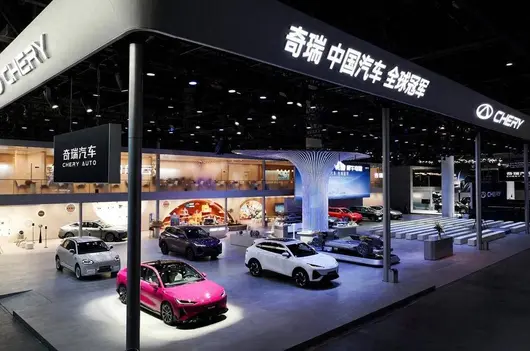
日前,奇瑞风云T7上市。奇瑞汽车执行副总裁李学用上台,第一句话就让会场安静了几秒:“全球车,快不了一点。”

在当下的汽车行业,这句话几乎是在跟所有人唱反调。整车研发周期从48个月被压缩到26个月,本该在实验室解决的bug,直接甩给车主路试。而奇瑞走了一条完全相反的路。风云T7历经2年策划、3年研发,完成145万公里耐久专项测试。同源车型Lepas L6先在泰国上市、南非开启预售,打磨完海外市场再回流国内,走了一条非主流的"反向上市"路径。
这台选择"慢做"的新车,撕开了奇瑞当下最核心的命题:当整个行业都在拼命踩油门,奇瑞为什么踩了刹车?
2000万辆之后缘何踩刹车?
一个月前,7月25日,奇瑞全球累计销量突破2000万辆。放在任何车企,这都是值得大操大办的时刻。但奇瑞的庆典从头到尾透着反常。
没有沉浸在数字狂欢里,尹同跃当众说了一段话:"2000万之后,我们不再参加内卷,不再只追求销量,而是要追求品牌向上,追求技术更多的突破,追求客户满意度更大的提升。"

在外界看来,一路狂奔的奇瑞似乎没有调整的必要。从2021年的96万辆到去年的280万辆,增长曲线足够漂亮。但尹同跃近乎于踩了一脚刹车、打了一把方向。
随后,奇瑞汽车常务副总裁张国忠把话说得更透:"奇瑞不能活在过去的成功经验里。面对行业的快速变革,有些要小改,有些甚至要重构,只有这样才能适应下一个周期的发展。"
他举了一个例子。几年前行业对于未来能源格局的主流判断是混动4、纯电3、燃油3,但现在纯电的增速和市占率早已远超当初的预期。"这种消费趋势的变化来得很快也很猛,过去我们觉得猎鹰500的智驾就够用了,但从二季度开始,消费者更想要猎鹰700甚至900这样的高阶版本。"

变化来得太快。如果奇瑞还抱着过去二十年的成功经验——继续依赖燃油车红利、继续以销量为第一优先级、继续用过去的产品定义逻辑应对市场——很可能在下个周期掉队。
过去二十年到底做对了什么?
要理解奇瑞为什么要"刹车",得先搞明白奇瑞是怎么"跑"到今天的。
奇瑞的崛起,本身就是对行业成见的反抗。上世纪90年代,中国汽车圈流行两句话:不搞合资没有活路,不到百万辆规模就别谈自主研发。奇瑞偏偏不信。
1999年,第一台自主研发的发动机点火成功。同年12月,第一辆"风云"下线。没有合资背书,没有现成体系,奇瑞硬是从发动机、变速箱、底盘这些核心部件啃起,成为中国品牌第一家掌握"三大件"核心技术的车企。这份技术自研的坚持,让奇瑞躲过了很多车企"卡脖子"的危机。

这条路走对了。2007年,奇瑞成为第一个累计销量破百万的自主品牌。QQ成就了140万辆的销量传奇,让普通家庭能开上私家车。瑞虎系列靠高性价比、低养护成本,快速做大规模,积累了海量用户和完善的供应链,完成了企业最关键的原始积累。
奇瑞最聪明的一步,是早早走出了国门。2001年第一批风云出口叙利亚,此后连续23年位居中国品牌乘用车出口第一。当所有自主品牌挤在国内市场贴身肉搏时,奇瑞悄悄铺好了全球渠道。海外市场一直是奇瑞的"压舱石",国内卷价格赚不到钱的时候,海外市场稳定输血、对冲风险。

总结下来,奇瑞过去的成功逻辑不复杂:靠自研稳住底盘,靠性价比做大销量,靠海外稳住基本盘。
这套打法放在过去二十年,屡试不爽。但放到现在,光环暗淡了。
为什么不能活在过去?
行业最根本的变化是:从增量扩张转向存量竞争。靠规模摊薄成本、以价换量的粗放增长模式走到头了,行业利润率跌到1.5%,甚至出现卖的越多赔的越多。拼命冲销量,早已不是做大做强,而是低效内耗。
另一个变化是赛道切换。奇瑞最擅长的,是燃油车时代的硬件研发和动力技术。但现在的竞争核心是电动化、智能化和软件体验。过去比的是车耐不耐开、动力够不够强;现在比的是智驾好不好用、车机够不够流畅。奇瑞过去稳步迭代的节奏,放在燃油车时代是稳,放在新能源时代,就是慢。

还有一个现实短板:品牌桎梏。靠性价比起家,是奇瑞的优势,也是最大的包袱。在大多数消费者心里,奇瑞就是"实惠家用车",和高端、价值、溢价这些词不沾边。2000万累计用户大多是平价用户,很难形成品牌溢价。没有品牌高度,就只能永远困在低端价格带厮杀。
比产品和市场更难改的,是组织惯性。一套打法成功二十年,企业内部一定会形成思维固化。做燃油车的经验、老的项目流程、唯销量论的考核方式,会不自觉套用在新能源、新车型上。这就是路径依赖的可怕之处——过去让你登顶的经验,会变成困住你的围墙。张国忠说的"有些要小改,有些要重构",改的不只是车,是整个企业的思维和体系。
告别影子之后,奇瑞向何处去?
重构已经开始了。最直观的信号是,过去几年奇瑞并不避讳自己发布会开得多,2025年办了189场活动,但今年以来,媒体前往芜湖的次数少了一半多。
另一个体现在销量上。上半年奇瑞在国内少发了15万台车,主动挤掉“水分”,大幅降低经销商库存,国内零售约41.28万辆,同比下滑36.4%。这是阵痛,也是修复终端价格体系的必要代价。而在海外,月销20万正在成为常态,7月海外销量占比已悄然来到七成。

变化已经开始发生。9月1日公布的8月销量数据显示,奇瑞单月销量280,128辆,其中出口196,984辆,国内销量83,144辆。相比7月出口首次突破20万辆、国内销量约7.4万辆的数据,8月国内销量环比回升了近1万辆。在连续数月收缩之后,国内基本盘出现了修复迹象。
一降一升之间,奇瑞正在完成发展逻辑上的切换。用张国忠的话讲,“无内不稳,无外不强”,奇瑞已不再单一依赖国内燃油车市场,而是构建起了“海外+新能源”这两大新的增长曲线。
在内部,品牌矩阵进入整合期。奇瑞近期调整了星途事业部的汇报关系,战略重心全面转向海外;智界品牌从追求单品爆发转向“长跑思维”。虽然多品牌同源重叠的问题尚未根本解决,但精简SKU、厘清定位的动作已经启动。新能源方面,上半年毛利率从5.2%大幅提升至12.8%,告别低价走量,进入规模盈利周期。

风云T7的上市路径,恰好说明了这套新逻辑。一台车先在米兰设计周亮相,接着在南非、泰国上市,接受海外消费者和市场的检验,打磨完了再回国内——“全球车,快不了一点”。不跟行业拼上新速度,用全球市场验证过的产品力说话。
人汽说:
中国品牌间的你追我赶还在持续加码。比亚迪7月海外销量已达17.98万辆,吉利将出口目标上调至92万辆并冲击百万规模,长城设定60万辆目标。奇瑞的先发优势正在被稀释,窗口期在收窄。
想要穿越周期,奇瑞的路径已经清晰:全球化从“卖得多”转向“赚得稳”;打通海内外技术双向反哺通道;国内市场不再盲目冲批发量,聚焦产品价值竞争。国内市场的核心任务,是成为智能化新技术的试验田,完成验证之后再反哺全球车型。

对于奇瑞而言,跨过2000万辆,不是终点,是一道分水岭。尹同跃踩下的那脚刹车,不是认输,是换道。张国忠说的“不能活在过去的成功经验里”,不是否定过去,是看清了未来。
当喧嚣退潮,这家从芜湖小草房走出的企业,依然用近乎愚直的方式,走一条更远的路。

In Malaysia's SUV market, many buyers compare Honda HR-V and Chery Tiggo Cross when choosing a car. These two models are quite similar in price and positioning. Today, we will make a detailed comparison from multiple aspects to save you time on research.
The OTR price of Honda HR-V in Malaysia is RM 115,900 - 143,900, with a total of 4 versions, including 2026 e:HEV 1.5L RS (RM 143,900), 2026 1.5T V (RM 137,900), 2026 1.5T E (RM 130,900), etc.
The OTR price of Chery Tiggo Cross in Malaysia is RM 88,750 - 99,750, with a total of 2 versions, including 2025 HEV 1.5L CSH (RM 99,750), 2025 1.5T Standard (RM 88,750), etc.
From a price perspective, Chery Tiggo Cross's starting price is RM 27,150 cheaper than Honda HR-V. To be honest, at this price point, a difference of a few thousand is not significant. The key lies in overall value for money and long-term usage costs.
Honda HR-V is equipped with 1.5L Turbo, 140 hp. Official fuel consumption is 7.0 L/100km.
Chery Tiggo Cross is equipped with 1.5L 4-cyl, 105 hp. Official fuel consumption is 6.0 L/100km.
In terms of power, Honda HR-V's 1.5L Turbo has 35 more horsepower than Chery Tiggo Cross's 1.5L 4-cyl, giving more confidence in mid-range acceleration, especially when overtaking on the highway. However, Chery Tiggo Cross's fuel consumption might be friendlier, and the difference in daily city commuting will not be significant.
Honda HR-V body length is 4500 mm, trunk 450 L.
Chery Tiggo Cross body length is 4400 mm, trunk 400 L.
In terms of space, Honda HR-V's body is 100 mm longer than Chery Tiggo Cross, providing slightly more passenger space, especially legroom in the back seat. If you frequently carry family or need to put in a stroller, a larger body is indeed more practical.
Honda HR-V uses FWD drive mode.
Chery Tiggo Cross uses FWD drive mode.
Both cars have the same drive mode, all FWD, so there won't be much difference in daily driving feel.
Honda HR-V and Chery Tiggo Cross are both mainstream choices in the Malaysian market, suitable for family use and daily commuting. If you value brand reputation and resale value more, you can prioritize the one with better reputation; if you care more about cost-performance ratio and features, choose the one with richer configuration. In the end, it is suggested to test drive both models, as personal experience is most important.

Overall, Honda HR-V and Chery Tiggo Cross are both very good models in the Malaysian market. Which one to choose mainly depends on your personal needs and budget. It is recommended that everyone do their research, compare quotes from several dealers, and then test drive to make a final decision. Buying a car is a big matter, spending time doing research will never be wrong.

In the SUV market in Malaysia, many buyers like to compare Honda HR-V and Chery Tiggo Cross when choosing a car. The prices and positioning of these two cars are quite similar, so today we will make a detailed comparison from multiple angles to save you time on research.
Honda HR-V's OTR price in Malaysia is RM 115,900 - 143,900, with a total of 4 versions, including 2026 e:HEV 1.5L RS (RM 143,900), 2026 1.5T V (RM 137,900), 2026 1.5T E (RM 130,900), etc.
Chery Tiggo Cross's OTR price in Malaysia is RM 88,750 - 99,750, with a total of 2 versions, including 2025 HEV 1.5L CSH (RM 99,750), 2025 1.5T Standard (RM 88,750), etc.
In terms of price, Chery Tiggo Cross's starting price is RM 27,150 cheaper than Honda HR-V. To be honest, at this price point, a difference of a few thousand isn't that big, the key still depends on overall value for money and long-term usage costs.
Honda HR-V is equipped with a 1.5L Turbo, producing 140 hp. Official fuel consumption is 7.0 L/100km.
Chery Tiggo Cross is equipped with a 1.5L 4-cyl, producing 105 hp. Official fuel consumption is 6.0 L/100km.
In terms of power, Honda HR-V's 1.5L Turbo has 35 more horsepower than Chery Tiggo Cross's 1.5L 4-cyl, offering more confidence in mid-range acceleration, especially when overtaking on highways. However, Chery Tiggo Cross's fuel economy might be more friendly, and the difference for daily city commuting won't be too significant.
Honda HR-V uses FWD drive mode.
Chery Tiggo Cross uses FWD drive mode.
Both cars have the same drive mode, both are FWD, so there won't be much difference in daily driving feel.
Honda HR-V has a warranty of 5 years/unlimited mileage, maintenance interval every 10,000km or 6 months.
Chery Tiggo Cross has a warranty of 3 years/100,000km, maintenance interval every 10,000km or 6 months.
Honda HR-V and Chery Tiggo Cross are both mainstream choices in the Malaysian market, suitable for family use and daily commuting. If you value brand reputation and resale value more, you can prioritize the one with a better reputation; if you care more about value for money and features, then choose the model with richer configuration. Ultimately, it is recommended to test drive both, and personal experience is the most important.
All in all, Honda HR-V and Chery Tiggo Cross are both very good car models in the Malaysian market. Which one to choose mainly depends on your personal needs and budget. It is recommended that everyone do their research, compare quotes from more dealers, and then test drive to make the final decision. Buying a car is a big deal, spending time doing research will definitely not go wrong.

喺馬來西亞嘅 SUV 市場,好唔少買家喺揀車嘅時候都會攞本田 HR-V 同馬自達 CX-8 做比較。這兩款車喺價位同定位上都幾接近,今日我哋就從多個方面做一個詳細嘅對比,幫你省返做功課嘅時間。
本田 HR-V 喺馬來西亞嘅上路價係 115,900 令吉 - 143,900 令吉,一共有 4 個版本,包括 2026 e:HEV 1.5 公升 RS(143,900 令吉)、2026 1.5T V(137,900 令吉)、2026 1.5T E(130,900 令吉) 等。
馬自達 CX-8 喺馬來西亞嘅上路價係 165,360 令吉 - 201,360 令吉,一共有 5 個版本,包括 2025 2.5T 四驅 High Plus 汽油(201,360 令吉)、2025 2.2L 兩驅 High Plus 柴油(193,123 令吉)、2025 2.5L 兩驅 High Plus 汽油(186,360 令吉) 等。
從價錢來看,本田 HR-V 嘅起步價確實比馬自達 CX-8 平咗 49,460 令吉。如果你預算有限,本田嘅入門版已經可以滿足日常需要。但都要注意,平嗰幾千蚊,可能喺配備上有取捨,具體要看你嘅需要。
本田 HR-V 車身長 4500 毫米,後尾箱 450 公升。
馬自達 CX-8 車身長 4500 毫米,後尾箱 450 公升。
兩款車嘅尺寸幾乎一樣,車內空間差別唔大。呢個級別嘅車,日常使用完全夠用。
本田 HR-V 採用前驅驅動方式。
馬自達 CX-8 採用前驅驅動方式。
兩款車嘅驅動方式一樣,都係前驅,日常駕駛感覺唔會有太大分別。
本田 HR-V 同馬自達 CX-8 都係馬來西亞市場嘅主流選擇,適合家庭用途、日常通勤。如果你更睇重品牌信譽同二手價,可以優先考慮信譽更好嗰一款;如果你更介意性價比同配備,那就揀配備更豐富嗰款。最後都係建議兩款都去試駕,親自體驗先係最緊要嘅。
總括嚟講,本田 HR-V 同馬自達 CX-8 都係馬來西亞市場好唔錯嘅車型。揀邊一輛,關鍵仲要睇你嘅個人需求同預算。建議大家做好做功課,多比吓幾間車行嘅報價,再去試駕做最後決定。揸車係件大事,花少少時間做功課絕對唔會錯。

日前,森麒麟輪胎發布公告,任命 Carrick Geng 為海外銷售中心副總經理兼歐洲區銷售總監。這一人事調整,正值森麒麟歐洲戰略全面提速的關鍵節點,這家中國輪胎頭部企業,正對歐洲市場發起系統性攻堅。
13 年老將坐鎮歐洲
Carrick Geng 被森麒麟評價為全球化拓展的核心骨幹。入職 13 年間,他從美國銷售代表起步,先後執掌泰國及中國生產基地銷售總監等關鍵崗位,職業軌跡橫跨美洲、東南亞與國內生產運營體系,既熟悉海外終端渠道開拓,亦深諳多基地產銷協同,具備集團全局視野與全球渠道實操經驗。

此番履新後,他將統籌歐洲區域整體銷售經營,把多基地資源、產品矩陣與歐洲本地經銷商、主機配套資源聯動。工作重心不止於銷量擴張,更聚焦渠道結構優化與自主品牌價值提升,助力森麒麟擺脫低價競爭路徑,夯實歐洲中高端市場地位。
歐洲戰場:機遇與挑戰並存
歐洲是森麒麟全球化版圖中分量極重的市場。目前公司於歐洲運營 Landsail、Delinte、Groundspeed、Sentury 等多個品牌。
早於今年 6 月的德國科隆國際輪胎展上,森麒麟就宣布計劃於巴爾幹地區新建一座乘用車輪胎智能化工廠,目標 2027 年投產。於西歐市場,公司已與知名經銷商 Intersprint 達成獨家分銷合作,明確拒絕低價傾銷,轉向品牌深耕。

摩洛哥工廠成為歐洲供貨“底座”
發力歐洲,森麒麟手中的王牌是“中國—泰國—摩洛哥”黃金三角產能矩陣。投產近兩年的摩洛哥工廠鄰近歐洲、享有關稅優勢,目前正有序放量,訂單供不應求,預計 2026 年底前達到設計產能。2026 年上半年,該工廠已實現扭虧為盈,營業收入 7.3 億元,淨利潤 1212 萬元。
更關鍵的突破在於配套領域:依托摩洛哥工廠,森麒麟已獲得雷諾、Stellantis 兩大全球車企的供應商資格,預計 2027 年實現摩洛哥本地化原裝配套。

業績韌性凸顯,高端化護航
歐洲攻堅的底氣,來自紮實的經營基本盤。8 月 24 日發布的年報顯示,森麒麟上半年輪胎銷量 1663.89 萬條,同比增長 11.89%;營收 44.22 億元,同比增長 7.33%;歸母淨利潤 4.2 億元,淨利率 9.5%,於以半鋼胎為主之企業中穩居盈利第一梯隊。
其盈利密碼在於高端結構:17 寸及以上大尺寸高性能輪胎銷售金額佔比保持在 65% 左右,高附加值產品對沖了原材料漲價與關稅壓力。

從“產品出海”到“產能出海與本土化運營”,森麒麟正沿著"833Plus”戰略穩步推進——用 10 年左右時間布局 8 座數字化智能製造基地、3 座研發中心。業內分析認為,隨著老將坐鎮歐洲、巴爾幹工廠落地推進,森麒麟有望進一步放大歐洲市場增長潛力,為中國輪胎品牌於高端海外市場爭取更大話語權。
In Malaysia's SUV market, many buyers compare the Honda HR-V and Mazda CX-30 when choosing a car. These two models are quite close in price and positioning. Today, we will make a detailed comparison from multiple aspects to help you save time on research.
The OTR price for the Honda HR-V in Malaysia is RM 115,900 - 143,900, with a total of 4 variants, including the 2026 e:HEV 1.5L RS (RM 143,900), 2026 1.5T V (RM 137,900), 2026 1.5T E (RM 130,900), etc.
The OTR price for the Mazda CX-30 in Malaysia is RM 122,409 - 146,409, with a total of 4 variants, including the 2025 2.0L High+ Premium (RM 146,409), 2025 2.0L High+ (RM 138,409), 2025 2.0L High (RM 130,409), etc.
Looking at the price, the Honda HR-V's starting price is indeed RM 6,509 cheaper than the Mazda CX-30. If your budget is limited, Honda's entry-level version can already meet daily needs. However, be aware that the cheaper few thousand might involve trade-offs in features, depending on your specific needs.
Honda HR-V safety rating is 5★ (ASEAN NCAP), active safety systems include Honda SENSING (ACC, CMBS, LKAS, RDM).
Mazda CX-30 safety rating is 5★ (ASEAN NCAP), active safety systems include i-Activsense.
Both cars have the same safety rating. In this class, safety features are quite comprehensive. New car safety these days is generally good, so there's no need to worry too much about this.
Honda HR-V uses FWD drive system.
Mazda CX-30 uses FWD drive system.
Both cars use the same drive system, both are FWD, so there won't be much difference in daily driving feel.
Honda HR-V warranty is 5 years/unlimited mileage, maintenance interval every 10,000km or 6 months.
Mazda CX-30 warranty is 5 years/150,000km, maintenance interval every 10,000km or 6 months.

Honda HR-V and Mazda CX-30 are both mainstream choices in the Malaysian market, suitable for family use and daily commuting. If you value brand reputation and resale value more, consider the one with better reputation first; if you care more about value for money and features, choose the one with more configurations. Ultimately, we suggest test driving both, as hands-on experience is the most important.
Overall, both Honda HR-V and Mazda CX-30 are very good models in the Malaysian market. Choosing which one depends mainly on your personal needs and budget. We suggest doing your research, comparing quotes from several dealerships, and test driving before making a final decision. Buying a car is a big matter, spending time researching will never be wrong.
In the Malaysia SUV market, many buyers compare the Honda HR-V and Mazda CX-3 when choosing a car. These two models are quite close in price and positioning. Today, we will make a detailed comparison from multiple aspects to help you save time on research.
The OTR price of Honda HR-V in Malaysia is RM 115,900 - 143,900, with a total of 4 versions, including 2026 e:HEV 1.5L RS (RM 143,900), 2026 1.5T V (RM 137,900), 2026 1.5T E (RM 130,900), etc.
The OTR price of Mazda CX-3 in Malaysia is RM 126,159 - 139,159, with a total of 2 versions, including 2023 2.0L High (RM 139,159), 2023 2.0L Plus (RM 126,159), etc.
Looking at the price, the starting price of Honda HR-V is indeed RM 10,259 cheaper than Mazda CX-3. If your budget is limited, Honda's entry-level version can already meet daily needs. But note, those few thousand cheaper might require trade-offs in features, depending on your specific needs.
Honda HR-V safety rating is 5★ (ASEAN NCAP), active safety systems include Honda SENSING (ACC, CMBS, LKAS, RDM).
Mazda CX-3 safety rating is 5★ (ASEAN NCAP), active safety systems include i-Activsense.
Both cars have the same safety rating, and safety features in this class are considered quite complete. New cars nowadays generally have good safety, no need to worry too much about this.
Honda HR-V uses FWD drive type.
Mazda CX-3 uses FWD drive type.
Both cars have the same drive type, both are FWD, daily driving experience will not differ much.
Honda HR-V warranty 5 years/unlimited mileage, service interval every 10,000km or 6 months.
Mazda CX-3 warranty 5 years/150,000km, service interval every 10,000km or 6 months.

Overall, Honda HR-V and Mazda CX-3 are both very good models in the Malaysia market. Which one to choose mainly depends on your personal needs and budget. It is recommended to do your research, compare quotes from several car dealers, and then test drive to make a final decision. Buying a car is a big deal, taking time to research will never be wrong.
© 2024 Bitauto.com. All Rights Reserved.
Bitauto (www.yiche.com and www.bitauto.com) is one of the most visited automotive websites in China. We provide detailed info on Chinese car brands available in your area. Please note that the information provided on this website is based on publicly available data and is for reference only. It may not be fully updated or accurate at all times.

Help us improve our website


