
Search History
Popular Searches
English
Dealer Login / Sign Up
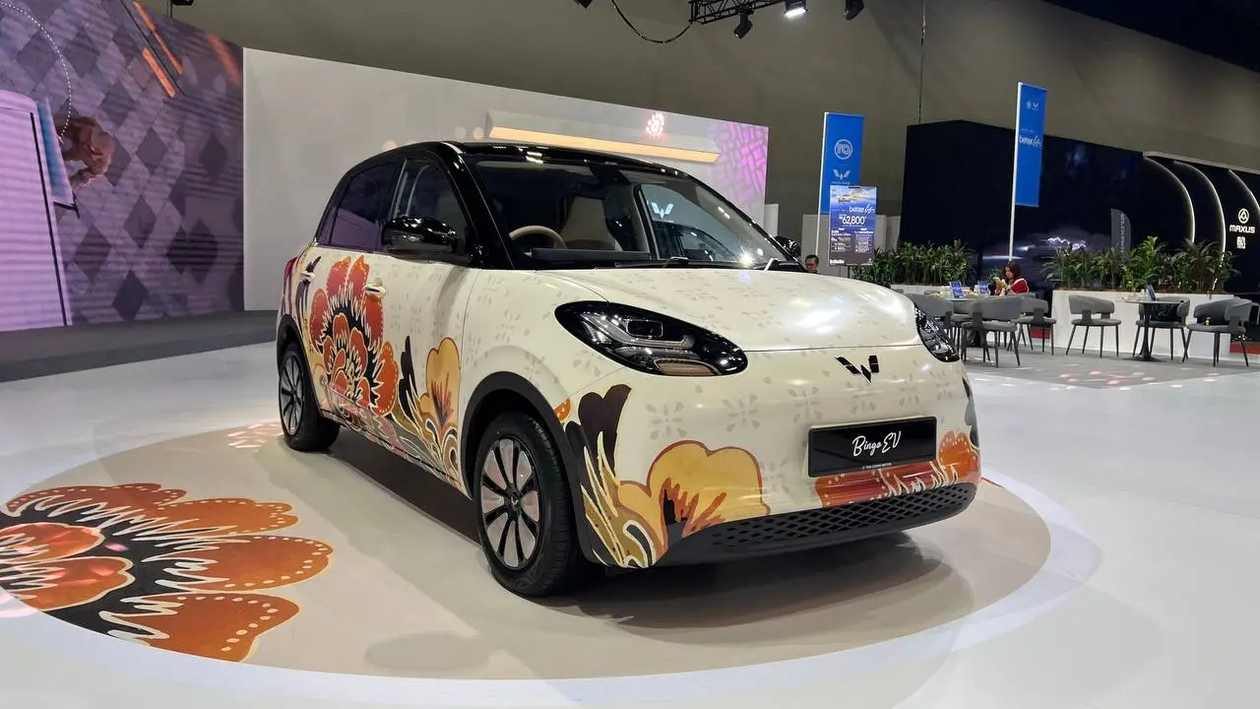
KLIMS 2026 highlights Malaysia's widening electric-vehicle spectrum, from premium SUVs to family crossovers. Yet the market's long-term health depends on what happens at the entry level. The TQ Wuling Bingo EV, launched in late 2025 and now entering its customer delivery phase, is the most significant test of that lower threshold. Priced from RM62,800 at launch and assembled locally at Tan Chong's Segambut plant, it asks whether Malaysian buyers are prepared to adopt a compact CKD electric hatchback as genuine everyday transport rather than merely a costlier crossover in disguise.
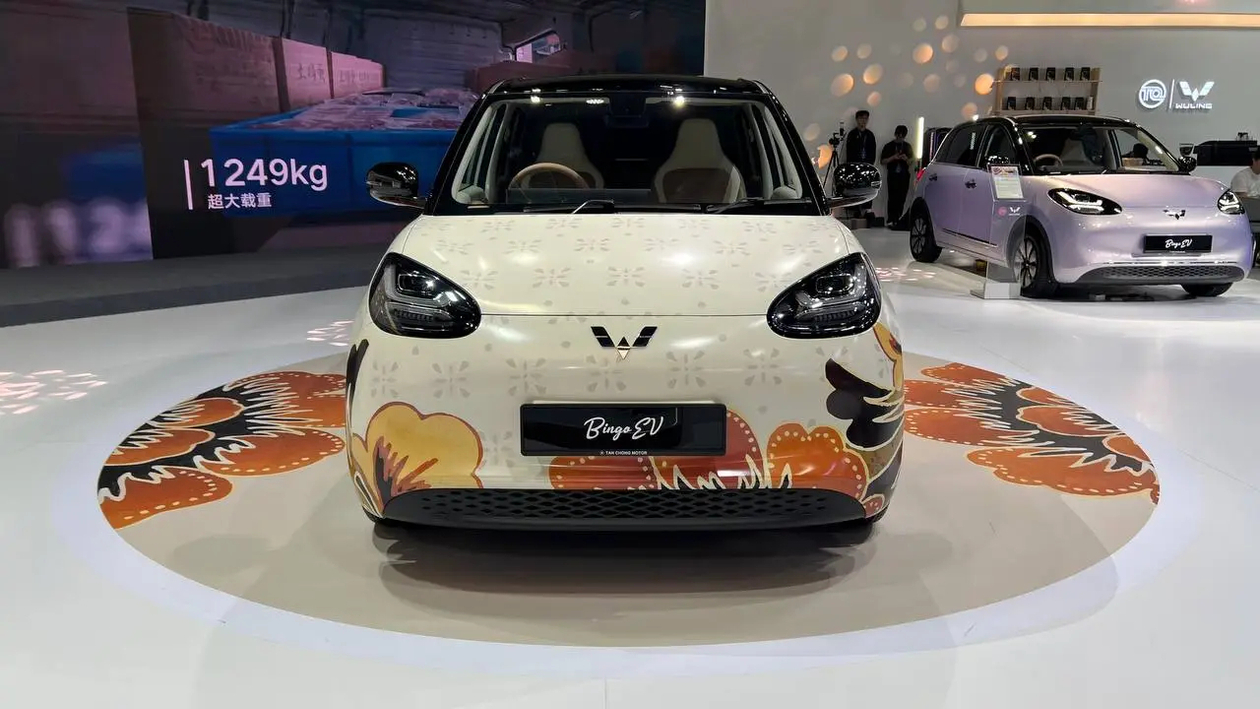
Through the partnership between SGMW/Wuling and Tan Chong Motor Group, the Bingo EV is assembled at Tan Chong Motor Assemblies in Segambut. This CKD arrangement gives the TQ Wuling brand a tangible local footprint that pure import brands struggle to match at this price level. For buyers wary of new marques, the Tan Chong connection offers a degree of familiarity in distribution and after-sales infrastructure that an outright import simply cannot replicate.
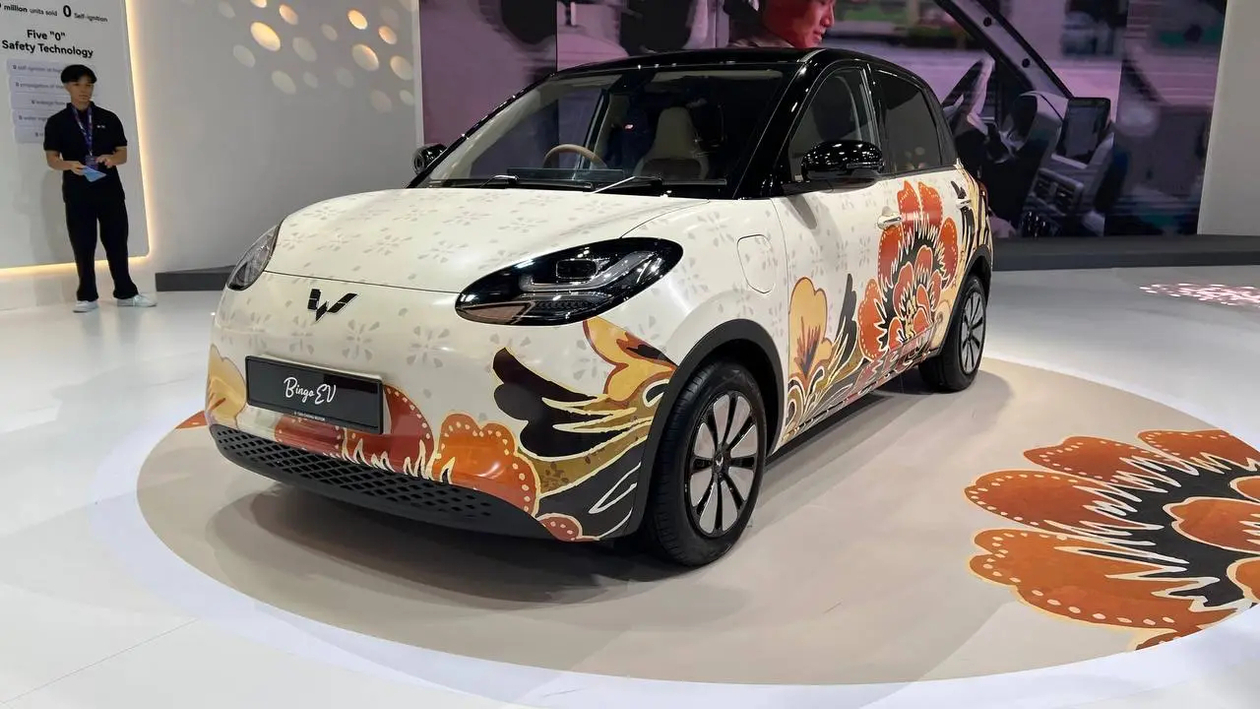
Malaysia's automotive landscape is increasingly dominated by elevated crossovers and family SUVs. The Bingo EV, as a compact hatchback, swims against that tide. Its dimensions are better suited to tight urban parking and narrow residential lanes than larger rivals that command higher price tags. Powering the Pro variant is a 31.9 kWh LFP battery delivering WLTP range estimates beyond 330 km, while the Max grade carries a larger pack for those needing extra distance. With DC fast-charging capability included, the hardware targets daily commutes and weekend city hops rather than interstate cruising.
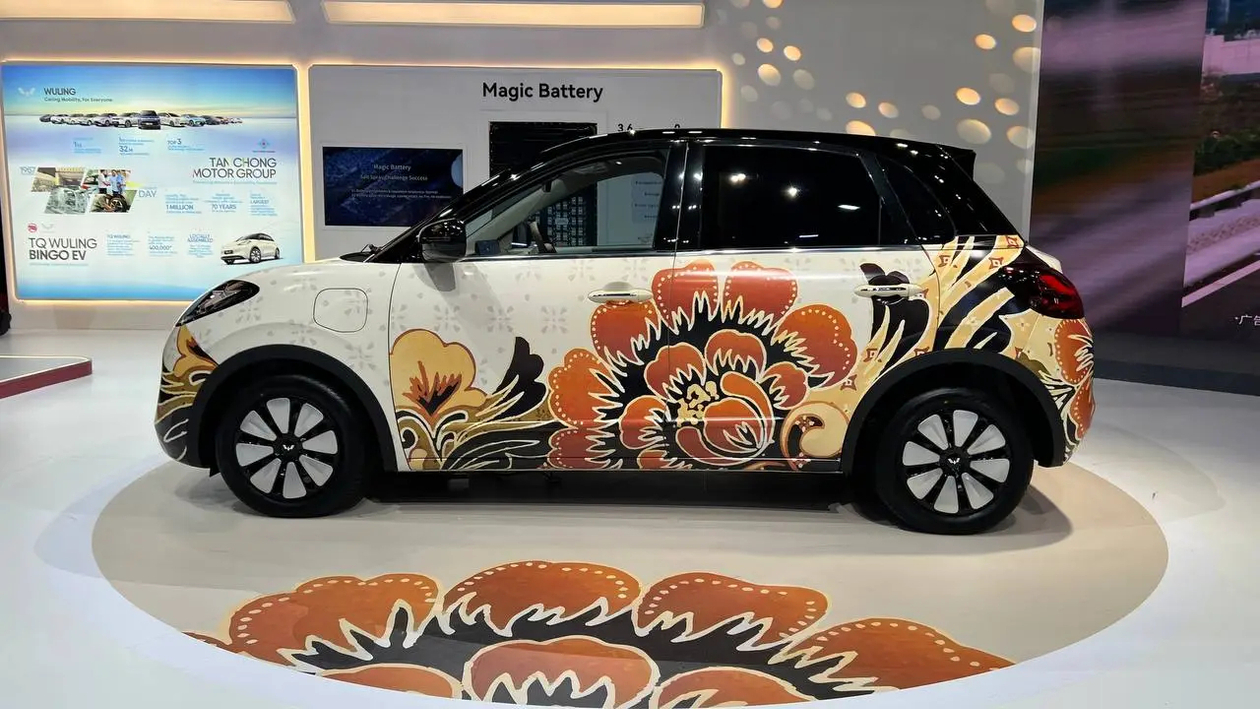
There is a calculated effort to overcome the traditional perception that small, affordable cars compromise on safety. TQ Wuling has fitted six airbags across the range and added ADAS features including blind-spot monitoring as standard equipment. These upgrades signal an understanding that affordable cannot mean unsafe in a market where Proton and Perodua have spent years elevating safety expectations. For a first-time EV buyer crossing over from a conventional B-segment hatchback, this equipment list reduces the psychological risk of switching to a new electric brand.
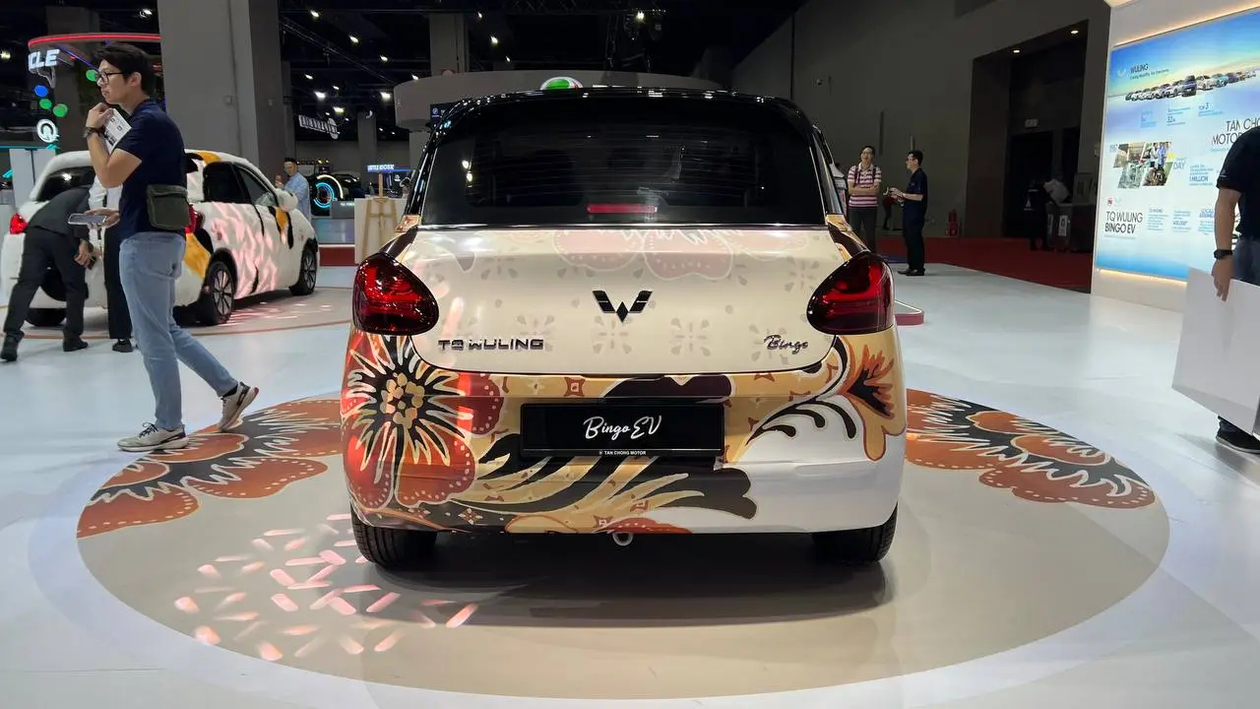
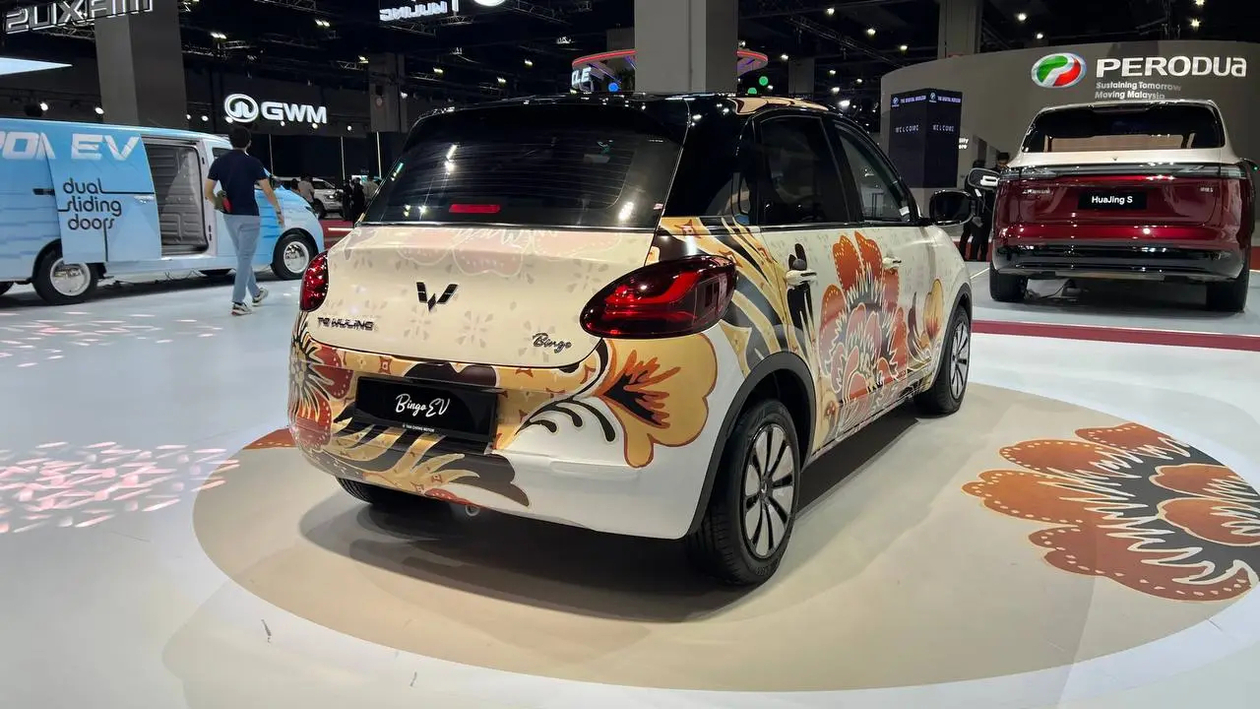
At its launch positioning from RM62,800, the Bingo EV undercuts the Perodua QV-E and the Proton e.MAS 5 by a noticeable margin. It also avoids direct overlap with the BYD Dolphin and the smaller BYD Atto 2, instead offering a city-car proposition that competes on footprint and entry price rather than cabin volume or premium features. The competitive question is whether buyers will prioritise absolute cost over interior space and the heritage of a national badge. Perodua carries the weight of Malaysia's best-selling brand, while Proton's e.MAS subsidiary has already demonstrated volume appeal in the EV segment.
Affordability opens the door, but it does not close the sale. Prospective owners will weigh the density of service centres, parts availability, and battery warranty terms against those of established players. Tan Chong's involvement provides a credible after-sales backbone on paper, yet the TQ Wuling network remains in its early stages.
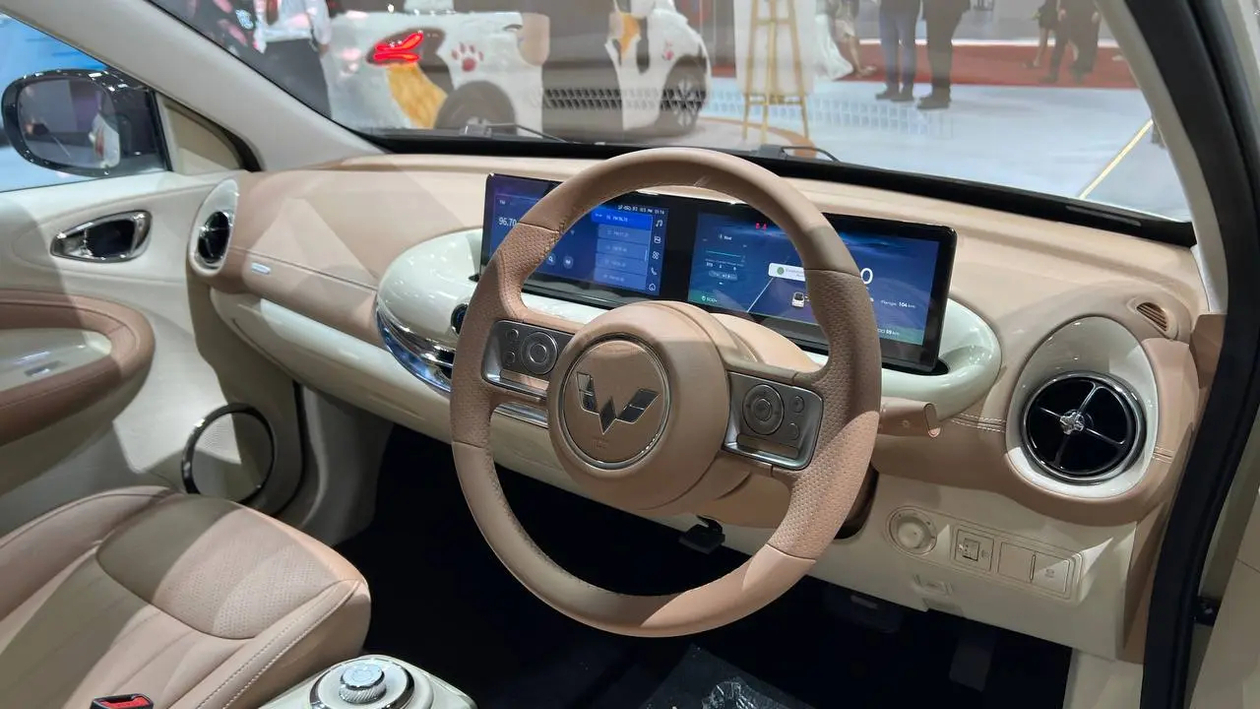
If the Bingo EV can build that trust, it could redefine what Malaysians expect from an entry-level electric vehicle and prove that the country's EV transition is not solely the preserve of expensive SUVs, but also of accessible hatchbacks aimed at the broader middle class.

Your go-to source for all things automotive in Malaysia. 🚗 Latest reviews, breaking news, launches & industry trends.
+ Follow We saw this accident this morning, and here’s a reminder to everyone: please drive safe. 2 days ago
  The G50 BMW 3 series is now here, adopting much of the i3's design elements.
So, where's the BMW M3?
#bmw #BMW3Series 4 days ago
The G50 BMW 3 series is now here, adopting much of the i3's design elements.
So, where's the BMW M3?
#bmw #BMW3Series 4 days ago  DRIFT PARTY in Malaysia! Can the Xiaomi SU7, Yangwang U8 mix it up against JDM favourites in KL?
Our adventure with the Xiaomi SU7 and Yangwang U8 brings us to APDCrew circuit as we give witness a drift show. With pro drifters and fan-favourites - RX7s, S15s, Skylines, Supras, and more - in the mix, can our Xiaomi SU7 and Yangwang U8 hold their own?
It's also a quick look at Malaysian car culture, including some wildly modified minivans, and more!
#drift #malaysia #xiaomisu7 #yangwangu8 #larrychen #drifting #JDM跑車 4 days ago
DRIFT PARTY in Malaysia! Can the Xiaomi SU7, Yangwang U8 mix it up against JDM favourites in KL?
Our adventure with the Xiaomi SU7 and Yangwang U8 brings us to APDCrew circuit as we give witness a drift show. With pro drifters and fan-favourites - RX7s, S15s, Skylines, Supras, and more - in the mix, can our Xiaomi SU7 and Yangwang U8 hold their own?
It's also a quick look at Malaysian car culture, including some wildly modified minivans, and more!
#drift #malaysia #xiaomisu7 #yangwangu8 #larrychen #drifting #JDM跑車 4 days ago Get the latest car news first!
Your go-to source for all things automotive in Malaysia. 🚗 Latest reviews, breaking news, launches & industry trends.
We saw this accident this morning, and here’s a reminder to everyone: please drive safe. 2 days ago The G50 BMW 3 series is now here, adopting much of the i3's design elements.
So, where's the BMW M3?
#bmw #BMW3Series 4 days ago DRIFT PARTY in Malaysia! Can the Xiaomi SU7, Yangwang U8 mix it up against JDM favourites in KL?
Our adventure with the Xiaomi SU7 and Yangwang U8 brings us to APDCrew circuit as we give witness a drift show. With pro drifters and fan-favourites - RX7s, S15s, Skylines, Supras, and more - in the mix, can our Xiaomi SU7 and Yangwang U8 hold their own?
It's also a quick look at Malaysian car culture, including some wildly modified minivans, and more!
#drift #malaysia #xiaomisu7 #yangwangu8 #larrychen #drifting #JDM跑車 4 days ago  ProtonGWMVolkswagenJAECOOVolvoPeroduaToyotaHondaTESLAMitsubishiMazdaJetourCheryBYDLexusBMWMercedes-BenziCAURZeekrIsuzuNissanLeapmotorPorscheFordOMODAMINIMGSuzukiXPengHyundaiWulingKiaSubaruDenzaGACLand RoverDongfengCAMAudiPeugeotFotonMAXUSsmartDaihatsuJACJMCMaseratiLotusAlfa RomeoRenaultGolden DragonKaiceneSeresLamborghiniFerrariJeepRolls-RoyceLepasAston MartinMcLarenChevroletBentleyFiatBAICForthingGeelyRoeweAeolusChanganARCFOXDeepalExeedHongqiVoyahJaguarKGMBuforiAcuraCadillacDodgeAbarthINEOSMHEROJMEVFreelander
 © 2024 Bitauto.com. All Rights Reserved.
Bitauto (www.yiche.com and www.bitauto.com) is one of the most visited automotive websites in China. We provide detailed info on Chinese car brands available in your area. Please note that the information provided on this website is based on publicly available data and is for reference only. It may not be fully updated or accurate at all times.
Help us improve our website


