On 31 July, the CKD mass-production ceremony for the Proton e.MAS 7 PHEV took place in Tanjung Malim.
Following the event, Minister of Investment, Trade and Industry Datuk Seri Johari Abdul Ghani shared some remarks with the media—words that all foreign automotive brands selling vehicles in Malaysia should pay close attention to.
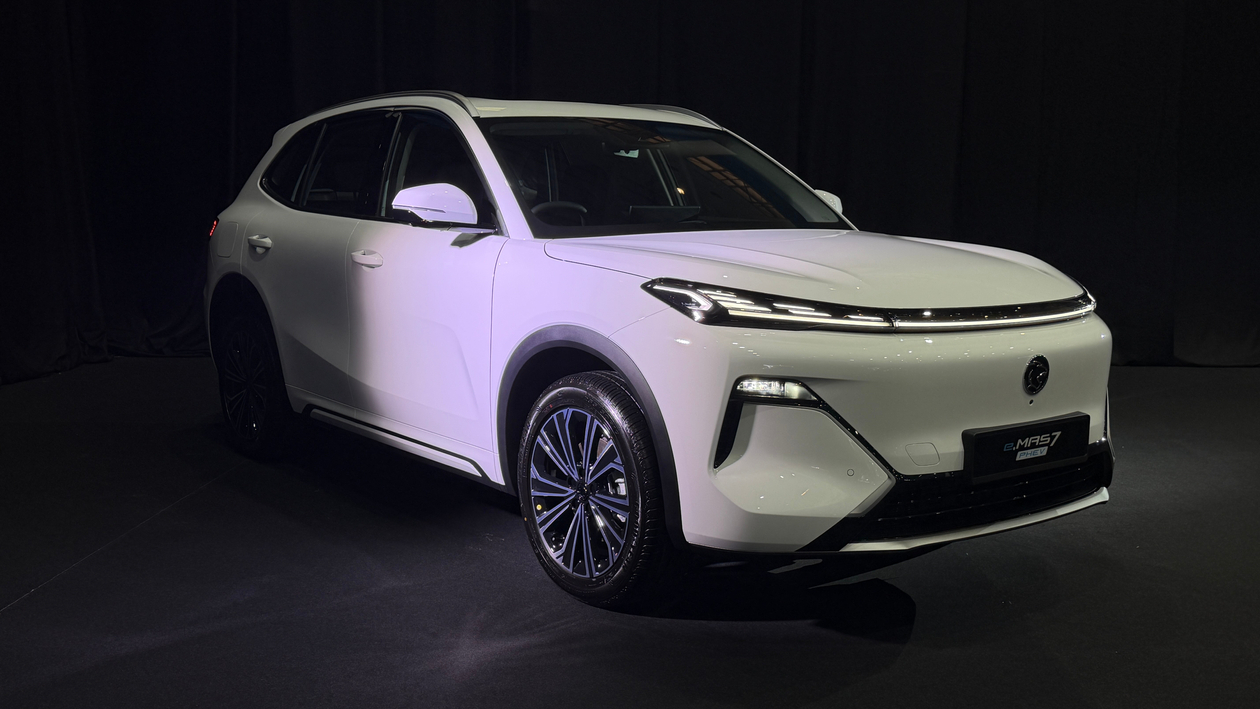
While the minister's tone was measured, the signal was unmistakable. Foreign carmakers entering the Malaysian market cannot just focus on selling cars and turning a profit.
Johari emphasized that MITI wants foreign carmakers to "coexist and complement the local ecosystem" rather than "simply coming here to sell cars."
He explained that while Malaysia welcomes foreign automotive investments, these players must coexist with the existing local ecosystem, collaborating with local vendors and component manufacturers to expand the industry, rather than displacing or undermining established players in Malaysia.
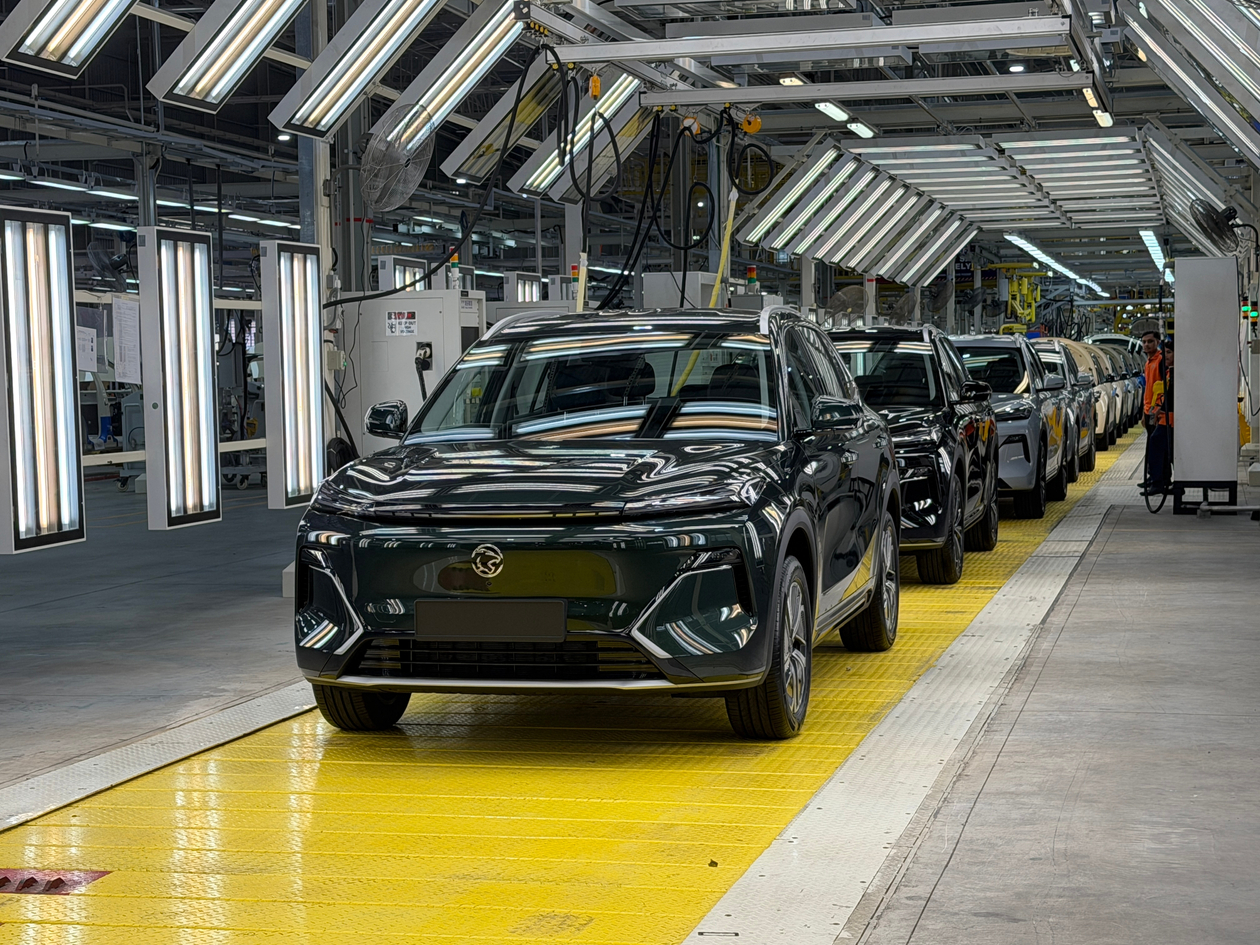
The context behind these remarks is clear. Over the past few years, Chinese brands have aggressively expanded in Malaysia's electric vehicle (EV) market. With the entry of players like BYD, Chery, XPeng, and GWM, new entrants are arriving in rapid succession. MITI's stance is not to shut them out, but to "open the door conditionally"—they are welcome, but they cannot just set up sales operations.
The minister singled out the partnership between Proton and Geely as a model example. He noted that Geely possesses the technology and is willing to share it with Proton, with both parties jointly developing intellectual property (IP), some of which is registered right here in Malaysia.
Such collaboration is "not just a foreign entity entering Malaysia to sell or export cars, but helping a local company build its own technological capabilities, product development expertise, and advanced manufacturing strength," making it a "true partnership."
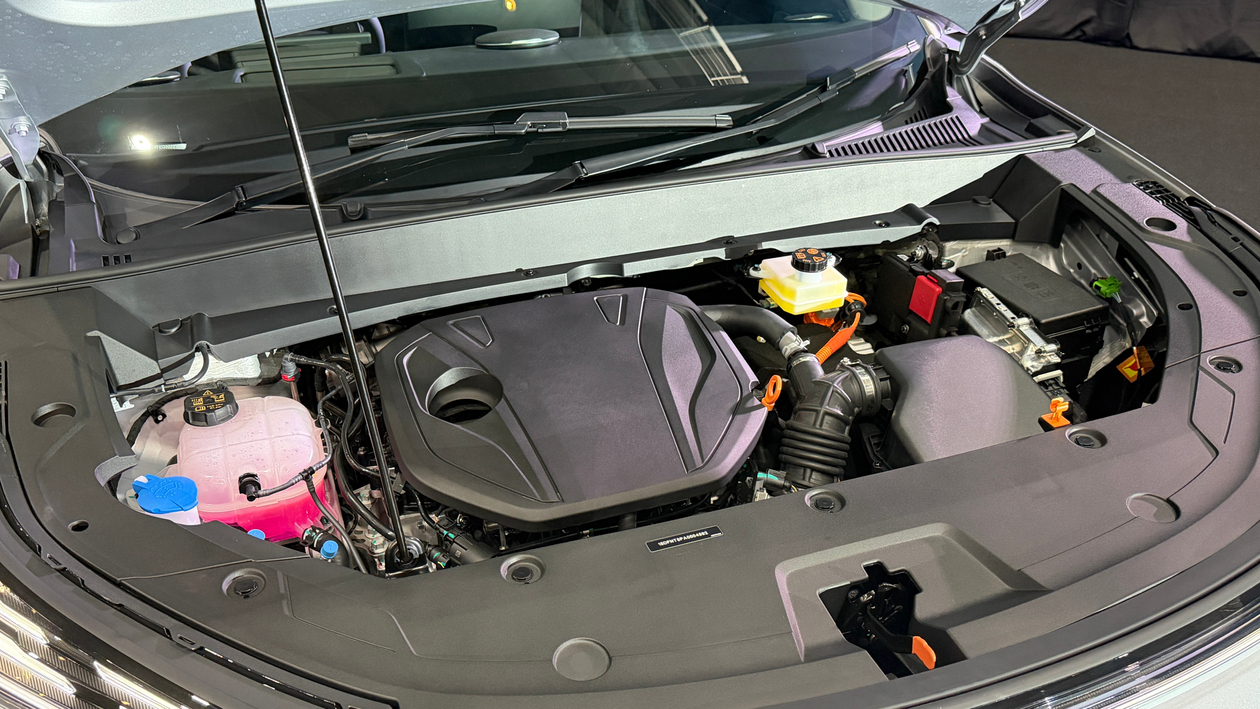
Johari shared several key figures to back his point:
The local content rate for certain Proton models has risen to between 70% and 80%. Proton and its ecosystem currently support around 9,700 jobs, with an annual production volume exceeding 150,000 units. Additionally, Proton has contributed over RM806,000,000 to the government through corporate tax, excise duty, import duty, and sales tax.
The subtext is clear: foreign carmakers entering the local market are expected to generate a similar economic multiplier effect.
Johari's push for localisation is not a sudden whim.
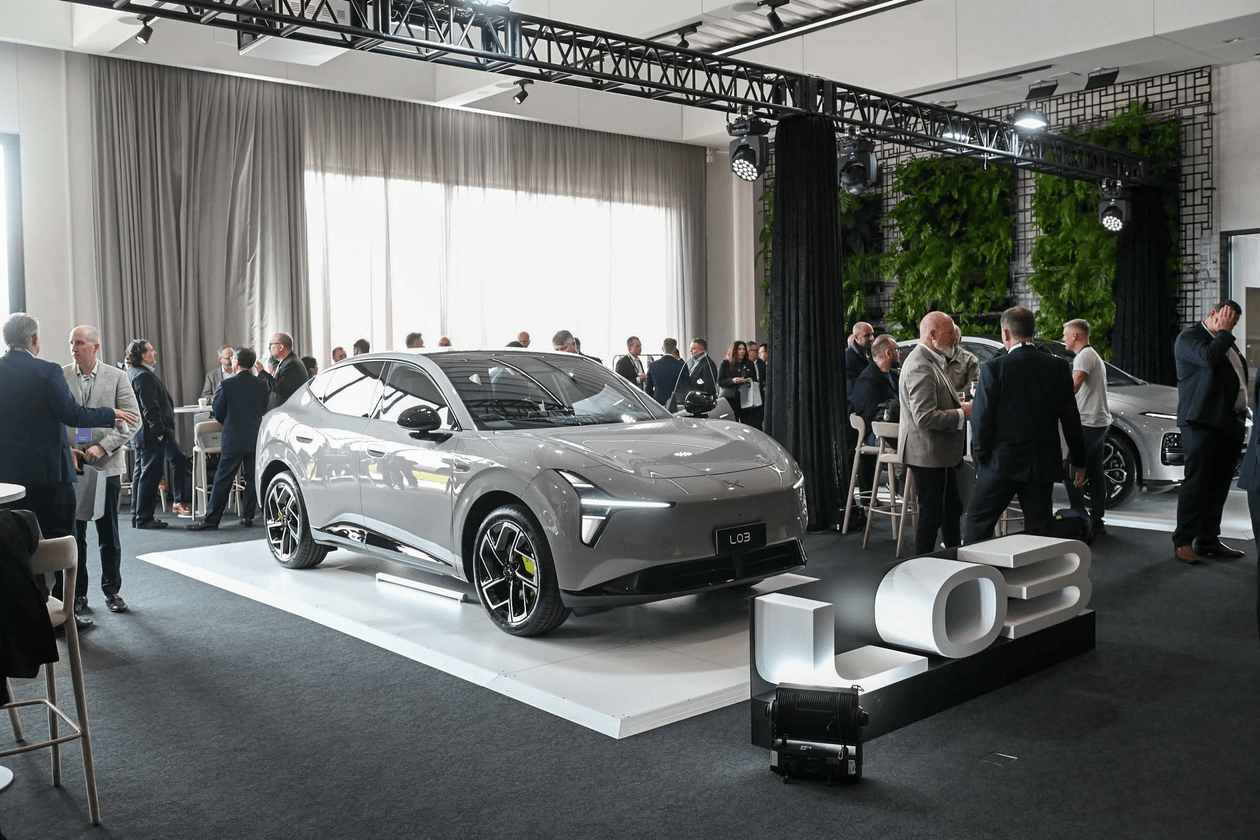
On 7 July, he conveyed a similar message at the launch of the MCE Auto Hub in Serendah. He recalled telling prospective investors seeking automotive project approvals: "This country is not just a place to sell cars. We want you to come, bring in all your technology, all your components, and treat Malaysia as a hub."
On the same day, he specifically addressed CKD localisation. He noted that focusing solely on Tier 1 suppliers is no longer sufficient; the government must trace value creation across the entire supply chain—including Tier 2 and Tier 3 vendors—to ensure incentives reward genuine Malaysian capabilities, rather than merely packaging imported parts to look like local assembly.
This is a direct jab at CKD programmes where the vast majority of parts are imported, and only the final assembly is done locally.
Connecting his statements from 7 July and 31 July reveals a clear trend: MITI is redefining "localisation". Previously, CKD simply meant assembling parts locally. In the future, CKD compliance will depend on local content levels, job creation, technology transfer, and whether Malaysia is utilised as an export base.
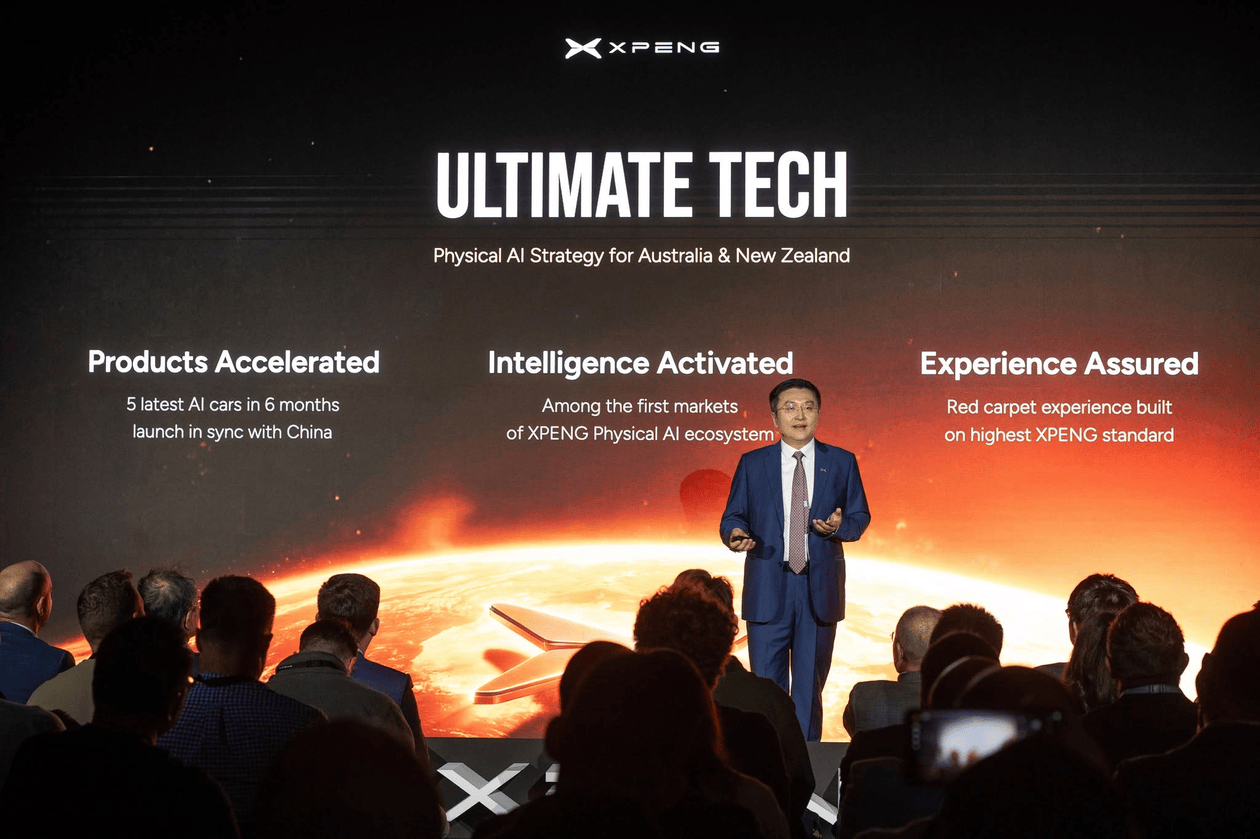
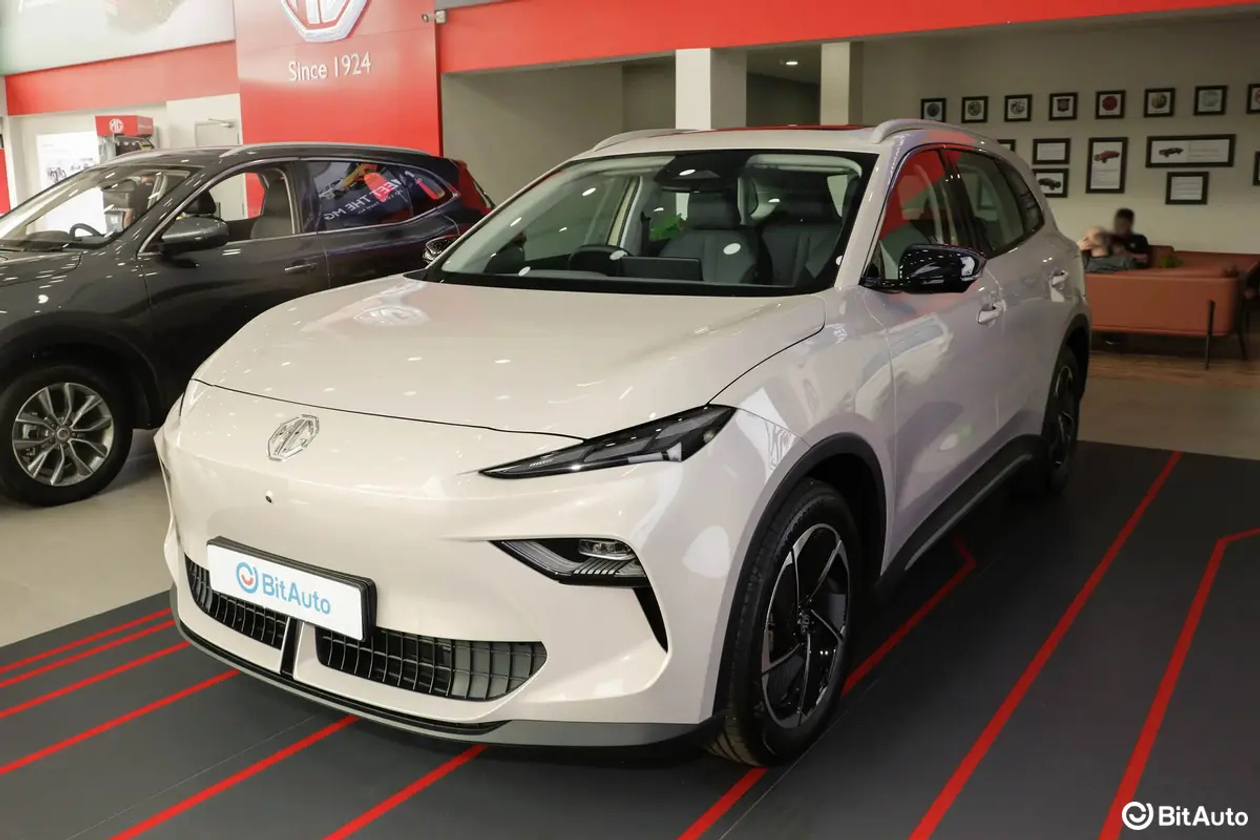
Currently, several Chinese brands are moving forward with CKD plans in Malaysia. XPeng is assembling the G6 at EPMB's plant in Melaka, Leapmotor is producing the C10 at the Stellantis plant in Kulim, GWM's WEY G9 is being assembled in Melaka for export to Thailand, and SAIC's MG S5 EV recently rolled off the line in March.
While Johari's remarks do not signal immediate policy changes, it is clear that MITI will place greater emphasis on technology transfer, local sourcing, talent development, IP ownership, and export capacity when vetting future foreign automotive investments.
To put it bluntly, the next phase of CKD competition is no longer about whether you assemble locally, but how deep your localisation goes. Simply shipping knocked-down kits to Malaysia for final assembly will unlikely meet the industrial development outcomes envisioned by the government.
From the expiry of tax exemptions for CBU EVs at the end of 2025, to the new CBU EV guidelines taking effect on 1 July 2026 (minimum CIF value of RM200,000 and motor output of at least 180kW), to export quota requirements for new CKD projects, and now the MITI Minister's back-to-back reminders that "localisation cannot be superficial"—the government is systematically pushing foreign carmakers toward deeper localisation.
A quote from Johari's speech on 7 July is worth reiterating:
"Whether it takes five or ten years, we don't mind. You have to start somewhere, and the government must work together with industry players for the future of this industry."


Your go-to source for all things automotive in Malaysia. 🚗 Latest reviews, breaking news, launches & industry trends.
+ Follow This weekend is your chance to own a Volvo Selekt Certified Used Car, priced from just RM 148,000.
What are you waiting for?
#volvo 1 minute ago
This weekend is your chance to own a Volvo Selekt Certified Used Car, priced from just RM 148,000.
What are you waiting for?
#volvo 1 minute ago  We saw this accident this morning, and here’s a reminder to everyone: please drive safe. 2 days ago
  The G50 BMW 3 series is now here, adopting much of the i3's design elements.
So, where's the BMW M3?
#bmw #BMW3Series 4 days ago
The G50 BMW 3 series is now here, adopting much of the i3's design elements.
So, where's the BMW M3?
#bmw #BMW3Series 4 days ago Get the latest car news first!
Your go-to source for all things automotive in Malaysia. 🚗 Latest reviews, breaking news, launches & industry trends.
This weekend is your chance to own a Volvo Selekt Certified Used Car, priced from just RM 148,000.
What are you waiting for?
#volvo 1 minute ago We saw this accident this morning, and here’s a reminder to everyone: please drive safe. 2 days ago The G50 BMW 3 series is now here, adopting much of the i3's design elements.
So, where's the BMW M3?
#bmw #BMW3Series 4 days ago  ProtonGWMVolkswagenJAECOOVolvoPeroduaToyotaHondaTESLAMitsubishiMazdaJetourCheryBYDLexusBMWMercedes-BenziCAURZeekrIsuzuNissanLeapmotorPorscheFordOMODAMINIMGSuzukiXPengHyundaiWulingKiaSubaruDenzaGACLand RoverDongfengCAMAudiPeugeotFotonMAXUSsmartDaihatsuJACJMCMaseratiLotusAlfa RomeoRenaultGolden DragonKaiceneSeresLamborghiniFerrariJeepRolls-RoyceLepasAston MartinMcLarenChevroletBentleyFiatBAICForthingGeelyRoeweAeolusChanganARCFOXDeepalExeedHongqiVoyahJaguarKGMBuforiAcuraCadillacDodgeAbarthINEOSMHEROJMEVFreelander
© 2024 Bitauto.com. All Rights Reserved.
Bitauto (www.yiche.com and www.bitauto.com) is one of the most visited automotive websites in China. We provide detailed info on Chinese car brands available in your area. Please note that the information provided on this website is based on publicly available data and is for reference only. It may not be fully updated or accurate at all times.
Help us improve our website


