After years of losses, layoffs and factory restructuring, Nissan has finally shown signs of recovery with its latest financial results.
According to its Q1 FY2026 financial report (April–June 2026), the Japanese automaker recorded steady revenue growth, while both operating profit and net profit returned to the black after slipping into losses a year earlier.
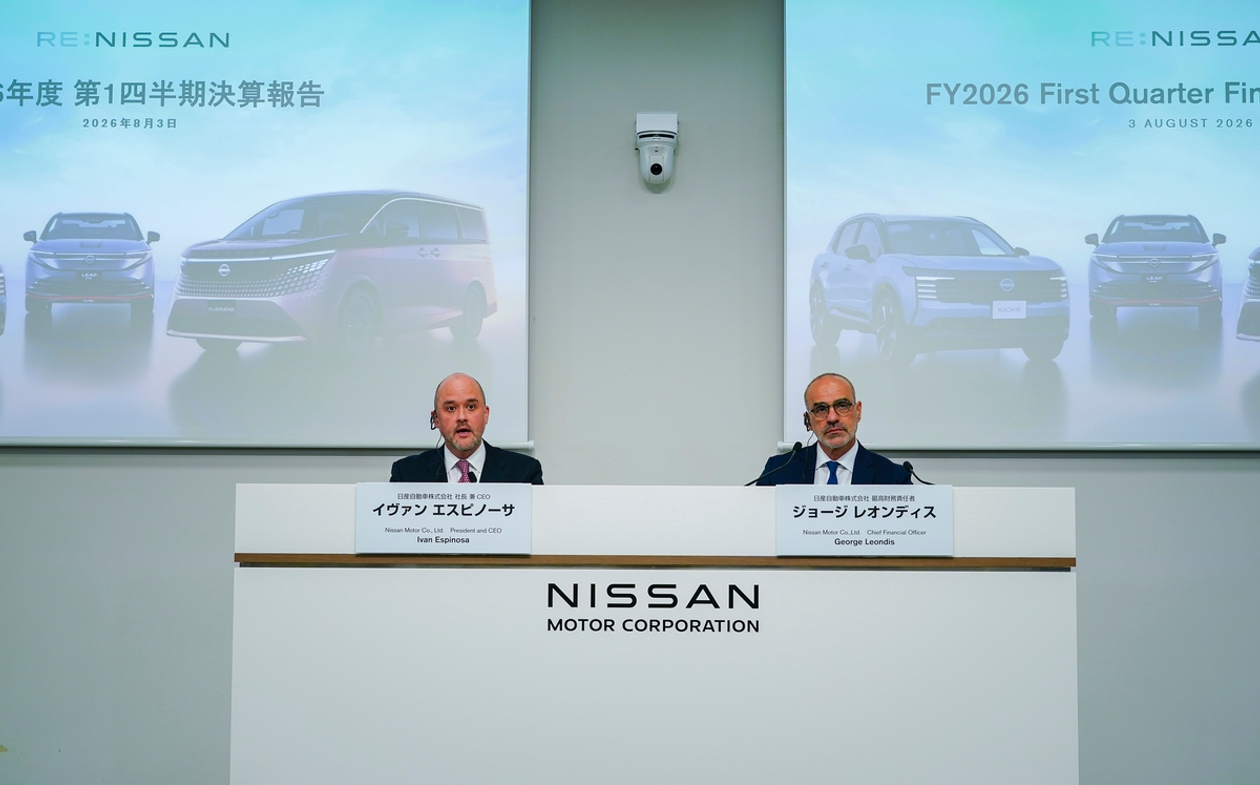
For Malaysian car enthusiasts and industry watchers, Nissan’s recovery raises questions about what lies ahead for the brand and how the Re:Nissan restructuring plan could shape its future strategy.
A year ago, Nissan was struggling with operating losses. However, in the first quarter of fiscal year 2026, the automaker managed to improve its financial performance, supported by strict cost controls, favourable foreign exchange movements and manufacturing improvements.
The table below compares Nissan's Q1 FY2026 financial results with the same period last year:
|
Financial Item |
Q1 FY2026 |
Q1 FY2025 |
YoY Change |
|
Consolidated Revenue |
JPY 2.964 trillion |
JPY 2.707 trillion |
Up approx. 9.5% |
|
Operating Profit |
JPY 77.889 billion |
-JPY 79.124 billion |
Improved by over JPY 150 billion |
|
Ordinary Profit |
JPY 49.094 billion |
-JPY 109.231 billion |
Returned to the black |
|
Net Income |
JPY 3.761 billion |
-JPY 115.758 billion |
Returned to the black |
|
Global Sales |
701,000 units |
—— |
Under pressure |
The results highlight a major improvement in Nissan's financial health, with operating profit improving by more than JPY 150 billion year-on-year.
That said, the company's profitability remains a challenge. While revenue was close to JPY 3 trillion, net profit was only around JPY 3.8 billion, showing that Nissan still has work to do to strengthen its margins.
Nissan's turnaround in the latest financial results was largely supported by the continued implementation of its Re:Nissan restructuring programme, which focuses on improving efficiency and cutting costs.
Cost reductions showing results
The plan saved Nissan an additional 6 billion yen during the first quarter alone, as Nissan improved efficiency in manufacturing, procurement and R&D to lower variable costs.
Strong Performance in the US and Japan
In the US market, Nissan's local production strategy continued to pay off, with retail sales rising by nearly 10% and extending its year-on-year growth streak to 16 consecutive months.
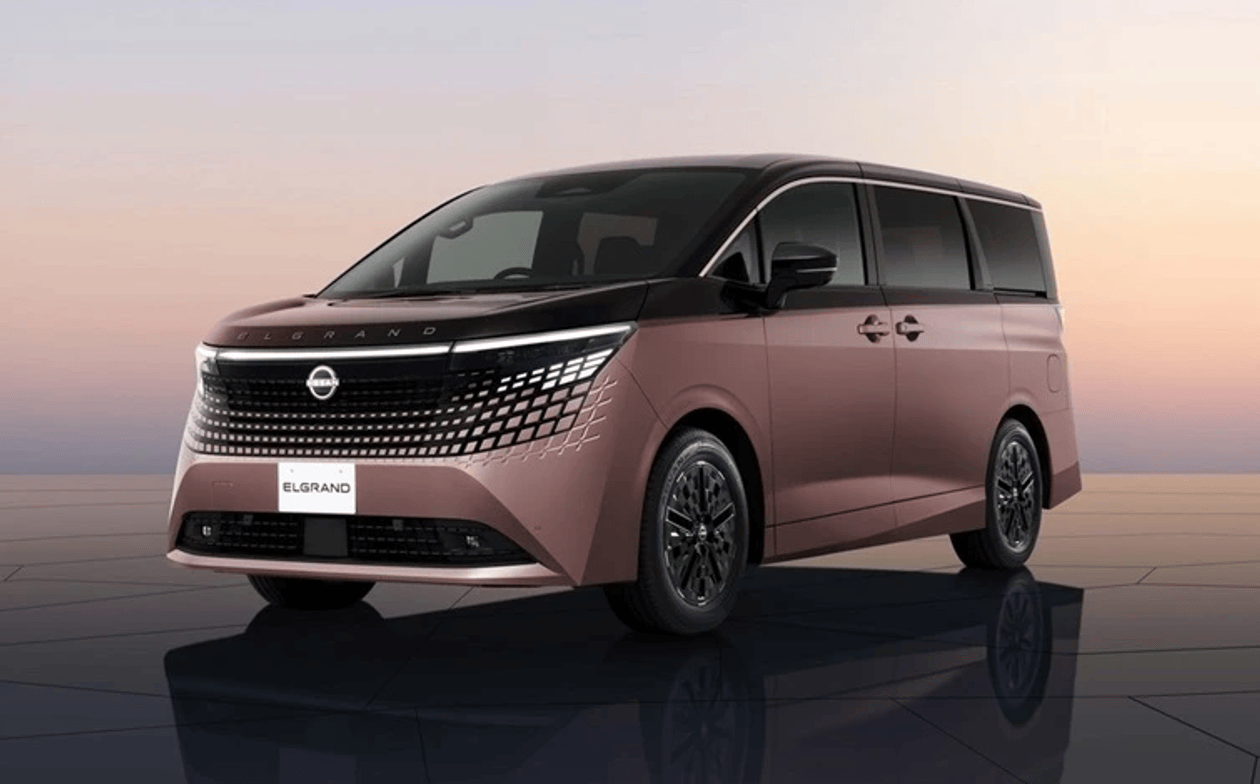
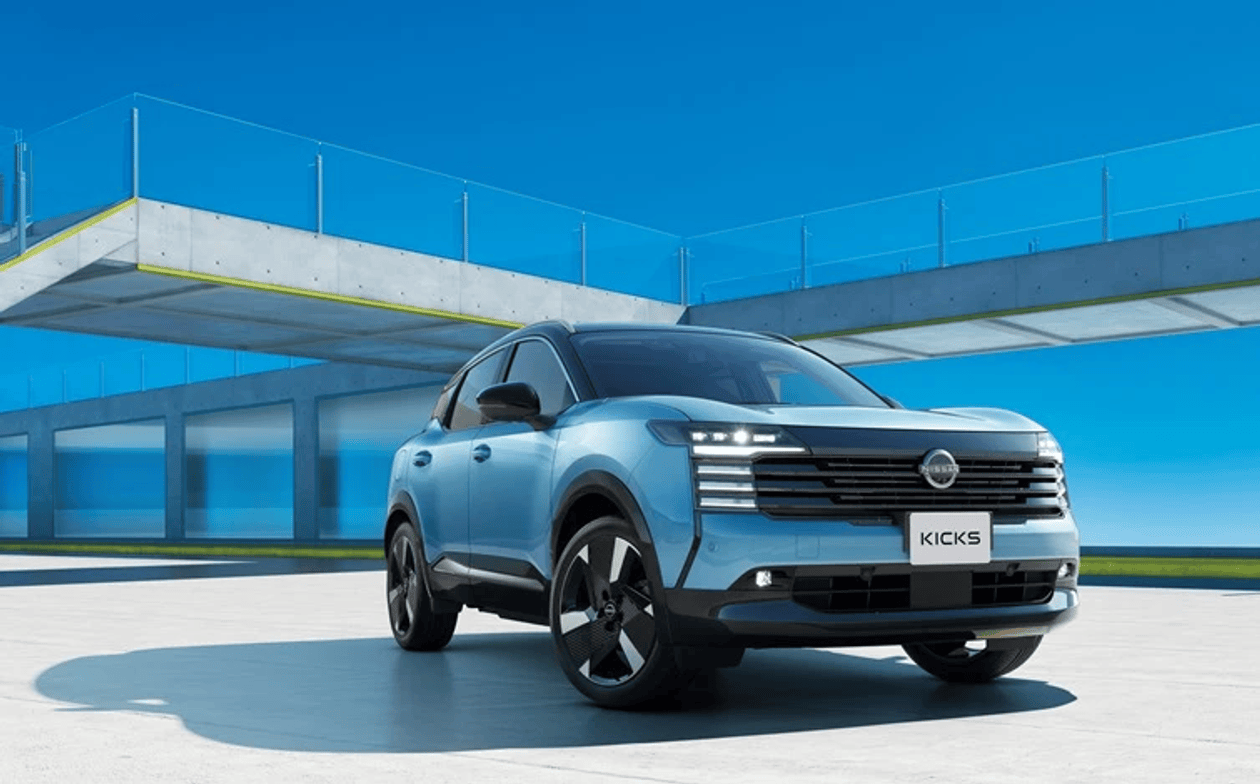
In Japan, new models such as the Kicks and flagship luxury MPV Elgrand also received strong market response. The two models have accumulated around 11,000 and 8,000 orders respectively, helping to support Nissan's recovery in its home market.
Despite the improved financial performance, Nissan remains cautious about its broader business outlook.
Amid global economic uncertainty, rising raw material costs and higher logistics expenses linked to tensions in the Middle East, Nissan has lowered its full-year FY2026 global retail sales forecast from 3.3 million units to 3.15 million units.
The impact is particularly visible in China.
Facing intense price competition from local EV makers such as BYD, Geely and Chery, along with faster consumer adoption of electric vehicles (EVs) and hybrids, Nissan has cut its China sales target by 18% to 580,000 units.
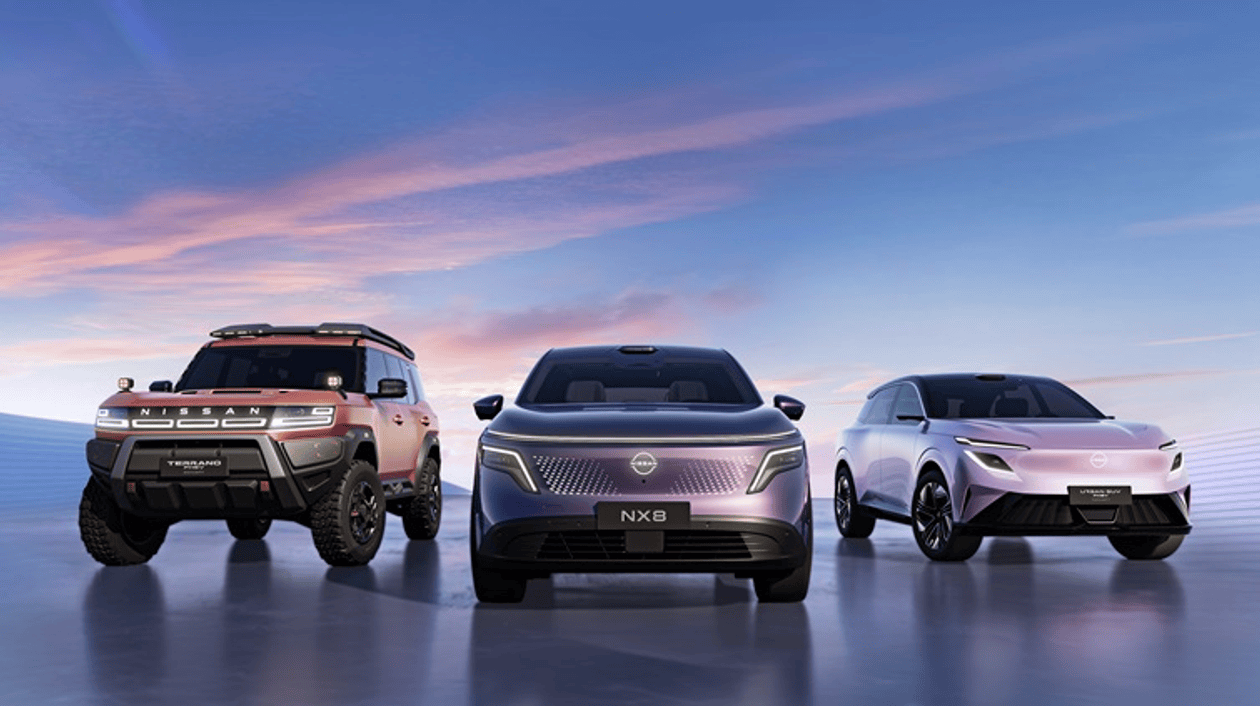
In China, Nissan is working to rebalance its business by tightening inventory management and shifting its focus towards new energy models such as the N6, N7, NX8 and Frontier Pro, as it prepares for renewed growth beyond 2027.
Despite lowering its sales target, Nissan remains confident in its full-year financial outlook and has maintained its operating profit target of JPY 200 billion (approximately RM 5.191 billion).
Back to Malaysia, Nissan (distributed locally by Edaran Tan Chong Motor) is a familiar name among local consumers. From the earlier Sentra and Almera to the recently introduced Kicks e-POWER, Nissan has built its presence locally with a reputation for fuel efficiency, comfort and practicality.
e-POWER Could Be Nissan's Next Big Move
With many consumers still having concerns about EV charging availability, Nissan's e-POWER technology offers a middle ground — delivering an EV-like driving feel without requiring external charging. The technology is becoming an important part of Nissan's electrification strategy, including in Southeast Asia.
Nissan CEO Ivan Espinosa said the company plans to introduce more models such as the Rogue e-POWER to reduce its dependence on heavy promotional discounts. For Malaysian buyers, this could mean more Nissan models with the brand's latest hybrid technology arriving in the future.
Faster Product Renewal
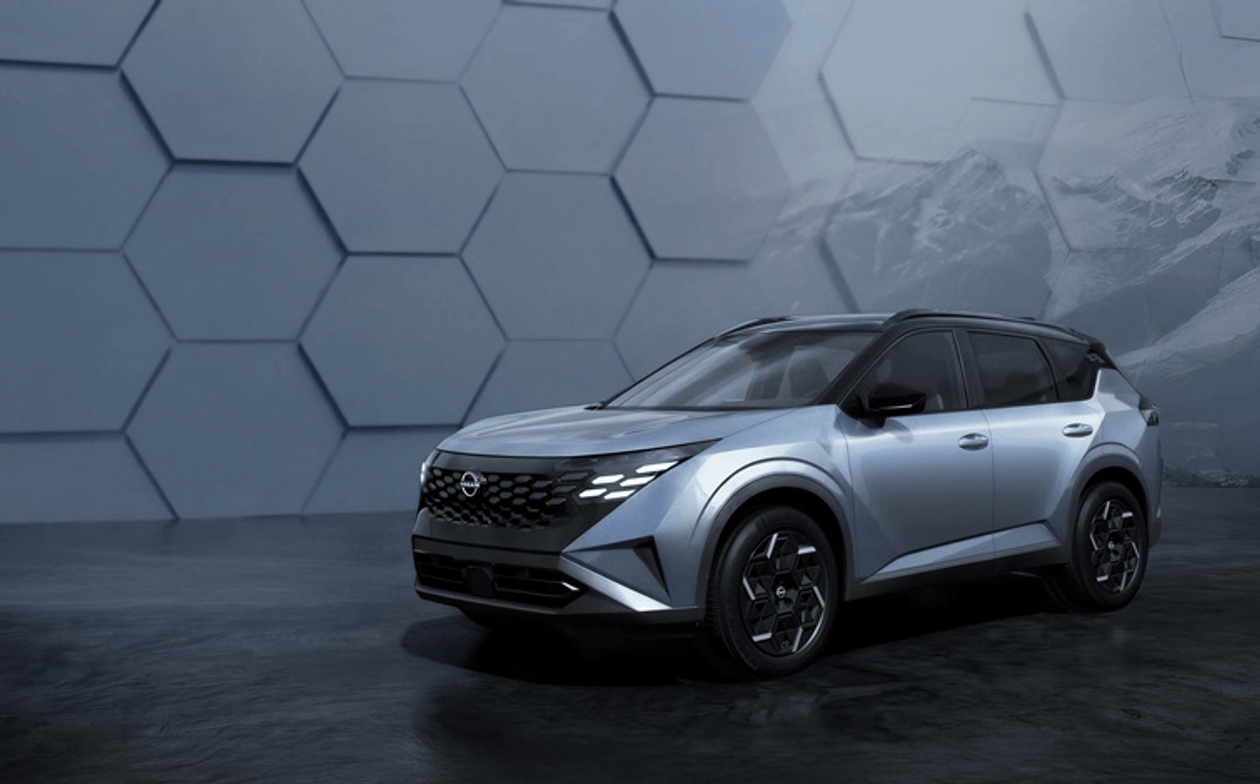
With the Elgrand and Kicks gaining strong interest in Japan, Nissan's product renewal is also worth keeping an eye on. If the brand can maintain its current progress in supply chain management and new model development, Malaysian buyers could see more updated Nissan models arriving in the future, helping to refresh a lineup that has remained relatively unchanged in recent years.
Nissan's Q1 FY2026 results show that the Re:Nissan plan is already making a difference, helping the company return to profitability after a difficult period.
There are still challenges ahead, especially with intense competition in China and the need to improve overall profitability. However, with technologies such as e-POWER and a stronger product lineup, Nissan is taking steps towards rebuilding its position in global markets, including Malaysia.
Read Also: Nissan Q1 FY2026 Financial Report

Your go-to source for all things automotive in Malaysia. 🚗 Latest reviews, breaking news, launches & industry trends.
+ Follow This weekend is your chance to own a Volvo Selekt Certified Used Car, priced from just RM 148,000.
What are you waiting for?
#volvo 1 minute ago
This weekend is your chance to own a Volvo Selekt Certified Used Car, priced from just RM 148,000.
What are you waiting for?
#volvo 1 minute ago  We saw this accident this morning, and here’s a reminder to everyone: please drive safe. 2 days ago
  The G50 BMW 3 series is now here, adopting much of the i3's design elements.
So, where's the BMW M3?
#bmw #BMW3Series 4 days ago
The G50 BMW 3 series is now here, adopting much of the i3's design elements.
So, where's the BMW M3?
#bmw #BMW3Series 4 days ago Get the latest car news first!
Your go-to source for all things automotive in Malaysia. 🚗 Latest reviews, breaking news, launches & industry trends.
This weekend is your chance to own a Volvo Selekt Certified Used Car, priced from just RM 148,000.
What are you waiting for?
#volvo 1 minute ago We saw this accident this morning, and here’s a reminder to everyone: please drive safe. 2 days ago The G50 BMW 3 series is now here, adopting much of the i3's design elements.
So, where's the BMW M3?
#bmw #BMW3Series 4 days ago  ProtonGWMVolkswagenJAECOOVolvoPeroduaToyotaHondaTESLAMitsubishiMazdaJetourCheryBYDLexusBMWMercedes-BenziCAURZeekrIsuzuNissanLeapmotorPorscheFordOMODAMINIMGSuzukiXPengHyundaiWulingKiaSubaruDenzaGACLand RoverDongfengCAMAudiPeugeotFotonMAXUSsmartDaihatsuJACJMCMaseratiLotusAlfa RomeoRenaultGolden DragonKaiceneSeresLamborghiniFerrariJeepRolls-RoyceLepasAston MartinMcLarenChevroletBentleyFiatBAICForthingGeelyRoeweAeolusChanganARCFOXDeepalExeedHongqiVoyahJaguarKGMBuforiAcuraCadillacDodgeAbarthINEOSMHEROJMEVFreelander
© 2024 Bitauto.com. All Rights Reserved.
Bitauto (www.yiche.com and www.bitauto.com) is one of the most visited automotive websites in China. We provide detailed info on Chinese car brands available in your area. Please note that the information provided on this website is based on publicly available data and is for reference only. It may not be fully updated or accurate at all times.
Help us improve our website


