Nissan Motor Co., Ltd. has released its official global production, sales and export figures for June 2026 and the first half of 2026 (January to June).
The latest figures show a clear contrast across different markets. Nissan saw stronger sales in the US and Japan's Kei car segment, but its overall global performance was affected by a sharp decline in China, where tougher competition and the rapid shift towards electrification have put more pressure on the brand.
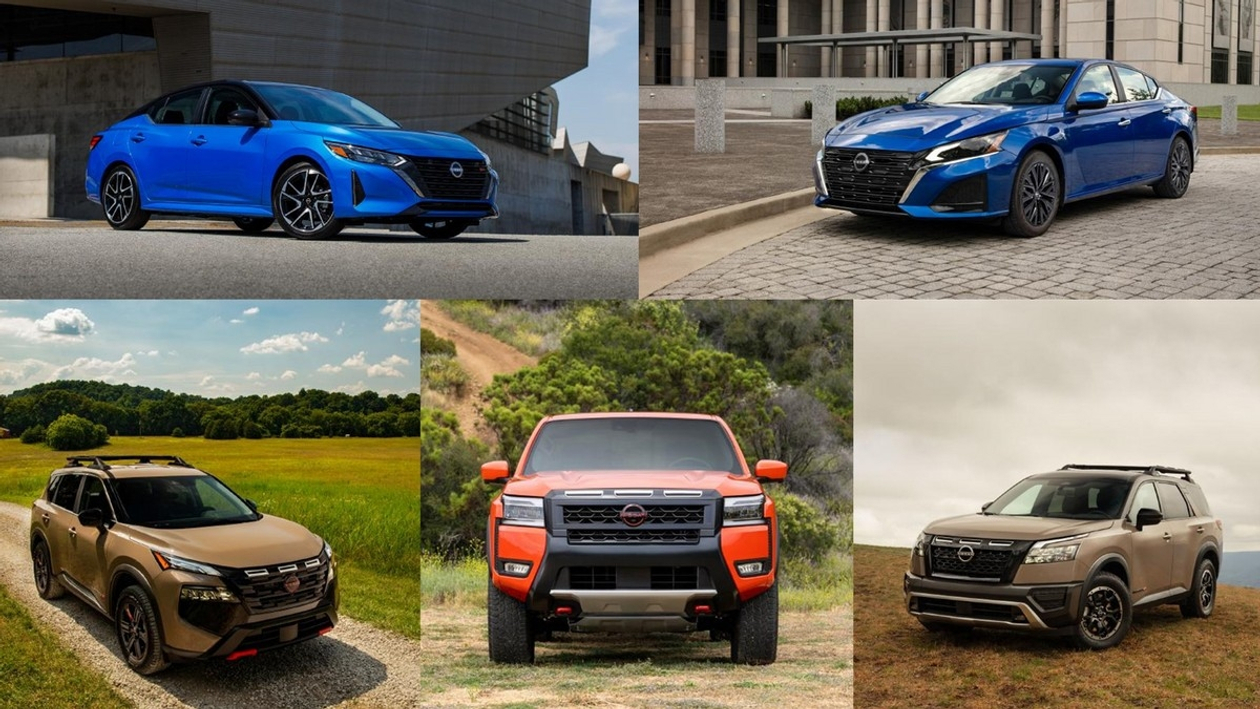
For Malaysian buyers and fans of Japanese cars, Nissan's latest results highlight the challenges and opportunities facing the brand in a rapidly changing automotive landscape.
So, how could these global developments affect Edaran Tan Chong Motor (ETCM) and Nissan's direction in Malaysia?
Nissan's latest data shows that global production remained under pressure in the first half of 2026.
Global and Major Market Production Figures (Units)
|
Production Location |
June 2026 |
YoY Change (%) |
H1 2026 (Jan-Jun) |
YoY Change (%) |
H1 2025 (Jan-Jun) |
|
Japan (Passenger Vehicles) |
45,539 |
+2.9% |
258,426 |
-1.0% |
260,926 |
|
Japan (Commercial Vehicles) |
4,083 |
-13.5% |
29,786 |
-3.4% |
30,847 |
|
Japan Total |
49,622 |
+1.3% |
288,212 |
-1.2% |
291,773 |
|
USA |
47,586 |
+39.4% |
303,677 |
+24.2% |
244,541 |
|
Mexico |
48,127 |
-18.6% |
253,572 |
-25.8% |
341,530 |
|
UK |
22,849 |
-7.1% |
133,605 |
+0.3% |
133,148 |
|
China |
28,226 |
-49.7% |
224,070 |
-16.3% |
267,796 |
|
Other Regions* |
17,630* |
-35.6% |
117,562* |
-15.2% |
160,252 |
|
Total Overseas Production |
164,418* |
-18.3% |
1,032,486* |
-8.3% |
1,147,267 |
|
Global Total Production |
214,040* |
-14.5% |
1,320,698* |
-6.8% |
1,439,040 |
*Note: "Other regions" includes Taiwan, Thailand, South Africa, Brazil, India, Egypt and Argentina, excluding CKD assembly.
China Market Faces Growing Pressure
In June 2026, Nissan's production in China fell 49.7% year-on-year, nearly halving from a year earlier, while output for the first half of the year declined 16.3%. The sharp drop highlights the mounting pressure on traditional automakers as China's EV and PHEV market becomes increasingly competitive.
US Operations Provide a Much-Needed Boost
In contrast to the weaker performance in China, Nissan's US production recorded strong growth. Output in the first half of the year rose 24.2% to 303,000 units, while June production jumped 39.4% year-on-year.
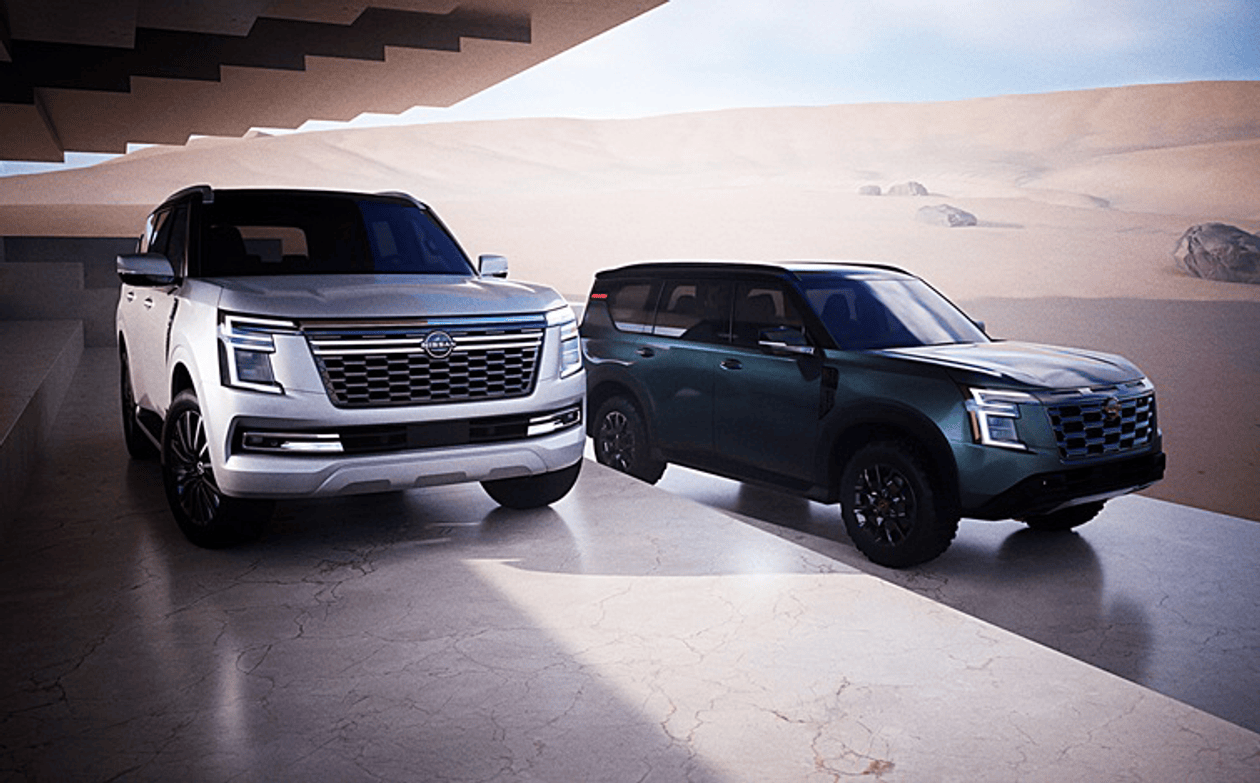
On the sales side, Nissan's global performance was also shaped by significant differences across key markets.
Global Sales by Major Market (Units)
|
Sales Region / Market |
June 2026 |
YoY Change (%) |
H1 2026 (Jan-Jun) |
YoY Change (%) |
H1 2025 (Jan-Jun) |
|
Japan Registered Vehicles (Passenger) |
17,538 |
+2.5% |
98,863 |
-9.0% |
108,610 |
|
Japan Registered Vehicles (Commercial) |
2,736 |
-30.3% |
20,410 |
-18.9% |
25,154 |
|
Japan Registered Subtotal |
20,274 |
-3.6% |
119,273 |
-10.8% |
133,764 |
|
Japan Kei Cars (Minivehicles) |
17,050 |
+21.8% |
97,962 |
+13.0% |
86,656 |
|
Japan Total (incl. Kei Cars) |
37,324 |
+6.5% |
217,235 |
-1.4% |
220,420 |
|
USA |
77,715 |
+8.1% |
489,809 |
+0.3% |
488,526 |
|
Canada |
8,587 |
-14.9% |
51,921 |
-13.9% |
60,306 |
|
North America Total |
105,754 |
+2.3% |
670,075 |
-1.2% |
678,393 |
|
Europe |
27,891 |
-9.4% |
164,514 |
-12.4% |
187,832 |
|
China |
37,591 |
-30.2% |
237,458 |
-15.0% |
279,471 |
|
Others |
31,785 |
-18.8% |
216,770 |
-12.5% |
247,682 |
|
Total Overseas Sales |
203,021 |
-10.6% |
1,288,817 |
-7.5% |
1,393,378 |
|
Global Total Sales |
240,345 |
-8.3% |
1,506,052 |
-6.7% |
1,613,798 |
Japan: Kei Cars Help Nissan Buck the Downward Trend
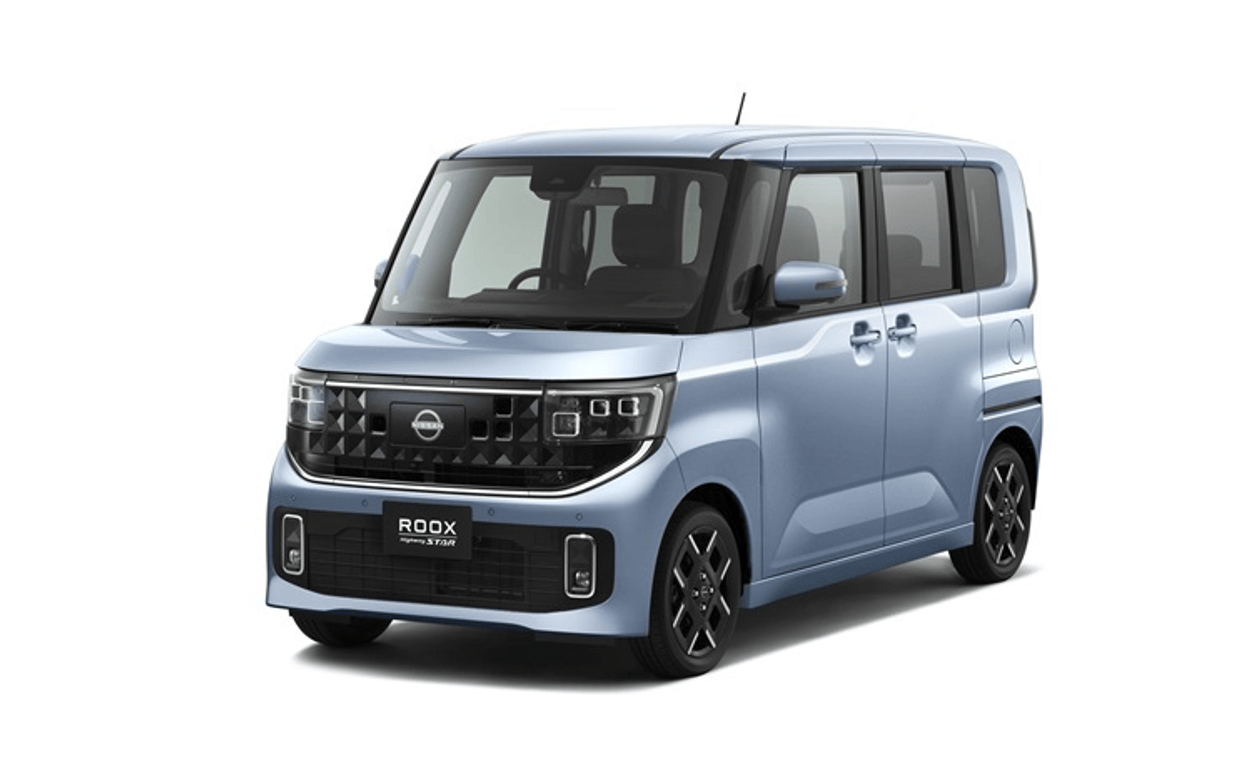
In Japan, Nissan's Kei car business has been one of the few areas showing growth. With consumers paying more attention to affordability and fuel economy, demand for small cars has remained strong.
In the first half of 2026, Nissan's Kei car sales in Japan increased by 13.0% year-on-year, while June sales jumped 21.8%. The growth helped cushion the 10.8% decline in sales of regular passenger cars.
China: Tough Competition Weighs on Nissan Sales
Nissan's sales in China remained under pressure, falling 15.0% year-on-year in the first half of 2026. The decline widened in June, with monthly sales dropping 30.2%.
As local EV makers continue to expand rapidly and intensify price competition, traditional automakers are facing a tougher battle in the Chinese market. For Nissan, accelerating its progress in electrification and intelligent driving will be key to improving its competitiveness.
Nissan's Export Performance by Region (Units)
|
Destination |
June 2026 |
YoY Change (%) |
H1 2026 (Jan-Jun) |
YoY Change (%) |
H1 2025 (Jan-Jun) |
|
North America |
12,653 |
+93.8% |
80,305 |
+22.2% |
65,735 |
|
Europe |
1,159 |
-62.7% |
8,406 |
-51.0% |
17,151 |
|
Others |
14,971 |
+3.5% |
80,677 |
+6.2% |
75,973 |
|
Total Japan Exports |
28,783 |
+19.4% |
169,388 |
+6.6% |
158,859 |
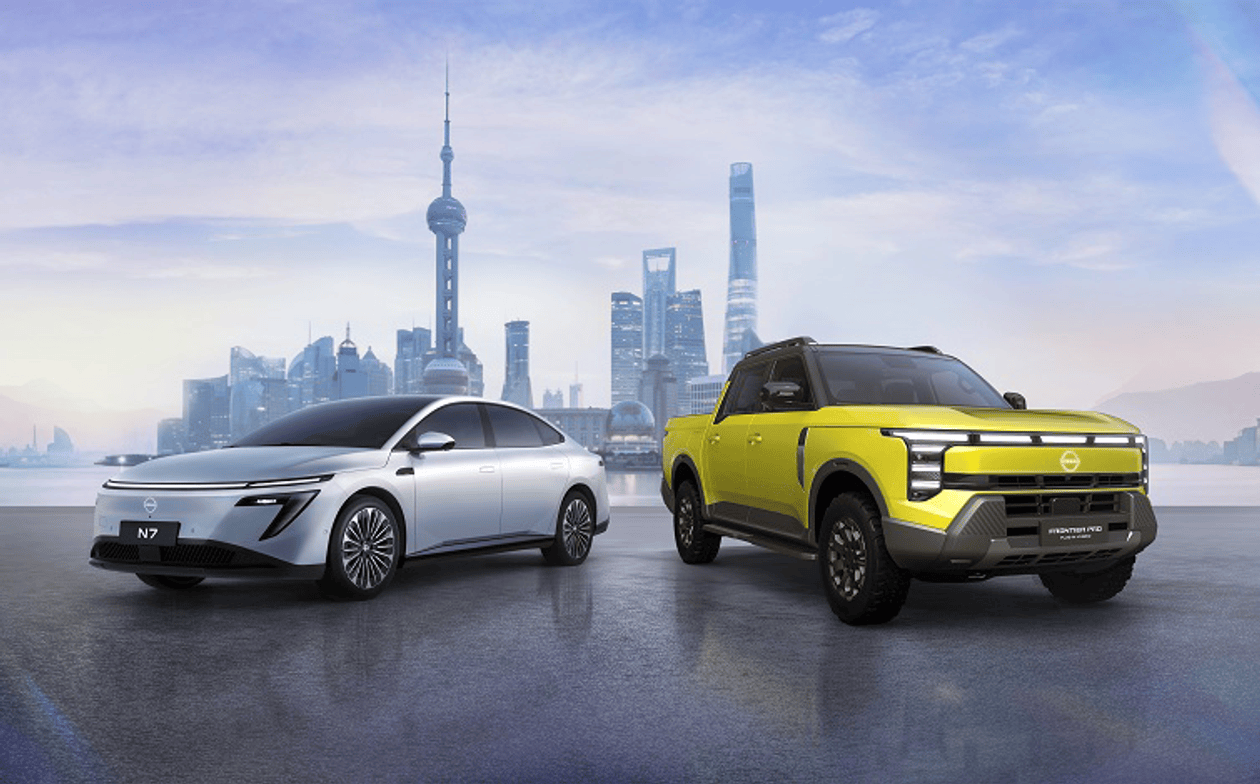
North America was the strongest export market for Nissan's Japan-built vehicles. Exports to the region rose 22.2% in the first half of 2026, while June alone saw a 93.8% increase compared with the same period last year.
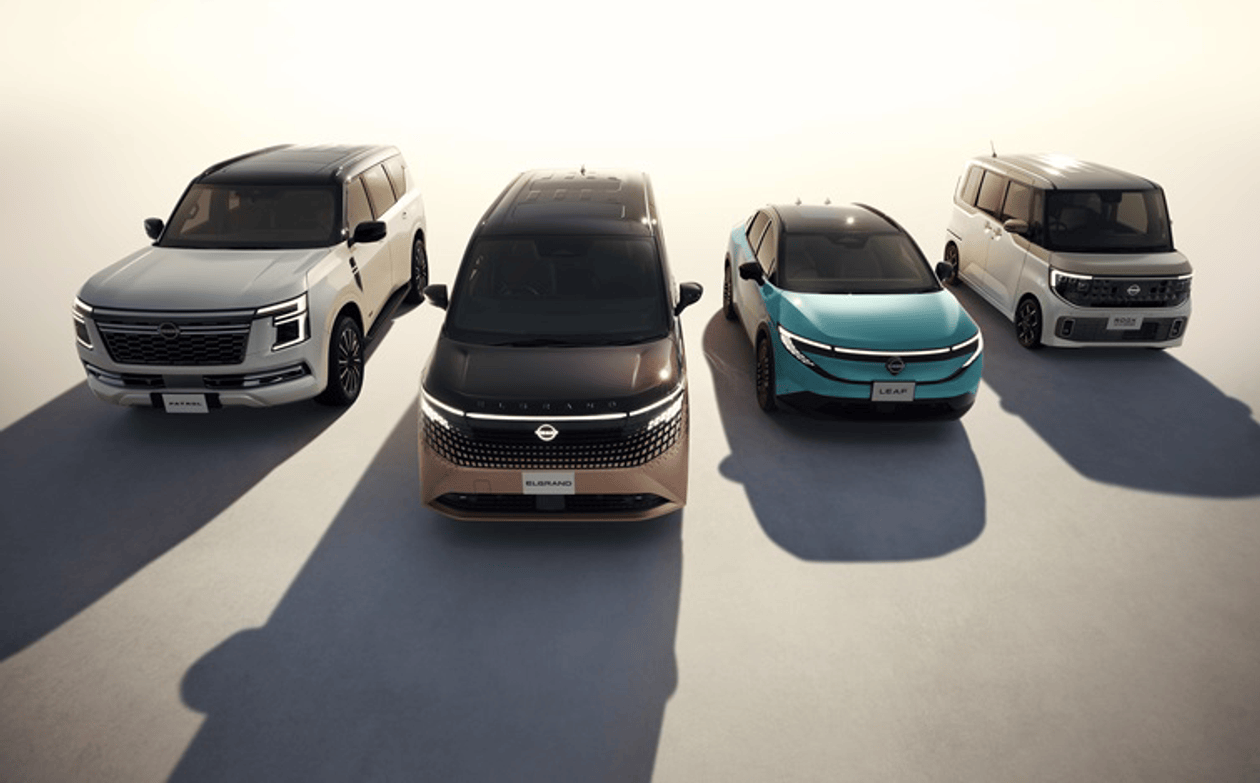
In Malaysia, Nissan is facing a tougher market than before. Represented by Edaran Tan Chong Motor (ETCM), the brand is competing against strong local players such as Perodua and Proton, while Chinese brands including Chery, BYD and GWM are rapidly expanding their presence, especially in the EV market.
With Nissan focusing on restructuring and cutting costs globally, bringing more electrified models to Malaysia, including SUVs with e-POWER technology, will be crucial to keeping the brand competitive.
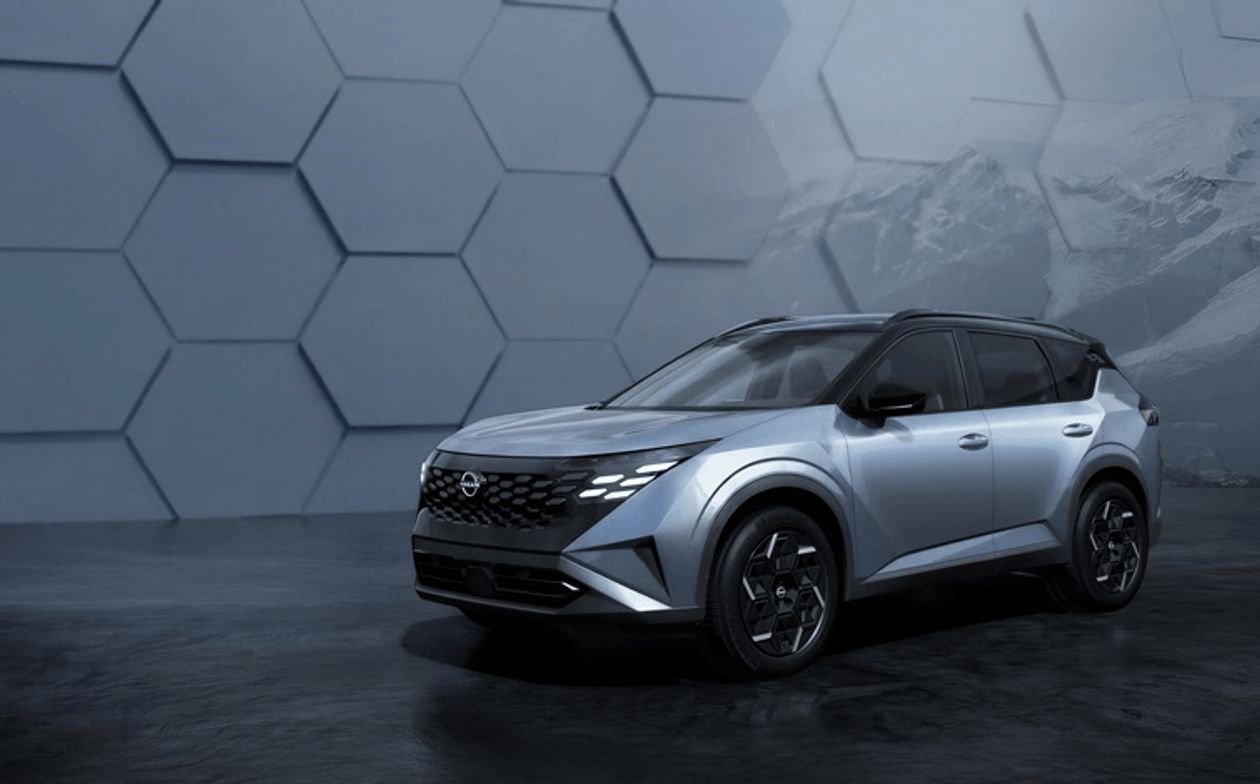
Can e-POWER Find Success in Malaysia?
With Malaysia continuing to encourage electrification through EV and hybrid incentives, Nissan's e-POWER technology could offer a practical middle ground for local buyers. The system delivers an EV-like driving experience without requiring external charging, which suits the current stage of Malaysia’s charging infrastructure development.
However, with Chinese EV brands competing aggressively on pricing, Nissan will need to offer stronger value through competitive pricing, technology and features.
Changing Consumer Priorities
Similar to trends seen in Japan and the US, Malaysian buyers are becoming more focused on running costs as living expenses continue to rise. Fuel efficiency, long-term reliability and resale value are now playing a bigger role in purchase decisions.
Nissan's reputation for comfortable seats, including its Zero Gravity Seats, and fuel-efficient models remain key strengths that continue to appeal to its loyal customer base in Malaysia.
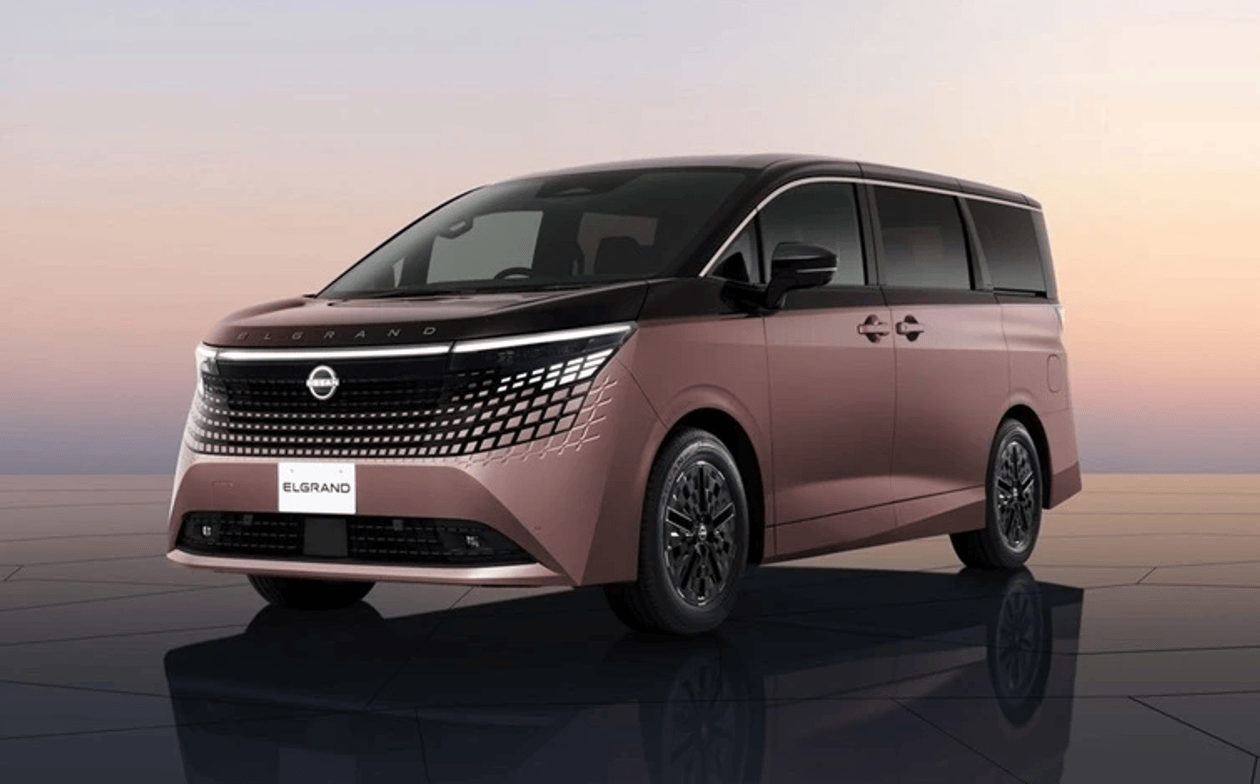
Nissan's first half of 2026 showed both the challenges and opportunities ahead. The slowdown in China is a major concern, but stronger performance in North America has given the brand room to recover.
For markets like Malaysia, the key question is whether Nissan can bring more relevant electrified models, such as e-POWER-equipped vehicles, to meet changing consumer needs.

Your go-to source for all things automotive in Malaysia. 🚗 Latest reviews, breaking news, launches & industry trends.
+ Follow We saw this accident this morning, and here’s a reminder to everyone: please drive safe. 2 days ago
  The G50 BMW 3 series is now here, adopting much of the i3's design elements.
So, where's the BMW M3?
#bmw #BMW3Series 4 days ago
The G50 BMW 3 series is now here, adopting much of the i3's design elements.
So, where's the BMW M3?
#bmw #BMW3Series 4 days ago  DRIFT PARTY in Malaysia! Can the Xiaomi SU7, Yangwang U8 mix it up against JDM favourites in KL?
Our adventure with the Xiaomi SU7 and Yangwang U8 brings us to APDCrew circuit as we give witness a drift show. With pro drifters and fan-favourites - RX7s, S15s, Skylines, Supras, and more - in the mix, can our Xiaomi SU7 and Yangwang U8 hold their own?
It's also a quick look at Malaysian car culture, including some wildly modified minivans, and more!
#drift #malaysia #xiaomisu7 #yangwangu8 #larrychen #drifting #JDM跑車 4 days ago
DRIFT PARTY in Malaysia! Can the Xiaomi SU7, Yangwang U8 mix it up against JDM favourites in KL?
Our adventure with the Xiaomi SU7 and Yangwang U8 brings us to APDCrew circuit as we give witness a drift show. With pro drifters and fan-favourites - RX7s, S15s, Skylines, Supras, and more - in the mix, can our Xiaomi SU7 and Yangwang U8 hold their own?
It's also a quick look at Malaysian car culture, including some wildly modified minivans, and more!
#drift #malaysia #xiaomisu7 #yangwangu8 #larrychen #drifting #JDM跑車 4 days ago Get the latest car news first!
Your go-to source for all things automotive in Malaysia. 🚗 Latest reviews, breaking news, launches & industry trends.
We saw this accident this morning, and here’s a reminder to everyone: please drive safe. 2 days ago The G50 BMW 3 series is now here, adopting much of the i3's design elements.
So, where's the BMW M3?
#bmw #BMW3Series 4 days ago DRIFT PARTY in Malaysia! Can the Xiaomi SU7, Yangwang U8 mix it up against JDM favourites in KL?
Our adventure with the Xiaomi SU7 and Yangwang U8 brings us to APDCrew circuit as we give witness a drift show. With pro drifters and fan-favourites - RX7s, S15s, Skylines, Supras, and more - in the mix, can our Xiaomi SU7 and Yangwang U8 hold their own?
It's also a quick look at Malaysian car culture, including some wildly modified minivans, and more!
#drift #malaysia #xiaomisu7 #yangwangu8 #larrychen #drifting #JDM跑車 4 days ago  ProtonGWMVolkswagenJAECOOVolvoPeroduaToyotaHondaTESLAMitsubishiMazdaJetourCheryBYDLexusBMWMercedes-BenziCAURZeekrIsuzuNissanLeapmotorPorscheFordOMODAMINIMGSuzukiXPengHyundaiWulingKiaSubaruDenzaGACLand RoverDongfengCAMAudiPeugeotFotonMAXUSsmartDaihatsuJACJMCMaseratiLotusAlfa RomeoRenaultGolden DragonKaiceneSeresLamborghiniFerrariJeepRolls-RoyceLepasAston MartinMcLarenChevroletBentleyFiatBAICForthingGeelyRoeweAeolusChanganARCFOXDeepalExeedHongqiVoyahJaguarKGMBuforiAcuraCadillacDodgeAbarthINEOSMHEROJMEVFreelander
© 2024 Bitauto.com. All Rights Reserved.
Bitauto (www.yiche.com and www.bitauto.com) is one of the most visited automotive websites in China. We provide detailed info on Chinese car brands available in your area. Please note that the information provided on this website is based on publicly available data and is for reference only. It may not be fully updated or accurate at all times.
Help us improve our website


