In July 2026, an interesting trend emerged in the Malaysian SUV sales charts. The Perodua Traz topped the SUV sales chart for the month with 2,244 registrations.
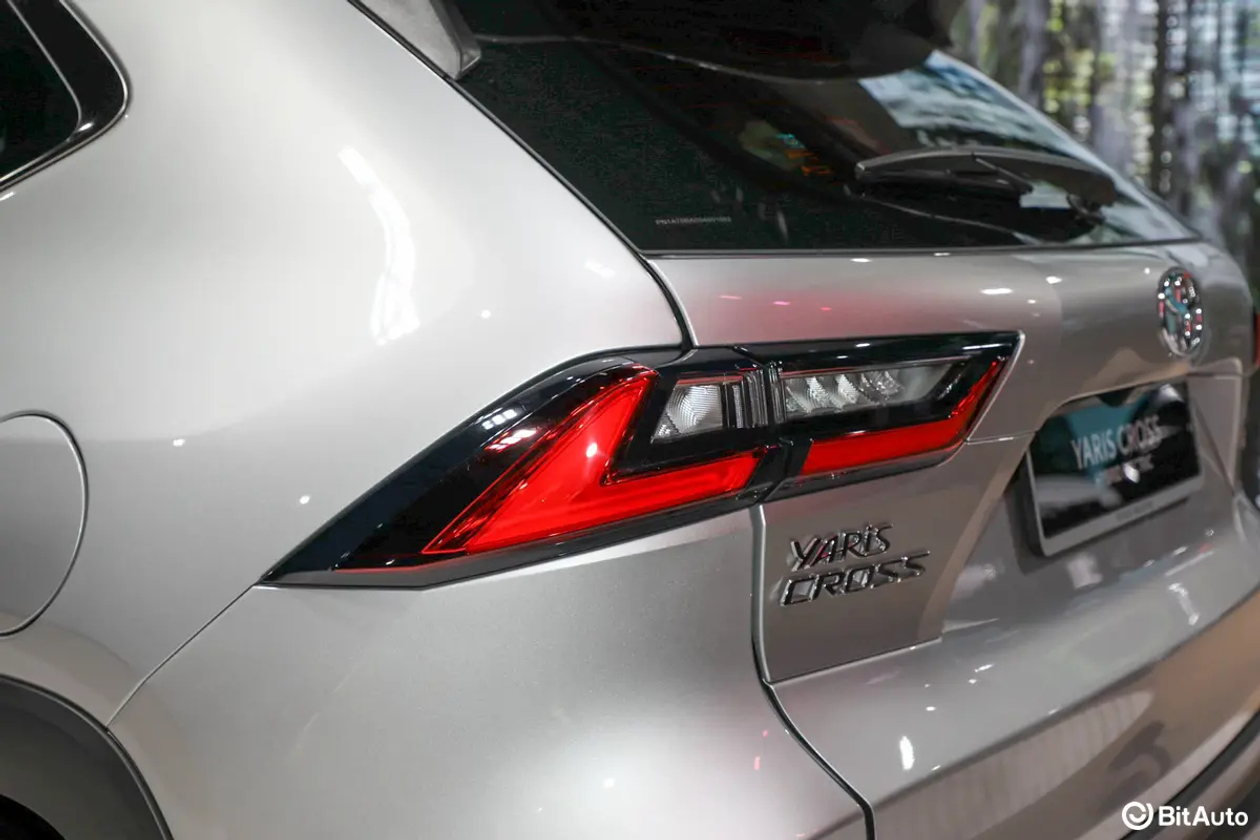
Its sibling, the Toyota Yaris Cross, recorded 1,381 registrations during the same period, placing fourth. Together, both models contributed 3,625 units, capturing nearly 16% of the SUV market share for the month.
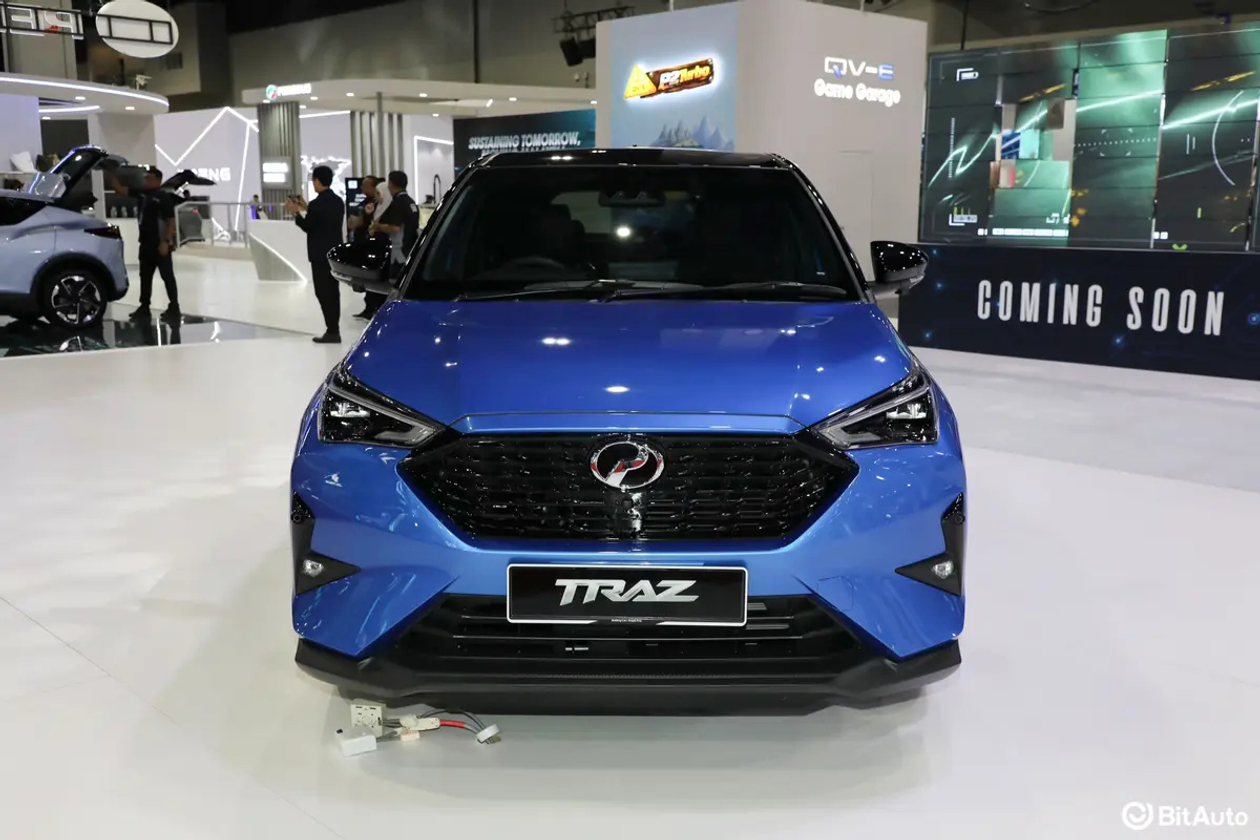
On the surface, the Traz significantly outsold the Yaris Cross. However, once you factor in pricing, the story is not that simple.
The Traz X variant is priced at RM76,100, while the H variant goes for RM81,100 (rising to RM82,000 for the dual-tone paint job). The Yaris Cross petrol variant retails at RM99,900, while the hybrid version is priced at RM109,900.
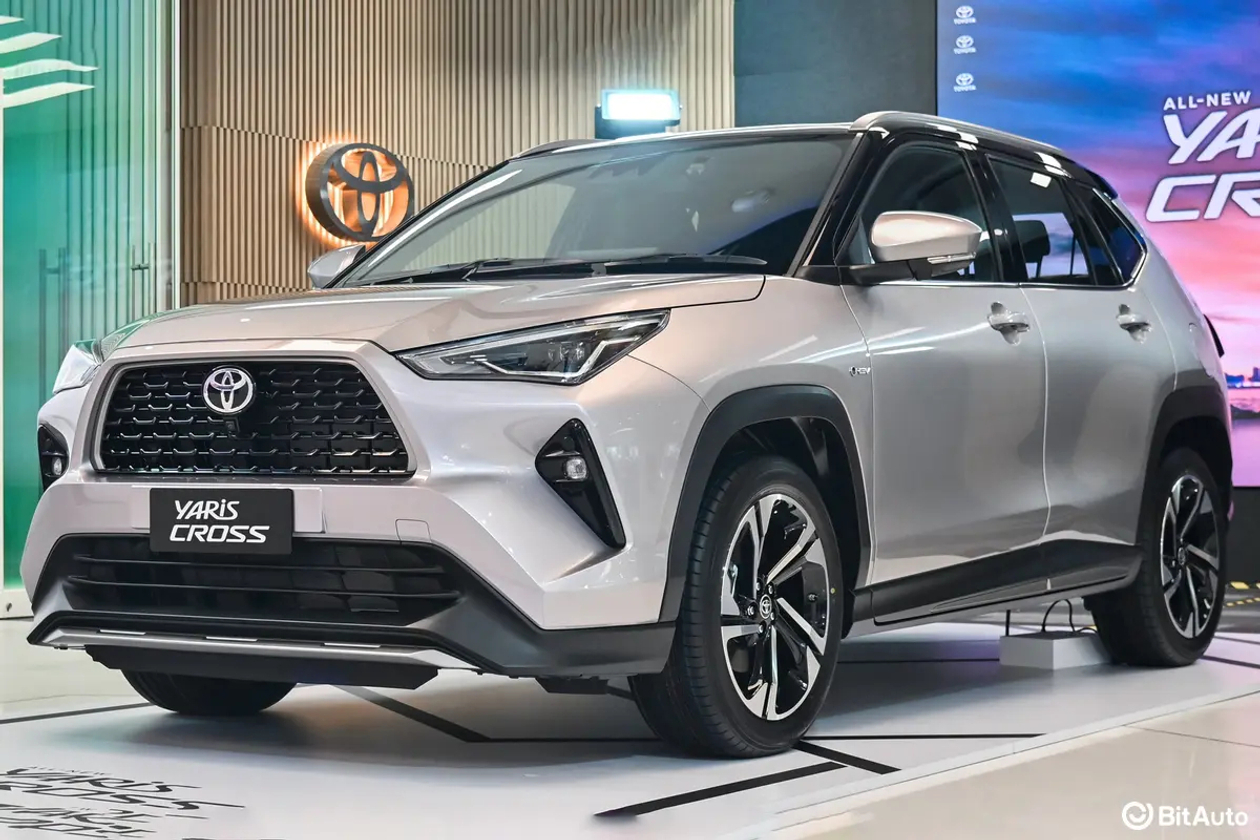
This means the entry-level Yaris Cross is nearly RM18,000 pricier than the range-topping Traz H. When compared to the base Traz X, the price gap widens to nearly RM24,000.
For two cars rolling off the same production line with different badges, that is a price premium of close to RM24,000.
So, what exactly does this extra money get you?
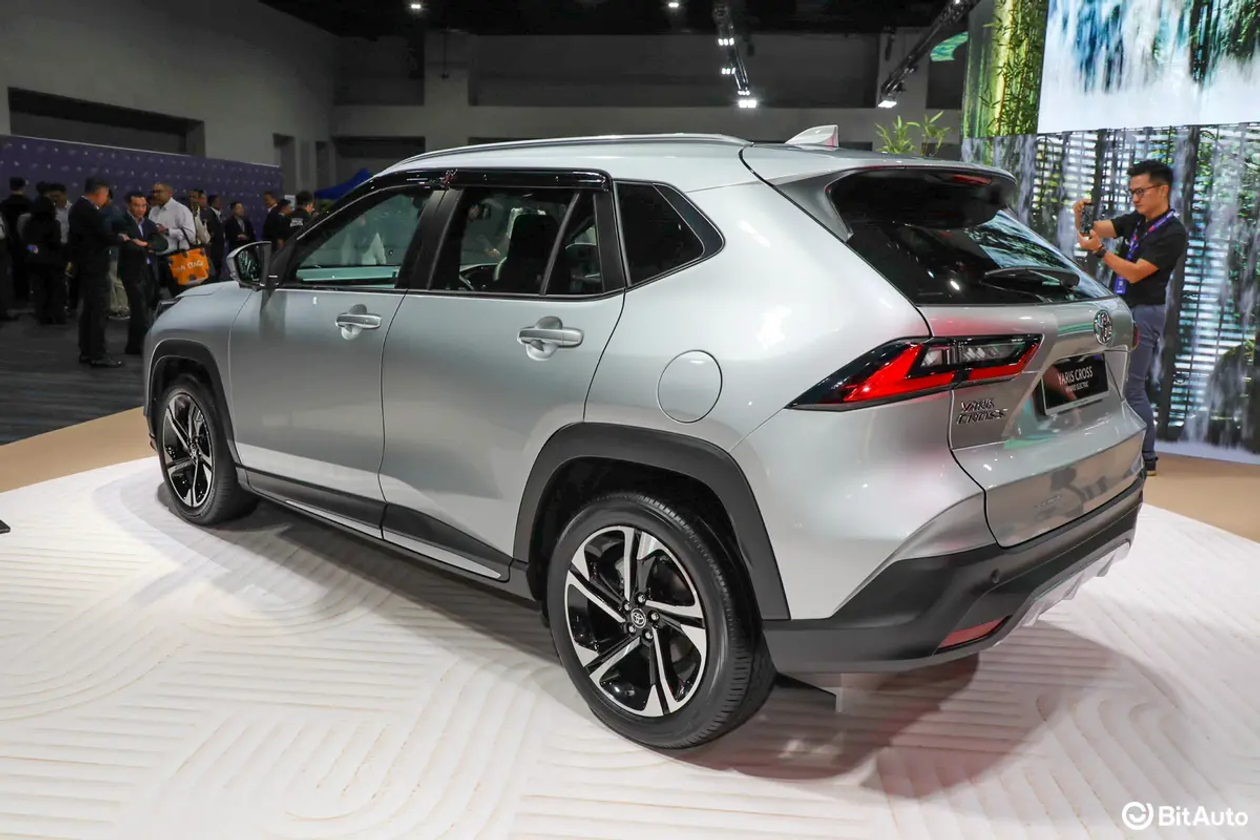
Let us establish one fact first: both cars share the same DNGA platform.
They share identical dimensions, measuring 4,310 mm in length and 1,770 mm in width, with a 2,620 mm wheelbase. Both offer 471 litres of boot space and a ground clearance of 210 mm.
Mechanically, they are essentially the same car.
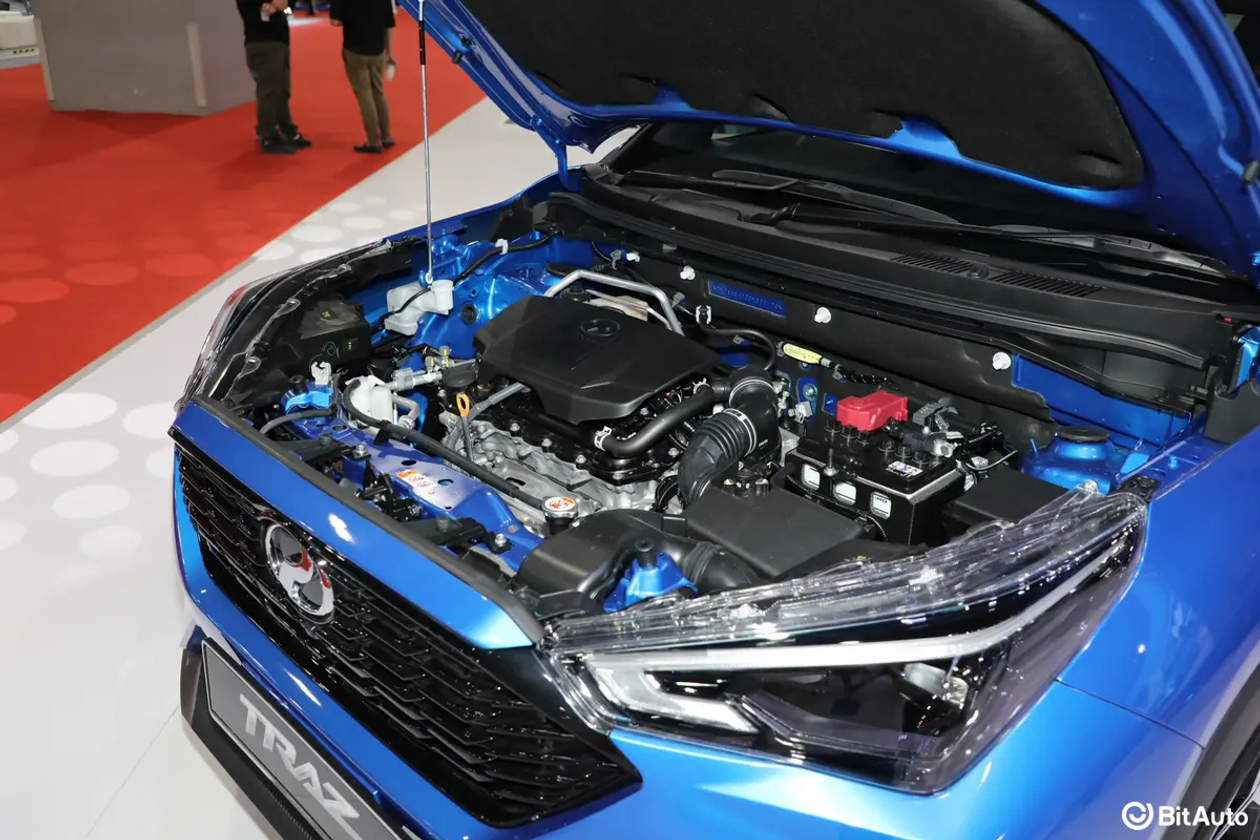
The Traz is powered by a 1.5-litre naturally aspirated engine (coded 2NR-VE) producing 106 PS and 138 Nm of torque. The petrol-powered Yaris Cross uses the exact same engine, delivering the same 106 PS and 138 Nm. Both send power to the wheels via a Daihatsu-developed D-CVT gearbox.
In other words, there is absolutely no difference under the bonnet of the two cars.
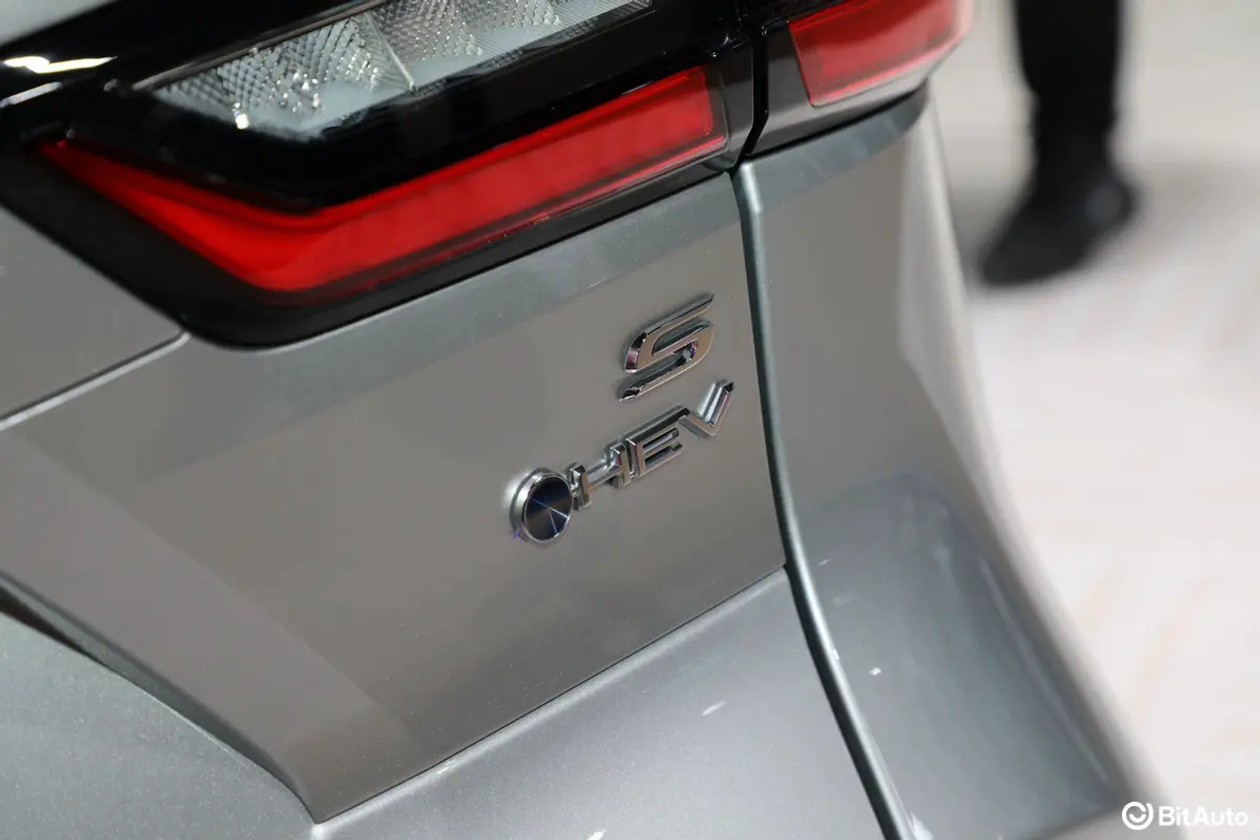
The only major difference is the hybrid variant of the Yaris Cross, which is not offered on the Traz. It pairs an Atkinson-cycle engine (coded 2NR-VEX) with an electric motor for a combined output of 111 PS.
Shared with the Vios Hybrid, this powertrain promises superior fuel economy. However, it requires a further RM10,000 premium, bumping the price from RM99,900 to RM109,900.
Since the mechanical underpinnings are identical, the price difference lies entirely in the equipment list.
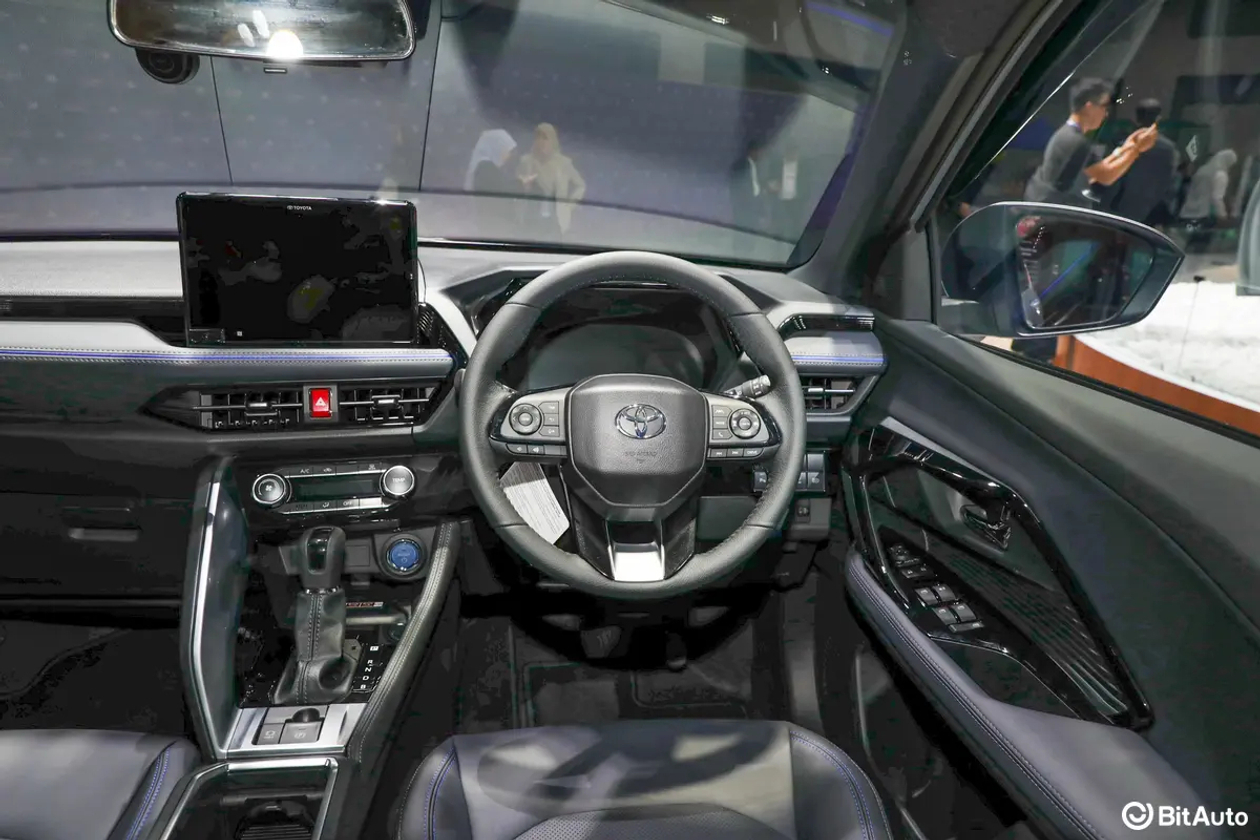
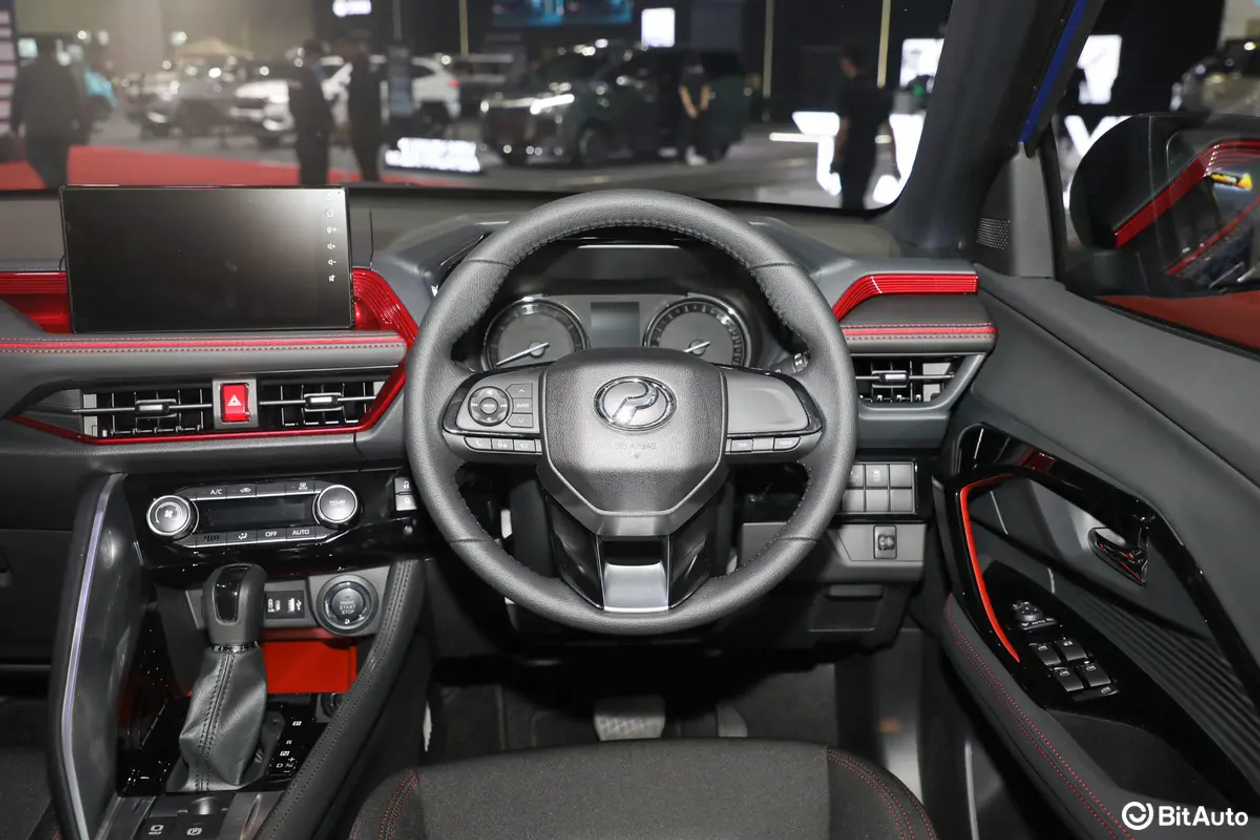
Compared to the Traz, the Yaris Cross gains a 7-inch digital instrument cluster, a larger 10.1-inch infotainment touchscreen with wireless Apple CarPlay and Android Auto (the Traz gets a smaller 9-inch unit), ambient lighting, and a power-adjustable driver's seat.
The Traz misses out on all of these.
The safety kit gap is even more significant.
The Yaris Cross comes standard with the full Toyota Safety Sense (TSS) suite across all variants, which includes a Pre-Collision System, full-speed Adaptive Cruise Control (ACC), Lane Keeping Control, Blind Spot Monitor, Rear Cross Traffic Alert, Automatic High Beam, and a 360-degree Panoramic View Monitor.
In contrast, while the Traz offers six airbags and the ASA 3.0 autonomous emergency braking system, it lacks advanced driver assistance systems (ADAS) like ACC and Lane Keeping Control.
It is a straightforward trade-off: Perodua omitted these high-end ADAS features to keep the entry price low, whereas Toyota packed them in and added the premium brand badge.
The ASEAN NCAP crash test results revealed an interesting outcome.
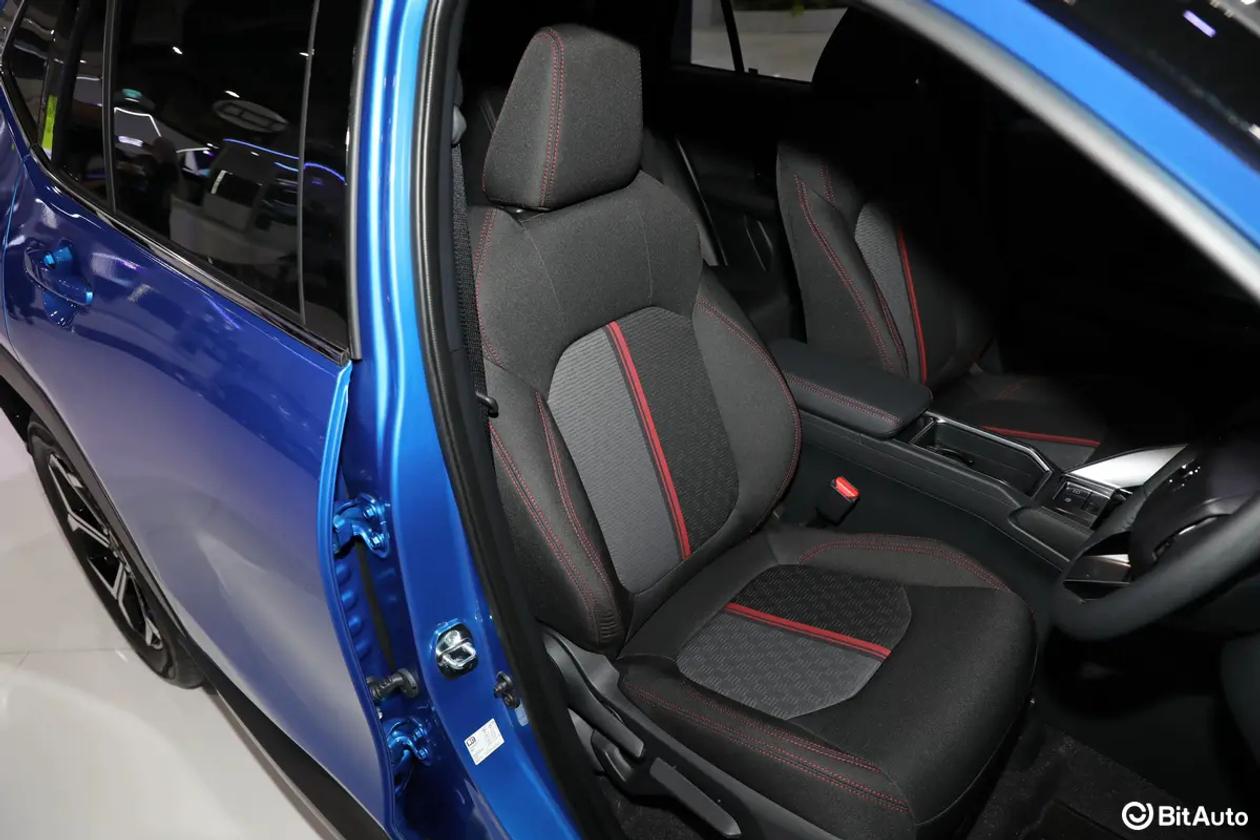
Both models achieved a full 5-star rating. The Perodua Traz scored an overall 86.86 points, outperforming the Toyota Yaris Cross which scored 83.02 points. The Traz performed better in both Adult Occupant Protection (AOP) and Child Occupant Protection (COP) assessments.
One would expect the pricier Yaris Cross to score higher. However, this result proves that the Traz does not compromise on basic structural rigidity and passive safety—it is actually slightly better. The RM20,000 price premium pays for active safety tech, not a stronger chassis.
Over a five-year or 100,000 km ownership period, the total official maintenance cost for the Traz is RM3,534.87. Over at Toyota, buyers are offered prepaid service packages—RM2,350 for 3 years/60,000 km and RM3,650 for 5 years/100,000 km.
On paper, Toyota's service package appears slightly cheaper than the accumulated service costs of the Traz.
However, keep in mind that Toyota's package must be paid upfront, whereas Perodua's RM3,534.87 represents the total pay-as-you-go cost for all scheduled maintenance items. In reality, the difference is negligible.
As for road tax, both petrol models feature a 1.5-litre displacement, attracting an annual road tax of RM90. The Yaris Cross Hybrid also incurs the same RM90 annual fee since its engine capacity is identical.
This is where the Traz faces its toughest hurdle.
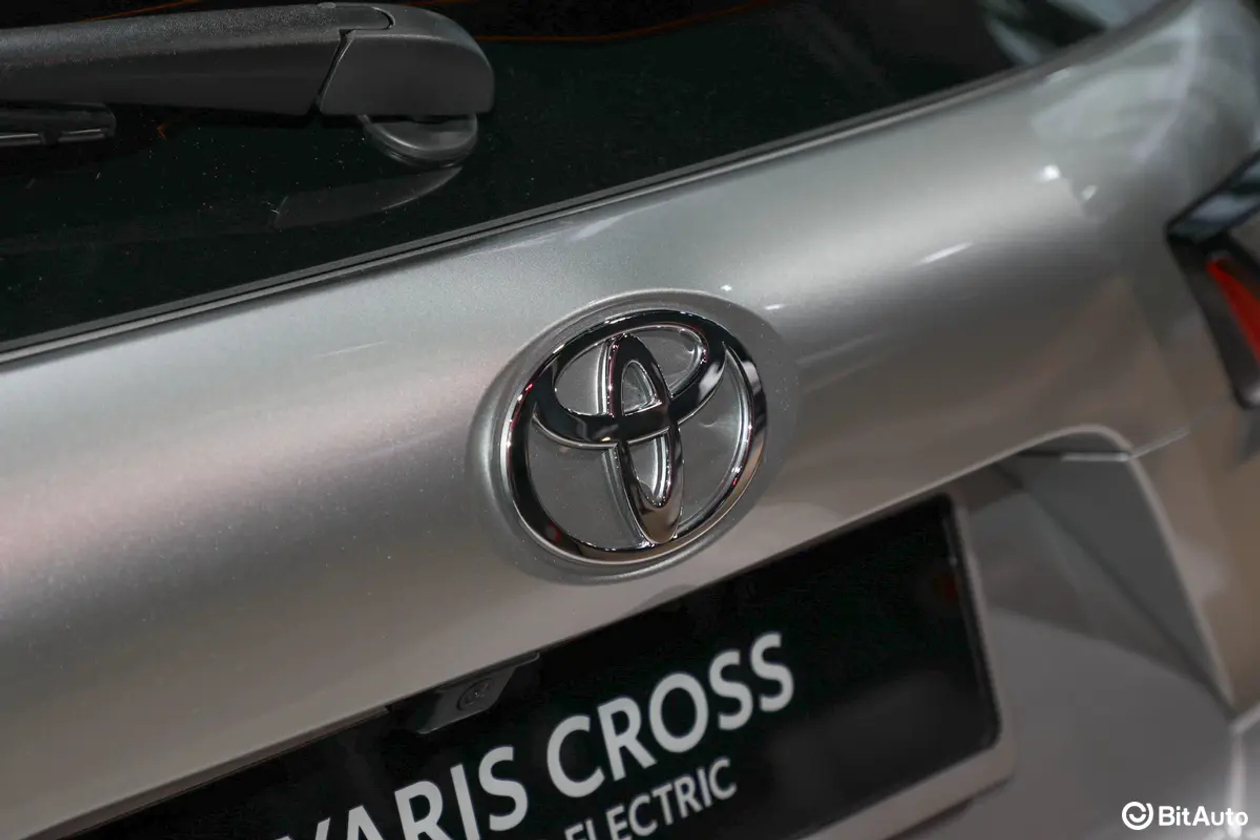
The Toyota badge commands a clear premium in the Malaysian used car market. For vehicles of the same model year and mileage, a Toyota typically retains 10% to 15% more value than a Perodua. This is not something a longer spec sheet can fix; it is the result of decades of brand trust.
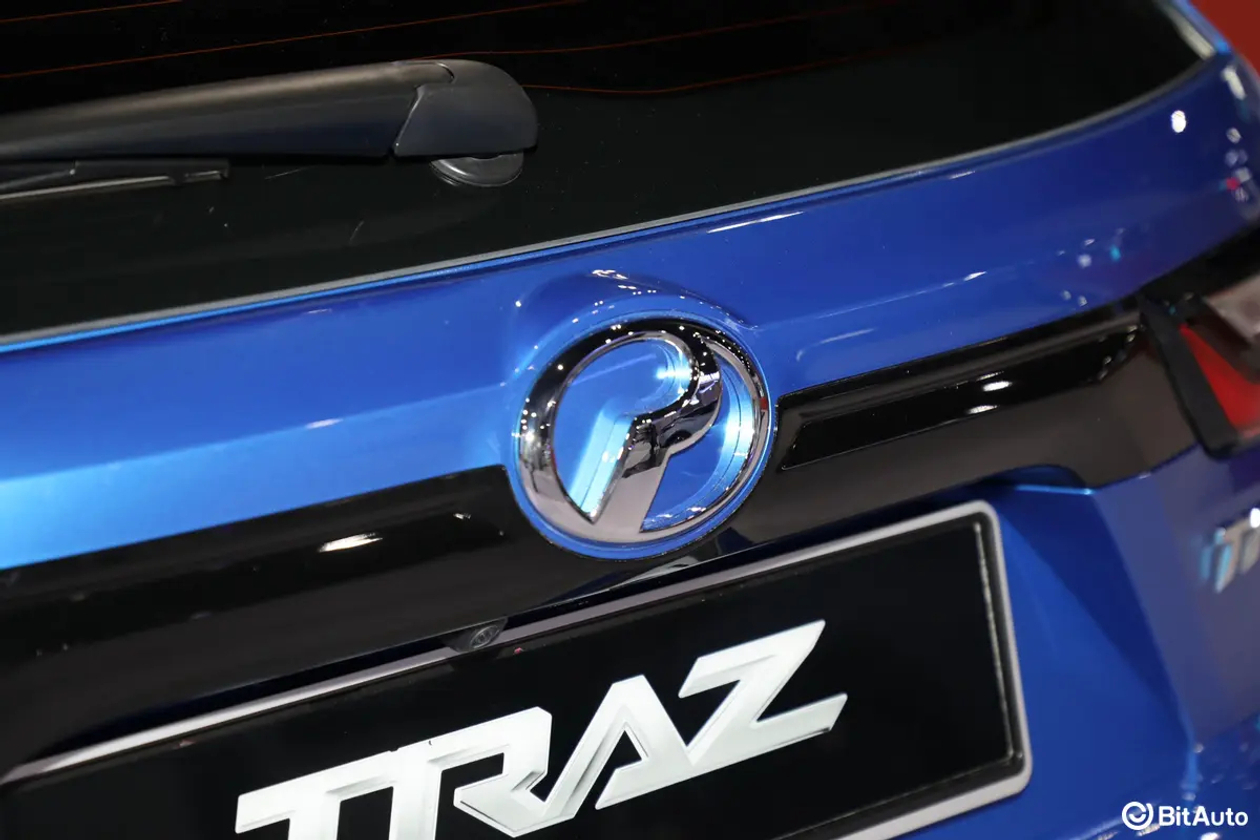
While Perodua's resale value is by no means poor—models like the Myvi and Axia hold their value exceptionally well—it still lags behind Toyota. A portion of the RM20,000 premium paid upfront for the Yaris Cross will likely be recovered when the time comes to sell.
The buying logic between these two sister cars is actually quite straightforward.
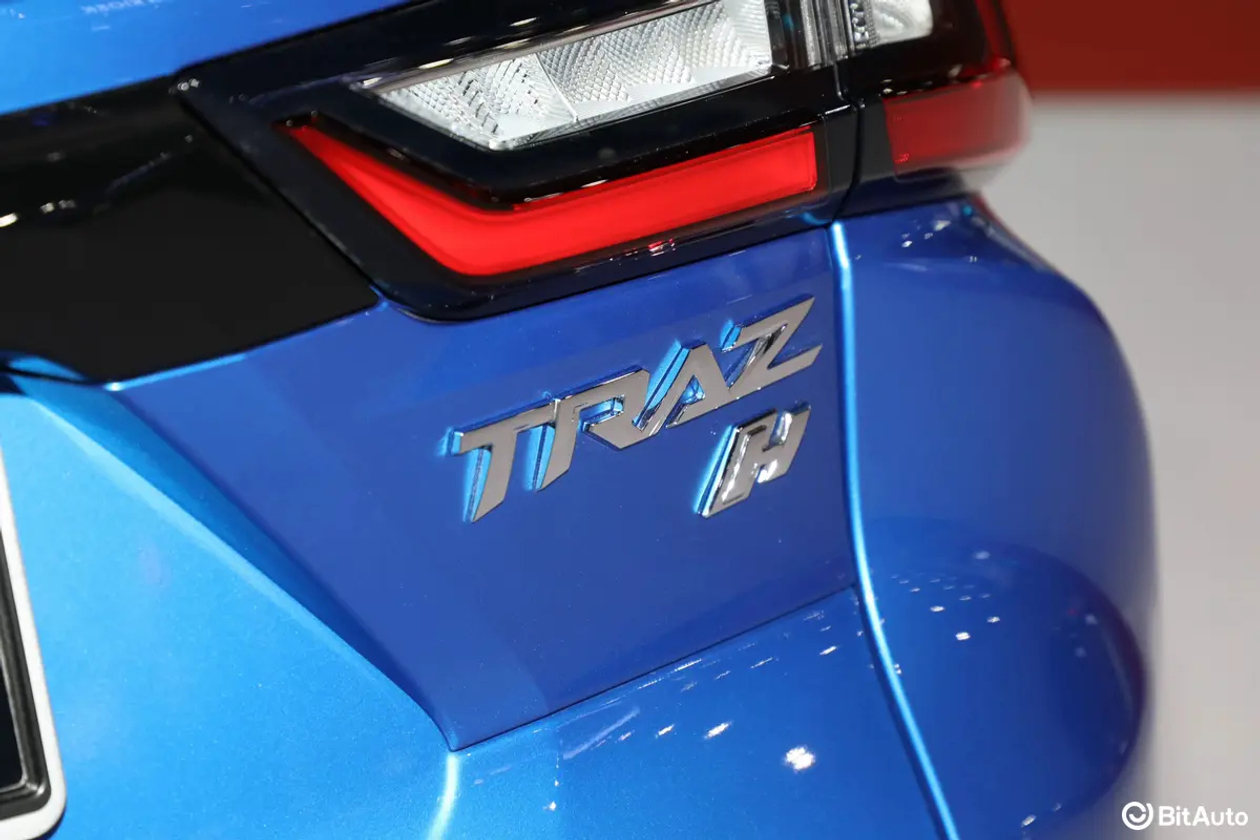
If your budget tops out around RM80,000, you do not mind missing out on advanced ADAS, and you want the best bang for your buck, the Traz X is one of the most compelling B-segment SUVs on the market.
For RM76,100, you get a proper B-segment SUV with a 471-litre boot, 210 mm ground clearance, and a 5-star safety rating—no other brand in the Malaysian market can match this value right now.
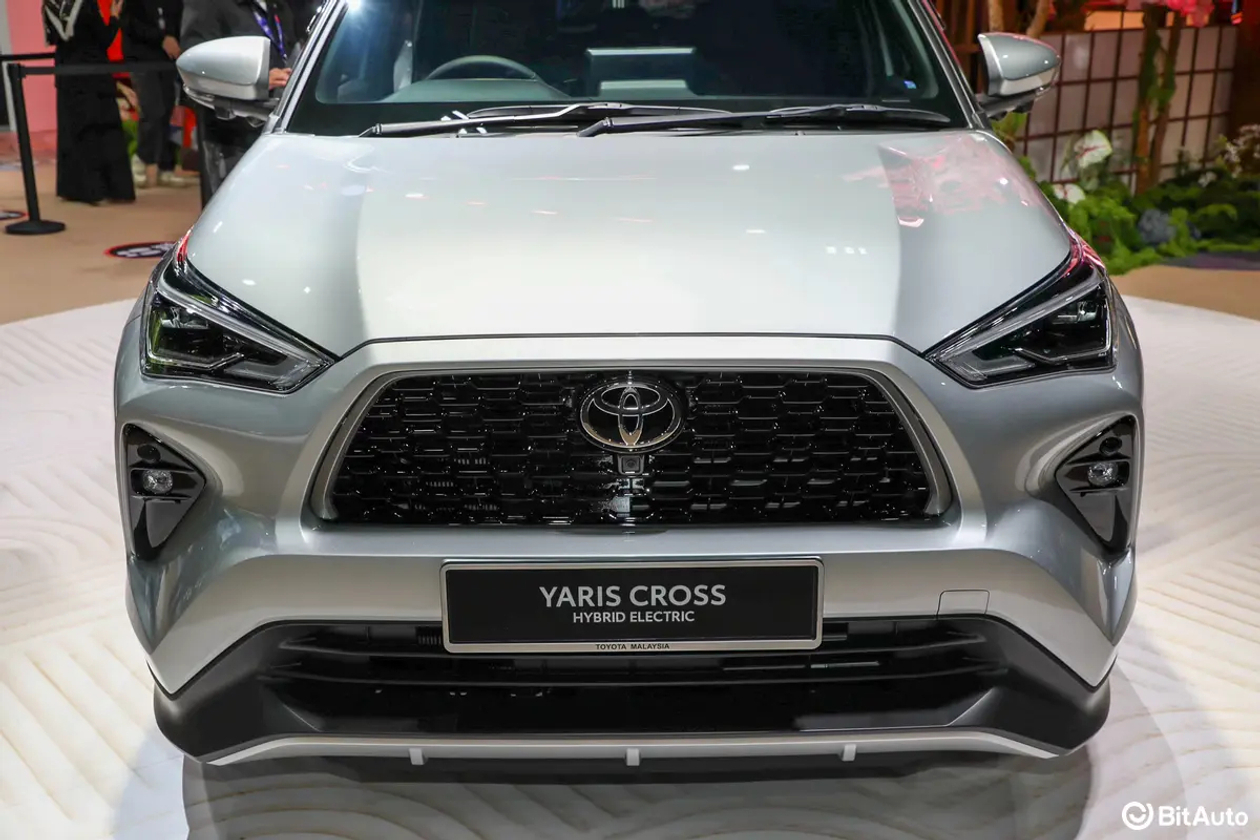
However, if you are willing to spend nearly RM24,000 more for features that make daily driving easier—like ACC for long-distance cruising, a 360-degree camera for easy parking, wireless Apple CarPlay, and electric seats—while also prioritizing Toyota's superior resale value, then the Yaris Cross 1.5S petrol variant is the one to look at.
As for the Hybrid, it requires a bit of math: whether saving on petrol is worth the RM10,000 premium depends on your annual mileage.
One thing is certain: whichever model you choose, you are getting the same chassis, the same engine, and the same platform. The decision does not boil down to which car is inherently better, but rather whether you are willing to pay extra for the features and the brand premium.
At RM76,100, the Traz proves that the "value-for-money" proposition still holds massive appeal in Malaysia.
At RM99,900, the Yaris Cross shows there is a healthy market of buyers happy to pay more for safety kit and the prestige of the Toyota badge. Both are excellent choices; they simply cater to different buyers.


Your go-to source for all things automotive in Malaysia. 🚗 Latest reviews, breaking news, launches & industry trends.
+ Follow This weekend is your chance to own a Volvo Selekt Certified Used Car, priced from just RM 148,000.
What are you waiting for?
#volvo 1 minute ago
This weekend is your chance to own a Volvo Selekt Certified Used Car, priced from just RM 148,000.
What are you waiting for?
#volvo 1 minute ago  We saw this accident this morning, and here’s a reminder to everyone: please drive safe. 2 days ago
  The G50 BMW 3 series is now here, adopting much of the i3's design elements.
So, where's the BMW M3?
#bmw #BMW3Series 4 days ago
The G50 BMW 3 series is now here, adopting much of the i3's design elements.
So, where's the BMW M3?
#bmw #BMW3Series 4 days ago Get the latest car news first!
Your go-to source for all things automotive in Malaysia. 🚗 Latest reviews, breaking news, launches & industry trends.
This weekend is your chance to own a Volvo Selekt Certified Used Car, priced from just RM 148,000.
What are you waiting for?
#volvo 1 minute ago We saw this accident this morning, and here’s a reminder to everyone: please drive safe. 2 days ago The G50 BMW 3 series is now here, adopting much of the i3's design elements.
So, where's the BMW M3?
#bmw #BMW3Series 4 days ago  ProtonGWMVolkswagenJAECOOVolvoPeroduaToyotaHondaTESLAMitsubishiMazdaJetourCheryBYDLexusBMWMercedes-BenziCAURZeekrIsuzuNissanLeapmotorPorscheFordOMODAMINIMGSuzukiXPengHyundaiWulingKiaSubaruDenzaGACLand RoverDongfengCAMAudiPeugeotFotonMAXUSsmartDaihatsuJACJMCMaseratiLotusAlfa RomeoRenaultGolden DragonKaiceneSeresLamborghiniFerrariJeepRolls-RoyceLepasAston MartinMcLarenChevroletBentleyFiatBAICForthingGeelyRoeweAeolusChanganARCFOXDeepalExeedHongqiVoyahJaguarKGMBuforiAcuraCadillacDodgeAbarthINEOSMHEROJMEVFreelander
© 2024 Bitauto.com. All Rights Reserved.
Bitauto (www.yiche.com and www.bitauto.com) is one of the most visited automotive websites in China. We provide detailed info on Chinese car brands available in your area. Please note that the information provided on this website is based on publicly available data and is for reference only. It may not be fully updated or accurate at all times.
Help us improve our website


