
Search History
Popular Searches
English
Dealer Login / Sign Up
As the Ministry of Investment, Trade and Industry (MITI) prepares to enforce stricter regulations on fully-imported (CBU) electric vehicles from July 2026, all eyes are on BYD — currently the frontrunner in Malaysia's EV market.
Recently, Liu Xueliang, General Manager and Vice President of BYD's Asia Pacific Auto Sales Division, gave his first official response to the upcoming policy during the grand opening of BYD Mansion Macalister in Penang. He emphasised that BYD fully respects Malaysia's automotive industrial policies and will not retreat, but will instead deepen its commitment to the local market.
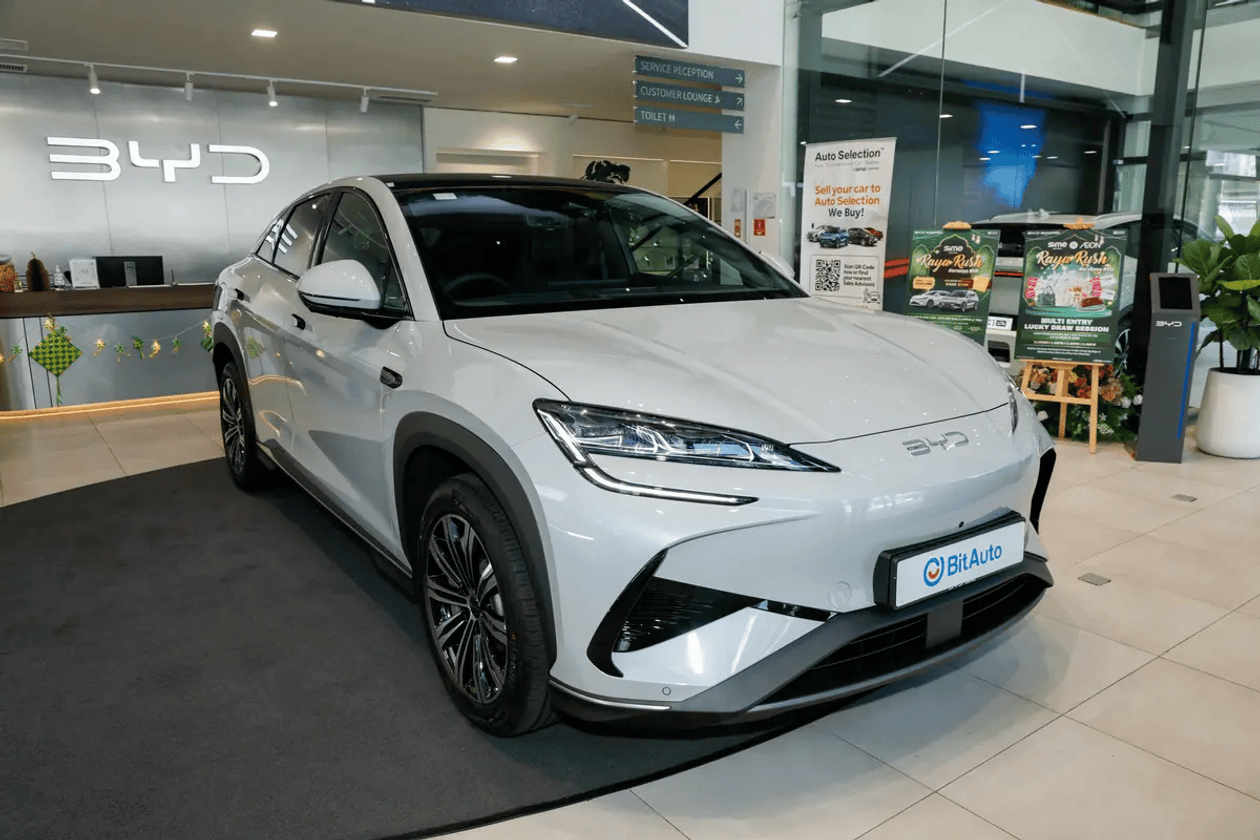
The new regulations require all imported CBU EVs to meet two strict criteria:
This effectively shuts the door on many mass-market, value-for-money imported EVs.
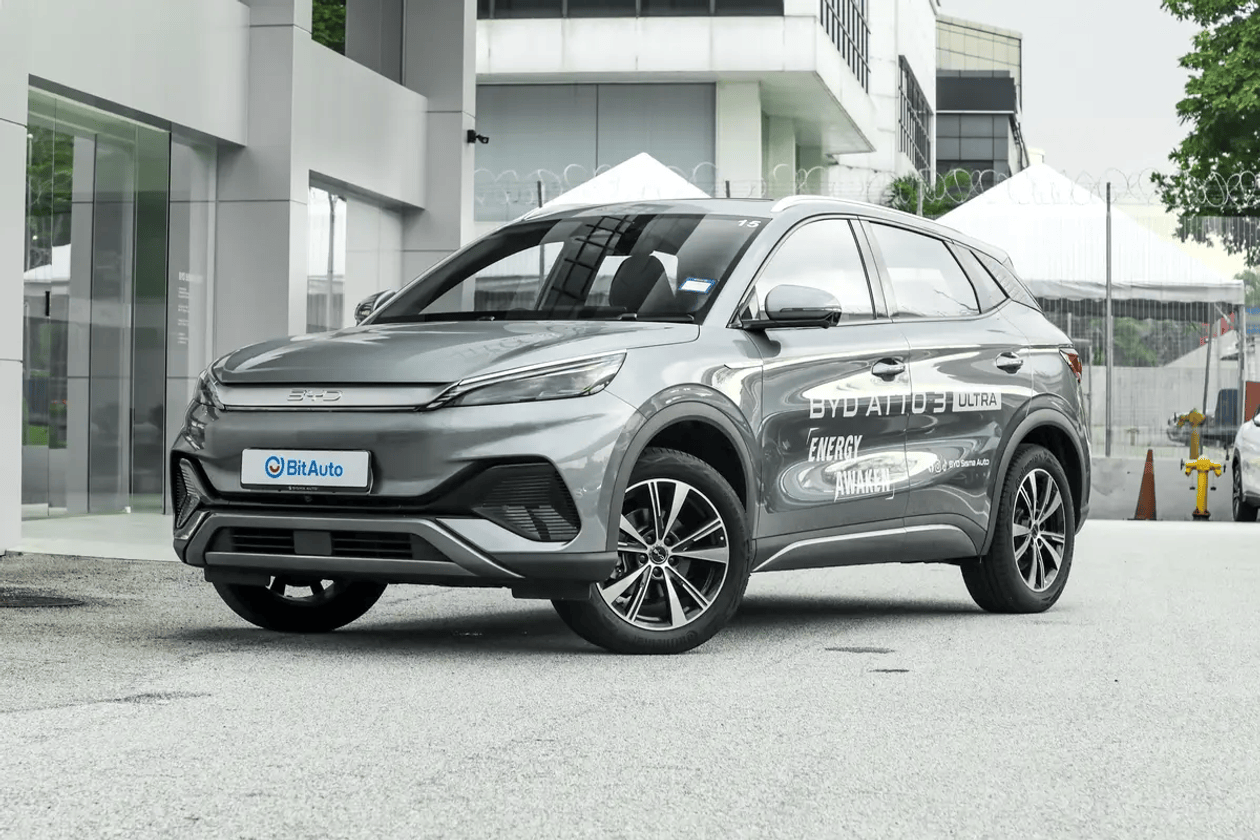
Looking at BYD's current bestsellers in Malaysia:
Instead of confrontation, BYD has chosen a cooperative approach. Liu Xueliang stated diplomatically:
"We have noted the Malaysian government's new policies on new energy vehicles. As a responsible technology company, we will continue to bring our best technologies and products to Malaysia."
"Together with the relevant Malaysian authorities, as well as our industry and dealer partners (including Sime Darby Motors), we will work to find the most suitable NEV development path for the Malaysian market."
The Malaysian government's clear intention is to encourage foreign brands to establish local CKD assembly, thereby upgrading the domestic automotive supply chain.
Although rumours previously suggested BYD was considering a plant in Tanjung Malim, Perak, MITI's stringent conditions (including a minimum retail price of RM100,000 and 80% export requirement) mean negotiations are still ongoing.
Despite the policy headwinds, market observers believe BYD is well-prepared. Malaysian consumers can look forward to three major shifts:
1. Expansion into East Malaysia
Liu specifically revealed during the event that he personally visited East Malaysia last year and deeply felt the strong demand from consumers in Sabah and Sarawak for BYD's technology and products. He promised to bring BYD's latest technologies and products to East Malaysia. This indicates that East Malaysia will become a vital battlefield for BYD to expand its sales and service network.
2. Premium and High-Performance Shift
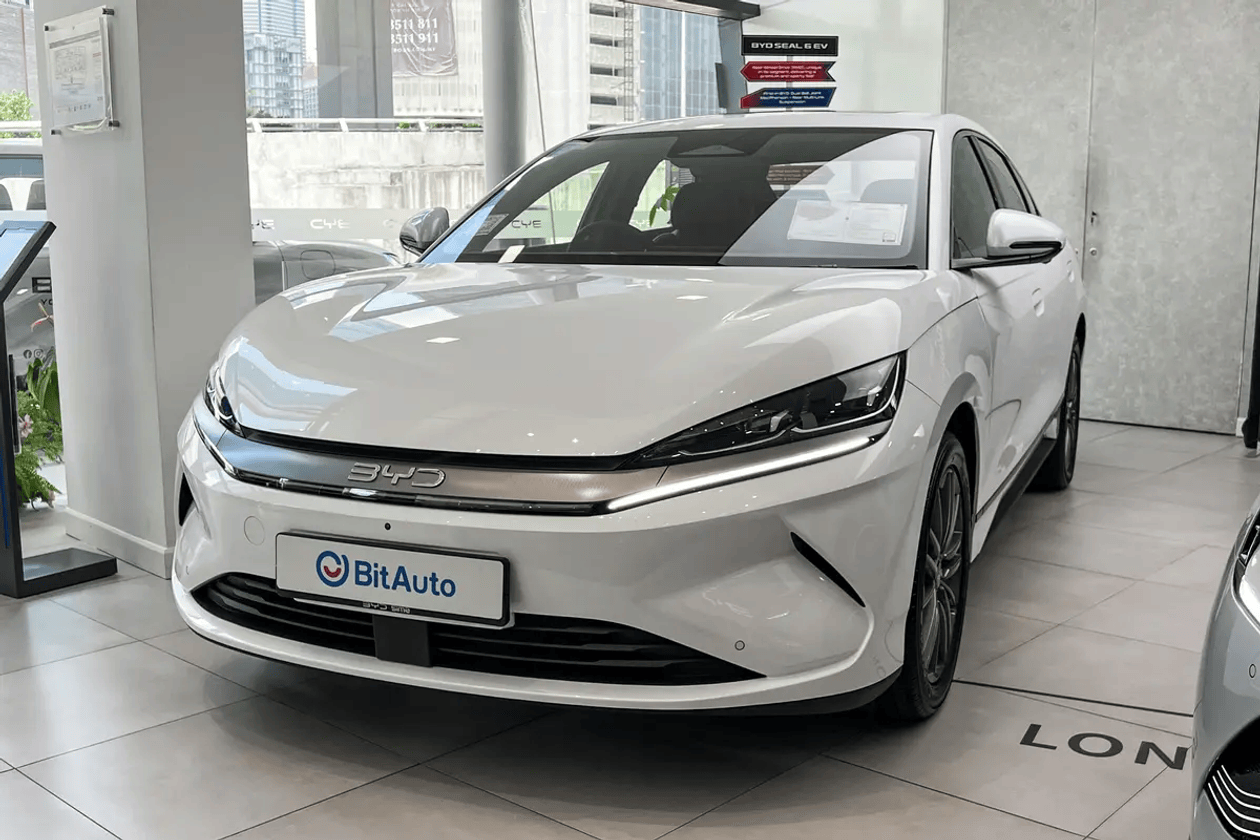
Since the route for low-output, low-priced CBU vehicles is restricted, BYD's local product strategy will inevitably undergo a "premium upgrade". Leveraging BYD's massive global product portfolio, more high-end models are expected to arrive. Aside from high-performance EVs, BYD's personalized brand Fang Cheng Bao, and even its ultra-luxury brand Yangwang, could potentially make their Malaysian debut in compliance with the new policy.
3. Local CKD Production for Best-Sellers
The most viable path for popular models like the Atto 3 and Dolphin is local assembly. The race is now on among Chinese brands to establish CKD operations in Malaysia.
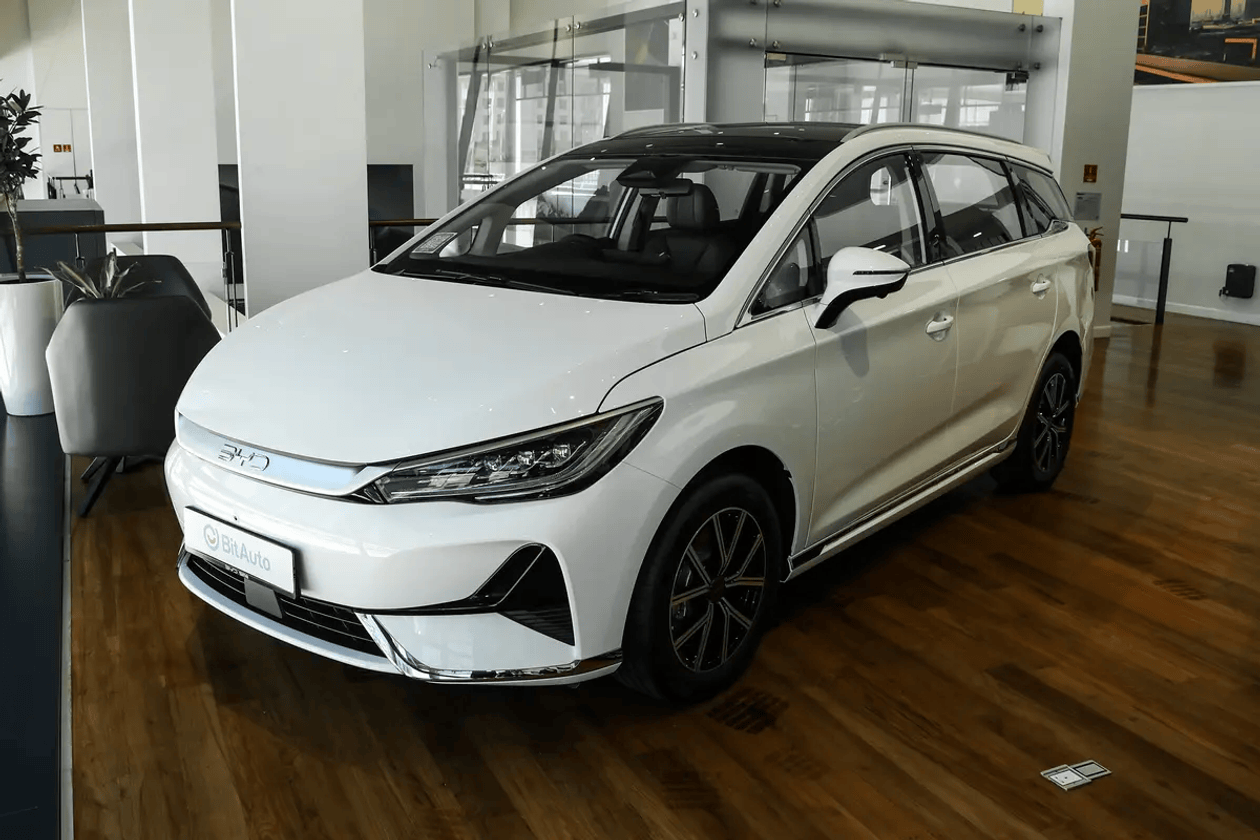
The golden era of cheap imported EVs in Malaysia may be coming to an end in July. However, as hinted by BYD, this is not the end of the EV market, but a "survival of the fittest" reset.
The future Malaysian EV landscape will likely consist of either premium, high-tech imported models or competitively priced locally assembled vehicles.
As a consumer, are you more excited about BYD localising its popular models, or about the potential arrival of high-end offerings like Yangwang and Fang Cheng Bao?

Your go-to source for all things automotive in Malaysia. 🚗 Latest reviews, breaking news, launches & industry trends.
+ Follow Those shopping for a premium SUV should seriously consider the Volvo XC60 - one of the most established and well-known models
Here's what you need to know about Volvo's long-standing XC60. 6 hours ago
Those shopping for a premium SUV should seriously consider the Volvo XC60 - one of the most established and well-known models
Here's what you need to know about Volvo's long-standing XC60. 6 hours ago  For RM 171k, you get a made-in-Japan Mazda CX5. Worth it? #mazda #cx5 #mazdamalaysia 11 hours ago
  Made in Japan dari harga RM 171k?? Semestinya Mazda CX5 terbaru! #mazda #cx5 #mazdamalaysia 11 hours ago
 Get the latest car news first!
Your go-to source for all things automotive in Malaysia. 🚗 Latest reviews, breaking news, launches & industry trends.
Those shopping for a premium SUV should seriously consider the Volvo XC60 - one of the most established and well-known models
Here's what you need to know about Volvo's long-standing XC60. 6 hours ago For RM 171k, you get a made-in-Japan Mazda CX5. Worth it? #mazda #cx5 #mazdamalaysia 11 hours ago Made in Japan dari harga RM 171k?? Semestinya Mazda CX5 terbaru! #mazda #cx5 #mazdamalaysia 11 hours ago  ProtonGWMVolkswagenJAECOOVolvoPeroduaToyotaHondaTESLAMitsubishiMazdaJetourCheryBYDLexusBMWMercedes-BenziCAURZeekrIsuzuNissanLeapmotorPorscheFordOMODAMINIMGSuzukiXPengHyundaiWulingKiaSubaruDenzaGACLand RoverDongfengCAMAudiPeugeotFotonMAXUSsmartDaihatsuJACJMCMaseratiLotusAlfa RomeoRenaultGolden DragonKaiceneSeresLamborghiniFerrariJeepRolls-RoyceLepasAston MartinMcLarenChevroletBentleyBoon KoonFiatBAICForthingGeelyRoeweAeolusChanganARCFOXDeepalExeedHongqiVoyahJaguarKGMBuforiAcuraCadillacDodgeAbarthINEOSMHEROJMEVFreelanderXiaomiYANGWANG
 © 2024 Bitauto.com. All Rights Reserved.
Bitauto (www.yiche.com and www.bitauto.com) is one of the most visited automotive websites in China. We provide detailed info on Chinese car brands available in your area. Please note that the information provided on this website is based on publicly available data and is for reference only. It may not be fully updated or accurate at all times.
Help us improve our website


