China is preparing to tighten the rules governing new automotive technologies, as concerns grow over manufacturers rushing to adopt the latest features without putting them through sufficient testing.
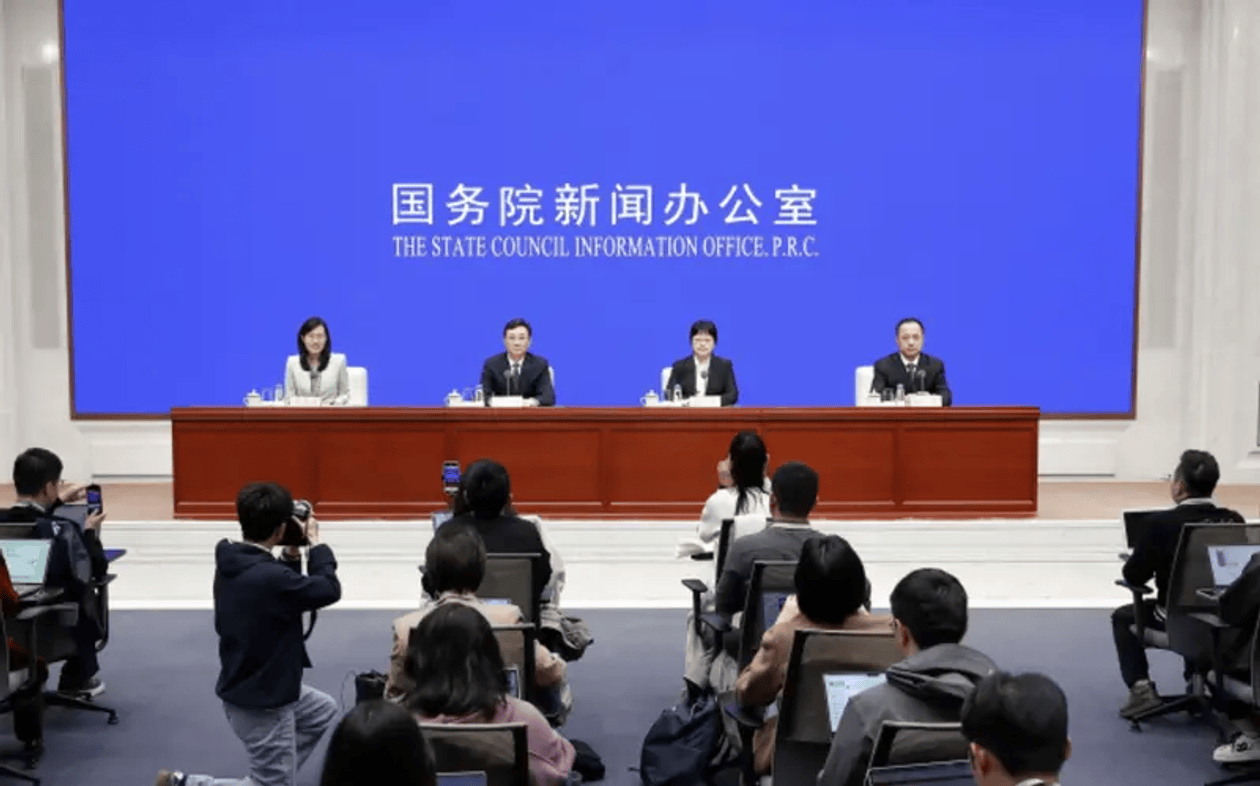
Speaking at a press conference on 20 October, Wang Weiming, chief engineer at China's Ministry of Industry and Information Technology (MIIT), said that although Chinese carmakers had made significant progress in vehicle features and performance, some were following industry trends too quickly, launching new products without adequate R&D and testing.
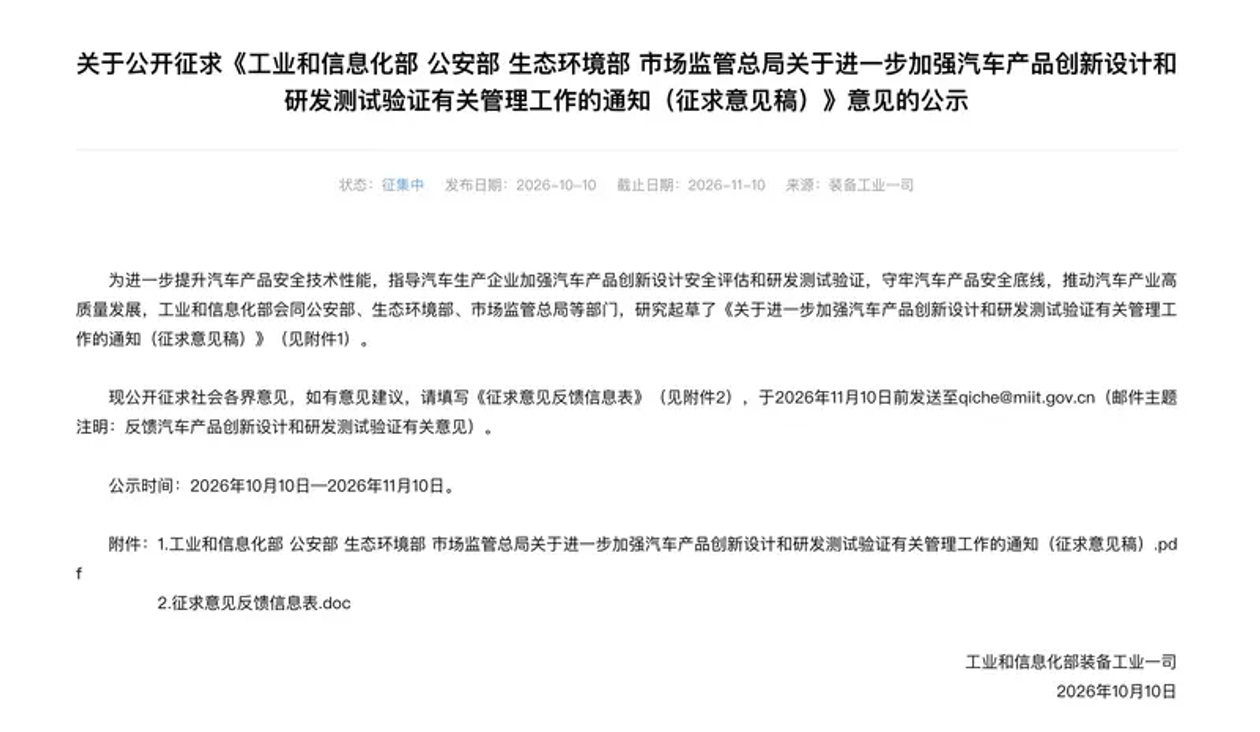
MIIT has also worked with the Ministry of Public Security, the Ministry of Ecology and Environment, the State Administration for Market Regulation and other government bodies to draw up a draft notice on the design, development and testing of new automotive technologies.
The draft has been released for public consultation under the title Notice on Further Strengthening the Management of Innovative Automotive Product Design, R&D, Testing and Validation.
The proposals cover three main areas, from the information manufacturers must submit to the tests vehicles must pass before they can go on sale.
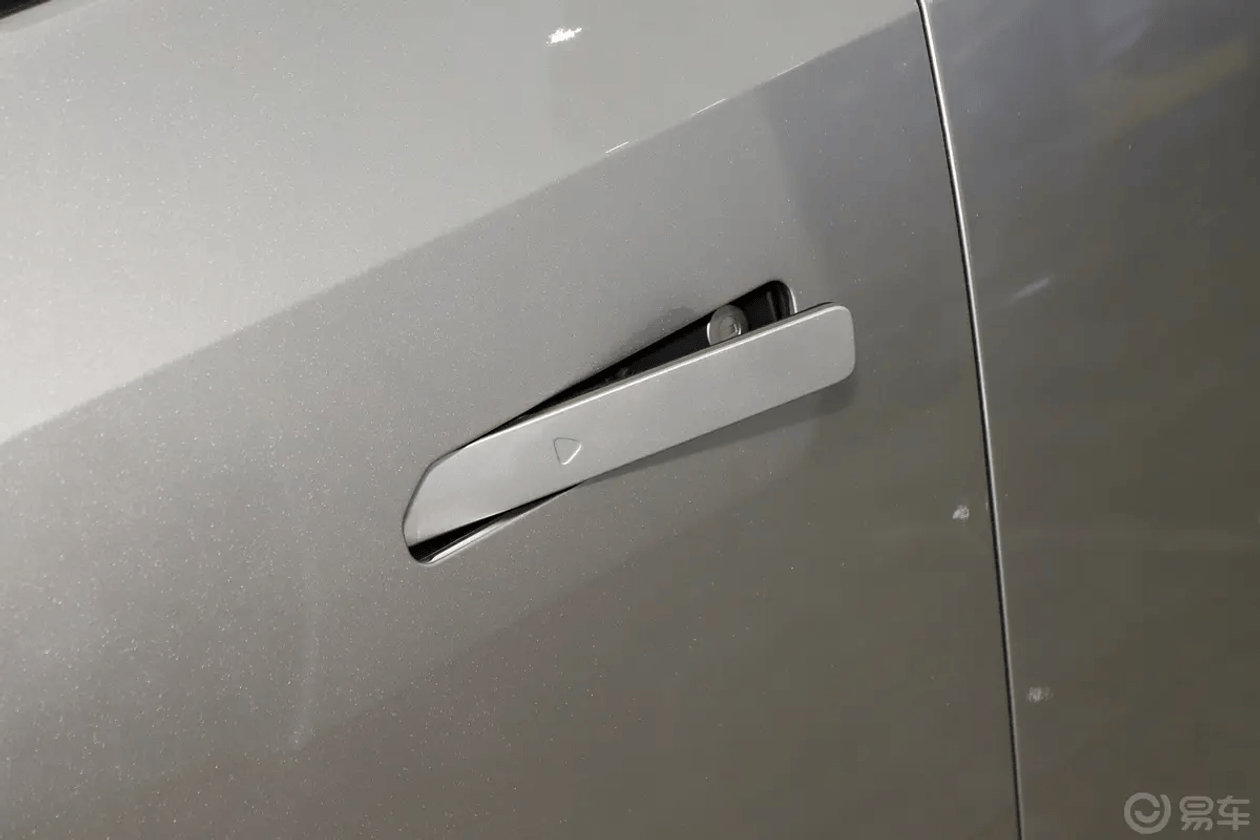
Under the draft rules, manufacturers would have to provide accurate information on new design features such as flush door handles, powered soft-close doors and virtual controls. They would also need to submit test data showing how their vehicles perform under different environmental conditions.
This information would form part of China's vehicle approval and production conformity checks. Models that have not been properly declared or have not undergone sufficient testing would not receive approval to go on sale.
The aim is to catch potential safety issues before vehicles reach customers, rather than deal with them after launch.
The draft sets out four general requirements and 21 specific rules covering more than 20 types of automotive design, including unconventional steering wheels and virtual controls.
Manufacturers would have to assess each feature for functional safety, its impact on driving, ease of use and maintenance costs.
Two requirements stand out:
The restrictions are intended to ensure that comfort and convenience features do not compromise passenger safety on the road.
The draft would make 22 currently recommended or industry standards mandatory. Carmakers would also be required to put comprehensive R&D and testing procedures in place.
Together, these measures are designed to ensure that new technologies are tested under real-world conditions before a vehicle is approved for sale.
Wang Weiming stressed that safety remained fundamental to an automotive company's survival and competitiveness, adding that manufacturers must never compromise safety in the pursuit of innovation.
The authorities will review public feedback before finalising the notice and updating the relevant standards. The proposed framework would strengthen oversight at both the vehicle approval stage and after cars enter the market, with the aim of keeping poorly designed or inadequately tested products off the road and protecting consumers.
Chinese EVs and smart connected cars are becoming an increasingly familiar sight in Malaysia.
If the proposed rules are implemented, stricter checks on features such as flush door handles, powered soft-close doors and systems that affect passenger safety could help improve the standard of vehicles developed for export to Malaysia and other Southeast Asian markets.

Your go-to source for all things automotive in Malaysia. 🚗 Latest reviews, breaking news, launches & industry trends.
+ Follow The Tesla Model 3 gets updated, now with a new Zen Grey interior colour option, new Dark Nova 19-inch alloy wheels, and even V2L capability.
Best part? Prices are unchanged!
#Tesla #TeslaModel3 1 minute ago
 Checking out fan reactions to the Xiaomi SU7 at Tokyo Auto Salon 2026! Part 19 1 minute ago
 Checking out fan reactions to the Xiaomi SU7 at Tokyo Auto Salon 2026! Part 18 1 minute ago
Get the latest car news first!
Your go-to source for all things automotive in Malaysia. 🚗 Latest reviews, breaking news, launches & industry trends.
The Tesla Model 3 gets updated, now with a new Zen Grey interior colour option, new Dark Nova 19-inch alloy wheels, and even V2L capability.
Best part? Prices are unchanged!
#Tesla #TeslaModel3 1 minute ago Checking out fan reactions to the Xiaomi SU7 at Tokyo Auto Salon 2026! Part 19 1 minute ago Checking out fan reactions to the Xiaomi SU7 at Tokyo Auto Salon 2026! Part 18 1 minute ago 
© 2024 Bitauto.com. All Rights Reserved.
Bitauto (www.yiche.com and www.bitauto.com) is one of the most visited automotive websites in China. We provide detailed info on Chinese car brands available in your area. Please note that the information provided on this website is based on publicly available data and is for reference only. It may not be fully updated or accurate at all times.

Help us improve our website


