Small blue lights have become a familiar sight on many new cars in China, where they are used to indicate that a driver assistance system is active.
But that could soon change, with China's industry regulator proposing new rules that would reserve these lights for vehicles equipped with Level 3 or higher automated driving systems.
On 20 October 2026, China's Ministry of Industry and Information Technology (MIIT) published a draft standard proposing that only vehicles fitted with Level 3 (L3) or higher automated driving systems would be allowed to use automated driving indicator lights. Vehicles with L2 or lower systems would be prohibited from fitting or activating them.
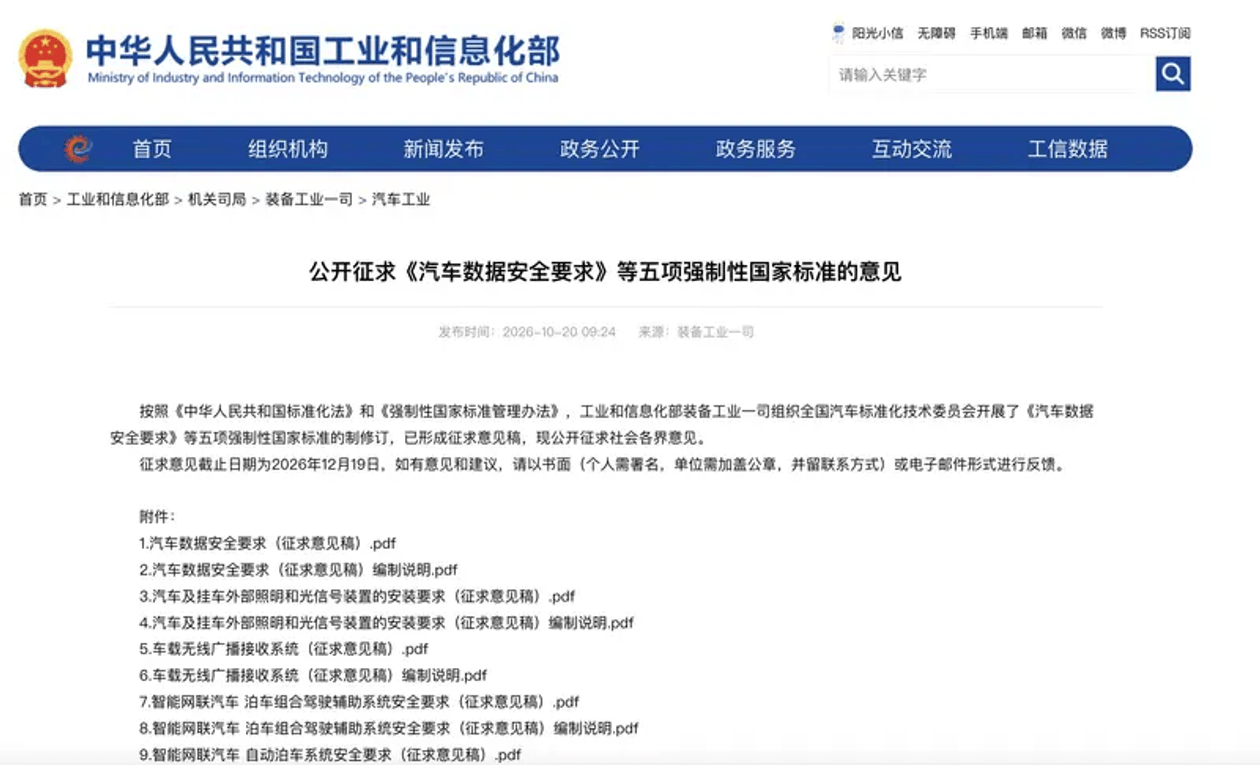
The draft also gives the lights a formal designation: ADS indicator lights. Their colour would be standardised as cyan-blue, replacing the blue commonly seen on cars already fitted with the feature.
The proposal is still open for consultation.
Using coloured lights to signal automated driving is not new. Mercedes-Benz explored the concept in a 2015 concept car, while SAE International proposed cyan-blue as an indicator colour in 2019. Neither amounted to a binding requirement at the time.
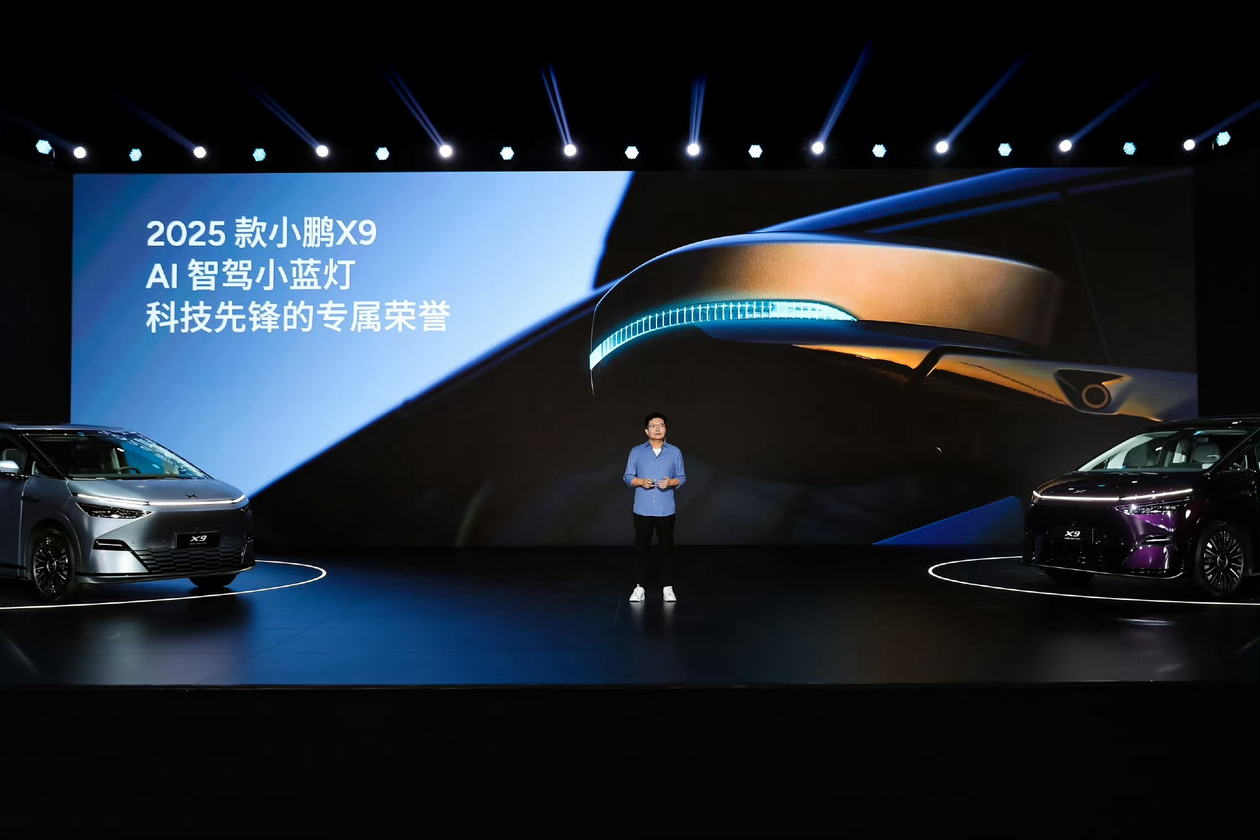
The feature became much more widespread in China after Li Auto introduced it on the L9 in 2022. BYD, NIO, XPeng, AITO, Xiaomi and other brands subsequently followed suit. The fitting rate of these lights on Chinese passenger cars rose by more than 1,000% in the first half of 2025.
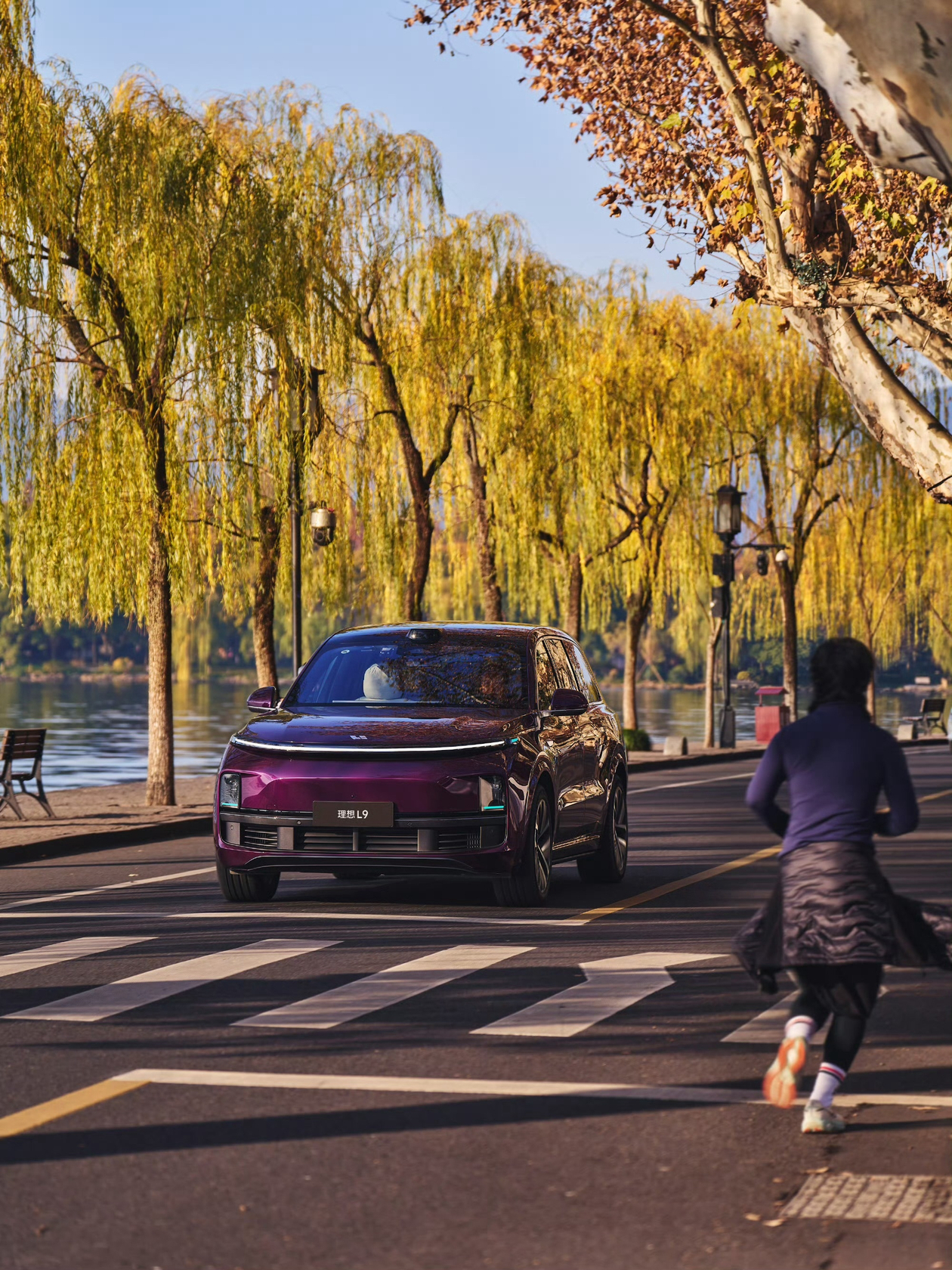
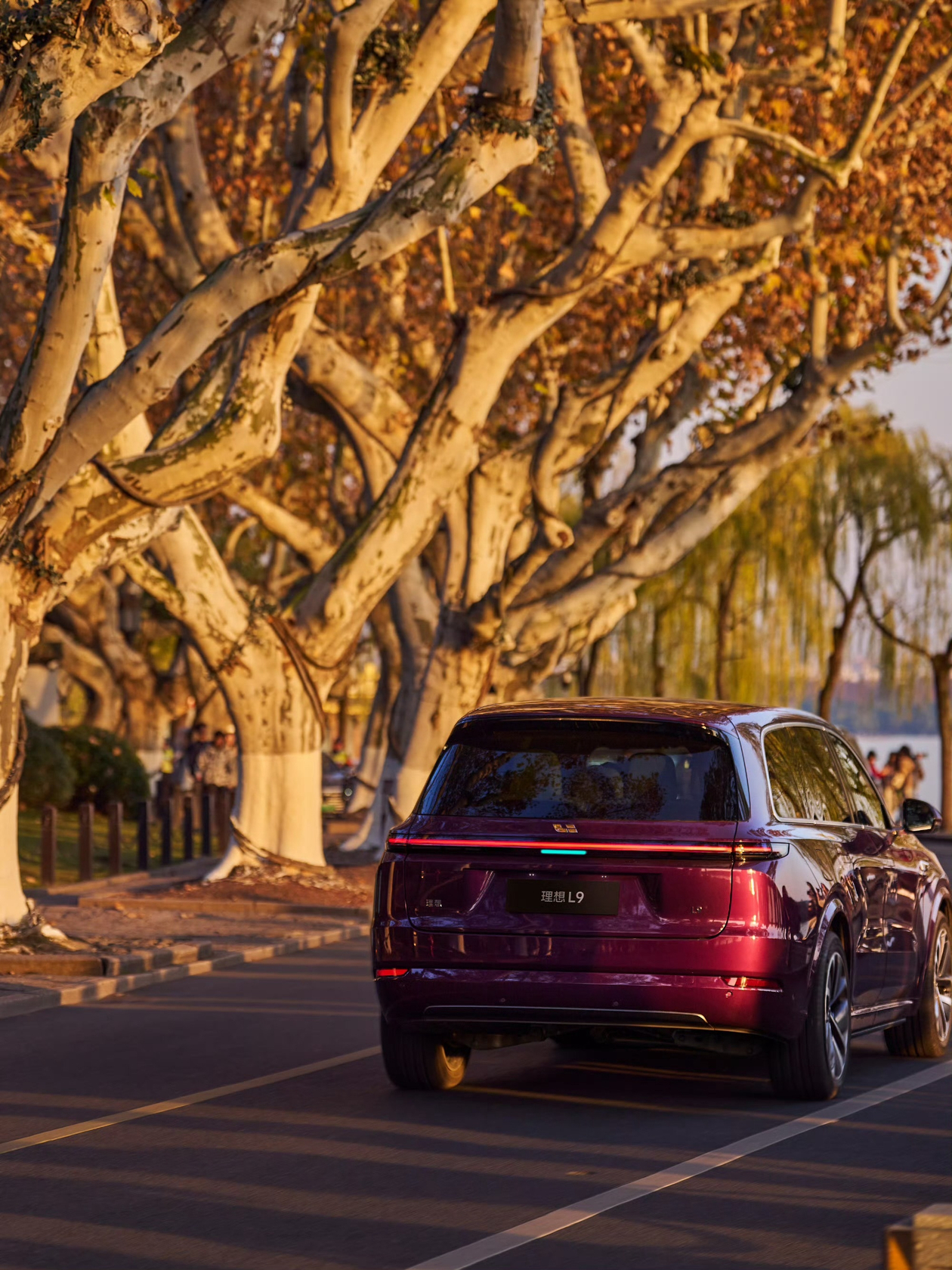
The original purpose was straightforward: make it easier for other road users to tell when a vehicle's driver assistance system was active.
In China's fiercely competitive EV market, the lights also became a way to give cars a more high-tech image. Their widespread use raised questions about whether a vehicle's appearance could lead other road users to overestimate its driving capabilities.
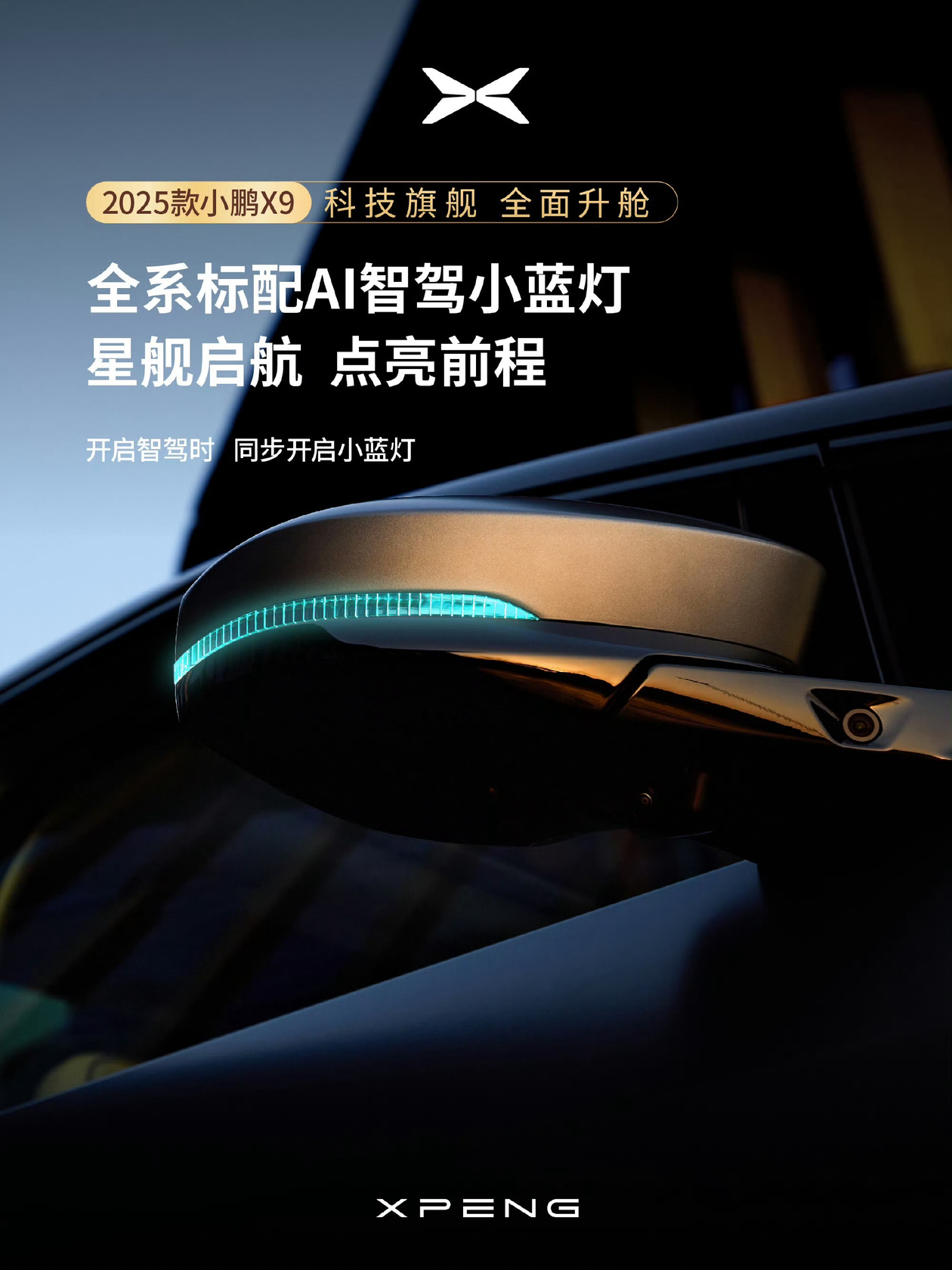
There are safety concerns, too. Bright lights can cause glare at night, while some reports have described drivers deliberately cutting in front of, tailgating or provoking cars displaying the lights. Blue lighting also raises regulatory questions in China, where it is associated with emergency and law enforcement vehicles.
The proposed rules would draw a clearer line between driver assistance and higher levels of driving automation, restricting the lights to vehicles that meet the L3-or-above requirements.
The distinction between L2 and L3 is not simply a matter of how sophisticated the technology is. The two levels assign different roles to the vehicle's automated system and the human driver.
L2 – driver assistance
An L2 system can control steering and acceleration or braking in certain situations, but the driver must continue to supervise the road and remain ready to intervene. The system does not replace the driver's responsibility for monitoring the vehicle.
L3 – conditional driving automation
An L3 system can handle the driving task within its specified operating conditions. While it is active, the driver does not have to monitor the road continuously, but must be ready to take over when the system requests it.
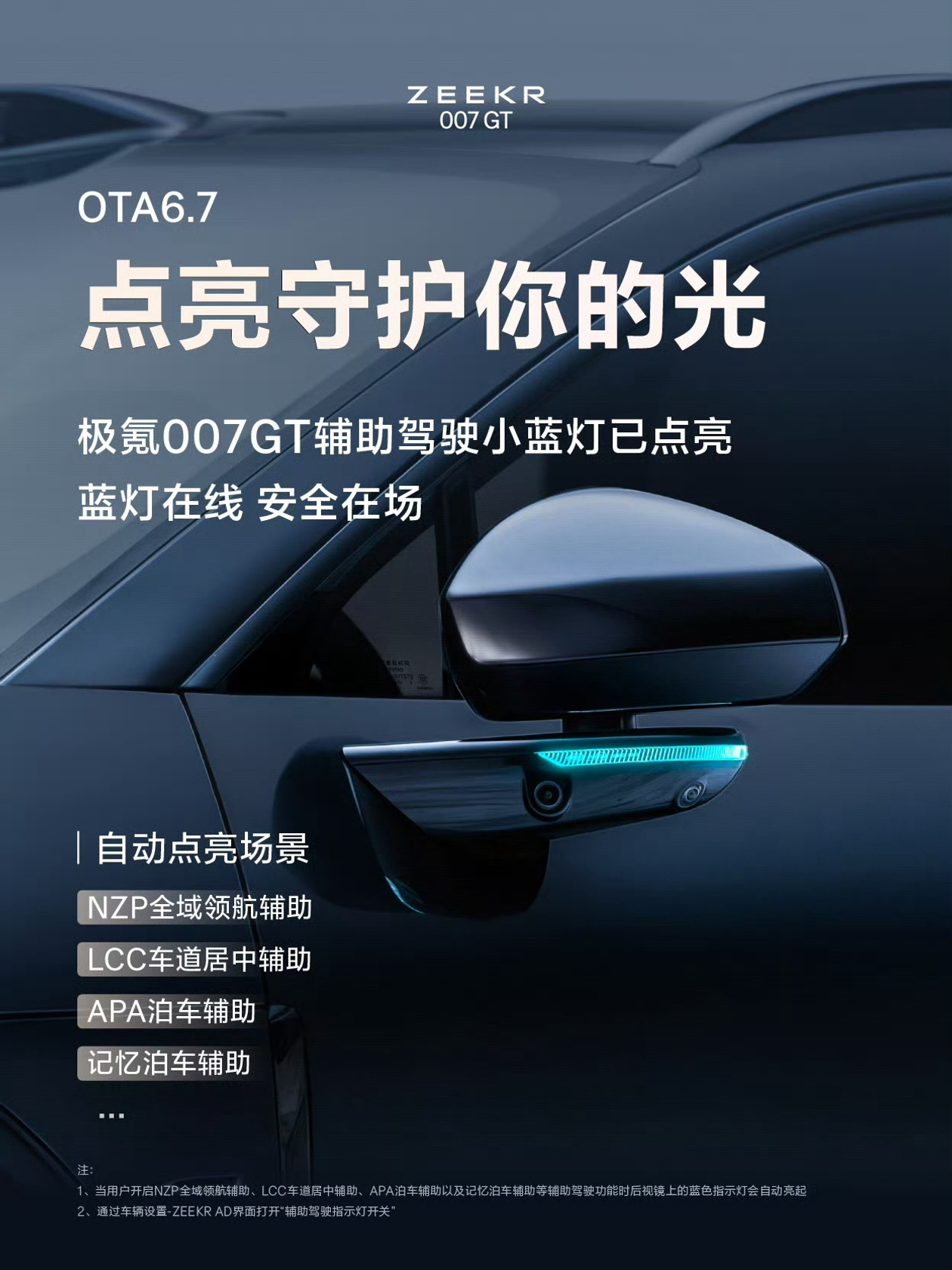
This is why the proposed standard reserves ADS indicator lights for L3 and higher systems. The lights would signal that a vehicle is operating under an eligible automated driving function, rather than merely using driver assistance features.
That distinction does not mean the manufacturer automatically bears all legal responsibility for every accident involving an L3 vehicle. Liability depends on the applicable law, the system's operating conditions and the circumstances of the incident.
If the proposal is adopted, vehicles with L2 or lower systems would no longer be permitted to use these indicator lights.
For existing cars, the impact will depend on the final rules and how they are implemented. Manufacturers could potentially disable the lights through over-the-air (OTA) software updates, but no blanket approach for all affected vehicles has been confirmed.
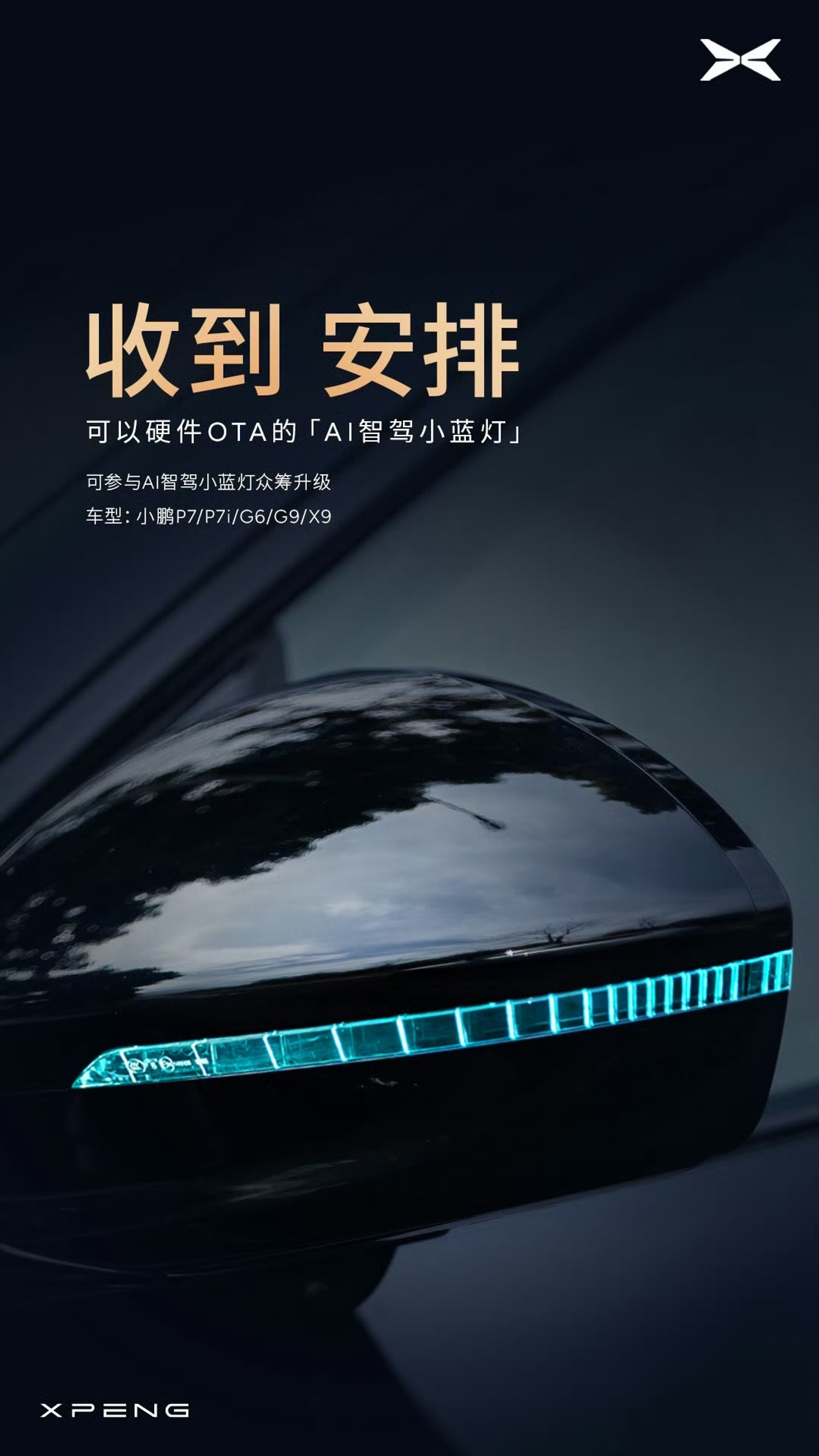
An earlier OTA update enabled the lights
The draft also proposes tighter controls on other lighting functions:
These provisions aim to make vehicle lighting more consistent and reduce the risk of drivers misunderstanding how it works.
Most intelligent driving systems currently sold in China remain at L2 or L2-plus levels. Vehicles authorised for L3 pilot programmes are still relatively scarce, and L3 systems are not yet widely available to ordinary buyers.
Some industry forecasts point to 2028 as a potential milestone for L3 commercialisation. That timeline is not guaranteed, however, and broader adoption will depend on regulatory approval, technical development and safety performance in real-world conditions.

Your go-to source for all things automotive in Malaysia. 🚗 Latest reviews, breaking news, launches & industry trends.
+ Follow 电池越大越好?对混合动力车来说,未必!
丰田混合动力系统的小电池,负责回收制动能量、辅助起步,并与汽油引擎配合提升效率。电池虽小,作用可不小! 1 minute ago
 It looks like Malaysia will soon be welcoming two more electrified MPVs.
And one of them is a very quirky MPV. 1 minute ago
 Some said that this camouflaged car is a Proton eMas 3, but we beg to differ.
We think that this might be hiding something else instead.
#proton #protonemas5 40 minutes ago
Get the latest car news first!
Your go-to source for all things automotive in Malaysia. 🚗 Latest reviews, breaking news, launches & industry trends.
电池越大越好?对混合动力车来说,未必!
丰田混合动力系统的小电池,负责回收制动能量、辅助起步,并与汽油引擎配合提升效率。电池虽小,作用可不小! 1 minute ago It looks like Malaysia will soon be welcoming two more electrified MPVs.
And one of them is a very quirky MPV. 1 minute ago Some said that this camouflaged car is a Proton eMas 3, but we beg to differ.
We think that this might be hiding something else instead.
#proton #protonemas5 40 minutes ago 
© 2024 Bitauto.com. All Rights Reserved.
Bitauto (www.yiche.com and www.bitauto.com) is one of the most visited automotive websites in China. We provide detailed info on Chinese car brands available in your area. Please note that the information provided on this website is based on publicly available data and is for reference only. It may not be fully updated or accurate at all times.

Help us improve our website


