Toyota Motor Corporation has released its global sales, production and export figures for the first half of its 2026 fiscal year, covering the period from April to September 2026.
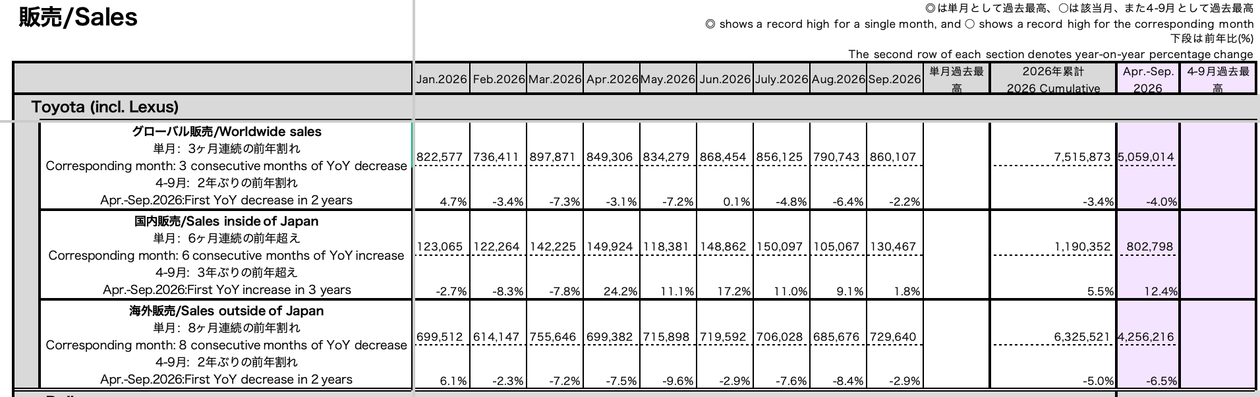
Including Lexus, Toyota's global vehicle sales fell 4.0% year on year to 5,059,014 units. This marks the first time in two years that the group has recorded a decline in first-half sales for a fiscal year.
The drop was largely driven by tougher competition and weaker market conditions in China and other markets. However, stronger sales in Japan and North America helped cushion the overall decline.
Note: All figures include Lexus but exclude Daihatsu and Hino.
Japan: Sales rebound by 12.4%
Toyota sold 802,798 vehicles in Japan during the first half, up 12.4% year on year. This was the market's first sales increase in three years.
The recovery was supported by strong demand for new models such as the RAV4, all-electric bZ4X SUV and Land Cruiser FJ. Sales also benefited from a release of pent-up demand as buyers who had delayed purchases ahead of tax changes returned to the market.

North America and Europe: Hybrid demand remains strong
North America remained Toyota's largest market, with sales reaching 1,538,839 units, up 1.8% year on year. Hybrid versions of popular models such as the Corolla and RAV4 continued to play a key role in driving demand.
In Europe, Toyota sold 594,913 vehicles, a 1.4% increase from the same period last year, reflecting relatively stable demand across the region.
Asia: Sales fall 13.9%
Toyota's sales across Asia declined 13.9% year on year to 1,402,443 units, with the downturn in China weighing heavily on the regional figure.
In China, sales fell 25.1% to 684,903 units. Higher petrol prices, a sluggish overall car market and intense competition from domestic EV makers put pressure on demand, particularly for conventional petrol and hybrid models.
India also recorded a 5.0% decline, with sales falling to 153,189 units. Toyota attributed the temporary drop in deliveries to the introduction and adjustment of a new sales system in the country.
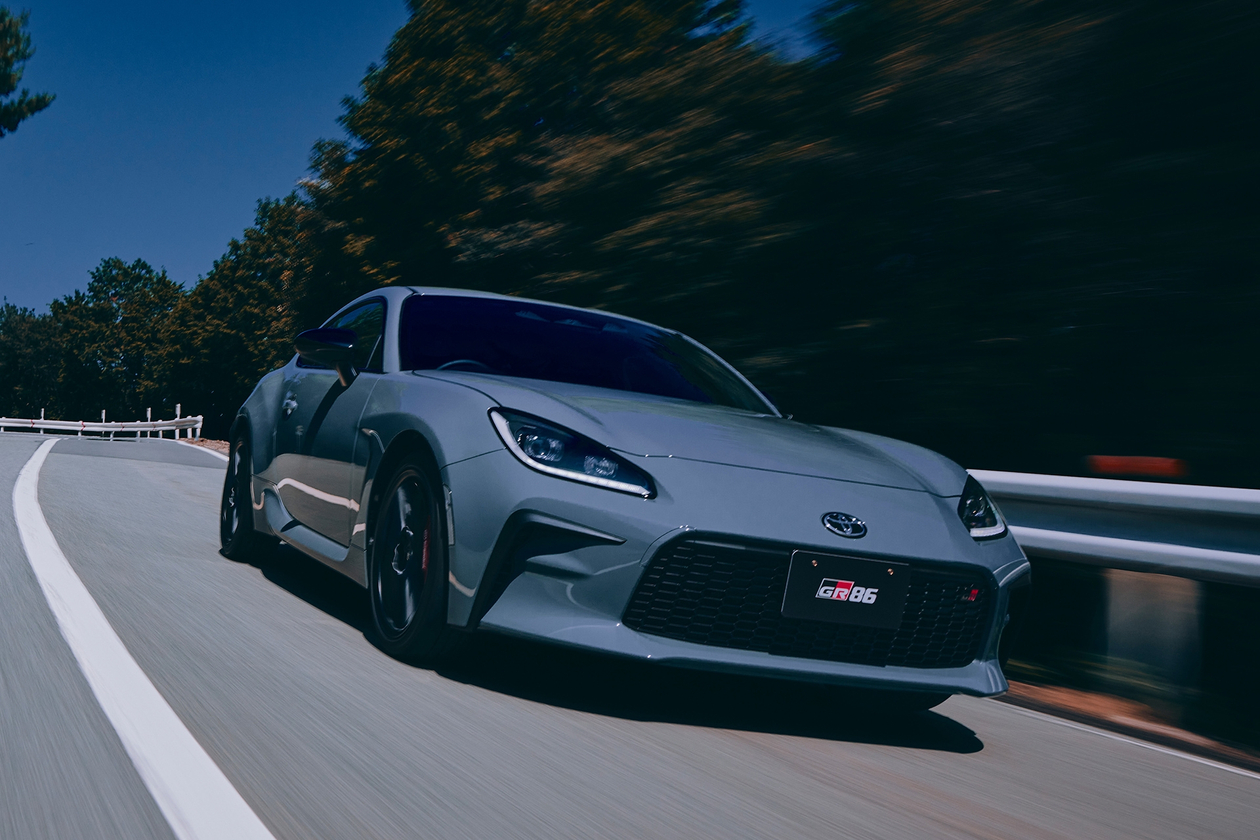
While China's weakness dragged down Toyota's overall Asian figures, the brand maintained a positive sales trend in two of its key Southeast Asian markets.
In Indonesia, Toyota's sales rose 3.4% year on year to 130,905 units, despite challenging conditions in the wider automotive market. Family-oriented models such as the Innova Zenix and Veloz helped support the increase.
In Thailand, sales grew 3.0% to 110,717 units. The Yaris ATIV is a key contributor, helping Toyota maintain steady growth amid broader economic pressures.
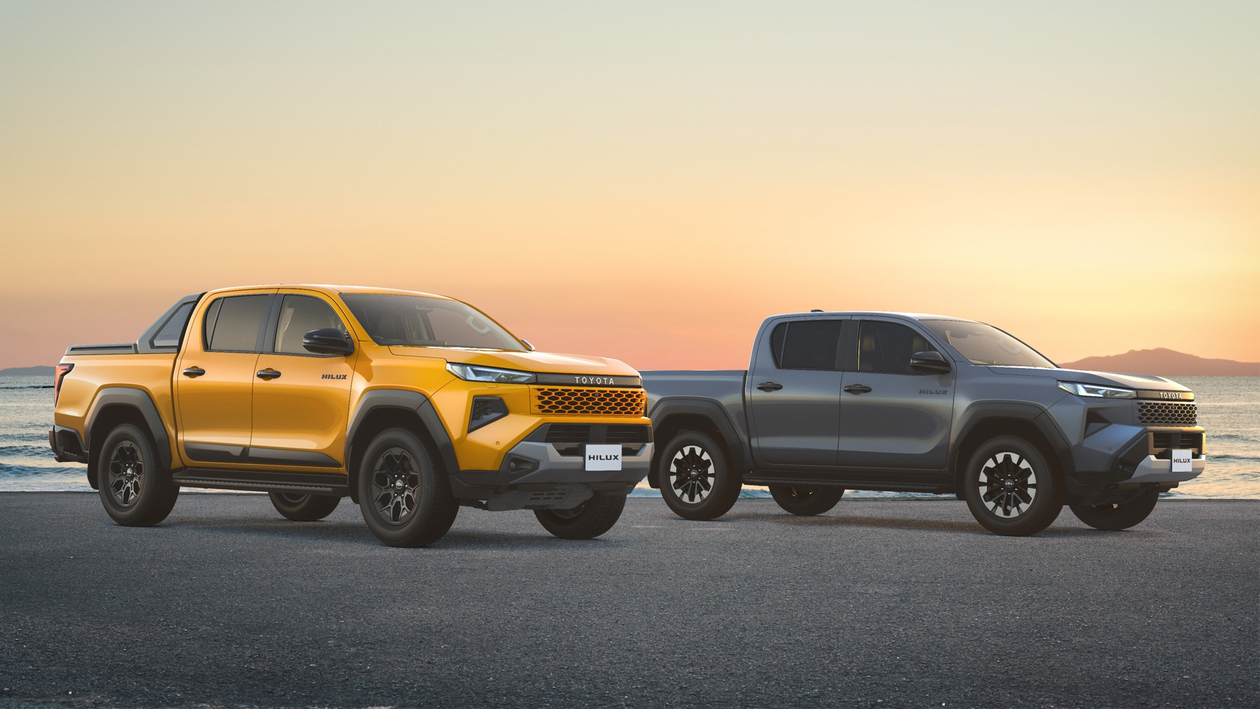
Toyota's hybrid strategy continues to deliver results. In the first half of FY2026, global sales of its hybrid electric vehicles (HEVs) reached 2,368,674 units, up 8.4% year on year.
Japan accounted for approximately 444,000 units, an increase of 8.5%, while overseas markets contributed more than 1.924 million units, up 8.4%.
The figures underline the continued appeal of hybrid vehicles as Toyota pursues its multi-pathway approach to electrification. While battery electric vehicle (BEV) adoption has faced a more uneven growth trajectory in some markets, HEVs remain an important part of the global car market.
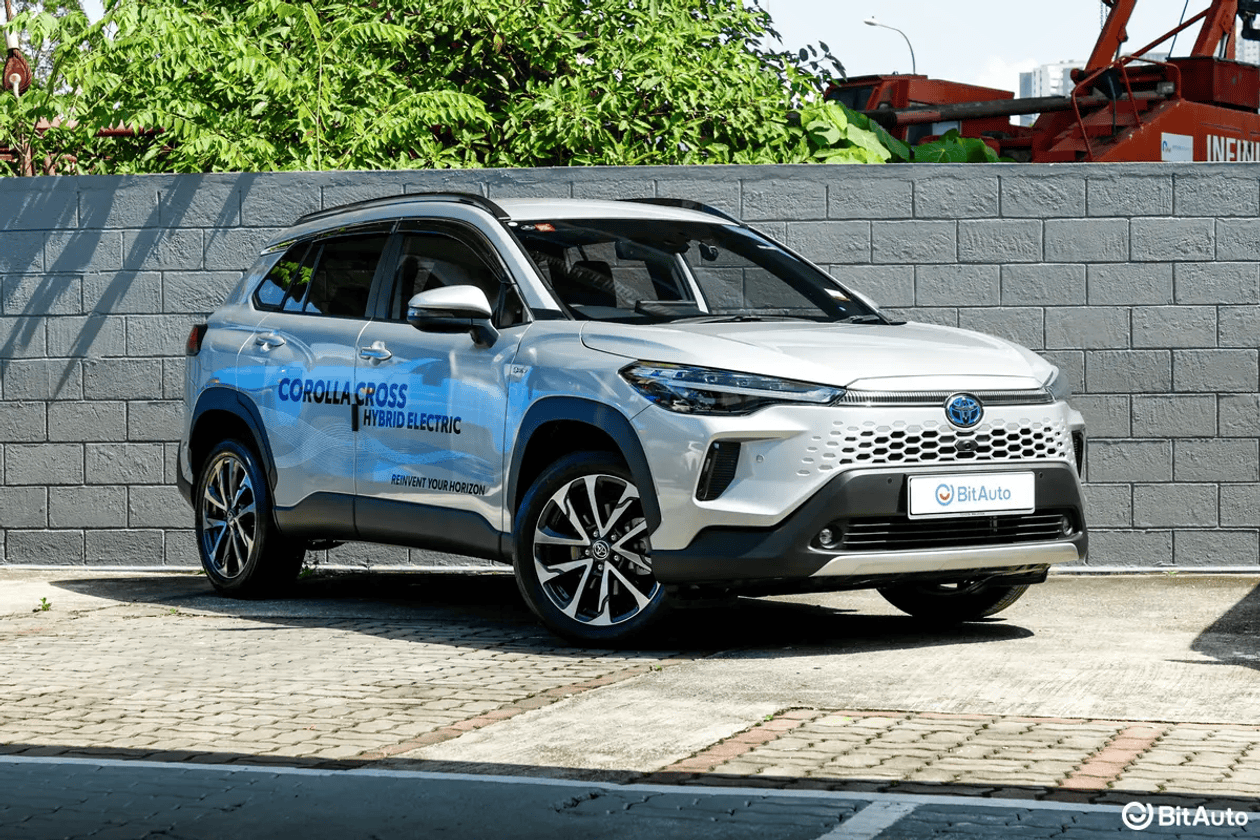
Toyota's global vehicle production totalled 4,895,406 units in the first half of FY2026, down 1.9% year on year.
Production in Japan increased by 6.0% to 1,680,054 units, marking a second consecutive year of growth. Overseas production, however, fell 5.6% to 3,215,352 units.
Exports from Japan moved in the opposite direction, rising 4.7% to 1,048,190 vehicles. Stronger demand in North America and Europe helped drive the increase, giving Toyota a second consecutive year of export growth for the period.
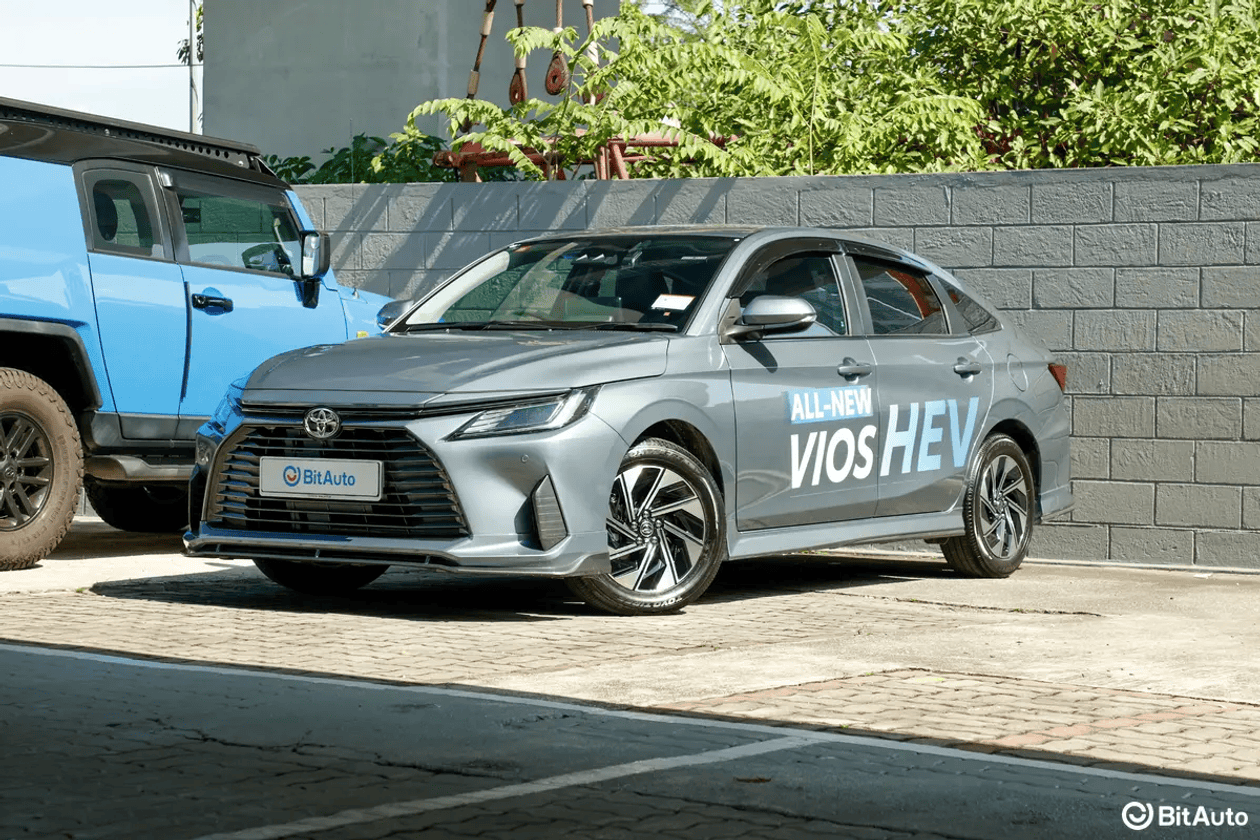
Toyota's first-half results highlight the contrasting trends shaping the global automotive market. Its overall sales were weighed down by weaker performance in China, but demand for hybrids remained resilient, with HEVs continuing to provide a major source of growth.
Southeast Asia offers another positive sign for the Japanese automaker. The performance of models such as the Innova Zenix and Veloz in Indonesia, alongside the Yaris ATIV in Thailand, shows the importance of locally popular models in sustaining sales.
As electrification gathers pace across the region, Toyota's hybrid line-up — including models such as the Corolla Cross and Vios — is likely to remain an important part of its strategy in Southeast Asia.

Your go-to source for all things automotive in Malaysia. 🚗 Latest reviews, breaking news, launches & industry trends.
+ Follow There's a new Honda EV on the horizon, and it will mark a new beginning in EVs for Honda.
#honda #HondaAlpha 1 minute ago
 The facelifted Toyota Innova continues its tease, with some sources mentioning that the MPV could be fitted with a flex-fuel system.
Malaysia how??
#toyota #toyotaInnova 8 hours ago
 Denza has teased the imminent arrival of the updated 2026 Denza D9.
Does this mean that Flash Charging is arriving on this premium EV MPV soon? 9 hours ago
Get the latest car news first!
Your go-to source for all things automotive in Malaysia. 🚗 Latest reviews, breaking news, launches & industry trends.
There's a new Honda EV on the horizon, and it will mark a new beginning in EVs for Honda.
#honda #HondaAlpha 1 minute ago The facelifted Toyota Innova continues its tease, with some sources mentioning that the MPV could be fitted with a flex-fuel system.
Malaysia how??
#toyota #toyotaInnova 8 hours ago Denza has teased the imminent arrival of the updated 2026 Denza D9.
Does this mean that Flash Charging is arriving on this premium EV MPV soon? 9 hours ago 
© 2024 Bitauto.com. All Rights Reserved.
Bitauto (www.yiche.com and www.bitauto.com) is one of the most visited automotive websites in China. We provide detailed info on Chinese car brands available in your area. Please note that the information provided on this website is based on publicly available data and is for reference only. It may not be fully updated or accurate at all times.

Help us improve our website


