With June now behind us, UMW Toyota has delivered a first-half report card filled with contrasts.
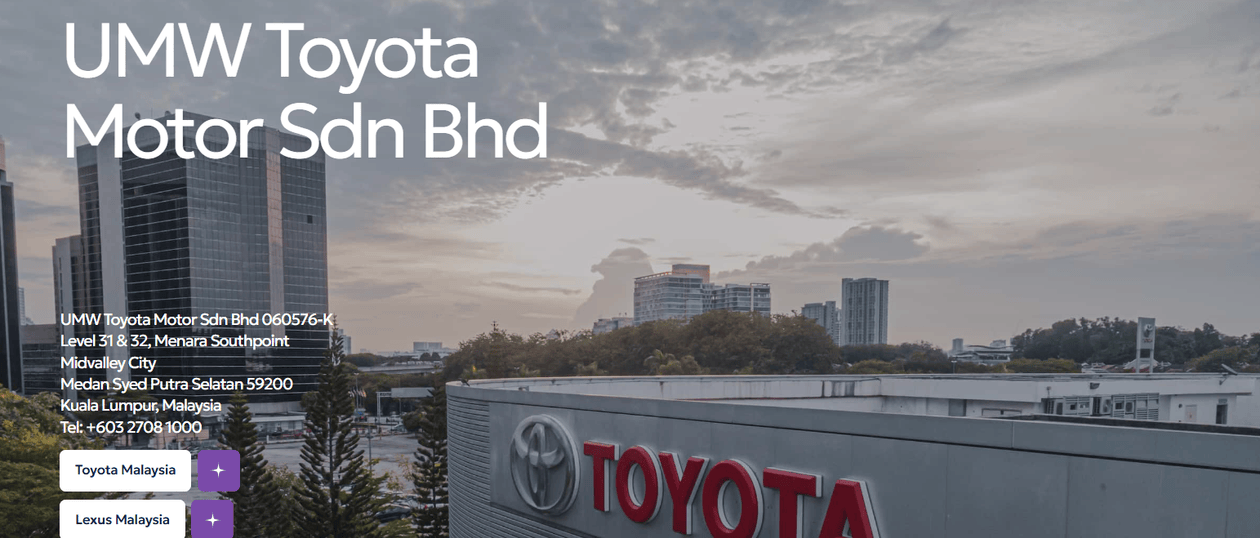
The good news: Toyota recorded one of its strongest months of the year. June sales exceeded 7,300 units, while second-quarter sales surpassed 20,800 units. Total sales for the first half of 2026 reached more than 36,200 units, making it the brand’s best monthly performance so far this year.
The bad news: overall first-half sales still declined. Compared with 57,370 units in the same period last year, sales dropped to 50,591 units, representing an 11.8% decline. Market share also fell from 12.3% in 2025 to 9.2%.
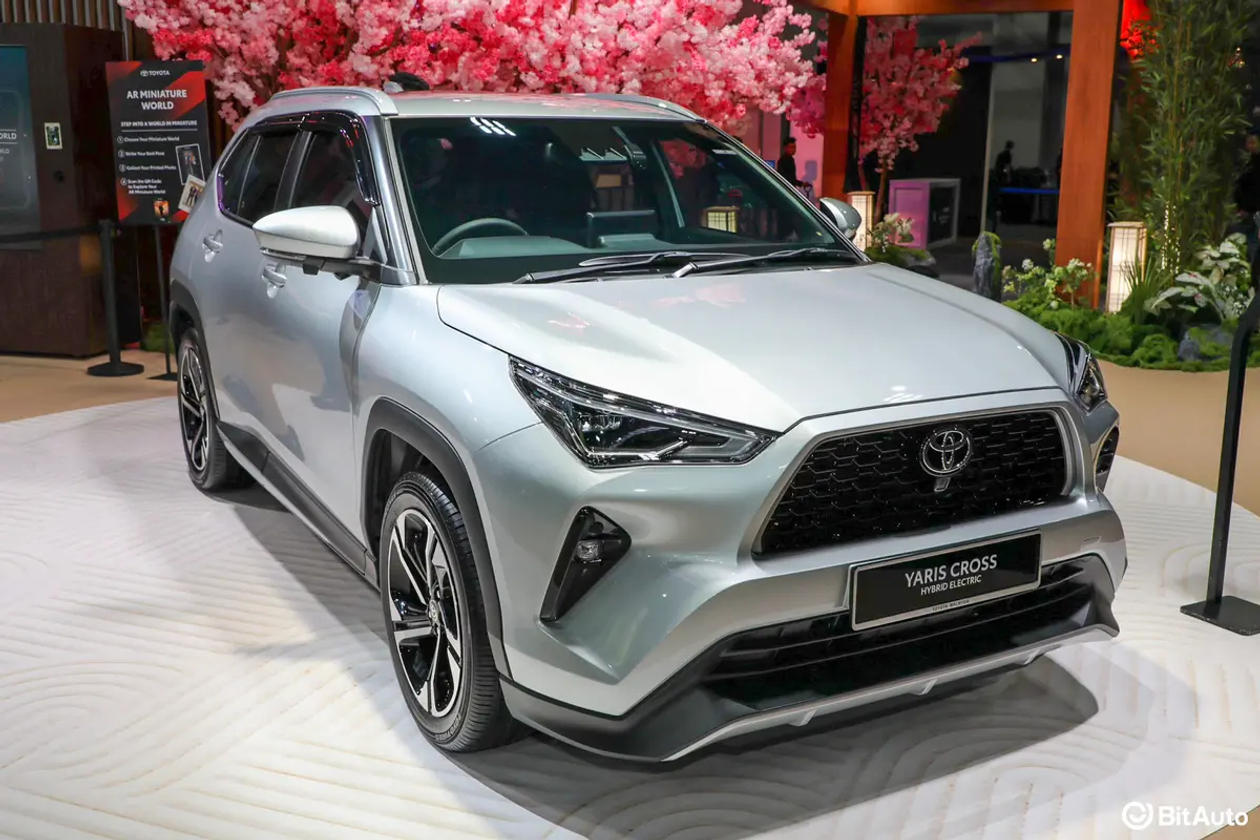
On one side, the newly launched Toyota Yaris Cross delivered a strong start, collecting 2,298 bookings within two weeks and achieving 1,293 deliveries in June. On the other side, Toyota’s overall sales volume and market share continued to weaken.
Sales are down, yet a new model is performing strongly — this contrast raises an important question for anyone considering a Toyota purchase: Will bigger promotions arrive in the second half of the year, and is it better to buy now or wait?
Let's start with the numbers.
In the first half of 2026, Perodua remained Malaysia's market leader with 158,295 units sold, although its sales also declined by 4.7%. Proton moved into second place with 98,010 units, recording a significant 40.5% increase.
Toyota ranked third with 50,591 units, down 11.8% compared with the same period last year. Honda faced an even tougher period, with sales falling to 27,549 units, a sharp 22.3% decline.
Toyota still retains its position as Malaysia's best-selling non-national brand — but the significance of that title is gradually weakening.
So, who is taking Toyota's customers?
Proton is the biggest factor. The combination of the e.MAS electric vehicle range, S70 sedan and entry-level Saga has allowed Proton to strengthen its position across multiple segments, putting direct pressure on Toyota's traditional strongholds in the B-segment and C-segment markets.
Chinese brands are also expanding rapidly. Jetour recorded explosive growth, while Chery continued to increase its presence. Meanwhile, Mazda became the only traditional Japanese brand to achieve significant growth during this period.
More importantly, the shift in market share appears to be structural rather than temporary. Toyota's share dropped from 12.3% in 2025 to 9.2%, reflecting increasing pressure from both Chinese manufacturers and Proton.
UMW Toyota's management is clearly aware of the challenge. Company president Datuk K. Ravindran said the first-half performance reflected continued customer confidence in Toyota's product ecosystem. However, the gap between "continued confidence" and declining market share suggests that Toyota will need to take stronger action in the second half of the year.
Against the backdrop of Toyota's overall sales decline, one model stands out as the exception — the Toyota Yaris Cross.
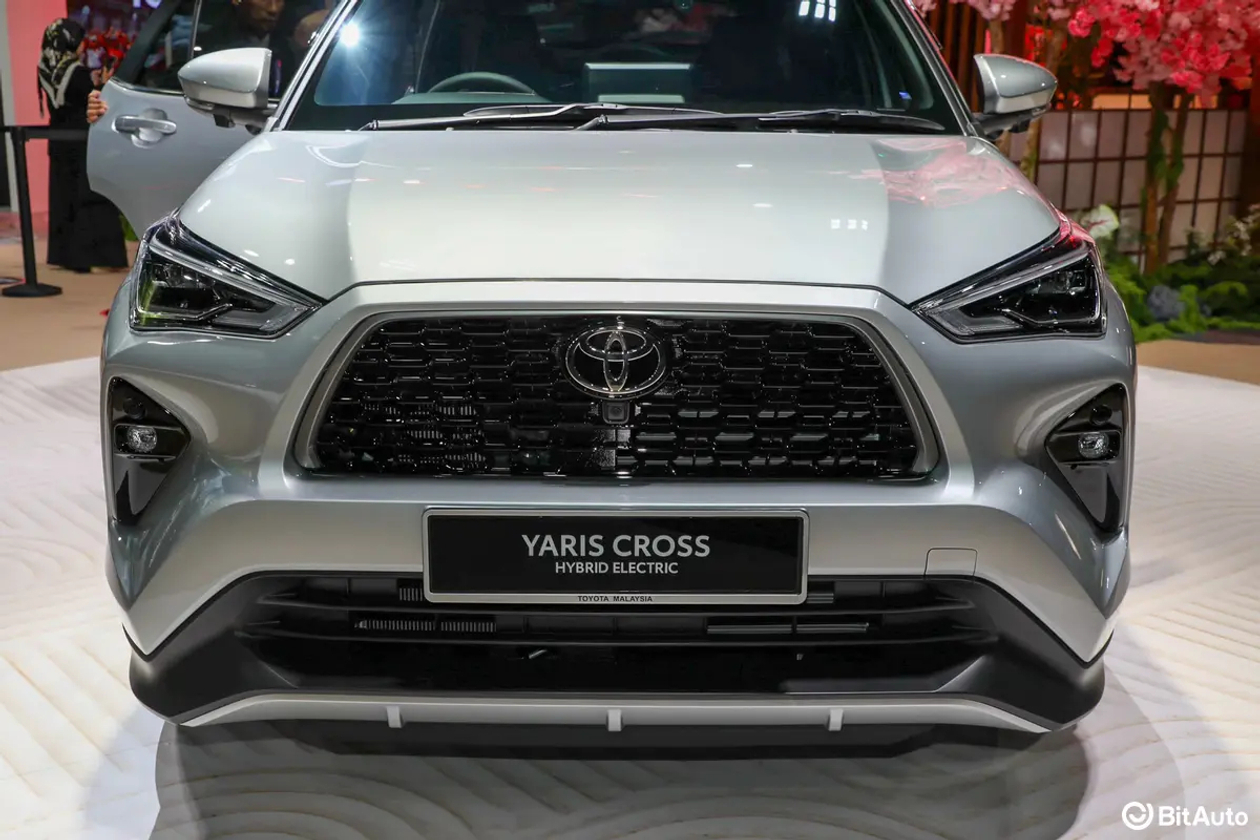
Officially launched in May 2026, the Yaris Cross is offered in two variants: the 1.5S petrol version (RM99,900) and the 1.5S HEV hybrid version (RM109,900). Within just two weeks of launch, it received more than 2,298 bookings. Deliveries reached 1,278 units in May, before climbing further to 1,293 units in June.
In the increasingly competitive B-segment SUV market — where Proton, Perodua, Honda, Chery, BYD, GWM and Jaecoo are all fighting for buyers — the Yaris Cross has managed to establish a strong position within just two months.
What did the Yaris Cross get right?
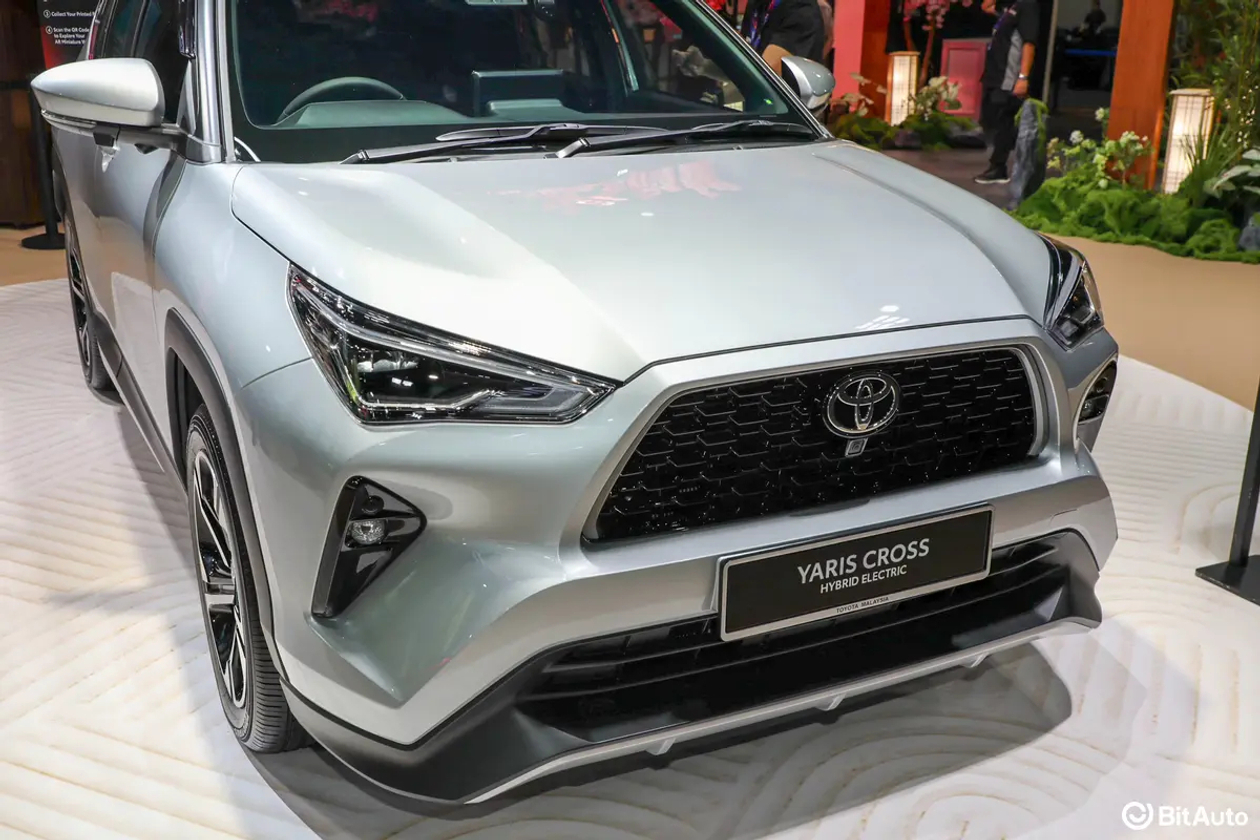
First, its pricing strategy is well positioned. With a starting price of RM99,900, the Yaris Cross sits neatly between the Perodua Traz (around the RM80,000 range) and the Toyota Corolla Cross (around the RM130,000 range). It is more expensive than the Traz, but Toyota is banking on buyers seeing the additional cost as worthwhile — thanks to the Toyota brand, TNGA-B platform, better driving dynamics and improved comfort. At the same time, it is more affordable than the Corolla Cross, giving buyers who cannot stretch their budget to a larger SUV an option to step down in size without stepping away from the Toyota brand.
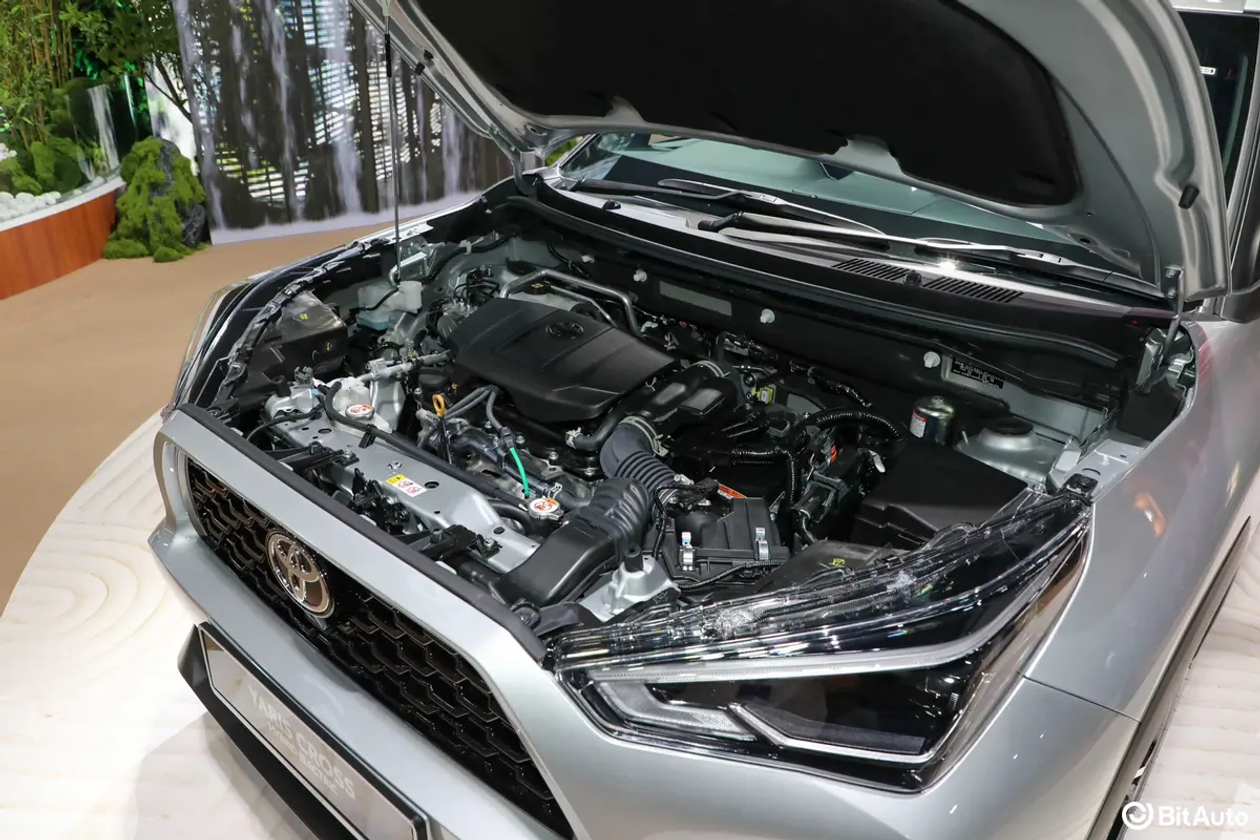
Second, the powertrain focuses on proven reliability. The Yaris Cross uses a 1.5L Dual VVT-i four-cylinder naturally aspirated engine producing 106 hp and 138 Nm, paired with a D-CVT transmission. It may not be the most powerful setup in the segment, but it prioritises fuel efficiency, reliability and lower maintenance costs. For many family buyers, a car that is dependable matters more than one that delivers the strongest acceleration.
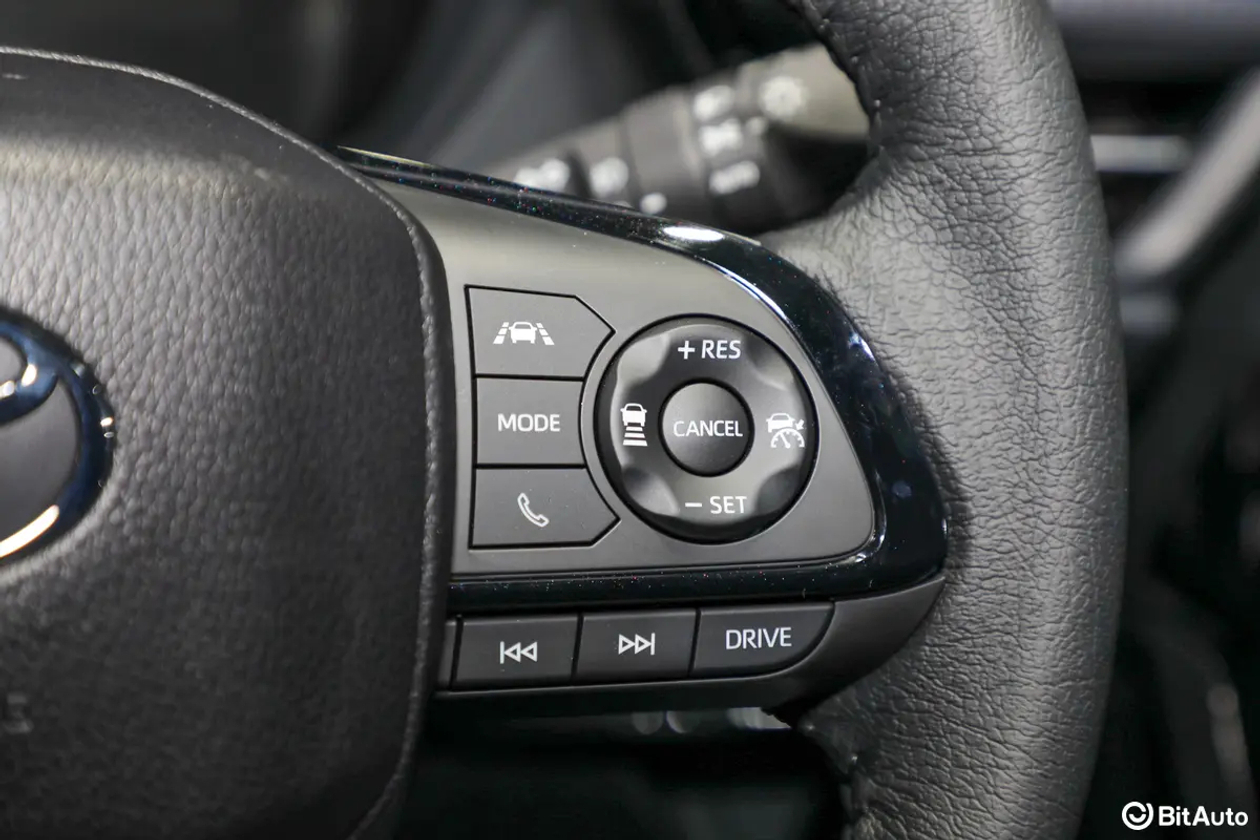
Third, the safety equipment has kept up with expectations.
The higher-spec variant comes equipped with Toyota Safety Sense, including:
For a B-segment SUV, this level of safety equipment is highly competitive.
Fourth, local assembly provides a cost advantage. The Yaris Cross is locally assembled at Toyota’s plant in Bukit Raja, giving UMW Toyota Motor greater flexibility in balancing pricing and profitability.
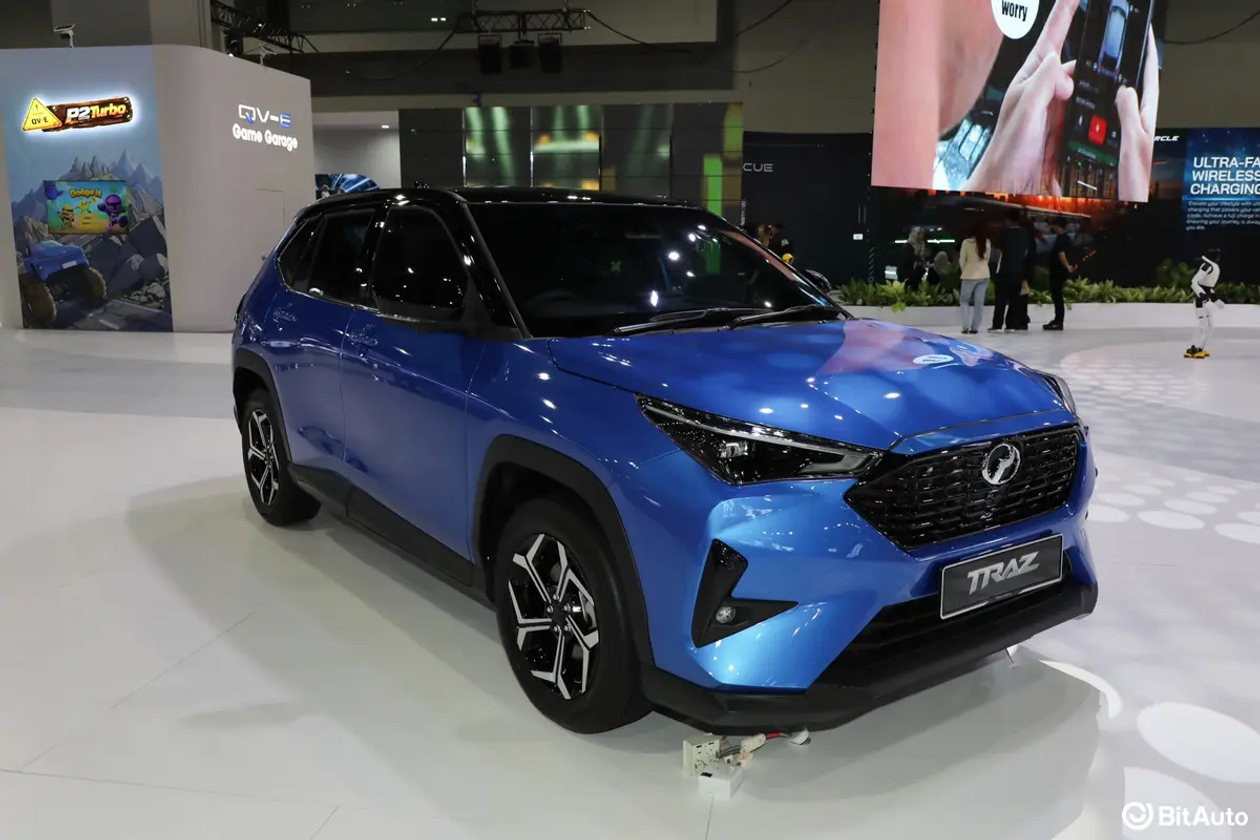
However, the Yaris Cross also faces one major challenge: its “twin sibling”, the Perodua Traz, is targeting the same market with a significantly lower price. The price gap of around RM17,000 to RM34,000 could become a major factor for budget-conscious B-segment SUV buyers.
Understanding the contrast between Toyota’s first-half decline and the Yaris Cross’ strong performance helps explain what may happen in the second half of the year.
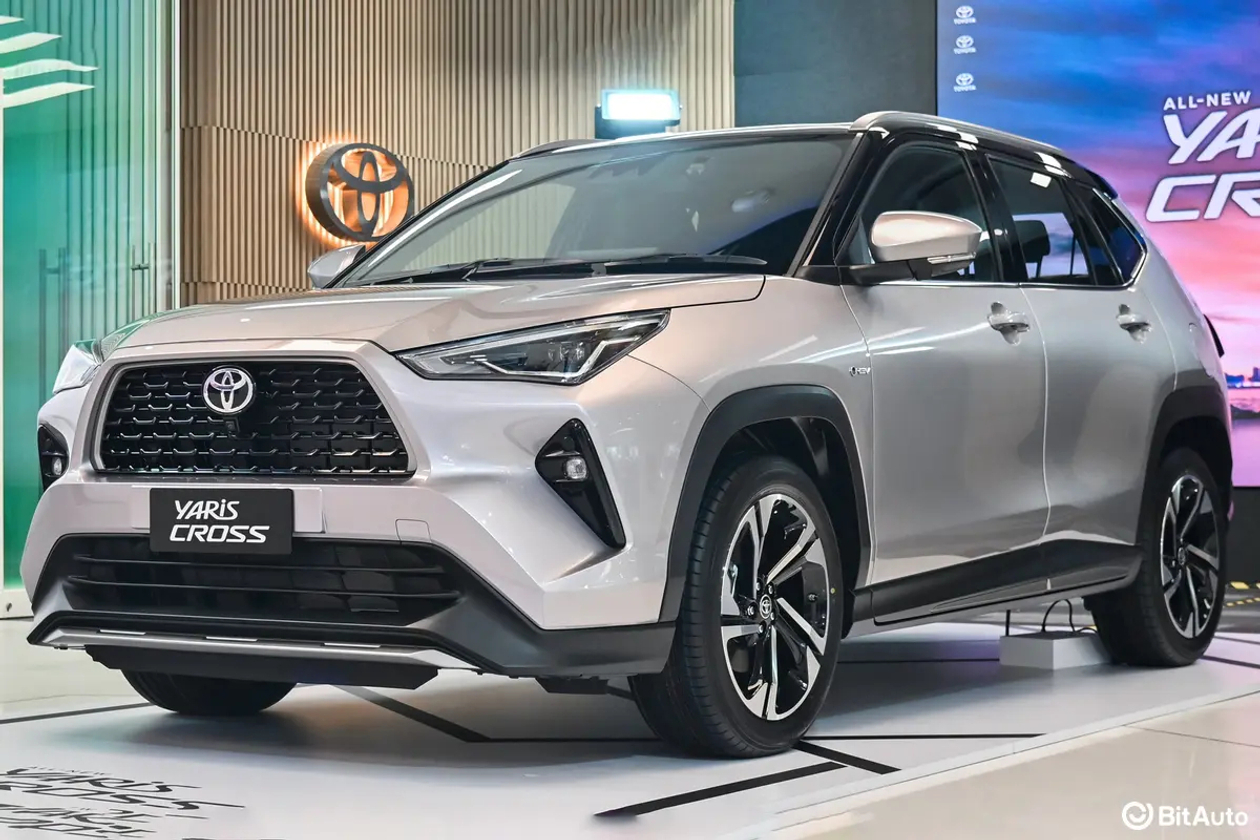
Toyota recorded 50,591 units in sales during the first half of 2026. To match last year’s full-year performance of around 100,000 units, it would need to sell close to 50,000 units in the second half — roughly the same volume as the first six months. However, with Proton and Chinese brands continuing to gain ground, achieving that target will not be easy.
Where is the pressure on UMW Toyota Motor?
The drop in market share from 12.3% to 9.2% means Toyota is gradually losing the advantage that came with being Malaysia’s leading non-national brand.
As consumers increasingly compare Toyota against Chinese brands and newer Proton models, the traditional strength of the Toyota badge is being challenged by a more rational “features versus price” evaluation.
More importantly, competition from Chinese brands is far from slowing down. Jetour, Chery, BYD and GWM are all expanding their line-ups and strengthening their presence in Malaysia. Without a stronger response, Toyota’s market share decline could continue.
Will Toyota increase promotions in the second half?
The possibility is high.
Several signals are worth watching:
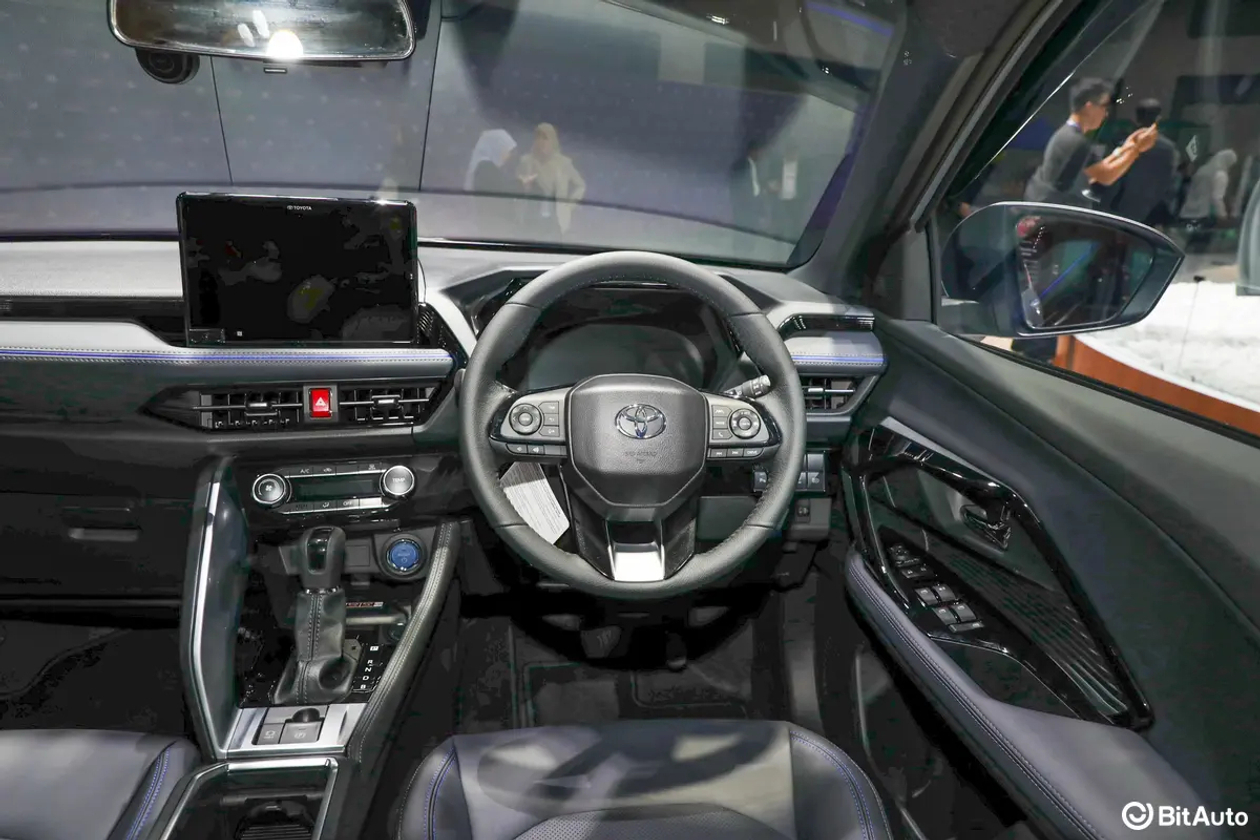
First, new models need to maintain sales momentum. The Yaris Cross is currently enjoying its “new model honeymoon period” — with strong bookings and stable deliveries. However, this initial momentum usually lasts only around three to six months. Once early demand is fulfilled, UMW Toyota Motor may need additional incentives to maintain interest.
Second, year-end is traditionally a key promotion period. The Malaysian automotive market has a common pattern: November and December are important months for dealers to push sales targets. With competition intensifying in 2026, year-end promotions could be stronger than previous years.
Third, the Toyota Extra Mile programme has already laid the groundwork. UMW Toyota Motor’s Toyota Extra Mile ownership programme focuses on six key areas: Extra Rewards, Extra Protection, Extra Convenience, Extra Peace of Mind, Extra Security and Extra Care.
This approach reflects Toyota’s strategy of competing through added value rather than direct price cuts. However, if sales pressure continues to build, more direct incentives such as cash rebates and complimentary service packages could become more aggressive.
Now comes the most practical question: if you are considering the Toyota Yaris Cross, should you buy it now or wait until the end of the year?
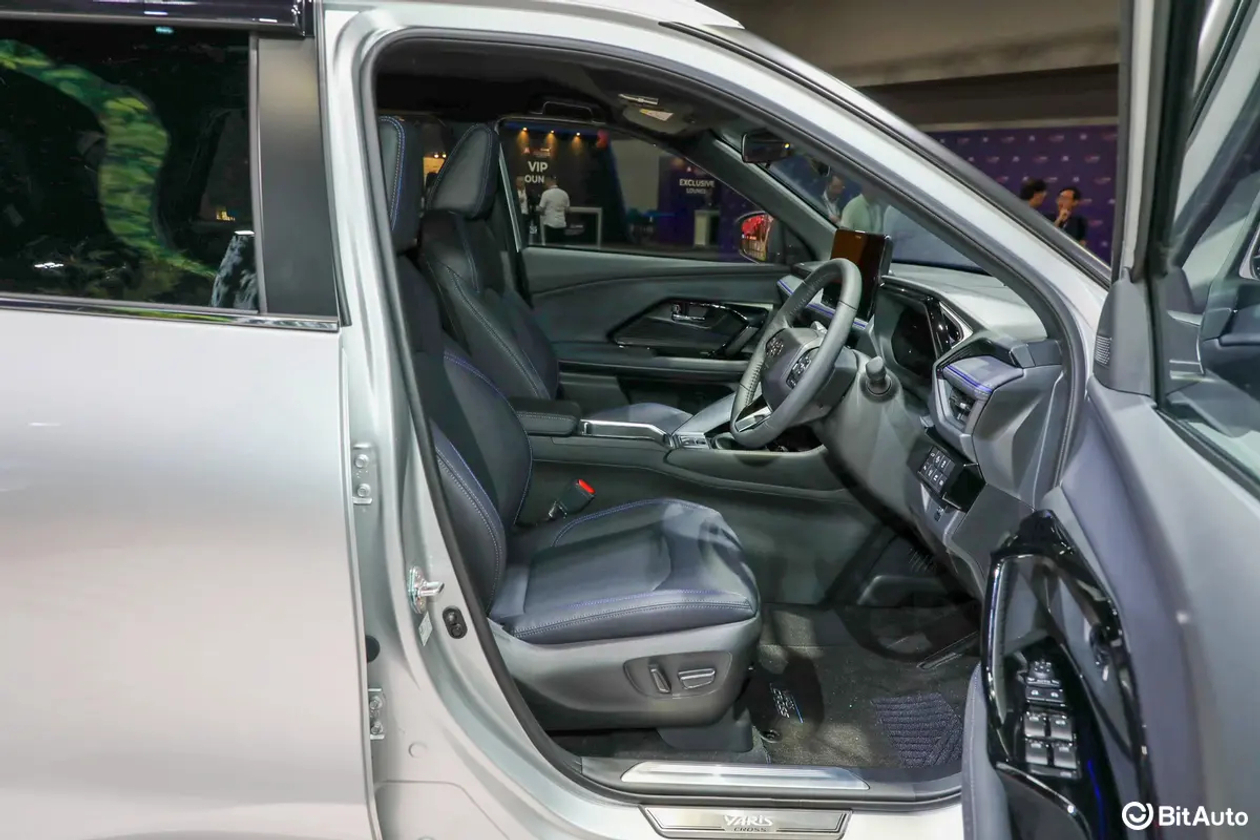
The Yaris Cross is still in its new model launch phase, and it has already built up a strong order backlog. Buying now comes with several advantages:
Get your car earlier:
The earlier you place your booking, the earlier you are likely to receive your vehicle. Popular B-segment SUVs typically have waiting periods of around two to four months. Ordering now could mean getting your car before the end of the year, while waiting until year-end could push delivery into 2027.
Early-bird benefits are still available:
Some dealers are still offering early purchase incentives, such as complimentary service vouchers and other launch-related benefits.
A 2026 registration year could help resale value:
A car registered in 2026 will be considered one year “younger” than a 2027-registered unit when it comes to resale. This difference could potentially affect future used-car value by several thousand ringgit.
Year-end promotions could become stronger:
If UMW Toyota Motor faces greater sales pressure in the second half of the year, promotional packages for the Yaris Cross — such as cash rebates, extended free service packages or lower-interest financing offers — could become more attractive.
More inventory choices:
As production continues to ramp up, dealers may have better stock availability towards the end of the year, offering more choices in terms of colours and specifications.
More real-world feedback:
The Yaris Cross has only been on the market for around two months. Long-term reliability, actual fuel consumption and after-sales experiences still require more owner feedback before a complete picture emerges.
If you are not in a hurry to replace your car, waiting until around September or October could be a sensible option.
By then, you will have a clearer picture of:
Making a decision at that point allows you to gather more information while still having a good chance of getting your car before the end of the year.
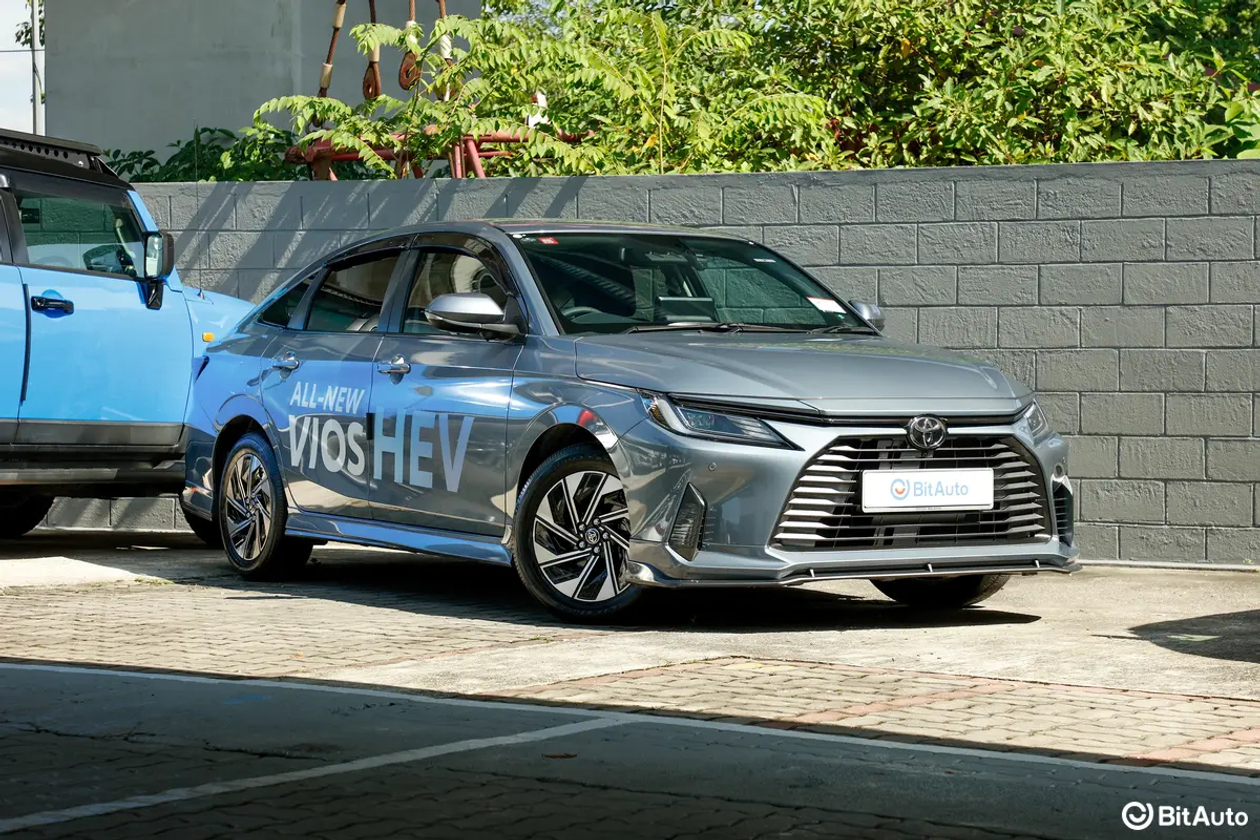
Vios: The Vios recorded 12,144 registrations in the first half of the year (as of May). Competition in the B-segment sedan market is being squeezed by the growing popularity of SUVs, and Toyota may increase promotional offers for the Vios towards the year-end. If you are not specifically looking for an SUV, waiting until the year-end sales period could bring better deals on the Vios.
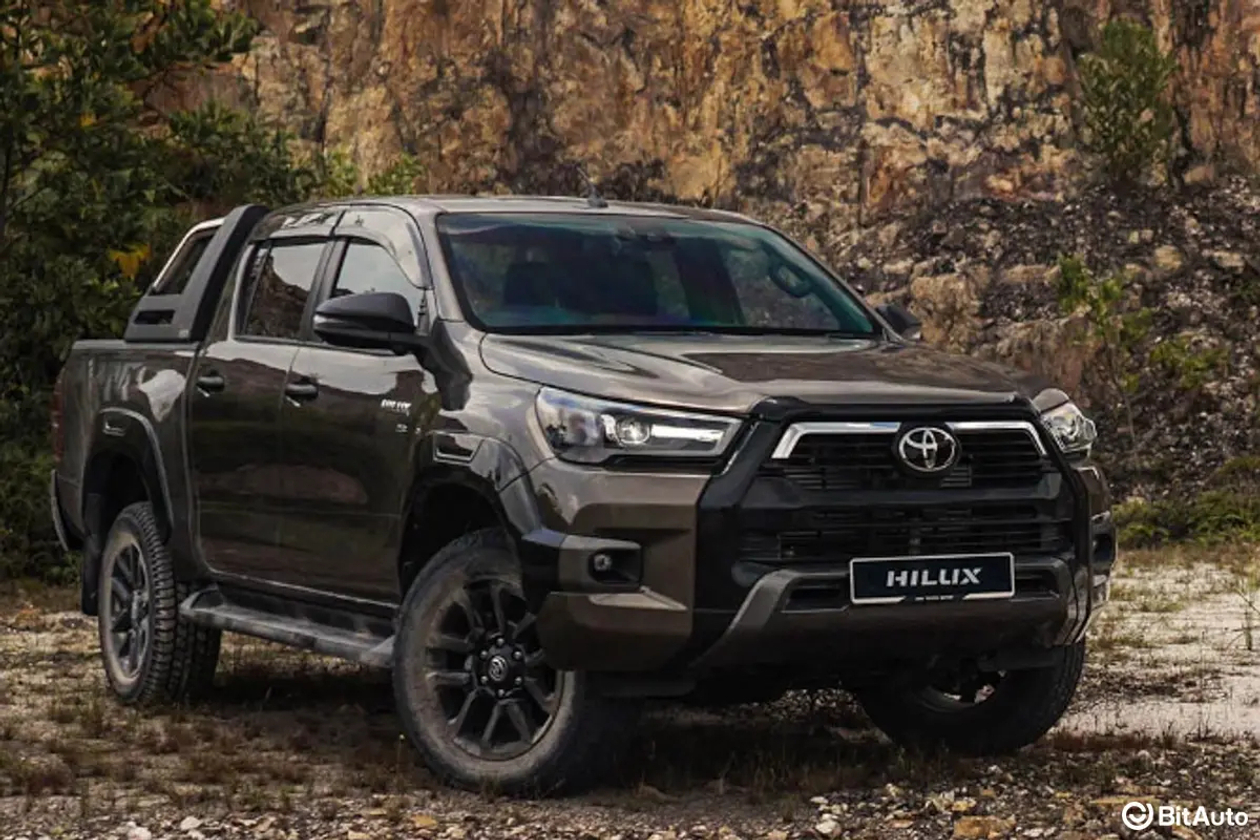
Hilux: With 1,670 registrations in May, the Hilux remains the best-selling pick-up truck in the market. Demand for pick-up trucks is relatively stable due to their commercial and off-road applications, so promotions are usually less aggressive compared with passenger cars. However, the ninth-generation Hilux BEV has just been launched at RM 226,300. If you are interested in an electric pick-up, it is worth keeping an eye on future updates for the diesel variants and promotional packages.
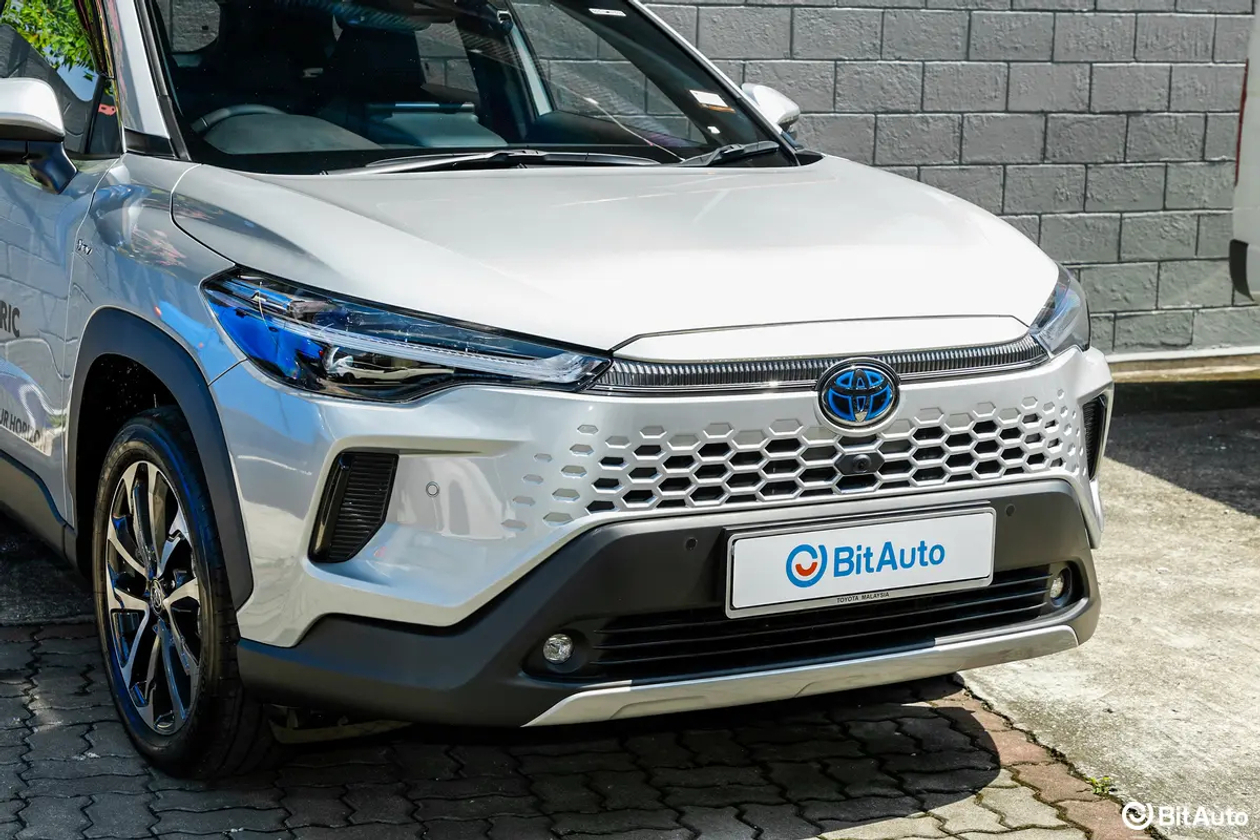
Corolla Cross: Positioned between the Yaris Cross and Harrier, the Corolla Cross sits in a challenging “middle ground” where buyers are more price-sensitive. If Toyota aims to boost sales in the second half of the year, the Corolla Cross could become one of the key models receiving stronger promotional support.
Toyota’s sales fell by 11.8% in the first half of the year, but the Yaris Cross has shown within just two months that Toyota’s brand appeal remains strong — as long as the product meets market demand and the pricing is right.
For the second half of the year, UMW Toyota Motor faces a strategic choice: should it rely on stronger promotions to defend market share, or focus on new products and its “Extra Mile” value-added services to maintain its pricing strategy?
Based on the current market environment — Proton’s rapid growth, aggressive expansion by Chinese brands, and increasing pressure on Japanese marques — stronger promotional campaigns appear almost inevitable. The only question is whether they will begin as early as August or arrive during the traditional year-end sales push in November.
For buyers, the right decision depends on your urgency. Need a car soon? Buying now means enjoying early-bird offers and securing a 2026 registration year. Not in a rush? Waiting until September or October may give you a clearer picture of UMWT’s next move before making a decision.
One thing is certain: Malaysia’s automotive market will only become more competitive in the second half of 2026. And for consumers, that is good news — the tougher the competition, the more choices there are, and the better the deals are likely to become.


Your go-to source for all things automotive in Malaysia. 🚗 Latest reviews, breaking news, launches & industry trends.
+ Follow After demonstrating the Xiaomi SU7's auto parking assist, we accidentally left the car's NFC card inside the car, locking us out.. 1 minute ago
  Our colleagues drove all the way from China to Malaysia in this Xiaomi SU7. Check out their journey here. 1 minute ago
  Xiaomi SU7 Ai feature is crazy 😳😳#xiaomisu7 #xiaomi #su7 #ai 1 minute ago
 Get the latest car news first!
Your go-to source for all things automotive in Malaysia. 🚗 Latest reviews, breaking news, launches & industry trends.
After demonstrating the Xiaomi SU7's auto parking assist, we accidentally left the car's NFC card inside the car, locking us out.. 1 minute ago Our colleagues drove all the way from China to Malaysia in this Xiaomi SU7. Check out their journey here. 1 minute ago Xiaomi SU7 Ai feature is crazy 😳😳#xiaomisu7 #xiaomi #su7 #ai 1 minute ago  ProtonGWMVolkswagenJAECOOVolvoPeroduaToyotaHondaTESLAMitsubishiMazdaJetourCheryBYDLexusBMWMercedes-BenziCAURZeekrIsuzuNissanLeapmotorPorscheFordOMODAMINIMGSuzukiXPengHyundaiWulingKiaSubaruDenzaGACLand RoverDongfengCAMAudiPeugeotFotonMAXUSsmartDaihatsuJACJMCMaseratiLotusAlfa RomeoRenaultGolden DragonKaiceneSeresLamborghiniFerrariJeepRolls-RoyceLepasAston MartinMcLarenChevroletBentleyFiatBAICForthingGeelyRoeweAeolusChanganARCFOXDeepalExeedHongqiVoyahJaguarKGMBuforiAcuraCadillacDodgeAbarthINEOSMHEROJMEVFreelander
© 2024 Bitauto.com. All Rights Reserved.
Bitauto (www.yiche.com and www.bitauto.com) is one of the most visited automotive websites in China. We provide detailed info on Chinese car brands available in your area. Please note that the information provided on this website is based on publicly available data and is for reference only. It may not be fully updated or accurate at all times.
Help us improve our website


