Something rather unusual happened on 26 March 2026.
A small electric vehicle maker from Shandong, China, with just 20 employees, filed requests to invalidate three of Xiaomi Auto's design patents.
The company, Shandong Yanlu New Energy Vehicle Industry Co., Ltd., makes low-speed electric three-wheelers commonly known in China as "Lao Tou Le". These small enclosed vehicles typically sell for around RMB 5,000 to RMB 20,000 and are mainly used for short-distance travel.
This time, however, Yanlu was taking on Xiaomi Auto.
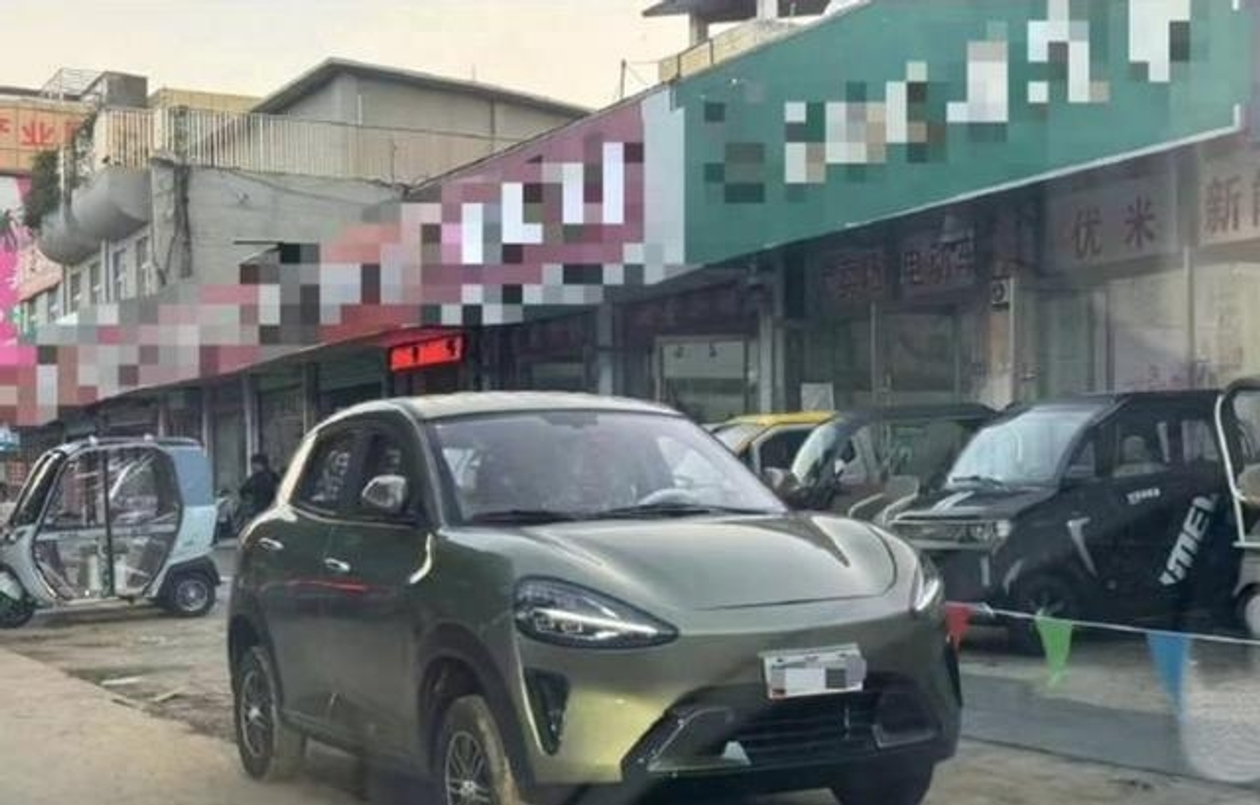
This is how "Lao Tou Le" looks
The three patents it challenged cover the headlights, front bumper and rear bumper of Xiaomi's vehicles — including design elements seen on the Xiaomi SU7 and YU7.
That was enough to get Chinese social media talking.
Shandong Yanlu New Energy Vehicle Industry Co., Ltd. was founded in 2020 and is based in the economic development zone of Gaotang County, Liaocheng, Shandong. It has registered capital of RMB 10 million and just 20 employees.
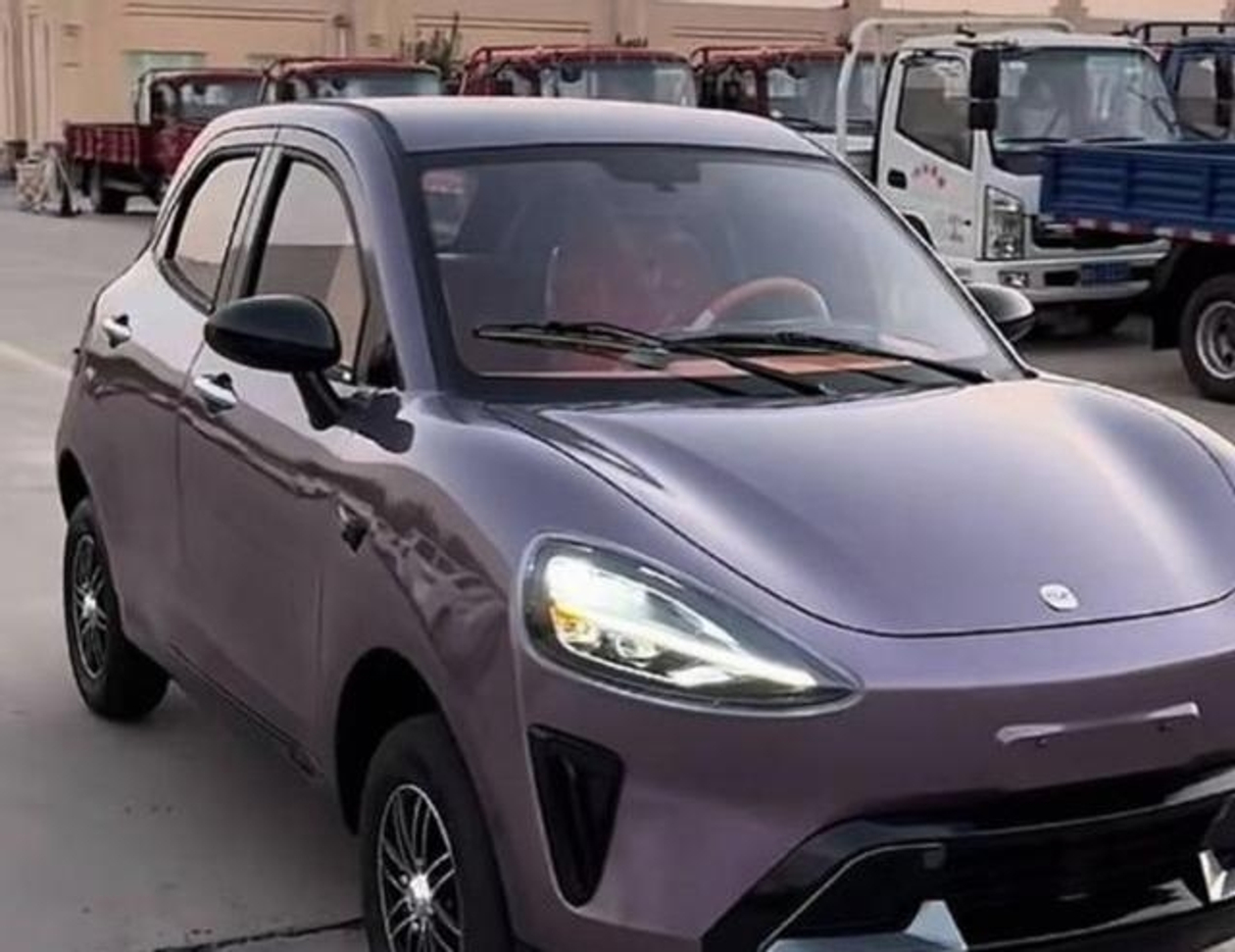
Its main business is the Yunlei-branded electric three-wheeler, a familiar sight in towns and rural areas in Shandong.
Yanlu has seven patents, including six utility model patents and one granted invention patent.
It has no design patents.
That makes its decision to challenge Xiaomi's exterior design patents particularly unusual.
The three design patents were filed by Xiaomi on 19 January 2023 and were eventually granted in March 2025, giving them a patent process of around 26 months.
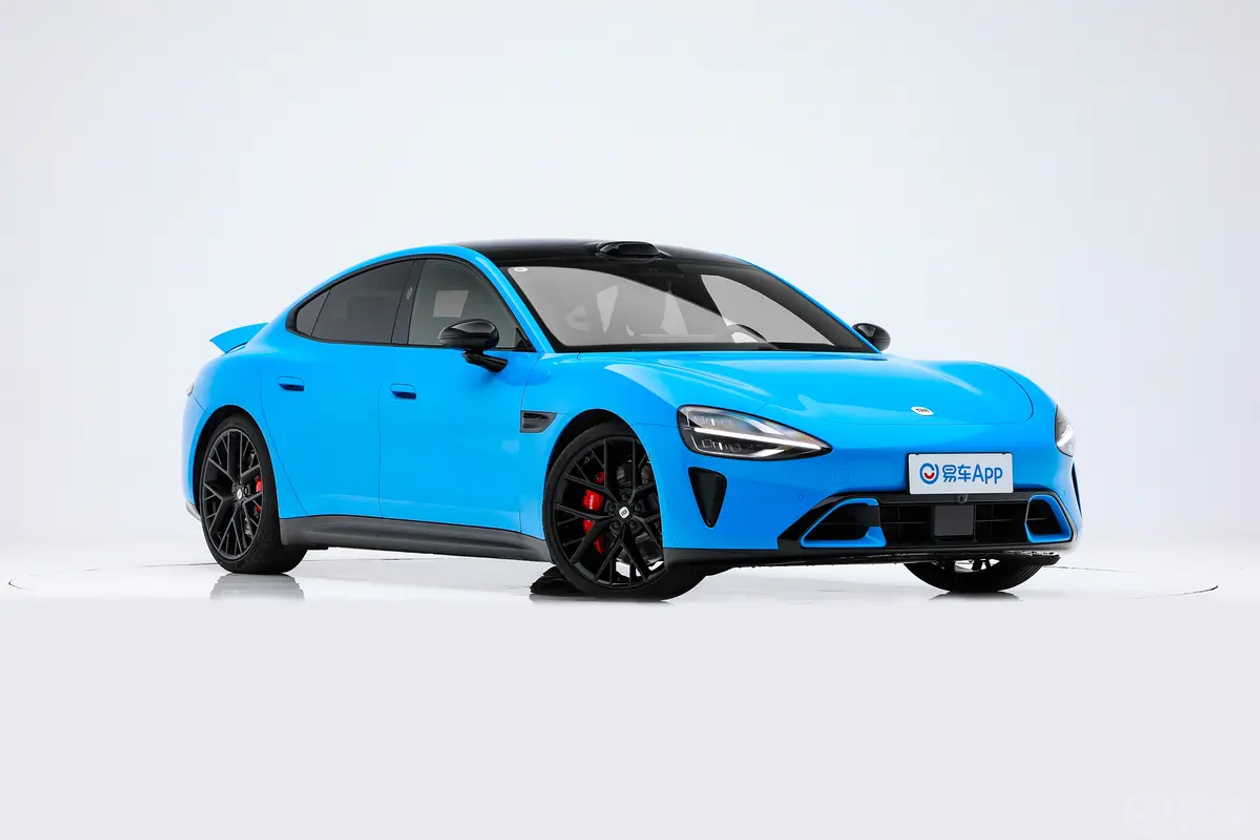
The timing is worth noting.
Xiaomi unveiled the SU7 in March 2024. Had the design patents been published before the car was launched, details of the design would have been available earlier.
Keeping a patent application confidential for a period before seeking protection is sometimes described as a "submarine patent" strategy. Similar approaches have also been used in the automotive industry to keep new designs under wraps during development and launch.
The patent dispute was scheduled to be heard by the Third Hearing Division of the China National Intellectual Property Administration (CNIPA) at 9 am on 26 March.
But by then, the dispute had already been settled.
The two sides reached an agreement on 25 March, a day before the scheduled hearing.
Yanlu later confirmed in a Weibo statement that Xiaomi owned the relevant design patents, that it had stopped using the disputed components, and that it had withdrawn its patent invalidation requests.
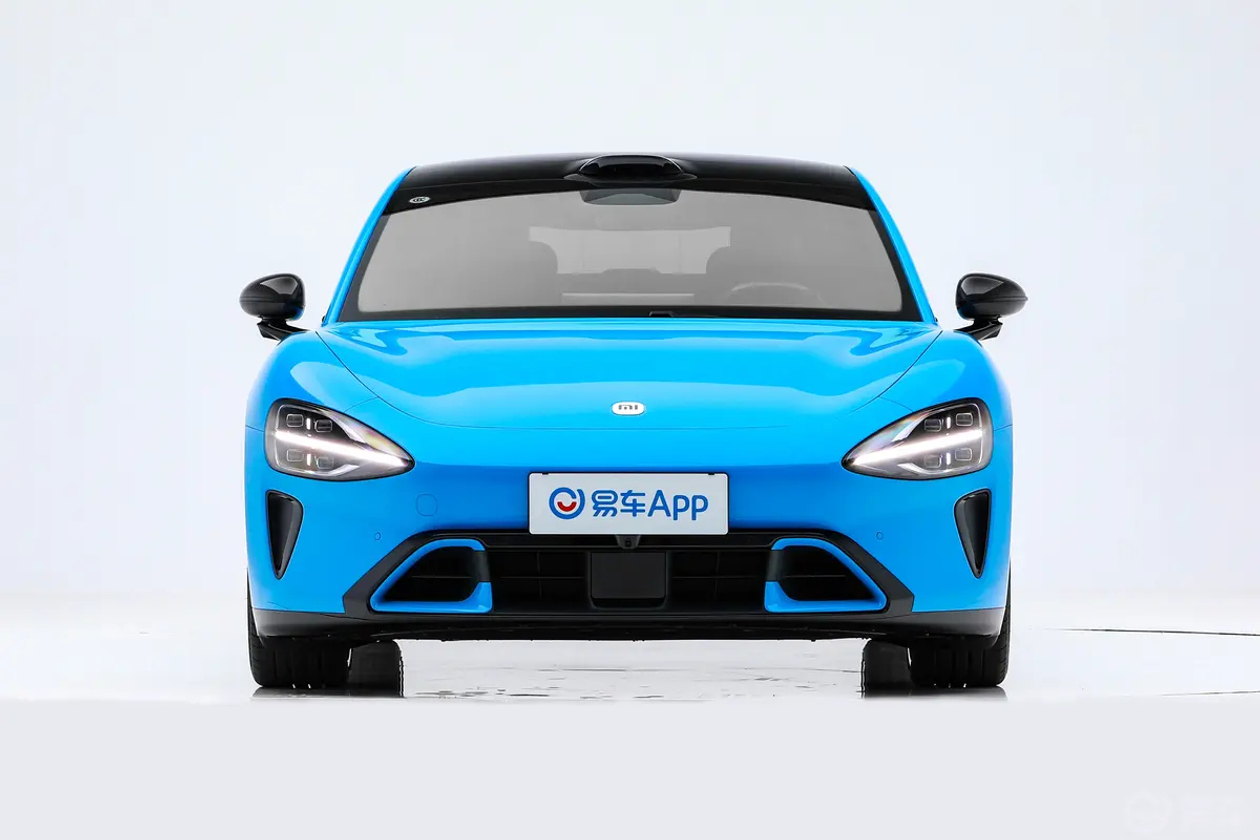
The company also apologised to Xiaomi and Xiaomi Auto for the trouble caused by inaccurate comments and thanked Xiaomi for its understanding and support during the dispute.
CNIPA records show that all three patents remain valid.
Xiaomi has also withdrawn its infringement lawsuit against Yanlu.
From a legal standpoint, Xiaomi did.
The patent challenges were withdrawn and the three design patents remain in force. Yanlu also stopped using the disputed components.
But the dispute gave the small Shandong company something it probably did not have before: a lot of attention.
A 20-employee maker of low-speed electric three-wheelers had suddenly found itself being discussed alongside Xiaomi Auto and the SU7.
The whole episode lasted only a few days, but it produced one of the more unusual patent stories in China's car industry this year.
 ProtonGWMVolkswagenJAECOOVolvoPeroduaToyotaHondaBYDJetourMazdaMitsubishiCheryTESLALexusMercedes-BenzBMWZeekriCAURNissanIsuzuLeapmotorFordPorscheMGOMODAMINISuzukiWulingSubaruLand RoverGACDongfengXPengHyundaiKiaDenzaAudiFotonCAMsmartPeugeotDaihatsuJMCJACLotusMAXUSAlfa RomeoMaseratiRenaultGolden DragonKaiceneSeresLamborghiniFerrariJeepBentleyRolls-RoyceChevroletJaguarMcLarenAston MartinDodgeAbarthBAICForthingGeelyRoeweAeolusChanganARCFOXDeepalExeedHongqiVoyahKGMBuforiAcuraCadillacFiatINEOSLepasMHEROJMEVFreelander
© 2024 Bitauto.com. All Rights Reserved.
Bitauto (www.yiche.com and www.bitauto.com) is one of the most visited automotive websites in China. We provide detailed info on Chinese car brands available in your area. Please note that the information provided on this website is based on publicly available data and is for reference only. It may not be fully updated or accurate at all times.


