

HomeBeauty

Search History
Popular Searches
Dealer Login / Sign Up
In the SUV market in Malaysia, many buyers compare the Proton X90 and Honda WR-V when choosing a car.
The OTR price of Proton X90 in Malaysia is RM 106,800 - 122,800. There are 4 versions in total, including 2026 1.5T Prime X (RM 122,800), 2026 1.5T Prime (RM 116,800), 2026 1.5T Lite (RM 106,800), etc.
The OTR price of Honda WR-V in Malaysia is RM 89,900 - 107,900. There are 4 versions in total, including 2023 1.5L V (RM 99,900), 2023 1.5L E (RM 95,900), 2023 1.5L S (RM 89,900), etc.
From a price perspective, the starting price of Honda WR-V is RM 16,900 cheaper than Proton X90. To be honest, in this price range, a difference of a few thousand isn't really significant; the key is to look at overall value for money and long-term usage costs.

Proton X90 is equipped with 1.5L Turbo, 140 hp. Official fuel consumption 7.0 L/100km.
Honda WR-V is equipped with 1.5L 4-cyl, 105 hp. Official fuel consumption 6.0 L/100km.
In terms of power, the 1.5L Turbo of Proton X90 has 35 hp more than the 1.5L 4-cyl of Honda WR-V, offering more confidence in mid-range acceleration, especially when overtaking on highways. However, Honda WR-V's fuel consumption might be more friendly, and the difference in daily city commuting won't be too large.

Proton X90's safety rating is 5★ (ASEAN NCAP), active safety systems include ADAS (ACC, AEB, LKA, LDA, BSM, RCTA).
Honda WR-V's safety rating is 5★ (ASEAN NCAP), active safety systems include Honda SENSING.
Both cars have the same safety rating, and safety features in this class are quite complete. New cars nowadays don't lack in safety, so there is no need to worry too much about this point.

Proton X90 body length 4400 mm, trunk 400 L.
Honda WR-V body length 4400 mm, trunk 400 L.
The dimensions of both cars are almost the same, and the interior space difference is not large. For a car in this class, daily use is completely sufficient.

Proton X90 adopts FWD drive system.
Honda WR-V adopts FWD drive system.
Both cars use the same drive system, both are FWD, and there won't be much difference in daily driving experience.

Overall, Proton X90 and Honda WR-V are both very good models in the Malaysian market. Which one to choose depends mainly on your personal needs and budget. It is recommended to do your research, compare quotes from several dealerships, and then test drive to make the final decision. Buying a car is a major matter, spending some time doing research will definitely not go wrong.


In the Malaysian SUV market, many buyers compare Proton X90 and Honda WR-V when choosing a car. Both cars are quite close in price and positioning. Today, we will conduct a detailed comparison from multiple aspects to help you save time on research.
Proton X90 OTR price in Malaysia is RM 106,800 - 122,800, with a total of 4 versions, including 2026 1.5T Prime X (RM 122,800), 2026 1.5T Prime (RM 116,800), 2026 1.5T Lite (RM 106,800), etc.
Honda WR-V OTR price in Malaysia is RM 89,900 - 107,900, with a total of 4 versions, including 2023 1.5L V (RM 99,900), 2023 1.5L E (RM 95,900), 2023 1.5L S (RM 89,900), etc.
In terms of price, the starting price of Honda WR-V is RM 16,900 cheaper than Proton X90. To be honest, in this price range, a difference of a few thousand isn't really significant; the key is to look at overall cost-performance and long-term usage costs.
Proton X90 is equipped with 1.5L Turbo, 140 hp. Official fuel consumption 7.0 L/100km.
Honda WR-V is equipped with 1.5L 4-cyl, 105 hp. Official fuel consumption 6.0 L/100km.
In terms of power, Proton X90's 1.5L Turbo has 35 more horsepower than Honda WR-V's 1.5L 4-cyl, with more confidence in mid-range acceleration, especially when overtaking on highways. However, Honda WR-V's fuel consumption might be more friendly, and the difference in daily city commuting won't be too large.
Proton X90 body length 4400 mm, trunk 400 L.
Honda WR-V body length 4400 mm, trunk 400 L.
The dimensions of both cars are almost the same, with little difference in interior space. Cars of this level are more than enough for daily use.
Proton X90 warranty 5 years/150,000km, service interval every 10,000km or 6 months.
Honda WR-V warranty 5 years/unlimited mileage, service interval every 10,000km or 6 months.
In general, both Proton X90 and Honda WR-V are very good models in the Malaysian market. Which one to choose mainly depends on your personal needs and budget. We recommend doing your research, comparing quotes from several dealerships, and test driving before making a final decision. Buying a car is a big matter; spending time on research will definitely not go wrong.

Dalam pasaran SUV Malaysia, banyak pembeli akan membandingkan Proton X90 dan Toyota Yaris Cross ketika memilih kereta. Kedua-dua kereta ini mempunyai harga dan kedudukan pasaran yang agak hampir, hari ini kita akan melakukan perbandingan terperinci dari pelbagai aspek untuk membantu anda menjimatkan masa membuat kajian.
Proton X90 dijual pada harga OTR di Malaysia adalah RM 106,800 - 122,800, terdapat 4 varian, termasuk 2026 1.5T Prime X (RM 122,800), 2026 1.5T Prime (RM 116,800), 2026 1.5T Lite (RM 106,800) dan lain-lain.
Toyota Yaris Cross dijual pada harga OTR di Malaysia adalah RM 99,900 - 109,900, terdapat 2 varian, termasuk 2026 1.5L Standard (RM 99,900), 2026 HEV 1.5L Standard (RM 109,900) dan lain-lain.
Dari segi harga, harga permulaan Toyota Yaris Cross adalah RM 6,900 lebih murah berbanding Proton X90. Jujur berkata, dalam julat harga ini, beza beberapa ribu sebenarnya tidak besar, yang penting adalah melihat nilai keseluruhan dan kos penggunaan jangka panjang.
Proton X90 menggunakan cara drif FWD.
Toyota Yaris Cross menggunakan cara drif FWD.
Cara drif kedua-dua kereta adalah sama, iaitu FWD, pengalaman memandu harian tidak akan ada perbezaan besar.
Proton X90 jaminan 5 tahun/150,000km, selang penyelenggaraan setiap 10,000km atau 6 bulan.
Toyota Yaris Cross jaminan 5 tahun/tanpa had jarak, selang penyelenggaraan setiap 10,000km atau 6 bulan.
Proton X90 dan Toyota Yaris Cross adalah pilihan utama dalam pasaran Malaysia, sesuai untuk kegunaan keluarga, komuter harian. Jika anda lebih mementingkan reputasi jenama dan harga kereta terpakai, boleh mengutamakan model yang mempunyai reputasi lebih baik; jika anda lebih mementingkan nilai dan kelengkapan, maka pilih yang mempunyai kelengkapan lebih banyak. Akhir sekali adalah disarankan kedua-dua model untuk uji jalan, pengalaman sendiri adalah yang paling penting.

Secara keseluruhan, Proton X90 dan Toyota Yaris Cross adalah model kereta yang sangat baik dalam pasaran Malaysia. Memilih yang mana, yang penting bergantung kepada keperluan dan bajet anda. Disarankan untuk membuat kajian, bandingkan sebut harga daripada beberapa kedai kereta, kemudian pergi uji jalan untuk membuat keputusan akhir. Membeli kereta adalah perkara besar, meluangkan masa membuat kajian pasti tidak salah.

Dalam pasaran SUV Malaysia, ramai pembeli ketika memilih kereta akan membandingkan Proton X90 dan Honda CR-V. Kedua-dua kereta ini mempunyai harga dan kedudukan yang agak hampir, hari ini kita akan buat perbandingan terperinci dari pelbagai aspek, membantu anda menjimatkan masa membuat kajian.
Proton X90 dijual di Malaysia dengan harga OTR RM 106,800 - 122,800, mempunyai sebanyak 4 varian, termasuk 2026 1.5T Prime X (RM 122,800), 2026 1.5T Prime (RM 116,800), 2026 1.5T Lite (RM 106,800) dan lain-lain.
Honda CR-V dijual di Malaysia dengan harga OTR RM 178,200 - 195,900, mempunyai sebanyak 4 varian, termasuk 2026 e:HEV 2.0L 2WD RS (RM 195,900), 2026 1.5T 4WD V (RM 181,900), 2026 e:HEV 2.0L 2WD E (RM 178,200) dan lain-lain.
Dari segi harga, harga permulaan Proton X90 memang lebih murah RM 71,400 berbanding Honda CR-V. Jika bajet anda terhad, varian asas Proton sudah cukup untuk memenuhi keperluan harian. Namun, perhatikan juga, perbezaan harga beberapa ribu ringgit itu mungkin ada pengorbanan dari segi kelengkapan, bergantung pada keperluan anda.
Proton X90 dilengkapi enjin 1.5L Turbo, kuasa 140 hp. Penggunaan bahan api rasmi 7.0 L/100km.
Honda CR-V dilengkapi enjin 2.0L 4-cyl, kuasa 170 hp. Penggunaan bahan api rasmi 8.0 L/100km.
Dari segi kuasa, enjin 2.0L 4-cyl Honda CR-V mempunyai 30 hp lebih berbanding 1.5L Turbo Proton X90. Namun, untuk pemanduan harian di kawasan bandar, kuasa kedua-dua kereta sudah mencukupi, tidak akan rasa kurang tenaga.
Penarafan keselamatan Proton X90 ialah 5★ (ASEAN NCAP), sistem keselamatan aktif termasuk ADAS (ACC, AEB, LKA, LDA, BSM, RCTA).
Penarafan keselamatan Honda CR-V ialah 5★ (ASEAN NCAP), sistem keselamatan aktif termasuk Honda SENSING (ACC, CMBS, LKAS, RDM).
Penarafan keselamatan kedua-dua model sama, pada segmen ini kelengkapan keselamatan sudah cukup lengkap. Keselamatan kereta baharu semasa memang baik, tidak perlu risau banyak.
Panjang kenderaan Proton X90 4400 mm, bak muatan 400 L.
Panjang kenderaan Honda CR-V 4500 mm, bak muatan 450 L.
Dari segi ruang, panjang badan Honda CR-V lebih 100 mm berbanding Proton X90, ruang penumpang lebih menguntungkan. Namun, Proton X90 lebih fleksibel untuk diparkir di bandar, masing-masing ada kelebihan dan kekurangan.

Waranti Proton X90 5 tahun/150,000km, selang servis setiap 10,000km atau 6 bulan.
Waranti Honda CR-V 5 tahun/tanpa had jarak, selang servis setiap 10,000km atau 6 bulan.

Secara keseluruhan, Proton X90 dan Honda CR-V adalah model kereta yang sangat bagus di pasaran Malaysia. Memilih antara kedua-duanya, kunci utamanya adalah keperluan dan bajet peribadi anda. Kami sarankan anda membuat kajian, bandingkan harga dari beberapa showroom kereta, kemudian buat ujian memandu untuk keputusan akhir. Membeli kereta adalah perkara besar, meluangkan masa untuk membuat kajian pasti tidak akan salah.
Dalam pasaran SUV di Malaysia, ramai pembeli ketika memilih kereta akan membandingkan Proton X90 dan Honda CR-V. Kedua-dua model kereta ini dalam aspek harga dan penempatan agak hampir, hari ini kita akan buat perbandingan terperinci dari pelbagai aspek, untuk bantu anda menjimatkan masa membuat kajian.
Proton X90 di Malaysia harga OTR ialah RM 106,800 - 122,800, ada total 4 varian, termasuk 2026 1.5T Prime X (RM 122,800), 2026 1.5T Prime (RM 116,800), 2026 1.5T Lite (RM 106,800) dan lain-lain.
Honda CR-V di Malaysia harga OTR ialah RM 178,200 - 195,900, ada total 4 varian, termasuk 2026 e:HEV 2.0L 2WD RS (RM 195,900), 2026 1.5T 4WD V (RM 181,900), 2026 e:HEV 2.0L 2WD E (RM 178,200) dan lain-lain.
Dari segi harga, harga permulaan Proton X90 memang RM 71,400 lebih murah berbanding Honda CR-V. Jika bajet anda terhad, varian masuk Proton sudah boleh penuhi keperluan harian. Tapi perlu diingat, berapapun beza harga itu, mungkin ada kompromi dalam kelengkapan, bergantung pada keperluan anda.
Proton X90 menggunakan sistem pemanduan FWD.
Honda CR-V menggunakan sistem pemanduan FWD.
Sistem pemanduan kedua-dua kereta adalah sama, iaitu FWD, pengalaman memandu harian tiada perbezaan besar.
Proton X90 jaminan 5 tahun/150,000km, selang penyelenggaraan setiap 10,000km atau 6 bulan.
Honda CR-V jaminan 5 tahun/tanpa had jarak, selang penyelenggaraan setiap 10,000km atau 6 bulan.
Proton X90 dan Honda CR-V kedua-duanya pilihan utama di pasaran Malaysia, sesuai untuk kegunaan keluarga dan perjalanan harian. Jika anda lebih hargai reputasi jenama dan harga jualan kedua, boleh utamakan yang lebih mempunyai nama baik; jika anda lebih ambil kira nilai harga dan kelengkapan, pilih varian yang lebih lengkap. Akhir sekali, disarankan untuk uji jalan kedua-duanya, pengalaman sendiri adalah yang paling penting.
Secara keseluruhannya, Proton X90 dan Honda CR-V adalah model kereta yang sangat bagus di pasaran Malaysia. Memilih yang mana, kunci utama bergantung pada keperluan peribadi dan bajet anda. Kami cadangkan buat kajian, bandingkan tawaran harga beberapa dealer, kemudian uji jalan buat keputusan akhir. Membeli kereta adalah perkara besar, luangkan masa untuk kajian tidak akan rugi.

Dalam pasaran SUV di Malaysia, ramai pembeli semasa memilih kereta akan membandingkan Proton X90 dan Honda HR-V. Kedua-dua kereta ini agak hampir dari segi harga dan penentuan pasaran, hari ini kita akan buat perbandingan terperinci dari pelbagai aspek, membantu anda menjimatkan masa untuk membuat kerja rumah.
Harga OTR Proton X90 di Malaysia ialah RM 106,800 - 122,800, terdapat jumlah 4 varian, termasuk 2026 1.5T Prime X (RM 122,800), 2026 1.5T Prime (RM 116,800), 2026 1.5T Lite (RM 106,800) dan lain-lain.
Harga OTR Honda HR-V di Malaysia ialah RM 115,900 - 143,900, terdapat jumlah 4 varian, termasuk 2026 e:HEV 1.5L RS (RM 143,900), 2026 1.5T V (RM 137,900), 2026 1.5T E (RM 130,900) dan lain-lain.
Daripada segi harga, harga permulaan Proton X90 memang lebih murah RM 9,100 berbanding Honda HR-V. Jika bajet anda terhad, varian permulaan Proton sudah boleh memenuhi keperluan harian. Tetapi perlu diingat, beberapa ribu ringgit yang lebih murah ini, mungkin ada kompromi dari segi kelengkapan, lihatlah keperluan anda sendiri.
Proton X90 dilengkapi enjin 1.5L Turbo, kuasa kuda 140 hp. Penggunaan bahan api rasmi 7.0 L/100km.
Honda HR-V dilengkapi enjin 1.5L Turbo, kuasa kuda 140 hp. Penggunaan bahan api rasmi 7.0 L/100km.
Kedua-dua kereta menggunakan sistem kuasa yang sama, perasaan pemanduan harian asas tiada perbezaan. Dari segi penggunaan bahan api juga hampir sama, tidak perlu terlalu risaukan hal ini.
Paraf keselamatan Proton X90 ialah 5★ (ASEAN NCAP), sistem keselamatan aktif termasuk ADAS (ACC, AEB, LKA, LDA, BSM, RCTA).
Paraf keselamatan Honda HR-V ialah 5★ (ASEAN NCAP), sistem keselamatan aktif termasuk Honda SENSING (ACC, CMBS, LKAS, RDM).
Paraf keselamatan kedua-dua kereta adalah sama, dalam tahap ini kelengkapan keselamatan dianggap cukup lengkap. Keselamatan kereta baru sekarang tidak buruk, tidak perlu terlalu risaukan hal ini.
Proton X90 menggunakan cara pemanduan FWD.
Honda HR-V menggunakan cara pemanduan FWD.
Kaedah pemanduan kedua-dua kereta adalah sama, semuanya FWD, perasaan pemanduan harian tidak akan ada perbezaan besar.

Secara keseluruhan, Proton X90 dan Honda HR-V adalah model kereta yang cukup bagus dalam pasaran Malaysia. Memilih kereta mana, penting utamanya lihat keperluan dan bajet peribadi anda. Kami cadangkan anda buat kerja rumah, bandingkan sebut harga beberapa dealer kereta, kemudian pergi uji naik buat keputusan akhir. Membeli kereta adalah perkara besar, meluangkan masa membuat kerja rumah tidak akan salah.

喺馬來西亞嘅 SUV 市場,好多買家喺揀車嘅時候都會拿 Proton X90 同 Honda CR-V 嚟做比較。這兩款車喺價錢同定位上都幾接近,今日我哋就由多個方面做一个詳細嘅比較,幫手節省做功課嘅時間。
Proton X90 喺馬來西亞嘅 OTR 售價係 RM 106,800 - 122,800,一共 4 個版本,包括 2026 1.5T Prime X(RM 122,800)、2026 1.5T Prime(RM 116,800)、2026 1.5T Lite(RM 106,800) 等。
Honda CR-V 喺馬來西亞嘅 OTR 售價係 RM 178,200 - 195,900,一共 4 個版本,包括 2026 e:HEV 2.0L 2WD RS(RM 195,900)、2026 1.5T 4WD V(RM 181,900)、2026 e:HEV 2.0L 2WD E(RM 178,200) 等。
由價錢睇落,Proton X90 嘅起價的確比 Honda CR-V 平咗 RM 71,400。如果你預算有限,Proton 嘅入門版已經可以满足日常需求。但都要留意,平嗰幾千蚊,可能喺配備上會有取捨,具體要睇你嘅需求。
Proton X90 車身長 4400 mm,行李廂 400 L。
Honda CR-V 車身長 4500 mm,行李廂 450 L。
空間方面,Honda CR-V 嘅車身比 Proton X90 長咗 100 mm,乘坐空間更有優勢。不過 Proton X90 喺城市入面泊車會靈活啲,各有取捨。
Proton X90 採用 FWD 驅動形式。
Honda CR-V 採用 FWD 驅動形式。
兩款車嘅驅動形式一樣,都係 FWD,日常駕駛感覺唔會大有分別。
Proton X90 同 Honda CR-V 都係馬來西亞市場嘅主流選擇,適合家庭使用、日常通勤。如果你更加看重品牌聲譽同二手價,可以優先考慮聲譽更好嗰款;如果你更加在意性價比同配備,就揀配備更豐富嗰款。最後都係建議兩部都去試駕,親身體驗先係最重要嘅。
總嚟講,Proton X90 同 Honda CR-V 都係馬來西亞市場幾好嘅車型。揀邊一輛,關鍵都係要睇你嘅個人需求同預算。建議大家做好功課,多比較幾間車行嘅報價,再去試駕做最終決定。買車係件大事,花少少時間做功課絕對唔會錯。

喺馬來西亞嘅 SUV 市場,好幾多買家喺揀車嘅時候都會用 Proton X90 同 Honda CR-V 嚟比較。這兩款車喺價位同定位上都幾接近,今日我哋就從多個方面做一個詳細嘅對比,幫你省下做功課嘅時間。
Proton X90 喺馬來西亞嘅 OTR 售價係 RM 106,800 - 122,800,共有 4 個版本,包括 2026 1.5T Prime X(RM 122,800)、2026 1.5T Prime(RM 116,800)、2026 1.5T Lite(RM 106,800)等。
Honda CR-V 喺馬來西亞嘅 OTR 售價係 RM 178,200 - 195,900,共有 4 個版本,包括 2026 e:HEV 2.0L 2WD RS(RM 195,900)、2026 1.5T 4WD V(RM 181,900)、2026 e:HEV 2.0L 2WD E(RM 178,200)等。
從價錢嚟睇,Proton X90 嘅起步價確實比 Honda CR-V 平咗 RM 71,400。如果你預算有限,Proton 嘅入門版已經可以滿足日常需要。但都要注意,平嗰幾千蚊,可能喺配備上會有取舍,具體睇你嘅需要。
Proton X90 嘅安全评分係 5★ (ASEAN NCAP),主動安全系統包括 ADAS (ACC, AEB, LKA, LDA, BSM, RCTA)。
Honda CR-V 嘅安全评分係 5★ (ASEAN NCAP),主動安全系統包括 Honda SENSING (ACC, CMBS, LKAS, RDM)。
兩款車嘅安全评分一樣,喺呢個級別入面安全配備都算給得好齊全。而家嘅新车安全性唔差,唔使太擔心呢一點。
Proton X90 採用 FWD 驅動方式。
Honda CR-V 採用 FWD 驅動方式。
兩款車嘅驅動方式一樣,都係 FWD,日常駕駛感受唔會有太大分別。
Proton X90 保修 5 年/150,000km,保養間隔 每 10,000km 或 6 個月。
Honda CR-V 保修 5 年/無限里程,保養間隔 每 10,000km 或 6 個月。
總體嚟講,Proton X90 同 Honda CR-V 都係馬來西亞市場好唔錯嘅車型。揀邊一輛,關鍵係要睇你嘅個人需要同預算。建議大家做好功課,多比較幾間車行嘅報價,再去試駕做最後決定。買車係件大事,花少少時間做功課絕對唔會錯。

1997 年,蕪湖城北,一片荒灘。
無廠房,無設備,無技術圖紙,甚至冇幾個人相信這裡能長出啲乜嘢嚟。奇瑞就係喺呢種地方打下第一根樁嘅。嗰一年,中國汽車市場仲係合資品牌嘅天下,桑塔納、捷達、富康「老三樣」橫行,自主品牌?喺好多人的概念入面,不過係個笑話。
兩年後,第一輛風雲落咗線。又過咗兩年,風雲成為第一款走出國門嘅中國品牌轎車。冇人能夠諗到,呢輛從荒灘上跑出來嘅車,會喺 29 年後串起一個 2000 萬輛嘅故事。
但 2000 萬呢個數字,真正值得傾嘅,從來唔係佢有幾大,而係佢有幾「重」。

2000 萬輛,放喺今日嘅中國汽車市場,單睇數字確實唔算驚天動地。但如果將呢條算術題換一種算法,結果會完全唔一樣。
奇瑞呢 2000 萬用戶入面,有接近 700 萬來自海外。佔比 35%。咩意思?奇瑞每賣出 3 輛車,就有 1 輛賣到中國以外嘅地方。呢個比例,喺中國所有車企入面,係獨一份嘅存在。
今年上半年,奇瑞出口咗 94.38 萬輛車,同比上升 71.5%。平均每 17 秒,就有一輛奇瑞駛向海外碼頭。6 月份更誇張,單月海外銷量衝到 19.1 萬輛,出口佔比高達 69.5%。換句話講,嗰個月奇瑞賣出去嘅車,接近七成係外國人買嘅。
如果拉長時間線睇,2007 年奇瑞用第一個十年完成咗第一個 100 萬輛——嗰係中國自主品牌第一次叩開「百萬輛俱樂部」嘅大門。由 100 萬到 2000 萬,19 年,複合增速 17%。而最近呢兩年嘅增速曲線陡到嚇人,光今年上半年嘅出口量,就已經超過咗某些品牌全年嘅全球總銷量。
但數字背後更值得琢磨嘅係:奇瑞唔係最近先至想起出海,呢條全球化之路,佢走咗二十多年。由 2001 年第一輛風雲出口敘利亞開始,奇瑞就一直喺往外走。唔過前二十年係慢火熬湯,最近兩年先至大火收汁。

喺 2026 年 7 月 25 日第 2000 萬輛嘅交付現場,有個細節好有意思。
車主叫安心冉,澳大利亞籍,喺浙大讀博士。佢點解會買一輛中國品牌嘅電動車?故事得從佢老母講起。安心冉嘅老母喺澳洲就係奇瑞車主,當初選擇奇瑞,係因為奇瑞喺澳新高規格安全測試入面拿到咗五星評級。老太太覺得呢部中國車可靠,安全,信得過。
受老母影響,安心冉嚟中國讀書後一直喺留意奇瑞。後來見到風雲 A9,被外觀同智能座艙感動咗,成為第 2000 萬輛嘅交付對象,從尹同躍同代言人楊紫手裏接過咗車匙。

呢個故事嘅含金量喺邊?喺「代際傳遞」同「跨洋信任」。
老母喺澳洲開奇瑞,因為安全;女兒喺中國開奇瑞,因為智能。兩代人,兩個國家,兩種完全唔同嘅用車場景同消費需求,被同一個品牌接住咗。呢唔係廣告文案能編得出嘅,呢係實打實嘅口碑滾雪球。
你想咩呀,澳洲市場對汽車安全嘅要求有幾苛刻,稍微了解汽車嘅人都知道。能喺度拿五星評級,等於拿到咗整個西方成熟市場嘅「准入證」。而一個澳大利亞家庭,老母開咗覺得好,女兒接着買——呢種信任鏈,比任何「全球銷量第一」嘅標語都有說服力。
真正難嘅,唔係把車賣出去,係把根紮落去好多人以為「全球化」就係把車運到港口、裝船、發走。嗰係貿易,唔係全球化。
奇瑞理解嘅全球化,係三個階段:產品出海、產能出海、生態出海。用尹同躍嘅說話講,就係由「走出去」到「走進去」再到「融進去」。
點樣個融法?
截至今日,奇瑞喺全球有 16 座海外工廠,分佈喺巴西、西班牙、泰國、南非等地。2024 年,奇瑞跟西班牙 EV MOTORS 合作,復興咗西班牙國民品牌 EBRO,直接創造咗 1000 多個就業崗位,被兩國政府稱作「中西合作典範」。今年 7 月,奇瑞啟動南非羅斯林工廠升級改造——呢座工廠始建於 1963 年,奇瑞接手後承諾保留全部 692 名員工,仲帶動上下游近 3000 個就業崗位。

奇瑞全球 15 萬員工入面,海外員工超過 2 萬人。
尹同躍有一句話我印象特別深。佢話奇瑞唔能做「逐利而居嘅風滾草」,風往邊吹就邊滾,紮唔落根;要做「扎根當地嘅種樹人」,喺邊度,為邊度,成為當地嘅一份子。
呢啲說話聽落好朴素,但分量好重。「風滾草」式嘅出海,係賺快錢嘅邏輯——市場好咗沖入去,市場唔好拔腳就跑。但「種樹人」嘅邏輯係——我嚟咗,就唔走咗,我跟呢片土地長埋一齊。
2026 年,奇瑞入咗局 IATF 國際汽車工作組董事會,拿到咗全球汽車標準制定嘅投票權。由「遵守規則」到「參與定標」,呢個跨越,比多賣幾十萬輛車難得多,都值錢得多。
2000 萬之後,點解敢話「唔內捲」啦?2026 年 7 月 25 日風雲 A9 發布會上,尹同躍話:「2000 萬輛之後,我哋唔再參加內捲,我哋唔再只追求銷量,而係要追求品牌向上,追求價值更大嘅創造。」
呢啲說話從別人嘴裏講出來,可能係場面話。但從奇瑞嘴裏講出來,有實打實嘅動作撐住。
今年上半年,奇瑞喺國內主動「擠水分」,大幅降低經銷商庫存,國內少發咗 15 萬輛車。銷售數字確實唔好睇,但經銷商嘅庫存壓力落咗去,渠道變得健康。代價係咩?係短期銷量嘅下滑。換來嘅係咩?係整個體系嘅良性運作。
《財富》中國 500 強最新榜单入面,奇瑞首次上榜就排喺第 87 位,淨資產收益率 36.5%,汽車行業第一。唔卷價格,係因為搵到咗比卷價格更有價值嘅嘢。

風雲 A9 就係把「向上」嘅矛。全系標配 70kWh 電池、655 公里續航、8 安全氣囊、前雙叉臂後五連桿懸掛,預售價 10.99 萬到 12.99 萬。呢個配置單拉到歐洲市場,競爭力係咩水平,識貨嘅人都清楚。預售 72 小時訂單 18173 台,15 日突破 31729 台。市場用腳投票,比任何自我標榜都真實。由 1999 年第一輛風雲落線,到今日風雲 A9 成為第 2000 萬輛嘅載體;由「造老百姓買得起嘅車」到「定義全球高品質出行標準」——風雲呢個名字用咗 27 年,背後嘅邏輯已經翻咗幾個台階。

回到 1997 年。奇瑞喺荒灘上打下第一根樁嘅時候,冇人相信呢個從零開始嘅自主品牌能活落去,更冇人相信佢能走出去。
嗰一年,中國汽車嘅格局仲係合資品牌做話事人。「市場換技術」換咗二十年,技術到底換嚟咗幾多,大家心入面有數。奇瑞由一開始就走咗一條唔一樣嘅路——唔搞合資,唔依賴外方,自己啃技術,自己拓市場。
呢條路難嗎?太難啦。2007 年第一個 100 萬輛,用咗十年;由 100 萬到 200 萬,用咗三年;由 200 萬到 500 萬,用咗五年;由 500 萬到 1000 萬,用咗六年;由 1000 萬到 1500 萬,用咗三年;由 1500 萬到 2000 萬,只用咗兩年。斜率越來越陡,但每一步都踩得紮實。
2000 萬呢個數字,真正嘅分量唔喺「2000 萬」本身,喺佢嘅構成——35% 嘅海外用戶、連續 23 年中國品牌出口第一、歐洲市場三位數增長、IATF 董事會一席之地、安心冉同佢老母跨越兩代人同兩個國家嘅品牌信任。

呢啲先至係拿唔走嘅家底。尹同躍話,2027 年係奇瑞三十周年,到嗰陣奇瑞唔只係一家車企,更係一家科技生態公司。由荒灘到 2000 萬輛,由蕪湖到全球 100 多個國家同地區,呢條路奇瑞走咗 29 年。
冇捷徑,全係笨功夫。但全球化嘅路上,恰恰係笨功夫最值錢。

In Malaysia's SUV market, many buyers compare Proton X70 and Volkswagen Tiguan when choosing a car. These two cars are quite close in price and positioning. Today, we will conduct a detailed comparison from multiple aspects to help you save time on research.
The OTR price for Proton X70 in Malaysia is RM 106,800 - 122,300, with a total of 3 versions, including 1.5L Standard 2WD (RM 106,800), 1.5L Executive 2WD (RM 115,800), 1.5L Premium 2WD (RM 122,300), etc.
The OTR price for Volkswagen Tiguan in Malaysia is RM 206,540 - 260,024, with a total of 2 versions, including 2025 Allspace 2.0T R-Line (RM 260,024), 2025 Allspace 1.4T Elegance (RM 206,540), etc.
In terms of price, Proton X70's starting price is indeed RM 99,740 cheaper than Volkswagen Tiguan. If your budget is limited, Proton's entry-level version already meets daily needs. However, note that the lower price might involve compromises in features, depending on your specific needs.

The Proton X70 is equipped with a 1.5L Turbo engine, delivering 140 hp. Official fuel consumption is 7.0 L/100km.
The Volkswagen Tiguan is equipped with a 2.0L 4-cylinder engine, delivering 170 hp. Official fuel consumption is 8.0 L/100km.
In terms of power, the 2.0L 4-cylinder engine of Volkswagen Tiguan has 30 more horsepower than the 1.5L Turbo of Proton X70. However, for daily driving in the city, both cars have sufficient power and won't feel underpowered.

Proton X70's safety rating is 5★ (ASEAN NCAP), active safety systems include ADAS (ACC, AEB, LKA, LDA, BSM, RCTA).
Volkswagen Tiguan's safety rating is 5★ (Euro NCAP), active safety systems include IQ.Drive.
Regarding safety features, both cars received good ratings. However, Proton X70's ADAS (ACC, AEB, LKA, LDA, BSM, RCTA) and Volkswagen Tiguan's IQ.Drive have some differences in functionality. If you value active safety, you can compare the feature lists of both in detail.

Proton X70 warranty 5 years/150,000km, maintenance interval every 10,000km or 6 months.
Volkswagen Tiguan warranty 3 years/100,000km, maintenance interval every 10,000km or 6 months.
Proton X70 and Volkswagen Tiguan are both mainstream choices in the Malaysian market, suitable for family use and daily commuting. If you value brand reputation and resale value more, you can prioritize the one with better reputation; if you care more about cost-performance ratio and equipment, choose the one with richer configuration. Ultimately, it is recommended to test drive both, personal experience is the most important.
Overall, Proton X70 and Volkswagen Tiguan are both very good models in the Malaysian market. Which one to choose mainly depends on your personal needs and budget. We suggest doing your research, compare quotes from several dealerships, and then test drive to make a final decision. Buying a car is a big matter, spending time on research is never wrong.

In Malaysia's SUV market, many buyers compare Proton X70 and Volkswagen Tiguan when choosing a car. These two models are quite close in price and positioning. Today, we will do a detailed comparison from multiple aspects to help you save time doing research.
The OTR price of Proton X70 in Malaysia is RM 106,800 - 122,300, with a total of 3 versions, including 1.5L Standard 2WD (RM 106,800), 1.5L Executive 2WD (RM 115,800), 1.5L Premium 2WD (RM 122,300), etc.
The OTR price of Volkswagen Tiguan in Malaysia is RM 206,540 - 260,024, with a total of 2 versions, including 2025 Allspace 2.0T R-Line (RM 260,024), 2025 Allspace 1.4T Elegance (RM 206,540), etc.
In terms of price, the starting price of Proton X70 is indeed RM 99,740 cheaper than Volkswagen Tiguan. If your budget is limited, Proton's entry-level version can already meet daily needs. However, be aware that the savings of a few thousand might involve trade-offs in features, specifically depending on your needs.
Proton X70 body length 4400 mm, trunk 400 L.
Volkswagen Tiguan body length 4400 mm, trunk 400 L.
The dimensions of both cars are almost the same, the interior space difference is not significant. For this class of cars, daily use is completely sufficient.
Proton X70 adopts FWD drive mode.
Volkswagen Tiguan adopts FWD drive mode.
Both cars have the same drive mode, both are FWD, daily driving experience will not have too much difference.
Proton X70 and Volkswagen Tiguan are both mainstream choices in the Malaysia market, suitable for family use, daily commuting. If you value brand reputation and resale value more, you can prioritize the one with better reputation; if you care more about cost-performance and features, then choose the one with richer configuration. Ultimately it is recommended to test drive both, experiencing it personally is the most important.
Overall, Proton X70 and Volkswagen Tiguan are both very good models in the Malaysia market. Which one to choose, the key is still to look at your personal needs and budget. It is recommended to do research, compare quotes from several car dealerships, then test drive to make a final decision. Buying a car is a big matter, spending some time doing research will definitely not be wrong.

Pada pasaran SUV di Malaysia, ramai pembeli yang semasa memilih kereta akan membandingkan Proton X70 dan Subaru Forester. Kedua-dua kereta ini dalam hal harga dan kedudukannya agak hampir, hari ini kita akan buat perbandingan terperinci dari pelbagai aspek, bantu anda jimat masa membuat kajian.
Proton X70 di Malaysia harga OTR adalah RM 106,800 - 122,300, terdapat 3 varian, termasuk 1.5L Standard 2WD (RM 106,800), 1.5L Executive 2WD (RM 115,800), 1.5L Premium 2WD (RM 122,300) dan lain-lain.
Subaru Forester di Malaysia harga OTR adalah RM 174,000 - 197,000, terdapat 3 varian, termasuk 2024 2.0L S EyeSight GT Edition (RM 189,538), 2024 2.0L S EyeSight (RM 177,538), 2024 2.0L L EyeSight (RM 167,538) dan lain-lain.
Dari segi harga, harga permulaan Proton X70 memang lebih murah RM 67,200 berbanding Subaru Forester. Jika bajet anda terhad, versi masuk Proton sudah boleh penuhi keperluan harian. Tetapi perlu perhatikan, lebih murah beberapa ribu itu, mungkin dalam kelengkapan ada pengorbanan, bergantung pada keperluan anda.

Proton X70 padan enjin 1.5L Turbo, kuasa 140 hp. Penggunaan bahan api rasmi 7.0 L/100km.
Subaru Forester padan enjin 2.0L 4-cyl, kuasa 170 hp. Penggunaan bahan api rasmi 8.0 L/100km.
Dari segi kuasa, Subaru Forester 2.0L 4-cyl daripada Proton X70 1.5L Turbo tambah 30 hp. Namun harian di bandar dibuka, kuasa kedua-dua kereta sudah cukup, tidak terasa kurang tenaga.
Proton X70 guna FWD cara pemacu.
Subaru Forester guna FWD cara pemacu.
Kedua-dua kereta cara pemacu sama, semua FWD, pengalaman memandu harian tiada bezak jauh.

Proton X70 waranti 5 tahun/150,000km, selang penyelenggaraan setiap 10,000km atau 6 bulan.
Subaru Forester waranti 3 tahun/100,000km, selang penyelenggaraan setiap 10,000km atau 6 bulan.
Proton X70 dan Subaru Forester semua pilihan utama pasaran Malaysia, sesuai untuk kegunaan keluarga, perjalanan harian. Jika anda lebih hargai reputasi jenama dan harga semula, boleh utamakan yang reputasi lebih baik; jika anda lebih pentingkan nisbah harga dan kelengkapan, pilih yang spesifikasi lebih lengkap. Akhir sekali cadangan kedua-dua kena uji memandu, pengalaman sendiri paling penting.
Secara umum, Proton X70 dan Subaru Forester semua model kereta bagus di pasaran Malaysia. Pilih mana satu, kunci masih tengok keperluan peribadi dan bajet anda. Kami cadangkan buat kajian, bandingkan tawaran harga lebih banyak kedai kereta, baru uji memandu buat keputusan akhir. Beli kereta perkara besar, habiskan masa buat kajian pasti tidak salah.



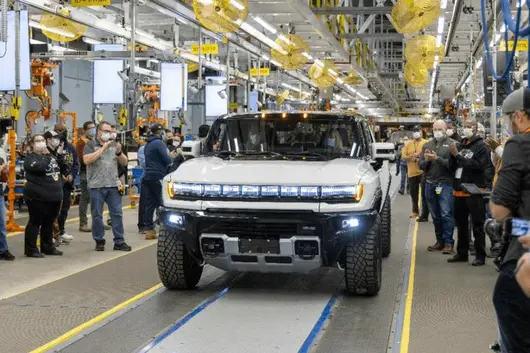
GM's world still exists, but there aren't enough new cars.
Author|Liu Xinyi Editor|Mao Shiyang
Auto Pixel (ID:autopix)Original
SAIC-GM's farewell and rebirth arrived in almost the same month.
On August 5, SAIC and GM extended SAIC-GM's joint venture term by 20 years, until 2047.
Four words stood on site: Together to a New Realm. Along with the renewal, the new task for this joint venture was also confirmed.
Three weeks later, on August 28, the Buick Envision 2026 model will be discontinued in the US.
The two events are independent but coincided in the same month.
The Envision story goes back eleven years. At the end of 2015, the first batch of Envisions destined for North America departed from Yantai Port, entering Buick dealerships in the US, Canada, and Mexico the following year. Over the next ten years, cumulative exports reached 420,000 units. After 2017, it became GM's only model imported from China to the US.
Starting in 2018, the Envision bore a 25% tariff, and GM's application for exemption was unsuccessful. On January 22, 2026, GM announced stopping production of Envisions for the US market in China; the next generation will move to the Fairfax, Kansas factory in 2028.
By May this year, the inventory cycle for this model in the US had exceeded 300 days.

▍Old photo of Buick Envision at Yantai Port
One door is closing, while another is opening. According to the arrangement after the renewal, the Buick Zhijing series independently developed by SAIC-GM will be exported overseas starting from October this year, with target markets including the Middle East, Africa, South America, Mexico, and Asia-Pacific.
Tariffs shut out the US car market, and GM hands the world outside to Shanghai.
01
Outside the US, GM is Short of Cars
This renewal did not change the 50:50 equity ratio, nor disclose new investment amounts. What changed is the division of labor.
At the signing ceremony, GM Global Senior Vice President and China President Luo Xu said, SAIC-GM has established local capabilities in engineering, manufacturing, and quality, "We can bring these advantages to the international markets of the Middle East, Africa, South America, Mexico, and the Asia-Pacific region", relying on GM's existing sales and service layouts in these regions.
In organizational language, what he revealed is that SAIC-GM and Pan Asia define the products, while GM provides global channels outside the US market.
The specific implementation method is quite light. SAIC-GM will not build its own sales network overseas, but will fully reuse GM's existing system.
The first exported car is the Buick Zhijing E7, with the first stop in South Korea. GM Korea is responsible for pricing, marketing, and after-sales, while SAIC-GM is only responsible for production, supply, and technical support. Later in other markets, a similar model is expected to be used.
The flow of products and resources has changed. In the past, GM brought global products to China; next, SAIC-GM will send products developed in China back to the world.
This is not common in "Joint Venture 2.0". When most foreign parties allow Chinese joint ventures to go global, they first demarcate their core markets. GM did not give SAIC-GM just an edge market to test the waters; it opened the Middle East, Africa, South America, Mexico, and Asia-Pacific all at once, almost including everything GM owns outside the US. And it allows Chinese products to directly connect to its sales and service system built over many years.
Why now, why these markets, the answers are written on GM's two reports respectively.

▍Group photo when GM Brazil was founded in 1925
The first is North America. In Q2 2026, GM North America's adjusted EBIT margin reached 8.6%, full-size pickup share 43%, No. 1 for the seventh consecutive year. The company raised its performance guidance for the second time this year, raising the adjusted EBIT expectation to $14-16 billion.
This is a self-sustaining machine, expensive, large, high-spec, with brand premium, plus the cash flow of subscription services. It does not need external funding and less external products.
The second report is outside the US.
In 2025, the US market contributed nearly 70% of GM's global sales. Following the US were China, Uzbekistan, Brazil, Kazakhstan, Colombia, Chile, Ecuador, Peru, Kuwait. Apart from the US and China, the rest are all emerging markets.
The cars these markets want have almost no overlap with the cars produced by that machine in North America.
And GM's position in these places is very uneven.
Mexico remains GM's stronghold, market share long second only to Nissan. South America slowed down in defense: In 2025, GM's share in Brazil dropped from 12.0% to 10.3%, Volkswagen rose to 17.1%, BYD rose to 4.4%.
The absence in the Middle East is even more obvious. In Saudi Arabia, GM has fallen out of the top mainstream brands, while SAIC MG has entered the top sales list. Africa has left a damaged network; Egypt still has manufacturing and operational systems, but GM has long exited the major business of South Africa and East Africa.
For Mexico and South America, SAIC-GM is defending the ring; for the Middle East, it's supplementing products; for Africa, there is a hint of returning to old markets.
02
Ultium Failed to Stitch GM Together
In 2014, Mary Barra became GM's first female CEO.
The GM she took over had just emerged from bankruptcy restructuring, still retaining a huge global business map. Opel and Vauxhall in Europe, Chevrolet laying networks in India, South Africa, and Southeast Asia, Holden stayed in Australia, Korea Daewoo system responsible for small cars, Brazil responsible for South American products.
These businesses allowed GM to maintain the image of a global automaker, but also kept it burdened with the costs of a global automaker for a long time.

Mary Barra adopted a clear financial standard. If a business cannot generate sufficient returns, it is no longer retained due to scale, history, or global status.
From 2015 to 2020, GM began to intensively take action against markets that could not generate sufficient shareholder returns, withdrawing from Europe, Russia, India, Southeast Asia, and Australia, selling Opel, Vauxhall, and the Thailand factory.
Profit discipline achieved results, capital gradually flowed to large cars North America was best at; the cost was that GM simultaneously dismantled the product system serving global needs.
Opel once provided front-wheel-drive sedans and European engineering capabilities, Holden mastered rear-wheel-drive platforms, Korea was responsible for low-cost small cars. After exiting these markets, GM also lost most of the capabilities to serve global needs.
By 2020, GM had basically completed global contraction. North America kept pickups, large SUVs, and high-profit fuel cars; China still had a huge joint venture system; markets like South America, Korea, Middle East were compressed into regional businesses maintaining their own profitability.
They were like isolated islands scattered on the world map. With the competitive landscape unchanged, they could continue to exist relying on inertia, contributing limited but stable profits.
But now, competition has intensified.
In 2025, the Brazilian car market continued to grow, but GM's share dropped from 12.0% to 10.3%; Volkswagen rose to 17.1%, BYD rose to 4.4%. In the Mexican market, GM's sales dropped 3.4%, while Nissan, Toyota, Kia, and Mazda all grew.
The results are written on GM's International Operations (GMI) report outside North America. In 2025, GMI wholesale sales dropped 8.1%, revenue dropped 3.3%; excluding Chinese joint venture business, adjusted EBIT dropped 32.8%, leaving only $426 million.
What these regional businesses lacked was not brand and channels, but a set of new products that could be continuously delivered to dealerships.
GM certainly knew the side effects of contraction. Once contraction was basically completed, Mary Barra had to find a new technical base, without re-establishing those regional R&D centers, to reconnect North America, China, and the remaining international markets.
Electric vehicles seemed to provide this opportunity exactly.
By 2019, Tesla had completed the difficult climb of Model 3, delivering 367,500 units for the year; the Shanghai factory from groundbreaking to delivery took less than a year, proving that a highly centralized model, battery, and software system can be quickly replicated between the US and China.
The signal from the capital market was more direct. In January 2020, Tesla's market value surpassed GM and Ford combined for the first time, and exceeded Toyota six months later. For GM which had just completed global contraction, electrification not only represents the future of the auto industry but also provides a shortcut to cover the global again without rebuilding the old system.
Starting in 2018, GM turned the funds saved after cutting losses to electrification and autonomous driving; by March 2020, GM officially released Ultium and promised to invest over $20 billion before 2025. China subsequently held the corresponding technology release.
Ultium's engineering ambition is huge. GM hopes it will simultaneously cover compact crossover vehicles, SUVs, Hummers, and large pickups, and allow North America and China to share scale, supply chain, and R&D costs.

But the product that first proved Ultium was the Hummer EV equipped with about 205 kWh batteries. This number is double the common battery capacity of China's mainstream large pure electric vehicles. From the beginning, Ultium was pulled towards American-style large cars by the goals of ultra-long range, thousand-horsepower power, and large pickups; it can continuously add modules to cover upwards, but it is difficult to use the same system to build down cheap models.
More fatally, GM bet on the wrong direction of market convergence. Ultium bet on highly modular battery cells, modules, and e-drive to拼出 as many models as possible; the place where markets truly form barriers has shifted to software, electrical/electronic architecture, and continuous iteration capabilities, while model diversity is actually converging.
In April 2026, GM notified suppliers to indefinitely postpone the development of the next generation Silverado EV and Sierra EV models; major platform updates are not expected until after 2030.
China, however, quickly shifted to lower-cost lithium iron phosphate, faster charging speeds, plug-in hybrids and range extender, and smart cockpits and assisted driving driven by local suppliers.
The base originally used to unify China and the US ultimately failed to connect either end.
Ultium did not stitch GM back together after it was dismantled. It left behind battery, e-drive, manufacturing, and safety verification capabilities, and made an inescapable conclusion: North America, China, and outside the US can no longer be defined by the same base.
03
SAIC-GM, Established Twice
At the end of 2024, SAIC-GM was not facing how to go global, but whether this company was worth continuing to exist.
That year, SAIC-GM sales dropped to 435,000 units, down 56.54% year-on-year, the largest decline among SAIC Motor's whole vehicle enterprises. In December, GM accrued 2.6 to 2.9 billion USD in impairment for its Chinese joint venture business, and confirmed about 2.7 billion USD in restructuring costs, totaling over 5 billion USD.
This money was both a settlement for the past and drew the survival line for SAIC-GM.
Ultium did not bring the expected transformation to the China business, and Detroit had no other mature global plan to send over. SAIC-GM must reduce scale, restore profitability, and rely on the China team to re-answer the most basic question: How exactly should the next generation of products be built.
In April 2025, the Xiaoyao Architecture and Buick's high-end new energy sequence Zhijing were released together.
Xiaoyao retained Ultium's e-drive, manufacturing, and safety accumulation, but the technical route has shifted to China: batteries switched to 6C Lithium Iron Phosphate, power covers pure electric, plug-in hybrid and range extender, electronic/electrical architecture also shifted to central computing.
More important than parameter changes is that product definition rights remain in China.
In the past, Pan Asia mainly adapted Detroit platforms for China. With Xiaoyao and Zhijing, technical routes, product forms, prices, and supply chains started to be defined by the China team.
The results came faster than expected.
Zhijing L7 first stabilized in the mid-to-large new energy sedan market; on April 22, 2026, Zhijing E7 went on sale, with the lowest trade-in equity price of 154,900 yuan, breaking 10,000 major orders within 90 minutes of launch, exceeding 10,000 deliveries in the first month, becoming the first joint venture new energy model to achieve this.

The reversal at the operational level started earlier. In 2025, SAIC-GM sales rebounded to 535,000 units, up 22.99% year-on-year; GM's business in China achieved profitability for consecutive quarters.
It first proved it no longer needed continuous blood transfusion from headquarters, and then proved that new energy vehicles defined by the China team can obtain the market.
Thus, the direction of renewal discussion changed. From whether SAIC-GM needed to continue existing to how to maximize its value.
This capability did not appear suddenly. In 1997, Pan Asia and SAIC-GM were established on the same day, going from localization, model modification all the way to whole vehicle forward development. In 2010, the new S-Orio developed throughout Pan Asia went on sale and went overseas; in over twenty years, it developed over 30 series and over 150 models for Buick, Chevrolet, and Cadillac.
In the past, this capability was mainly used to change GM's global products into what China needs. In the Zhijing era, the direction reversed; products defined by the China team began to fill the gaps in GM's global product line.
Chinese joint ventures outputting products in reverse is no longer an isolated case. Volkswagen, Nissan, Mazda, and Kia are all sending models developed and produced in China overseas.
The real difference is the scale of openness; the more important overseas profits and capacity are, the clearer the boundaries drawn by the foreign side are; the more the overseas system needs replenishment, the larger the space gained by the China team.
GM's speciality lies in that its most protected North American profit core has almost no conflict with products SAIC-GM can provide. What GM needs most to protect is large pickups and SUVs in North America, which happen to fill the product gaps in GM's overseas network.
South America, Korea, Middle East, and Africa still have GM's brands, factories, and channels, but new product supply has become thin. Incorporating Chinese models is faster and cheaper than rebuilding R&D systems for each region.
Eleven years ago, the Envision sailed from Yantai to the US, China's role in GM's global system was still a manufacturing base. Eleven years later, SAIC-GM went global again with products it defined itself.
What GM handed over was not a world still growing, but a network where channels are still valuable but products are increasingly cut off. What SAIC-GM obtained was not a ready-made market, but the power to repair it.
This 20-year contract is not just a continuation of the previous joint venture relationship. It is more like SAIC-GM's second establishment.

This article is original content by Auto Pixel (autopix)
Unauthorized, do not reproduce
Dalam pasaran SUV di Malaysia, ramai pembeli yang membandingkan Proton X70 dan Volkswagen Tiguan semasa memilih kereta. Kedua-dua kereta ini sangat hampir dari segi harga dan kedudukan, hari ini kita akan buat perbandingan terperinci dari pelbagai aspek, membantu anda menjimatkan masa membuat kajian.
Harga OTR Proton X70 di Malaysia ialah RM 106,800 - 122,300, terdapat sebanyak 3 varian, termasuk 1.5L Standard 2WD (RM 106,800), 1.5L Executive 2WD (RM 115,800), 1.5L Premium 2WD (RM 122,300) dan lain-lain.
Harga OTR Volkswagen Tiguan di Malaysia ialah RM 206,540 - 260,024, terdapat sebanyak 2 varian, termasuk 2025 Allspace 2.0T R-Line (RM 260,024), 2025 Allspace 1.4T Elegance (RM 206,540) dan lain-lain.
Dari segi harga, harga permulaan Proton X70 memang lebih murah RM 99,740 berbanding Volkswagen Tiguan. Jika bajet anda terhad, versi permulaan Proton sudah boleh memenuhi keperluan harian. Tetapi perlu diingat, beribu-ribu ringgit yang lebih murah itu, mungkin ada pertimbangan dalam kelengkapan, ia bergantung pada keperluan anda.
Gred keselamatan Proton X70 ialah 5★ (ASEAN NCAP), sistem keselamatan aktif termasuk ADAS (ACC, AEB, LKA, LDA, BSM, RCTA).
Gred keselamatan Volkswagen Tiguan ialah 5★ (Euro NCAP), sistem keselamatan aktif termasuk IQ.Drive.
Dari segi peralatan keselamatan, kedua-dua kereta mendapat gred yang baik. Namun, ADAS (ACC, AEB, LKA, LDA, BSM, RCTA) pada Proton X70 dan IQ.Drive pada Volkswagen Tiguan mempunyai perbezaan dari segi fungsi, jika anda mengutamakan keselamatan aktif, anda boleh membandingkan senarai fungsi kedua-duanya dengan teliti.
Proton X70 menggunakan kaedah pemanduan FWD.
Volkswagen Tiguan menggunakan kaedah pemanduan FWD.
Kaedah pemanduan kedua-dua kereta adalah sama, iaitu FWD, rasa pemanduan harian tidak akan berbeza jauh.
Jaminan Proton X70 ialah 5 tahun / 150,000km, selang servis 10,000km atau 6 bulan sekali.
Jaminan Volkswagen Tiguan ialah 3 tahun / 100,000km, selang servis 10,000km atau 6 bulan sekali.
Secara keseluruhan, Proton X70 dan Volkswagen Tiguan adalah model kereta yang sangat baik di pasaran Malaysia. Memilih mana satu, kunci utamanya ialah lihat keperluan dan bajet peribadi anda. Kami menyarankan anda membuat kajian, bandingkan sebut harga beberapa kedai kereta, kemudian buat ujian pemanduan untuk membuat keputusan akhir. Membeli kereta adalah perkara besar, meluangkan masa untuk membuat kajian pasti tidak salah.

喺馬來西亞嘅 SUV 市場,好多買家喺揀車嘅時候都會拿 Proton X70 同 Volkswagen Tiguan 嚟做比較。呢兩款車喺價位同定位上都好相近嘅,今日我哋就從多個方面做一個詳細嘅對比,幫你節省咗做功課嘅時間。
Proton X70 喺馬來西亞嘅 OTR 售價係 RM 106,800 - 122,300,總共有 3 個版本,包括 1.5L Standard 2WD(RM 106,800)、1.5L Executive 2WD(RM 115,800)、1.5L Premium 2WD(RM 122,300) 等。
Volkswagen Tiguan 喺馬來西亞嘅 OTR 售價係 RM 206,540 - 260,024,總共有 2 個版本,包括 2025 Allspace 2.0T R-Line(RM 260,024)、2025 Allspace 1.4T Elegance(RM 206,540) 等。
由價錢嚟睇,Proton X70 嘅起步價確實係比 Volkswagen Tiguan 平咗 RM 99,740。如果你預算有限,Proton 嘅入門版已經可以滿足日常需要。但都要注意,平嗰幾千塊,可能喺配備上會有取捨,具體要睇你嘅需要。
Proton X70 嘅安全評級係 5★ (ASEAN NCAP),主動安全系統包括 ADAS (ACC, AEB, LKA, LDA, BSM, RCTA)。
Volkswagen Tiguan 嘅安全評級係 5★ (Euro NCAP),主動安全系統包括 IQ.Drive。
安全配備方面,兩款車都拿到唔錯嘅評級。不過 Proton X70 嘅 ADAS (ACC, AEB, LKA, LDA, BSM, RCTA) 同 Volkswagen Tiguan 嘅 IQ.Drive 喺功能上有啲差異,如果你比較看重主動安全嘅話,可以仔細對比吓兩者嘅功能列表。
Proton X70 車身長 4400 mm,尾箱 400 L。
Volkswagen Tiguan 車身長 4400 mm,尾箱 400 L。
兩款車嘅尺寸幾近一樣,車內空間差別唔大。呢個級別嘅車,日常使用完全夠用。
Proton X70 保修 5 年/150,000km,保養間隔 每 10,000km 或 6 個月。
Volkswagen Tiguan 保修 3 年/100,000km,保養間隔 每 10,000km 或 6 個月。
Proton X70 同 Volkswagen Tiguan 都係馬來西亞市場嘅主流選擇,適合家庭使用、日常通勤。如果你更看重品牌口碑同二手價,可以優先考慮口碑更好嗰款;如果你更在意性價比同配備,那就揀配置更豐富嗰款。最終都係建議兩款都去試駕,親自體驗先係最重要嘅。
總嚟講,Proton X70 同 Volkswagen Tiguan 都係馬來西亞市場好唔錯嘅車型。選擇邊一輛,關鍵仲係要睇你嘅個人需要同預算。建議大家做好功課,多比較幾間車行嘅報價,再去試駕做最終決定。買車係件大事,花啲時間做功課絕對唔會錯。

In Malaysia's SUV market, many buyers compare Proton X70 and Mitsubishi Xforce when choosing a car. These two cars are quite close in price and positioning. Today we will do a detailed comparison from multiple aspects to help you save time on research.
Proton X70 OTR prices in Malaysia are RM 106,800 - 122,300, with a total of 3 versions, including 1.5L Standard 2WD (RM 106,800), 1.5L Executive 2WD (RM 115,800), 1.5L Premium 2WD (RM 122,300), etc.
Mitsubishi Xforce OTR prices in Malaysia are RM 109,930 - 119,930, with a total of 2 versions, including 2026 1.5L Ultimate (RM 119,930), 2026 1.5L Urban (RM 109,930), etc.
In terms of price, Proton X70's starting price is indeed RM 3,130 cheaper than Mitsubishi Xforce. If your budget is limited, Proton's entry-level version can already meet daily needs. However, be aware that the few thousand Ringgit difference might involve trade-offs in features, depending on your specific needs.

Proton X70 features a 1.5L Turbo, 140 hp. Official fuel consumption 7.0 L/100km.
Mitsubishi Xforce features a 1.5L Turbo, 140 hp. Official fuel consumption 7.0 L/100km.
Both cars use the same powertrain, the driving experience is basically the same. Fuel consumption is also similar, no need to worry too much about this point.
Proton X70 body length 4,400 mm, trunk 400 L.
Mitsubishi Xforce body length 4,400 mm, trunk 400 L.
The dimensions of both cars are almost the same, interior space difference is not large. For cars in this class, daily use is completely sufficient.
Proton X70 adopts FWD drive method.
Mitsubishi Xforce adopts FWD drive method.
Both cars have the same drive method, both are FWD, daily driving experience will not differ much.
Proton X70 and Mitsubishi Xforce are both mainstream choices in the Malaysian market, suitable for family use, daily commuting. If you value brand reputation and resale value more, you can prioritize the one with better reputation; if you care more about value for money and features, choose the one with richer configurations. Ultimately, it is recommended to test drive both, personal experience is the most important.
Overall, Proton X70 and Mitsubishi Xforce are both quite good car models in the Malaysian market. Which one to choose depends mainly on your personal needs and budget. It is recommended to do your research, compare quotes from several car dealers, then go for a test drive to make the final decision. Buying a car is a major matter, spending time on research will definitely not go wrong.


In the Malaysian SUV market, many buyers tend to compare the Proton X70 and Mitsubishi Xforce when choosing a car. The price and positioning of these two cars are quite close. Today, we will make a detailed comparison from multiple aspects to help you save time on research.
The Proton X70's OTR price in Malaysia is RM 106,800 - 122,300. There are 3 versions in total, including 1.5L Standard 2WD (RM 106,800), 1.5L Executive 2WD (RM 115,800), 1.5L Premium 2WD (RM 122,300), etc.
The Mitsubishi Xforce's OTR price in Malaysia is RM 109,930 - 119,930. There are 2 versions in total, including 2026 1.5L Ultimate (RM 119,930), 2026 1.5L Urban (RM 109,930), etc.
From the price perspective, the Proton X70's starting price is indeed RM 3,130 cheaper than the Mitsubishi Xforce. If your budget is limited, Proton's entry-level version can already meet daily needs. However, please note that the cheaper cost of a few thousand RM might involve trade-offs in features, depending on your specific needs.
The Proton X70 is equipped with a 1.5L Turbo, with 140 hp. Official fuel consumption is 7.0 L/100 km.
The Mitsubishi Xforce is equipped with a 1.5L Turbo, with 140 hp. Official fuel consumption is 7.0 L/100 km.
Both cars use the same powertrain, and the driving experience feels basically the same. Fuel consumption is also similar, so no need to worry too much about this.
The Proton X70 safety rating is 5★ (ASEAN NCAP). The active safety system includes ADAS (ACC, AEB, LKA, LDA, BSM, RCTA).
The Mitsubishi Xforce safety rating is 5★ (ASEAN NCAP). The active safety system includes MI-PILOT.
Both cars have the same safety rating. In this segment, safety features are quite comprehensive. New car safety is generally good these days, so no need to worry too much about this.
The Proton X70 vehicle length is 4,400 mm, trunk 400 L.
The Mitsubishi Xforce vehicle length is 4,400 mm, trunk 400 L.
The dimensions of both cars are almost identical, with little difference in interior space. For this class of cars, it is fully sufficient for daily use.
The Proton X70 warranty is 5 years/150,000 km, service interval every 10,000 km or 6 months.
The Mitsubishi Xforce warranty is 3 years/100,000 km, service interval every 10,000 km or 6 months.
Overall, both the Proton X70 and Mitsubishi Xforce are very good models in the Malaysian market. Which one to choose ultimately depends on your personal needs and budget. We suggest everyone do research, compare quotes from several dealerships, and then test drive to make the final decision. Buying a car is a big deal, spending time doing research will never be wrong.

In the Malaysian SUV market, many buyers compare the Proton X70 and Mitsubishi Xforce when choosing a car. These two cars are quite close in price and positioning. Today, we will make a detailed comparison from multiple aspects to help you save time on research.
The Proton X70 OTR price in Malaysia is RM 106,800 - 122,300, with a total of 3 versions, including 1.5L Standard 2WD (RM 106,800), 1.5L Executive 2WD (RM 115,800), 1.5L Premium 2WD (RM 122,300), etc.
The Mitsubishi Xforce OTR price in Malaysia is RM 109,930 - 119,930, with a total of 2 versions, including 2026 1.5L Ultimate (RM 119,930), 2026 1.5L Urban (RM 109,930), etc.
Looking at the price, the starting price of the Proton X70 is indeed RM 3,130 cheaper than the Mitsubishi Xforce. If your budget is limited, the Proton entry-level version can already meet daily needs. However, note that paying a few thousand ringgit less might involve trade-offs in equipment, depending on your specific needs.
The Proton X70 safety rating is 5★ (ASEAN NCAP), active safety systems include ADAS (ACC, AEB, LKA, LDA, BSM, RCTA).
The Mitsubishi Xforce safety rating is 5★ (ASEAN NCAP), active safety systems include MI-PILOT.
Both cars have the same safety rating, and safety features are quite comprehensive for this class. Safety of new cars nowadays is not poor, no need to worry too much about this point.
Proton X70 body length 4400 mm, trunk 400 L.
Mitsubishi Xforce body length 4400 mm, trunk 400 L.
The dimensions of the two cars are almost the same, and the interior space is not much different. Cars of this class are more than enough for daily use.
Proton X70 warranty 5 years/150,000km, maintenance interval every 10,000km or 6 months.
Mitsubishi Xforce warranty 3 years/100,000km, maintenance interval every 10,000km or 6 months.
Both Proton X70 and Mitsubishi Xforce are mainstream choices in the Malaysian market, suitable for family use and daily commuting. If you value brand reputation and resale value more, you may prioritize the one with better reputation; if you care more about cost-performance and features, then choose the one with richer configuration. Ultimately, it is recommended to test drive both, as personal experience is the most important.
Overall, Proton X70 and Mitsubishi Xforce are both very good models in the Malaysian market. Which one to choose depends on your personal needs and budget. It is recommended that you do your research, compare quotes from several dealerships, and then go for a test drive to make the final decision. Buying a car is a big deal, spending some time doing research will never be wrong.

In the Malaysian SUV market, many buyers compare the Proton X70 and Mitsubishi Xforce when choosing a car. The prices and positioning of these two cars are quite close. Today, we will make a detailed comparison from multiple aspects to help you save time on research.
Proton X70 OTR price in Malaysia is RM 106,800 - 122,300, with a total of 3 versions, including 1.5L Standard 2WD (RM 106,800), 1.5L Executive 2WD (RM 115,800), 1.5L Premium 2WD (RM 122,300), etc.
Mitsubishi Xforce OTR price in Malaysia is RM 109,930 - 119,930, with a total of 2 versions, including 2026 1.5L Ultimate (RM 119,930), 2026 1.5L Urban (RM 109,930), etc.
From a price perspective, the starting price of the Proton X70 is indeed RM 3,130 cheaper than the Mitsubishi Xforce. If your budget is limited, the Proton's entry-level version can already meet daily needs. But also note, the price difference of a few thousand might involve trade-offs in features, depending on your specific needs.
Proton X70 is equipped with 1.5L Turbo, 140 hp. Official fuel consumption 7.0 L/100km.
Mitsubishi Xforce is equipped with 1.5L Turbo, 140 hp. Official fuel consumption 7.0 L/100km.
Both cars use the same powertrain system, the driving experience is basically the same. Fuel consumption is also similar, no need to worry too much about this point.
Proton X70 body length 4400 mm, trunk 400 L.
Mitsubishi Xforce body length 4400 mm, trunk 400 L.
The dimensions of both cars are almost the same, the interior space difference is not significant. For cars of this level, daily use is completely sufficient.
Proton X70 warranty 5 years/150,000km, service interval every 10,000km or 6 months.
Mitsubishi Xforce warranty 3 years/100,000km, service interval every 10,000km or 6 months.
In general, Proton X70 and Mitsubishi Xforce are both excellent car models in the Malaysian market. Which one to choose depends mainly on your personal needs and budget. We recommend doing your research, comparing quotes from several dealerships, and then test-driving to make a final decision. Buying a car is a big matter, spending some time on research is never wrong.
In Malaysia's SUV market, many buyers compare Proton X70 and MG MG HS when choosing a car. These two models are quite close in price and positioning. Today, we will make a detailed comparison from multiple aspects to help you save time on research.
Proton X70's OTR price in Malaysia is RM 106,800 - 122,300, with a total of 3 variants, including 1.5L Standard 2WD (RM 106,800), 1.5L Executive 2WD (RM 115,800), 1.5L Premium 2WD (RM 122,300), etc.
MG MG HS's OTR price in Malaysia is RM 130,450 - 146,450, with a total of 2 variants, including 1.5L Standard (RM 105,000), 1.5L Executive (RM 115,000), etc.
From the price perspective, Proton X70's starting price is indeed RM 23,650 cheaper than MG MG HS. If your budget is limited, Proton's entry-level version can already meet daily needs. But be aware that the few thousand savings might involve trade-offs in features, depending on your specific needs.
Proton X70 is equipped with a 1.5L Turbo, 140 hp. Official fuel consumption 7.0 L/100km.
MG MG HS is equipped with a 1.5L Turbo, 140 hp. Official fuel consumption 7.0 L/100km.
Both cars use the same powertrain system, and the driving experience is basically the same in daily use. Fuel consumption is also similar, so there is no need to worry too much about this point.
Proton X70 body length 4400 mm, trunk 400 L.
MG MG HS body length 4400 mm, trunk 400 L.
The dimensions of both cars are almost the same, and the interior space difference is not significant. Cars at this level are completely sufficient for daily use.
Proton X70 warranty 5 years/150,000km, maintenance interval every 10,000km or 6 months.
MG MG HS warranty 7 years/150,000km, maintenance interval every 10,000km or 6 months.
Overall, Proton X70 and MG MG HS are both very good models in the Malaysian market. Which one to choose depends mainly on your personal needs and budget. It is recommended to do your homework, compare quotes from several car dealerships, and then test drive to make a final decision. Buying a car is a big matter; spending time on research will definitely not be wrong.
© 2024 Bitauto.com. All Rights Reserved.
Bitauto (www.yiche.com and www.bitauto.com) is one of the most visited automotive websites in China. We provide detailed info on Chinese car brands available in your area. Please note that the information provided on this website is based on publicly available data and is for reference only. It may not be fully updated or accurate at all times.

Help us improve our website


