

HomeBeauty

Search History
Popular Searches
Dealer Login / Sign Up

In recent years, fierce competition in the domestic tire market has intensified, international trade barriers occur frequently, going overseas is no longer an optional track but an essential task for enterprises to survive and grow.
As of the first half of 2026, 26 domestic tire enterprises have expanded overseas, with 43 independent factories. From clustering in Southeast Asia to seizing the North American, European, and African markets, the global battle of top enterprises has fully unfolded.
CheYuanCheZhe uses the latest core data to break down the ranking of China tire overseas production capacity strength, investment status, and future trends!

Overseas Production Capacity Power Ranking! 4 Tiers Gap is Huge
26 enterprises, 43 overseas factories, seemingly blooming everywhere, but tier differentiation is extremely severe! We divide into four strength tiers based on the actual number of landed factories:
First Tier: Global Top Players
Sailun Group | 5 overseas factories, firmly ranking first in the industry. Undoubtedly the "No. 1 Overseas Enterprise", the only Chinese tire enterprise spanning Asia, Africa, and the Americas, layout logic is textbook level:
▪️ Southeast Asia (Vietnam, Cambodia): Core production bases, ensuring production capacity supply
▪️ Mexico: Positioning in the North American market, avoiding US tariff barriers
▪️ Indonesia: Close to natural rubber origin, compressing raw material costs
▪️ Egypt: Radiating African and European markets, connecting overseas growth
Sailun does not rely on blind expansion, but on precise global positioning, building a complete overseas supply chain barrier.
Zhongce Rubber | 4 factories, the domestic tire leader layout is steady. Thailand and Indonesia factories are already profitable, Vietnam project progressing steadily, new Mexico construction project added, fully covering Southeast Asia, North American core markets, single factory capacity scale is top in industry.
Second Tier: Top Power Players
Sentury, Linglong Tire | Sentury focuses on European high-end market, Morocco construction, Spain planning implemented, forward-looking maxed out; Linglong Tire refines low-efficiency overseas projects, keeps Thailand, Serbia quality bases, capacity quality maxed out, focusing on high-end manufacturing export.
Pulin Chengshan, GCT, Guizhou Tire, Double Star Group, Wanli Tire, Lanma Tire, Huasheng Rubber. This batch of enterprises is the main force for going overseas, not blindly expanding, focusing on single-point deep cultivation:
▪️ Guizhou Tire, Sentury in same track, layout Morocco to position Europe
▪️ Huasheng Rubber adjusts strategy, Vietnam project changed to proposed, focusing on South Asia Pakistan market
▪️ Lanma, Wanli deep cultivate overseas regional segments, steadily doing localization penetration
Third Tier: Overseas Tasting Water
Haohua Tire, Fumas, Yongsheng Rubber, SunSet, etc. 15 enterprises, all single overseas factory layout. Most are in production start-up, construction start, planning stages, belonging to initial overseas market tasting, are core potential forces for subsequent overseas expansion. Among them SunSet Brazil factory has started construction, planned for production start, landing pace continues to accelerate.

Overseas Logic Changes! From "Forced Tax Avoidance" to "Active Global Positioning"
Earlier domestic tire enterprises going overseas, purpose was simple: Evade Europe and America "Anti-dumping and Anti-subsidy", high tariffs, rely on Southeast Asia factories to change origin, protect overseas orders.
But now, overseas logic completely reversed, 3 major changes visible to naked eye:
Full Overseas: No longer only Zhongce, Sailun top players, Haohua, Huasheng, Yongsheng and other small and medium manufacturers joining in
Full-domain Layout: Say goodbye to single Thailand factory building, Mexico, Egypt, Morocco, Brazil, Spain bloom everywhere
Deep Cultivation Landing: From simple OEM factories, upgraded to globalization bases integrating production, logistics, local operations
Main Battlefield for Overseas: Why is it Southeast Asia?
Currently over 60% domestic tire overseas factories cluster in Southeast Asia (Thailand, Vietnam, Cambodia, Malaysia, Indonesia), 3 core advantages irreplaceable:
Tariff Dividend: Southeast Asia export Europe America tariffs far lower than China, directly avoiding trade sanctions, protecting profits
Raw Material Advantage: Global natural rubber core production area, building factories nearby greatly reduces raw material, logistics costs
Cost Lowland: Land, labor costs lower than domestic, adapting to tire manufacturing rigid needs
But shortcomings also prominent: Far from Europe America core consumer markets, local supply chain support imperfect, only suitable as primary manufacturing bases.
Second Wave of Overseas: Farewell to Southeast Asia, Global Multi-point Positioning
Top enterprises have long jumped out of Southeast Asia competition, starting global precise layout, emerging tracks rise:
Mexico | North American Portal Relying on USMCA, zero tariff/low tariff entry into US market, logistics distance short, response fast, is core springboard for seizing North American high-end markets.
North Africa (Morocco/Egypt) | Europe Africa Hub Adjacent to Europe, tariff preferences, labor costs low, becoming domestic tire entry into EU market optimal transit station.
Brazil | South American Core Positioning South America largest consumer market, avoiding regional trade barriers, radiating whole South American regional incremental.

Industry Truth! Don't be deceived by "Number of Overseas Factories"
Many people mistakenly think: More factories, stronger strength? Big mistake! 3 industry hidden truths, understand real landscape:
Start ≠ Production, Production ≠ Profit Foundation, start is just beginning, an overseas factory from construction, reaching capacity to profit, at least needs 5-7 years, many projects still in investment period, not yet monetized.
Radial Tires > Passenger Car Tires, Quality Difference Huge Ordinary passenger car tires threshold low, production fast; Radial truck tires technical barriers high, value added high. Sailun, Zhongce, Linglong top enterprises, achieved double tire full coverage, strength far exceeds ordinary manufacturers.
Building factories easy, operation hard. Overseas factory building is just foundation. Local labor policy, supply chain support, local channel operations, are core keys to deciding whether enterprises can long-term stand.
Next 3 Years, Tire Overseas Core Trends
Combining current layout pattern, China tire globalization, will welcome 3 deterministic trends:
Industry Accelerates Differentiation, Stronger Remains Stronger Future overseas threshold continues to rise, funds, management, technology weak SMEs, will gradually fall behind. Finally form: Top globalization, Waist guarding segments, Niche enterprises deep cultivation domestic landscape.
From "Manufacturing Overseas" Upgrade "Brand Overseas" Current stage overseas mainly OEM production, subsequent core competition, will turn to brand, channel, service globalization, get rid of "Low-price OEM" label, impact international high-end markets.
Global Supply Chain Reconstruction, Welcome Lane Change Opportunity Global trade barriers intensify, regional production mainstream, domestic top tire enterprises with complete capacity layout and supply chain advantages, expected to break foreign giant monopoly, achieve overtaking on curves.
Finally Written
43 overseas factories, is China tire industry globalization best report card. From passive tax avoidance to active positioning, from single Southeast Asia layout to global deep cultivation, China tires long said goodbye to low-end involution, in global market planted feet firmly. Capacity overseas is just beginning, brand overseas, value overseas, is China tire future ultimate track!


August 4, GAC Group released the July 2026 production and sales summary. Data shows, this July, GAC Group's monthly car production was 103,284 units, down 19.62% YoY; sales were 112,934 units, down 5.48% YoY; Jan-July cumulative production was 900,062 units, down 3.24% YoY; cumulative sales were 886,019 units, up 1.28% YoY.
The new energy segment remains the core driving force. In July, the group's new energy vehicle sales were 51,520 units, up 54.20% YoY; cumulative sales for the first 7 months reached 311,678 units, a YoY increase of 66.20%, with new energy penetration rate rising from about 28% last year to about 35%. Additionally, the combined proportion of fuel-saving and new energy vehicles has risen to 63.96%.

Image Source: GAC Group
Domestic Brand Growth Leads, Joint Venture Camp Shows Divergence
Domestic brands have become the main growth pole of GAC Group. Jan-July, GAC's domestic brand cumulative sales exceeded 400,000 units, up 33.31% YoY; July single-month sales exceeded 54,200 units, up 19.91% YoY.
GAC AION July sales were 28,807 units, up 36.37% YoY; Jan-July cumulative sales 210,386 units, up 62.08% YoY. AION Y series monthly sales maintained over 10,000 level; AION V series listed for two months cumulative deliveries broke 12,000 units, occupying 73.3% share in the 100,000-150,000 RMB class LIDAR smart driving pure electric SUV market. In July, AION officially released the new Ray series models, Hyper S600 also started deliveries simultaneously.
GAC Trumpchi July sales were 22,739 units, down 5.57% YoY, but Jan-July cumulative sales still reached 187,112 units, up 9.83% YoY. This month Trumpchi Wish S7 PHEV launched for sale, fifth-generation GS4 entered the market with starting price of 79,800 RMB.
The high-end smart electric brand Qijing Automotive co-created by GAC and Huawei Kunlun, first model GT7 listed at end of June, July started user delivery, first month sales 2,658 units. Nationwide over 90 cities have established nearly 300 stores, second model GX7 planned release within the year, product matrix gradually taking shape.
Regarding the joint venture sector, GAC Toyota July sales were 46,500 units, down 19.84% YoY; Jan-July cumulative sales 402,500 units, basically flat YoY. Camry, Highlander, Sienna three flagship models July combined sales 22,843 units, accounting for 49% of Toyota brand sales that month. Toyota bZ series new energy vehicles July sales 12,002 units, proportion over 25%, among which Toyota bZ 3X monthly sales 9,546 units, ranking at the forefront of joint venture NEV sales for consecutive months.
GAC Honda July sales were 11,686 units, down 27.11% YoY; Jan-July cumulative sales 80,004 units, down 53.13% YoY. In terms of residual value, Accord ranked first among joint venture mid-size sedans with 55.90% three-year residual value, Breeze ranked second among joint venture compact SUVs with 58.19% three-year residual value.
Worth mentioning, in July, GAC Honda cumulative sales broke 11 million units, both shareholders signed extension agreement extending cooperation period to 2038, and plan to launch 5 new cars in the next two years, including two localized new energy vehicles and iterative hybrid products.
Exports Up 130% YoY, Investment and Charging Ecology Advance Simultaneously
Export business continues high growth trend. July, GAC domestic brand export volume 23,575 units, up 119% YoY; Jan-July cumulative exports 145,000 units, YoY increase reached 130%, already exceeding total export volume of 2025 full year.

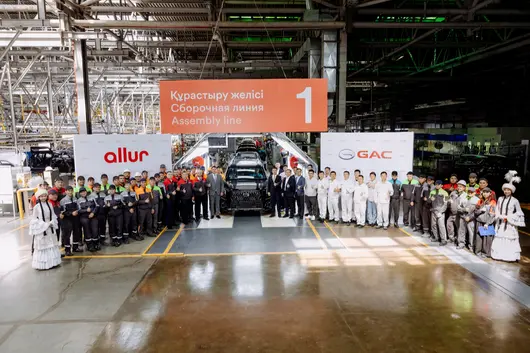
GAC GS8 rolled off production line at Kazakhstan production base; Image Source: GAC Group
Looking by region, July Americas market terminal sales up 139% YoY, Uruguay, Costa Rica, Colombia, Brazil markets sales all achieved multiple-fold growth, GAC simultaneously approved to join Brazil "Green Mobility and Innovation Plan". CIS region terminal sales up 112% YoY, global 7th KD factory put into production in Kazakhstan, GS8 model rolled off line. Asia-Pacific market terminal sales up 78% YoY, Thailand Rayong factory cumulative roll-off total vehicles over 10,000; Philippines multiple new cars completed introduction. Middle East and Africa region terminal sales up 51% YoY, July officially entered Morocco market, first batch launched three SUVs, covering fuel, hybrid, plug-in hybrid. Europe side, in Greece pure electric passenger car market, GAC market share increased to 7.7%, ranked second, multiple countries models in launch preparation phase.
As of now, GAC international business has covered 110 countries and regions globally, built 6 overseas production factories, 9 overseas parts warehouses and over 746 sales service outlets, planned to expand to 1000 outlets within the year.
At the industrial chain investment level, GAC Group continues layout around chips, autonomous driving, embodied intelligence, aerospace and other fields. July 27, GAC invested in 2021 domestic DRAM storage chip company CXMT listed on STAR Market, created A-share annual and STAR Market largest fundraising record. Same month, early invested SiC power device manufacturer Basic Semiconductor, autonomous driving company Momenta both listed on HKEX, navigation positioning chip manufacturer Herun Electronics ChiNext IPO accepted.
As of now, GAC has invested in including Horizon Robotics, Yixin Semiconductor, Pony.ai, WeRide, Qingtao Energy etc. over 140 enterprises, accumulated cultivating at least 48 invested enterprises successfully listed.
Charging infrastructure construction accelerating simultaneously. GAC "9 Vertical 10 Horizontal" charging network has covered 31 provinces 213 cities nationwide, achieved core urban area "straight 1 km must have station" density; self-operated charging piles over 27,000, among which supercharging piles broke 20,000. In addition, multiple charging pile products first obtained 3C certification, covering public fast charging, heavy truck charging, destination slow charging etc. scenarios.
According to plan, second half of this year GAC will launch Trumpchi first hard-core off-road SUV, AION new pure electric coupé, Qijing GX7 etc. multiple new models. Facing industry stock competition intensified and new energy penetration rate continuous climbing trend, GAC Group is simultaneously advancing "Stabilize Joint Venture, Strengthen Domestic Brand, Expand Ecology" three major tasks, with overseas expansion and industrial chain deep layout solidify mid-to-long term competitiveness foundation.

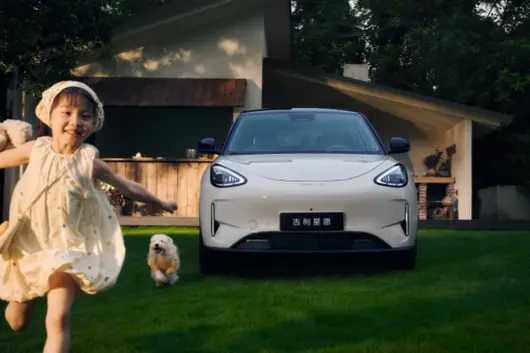
Julai, Geely Harapan Bintang terjual 55,105 unit.

Angka ini dilihat pada musim lengah agak menarik — Persatuan Kereta Penumpang China menganggarkan penjualan runcit kenderaan penumpang kelas utama Julai menurun lebih 15% berbanding tahun lalu, kebanyakan jenama menurun berbanding bulan lepas, ia sebaliknya lebih 4,000 unit daripada Jun.
Tetapi yang lebih patut dibincangkan bukan jualan bulanan tunggal, tetapi satu lagi angka: 800,000 unit.
Dari pelancaran Oktober 2024 sehingga sekarang, 664 hari, Geely Harapan Bintang terkumpul terjual 800,000 unit kereta. Purata setiap hari, hampir 1,200 unit.
Adakah kelajuan ini dianggap pantas?
Tesla Model 3 di China mencapai 800,000 unit, mengambil masa hampir enam tahun. Geely Harapan Bintang memampatkan masa kepada 21 bulan. Awal Mei tahun ini ia baru melepasi 700,000 unit, selepas 71 hari, lagi naik 100,000 unit.
Industri automotif mempunyai satu pola: asas jualan semakin besar, penambahan semakin sukar. Tetapi grafik Geely Harapan Bintang pada tahap 800,000 unit ini, kecerunan tidak jelas melambat — prestasi musim lengah Julai 55,000 unit, dalam erti kata tertentu menunjukkan langit-langit pasaran kereta ini belum tiba lagi.
Apa sebenarnya erti 800,000 unit ini?
Data adalah satu hal, yang benar-benar menarik adalah perkara lain: Harga panduan rasmi Geely Harapan Bintang 6.48–9.48 ribu Yuan, harga faedah terhad masa bermula RM 61,800, dengan strategi 'kualiti tinggi harga optimum' memasuki pasaran kelas A0, menjualkan keputusan 800,000 unit yang baik.

Dalam pemikiran tradisional, kereta kecil sepatutnya murah, semakin murah semakin baik. Wuling Hongguang MINI EV mendesak harga ke bawah tiga puluh ribu, jualan bulanan pernah mencapai lebih 50,000 unit. Tetapi itu adalah logik yang berbeza sama sekali — harga minimum mutlak, perjalanan mutlak, kesederhanaan mutlak.
Geely Harapan Bintang memilih jalan lain.
Ia seluruh rangkaian piawai CATL bateri sel, menyediakan gantungan belakang tunggal, ruang simpanan hadapan 70 liter, Flyme Auto kabin pintar, pemanduan bantuan NOA laju. Spesifikasi ini dalam zaman kereta api api, pada asasnya kelas B kereta atau malah tahap lebih tinggi saja ada. Geely memasukkan semuanya ke dalam sebuah kereta kecil empat meter satu ini, dijual lebih sembilan puluh ribu.
Apa hasilnya? Pasaran menerima.
Pilihan 800,000 pengguna menunjukkan satu perkara: Pengguna kereta kecil kelas A0 bukan sahaja mengagungkan harga murah. Mereka sanggup membayar lebih untuk kualiti memandu yang lebih baik, sistem infotainment yang lebih mesra, struktur keselamatan yang lebih baik, reka bentuk yang lebih menarik — dengan syarat anda benar-benar membuatkan benda ini.
Geely Harapan Bintang melakukan satu perkara dengan betul: meletakkan logik spesifikasi kelas B ke kelas A0, menimbun nilai sehingga pengguna rasa wang ini dibelanjakan berbaloi, dan seterusnya menetapkan harga di tempat yang munasabah, strategi ini berjaya.
Juara semua kategori, tanpa kata sifat
Perkataan "Juara Jualan" dalam pemasaran automotif hampir digunakan sehingga rosak. Tetapi "Juara" Geely Harapan Bintang berbeza.
Sepanjang tahun 2025, Ia adalah yang terlaris dalam semua model pasaran kereta China — tanpa kira sama ada bahan api atau elektrik, tanpa kira sama ada sedan atau SUV, tanpa kira sama ada tempatan atau pelaburan bersama. Separuh pertama tahun 2026, Ia terus menjadi nombor satu. Julai 55,000 unit, bermaksud angin musim tidak putus.

Sebuah kereta kecil elektrik tulen kelas A0, menekan Sylphy, Lavida, Corolla kereta dewa zaman bahan api ini, dan juga menekan Model 3, Model Y model global bermata bintang ini. Perkara ini lima tahun lalu, tiada siapa percaya.
Ia menunjukkan definisi pengguna China terhadap "kereta baik" telah berubah. Kepentingan cahaya jenama menurun, daya saing produk itu sendiri naik. Kereta elektrik bukan lagi "kompromi", kereta kecil bukan lagi "menepati". Sebuah kereta kecil elektrik tulen yang elegan, mudah dipandu, pintar dan selamat, boleh menjadi kenderaan utama banyak keluarga, bukan sahaja kenderaan kedua di rumah.
Satu lagi perspektif: Sistem ini boleh berjaya di seluruh dunia
Geely Harapan Bintang telah masuk lebih 20 negara dan wilayah.
Brazil lima bulan menjual lebih 10,000 unit, menerima "Kereta Elektrik Kompak Terbaik Tahunan" setempat. Indonesia, Costa Rica, Paraguay pasaran elektrik tulen, ia排在 pertama jualan bulanan. Pameran Kereta Thailand satu minggu tempahan lebih 3,000 unit.

Yang menarik ialah, Geely Harapan Bintang tidak banyak ubah besar untuk pasaran luar negara. Rasa kawalan belakang, kelancaran sistem kenderaan, ketahanan julat — benda-benda ini mendapat pengiktirafan di pengguna negara berbeza, tidak perlu terjemahan.
Ini menunjukkan jenama China dalam pemisahannya A0 elektrik tulen ini, sudah mempunyai keupayaan mengeluarkan definisi produk. Dahulu Europe menentukan piawai estetik kereta kecil, Jepun K-Car menentukan piawai ruang, sekarang Geely Harapan Bintang jenis kereta China ini memberitahu pasaran global: apa seharusnya kelihatan kereta kecil baik.
Ditulis di akhir
800,000 unit adalah titik penting, tetapi nilai lebih besar mungkin terletak pada ia mengesahkan satu penentuan: dalam hari perang harga hingga keuntungan nipis seperti kertas, yang benar-benar mampu melepasi kitaran bukan harga terendah, sebaliknya adalah nilai yang paling pasti.
Grafik yang dihasilkannya Geely Harapan Bintang menggunakan 664 hari ini, bukan hanya kejayaan sebuah kereta. Ia bermaksud peraturan permainan pasaran terbitan berubah, dan juga bermaksud jenama China di laluan tenaga baru global, akhirnya mula mempunyai hak mendefinisikan apa "baik".
Tentunya, 800,000 hanyalah satu titik. Jalan di hadapan masih panjang, tetapi sekurang-kurangnya arah sudah tergambar.

In Malaysia's SUV market, many buyers compare the Perodua Ativa and Honda WR-V when choosing a car. These two cars are quite close in price and positioning. Today, we will make a detailed comparison from multiple aspects to help you save research time.
The Perodua Ativa OTR price in Malaysia is RM 62,500 - 73,400. There are 3 variants in total, including 1.0L Turbo X (RM 62,500), 1.0L Turbo H (RM 67,300), 1.0L Turbo AV (RM 73,400), etc.
The Honda WR-V OTR price in Malaysia is RM 89,900 - 107,900. There are 4 variants in total, including 2023 1.5L V (RM 99,900), 2023 1.5L E (RM 95,900), 2023 1.5L S (RM 89,900), etc.
From a price perspective, the Perodua Ativa's starting price is indeed RM 27,400 cheaper than the Honda WR-V. If you have a limited budget, the Perodua entry-level version already meets daily needs. But note, the few thousand cheaper might mean compromises on features, it depends on your specific requirements.

The Perodua Ativa is powered by a 1.5L 4-cyl, producing 105 hp. Official fuel consumption is 6.0 L/100km.
The Honda WR-V is powered by a 1.5L 4-cyl, producing 105 hp. Official fuel consumption is 6.0 L/100km.
Both cars use the same powertrain, and the driving experience is basically the same. Fuel consumption is also similar, no need to worry too much about this point.

Perodua Ativa body length 4400 mm, boot capacity 400 L.
Honda WR-V body length 4400 mm, boot capacity 400 L.
The dimensions of both cars are almost the same, and the interior space difference is not significant. Cars in this class are more than sufficient for daily use.

Perodua Ativa warranty 5 years/150,000 km, service interval every 10,000 km or 6 months.
Honda WR-V warranty 5 years/unlimited mileage, service interval every 10,000 km or 6 months.

Overall, the Perodua Ativa and Honda WR-V are both very good models in the Malaysian market. Which one to choose depends mainly on your personal needs and budget. It is recommended to do your research, compare quotes from a few dealerships, and then go for a test drive to make the final decision. Buying a car is a big matter; spending time researching is never wrong.

In the Malaysian SUV market, many buyers compare Perodua Ativa and Toyota Yaris Cross when choosing a car.
The OTR price of Perodua Ativa in Malaysia is RM 62,500 - 73,400, with a total of 3 versions, including 1.0L Turbo X (RM 62,500), 1.0L Turbo H (RM 67,300), 1.0L Turbo AV (RM 73,400), etc.
The OTR price of Toyota Yaris Cross in Malaysia is RM 99,900 - 109,900, with a total of 2 versions, including 2026 1.5L Standard (RM 99,900), 2026 HEV 1.5L Standard (RM 109,900), etc.
From a price perspective, Perodua Ativa's starting price is indeed RM 37,400 cheaper than Toyota Yaris Cross. If your budget is limited, Perodua's entry-level version can already meet daily needs. But be aware, the few thousand difference might involve trade-offs in features, depending on your specific needs.
Perodua Ativa body length is 4400 mm, trunk 400 L.
Toyota Yaris Cross body length is 4400 mm, trunk 400 L.
The dimensions of both cars are almost the same, with little difference in interior space. Cars of this class are more than sufficient for daily use.
Perodua Ativa adopts FWD drive mode.
Toyota Yaris Cross adopts FWD drive mode.
Both cars have the same drive mode, both are FWD, there will not be much difference in daily driving experience.
Perodua Ativa and Toyota Yaris Cross are both mainstream choices in the Malaysian market, suitable for family use and daily commuting. If you value brand reputation and resale value more, you can prioritize the one with a better reputation; if you care more about cost-performance and features, then choose the one with richer configurations. Ultimately, it is recommended to test drive both, experiencing it personally is the most important.

In general, Perodua Ativa and Toyota Yaris Cross are both very good models in the Malaysian market. Which one to choose depends mainly on your personal needs and budget. We suggest doing your homework, comparing quotes from several car dealerships, and then test driving to make the final decision. Buying a car is a big deal, spending some time doing homework will never be wrong.
喺馬來西亞嘅 SUV 市場,好多人揀車嗰陣都會拿 Perodua Ativa 同 Chery Tiggo Cross 嚟做比較。呢兩款車喺價位同定位上都好接近,今日我哋就從多方面嚟做一個詳細嘅比較,幫你好省咗做功課嘅時間。
Perodua Ativa 喺馬來西亞嘅 OTR 售價係 RM 62,500 - 73,400,一共 3 個版本,包括 1.0L Turbo X(RM 62,500)、1.0L Turbo H(RM 67,300)、1.0L Turbo AV(RM 73,400) 等。
Chery Tiggo Cross 喺馬來西亞嘅 OTR 售價係 RM 88,750 - 99,750,一共 2 個版本,包括 2025 HEV 1.5L CSH(RM 99,750)、2025 1.5T Standard(RM 88,750) 等。
從價錢睇,Perodua Ativa 嘅起步價確實比 Chery Tiggo Cross 平咗 RM 26,250。如果你預算有限,Perodua 嘅入門版已經可以满足日常需要。但要留意,平嗰幾千蚊,喺配備上可能會有所取舍,具體就要睇你嘅需要。
Perodua Ativa 嘅安全評級係 5★ (ASEAN NCAP),主動安全系統包括 ASA 3.0 + ACC + LDA + LKA + BSM + RCTA。
Chery Tiggo Cross 嘅安全評級係 TBD,主動安全系統包括 Basic。
安全配備方面,兩款車都拿到唔錯嘅評級。不過 Perodua Ativa 嘅 ASA 3.0 + ACC + LDA + LKA + BSM + RCTA 同 Chery Tiggo Cross 嘅 Basic 喺功能上有啲分別,如果你比較重視主動安全嘅話,可以仔細比較下兩者嘅功能列表。
Perodua Ativa 採用 FWD 驅動方式。
Chery Tiggo Cross 採用 FWD 驅動方式。
兩款車嘅驅動方式一樣,都係 FWD,日常駕駛感受唔會有太大分別。
Perodua Ativa 保養 5 年/150,000km,保養間隔 每 10,000km 或 6 個月。
Chery Tiggo Cross 保養 3 年/100,000km,保養間隔 每 10,000km 或 6 個月。

Perodua Ativa 同 Chery Tiggo Cross 都係馬來西亞市場嘅主流選擇,適合家庭使用、日常通勤。如果你更重視品牌口碑同二手價,可以優先考慮口碑更好嗰一款;如果你更在乎性價比同配備,就揀配置更豐富嗰款。最後都係建議兩款都去試駕,親身體驗先係最重要嘅。

總而言之,Perodua Ativa 同 Chery Tiggo Cross 都係馬來西亞市場好唔錯嘅車型。揀邊一輛,關鍵都要睇你嘅個人需要同預算。建議大家做好功課,多比較幾間車行嘅報價,先去試駕做最終決定。買車係件大事,花點時間做功課絕對唔會錯。

Di pasaran SUV di Malaysia, banyak pembeli apabila memilih kereta akan membandingkan Proton X70 dan GWM Haval H6. Kedua-dua kereta ini hampir sama dari segi harga dan kedudukan pasaran, hari ini kita akan buat perbandingan terperinci dari pelbagai aspek, membantu anda menjimatkan masa membuat penyelidikan.
Harga OTR Proton X70 di Malaysia ialah RM 106,800 - 122,300, jumlah ada 3 varian, termasuk 1.5L Standard 2WD (RM 106,800), 1.5L Executive 2WD (RM 115,800), 1.5L Premium 2WD (RM 122,300) dan lain-lain.
Harga OTR GWM Haval H6 di Malaysia ialah RM 139,750 - 139,750, jumlah ada 2 varian, termasuk 1.5L Turbo Standard (RM 140,000), 1.5L Turbo Premium (RM 155,000) dan lain-lain.
Daripada segi harga, harga permulaan Proton X70 memang lebih murah RM 32,950 berbanding GWM Haval H6. Jika bajet anda terhad, varian asas Proton sudah boleh memenuhi keperluan harian. Tetapi perlu diingat, beza beberapa ribu itu mungkin ada kompromi pada kelengkapan, bergantung kepada keperluan anda.
Proton X70 dilengkapi 1.5L Turbo, kuasa 140 hp. Konsumsi minyak rasmi 7.0 L/100km.
GWM Haval H6 dilengkapi Hybrid, kuasa 170 hp. Konsumsi minyak rasmi 4.5 L/100km.
Daripada segi kuasa, Hybrid GWM Haval H6 mempunyai 30 hp lebih berbanding 1.5L Turbo Proton X70. Namun untuk memandu harian di bandar, kuasa kedua-dua kereta sudah mencukupi, tidak terasa kurang kuasa.
Penarafan keselamatan Proton X70 adalah 5★ (ASEAN NCAP), sistem keselamatan aktif termasuk ADAS (ACC, AEB, LKA, LDA, BSM, RCTA).
Penarafan keselamatan GWM Haval H6 adalah TBD, sistem keselamatan aktif termasuk Basic.
Daripada segi kelengkapan keselamatan, kedua-dua kereta mendapat penarafan yang bagus. Namun ADAS (ACC, AEB, LKA, LDA, BSM, RCTA) pada Proton X70 dan Basic pada GWM Haval H6 mempunyai perbezaan dari segi fungsi. Jika anda lebih mementingkan keselamatan aktif, boleh bandingkan senarai fungsi antara keduanya.
Proton X70 jaminan 5 tahun/150,000km, selang penyelenggaraan setiap 10,000km atau 6 bulan.
GWM Haval H6 jaminan 7 tahun/150,000km, selang penyelenggaraan setiap 10,000km atau 6 bulan.
Proton X70 dan GWM Haval H6 adalah pilihan utama di pasaran Malaysia, sesuai untuk kegunaan keluarga, perjalanan harian. Jika anda lebih mementingkan jenama dan harga jualan semula, boleh memprioritaskan model dengan reputasi lebih baik; jika anda lebih mementingkan nilai wang dan kelengkapan, pilih model yang lebih lengkap. Pada akhirnya, disarankan untuk memandu ujian kedua-dua model, pengalaman langsung adalah yang paling penting.
Secara keseluruhan, Proton X70 dan GWM Haval H6 adalah model yang sangat bagus di pasaran Malaysia. Memilih yang mana, tertakluk kepada keperluan peribadi dan bajet anda. Disarankan untuk membuat penyelidikan, membandingkan pelbagai tawaran dari kedai kereta, kemudian buat ujian memandu untuk keputusan akhir. Membeli kereta adalah perkara besar, meluangkan masa untuk penyelidikan tidak akan salah.
喺馬來西亞嘅 SUV 市場,好多買家喺揀車嘅時候都會拿 Perodua Ativa 同 Chery Tiggo 7 Pro 嚟做比較。呢兩個車喺價位同定位上都幾接近,今日我哋就從多個方面嚟做一個詳細嘅對比,幫你省下做功課嘅時間。
Perodua Ativa 喺馬來西亞嘅 OTR 售價係 RM 62,500 - 73,400,一總共有 3 個版本,包括 1.0L Turbo X(RM 62,500)、1.0L Turbo H(RM 67,300)、1.0L Turbo AV(RM 73,400) 等。
Chery Tiggo 7 Pro 喺馬來西亞嘅 OTR 售價係 RM 123,750 - 123,750,一總共有 2 個版本,包括 1.6L Turbo Standard(RM 125,000)、1.6L Turbo Premium(RM 140,000) 等。
從價錢嚟睇,Perodua Ativa 嘅起步價確實比 Chery Tiggo 7 Pro 平咗 RM 61,250。如果你預算有限,Perodua 嘅入門版已經可以滿足日常需求。但都要注意,平嗰幾千蚊,可能喺配備上會有取捨,具體要看你嘅需求。
Perodua Ativa 搭載 1.5L 4-cyl,馬力 105 hp。官方油耗 6.0 L/100km。
Chery Tiggo 7 Pro 搭載 1.5L Turbo,馬力 140 hp。官方油耗 7.0 L/100km。
動力方面,Chery Tiggo 7 Pro 嘅 1.5L Turbo 比 Perodua Ativa 嘅 1.5L 4-cyl 多咗 35 匹馬力。不過日常喺市區開,兩款車嘅動力都夠用,唔會覺得唔夠力。
Perodua Ativa 採用 FWD 驅動方式。
Chery Tiggo 7 Pro 採用 FWD 驅動方式。
兩款車嘅驅動方式一樣,都係 FWD,日常駕駛感受唔會有太大區別。
Perodua Ativa 保修 5 年/150,000km,保養間隔 每 10,000km 或 6 個月。
Chery Tiggo 7 Pro 保修 3 年/100,000km,保養間隔 每 10,000km 或 6 個月。
Perodua Ativa 同 Chery Tiggo 7 Pro 都係馬來西亞市場嘅主流選擇,適合家庭使用、日常通勤。如果你更看重品牌口碑同二手價,可以優先考慮口碑更好嗰款;如果你更在意性價比同配備,就揀配置更豐富嗰款。最後都係建議兩款都去試駕,親身體驗先至係最重要嘅。
總體嚟講,Perodua Ativa 同 Chery Tiggo 7 Pro 都係馬來西亞市場好好嘅車型。揀邊輛,關鍵都係要看你嘅個人需求同預算。建議大家做好功課,多比較幾間車行嘅報價,再去試駕先至做最終決定。買車係件大事,花少少時間做功課絕對唔會錯。
Dalam pasaran SUV di Malaysia, ramai pembeli akan membandingkan Proton X70 dan GWM Haval H6 semasa memilih kereta. Kedua-dua kereta ini mempunyai harga dan kedudukan pasaran yang agak hampir, hari ini kami akan membuat perbandingan terperinci dari pelbagai aspek, membantu anda menjimatkan masa membuat kajian.
Harga OTR Proton X70 di Malaysia ialah RM 106,800 - 122,300, terdapat 3 varian, termasuk 1.5L Standard 2WD (RM 106,800), 1.5L Executive 2WD (RM 115,800), 1.5L Premium 2WD (RM 122,300) dan lain-lain.
Harga OTR GWM Haval H6 di Malaysia ialah RM 139,750 - 139,750, terdapat 2 varian, termasuk 1.5L Turbo Standard (RM 140,000), 1.5L Turbo Premium (RM 155,000) dan lain-lain.
Dari segi harga, harga permulaan Proton X70 memang lebih murah RM 32,950 berbanding GWM Haval H6. Jika bajet anda terhad, versi permulaan Proton sudah boleh memenuhi keperluan harian. Tetapi perhatikan juga, beberapa ribu ringgit yang lebih murah ini, mungkin ada pertukaran dari segi kelengkapan, bergantung sepenuhnya pada keperluan anda.
Proton X70 dilengkapi dengan 1.5L Turbo, kuasa kuda 140 hp. Penggunaan minyak rasmi 7.0 L/100km.
GWM Haval H6 dilengkapi dengan Hybrid, kuasa kuda 170 hp. Penggunaan minyak rasmi 4.5 L/100km.
Dari segi kuasa, Hybrid GWM Haval H6 mempunyai 30 kuasa kuda lebih daripada 1.5L Turbo Proton X70. Namun, untuk penggunaan harian di bandar, kedua-dua kereta ini mempunyai kuasa yang mencukupi, tidak akan terasa kurang kuasa.
Panjang badan Proton X70 4400 mm, ruang bagasi 400 L.
Panjang badan GWM Haval H6 4400 mm, ruang bagasi 400 L.
Saiz kedua-dua kereta hampir sama, ruang dalaman tidak banyak berbeza. Kereta dalam julat ini, penggunaan harian adalah cukup.
Proton X70 menggunakan sistem pemacu FWD.
GWM Haval H6 menggunakan sistem pemacu FWD.
Kedua-dua kereta ini mempunyai sistem pemacu yang sama, iaitu FWD, rasa memandu harian tidak akan berbeza banyak.
Secara keseluruhan, Proton X70 dan GWM Haval H6 adalah model kereta yang sangat baik di pasaran Malaysia. Memilih yang mana satu, kunci utamanya adalah melihat keperluan peribadi dan bajet anda. Kami cadangkan anda buat kajian terlebih dahulu, bandingkan sebut harga dari beberapa showroom kereta, kemudian buat keputusan akhir selepas uji pusing. Membeli kereta adalah perkara besar, meluangkan masa untuk membuat kajian tidak akan salah.
Dalam pasaran SUV di Malaysia, ramai pembeli membandingkan Proton X70 dan GWM Haval H6 semasa memilih kereta. Kedua-dua kereta ini mempunyai harga dan kedudukan pasaran yang hampir sama, hari ini kami akan membandingkan secara terperinci dari pelbagai aspek, membantu anda menjimatkan masa membuat kajian.
Harga OTR Proton X70 di Malaysia ialah RM 106,800 - 122,300, terdapat 3 varian, termasuk 1.5L Standard 2WD (RM 106,800), 1.5L Executive 2WD (RM 115,800), 1.5L Premium 2WD (RM 122,300) dan lain-lain.
Harga OTR GWM Haval H6 di Malaysia ialah RM 139,750 - 139,750, terdapat 2 varian, termasuk 1.5L Turbo Standard (RM 140,000), 1.5L Turbo Premium (RM 155,000) dan lain-lain.
Daripada segi harga, harga permulaan Proton X70 memang lebih murah RM 32,950 berbanding GWM Haval H6. Jika bajet anda terhad, versi asas Proton sudah boleh memenuhi keperluan harian. Tetapi perlu berhati-hati, perbezaan harga beberapa ribu itu mungkin melibatkan kompromi pada kelengkapan, bergantung pada keperluan anda.
Proton X70 ditenagakan oleh 1.5L Turbo, kuasa 140 hp. Penggunaan bahan api rasmi 7.0 L/100km.
GWM Haval H6 ditenagakan oleh Hybrid, kuasa 170 hp. Penggunaan bahan api rasmi 4.5 L/100km.
Daripada segi kuasa, Hybrid GWM Haval H6 mempunyai 30 kuasa kuda lebih daripada 1.5L Turbo Proton X70. Walau bagaimanapun, untuk penggunaan harian di bandar, kedua-dua kereta mempunyai kuasa yang mencukupi dan tidak terasa kurang tenaga.
Proton X70 mempunyai jaminan 5 tahun/150,000km, selang penyelenggaraan setiap 10,000km atau 6 bulan.
GWM Haval H6 mempunyai jaminan 7 tahun/150,000km, selang penyelenggaraan setiap 10,000km atau 6 bulan.
Proton X70 dan GWM Haval H6 adalah pilihan utama dalam pasaran Malaysia, sesuai untuk kegunaan keluarga dan perjalanan harian. Jika anda mengutamakan reputasi jenama dan harga jual semula, pertimbangkan model dengan reputasi lebih baik; jika anda lebih mementingkan nilai dan kelengkapan, pilih model dengan spesifikasi lebih lengkap. Pada akhirnya, disyorkan untuk membuat uji pemanduan pada kedua-dua model, pengalaman sendiri adalah yang paling penting.
Secara keseluruhan, Proton X70 dan GWM Haval H6 adalah model yang sangat baik dalam pasaran Malaysia. Memilih salah satunya bergantung pada keperluan peribadi dan bajet anda. Kami menasihatkan untuk membuat kajian terlebih dahulu, bandingkan beberapa sebut harga dari dealer, kemudian lakukan uji pemanduan untuk membuat keputusan akhir. Membeli kereta adalah perkara besar, meluangkan masa untuk kajian tidak akan salah.
In the Malaysian SUV market, many buyers compare Perodua Ativa and Chery Tiggo Cross when choosing a car. These two models are quite similar in price and positioning. Today, we will make a detailed comparison from multiple aspects to help you save time on research.
The Perodua Ativa OTR price in Malaysia is RM 62,500 - 73,400, with a total of 3 versions, including 1.0L Turbo X (RM 62,500), 1.0L Turbo H (RM 67,300), 1.0L Turbo AV (RM 73,400), etc.
The Chery Tiggo Cross OTR price in Malaysia is RM 88,750 - 99,750, with a total of 2 versions, including 2025 HEV 1.5L CSH (RM 99,750), 2025 1.5T Standard (RM 88,750), etc.
From a price perspective, the starting price of the Perodua Ativa is indeed RM 26,250 cheaper than the Chery Tiggo Cross. If your budget is limited, the Perodua entry-level version can already meet daily needs. However, note that the few thousand difference in price might involve trade-offs in features, depending on your specific requirements.
The Perodua Ativa safety rating is 5★ (ASEAN NCAP), active safety systems include ASA 3.0 + ACC + LDA + LKA + BSM + RCTA.
The Chery Tiggo Cross safety rating is TBD, active safety systems include Basic.
Regarding safety features, both cars have received good ratings. However, there are some differences in functionality between Perodua Ativa's ASA 3.0 + ACC + LDA + LKA + BSM + RCTA and Chery Tiggo Cross's Basic. If you value active safety highly, you can carefully compare the feature lists of both.
Perodua Ativa warranty is 5 years/150,000km, maintenance interval is every 10,000km or 6 months.
Chery Tiggo Cross warranty is 3 years/100,000km, maintenance interval is every 10,000km or 6 months.
Both Perodua Ativa and Chery Tiggo Cross are mainstream choices in the Malaysian market, suitable for family use and daily commuting. If you value brand reputation and resale value more, you can prioritize the one with a better reputation; if you care more about cost-performance ratio and features, choose the one with richer configuration. Ultimately, it is recommended to test drive both models, as experiencing it firsthand is the most important.
Overall, Perodua Ativa and Chery Tiggo Cross are both excellent car models in the Malaysian market. Which one to choose ultimately depends on your personal needs and budget. We suggest doing your homework, comparing quotes from several car dealerships, and then test driving to make the final decision. Buying a car is a big matter; spending some time doing research will definitely not be wrong.

喺馬來西亞嘅 SUV 市場,好多買家喺揀車嗰陣都會拿 寶騰 X70 同 現代 Tucson 來做比較。這兩款車喺價位同定位上都幾接近嘅,今日我哋就從多個方面做一次詳細嘅比較,幫你省返做功課嘅時間。
寶騰 X70 喺馬來西亞嘅 OTR 售價係 RM 106,800 - 122,300,一共有 3 個版本,包括 1.5L Standard 2WD(RM 106,800)、1.5L Executive 2WD(RM 115,800)、1.5L Premium 2WD(RM 122,300) 等。
現代 Tucson 喺馬來西亞嘅 OTR 售價係 RM 143,888 - 197,888,一共有 5 個版本,包括 2025 HEV 1.6T AT 2WD Prestige(RM 197,888)、2025 1.6T DCT 4WD Prestige(RM 186,888)、2025 1.6T DCT 2WD Prime(RM 164,888) 等。
睇返價錢,寶騰 X70 嘅起步價確實比 現代 Tucson 平咗 RM 37,088。如果你預算有限,寶騰嘅入門版已經可以滿足日常需要。但都要注意,便宜嗰幾千蚊,可能喺配備方面會有取捨,具體就睇返你嘅需要。

寶騰 X70 嘅安全評級係 5★ (ASEAN NCAP),主動安全系統包括 ADAS (ACC, AEB, LKA, LDA, BSM, RCTA)。
現代 Tucson 嘅安全評級係 5★ (ASEAN NCAP),主動安全系統包括 SmartSense。
兩款車嘅安全評級一樣,喺呢個級別裡面安全配備都算給到好齊全。而家嘅新車安全性都唔差,唔使太擔心這一點。

寶騰 X70 車身長 4400 mm,行李箱 400 L。
現代 Tucson 車身長 4400 mm,行李箱 400 L。
兩款車嘅尺寸幾乎一樣,車內空間差別唔大。呢個級別嘅車,日常使用完全夠用。

寶騰 X70 同 現代 Tucson 都係馬來西亞市場嘅主流選擇,適合家庭使用、日常通勤。如果你更重視品牌口碑同二手價,可以優先考慮口碑更好嗰一款;如果你更在意性價比同配備,就揀配置更豐富嗰款。最終都好建議兩款都去試駕,親身體驗先係最重要。
總而言之,寶騰 X70 同 現代 Tucson 都係馬來西亞市場幾唔錯嘅車型。揀邊一輛,關鍵仲要睇你嘅個人需求同預算。建議大家做好功課,多比較多間車行嘅報價,再去試駕先做最終決定。買車係件大事,花少少時間做功課絕對唔會錯。


喺馬來西亞嘅 SUV 市場,好多買家喺選車嘅時候都會拿 Proton X70 同 GWM Haval H6 嚟做比較。呢兩款車喺價位同定位上都蠻接近嘅,今日我就由多個方面做一個詳細嘅對比,幫你省下做功課嘅時間。
Proton X70 喺馬來西亞嘅 OTR 售價係 RM 106,800 - 122,300,一共有 3 個版本,包括 1.5L Standard 2WD(RM 106,800)、1.5L Executive 2WD(RM 115,800)、1.5L Premium 2WD(RM 122,300) 等。
GWM Haval H6 喺馬來西亞嘅 OTR 售價係 RM 139,750 - 139,750,一共有 2 個版本,包括 1.5L Turbo Standard(RM 140,000)、1.5L Turbo Premium(RM 155,000) 等。
從價錢睇,Proton X70 嘅起步價確實比 GWM Haval H6 平咗 RM 32,950。如果你預算有限,Proton 嘅入門版已經可以滿足日常需求。但都要注意,平嘅嗰幾千蚊,可能喺配備上有取舍,具體要睇你嘅需求。
Proton X70 嘅安全評級係 5★ (ASEAN NCAP),主動安全系統包括 ADAS (ACC, AEB, LKA, LDA, BSM, RCTA)。
GWM Haval H6 嘅安全評級係 TBD,主動安全系統包括 Basic。
安全配備方面,兩款車都拿到唔錯嘅評級。不過 Proton X70 嘅 ADAS (ACC, AEB, LKA, LDA, BSM, RCTA) 同 GWM Haval H6 嘅 Basic 喺功能上有啲差異,如果你比較睇重主動安全嘅話,可以仔細對比一下兩者嘅功能列表。
Proton X70 車身長 4400 mm,尾箱 400 L。
GWM Haval H6 車身長 4400 mm,尾箱 400 L。
兩款車嘅尺寸幾乎一樣,車內空間差別唔大。呢個級別嘅車,日常使用完全夠用。
Proton X70 保修 5 年/150,000km,保養間隔 每 10,000km 或 6 個月。
GWM Haval H6 保修 7 年/150,000km,保養間隔 每 10,000km 或 6 個月。
總嘅嚟講,Proton X70 同 GWM Haval H6 都係馬來西亞市場好唔錯嘅車型。揀邊輛,關鍵都要睇你嘅個人需求同預算。建議大家做好功課,多比較幾間車行嘅報價,再去試駕做最終決定。買車係件大事,花少少時間做功課絕對唔會錯。

喺馬來西亞嘅 SUV 市場,好多買家喺揀車嘅時候都會拿 Perodua Aruz 同 Honda HR-V 嚟做比較。呢兩款車喺價位同定位上都蠻接近嘅,而家我哋就從多個方面做一個詳細嘅對比,幫你省翻做功課嘅時間。
Perodua Aruz 喺馬來西亞嘅 OTR 售價係 RM 72,900 - 77,900,一共有 2 個版本,包括 1.5L X(RM 72,900)、1.5L AV(RM 77,900) 等。
Honda HR-V 喺馬來西亞嘅 OTR 售價係 RM 115,900 - 143,900,一共有 4 個版本,包括 2026 e:HEV 1.5L RS(RM 143,900)、2026 1.5T V(RM 137,900)、2026 1.5T E(RM 130,900) 等。
睇返價錢,Perodua Aruz 嘅起價確實係比 Honda HR-V 平咗 RM 43,000。如果你預算有限,Perodua 嘅入門版已經可以滿足日常需要。但都要注意,平嗰幾千蚊,可能喺配備上面有取捨,具體就要睇你嘅需求。

Perodua Aruz 搭載 1.5L 4-cyl,馬力 105 hp。官方油耗 6.0 L/100km。
Honda HR-V 搭載 1.5L Turbo,馬力 140 hp。官方油耗 7.0 L/100km。
動力方面,Honda HR-V 嘅 1.5L Turbo 比 Perodua Aruz 嘅 1.5L 4-cyl 多咗 35 匹馬力。唔過日常喺市區開,兩款車嘅動力都夠用,唔會覺得唔夠力。
Perodua Aruz 嘅安全評級係 5★ (ASEAN NCAP),主動安全系統包括 。
Honda HR-V 嘅安全評級係 5★ (ASEAN NCAP),主動安全系統包括 Honda SENSING (ACC, CMBS, LKAS, RDM)。
兩款車嘅安全評級一樣,喺呢個級數上面安全配備都算俾好齊全。而家嘅新車安全性都唔錯,唔使太擔心呢一點。
Perodua Aruz 採用 FWD 驅動方式。
Honda HR-V 採用 FWD 驅動方式。
兩款車嘅驅動方式一樣,都係 FWD,日常駕駛感受唔會有太大分別。

總嘅來說,Perodua Aruz 同 Honda HR-V 都係馬來西亞市場好唔錯嘅車型。揀邊一部,關鍵都係要睇你個人需要同預算。建議大家做好功課,多比較幾間車行嘅報價,再去試駕做最終決定。買車係件大事,花少少時間做功課絕對唔會錯。


In Malaysia's SUV market, many buyers compare Proton X70 and Chery Tiggo 8 when choosing a car. These two models are quite close in terms of price and positioning. Today we will make a detailed comparison from multiple aspects to help you save time on research.
Proton X70 OTR price in Malaysia is RM 106,800 - 122,300, with a total of 3 versions, including 1.5L Standard 2WD (RM 106,800), 1.5L Executive 2WD (RM 115,800), 1.5L Premium 2WD (RM 122,300), etc.
Chery Tiggo 8 OTR price in Malaysia is RM 129,750 - 129,750, with a total of 1 version, including 2026 1.6T Standard (RM 129,750), etc.
From a price perspective, Proton X70's starting price is indeed RM 22,950 cheaper than Chery Tiggo 8. If your budget is limited, Proton's entry-level version can already meet daily needs. But also note, the lower price of a few thousand might involve compromises in features, depending on your specific needs.

Proton X70 equipped with 1.5L Turbo, 140 hp. Official fuel consumption 7.0 L/100km.
Chery Tiggo 8 equipped with 1.5L Turbo, 140 hp. Official fuel consumption 7.0 L/100km.
Both cars use the same powertrain, daily driving feel is basically no difference. Fuel consumption is also similar, no need to worry too much about this.

Proton X70 body length 4400 mm, trunk 400 L.
Chery Tiggo 8 body length 4400 mm, trunk 400 L.
Both cars' dimensions are almost the same, interior space difference is small. Cars of this level are enough for daily use.

Proton X70 adopts FWD drive type.
Chery Tiggo 8 adopts FWD drive type.
Both cars' drive types are the same, both are FWD, daily driving feel will not have too much difference.
Proton X70 and Chery Tiggo 8 are both mainstream choices in Malaysia market, suitable for family use, daily commute. If you value brand reputation and resale price more, you can prioritize the one with better reputation; if you care more about cost-performance and features, then choose the one with richer configuration. Finally it is suggested to test drive both, personal experience is the most important.
Overall, Proton X70 and Chery Tiggo 8 are both very good car models in Malaysia market. Choosing which one, key depends on your personal needs and budget. Suggest everyone do research, compare quotes from multiple car dealers, then test drive to make final decision. Buying a car is a big matter, spending time on research will absolutely not be wrong.

Dalam pasaran SUV di Malaysia, ramai pembeli membandingkan Proton X70 dan Chery Tiggo 7 PHEV semasa memilih kereta. Kedua-dua kereta ini mempunyai harga dan kedudukan yang hampir sama, hari ini kita akan buat perbandingan terperinci dari pelbagai aspek, membantu anda menjimatkan masa membuat tugas penyelidikan.
Proton X70 dijual di Malaysia dengan harga OTR RM 106,800 - 122,300, mempunyai 3 versi, termasuk 1.5L Standard 2WD(RM 106,800)、1.5L Executive 2WD(RM 115,800)、1.5L Premium 2WD(RM 122,300)等.
Chery Tiggo 7 PHEV dijual di Malaysia dengan harga OTR RM 129,750 - 129,750, mempunyai 2 versi, termasuk 2025 1.5T 90km CSH(RM 129,750)、Apakah kaedah pengecasan yang disokong oleh Tiggo 7 PHEV? Bolehkah ia dicas menggunakan soket kuasa rumah?(RM 117,478)等.
Dari segi harga, harga permulaan Proton X70 memang lebih murah RM 22,950 berbanding Chery Tiggo 7 PHEV. Jika bajet anda terhad, versi permulaan Proton sudah boleh memenuhi keperluan harian. Tetapi perhatikan juga, beberapa ribu ringgit yang lebih murah itu, mungkin ada kompromi dalam kelengkapan, bergantung pada keperluan anda.

Penilaian keselamatan Proton X70 adalah 5★ (ASEAN NCAP), sistem keselamatan aktif termasuk ADAS (ACC, AEB, LKA, LDA, BSM, RCTA).
Penilaian keselamatan Chery Tiggo 7 PHEV adalah TBD, sistem keselamatan aktif termasuk Basic.
Dari segi kelengkapan keselamatan, kedua-dua kereta mendapat penilaian yang baik. Namun ADAS pada Proton X70 (ACC, AEB, LKA, LDA, BSM, RCTA) dan Basic pada Chery Tiggo 7 PHEV mempunyai perbezaan dari segi fungsi, jika anda lebih mengutamakan keselamatan aktif, boleh bandingkan senarai fungsi mereka dengan teliti.

Proton X70 Waranti 5 tahun/150,000km, selang penyelenggaraan setiap 10,000km atau 6 bulan.
Chery Tiggo 7 PHEV Waranti 3 tahun/100,000km, selang penyelenggaraan setiap 10,000km atau 6 bulan.

Proton X70 dan Chery Tiggo 7 PHEV adalah pilihan utama di pasaran Malaysia, sesuai untuk kegunaan keluarga, perjalanan harian. Jika anda lebih mengutamakan reputasi jenama dan harga jualan semula, pilih yang mempunyai reputasi lebih baik; jika anda lebih mempedulikan nilai dan kelengkapan, pilih yang lebih kaya dengan konfigurasi. Akhir sekali disarankan untuk memandu uji kedua-dua, pengalaman langsung adalah yang paling penting.
Secara umum, Proton X70 dan Chery Tiggo 7 PHEV adalah model kereta yang cukup baik di pasaran Malaysia. Memilih mana satu, utama bergantung pada keperluan dan bajet peribadi anda. Cadangkan anda membuat penyelidikan, bandingkan sebut harga lebih banyak kedai kereta, kemudian buat uji pemandu untuk membuat keputusan akhir. Membeli kereta adalah perkara besar, mengambil masa membuat penyelidikan tidak akan salah.

Dalam pasaran SUV di Malaysia, ramai pembeli semasa memilih kenderaan akan membandingkan Proton X70 dan Chery Tiggo 8 PHEV. Kedua-dua kereta ini mempunyai harga dan kedudukan pasaran yang hampir sama. Hari ini, kita akan membuat perbandingan terperinci dari pelbagai aspek untuk membantu anda menjimatkan masa membuat kajian.
Proton X70 di Malaysia mempunyai harga OTR RM 106,800 - 122,300, terdapat 3 versi, termasuk 1.5L Standard 2WD (RM 106,800), 1.5L Executive 2WD (RM 115,800), 1.5L Premium 2WD (RM 122,300) dan lain-lain.
Chery Tiggo 8 PHEV di Malaysia mempunyai harga OTR RM 159,750 - 159,750, terdapat 2 versi, termasuk 1.6L Turbo Standard (RM 130,000), 1.6L Turbo Premium (RM 145,000) dan lain-lain.
Dari segi harga, harga permulaan Proton X70 memang RM 52,950 lebih murah daripada Chery Tiggo 8 PHEV. Jika bajet anda terhad, versi dasar Proton sudah mencukupi untuk keperluan harian. Tetapi perlu diingat, perbezaan harga beberapa ribu ringgit mungkin melibatkan kompromi pada pelengkapan, bergantung sepenuhnya pada keperluan anda.
Penarafan keselamatan Proton X70 adalah 5★ (ASEAN NCAP), sistem keselamatan aktif termasuk ADAS (ACC, AEB, LKA, LDA, BSM, RCTA).
Penarafan keselamatan Chery Tiggo 8 PHEV adalah TBD, sistem keselamatan aktif termasuk Asas.
Dari segi peralatan keselamatan, kedua-dua kereta mendapat penarafan yang baik. Walau bagaimanapun, ADAS (ACC, AEB, LKA, LDA, BSM, RCTA) pada Proton X70 dan Asas pada Chery Tiggo 8 PHEV mempunyai perbezaan fungsi. Jika anda lebih mengutamakan keselamatan aktif, anda boleh membandingkan senarai fungsi kedua-duanya dengan teliti.
Panjang badan Proton X70 4400 mm, ruang bagasi 400 L.
Panjang badan Chery Tiggo 8 PHEV 4400 mm, ruang bagasi 400 L.
Saiz kedua-dua kereta hampir sama, perbezaan ruang dalaman tidak ketara. Untuk kereta dalam kelas ini, ruang tersebut sudah mencukupi untuk penggunaan harian.
Proton X70 dijamin 5 tahun/150,000km, selang penyelenggaraan setiap 10,000km atau 6 bulan.
Chery Tiggo 8 PHEV dijamin 3 tahun/100,000km, selang penyelenggaraan setiap 10,000km atau 6 bulan.
Secara keseluruhan, Proton X70 dan Chery Tiggo 8 PHEV adalah model kereta yang sangat baik di pasaran Malaysia. Pilihan mana satu bergantung pada keperluan peribadi dan bajet anda. Kami menyarankan anda membuat kajian, bandingkan tawaran harga di beberapa showroom, dan buat ujian pandu untuk membuat keputusan akhir. Membeli kereta adalah perkara besar, meluangkan sedikit masa untuk kajian tidak akan salah.
Dalam pasaran SUV di Malaysia, ramai pembeli membandingkan Proton X70 dan Chery Tiggo 8 PHEV apabila memilih kereta. Kedua-dua kereta ini agak hampir dari segi harga dan segmen, hari ini kita akan membuat perbandingan terperinci dari pelbagai aspek, membantu anda menjimatkan masa membuat kajian.
Proton X70 berharga OTR di Malaysia ialah RM 106,800 - 122,300, terdapat 3 varian, termasuk 1.5L Standard 2WD (RM 106,800), 1.5L Executive 2WD (RM 115,800), 1.5L Premium 2WD (RM 122,300) dan lain-lain.
Chery Tiggo 8 PHEV berharga OTR di Malaysia ialah RM 159,750 - 159,750, terdapat 2 varian, termasuk 1.6L Turbo Standard (RM 130,000), 1.6L Turbo Premium (RM 145,000) dan lain-lain.
Dari segi harga, harga permulaan Proton X70 memang RM 52,950 lebih murah daripada Chery Tiggo 8 PHEV. Jika bajet anda terhad, model asas Proton sudah boleh memenuhi keperluan harian. Namun perlu diingat, perbezaan harga beberapa ribu itu mungkin melibatkan pertimbangan dari segi kelengkapan, sila lihat keperluan anda secara khusus.
Proton X70 mempunyai penilaian keselamatan 5★ (ASEAN NCAP), sistem keselamatan aktif termasuk ADAS (ACC, AEB, LKA, LDA, BSM, RCTA).
Chery Tiggo 8 PHEV mempunyai penilaian keselamatan TBD, sistem keselamatan aktif termasuk Basic.
Dari segi kelengkapan keselamatan, kedua-dua kereta mendapat penilaian yang baik. Walau bagaimanapun, ADAS (ACC, AEB, LKA, LDA, BSM, RCTA) Proton X70 dan Basic Chery Tiggo 8 PHEV mempunyai perbezaan dalam fungsi. Jika anda lebih mempedulikan keselamatan aktif, boleh bandingkan senarai fungsi kedua-duanya.
Proton X70 menggunakan sistem penggerak FWD.
Chery Tiggo 8 PHEV menggunakan sistem penggerak FWD.
Sistem penggerak kedua-dua model adalah sama, semuanya FWD, pengalaman memandu sehari-hari tidak akan berbeza banyak.
Proton X70 jaminan 5 tahun/150,000km, selang penyelenggaraan setiap 10,000km atau 6 bulan.
Chery Tiggo 8 PHEV jaminan 3 tahun/100,000km, selang penyelenggaraan setiap 10,000km atau 6 bulan.
Secara keseluruhan, Proton X70 dan Chery Tiggo 8 PHEV adalah model yang sangat baik di pasaran Malaysia. Memilih yang mana satu, kunci utamanya adalah melihat keperluan dan bajet peribadi anda. Kami sarankan anda mencari maklumat, membandingkan beberapa harga dari dealer kereta, kemudian buat keputusan akhir selepas ujian memandu. Membeli kereta adalah perkara penting, meluangkan masa mencari maklumat pasti tidak akan salah.

In Malaysia's SUV market, many buyers compare the Perodua Aruz and Mazda CX-3 when choosing a car. Both cars are quite close in price and positioning. Today, we will make a detailed comparison from multiple aspects to help you save time on research.
The Perodua Aruz OTR price in Malaysia is RM 72,900 - 77,900, with a total of 2 versions, including 1.5L X (RM 72,900), 1.5L AV (RM 77,900), etc.
The Mazda CX-3 OTR price in Malaysia is RM 126,159 - 139,159, with a total of 2 versions, including 2023 2.0L High (RM 139,159), 2023 2.0L Plus (RM 126,159), etc.
In terms of price, the Perodua Aruz starting price is indeed RM 53,259 cheaper than the Mazda CX-3. If your budget is limited, Perodua's entry-level version is already sufficient for daily needs. However, be aware that those few thousand in savings might involve trade-offs in features, depending on your specific needs.
Perodua Aruz is equipped with a 1.5L 4-cyl, 105 hp. Official fuel consumption is 6.0 L/100km.
Mazda CX-3 is equipped with a 1.5L Turbo, 140 hp. Official fuel consumption is 7.0 L/100km.
In terms of power, Mazda CX-3's 1.5L Turbo has 35 more horsepower compared to Perodua Aruz's 1.5L 4-cyl. However, for daily city driving, both cars have sufficient power and won't feel underpowered.
Perodua Aruz's safety rating is 5★ (ASEAN NCAP), active safety systems include.
Mazda CX-3's safety rating is 5★ (ASEAN NCAP), active safety systems include i-Activsense.
Both cars have the same safety rating, and safety features in this segment are quite comprehensive. New cars today generally have good safety standards, so there is no need to worry too much about this.
The Perodua Aruz body length is 4400 mm, with a trunk of 400 L.
The Mazda CX-3 body length is 4500 mm, with a trunk of 450 L.
In terms of space, Mazda CX-3's body is 100 mm longer than the Perodua Aruz, giving it an advantage in seating space. However, the Perodua Aruz is slightly more flexible for parking in the city; both have their trade-offs.

Perodua Aruz warranty is 5 years/150,000km, service interval every 10,000km or 6 months.
Mazda CX-3 warranty is 5 years/150,000km, service interval every 10,000km or 6 months.
Both cars have the same warranty conditions, so no need to worry about this aspect. Actual maintenance costs depend on the brand's service network and parts prices; it is recommended to ask real owners in car owner groups for their experience.
In general, both Perodua Aruz and Mazda CX-3 are very good models in the Malaysian market. Which one to choose depends mainly on your personal needs and budget. We suggest you do your research, compare quotes from multiple dealers, and then test drive before making the final decision. Buying a car is a major decision; spending time on research will never be wrong.

In Malaysia's SUV market, many buyers compare Perodua Aruz and Mazda CX-30 when choosing a car. These two cars are quite close in price and positioning. Today, we will make a detailed comparison from multiple aspects to help you save time on research.
The OTR price of Perodua Aruz in Malaysia is RM 72,900 - 77,900. There are 2 versions in total, including 1.5L X (RM 72,900), 1.5L AV (RM 77,900), etc.
The OTR price of Mazda CX-30 in Malaysia is RM 122,409 - 146,409. There are 4 versions in total, including 2025 2.0L High+ Premium (RM 146,409), 2025 2.0L High+ (RM 138,409), 2025 2.0L High (RM 130,409), etc.
From a price perspective, the starting price of Perodua Aruz is indeed RM 49,509 cheaper than Mazda CX-30. If your budget is limited, Perodua's entry-level version can already meet daily needs. However, keep in mind that the few thousand difference in price might involve trade-offs in features, depending on your specific needs.
Perodua Aruz is equipped with a 1.5L 4-cylinder engine, 105 hp. Official fuel consumption is 6.0 L/100km.
Mazda CX-30 is equipped with a 1.5L Turbo, 140 hp. Official fuel consumption is 7.0 L/100km.
In terms of power, Mazda CX-30's 1.5L Turbo has 35 more horsepower than Perodua Aruz's 1.5L 4-cylinder. However, for daily city driving, the power of both cars is sufficient and won't feel underpowered.
Perodua Aruz body length is 4400 mm, trunk 400 L.
Mazda CX-30 body length is 4500 mm, trunk 450 L.
In terms of space, Mazda CX-30's body is 100 mm longer than Perodua Aruz, offering an advantage in passenger space. However, Perodua Aruz is more flexible for parking in the city. Each has its trade-offs.
Perodua Aruz and Mazda CX-30 are both mainstream choices in the Malaysian market, suitable for family use and daily commuting. If you value brand reputation and resale value more, you can prioritize the one with better reputation; if you care more about value for money and features, then choose the one with richer configuration. Ultimately, it is recommended to test drive both; experiencing it personally is most important.

Overall, Perodua Aruz and Mazda CX-30 are both very good car models in the Malaysian market. Choosing which one depends mainly on your personal needs and budget. We suggest doing your research, compare quotes from several car dealerships, and then test drive to make the final decision. Buying a car is a big matter, spending time on research will never be wrong.
© 2024 Bitauto.com. All Rights Reserved.
Bitauto (www.yiche.com and www.bitauto.com) is one of the most visited automotive websites in China. We provide detailed info on Chinese car brands available in your area. Please note that the information provided on this website is based on publicly available data and is for reference only. It may not be fully updated or accurate at all times.

Help us improve our website


