

HomeBlogger

Search History
Popular Searches
Dealer Login / Sign Up

 Recently, the Hong Kong Stock Exchange prospectus submitted by Avatr on November 27, 2025, has entered an invalid status due to exceeding 6 months. According to Avatr representatives, this invalidation is a common technical procedure in the IPO process. The overall listing progress remains unaffected. The company is updating the prospectus according to requirements and will resubmit it as soon as possible.
According to HKEX rules, prospectuses will automatically become invalid if listing hearings and listing are not completed within 6 months of submission. Industry analysts point out that the current Hong Kong Stock Exchange IPO review cycles are generally longer; just in May, over 20 companies' prospectuses became invalid one after another. According to the rules, enterprises can resubmit within 3 months.
Avatr is positioned as an original, intelligent new luxury electric vehicle, committed to becoming a leading global new luxury intelligent electric vehicle brand. Avatr has gathered advantageous resources from three industry giants: Changan Automobile, Huawei, and CATL, creating a new paradigm for the integrated development of central SOE national teams and top tech enterprises. It is worth noting that Avatr also invested 11.5 billion yuan to acquire 10% equity in Huawei WantWant, building an interest community bound by capital.
Benefiting from a unique business model, Avatr has achieved high-speed, high-quality development. To date, Avatr has launched multiple models including Avatr 11, Avatr 12, Avatr 06/06T, Avatr 07, covering a price range of 200,000 to 700,000 yuan. Avatr has also entered over 40 countries and regions, preliminarily established a high-end brand image overseas, and achieved profitability. In Thailand, Avatr 11 has long maintained the top position in high-end EV sales; in the UAE market, Avatr has captured 10% of the high-end EV market share.
In the future, Avatr will further integrate advantageous resources and accelerate synergistic development. This year, Avatr will launch Avatr 07L, a large six-seater flagship SUV; by 2030, 17 models will be launched, comprehensively covering SUV, sedan, MPV, and other sub-segments. At the same time, accelerating the expansion of overseas markets, striving to cover over 110 countries and regions by 2030, with overseas sales share exceeding 40%.

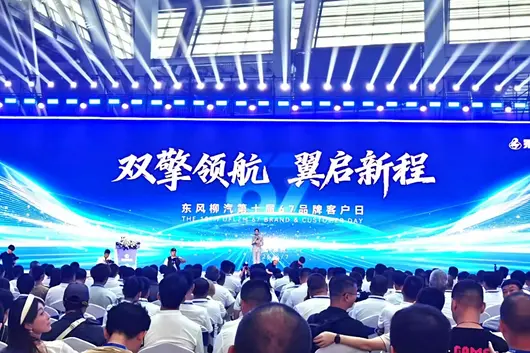
盛夏六月,十年之約,如期而至。6 月 7 日,以「雙擎領航,翼啟新程」為主題的第十屆東風柳汽 67 品牌客戶日在柳州隆重舉行。來自東風汽車集團、柳州市委市政府的領導,以及海內外合作夥伴、經銷商代表、卡友用戶、媒體記者齊聚一堂,與直播間一百多萬觀眾共同見證東風柳汽十五五戰略發布、全新 T1 技術平台及整車首發,以及多項用戶關懷與公益計劃的重磅落地。

錨定「725·雙領先」,繪就十五五宏偉藍圖
本屆品牌客戶日上,東風柳汽總經理林長波正式發布面向「十五五」的全新戰略——「725·雙領先」戰略,為未來五年的高質量發展定調定向。

面向商用車領域,東風柳汽提出聚力達成 7 萬輛產銷規模、實現南方區域市場領先的目標。產品層面,乘龍將持續深耕「輕量化、低能耗、智能化」三大核心優勢:輕量化持續保持行業領先;低能耗構建正向開發體系,計劃在 2030 年前建立 7 個細分市場領先優勢;智能化方面,攜手贏徹科技等夥伴,做商用車行業的「智駕普及者」,實現從 L2+ 到 L4 的全場景智能駕駛覆蓋。新能源技術路線上,乘龍將全面佈局純電、氫燃料、甲醇、混動等全棧技術,實現新能源商品線的全面煥新。
海外領域,緊扣東風集團「天際揚帆」國際化躍遷目標,持續深耕越南、印尼、泰國等東盟核心市場,加速拓展歐洲、中東、非洲、南美等新興區域,構建全球化產銷網絡。與此同時,東風柳汽正積極推動從製造型企業向「服務型 + 生態型」企業轉型,協同集團資源,聯合頭部生態夥伴,在商用車領域構建「全場景運輸生態圈」,為客戶提供覆蓋「選、購、用、養、換」全場景的一站式解決方案,與客戶及夥伴共創價值、共贏未來。
T1 技術平台重磅亮相,乘龍翼威 5 超能版首發登場
戰略落地,技術為基。本次品牌客戶日上,東風集團全新打造的「4.0 氫電一體化模塊化平台」T1 技術平台正式發布。T1 平台集模塊化、集成化、定制化於一身,包含純氫、氫電混、純電多元技術路線,覆蓋牽引、載貨、自卸、專用四大品系,29 個細分市場、400 多個用車場景。基於 T1 平台打造的全新力作——乘龍 H7 氫耀版氫燃料牽引車、乘龍翼威 5 超能版純電牽引車也在現場迎來整車首發。

乘龍 H7 PRO 氫耀版氫燃料牽引車,瞄準真實長途物流場景,具備「低氫耗、長續航、長壽命、高效率、高可靠」五大硬核優勢。首推「大氫堆 + 小電量」產品,搭載 400kw 大功率高效氫堆,基於場景的動力鏈一體化匹配標定技術,百公里綜合氫耗低至 7 公斤。配備 75MPa 高壓儲氫系統(可擴展液氫),最大儲氫量 125 公斤,續航超 1700 公里,徹底解決續航痛點。氫堆穩定壽命超 3.3 萬小時,整車設計壽命超 160 萬公里,行業領先,將成為中長途和幹線物流運輸場景的終極解決方案。後續將推出定制化「小氫堆 + 大電量」產品,搭載 T1 平台氫電模塊,應用自研氫燃料增程技術,綜合續航覆蓋 500~1000 公里,可氫可電,根據不同區域氫/電成本靈活調配,實現最佳 TCO 收益,輕鬆滿足多樣化場景需求。

乘龍翼威 5 超能版純電牽引車,具備「超輕、超省、超快、高安全、高可靠、高智能」等 6 大核心優勢,樹立新能源商用車價值新標杆。整車軸距僅 3.3 米,行業最短;電驅橋高度集成,搭配 68 項輕量化技術,422 度電版本整車自重僅 8.8 噸,較友商輕 500 公斤以上。動力方面,搭載 14000 轉高速扁線油冷電機,輸出近千匹馬力、超 4 萬牛·米扭矩,澎湃動力從容應對重載與複雜路況。新車首發應用 1000V 平台 SiC 八合一集成域控,整車電耗優化 5.5% 以上;集成電驅橋綜合效率≥94.5%,搭配全域智能溫控熱管理系統,整車再節能 3%+,低溫續航衰減≤20%,實測綜合電耗低至每公里 1 度電;配備智能載荷識別系統,實現智能 EBP,能量回收效率提升 10% 以上。補能方面,支持兆瓦級超充,補能時間≤20 分鐘。安全層面,電池採用納米阻燃技術,安全管控標準遠超國標;電池包採用底掛橫置佈局,整車重心下降 20%,行駛穩定性大幅提升;駕駛室採用乘龍第三代龍骨框架,防護性能提升 40%。整車 B10 壽命可高達 160 萬公里,以極致可靠護航全生命週期運營。

同期亮相的還有乘龍聯合海爾打造的智慧輕卡房車——乘龍翼威 2 房車。新車深度定制海爾全系家電,智慧面板一屏掌控、超一級能效減少補電焦慮、靜音變頻空調低至 20 分貝、洗烘一體洗衣機解放雙手,將輕卡房車打造成「移動的精裝智慧家」。

木蘭綻放,青衿築夢,以溫暖守護每一程
以用戶為中心,東風柳汽從未止步。本屆品牌客戶日上,東風柳汽商用車銷售公司副總經理譚曉蕾登台,逐一講解並發布了多項面向卡友家庭與女性從業人員的關懷計劃和全新產品。
「她·港灣」乘龍女性卡友關愛計劃率先發布,向每一位奔波在貨運一線的女性從業人員致敬。該計劃從健康守護、溫情共融、事業賦能三大維度構建全方位關懷生態,涵蓋專屬健康篩查、線上卡姐互助社群、行車安全專項培訓及服務站點女性便民物資配置,讓暖心關懷滲透到每一個服務環節,真正守護每一位在路上的「她」。

作為該計劃的專屬力作,乘龍 H5V 木蘭版溫情亮相,以「木蘭」命名,致敬獨立堅韌的貨運巾幗,帶來一系列人性化專屬配置:360°全景影像、駐車監控與 SOS 緊急求助構建全方位安全防護;全車隱私簾及臥鋪間隔打造安心私密空間;抽拉式隱藏車載廁所搭配駐車加熱熱水系統,直擊如廁與洗漱難題;座椅加熱與腰腹定向加熱緩解長途疲憊;側翻板隱藏式梳妝台與集成化妝品專區的車載冰箱,讓駕駛室成為路上的溫馨小家。

將關愛從駕駛室延展至家庭,「望子乘龍·青衿築業計劃」正式啟動,也標誌著望子乘龍公益計劃從「助學圓夢」邁向「助業啟航」。該計劃首批集結東風柳汽、寧德時代、欣旺達、玉柴集團、法士特等百余家產業鏈夥伴,開放新能源技術、智能製造、市場營銷等 165 個優質崗位,工作地覆蓋南寧、柳州、深圳及白俄羅斯等海內外地區,為青年學子搭建從課堂到職場的堅實橋樑。

活動現場還隆重舉行了三輪表彰頒獎,對过去一年表現卓越的合作伙伴、經銷商及用戶代表予以嘉獎,以榮譽致敬攜手同行的每一份力量。


征途萬里,初心如磐。站在十五五開局的全新起點,東風柳汽將堅決貫徹東風集團「三個躍遷、一個向新」戰略部署,以新能源與智能化為雙翼、以乘龍與風行為雙擎,加快打造商乘並舉的自主品牌新高地。立足柳州,扎根廣西,服務全國,走向世界。
(本文由企業提供)

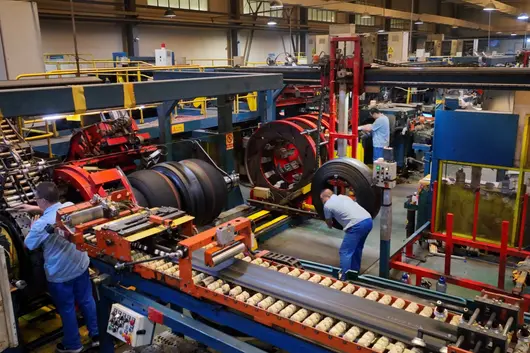
Recently, inside the production workshop of Fangxing Rubber Co., Ltd., Dongying City, machinery hummed as workers rushed to manufacture a batch of orders bound for Southeast Asia. Since the start of 2026, facing multiple unfavorable factors such as the international situation and fluctuation in shipping costs, Fangxing Rubber overcame challenges head-on, presenting a report card of steady counter-trend growth with export volume up 3% year-on-year in the first quarter.

Behind the continuously rushed overseas orders is Fangxing Rubber's successful practice of deep diving into differentiated strategies and leveraging precise deployment to unlock the global footprint.
Targeting the Right Path: Precise Deployment of Differentiated Products
In the complex and changing international market environment, relying on a single specialty is no longer sufficient to meet diversified needs. Fangxing Rubber actively transformed its thinking, deeply researched the road conditions and usage habits of customers in different regions, and formulated differentiated production plans.
"Currently, our products are sold globally. The markets in Indonesia and Southeast Asia mainly focus on inner tube tires, while countries like Africa and Iran focus on tubeless tires," said Liu Liqin, Sales General Manager of Fangxing Rubber, revealing the key to going global. This "tailored" precise deployment has enabled Fangxing Tires to gain extremely high recognition overseas. In the past few years, the annual growth rate of export orders has always remained at a high level of 20% to 30%. In 2025, Fangxing's total sales volume reached nearly 10 million units, with exports accounting for absolute dominance.

Solid Support: "Top Quality" Builds a Solid Foundation
Endless overseas orders cannot be separated from strong manufacturing platform support. Since its establishment in 2003, Fangxing Rubber has firmly executed the "Top Quality" brand strategy, creating top-quality standards with top-tier equipment, raw materials, and technological strength.
Currently, Fangxing possesses powerful capacity with an annual output of 3.2 million sets of all-steel heavy-duty radial tires, 12 million sets of semi-steel radial tires, and 150,000 sets of engineering tires. Its products are known for high load resistance, high wear resistance, and stable performance, perfectly matching the strict requirements of overseas heavy-duty and complex road conditions. As a National High-tech Enterprise and a Provincial Manufacturing Champion, Fangxing has already obtained 61 invention patents, injecting strong technological momentum into product iteration.

Riding the Wave: Government and Enterprise Cooperation for Steady Global Expansion
The steady development of Fangxing Rubber also benefits from the fertile soil of local industry nourishment. The local government cultivated foreign trade subjects through multiple measures, organizing participation in exhibitions, purchasing export credit insurance, and actively responding to EU "anti-dumping and anti-subsidy" cases, assisting enterprises in developing emerging markets. Relying on the complete industrial chain advantages and favorable business environment of the locality, Fangxing Rubber further consolidated its compliance and quality control advantages.
Facing the heavy challenges of 2026, Fangxing Rubber maintained stable production and sales. In the future, relying on more than 20 years of industry deep diving, a capacity scale of tens of millions of units, and a sales network covering over 100 countries and regions globally, Fangxing Rubber will continue to use differentiated products as a sharp blade, moving forward steadily in the fierce competition in the global tire market.

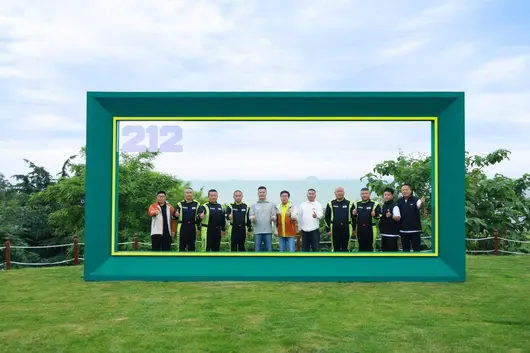
近日,212 越野車環塔收官慶典在青島舉行。著名體育賽事主持人韓喬生、職業賽車手韓魏、廠商隊車手、用戶隊車手以及技術後勤團隊——這群剛從 7500 公里極限征程中歸來的人,沒有西裝革履,卻站成咗越野市場入面最真實嘅畫面。一場收官慶典,被 212 辦成咗品牌宣言:唔好同我堆配置,敢把車開進環塔,先算真有底氣。
 嚴格來說,212 嘅環塔成績單從 6 月 1 日就已經寄出。但比最終名次更值得行業關注嘅,係呢張成績單嘅含金量。
本屆環塔拉力賽總里程 7500 公里,其中特殊賽段 3400 公里,沙漠佔比首次超過 60%,地表溫度最高超過 60℃。T2.1 量產組賽事規則限定車輛保留原廠量產底盤同動力總成,發動機、變速箱、底盤核心部件同市售版本完全一致。任何造車新勢力都明白:唔係秀場,而係實打實嘅全工況極限測試場。
正係喺呢樣嘅賽場上,212 車隊以接近原廠狀態嘅量產 T01 出戰,直面一众搭载 3.0T 大排量動力嘅對手,完成「2.0T 對陣 3.0T」嘅越級挑戰。賽事後半程 SS10 至 SS13 四個關鍵賽段,車隊接連拿下兩冠一亞嘅出色成績。值得留意嘅係,喺淘汰率超過 30% 嘅 SS5「魔鬼賽段」,212 兩台車組全部順利完賽。最終,212 成為 T2.1 量產組廠商隊中唯一實現全員 100% 完賽嘅品牌,並斬獲組別亞軍。
 唔係靠運氣撞出嚟嘅。環塔賽場嘅戈壁、沙梁、交叉軸、砲彈坑唔會配合任何品牌嘅宣傳稿。能夠完賽,本身就係最硬核嘅產品力認證。
回到技術維度,T01 嘅表現更值得深究。
參賽車輛使用嘅動力系統同民用版本無異:2.0T 發動機匹配采埃孚 8AT 變速箱,配合博格華納大分動器,喺 4L 模式下可將扭矩放大 2.64 倍。呢個意味住 7500 公里賽程中經歷嘅所有爬坡、拖拽、沙地起步——每一下油門,都同普通消費者喺 4S 店試駕時踩嘅係同一套系統。
底盤層面,T01 採用非承載式車身搭配前後整體橋架構,針對環塔極限路況進行專項調校。從賽道反饋睇,呢套架構喺重載翻越時抗扭性表現突出,喺高強度顛簸路段始終保持車身姿態穩定。全車採用鍍鋅板車身,經戈壁碎石剮蹭後未出現明顯鏽蝕問題。乘員艙結構強化帶嚟 16% 嘅頂部承載力提升,配合籠式車身、540°全景影像及緊急呼叫救援功能,完成咗越野性能同安全配置嘅雙向驗證。
把近萬公里嘅極端工況實測數據反哺到產品開發中,係 212「以賽促研」理念嘅最直接落地——與其喺實驗室入面做高成本模擬,不如讓產品喺戈壁入面自己跑出答案。
但行業內真正該關注嘅核心,係 212 喺賽事之外嘅第二層佈局。
慶典現場,212 宣佈環塔改裝套件即將登陸官方商城,涵蓋底盤護甲、防脫輪轂、越野輪胎及脫困救援裝備等。如果說環塔參賽係一次技術驗證,咁改裝套件嘅推出就係讓驗證成果觸達終端用戶。長久以來,國內越野改裝市場以第三方配件為主,配件兼容性同可靠性缺乏系統性測試。原廠賽事套件落地,某種程度上係喺規範細分後市場,推動越野改裝從非標走向標準化。
更深層嘅變化喺於用戶參與機制嘅重構。212 同步啟動咗 2027 環塔用戶車手招募計劃,並會攜手職業賽車手韓魏共同成立冠軍越野培訓學院,面向普通用戶提供系統化賽前指導同參賽機遇。呢度指向嘅係一個更大嘅產業命題:從過去單一嘅「賣車邏輯」,轉向向上依托賽事迭代技術、向下延伸改裝配件同駕駛培訓服務嘅「產品—賽事—服務」三位一體產業閉環。
212 越野車營銷總公司總經理何兆鵬喺慶典現場表示:「212 要把越野文化普及,令更多人心里嗰顆關於遠方同夢想嘅種子,有機會生根發芽。」呢句話背後,係一套完整嘅運營邏輯:通過賽事建立信任同公信力,通過培訓降低進入門檻、培養用戶資產,通過官方改裝套件承接消費需求——每一步都喺構建屬於 212 嘅用戶心智入口。
 212 同時公佈咗未來賽事規劃。2027 環塔拉力賽將繼續成為核心賽曆,達喀爾拉力賽、馬來西亞沙巴國際雨林賽、阿拉善 T3 挑戰賽等一系列國內外頂級賽事均在規劃之中。值得關注嘅係,212 喺 2026 年初達喀爾拉力賽中,T01 作為保障車已成功護航車隊以汽車組第 26 名、中國車隊第一嘅成績完賽。從達喀爾到環塔,從沙漠到雨林,賽事版圖嘅擴張意味著產品將喺更多極端環境中接受檢驗,技術積累也將隨之持續迭代。
對 212 而言,環塔唔係終點,而係一個新嘅起點。今年 6 月開啟嘅呢份答卷,喺接下來嘅全球賽事版圖中,用更長嘅賽道同更複雜嘅路況,檢驗一個品牌從「國民記憶」走向「世界符號」嘅真正成色。
呢場收官慶典最耐人尋味嘅,係佢冇停留在一份成績單上。212 把環塔從「賽事」變成咗一次公開嘅、唔可以剪輯嘅發布會現場,然後又把賽場驗證嘅技術成果交返畀用戶。喺呢個汽車營銷過度包裝嘅時代,呢種「唔裝咗、攤牌咗」嘅姿態,或許比任何廣告都更具說服力。

2025 年全球摩托車銷量約 6520 萬輛,市場規模預計 2030 年接近 1800 億美元。

銷量最大區域依次為印度(約 2050 萬~2070 萬輛)、東盟五國(印尼、越南、泰國、菲律賓、馬來西亞,合計約 1316 萬輛)、中國內銷(860.2 萬輛)和拉美(約 586 萬輛)。
印度和東南亞以 100~150cc 小排量通路車為主,歐美偏好中大排量街車、旅行車及巡航車。

全球保有量超六成集中在印度、印尼、中國、越南四國。印度存量約 2.21 億輛,印尼約 1.25 億~1.30 億輛,中國登記約 1.0 億輛,越南約 7200 萬~7700 萬輛。
品牌格局呈“亞洲主導銷量、歐美壟斷高端”。

日系四大家(本田、雅馬哈、鈴木、川崎)占全球近半數份額,霸占東南亞及拉美通路車市場;印系(Hero、Bajaj、TVS)統治南亞及非洲低端代步;歐系(寶馬、杜卡迪、KTM)與美系哈雷佔據高淨值樂玩市場。
中國市場特點與電動化衝擊
中國內銷占全球 13%~14%,計入出口後產量占全球約 30%,是全球第一製造與出口國。
受近 200 城禁限摩壓制,城區通勤被電動兩輪大量替代(一二線城市電動兩輪滲透率超 75%,全國綜合電動化率超 70%),燃油通路車內銷承壓,2025 年燃油摩托車國內銷售約 514.49 萬輛,同比下降 6.18%。但 250cc 以上樂玩車型逆勢增長:2025 年銷量 95.23 萬輛,同比增長 25.87%,近三年 CAGR(複合年增長率)超 20%,仿賽、復古、ADV 走俏,消費屬性轉向休閒社交。
燃油摩托受電動衝擊最顯著市場是中國和越南。中國城區基本完成“油轉電”;越南電摩新註冊佔比快速升至 13%~22%,是東南亞油摩替代最快市場。
中國企業全球真實地位與競爭力評估
不必妄自菲薄
中國擁有全球最完整的摩托車產業鏈。2025 年整車出口 1336.57 萬輛,出口額 88.5 億美元,出口量占全球貿易量的重要份額,是亞非拉小排量通路車的核心供應方。
豪爵、隆鑫、宗申以性價比和可靠性在拉美、非洲建立了穩固基盤;春風動力、錢江摩托(QJMOTO)、無極在中大排量領域持續追趕,250cc 以上車型出口同比增長超 50%,無極歐洲銷量突破 8 萬台(同比 +89.35%),春風動力在歐洲全地形車市場佔據領先地位,其摩托車業務也在部分歐洲國家實現 5%~10% 的市佔率。國內中大排市場國產品牌佔比超 80%,已明顯擠壓進口大貿份額。賽事領域(WSBK、達喀爾)也開始出現中國車隊身影,凱越車隊在 2025 年達喀爾取得第 15 名,張雪機車在 WSBK 取得五連冠。
出口均價持續提升,自主品牌出海佔比據行業估算已接近 50%,產業正從“代工走量”向“技術 + 品牌出海”過渡。
也不可夜郎自大
中國摩托車全行業前十強淨利潤總和,仍不及本田一家摩托車業務的利潤,仍處於“大而不強”階段。
核心短板有三點。
第一,研發投入懸殊。
本田單年摩托車業務研發費用超過中國全行業摩托研發總投入,導致發動機熱效率、耐久性、NVH 等底層技術仍存代差。250cc 以上大排量發動機完全自研率不足 30%(近年張雪機車等新銳品牌已實現核心部件 100% 自研,但尚未改變行業整體格局)。
第二,核心電控依賴外資
電噴系統、ABS、TC、IMU 等高端電控仍高度依賴博世、電裝等外資供應商,核心零部件話語權較弱。
第三,品牌積澱淺,海外網絡不完善
品牌溢價遠低於日系、歐系。早期低價惡性競爭曾致中國摩托車在東南亞市佔率从 90% 跌至約 1%(近年有所回升,但重建信任仍需時間)。在日系主場(日本本土、泰國)和北美巡航車市場,中國品牌幾乎無存在感。
中國企業是全球無可替代的製造基石和通路車出口主力,中大排量正成為第二增長曲線,並在歐美初露鋒芒,電摩產業鏈也具備先發優勢。但與日系巨頭相比,在核心技術掌控力、全球品牌溢價、全周期盈利能力上,仍有 5~10 年差距。未來能否突破電控與大排發動機自研瓶頸、建立海外售後服務體系,將決定中國摩托車是從“世界工廠”升格為“全球品牌”,還是長期停留在低毛利代工角色。
在當前通路車電動化、樂玩車大排量化、產品智能聯網化成為摩托車行業趨勢時,中國摩企提高研發能力,發揮生態優勢,融入全球市場才是王道。
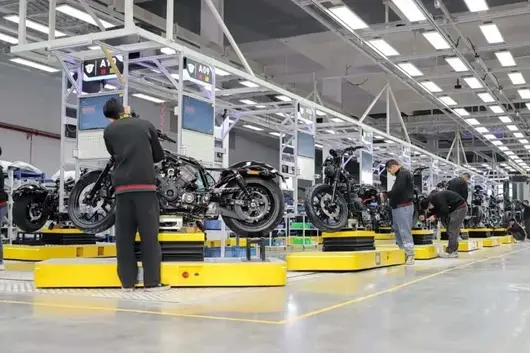

5 月 28 日,上海北外灘世界會客廳,上汽車集團將第一億輛車嘅鑰匙交到 Momenta CEO 曹旭東手中。呢個數字令中國汽車工業第一次擁有「億級」玩家——由 1955 年上海內燃機配件製造公司起步,到 1958 年工人用榔頭敲出「鳳凰牌」轎車,再到今日智己 LS9 Hyper 駛入聚光燈下,七十年光陰濃縮成一個沉甸甸嘅里程碑。但係比數字更值得追問嘅係:當中國車市由增量狂奔向存量絞殺,當新勢力同傳統車企嘅攻防戰進入深水区,上汽車憑乜率先撞線?答案藏喺「懂車更懂你」呢句看似樸素嘅理念入面,亦藏喺由技術合資到技術共創、由產品出海到價值鏈出海嘅戰略躍遷之中。呢次係對用戶信賴嘅集中兌現,更係一場汽車產業認知嘅升維。

一、從鳳凰到智己:七十年技術積澱嘅質變
第一億輛交付車型智己 LS9 Hyper,絕非一輛簡單嘅旗艦車。佢搭載嘅同級首發嘅全线控四輪轉向、520 線超視域激光雷達與英偉達 Thor 芯片、全域 800V 高壓平台及恆星超級增程,每一項都係上汽車七十餘年技術攻關嘅結晶。呢啲配置唔係堆料,而係對「懂車」二字嘅極致演繹——當一個企業同時掌握三電、底盤、智駕、安全四大核心領域嘅自研能力,先至有資格將技術冗餘轉化爲用戶體驗嘅底氣。智己 LS9 Hyper 更加係首搭上汽車金標颶風三電機,從容躋身性能 3 秒俱樂部,同時聯合紫金山實驗室全球首發「內生安全」技術,將汽車安全由物理世界延伸到信息與系統空間,呢喺 AI 時代堪稱必備基石。
呢種技術質變非一日之功。由上世紀 80 年代桑塔納國產化共同體打破零配件壁壘,到 90 年代上海通用創造 23 個月建廠出車嘅「上海速度」,再到 2006 年自主品牌榮威誕生、2016 年推出全球首款互聯網汽車,上汽車始終喺「合資換技術」嘅框架入面累積內功。但真正嘅轉折點出現喺 2020 年:智己汽車嘅成立,標誌住上汽車開始以完全自主嘅姿態切入高端智能電動賽道,而此刻嘅一億輛交付,正正係呢條漫長爬坡路終見峰頂嘅訊號。數據顯示,2026 年 1-4 月上汽車累計銷售 130.2 萬輛,連續四個月居中國車企銷量冠軍,其中自主品牌佔比近 70%,新能源車銷售 41.2 萬輛——數字背後,係技術自主權帶來嘅市場主動權。
更值得玩味嘅係用戶選擇。第一億位車主曹旭東,正正係上汽車喺智駕領域核心戰略伙伴 Momenta 嘅 CEO。「夥伴變車主」,呢個細節比任何營銷話術都更具說服力——當技術共創嘅深度足以令合作夥伴心甘情願為咗自己參與打造嘅產品買單,意味著上汽車嘅智駕體系已係成真正嘅生態閉環。由桑塔納時代嘅「學徒工」到智己時代嘅「技術聯合體」,上汽車用七十年完成咗由跟隨到共舞嘅身份切換。


二、全球接力交付:體系實力同品牌陣列嘅協同共振
交付儀式當日,一條跨越山海嘅光纖連接咗上海主會場同南京、柳州、太原,乃至英國、印尼、新加坡嘅交付現場。呢場「全球接力」非作秀,而係上汽車全價值鏈閉環嘅縮影。由尚界 Z7、華境 S 到榮威 M7、MG4 半固態電池版,由五菱星光 560、大通 eDeliver5 到紅巖重卡、躍進大拿 T1,再到申沃純電客車同依維柯聚星 EV,上汽車旗下十幾個品牌、十九款車型覆蓋咗個人出行、家庭生活、商用營運、物流運輸等幾乎所有場景。呢種「全品類覆蓋」嘅能力,係單一品牌新勢力難以複製嘅護城河。
合資板塊同樣展現出嶄新嘅活力。大眾 ID. ERA 9X 全球首發搭載 Momenta R7 強化學習世界模型,上市一個月交付突破 7000 台;AUDI E7X 計劃成為奧迪全球首款實現 L3 級自動駕駛落地嘅車型;別克至境 E7 基於「逍遙」超級融合架構打造,上市一個月交付破萬台。呢啲成績背後係「合資 2.0」戰略嘅落地:唔再係簡單嘅產品引進,而係中海外雙方技術共創、平台共享。上汽車大眾推出嘅「油電同進」策略,令燃油車智能化同新能源車陣列同步發力,1-7 月燃油車市場份額提升至 8.8%,正正係呢種雙線作戰能力嘅佐證。
海外市場嘅表現更加係體系實力嘅直接映射。上汽車 MG 連續 11 年蟬聯中國品牌歐洲銷冠,2025 年歐洲年銷突破 30 萬輛,成為首個喺歐洲及英國累計銷量破百萬嘅中國汽車品牌。今年 3 月,MG 喺法蘭克福舉辦技術日,全球首發半固態電池及 Hybrid+ 混動技術,Hybrid+ 家族海外單月銷量突破 2 萬輛。呢啲數字背後,係上汽車喺海外擁有超 100 個零部件生產基地、超 3000 個經銷商網絡,以及倫敦等 3 大研發創新中心同泰國、印尼等 4 個生產製造中心嘅全球佈局。由「產品出海」到「價值鏈出海」嘅 Glocal 戰略,令上汽車真正成為一家跨國汽車集團。

三、智電深水區:上汽車點樣重塑行業競爭格局
當新勢力仲為月銷破萬歡呼,當傳統車企仲糾結燃油車同新能源嘅切換節奏,上汽車已經用一億輛證明咗一條混合路徑嘅可能性:既唔能放棄存量基盤,又必須全力攻佔增量高地。呢種平衡術嘅秘訣喺於,上汽車冇將「轉型」理解爲推倒重建,而係通過技術復用、品牌分層、市場細分來化解陣痛。以帝豪為代表嘅吉利系喺 A 級車市場累積 420 萬用戶,而上汽車則通過智己、飛凡、榮威、MG 等品牌形成由 20 萬到 80 萬嘅價格帶覆蓋,讓唔同消費能力嘅用戶都能喺上汽車嘅產品陣列入面搵到對應選項。
真正嘅行業顛覆,發生喺技術路線嘅交叉點。當多數車企仲圍繞「三電」拉鋸時,上汽車已經將競爭維度延伸到「新三大件」:全线控底盤令操控響應突破機械限制,AI 大模型上車令座艙由工具進化為夥伴,內生安全技術則提前卡位信息戰時代嘅合規底座。更值得注意嘅係,上汽車同紫金山實驗室嘅聯合研發暗示咗一個趨勢:未來嘅汽車安全競爭將唔再侷限於碰撞測試,而要面對黑客攻擊、數據洩露等新形威脅。呢種前瞻佈局,令上汽車喺智電深水區擁有咗定義規則嘅資格。
喺競爭格局層面,上汽車嘅「夥伴變車主」模式正係改寫行業生態。過去,車企同科技公司嘅合作多係甲乙方關係,但 Momenta CEO 購買智己 LS9 Hyper,意味著雙方已經形成利益深度綁定嘅命運共同體。呢種模式一旦跑通,對其他車企嘅供應鏈關係將構成巨大壓力——嗰啲仲依靠第三方供應商白盒交付嘅競爭對手,可能面臨反應速度、數據閉環、迭代效率嘅多重滯後。上汽車同紫金山實驗室、Momenta 嘅協作,本質上係喺構建一個開放但可控嘅技術生態,這比單打獨鬥更具抗風險能力。

結語
當羅振宇作為華境 S 第 001 號體驗官走進工廠,當前德國腳楊晨選擇 ID.ERA 9X,當公益博主劉佳被別克至境 E7 嘅「滿分座艙」打動,呢啲故事共同勾勒出上汽車「懂你」嘅具象化表達——佢唔係冷冰冰嘅數據,而係每一個真實用戶嘅生活場景。從第一個用戶到第一億個用戶,上汽車嘅成長史就係中國汽車工業從「跟跑」到「並跑」再到「領跑」嘅縮影。但一億輛唔係終點,而係二次創業嘅起跑線。正如劉禹錫所言:「千淘萬漉雖辛苦,吹盡狂沙始到金。」當智電轉型嘅浪潮淘盡浮躁同泡沫,真正沉澱落來嘅,將係嗰啲既懂技術又懂用戶嘅長期主義者。上汽車嘅下一個一億輛,或許唔會等七十年。
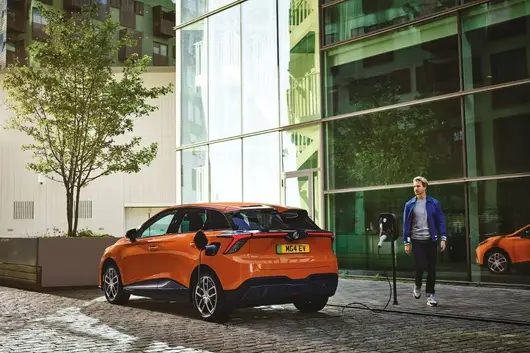

5 月 27 日,橡膠板塊早盤大幅向上震盪,多頭情緒顯著回暖。RU 主力 2609 合約平開高走,最高觸及 17775 元/噸,放量突破 17500 元/噸關口;20 號膠主力大漲 2.70%,合成橡膠跟漲,板塊共振走強。盤面的強勢飆升,折射出當前輪胎製造上游正全面陷入“價格高、波動高、不確定性高”的“三高”困局。在成本重壓之下,國內外輪胎企業密集發聲,6 月加價潮已箭在弦上。

供需失衡,天然膠價格創兩年新高
今日盤面的猛攻,是現貨市場持續緊平衡的集中爆發。今年以來,天然橡膠價格持續走高,目前現貨價格在 17500-17900 元/噸區間,較年初上漲約 14%;期貨價格亦上漲 11%,均處近兩年高位。在海南白沙,乾膠收購價達 17 元/公斤左右的高點,加工企業紛紛搶收。

然而,高價位雖調動了割膠積極性,卻難改全球結構性短缺的底層邏輯。據天然橡膠生產國協會預測,2026 年全球需求量將達 1560.2 萬噸,產量預計僅為 1532.4 萬噸,缺口明顯。主產區泰國因膠園改種、膠樹老化產量乏力,厄爾尼諾現象帶來的高溫乾旱亦加劇了 5-6 月產量釋放不足的減產預期。國內雲南、海南開割初期產量偏慢,供應低產期拉長。

需求端,國內輪胎企業開工率穩步修復,新能源汽車 4 月產銷同比分別增長 5.5% 和 9.7%,整車出口大漲 74.4%,下游剛需穩健托底。供需錯配之下,國內庫存持續去化。5 月 22 日當周,青島保稅區區內庫存環比減少 0.59 萬噸至 13.36 萬噸,一般貿易庫存環比減少 0.25 萬噸,現貨流通偏緊為盤面提供強支撐。

格局顛覆,合成膠上演歷史性反超
天膠飆升僅是冰山一角,合成橡膠的異動更讓輪胎企業承壓。今年 3 月,國內合成橡膠期貨主力合約盤中強勢漲停,單日漲幅高達 11.99%,年內累計漲幅超 53%。

更值得關注的是,合成橡膠價格當時首次反超了天然橡膠,兩者價差一度超過 1300 元/噸,徹底顛覆了行業“天然膠比合成膠貴”的長期認知。雖近期受中東局勢和緩影響,合成膠價格下探至 14000 元一線,但受國際原油反彈超 3% 及資金回流能化板塊帶動,合成橡膠價格近期再度抬頭,間接支撐天然橡膠走強,原材料波動率居高不下。

成本倒逼,6 月加價潮再度逼宮
面對上游原材料的狂飆,輪胎企業利潤嚴重受壓,加價成為唯一出路。國際品牌率先佈局 6 月:韓泰、鄧祿普、錦湖相繼宣佈自 6 月 1 日起上調產品價格 2%-6% 不等;米其林、普利司通、固特異等也在 5 月完成了新一輪調價。
國內品牌亦不甘落後,迎來今年的第二波甚至第三波加價。超 40 家輪胎企業在 5 月發佈調價函,採取“小步快跑”策略,高頻微調對沖成本劇烈震盪。

不過,6 月加價潮雖已確立,落地節奏卻將顯著分化。在產能整體過剩背景下,“加價函”與“促銷政策”並存的扭曲局面或將延續。頭部企業憑藉成本轉嫁能力借勢升級,而部分中小型品牌為保市場份額,可能被迫暫緩調價或變相促銷。這場由“三高”引發的風暴,正加速重塑輪胎產業的競爭版圖。
圖片來源:央視財經
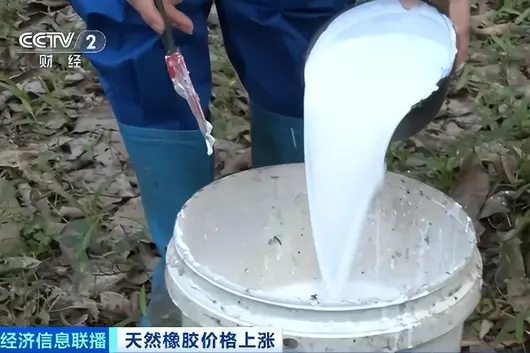


On June 6, the 212 Off-Road Huan Ta Rally closing ceremony was held in Qingdao. Han Qiaosheng, driver Han Wei, racing drivers from manufacturer and user teams, and event logistics staff gathered on site to review the full schedule of the 2026 China International Huan Ta Rally and share their experiences and gains from the 7,500-kilometer extreme off-road competition.

The 2026 Huan Ta Rally schedule was arduous, crossing Gobi desert, sand dunes, and gravel sections throughout. High temperatures, large potholes, and long-distance uninhabited area road conditions posed a severe test on vehicle stability and driver skills.

The rules for this year's T2.1 Production Group race limit participating vehicles to use original factory production chassis and powertrains, allowing only upgrades to safety accessories. In the 7,500-kilometer total distance, the 212 team competed steadily with the 2.0T original factory production T01 model, consecutively winning two first places and one second place in the key stages from SS10 to SS13 in the latter half of the event. Finally, they became the only brand in the T2.1 Production Group manufacturer teams where all members successfully finished, securing the second place for the manufacturer team in the category.

The participating vehicle T01 this time had no heavy rally modifications. It is equipped with the same powertrain as the Huan Ta - a 2.0T engine and a ZF 8AT gearbox. Tested throughout the event, it demonstrated strong low-end torque output, comparable to large-displacement models when climbing Gobi slopes and towing heavy loads. Paired with the BorgWarner heavy-duty transfer case, high and low-speed switching is swift. In 4L mode, torque can be amplified 2.64 times, achieving torque distribution as needed, ensuring stable power output for long-distance crossing with low failure rates.

In terms of body structure, the T01 adopts a body-on-frame paired with solid front and rear axles. The body remains undeformed when driving on bumpy off-road surfaces and large potholes; it reaches maximum torsional rigidity when reloading and crossing. The chassis underwent specialized optimization and tuning based on Huan Ta extreme road conditions, ready to adapt to various complex road conditions straight from the factory. Additionally, the entire vehicle body uses galvanized steel plates, undeterred by Gobi gravel scratches, and is not prone to rust. Furthermore, the T01 reinforced the top load-bearing capacity of the passenger cabin, with performance increased by 16%. Combined with the cage-style passenger cabin design, 540° panoramic image, dashcam, and emergency call rescue functions, it provides comprehensive protection for passenger safety.

At the celebration site, drivers and technical teams exchanged views on actual test performance regarding power systems, chassis structures, and body protection. Combined with combat scenarios such as Gobi slope climbing, heavy-load towing, and high-intensity bouncing, they summarized the pros and cons of the vehicle in long-distance off-roading.

Based on the actual test data accumulated from this Huan Ta event, 212 plans to launch original factory modification kits for off-road enthusiasts. Related products will go online through official channels later, helping ordinary car owners optimize vehicle off-road capability. At the event site, the brand announced subsequent off-road event layouts overseas and domestically. The Dakar Rally, Malaysia Sabah Rainforest Rally, Alxa T3 Challenge, and 2027 Huan Ta Rally are all included in the participation plan, adhering to the principle of using event testing to feed back into vehicle technology optimization.

Furthermore, 212 officially launched the 2027 Huan Ta Amateur Driver Recruitment Project. It will jointly build a professional off-road training academy with Han Wei, providing systematic driving training for ordinary off-road enthusiasts, connecting the pathway from zero-basic driving practice to participating in the Huan Ta race course. The 212 Brand will continue to dig deep into the mass off-road ecosystem, aiming to promote the popularization of off-road culture domestically, lower the threshold for ordinary people to participate in professional off-road events, and give amateur off-road enthusiasts opportunities to step onto national-level rally tracks.
The author of this article is Yu Tian from TiCheBang.

Recently, according to multiple media reports including People's Daily Online and Guangming Net, Chongqing investigated the first AI fake advertising case – the queueing to buy car footage was all fake! In the video, the store was packed with people, grabbing cars like grabbing cabbages, with captions "Blind orders are really too hot".
The result was that law enforcement officers found not a single real person and no real transactions; it was purely an AI performance of a hot sales drama.
My God, this is not selling cars? Even hiring actors would be considered troublesome! Intentionally faking facts and concealing the truth to create anxiety of "if you don't buy now it's gone", forcing you to follow the trend and place orders, isn't this naked consumer fraud? Thinking it was done flawlessly, once the regulation checked it, the true face was exposed.


•The trust crack caused by AI-car making is tearing up the entire industry
AI faking is not new in the auto circle, but this recent operation is absolutely outrageous. Have you seen screenshots of "Lei Jun live streaming sales of AITO M9" or "Yu Chengdong standing up for Xiaomi SU7"? The interface layout, character expressions, and bullet screen interactions were highly realistic; if not for official rumor refutation, the public opinion impact would have been huge.
These fake content spreads extremely fast, often covering millions of users within a few hours, bringing immense public opinion pressure to brands.
Even more absurdly, some accounts even let Lei Jun "sell" cars from other brands, and Yu Chengdong "promoted" Xiaomi, making "cross-brand standing" in the AI era completely handled by algorithms.

If the big bosses bringing each other counts as "entertaining memes", then the malicious tampering targeting specific car models is the real tumor shaking the industry foundation. During the release of Voyah Tai Shan X8, an image of "Chairman Lu Fang posing with the new car, trunk turned into 'Man's Wardrobe'" swept the entire internet.


The scene was complete and people looked natural, causing many users to believe it, even asking about the press conference location. The truth was: the original photo was a group photo of other public figures, and after AI fast face swap, scene replacement, and copy modification, it became a "news photo" misleading the market in minutes.
Finally, the Chairman of Voyah had to step out personally to clarify, stopping the spread of rumors.
Similar events have erupted intensively in the past two years; almost all mainstream brands have not escaped. Xiaomi Auto has released official statements 2 to 3 times in the past two years, refuting AI-generated content including fake executive appointments, forged model function copy, etc.;
During the Guangzhou Auto Show, Xpeng Cars encountered AI-generated vulgar exhibition hall videos spread maliciously, with the Legal Department urgently refuting the rumor;
Xpeng GX interior "spy photos" were massively forwarded, seeming like real sneak shots, but the rearview mirror proportion was distorted and interior lines misaligned, typical AI loopholes were spotted at a glance;
Avatr also released a legal statement pointing out that the false publicity images severely infringed on the brand reputation.

From the current industry phenomenon, car circle AI images can be roughly divided into three categories, with hazards increasing step by step:
The first category is the entertaining "wish list images", such as free new car replacement, high points gifts, etc., leaning towards memes, relatively harmless spreading;
The second category is the "half-real images" with realistic details, tampering with configuration, parameters, interior, and prices based on real car models, professional, extremely difficult for ordinary consumers to distinguish;
The third category is the malicious defamation "black PR images", attacking brands through vulgar, distorted, and fabricated content, causing huge damage to reputation.
What truly shakes the industry foundation is those fake-looking real high-fake contents in the middle zone, like Shangjie Z7 winter test official photos. Clearly real car shots, just because of abnormal wheel hub visuals, were directly judged by netizens as "AI generated", and the official had to clarify specifically that it was just a confidentiality design.


Official promotional photos of brands like AITO, Li Auto, Xpeng, etc., are also frequently enlarged by netizens to compare light and shadow, lines, and pick out details. As long as there is a slight visual deviation, they will be labeled "fake photos".
More terrifying than AI faking is the whole industry falling into a weird loop of "proving innocence". In the past, when car companies released official photos, winter test videos, spy photos, users tacitly believed them to be real. Now, official content instead has to accept the whole internet "authentication".
Car companies are forced into a vicious cycle, releasing content – being questioned – urgently refuting – being questioned again. When reality needs repeated self-proof, industry trust has quietly collapsed.
Industry data shows that the judicial appraisal cost of a single AI image has exceeded 50,000 yuan; more than 90% of fake content is spread after more than 10 reposts, the source tracing difficulty is huge; the legal boundary between entertainment memes and commercial defamation is blurred, evidence collection cycle is long, rights protection efficiency is low.

For car companies, whether letting it go or enforcing accountability, they have to pay high costs. This is already not the dilemma of a single brand, but a systemic problem facing the whole industry together.
And this Chongqing case of "enterprise actively using AI to fake queueing" pushes this crisis to a new height; it is the first case of enterprise active faking to mislead consumers as announced by officials.
Today can use AI to fake hot sales, tomorrow can use AI to fake sales volume, reputation, review. Don't always think about going the wrong way to play tricks, relying on false publicity to gain traffic and scam customers, in the end it will only bring stones to break one's own feet.

The essence of this crisis is the collision between digital technology and traditional industrial civilization.
The auto industry is inherently focused on precision, rigor, and safety; users buy real chassis, power, handling, safety performance, not a beautiful picture.
When AI makes text, images, and videos unreliable, real experience and authoritative data are becoming the new trust cornerstone. 16 million new energy vehicles sold in the whole of 2025, penetration rate broke through 50% for the first time; in some months in 2026 even pushed above 55%. The more white-hot market competition, the more likely those companies relying on AI "adding extra scenes" will be backfired.
Fortunately, regulations have already acted. On April 26, 2026, the State Administration for Market Regulation launched a six-month Internet advertising rectification action, explicitly listing "AI generative advertising" as one of the six key points.
Then on May 26, the Ministry of Industry and Information Technology released "2026 Automotive Standardization Work Points", systematically laying out automotive AI standards. According to experts: "AI will become a booster for mobile intelligent agents, but misuse is a rollover accelerator."

•Real products and user reputation are the best advertising
The opposite of "fake queueing" is exactly those players speaking with hard power. When the "hot" forged by AI becomes a joke, the real hotness is happening in the factories and delivery centers of BYD, Deepal, Xpeng, and SAIC.
At the 2026 Beijing Auto Show, BYD booked the entire E3 Hall, directly setting up a "-30°C low temperature flash charging" actual test area and full scenario parking experience area;
Deepal L06 Max limited time starting from 118,900 yuan, all series standard with CATL Golden Bell Battery, even bringing magnetic rheological chassis which only million-level luxury cars have.
When others are still "adding scenes" in the editing room, these brands are already betting with real technology.
Look at intelligent driving again. Among Xpeng Ultra users, the proportion of "opening intelligent driving every day" in the first week of new cars soared to 98.52%, March Ultra model orders increased by 118% month-on-month. He Xiaopeng's original words: "Intelligent driving has changed from showing off skills to a rigid decision point."

SAIC even launched the concept car of "Global First AI Native Car" Jia Yue 07, making the whole vehicle hardware customized for the AI underlying layer.
Even Shangjie, which has been troubled by AI rumors, insisted on releasing original test data after the Z7 winter test controversy, using real parameters to fight back questions.
Industry change has quietly occurred, more and more brands choose to release original data of actual tests, Li Auto and other brands actively strengthen information transparency; China Automotive Technology and Research Center and other authoritative institutions' crash tests, professional review traffic increased by about 30% year-on-year; offline test drives, real human actual tests, live car teardown, etc. verifiable content is more convincing than refined text and images.
Consumers are not stupid either; whose product can withstand real road tests, whose data dares to face third-party teardown, that is who will win the next round of voting.

Big boss speeches are also getting more realistic. In May this year, at the Shenzhen Future Automotive Pioneer Conference, Avatr Chairman Wang Hui spoke directly: "Sales without profit is fake sales."
Wang Lang added a knife: "Rather than exhausting in internal involution, grow in value."
Li Auto's Li Bin gave data: January to April cumulative delivery over 112,000 vehicles, year-on-year growth 71%, operating profit profit for two consecutive quarters.
BYD's Wang Chuanfu's sentence "Building high-end brands is never a one-step process", perhaps is the clearest footnote to the industry.
Pull the lens back to see – 2025 Chinese car exports 6.8 million vehicles, accounting for 18.6% of total sales. In Europe, Chinese share 7.4% surpassed Korea for the first time; in Thailand, Chinese brand share 34.3% firmly No. 1; in Brazil, new energy field already holds half.
Chery exports nearly 1.2 million vehicles to become the "export number one"; SAIC MG delivered 250,000 in Europe, year-on-year growth over 20%. I ask: If Chinese cars cannot present solid technology and products, can they conquer so many markets globally at the same time?
In the era where AI can "create" everything, truth is the longest lasting competitiveness. Just like Dali Lun for Great Wall Motor that heartfelt "Great Wall Cannon" – that is a real emotional expression, no script, no AI rendering, just happened to become the most scarce content for brands now.
When your product can be liked by real users, can be spread out in reality, then your brand itself is the cheapest and most effective advertising. This is the two-way rush towards real human touch.

•Electric EV:
The person in charge of Chongqing Liangjiang New Area Market Regulation Bureau said clearly: "AI is a normal technical tool, but it absolutely cannot become the 'shield' for false publicity."
A series of absurd events are all throwing out the same question: In an era where algorithms can easily copy all visual appearances, what is the most irreplaceable core of the auto industry?
Chinese cars are charging to the world at unprecedented speed, rather than using AI to fabricate "hotness", better to light up the market with products, what do you think?

[Car Channel Industry] Let's review the major events that happened in the automotive world on May 20, 2026.
Automotive Event 1: GAC Group First Left-Hand Drive Export Model Rolls Off Production Line in Malaysia Deepening Southeast Asia Strategic Layout

Recently, GAC International officially announced that the first left-hand drive export model for Malaysia has rolled off the production line, marking a milestone step in GAC's local production process in Malaysia. According to the image, the model rolled off is the Trumpchi GS3.
This time, GAC Group General Manager He Xianqing led a team to Indonesia, Malaysia, and Singapore to conduct market research and cooperation exchange activities, inspect the local market environment, deepen strategic synergy with partners, and promote quality and efficiency improvements in the Southeast Asia market layout.
Automotive Event 2: Fangchengbao Cumulative Sales Break 400,000 Units

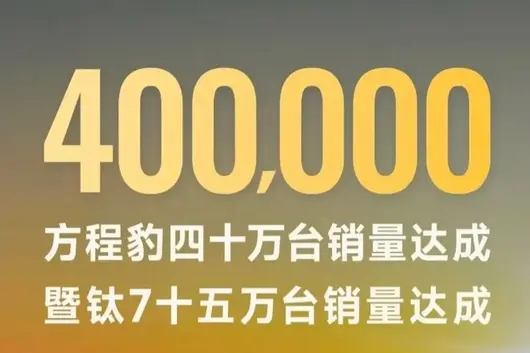
On May 20, Fangchengbao Auto announced the achievement of 400,000 Fangchengbao sales and 150,000 Titan 7 sales. On May 1, Fangchengbao Auto released April sales data, overall sales were steady, total brand sales 29,138 units, up 190% year-on-year, up 12.4% month-on-month, showing strong growth momentum.
Automotive Event 3: Dongfeng to Establish Joint Venture with Stellantis Group Responsible for Voyah Europe Sales Business

Recently, Dongfeng Group and Stellantis Group signed a non-binding memorandum of understanding, comprehensively deepening strategic cooperation, and accelerating the global expansion. According to the agreement, both parties intend to establish a joint venture in Europe. Both parties are discussing having the joint venture responsible for Voyah's sales and distribution business in designated European markets.
Both parties also preliminarily discussed the possibility of localizing production of Dongfeng's new energy vehicles at Stellantis Group's factory in Rennes, France, to comply with European regulations and "Made in Europe" framework requirements.
Automotive Event 4: SAIC Group and SAIC-GM-Wuling Donate 2 Million Yuan to Liunan Earthquake Disaster Area

From May 17 to 20, Liunan District experienced multiple earthquakes. After the disaster occurred, SAIC Group and SAIC-GM-Wuling responded quickly, donating 2 million RMB to the disaster area, specifically for emergency relief of affected people, daily necessities supply, temporary resettlement, and subsequent post-disaster reconstruction work.
SAIC Group and SAIC-GM-Wuling practice social responsibility with practical actions, conveying the firm belief of "weathering the storm together, watching out for each other", and helping the disaster area return to normal life order early and rebuild a beautiful home.
"Daily Auto News", here has the latest car news of the day, please continue to follow "Car Channel".

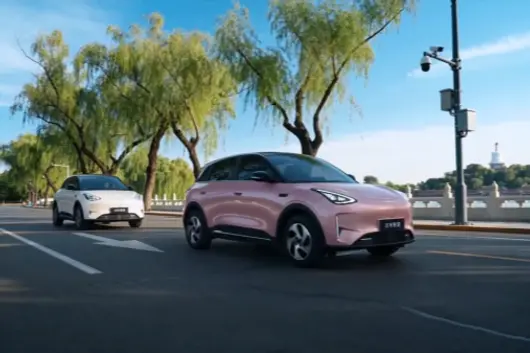
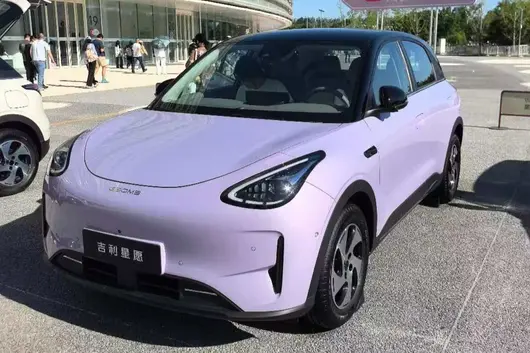
5 月 28 日,全新吉利星願正式上市,全系續航全面升級:310 公里升級至 410 公里,410 公里升級至 480 公里。新车推出 410km 嚮往版、410km 乘風版、480km 探索版、480km 探索 + 版四款车型,上市限時權益價 6.18 萬元 -9.18 萬元。為滿足不同用戶需求,在 410km 版型上,仍提供 310km 續航反選權益,反選後價格可減 7000 元。即日起,用戶可通過吉利銀河 APP、微信小程序下定,可享十重購車好禮及限時超級置換金等豐厚權益。此外,凡在 2026 年 6 月 30 日前,大定並鎖單的用戶,可享超級置換金權益 3000 元。

高手再出招,本次全新吉利星願正式上市,經典之上再進階,以五大升級全面煥新,為用戶帶來超 100 項產品力升級,實現超 25 項同級唯一,以代際領先的技術為用戶提供越級體驗。作為 2025 年中國車市全品類銷量冠軍,吉利星願 573 天交付量突破 70 萬輛,今年一季度躋身全球新能源銷量前三,是中國品牌唯一進入全球新能源汽車銷量前三的車型,持續釋放冠軍勢能。新車發佈會上,全新吉利星願代言人容祖兒也親臨現場,與大家分享她與吉利星願的真實故事,用溫柔而堅定的力量為新车助陣,與 70 萬 + 用戶共同見證這款冠軍純電小車的煥新時刻。
同時,新車攜手小紅書打造出全國首個流動式的「沉浸旅行」汽車發佈會,帶著大家一起感受美好,享受美好。不僅如此,吉利星願也聯動寧德時代、卡皮巴拉、珂拉琪、好孩子、麥富迪等跨界品牌,創新性打造「海港人家、小巷人家、雨林人家、絲路人家、游牧人家」五大生活場景,聚焦日常出行核心場景,直擊用戶真實用車需求,以冠軍實力重新定義純電小車價值標杆。
冠軍實力一:極致駕控進階——首個全球化原生架構 + 中德聯合調校
吉利星願為用戶的每一次出行,都帶來從容自在、輕盈靈動的乘駕感受。這一冠軍實力,源自吉利首個全球化原生架構與賽道級調校:吉利星願是同級第一個採用原生架構、第一個標配後驅獨懸、第一個經過全球化調校的純電小車,讓用戶第一次感受到純電小車也能有極致的駕控!

好的駕控要經得起檢驗。目前,吉利星願已走進全球 30 多個國家,研發團隊集結全球資源,針對全球不同極端路況進行了全維的驗證,讓全新吉利星願在「行駛、轉向、煞車」三大核心體驗上,進行全面升級,再一次引領小車駕控進入 2.0 時代。G-TCS 2.0 全天候防滑系統在保留後驅靈活樂趣的同時,確保平路、坡道、彎道不打滑、不甩尾、不溜車,新手也能開得從容;全新無刷轉向系統響應快 1 倍,支持三種轉向模式及轉向中位自學習;G-CST 2.0 全場景舒適制動系統模擬老司機腳感,煞車不點頭、行車不暈車。此外,吉利星願是同級唯一以 130km/h 成功挑戰魚鉤測試,及同級第一以 80.7km/h 成功通過麋鹿測試的純電小車,操控表現媲美 20 萬元級運動轎跑。
冠軍實力二:高效三電進階——全系標配寧德時代+480km 續航 +19 分鐘快充
310 公里升級為 410 公里,410 公里升級為 480 公里,全新吉利星願實現全系續航升級。續航夠實不玩虛、充電快用得久、用電節省不費錢,不管日常通勤還是偶爾跑長途,全新吉利星願都能輕鬆應對。新車是同級唯一全系標配寧德時代電芯、液冷溫控及 11 合 1 高集成電驅的純電小車,三電實力自上市起便是同級天花板。新車搭載專屬定製的寧德時代全新一代電芯,能量密度達 190Wh/kg,最高 CLTC 續航 480km,足夠日常通勤與週末郊遊;配合同級唯一的主動式進氣格柵與低風阻輪轂,風阻降低 15counts,實際續航再提升 10 公里。

續航扎實,補能效率也要持續升級。補能方面,30%-80% 快充仅需 19 分鐘,一杯咖啡的時間就能滿電出發;液冷系統與全新 BMS 保障天冷天熱都能滿速充電,且充電提速不以犧牲電池壽命為代價。同時,同級獨有的星睿 AI 雲動力 2.0 實現全鏈路能量管理,涵蓋智能充放電、波谷電價識別、電池維溫、能耗診斷及電池養護等功能,讓每一次充電都高效、每一程用電都省心。
冠軍實力三:AI 智艙進階——銀河 Flyme Auto 2 智能座艙系統+ Eva 大模型
全新吉利星願把溫暖與智慧裝進座艙,讓車輛更好用、更懂人、更全面。全新吉利星願搭載銀河 Flyme Auto 2 智能座艙系統,基於 7nm 車規級龍鷹 1 號芯片及 16G+128G 大存儲,反應迅速,操作順滑,一學就會。用戶可隨心切換地圖或喜歡的壁紙桌面,萌寵壁紙支持互動功能,為座艙增添趣味性。

全新 AI Eva 更是用戶的隨身智慧夥伴,語音助手 Hi EVA 支持模糊指令理解及上下文記憶,可完成車控、問答、娛樂等操作,樣樣在行。用戶僅一句「Hi Eva,我要回家」,車輛即可自動調用最新高德 850 版選擇最適路線。同時,車機新增支持 CarPlay 手機聯連,兼容 iOS 設備無縫連接,本地常用應用一應俱全,雲端更有 200+ 海量應用隨心選。還有隱身模式、洗車模式、一鍵尋車等貼心場景,以及千人千面的自定義助手,放工自動開導航調冷氣,專屬迎賓儀式感滿滿。從導航到娛樂,從生活到驚喜,全新吉利星願的智能座艙全面覆蓋用戶日常所需。
冠軍實力四:輔助駕駛進階——千里浩瀚輔助駕駛 H3 方案
全新吉利星願搭載與高端車型同源的千里浩瀚輔助駕駛 H3 方案,可覆蓋多種行車場景,每一項功能都是真真切切在幫用戶提升駕駛體驗。該系統已安全行駛 13.8 億公里,用戶使用量增速第一,依託 G-ASD 智駕底層與星睿 AI 大模型,帶來「越開越好用、越開越聰明」的智能體驗。

高速高架 NOA 不受道路與雨霧天氣限制,支持語音變道、多場景避讓以及自動上下匝道,用戶只需輕扶方向盤就能輕鬆跑長途。全場景 MPI 接管率超 200 公里,相當於連續開 3 小時僅需接管 1 次。同時,泊車方面可做到全場景適配,APA 泊車輔助功能支持一鍵泊入、指尖泊車、遙控泊車,覆蓋 300 多種停車場景。針對新手司機停車難、女司機停車易緊張等實際痛點,HPA 記憶泊車支持 2 公里超長記憶、cm 級精準定位,學習一次路線後即可全程自動泊入,具備智能跟車、自主找位、遇障繞行功能,臨時改道也無需重新學習,有效降低泊車操作難度。此外,DMS 主動式疲勞檢測若檢測到駕駛員出現疲勞行為或分心駕駛,將及時提醒駕駛員;哨兵模式可 24 小時全天候守護停車安全,有異常立刻錄下視頻並發送到用戶手機裡。從出發到抵達,從行車到泊車,全新吉利星願把複雜的駕駛變得簡單安心,讓用戶把更多精力留給路上的風景和同行的歡笑。
冠軍實力五:全維安全進階——三電安全 + 主被動安全
安全是吉利刻進骨子裡的基因!對於吉利而言,無論大車還是小車,無論豪華車型還是主流車型,旗下所有品牌均采用相同的安全理念與嚴苛標準。吉利已建成投資超 20 億元的全球全域安全中心,並發布「人、車、路、雲、星」一體化全域安全 2.0 體系,覆蓋生命安全、健康安全、財產安全、隱私安全四大核心安全域。全新吉利星願同樣遵循這一高標準,並秉承「小車,更要有大安全」理念,將小車安全做到極致。
被動安全方面,全新吉利星願打造了五縱八橫星甲籠式車身,像一件堅固又輕盈的鎧甲,前後左右都做了精心加固——前端三傳力路徑配合雙「三葉草」泄力結構,側面電池至門檻間距 149mm 並增加雙重防撞縱樑,後端 750mm 長後懸與雙「井」字形後副車架形成堅固屏障;車頂抗壓強度提升至 3.4 倍車重,AB 柱及頂蓋橫樑等核心區材料升級,即便遇到側翻或重物壓頂,座艙依然安然無恙,側氣簾保壓技術更能在翻滾時持續保護頭部。

在電池壽命方面,吉利星願的驗證標準提升至國標的 2 倍,完成 1000 次循環後電池容量仍保持 90.72%。更有實際行駛 8.4 萬公里的星願,成功挑戰海水腐蝕,泥水沖刷、爛路刮底、極限火燒等六大串行極限測試,完成行業首創。
為了進一步提升電池安全防護,全新吉利星願在用戶看不見的地方照樣下硬功夫,採用行業領先的 BDMU 高壓器件深度集成技術,把 BMS 電池管理系統和 BDU 高壓分配單元二合一,大幅減少接口,可靠性再上一個台階,從根源上降低電池密封失效的風險。值得一提的是,5 月 12 日,吉利攜手央視完成了同級首次,也是同級唯一的正面和側面連續碰撞,高壓系統及時下電,電池包未冒煙起火,乘員艙結構完整,氣囊精準點爆,非碰撞側車門可正常開啟。此外,全新吉利星願配齊胎壓直顯、DOW 開門預警、哨兵模式,更有 AEB 主動剎車與 AES 緊急轉向雙保險,成功通過 120km/h 靜態車輛剎停和 130km/h「消失的前車」主動避讓測試,性能遠超行業主流水平。
70 萬用戶信賴,從中國冠軍到全球前三,冠軍之路永不止步
一直被模仿,從未被超越。憑藉從研發到製造的高標準與代際領先的產品力,吉利星願一直贏得行業認可和用戶喜愛。自 2024 年 10 月上市以來,吉利星願累計交付已經突破了 70 萬輛,相當於每分鐘就賣出一台,它不仅是全行業最快達成這一目標的明星車型,更是一舉斬獲了 2025 年中國車市銷量冠軍。進入 2026 年,吉利星願依然持續領跑,穩居榜首,今年一季度的全球新能源汽車銷量排行榜中,吉利星願首次躋身全球前三,達成了中國 A0 級電車的全新里程碑。

吉利星願不僅在國內銷售火爆,在海外市場同樣廣受好評,目前已登陸全球 30 多個國家和地區。在巴西上市兩個月銷量突破 2300 台;在泰國車展單周訂單斬獲 3300 台,並拿下「巴西年度最佳緊湊型電動車」和「印尼車展最受喜愛電動車」的雙重國際大獎。在全世界的街頭,吉利星願正在成為「中國智造」流動的新名片。

全新吉利星願的進階,讓吉利銀河品牌在純電小車的賽道上再次拉高了「高質優價」的標杆。未來,吉利銀河將繼續堅守「造每個人的智能精品車」的初心,精準把握用戶最真實的需求,在各個細分市場都為用戶帶來超越期待的產品和服務。

In the joint venture mid-size sedan market, the Honda Accord has always been an indispensable model, consistently ranking in the top sales tier. However, in the past two years, the market landscape has changed dramatically. Domestic new energy sedans have emerged strongly, while competitors like Camry and Passat continue to iterate, squeezing the Accord's market share. To reverse the decline, Honda launched a mid-cycle major redesign of the Accord in the Thailand market at the end of May 2026, going directly "All In Hybrid", no longer offering pure gasoline versions, while comprehensively upgrading the interior smart cockpit and optimizing exterior details, attempting to break the current stalemate. Many domestic car enthusiasts are asking, will this upgraded new Accord succeed in reversing the market decline after being introduced domestically and returning to the peak of the top-selling title in its class? Let's take a look together below.

The 2026 Honda Accord is a mid-cycle redesign version of the 11th generation model, officially released on May 28, 2026 in the Thailand market. A total of three trim models were launched, all are 2.0L e:HEV hybrid versions, namely e:HEV E, e:HEV EL, and e:HEV RS Panoramic. Highly likely to officially launch in the 3rd quarter of 2026. GAC Honda's actions have always been fast, so domestic simultaneous introduction should not make us wait long.
Regarding price, the official guide price range in the Thailand market is 1.479 million - 1.764 million Thai Baht, equivalent to about 120,000 - 144,000 RMB, the price was slightly adjusted downwards compared to the previous generation model.
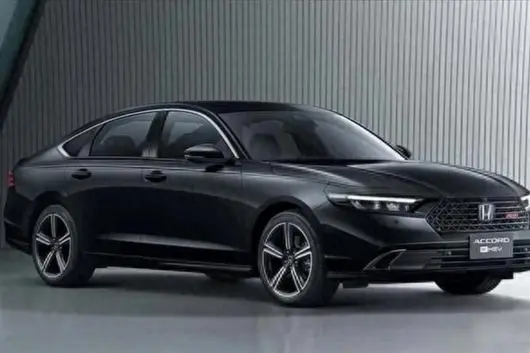
The new car front face abandoned large-area chrome plating, replaced with a hexagonal glossy black honeycomb grille. Matrix LED headlights on both sides became longer and sharper, the daytime running light strips were also made into a "hook" shape, the gaze is sharp with a bit of Type-R flavor. The side still retains fastback coupe lines, but equipped with new style low-drag wheels, visually estimated to be 19 inches. The biggest change at the rear is the full-width taillights, with Honda LOGO embedded in the middle, the overall visual effect is wider and lower/crouching.

At the same time, the new car added "Urban Gray Pearl paint", the top RS version was also equipped with exclusive sport kits, full body blacked-out trim, black exterior mirror housing added.
Regarding dimensions, the 2026 Accord Thailand version overall length, width, height are 4962mm x 1862mm x 1449mm, wheelbase is 2830mm. As a standard mid-size sedan, these size parameters are quite good. Even if there is a small bump in the rear middle floor, daily full-load travel will not overly affect comfort. The only thing to note is that the hybrid model due to battery pack mounted at the bottom, the trunk floor is slightly raised, storage space is slightly reduced compared to the old fuel version.
In terms of interior, large area inside the car uses soft leather wrapping, door panels, center console, armrest box and other high-frequency contact areas are all delicate soft materials. High-spec RS version provides pure white interior option for the first time, white seats, white door panels, white instrument panel, further matched with metal trim accents, looks very high quality.
Center console standard equipment 12.3-inch floating center console large screen and 10.2-inch full LCD instrument panel, top version also equipped with 11.5-inch HUD head-up display. Regarding the car machine, expected to be equipped with Honda CONNECT 4.0 Smart Navigation Interconnect System, supports 5G online, Ai voice visible is available to speak, wireless CarPlay, CarLife and OTA upgrade functions.

Regarding configurations, equipped with Honda SENSING 360+ Safety Sense System. Besides conventional active braking, traffic sign recognition, lane keeping assist, lane departure warning, forward collision warning, full-speed range ACC, also added forward intersection vehicle warning, driver status monitoring, congestion assist with low-speed follow-stop, and highway indicator lane change assist functions. Regarding comfort configurations: all series equipped with keyless entry, one-key start, automatic climate control, rear independent air vents, electric sunroof, multifunction genuine leather steering wheel, seat height adjustment and other basic configurations. High-spec models add seat heating, ventilation functions, rear central armrest extended design, ambient light, auto-dimming rearview mirror, rain-sensing wipers, and other configurations.
Regarding power, Thailand market directly cancelled pure gasoline versions, all series equipped with 2.0L e:HEV hybrid system.

This 4th generation i-MMD dual-motor hybrid system, composed of 2.0L direct injection Atkinson cycle engine + dual motors, engine body maximum power 147 hp, peak torque 182N·m; drive motor maximum power 184 hp, peak torque 335N·m; system comprehensive output power reaches 158kW (about 215 hp), peak torque 350 N·m, transmission system matches E-CVT electronic continuously variable transmission. Expected 0-100km/h acceleration time will shorten from current 7.9 seconds to about 7.5 seconds, WLTC comprehensive fuel consumption is around 4.0L/100km.
Suspension is still front MacPherson rear multi-link, but high-spec models will add ADS full-time adaptive shock absorption system, minimum turning radius reduced to 5.2 meters.
Final question: New Accord, can it really reverse the decline?
Ya Li thinks, from the 2026 Accord redesign Thailand market performance, the new Accord has reached the first tier level of joint venture mid-size cars, compared to Camry and other same-class competitors will not lag behind.
Ya Li thinks it wants to reverse the market situation in the domestic market, return to the peak, unlikely. Today's mid-size car market is no longer the era where joint venture cars dominate alone, domestic new energy models' intelligence, cost-performance advantage is too obvious, occupied a large amount of market share.
But then again if GAC Honda is decisive enough on pricing, not holding back, give consumers a "Wow" surprise price in one step, it is still possible. As for whether it can achieve sales reversal after being introduced domestically, believe market feedback will give the most true answer.


6 月 1 日,長安汽車公佈 5 月交付 209100 輛,當中海外交付 70700 輛,按年增長 38%,新能源交付 92400 輛,按年增長 5.8%。
旗下子品牌中,長安啟源 5 月交付 34528 輛,主打車型全新 Q05 交付 15812 輛,泰國上市三日訂單數突破 3000 輛;深藍汽車 5 月銷量 33243 輛,按年增長 30%,1 至 5 月海外累計銷售 28704 輛,按年增長 167%;阿維塔 5 月交付 7336 輛,阿維塔 07L 亮相工業和信息化部公告,將首批搭載華為乾崑 ADS 5;長安汽車(引力)5 月交付 48900 輛,CS75PLUS&逸動藍鯨超擎雙車上市交付,上市搶購價 7.99 萬起;長安凱程 5 月交付 21100 輛,新能源銷量按年增長 21%。
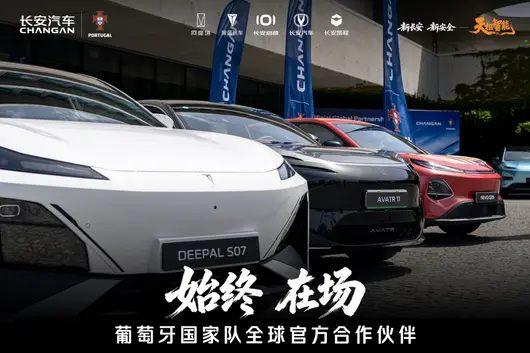
銷量穩步攀升嘅背後,係長安汽車三大戰略紮實推進。5 月,長安汽車重磅宣佈成為葡萄牙國家足球隊全球官方合作夥伴,全球化「海納百川」計劃 2.0 又落下一子;長安自研天樞領航端到端技術即將量產上車,智能化「北斗天樞 2.0」計劃再下一城;長安藍鯨超擎雙車開啟全國百城千店上市交付,新能源「香格里拉」計劃實現藍牌車油耗下降一半。

Recently, the State Administration for Market Regulation officially announced the list of the first batch of National Quality Standard Laboratory cultivation construction projects. The "National New Energy Vehicle Quality Standard Laboratory" declared by SAIC-GM-Wuling Motor Co., Ltd. successfully entered the list, becoming the only state-quality standard laboratory approved for construction declared by an automaker. This marks that the enterprise has entered a new national stage in the construction of the new energy vehicle quality technology system.
The National Quality Standard Laboratory is a national-level technical innovation platform established according to the "Outline for Building a Quality Powerhouse". It mainly undertakes tasks such as basic research and application of major industry quality standards, development and promotion of high-level quality standards, and cultivation and gathering of quality standard talents. It has important strategic significance for promoting the construction of a Quality Powerhouse.

[SAIC-GM-Wuling "National New Energy Vehicle Quality Standard Laboratory" Successfully Selected]
The "National New Energy Vehicle Quality Standard Laboratory" approved for SAIC-GM-Wuling gathers over 4,000 R&D personnel, including PhDs, Master's holders, and foreign experts. It features multiple national-level innovation platforms such as a Postdoctoral Research Station, National Enterprise Technology Center, and National Industrial Design Center. It possesses 14 laboratories of international first-class standards, covering full-chain verification capabilities in Three-Electric Systems, Crash, NVH, EMC, Thermal Management, Intelligent Connected Networks, and Lightweight Materials. It has received 275 CNAS accreditations (including 81 international ECE accreditations) and possesses full-link testing capabilities from whole vehicles to components.
Relying on scenario data from 32 million base users and a big data center for million-vehicle level new energy vehicles, the laboratory can replicate users' real usage conditions, achieving full-chain quality prediction and closed-loop iteration from R&D testing to user usage. It fully supports the experimental verification of new energy vehicle electrification and intelligence technologies.

[Vehicle Test Site]

[Crash Laboratory]

[Three-Electric System Laboratory]
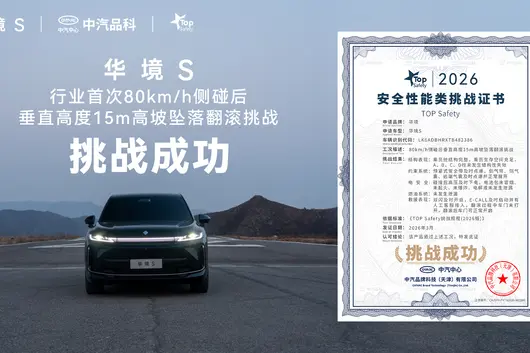
Currently, the laboratory has formed a batch of world-first, internationally leading, and industry-advanced landmark achievements. These include the world-first Intelligent Island Manufacturing System, which was selected for the country's first batch of "Pioneer-level Smart Factory" cultivation list; the Hongjing S passed the industry's first 80km/h side collision 15m high slope drop challenge; the Shenlian battery achieved a 76.6 billion km zero spontaneous combustion record. In addition, Wuling Air EV safety design was incorporated into ASEAN official technical specifications, and the DC charging standard obtained Indonesian SNI certification, achieving a "zero breakthrough" for Chinese vehicle enterprises in the ASEAN standard-setting field, successfully breaking the barriers of US, European, and Japanese standards.

[Hongjing S Passes Industry's First 80km/h Side Collision 15m High Slope Drop Challenge]
This selection in the first batch of National Quality Standard Laboratories is the result of SAIC-GM-Wuling's long-term persistence in positive R&D and deep cultivation of quality infrastructure construction. It means that the enterprise's new energy vehicle quality technology standards will align with the highest national benchmarks, achieving a key leap from "making good cars" to "defining good car standards", truly realizing technological autonomy, standard autonomy, quality autonomy, and controllable safety. At the same time, the laboratory will achieve technical breakthroughs, standard leadership, experimental verification, and industry empowerment through innovative quality management and service models, allowing "Chinese Standards" to go global along the industrial chain, contributing Wuling's strength to the "Belt and Road" standard connectivity. For users, the National Quality Standard Laboratory will become the "highest verification field" for SAIC-GM-Wuling product quality - from Three-Electric safety to body structure, from intelligent connectivity to whole vehicle durability, every model will undergo rigorous refinement under a high-standard, high-starting-point quality system.
Looking to the future, SAIC-GM-Wuling will use the construction of the National Quality Standard Laboratory as strategic support, promoting Chinese new energy vehicles from scale leadership to standard leadership, bringing higher quality mobility experiences to global consumers.


先睇一個情況:2025 年中國車市銷量最高嘅單一車型,唔係 Model Y,都唔係比亞迪秦,而係一輛起售價唔到 7 萬元嘅 A0 級純電細車——吉利星願。全年 465,775 輛,全品類銷冠。將燃油車、SUV、MPV 全計上,佢排第一。等於每分鐘賣出一台,573 日累積交付突破 70 萬輛,係全行業最快達成呢個目標嘅車型。
2026 年第一季度,呢部車再進一步,殺入全球新能源車型銷量前三,僅次於 Model Y 同 Model 3,係唯一進入呢個榜單嘅中國品牌車型。
而 5 月 28 日,佢又加碼咗。全新吉利星願正式上市,推出 410km 嚮往版、410km 乘風版、480km 探索版、480km 探索 + 版四款車型,限時權益價 6.18 萬至 9.18 萬元,打出「五大冠軍實力進階」嘅旗號。
問題出現咗:已經拿到國內銷冠嘅選手,點解仲要大興師動眾咁換代加碼?我嘅看法係答案只得一個——吉利嘅野心早已唔係國內第一,而係全球新能源車銷量第一。

一、由「國內銷冠」到「全球前三」,星願憑咩?
理解「點解吉利敢諗全球第一」,先睇舊款星願嘅成績單:
數據層面,由 2024 年 10 月上市至 2026 年 5 月換代,573 日累積交付 70 萬輛。2025 年以 46.58 萬輛拿下年度全品類銷冠,A0 級純電轎車全年總銷量 132.3 萬輛,星願一款車就佔咗超過 35%。每賣三台 A0 級純電,就有一台係佢。
海外層面,星願以 EX2 之名已經進入全球 30 多個國家同地區。巴西上市兩個月銷量突破 2300 台,泰國車展單週訂單 3300 台,仲奪得「巴西年度最佳緊湊型電動車」同「印尼車展最受喜愛電動車」兩項國際大獎。喺埃及,每賣出 3 輛電動車就有 1 輛係星願;墨西哥預售訂單超 4100 個;英國單月上牌量破千。
產品力層面,舊款星願能破圈,靠嘅唔係某個單項參數嘅領先,而係一套「錯位競爭」:全系標配後置後驅同多連桿獨立懸掛,同級第一個採用原生架構、第一個標配後驅獨懸、第一個經過全球化調校;軸距 2650 毫米,跨入 A 級車空間門檻;全系寧德時代電芯,奠定咗續航同電池安全嘅信任基礎。
呢套組合策略背後係「三拳合擊」——用 A0 級嘅價格、準 A 級嘅空間、15 萬級車先常見嘅底盤素質,同時向上搶家庭用戶、向下壓代步剛需群體。殺傷力從銷量走勢就能睇得出:2025 年 5 月星願月銷接近 3.9 萬輛,8 月拉大到 4.6 萬輛,2026 年 4 月仍以 41,938 輛穩居榜首,競爭對手同佢嘅差距依然好大。

二、全新星願加咗啲咩碼?
1. 駕控進階:此次針對唔同極端路況進行全維驗證,喺「行駛、轉向、煞車」三大核心體驗上全面升級。G-TCS 2.0 全天候防滑系統保留後驅靈活樂趣嘅同時,確保平路、坡道、彎道唔打滑、唔甩尾、唔溜車;全新無刷轉向系統響應快 1 倍,支援三種轉向模式及轉向中位自學習;G-CST 2.0 全場景舒適制動系統模擬老司機腳感,煞車唔點頭、行車唔暈車。
2. 三電進階:舊款 310 公里版本升級為 410 公里,410 公里版本升級為 480 公里,全系續航升級。電池依然採用寧德時代專屬定制全新一代電芯,能量密度 190Wh/kg,係同級唯一全系標配寧德時代電芯、液冷溫控及 11 合一高集成電驅嘅純電細車。補能方面,30%-80% 快充仅需 19 分鐘,液冷系統同全新 BMS 保障天冷天熱都能滿速充電,且唔以犧牲電池壽命為代價。

3. AI 智艙進階:搭載銀河 Flyme Auto 2 智能座艙系統,基於 7 納米車規級龍鷹 1 號芯片,16G 運存加 128G 儲存。14.6 吋中控屏支援 CarPlay、華為 HiCar、Carlink 全域互聯。語音助手 Hi Eva 支援模糊指令理解及上下文記憶,講一句「我要回家」即可以自動調用最新高德 850 版選擇最優路線。
4. 輔助駕駛進階:呢係最核心嘅變化——搭載與高端車型同源嘅千里浩瀚輔助駕駛 H3 方案。高速高架 NOA 唔受道路同雨霧天氣限制,支援語音變道、多場景避讓及自動上下匝道,全場景 MPI 接管率超 200 公里。泊車能做到全場景適配,APA 泊車輔助支援一鍵泊入、指尖泊車、遙控泊車,覆蓋 300 多種場景。HPA 記憶泊車支援 2 公里超長記憶、厘米級精準定位,學習一次路線後即可全程自動泊入,具備智能跟車、自主找位、遇障繞行功能,臨時改道唔需要重新學習。

三、市場對比
2026 年嘅 A0 級純電市場,競爭烈度比前兩年高咗唔止一個層級:
產品力維度,A0 級純電已經由「有冇」進入「好唔好」階段。星願嘅優勢係底盤素質同空間表現喺同級中處於頭部水準,2650 毫米軸距帶嚟嘅越級空間、後驅獨懸嘅底盤佈局,係呢個價位段極為稀缺嘅組合。千里浩瀚 H3 智駕方案同 Flyme Auto 2 座艙系統屬於吉利生態能力嘅下放,智能化嘅完整性同易用性喺同級中具備明顯代差優勢。19 分鐘快充令補能便利性得到實質提升。
市場格局維度,2025 年 A0 級轎車零售量達 113 萬輛,同比增長 59%,係增長最快嘅細分市場之一。參與者加速湧入,五菱繽果 S 續航拉到 525 公里,MG4 定價下探形成跨界競爭。但轉折出現喺 2026 年——購置稅補貼由全額免徵調整為減半徵收,對價格敏感度極高嘅 A0 級用戶群體形成直接衝擊。第一季小型電動車市場增速明顯放緩,部分競爭對手車型 4 月銷量同比下滑超過 50%,市場正經歷劇烈嘅結構性調整。

四、結語
回到開頭嘅問題:全新吉利星願再加碼,呢係想拿下全球新能源車銷量第一咩?我嘅判斷係:係嘅,但路線唔係靠單一爆款,而係靠全球化嘅系統能力。而全新星願嘅呢次換代,可以話係「冠軍嘅再佈局」。佢唔係被動應戰,而係喺對手仲未追上就再加碼主動去拉開新差距。對於佢嚟講,而家技術路線揀對咗,市場趨勢都站喺佢邊度。剩下嘅,就看執行力啦。

Musim Panas 2026, suhu persepsi pasaran kenderaan lebih panas daripada suhu udara.
Bulan April, kadar penetrasi kenderaan energi baharu dalam negara mencapai 60% secara sejarah, tanah yang dipertahankan kereta bahan api, tinggal kurang daripada empat puluh peratus.
Bulan Mei, pasaran SUV Sama Patut dalam negara memunculkan gelombang penurunan harga baru, harga akhir "Dipotong Setengah" menjadi biasa, penurunan maksimum beberapa model mencapai 51%, merangkumi jenama mewah dan jenama Sama Patut biasa. Rangkaian media sosial ejen jualan semua "Terendah Dalam Sejarah", "Jualan Stok Akhir", "Kelulusan Khas Syarikat".

Sinyal yang lebih bermakna ialah, akhir Mac Volkswagen mengesahkan secara rasmi Skoda akan keluar dari China pada pertengahan tahun. Ini bukan lagi perang harga biasa, tetapi "Permainan Bertahan Hidup", jumlah kedatangan jangka pendek yang digerakkan oleh harga, tidak boleh menutupi realiti dingin - data Persatuan Pengedar Kereta China menunjukkan, Januari-Mei 2026 kehadiran pasaran jenama Sama Patut utama telah merosot ke sekitar 32%, manakala tahun 2020 angka ini pernah mencapai 60%. Kereta Sama Patut yang dulu hanya perlu injak pedal gas untuk menusuk keuntungan, kini secara kolektif terjerumus ke dalam "krisis semakin turun semakin rugi, semakin rugi semakin turun".

Baik "Potong Kerugian Segera" jangka pendek atau "Sinaran Terakhir" akhir, semuanya membawa kepada satu soalan teras: Adakah Pasaran China memerlukan jenama Sama Patut? Jika ya, jenis patuh bersama bagaimana yang dikira "Sama Patut Yang Baik"?
Satu. Di Sebalik Penurunan Harga Kolektif: Kebimbangan Bersama Pelbagai Faksi dan Strategi Rahsia
Keadaan perkembangan jenama Sama Patut sekarang, tidak boleh lagi disamakan penurunan harga hanya sebagai "Menukar Harga dengan Jumlah". Pada asasnya, adalah tindak balas stres selepas ketiga-tiga aras kumpulan Sama Patut kehilangan kelajuan serentak: parit perlindungan kereta bahan api kering, ketiadaan inisiatif peng-electrikan, kuasa penentuan harga beralih ke jenama China, dan keadaan dan kaedah pelbagai faksi, sebenarnya juga mempunyai perbezaan besar.
Jepun: Kelebihan Hibrid dipotong oleh Hibrid Berplug, ketekunan menjadi belenggu
Toyota, Honda hibrid minyak-elektrik dulu menikmati premium teknologi hampir sepuluh tahun di China, kini berdepan pengepungan lengkap hibrid menyambung dan juluran jenama tempatan, kadar jimat minyak sama tetapi tidak boleh penyambung, tiada kelebihan plat hijau. Penurunan harga cuba menggunakan kos faedah produk minyak/hibrid Kelas B untuk menyeimbangkan serangan kelas atas kenderaan energi baharu jenama tempatan. Kad belakang Jepun adalah kolam keuntungan global dan sistem pengeluaran teliti, tetapi ketergantungan laluan "tempoh peralihan elektrik" sangat berat, keupayaan definisi perisian terlalu banyak hutang.

Jerman: Peng-electrikan paling keras, tetapi premium jenama sedang dibongkar oleh kecerdasan
Volkswagen adalah paling tegas dalam transisi peng-electrikan dalam Sama Patut, siri ID. pernah mengejar jumlah, tetapi kekurangan perisian dan jurang pemanduan pintar memaksa ia tidak dapat memasuki kumpulan pertama. Produk elektrik BBA masuk "kehilangan premium jenama": tiga sistem elektrik tidak membuka jurang, kualiti mekanik dan penalaan cassis tanda tangan dalam era elektrik berkurang deriaan, pengalaman pusat kereta ditinggalkan jauh oleh jenama China pada tahap 300,000. Volkswagen memilih untuk menambah penyelidikan tempatan, manakala beberapa jenama mewah mula mempertimbangkan mengurangkan kapasiti pengeluaran tempatan, beralih ke model import untuk menjaga keuntungan.
Amerika: Terjepit dalam retakan pemecahan AS-China, kedua-dua sisi tidak sampai ke pantai
GM dan Ford saham terus merosot di China, dilema unik Sama Patut Amerika adalah geopolitik: Washington semakin berwaspada terhadap teknologi kereta pintar China, jika GM dan Ford terikat dalam rangkaian Bekalan China secara mendalam di syarikat Sama Patut, mungkin menarik penyiasatan tempatan. Ini membuatkan mereka bimbang antara "penyesuaian tempatan mendalam" dan "pengelakan pemecahan teknologi", kelajuan kacau, tidak disukai di kedua-dua pihak.

Korea dan Perancis: Pelopor yang dipinggir
Hyundai Kia di China telah menjadi "lain", Perancis tinggal sedikit suara. Mereka menyediakan latihan awal: menutup kilang, mengurangkan model, berpindah sebagai tapak eksport atau pembekal teknologi aset ringan, menjaga garis bawah keuntungan, tetapi secara kekal keluar dari meja utama pasaran China.
Dua. Puncak Deduksi: Tiga Laluan Jenama Sama Patut, dan Masalah Maut Setiap Satu
Berdasarkan dilema dan gerak gerak kenderaan Sama Patut di China, kami cuba meneka tiga luan pusing akhir yang paling mungkin secara realiti.
Laluan Satu: Keluar dengan Maruah – "Seperti Skoda"退出 dengan Pinggir
Utamanya adalah Amerika, Korea dan jenama Eropah kedua, saham di China telah merosot di bawah garis hidup, tidak dapat menanggung kos transformasi pintar tempatan yang tinggi. Mereka akan menyalin laluan Suzuki, Mitsubishi, Skoda, mengisytiharkan keluar dari China dalam dua hingga tiga tahun, memindahkan kapasiti dan dana ke India, ASEAN atau Amerika Latin di mana jangka hayat kereta bahan api lebih lama, hanya mengekalkan beberapa kereta import dan perniagaan lesen jenama.

Masalah Maut: "Pembunuhan Perlahan" dan Kegagalan Pertahan di Medan Global
Pasaran China adalah "Pusat Persaingan Super" yang paling sengit untuk teknologi elektrik dan pemanduan pintar di dunia. Memberi China bermaksud jenama ini akan secara kekal terputus dari teknologi kereta paling canggih. Apabila BYD, Geely, Chery menggulung elektrik dengan perbezaan generasi ke luar, pihak pertahanan tidak boleh selamat di luar juga, hanya menangguhkan masa kematian beberapa tahun. Lagipun, tiada mana-mana syarikat kereta multinasional utama berani secara aktif memberi "hak penyertaan di lokasi" pasaran terbesar dunia China - ini bukan sahaja bermaksud jumlah jualan sifar, tetapi lebih bermaksud menyerahkan sepenuhnya data dan hak perkembangan senario kepada lawan, melemahkan daya saing global dalam jangka masa panjang.
Laluan Dua: Tapak Global – "Di China, Untuk Dunia" sebagai Tapak Eksport
Terutamanya Jepun dan beberapa kelas utama Eropah. Mereka melihat kelebihan kos rantaian bekalan China yang tiada tandingan dan kecekapan pembuatan energi baharu, naik taraf kilang Sama Patut China menjadi tapak pengeluaran dan penyelidikan utama yang diarahkan ke global. "Dibuat China, Dijual Global". Contoh klasik ialah syarikat impor dan eksport Nissan (Guangzhou) yang ditubuhkan secara rasmi oleh Dongfeng Nissan pada awal tahun ini, disokong 60% oleh Nissan China, 40% oleh Kumpulan Dongfeng, telah menamatkan penghantaran pertama "Jenama N" kenderaan elektrik tulen (seperti N7), niat strateginya juga sangat jelas:

Membuat telur dengan ayam – menggunakan rantaian bekalan tiga sistem elektrik yang matang dan kelajuan pembangunan yang digulung China, menghasilkan kenderaan elektrik kos rendah yang efisien untuk memberi makan pasaran luar, tidak perlu melabur banyak wang untuk membina kilang kenderaan elektrik baru di luar.
Menjadikan beban menjadi aset – meluluskan sepenuhnya kapasiti terbiar syarikat Sama Patut China. Pihak China "meminjam laluan untuk keluar" meraih keuntungan luar, pihak luar mendapat kapasiti berkualiti sedia ada, mencapai keuntungan dua hala.
Keuntungan Geografi – Guangzhou Huadu, Pelabuhan Nansha mempunyai laluan kapal paling padat ke Asia Tenggara, ditambah faedah cukai RCEP, membawa kecekapan logistik ke had.
Masalah Maut: "Serangan Dimensi Turun" Geopolitik dan "Api Meriam Depan" Asia Tenggara
Pertama, halangan laluan ini bukan di hujung pengeluaran, tetapi di hujung perdagangan. Dinding tarif yang dibina oleh Eropah dan Amerika untuk kereta buatan China semakin tinggi, hanya jika kereta dirakam di kilang China, menggunakan rantaian bekalan bateri China, mungkin menghadapi tarif tinggi atau penyiasatan kepatuhan rantaian bekalan, kilang China mudah menjadi pulau yang dikelilingi tarif.
Secara kedua, medan Asia Tenggara bukan jalan rata. Apabila Nissan N7 diangkut ke Thailand, ia akan mendapati di sini sudah menjadi wilayah BYD, Great Wall, Geely. Pelopor tempatan di Asia Tenggara telah menyusun lebih awal 2-3 tahun, Nissan menggunakan teknologi China yang diberi kuasa untuk bergelut dengan jenama China sumber teknologi di luar, dalam kabin pintar, kelajuan OTA sukar membezakan.

Masalah tersembunyi lebih dalam terletak di dalam saluran. Syarikat jualan Nissan di setiap negara Asia Tenggara, pengurus dan rangkaian pengedarnya terpaku pada kepentingan kereta bahan api, dan dipengaruhi budaya ibu pejabat Jepun. Apabila syarikat import dan eksport Guangzhou membawa kenderaan dengan "gen elektriknya baharu China" yang kuat ke sana, adakah saluran tempatan bersedia untuk bekerjasama sepenuhnya? Mereka akan bimbang menggerogoti asas kereta bahan api yang sangat menguntungkan mereka sendiri? "Keletihan wibawa dalaman" dalam syarikat Sama Patut transnasional ini, mudah menyebabkan kereta bagus tidak terjual di luar.
Pengenal pasti jenama juga masalah. Pengguna Asia Tenggara dalam minda NISSAN adalah "jimat minyak, tahan lasak,工艺 Jepun". Tiba-tiba Nissan melancarkan kenderaan elektrik tulen yang menekankan "kabin pintar, tiga sistem elektriknya China", pengguna akan kacau: mengapa tidak terus membeli BYD jika mahu kenderaan elektrik pintar, mengapa membeli Nissan buatan China jika mahu kereta Jepun tulen?
Laluan Tiga: Tak boleh kalah maka menyertai – "Patut Bersama Undur" Penyesuaian Tempatan
Klasik adalah raksasa Jerman (Volkswagen, Mercedes-Benz, BMW). Mereka kaya, arus tunai cukup, tidak mahu memberi pasaran China, memilih "tak boleh kalah maka menyertai". Secara彻底 mengubah "China-kan" asas teknologi – Volkswagen memegang saham XPeng dan bekerjasama mengembangkan arkitektur elektrik dan elektronik CEA, Audi dan SAIC melancarkan jenama "AUDI" baru tanpa "Empat Lingkaran", Mercedes-Benz terikat rapat Momenta untuk buat pemanduan pintar. Syarikat Sama Patut menjadi "kulit luar syarikat antarabangsa besar, jiwa teknologi Timur" spesies baharu.
Inilah arah yang paling dipuji industri, dan "obat cepat jantung" yang digunakan raksasa transnasional untuk menukar masa dengan modal. Sudah tentu, dari logik asas kewangan dan saham, kerjasama ini lebih kompleks daripada yang kelihatan di permukaan.
Pertama, Volkswagen tahun itu melabur kira-kira 700 juta dolar AS untuk membeli kira-kira 4.99% saham XPeng, dan mendapatkan satu kerusi pemerhati dewan pengarah. Dalam sistem peraturan saham AS dan Hong Kong, 5% adalah garis merah yang mencetuskan pengumuman pembelian saham dan penyiasatan anti monopoli. Volkswagen menambat pemilikan saham tepat di 4.99%, baik menunjukkan "saya percaya anda" kesungguhan, tetapi mengelakkan persetujuan transnasional yang panjang, pada masa yang sama membatalkan keutamaan pengurus XPeng atas "kehilangan kawalan" - ini adalah "pertaruhan kewangan" yang sangat bijak.

Manakala Audi dan SAIC berada dalam dilema yang berbeza. Kedua-dua pihak terkunci dalam bingkai Sama Patut tradisional 50:50 "Volkswagen SAIC / Audi SAIC", tidak dapat membeli saham induk secara langsung. Maka mereka memilih "tubuh pintu lain" – melancarkan jenama "AUDI" baru, tidak tergantung tanda empat lingkaran. Nisbah saham walaupun tidak berubah, tetapi definisi produk sebenar projek telah mengalami perpindahan sejarah: oleh SAIC (pasukan IM)输出 platform pengaturcaraan pintar digital teras, Audi menghantar pasukan reka bentuk dan cassis. Pihak luar telah membuat komprehensif sejarah "hak definisi produk" pada teras.

Tetapi kedua-dua bentuk akan menghasilkan pembotak kewangan dari "duduk terima bayaran hak" ke "membayar yuran perkhidmatan teknologi". Model kewangan 40 tahun lepas ialah: syarikat Sama Patut menjual kereta, membayar yuran lesen teknologi tinggi ke ibu pejabat transnasional, pihak luar duduk menerima bahagian besar keuntungan. Model sekarang telah mengalami "terbalik":
Volkswagen membayar kepada XPeng adalah "Yuran Perkhidmatan Teknologi". Kos penyelidikan dan pembangunan perisian dan arkitektur adalah pelaburan sekali depan, apabila XPeng membungkus dan memberi kuasa kepada arkitektur CEA dan perisian pintar, pendapatan ini hampir 100% keuntungan tulen di laporan kewangan XPeng. Ini adalah sel punca pembiakan kewangan paling kuat ketika usaha utama pembuatan kenderaan baharu China tidak untung.
Senjata kewangan lebih mendalam ialah pembelian bersama. Volkswagen dan XPeng telah menubuhkan organisasi pembelian bersama. Volkswagen mempunyai keupayaan tawar menawar 10 juta unit penjualan global yang teroris, XPeng mengetahui rantaian bekalan komponen elektronik tempatan China, radar laser, dan lain-lain inovatif dengan jelas. Kedua-dua pihak menyatukan senarai pembelian, menjadikan kos bahan setiap kenderaan turun secara drastik.
Masalah Maut: Evolusi IP Dinamik, Perpecahan Saluran dan "Kastrasi Jiwa" Geopolitik
Tetapi, model ini juga mempunyai tiga risiko besar:
Pertama, "Kotak Hitam Evolusi" IP – perisian adalah hidup, mesti OTA setiap bulan. Volkswagen membeli arkitektur dan kod pemanduan pintar XPeng "pada satu titik masa". Apabila XPeng tahun depan mengemaskini model AI besar akhir ke awal yang lebih tinggi, adakah Volkswagen perlu membayar semula? Jika tiada terhad disegerakkan, bagaimana XPeng sendiri mengekalkan perbezaan? Jika tidak disegerakkan, "jiwa" yang dibeli Volkswagen dengan puluhan ribu juta mungkin menjadi "kod mayat" selepas 2-3 tahun. Penentuan dan hak IP kemaskini dinamik ini amat sukar dioksidakan dalam kontrak.
Kedua, Perpecahan Saluran dan Runtuhan Premium Jenama – "AUDI" baharu kerja sama Audi dan SAIC akhirnya perlu dijual di saluran Audi SAIC. Jika terjual baik, bahagian keuntungan tentu baik. Jika tidak terjual baik, berapakah yuran penyelidikan pembangunan besar yang dilaburkan kedua-dua pihak boleh dibuat persediaan penurunan di buku kira-kira? Lebih mematikan lagi ialah pengenal pasti jenama: apabila pengguna mendapati kereta mewah Sama Patut berharga ratusan ribu, di dalam kabin pintar dan pemanduan pintar sama dengan kereta国产 berharga puluh ribu, malah kerana masalah kekompatiran pasukan transnasional dicacatkan, mengapa mahu membayar "premium jenama"? Apabila cahaya pemujaan teknologi hilang, jenama Sama Patut akan masuk ke kitaran mati perang harga bergelut dengan kereta国产.
Ketiga, "Jiwa Keluar" Dinding Api Geopolitik – raksasa transnasional membeli jiwa China, tidak semata-mata untuk pasaran China, mereka bermimpi ingin memindahkan platform kos rendah efisien ini ke Eropah dan Amerika Utara. Tetapi kod asas model ini, pusat server kabin pintar dan rantaian bekalan bateri terikat rapat dengan pembekal tempatan China, sekali keluar dari negara China, akan segera terlanggar penyiasatan keselamatan data Uni Eropah atau dinding tarif Amerika. "Jiwa" yang dibeli Volkswagen dan Audi dengan wang sebenar, mungkin dipotong secara fizikal, hanya boleh hidup dalam satu "rumah kaca" China, tidak dapat menanggung kos kewangan pada julat global. Ini adalah Bug struktural terbesar seluruh model.
Tiga. Soal Akhir: Seperti mana Sama Patut adalah "Sama Patut Yang Baik"?
Sebenarnya, tiga laluan bukan masalah memilih satu daripada tiga, adalah berlaku serentak pada jenama Sama Patut di keadaan berbeza, dan antara ketiganya juga mungkin ber流通, sebagaimana judul kata, jenama Sama Patut sekurang-kurangnya tidak hanya mempunyai "satu nyawa".
Tetapi semua laluan menghantar satu pengiktirafan teras: model Sama Patut lama di mana pihak luar输出 enjin transmisi dan jenama, pihak China menyediakan tanah, saluran dan tenaga buruh, sudah sepenuhnya mati.
Bagaimanakah "Sama Patut Yang Baik", atau jenama Sama Patut yang lebih mampu bertahan di zaman baharu ini, mesti memenuhi tiga syarat:
· Keupayaan Saling Melengkap – pihak China menyumbang keupayaan keseluruhan pemanduan pintar, arkitektur elektrik dan elektronik, kecekapan kos rantai industri; pihak luar menyumbang keselamatan kenderaan lengkap, kualiti rasa memandu cassis, piawaian pengesahan penyelidikan global dan saluran luar. Bukan lagi "guru dan murid", tetapi badan kongsi yang masing-masing mempunyai kelebihan.
· Ikatan Kepentingan Dalam – kedua-dua pihak mempunyai mekanisme keputusan institusi yang setara pada pengurusan data, definisi model, dan hak eksport. Bukan lagi kerjasama "pemberian", tetapi gabungan kuat "anda dalam saya".
· Peraturan Bermain Telus – kerjasama tidak berhenti pada pasaran China, tetapi mula-mula diarahkan ke global, pada definisi produk, evolusi dinamik IP, bahagian keuntungan, bina reka bentuk制度 yang boleh ditolak masa, bersama besarkan kekawan.

Volkswagen-XPeng, Stellantis-Leapmotor, Audi-SAAC, sedang berjalan di jalan ini, tetapi walaupun mereka juga jauh belum menghantar jawapan yang memuaskan. Kerana "Sama Patut Yang Baik" Bug terbesar ialah: kedua-dua pihak adalah rakan sekaligus lawan, model yang dilancarkan bersama hari ini, esok mungkin secara langsung berhadapan dengan jenama bebas masing-masing, keseimbangan "persaingan-kolaborasi" ini memerlukan ketetapan strategi yang sangat tinggi.
Empat. Penutup: Zaman Angkuh dan Duduk Terima Untung Sudah Tamat
Jenama Sama Patut tidak mati, yang mati hanya "model Sama Patut lama Angkuh dan Duduk Terima Untung". Pasaran kenderaan China masa depan, tidak lagi berapakah asing atau dalam negeri, hanya dibahagikan "pembentuk yang mengikuti kecepatan China" dan "pengepang yang mempertahankan kecacatan dan keluar".
Satu-satunya yang boleh dipastikan ialah: Sama Patut yang mampu hidup, tentu bukan tua dunia lama, tetapi pembina ketertiban baharu. Dan tiga laluan menuju ketertiban baharu, tiada satu pun jalan rata – setiap langkah, menginjak di atas bilah geopolitik, iterasi teknologi dan pergolakan kemanusiaan.


May 28, SAIC Motor completed delivery of its 100 millionth new vehicle, becoming the first domestic automotive group to exceed 100 million in cumulative production and sales, resetting the production and sales record of Chinese automakers.

The vehicle model delivered this time is the IM LS9 Hyper, the top-spec version of the IM LS9. It features a full wire-controlled four-wheel steering system, equipped with a 520-line ultra-vision LiDAR, Nvidia Thor chip, and the Momenta intelligent driving large model.
Regarding power, the vehicle is built on an all-domain 800V high-voltage platform, equipped with the Star Super Range Extender System, and features the Gold Badge Hurricane Three-Motor System. The peak power of the motors reaches 160kW (Front), 195kW (Rear Left), and 195kW (Rear Right) respectively. The comprehensive range exceeds 1400 kilometers.

In 1955, the Shanghai Internal Combustion Engine Parts Manufacturing Company was established, marking the formal start of the Shanghai automotive industry; in 1958, the first "Phoenix" sedan went off the line, achieving a zero breakthrough in Shanghai sedan manufacturing. In the 1980s, SAIC introduced the Santana model through joint ventures and cooperation, promoting the scaled development of China's sedan industry. In 1997, Shanghai GM was established, setting a record of 23 months from factory construction to vehicle delivery. The Roewe brand was born in 2006, and the first Internet car, Roewe RX5, was launched in 2016. In 2020, IM Motors was established, positioning itself in the high-end intelligent electric vehicle track.
In terms of overseas markets, SAIC Motor has already established over 100 parts production bases and a dealer network of more than 3000, with products and services covering more than 170 countries and regions globally. Additionally, 3 major R&D and innovation centers, including London, have been built, along with 4 production and manufacturing centers in Thailand, Indonesia, India, and Pakistan. The owned Anji Logistics operates 42 various Ro-ro ships, with 8 international routes covering Southeast Asia, Europe, and the Americas.

From the "Phoenix" hammered out of "alley workshops" using hammers, to the "IM LS9 Hyper" relayed by users globally, SAIC ran a 100-million-unit "marathon" for China's automotive industry in 70 years.

On May 28, 2026, at the World Living Room of North Bund, Shanghai, an IM LS9 Hyper slowly drove to the center of the stage. This was not only the 100 millionth vehicle delivered by SAIC Motor, but also the birth of the first "100-million-level car manufacturer" in the history of China's automotive industry. At this moment, SAIC not only refreshed the production and sales records of a single car manufacturer, but also pushed the capability level of China's automotive industry to the global top tier.

From the faltering start of the first "Phoenix" sedan in 1958, to the vast portfolio today with over a dozen brands under its umbrella spanning fuel and new energy, covering the entire passenger and commercial sector, why could SAIC reach the finish line first? Behind this lies the strategic determination of "joint ventures nurturing independent brands", the system resilience of the "whole industry chain", and the forward-looking layout of "global expansion".
· The Evolution from "Hammer-made Cars" to "System-made Cars"

SAIC's "100-million-level" journey was not accomplished overnight, but is a microcosm of three key stages of China's automotive industry.

In 1958, workers of SAIC's predecessor "hammered out" the first Phoenix sedan, filling the gap in domestic sedans. But what truly gave SAIC modern industrial capabilities was the establishment of China's first sedan joint venture — SAIC Volkswagen — with German Volkswagen in 1985. The localization of Santana was exceptionally difficult; the initial localization rate was only 2.7%. SAIC took the lead in forming a localization community and hard-pushed the localization rate above 90%, establishing the first set of modernized parts systems and quality management standards for China's automotive industry. Subsequent cooperation with General Motors and the establishment of the Pan Asia Technical Automotive Center (PATAC) further transformed "making without R&D" into "joint development", laying the foundation for China's automotive industry to align with international standards.
Entering the 21st century, SAIC realized that the ultimate goal of "market for technology" is to cultivate independent capabilities. In 2006, after acquiring Rover technology, SAIC launched the Roewe brand, firing the "first shot" of independent brands targeting the mid-to-high end. Thereafter, brands like Baojun, Maxus, and Wuling successively laid out, forming an independent matrix covering different niche markets. Especially in 2016, the globally first internet car Roewe RX5 launched in cooperation with Alibaba not only created a sales myth but also led the industry transformation from "car making" to "making intelligent terminals", opening a new era of software-defined vehicles.
Facing the new energy wave, SAIC took the lead in launching the "New Four Strategies" (electrification, connectivity, intelligence, and sharing) strategy in 2014. Cumulative R&D investment of over 150 billion yuan in the nearly past decade has built a technological moat ranging from chips, batteries to complete vehicles. The 100 millionth delivered IM LS9 Hyper, equipped with full steer-by-wire, LiDAR, and the IM AD intelligent driving system deeply co-created with Momenta, is precisely the embodiment of SAIC's technological integration. From January to April 2026, SAIC's new energy vehicle sales reached 412,000 vehicles, with independent brands accounting for nearly 70%, proving its successful shift from "joint venture dependency" to "technology-driven".
· The Moat of "Whole Industry Chain" System Capability

In the current landscape of price wars and internal involution, the ability to break through 100 million units first does not rely on a single breakout product, but on the profound system capability of "All Categories + Whole Industry Chain".
SAIC owns joint venture brands such as Volkswagen, General Motors, and Audi, as well as independent brands such as Roewe, MG, IM, and Wuling, covering the full price range from 50,000 yuan commuter cars to 500,000 yuan luxury cars. This "thousands of horses galloping" pattern enables it to traverse different economic cycles and reach the widest user base. Whether for first-time family purchase, commercial logistics, or high-end upgrade, SAIC has corresponding products to support, a scale advantage that a single brand finds hard to compare.
SAIC not only builds complete vehicles but also nurtures parts giants like Huayu Automotive. From seats, headlights to chassis modules, SAIC has built the most complete parts system in China, ensuring supply chain stability and controllable costs. Meanwhile, through the Innovation Research and Development Headquarters to integrate R&D resources, it avoided repeated investment by each brand, achieving sharing and iteration of underlying technologies. This closed loop of "complete vehicles driving parts, parts nourishing complete vehicles" is the confidence behind SAIC's ability to continue large-scale deliveries.
· Global Influence from "Made in China" to "Smart Made in China"

The value of 100 million vehicles lies not only in deepening the domestic market but also in "creating another SAIC" in the overseas market.
SAIC is the "textbook" for Chinese car exporting. From early product exports (KD kit assembly), to establishing overseas bases (Thailand, Indonesia), to today's "R&D, production, sales" integrated local operations, SAIC has explored a mature global path. The MG brand has become a phenomenon-level product in Europe, and the MG4 is the first true "global car". From January to April 2026, SAIC's overseas sales reached 459,000 vehicles, up 50.2% year-on-year, ranking first in overseas sales among Chinese car manufacturers for consecutive years.
SAIC's globalization is not just selling cars, but also driving the entire Chinese automotive industry chain to go global. Its layout of more than 100 overseas parts bases, self-built Ro-Ro fleet, and global R&D centers outputs Chinese manufacturing standards and technical solutions to the world. This "chain master" responsibility has made a big step for China to move from a large automobile exporting country to an automobile industry powerhouse.
· The "Ballast Stone" of China's Automotive Industry

SAIC's 100 million vehicles hold milestone significance for China's automotive industry.
First, through the localization of Santana, China cultivated the first batch of modern automotive industry workers and supply chain systems.
Furthermore, from joint venture technology introduction to independent forward-looking R&D, to smart-electric transformation, every step of SAIC has been stepped on key nodes of industrial upgrading.
Finally, it proved that independent brands can not only compete with foreign capital in the Chinese market but also go global with high-end and intelligent images.

The delivery of SAIC Motor's 100 millionth vehicle is not the end, but a new starting point. It marks that China's automotive industry has entered the "quality leading" stage from "scale catching up". SAIC used 70 years to prove that a true "100-million-level car manufacturer" is not only the accumulation of quantity but also a comprehensive embodiment of system resilience, technological thickness, and global vision. In the future, with the further explosion of smart-electric technology, this aircraft carrier of SAIC will continue to carry the dream of Chinese cars, sailing towards a broader blue ocean.
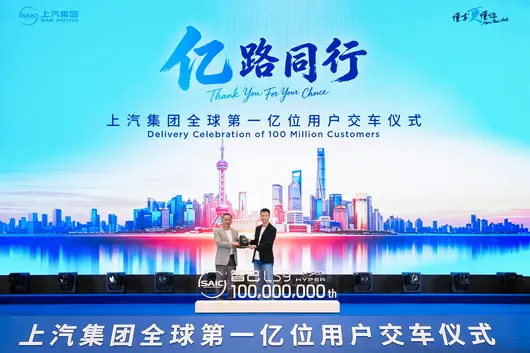

Baru-baru ini, gergasi tali keluli Belgium Bekaert mendedahkan laporan operasi pantas. Pada suku pertama tahun ini, syarikat merekodkan pendapatan sebanyak 917 juta Euro (setara kira-kira 7.24 bilion Renminbi), turun 7% berbanding tahun lalu.

Penurunan pendapatan terutamanya dipengaruhi oleh beberapa faktor seperti turun naik nilai mata wang, penetapan harga produk dan struktur kategori. Secara khusus, peningkatan jualan memberikan sumbangan positif sebanyak 32 juta Euro kepada pendapatan, tetapi penetapan harga produk dan struktur kategori menyeret 30 juta Euro, faktor nilai mata wang menyebabkan kerugian 45 juta Euro, pelepasan aset di ranting Amerika Latin juga menghasilkan kesan negatif sebanyak 31 juta Euro. Peningkatan jualan telah sebahagiannya mengimbangi khabar buruk di atas.
Dari segi perniagaan, dalam sektor pengukuhan getah, jualan di pasaran Asia meningkat dengan ketara, pasaran Amerika Utara juga meningkat, berjaya menutup kekurangan permintaan pasaran Eropah yang lemah. Bekaert menyatakan, dalam persaingan yang sengit, syarikat terus mengukuhkan kedudukan pasarnya untuk tali tayar aras tinggi. Pada masa yang sama, dalam kuartal ini Bekaert telah menamatkan pengambilalihan kilang tali keluli Bridgestone di Thailand dan China, transaksi tersebut telah diselesaikan rasmi pada akhir bulan April.

Selain itu, Bekaert mengisytiharkan penyesuaian kaedah statistik laporan kewangan bagi perniagaan pengukuhan getah bermula tahun 2026, menggabungkan perniagaan kecil hos getah dan tali pemindah yang sebelum ini dikelaskan di bawah sektor perniagaan khas ke dalam sektor tersebut. Syarikat berkata, langkah ini berpunca daripada kesan sinergi operasi dan teknologi dalam proses pembuatan tali, bertujuan untuk memadankan dengan lebih baik susun atur pasaran akhir.
Dari segi persekitaran luaran, dipengaruhi oleh keadaan di Timur Tengah, harga tenaga dan bahan mentah meningkat menekan ruang keuntungan. Bekaert menyatakan, ketidakpastian geo-politik dan keadaan perdagangan, ditambah dengan tekanan inflasi dan rantai bekalan, mungkin akan menyeret permintaan global dan meningkatkan kos bahan mentah, memperburuk tekanan keuntungan. Pada masa ini, syarikat telah berjaya melindung daripada impak langsung keadaan Timur Tengah, dan terus melaksanakan langkah menjimatkan kos dan meningkatkan kecekapan untuk menghadapi cabaran.

Mengarah ke seluruh tahun, Bekaert menyatakan, dalam kaedah yang boleh dibandingkan, dijangka pendapatan dan margin keuntungan syarikat sepanjang tahun akan kekal sama dengan tahun lalu.
28 Mei, upacara serah terima kenderaan kepada pengguna ke-100 juta pertama di dunia bagi Kumpulan SAIC “Pengguna ke-100 Juta Pertama Global” diadakan dengan meriah di Ruang Tamu Dunia North Bund Shanghai. Dengan penyerahan rasmi unit LS9 Hyper Zhiji yang menggabungkan teknologi elektrik pintar berteknologi tinggi, Kumpulan SAIC secara rasmi menjadi kumpulan automotif pertama dalam sejarah industri automotif China yang mencapai jumlah jualan dan pengeluaran terkumpul melebihi 100 juta unit. Ia mengukir tonggak penting yang melampaui zaman bagi industri automotif China, dan sekaligus menandakan kedudukan memimpin dalam kategori premium bagi "Dibuat di China" dalam peta automotif global.
Momen 100 Juta: Serah Terima Estafet Merentasi Dunia
Upacara serah kali ini bertema "Berkongsi Perjalanan 100 Juta", dan mencipta norma baharu untuk serah terima global jenama automotif China. Puncak utama di Ruang Tamu Dunia North Bund Shanghai, serentak menyelaraskan dengan banyak bandar di negara dan banyak negara di luar negara, memulakan "serah terima estafet global" merentasi benua dan zon masa yang berbeza. Lebih daripada 10 jenama kenderaan lengkap di bawah SAIC dan 19 model kenderaan muncul serentak, bersama-sama menyaksikan momen sejarah ini.

Pada upacara tersebut, Pengerusi Kumpulan SAIC, Wang Xiaoqiu menyerahkan unit ke-100 juta itu—kunci LS9 Hyper Zhiji—secara rasmi kepada Pegawai Eksekutif Utama Momenta, Cao Xudong. Sebagai rakan strategik teras dalam bidang pemacu pintar SAIC, Cao Xudong menjadi "pengguna pertama 100 juta di dunia", yang melambangkan kerjasama win-win ekosistem kereta pintar dan resonansi mendalam dalam idea teknologi. Pada masa yang sama, unit model ke-99999996 hingga 99999999 (Shangjie Z7T, Shangjie Z7, SAIC-GM-Wuling Huajing S, SAIC-Volkswagen ID.ERA 9X) juga selesai serah terima terkumpul, bersama-sama membentuk barisan kemuliaan "Momen 100 Juta".
Dari Memukul Kereta Secara Manual Ke Kepimpinan Global
Keajaiban pengeluaran dan jualan 100 juta unit adalah jawapan industri pengasahan berterusan 71 tahun SAIC, dan lebih merupakan ringkasan lengkap industri automotif China daripada tiada kepada ada, dari lemah kepada kuat.
Tahun 1955, syarikat asal SAIC iaitu Syarikat Pembuatan Alat Ganti Enjin Bakar Shanghai ditubuhkan, industri automotif Shanghai secara rasmi berlepas. Tahun 1958, di kilang kecil di lorong dengan peralatan yang sederhana, pengrajin SAIC generasi pertama, hanya dengan tukul dan pahat, memukul secara manual kenderaan penumpang "Fenghuang" yang pertama, mencapai "perpecahan sifar" dalam pembuatan kenderaan penumpang Shanghai, dan membina semangat perjuangan "Fenghuang Emas terbang dari sarang rumput".

Seterusnya, jenama Fenghuang dinamakan semula menjadi jenama Shanghai. Sehingga tahun 1975, ia membentuk kemampuan pengeluaran 5000 unit kenderaan penumpang setahun, menjadi salah satu pusat pengeluaran kenderaan penumpang terbesar di China pada masa itu, dan menanam benih inovasi autonomi untuk industri automotif nasional.
Selepas Pembukaan dan Reformasi, SAIC memimpin memecah pengasingan industri dan menjadi pelopor perniagaan bersama. Tahun 1983, Santana buatan tempatan yang pertama dirakam berjaya. Tahun 1985, syarikat bersama kenderaan penumpang pertama di negara iaitu SAIC-Volkswagen ditubuhkan, membuka jalan bagi "pertukaran pasaran dengan teknologi".
Melalui usaha mencapai tempatan, kadar tempatan Santana meningkat mendadak dari 2.6% kepada lebih 90% pada tahun 1996, memacu peningkatan teknologi bagi 2400 syarikat sokongan di seluruh negara, dan membina sistem komponen kenderaan penumpang lengkap pertama di China. Tahun 1997, SAIC-GM ditubuhkan, mencipta "Kecepatan Shanghai" pembinaan kilang dan keluaran kenderaan dalam 23 bulan, sistem pembuatan moden terbentuk sepenuhnya, dan SAIC kekal di kedudukan teratas dalam negara.

Tahun 2006, SAIC melancarkan jenama sendiri Roewe, secara rasmi memulakan perjalanan inovasi autonomi. Tahun 2016, kenderaan internet pertama di dunia Roewe RX5 muncul, menentukan definisi "kereta pintar" jenis baharu, dan membuka era baharu rangkaian pintar automotif China.
Pada fasa ini, SAIC mengekalkan pemacu roda berganda "Bersama + Autonomi". Sementara memperdalam kerjasama dengan Volkswagen dan GM, ia juga melabur lebih 100 bilion dana penyelidikan dan pembangunan, menyerang tembok teknologi teras. Jenama autonomi daripada tiada kepada ada, dari lemah kepada kuat, dan beransur menjadi enjin pertumbuhan utama.
Menghadapi perubahan abad dalam industri automotif, SAIC mempercepatkan "gajah berpusing" dan bertransformasi sepenuhnya ke arah elektrik pintar. Tahun 2020, jenama kereta elektrik pintar premium Zhiji ditubuhkan, memfokuskan pada pemacu pintar tahap tinggi dan pengalaman elektrik yang ekstrem.

Model tonggak yang diserahkan kali ini, Zhiji LS9 Hyper, adalah karya puncak penumpuan teknologi SAIC: Dilengkapi dengan stereng empat roda kawalan sepenuhnya, Lidar super penglihatan 520 barisan + cip NVIDIA Thor, platform voltan tinggi 800V merentas semua domain, pertama kali dipasang motor tiga Hurikan Logo Emas SAIC, bergabung dengan kelab prestasi 3 saat. Ia memulakan teknologi "Keselamatan Bawaan" secara global, memperkukuh asas keselamatan zaman AI, menyediakan sepenuhnya keupayaan evolusi pemacu pintar tahap tinggi L3 ke atas, dan mewakili tahap tertinggi teknologi elektrik pintar jenama China.
Realiti Kukuh dan Kepercayaan Pengguna di Sebalik Skala
Di sebalik 100 juta unit, adalah kekuatan sistem kukuh SAIC yang meliputi seluruh dunia. Di dalam negara, SAIC mempunyai sistem penyelidikan, pembuatan, dan rantaian bekalan yang lengkap, enam pangkalan kenderaan lengkap berkolaborasi berdaya. Di luar negara, produk dan perkhidmatan merangkumi lebih daripada 170 negara dan wilayah, jumlah penyerahan melebihi 7 juta unit, mengatur letak 100+ pangkalan komponen, rangkaian 3000+ pengedar, membina tiga pusat penyelidikan utama seperti London dan empat pangkalan pembuatan seperti Thailand, Indonesia, menubuhkan armada kapal logistik kenderaan sendiri, membentuk susun atur globalisasi rantai lengkap "Penyelidikan - Pembuatan - Jualan - Perkhidmatan".
Dari tempatan Santana abad lalu hingga kini kepimpinan teknologi Zhiji LS9 Hyper, SAIC sentiasa mempegang konsep "Memahami kereta lebih memahami anda" dan memperkukuh asas dengan inovasi teknologi. Dalam tahun-tahun kebelakangan ini, SAIC telah melabur terkumpul lebih 150 bilion yuan untuk teknologi elektrik pintar, mempunyai lebih 10,000 paten, mencapai kawalan autonomi dalam bidang teras seperti tiga kuasa, pemacu pintar, dan kabin pintar. Berbagai teknologi mula global, berpanduan di kelas yang sama, daripada "mengikuti teknologi" menuju "memimpin teknologi".
SAIC sentiasa yakin: "100 juta unit bukan sekadar angka, lebih 100 juta kepercayaan pengguna". Selama lebih 70 tahun, SAIC telah melayani lebih 100 juta pengguna di seluruh dunia terkumpul, merangkumi skenario penuh seperti keluarga, perniagaan, perjalanan, logistik. Dari alat gerak ke rakan pintar, SAIC sentiasa menjadikan keperluan pengguna sebagai teras, mewujudkan pengalaman perjalanan yang dapat dirasai dari teknologi terbaharu, dan mendapat pengiktirafan dan kepercayaan pengguna global.
Pencapaian 100 juta unit SAIC, bukan hanya kejayaan SAIC, malah kebanggaan kolektif seluruh industri automotif China dan Pembuatan China.
Dari dimensi industri, tonggak ini menandakan industri automotif China benar-benar meninggalkan era "mengejar skala" yang kasar, dan melangkah ke fasa baharu pembangunan berkualiti tinggi di mana sistem menang, teknologi memimpin, dan persaingan global. Jalan pertumbuhan SAIC adalah ringkasan tipikal pembuatan China dari pemprosesan kontrak ke autonomi, dari pengenalan ke output, dari tempatan ke global, memberikan pengalaman berharga untuk transformasi dan peningkatan syarikat automotif China.

Dari dimensi global, SAIC menjadi syarikat automotif China pertama untuk memasuki "Kelab 100 Juta", memecah struktur monopoli panjang oleh jenama luar negara, memantapkan semula struktur persaingan industri automotif global, menunjukkan kekuatan dan keyakinan jenama China, dan menyuntik tenaga yang kuat bagi "keluar dunia" automotif China.
Titik Permulaan 100 Juta, Perjalanan Baharu Elektrik Pintar
Berdiri pada titik permulaan baharu 100 juta unit, Pengerusi Kumpulan SAIC Wang Xiaoqiu menyatakan: "100 juta unit adalah jawapan fasa, malah garisan permulaan baharu untuk penubuhan semula". Menghadapi masa depan, SAIC akan mengekalkan tiga strategi teras "Inovasi Teknologi + Keutamaan Pengguna + Susun Atur Global", mempercepatkan transformasi ke syarikat teknologi tinggi "berpusat pengguna".
Dalam bidang elektrik pintar, SAIC akan terus meningkatkan pelaburan penyelidikan dan pembangunan, melancarkan lebih banyak produk teladan seperti Zhiji LS9 Hyper, memperkukuh kelebihan kepimpinan teknologi. Dalam bidang globalisasi, akan memperdalam susun atur luar negara, meningkatkan keupayaan pengurusan tempatan, memperluas pasaran saham global. Dalam bidang perkhidmatan pengguna, akan menggunakan "Memahami kereta lebih memahami anda" sebagai niat asal, membina sistem perkhidmatan kitaran hidup penuh, dan berkongsi masa depan perjalanan yang indah bersama pengguna global.

Lebih 70 tahun melalui hujan dan angin, 100 juta unit membawa kejayaan terus maju. SAIC menggunakan 71 tahun untuk menyelesaikan lompatan dari memukul kereta manual ke kepimpinan global, dan menulis bab gemilang industri automotif China dengan 100 juta unit pengeluaran dan jualan. Masa depan, dengan transformasi elektrik pintar yang semakin mendalam, SAIC pasti akan dengan sikap lebih terbuka, kekuatan lebih kukuh, semangat lebih inovatif, memimpin industri automotif China menuju puncak baharu, dan menampilkan cahaya China yang lebih cemerlang di pentas global.
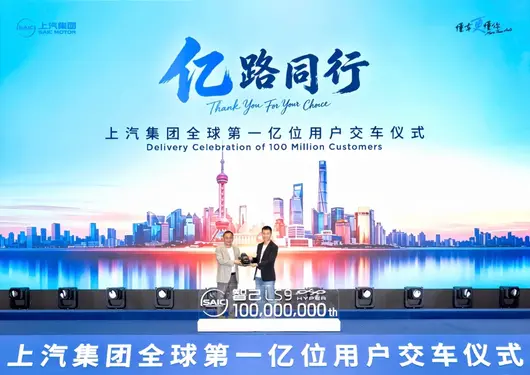
© 2024 Bitauto.com. All Rights Reserved.
Bitauto (www.yiche.com and www.bitauto.com) is one of the most visited automotive websites in China. We provide detailed info on Chinese car brands available in your area. Please note that the information provided on this website is based on publicly available data and is for reference only. It may not be fully updated or accurate at all times.

Help us improve our website


