

Homeadventures

Search History
Popular Searches
Dealer Login / Sign Up

In Malaysia's SUV market, many buyers compare the Honda WR-V and Chery Tiggo 8 Pro when choosing a car. These two cars are quite close in price and positioning. Today, we will do a detailed comparison from multiple aspects to help you save time on research.
The OTR price of the Honda WR-V in Malaysia is RM 89,900 - 107,900, with a total of 4 versions, including 2023 1.5L V (RM 99,900), 2023 1.5L E (RM 95,900), 2023 1.5L S (RM 89,900) etc.
The OTR price of the Chery Tiggo 8 Pro in Malaysia is RM 159,750 - 159,750, with a total of 2 versions, including 1.6L Turbo Standard (RM 130,000), 1.6L Turbo Premium (RM 145,000) etc.
From a price perspective, the Honda WR-V's starting price is indeed RM 69,850 cheaper than the Chery Tiggo 8 Pro. If your budget is limited, Honda's entry-level version can already meet daily needs. However, note that the few thousand cheaper might involve trade-offs in features, specifically depending on your needs.

Honda WR-V is equipped with 1.5L 4-cyl, 105 hp. Official fuel consumption 6.0 L/100km.
Chery Tiggo 8 Pro is equipped with 2.0L 4-cyl, 170 hp. Official fuel consumption 8.0 L/100km.
In terms of power, the Chery Tiggo 8 Pro's 2.0L 4-cyl has 65 more horsepower than the Honda WR-V's 1.5L 4-cyl. However, for daily city driving, the power of both cars is sufficient, you won't feel a lack of power.

Honda WR-V adopts FWD drive mode.
Chery Tiggo 8 Pro adopts FWD drive mode.
Both cars use the same drive mode, both are FWD, there will be no significant difference in daily driving experience.

Honda WR-V warranty 5 years/unlimited mileage, maintenance interval every 10,000km or 6 months.
Chery Tiggo 8 Pro warranty 3 years/100,000km, maintenance interval every 10,000km or 6 months.
Honda WR-V and Chery Tiggo 8 Pro are both mainstream choices in the Malaysian market, suitable for family use, daily commuting. If you value brand reputation and resale value more, you can prioritize the one with better reputation; if you care more about cost-performance ratio and features, then choose the model with richer configuration. Finally, it is recommended to test drive both, as personal experience is the most important.
Overall, Honda WR-V and Chery Tiggo 8 Pro are both very good models in the Malaysian market. Which one to choose mainly depends on your personal needs and budget. It is recommended to do your homework, compare quotes from several car dealerships, and then test drive to make the final decision. Buying a car is a big matter, spending time on research will never be wrong.


Di pasaran SUV Malaysia, ramai pembeli membandingkan Honda WR-V dan Chery Tiggo 9 semasa memilih kereta. Kedua-dua kereta ini hampir sama dari segi harga dan kedudukan. Hari ini, kami akan buat perbandingan terperinci dari pelbagai aspek untuk membantu anda menjimatkan masa membuat penyelidikan.
Honda WR-V dalam harga OTR di Malaysia adalah RM 89,900 - 107,900, terdapat 4 varian, termasuk 2023 1.5L V (RM 99,900), 2023 1.5L E (RM 95,900), 2023 1.5L S (RM 89,900) dan lain-lain.
Harga OTR Chery Tiggo 9 di Malaysia ialah RM 166,800 - 179,800, dengan 1 varian, termasuk 2026 2.0T Standard (RM 179,750) dan lain-lain.
Dari segi harga, harga permulaan Honda WR-V memang lebih murah RM 76,900 berbanding Chery Tiggo 9. Jika bajet anda terhad, versi asas Honda sudah boleh memenuhi keperluan harian. Namun, perlu diambil perhatian, perbezaan beberapa ribu ringgit itu mungkin ada kompromi dari segi peralatan, bergantung pada keperluan anda.
Honda WR-V dilengkapi enjin 1.5L 4-silinder, kuasa 105 hp. Penggunaan bahan api rasmi 6.0 L/100km.
Chery Tiggo 9 dilengkapi enjin 2.0L 4-silinder, kuasa 170 hp. Penggunaan bahan api rasmi 8.0 L/100km.
Dari segi kuasa, enjin 2.0L 4-silinder pada Chery Tiggo 9 mempunyai 65 hp lebih daripada enjin 1.5L 4-silinder Honda WR-V. Namun untuk pemanduan harian di bandar, kedua-dua kereta ini mempunyai kuasa yang mencukupi, tidak akan terasa kurang tenaga.
Penarafan keselamatan Honda WR-V ialah 5★ (ASEAN NCAP), sistem keselamatan aktif termasuk Honda SENSING.
Penarafan keselamatan Chery Tiggo 9 ialah TBD, sistem keselamatan aktif termasuk Basic.
Dari segi peralatan keselamatan, kedua-dua kereta mendapat penarafan yang baik. Namun, Honda SENSING pada Honda WR-V dan Basic pada Chery Tiggo 9 mempunyai perbezaan dari segi fungsi. Jika anda mengutamakan keselamatan aktif, anda boleh membandingkan senarai fungsi kedua-duanya dengan teliti.
Honda WR-V mempunyai panjang badan 4400 mm, ruang bagasi 400 L.
Chery Tiggo 9 mempunyai panjang badan 4400 mm, ruang bagasi 400 L.
Saiz kedua-dua kereta hampir sama, ruang dalaman tidak banyak berbeza. Kereta dalam kelas ini, cukup untuk penggunaan harian.

Honda WR-V menggunakan pemacu FWD.
Chery Tiggo 9 menggunakan pemacu FWD.
Cara pemacu kedua-dua kereta sama, semuanya FWD, pengalaman memandu harian tidak akan berbeza banyak.

Secara keseluruhan, Honda WR-V dan Chery Tiggo 9 adalah model kereta yang cukup baik di pasaran Malaysia. Memilih yang mana satu, ia bergantung kepada keperluan dan bajet peribadi anda. Kami cadangkan anda membuat penyelidikan, bandingkan beberapa kutipan harga dari kedai kereta, kemudian buat ujian memandu untuk keputusan akhir. Membeli kereta adalah perkara besar, meluangkan masa membuat penyelidikan pasti tidak akan salah.

Di pasaran SUV Malaysia, banyak pembeli ketika memilih kereta akan membandingkan Honda WR-V dan Chery Tiggo 7 PHEV. Kedua-dua kereta ini mempunyai harga dan kedudukan yang sangat hampir, hari ini kita akan membuat perbandingan terperinci dari pelbagai aspek, membantu anda menjimatkan masa membuat tugasan.
Harga OTR Honda WR-V di Malaysia ialah RM 89,900 - 107,900, terdapat keseluruhan 4 varian, termasuk 2023 1.5L V (RM 99,900), 2023 1.5L E (RM 95,900), 2023 1.5L S (RM 89,900) dan lain-lain.
Chery Tiggo 7 PHEV di Malaysia berharga OTR RM 129,750 - 129,750, terdapat 2 varian, termasuk 2025 1.5T 90km CSH (RM 129,750), Metode Pengisian Caj yang Disokong oleh Tiggo 7 PHEV? Bolehkah Ia Dicas Menggunakan Soket Kuasa Rumah? (RM 117,478) dan lain-lain.
Dari segi harga, harga permulaan Honda WR-V memang lebih murah sebanyak RM 39,850 berbanding Chery Tiggo 7 PHEV. Jika bajet anda terhad, edaran permulaan Honda sudah boleh memenuhi keperluan harian. Tetapi perlu diingat, beberapa ribu ringgit yang murah itu, mungkin ada pertimbangan pada kelengkapan, bergantung pada keperluan anda.
Penilaian keselamatan Honda WR-V ialah 5★ (ASEAN NCAP), sistem keselamatan aktif termasuk Honda SENSING.
Penilaian keselamatan Chery Tiggo 7 PHEV ialah TBD, sistem keselamatan aktif termasuk Asas.
Dari segi kelengkapan keselamatan, kedua-dua kereta telah mendapat penilaian yang baik. Walau bagaimanapun, Honda SENSING pada Honda WR-V dan Asas pada Chery Tiggo 7 PHEV mempunyai perbezaan dalam fungsi. Jika anda lebih menitikberatkan keselamatan aktif, anda boleh bandingkan dengan teliti senarai fungsi kedua-duanya.
Honda WR-V menggunakan cara pemacu FWD.
Chery Tiggo 7 PHEV menggunakan cara pemacu FWD.
Kedua-dua kereta mempunyai cara pemacu yang sama, iaitu FWD, pengalaman memandu harian tidak akan berbeza banyak.
Honda WR-V waranti 5 tahun/jarak tanpa had, selang penyelenggaraan setiap 10,000km atau 6 bulan.
Chery Tiggo 7 PHEV waranti 3 tahun/100,000km, selang penyelenggaraan setiap 10,000km atau 6 bulan.

Secara keseluruhan, Honda WR-V dan Chery Tiggo 7 PHEV adalah model kereta yang sangat bagus di pasaran Malaysia. Memilih yang mana satu, yang penting melihat keperluan peribadi dan bajet anda. Kami cadangkan anda membuat kajian, bandingkan harga beberapa dewan kereta, kemudian uji memandu untuk membuat keputusan akhir. Membeli kereta adalah perkara besar, meluangkan masa untuk membuat kajian tidak akan salah.

喺馬來西亞嘅 SUV 市場,好多買家喺揀車嘅時候都會拿本田 WR-V 同奇瑞 Tiggo 8 PHEV 嚟做比較。這兩款車喺價位同定位上都好接近,今日我哋就從多個方面做一個詳細嘅比較,幫你省下做功課嘅時間。
本田 WR-V 喺馬來西亞嘅 OTR 售價係 RM 89,900 - 107,900,一共有 4 個版本,包括 2023 1.5L V(RM 99,900)、2023 1.5L E(RM 95,900)、2023 1.5L S(RM 89,900) 等。
奇瑞 Tiggo 8 PHEV 喺馬來西亞嘅 OTR 售價係 RM 159,750 - 159,750,一共有 2 個版本,包括 1.6L Turbo Standard(RM 130,000)、1.6L Turbo Premium(RM 145,000) 等。
由價錢睇落嚟,本田 WR-V 嘅起步價確實比奇瑞 Tiggo 8 PHEV 便宜咗 RM 69,850。如果你預算有限,本田嘅入門版已經可以滿足日常需求。但都要注意,便宜嗰幾千塊,可能喺配備上會有取捨,具體要看你嘅需求。
本田 WR-V 車身長 4400 mm,後備箱 400 L。
奇瑞 Tiggo 8 PHEV 車身長 4400 mm,後備箱 400 L。
兩款車嘅尺寸幾乎一樣,車內空間差別唔大。呢個級別嘅車,日常使用完全夠用。
本田 WR-V 保修 5 年/無限制里程,保養間隔 每 10,000km 或 6 個月。
奇瑞 Tiggo 8 PHEV 保修 3 年/100,000km,保養間隔 每 10,000km 或 6 個月。
本田 WR-V 同奇瑞 Tiggo 8 PHEV 都係馬來西亞市場嘅主流選擇,適合家庭使用、日常通勤。如果你更睇重品牌口碑同二手價,可以優先考慮口碑更好嗰一款;如果你更在意性價比同配備,那就揀配置更豐富嗰款。最終仲係建議兩款都去試駕,親身體驗先係最重要嘅。
總體嚟講,本田 WR-V 同奇瑞 Tiggo 8 PHEV 都係馬來西亞市場好唔錯嘅車型。揀邊一輛,關鍵仲係要看你嘅個人需求同預算。建議大家做好功課,多比較幾間車行嘅報價,先去試駕先做最終決定。買車係件大事,花少少時間做功課絕對唔會錯。

喺馬來西亞嘅 SUV 市場,好多買家喺揀車嘅時候都會拿 Honda WR-V 同 Chery Tiggo 8 Pro 來做比較。這兩款車喺價位同定位上都好接近,今日我哋就從多方面做一個詳細嘅比較,幫你省咗做功課嘅時間。
Honda WR-V 喺馬來西亞嘅 O T R 售價係 RM 89,900 - 107,900,一共有 4 個版本,包括 2023 1.5L V(RM 99,900)、2023 1.5L E(RM 95,900)、2023 1.5L S(RM 89,900) 等。
Chery Tiggo 8 Pro 喺馬來西亞嘅 O T R 售價係 RM 159,750 - 159,750,一共有 2 個版本,包括 1.6L Turbo Standard(RM 130,000)、1.6L Turbo Premium(RM 145,000) 等。
從價錢嚟睇,Honda WR-V 嘅起步價確實比 Chery Tiggo 8 Pro 平咗 RM 69,850。如果你預算有限,Honda 嘅入門版已經可以滿足日常需求。但都要注意,平嗰幾千塊,可能喺配備上會有取捨,具體睇你嘅需求。
Honda WR-V 配備 1.5L 4-cyl,馬力 105 hp。官方油耗 6.0 L/100km。
Chery Tiggo 8 Pro 配備 2.0L 4-cyl,馬力 170 hp。官方油耗 8.0 L/100km。
動力方面,Chery Tiggo 8 Pro 嘅 2.0L 4-cyl 比 Honda WR-V 嘅 1.5L 4-cyl 多咗 65 匹馬力。不過日常喺市區開,兩款車嘅動力都夠用,唔會覺得唔夠力。
Honda WR-V 嘅安全評級係 5★ (ASEAN NCAP),主動安全系統包括 Honda SENSING。
Chery Tiggo 8 Pro 嘅安全評級係 TBD,主動安全系統包括 Basic。
安全配備方面,兩款車都拿到唔錯嘅評級。不過 Honda WR-V 嘅 Honda SENSING 同 Chery Tiggo 8 Pro 嘅 Basic 喺功能上有少少分別,如果你比較重視主動安全嘅話,可以仔細對比下兩者嘅功能列表。
Honda WR-V 車身長 4400 mm,尾箱 400 L。
Chery Tiggo 8 Pro 車身長 4400 mm,尾箱 400 L。
兩款車嘅尺寸幾乎一樣,車內空間分別唔大。呢個級別嘅車,日常使用完全夠用。
Honda WR-V 同 Chery Tiggo 8 Pro 都係馬來西亞市場嘅主流選擇,適合家庭使用、日常通勤。如果你更重視品牌口碑同二手價,可以優先考慮口碑更好嗰一款;如果你更在意性價比同配備,就揀配置更豐富嗰款。最終都係建議兩部都去試駕,親身體驗先最緊要。
總括嚟講,Honda WR-V 同 Chery Tiggo 8 Pro 都係馬來西亞市場好唔錯嘅車型。揀邊一部,關鍵都係要睇你嘅個人需求同預算。建議大家做好功課,多比較幾間車行嘅報價,再去試駕做最終決定。買車係件大事,花少少時間做功課絕對唔會錯。

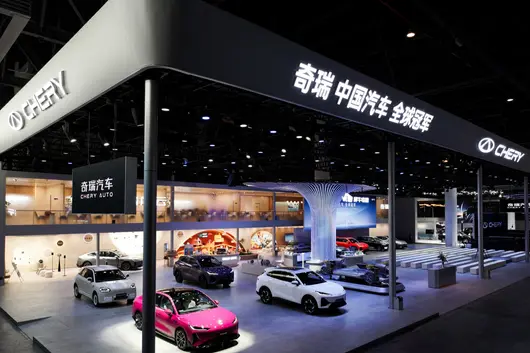
21 Ogos, Pameran Autom Antarabangsa Chengdu 2026 rasmi dibuka. Kumpulan Chery dengan tema "Kenderaan China Juara Dunia", membawa lima jenama Chery, Exeed, Jetour, iCAR, dan Zhongheng dengan jumlah 38 model melanda Balai 5 Pusat Konvensyen Antarabangsa Barat China. Di mana jenama Chery mempamerkan 12 model, Fengyun A9 dan Fengyun T7 "Bintang Ganda Estetik" muncul bersama, QQ3 Edisi Moden memulakan pra-ujian, penanda aras baru sedan keluarga kualiti global Arrizo 7 menerima pembedahan dunia global.

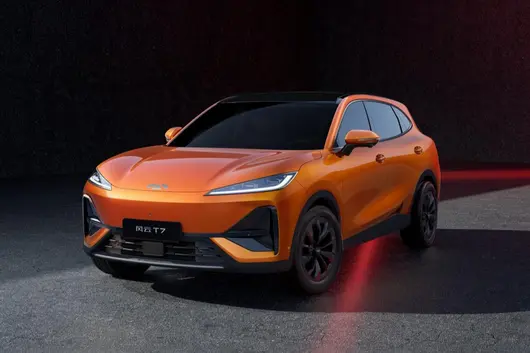
Fengyun T7: Pra-penjualan 9 hari tempahan pecah 16,000, rasmi keluar pada 26 Ogos
Sebagai model global asli pertama Chery Era Pintar Elektrik, Fengyun T7 dilokasikakan sebagai "Kenderaan SUV Penuh Elektrik Kualiti Global". Kereta baharu menggunakan reka bentuk luaran "Estetik Angin", dilengkapi bateri Rhinoceros 65.05kWh, digabungkan dengan sistem hawa dingin热泵 suhu lebar dan sistem PTC voltan tinggi, CLTC jarak bateri semata-mata mencapai 600km. Dari segi kecerdasan dilengkapi cip integrasi kapsul dan memandu 8775, Lingxi Cockpit Pintar 2.0 dan sistem bantuan memandu Falcon 500.
Pre-harga Fengyun T7 adalah 109,900 Yuan hingga 129,900 Yuan, data rasmi menunjukkan tempahan pra-penjualan 9 hari telah mencapai 16,787 buah. Mengikut pelan, kereta baharu akan rasmi keluar pada 26 Ogos. Dari segi irama keluar, Fengyun T7 kini telah keluar di Afrika Selatan dan Thailand, Ogos akan tiba di pasaran China dan Indonesia, September memasuki Kesatuan Eropah, Oktober tiba di United Kingdom, Malaysia, Australia dan tempat lain.
Pengerusi Eksekutif Chery Automobile Co., Ltd. Li Xueyong berkata di lokasi pelancaran: "Chery meyakini, kenderaan global sebenar, bukan hanya dikembangkan di China kemudian diubah untuk keluar, tetapi dari permulaan penyelidikan merancang untuk menyasar global."

[Kenderaan SUV Penuh Elektrik Kualiti Global Fengyun T7]
Arrizo 7 Pembedahan Dunia: "Tenaga Air Mengalir" Sedan Keluarga Kelas 80,000
Sedan keluarga klasik Arrizo 7 yang senyap bertahun-tahun kembali rasmi pada pameran ini, menerima perlihatan umum pertama kali di dunia. Kereta baharu dilokasikakan sebagai "Penanda Aras Baru Sedan Keluarga Kualiti Global", menyasarkan pasaran 80,000 hingga 100,000.
Kereta ini yang paling bernilai untuk diberitahu adalah reka bentuk, Arrizo 7 mengambil inspirasi dari perubahan statik dan dinamik air, membentuk gaya reka bentuk "Tenaga Air Mengalir" — apabila statik badan kenderaan terbentang stabil, apabila bergerak permukaan jenis aliran berkekuatan. Dari segi kuasa, kereta baharu menyediakan pilihan C-DM Super Power Elektrik Hibrid dan versi bahan bakar Kunpeng. Mengikut maklumat rasmi, Arrizo 7 dijangka keluar rasmi pada suku keempat 2026.

[Teras Baru Sedan Keluarga Kualiti Global Arrizo 7]
Fengyun A9L Edisi Sukan Muncul: Empat Penggerak 470kW, 0-100km/j 4 Saat
Fengyun A9L Edisi Sukan muncul serentak di pameran, kereta baharu dilengkapi dengan set penambahbaikan sukan eksklusif penuh, termasuk lubang ventilasi hadapan hitam, komponen aerodinamik, roda 20 inci, pemegang kaliper enam piston tetap dan piringan brek berongga berlatar FNC saiz besar.
Dari segi kuasa, kereta baharu dilengkapkan dengan sistem CDM 6.0 Super Power Elektrik Kunpeng, versi empat penggerak kuasa gabungan 470kW, tork maksimum 854N·m, pecutan 0-100 masuk ke darjah 4 saat, jarak gabungan bateri memecahkan 2000km. Rangka menggunakan struktur suspensi depan double wishbone + belakang multi-link. Dari segi data memang cukup keras. Tetapi harga top trim darjah 230,000, di kelas harga ini saingan yang dihadapi bukan hanya jenama China, ada juga Tesla Model 3 dan Volkswagen ID. Series. Penarafan "Flagship Global Sebenar Darjah C" ini boleh diterima pasaran di terminal, perlu teruskan jualan untuk menjawab.

[Flagship Global Sebenar Darjah C Fengyun A9L ULTRA Edisi Penggerak Empat]
QQ3 Edisi Moden: Neo Retro Futurisme Retro
QQ3 Edisi Moden adalah produk menarik lain di stan Chery. Versi pembaikan rasmi No. 001, reka bentuk filosofi Neo Retro, menggabungkan elemen klasik industri automotif dengan teknologi zaman era pintar elektrik. Pada asasnya menggunakan gaya reka bentuk untuk bergaul dengan orang muda.
QQ3 baru berturut-turut empat bulan jualan bulanan melebihi 10,000, luar negara bulan pertama pun pecah 10,000, QQ Series jumlah global 1.6 juta pengguna, 20-35 tahun pengguna 41%. Di pasaran global, kategori kereta kecil sering memikul nilai emosi melampaui alat pengangkutan.思路 QQ3 Edisi Moden sangat dekat dengan logik ini: ia tidak hanya menjual alat pengangkutan, tetapi ungkapan personaliti.

[QQ3 Edisi Moden]
Bateri Rhinoceros dan Tiga Teknologi Terusan
Rumah pameran Bateri Rhinoceros adalah teras demonstrasi teknologi kali ini. Lokasi menyediakan talian pengalaman keselamatan khusus, penonton boleh melihat demonstrasi limit bateri tikam, sel ditekan kemudian direndam air.

[Demonstrasi Keselamatan Tekan Bateri Rhinoceros dan Rendam Sel]
Logik Bateri Rhinoceros adalah "Tiga Garis Pertahanan": Rhinoceros Crystal (Bahan/Sel) — standard katod ketat 16%, anod ketat 20%, pemisah ketat 14%, elektrolit ketat 20%; Rhinoceros Shield (Struktur Pack) — 31 lapisan perlindungan, pelindung bawah keluli kuat 980DP; Rhinoceros Cloud (BMS Kawalan Pintar) — pemantauan awan 7×24 jam.
Tesis yang dipaparkan di lokasi: 10 jarum tikam (10 kali piawaian negara) tidak berasap tidak terbakar; tekan bawah 50% (3 kali piawaian negara) kemudian 3 jarum tikam tidak berasap; tekan sisi ujung 40% kemudian direndam air sepenuhnya kemudian nyahcas tidak berasap. Bateri pepejal sulfida 400Wh/kg serentak dipamerkan, mengikut pelan rasmi 2026 naik kereta, 2027 keluar massal.
Rangka Cerdas Flyfish i adalah teknologi prospektif lain. Unit pengembaraan pintar 4 Dalam 1, integrasi pckk kawalan elektronik, steering kawalan elektronik, motor roda, suspensi aktif, boleh capai sudut roda 90° pergerakan melintang, "0" meter belokan tempoh, Ujian Rusa Elk ≥90km/j. Tetapi kos rangka kawalan elektronik, undang-undang, kematangan rantaian bekalan masih di peringkat awal, keluaran massal perlu masa.
Dari segi kuasa Kunpeng, kecekapan terma Kunpeng Tianqing 48.57%, kecekapan penukaran minyak-elektrik >4.0kWh/L; kecekapan motor flux berubah CLTC 96.7%, jarak highway meningkat 10%. Lingxi Cockpit-Carmind model besar parameter 10 bilion, 550ms respons semantik, sokongan 2000+ alat dalam kereta dipanggil.
Penulis pada Akhir:
Pameran Autom Chengdu 2026, Chery menggunakan 38 model, lima jenama dan siri data keras, memberikan jawapan sendiri mengenai "Kenderaan Global".
Dari logik penyelidikan asli Fengyun T7, hingga ungkapan estetik timur Arrizo 7, hingga cubaan muda QQ3 Edisi Moden, hingga keselamatan berstruktur Bateri Rhinoceros — Chery sedang membuat sesuatu yang jarang dilakukan jenama China: menggunakan piawaian global untuk mentakrifkan produk, menggunakan kekuatan teknologi untuk menyokong keluar laut, menggunakan gaya reka bentuk untuk berdialog dengan dunia.
Logik ini beberapa bulan lalu telah mendapat pengesahan pasaran secara初步: Julai jualan tunggal keluar pertama kali melebihi 200,000 buah, separuh tahun pertama bahagian global naik ke kesembilan, Januari-Julai jumlah keluar 1.146 juta. Dan prestasi 1.6 tempahan 9 hari Fengyun T7 pra-penjualan, juga menunjukkan logik "Kenderaan Global Asli" ini sedang diterima oleh lebih banyak pengguna.
Sememangnya, dari "Kenderaan China" ke "Kenderaan Global", dari "Keluar Luar" ke "Naik Ke Atas", di tengah ada jalan yang sangat panjang. Tetapi sekurang-kurangnya di Balai 5 Pameran Autom Chengdu, Chery sudah menunjukkan arah yang jelas — bukan menjual Kenderaan China ke global, tetapi membiarkan Kenderaan Global berasal dari China. Arah ini, bernilai untuk terus diperhatikan.

Dalam pasaran SUV di Malaysia, ramai pembeli membandingkan Honda WR-V dan Chery Tiggo 8 semasa memilih kereta. Kedua-dua kereta ini hampir sama dari segi harga dan penjenamaan, hari ini kita akan membuat perbandingan terperinci dari pelbagai aspek untuk membantu anda menjimatkan masa membuat kajian.
Harga OTR Honda WR-V di Malaysia ialah RM 89,900 - 107,900, terdapat sebanyak 4 varian, termasuk 2023 1.5L V (RM 99,900), 2023 1.5L E (RM 95,900), 2023 1.5L S (RM 89,900) dan lain-lain.
Harga OTR Chery Tiggo 8 di Malaysia ialah RM 129,750 - 129,750, terdapat 1 varian, termasuk 2026 1.6T Standard (RM 129,750) dan lain-lain.
Dari segi harga, harga permulaan Honda WR-V memang RM 39,850 lebih murah daripada Chery Tiggo 8. Jika bajet anda terhad, model permulaan Honda sudah boleh memenuhi keperluan harian. Namun perlu diingatkan, perbezaan harga beratus ringgit ini mungkin melibatkan kompromi pada kelengkapan, bergantung pada keperluan anda.
Penilaian keselamatan Honda WR-V adalah 5★ (ASEAN NCAP), sistem keselamatan aktif termasuk Honda SENSING.
Penilaian keselamatan Chery Tiggo 8 adalah TBD, sistem keselamatan aktif termasuk Basic.
Dari segi kelengkapan keselamatan, kedua-dua kereta telah mendapat penilaian yang baik. Namun, Honda SENSING pada Honda WR-V dan Basic pada Chery Tiggo 8 mempunyai perbezaan dalam fungsi. Jika anda lebih mengutamakan keselamatan aktif, anda boleh membandingkan senarai fungsi kedua-duanya dengan teliti.
Honda WR-V jaminan 5 tahun/jarak tanpa had, selang penyelenggaraan setiap 10,000km atau 6 bulan.
Chery Tiggo 8 jaminan 3 tahun/100,000km, selang penyelenggaraan setiap 10,000km atau 6 bulan.
Honda WR-V dan Chery Tiggo 8 adalah pilihan utama di pasaran Malaysia, sesuai untuk kegunaan keluarga dan perjalanan harian. Jika anda lebih mengutamakan reputasi jenama dan harga jual semula, pertimbangkan model yang lebih baik reputasinya; jika anda lebih mengutamakan nisbah nilai dan kelengkapan, pilih model yang lebih kaya konfigurasinya. Akhir sekali, disarankan untuk memandu ujian kedua-dua model, pengalaman langsung adalah yang paling penting.

Secara keseluruhan, Honda WR-V dan Chery Tiggo 8 adalah model kereta yang sangat bagus di pasaran Malaysia. Memilih mana satu, bergantung pada keperluan peribadi dan bajet anda. Disarankan untuk membuat kajian terlebih dahulu, membandingkan beberapa tawaran dari dealer yang berbeza, kemudian memandu ujian sebelum membuat keputusan akhir. Membeli kereta adalah perkara besar, meluangkan masa untuk membuat kajian adalah pasti tidak salah.

Dalam pasaran SUV di Malaysia, ramai pembeli ketika memilih kereta akan membandingkan Honda WR-V dan Chery Tiggo 8. Kedua-dua kereta ini mempunyai harga dan pelokalan yang hampir sama, hari ini kami akan membuat perbandingan terperinci dari pelbagai aspek, membantu anda menjimatkan masa untuk membuat kajian.
Honda WR-V harga OTR di Malaysia ialah RM 89,900 - 107,900, terdapat 4 varian, termasuk 2023 1.5L V (RM 99,900), 2023 1.5L E (RM 95,900), 2023 1.5L S (RM 89,900) dan lain-lain.
Chery Tiggo 8 harga OTR di Malaysia ialah RM 129,750 - 129,750, terdapat 1 varian, termasuk 2026 1.6T Standard (RM 129,750) dan lain-lain.
Dari segi harga, harga permulaan Honda WR-V memang lebih murah RM 39,850 berbanding Chery Tiggo 8. Jika bajet anda terhad, versi permulaan Honda sudah boleh memenuhi keperluan harian. Namun, perlu diingat, beberapa ribu ringgit yang lebih murah itu, mungkin ada kompromi pada kelengkapan, bergantung pada keperluan anda.
Gred keselamatan Honda WR-V adalah 5★ (ASEAN NCAP), sistem keselamatan aktif termasuk Honda SENSING.
Gred keselamatan Chery Tiggo 8 adalah TBD, sistem keselamatan aktif termasuk Basic.
Dari segi kelengkapan keselamatan, kedua-dua kereta ini mendapat gred yang baik. Namun, Honda SENSING pada Honda WR-V dan Basic pada Chery Tiggo 8 mempunyai perbezaan dari segi fungsi. Jika anda lebih menitikberatkan keselamatan aktif, boleh bandingkan senarai fungsi kedua-dua ini dengan teliti.
Honda WR-V menggunakan cara pemacu FWD.
Chery Tiggo 8 menggunakan cara pemacu FWD.
Kedua-dua kereta ini mempunyai cara pemacu yang sama, iaitu FWD, pengalaman memandu harian tidak akan berbeza banyak.
Honda WR-V dan Chery Tiggo 8 adalah pilihan utama di pasaran Malaysia, sesuai untuk kegunaan keluarga dan perjalanan harian. Jika anda lebih menitikberatkan reputasi jenama dan harga kedua, boleh utamakan mana-mana yang mempunyai reputasi lebih baik; jika anda lebih mengutamakan kos berbanding prestasi dan kelengkapan, pilihlah yang mempunyai konfigurasi lebih kaya. Akhir sekali, disarankan kedua-dua kereta ini dicuba, pengalaman peribadi adalah yang paling penting.
Secara keseluruhan, Honda WR-V dan Chery Tiggo 8 adalah model kereta yang sangat bagus di pasaran Malaysia. Memilih yang mana, penting melihat keperluan dan bajet peribadi anda. Disarankan membuat kajian terlebih dahulu, bandingkan beberapa kutipan harga di kedai kereta yang berbeza, kemudian buat ujian memandu untuk membuat keputusan akhir. Membeli kereta adalah perkara besar, meluangkan masa membuat kajian tidak akan salah.

Di pasaran SUV Malaysia, ramai pembeli ketika memilih kereta akan membandingkan Honda WR-V dan Chery Tiggo 7 Pro.
Honda WR-V mempunyai harga OTR di Malaysia sebanyak RM 89,900 - 107,900, terdapat 4 varian, termasuk 2023 1.5L V (RM 99,900), 2023 1.5L E (RM 95,900), 2023 1.5L S (RM 89,900) dan lain-lain.
Chery Tiggo 7 Pro mempunyai harga OTR di Malaysia sebanyak RM 123,750 - 123,750, terdapat 2 varian, termasuk 1.6L Turbo Standard (RM 125,000), 1.6L Turbo Premium (RM 140,000) dan lain-lain.
Dari segi harga, harga permulaan Honda WR-V memang lebih murah daripada Chery Tiggo 7 Pro sebanyak RM 33,850. Jika bajet anda terhad, varian masuk Honda sudah boleh memenuhi keperluan harian. Tetapi perlu juga diingatkan, perbezaan harga ribuan ringgit itu mungkin ada kompromi dari segi peralatan, bergantung pada keperluan anda.
Panjang badan Honda WR-V 4400 mm, ruang storan belakang 400 L.
Panjang badan Chery Tiggo 7 Pro 4400 mm, ruang storan belakang 400 L.
Saiz kedua-dua kereta hampir sama, ruang dalam kenderaan tidak banyak perbezaan. Kereta dalam kelas ini cukup untuk kegunaan harian.
Honda WR-V menggunakan sistem pemanduan FWD.
Chery Tiggo 7 Pro menggunakan sistem pemanduan FWD.
Sistem pemanduan kedua-dua kereta sama, kedua-duanya FWD, pengalaman memandu harian tidak akan terlalu berbeza.
Honda WR-V dan Chery Tiggo 7 Pro adalah pilihan utama pasaran Malaysia, sesuai untuk kegunaan keluarga, perjalanan harian. Jika anda lebih mengutamakan nama baik jenama dan harga jualan semula, pertimbangkan dahulu yang lebih popular; jika anda lebih mengambil berat tentang kos dan peralatan, pilih yang lebih lengkap. Akhirnya cadangkan kedua-dua model untuk ujian memandu, pengalaman sendiri yang paling penting.
Secara keseluruhan, Honda WR-V dan Chery Tiggo 7 Pro adalah model yang sangat baik di pasaran Malaysia. Memilih yang mana, utama bergantung pada keperluan dan bajet anda. Cadangkan anda lakukan penelitian, bandingkan harga beberapa kedai kereta, kemudian buat ujian memandu untuk keputusan akhir. Membeli kereta adalah perkara besar, meluangkan masa untuk penelitian tidak akan salah.

Dalam pasaran SUV di Malaysia, ramai pembeli membandingkan Honda WR-V dan Chery Tiggo 7 Pro semasa memilih kereta. Kedua-dua model ini agak hampir dari segi harga dan segmen. Hari ini, kami akan membuat perbandingan terperinci dari pelbagai aspek untuk membantu anda menjimatkan masa membuat kajian.
Harga OTR Honda WR-V di Malaysia adalah RM 89,900 - 107,900, terdapat keseluruhan 4 varian, termasuk 2023 1.5L V (RM 99,900), 2023 1.5L E (RM 95,900), 2023 1.5L S (RM 89,900) dan lain-lain.
Harga OTR Chery Tiggo 7 Pro di Malaysia adalah RM 123,750 - 123,750, terdapat keseluruhan 2 varian, termasuk 1.6L Turbo Standard (RM 125,000), 1.6L Turbo Premium (RM 140,000) dan lain-lain.
Dari segi harga, harga permulaan Honda WR-V memang RM 33,850 lebih murah daripada Chery Tiggo 7 Pro. Jika bajet anda terhad, versi pemula Honda sudah boleh memenuhi keperluan harian. Namun, perlu diingat, ribuan ringgit yang lebih murah itu mungkin ada pertimbangan pada kelengkapan, ia bergantung kepada keperluan anda.
Penilaian keselamatan Honda WR-V adalah 5★ (ASEAN NCAP), sistem keselamatan aktif termasuk Honda SENSING.
Penilaian keselamatan Chery Tiggo 7 Pro adalah TBD, sistem keselamatan aktif termasuk Basic.
Dari segi kelengkapan keselamatan, kedua-dua kereta mendapat penilaian yang bagus. Namun, Honda SENSING pada Honda WR-V dan Basic pada Chery Tiggo 7 Pro mempunyai perbezaan dari segi fungsi. Jika anda mengutamakan keselamatan aktif, anda boleh membandingkan senarai fungsi kedua-duanya dengan teliti.
Honda WR-V menggunakan cara pemanduan FWD.
Chery Tiggo 7 Pro menggunakan cara pemanduan FWD.
Kedua-dua kereta menggunakan cara yang sama, iaitu FWD, pengalaman memandu harian tidak akan berbeza banyak.
Honda WR-V dan Chery Tiggo 7 Pro adalah pilihan utama pasaran Malaysia, sesuai untuk kegunaan keluarga dan perjalanan harian. Jika anda lebih mengutamakan reputasi jenama dan harga semula, anda boleh mengutamakan yang mana lebih baik reputasinya; jika anda lebih mengutamakan nilai dan kelengkapan, maka pilih yang mana lebih kaya konfigurasi. Akhir sekali, disarankan untuk memandu ujian kedua-dua model, pengalaman sendiri adalah yang paling penting.
Secara keseluruhannya, Honda WR-V dan Chery Tiggo 7 Pro adalah model yang sangat baik di pasaran Malaysia. Memilih yang mana, utamanya bergantung kepada keperluan peribadi dan bajet anda. Kami menyarankan anda membuat kajian, bandingkan banyak penawaran dari beberapa kedai kereta, kemudian buat ujian memandu untuk membuat keputusan akhir. Membeli kereta adalah perkara besar, meluangkan masa untuk kajian adalah pasti betul.

Di pasaran SUV Malaysia, ramai pembeli ketika memilih kereta akan membandingkan Honda WR-V dan Chery Tiggo Cross. Kedua-dua kereta ini harganya dan kedudukannya agak hampir, hari ini kita akan buat perbandingan terperinci dari pelbagai aspek, membantu anda menjimatkan masa membuat kaji selidik.
Harga OTR Honda WR-V di Malaysia ialah RM 89,900 - 107,900, terdapat 4 varian, termasuk 2023 1.5L V (RM 99,900), 2023 1.5L E (RM 95,900), 2023 1.5L S (RM 89,900) dan lain-lain.
Harga OTR Chery Tiggo Cross di Malaysia ialah RM 88,750 - 99,750, terdapat 2 varian, termasuk 2025 HEV 1.5L CSH (RM 99,750), 2025 1.5T Standard (RM 88,750) dan lain-lain.
Dari segi harga, harga permulaan Chery Tiggo Cross adalah RM 1,150 lebih murah daripada Honda WR-V. Jujur berkata, pada julat harga ini, beza beribu ringgit sebenarnya tidak besar, yang penting adalah melihat kos kegunaan jangka panjang dan nisbah harga-kepada-keupayaan secara keseluruhan.
Honda WR-V menggunakan enjin 1.5L 4-silinder, kuasa 105 hp. Penggunaan bahan api rasmi 6.0 L/100km.
Chery Tiggo Cross menggunakan enjin 1.5L 4-silinder, kuasa 105 hp. Penggunaan bahan api rasmi 6.0 L/100km.
Kedua-dua kereta menggunakan sistem enjin yang sama, perasaannya pada pemanduan harian pada dasarnya tiada beza. Dari segi penggunaan bahan api juga hampir sama, tidak perlu terlalu bimbang tentang hal ini.
Honda WR-V menggunakan cara pemacu FWD.
Chery Tiggo Cross menggunakan cara pemacu FWD.
Kedua-dua kereta sama cara pemacu, iaitu FWD, perasaannya pada pemanduan harian tidak akan ada perbezaan besar.
Honda WR-V mempunyai jaminan 5 tahun/jarak tanpa had, selang penyelenggaraan setiap 10,000km atau 6 bulan.
Chery Tiggo Cross mempunyai jaminan 3 tahun/100,000km, selang penyelenggaraan setiap 10,000km atau 6 bulan.

Honda WR-V dan Chery Tiggo Cross adalah pilihan utama di pasaran Malaysia, sesuai untuk kegunaan keluarga dan perjalanan harian. Jika anda lebih mengutamakan reputasi jenama dan harga kedua, boleh utamakan yang mempunyai reputasi lebih baik; jika anda lebih mementingkan nisbah harga-kepada-keupayaan dan pelengkapan, maka pilih yang mempunyai pelengkapan lebih lengkap. Pada akhirnya disarankan untuk kedua-dua model ini melakukan uji pemanduan, pengalaman sendiri adalah yang paling penting.
Secara keseluruhannya, Honda WR-V dan Chery Tiggo Cross adalah model kereta yang sangat baik di pasaran Malaysia. Memilih mana satu, yang penting adalah melihat keperluan dan belanjawan peribadi anda. Disarankan untuk membuat kaji selidik terlebih dahulu, membandingkan beberapa tawaran harga daripada kedai kereta berbeza, kemudian buat uji pemanduan sebelum membuat keputusan akhir. Membeli kereta adalah perkara besar, menghabiskan masa untuk membuat kaji selidik tidak akan pernah salah.

Di pasaran SUV di Malaysia, ramai pembeli sering membandingkan Honda WR-V dan Mazda CX-8 ketika memilih kereta. Kedua-dua kereta ini agak hampir dari segi harga dan kedudukan pasaran. Hari ini kita akan membuat perbandingan terperinci dari pelbagai aspek untuk membantu anda menjimatkan masa membuat penyelidikan.
Harga OTR Honda WR-V di Malaysia ialah RM 89,900 - 107,900, terdapat 4 varian, termasuk 2023 1.5L V (RM 99,900), 2023 1.5L E (RM 95,900), 2023 1.5L S (RM 89,900) dan lain-lain.
Harga OTR Mazda CX-8 di Malaysia ialah RM 165,360 - 201,360, terdapat 5 varian, termasuk 2025 2.5T 4WD High Plus Petrol (RM 201,360), 2025 2.2L 2WD High Plus Diesel (RM 193,123), 2025 2.5L 2WD High Plus Petrol (RM 186,360) dan lain-lain.
Dari segi harga, harga permulaan Honda WR-V memang lebih murah RM 75,460 berbanding Mazda CX-8. Jika bajet anda terhad, versi permulaan Honda sudah boleh memenuhi keperluan harian. Namun, perlu diingat bahawa perbezaan harga beberapa ribu itu mungkin melibatkan kompromi pada kelengkapan, bergantung kepada keperluan anda.
Honda WR-V dilengkapi enjin 1.5L 4-silinder dengan kuasa 105 hp. Penggunaan minyak rasmi ialah 6.0 L/100km.
Mazda CX-8 dilengkapi enjin 2.0L 4-silinder dengan kuasa 170 hp. Penggunaan minyak rasmi ialah 8.0 L/100km.
Dari segi kuasa, enjin 2.0L 4-silinder Mazda CX-8 lebih 65 kuasa kuda berbanding enjin 1.5L 4-silinder Honda WR-V. Namun untuk memandu harian di kawasan bandar, kuasa kedua-dua kereta ini sudah mencukupi dan tidak terasa kurang kuasa.
Penilaian keselamatan Honda WR-V ialah 5★ (ASEAN NCAP), sistem keselamatan aktif termasuk Honda SENSING.
Penilaian keselamatan Mazda CX-8 ialah 5★ (ASEAN NCAP), sistem keselamatan aktif termasuk Brand ADAS.
Penilaian keselamatan kedua-dua kereta sama, dan pada tahap ini kelengkapan keselamatan dianggap sangat lengkap. Keselamatan kereta baru masa kini tidak teruk, jadi tidak perlu risau tentang hal ini.
Honda WR-V menggunakan sistem pemacu FWD.
Mazda CX-8 menggunakan sistem pemacu FWD.
Sistem pemacu kedua-dua kereta sama, iaitu FWD, jadi tidak akan ada perbezaan besar dalam pengalaman memandu harian.

Secara keseluruhan, Honda WR-V dan Mazda CX-8 adalah model kereta yang cukup baik di pasaran Malaysia. Memilih yang mana, penting bergantung kepada keperluan peribadi dan bajet anda. Kami mencadangkan anda membuat penyelidikan terlebih dahulu, bandingkan tawaran dari beberapa pengedar kereta, kemudian buat ujian memandu sebelum membuat keputusan akhir. Membeli kereta adalah perkara penting, meluangkan masa membuat penyelidikan pasti tidak akan salah.

喺馬來西亞嘅 SUV 市場,好多買家喺揀車嘅時候都拿本田 WR-V 同奇瑞 Tiggo Cross 嚟比較。呢兩款車喺價位同定位上都好相近,今日我哋就由多個方面做一个詳細嘅對比,幫你節省做功課嘅時間。
本田 WR-V 喺馬來西亞嘅 OTR 售價係 RM 89,900 - 107,900,一共有 4 個版本,包括 2023 1.5L V(RM 99,900)、2023 1.5L E(RM 95,900)、2023 1.5L S(RM 89,900) 等。
奇瑞 Tiggo Cross 喺馬來西亞嘅 OTR 售價係 RM 88,750 - 99,750,一共有 2 個版本,包括 2025 HEV 1.5L CSH(RM 99,750)、2025 1.5T Standard(RM 88,750) 等。
從價錢睇,奇瑞 Tiggo Cross 嘅起步價比本田 WR-V 平咗 RM 1,150。講真,喺呢個價位段,幾千蚊嘅差距其實唔算大,關鍵仲係睇整體嘅性價比同長期使用成本。
本田 WR-V 嘅安全評級係 5★ (ASEAN NCAP),主動安全系統包括本田 SENSING。
奇瑞 Tiggo Cross 嘅安全評級係 TBD,主動安全系統包括 Basic。
安全配備方面,兩款車都拿到唔錯嘅評級。不過本田 WR-V 嘅本田 SENSING 同奇瑞 Tiggo Cross 嘅 Basic 喺功能上有少少分別,如果你比較睇重主動安全嘅話,可以仔細對比下兩者嘅功能列表。
本田 WR-V 保修 5 年/無限里程,保養間隔 每 10,000km 或 6 個月。
奇瑞 Tiggo Cross 保修 3 年/100,000km,保養間隔 每 10,000km 或 6 個月。
本田 WR-V 同奇瑞 Tiggo Cross 都係馬來西亞市場嘅主流選擇,適合家庭用、日常通勤。如果你更睇重品牌口碑同二手價,可以優先考慮口碑更好嗰款;如果你更在意性價比同配備,就揀配置更豐富嗰款。最終始終建議兩款都去試駕,親身體驗先至最重要。
總體嚟講,本田 WR-V 同奇瑞 Tiggo Cross 都係馬來西亞市場幾好嘅車型。揀邊一部,關鍵都係睇你嘅個人需求同預算。建議大家做好功課,多比較間車行嘅報價,再去試駕做最終決定。買車係件大事,花啲時間做功課絕對唔會錯。

【导语:中国汽车上演冰火两重天,内销遭遇寒流,出口如火如荼。在6月、7月的内销淡季,汽车出口量却已连续两个月破百万辆。按这一走势,2026年中国汽车出口能首次突破千万辆吗?】
李溯婉
2026年,中国汽车出口能否首破千万辆?几个月后,答案将揭晓。
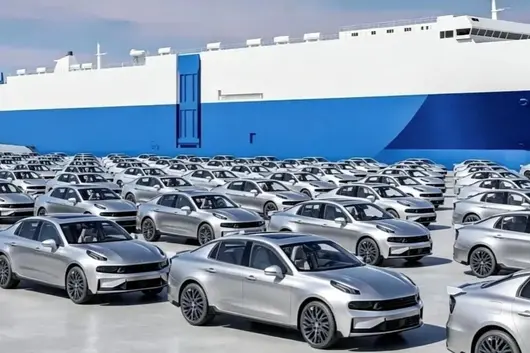
曾经,中国汽车多年出口量在百万辆上下徘徊;如今,中国汽车单月出口量已可以破百万辆,步入 “井喷期”。这背后是从汽车出口到体系出海的嬗变。

继6月首次单月破百万之后,中国汽车出口在7月延续强劲的增长态势。据中国汽车工业协会的最新数据,今年7月份,汽车出口104.3万辆,环比增长0.6%,同比增长81.3%;今年1至7月,汽车出口614万辆,同比增长66.8%。与之形成鲜明对比的是,中国汽车流通协会统计显示,2026年7月全国乘用车市场零售146.1万辆,同比下降20.9%,环比下降8.8%;今年1-7月累计零售1,017.3万辆,同比下降20.3%。
一升一降,折射出中国汽车工业结构正在加剧变化,国内车市卷到日益逼仄,出口持续发挥托底作用,有效稳住车企批发与产能,缓解国内零售疲软压力,中国汽车在全球市场的地位正处于上升期。
今年出口能首破1000万辆吗?
今年7月初,一辆崭新的AION V在英国威尔士斯旺西的海岸公路上驰骋而过,车主是第一次购买中国汽车品牌的金氏夫妇。在英国这样汽车工业成熟、品牌竞争激烈的市场,一辆来自中国的新品牌汽车要获得本地消费者的青睐并不容易。金氏夫妇最终选择AION V,除了产品外观设计、配置,还有8年质保售后服务等因素。

类似的中国品牌海外车主故事越来越多。英国、比利时、巴西、德国、澳大利亚、泰国、韩国等逐渐成为中国新能源汽车的主要出口市场。今年上半年,得益于埃安等自主品牌出口量翻倍增长,广汽集团在合资车销量疲软的情况下依然实现同比增长2.35%。不止是广汽集团,连位居中国汽车销量榜首的比亚迪,也是靠出口的拉动才缓解目前在国内市场销量下滑的压力,比亚迪RACCO海獭等车型正攻入占日本车市1/3的K-Car轻自动车市场。今年7月,比亚迪新能源汽车出口约18万辆,再创单月历史新高,其出口规模逼近中国汽车出口冠军品牌奇瑞的水平。

2026年7月,奇瑞集团出口量为20.25万辆,同比增长70.1%,同样创单月出口历史新高,并成为国内首家单月出口突破20万辆的车企;今年前7个月累计出口114.64万辆。
不同于比亚迪AII IN新能源车,奇瑞采取燃油+新能源双线并行,其出口量长期领跑,深耕东南亚、南美、俄罗斯等市场,海外KD工厂布局广泛。比亚迪奋起直追,采取整车出口+海外建厂双线,布局泰国、巴西、匈牙利、土耳其工厂,覆盖发达国家与新兴市场。上汽集团旗下MG品牌长期是欧洲销量最高的中国品牌,旗下的上汽通用五菱、上汽乘用车也加快提高CKD出口占比。奇瑞、比亚迪与上汽集团构成出海第一梯队,上演你追我赶。
吉利、长安、长城等自主品牌也在加快扩张海外版图,吉利依托领克、极星冲击欧洲高端市场;长城以泰国、巴西工厂为支点,主攻东南亚、拉美;长安则聚焦东盟新能源市场。与此同时,小鹏、蔚来、理想等新势力国际化步伐也加速,陆续登陆欧洲、东南亚等海外市场。小鹏 MONA L03 已于今年7月16日在德国慕尼黑正式全球上市,这是小鹏汽车首次将新品全球首发放在海外,标志着其全球化战略的重要一步。

在多家车企合力下,中国汽车出口进入快车道。据乘联会数据,今年7月乘用车出口(含整车与CKD)占乘用车厂商销量41%(6月37%,2025年同期21%)。 出口激增,与新能源车密不可分,今年1-7月新能源乘用车厂商出口277.1万辆,同比增长128.5%;其中,7月新能源乘用车厂商出口54.0万辆,同比增长147.8%,环比增长8.1%,占乘用车出口的58.8%。
继6月首次超过燃油车出口之后,新能源车出口在7月再接再厉。
随着国内车市缩水,众多车企在未来几个月势必会加大出口的托底作用,不仅是自主品牌,合资品牌也如此。按目前的走势,如无意外,8-12月中国汽车累计出口量有望超过400万辆,全年出口量首破1000万是大概率将发生的事情。
从汽车出口到体系出海的嬗变
2012年,中国汽车出口首次跨过百万辆门槛,随后将近十年出口量长期在百万辆上下震荡。直至2021年,中国汽车出口首次突破200万辆而达到201.5万辆,正式告别一百万级徘徊区域而实现跨越式增长;2022年以311.1万辆超越德国,成为全球第二大汽车出口国;2023年以491万辆超越日本,中国登顶全球第一大汽车出口国;后续一路走高,2025年出口规模突破800万辆大关。

到今年,中国汽车出口甚至有望冲上千万级的台阶。这不仅是表面上数据的变化,深层次是出口体系的变革。这些年来,中国汽车已从出口1.0阶段的单纯燃油车整车出口,跨入出口2.0甚至迈向3.0阶段,除了在海外KD组装建厂,在电动化与智能化的产业红利驱动下,同时在迭代出口模式,不仅以三电技术、智能座舱、智驾能力构筑产品力优势替换掉原先低价竞争模式,还加快在海外市场研发、供应链、补能、售后、品牌生态一体化落地,头部车企纷纷在海外设立研发中心、电池配套工厂、充电/换电网络等,加速为中国智电汽车驶向全球“铺路”。
乘联会秘书长崔东树在接受媒体采访时谈到,规模优势显著、海外需求红利、增量空间广阔以及配套体系完备这四个核心优势相辅相成,带来中国汽车出口的爆发性增长。中国汽车年产销突破3000万辆,庞大产业体量摊薄研发与生产成本,实现规模化降本增效,加上我国具有全球最完善的产业链,形成极强性价比和供货稳定性。与此同时,国际油价高企推动燃油车用车成本,给了中国新能源车在全球爆发的契机,此外全球新兴市场也给予中国汽车出口增长的空间。

虽然中国汽车出口迎来黄金时代,但快速增长的同时也要警惕前方的风险。目前,在年销近亿辆的全球汽车市场里,中国汽车已占1/3的市场份额,尤其是中国新能源汽车在全球新能源市场占比已超过六成,在插混等细分市场甚至超过七成,在这样的情况下,中国汽车出口空间将逐渐变得有限,而且未来不确定性持续增多。国际贸易保护壁垒将会不断筑高,例如欧盟继对中国纯电征收反补贴税率之后,还蠢蠢欲动对中国插混挥动贸易大棒。此外,各国未来或不断提高本地零部件采购率与本地化生产门槛,增加中国汽车出海的难度。
与此同时,中国汽车在海外构筑新体系、打造国际知名品牌、铺建海外服务网络等尚需要一定的时间与过程。还有,各国排放标准、充电标准、自动驾驶法规等不统一,以及地缘政治、舆论风险持续存在。在某种程度上,国际市场未来的难度将不减反增,中国车企在海内外皆都要进入“价值驱动、结构优化”的新阶段。
点评
2026年,中国汽车出口首破千万辆的概率很高。不过,真正全球化的考验才刚刚开始,如何加固出海体系,如何在海外建立完整的价值链,如何提升品牌价值,如何将眼下的规模转化为可持续的全球化经营能力,以及如何在国际市场上与丰田、大众等数一数二的跨国车企全面短兵相接,这些皆是亟需进一步解答的国际化难题。
(本文系《禾颜阅车》原创,未经授权,不得转载)

In Malaysia's SUV market, many buyers compare the Honda WR-V and Mazda CX-3 when choosing a car. These two models are quite close in price and positioning. Today, we will make a detailed comparison from multiple aspects to save you time on research.
The OTR price of Honda WR-V in Malaysia is RM 89,900 - 107,900, with a total of 4 versions, including 2023 1.5L V (RM 99,900), 2023 1.5L E (RM 95,900), 2023 1.5L S (RM 89,900), etc.
The OTR price of Mazda CX-3 in Malaysia is RM 126,159 - 139,159, with a total of 2 versions, including 2023 2.0L High (RM 139,159), 2023 2.0L Plus (RM 126,159), etc.
Looking at the price, the starting price of Honda WR-V is indeed RM 36,259 cheaper than Mazda CX-3. If your budget is limited, Honda's entry-level version can already meet daily needs. But be aware that the few thousand dollars cheaper might have trade-offs in specifications, depending on your needs.
Honda WR-V is equipped with 1.5L 4-cyl, horsepower 105 hp. Official fuel consumption 6.0 L/100km.
Mazda CX-3 is equipped with 1.5L Turbo, horsepower 140 hp. Official fuel consumption 7.0 L/100km.
In terms of power, the Mazda CX-3's 1.5L Turbo has 35 more horsepower than the Honda WR-V's 1.5L 4-cyl. However, for daily driving in the city, the power of both cars is sufficient, and you won't feel it's underpowered.
Honda WR-V body length 4400 mm, trunk 400 L.
Mazda CX-3 body length 4500 mm, trunk 450 L.
In terms of space, the Mazda CX-3 body is 100 mm longer than the Honda WR-V, offering an advantage in passenger space. However, the Honda WR-V is a bit more flexible for parking in the city, each has trade-offs.
Honda WR-V warranty 5 years/unlimited mileage, maintenance interval every 10,000km or 6 months.
Mazda CX-3 warranty 5 years/150,000km, maintenance interval every 10,000km or 6 months.

Overall, both Honda WR-V and Mazda CX-3 are very good models in the Malaysia market. Which one to choose depends on your personal needs and budget. We suggest doing your research, comparing quotes from multiple car dealerships, and test driving before making a final decision. Buying a car is a big matter, spending time researching will never be wrong.

Dalam pasaran SUV di Malaysia, ramai pembeli sering membandingkan Honda WR-V dan Mazda CX-3 apabila memilih kereta. Kedua-dua model ini mempunyai julat harga dan kedudukan pasaran yang agak hampir. Hari ini kami akan membuat perbandingan terperinci dari pelbagai aspek untuk membantu anda menjimatkan masa untuk mengkaji.
Harga OTR Honda WR-V di Malaysia adalah RM 89,900 - 107,900, keseluruhan 4 varian, termasuk 2023 1.5L V (RM 99,900), 2023 1.5L E (RM 95,900), 2023 1.5L S (RM 89,900) dan lain-lain.
Harga OTR Mazda CX-3 di Malaysia adalah RM 126,159 - 139,159, keseluruhan 2 varian, termasuk 2023 2.0L High (RM 139,159), 2023 2.0L Plus (RM 126,159) dan lain-lain.
Dari segi harga, harga permulaan Honda WR-V memang lebih murah RM 36,259 berbanding Mazda CX-3. Jika bajet anda terhad, versi asas Honda sudah boleh memenuhi keperluan harian. Namun perlu diingat, perbezaan harga beberapa ribu ringgit ini mungkin melibatkan kompromi dari segi kelengkapan, bergantung pada keperluan anda sendiri.
Penarafan keselamatan Honda WR-V ialah 5★ (ASEAN NCAP), sistem keselamatan aktif merangkumi Honda SENSING.
Penarafan keselamatan Mazda CX-3 ialah 5★ (ASEAN NCAP), sistem keselamatan aktif merangkumi i-Activsense.
Penarafan keselamatan kedua-dua kereta ini adalah sama, kelengkapan keselamatan dalam kelas ini dianggap sangat lengkap. Keselamatan kereta baru pada masa ini semuanya baik, tidak perlu terlalu bimbang mengenai hal ini.
Honda WR-V menggunakan cara pemacu FWD.
Mazda CX-3 menggunakan cara pemacu FWD.
Cara pemacu kedua-dua kereta ini sama, iaitu FWD, tiada perbezaan besar dalam pengalaman memandu harian.
Jaminan Honda WR-V 5 tahun / tiada had kilometer, selang servis setiap 10,000km atau 6 bulan.
Jaminan Mazda CX-3 5 tahun / 150,000km, selang servis setiap 10,000km atau 6 bulan.
Honda WR-V dan Mazda CX-3 adalah pilihan utama pasaran Malaysia, sesuai untuk kegunaan keluarga dan perjalanan harian. Jika anda lebih mengutamakan reputasi jenama dan harga pasaran kenderaan terpakai, anda boleh utamakan model yang lebih terkenal; jika anda lebih mementingkan nilai dan kelengkapan, maka pilih model yang memiliki konfigurasi lebih lengkap. Pada akhirnya, disarankan kedua-dua model dicuba, pengalaman peribadi adalah yang paling penting.

Secara keseluruhannya, Honda WR-V dan Mazda CX-3 adalah model kereta yang sangat baik di pasaran Malaysia. Memilih antara kedua-duanya, kuncinya bergantung pada keperluan dan bajet peribadi anda. Kami menyarankan anda melakukan kajian, bandingkan sebut harga dari beberapa dealer kereta, kemudian buat ujian memandu untuk membuat keputusan akhir. Membeli kereta adalah perkara penting, meluangkan masa untuk mengkaji tidak akan rugi.

揀純電 SUV,係咪要妥協?續航長嘅太貴,平嘅又驚唔安全,空間大嘅唔智能,智能嘅又犧牲續航……屋企有老有細,揀車就好似做多選題,揀咗個就得舍嗰個。直到搶先體驗咗奇瑞風雲 T7,我先得發現——原來真係有一台車,能夠令家庭用戶咩都唔使妥協。
講返最讓我安心嘅——全球品質。風雲 T7 唔係內地專供車,同源車款喺南非預售、泰國上市咗。奇瑞連續 23 年出口第一,呢台車由研發就鎖定全球標準,2 年策劃、3 年研發,累計測試超 600 萬公里。講白啲,佢哋係先接受全球市場考驗再回國,品質底子擺喺度。
續航焦慮?無影蹤。全系標配 65.05kWh 犀牛電池,CLTC 續航全部 600 公里——入門版唔砍續航,高配唔加價換取續航,先至係誠意。傳媒實測可以跑到 667 公里,反向虛標真係好實。快充 30% 至 80% 只要 20 幾分鐘,帶家人出遠門,休息區上洗手間嗰陣間電就充好咗。
安全呢方面,屋企有細路嘅朋友可以安心啦。全車 80% 高強鋼、18.84% 熱成型鋼,九橫五縱籠式車身,直接對標 2026 版 E-NCAP 五星標準。全車配 9 個安全氣囊,同級最多——前後排側氣囊、貫穿式長側氣簾都有,老細全車都有保護。

智能方面亦唔含糊。4nm 製程 8775 座艙駕駛一體芯片 + 15.6 吋 2.5K 大螢幕,靈犀智艙 2.0 配上豆包大模型,反應快、交互順暢。帶細路出街喊聲就得調校冷氣、放兒歌,省心。
空間更加驚喜。2700mm 軸距,後排純平地台,後排摺埋就係 1.9 米純平大牀。尾箱最大可以延伸至 1550L——露營裝備、手推車、行李箱一一塞得落。
“慢工出細貨,等咗好耐”。風雲 T7 用全球品質證明咗真正嘅好車急唔嚟。10.99 萬元起,呢個價位能買到唔妥協嘅純電 SUV,真心推薦帶埋家人去門市親身體驗下

Di pasaran SUV Malaysia, ramai pembeli semasa memilih kereta akan membandingkan Honda WR-V dan Toyota Corolla Cross. Kedua-dua kereta ini berada dalam kategori harga dan pasaran yang hampir, hari ini kita akan membuat perbandingan terperinci dari pelbagai aspek, membantu anda menjimatkan masa membuat penyelidikan.
Harga OTR Honda WR-V di Malaysia ialah RM 89,900 - 107,900, terdapat 4 varian, termasuk 2023 1.5L V (RM 99,900), 2023 1.5L E (RM 95,900), 2023 1.5L S (RM 89,900) dll.
Harga OTR Toyota Corolla Cross di Malaysia ialah RM 133,800 - 148,800, terdapat 3 varian, termasuk 2026 HEV 1.8L GR Sport (RM 148,800), 2026 HEV 1.8L Standard (RM 140,800), 2026 1.8L Standard (RM 133,800) dll.
Dari segi harga, harga permulaan Honda WR-V memang RM 43,900 lebih murah daripada Toyota Corolla Cross. Jika bajet anda terhad, varian permulaan Honda sudah boleh memenuhi keperluan harian. Tetapi perlu diingat, beberapa ribu ringgit yang lebih murah itu, mungkin ada kompromi dari segi kelengkapan, bergantung pada keperluan anda.
Honda WR-V dilengkapi enjin 1.5L 4-cyl, kuasa 105 hp. Konsumsi minyak rasmi 6.0 L/100km.
Toyota Corolla Cross dilengkapi enjin 1.5L Turbo, kuasa 140 hp. Konsumsi minyak rasmi 7.0 L/100km.
Dari segi kuasa, 1.5L Turbo Toyota Corolla Cross mempunyai 35 kuasa kuda lebih daripada 1.5L 4-cyl Honda WR-V. Namun untuk memandu harian di bandar, kuasa kedua-dua kereta sudah cukup, tidak akan berasa kurang tenaga.
Gred keselamatan Honda WR-V ialah 5★ (ASEAN NCAP), sistem keselamatan aktif termasuk Honda SENSING.
Gred keselamatan Toyota Corolla Cross ialah 5★ (ASEAN NCAP), sistem keselamatan aktif termasuk TSS (PCS, LDA, ACC, LTA).
Gred keselamatan kedua-dua kereta sama, dalam kelas ini kelengkapan keselamatan dianggap cukup lengkap. Keselamatan kereta baru sekarang tidak buruk, tidak perlu terlalu risau mengenai hal ini.
Panjang badan Honda WR-V 4400 mm, ruang bagasi 400 L.
Panjang badan Toyota Corolla Cross 4400 mm, ruang bagasi 400 L.
Saiz kedua-dua kereta hampir sama, ruang dalaman kereta tidak banyak berbeza. Kereta kelas ini, penggunaan harian sudah cukup.

Jaminan Honda WR-V 5 tahun/jarak tanpa had, selang penyelenggaraan 10,000km atau 6 bulan.
Jaminan Toyota Corolla Cross 5 tahun/jarak tanpa had, selang penyelenggaraan 10,000km atau 6 bulan.
Syarat jaminan kedua-dua kereta sama, tidak perlu berdebat mengenai hal ini. Kos penyelenggaraan sebenar bergantung pada rangkaian servis jenama dan harga komponen, disarankan bertanya pengalaman pemilik sebenar di komuniti pengguna kereta.
Secara keseluruhan, Honda WR-V dan Toyota Corolla Cross kedua-duanya merupakan model kereta yang sangat baik di pasaran Malaysia. Memilih yang mana, utamanya bergantung pada keperluan dan bajet peribadi anda. Kami menyarankan anda membuat penyelidikan, bandingkan beberapa harga daripada dealer kereta, kemudian buat ujian memandu untuk membuat keputusan akhir. Membeli kereta adalah perkara besar, meluangkan masa membuat penyelidikan tidak akan salah.

喺馬來西亞嘅 SUV 市場,好多買家喺揀車嗰陣都會拿 Honda WR-V 同 Mazda CX-5 嚟做比較。呢兩部車喺價位同定位上都幾接近,今日我哋就從多個方面做一個詳細嘅對比,幫你節省做功課嘅時間。
Honda WR-V 喺馬來西亞嘅 OTR 售價係 RM 89,900 - 107,900,一共有 4 個版本,包括 2023 1.5L V(RM 99,900)、2023 1.5L E(RM 95,900)、2023 1.5L S(RM 89,900) 等。
Mazda CX-5 喺馬來西亞嘅 OTR 售價係 RM 135,469 - 166,760,一共有 3 個版本,包括 2025 2.0L AT 35th Anniversary(RM 316,154)、2025 2.0L AT(RM 296,154)、2025 2.0L MT(RM 294,154) 等。
從價錢睇落,Honda WR-V 嘅起步價確實比 Mazda CX-5 平咗 RM 45,569。如果你預算有限,Honda 嘅入門版已經可以滿足日常需求。不過都要注意,平嘅嗰幾千蚊,可能會喺配備上有取舍,具體就要睇你嘅需求。
Honda WR-V 搭載 1.5L 4-cyl,馬力 105 hp。官方油耗 6.0 L/100km。
Mazda CX-5 搭載 1.5L Turbo,馬力 140 hp。官方油耗 7.0 L/100km。
動力方面,Mazda CX-5 嘅 1.5L Turbo 比 Honda WR-V 嘅 1.5L 4-cyl 多咗 35 匹馬力。不過日常喺市區開,兩部車嘅動力都足夠,唔會覺得唔夠力。
Honda WR-V 嘅安全評級係 5★ (ASEAN NCAP),主動安全系統包括 Honda SENSING。
Mazda CX-5 嘅安全評級係 5★ (ASEAN NCAP),主動安全系統包括 。
兩部車嘅安全評級一樣,喺呢個級別裡面安全配備都算給得好齊全。而家嘅新車安全性都唔差,唔使太擔心這一點。
Honda WR-V 車身長 4400 mm,行李箱 400 L。
Mazda CX-5 車身長 4500 mm,行李箱 450 L。
空間方面,Mazda CX-5 嘅車身比 Honda WR-V 長咗 100 mm,乘坐空間更有優勢。不過 Honda WR-V 喺城市入面停車會靈活啲,各有取舍。

Honda WR-V 同 Mazda CX-5 都係馬來西亞市場嘅主流選擇,適合家庭使用、日常通勤。如果你更睇重品牌同二手價,可以優先考慮口碑更好嗰款;如果你更在意性價比同配備,就揀配備更豐富嗰款。最終係建議兩部都去試駕,親身體驗先係最重要。

總體嚟講,Honda WR-V 同 Mazda CX-5 都係馬來西亞市場好唔錯嘅車款。選擇邊一部,關鍵都要睇你嘅個人需求同預算。建議大家做足功課,多比較幾間車行嘅報價,再去試駕先做最終決定。買車係件大事,花少少時間做功課絕對唔會錯。

喺馬來西亞嘅 SUV 市場,好多買家在揀車嘅時候都會拎 本田 WR-V 同 馬自達 CX-5 做比較。呢兩款車喺價錢同定位上都幾近,今日我哋就從多個方面做一個詳細嘅對比,幫你省下做功課嘅時間。
本田 WR-V 喺馬來西亞嘅 OTR 售價係 RM 89,900 - 107,900,一共有 4 個版本,包括 2023 1.5L V(RM 99,900)、2023 1.5L E(RM 95,900)、2023 1.5L S(RM 89,900) 等。
馬自達 CX-5 喺馬來西亞嘅 OTR 售價係 RM 135,469 - 166,760,一共有 3 個版本,包括 2025 2.0L AT 35th Anniversary(RM 316,154)、2025 2.0L AT(RM 296,154)、2025 2.0L MT(RM 294,154) 等。
睇返價錢,本田 WR-V 嘅起跳價確實比 馬自達 CX-5 平咗 RM 45,569。如果你預算有限,本田嘅入門版已經可以滿足日常需要。但都要注意,平嗰幾千蚊,可能喺配備上會有取捨,具體要睇你嘅需要。
本田 WR-V 嘅安全評級係 5★ (ASEAN NCAP),主動安全系統包括 本田 SENSING。
馬自達 CX-5 嘅安全評級係 5★ (ASEAN NCAP),主動安全系統包括 。
兩款車嘅安全評級一樣,喺呢個級別入面安全配備都算好齊全。而家嘅新車安全性都唔差,唔使太擔心呢一點。
本田 WR-V 採用 FWD 驅動方式。
馬自達 CX-5 採用 FWD 驅動方式。
兩款車嘅驅動方式一樣,都係 FWD,日常駕駛感受唔會有太大分別。
本田 WR-V 同 馬自達 CX-5 都係馬來西亞市場嘅主流選擇,適合家庭用、日常通勤。如果你更睇重品牌口碑同二手價,可以優先考慮口碑更好嗰一款;如果你更在意性價比同配備,就揀配備更豐富嗰款。最終都係建議兩款都去試駕,親身體驗先係最重要。
總體嚟講,本田 WR-V 同 馬自達 CX-5 都係馬來西亞市場幾唔錯嘅車型。揀邊一輛,關鍵仲要睇你嘅個人需要同預算。建議大家做好功課,多比幾間車行嘅報價,再去試駕做最終決定。買車係件大事,花啲時間做功課絕對唔會錯。
© 2024 Bitauto.com. All Rights Reserved.
Bitauto (www.yiche.com and www.bitauto.com) is one of the most visited automotive websites in China. We provide detailed info on Chinese car brands available in your area. Please note that the information provided on this website is based on publicly available data and is for reference only. It may not be fully updated or accurate at all times.

Help us improve our website


