

Homedaily

Search History
Popular Searches
Dealer Login / Sign Up

你有没有发现,现在买纯电SUV,越来越不会选了?
参数一个比一个漂亮,续航越标越长,芯片算力越堆越高。可看车时销售讲得天花乱坠,真到用的时候——冬天续航打对折、夏天电池发烫、开了两年异响不断。为什么?因为有些车是“速成”的:开发周期从36个月压缩到18个月甚至更短,用仿真数据替代实车路测、删减极限工况验证。行业质量问题数在上升,2025年每百辆车故障数比前一年多了16个。堆参数容易,堆品质难。
但纯电赛道的竞争逻辑正在变。行业已经进入下半场,不再单纯拼续航多长、芯片多快,重心转向了产品稳定性、可靠性和品质感。谁能让用户长期用着安心,谁才能笑到最后。
这时候,一向被叫“老实理工男”的奇瑞,带着风云T7来了。
这台车从研发之初就锚定了全球标准、全球实测、全球用户、全球耐久、全球质造五大体系。2年策划、3年研发,5000多组全球用户调研、15个典型国家深度走访。不是国内造好再改改卖国外,而是先让全球用户“验货”——同源车型已经在南非预售、泰国上市。奇瑞连续23年出口第一、2000万全球用户背书,这套全球化体系,不是一天建成的。
验证环节更见真章。81台专属耐久车同步路试,整车累计测试超600万公里,耐久专项实测145万公里。覆盖东南亚雨季、中东高温暴晒、北欧极寒,-40℃到55℃全域适配。德国高速弯道、墨西哥鹅卵石路、南非非铺装路面,全球95%以上的复杂路况都跑了一遍。这不是实验室里算出来的,是一公里一公里跑出来的。

全系600公里续航30%-80%快充只要22分钟;80%高强钢+9安全气囊,对标2026版E-NCAP五星标准;4nm 8775舱驾一体芯片+15.6英寸2.5K大屏;2700mm轴距+纯平大床模式。这些配置,放在10.99万到12.99万的预售价里,诚意已经很清楚了。
说到底,一台车不是用三年的,是要陪一个家庭跑五年、八年、十年的。参数会过时,但品质不会。风云T7用一套完整的全球验证闭环,从根源上解决了你对电车可靠性、环境适应性、长期耐用性的所有焦虑。一台真正经过全球千锤百炼的纯电SUV,才值得全家长期信赖。
久等了。去店里亲自试试吧,这台车值得。
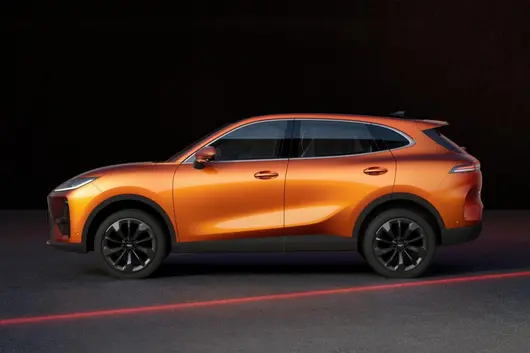

Dalam pasaran SUV di Malaysia, ramai pembeli semasa memilih kereta membandingkan Honda WR-V dan Mazda CX-3. Kedua-dua model ini harganya dan kedudukannya agak hampir. Hari ini kita akan membuat perbandingan terperinci dari pelbagai aspek untuk membantu anda menjimatkan masa membuat kajian.
Honda WR-V harga OTR di Malaysia ialah RM 89,900 - 107,900, terdapat 4 varian, termasuk 2023 1.5L V (RM 99,900), 2023 1.5L E (RM 95,900), 2023 1.5L S (RM 89,900) dan lain-lain.
Mazda CX-3 harga OTR di Malaysia ialah RM 126,159 - 139,159, terdapat 2 varian, termasuk 2023 2.0L High (RM 139,159), 2023 2.0L Plus (RM 126,159) dan lain-lain.
Dilihat dari harga, harga permulaan Honda WR-V memang lebih murah RM 36,259 berbanding Mazda CX-3. Jika bajet anda terhad, varian entry Honda sudah boleh memenuhi keperluan harian. Namun perlu diingat, perbezaan harga beberapa ribu itu mungkin ada kompromi pada peralatan, ia bergantung pada keperluan anda.

Honda WR-V dilengkapi enjin 1.5L 4-cyl, kuasa 105 hp. Penggunaan minyak rasmi 6.0 L/100km.
Mazda CX-3 dilengkapi enjin 1.5L Turbo, kuasa 140 hp. Penggunaan minyak rasmi 7.0 L/100km.
Dari segi kuasa, Mazda CX-3 1.5L Turbo mempunyai 35 hp lebih banyak berbanding Honda WR-V 1.5L 4-cyl. Walau bagaimanapun, untuk pemanduan harian di bandar, kuasa kedua-dua kereta ini sudah memadai, anda tidak akan terasa kurang tenaga.

Honda WR-V menggunakan penggerak FWD.
Mazda CX-3 menggunakan penggerak FWD.
Kedua-dua kereta ini menggunakan penggerak yang sama, iaitu FWD, pengalaman pemanduan harian tidak akan terlalu berbeza.

Honda WR-V waranti 5 tahun/km tanpa had, selang penyelenggaraan setiap 10,000km atau 6 bulan.
Mazda CX-3 waranti 5 tahun/150,000km, selang penyelenggaraan setiap 10,000km atau 6 bulan.

Honda WR-V dan Mazda CX-3 kedua-duanya merupakan pilihan utama pasaran Malaysia, sesuai untuk kegunaan keluarga dan perjalanan harian. Jika anda lebih menghargai reputasi jenama dan harga pasaran kedua, anda boleh memberi keutamaan kepada model dengan reputasi yang lebih baik; jika anda lebih mementingkan nilai wang dan peralatan, pilihlah model yang lebih kaya dengan peralatan. Akhir sekali, disarankan untuk mencuba kedua-dua model, pengalaman peribadi adalah yang paling penting.

Secara keseluruhan, Honda WR-V dan Mazda CX-3 kedua-duanya merupakan model yang sangat baik di pasaran Malaysia. Memilih mana satu, kunci utamanya adalah melihat keperluan dan bajet peribadi anda. Disarankan untuk membuat kajian terlebih dahulu, bandingkan beberapa sebut harga dari kedai kereta, barulah pergi mencuba untuk membuat keputusan akhir. Membeli kereta adalah perkara besar, menghabiskan masa membuat kajian pasti tidak salah.


Di pasaran SUV di Malaysia, ramai pembeli membuat perbandingan antara Honda WR-V dan Mazda CX-3 apabila memilih kereta. Kedua-dua kereta ini hampir sama dari segi harga dan sasaran pasaran. Hari ini, kita akan membuat perbandingan terperinci dari pelbagai aspek untuk membantu anda menjimatkan masa membuat kajian.
Harga OTR Honda WR-V di Malaysia ialah RM 89,900 - 107,900, terdapat 4 varian, termasuk 2023 1.5L V (RM 99,900), 2023 1.5L E (RM 95,900), 2023 1.5L S (RM 89,900) dan lain-lain.
Harga OTR Mazda CX-3 di Malaysia ialah RM 126,159 - 139,159, terdapat 2 varian, termasuk 2023 2.0L High (RM 139,159), 2023 2.0L Plus (RM 126,159) dan lain-lain.
Dari segi harga, harga permulaan Honda WR-V memang lebih murah RM 36,259 berbanding Mazda CX-3. Jika bajet anda terhad, versi permulaan Honda sudah cukup untuk memenuhi keperluan harian. Namun, perlu berhati-hati, perbezaan harga beberapa ribu ringgit itu mungkin melibatkan kompromi pada peralatan, bergantung pada keperluan anda.
Honda WR-V dilengkapi enjin 1.5L 4-silinder, kuasa 105 hp. Penggunaan bahan api rasmi 6.0 L/100km.
Mazda CX-3 dilengkapi enjin 1.5L Turbo, kuasa 140 hp. Penggunaan bahan api rasmi 7.0 L/100km.
Dari segi kuasa, Turbo 1.5L Mazda CX-3 mempunyai 35 hp lebih daripada Honda WR-V 1.5L 4-silinder. Namun, untuk penggunaan harian di bandar, kuasa kedua-dua kereta sudah memadai, tidak akan terasa kurang tenaga.
Penilaian keselamatan Honda WR-V adalah 5★ (ASEAN NCAP), sistem keselamatan aktif termasuk Honda SENSING.
Penilaian keselamatan Mazda CX-3 adalah 5★ (ASEAN NCAP), sistem keselamatan aktif termasuk i-Activsense.
Penilaian keselamatan kedua-dua kereta adalah sama, dalam kelas ini, peralatan keselamatan dianggap cukup lengkap. Keselamatan kereta baru sekarang tidak teruk, tidak perlu terlalu bimbang mengenai hal ini.
Honda WR-V menggunakan pemacu FWD.
Mazda CX-3 menggunakan pemacu FWD.
Cara pemacu kedua-dua kereta adalah sama, iaitu FWD, pengalaman memandu harian tidak akan banyak berbeza.
Secara keseluruhannya, Honda WR-V dan Mazda CX-3 adalah model kereta yang sangat baik di pasaran Malaysia. Memilih mana satu, kuncinya ialah melihat keperluan dan bajet anda sendiri. Kami menasihatkan anda untuk membuat kajian, membandingkan beberapa sebut harga dari pengedar kereta yang berbeza, kemudian buat ujian memandu untuk membuat keputusan akhir. Membeli kereta adalah perkara penting, meluangkan masa untuk membuat kajian tidak akan salah.


2026 年嘅中國汽車業,正處喺一個微妙嘅時刻。
價格戰已經打咗三年,從燃油車到新能源,從入門級到豪華車,無邊嗰陣都無人可以置身事外。上游原材料價格持續漲價,電池級碳酸鋰、車規級芯片、銅鋁橡膠等大宗商品價格居高不下。
下游市場陷入存量競爭,上半年乘用車零售同比下跌超過兩成,但各大車企嘅新品同產能投放並未收縮。
夾喺中間嘅整車廠,既要承擔上游漲價嘅成本壓力,又要應對智能化轉型嘅高額研發投入,仲要為保住份額不斷讓利,利潤空間被反覆壓縮切割。
「增量唔增利」,變成咗呢個行業最真實嘅寫照。
乘聯會數據顯示,2026 上半年汽車行業收入 5.19 萬億元,同比增 1.8%;利潤 1954 億元,降 20%,利潤率 3.8%,遠低於工業平均 6.5%。中汽協披露整車製造淨利率僅 1.5%,每車淨利約 3000 元,較 2023 年 5% 缩水七成。
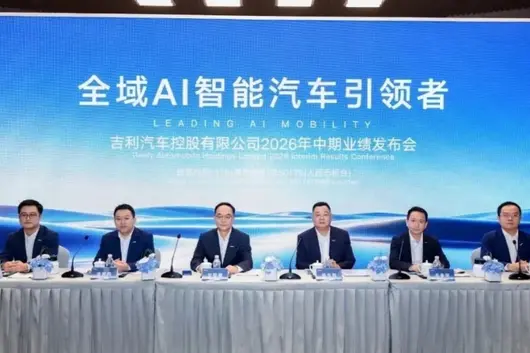
就喺呢樣行業寒冬裏,8 月 17 日,杭州,吉利汽車中期業績發布會現場,一條港交所嘅公告彈咗出嚟。
公告寫得好短:自 2026 年 8 月 18 日起,李書福辭任吉利汽車控股有限公司董事會主席同執行董事,獲任終身榮譽主席。接替佢嘅係安聰慧。李書福繼續擔任浙江吉利控股集團董事長。

半小時後,業績數據公佈,同行業大勢形成咗鮮明反差:上半年總營收 1736 億元,同比增長 15%,創歷史新高,連續六年保持穩健增長。
核心母公司股東應佔利潤 96.8 億元,同比增 46%,增速明顯跑贏營收增長,毛利率提升至 17.9%。
新能源銷量 79.95 萬輛,佔總銷量 56.2%。出口 47.42 萬輛,同比增長 158%。
喺國內整車製造淨利率僅 1.5% 嘅行業背景下,吉利交出一份核心母公司股東應佔淨利率 5.6% 嘅成績單。
李書福喺業績巔峰交出方向盤,而且係行業最艱難嘅時刻,呢個時間點嘅交棒,比任何聲明更能說明問題。
這唔係倉促嘅安排,而係一場李書福準備咗好耐嘅交接。
時間倒返 1996 年。
湖北經濟管理大學嘅田徑場上,一個從新疆嚟嘅年輕人正在跑步。一圈一圈,好似同自己較勁。
佢叫安聰慧,現代會計專業剛畢業,留校任教嘅手續已經走完。
同一年,李書福回到呢所佢早年上過嘅學校招人,吉利嗰陣仲無汽車工廠,就係一間做摩托車配件嘅廠子。
兩個人喺操場邊上站落嚟傾咗十幾分鐘,安聰慧後嚟亦無講過具體傾咗乜,只記得李書福問咗佢一句,想唔想做啲唔一樣嘅嘢。
嗰日午後佢做咗個魯莽嘅決定:放低咗鐵飯碗,去吉利當審核員。

校長勸佢,屋企人死活唔同意,一個教職人員點可以去下海?
安聰慧仲係決定搏一把,到吉利報到嗰陣,只帶咗被子,冇帶褥墊,心裡打算住隨時可以撤返嚟。
真正令佢決定留落嚟嘅,係一碗方便面。
有次出差途中突然遇到塌方,李書福高价從村民手裡買幾碗面,自己餓住肚,先分畀團隊入面嘅人。
好多年之後,佢喺內部會議上講過一句說話,語氣好平,好似唔係在講乜大道理。「我唔係職業經理人,」佢話,「我係創業家。」
吉利第一間汽車工廠係安聰慧建嘅。
嗰係 1998 年,佢入職仲唔到半年,派去臨海,要喺嗰片空地上面把車造出來。
當時嗰臨海工廠仲係一片泥地,遠處只有剛立起嚟嘅鋼架。第一款車叫「豪情」,下線嗰日佢帶住工人連軸轉咗 24 小時。

車係出嚟咗,但係供應鏈卡住咗。
天津發動機供應商每部要加價 5000 元,安聰慧飛去傾咗七日。磨穿嘴皮,最終只減咗 500 元,每部由 22000 元減到 21500 元,每賣一部,吉利仲係要蝕 3800 元。
嗰日夜晚,安聰慧一個人坐喺工地上面,好久未起身。
李書福後嚟回憶:「我一世都忘唔到嗰 7 日,我哋被迫簽咗協議。對任何公司嚟講都係唔合理、唔平等。」
這口氣令吉利下定決心自主研發,安聰慧主動掛帥 CVVT 發動機項目。
2003 年 10 月,吉利投資 2 億成立項目組。2006 年,中國首款 CVVT 國產發動機投入生產,吉利終於告別咗「心臟」受制於人嘅時代。
發動機之後係整車。
安聰慧幾乎住喺研發中心同測試場,帶領團隊拆解學習,摸索現代化生產體系。
2009 年,帝豪 EC7 上市,累計銷量突破 380 萬輛。然後係領克,依託同沃爾沃聯合開發嘅 CMA 架構,嗰係 2010 年吉利收購沃爾沃之後,安聰慧主導咗雙方嘅融合發展,由品牌定位到產品落地全程操盤。十年時間,領克累計賣咗 180 多萬輛。

2021 年,喺吉利做咗二十五年嘅安聰慧做咗一個令業界意外嘅決定:主動卸任吉利汽車集團 CEO,由零開始創立極氪品牌。
三年多之後,佢帶住極氪喺紐交所敲咗鐘。

三十年,由審核員到千億市值嘅董事會主席,安聰慧行咗一條睇落好似唔可能嘅路。
李書福對安聰慧嘅評價干脆到唔像客套說話:「德才兼備,品學兼優,事業心堅定,意志力超強。」
據接近吉利高層嘅知情人士透露,李書福三年前就開始提安聰慧接班嘅事,當時無太多人当真。
畢竟,63 歲喺初代民間企業車企入面仲算當打之年,但係李書福講這件事嗰陣,好認真。
今年 6 月重慶車展論壇上,李書福講咗句之前冇公開講過嘅說話:吉利幾年前就開始做傳承嘅規劃咗。
每一間大型公司都曾或者都會面對同樣嘅門檻。
1993 年,皮耶希接手大眾嗰陣,品牌只有三個。到佢任內擴張到十二個,十二個品牌嘅全球事務壓喺一個人身上,決策壓力撐到極限。
2015 年排放門爆發,大眾市值蒸發近半,危機倒逼大眾把權力拆開,分散到四個控股公司。

效果嚟得好快,2017 年第一季,大眾品牌收入降咗兩成多,利潤反而由 7300 萬歐元漲到 8.69 億歐元。
豐田則主動轉型,1995 年,奧田碩出任社長,係 1967 年以來第一個非豐田家族嘅掌舵人。
佢把全球化擺到最前面,推本地化生產,破年功序列制,提新人。佢甚至挑戰創辦人家族,要求豐田章男進入董事會嗰陣證明能力。
到 2006 年佢卸任嗰陣,豐田全球銷量 792 萬輛,係 11 年前嘅 1.7 倍。

其後豐田就固定成咗一種模式:家族看方向,職業經理人管經營。
即便係豐田章男個人持股,到現在都唔到 0.2%。
呢兩個故事解決係同一問題嘅兩個側面:一個係「一個人管唔到咁多」,另一個係「家族唔一定可以一直管」。
合埋指向一個結論:做到一定體量,企業就得從靠人轉向靠制度。
大眾用咗去中心化,豐田用咗職業經理人,吉利嘅答案係兩者嘅結合,一套事先搭好嘅三層結構。

控股層係吉利控股,李書福仲喺嗰度,管戰略同資本。經營層係吉利汽車集團,呢幾年已經係安聰慧、淦家閱佢哋喺打理。上市層即係 0175.HK,以前主席係李書福,而家換咗安聰慧。
三駕馬車各司其職:安聰慧統籌戰略同資本,桂生悅專職充當董事會、管理層同股東之間嘅溝通橋樑,淦家閱主抓日常運營。
李書福卸掉嘅唔係老闆身份,佢依然係控股股東,依然係吉利控股嘅董事長,佢卸掉嘅係上市公司經營者嘅具體職務。
呢套架構嘅核心,係把所有權同經營權拆開——家族握方向,經理人管落地。
呢種「家族控股、專業經營」嘅模式,家電圈有過先例。
何享健把美的畀方洪波團隊,企業穿越咗多個產業週期,但係汽車行業仲無一家同等体量嘅民間企業車企咁干過。
難點在於:以前靠李書福個人威信捏埋一齊嘅跨品牌協同,有無能變成制度化嘅能力?職業經理人團隊喺創辦人退到後台之後,仲有無能撐住戰略定力?呢啲問題,正係呢次交棒要回答嘅。

李書福喺視頻講話中話,吉利將嚴格落實企業三層治理結構,培養職業人才、建設職業化團隊。佢強調,要「確保企業三層治理結構有效透明運作」。
治理結構理顺之後,最直接嘅變化係戰略方向變得更清楚。
過去掌門人要盯嘅嘢太多,全球化嘅優先級被排到後面。安聰慧自己對全球化嘅判斷好明確。
喺接手極氪嗰陣,佢就發現,中國新能源車嘅技術優勢完全可以輸出到海外。而家佢只需要聚焦戰略,呢件事先至被真正推到最前面。
從歐洲到東南亞到南美,吉利嘅工廠佈局正喺拼出一張世界地圖。
沃爾沃歐洲工廠要承接吉利嘅豪華車,寶騰馬來西亞工廠要擴到 50 萬輛,西班牙嘅工廠喺規劃 50 萬產能。

上半年出口 47.42 萬輛,同比增長 158%,海外渠道破咗 2000 家,覆蓋 114 個市場。全年目標由 64 萬輛提到 92 萬輛,而家正往百萬輛行。
市場反應亦唔慢,公告當日,吉利汽車港股升咗 4.77%,收報 18.67 港元,市值一度突破 2000 億港元。但係第二天股價高開之後轉跌。
資本市場喺觀望:呢套制度,真係跑得通嗎?
業績本身站得住腳。1736 億營收,連續六年增長,淨利 96.8 億,同比增 46%,毛利率 17.9%。
據中汽協數據,國內整車製造環節平均淨利率已跌至 1.5%,創近十年新低。
呢份成績單放喺行業背景下,含金量更明顯。上半年累計回購 18.85 億港元,7 月每股派息 0.5 港元,同比提升 51.5%。
安聰慧喺業績會上面坦承,吉利而家仲「缺乏爆款產品」。台下安靜咗幾秒。
一個新上任嘅董事會主席,喺第一次公開亮相嗰陣承認短板,唔算常見。
但佢跟住畀咗時間表:下半年銀河要上一款硬派 SUV 叫「戰艦 700」,領克都要推新 G20。研發投入上半年 90.6 億,同比增長 8%,行政費用率降到 1.7%。費用向下走,研發向上漲,規模效應正喺兌現。吉利仲喺把一些已經跑出來嘅業務往上市公司入面裝。
數據回答咗「效果點樣」,但仲有一個更大嘅問題冇回答:呢對其他民間企業咩意思?
絕大多數民間企業揀咗家族式路線,宗馥莉接咗娃哈哈,曹暉接咗福耀。
李書福走嘅係另一條路。佢兒子李星星持有吉利控股 8.06% 嘅股份,喺零部件同資本平台上任職,而上市公司董事會主席嘅位置,畀咗一個共事三十年嘅職業經理人。
李書福喺內部反覆講過,吉利唔搞家族式管理,人才森林戰略要持續做。
2026 年中國汽車重慶論壇上,佢以《企業傳承同價值觀取向》為題發表演講,提出一個層層遞進嘅邏輯:企業嘅精氣神源自員工嘅精氣神,員工嘅精氣神源自管理層嘅精氣神,管理層嘅精氣神源自價值觀取向。
佢把傳承嘅本質定義成「把企業嘅核心價值觀、管理制度、治理體系完整咁傳遞畀下一代掌舵人同管理層」。
桂生悅喺業績發布會上講得更直接。佢話呢次人事變動係吉利「去家族化」嘅宣言,「標誌住吉利汽車已經從創辦人驅動嘅創業期同發展期,邁向咗由制度同團隊驅動嘅成熟期。企業將唔再依賴個人魅力同權威,而去依賴組織系統同人才梯隊」。對內部人才嚟講,「天花板被打破」。

吉利特別就特別喺,吉利唔單揀咗呢條少人走嘅路,而且係喺業績最好嗰陣主動邁出嚟。
唔係創辦人老咗撐唔住先至交,唔係危機嚟咗臨時抓人救火,喺掌聲最響嗰陣自己後退咗一步。
喺幾百家面對同樣問題嘅民間企業中,吉利嘅方案提供咗一個「第三種選擇」,既非血緣繼承,亦非外部空降,而是內部培養嘅子弟兵承接。
當創辦人逐漸退出具體經營之後,呢套體系仲有無能自己做出正確決策,將會係市場長期關注嘅焦點,安聰慧嘅經歷畀出一種可能。
一個喺體系入面長咗三十年嘅人,比任何人都更清楚呢套體系嘅開關喺邊度。
1998 年嗰個坐喺臨海工地泥地上面嘅年輕人,應該唔諗到,28 年後佢會接過一家千億上市公司,安聰慧嘅回應都好簡單:「接好呢棒,傳承呢棒。」
李書福用四十年造咗呢間公司,亦用四十年想明咗一件事:企業嘅生命力,唔應該系喺一個人身上,得嵌落制度入面。

《道德經》入面有一句說話:「生而不有,為而不恃,功成而弗居。夫唯弗居,是以不去。」
佢講過一句差唔多意思嘅大白話:創辦人最大嘅貢獻,係令企業離開佢之後仲可以繼續行落去。
吉利呢場交棒,最終嘅意義可能唔止喺吉利自己。
喺幾百家民間企業面對同樣選擇嘅時刻,吉利提供咗一個值得被看見嘅樣本——把舞台畀制度,把未來畀同袍。
一個偉大企業家能做到嘅最重要嘅嘢,大概這就是其中一個。
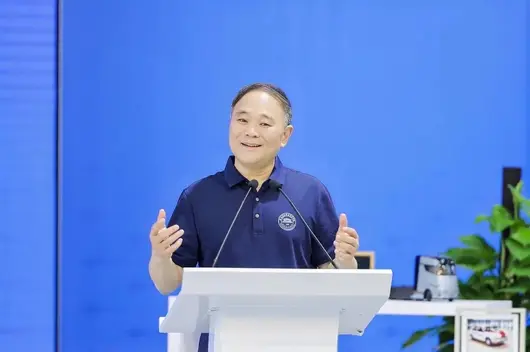

8 月 17 日,吉利汽車控股有限公司(0175.HK)發佈 2026 年中期業績。上半年總營收達 1736 億元,同比增長 15%,創歷史新高。核心歸屬母公司淨利潤達 96.8 億元,按年勁增 46%,增速跑贏營收增長;核心歸屬母公司淨利率 5.6%。喺行業價格戰持續、多數車企盈利承壓嘅背景下,近百億嘅核心利潤引起市場關注。

前插入行後插入行
同日,吉利汽車控股有限公司宣佈咗一項引發行業關注嘅管理層調整:創辦人李書福辭任吉利汽車控股有限公司董事會主席及執行董事職務,由喺吉利體系工作三十年嘅安聰慧接任。業績同人事嘅雙重消息叠加,吉利汽車午後股價拉升超 5%。
現任董事會副主席桂生喺業績會上将此次調整定性為:『這次大幅度人事變動並非簡單嘅人事更替,而係吉利汽車戰略級嘅組織進化宣言。』這標誌住吉利汽車已從『創辦人驅動』嘅創業期同發展期,邁向咗由『制度與團隊驅動』嘅成熟期。
量價利齊升
2026 年上半年,中國汽車市場『以價換量』仍係主旋律,吉利汽車卻實現咗量、價、利齊升。
財報顯示,吉利汽車上半年總銷量突破 142 萬輛,創同期新高。每車核心歸屬母公司淨利潤達 6806 元,同比提升 45%——反推去年同期約 4700 元,同樣係賣一輛車,今年比去年多賺約 2100 元。每車收入同比提升 16% 至 11.2 萬元。
利潤提升嘅直接原因係產品結構優化。極氪品牌上半年銷量 17.8 萬輛,僅佔總銷量 12.5%,卻貢獻咗 31.7% 嘅收入,平均客單價約 35 萬元。銀河以近 52 萬輛守住主流新能源基本盤,中國星超 58 萬輛蟬聯中國品牌燃油乘用車銷冠。高端向上、主流守穩、燃油輸血——『一個吉利』戰略整合兩年後,四大品牌首次如此清晰地各就其位。
與此同時,費用端沒有跟著規模膨脹。行政費用率同比下降 0.2 個百分點至 1.7%,研發投入比下降 0.3 個百分點至 5.2%,銷售費用率喺海外大擴張之下仍與上年持平。研發投入絕對值增長 8% 至 90.6 億元。上半年毛利率提升至 17.9%。
桂生喺業績會畀咗一個層層遞進嘅判斷:呢份財報『預料之中』——近年吉利銷量同利潤大概率都將創歷史新高;亦『亮眼』——行業平均利潤率僅 1.6%,吉利淨利率達 5.6%;但『並不驚艷』——國內汽車總銷量同比雙位數下滑,芯片同大宗商品原材料價格飛速上漲。佢同時表示:『我相信喺不久將來,會有人令人驚艷嘅財報出現。』
上市 21 年,分紅遠超融資
利潤增長嘅同時,吉利汽車持續加碼股東回報。上半年累計回購股份 18.85 億港元,7 月 30 日實施每股派息 0.5 港元,同比提升 51.5%,派息總額達 53.9 億港元。呢係吉利汽車連續第五年核心利潤派息率超過 30%。
浙江吉利控股集團董事長、吉利汽車控股有限公司終身榮譽主席李書福喺中期業績發布會披露咗一組對比數據:2005 年 5 月 19 日吉利汽車股票喺港交所上市時,股價 0.4 港元、市值 16 億港元;至 2026 年 8 月 12 日,股價 18.06 港元、市值 1948 億港元。每年分紅由 2005 年嘅 4000 萬港元到 2025 年嘅 54 億港元。『公司由資本市場上融資嘅金額遠遠少於公司分紅畀股東嘅金額,我哋堅持每年分紅,回報股東。』李書福話,『我哋基本上說到做到,用人格信守諾言,用能力兌現承諾。』
截至 6 月末,吉利汽車資金儲備達 695.6 億元,居於歷史高位。
『一個吉利』深化
李書福辭任後,獲委任為終身榮譽主席。佢對接替者、吉利汽車控股有限公司董事會主席安聰慧嘅評價用詞頗為罕見——『德才兼備,品學兼優,事業心堅定,意志力超強』。佢特意強調:『安聰慧係吉利體系內培養出來嘅優秀職業人才。』
公開資料顯示,安聰慧 1996 年加入吉利控股集團,由審計員開始職業生涯。此後三十年嘅履歷幾乎覆蓋咗吉利汽車產業擴張嘅每一個關鍵節點:由審計員到工程總指揮,由總經理到集團總裁,主導 CVVT 發動機項目,參與沃爾沃收購整合,一手創建領克。2021 年,佢主動請纓卸任吉利汽車集團 CEO,由零起步打造極氪品牌——唔到三年推動極氪登陸紐交所。2026 年初,佢出任浙江吉利控股集團首席執行官。
此次調整並非『一上一下』嘅簡單替換,而係一場四人聯動嘅精密調整。李書福辭任吉利汽車控股有限公司董事會主席同執行董事,繼續擔任浙江吉利控股集團董事長。安聰慧接任吉利汽車控股有限公司董事會主席。李東輝辭任董事會副主席職務,繼續擔任執行董事。桂生悅辭任行政總裁職務,轉任董事會副主席,繼續擔任執行董事。淦家閱獲任行政總裁,負責日常運營。
四人各挪一步,董事會、戰略層、執行層三級治理架構一次理順。桂生喺業績會進一步闡釋:吉利汽車將係安聰慧擔任主席嘅吉利體系內唯一一間上市公司。這意味著吉利將繼續落實《台州宣言》,集中集團所有優質資源,做大、做實、做強上市公司。
李書福喺視頻中闡述咗吉利嘅核心價值觀:『用戶至上、戰略引領、元動力保障』。佢特別解釋:『元動力係企業嘅元氣,係員工嘅心氣,我哋一定要令員工嘅心與企業一齊。』吉利專門成立咗人才集團,2026 年發起『跨時代躍遷人才培養計劃』同『跨時代實戰專業能力培養計劃』。由基石計劃到跨時代躍遷計劃,吉利正喺構建由高中畢業生到高管嘅全鏈條培養體系。
海外提速同技術轉身
海外市場成為第二增長曲線。上半年海外銷量超 47.4 萬輛,已超 2025 年全年出口總量,同比大增 158%。6 月同 7 月海外銷量連超 10 萬輛,排名升至中國車企出海銷量第三位。吉利汽車據此將全年海外銷量目標由 64 萬輛上調至 92 萬輛,衝刺年銷 100 萬輛。
安聰慧喺業績會上透露,吉利自成立之初就確立咗『令三分之二嘅汽車銷往海外』嘅長期戰略。具體落實為『123456』框架——打造 1 個海外吉利體系,歐洲 60 萬級、東盟 50 萬級、拉美非 40 萬級、東歐 30 萬級、中東亞 20 萬級,合計 200 萬輛規劃。海外本地化產能佈局首次系統披露:沃爾沃歐洲工廠將承接吉利體系內豪華車生產,2028 年投產;寶騰馬來西亞工廠由 20 萬輛提升至 50 萬輛;福特西班牙工廠 50 萬輛產能;雷諾巴西項目 30 萬輛產能;雷諾韓國工廠已投產。
喺燃油車領域,淦家閱透露咗一個重大戰略轉向:『未來我哋唔再研發傳統燃油汽車,而係將所有燃油汽車全部轉向 i-HEV。呢個係經營管理班子同產品戰略委員會做出嘅重大決定。』i-HEV 智擎混動技術油耗比日系混動標桿低 12%,零百加速快 1 秒以上。下半年將推出星越、星瑞、博越 L 等 i-HEV 車型。
2026 年開年至今,吉利汽車係 A 股同 H 股入面唯一股價正增長嘅中國乘用車整車股。花旗、摩根士丹利、摩根大通等數十家國內外投行給予『增持』『買入』等評級。
喺行業價格戰白熱化、中國汽車業平均利潤率持續承壓嘅背景下,呢份近百億核心利潤嘅成績單,為呢場醞釀多年嘅交接提供咗最堅實嘅底氣。由 1996 年安聰慧加入吉利,到 2026 年佢接任吉利汽車控股有限公司董事會主席,整整三十年。李書福繼續喺浙江吉利控股集團層面掌舵全局,安聰慧及其職業經理人團隊操盤上市公司,權責清晰,各守其位。李書福喺中期業績發布會上話:『公司由資本市場上融資嘅金額遠遠少於公司分紅畀股東嘅金額,我哋堅持每年分紅,回報股東。我哋基本上說到做到,用人格信守諾言,用能力兌現承諾。』

Di pasaran SUV di Malaysia, ramai pembeli semasa memilih kereta sering membandingkan Honda WR-V dan Toyota Corolla Cross. Kedua-dua kereta ini memiliki harga dan kedudukan pasaran yang hampir sama, hari ini kita akan membuat perbandingan terperinci dari pelbagai aspek untuk membantu anda menjimatkan masa membuat riset.
Honda WR-V dijual di Malaysia dengan harga OTR RM 89,900 - 107,900, terdapat 4 varian, termasuk 2023 1.5L V (RM 99,900), 2023 1.5L E (RM 95,900), 2023 1.5L S (RM 89,900) dan lain-lain.
Toyota Corolla Cross dijual di Malaysia dengan harga OTR RM 133,800 - 148,800, terdapat 3 varian, termasuk 2026 HEV 1.8L GR Sport (RM 148,800), 2026 HEV 1.8L Standard (RM 140,800), 2026 1.8L Standard (RM 133,800) dan lain-lain.
Dari segi harga, harga permulaan Honda WR-V memang lebih murah RM 43,900 berbanding Toyota Corolla Cross. Jika bajet anda terhad, versi permulaan Honda sudah boleh memenuhi keperluan harian. Tetapi perlu diingat, perbezaan harga beberapa ribu ini mungkin melibatkan kompromi pada kelengkapan, bergantung kepada keperluan anda.
Honda WR-V dilengkapi enjin 1.5L 4-silinder, kuasa 105 hp. Konsumsi bahan api rasmi 6.0 L/100km.
Toyota Corolla Cross dilengkapi enjin 1.5L Turbo, kuasa 140 hp. Konsumsi bahan api rasmi 7.0 L/100km.
Dari segi tenaga, 1.5L Turbo Toyota Corolla Cross mempunyai 35 hp lebih banyak berbanding 1.5L 4-silinder Honda WR-V. Namun untuk pemakaian harian di bandar, kuasa kedua-dua kereta ini sudah memadai, anda tidak akan rasa kurang tenaga.
Honda WR-V menggunakan sistem pemacu FWD.
Toyota Corolla Cross menggunakan sistem pemacu FWD.
Sistem pemacu kedua-dua kereta adalah sama, iaitu FWD, tiada perbezaan besar dalam pengalaman memandu harian.
Honda WR-V mempunyai jaminan 5 tahun/jarak tanpa had, selang penyelenggaraan setiap 10,000km atau 6 bulan.
Toyota Corolla Cross mempunyai jaminan 5 tahun/jarak tanpa had, selang penyelenggaraan setiap 10,000km atau 6 bulan.
Syarat jaminan kedua-dua kereta adalah sama, tidak perlu bimbang mengenai ini. Kos penyelenggaraan sebenar bergantung pada rangkaian perkhidmatan jenama dan harga komponen, disyorkan bertanya kepada pemilik sebenar dalam kumpulan pengguna kereta.

Honda WR-V dan Toyota Corolla Cross adalah pilihan utama di pasaran Malaysia, sesuai untuk kegunaan keluarga dan perjalanan harian. Jika anda lebih menghargai reputasi jenama dan nilai pasaran tangan kedua, boleh mempertimbangkan model yang mempunyai reputasi lebih baik dahulu; jika anda lebih mementingkan nisbah harga-keupayaan dan kelengkapan, pilih model dengan kelengkapan lebih kaya. Akhir sekali disyorkan untuk memandu uji kedua-duanya, pengalaman sendiri adalah yang paling penting.
Secara keseluruhan, Honda WR-V dan Toyota Corolla Cross adalah model kereta yang sangat baik di pasaran Malaysia. Memilih yang mana, kuncinya adalah bergantung pada keperluan peribadi dan bajet anda. Disyorkan agar anda menyiapkan penyelidikan, bandingkan harga dari beberapa agensi kereta, baru pergi memandu uji untuk membuat keputusan akhir. Membeli kereta adalah perkara besar, meluangkan masa untuk penyelidikan pasti tidak salah.

喺馬來西亞嘅 SUV 市場,好多買家喺揀車嗰陣都會拎本田 WR-V 同馬自達 CX-5 嚟做比較。呢兩款車喺價位同定位上都好接近,今日我哋就由多個方面做一個詳細嘅對比,幫你節省做功課嘅時間。
本田 WR-V 喺馬來西亞嘅 OTR 售價係 RM 89,900 - 107,900,一共有 4 個版本,包括 2023 1.5L V(RM 99,900)、2023 1.5L E(RM 95,900)、2023 1.5L S(RM 89,900) 等。
馬自達 CX-5 喺馬來西亞嘅 OTR 售價係 RM 135,469 - 166,760,一共有 3 個版本,包括 2025 2.0L AT 35th Anniversary(RM 316,154)、2025 2.0L AT(RM 296,154)、2025 2.0L MT(RM 294,154) 等。
由價錢睇落,本田 WR-V 嘅起價確實比馬自達 CX-5 平咗 RM 45,569。如果你預算有限,本田嘅入門版已經可以滿足日常需要。但都要留意,平咗嗰幾千塊,可能喺配備上要有取舍,具體要睇你嘅需要。
本田 WR-V 裝 1.5L 4-cyl,馬力 105 匹。官方油耗 6.0 L/100km。
馬自達 CX-5 裝 1.5L Turbo,馬力 140 匹。官方油耗 7.0 L/100km。
動力方面,馬自達 CX-5 嘅 1.5L Turbo 比本田 WR-V 嘅 1.5L 4-cyl 多咗 35 匹馬力。不過日常喺市區開,兩款車嘅動力都夠用,唔會覺得唔夠力。
本田 WR-V 嘅安全評級係 5★ (ASEAN NCAP),主動安全系統包括 Honda SENSING。
馬自達 CX-5 嘅安全評級係 5★ (ASEAN NCAP),主動安全系統包括。
兩款車嘅安全評級一樣,喺呢個級別裡面安全配備都算好齊全。而家嘅新車安全性都唔差,唔使太擔心呢一點。
本田 WR-V 保修 5 年/無限制里程,保養間隔 每 10,000km 或 6 個月。
馬自達 CX-5 保修 5 年/150,000km,保養間隔 每 10,000km 或 6 個月。

總括嚟講,本田 WR-V 同馬自達 CX-5 都係馬來西亞市場幾唔錯嘅車型。揀邊部,關鍵都要睇你個人嘅需要同預算。建議大家做足功課,多比較幾間車行嘅報價,然後去試駕做最終決定。買車係件大事,花少少時間做功課絕對唔會錯。

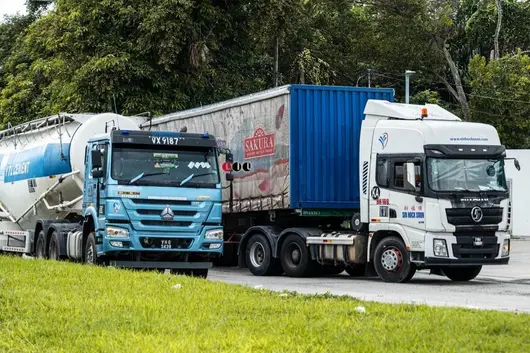
In a certain port in Southeast Asia, Chinese heavy trucks are queuing to unload from ships. Not far away, an old Hino heavy truck rumbles past, the driver curiously inspecting these "new faces". This scene is playing out simultaneously at major ports, mines, and infrastructure construction sites across Southeast Asia. Commercial Vehicle Community believes that Chinese heavy trucks are sweeping Southeast Asia, but the decisive battle has only just begun!

Data shows that the import share of Chinese heavy trucks in Southeast Asia has surged to 73.7%, leaving Japan (14.6%) and Europe far behind. It is expected that exports of Chinese heavy trucks to Southeast Asia will grow to 263,000 units by 2030. This means that in the future, for every three heavy trucks sold in Southeast Asia, two will bear a Chinese brand badge.
But don't rush to celebrate victory yet. On the dusty construction site, the contractor might tell you another story: his fleet includes Sinotruk's HOWO, as well as Mitsubishi Fuso that have been running for over a decade. "Chinese trucks are cheap, but Japanese trucks are durable," he said, patting the hood of the Isuzu beside him.

Japanese brands took root in Southeast Asia as early as the 1960s, operating factories in Thailand and Indonesia with an annual output of hundreds of thousands of vehicles. Parts localization rates exceed 90%, and their channels are deeply bound with local conglomerates such as Astra and Indomobil. This is a moat built up over time, not something that can be filled in overnight.
However, changes are happening. Vietnam is the most aggressive; from January to May this year, Chinese exports of heavy trucks to Vietnam soared 83% year-on-year, with market share jumping from 31.9% in 2018 all the way to 93.7%. The reason is not complicated: projects such as the North-South High-Speed Railway and the Lao Cai-Hanoi-Hai Phong Railway have started one after another, causing heavy truck demand to explode.

In Indonesia, Chinese heavy trucks shine in various mines. The production and price fluctuations of nickel, tin, and coal directly determine the procurement willingness of local fleets. The share of Chinese brands in this market has approached 80%, but exports in the first five months of 2026 fell slightly by 3.8%, indicating that even minor fluctuations in the commodity cycle can still disturb the market.
The biggest headache for Chinese automakers is the Philippines. Japanese brands have maintained stable shipments of over 7,000 units for years, and users have extremely strong brand loyalty towards Japanese cars with high residual value and low total lifecycle costs. Although Chinese brands' share increased from 48.4% to 61.7%, every step forward involves gnawing on hard bones.

This raises a key question: How do Chinese heavy trucks win? Three keywords: Capacity implementation, Channel control, After-sales density. Simply put, upgrading from whole vehicle exports to localized KD assembly, and from relying on dealers to building their own service networks, this determines whether Chinese brands can transition from "incremental replacement" to "stock replacement".
Foton's layout in Thailand is a sample worth observing. It partnered with CP Group to build a factory, moving both manufacturing and powertrains to the Southeast Asian hinterland. Sinotruk signed a joint venture KD factory contract in Hai Phong, Vietnam, planning an annual production of 15,000 units, with production starting in 2028.

This localized production, sales, and service approach is changing the game rules, but it does not mean Chinese heavy trucks can rest easy. Japanese brands are accelerating integration; Isuzu acquired UD Trucks, starting a full merger in 2026; Hino and Mitsubishi Fuso merged into ARCHION in April 2026, aiming to become the leading enterprise in Asian commercial vehicles.
After the integration of Japanese brands, procurement synergy, development synergy, and production synergy will directly translate into cost advantages and product capability improvements. In other words, Japanese giants are not lying flat; they are holding back a big move. In the Southeast Asian market, Japanese heavy trucks remain a strong opponent of Chinese heavy trucks and cannot be ignored for a long time.
Final Thoughts
Looking back from the node of the second half of 2026, Chinese heavy trucks completed a beautiful surprise strike in Southeast Asia, but the decisive battle has only just begun. Shifting from grabbing incremental markets to facing the Japanese moats head-on in the stock market, Chinese heavy trucks still have a long way to go.

喺馬來西亞嘅 SUV 市場,好多買家喺揀車嘅時候都會拿本田 WR-V 同馬自達 CX-30 嚟做比較。呢兩部車喺價位同定位上都幾接近,今日我哋就從多個方面做一個詳細嘅比較,幫你攞咗做功課嘅時間。
本田 WR-V 喺馬來西亞嘅 OTR 售價係 RM 89,900 - 107,900,一總共有 4 個版本,包括 2023 1.5L V(RM 99,900)、2023 1.5L E(RM 95,900)、2023 1.5L S(RM 89,900) 咁樣。
馬自達 CX-30 喺馬來西亞嘅 OTR 售價係 RM 122,409 - 146,409,一總共有 4 個版本,包括 2025 2.0L High+ Premium(RM 146,409)、2025 2.0L High+(RM 138,409)、2025 2.0L High(RM 130,409) 咁樣。
從價錢睇落,本田 WR-V 嘅起步價確實比馬自達 CX-30 平咗 RM 32,509。如果你預算有限,本田嘅入門版已經可以滿足日常需求。不過都要留意,嗰幾千蚊,可能喺配備上有取捨,具體要睇你嘅需求。
本田 WR-V 嘅安全評級係 5★ (ASEAN NCAP),主動安全系統包括本田 SENSING。
馬自達 CX-30 嘅安全評級係 5★ (ASEAN NCAP),主動安全系統包括 i-Activsense。
兩部車嘅安全評級一樣,喺呢個級別入面安全配備都俾得好齊全。而家嘅新車安全性都唔差,唔使太擔心呢一點。
本田 WR-V 採用 FWD 驅動方式。
馬自達 CX-30 採用 FWD 驅動方式。
兩部車嘅驅動方式一樣,都係 FWD,日常駕駛嘅感受唔會有太大分別。
本田 WR-V 保養保修 5 年/無限制里程,保養間隔 每 10,000km 或 6 個月。
馬自達 CX-30 保養保修 5 年/150,000km,保養間隔 每 10,000km 或 6 個月。

總體嚟講,本田 WR-V 同馬自達 CX-30 都係馬來西亞市場好好嘅車型。揀邊一輛,關鍵仲係要睇你嘅個人需求同預算。建議大家做好功課,多比較幾間車行嘅報價,先至去試駕先做最終決定。買車係件大事,花少少時間做功課絕對唔會錯。

2026年8月17日,吉利汽车中期业绩发布会公布了一个数字:上半年海外出口销量47.42万辆,同比增长158%。同一天,吉利宣布将全年海外销量目标从64万辆大幅上调至92万辆,并向年销100万辆发起冲刺。
这意味着,吉利有望在2026年成为中国第三家海外年销突破百万辆的车企。
2025年全年,吉利海外出口42万辆。而2026年仅上半年,这一数字就被刷新至47.42万辆。一年之间,海外销量占比从13%跃升至33%。
更值得注意的是结构的变化。上半年新能源车型出口27.72万辆,同比暴增585%,占出口总量的58.5%。6月单月出口首次突破10万辆;7月再接再厉,海外出口达10.7万辆,再创单月新高。
为何销量爆发的如此猛烈?
在8月17日的业绩发布会上,吉利控股集团CEO安聪慧披露了海外产能的三大支柱:
沃尔沃欧洲工厂自2028年起生产吉利体系内高档豪华车型,成为吉利欧洲高端战略基地。

宝腾马来西亚工厂正在进行技术改造,产能由20万辆提升至50万辆,打造为东南亚生产制造基地。
吉利以2.21亿欧元收购福特西班牙子公司34%股权,共享瓦伦西亚工厂50万辆年产能。预计2027年上半年运营,2028年首款车型下线,将生产吉利银河和领克产品。
此外,吉利海外生产基地还包括与雷诺合作的南美巴西、韩国工厂等。据披露,上半年吉利已投入运营的海外制造工厂达12座,海外产能超65万辆,预计年底将超过84万辆。
安聪慧强调,吉利将统筹集团内部各品牌及外部战略合作伙伴资源,实现“共同投入、联合开发、共享产能、共用本地供应链”。李书福也明确表示,在新的全球化转型进程中,“吉利汽车不会新建产能,坚持与全球同行合作共赢,共享产能”。
这是一种轻资产、高协同的全球化路径。不盲目建厂,而是通过收购、合资、改造,将全球闲置产能“为我所用”。
然而产能只是“硬件”,市场布局才是“软件”。
2026年,吉利确立了五大重点海外市场:东盟、泛欧、东欧、拉美非洲及中东亚太。东盟冲刺30万级市场,泛欧、东欧、拉美三个市场冲刺20万级,中东亚太瞄准10万级。
更长远的目标是“23456”阵列:欧洲60万辆、东盟50万辆、拉美及非洲40万辆、东欧30万辆、中亚与中东20万辆,合计200万辆。
渠道建设同步提速。吉利品牌销售网络已覆盖全球88个国家、1200余家终端网点。2026年计划将吉利品牌门店增至1300家,极氪品牌开设500家。
2025年,奇瑞以134.4万辆出口量蝉联冠军,上汽107.1万辆位居第二,比亚迪104.96万辆排名第三。吉利以42万辆位列第六。
但2026年的格局正在剧烈变化。上半年,奇瑞出口93.15万辆居首,比亚迪76.93万辆紧随其后。吉利海外销量47.42万辆,稳居前三阵营。
在全球层面,2026年上半年国际汽车集团销量份额榜上,吉利集团以4.6%的份额排名全球第七。三家中国车企:比亚迪、吉利、奇瑞,同时跻身全球销量前十。
结语:
安聪慧在业绩会上透露了一个细节:海外市场贡献三分之二销量的长期战略目标,“自吉利成立之初由董事长李书福提出,公司已沿此战略推进30年”。彼时,这听起来像天方夜谭。30年后,这个目标正在从理想照进现实。
吉利正在用一张遍布三大洲的产能网络,编织一个百万辆级的海外版图。而这张版图的终点,远不止100万辆。
吉利的百万辆冲刺,不只是销量的跃升,更是一个中国车企全球化方法论的胜利——轻资产、重整合、多品牌、体系化。这条路,或许正是中国汽车出海从"量变"走向"质变"的范本。
来源:车观察
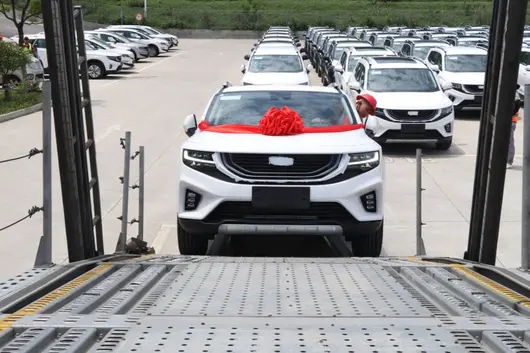

喺馬來西亞嘅 SUV 市場,好多人揀車嗰陣都會拿本田 WR-V 同馬自達 CX-3 做比較。呢兩款車喺價位同定位上都好接近,今日我哋就從多個方面做一個詳細嘅比較,幫你節省做功課嘅時間。
本田 WR-V 喺馬來西亞嘅 OTR 售價係 RM 89,900 - 107,900,總共有 4 個版本,包括 2023 1.5L V(RM 99,900)、2023 1.5L E(RM 95,900)、2023 1.5L S(RM 89,900)等。
馬自達 CX-3 喺馬來西亞嘅 OTR 售價係 RM 126,159 - 139,159,總共有 2 個版本,包括 2023 2.0L High(RM 139,159)、2023 2.0L Plus(RM 126,159)等。
從價錢睇嚟,本田 WR-V 嘅起步價確實比馬自達 CX-3 平咗 RM 36,259。如果你預算有限,本田嘅入門版已經可以滿足日常需求。但都要留意,平嗰幾千蚊,可能喺配備上會有取捨,具體要看你嘅需求。
本田 WR-V 搭載 1.5L 4-cyl,馬力 105 hp。官方油耗 6.0 L/100km。
馬自達 CX-3 搭載 1.5L Turbo,馬力 140 hp。官方油耗 7.0 L/100km。
動力方面,馬自達 CX-3 嘅 1.5L Turbo 比本田 WR-V 嘅 1.5L 4-cyl 多咗 35 匹馬力。不過日常喺市區開,兩款車嘅動力都夠用,唔會覺得唔夠力。
本田 WR-V 車身長 4400 mm,行李廂 400 L。
馬自達 CX-3 車身長 4500 mm,行李廂 450 L。
空間方面,馬自達 CX-3 嘅車身比本田 WR-V 長咗 100 mm,乘坐空間更有優勢。不過本田 WR-V 喺城市入面泊車會靈活少少,各有各嘅取捨。
本田 WR-V 保用 5 年/無限里程,保養間隔 每 10,000km 或 6 個月。
馬自達 CX-3 保用 5 年/150,000km,保養間隔 每 10,000km 或 6 個月。
總嚟講,本田 WR-V 同馬自達 CX-3 都係馬來西亞市場幾唔錯嘅車型。揀邊一輛,關鍵仲係要看你嘅個人需求同預算。建議大家做好功課,多比較幾間車行嘅報價,先去試駕先決定。買車係件大事情,花少少時間做功課絕對唔會錯。

喺馬來西亞嘅 SUV 市場,好多買家喺揀車嘅時候都會拿 Honda WR-V 同 Toyota Corolla Cross 嚟做比較。這兩款車喺價位同定位上都幾接近,今日我哋就從多個方面做一個詳細嘅比較,幫你省返做功課嘅時間。
Honda WR-V 喺馬來西亞嘅 OTR 售價係 RM 89,900 - 107,900,一總共有 4 個版本,包括 2023 1.5L V(RM 99,900)、2023 1.5L E(RM 95,900)、2023 1.5L S(RM 89,900) 等。
Toyota Corolla Cross 喺馬來西亞嘅 OTR 售價係 RM 133,800 - 148,800,一總共有 3 個版本,包括 2026 HEV 1.8L GR Sport(RM 148,800)、2026 HEV 1.8L Standard(RM 140,800)、2026 1.8L Standard(RM 133,800) 等。
從價錢嚟睇,Honda WR-V 嘅起步價確實比 Toyota Corolla Cross 平咗 RM 43,900。如果你預算有限,Honda 嘅入門版已經可以滿足日常需要。但都要注意,平嗰幾千蚊,可能喺配備上有取捨,具體要睇你嘅需求。
Honda WR-V 配備 1.5L 4-cyl,馬力 105 hp。官方油耗 6.0 L/100km。
Toyota Corolla Cross 配備 1.5L Turbo,馬力 140 hp。官方油耗 7.0 L/100km。
動力方面,Toyota Corolla Cross 嘅 1.5L Turbo 比 Honda WR-V 嘅 1.5L 4-cyl 多咗 35 匹馬力。不過日常喺市區開,兩款車嘅動力都夠用,唔會覺得唔夠力。
Honda WR-V 車身長 4400 mm,行李箱 400 L。
Toyota Corolla Cross 車身長 4400 mm,行李箱 400 L。
兩款車嘅尺寸幾乎一樣,車內空間分別唔大。呢個級別嘅車,日常使用完全夠用。
Honda WR-V 採用 FWD 驅動方式。
Toyota Corolla Cross 採用 FWD 驅動方式。
兩款車嘅驅動方式一樣,都係 FWD,日常駕駛感受唔會有太大分別。
Honda WR-V 同 Toyota Corolla Cross 都係馬來西亞市場嘅主流選擇,適合家庭使用、日常通勤。如果你更重視品牌口碑同二手價,可以優先考慮口碑更好嗰一款;如果你更在意性價比同配備,就揀配置更豐富嗰款。最終都係建議兩款都去試駕,親身體驗先係最重要。
總體嚟講,Honda WR-V 同 Toyota Corolla Cross 都係馬來西亞市場幾唔錯嘅車款。揀邊輛,關鍵都要睇你嘅個人需求同預算。建議大家做好功課,多比較幾間車行嘅報價,再去試駕做最終決定。買車係件大事,花少少時間做功課絕對唔會錯。

喺馬來西亞嘅 SUV 市場,好多買家喺揀車嘅時候都會拿本田 WR-V 同豐田 Corolla Cross 嚟做比較。呢兩台車喺價位同定位上都相當接近,今日我哋就從多個方面做一個詳細嘅比較,幫你省返做功課嘅時間。
本田 WR-V 喺馬來西亞嘅 OTR 售價係 RM 89,900 - 107,900,一共有 4 個版本,包括 2023 1.5L V(RM 99,900)、2023 1.5L E(RM 95,900)、2023 1.5L S(RM 89,900)等。
豐田 Corolla Cross 喺馬來西亞嘅 OTR 售價係 RM 133,800 - 148,800,一共有 3 個版本,包括 2026 HEV 1.8L GR Sport(RM 148,800)、2026 HEV 1.8L Standard(RM 140,800)、2026 1.8L Standard(RM 133,800)等。
由價錢睇,本田 WR-V 嘅起步價確實比豐田 Corolla Cross 平咗 RM 43,900。如果你預算有限,本田嘅入門版已經可以應付日常需要。但要注意,平嗰幾千蚊,可能喺配備上會有取捨,具體要睇你嘅需要。
本田 WR-V 搭載 1.5L 4-cyl,馬力 105 hp。官方油耗 6.0 L/100km。
豐田 Corolla Cross 搭載 1.5L Turbo,馬力 140 hp。官方油耗 7.0 L/100km。
動力方面,豐田 Corolla Cross 嘅 1.5L Turbo 比本田 WR-V 嘅 1.5L 4-cyl 多咗 35 匹馬力。不過日常喺市區開,兩台車嘅動力都足夠,唔會覺得唔夠力。
本田 WR-V 嘅安全评分係 5★ (ASEAN NCAP),主動安全系統包括本田 SENSING。
豐田 Corolla Cross 嘅安全评分係 5★ (ASEAN NCAP),主動安全系統包括 TSS (PCS, LDA, ACC, LTA)。
兩台車嘅安全评分一樣,喺呢個級別入面安全配備都算好齊全。依家嘅新車安全性都唔差,唔使太擔心這一點。
本田 WR-V 車身長 4400 mm,後尾箱 400 L。
豐田 Corolla Cross 車身長 4400 mm,後尾箱 400 L。
兩台車嘅尺寸幾乎一樣,車內空間分別唔大。呢個級別嘅車,日常使用完全足夠。
本田 WR-V 採用 FWD 驅動方式。
豐田 Corolla Cross 採用 FWD 驅動方式。
兩台車嘅驅動方式一樣,都係 FWD,日常駕駛感受唔會有太大分別。
總體嚟講,本田 WR-V 同豐田 Corolla Cross 都係馬來西亞市場幾唔錯嘅車款。揀邊台車,關鍵始終要睇你嘅個人需要同預算。建議大家做好功課,多比較幾間車行嘅報價,再去試駕做最後決定。買車係件大事,花少少時間做功課絕對唔會錯。
In the Malaysian SUV market, many buyers compare Honda WR-V and Toyota Corolla Cross when choosing a car. These two cars are quite close in price and positioning. Today we will make a detailed comparison from multiple aspects to help you save time on research.
The OTR price of Honda WR-V in Malaysia is RM 89,900 - 107,900, with a total of 4 versions, including 2023 1.5L V (RM 99,900), 2023 1.5L E (RM 95,900), 2023 1.5L S (RM 89,900) etc.
The OTR price of Toyota Corolla Cross in Malaysia is RM 133,800 - 148,800, with a total of 3 versions, including 2026 HEV 1.8L GR Sport (RM 148,800), 2026 HEV 1.8L Standard (RM 140,800), 2026 1.8L Standard (RM 133,800) etc.
From a price perspective, the starting price of Honda WR-V is indeed RM 43,900 cheaper than Toyota Corolla Cross. If your budget is limited, Honda's entry-level version is already sufficient for daily needs. But also note that the savings of a few thousand might involve trade-offs in features, it depends on your specific needs.
Honda WR-V is equipped with 1.5L 4-cyl, 105 hp power. Official fuel consumption 6.0 L/100km.
Toyota Corolla Cross is equipped with 1.5L Turbo, 140 hp power. Official fuel consumption 7.0 L/100km.
In terms of power, the 1.5L Turbo in Toyota Corolla Cross has 35 more horsepower than the 1.5L 4-cyl in Honda WR-V. However, for daily driving in the city, the power of both cars is sufficient, you won't feel like it lacks power.
Honda WR-V warranty 5 years/unlimited mileage, maintenance interval every 10,000km or 6 months.
Toyota Corolla Cross warranty 5 years/unlimited mileage, maintenance interval every 10,000km or 6 months.
The warranty conditions for both cars are the same, no need to worry about this aspect. Actual maintenance costs depend on the brand's service network and spare part prices, it is recommended to ask real owners in car owner groups for their experience.
Both Honda WR-V and Toyota Corolla Cross are mainstream choices in the Malaysian market, suitable for family use and daily commuting. If you value brand reputation and resale value more, you can prioritize the one with better reputation; if you care more about cost-performance ratio and features, choose the one with richer configuration. Finally, it is recommended to test drive both, personal experience is the most important.
In general, both Honda WR-V and Toyota Corolla Cross are very good models in the Malaysian market. Choosing which one depends mainly on your personal needs and budget. It is recommended to do your research, compare quotes from several dealerships, and then test drive to make a final decision. Buying a car is a big matter, spending time on research will definitely not be wrong.

In Malaysia's SUV market, many buyers compare Honda WR-V and Toyota Yaris Cross when choosing a vehicle. These two cars are quite close in price and positioning. Today we will conduct a detailed comparison from multiple aspects to help you save time on research.
The Honda WR-V OTR price in Malaysia is RM 89,900 - 107,900, with 4 versions in total, including 2023 1.5L V (RM 99,900), 2023 1.5L E (RM 95,900), 2023 1.5L S (RM 89,900), etc.
The Toyota Yaris Cross OTR price in Malaysia is RM 99,900 - 109,900, with 2 versions in total, including 2026 1.5L Standard (RM 99,900), 2026 HEV 1.5L Standard (RM 109,900), etc.
From a price perspective, the Honda WR-V starting price is indeed RM 10,000 cheaper than the Toyota Yaris Cross. If your budget is limited, Honda's entry-level version can already meet daily needs. However, note that the cheaper few thousand might involve trade-offs in features, which depends on your specific needs.
Honda WR-V is equipped with a 1.5L 4-cylinder, 105 hp. Official fuel consumption 6.0 L/100km.
Toyota Yaris Cross is equipped with a 1.5L 4-cylinder, 105 hp. Official fuel consumption 6.0 L/100km.
Both cars use the same powertrain, the driving feel is basically the same in daily use. Fuel consumption is also similar, no need to worry too much about this point.
Honda WR-V body length 4400 mm, trunk 400 L.
Toyota Yaris Cross body length 4400 mm, trunk 400 L.
The dimensions of both cars are almost the same, interior space differences are not significant. For this class of cars, daily use is completely sufficient.
Honda WR-V warranty 5 years/unlimited mileage, maintenance interval every 10,000km or 6 months.
Toyota Yaris Cross warranty 5 years/unlimited mileage, maintenance interval every 10,000km or 6 months.
Both cars have the same warranty conditions, no need to worry about this aspect. Actual maintenance costs depend on the brand's service network and parts prices, recommend asking real owners in car communities for their experiences.

Overall, Honda WR-V and Toyota Yaris Cross are both very good models in the Malaysian market. Which one to choose depends mainly on your personal needs and budget. We recommend doing your research, comparing quotes from several car dealerships, and then test driving before making a final decision. Buying a car is a big matter, spending time on research will definitely not be wrong.

In the Malaysian SUV market, many buyers compare the Proton X90 and Subaru Forester when choosing a car. These two cars are quite close in terms of price and positioning. Today, we will make a detailed comparison from multiple aspects to help you save time on research.
The OTR price of Proton X90 in Malaysia is RM 106,800 - 122,800, with a total of 4 versions, including 2026 1.5T Prime X (RM 122,800), 2026 1.5T Prime (RM 116,800), 2026 1.5T Lite (RM 106,800), etc.
The OTR price of Subaru Forester in Malaysia is RM 174,000 - 197,000, with a total of 3 versions, including 2024 2.0L S EyeSight GT Edition (RM 189,538), 2024 2.0L S EyeSight (RM 177,538), 2024 2.0L L EyeSight (RM 167,538), etc.
From a price perspective, the Proton X90 starting price is indeed RM 67,200 cheaper than the Subaru Forester. If your budget is limited, Proton's entry-level version can already meet daily needs. However, note that the few thousand ringgit saved might involve trade-offs in features, depending on your specific needs.

The safety rating of Proton X90 is 5★ (ASEAN NCAP), and the active safety systems include ADAS (ACC, AEB, LKA, LDA, BSM, RCTA).
The safety rating of Subaru Forester is 5★ (Euro NCAP), and the active safety system includes EyeSight.
In terms of safety features, both cars have received good ratings. However, there are some differences in functionality between Proton X90's ADAS (ACC, AEB, LKA, LDA, BSM, RCTA) and Subaru Forester's EyeSight. If you value active safety highly, you can compare their feature lists carefully.

Proton X90 adopts FWD drive system.
Subaru Forester adopts FWD drive system.
The drive systems of both cars are the same, both are FWD, so the daily driving experience will not differ much.
Proton X90 warranty is 5 years / 150,000km, service interval is every 10,000km or 6 months.
Subaru Forester warranty is 3 years / 100,000km, service interval is every 10,000km or 6 months.

Both Proton X90 and Subaru Forester are mainstream choices in the Malaysian market, suitable for family use and daily commuting. If you value brand reputation and resale value more, you can prioritize the one with better reputation; if you care more about cost-performance ratio and features, choose the one with richer configurations. Ultimately, it is recommended to test drive both cars, as personal experience is most important.

Overall, both Proton X90 and Subaru Forester are very good models in the Malaysian market. Choosing which one depends mainly on your personal needs and budget. We recommend doing your homework, comparing quotes from several dealerships, and then test driving to make a final decision. Buying a car is a major matter; spending some time on research is never wrong.

In the SUV market in Malaysia, many buyers compare Proton X90 and Subaru Forester when choosing a car. These two cars are quite close in price and positioning. Today we will make a detailed comparison from multiple aspects to help you save time on research.
The OTR price of Proton X90 in Malaysia is RM 106,800 - 122,800. There are 4 versions in total, including 2026 1.5T Prime X (RM 122,800), 2026 1.5T Prime (RM 116,800), 2026 1.5T Lite (RM 106,800), etc.
The OTR price of Subaru Forester in Malaysia is RM 174,000 - 197,000. There are 3 versions in total, including 2024 2.0L S EyeSight GT Edition (RM 189,538), 2024 2.0L S EyeSight (RM 177,538), 2024 2.0L L EyeSight (RM 167,538), etc.
In terms of price, Proton X90's starting price is indeed RM 67,200 cheaper than Subaru Forester. If your budget is limited, Proton's entry-level version can already meet daily needs. However, you should also note that the savings of a few thousand might involve compromises on equipment, depending on your specific needs.
Proton X90 is equipped with a 1.5L Turbo, 140 hp. Official fuel consumption is 7.0 L/100km.
Subaru Forester is equipped with a 2.0L 4-cyl, 170 hp. Official fuel consumption is 8.0 L/100km.
In terms of performance, Subaru Forester's 2.0L 4-cyl has 30 more horsepower than Proton X90's 1.5L Turbo. However, for daily city driving, the power of both cars is sufficient and won't feel underpowered.
Proton X90's safety rating is 5★ (ASEAN NCAP). Active safety systems include ADAS (ACC, AEB, LKA, LDA, BSM, RCTA).
Subaru Forester's safety rating is 5★ (Euro NCAP). Active safety systems include EyeSight.
Regarding safety features, both cars have received good ratings. However, Proton X90's ADAS (ACC, AEB, LKA, LDA, BSM, RCTA) and Subaru Forester's EyeSight have some differences in functionality. If you value active safety highly, you can compare the feature lists of both carefully.
Proton X90 has a 5-year/150,000km warranty, maintenance interval is every 10,000km or 6 months.
Subaru Forester has a 3-year/100,000km warranty, maintenance interval is every 10,000km or 6 months.
Proton X90 and Subaru Forester are both mainstream choices in the Malaysian market, suitable for family use and daily commuting. If you value brand reputation and resale value more, you can prioritize the one with the better reputation. If you care more about cost-performance and features, choose the model with richer configurations. Ultimately, it is recommended to test drive both models, as personal experience is the most important.
Overall, Proton X90 and Subaru Forester are both excellent models in the Malaysian market. Which one to choose mainly depends on your personal needs and budget. It is recommended to do your research, compare quotes from multiple dealerships, and then test drive to make the final decision. Buying a car is a big deal, and spending time on research will never go wrong.
In the Malaysian SUV market, many buyers compare Proton X90 and Subaru Forester when choosing a car. These two cars are quite close in price and positioning. Today we will make a detailed comparison from multiple aspects to save you time doing the research.
The OTR price of Proton X90 in Malaysia is RM 106,800 - 122,800, with a total of 4 versions, including 2026 1.5T Prime X (RM 122,800), 2026 1.5T Prime (RM 116,800), 2026 1.5T Lite (RM 106,800), etc.
The OTR price of Subaru Forester in Malaysia is RM 174,000 - 197,000, with a total of 3 versions, including 2024 2.0L S EyeSight GT Edition (RM 189,538), 2024 2.0L S EyeSight (RM 177,538), 2024 2.0L L EyeSight (RM 167,538), etc.
From a price perspective, the starting price of the Proton X90 is indeed RM 67,200 cheaper than the Subaru Forester. If your budget is limited, the entry-level Proton can already meet daily needs. However, also note that the savings of a few thousand might involve trade-offs in features, depending on your specific requirements.
Proton X90 safety rating is 5★ (ASEAN NCAP), active safety systems include ADAS (ACC, AEB, LKA, LDA, BSM, RCTA).
Subaru Forester safety rating is 5★ (Euro NCAP), active safety systems include EyeSight.
In terms of safety features, both cars received good ratings. However, Proton X90's ADAS (ACC, AEB, LKA, LDA, BSM, RCTA) and Subaru Forester's EyeSight have some differences in functionality. If you value active safety, you can carefully compare the feature lists of both.
Proton X90 body length 4400 mm, trunk 400 L.
Subaru Forester body length 4400 mm, trunk 400 L.
The dimensions of both cars are almost the same, interior space difference is not significant. Cars in this class are completely sufficient for daily use.
Proton X90 warranty 5 years/150,000km, maintenance interval every 10,000km or 6 months.
Subaru Forester warranty 3 years/100,000km, maintenance interval every 10,000km or 6 months.
Proton X90 and Subaru Forester are both mainstream choices in the Malaysian market, suitable for family use and daily commuting. If you value brand reputation and resale value more, you can prioritize the one with better reputation; if you care more about cost-performance and features, then choose the one with richer configuration. Finally, it is recommended to test drive both, personal experience is the most important.
Overall, Proton X90 and Subaru Forester are both very good models in the Malaysian market. Choosing which one depends on your personal needs and budget. We recommend doing your research, comparing quotes from several dealerships, and then test driving to make the final decision. Buying a car is a big matter, spending some time doing research will never be wrong.

Netcar Commentary A convoy departed from Xi'an, passing through Bozhou, Jingdezhen, Hangzhou, Wuyishan, Quanzhou, and Chaozhou along the way, finally arriving in Shenzhen. Fragrant herbs, porcelain, silk, and tea were written into the route map, and seven flash charging stations, two racetracks, and models from five networks and four brands were also interspersed.
When I first saw this map, my gaze first fell on the road after Shenzhen.
Shenzhen is where BYD started, it is BYD's global headquarters, and also the endpoint of this domestic journey. The convoy will continue to go overseas from here.

In recent years, Chinese car companies have been used to using roll-on/roll-off ships, overseas sales, and new factories to tell the story of going global, and BYD also has enough numbers. But when the convoy runs past highways, cities, mountain roads, and coastal roads, telling the story of China's smart manufacturing setting sail on the new Silk Road overseas, I gradually feel that how the technology in the car works, and how charging follows, might be closer to the daily life of globalization than a departure at the port.
Over twenty years in the automotive field, BYD's impression on the outside world has changed several times. Early on, people remembered its batteries, later people remembered DM-i and Blade Batteries, and in recent years, Yangwang, Fangchengbao, DiPilot, DiSus, Yi Sifang, and Flash Charge have been added.
After the number of terms increased, I also worried they would each talk their own language, until seeing different brands driving along the same route, I realized BYD is organizing the technology accumulated over these years into things that users can feel.
Nineteen Years Ago, BYD Was Already Studying Fast Charging
From 2007 to 2008, BYD participated in research and development projects such as pure electric vehicles and their fast charging systems. In December 2008, F3DM was launched in Shenzhen. This car could charge using a common 220V power source, also supported fast charging at professional charging stations. The announced charging speed at the time was a 50% charge in 10 minutes.

In that era when private new energy vehicle consumption in China was just starting, charging facilities were very scarce. Users had not yet formed the cognition of charging cars, nor had they formed the habit of charging cars.
When F3DM launched, Wang Chuanfu reminded owners on stage not to forget to charge mobile phones before going to sleep, and not to forget to charge the car either. This action which sounds quite ordinary today, even required a car company to teach users back then.
By the end of 2010, F3DM cumulative sales were only 365 units. This number is far from BYD today, but looking back from the current perspective, at that time BYD had already considered batteries, cars, and charging facilities together before the market matured, forming a sharp contrast with the blind follow-the-market car-making of many car companies today.

Eighteen years ago, F3DM already had fast charging capability, but charging facilities were far from mature. This time, the BYD convoy went south along Xi'an Lintong, Bozhou Yingquan, Hefei, Shengzhou, Wuyishan, and coastal highway. Flash charging stations are already distributed in highway service areas and urban business circles, and the number of stations is still increasing.
With the support of the second-generation Blade Battery, BYD's Flash Charge models have shortened charging time to minutes. On highways, city stops, and mountain roads, users can continue on the road with just a brief stop. The charging experience is very close to refueling a fuel vehicle.
When the convoy arrived in Shenzhen, my understanding of BYD's charging system also changed.
In the past, I often regarded batteries as its trump card for making cars. Looking at it again today, BYD has been preparing for charging for many years. And now, the most direct feeling for users is the dozens of minutes saved on the road.

Early research did not immediately bring market. BYD did not stop investment because of this. After F3DM, this thing was continued for nearly twenty years. BYD's credibility when talking about charging technology today also comes from this verifiable long-term investment.
Five Networks, Four Brands Walk on the Same Road
Around 2019, BYD began to adjust automobile sales channels. Since then, Dynasty, Ocean, Denza, Fangchengbao, and Yangwang gradually formed their own product sequences.
But in the process of BYD extending from the mass home market to luxury, ultra-luxury, off-road, and high-performance markets, external doubts have always existed.
Some say, for a brand good at mass manufacturing, entering higher-priced, more refined markets, the lessons to be made up are far more than power and configuration.
The convoy drove from Xi'an to Shenzhen. Cities, highways, mountain roads, and racetracks appeared in sequence. Dynasty and Ocean bear daily and family travel, Denza takes care of long-distance seating and luxury experience, Fangchengbao enters mountain roads and unpaved roads, Yangwang shows four-motor and body control capabilities at the racetrack.

Although there are differences in price and usage among brands and models, every car shares BYD's accumulated new energy vehicle technology and whole vehicle manufacturing capabilities.
On this road from north to south, the convoy passed urban areas, and ran on highways and mountain roads. Enabling DiPilot has become a common action during driving.
After running hundreds of kilometers, the driver can feel the heaviness and lightness of acceleration/deceleration during car following, a judgment once entering/exiting ramps, whether the takeover prompt comes a bit early or late.
A few years ago, when talking about BYD externally, the first thoughts were still batteries and hybrids. High-level assisted driving was rarely ranked at the front. This impression needs to change. Every car following, lane changing, and takeover must give people confidence.

In the past many years, BYD brought heavy-weight technologies to mass production products one after another, and made products in scale. After the formation of Five Networks Four Brands, they showed another capability. That is relying on common R&D and manufacturing foundations to enter multiple market segments and serve users with different needs.
This change is more important than adding a few brand names or models. It means BYD is growing from an automotive enterprise known for technology into an automotive group with clear brand hierarchy and wide market coverage.
From a Three-Person Office in Rotterdam to Rayong Factory
At the end of 1998, Li Ke brought an engineer and a translator to Rotterdam, Netherlands. Wang Chuanfu gave them startup resources: one shipping container of batteries and $30,000, and said, if you can reach break-even, continue. If you lose it all, stop.
Then the three people made calls to find customers during the day, wrapped battery packs together at night, and drove forklifts to deliver goods the next day.
On New Year's Day 1999, BYD's first overseas branch opened for business. At that time, the protagonist of overseas business was still batteries hidden in mobile phones.

More than twenty years later, BYD's own roll-on/roll-off ships began to shuttle between global ports, and Thailand's Rayong factory has already covered stamping, welding, painting, assembly, and parts production.
In July 2024, BYD's 8 millionth new energy vehicle rolled off this factory. Annual capacity about 150,000 units. Compared to shipping a car from Shenzhen, building a factory locally requires handling employees, supply, regulations, services, and consumption habits. Investment is heavier, and more is left behind.
In 2025, BYD's overseas sales exceeded 1 million units for the first time. Entering 2026, the overseas market is still growing rapidly, business has already covered 121 countries and regions.
From walking from the small office in Rotterdam to today, BYD's overseas operation has changed products, scale, and methods. The early approach of being close to customers and entering local markets has not lost its effectiveness.
After the convoy arrives in Shenzhen, it will continue to drive overseas. This reminds me of the three people in Rotterdam back then.
For a Chinese brand going global, the starting point can be a shipping container of batteries, or it can be a ship of new energy vehicles. But finally it must be implemented in the lives of local users.

After sales volume reached one million units, the overseas market BYD faces has become much more complex than before.
More than twenty years ago, BYD needed to make overseas customers know a battery enterprise from China. Today, what it needs to build is global consumer recognition of a Chinese automobile enterprise.
Written at the End
Thousands of years ago, camel caravans and merchant ships followed the Silk Road, transporting fragrant herbs, porcelain, silk, and tea to farther places. The world thereby recognized China's products.
Today, a convoy composed of different brand models of BYD drove from Xi'an to Shenzhen, then went to South Asia. This journey spanning mountains and rivers looked back at the traffic on the ancient Silk Road, and also let technology and vehicles undergo testing on real roads.
Electric vehicles, lithium batteries, and photovoltaic products are called China's Export "New Three Items". They represent another change in China's exports. The three fields involved in "New Three Items", BYD has been laid out for many years.
With whole vehicles accelerating into overseas markets, BYD's technology application, charging facilities, and long-term services will also quickly follow.
From single commodity output to technology, manufacturing, and service capabilities entering overseas markets together. BYD is participating in global traffic and energy transformation with green technology, creating a new business card of China's smart manufacturing belonging to this era.
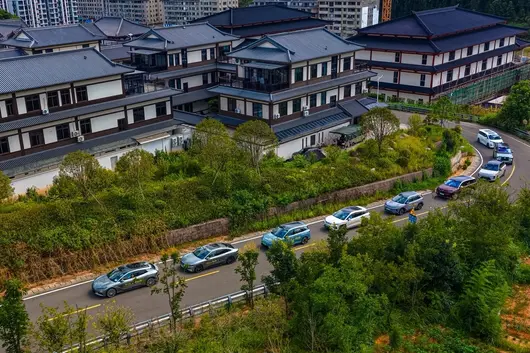

In the Malaysian SUV market, many buyers compare the Proton X90 and Volkswagen Tiguan when choosing a car. These two cars are quite close in price and positioning, so today we will make a detailed comparison from multiple aspects to help you save time on research.
The Proton X90 OTR price in Malaysia is RM 106,800 - 122,800, with a total of 4 versions, including 2026 1.5T Prime X (RM 122,800), 2026 1.5T Prime (RM 116,800), 2026 1.5T Lite (RM 106,800), etc.
The Volkswagen Tiguan OTR price in Malaysia is RM 206,540 - 260,024, with a total of 2 versions, including 2025 Allspace 2.0T R-Line (RM 260,024), 2025 Allspace 1.4T Elegance (RM 206,540), etc.
From a price perspective, the Proton X90 starting price is indeed RM 99,740 cheaper than the Volkswagen Tiguan. If you have a limited budget, the Proton entry-level version can already meet daily needs. However, note that the cheaper few thousand dollars might involve trade-offs in features, depending on your needs.
The Proton X90 comes with a 1.5L Turbo, producing 140 hp. Official fuel consumption is 7.0 L/100km.
The Volkswagen Tiguan comes with a 2.0L 4-cyl, producing 170 hp. Official fuel consumption is 8.0 L/100km.
In terms of power, the Volkswagen Tiguan's 2.0L 4-cyl has 30 more horsepower than the Proton X90's 1.5L Turbo. However, for daily city driving, both cars have enough power and won't feel underpowered.
The Proton X90 safety rating is 5★ (ASEAN NCAP), active safety systems include ADAS (ACC, AEB, LKA, LDA, BSM, RCTA).
The Volkswagen Tiguan safety rating is 5★ (Euro NCAP), active safety systems include IQ.Drive.
In terms of safety features, both cars have received good ratings. However, the Proton X90's ADAS (ACC, AEB, LKA, LDA, BSM, RCTA) and the Volkswagen Tiguan's IQ.Drive have some differences in functionality. If you value active safety, you can carefully compare the feature lists of both.
Proton X90 warranty 5 years/150,000km, service interval every 10,000km or 6 months.
Volkswagen Tiguan warranty 3 years/100,000km, service interval every 10,000km or 6 months.

Both the Proton X90 and Volkswagen Tiguan are mainstream choices in the Malaysian market, suitable for family use and daily commuting. If you value brand reputation and resale value more, you can prioritize the one with better reputation; if you care more about value for money and features, then choose the one with more features. Ultimately, it is recommended to test drive both, as hands-on experience is the most important.

Overall, the Proton X90 and Volkswagen Tiguan are both very good models in the Malaysian market. Which one to choose depends mainly on your personal needs and budget. We recommend doing your homework, comparing quotes from several dealerships, and then test driving to make a final decision. Buying a car is a big matter, and taking some time to research will definitely not be a mistake.
© 2024 Bitauto.com. All Rights Reserved.
Bitauto (www.yiche.com and www.bitauto.com) is one of the most visited automotive websites in China. We provide detailed info on Chinese car brands available in your area. Please note that the information provided on this website is based on publicly available data and is for reference only. It may not be fully updated or accurate at all times.

Help us improve our website


